2026-05-22
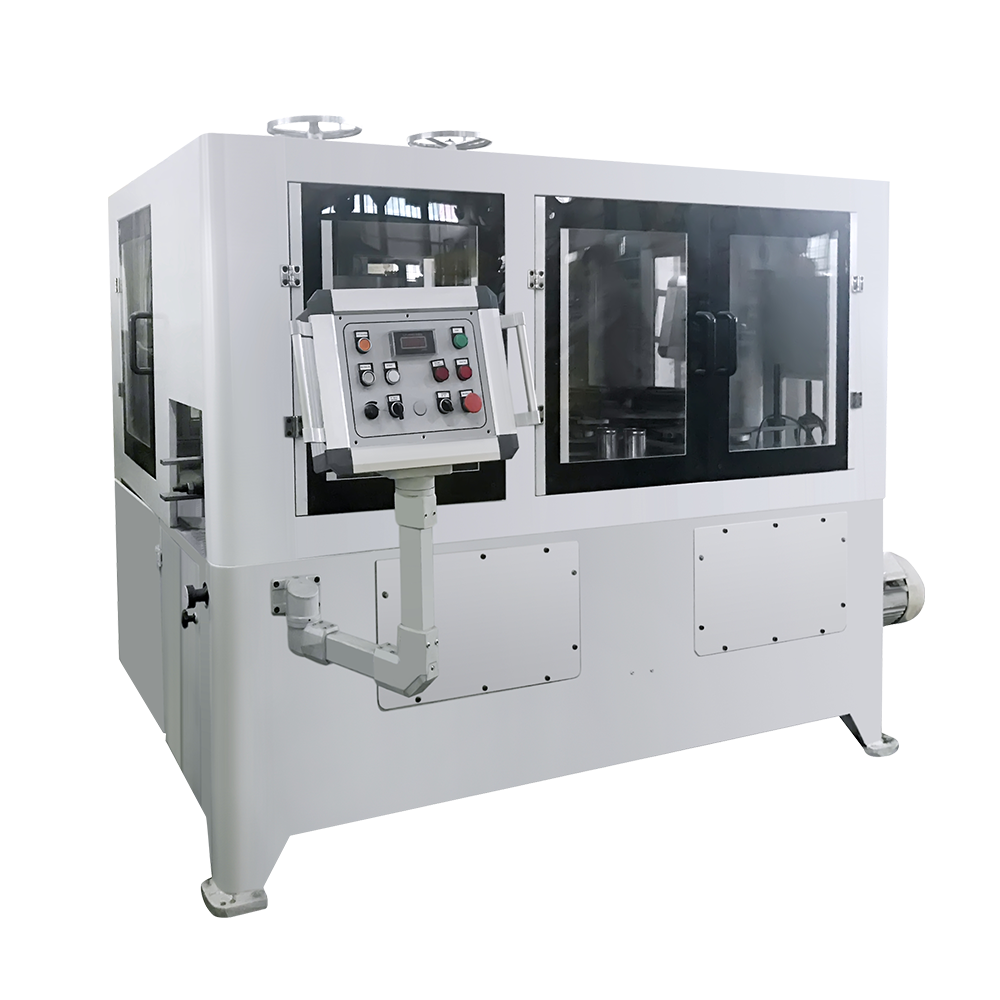
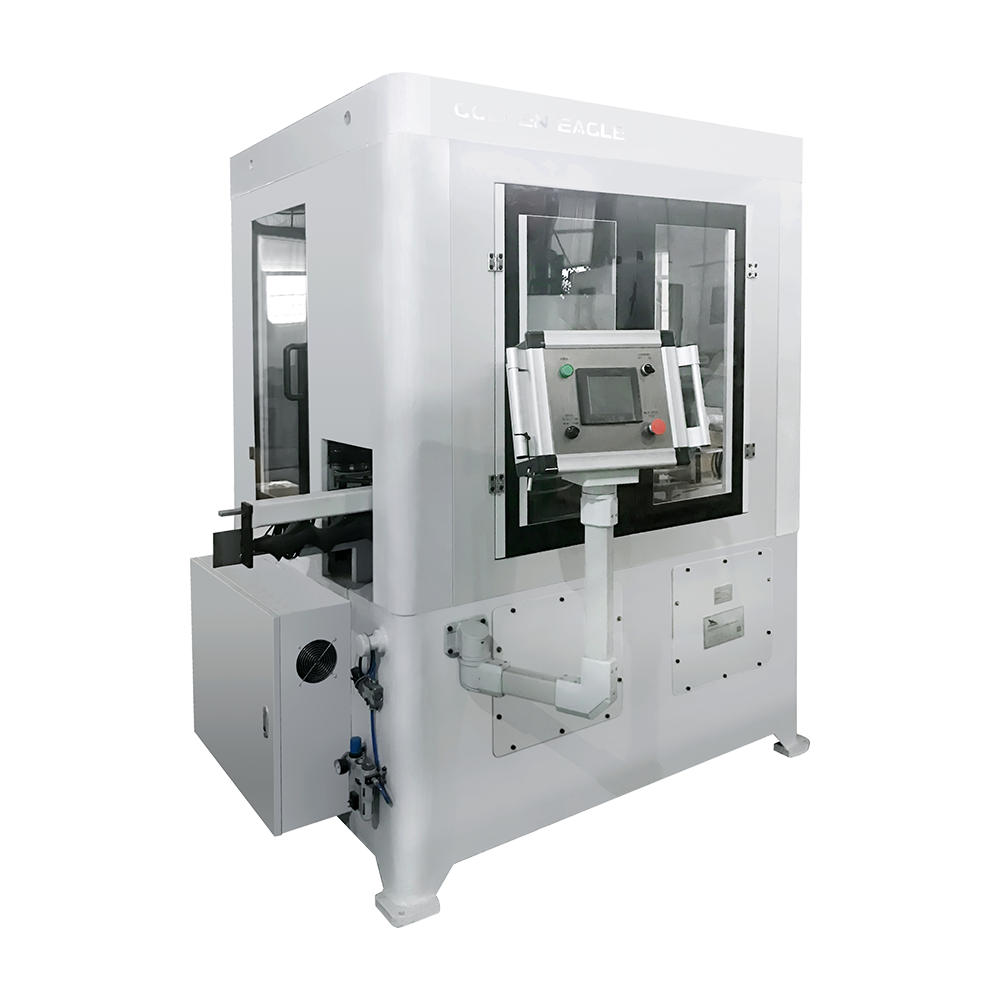
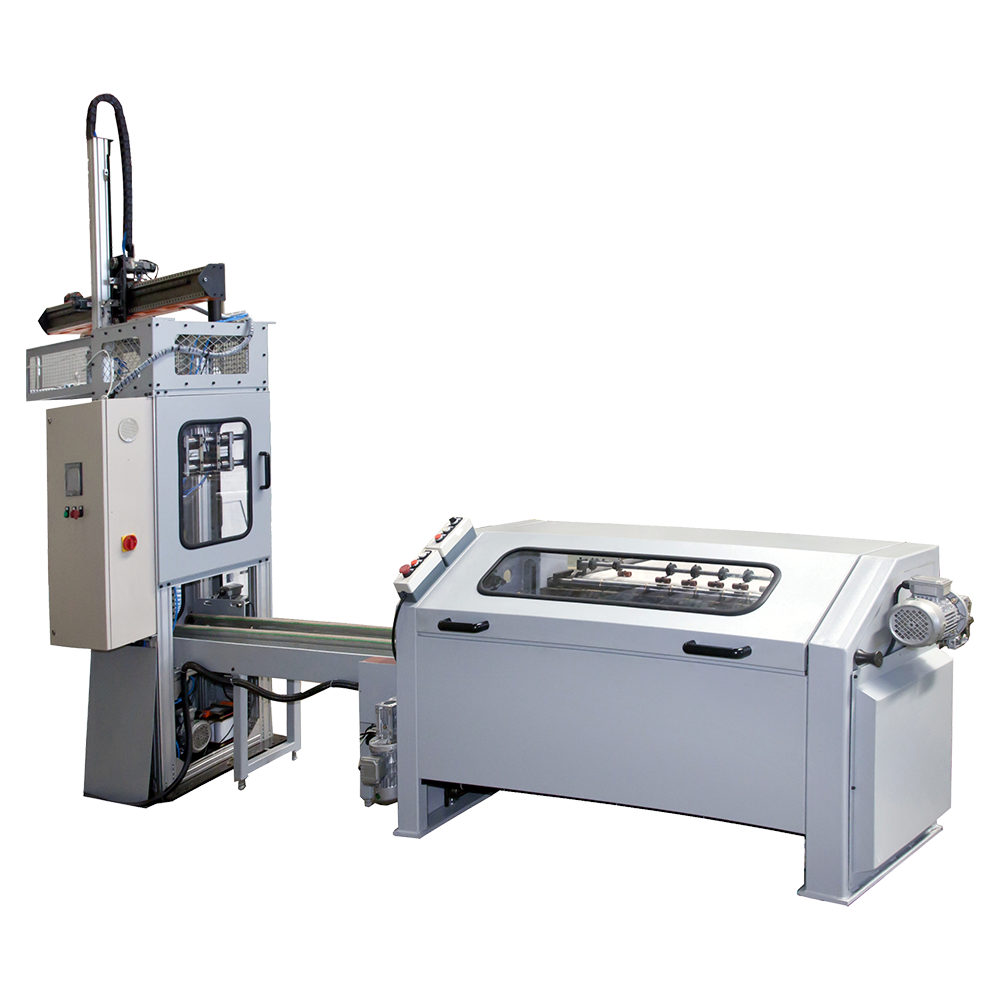
In modern can manufacturing, the reliability of every end, lid, and sealing surface directly affects package performance, shelf life, production stability, and consumer safety. A can body may be precisely welded, a lid may be perfectly stamped, and a production line may operate at high speed, but if the compound lining process is inconsistent, the final package can still fail. The GT10B1 Vertical Compound Lining Machine is designed to address this critical stage by combining automatic compound application with controlled drying in a compact vertical configuration.
This machine is developed for compound lining applications across a practical can size range from Φ45 mm to Φ153 mm, with production speeds reaching up to 600 ends per minute depending on configuration and product size. It is suitable for manufacturers that need stable sealing compound placement, consistent drying, reduced labor dependence, and repeatable quality across high-volume can end production. With two-head nozzle configurations, controlled oven temperature, and automatic operation, the GT10B1 supports can makers seeking both productivity and process reliability.
The machine is part of a broader industrial ecosystem for food can production lines, beverage can lines, tin can lid and end manufacturing, EOE lid making, aerosol can production, chemical tank manufacturing, two-piece can lines, duplex slitters, automatic feeding equipment, and mold systems. Within that ecosystem, compound lining is a decisive process because it creates the resilient sealing interface between the can end and the can body flange. For food, beverage, aerosol, chemical, and specialty containers, this sealing interface must be accurate, clean, elastic, and properly cured.
The GT10B1 Vertical Compound Lining Machine is especially valuable because it integrates lining and drying in one production concept. Instead of treating compound application and curing as separate, loosely connected operations, the machine supports a controlled workflow from dosing to drying. This helps reduce handling, improve line continuity, and maintain a more stable production rhythm. For factories seeking to upgrade from manual or semi-automatic compound lining, the machine offers a clear pathway toward higher output, better consistency, and more efficient use of floor space.

The GT10B1 Vertical Compound Lining Machine is an automatic machine for applying sealing compound to can ends and drying the compound under controlled thermal conditions. The model is intended for compound lining operations where circular can ends or similar components require a uniform gasket-like lining. Its vertical design supports efficient circulation and drying while helping factories use production space more effectively.
The machine is suitable for can sizes covering Φ45 mm to Φ153 mm through different model configurations. This broad range makes it useful for manufacturers producing small food cans, beverage-related ends, milk powder cans, larger tinplate containers, and other metal packaging components. In practice, the ability to cover multiple diameters allows can manufacturers to respond to changing customer orders without investing in an entirely separate machine for every product family.
The GT10B1 is designed for automatic operation. Automation in compound lining is important because the process requires precision in several areas: the timing of end feeding, the positioning of each end, the delivery of compound through the nozzle, the rotational movement needed to form a uniform lining, and the transfer of the lined end into a drying zone. Manual inconsistency at any of these steps can create defects such as gaps, excessive compound, off-center lining, bubbles, contamination, or insufficient drying. Automatic operation helps reduce these risks.
The machine uses a two-head nozzle arrangement. A two-head system provides a balance between productivity and control. In high-speed production, a single nozzle may become a bottleneck, while excessively complex multi-head systems may increase maintenance and adjustment requirements. The two-head arrangement supports stable output while keeping the mechanical and operational structure practical for routine factory use.
The machine’s oven temperature is specified at 110℃, with drying time generally between 3.5 and 7 minutes depending on the product and production requirement. This controlled drying stage is essential because sealing compound must achieve the correct physical condition before the end proceeds to later handling, stacking, packing, or seaming operations. Under-dried compound may deform, stick, or transfer. Overheated compound may lose desired elasticity or create quality concerns. A controlled thermal environment helps maintain repeatability.
The following table summarizes the available configurations and principal technical parameters of the GT10B1 series. These figures help production planners compare output, can size range, machine dimensions, and operational requirements.
| Parameter | GT10B1-2 | GT10B1-2 | GT10B1-2A |
| Output Capacity | 600 cpm | 240 cpm | 200-350 cpm |
| Number of Nozzles | 2-Head | 2-Head | 2-Head |
| Can Size | Φ52-99 mm | Φ45-73 mm | Φ99-153 mm |
| Oven Temperature | 110℃ | 110℃ | 110℃ |
| Drying Time | 3.5-7 min | 3.5-7 min | 3.5-7 min |
| Machine Power | 12 kW | 12 kW | 12 kW |
| Machine Weight | 2000 kg | 2000 kg | 1500 kg |
| Machine Dimension | 1800 × 1250 × 2980 mm | 1800 × 1250 × 2980 mm | 1800 × 1250 × 2980 mm |
The different size ranges allow the machine to support distinct production needs. The Φ45-73 mm range suits smaller ends, the Φ52-99 mm range supports many common medium-size products, and the Φ99-153 mm range is relevant for larger containers. This segmentation is useful because the mechanical behavior of small and large ends differs significantly. Feeding, rotation, compound delivery, and drying circulation must be matched to the diameter and end profile.
The 12 kW power specification reflects a machine designed for industrial use while maintaining a reasonable energy requirement for its class. The dimensions of 1800 × 1250 × 2980 mm show that the machine is tall but not excessively wide, which is consistent with a vertical layout intended to conserve factory floor area. In can plants where multiple presses, curlers, testers, stackers, conveyors, welders, slitters, and packaging systems compete for space, compact footprint is a meaningful advantage.
Compound lining is the process of applying a sealing material, often called lining compound, onto the interior channel or sealing area of a can end. During the can seaming process, this compound fills microscopic gaps between the can body flange and the can end curl. It provides a hermetic sealing function and helps protect the package against leakage, contamination, pressure loss, or product deterioration.
For food cans, a reliable seal helps preserve sterility after thermal processing. For beverage cans and liquid containers, it prevents leakage and gas loss. For aerosol cans, the sealing area must withstand internal pressure. For chemical containers, the seal may need to resist aggressive contents and storage conditions. In all these cases, the compound lining process is not merely an accessory operation; it is a fundamental part of container performance.
Several quality factors define a good compound lining. The lining must be continuous, without gaps or breaks. It must have a controlled volume, because too little compound may create leakage and too much compound may cause squeeze-out or contamination. It must be placed accurately in the correct annular channel. It must dry or cure under proper conditions, allowing it to remain elastic and functional. It must also be produced consistently at the speed required by the complete production line.
The GT10B1 is designed around these requirements. Its automatic operation improves repeatability, and the two-head nozzle system helps maintain high throughput. The vertical drying arrangement supports controlled retention time and space-efficient oven design. Together, these characteristics help can manufacturers reduce quality variation and improve their ability to meet demanding customer standards.
One of the most visible advantages of the GT10B1 is its high output potential. With capacity up to 600 cpm in the appropriate configuration, it can support demanding can end production environments. High speed alone is not enough, however. A compound lining machine must also maintain stable positioning, accurate dosing, and consistent drying. The GT10B1 combines speed with automatic process control, making it suitable for factories that need both productivity and repeatable sealing quality.
Compared with older semi-automatic or manually adjusted lining machines, the automatic configuration reduces dependence on operator skill. This does not eliminate the need for trained personnel, but it reduces the number of manual interventions required during normal production. As a result, factories can improve consistency between shifts and reduce the likelihood that quality changes will occur simply because a different operator is running the machine.
Many production issues occur when lined ends are transferred inefficiently between application and drying stages. If the compound remains wet for too long before controlled drying, it may flow, attract dust, deform, or become inconsistent. By combining lining and drying in a coordinated vertical machine concept, the GT10B1 supports a smoother workflow. The lined ends can move into drying conditions in a controlled manner, helping preserve the shape and placement of the compound.
This integrated approach can also reduce equipment coordination problems. Instead of managing separate machines with different speeds and transfer points, the manufacturer can operate a more unified process. This is particularly valuable in high-speed lid or end production, where small delays can quickly create accumulation, misfeeds, or quality instability.
Factory space is a real cost in can manufacturing. Production lines require presses, transfer systems, curlers, liners, drying ovens, inspection stations, stackers, palletizing equipment, maintenance access, raw material storage, and finished goods handling. A vertical compound lining machine helps reduce horizontal space requirements while providing the drying path needed for production.
The GT10B1’s dimensions show a compact floor footprint relative to its function. Its height is used to support the drying process, while the length and width remain manageable. For manufacturers upgrading existing plants, this can make installation easier than larger horizontal systems requiring extensive floor space.
The GT10B1 series covers a broad diameter range from Φ45 mm to Φ153 mm. This range is important because many can makers serve multiple industries and product categories. A factory may produce small food cans, medium-size tinplate cans, milk powder can components, aerosol-related components, or larger chemical container ends. Equipment that can be configured for different size ranges supports more flexible production planning.
Competitors may provide machines focused on only one narrow diameter range, forcing manufacturers to buy separate equipment or accept lower efficiency when switching products. The GT10B1 series provides multiple model configurations for small, medium, and large diameters. This enables a better match between production demand and machine capability.
The two-head nozzle arrangement provides a practical balance of output and maintainability. In compound lining, nozzle condition is critical. The nozzle must deliver the correct volume and pattern, and it must be kept clean. A two-head arrangement increases productivity compared with single-head designs while avoiding the higher complexity of large multi-head systems. For many factories, this balance supports easier operation, faster adjustment, and more predictable maintenance.
Because both nozzles are part of an automatic workflow, the machine can maintain stable production rhythm. This is especially important where the lining machine must synchronize with upstream and downstream equipment. A stable two-head process can help reduce bottlenecks and maintain overall line efficiency.
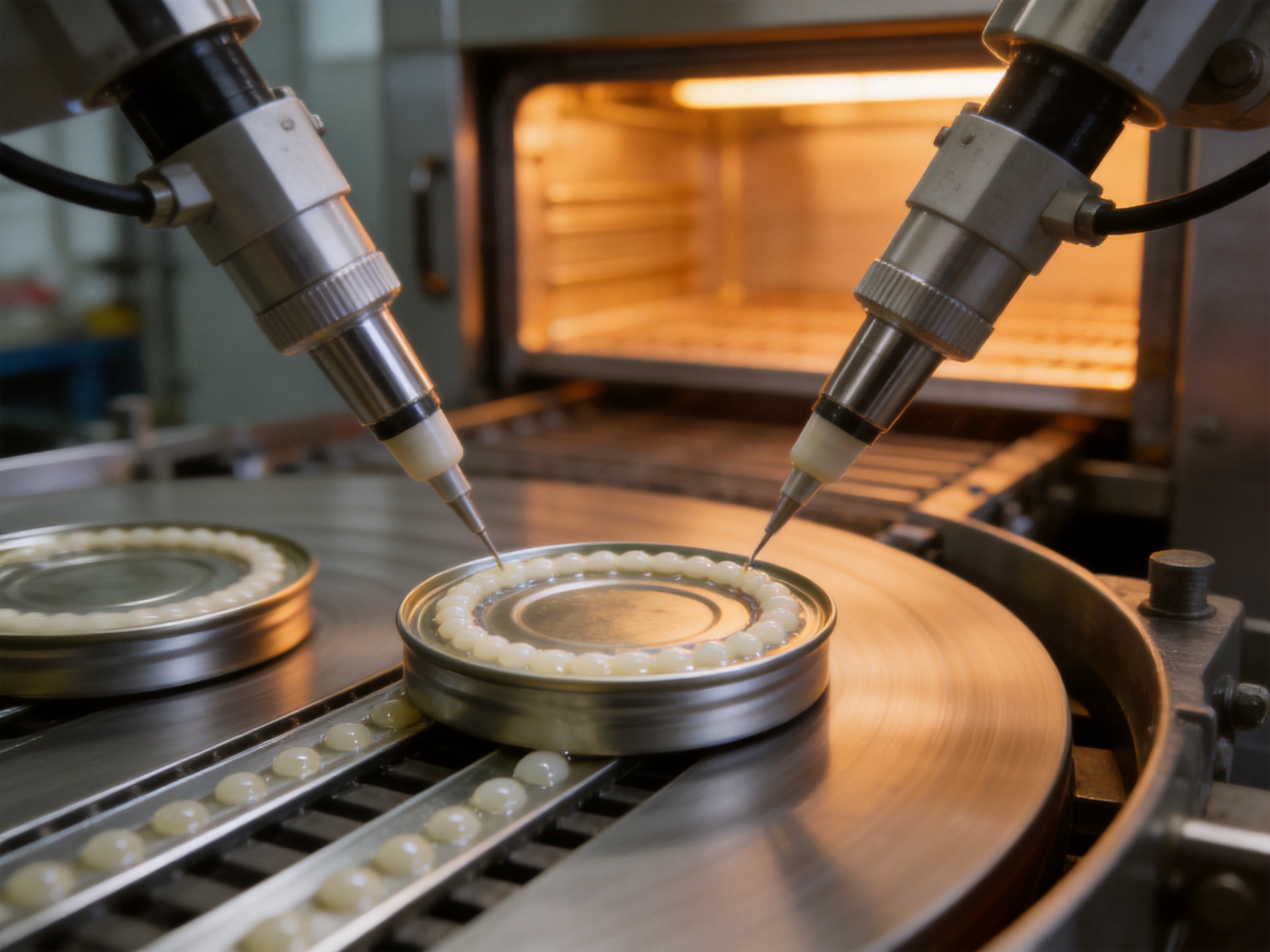
The GT10B1 Vertical Compound Lining Machine is suitable for compound lining operations in several can manufacturing sectors. Its primary function is can end lining, but the value of this process extends across many product categories. The machine can be integrated into production environments serving food cans, beverage cans, tinplate containers, milk powder cans, easy-open end manufacturing, aerosol can components, chemical tanks, and other metal packaging systems.
In food can production, end sealing quality is closely linked to product safety. Food cans may undergo sterilization or pasteurization, and their seals must remain reliable during heating, cooling, distribution, and storage. A stable lining process helps support hermetic sealing, which is essential for long shelf life and consumer protection.
In beverage and liquid container applications, leakage prevention is a major concern. Even small seal defects can result in product loss, contamination, or packaging failure. The GT10B1’s controlled application and drying process helps manufacturers maintain reliable sealing surfaces for downstream seaming.
In milk powder can production, packaging integrity protects contents from moisture and contamination. Powdered products can be sensitive to environmental exposure, and poor sealing may compromise quality. A consistent compound lining helps improve the reliability of the final package.
In aerosol and chemical container production, sealing performance may be linked to pressure resistance or chemical compatibility. While the compound type must be selected according to the product and regulatory requirements, accurate lining and drying are still essential. The GT10B1 supports the manufacturing precision required for these demanding container categories.
The machine also has a place in lid and end production lines where the can maker supplies ends to separate filling or canning operations. In such cases, the end manufacturer must produce high volumes with consistent quality because the final customer depends on reliable seaming performance. Automatic lining and drying equipment improves the ability to meet these expectations.
A compound lining machine must be built with accuracy because the final product depends on repeatable mechanical motion. Feeding accuracy, nozzle placement, rotation control, drying path stability, and machine rigidity all influence the result. The manufacturer behind this equipment has decades of experience in can-making machinery and can-making molds, with origins dating back to 1978. This long-term specialization is important because can machinery is not generic equipment; it requires specific knowledge of tinplate behavior, end profiles, sealing geometry, line synchronization, and maintenance demands in can plants.
The company has developed its capabilities through continuous manufacturing practice, product improvement, and engineering refinement. Its product design principles are informed by established international can-making machinery concepts, while also incorporating practical experience gained from supplying real production sites. This combination of design discipline and field experience helps create equipment that is not only technically capable but also usable in daily factory operation.
The production system uses advanced manufacturing equipment, including CNC high-precision machining and complete mechanical machining capabilities. Precision machining matters because compound lining equipment contains many components that must align accurately. Shafts, rotating parts, fixtures, feed mechanisms, nozzle holders, transmission components, and structural assemblies must maintain stable geometry under repeated operation. CNC machining improves dimensional consistency and supports tighter tolerances than less advanced fabrication methods.
High-precision manufacturing also helps reduce vibration, wear, and adjustment difficulty. In high-speed end production, even small mechanical errors can produce cumulative quality issues. A rotating or feeding component that is slightly misaligned may not fail immediately, but it can cause irregular compound placement over thousands or millions of cycles. By investing in precise machining and complete equipment processing, the manufacturer improves the foundation for long-term machine stability.
The company is certified to ISO9001 quality management and ISO14001 environmental management systems. ISO9001 reflects a structured approach to quality control, process management, documentation, and continuous improvement. ISO14001 reflects attention to environmental management and responsible production practices. For customers buying industrial machinery, these certifications provide additional confidence that manufacturing is managed through recognized systems rather than informal practices.
With more than 350 trained personnel and experienced design and development engineers, the company has the human resources necessary to support product development, manufacturing, installation, commissioning, and after-sales service. Can-making equipment often requires customization or adaptation to specific product sizes and production requirements. A strong engineering team helps address these needs and supports customers during technical discussions, line planning, and operation optimization.
The company has produced more than 10,000 pieces of can and can lid equipment, and its products have been used by many can manufacturers and canning factories. This production history is significant because machinery reliability is proven not only by design drawings but also by repeated use in actual industrial environments. Equipment installed in different countries and production conditions provides feedback that can guide improvements and strengthen future designs.
The quality of a compound lining machine begins with the accuracy of its components. Critical parts require stable dimensions, smooth movement, and reliable assembly. CNC high-precision machining allows the manufacturer to produce parts with repeatable accuracy, reducing variation between machines and improving the fit of mechanical assemblies. This is particularly important for rotating systems and feeding mechanisms, where concentricity and alignment affect lining quality.
Precision machining also supports efficient maintenance. Components made to consistent tolerances are easier to replace, align, and service. In a busy can factory, maintenance time affects production availability. Machines designed and manufactured with accurate parts can reduce the difficulty of routine adjustment and help operators return the machine to production more quickly after service.
The manufacturer’s complete mechanical machining equipment allows it to manage many production steps internally. This improves control over component quality and production scheduling. When a machinery maker depends too heavily on outside processing, quality consistency may vary from supplier to supplier. Strong internal processing capability allows closer inspection, faster correction, and better coordination between engineering and manufacturing departments.
For the GT10B1, this means key structural and moving components can be produced according to the machine’s design requirements rather than adapted from generic parts. The result is equipment built around the actual demands of compound lining: high-speed repetition, accurate motion, stable drying, and long operating life.
Since 1978, the manufacturer has accumulated extensive experience in can-making equipment. This matters because real factories expose machinery to challenges that are not always visible in laboratory testing. Different tinplate thicknesses, end profiles, compound viscosities, production speeds, climates, maintenance habits, and operator skill levels can all affect machine performance. A long operating history gives the engineering team a wide base of practical knowledge.
The company’s approach of continuously improving products through production practice helps keep equipment aligned with customer needs. Instead of designing in isolation, the manufacturer can draw from installation experience, user feedback, service records, and line performance observations. This practical engineering culture supports machines that are durable, understandable, and suitable for industrial use.
Industrial customers increasingly evaluate suppliers not only by machine price but also by management capability. ISO9001 certification indicates that quality processes are organized and monitored. This may include material inspection, manufacturing checks, assembly procedures, testing, documentation, and corrective action systems. For customers, this reduces risk when purchasing equipment for long-term production.
ISO14001 certification demonstrates that environmental management is part of the company’s operating system. In modern manufacturing, responsible environmental practices are becoming increasingly important. Customers serving global brands, food companies, beverage companies, or chemical producers may prefer equipment suppliers that understand environmental compliance and structured management.
The most important operational benefit of the GT10B1 is improved sealing consistency. By controlling compound application and drying, the machine helps create uniform lined ends. Consistency supports downstream seaming performance and reduces the risk of leakage-related defects. In high-volume production, even a small reduction in defect rate can have major economic value because thousands or millions of ends may be produced during a production campaign.
Consistent sealing also protects customer reputation. Can manufacturers supply packaging to food processors, beverage producers, chemical companies, and other industrial customers. If packaging defects cause leakage or spoilage, the impact can extend beyond material loss. It may affect customer trust, brand reputation, and future orders. Reliable compound lining is therefore an investment in quality assurance.
With output capacity up to 600 cpm, the GT10B1 supports high-volume production. A high-speed lining machine can prevent bottlenecks in lid or end manufacturing lines. When lining capacity is too low, upstream stamping or forming equipment may need to slow down, or factories may need multiple machines to match output. A capable automatic liner helps maintain balanced line flow.
Efficiency also comes from reduced manual handling. Automatic operation means fewer manual steps are needed during normal production. This can reduce labor intensity, improve safety, and lower the risk of contamination or mishandling. Operators can focus more on monitoring, quality checks, material supply, and process adjustment instead of repetitive manual placement.
The vertical design provides an important space advantage. Horizontal drying systems can require long floor areas, which may be difficult to fit into existing plants. The GT10B1 uses vertical height to support the lining and drying process. This helps factories increase capability without expanding the building or heavily rearranging production layout.
Space efficiency is especially valuable for growing manufacturers. A company may start with a limited number of product lines and later add more sizes, more lid types, or more can categories. Equipment that uses space efficiently helps preserve room for future expansion.
Manual or semi-automatic processes often vary between operators and shifts. One operator may apply adjustments differently from another, causing changes in compound volume, placement, or drying stability. Automatic equipment reduces this variation by standardizing core process steps. Although skilled operators remain important, the machine provides a stable mechanical foundation.
This helps managers maintain consistent production quality over long shifts and multiple work teams. It also makes training easier because operators learn a defined machine process rather than relying on individual manual techniques.
The can size range and model options make the GT10B1 useful for manufacturers serving different markets. Food cans, milk powder cans, beverage ends, aerosol components, chemical containers, and general tinplate packaging may all require reliable compound lining. A flexible machine helps producers adapt to market demand and diversify their customer base.
For export-oriented can makers, flexibility is particularly valuable. International customers may request different diameters, specifications, and production volumes. Equipment that can support a wider range of products allows manufacturers to respond more quickly to orders and reduce dependence on one product category.
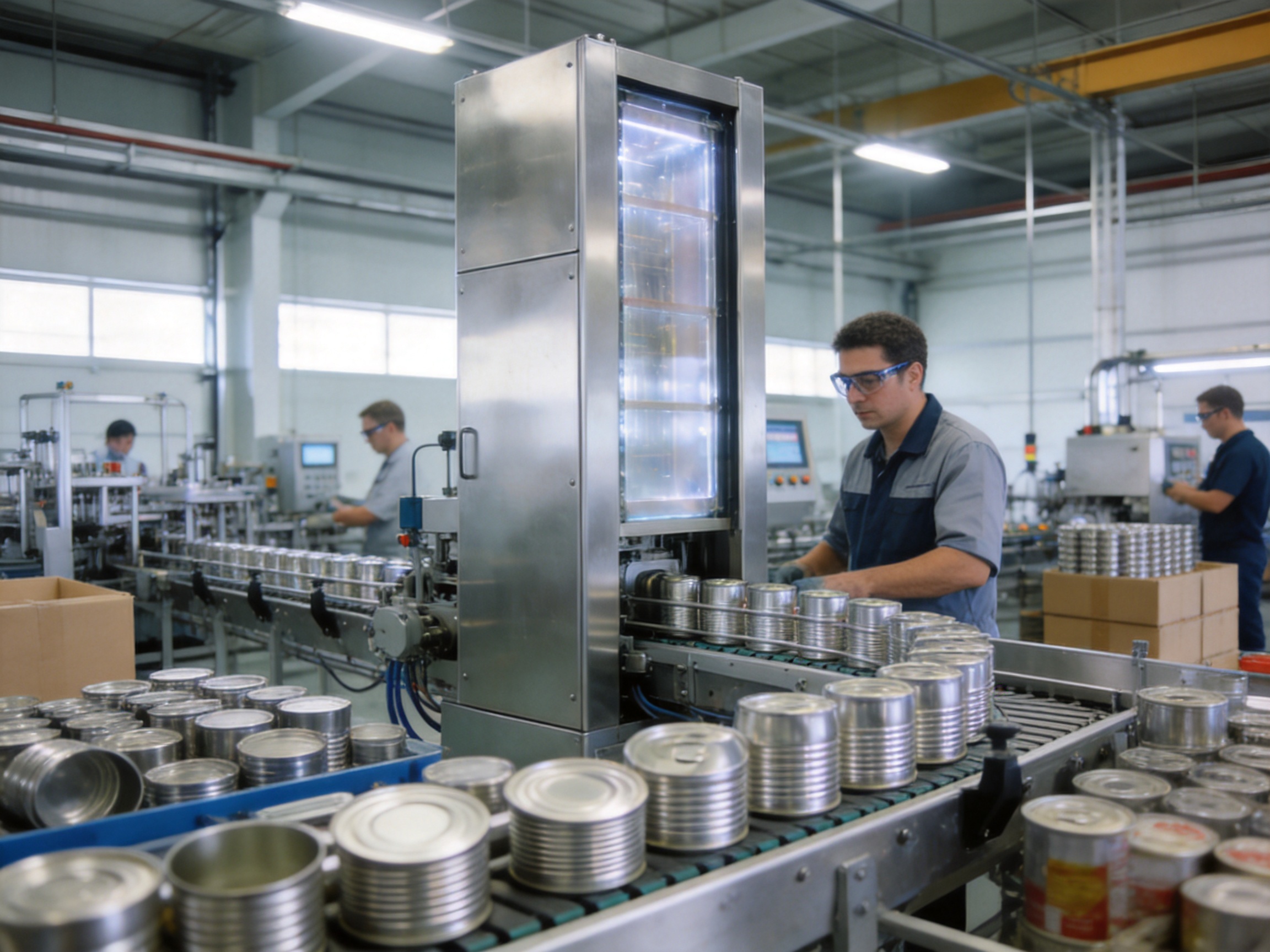
The GT10B1 is not an isolated machine; it is part of a complete can manufacturing environment. The manufacturer supplies a broad range of equipment, including food can production lines, beverage can production lines, can lid production lines, chemical tank production lines, aerosol canister production lines, two-piece can production lines, pop can production lines, tin can auto-welding machines, cutting machines, duplex slitters, automatic feeding machines, and molds. This broad product scope offers an important advantage when customers need integrated line planning.
When a customer purchases equipment from a supplier with experience across the whole production chain, technical communication becomes easier. The supplier understands how the lining machine connects with presses, conveyors, stacking systems, drying requirements, end handling, and downstream can assembly. This reduces the risk that a machine will perform well individually but cause problems when integrated into the full line.
For example, lid and end production may include sheet cutting, press forming, curling, compound lining, drying, inspection, stacking, and packing. Each stage must match the speed and handling requirements of the others. If the lining machine operates at a different rhythm from the press or stacker, production may experience jams or accumulation. A manufacturer familiar with the entire process can help design a more balanced line.
The same principle applies to can body production. Tin can auto-welding machines, feeding systems, and mold equipment must work together to produce bodies that match the lined ends. Knowledge of both body and end production allows better support for customers who require complete can-making solutions rather than individual machines.
This integrated capability also supports OEM and ODM requirements. Customers may need machinery adapted to their local market, product dimensions, production capacity, or plant layout. A company with broad product lines and engineering resources can provide more practical customization than a supplier focused on a single machine type.
To understand the value of the GT10B1, it is useful to review the quality control concerns associated with compound lining. The process must maintain compound volume, placement, continuity, drying condition, and cleanliness. Each of these factors can affect final package performance.
Compound volume must be controlled because the gasket must fill the seaming interface without excessive overflow. Too little compound may create channels for leakage. Too much compound may interfere with seaming, increase material cost, or create visual defects. The machine’s automatic application system helps maintain volume consistency.
Placement accuracy ensures that the compound sits in the correct channel of the end. If the lining is off-center or uneven, part of the seam may have insufficient sealing material. Accurate positioning and rotation help produce a uniform circular lining.
Continuity is essential. Gaps, breaks, air bubbles, or interruptions in the compound ring can become leakage paths. Automatic lining with stable nozzle operation helps reduce the risk of discontinuity.
Drying condition determines whether the compound is ready for handling and eventual seaming. If drying is insufficient, ends may stick together or the compound may shift. If drying is excessive, compound properties may be affected. The 110℃ oven temperature and 3.5-7 minute drying time range provide a controlled framework for curing the lining material according to production requirements.
Cleanliness is also critical, especially for food and beverage packaging. Dust, oil, metal particles, or other contamination can compromise seal quality or product safety. Automatic handling reduces unnecessary contact, while proper maintenance and factory hygiene practices further support cleanliness.
When evaluating industrial machinery, purchase price is only one part of total cost. Manufacturers must also consider labor, scrap, downtime, energy, floor space, maintenance, defect claims, and production flexibility. The GT10B1 can contribute to cost reduction in several ways.
First, automatic operation can reduce labor dependence. Operators are still needed for setup, monitoring, inspection, and maintenance, but the machine reduces repetitive manual work. This can improve labor efficiency and allow skilled workers to supervise more productive processes.
Second, consistent lining can reduce scrap and rework. Defective lined ends may need to be rejected, and poor sealing quality can create downstream losses. Reducing variation at the lining stage helps protect material value and production time.
Third, high output capacity improves equipment utilization. A machine capable of up to 600 cpm can support large production orders and reduce the need for multiple lower-speed machines in certain applications. This can save floor space and simplify line management.
Fourth, the vertical design improves space economics. Factory floor area has a cost whether the building is owned or rented. Compact equipment allows manufacturers to install more production capability within the same plant.
Fifth, the manufacturer’s experience and after-sales support can reduce commissioning and operation risk. Installation, commissioning, technical guidance, operation training, and parts supply are important services for machinery buyers. A machine that is well installed and properly operated is more likely to achieve expected performance.
Industrial can-making machinery requires professional support from installation to long-term operation. The manufacturer provides after-sales service that includes installation, commissioning, technical guidance, operation training, and parts supply. These services are particularly important for compound lining equipment because correct setup influences product quality.
During installation, the machine must be positioned, leveled, connected, and integrated with surrounding equipment. Commissioning verifies that feeding, lining, drying, and discharge operate correctly with the customer’s actual ends and compound. Technical guidance helps the customer understand adjustment points, maintenance requirements, and operating procedures.
Operation training is equally important. Even an automatic machine must be run by personnel who understand startup, shutdown, cleaning, nozzle care, safety procedures, product changeover, and quality inspection. Proper training helps reduce operator errors and supports stable production.
Parts supply also affects long-term performance. Wear parts and critical components must be available when needed. Fast parts support helps reduce downtime and maintain production schedules. For customers in international markets, the manufacturer’s export experience is valuable because it understands the need to support equipment across different regions.
The manufacturer’s equipment has been exported to many countries across Europe, Asia, Africa, North America, South America, and Oceania, including markets such as Germany, Italy, the United Kingdom, Spain, Hungary, Russia, Australia, Jordan, Malaysia, the Philippines, Pakistan, Egypt, Algeria, Turkey, Mexico, Nigeria, and Iran. This international presence indicates that the machinery has been applied in diverse production environments.
Global market experience is important for several reasons. Different regions may have different product standards, raw material sources, climate conditions, labor practices, maintenance expectations, and customer requirements. A supplier with broad export experience is more likely to understand these differences and provide practical support.
For example, a factory in a humid region may face different storage and drying considerations than a plant in a dry climate. A customer producing food cans for export may require strict quality documentation, while a local chemical container producer may focus heavily on durability and pressure-related performance. Experience across many applications helps the supplier offer more useful recommendations.
International experience also suggests that the company can communicate with customers from different industrial backgrounds. Can-making projects often require careful discussions about product drawings, line capacity, plant layout, electrical requirements, installation schedules, and spare parts. A supplier accustomed to export business is better prepared for these technical and logistical needs.
When selecting a GT10B1 configuration, customers should consider can end diameter, required output, product mix, compound type, plant layout, and integration with existing equipment. The available size ranges help guide the first selection step. For small ends, the Φ45-73 mm configuration may be appropriate. For common medium-size products, the Φ52-99 mm configuration provides high output potential. For larger ends, the Φ99-153 mm configuration supports bigger diameters with suitable capacity.
Output requirements should be evaluated based on the complete production line. It is not always necessary to choose the highest theoretical speed if upstream or downstream equipment cannot match it. However, choosing sufficient capacity allows room for future growth and helps prevent bottlenecks.
Product mix is also important. A factory producing only one size may prioritize maximum stability for that diameter. A factory producing multiple sizes may prioritize changeover procedures, tooling support, and operator training. The supplier’s engineering team can help evaluate these needs.
Compound type and drying requirements must be confirmed. Different sealing compounds may have different viscosity, application behavior, and drying characteristics. The specified oven temperature and drying time range provide the machine framework, but actual settings and validation should be aligned with the compound supplier’s recommendations and the end user’s quality requirements.
Plant layout should be reviewed early. Although the GT10B1 has a compact footprint, its vertical height, access space, material flow, maintenance clearance, and connection points must be considered. Good layout planning improves safety, efficiency, and future maintenance.

The main function is to automatically apply sealing compound to can ends and dry the compound under controlled conditions. This creates the sealing layer needed for reliable can seaming and package integrity.
The GT10B1 series supports can sizes from Φ45 mm to Φ153 mm through different configurations. Specific ranges include Φ45-73 mm, Φ52-99 mm, and Φ99-153 mm.
The machine can reach up to 600 cpm in the appropriate configuration. Other configurations provide 240 cpm or 200-350 cpm depending on can size and production requirements.
The vertical design helps save floor space while supporting an integrated lining and drying process. It is useful for factories that need high production capability within limited plant space.
Compound lining forms the sealing interface between the can end and the can body during seaming. A consistent lining helps prevent leakage, contamination, pressure loss, and product deterioration.
The two-head nozzle system provides a balance between speed and maintainability. It increases productivity compared with single-head designs while remaining practical for cleaning, adjustment, and maintenance.
The oven temperature is specified at 110℃, and the drying time is generally 3.5 to 7 minutes. Actual production conditions should be matched to the compound type and product requirements.
Yes. The machine is suitable for food can end lining, where sealing consistency is essential for package safety, shelf life, and downstream seaming performance.
Yes. The machine can support compound lining for applications such as aerosol can components and chemical container ends, provided that the compound and process settings are selected according to the product requirements.
The manufacturer provides installation, commissioning, technical guidance, operation training, and parts supply. These services help customers bring the equipment into production and maintain long-term performance.
The GT10B1 Vertical Compound Lining Machine is a strong solution for can manufacturers seeking automatic compound application, controlled drying, high output, and reliable sealing quality. With model configurations covering Φ45 mm to Φ153 mm and output capacity up to 600 cpm, it supports a wide range of can end production needs. Its two-head nozzle design, vertical layout, 110℃ drying system, and integrated workflow make it well suited for modern can factories that require consistency and efficiency.
Its advantages extend beyond the machine itself. The manufacturer’s long history in can-making machinery, advanced CNC machining capability, complete mechanical processing system, ISO9001 and ISO14001 certifications, experienced engineering team, and broad export record create a strong foundation for dependable equipment supply. The company’s ability to provide complete production lines, molds, feeding systems, welding machines, slitters, lid-making machines, aerosol can equipment, chemical tank lines, and two-piece can lines further strengthens its value as a partner for can manufacturers.
For factories upgrading from manual or semi-automatic lining, the GT10B1 offers improved repeatability, reduced labor dependence, better space utilization, and higher production capacity. For established high-volume producers, it provides the speed and process control needed to maintain competitive output and quality. In an industry where sealing reliability directly affects product safety and customer confidence, investing in a capable compound lining machine is a strategic decision.
By combining practical machine design with advanced manufacturing strength and global service experience, the GT10B1 Vertical Compound Lining Machine helps can makers produce more reliable ends, operate more efficient lines, and meet the quality expectations of modern metal packaging markets.
1. Yam, K. L. Encyclopedia of Packaging Technology. Wiley.
2. Robertson, G. L. Food Packaging: Principles and Practice. CRC Press.
3. Soroka, W. Fundamentals of Packaging Technology. Institute of Packaging Professionals.
4. ISO 9001 Quality Management Systems: Requirements. International Organization for Standardization.
5. ISO 14001 Environmental Management Systems: Requirements with Guidance for Use. International Organization for Standardization.
6. Metal Packaging Manufacturers Association. Technical Guidance on Metal Packaging and Can End Performance.
7. Canmaking industry technical literature on end lining, seaming performance, and sealing compound application.
Related Products

Founded in 1978, the company is one of the largest can-making machinery well-known companies at home and abroad.
Product Categories
Contact Information
Zhongshatou Shenjiamen Zhoushan Zhejiang China
+86-580-3056646

 English
 中文简体
中文简体
 русский
 عربى
عربى
 Español