2026-05-24
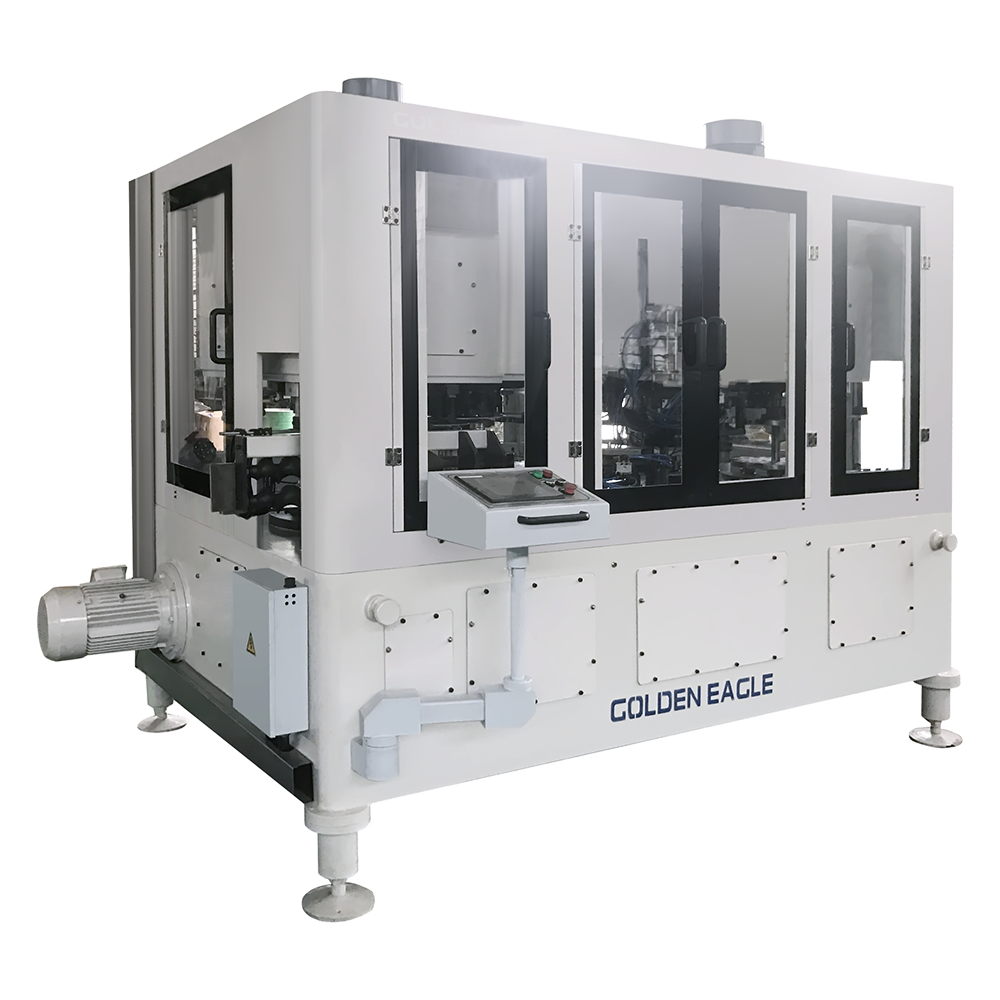
In modern metal packaging, can end quality directly influences filling performance, sealing reliability, shelf life, production efficiency, and the final appearance of the packaged product. For food cans, milk powder cans, aerosol cans, chemical tanks, beverage containers, and other tinplate packaging formats, the lid or bottom end must be produced with high dimensional accuracy, stable forming depth, clean edges, and consistent curl or profile geometry. The CNC Automatic Gantry O-Frame Pressing Machine is designed for this demanding environment, offering automatic punch pressing for metal can ends with a robust frame structure, high-speed operation, flexible die capacity, and tailor-made configuration options for different can sizes.
This machine belongs to the tin can lid end making machine category and is built for manufacturers that need stable output, long service life, and repeatable forming performance. It is suitable for the production of bottom covers, base covers, large tank covers, chemical tank covers, four-screw caps, and other metal can end products depending on the selected model and tooling configuration. With available models covering working pressures from compact forming applications to heavy-duty large-cover production, the system gives can makers a practical way to match equipment investment with current and future production plans.
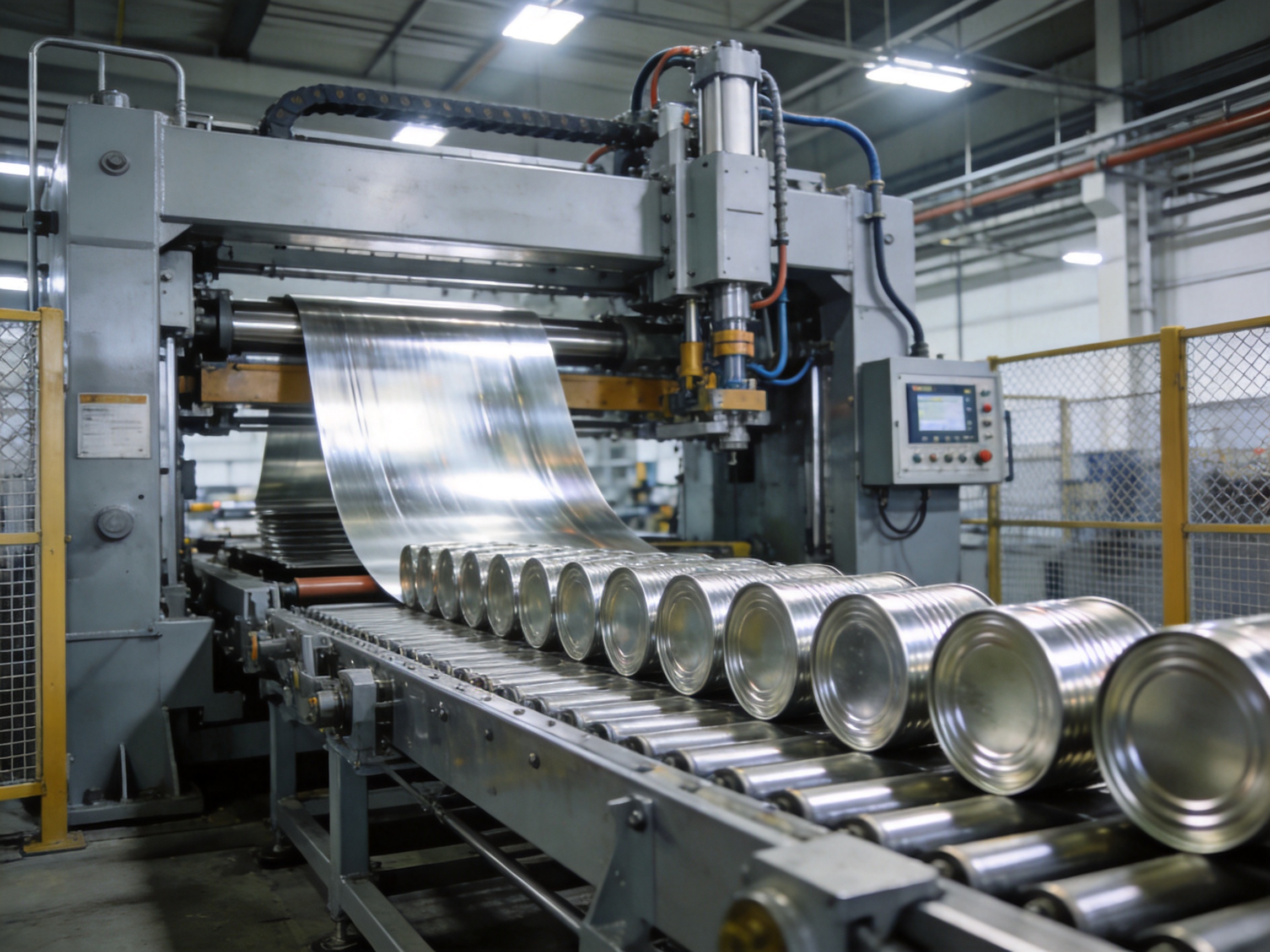
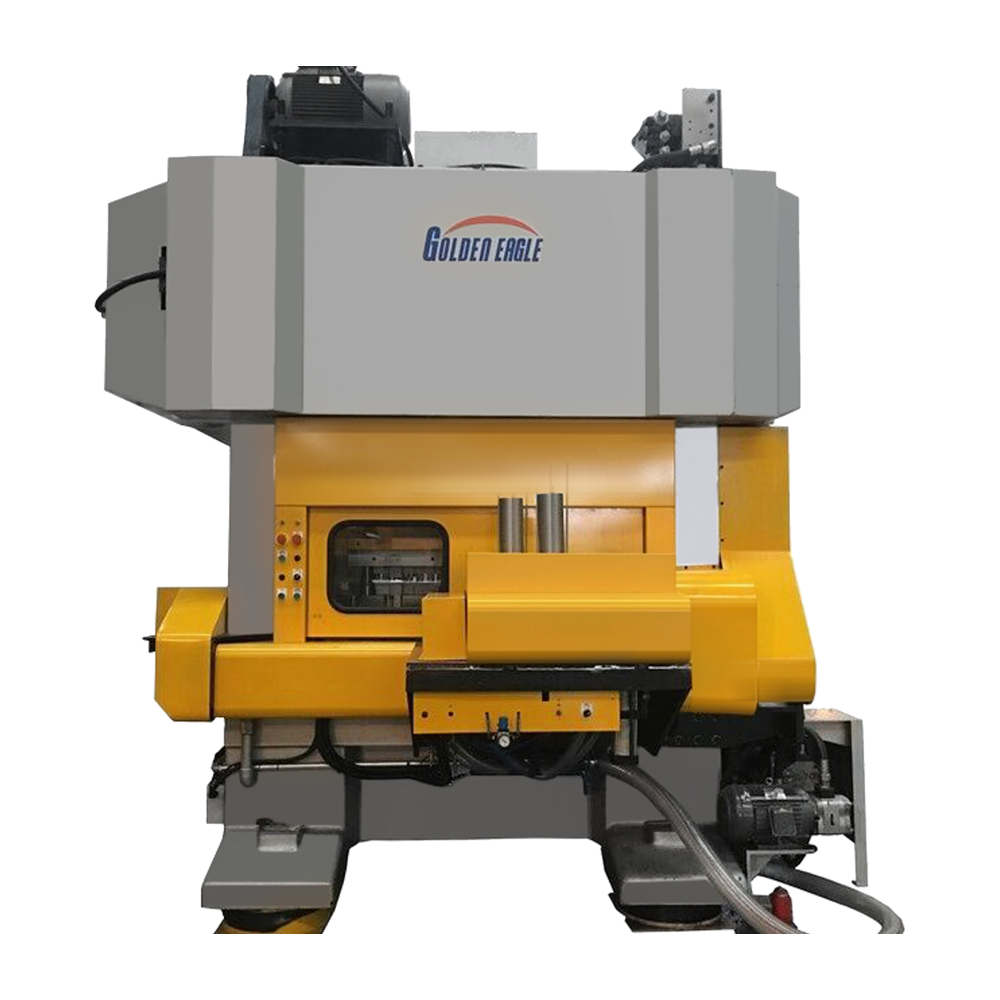
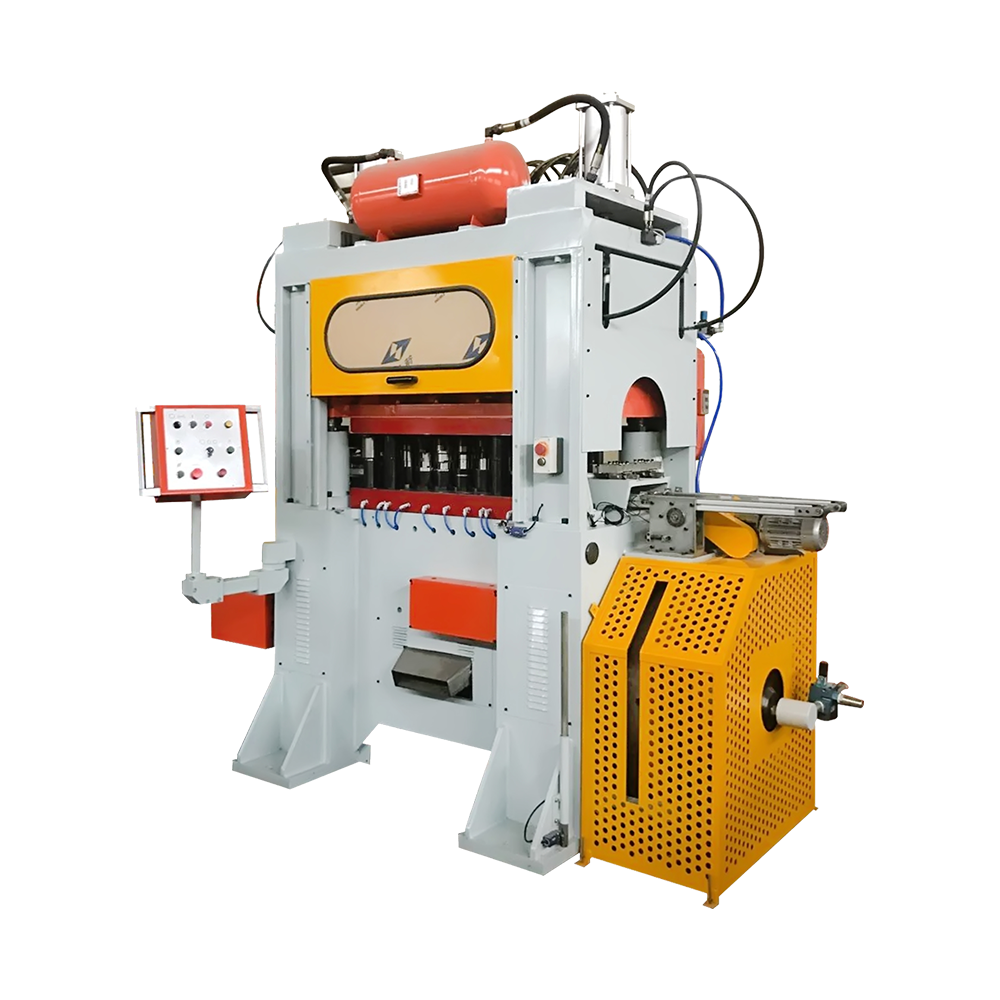
The CNC Automatic Gantry O-Frame Pressing Machine is an automatic punch pressing solution for metal can end manufacturing. It is developed for high-speed production lines where sheet metal or tinplate material is fed, positioned, punched, and formed into can ends with consistent accuracy. The machine adopts an O-frame pressing structure, also described as a gantry-type press frame, which provides strong rigidity and balanced force distribution during repeated high-speed operation.
In can end production, the press is not merely a force-generating machine. It is the center of a coordinated process that includes feeding, die positioning, press stroke control, blanking, forming, discharge, safety protection, and downstream transfer. A press that lacks rigidity or positioning accuracy can produce lids with uneven profiles, burrs, wrinkles, or dimensional deviations. By contrast, a stable O-frame structure minimizes deflection and supports reliable die life, resulting in better forming accuracy and reduced maintenance frequency.
The machine is available under the CNC-C series and supports automatic operation. The general application is punch pressing, and can size can be tailor-made according to customer requirements. Depending on the cap size, die design, model selection, and production configuration, systems can be matched to different production volumes. The press speed can reach up to 200 strokes per minute, making it suitable for high-output can end production while maintaining mechanical stability.
The series includes multiple configurations such as CNC-C1B, CNC-C1D, CNC-C1W, CNC-C1H, CNC-C2, CNC-C12, CNC-C6, CNC-C6D, CNC-C6W, and CNC-C8. These models cover different working pressures, stroke lengths, die capacities, power requirements, installation dimensions, and intended product applications. This wide model range allows customers to choose a machine based on can end diameter, production quantity, plant layout, tooling strategy, and investment budget.
An O-frame press is widely valued in precision metal forming because of its closed-frame structure. Compared with many open-frame alternatives, the O-frame design provides better resistance to frame deformation during pressing. In can end manufacturing, even small differences in press alignment can affect lid profile quality, sealing performance, and stacking consistency. The O-frame structure helps maintain parallelism between the slide and the worktable, which is essential for multi-die operation and high-speed forming.
When a press runs at high speed, dynamic forces increase dramatically. The repeated acceleration and deceleration of the slide, combined with the forming resistance of the metal sheet, can create vibration and uneven loads. A gantry O-frame press is designed to handle these forces through a rigid body, helping ensure that each stroke is repeatable. The result is lower scrap, smoother production, and more consistent end dimensions.
Another important benefit is die protection. Can end dies are precision tools that require stable support and accurate motion. If the press frame flexes or if the slide alignment changes under load, die wear can accelerate. The CNC Automatic Gantry O-Frame Pressing Machine is designed to support stable die engagement, which helps extend tooling life and reduce the risk of expensive die damage. For manufacturers producing millions of can ends, even small improvements in die life and scrap reduction can generate significant long-term savings.
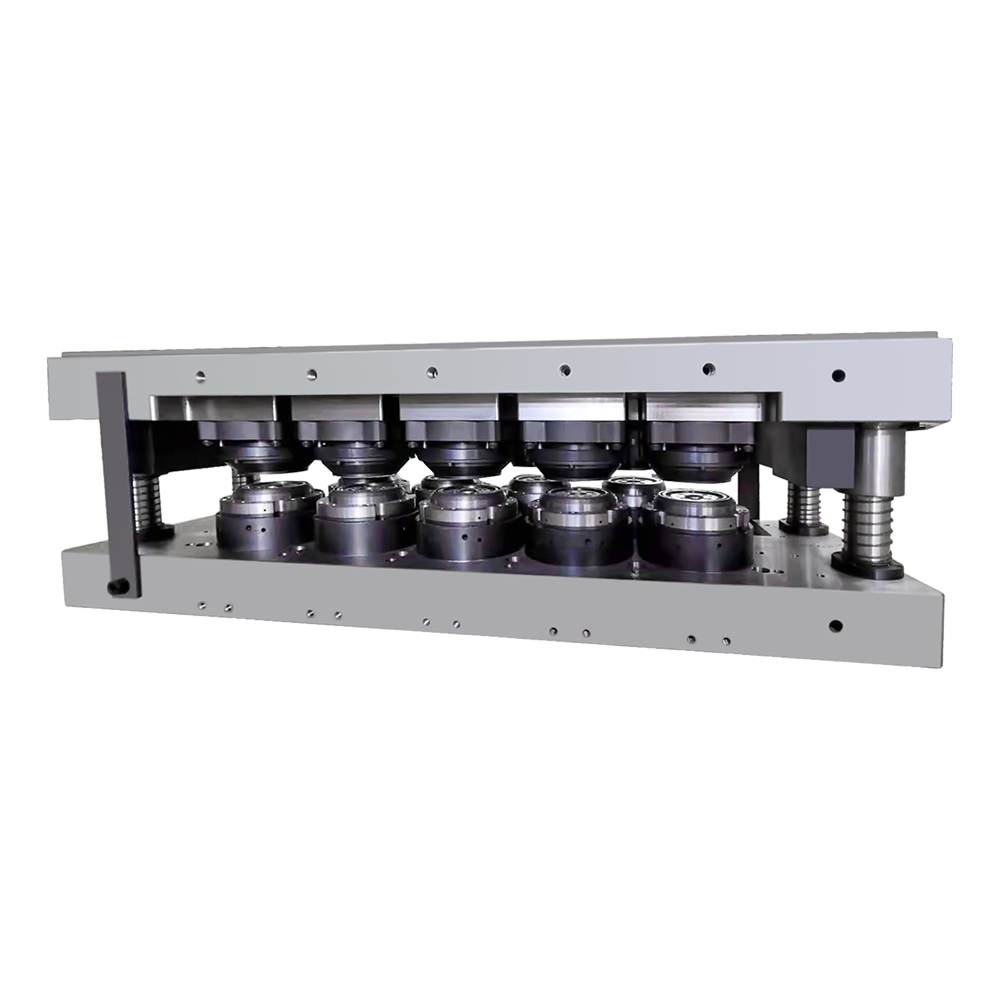
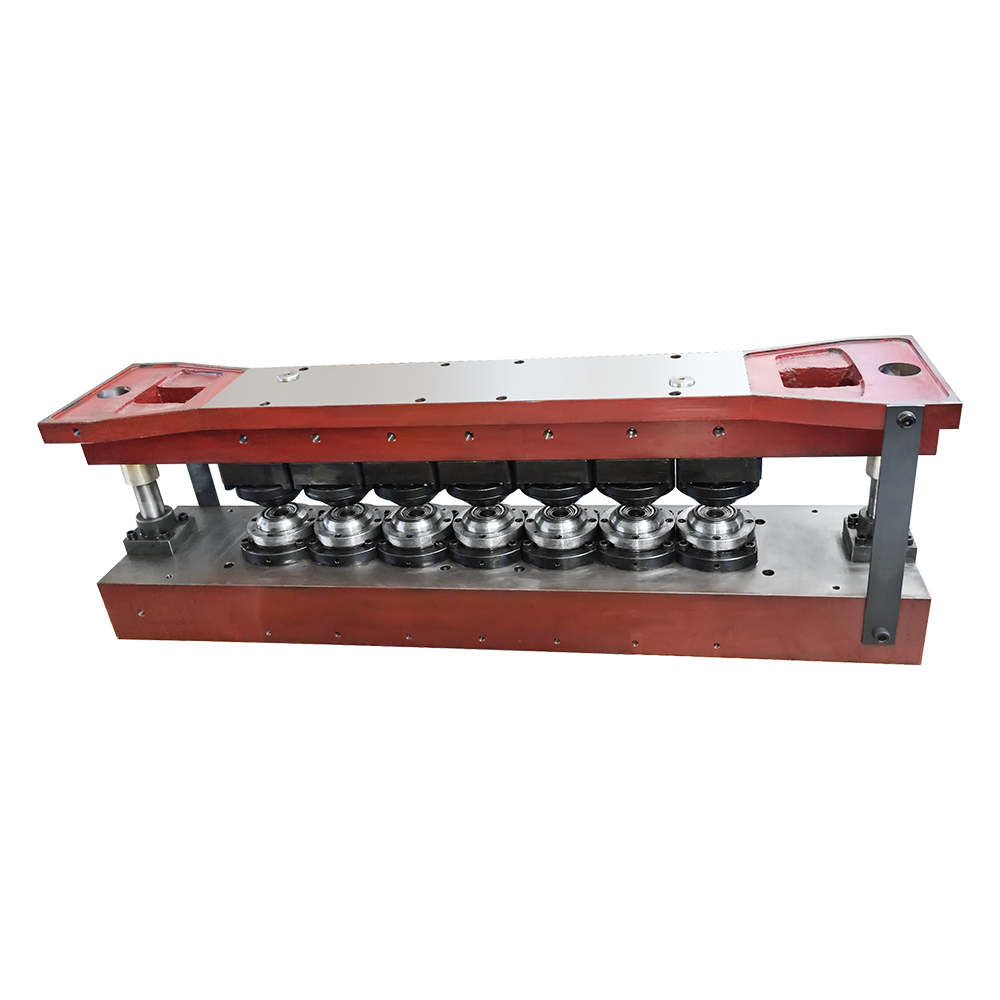
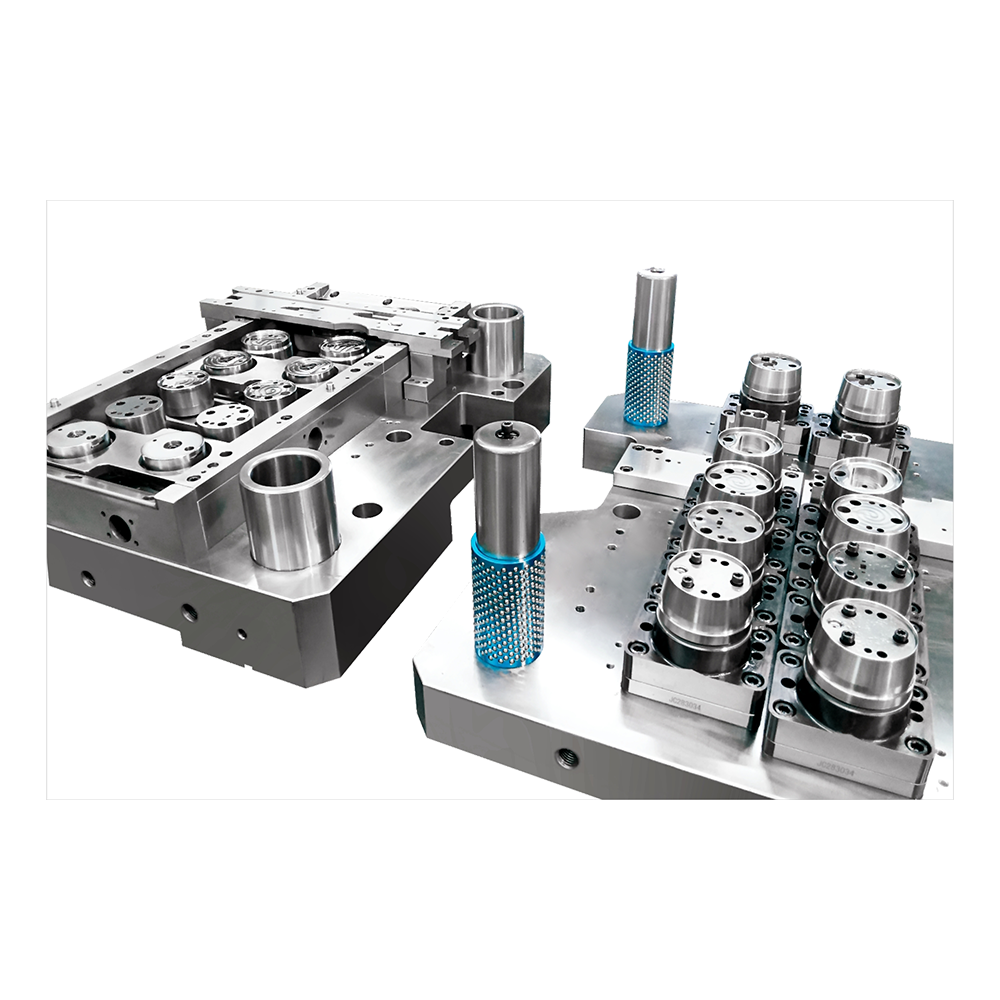
In addition, an O-frame structure supports flexible die loading. Certain models in this series can accommodate multiple dies for high-volume production. This is particularly valuable when producing standard bottom covers and base covers in large quantities. Multi-die operation increases output without requiring a proportional increase in floor space, labor, or auxiliary equipment.
The machine is designed for automatic operation and can achieve high production efficiency. With a press speed of up to 200 strokes per minute, it supports fast can end manufacturing while reducing dependence on manual handling. High speed is especially important for can makers supplying food, beverage, aerosol, and chemical packaging customers, where demand may be continuous and delivery schedules are often tight.
Automation helps reduce human error, improves safety, and makes production more predictable. In a manual or semi-automatic process, operator fatigue, inconsistent feeding, and variation in handling can affect quality. The automatic pressing system improves process consistency and enables manufacturers to maintain stable output over long production shifts.
The CNC-C series offers a range of working pressures, including 450 kN, 900 kN, 1200 kN, and 2500 kN models, as well as a compact 120 kN model for specific cap applications. This broad range allows the machine to serve different product categories, from smaller tin can ends to large tank covers and chemical tank covers. Heavy-duty models provide the forming force needed for larger diameters or more demanding materials, while smaller models support efficient production of specialized products such as four-screw caps.
Having multiple pressure levels is a major advantage over single-purpose machines. A manufacturer can select a press that matches the exact forming requirement rather than overpaying for unnecessary capacity or underinvesting in a machine that may struggle with future products. This model diversity makes the equipment suitable for both dedicated production lines and flexible workshops.
One of the most important advantages of the machine is its ability to support different die loading capacities. Depending on the model, the machine can be configured for single-die production, two-die production, multi-die production, or high-capacity arrangements with up to 15 dies for certain diameter ranges. This flexibility is essential for can end producers that need to balance speed, tooling cost, changeover time, and product variety.
For example, a high-output line producing common bottom covers may benefit from a machine capable of carrying many dies, maximizing production per stroke. A producer focused on larger covers or special chemical tank lids may choose a model designed for heavy-duty operation with fewer dies but greater forming force. This flexibility gives manufacturers a practical route to optimize productivity according to product type.
The product is designed for various tailor-made can sizes. This is important because the metal packaging market includes many different formats: round cans, food cans, milk powder cans, aerosol components, chemical tanks, and specialty containers. A one-size-fits-all press is rarely ideal for such a diverse market. Tailor-made configuration helps ensure that feeding layout, die arrangement, stroke settings, and tooling support match the customer’s product requirements.
Customization also reduces compromise. Instead of forcing a factory to adapt its product design to a standard machine, the machine can be configured around the intended product. This improves production efficiency and helps customers meet specific market standards or buyer specifications.
Closed height and closed height adjustment are critical factors in press tooling installation. The CNC-C series provides closed heights such as 364 mm, 395 mm, and 425 mm depending on the model, with closed height adjustment ranges of 17 mm or 25 mm. These parameters support tooling setup and fine adjustment for different dies.
Correct closed height adjustment helps maintain forming accuracy and protects the die from excessive load. It also simplifies die installation and changeover. In practical production, operators and maintenance teams benefit from a machine that offers predictable adjustment and stable tool seating.
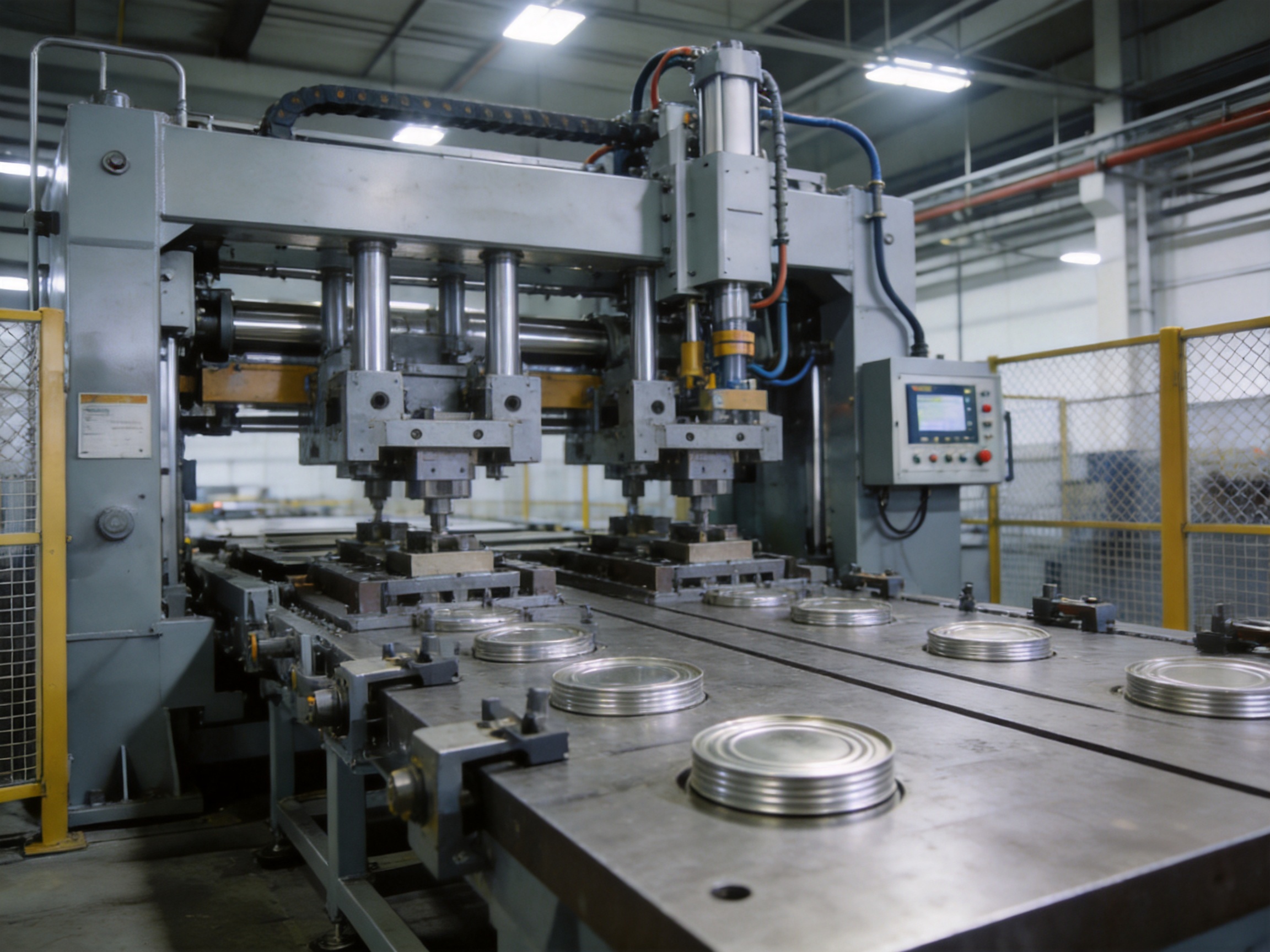
The following table summarizes representative technical parameters of the CNC-C series. Actual configuration can be tailored according to product requirements, can end diameter, die design, and production line layout.
| Model | Working Pressure | Stroke | Maximum Speed | Typical Die Capacity | Main Application |
| CNC-C1B | 900 kN | 105 mm | Up to 200 spm | Up to 15 dies for 52-99 mm diameter range; up to 6 dies for 153 mm diameter | Bottom covers and base covers |
| CNC-C1D | 900 kN | 105 mm | Up to 180 spm for 52-99 mm diameter range; about 150 spm for 153 mm diameter | Up to 7 dies for 52-99 mm diameter range; up to 2 dies for 153 mm diameter | Bottom covers, base covers, and two-empty configurations |
| CNC-C1H | 900 kN | 140 mm | Up to 180 spm for 52-99 mm diameter range; about 150 spm for 153 mm diameter | Single-die configuration for selected ranges | Large tank covers and chemical tank covers |
| CNC-C2 | 450 kN | 100 mm | Up to 200 spm | Up to 2 dies for 52-99 mm diameter range; up to 1 die for 153 mm diameter | Bottom covers and base covers |
| CNC-C12 | 2500 kN | 80 mm | Up to 200 spm | Up to 15 dies for 52-99 mm and 153 mm diameter ranges | Double-row die production for bottom covers and base covers |
| CNC-C6 | 1200 kN | 105 mm | Up to 180 spm for 52-99 mm diameter range; about 150 spm for 153 mm diameter | Up to 8 dies for 52-99 mm diameter range; up to 3 dies for 153 mm diameter | Bottom covers and base covers |
| CNC-C6D | 1200 kN | 105 mm | Up to 180 spm for 52-99 mm diameter range; about 150 spm for 153 mm diameter | Up to 8 dies for 52-99 mm diameter range; up to 3 dies for 153 mm diameter | Bottom covers, base covers, and two-empty configurations |
| CNC-C6W | 1200 kN | 105 mm | Up to 180 spm for 52-99 mm diameter range; about 150 spm for 153 mm diameter | Up to 8 dies for 52-99 mm diameter range; up to 3 dies for 153 mm diameter | Bottom covers, base covers, and two-empty configurations |
| CNC-C8 | 120 kN | 190 mm | Up to 200 spm | Single-die configuration for 52-99 mm and 153 mm diameter ranges | Four-screw cap production |
Most of the larger models use a maximum plate width of 1150 mm by 1150 mm, while the CNC-C8 uses a 1000 mm by 1000 mm plate width. Installation dimensions vary by model, with several models using an 8000 mm by 6310 mm footprint and a height of 3170 mm, while compact configurations such as CNC-C8 require less installation space. Host weights range from approximately 6.5 tons to 30 tons, reflecting different frame structures and forming capacities.
Compared with lighter or less rigid presses, the CNC Automatic Gantry O-Frame Pressing Machine provides improved frame strength for repeated high-speed production. A rigid frame is essential when manufacturing can ends that must meet tight dimensional tolerances. In many factories, equipment selection is influenced by purchase price alone, but insufficient rigidity can lead to long-term costs through scrap, downtime, and die maintenance. A strong O-frame press may require a more serious initial investment, but it supports better life-cycle value.
Many general-purpose presses can perform simple punching, but they may not be optimized for multi-die can end production. The CNC-C series is designed with can end manufacturing in mind. Its large plate width, stable frame, and model-specific die capacity allow high-volume production with multiple dies. This gives it an advantage over ordinary presses that may lack the required workspace, dynamic stability, or integration capability.
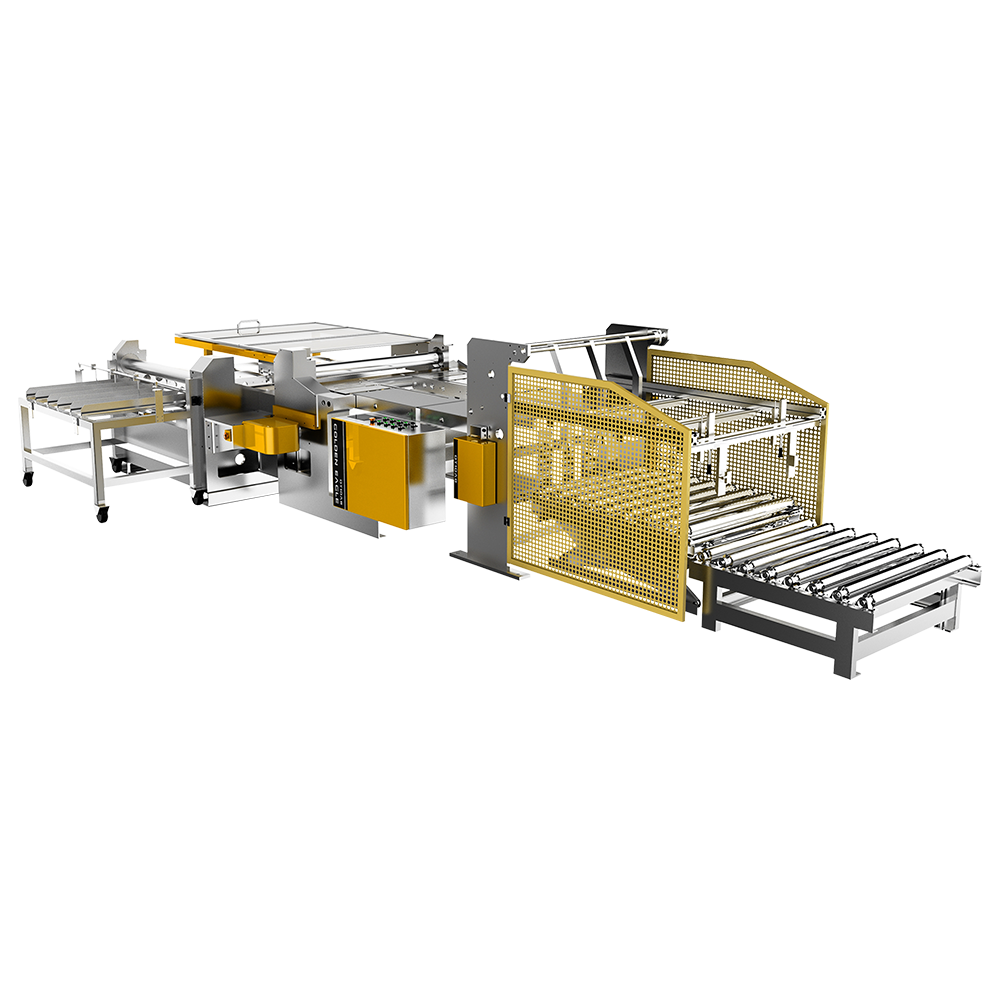
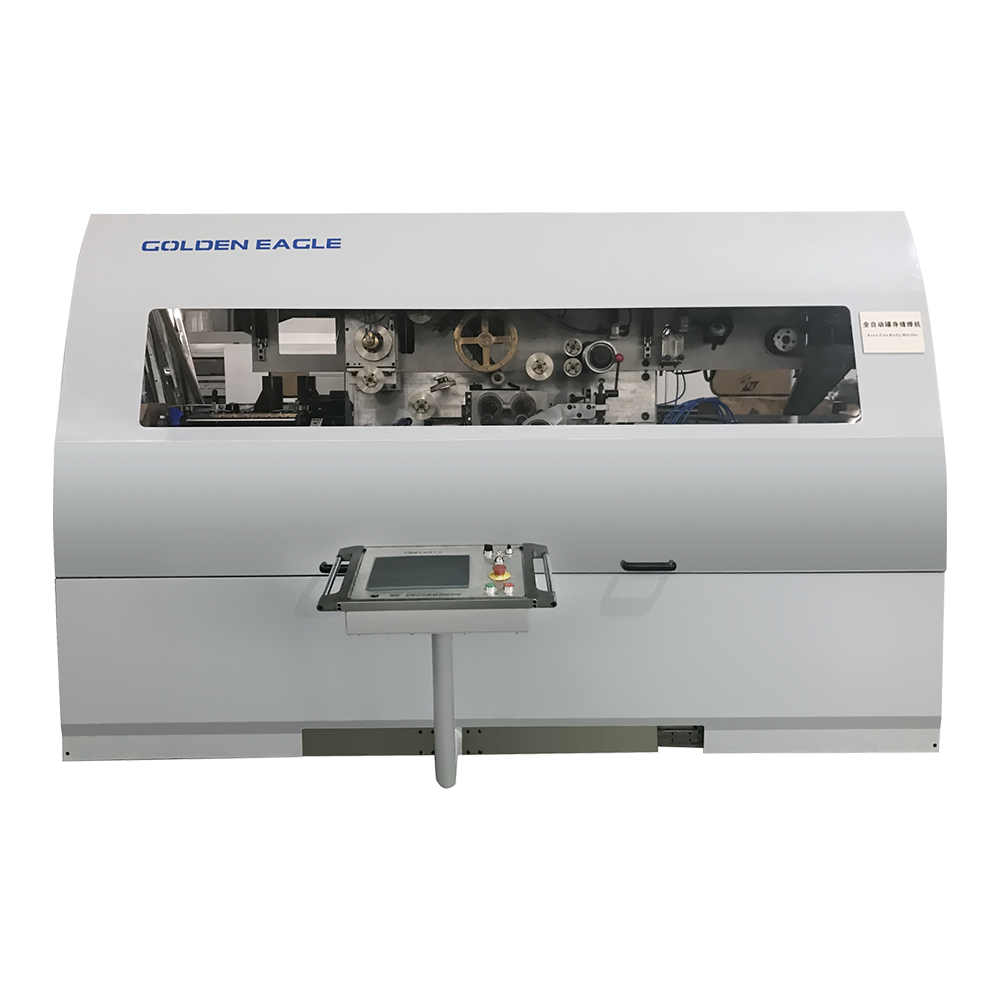
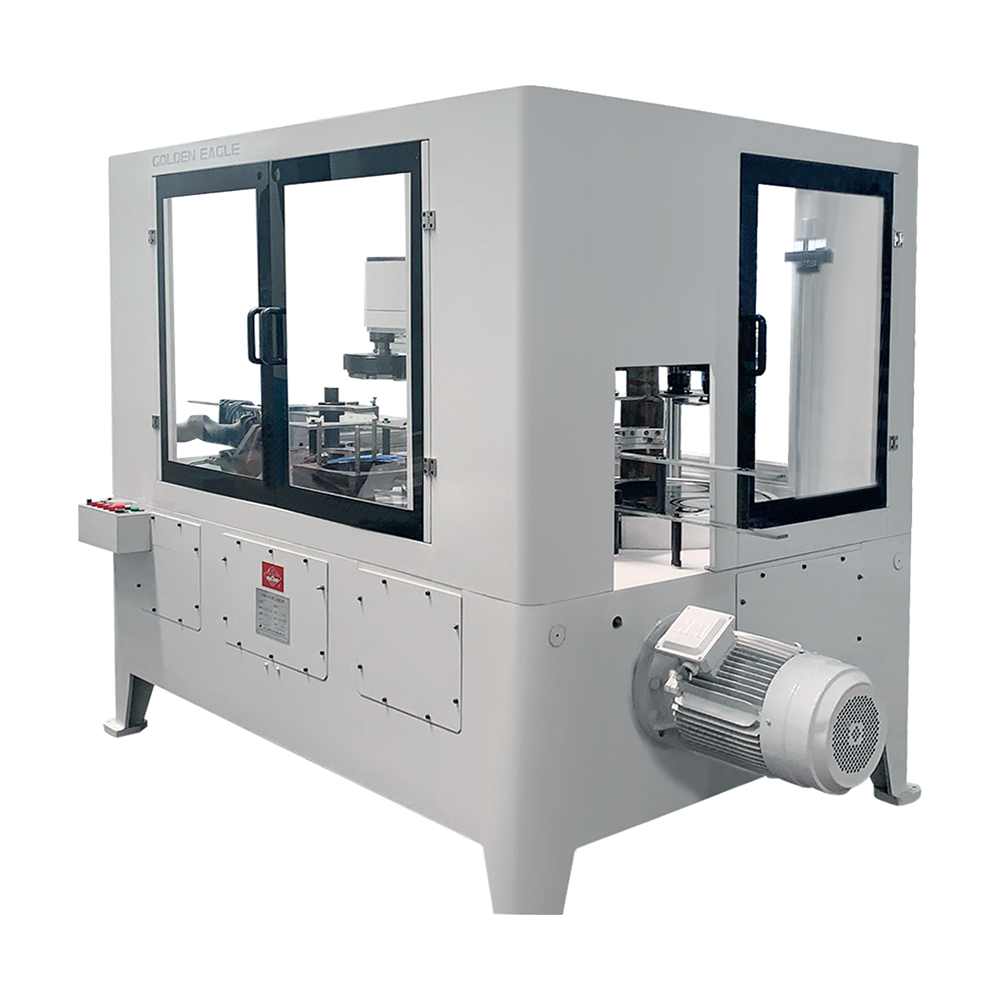
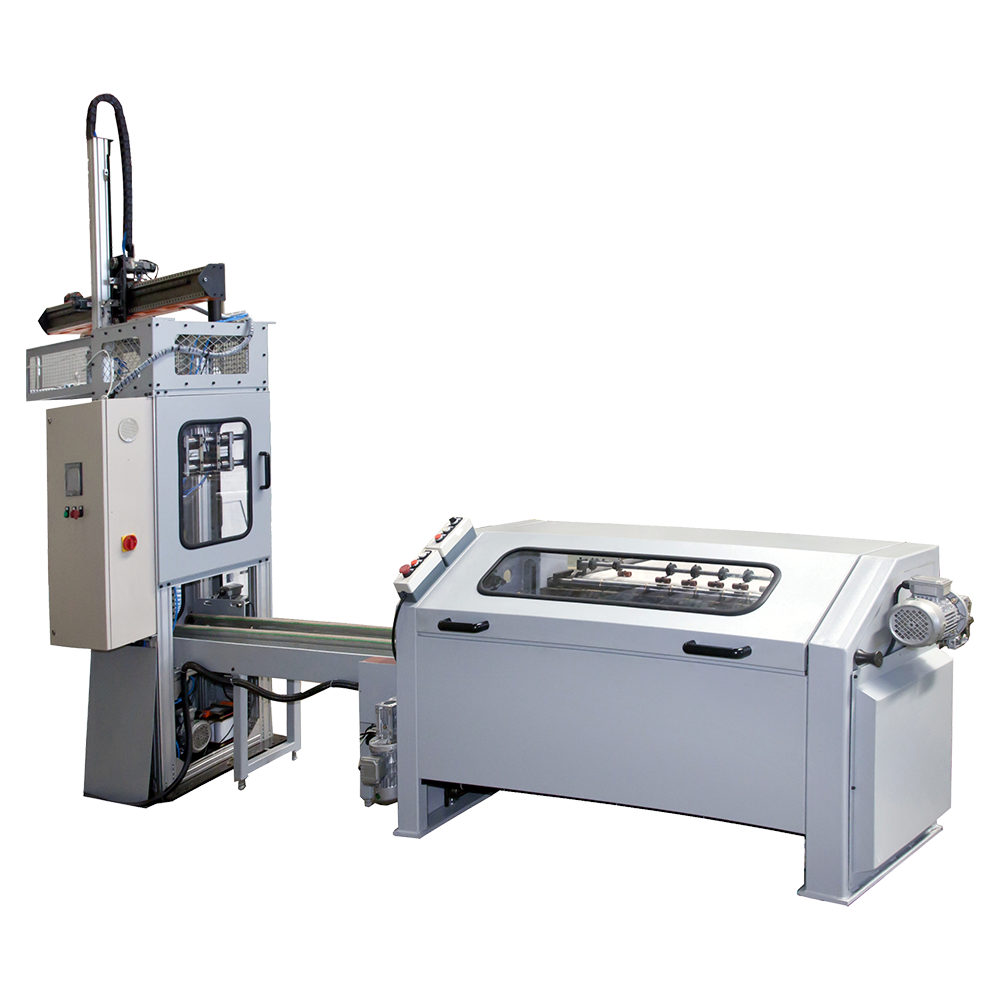
The machine can be integrated with feeding systems and other can making equipment. Zhejiang Golden Eagle Food Machinery Co., Ltd. manufactures a wide range of can making machinery, including food can production lines, beverage can production lines, can lid production lines, chemical tank production lines, aerosol canister production lines, two-piece can production lines, automatic feeding machines, cutting machines, duplex slitters, welding machines, and molds. This broad product capability means the press can be selected as part of a larger production solution rather than as an isolated machine.
For customers, integrated production line knowledge matters. A press may perform well by itself, but the total line must also coordinate sheet feeding, transfer, stacking, downstream forming, and quality inspection. A manufacturer with whole-line experience can help reduce mismatch between machines and improve startup efficiency.
Competitors may offer limited press sizes or standard models that require customers to compromise. The CNC-C series covers a broad range of forming requirements, from compact cap production to high-pressure double-row die production. This gives customers better freedom to select equipment according to material thickness, can end diameter, output target, and plant layout.
The equipment is manufactured by a company established in 1978 and dedicated to can making machinery and molds for decades. This long-term experience is a major advantage in a field where practical production knowledge is as important as mechanical design. Can end pressing involves countless details, including lubrication, die clearance, blanking behavior, metal springback, press vibration, and operator accessibility. Experience gained from thousands of machines and real factory feedback helps improve product design and reliability.
High-quality pressing equipment depends on both engineering design and manufacturing execution. A machine frame may look strong from the outside, but its performance depends on material selection, machining accuracy, assembly control, inspection standards, and testing procedures. Zhejiang Golden Eagle Food Machinery Co., Ltd. uses CNC high-precision machining equipment and complete mechanical machining facilities to support accurate production of can making machines and molds.
CNC machining is especially important for press components that require precise alignment. The surfaces that support the slide, worktable, guide structures, transmission elements, and die mounting interfaces must be machined accurately. If these components are not properly processed, the press may suffer from alignment deviation, uneven wear, vibration, or reduced forming accuracy. Advanced machining improves repeatability from one machine to another and supports stable performance after installation.
The company’s design approach draws from advanced international can making equipment concepts while incorporating practical production experience from decades of manufacturing. This combination is important because can making machinery must be both technically advanced and easy to operate in real factory conditions. A machine that is theoretically sophisticated but difficult to maintain may not serve customers well. The CNC-C series is developed with attention to structure, durability, installation, commissioning, tooling compatibility, and operator use.
Quality management is supported by ISO9001 certification, while environmental management is supported by ISO14001 certification. These systems indicate that production is organized according to recognized management principles. For customers purchasing heavy industrial equipment, such certifications help demonstrate that the supplier follows controlled processes for quality, documentation, environmental responsibility, and continuous improvement.
Another manufacturing strength is the company’s experience in both machinery and molds. In can end production, press and die performance are closely connected. A machinery supplier that also understands molds can better optimize press structure, die loading, forming process, and troubleshooting support. This integrated knowledge can shorten commissioning time and improve final product quality.
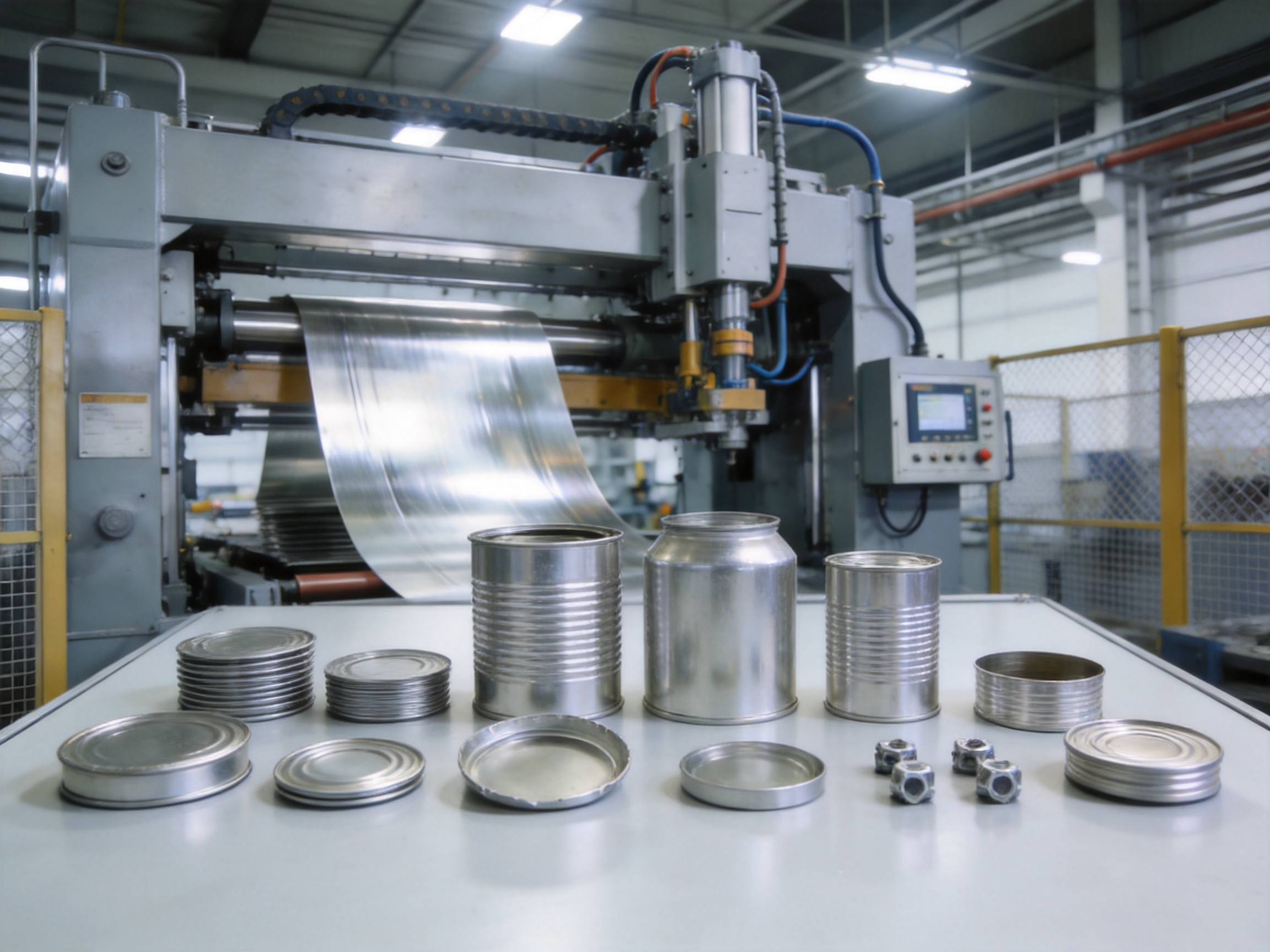
Food can production requires reliable sealing surfaces and consistent end profiles. Any variation in the can end may affect double seaming quality and food safety. The CNC Automatic Gantry O-Frame Pressing Machine is suitable for producing bottom covers and base covers for food cans. Its high-speed operation helps meet large production volumes, while its stable pressing structure supports consistent geometry.
Milk powder packaging often requires clean appearance and excellent sealing reliability. Can ends must be dimensionally stable and compatible with downstream seaming or assembly operations. The machine’s accurate pressing and tailor-made configuration make it suitable for milk powder can end manufacturing, especially where high-quality visual presentation is required.
Aerosol can manufacturing may involve components such as cones, domes, and related metal ends. These parts require precise forming because aerosol containers must withstand internal pressure and meet safety expectations. Although specific tooling and line configuration are required, the press series can support metal component pressing for relevant aerosol can production applications.
Chemical tank covers and large tank covers may need greater forming force and deeper profiles. The CNC-C1H and heavy-duty configurations are designed for such applications. Stable pressing is particularly important for chemical packaging because covers may need secure closure performance, structural strength, and compatibility with coatings or linings.
The CNC-C8 model is mainly used for producing four-screw caps. With a working pressure of 120 kN, a stroke of 190 mm, and a speed of up to 200 strokes per minute, it provides a specialized solution for this product type. Its smaller installation dimensions and lower host weight make it suitable for facilities needing dedicated cap production without occupying excessive floor space.
For can end manufacturers, productivity is not only about maximum speed. True productivity depends on output per shift, scrap rate, changeover time, die life, maintenance frequency, labor requirements, energy use, and machine uptime. The CNC Automatic Gantry O-Frame Pressing Machine is designed to support productivity through speed, rigidity, automation, and flexible die arrangements.
High stroke speed allows more parts to be formed in less time, but multi-die capacity can further multiply output. For example, a machine carrying multiple dies can produce several can ends per press cycle. This means that production capacity can increase without requiring the same number of separate presses. As a result, factories can reduce floor space consumption, operator requirements, and supporting equipment costs.
Scrap reduction is another major economic advantage. In high-volume can end production, even a small scrap percentage can represent a large quantity of wasted material. Tinplate and coated metal sheets carry significant cost, and rejected lids also consume machine time, labor, and energy. A rigid, stable press helps reduce dimensional errors and forming defects, contributing to better material utilization.
Die life also affects cost. Precision dies are expensive, and unplanned die damage can stop production. The machine’s stable frame and controlled pressing action help protect dies from uneven loading. While proper maintenance and correct setup remain essential, a structurally stable press provides a better foundation for long-term tooling performance.
Automation reduces dependence on manual feeding and handling. This improves safety and allows operators to focus on monitoring, quality checks, material supply, and process adjustment. In regions where labor costs are rising or skilled labor is limited, automatic equipment provides a practical path toward more stable production.
Heavy press equipment requires proper installation and commissioning to achieve its intended performance. Foundation preparation, leveling, electrical connection, lubrication setup, die installation, feeding alignment, and trial production must all be handled carefully. The company provides after-sales service that includes installation, commissioning, technical guidance, operation training, and spare parts support.
Operation training is important because even advanced automatic machines require skilled operators. Operators must understand machine startup, shutdown, emergency procedures, parameter settings, die inspection, lubrication points, and routine maintenance. Good training helps prevent misuse and supports stable daily production.
Technical guidance is also valuable during product changeover or new die introduction. When customers expand into new can sizes or end profiles, proper process adjustment may be required. Support from an experienced equipment manufacturer can reduce trial-and-error time and help factories bring new products into production faster.
Spare parts availability affects machine uptime. A can end line may run for long hours, and unplanned downtime can delay customer deliveries. The company’s commitment to supplying parts quickly helps customers maintain production continuity and protect their investment.
Zhejiang Golden Eagle Food Machinery Co., Ltd. is located in Zhoushan City, Zhejiang Province, China. Formerly known as Zhejiang Food Machinery Factory and Zhoushan Mold Factory, the company was established in 1978 and has long specialized in can making machinery and can making molds. With more than 350 trained personnel and experienced design and development engineers, the company has built a strong technical foundation in metal packaging equipment.
After more than 46 years of development and continuous innovation, the company offers complete varieties of can making machinery and molds. Its products include food can production lines, beverage can production lines, can lid production lines, chemical tank production lines, aerosol canister production lines, two-piece can production lines, pop can production lines, tin can automatic welding machines, cutting machines, duplex slitters, automatic feeding machines, and mold solutions.
The company has produced more than 10,000 pieces of can and can lid equipment. Its machines are used by can manufacturers and canning factories in many regions and have been exported to countries in Europe, Asia, Africa, North America, South America, and Oceania. Export markets include Germany, Italy, the United Kingdom, Spain, Hungary, Russia, Australia, Jordan, Malaysia, the Philippines, Pakistan, Egypt, Algeria, Turkey, Mexico, Nigeria, Iran, and other countries.
This global experience supports product improvement. Different markets have different materials, can sizes, power standards, production habits, maintenance practices, and quality expectations. Exposure to varied customer requirements helps the manufacturer improve machine adaptability, service knowledge, and design maturity.
The company’s focus on complete production lines is another advantage. A customer purchasing a CNC Automatic Gantry O-Frame Pressing Machine may also require upstream or downstream equipment. Working with a supplier that understands the full can making process can simplify project planning, reduce communication cost, and improve production line compatibility.
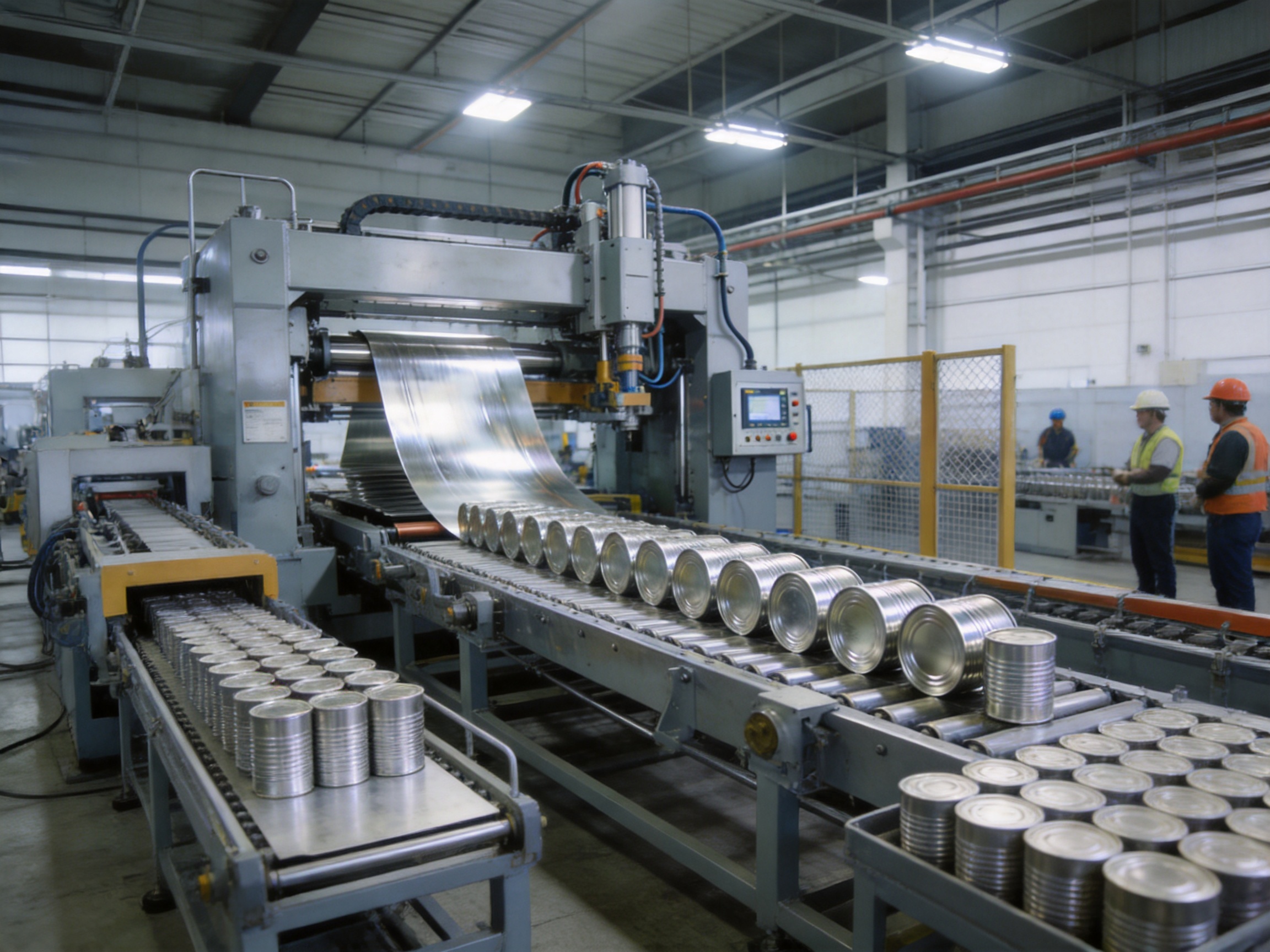
Choosing the correct press model should begin with the intended product. The first questions are: What type of can end will be produced? What is the diameter range? What material and thickness will be used? What output is required per hour or per shift? Will the line produce one standard product or multiple sizes? These questions determine the required working pressure, stroke, die capacity, and automation configuration.
For common bottom covers and base covers in the 52-99 mm diameter range, models with higher multi-die capacity may be preferred because they can maximize output. For 153 mm diameter products, die capacity and speed should be evaluated carefully because larger parts require more space and may run at lower speeds. For large tank covers or chemical tank covers, a model such as CNC-C1H may be appropriate due to its application focus and longer stroke. For heavy-duty double-row die production, CNC-C12 offers strong working pressure and high die capacity. For four-screw caps, CNC-C8 provides a specialized compact solution.
Plant layout is another important factor. Installation dimensions, feeding direction, maintenance access, material flow, and downstream collection should be planned before purchase. A high-capacity press needs enough surrounding space for safe operation, die handling, sheet supply, scrap removal, and maintenance. Electrical power availability should also be checked because total power varies by model.
Customers should also consider future expansion. If demand is expected to grow, selecting a model with greater die capacity or stronger working pressure may provide better long-term value. However, over-sizing the machine unnecessarily may increase investment and energy consumption. The best choice is a balanced configuration based on realistic production plans and technical advice from the manufacturer.
Proper maintenance is essential for any high-speed press. The CNC Automatic Gantry O-Frame Pressing Machine is built for durability, but long service life depends on regular inspection and correct operation. Operators should monitor lubrication, fastening points, guide systems, transmission components, electrical controls, safety devices, and die condition. A scheduled maintenance plan helps prevent unexpected failures and supports stable production quality.
Die maintenance is particularly important. Dies should be cleaned, inspected, and adjusted according to production requirements. Burr formation, edge wear, abnormal noise, or product dimensional drift may indicate that the die requires attention. Because the press and die work as a system, both must be kept in good condition.
Operators should also pay attention to material quality. Poor tinplate flatness, coating defects, thickness variation, or improper lubrication can affect forming results even when the press is functioning correctly. Stable raw material supply and proper storage conditions help maintain product quality.
Safety should always be a priority. High-speed presses involve significant mechanical energy, and operators must follow safety procedures. Protective devices, emergency stops, interlocks, and operation rules should be checked and respected. Training and management discipline are essential parts of safe production.
Can ends may appear simple, but they are critical components. A lid must seal correctly, resist deformation, support stacking, and match the can body. If the lid profile is inconsistent, downstream seaming may become unstable. This can cause leakage, reduced shelf life, or customer complaints. Therefore, investing in a high-quality press is also an investment in the reliability of the final packaged product.
In food packaging, end integrity is connected to product safety. In chemical packaging, cover strength and closure quality can affect transport safety. In aerosol packaging, formed components must meet pressure-related requirements. Across all these applications, consistent pressing quality reduces risk and supports brand reputation for the final packaging user.
The CNC Automatic Gantry O-Frame Pressing Machine helps ensure that pressing results remain consistent across long production runs. Its rigid frame, model-specific pressure capacity, automatic operation, and die support provide the foundation for stable lid quality. When paired with proper tooling and quality control, it can help manufacturers meet demanding packaging standards.
It is mainly used for automatic punch pressing of metal can ends, including bottom covers, base covers, large tank covers, chemical tank covers, and selected cap products depending on model and tooling configuration.
The press can reach up to 200 strokes per minute in suitable configurations. Actual production speed depends on product diameter, die arrangement, material, feeding system, and production requirements.
The O-frame structure provides strong rigidity and balanced force distribution. This helps reduce frame deformation, supports accurate die operation, improves product consistency, and can extend die service life.
Yes. The machine can be tailor-made for various can sizes. Different models support different diameter ranges, die capacities, stroke lengths, and forming requirements.
The CNC-C1H is mainly designed for large tank covers and chemical tank covers. Final model selection should be confirmed according to cover diameter, material thickness, die design, and output target.
Yes. Several models support multi-die production. Depending on the model and diameter range, die capacity can reach up to 15 dies, helping improve output per press cycle.
Service support includes installation, commissioning, technical guidance, operation training, and spare parts supply. These services help customers start production smoothly and maintain long-term machine performance.
Its advantages include a rigid O-frame structure, automatic high-speed operation, flexible die capacity, multiple working pressure options, tailor-made configuration, and support from a manufacturer with decades of can making machinery and mold experience.
The CNC Automatic Gantry O-Frame Pressing Machine is a strong solution for manufacturers seeking high-speed, stable, and flexible metal can end production. Its automatic operation, O-frame rigidity, multiple model options, and broad die capacity make it suitable for a wide range of applications, from standard food can ends to chemical tank covers and specialized screw caps. With working pressure options up to 2500 kN and speeds up to 200 strokes per minute, the CNC-C series can be configured for both productivity and precision.
Beyond the machine itself, the manufacturing strength behind it is an important reason to consider this equipment. Zhejiang Golden Eagle Food Machinery Co., Ltd. brings decades of experience in can making machinery and molds, advanced CNC machining capability, ISO-certified management systems, a broad product portfolio, and global export experience. This combination allows customers to receive not only a press, but also process knowledge, production line support, technical guidance, and long-term service.
For can makers competing in demanding markets, equipment choice affects quality, efficiency, cost, and delivery reliability. A well-designed gantry O-frame press can reduce scrap, improve die performance, support automation, and help maintain consistent can end geometry over long production runs. For businesses planning to upgrade their can lid production line or expand into new metal packaging products, this machine offers a practical and future-ready foundation.
1. Society of Manufacturing Engineers. Metal Forming Handbook: Principles and Applications in Industrial Pressing.
2. International Organization for Standardization. ISO 9001 Quality Management Systems: Requirements and Practical Implementation.
3. International Organization for Standardization. ISO 14001 Environmental Management Systems: Guidelines for Manufacturing Enterprises.
4. The Canmaker Technical Review. Developments in Metal Packaging Machinery and Can End Production.
5. Lange, K. Handbook of Metal Forming. McGraw-Hill Engineering Reference Series.
6. Kalpakjian, S., and Schmid, S. Manufacturing Engineering and Technology. Pearson Industrial Engineering Series.
Related Products

Founded in 1978, the company is one of the largest can-making machinery well-known companies at home and abroad.
Product Categories
Contact Information
Zhongshatou Shenjiamen Zhoushan Zhejiang China
+86-580-3056646

 English
 中文简体
中文简体
 русский
 عربى
عربى
 Español