2026-05-14
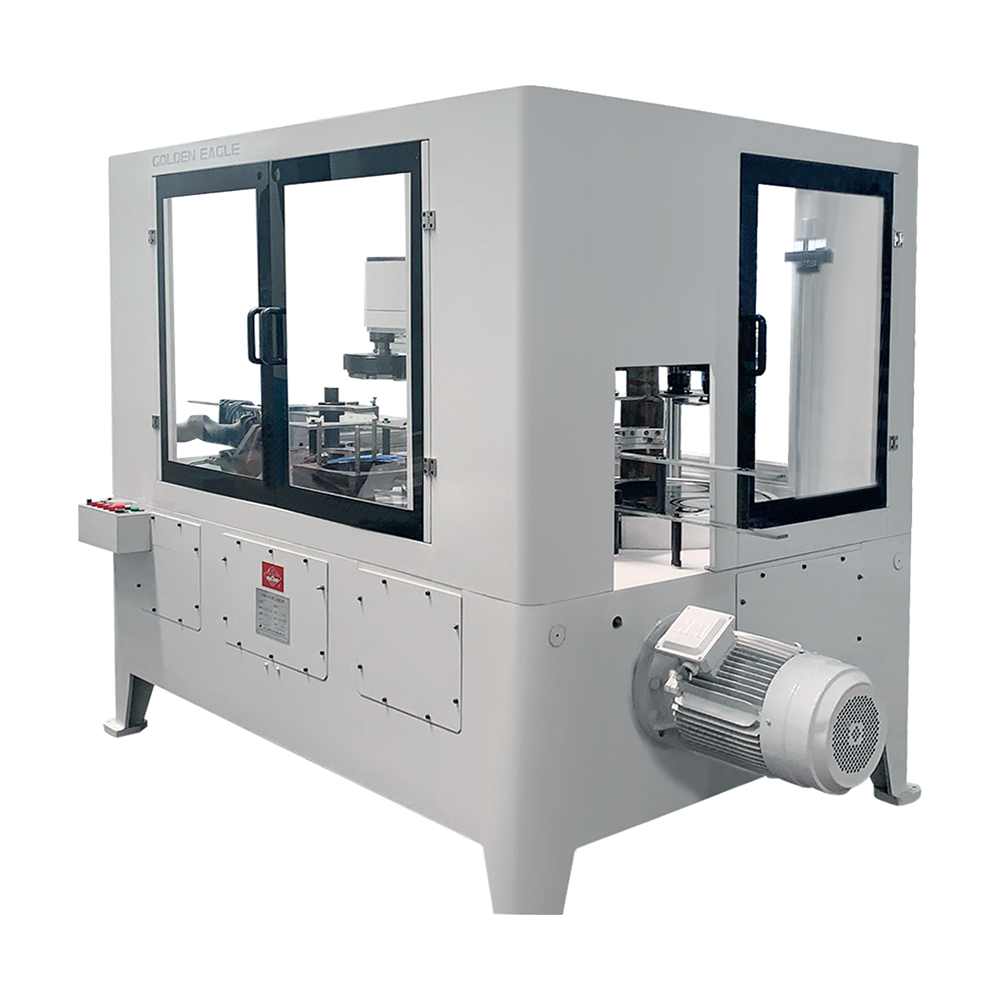
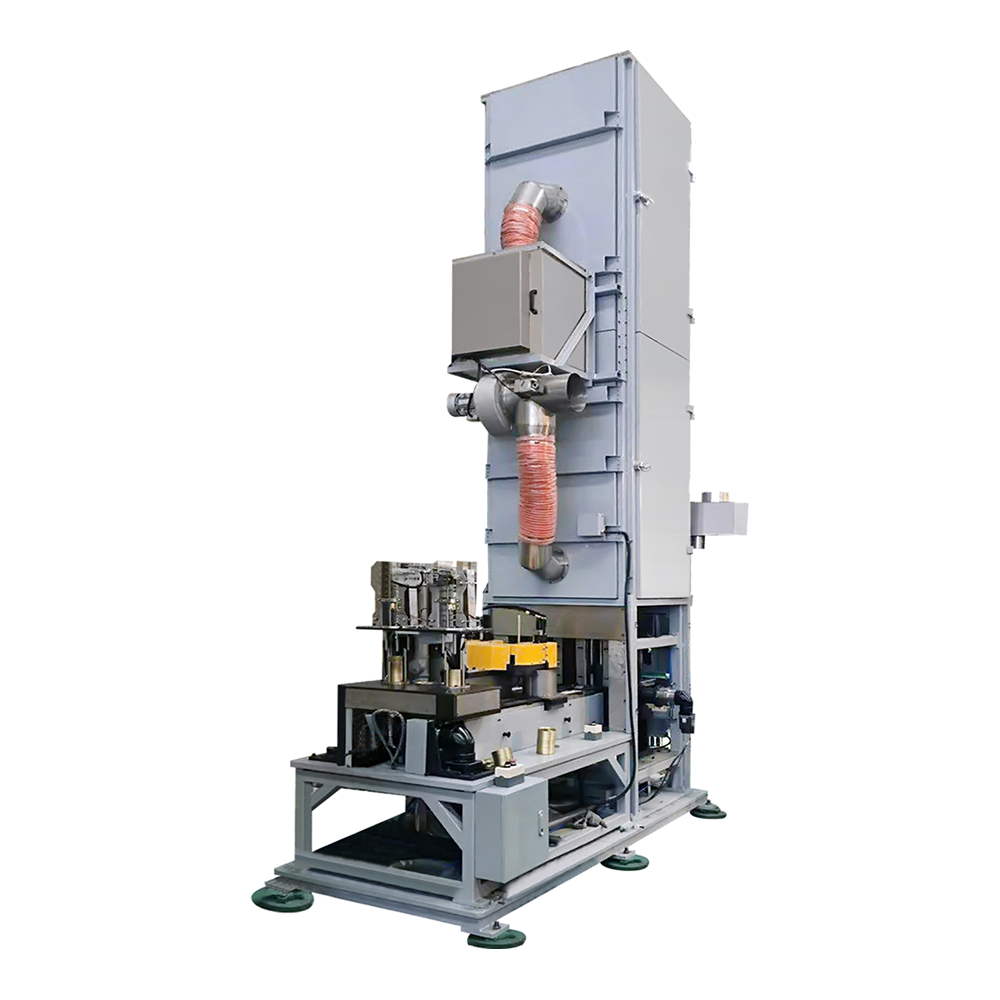
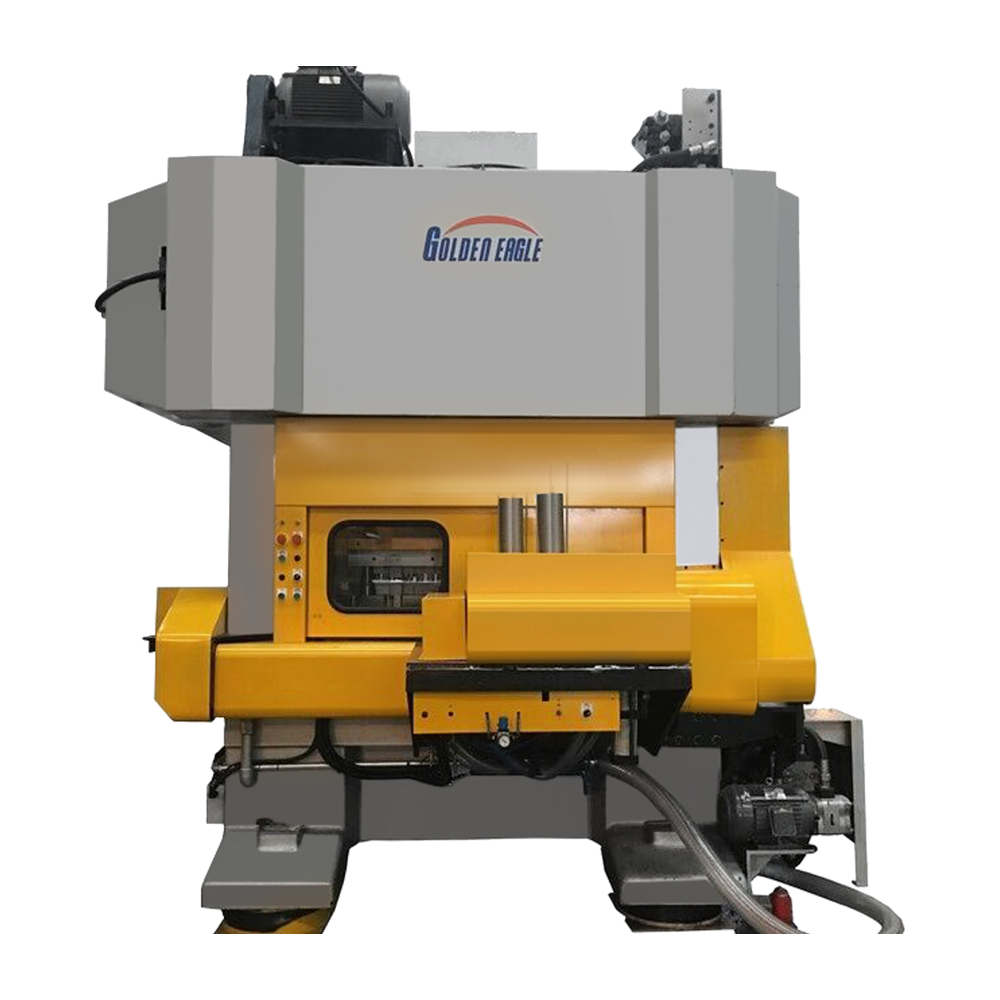
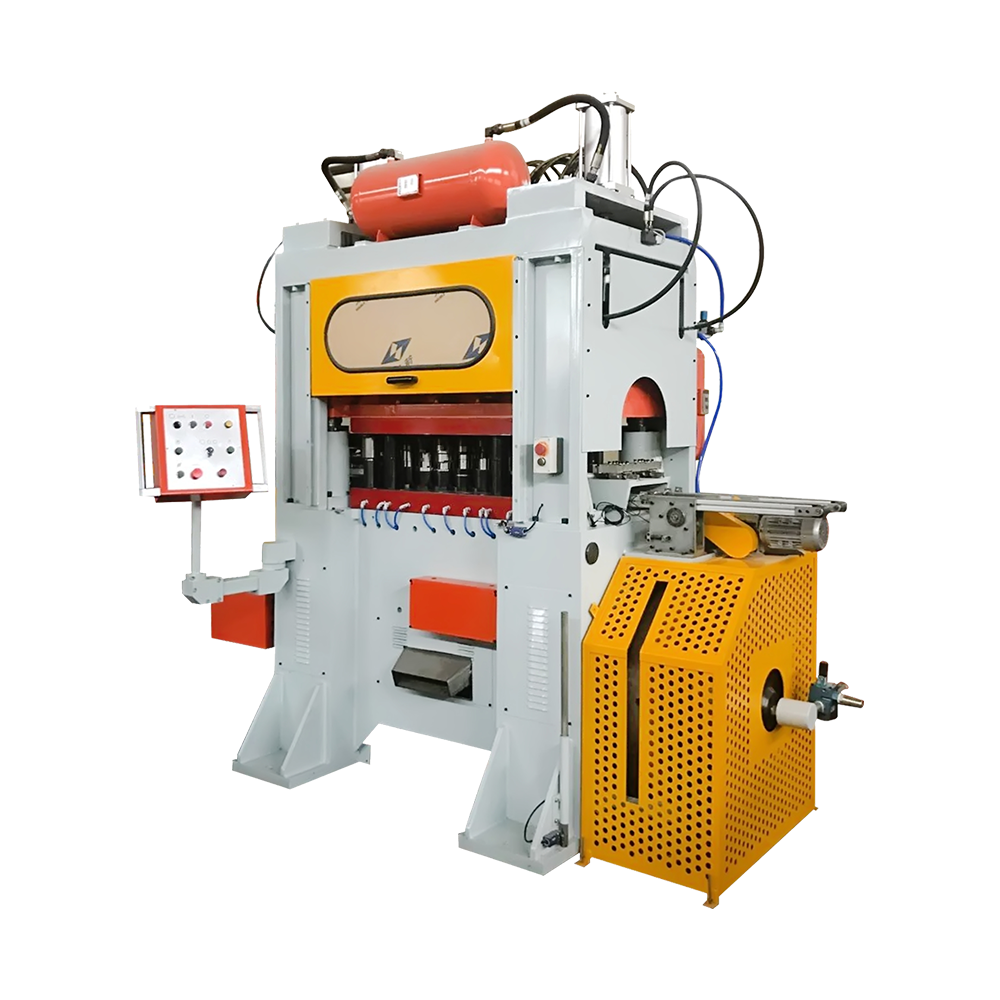
In modern tinplate packaging, the quality of a can is determined not only by the material used, but also by the precision, stability, and repeatability of the machinery that forms, flanges, beads, necks, and seams it. The Seaming Single Station Can Making Machine is designed for manufacturers that require reliable can processing performance, flexible size compatibility, stable output, and efficient production management. It is especially suitable for milk powder can making, aerosol can processing, food can production, chemical container manufacturing, and related tinplate can production lines where bottom seaming, flanging, necking, cutting, and beading operations must meet demanding industrial standards.
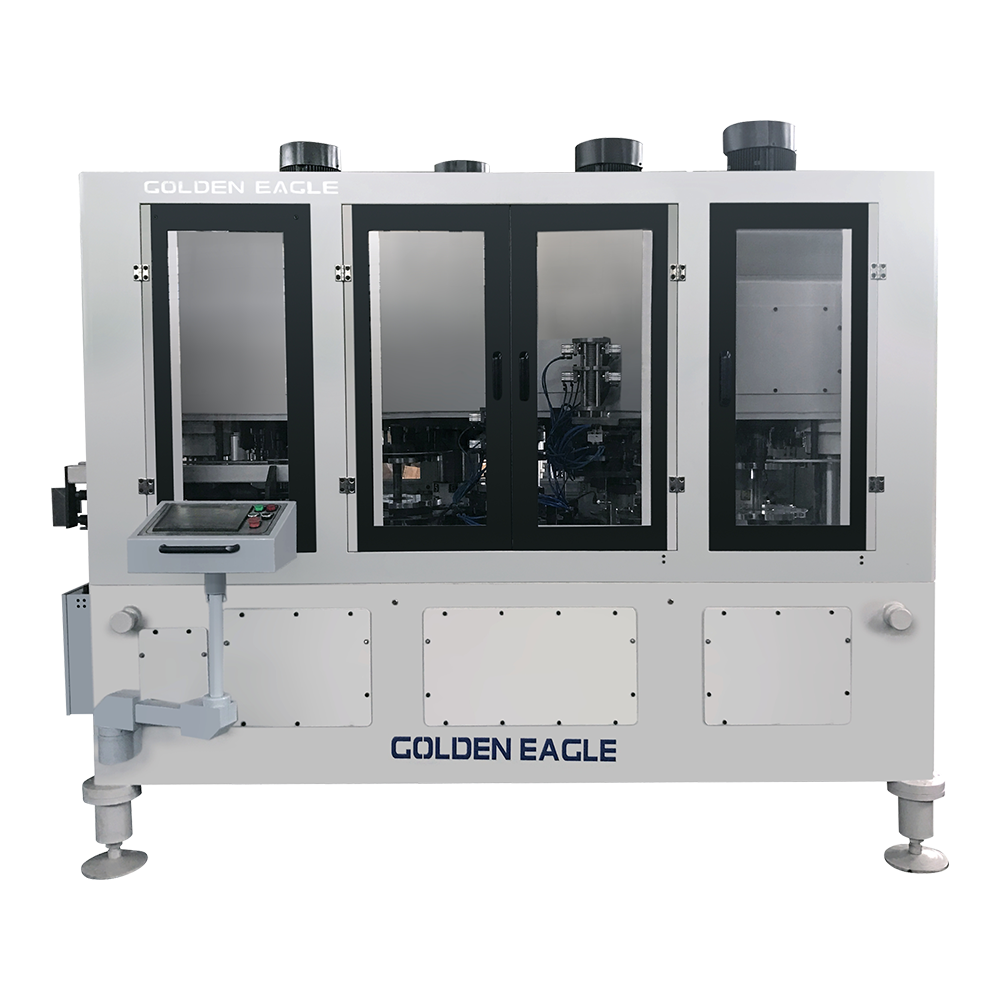
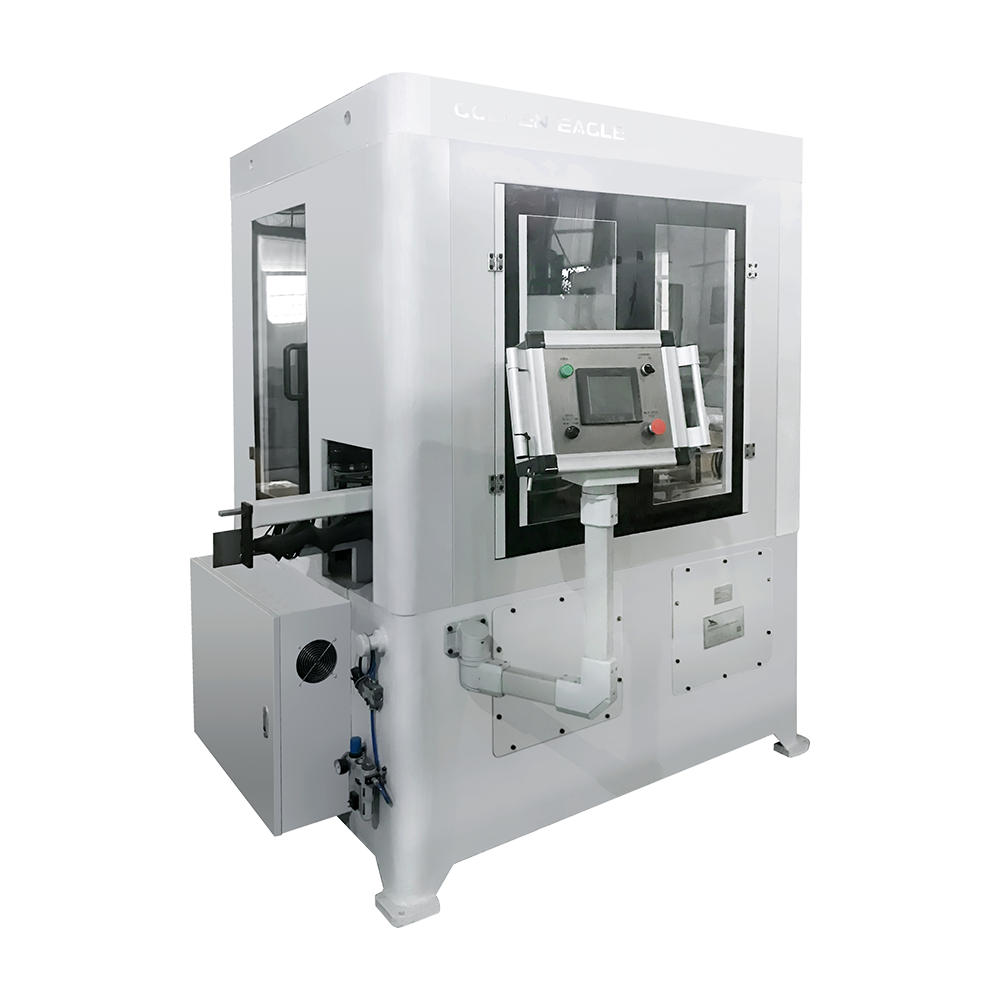
This machine represents a practical combination of mechanical strength, intelligent control, and production-line adaptability. It adopts vertical can feeding, a Mitsubishi PLC control system, an intelligent protection system, and a frequency-conversion main motor for stepless speed adjustment. These features help the machine maintain smooth operation across different can sizes and production requirements. For manufacturers seeking a dependable can making machine, tin can making machine, tinplate can making machine, or integrated can making machinery production line, this equipment provides a strong technical foundation for stable long-term production.
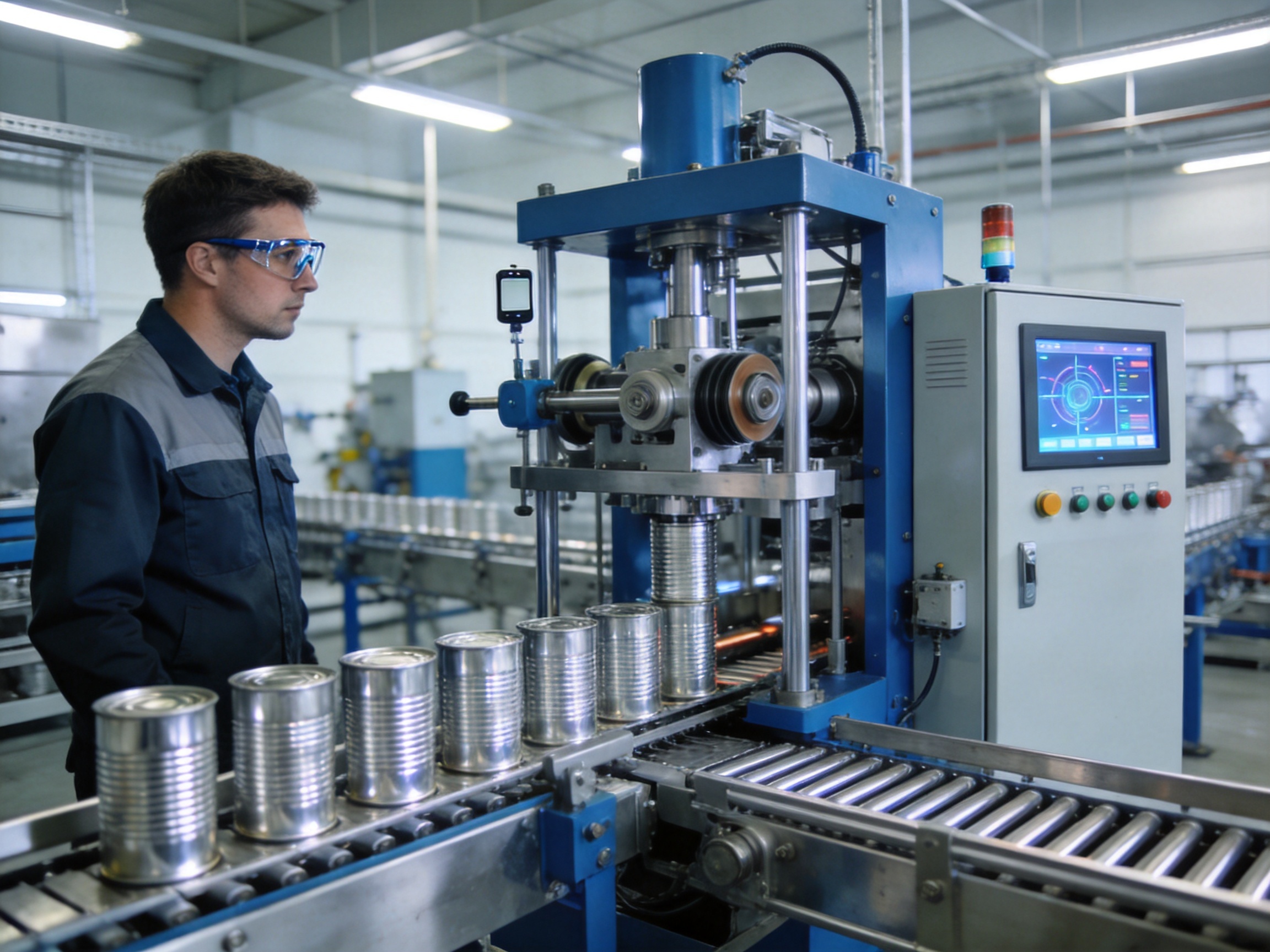
The Seaming Single Station Can Making Machine is engineered for tinplate can production environments where accuracy, speed, and durability are essential. Although it is described as a single station machine, its application is not limited to one narrow process. It is part of a broader family of can body processing equipment that can perform or integrate with cutting, neck expanding, necking, flanging, beading, and bottom seaming operations. Depending on the chosen model and head configuration, it can support small-diameter cans, medium cans, and large cans used in food, milk powder, aerosol, and chemical packaging.
One of the most important advantages of the machine is its vertical can feeding design. Vertical feeding reduces instability during transfer, especially for lightweight tinplate can bodies. In comparison with some conventional horizontal or semi-manual feeding methods, vertical feeding helps maintain better alignment and reduces the possibility of scratches, deformation, jamming, or unstable entry into the working station. This is particularly valuable in high-speed production where small feeding errors can lead to accumulated downtime and product waste.
The machine is equipped with a control system based on Japan Mitsubishi PLC technology. A reliable PLC system is the foundation of industrial automation because it coordinates feeding, speed adjustment, can detection, safety response, and machine stopping logic. In practical production, operators need machines that can respond quickly to abnormal conditions. The intelligent protection system of this machine ensures low-speed operation when there is no can and shutdown when cans stack at the outlet. This helps protect both the machine and the product, reducing the risk of damage caused by empty running, blockages, or downstream accumulation.
The main motor uses a stepless frequency changer for speed adjustment. This allows the machine to adapt to different production rhythms rather than forcing the entire line to operate at one fixed speed. When producing cans with different diameters, heights, wall thicknesses, or forming requirements, adjustable speed is a major advantage. Operators can choose lower speeds during trial production, mold changeover, commissioning, or quality confirmation, and then increase speed for stable continuous output.
Milk powder cans require high dimensional precision and excellent seam integrity because the package must protect a dry, sensitive food product from moisture, air, contamination, and mechanical damage. In milk powder can making, the bottom seam must be consistent, the flange must be clean and accurate, and the can body must remain round without distortion. The Seaming Single Station Can Making Machine is suitable for this sector because it supports stable can feeding, controlled speed adjustment, and accurate processing for a range of can diameters and heights.
Milk powder packaging is often associated with larger tinplate cans compared with standard beverage or small food cans. These cans may require stronger forming force, stable support during seaming, and reliable handling during transfer. The machine family includes configurations for larger diameters such as Φ99 mm to Φ190 mm and can heights extending up to approximately 320 mm in selected models. This makes the equipment relevant not only for standard milk powder cans but also for nutritional powder, protein powder, infant formula, cereal powder, and similar dry food packaging containers.
In competitive production environments, manufacturers cannot rely solely on manual adjustments or operator experience. They require machines that maintain repeatable processing conditions. The use of PLC control and frequency conversion helps reduce human error and supports more predictable production. For milk powder can makers, this directly contributes to lower rejection rates, improved sealing consistency, and better brand protection for the final packaged product.
The Seaming Single Station Can Making Machine offers several technical advantages that distinguish it from many conventional can making machines. First, it emphasizes automation and intelligent protection. Many older machines require frequent manual supervision to prevent empty running, outlet jams, or feeding errors. This equipment reduces such risks by detecting abnormal conditions and responding automatically. The low-speed operation without cans and automatic shutdown when cans stack at the outlet are practical functions that help preserve production continuity.
Second, the machine is designed for convenient operation and size changeover. Can manufacturers often produce multiple can formats for different customers. If a machine takes too long to change from one can size to another, production efficiency declines. A machine that is easy to operate and adjust allows factories to handle varied orders with greater flexibility. This is especially important for OEM and ODM can production lines where batch sizes, can diameters, and can heights may change frequently.
Third, the machine supports a broad output range. Depending on the function and model, production capacity may range from low-speed 20 cans per minute for large or specialized cans to high-speed output levels reaching several hundred cans per minute. This allows users to select a configuration that matches their production scale, whether they operate a medium-capacity specialty line or a high-capacity tinplate can making machinery production line.
Fourth, the equipment is built around mechanical rigidity and process stability. Can making machines must operate continuously under repeated mechanical load. Cutting, flanging, necking, beading, and seaming all require precise contact between tooling and the can body. If the machine frame, transmission system, or tooling alignment lacks strength, the final can quality will fluctuate. The product is developed by a manufacturer with decades of experience in can-making machinery and molds, which contributes to better mechanical design and more dependable long-term performance.
Fifth, the machine is compatible with integrated can production systems. It can work as part of a food can production line, beverage can production line, aerosol canister production line, chemical tank production line, two-piece can production line, or tinplate can making machinery production line. This compatibility gives buyers more freedom to build a complete production solution rather than purchasing isolated equipment that is difficult to connect with upstream and downstream machines.
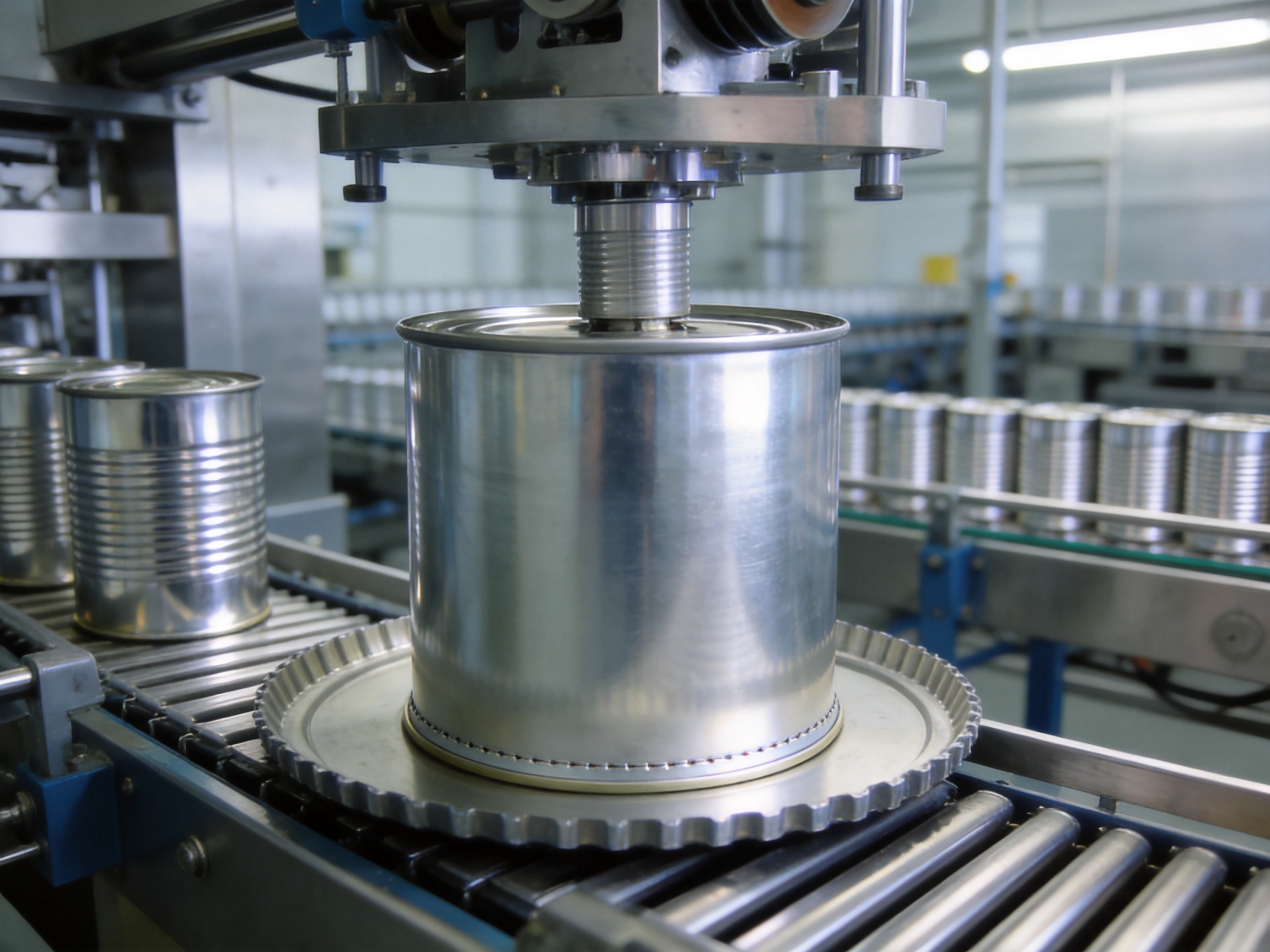
The following table summarizes representative model options and production capabilities from the machine series. Actual configuration may vary according to can diameter, can height, tooling design, production line layout, and customer requirements.
| Model | Function | Can Diameter | Can Height | Output Capacity | Total Power |
| GT3B37A, 4-Head | Cutting | Φ52-99 mm | H40-60 mm after cutting | 80-300 cans/min | 4 kW |
| GT3B37-5, 8-Head | Cutting | Φ52-65 mm | H40-60 mm after cutting | 200-400 cans/min | 4 kW |
| GT3B42-1, 4-Head | Neck expanding | Φ52-99 mm | H50-160 mm | 20-150 cans/min | 4 kW |
| GT3B51-N, 4-Head/8-Head | Necking | Φ52-99 mm | H70-160 mm | 80-350/550 cans/min | 5.5 kW |
| GT3B51-F, 4-Head/8-Head | Flanging | Φ52-99 mm | H40-160 mm | 80-350/550 cans/min | 5.5 kW |
| GT3B51-B, 4-Head/8-Head | Beading | Φ52-99 mm | H70-135 mm | 200-550 cans/min | 5.5 kW |
| GT3B51-S-5, 8-Head | Bottom seaming | Φ52-99 mm | H40-160 mm | 200-550 cans/min | 5.5 kW |
| GT3B42B-A, 3-Head/6-Head | Large-can necking | Φ99-153 mm | H150-270 mm | 20-100/180 cans/min | 5.5 kW |
| GT3B51-F-C, 3-Head/6-Head | Large-can flanging | Φ99-190 mm | H110-270 mm | 20-100/180 cans/min | 5.5 kW |
| GT3B51-S-C2, 6-Head | Large-can bottom seaming | Φ99-190 mm | H85-320 mm | 20-180 cans/min | 4 kW |
In can making, speed is important, but speed without stability is not valuable. A high-speed machine that frequently stops, scratches cans, produces inconsistent flanges, or causes seam defects can create more loss than a slower but stable machine. The Seaming Single Station Can Making Machine is designed to support both output and quality. Its controlled feeding, intelligent stopping logic, and adjustable motor speed help maintain process consistency during long production runs.
Seaming quality is particularly critical. A poor seam can lead to leakage, contamination, reduced shelf life, or customer complaints. For food cans and milk powder cans, seam defects may compromise product safety. For aerosol cans, poor forming or seaming can create serious pressure-resistance risks. For chemical tanks, sealing failure may cause leakage of aggressive or hazardous materials. Therefore, the machine’s ability to maintain can alignment and stable motion is directly connected to the value and safety of the final package.
Flanging quality also matters. Before seaming, the can body must have a properly formed flange. If the flange is uneven, cracked, too narrow, too wide, or inconsistent around the circumference, the seam may not form correctly. The machine’s precision tooling and stable mechanical operation help form flanges that meet subsequent seaming requirements. For manufacturers producing tinplate cans in high volume, consistent flanging reduces downstream defects and improves total line efficiency.
Necking and beading operations contribute to can appearance and strength. Necking may be used to reduce the can opening diameter or create a particular container profile. Beading strengthens the can wall and improves resistance to deformation during handling, filling, retorting, transportation, or stacking. The availability of necking and beading models within the same machine family allows users to build a complete can body forming solution based on consistent engineering principles.
Compared with many conventional can making machines, this machine provides stronger automation and better protection logic. Older equipment may rely on mechanical clutches, manual observation, or basic switches. When a feeding problem occurs, the operator may need to identify the issue and stop the machine manually. During that delay, cans may be crushed, tooling may be damaged, or production may be interrupted for a longer period. The intelligent protection system of this machine helps shorten response time and reduce such risks.
Another competitive advantage is the stepless frequency-conversion speed adjustment. Some competing machines operate at limited fixed speeds or require mechanical changes to adjust production rate. This can be inconvenient when testing new can sizes or coordinating with other machines in a production line. Frequency conversion allows smoother speed regulation, better energy use, and improved coordination with upstream and downstream equipment.
The machine’s easy size changeover gives it an advantage for factories serving diverse markets. In today’s packaging industry, can makers often receive orders from food brands, chemical companies, aerosol product manufacturers, and private-label customers. Each order may require different can dimensions. A machine that supports efficient changeover reduces idle time and improves production planning. This capability is especially valuable for manufacturers that produce multiple SKU formats instead of only one standardized can.
The product also benefits from the manufacturer’s deep specialization in can-making machinery and molds. Many general machinery suppliers may manufacture equipment across unrelated industries, but can production requires specific knowledge of tinplate behavior, tooling geometry, seaming principles, blank forming, and can body support. Zhejiang Golden Eagle Food Machinery Co., Ltd. has been engaged in can-making machinery and can-making molds since 1978. This long history provides a strong foundation for product development, practical troubleshooting, and continuous improvement.
In comparison with imported equipment, the machine may offer a favorable balance between performance, serviceability, and investment cost. Imported systems can be advanced, but spare parts, maintenance support, and customization may be costly or slow. A well-developed Chinese tin/tinplate can making machine from an experienced manufacturer can provide competitive technical capability while offering more flexible OEM and ODM support. For many can manufacturers, this balance is essential when expanding production capacity or entering new packaging markets.
The quality of a can making machine depends heavily on the manufacturing strength behind it. Zhejiang Golden Eagle Food Machinery Co., Ltd. is located in Zhoushan, Zhejiang, China, and has a long background in food machinery, can-making machinery, and can-making molds. Formerly known as Zhejiang Food Machinery Factory and Zhoushan Mold Factory, the company has accumulated extensive production and design experience over more than four decades.
The company has a team of more than 350 trained personnel, including experienced design and development engineers. This engineering capacity is important because can making machinery requires precise coordination between mechanical design, tool design, electrical control, production assembly, and customer-specific customization. The ability to design both machinery and molds allows the manufacturer to offer integrated solutions instead of treating tooling as an afterthought.
Advanced manufacturing equipment is another major strength. The company uses CNC high-precision machining equipment and complete mechanical machining facilities. CNC machining helps ensure that important components meet strict dimensional requirements. In can making machinery, even small errors in tooling seat position, shaft alignment, guide components, or rotary mechanisms can influence product quality. Precision machining supports stable operation, longer service life, and easier assembly.
The product design principles are influenced by internationally recognized can-making machinery concepts similar to those used by KRUPP, SOUDRONIC, and ALFONS-HAAR. However, the company does not merely imitate. It combines practical production experience with continuous innovation, improving machines based on real factory usage, customer feedback, and long-term operation. This practical development path is important because can manufacturing environments vary widely between countries, product types, materials, and operator habits.
The company has obtained ISO9001 quality management system certification and ISO14001 environmental management system certification. ISO9001 reflects a structured approach to quality control, while ISO14001 indicates attention to environmental management. For international buyers, these certifications support confidence in manufacturing consistency, process management, and corporate responsibility.
Up to now, the company has produced more than 10,000 pieces of can and can lid equipment. This production record demonstrates practical market acceptance and extensive field experience. Machines are used by many can manufacturers and canning factories, and products have been exported to markets across Europe, Asia, Africa, North America, South America, and Oceania. Export destinations include Germany, Italy, the United Kingdom, Spain, Hungary, Russia, Australia, Jordan, Malaysia, the Philippines, Pakistan, Egypt, Algeria, Turkey, Mexico, Nigeria, Iran, and other countries.
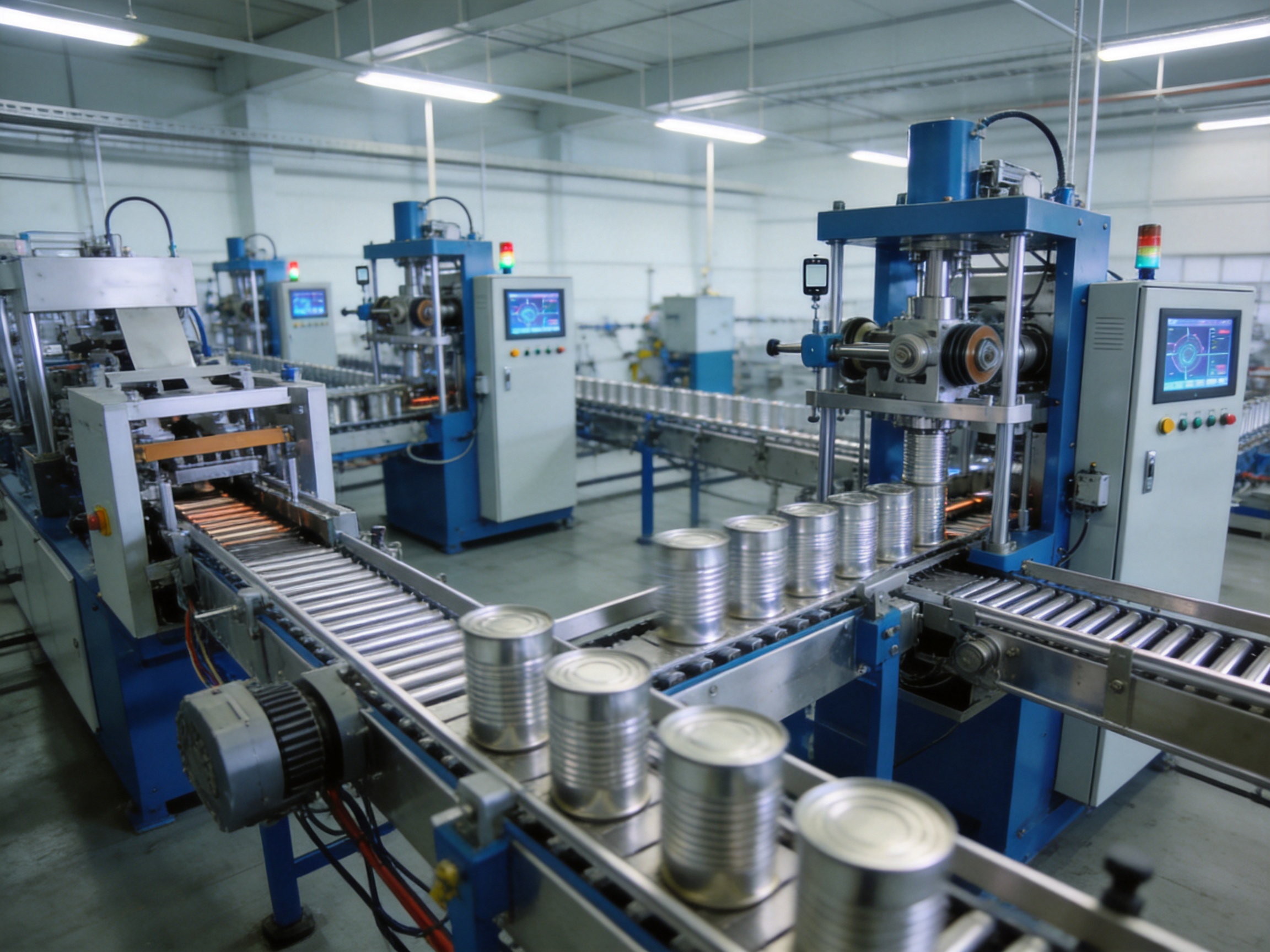
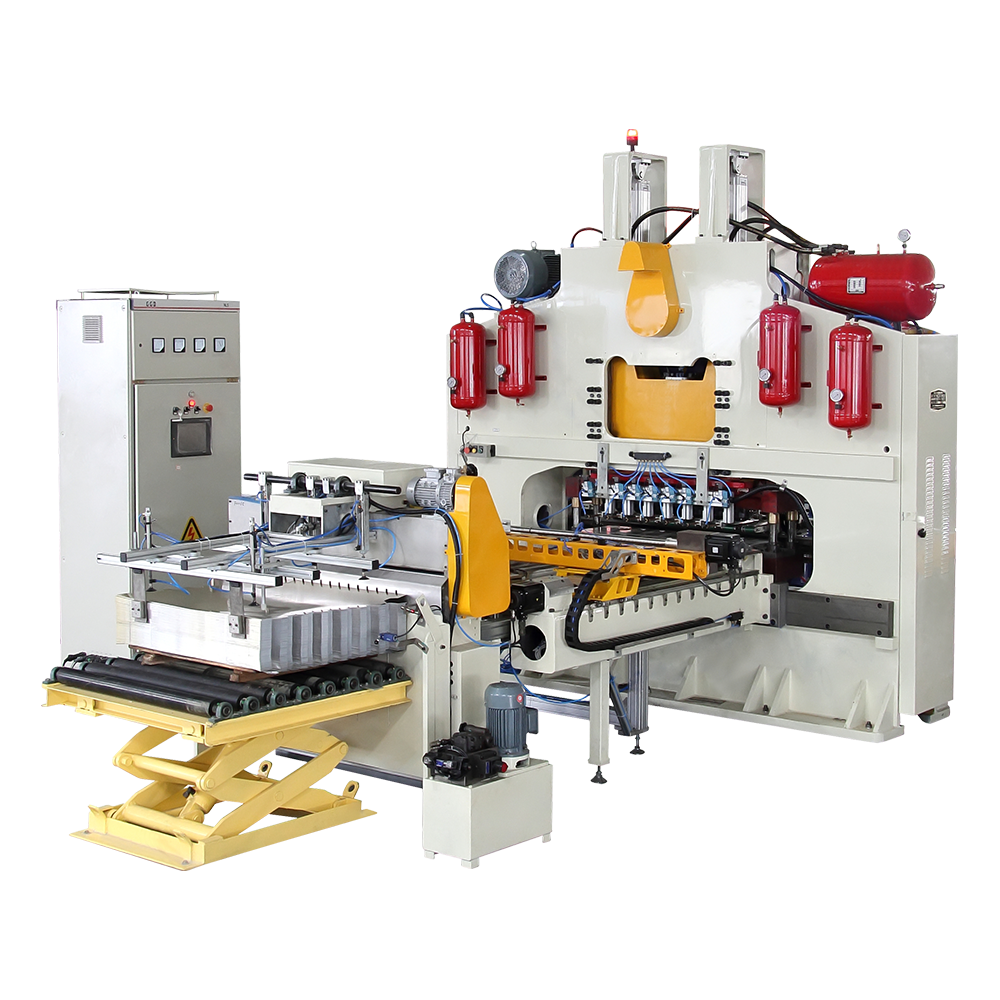
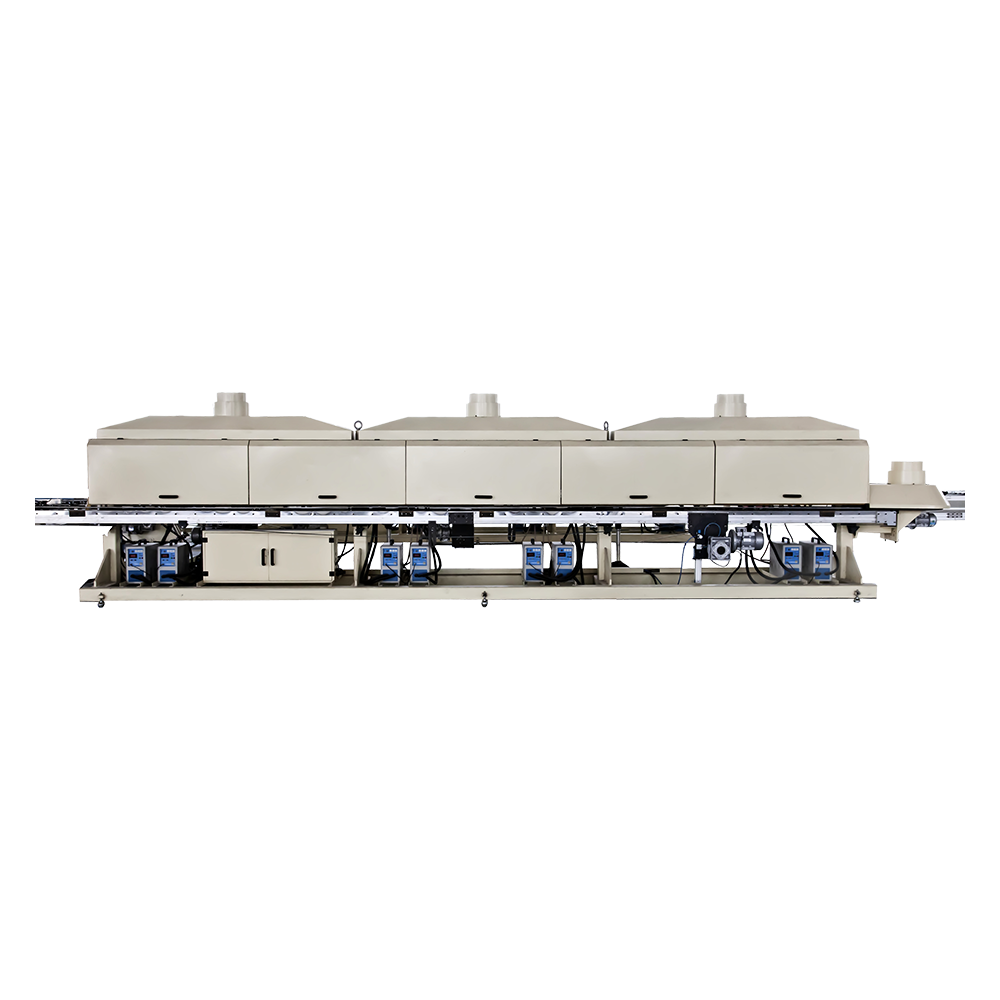
A single can making machine is valuable, but its full potential is realized when it operates as part of a complete production line. A typical tinplate can making machinery production line may include sheet feeding, slitting, body forming, welding, coating, curing, necking, flanging, beading, bottom seaming, leak testing, conveying, and packing systems. The Seaming Single Station Can Making Machine can be integrated into such workflows depending on the final can design.
For three-piece cans, the can body is usually formed from a tinplate blank, welded along the side seam, then processed through additional forming stages. The machine may support bottom seaming after the body has been flanged. For milk powder cans, the can may require beading for strength and a high-quality seam for product protection. For aerosol cans, necking and flanging are critical for compatibility with domes, cones, valves, and pressure-related requirements. For chemical containers, large-diameter processing and reliable bottom seaming are essential.
Because the company supplies whole-set series products, buyers can source more than one machine from the same manufacturer. Available categories include food can production lines, beverage can production lines, can lid production lines, chemical tank production lines, aerosol canister production lines, two-piece can production lines, pop can production lines, automatic feeding machines, tin can auto-welding machines, cutting machines, duplex slitters, EOE lids making machines, aerosol cone and dome making machines, and molds. This broad product coverage helps users create coordinated production lines with better mechanical and electrical compatibility.
Line integration is not only about placing machines next to each other. It requires matching production capacities, can transfer heights, feeding directions, safety logic, speed synchronization, electrical control interfaces, tooling standards, and maintenance access. A manufacturer with complete-line experience can help customers avoid mismatches that might occur when equipment is purchased from unrelated suppliers. This is a major advantage for buyers planning a new plant or upgrading an existing can-making workshop.
The Seaming Single Station Can Making Machine contributes to cost control in several ways. First, stable feeding and automatic protection reduce material waste. Tinplate is a valuable material, and every rejected can represents not only lost metal but also lost labor, energy, and production time. By reducing deformation, jams, and misprocessing, the machine helps improve material utilization.
Second, adjustable speed helps optimize energy consumption and line balance. Running a machine faster than the rest of the line can create accumulation and stops. Running too slowly may waste available capacity. With frequency-conversion adjustment, operators can set an appropriate speed for actual production conditions. This helps avoid unnecessary mechanical stress and supports smoother operation.
Third, easy operation reduces training difficulty. A machine that is difficult to understand may depend heavily on a few experienced workers. If those workers are unavailable, production quality may suffer. A more user-friendly machine with PLC control and clear operating logic helps factories train operators more efficiently and maintain consistent production management.
Fourth, convenient changeover reduces downtime. Many can producers must switch between different customer orders. Downtime during changeover can significantly affect monthly output. A machine designed for easier size adjustment allows factories to accept more varied orders and improve utilization of the production line.
Fifth, durable construction reduces long-term maintenance costs. Machines for can making operate under repeated load. If components wear quickly or lose alignment, maintenance becomes frequent and expensive. The use of precision machining and experienced mechanical design supports longer service intervals and more stable long-term operation.
Quality control begins before the machine is assembled. It starts with design. Engineers must consider the can diameter range, can height range, output capacity, mechanical load, safety requirements, electrical control structure, and customer application. The correct tooling design is essential because the can body must be shaped without tearing, wrinkling, cracking, or losing roundness.
During manufacturing, key components are processed using high-precision machining equipment. Dimensional accuracy is important for shafts, guide rails, forming heads, tooling seats, rotary components, and transmission parts. After machining, components must be inspected to verify that they meet design requirements. Assembly technicians then align mechanical structures carefully to ensure smooth movement and stable processing.
Electrical installation and PLC programming are also critical. The Mitsubishi PLC control system must coordinate sensors, actuators, motor speed, safety response, and machine status. Proper wiring, shielding, cabinet layout, and testing help prevent unstable signals or unexpected interruptions. The intelligent protection functions must be tested under practical conditions, including no-can operation and outlet accumulation.
Before delivery, machines are generally tested to verify operation, speed stability, and basic processing performance. For customized equipment, testing may involve specific can samples or tooling. This process helps confirm that the machine is ready for installation and commissioning at the customer’s site. After delivery, the company provides after-sales service including installation, commissioning, technical guidance, operation training, and spare parts supply.
One of the most valuable features of this machine series is its adaptability. Can manufacturers rarely operate in a static market. Food packaging trends change, aerosol products diversify, chemical packaging requirements evolve, and brand owners request new sizes or shapes. A flexible can making machine helps manufacturers respond to these changes without replacing the entire line.
For food cans, the machine supports the formation of strong and reliable containers suitable for canned vegetables, meat, seafood, sauces, powders, and dry goods. Food can production demands hygienic packaging performance and consistent dimensions for filling and closing equipment. Stable flanging and bottom seaming are essential to meet those requirements.
For milk powder cans, the machine supports larger and stronger containers that require good appearance and excellent sealing. Milk powder products are often premium consumer goods, and package quality influences customer trust. Smooth seams, stable body shape, and strong bead profiles all contribute to perceived and actual quality.
For aerosol cans, the machine can be used in processing stages related to necking, flanging, and seaming. Aerosol containers must withstand internal pressure and require accurate connection with cone, dome, and valve components. Dimensional precision and forming stability are therefore essential.
For chemical tanks and containers, large-diameter processing capability is important. Chemical containers may need stronger seams and reinforced bodies to handle heavier or more aggressive contents. The availability of large-can models with diameters up to Φ190 mm and heights up to approximately 320 mm provides practical options for this market.
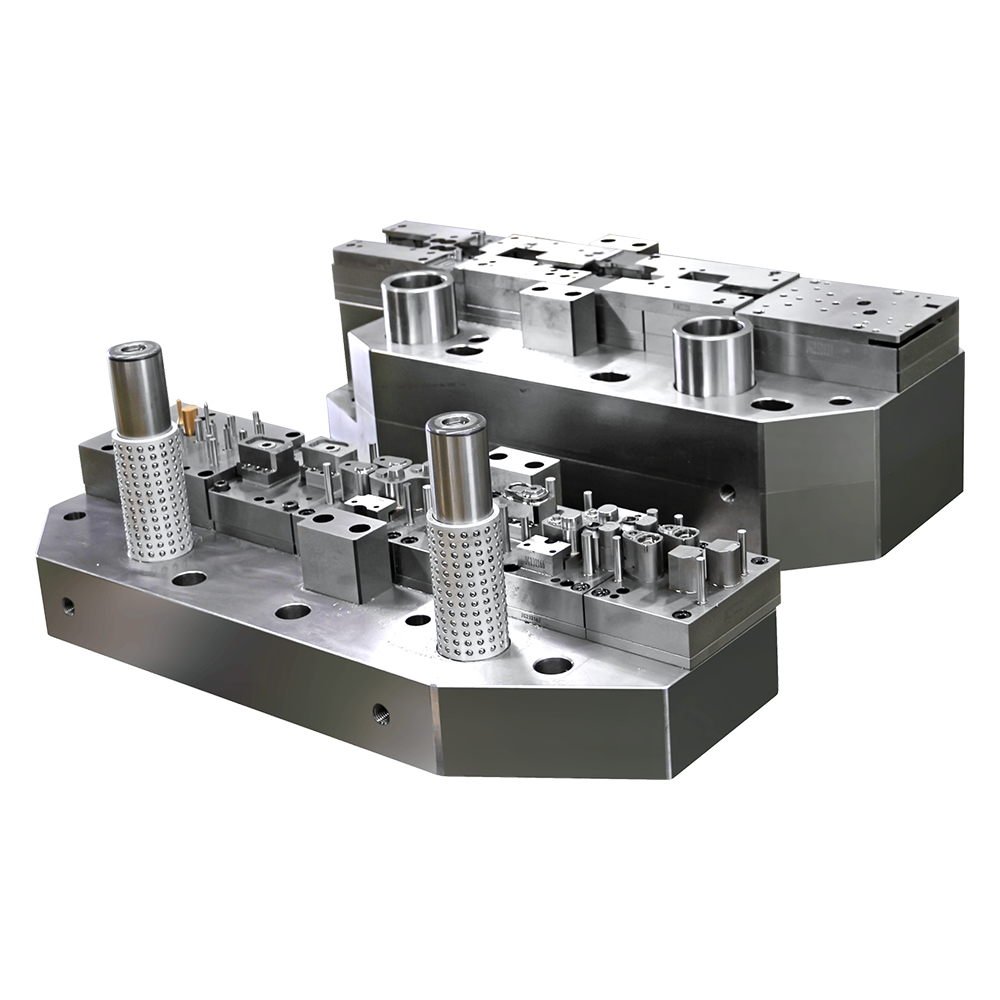
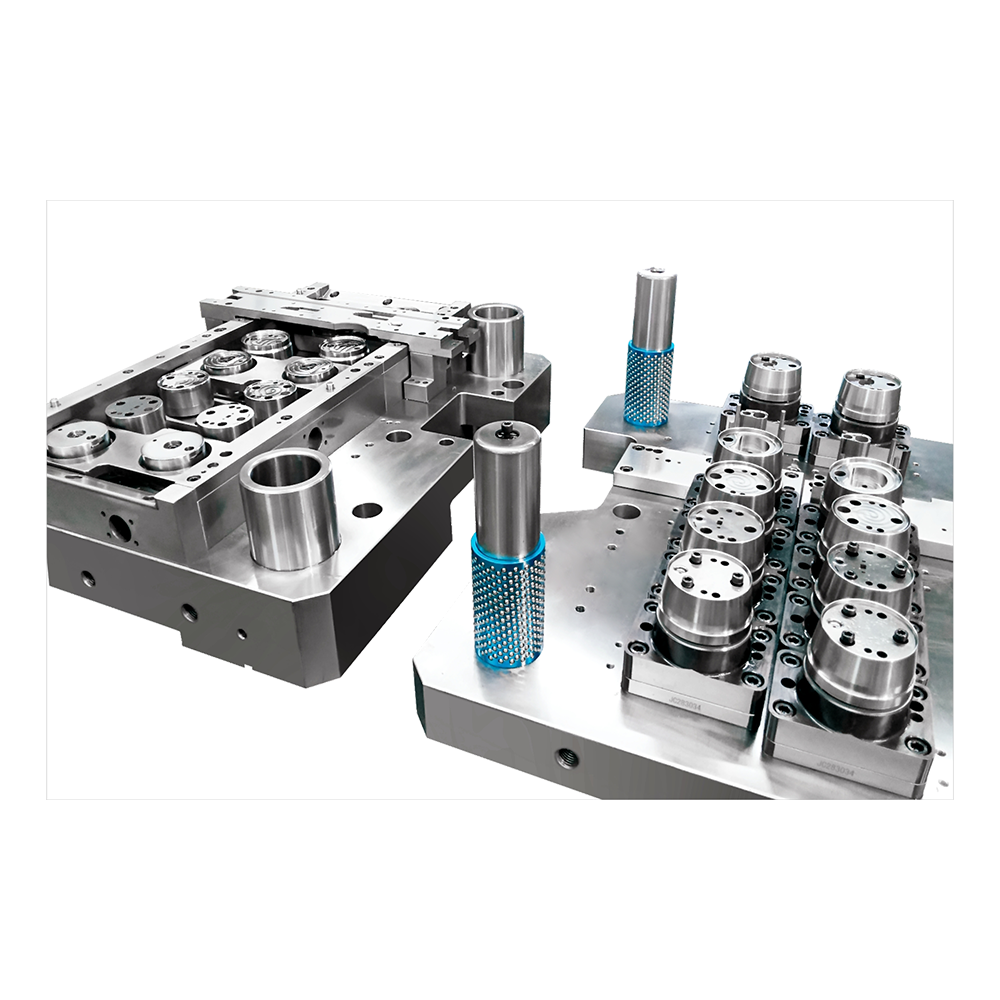
In can making, the machine and mold are inseparable. A strong machine with poor tooling cannot produce high-quality cans, and excellent tooling cannot perform well on an unstable machine. The manufacturer’s background in both machinery and molds is therefore a significant advantage. Tooling must be designed according to material thickness, can diameter, can height, forming sequence, and final packaging requirements.
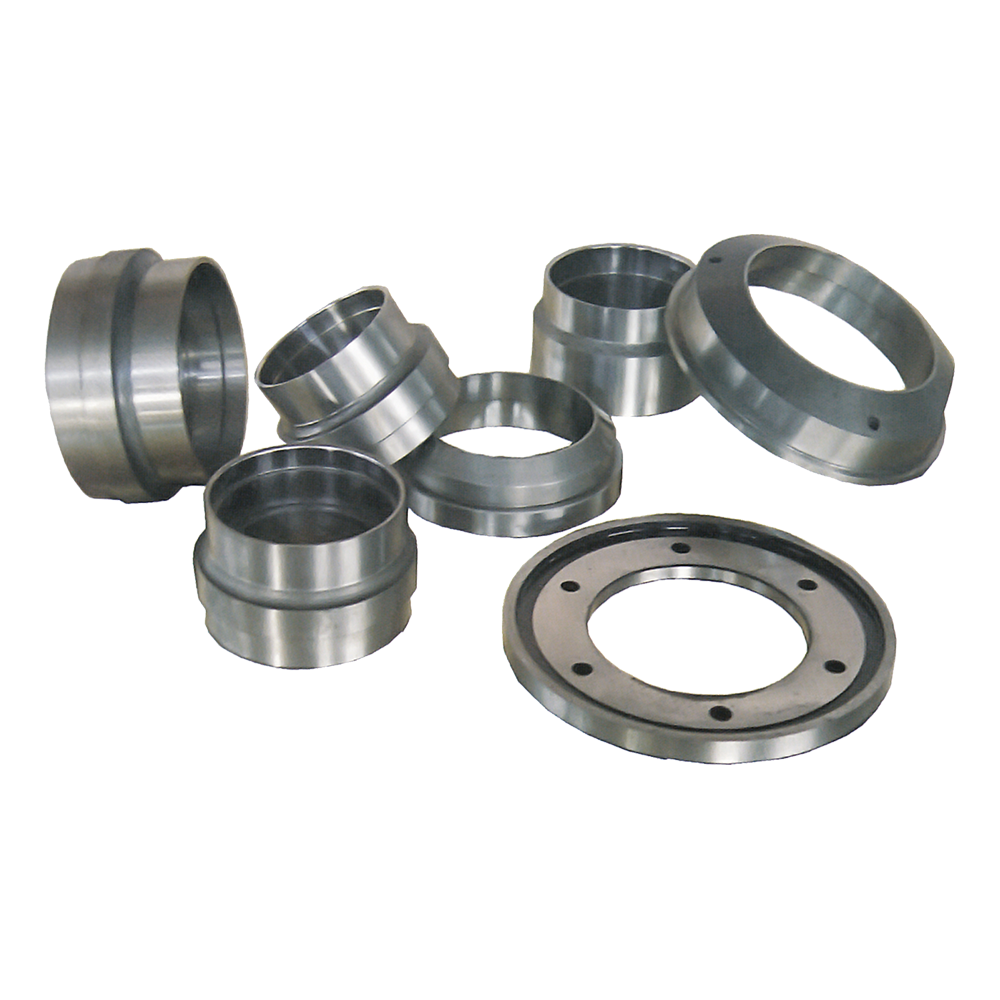
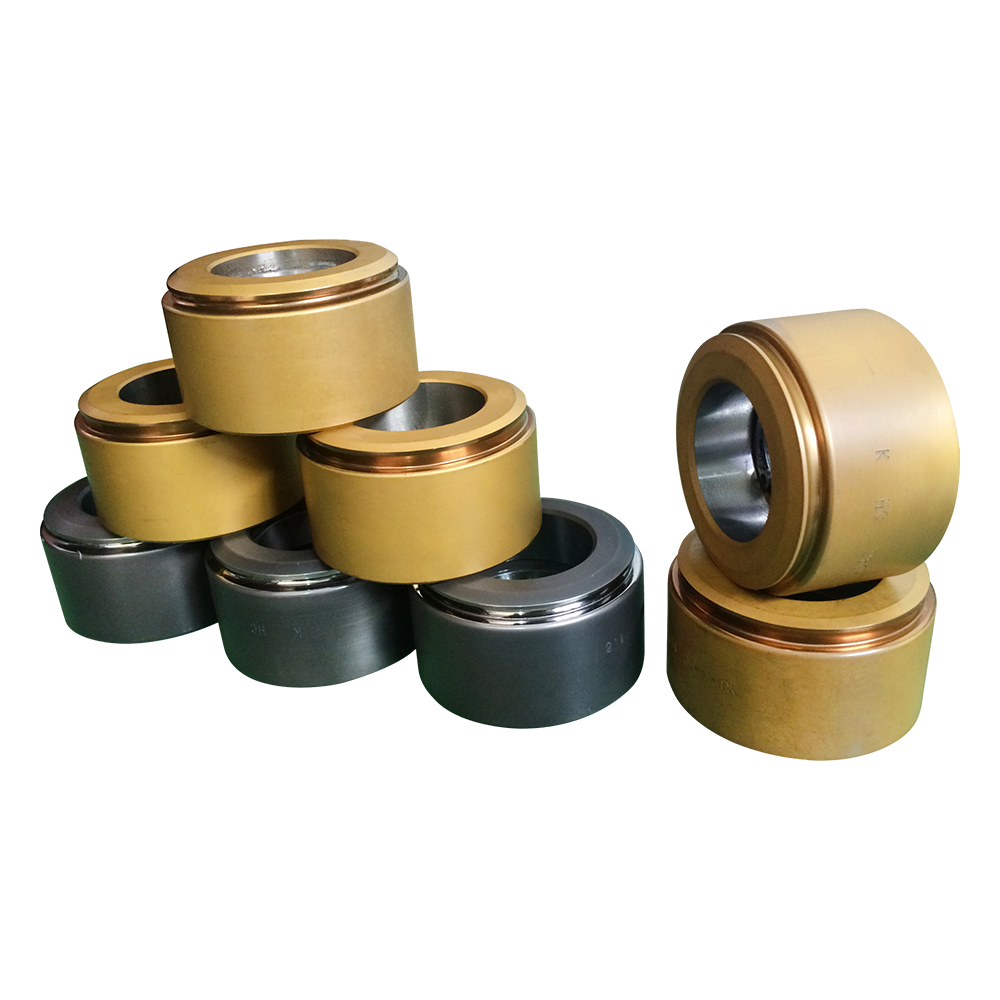
For flanging tools, the geometry must create a smooth and uniform edge suitable for seaming. If the flange radius or angle is incorrect, the seam may be weak or irregular. For necking tools, gradual forming may be required to prevent wrinkling or cracking. For beading tools, the bead profile must strengthen the body without damaging the coating or causing excessive deformation. For bottom seaming tools, roller profile and chuck design are critical to forming a tight and reliable seam.
Because the company has long experience in can-making molds, it can better match machine configuration with tooling performance. This reduces trial-and-error during commissioning and helps customers achieve stable production faster. For OEM and ODM projects, this capability is especially useful because custom cans may require non-standard tooling designs.
Industrial machinery is a long-term investment. Buyers need not only a good machine but also reliable support after purchase. The company provides after-sales service that includes installation, commissioning, technical guidance, operation training, and spare parts supply. These services help customers start production smoothly and maintain equipment performance over time.
Installation support is important because can making machines must be positioned, leveled, connected, and aligned correctly. Commissioning helps adjust machine speed, feeding stability, tooling contact, and safety functions. Technical guidance helps operators understand how to run the machine under real production conditions. Operation training helps reduce mistakes and improve daily maintenance habits.
Spare parts supply is another critical factor. In production environments, downtime can be expensive. A supplier that understands the machine and can provide parts efficiently helps reduce production interruptions. Since the company has produced a large number of can and can lid machines over many years, it has practical experience supporting equipment in different countries and operating environments.
When choosing a Seaming Single Station Can Making Machine or related tinplate can making machinery, buyers should evaluate several key factors. The first is can size. Diameter and height determine which model and tooling configuration are suitable. Small cans may require high-speed multi-head equipment, while large cans may require stronger forming and lower operating speeds.
The second factor is production capacity. A machine should not be selected based only on maximum speed. It should match the realistic output of the entire line. If upstream welding or downstream testing equipment operates at a lower capacity, selecting an excessively fast machine may not improve total production. A balanced line is more efficient than a single high-speed unit surrounded by bottlenecks.
The third factor is product type. Milk powder cans, aerosol cans, food cans, and chemical containers have different strength and sealing requirements. Buyers should define whether they need cutting, necking, flanging, beading, bottom seaming, or a combination of processes.
The fourth factor is changeover frequency. If the factory produces many can sizes, convenient adjustment and tooling replacement become especially important. If the factory produces one size continuously, maximum speed and long-term stability may be the main priorities.
The fifth factor is supplier capability. Buyers should consider whether the supplier can provide complete-line planning, tooling design, installation, training, and spare parts. A can making machine is not a simple standalone purchase; it is part of a production ecosystem.
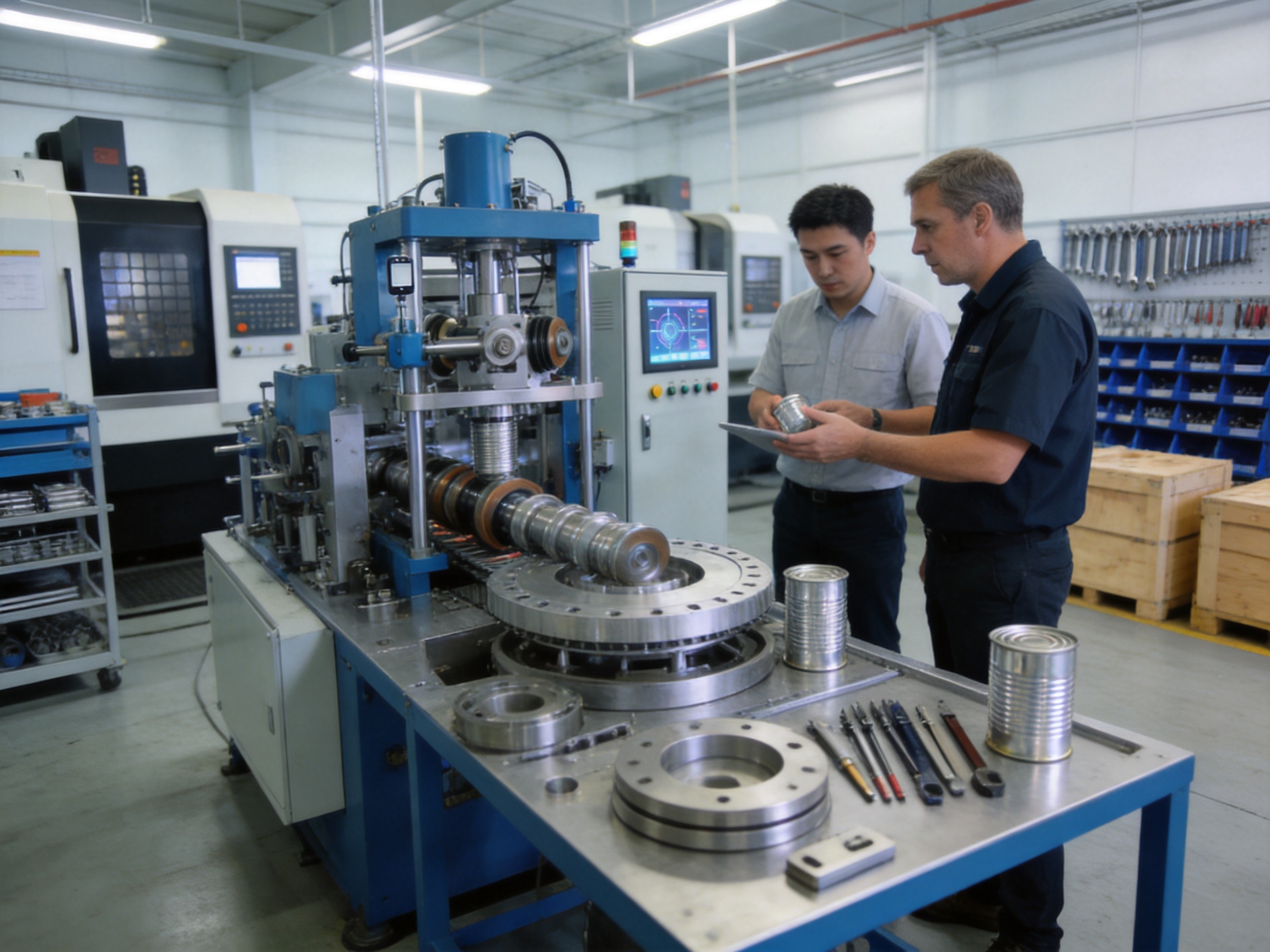
The machine is designed for processing tinplate can bodies in can production lines. Depending on the selected model and configuration, it can support operations such as bottom seaming, flanging, necking, beading, neck expanding, and cutting. It is suitable for milk powder cans, food cans, aerosol cans, chemical containers, and related tinplate packaging products.
Vertical can feeding helps keep can bodies stable and properly aligned during transfer into the working station. This reduces the risk of deformation, scratches, feeding jams, and unstable processing. It is especially useful in high-speed production where feeding precision directly affects output quality.
The PLC control system coordinates machine operation, including feeding logic, speed control, safety response, and abnormal-condition handling. It improves automation, reduces reliance on manual intervention, and helps the machine respond quickly when no cans are present or when cans accumulate at the outlet.
The intelligent protection system allows low-speed operation when there is no can and shuts down the machine when cans stack at the outlet. These functions help prevent tooling damage, can deformation, outlet blockage, and unnecessary downtime. They also improve safety and reduce material waste.
Yes. The machine series supports a wide range of can diameters and heights. Representative models cover small and medium diameters from approximately Φ52 mm to Φ99 mm, as well as larger cans from approximately Φ99 mm to Φ190 mm. Can height capability varies by model and may reach up to about 320 mm for selected large-can configurations.
Capacity depends on the model, function, head configuration, can size, and production conditions. Some large-can or specialized operations may run at 20 to 100 cans per minute, while high-speed multi-head models may reach several hundred cans per minute. The correct selection should be based on the total production line requirement.
Stepless frequency-conversion adjustment allows operators to control machine speed smoothly. This is useful during commissioning, size changeover, trial production, and normal operation. It also helps synchronize the machine with upstream and downstream equipment, reducing accumulation and line imbalance.
Yes. The machine can be integrated into complete food can, milk powder can, aerosol can, chemical tank, and tinplate can making machinery production lines. The manufacturer also supplies related equipment such as welding machines, cutting machines, feeding systems, lid making machines, and molds.
Zhejiang Golden Eagle Food Machinery Co., Ltd. has been engaged in can-making machinery and molds since 1978. The company has more than 350 trained personnel, experienced engineers, CNC high-precision machining equipment, ISO9001 and ISO14001 certifications, and a production record of more than 10,000 pieces of can and can lid equipment. These strengths support reliable machine quality and global service capability.
Support includes installation, commissioning, technical guidance, operation training, and spare parts supply. These services help customers start production efficiently, train operators, and maintain machine performance over the long term.
The Seaming Single Station Can Making Machine is a practical and competitive solution for modern tinplate can production. It combines vertical can feeding, PLC control, intelligent protection, frequency-conversion speed adjustment, convenient operation, and broad model adaptability. These features help manufacturers improve production stability, reduce waste, simplify changeover, and maintain consistent can quality.
Its value is strengthened by the manufacturer’s long history in can-making machinery and molds, advanced CNC machining capability, experienced engineering team, quality management certifications, and international market experience. For buyers seeking a can making machine, tin can making machine, tinplate can making machine, or complete can making machinery production line, this equipment offers a strong balance of performance, flexibility, and service support.
In industries such as milk powder packaging, food cans, aerosol containers, and chemical tanks, production reliability is essential. A machine that can maintain stable feeding, accurate forming, reliable seaming, and intelligent protection provides measurable benefits in quality and cost control. As packaging markets continue to demand higher efficiency, safer products, and more flexible production, this machine is well positioned to support manufacturers in building dependable and competitive can production operations.
1. Soroka, W. Fundamentals of Packaging Technology. Institute of Packaging Professionals.
2. Robertson, G. L. Food Packaging: Principles and Practice. CRC Press.
3. Yam, K. L. The Wiley Encyclopedia of Packaging Technology. John Wiley & Sons.
4. Page, B., Edwards, M., and May, N. Metal Packaging: Materials, Processes and Applications. Industry technical literature.
5. ISO 9001 Quality Management Systems: Requirements. International Organization for Standardization.
6. ISO 14001 Environmental Management Systems: Requirements with Guidance for Use. International Organization for Standardization.
7. Technical documentation and product specifications for tinplate can making machinery, seaming systems, flanging machines, necking machines, and can body processing equipment.
Related Products

Founded in 1978, the company is one of the largest can-making machinery well-known companies at home and abroad.
Product Categories
Contact Information
Zhongshatou Shenjiamen Zhoushan Zhejiang China
+86-580-3056646

 English
 中文简体
中文简体
 русский
 عربى
عربى
 Español