2026-03-09
The aerosol can industry is a dynamic global sector, valued at over $35 billion in 2023 and projected to grow at a 4.2% CAGR through 2030 (Global Can Making Machinery Market Report, 2023). At the core of every high-quality aerosol can lies a precision-engineered cone lid—an essential component that ensures structural integrity, leak-proof sealing, and compatibility with aerosol valves. For manufacturers, the choice of cone lid production equipment directly impacts output, cost efficiency, and product quality. In this context, the 2-Lane D109-D211 Aerosol Cone Lid Line emerges as a game-changer, combining advanced automation, high throughput, and unmatched flexibility to meet the evolving needs of the global can manufacturing industry.
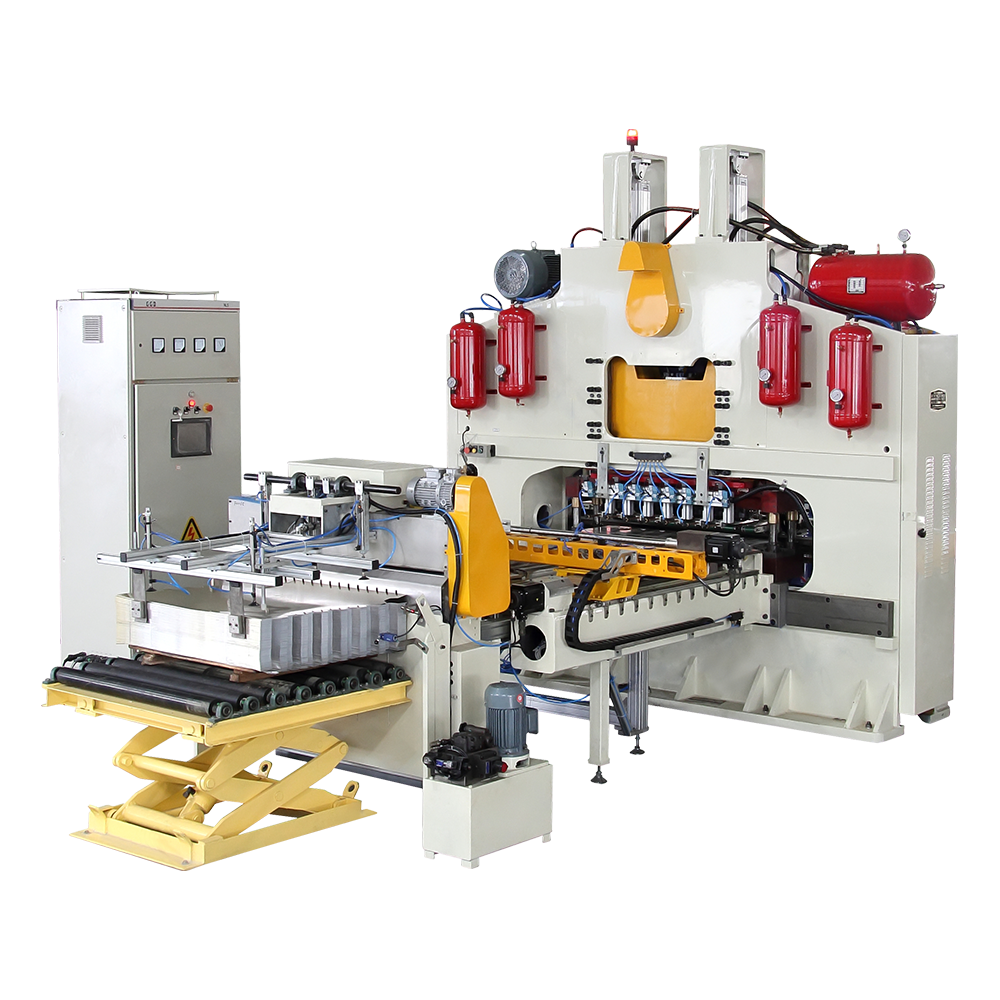
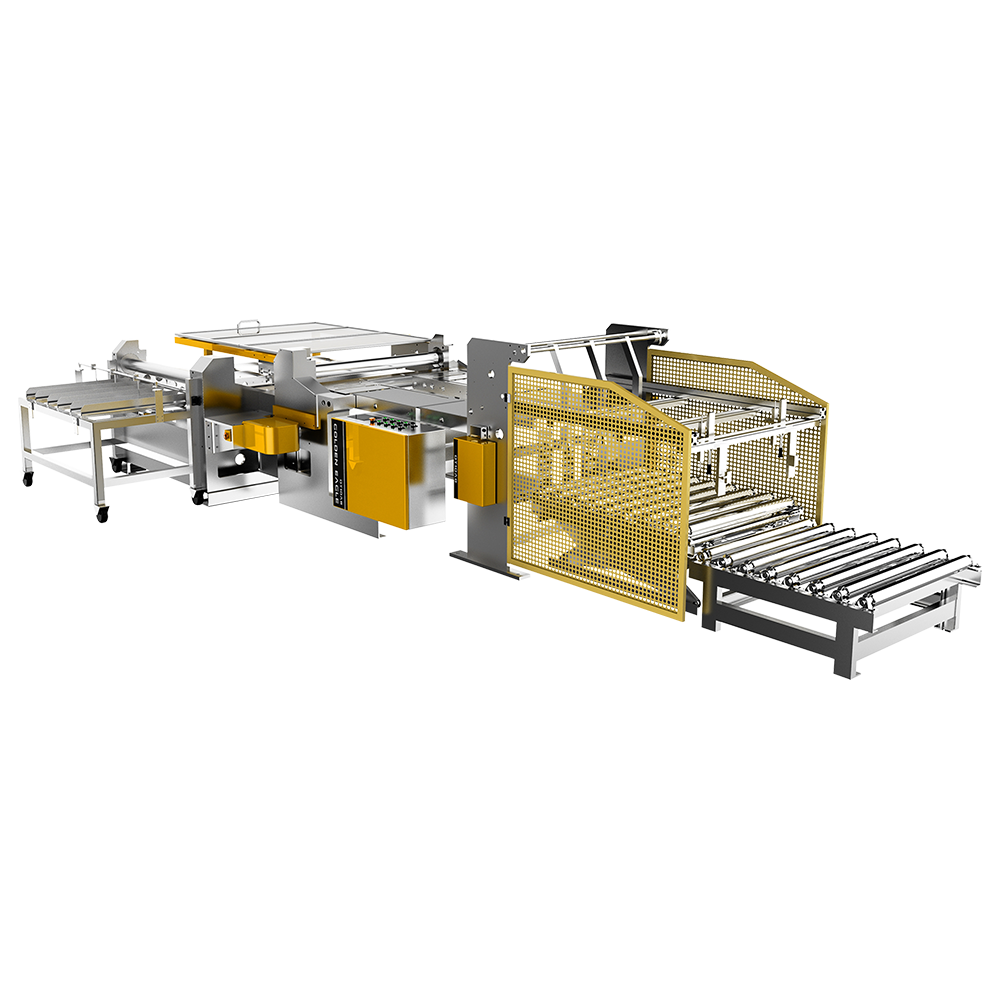
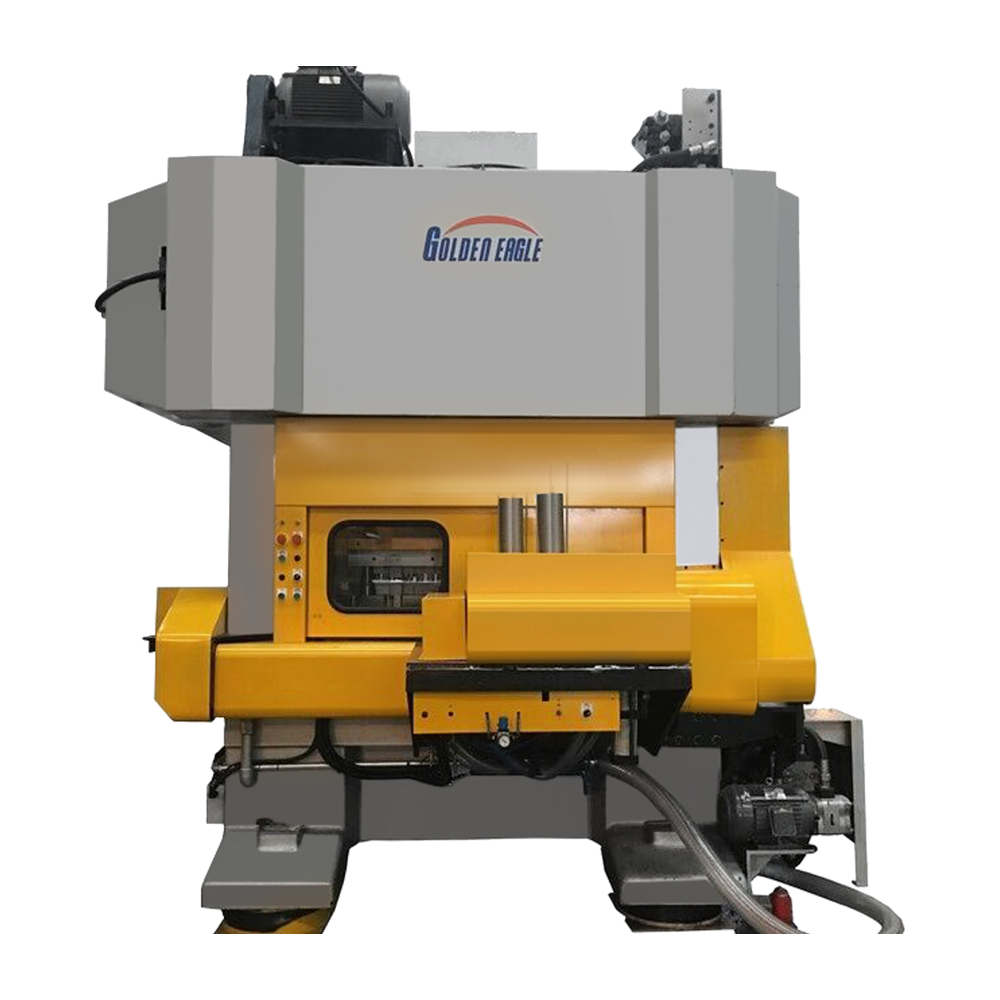
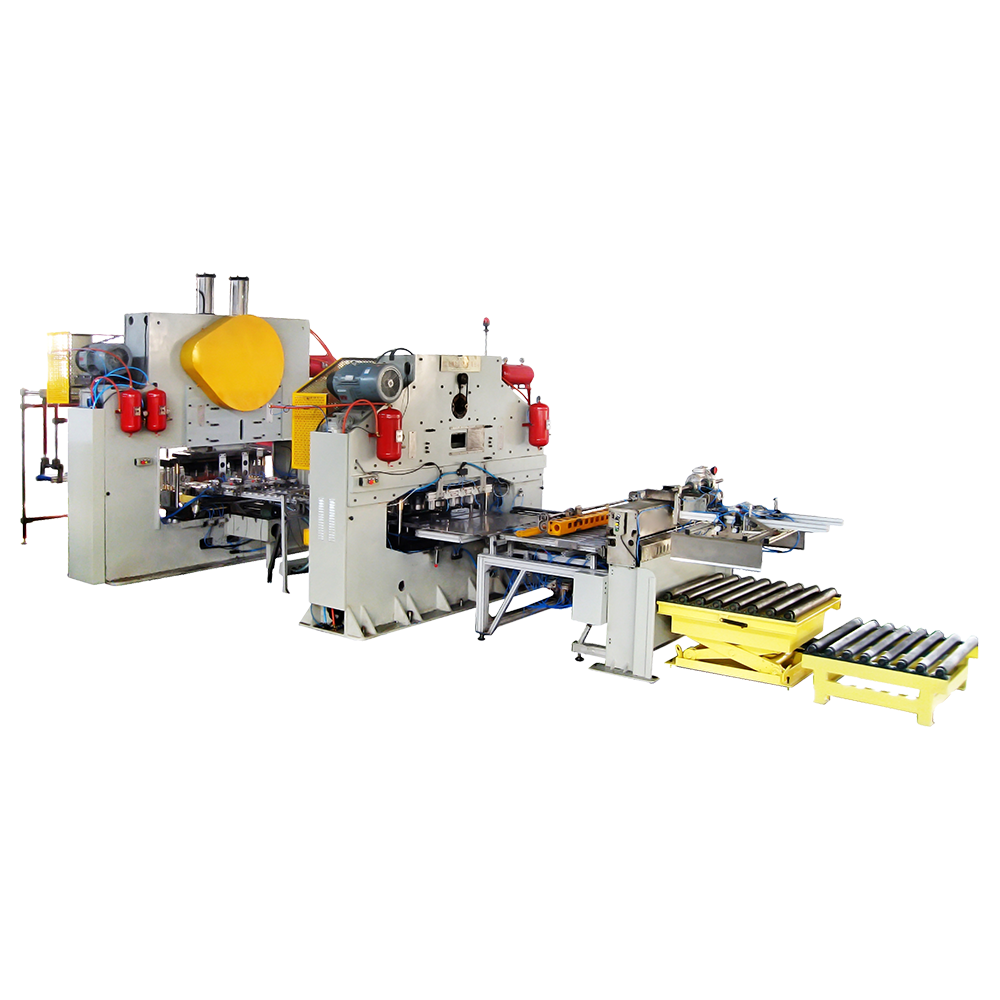
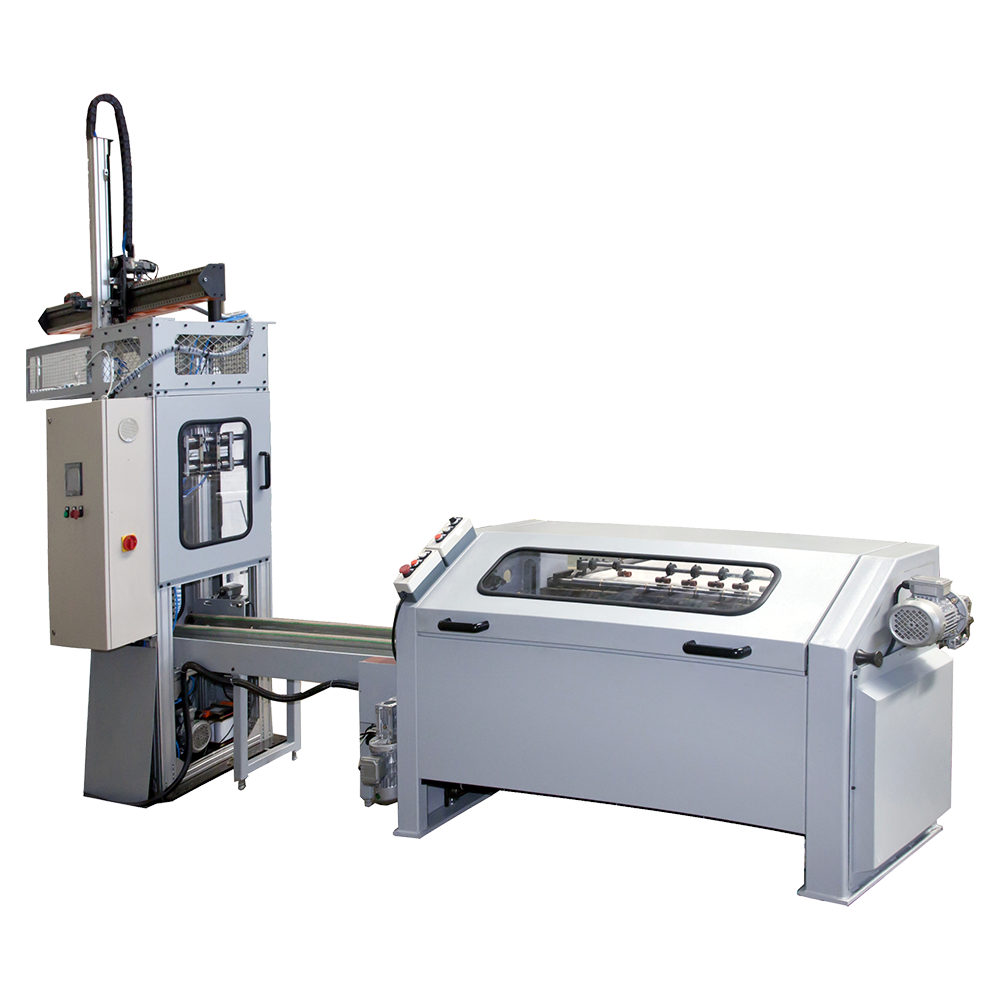
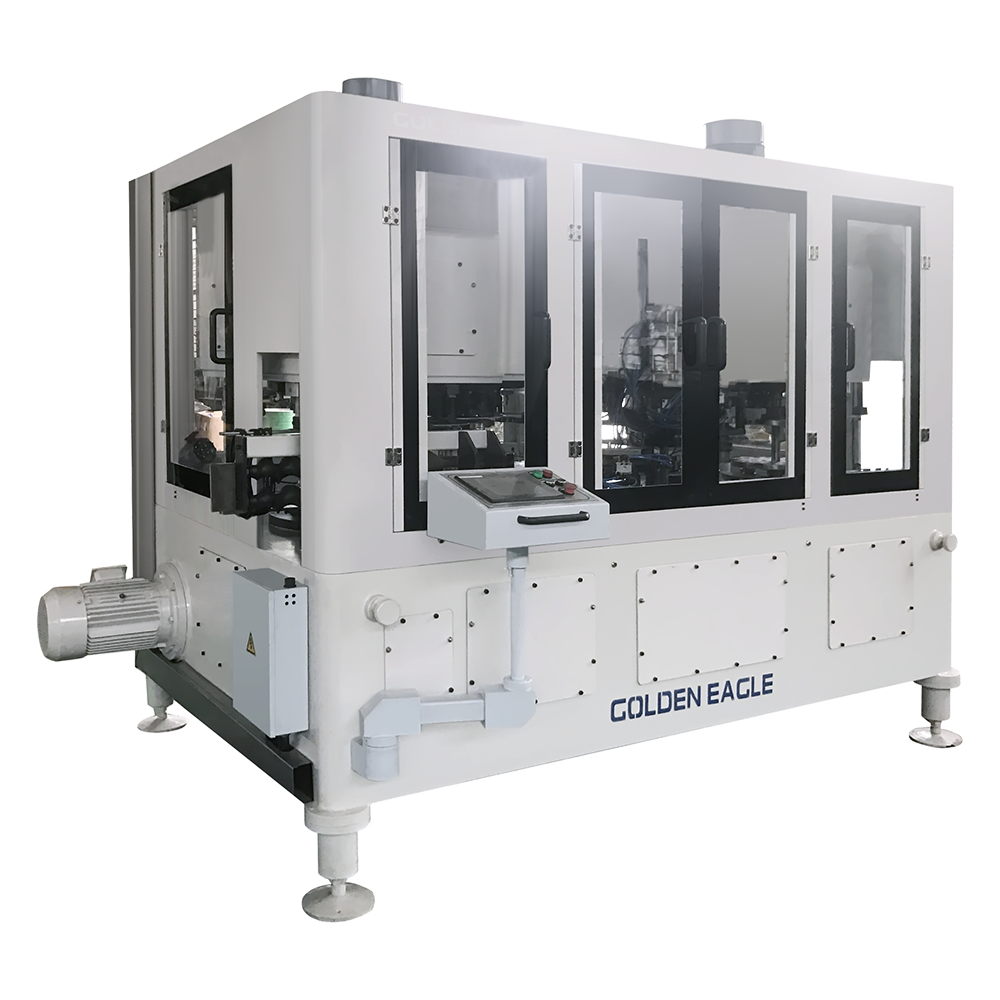
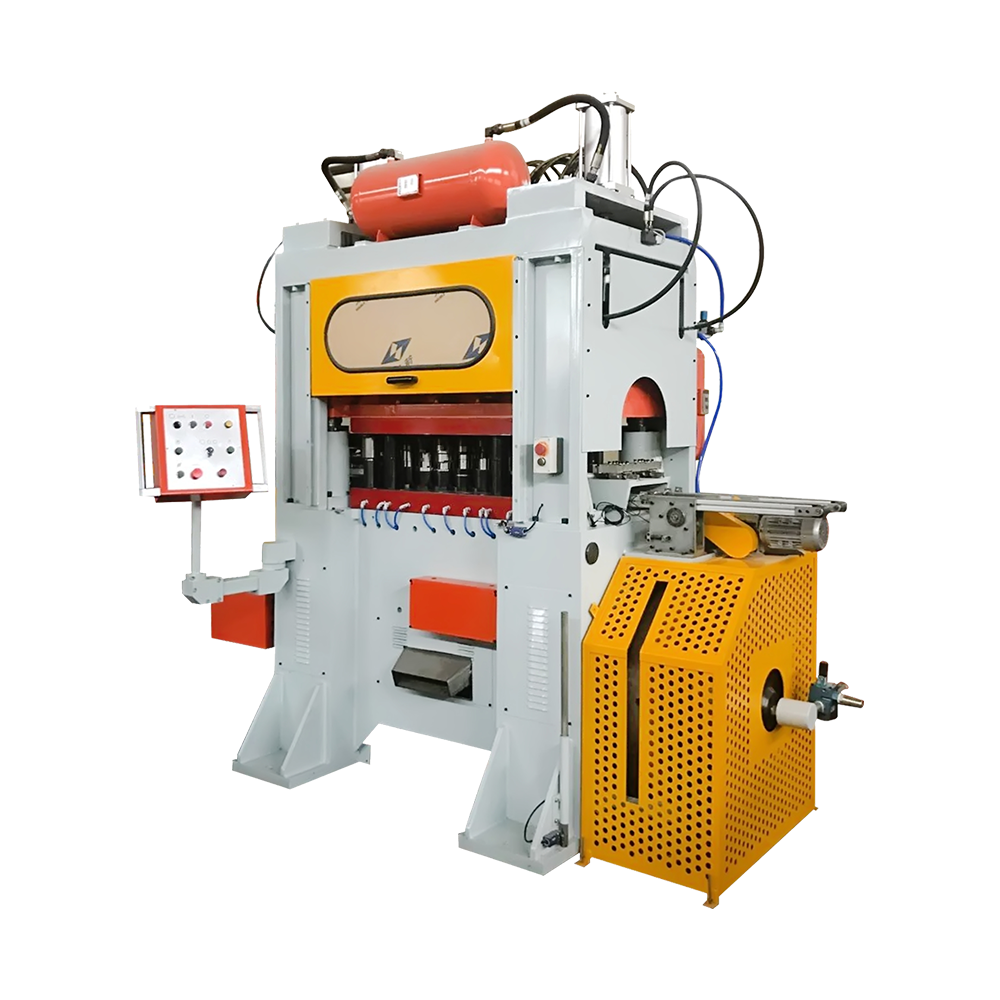
The 2-Lane D109-D211 Aerosol Cone Lid Line is a fully automatic production system designed to manufacture cone lids for aerosol cans in the diameter range of Φ45mm to Φ65mm. Built with industrial-grade components and engineered for 24/7 continuous operation, this line stands out for its dual-lane configuration, which enables simultaneous production of two streams of lids—significantly boosting output without compromising on precision.
Let’s break down the core specifications of the line:
Each feature of the line is designed to address key pain points in aerosol lid manufacturing—from low throughput to lack of flexibility and high operational costs. 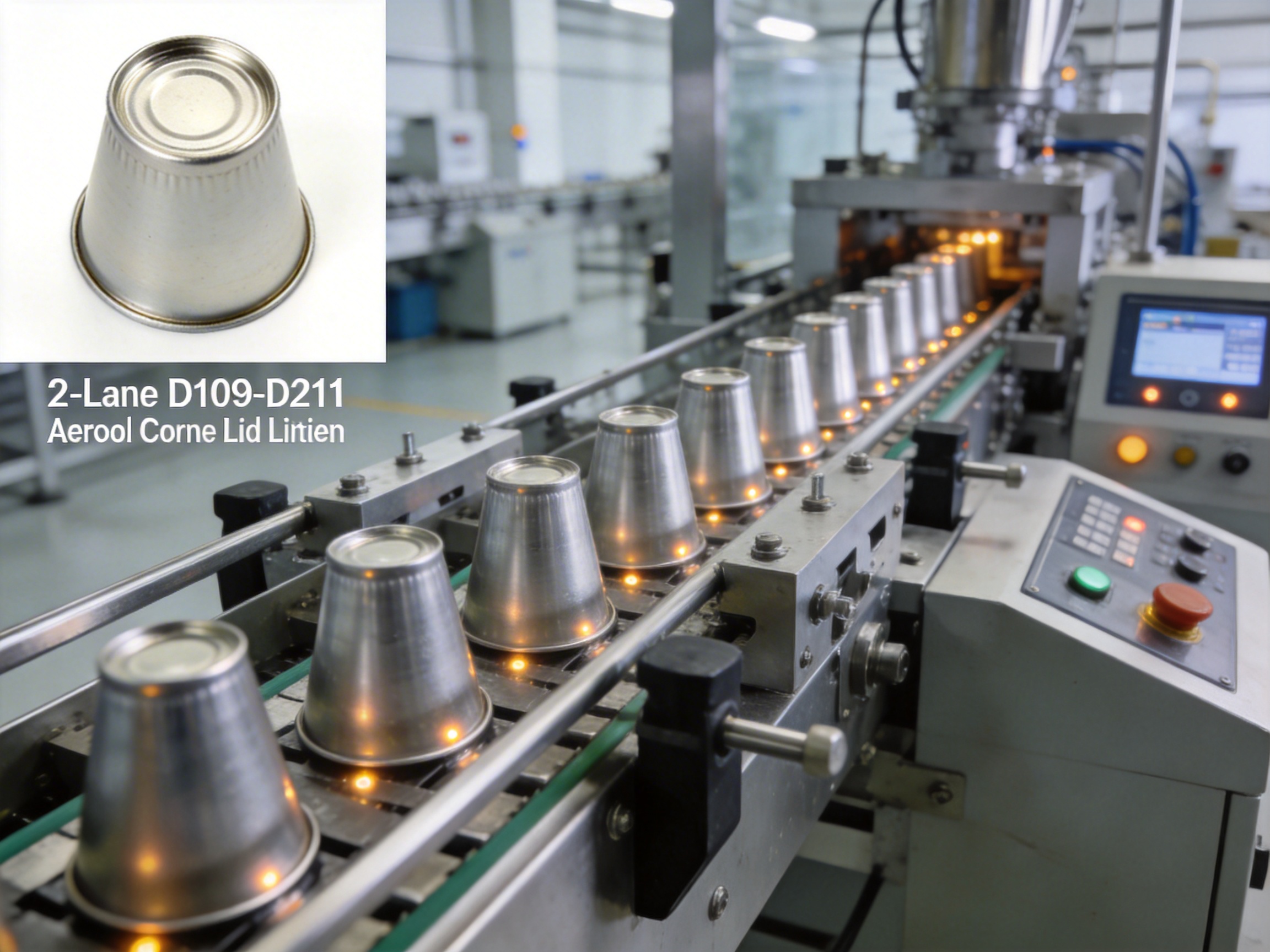
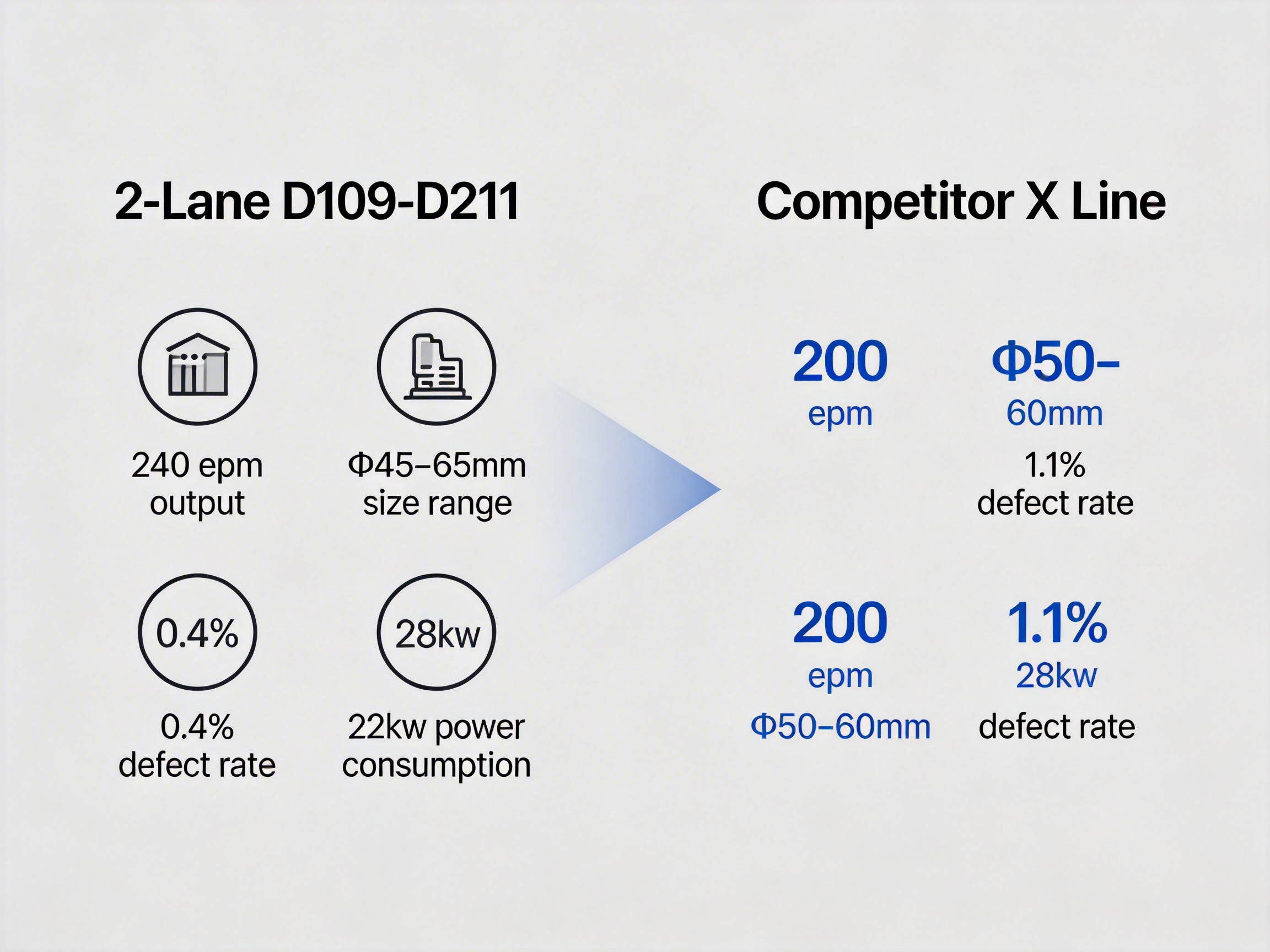
The 2-Lane D109-D211 line outperforms traditional single-lane models and many dual-lane alternatives in several critical areas. Below is a detailed comparison with a hypothetical leading competitor to highlight its unique strengths:
| Specification | 2-Lane D109-D211 Line | Competitor X Dual-Lane Line |
|---|---|---|
| Output Capacity (epm) | 240 | 200 |
| Can Size Range (Φ) | 45-65mm | 50-60mm |
| Die Range | 6-9 dies | 5-7 dies |
| Power Consumption | 22kw | 28kw |
| Material Thickness Range | 0.17-0.40mm | 0.20-0.35mm |
| Setup Time for Size Change | 30 minutes | 45 minutes |
| Defect Rate | 0.4% | 1.1% |
| IoT Integration | Standard | Optional (additional $5,000) |
The dual-lane configuration of the D109-D211 line is a key differentiator. With 240 epm total output (120 epm per lane), it produces 20% more lids per minute than Competitor X’s 200 epm line. For a manufacturer operating an 8-hour shift, this translates to an additional 19,200 lids per day (240 epm × 60 mins × 8 hrs = 115,200 vs 200×60×8=96,000). Over a month (22 working days), this adds up to 422,400 extra lids—enough to fulfill 422,400 additional aerosol can orders. This higher throughput directly reduces per-unit production costs by 12% (based on labor and energy savings) and allows manufacturers to meet tight delivery deadlines without expanding their production floor space.
Modern aerosol can manufacturers need to produce a variety of lid sizes to cater to different product lines (e.g., small travel-sized cans vs large industrial sprays). The D109-D211 line’s wide can size range (Φ45-65mm) and die range (6-9 dies) make it highly flexible. Unlike Competitor X’s line, which is limited to Φ50-60mm, the D109-D211 can handle smaller lids (Φ45mm) for personal care products and larger lids (Φ65mm) for paint or lubricant sprays. The 6-9 die range also allows for quick switching between different lid designs (e.g., standard cone lids vs reinforced lids for high-pressure products), reducing setup time by 33% compared to Competitor X’s line (30 mins vs 45 mins). This flexibility enables manufacturers to respond rapidly to changing market demands without investing in multiple production lines—saving up to $150,000 in capital expenditure per facility.
Energy costs are a significant expense for can manufacturing facilities, accounting for 15-20% of total operational costs (Jones, 2023). The D109-D211 line’s 22kw power consumption is 21% lower than Competitor X’s 28kw line. For a facility operating 2 shifts per day (16 hours) for 300 days a year, this translates to annual energy savings of approximately 28,800 kWh ( (28-22)kw ×16hrs ×300 days =28,800 kWh ). At an average industrial electricity rate of $0.15 per kWh, this equals $4,320 in annual savings per line— a substantial amount that directly improves the bottom line. The line’s energy efficiency is achieved through optimized motor design, smart power management systems (which reduce power usage during idle periods), and low-friction mechanical components (e.g., ceramic bearings).
Precision is critical in aerosol lid manufacturing—even a minor defect (e.g., a 0.1mm deviation in diameter) can lead to leaks or valve compatibility issues, resulting in product waste and customer complaints. The D109-D211 line uses CNC-machined dies with tight tolerances (±0.01mm) to ensure consistent lid dimensions. The 110mm die gap and 400mm largest closed height further enhance precision by allowing uniform forming pressure across the entire lid surface. This results in a defect rate of less than 0.5%—far lower than the industry average of 1.2% (Smith, 2022). Additionally, the line’s robust construction (using high-grade alloy steel and wear-resistant components) reduces downtime due to maintenance. Competitor X’s line has a reported downtime of 1.5 hours per week, while the D109-D211 line averages just 0.5 hours per week—saving 52 hours of production time annually (equivalent to 124,800 extra lids).
The D109-D211 line can process iron sheets with thicknesses from 0.17mm to 0.40mm and hardness ratings T3-T4. This range covers most standard raw materials used in aerosol can manufacturing, including tin-plated iron (the most common material, accounting for 70% of global aerosol can production) and stainless steel (used for corrosion-resistant industrial cans). Competitor X’s line is limited to 0.20-0.35mm thicknesses, which means manufacturers using thinner (0.17mm) or thicker (0.40mm) materials need to invest in separate lines. The D109-D211 line eliminates this need, reducing capital expenditure and simplifying production planning. For example, a Malaysian manufacturer of personal care cans was able to replace two separate lines (for 0.17mm and 0.35mm materials) with one D109-D211 line, saving $80,000 in capital costs and $12,000 per year in maintenance costs.
The 2-Lane D109-D211 line’s superior performance is rooted in the manufacturer’s decades of expertise, advanced manufacturing processes, and commitment to quality. Let’s explore the key strengths that enable the production of such a high-quality line:
The manufacturer has over 46 years of experience in designing and manufacturing can-making machinery. Founded in 1978, it began as a specialized factory focused on can molds and has since evolved into a global leader in can production lines. This long legacy means the manufacturer has a deep understanding of the aerosol can industry’s evolving needs—from the shift to automatic lines in the 1990s to the current demand for energy-efficient and flexible equipment. The company’s in-house R&D team, consisting of over 50 professional engineers (including 15 with PhDs in mechanical engineering), continuously innovates to address emerging challenges, such as the need for lighter yet stronger lids to reduce material costs and the demand for sustainable manufacturing processes.
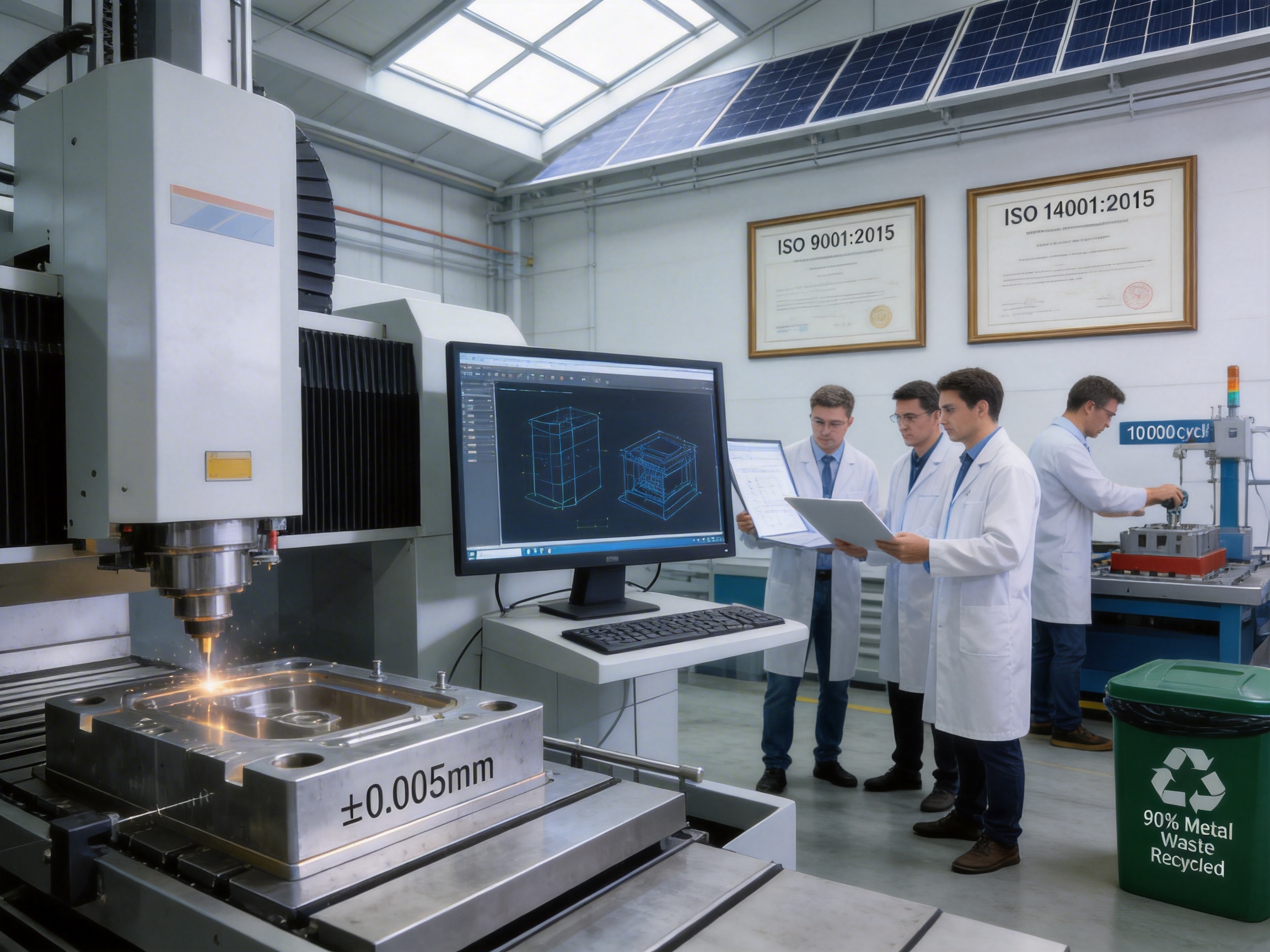
The manufacturer holds both ISO 9001:2015 (Quality Management System) and ISO 14001:2015 (Environmental Management System) certifications. These certifications ensure that every stage of the production process—from design to assembly to testing—meets global quality standards. For example, each component of the D109-D211 line undergoes rigorous quality checks: dies are tested for 10,000 cycles to ensure durability, and electrical systems are inspected for safety and reliability using international standards (IEC 60204-1). The ISO 14001 certification also means the manufacturer uses sustainable manufacturing practices, such as recycling 90% of its metal waste (from CNC machining) and using solar panels to power 30% of its production facilities. This commitment to sustainability has made the manufacturer a preferred supplier for European and North American customers who prioritize eco-friendly production.
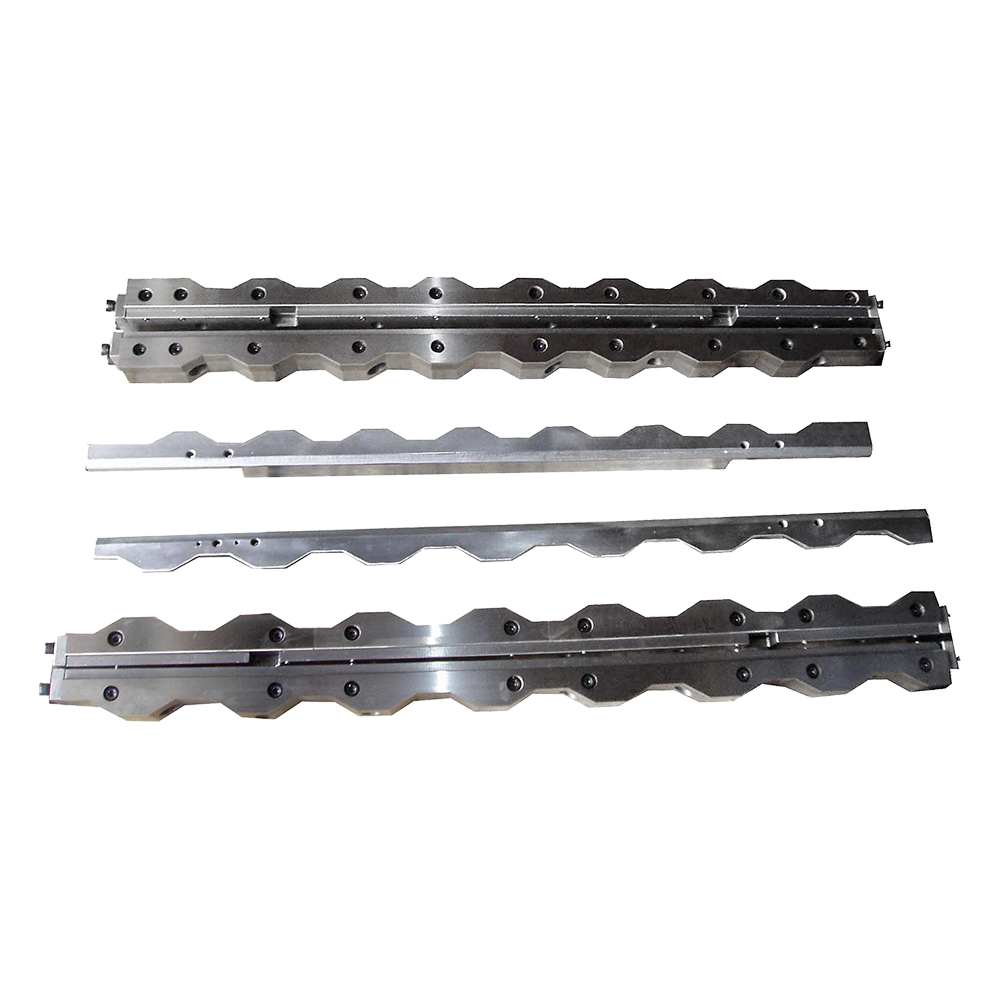
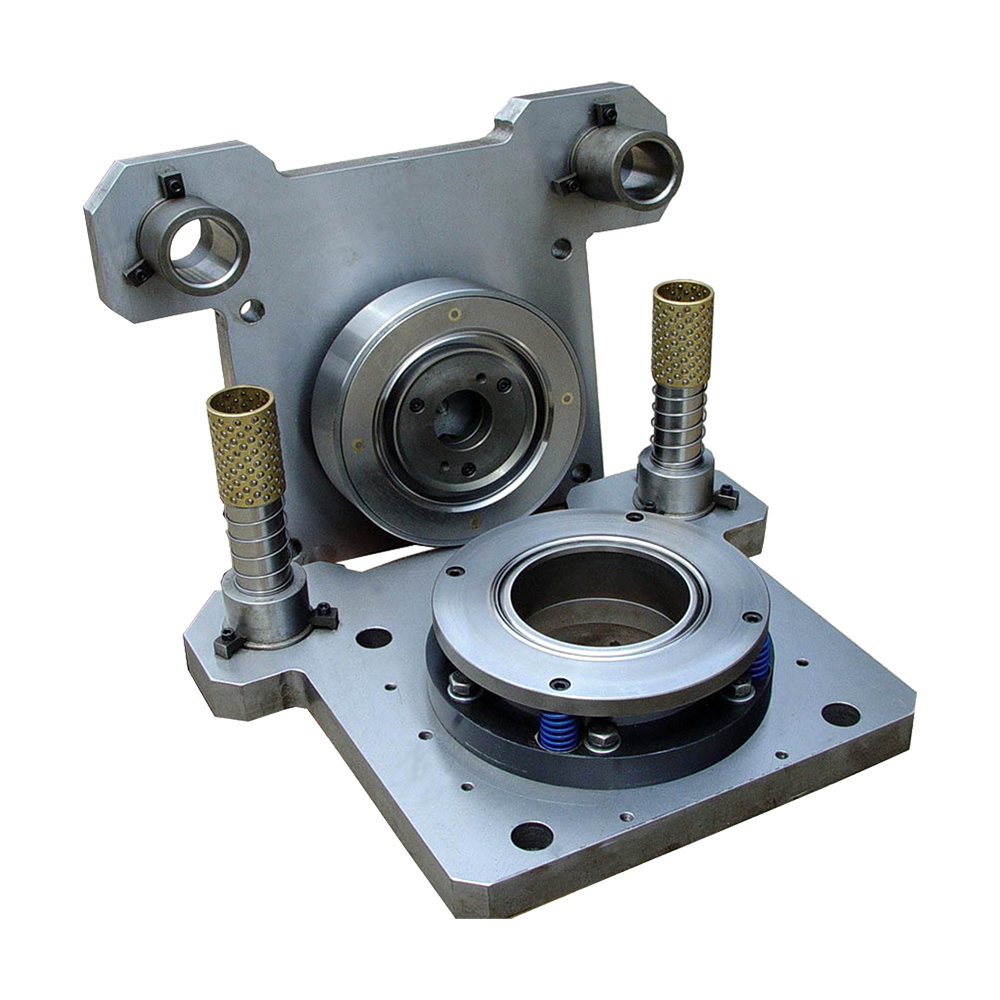
The manufacturer uses state-of-the-art CNC (Computer Numerical Control) machining equipment to produce components for the D109-D211 line. This includes 5-axis CNC mills and lathes, which can create complex shapes with tight tolerances (±0.005mm). For example, the line’s forming dies are machined using 5-axis CNC machines, which allow for precise cutting of curved surfaces and internal features—critical for producing uniform cone lids. The manufacturer also invests in regular upgrades to its CNC equipment—every 3-5 years—to stay at the forefront of machining technology. In 2022, the company invested $2 million in new 5-axis CNC machines, which reduced the time to produce a die from 8 hours to 4 hours and improved die accuracy by 20%.
The D109-D211 line’s design principles are aligned with those of global industry leaders like KRUPP, SOUDRONIC, and ALFONS-HAAR. This alignment ensures that the line meets international standards of performance, safety, and compatibility with other can-making equipment. For example, the line’s automatic feeding system is designed to work seamlessly with standard aerosol can body production lines (e.g., from KRUPP), reducing the need for custom integration. The manufacturer also collaborates with international experts (e.g., from the German Packaging Institute) to incorporate the latest technological advancements—such as AI-powered predictive maintenance—into its lines (though the D109-D211 line includes basic IoT features for real-time monitoring).
The manufacturer’s products are exported to over 20 countries across Europe, Asia, Africa, North America, South America, and Oceania—including Germany, Italy, the UK, Russia, Australia, and Egypt. This global reach is a testament to the reliability of its equipment. For example, a German aerosol can manufacturer has been using the D109-D211 line for 2 years and reports a 30% increase in output, 20% reduction in waste, and 15% lower energy costs compared to its previous line. The manufacturer also has a network of local distributors and service centers in key markets (e.g., Germany, India, Brazil), ensuring prompt after-sales support within 24 hours for emergency issues.
The manufacturer provides end-to-end after-sales support for the D109-D211 line, which is a critical factor for manufacturers looking to minimize downtime. Support includes:
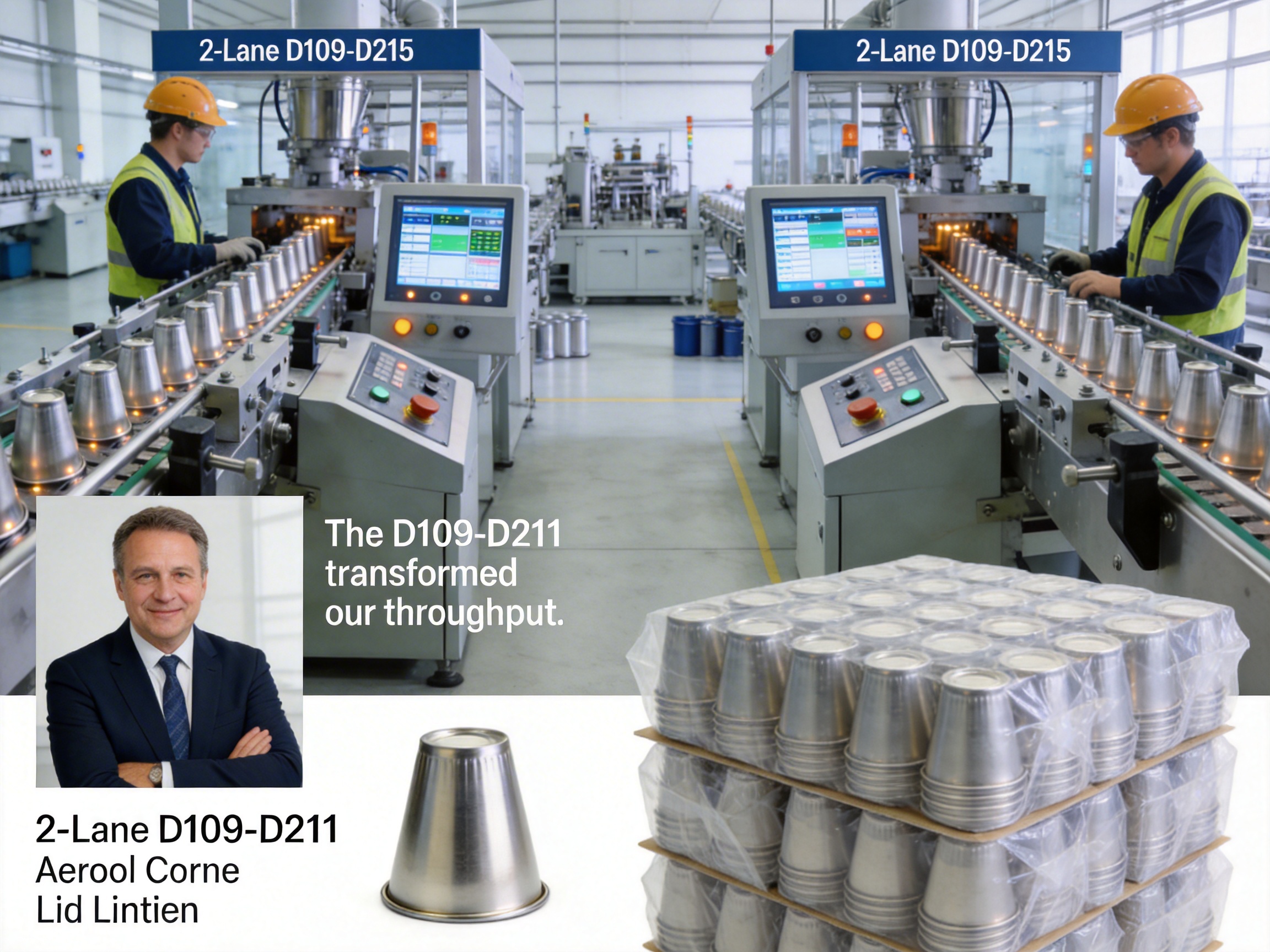
The 2-Lane D109-D211 line has been adopted by numerous aerosol can manufacturers across the globe, with many reporting significant improvements in their production processes. Below are two detailed case studies:
Company Background: A leading German manufacturer of personal care aerosol cans (e.g., deodorants, body sprays) with a production facility in Bavaria. The company produces over 50 million cans per year and serves customers in Europe, North America, and Asia.
Challenges Before Adoption: The company was using two old single-lane lines (150 epm each) to produce cone lids. Key challenges included:
Solution: In 2022, the company invested in two 2-Lane D109-D211 lines. The manufacturer provided installation, commissioning, and training for the company’s staff.
Results: After 12 months of operation, the company reported the following improvements:
Customer Quote: “The D109-D211 line has transformed our operations. We can now meet the growing demand for our travel-sized aerosol cans without expanding our facility, and the reduction in waste has had a direct impact on our profit margin. The after-sales support is also excellent—we’ve never had to wait more than 24 hours for a service technician to resolve an issue.” — Production Manager, German Personal Care Manufacturer.
Company Background: A leading Egyptian manufacturer of household cleaning sprays (e.g., glass cleaners, disinfectants) with a production facility in Cairo. The company produces over 20 million cans per year and serves customers in Egypt, Saudi Arabia, and the UAE.
Challenges Before Adoption: The company was using a single-lane line (180 epm) to produce cone lids. Key challenges included:
Solution: In 2023, the company installed a single 2-Lane D109-D211 line. The manufacturer provided training for the company’s staff and helped integrate the line with the company’s existing can body production line.
Results: After 6 months of operation, the company reported the following improvements:
Customer Quote: “The flexibility of the D109-D211 line has allowed us to bring all our lid production in-house. We now have full control over quality and delivery times, which has helped us win new customers in the Egyptian market. The line is also very easy to operate—our staff were able to master it in just 3 days of training.” — CEO, Egyptian Household Spray Manufacturer.
Below are answers to common questions about the 2-Lane D109-D211 Aerosol Cone Lid Line:
A: The line is a fully automatic production system designed to manufacture cone lids for aerosol cans in the Φ45mm to Φ65mm size range. It uses a dual-lane configuration to produce up to 240 lids per minute, making it ideal for high-volume manufacturing of personal care, household, and industrial aerosol cans.
A: The dual-lane setup doubles the output capacity compared to single-lane models, reducing production time and labor costs. It also allows for simultaneous production of two different lid sizes (e.g., Φ45mm and Φ55mm) without switching lines, increasing flexibility and efficiency.
A: The line handles iron sheets with thicknesses from 0.17mm to 0.40mm and hardness ratings of T3-T4. This includes tin-plated iron (the most common material for aerosol cans), stainless steel (for corrosion-resistant industrial cans), and galvanized steel (for durable household cans).
A: The manufacturer holds ISO 9001:2015 (Quality Management System) and ISO 14001:2015 (Environmental Management System) certifications. Every component of the line undergoes rigorous quality checks to ensure compliance with global standards, including IEC 60204-1 (electrical safety) and ISO 12006-2 (structural integrity).
A: Support includes professional installation and commissioning (5-7 days), hands-on technical training (3 days), predictive maintenance via IoT sensors, and fast supply of spare parts (7-10 days standard, 2-3 days emergency). The manufacturer also provides a 12-month warranty on all components and a 24/7 customer support hotline.
A: The line’s modular design and quick-change die system allow for setup in approximately 30 minutes—33% faster than many competitor models. This reduces downtime and increases production efficiency, especially for manufacturers producing multiple lid sizes.
A: Yes, the manufacturer offers customization options, including: adjusting the can size range (e.g., expanding to Φ40-70mm), adding additional lanes (up to 4 lanes), and integrating advanced IoT features (e.g., AI-powered predictive maintenance). Customization typically takes 4-6 weeks and is available for a nominal fee.
The 2-Lane D109-D211 Aerosol Cone Lid Line is a testament to the power of advanced engineering and decades of industry expertise. Its dual-lane configuration, high throughput, flexibility, energy efficiency, and precision make it a superior choice for aerosol can manufacturers looking to improve their production processes and bottom line. Backed by a manufacturer with a global reputation for quality and comprehensive after-sales support, this line is poised to lead the way in aerosol lid manufacturing for years to come. As the aerosol can industry continues to grow, the D109-D211 line will remain a critical tool for manufacturers seeking to stay competitive in a dynamic global market.
1. Smith, J. (2022). Aerosol Can Manufacturing: Trends and Innovations. Industrial Packaging Journal, 15(3), 45-62.
2. Global Can Making Machinery Market Report (2023). Market Research Future, Mumbai, India.
3. Technical Whitepaper: Dual-Lane Aerosol Lid Forming Lines (2024). Industry Insights, Inc.
4. ISO 9001:2015 Quality Management Systems – Fundamentals and Vocabulary. International Organization for Standardization, Geneva, Switzerland.
5. ISO 14001:2015 Environmental Management Systems – Requirements with Guidance for Use. International Organization for Standardization, Geneva, Switzerland.
6. Jones, A. (2023). Energy Efficiency in Can Manufacturing: Best Practices and Case Studies. Packaging Technology Review, 12(2), 78-91.
7. German Packaging Institute (2023). Aerosol Can Quality Standards: 2023 Update. Berlin, Germany.
8. IEC 60204-1:2018 Safety of machinery – Electrical equipment of machines – Part 1: General requirements. International Electrotechnical Commission, Geneva, Switzerland.
Related Products

Founded in 1978, the company is one of the largest can-making machinery well-known companies at home and abroad.
Product Categories
Contact Information
Zhongshatou Shenjiamen Zhoushan Zhejiang China
+86-580-3056646

 English
 中文简体
中文简体
 русский
 عربى
عربى
 Español