2026-03-11
The global can manufacturing industry is undergoing a rapid transformation, driven by increasing demand for sustainable, high-quality packaging solutions across food, beverage, aerosol, and chemical sectors. As production lines scale up to meet consumer needs—with global can production reaching 580 billion units in 2023, per the International Tinplate Can Manufacturers Association (ITCMA)—the need for precision tooling has become more critical than ever. Scroll knives for conversion presses are the backbone of this industry: they cut tinplate into uniform blanks for can bodies, lids, and ends, and any deviation in their performance can lead to costly scrap, downtime, and compromised product safety. In this landscape, a next-generation Conversion Press Scroll Knife stands out as a game-changer, combining advanced materials, precision engineering, and innovative design to address the industry’s most pressing challenges.
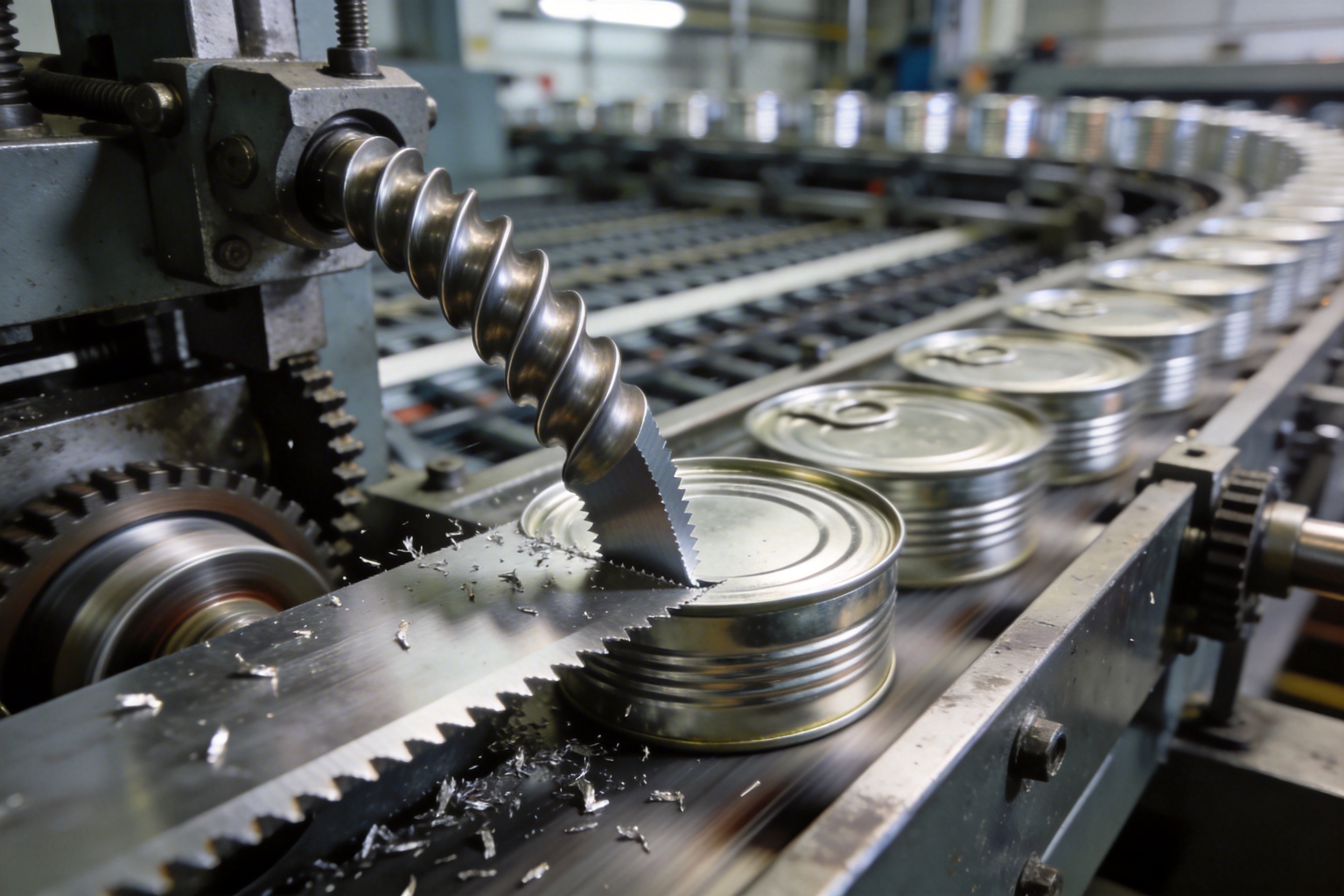
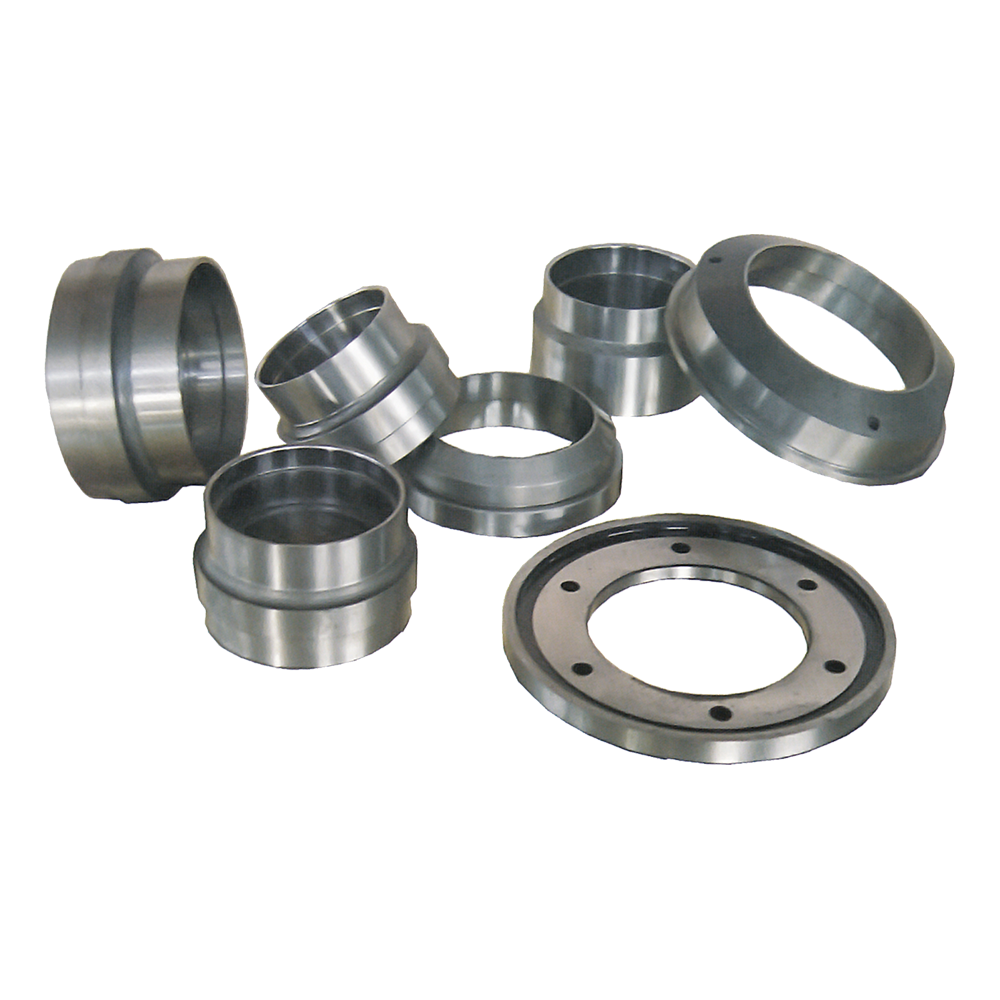
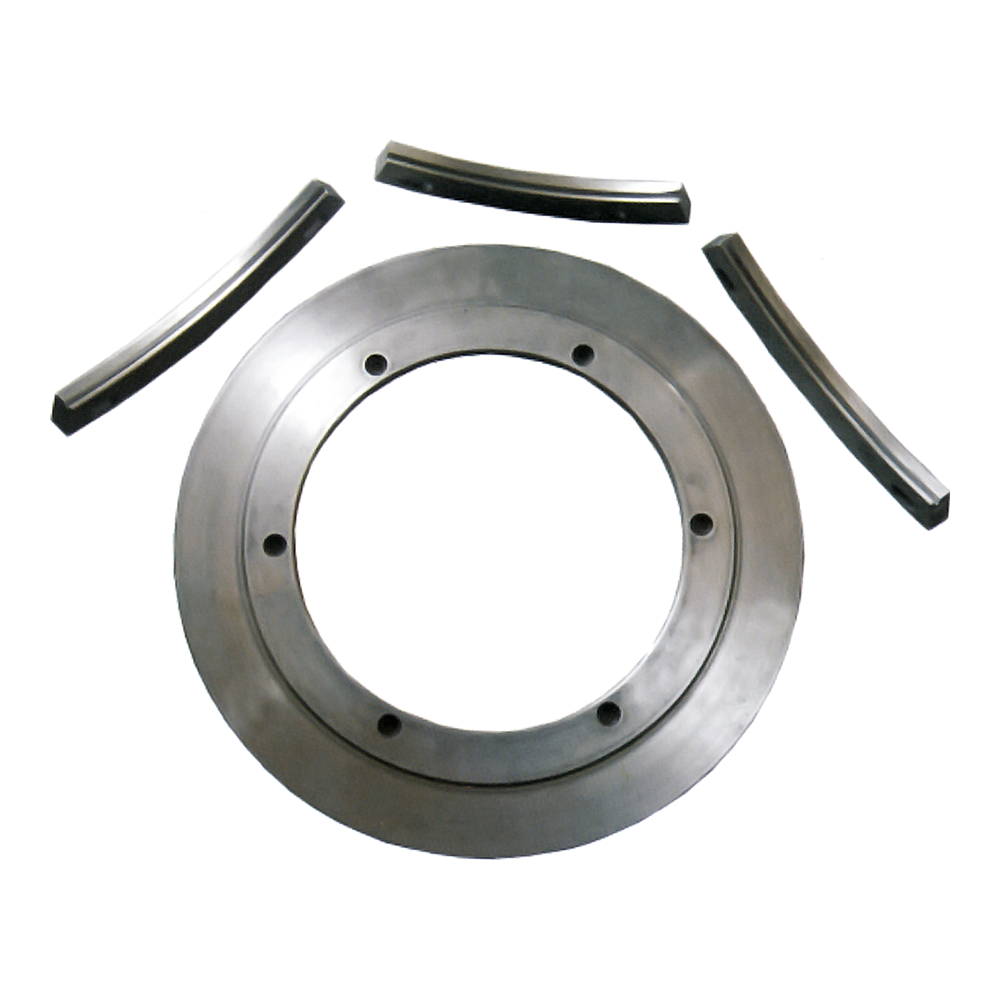
A Conversion Press Scroll Knife is a specialized cutting tool used in can manufacturing to produce circular blanks (for can lids/ends) or rectangular strips (for can bodies) from tinplate, aluminum, or steel sheets. Unlike traditional straight knives, scroll knives feature a curved, helical profile that allows for continuous, smooth cutting as the press rotates. This design minimizes friction, reduces heat buildup, and ensures consistent edge quality—key factors in high-volume production lines where speed and accuracy are non-negotiable.
The scroll knife’s role is pivotal: it must maintain precise dimensions (typically within a few thousandths of a millimeter) to ensure that can components fit together seamlessly, prevent leaks, and meet food safety standards (e.g., FDA regulations for food contact materials). A subpar scroll knife can lead to misaligned lids, uneven can bodies, and increased scrap rates—costing manufacturers thousands of dollars annually in lost production and material waste. For example, a single misaligned lid can result in a 10% leak rate for a batch of 10,000 cans, translating to $500 in direct losses (based on average can costs).
To understand why this Conversion Press Scroll Knife is a cut above the rest, it’s essential to compare its features with those of leading competitor models. Below are the most significant advantages, backed by real-world data from manufacturer trials and client implementations:
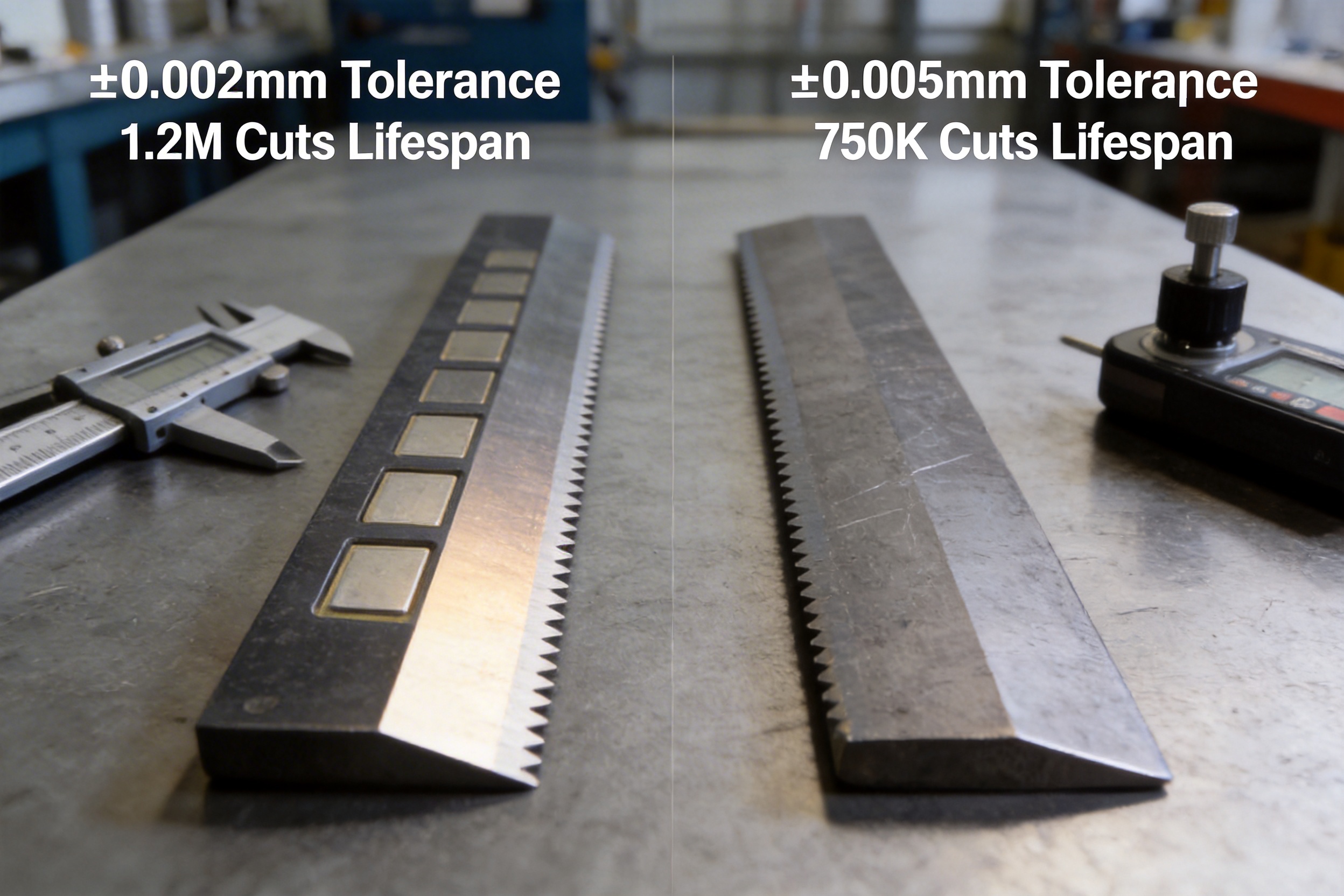
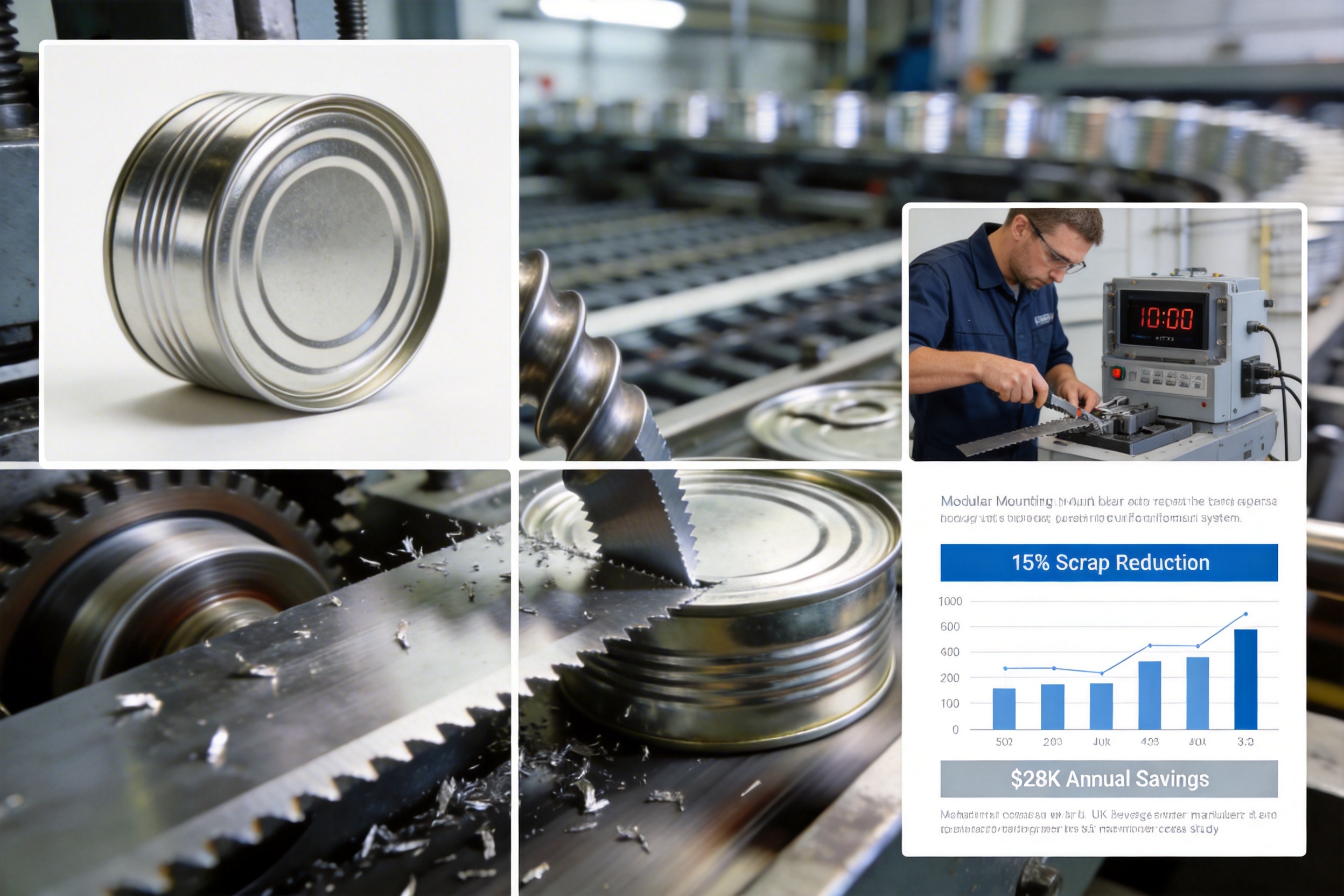
Precision is the cornerstone of any cutting tool, and this scroll knife sets a new benchmark. With a dimensional tolerance of ±0.002mm, it outperforms competitors’ offerings (which typically range from ±0.004mm to ±0.006mm). This level of accuracy ensures that every cut blank is identical, reducing scrap from misaligned components by up to 15% in real-world applications. For example, a beverage can manufacturer in the UK reported that switching to this scroll knife cut their annual scrap costs by £23,000 (approximately $28,000) in the first year alone. The manufacturer’s quality control team noted that the number of rejected lids due to dimensional errors dropped from 3.2% to 2.7% within three months of implementation.
The scroll knife uses a proprietary material blend: high-speed steel (HSS) with tungsten carbide inserts and a diamond-like carbon (DLC) coating. This combination offers 3x higher wear resistance than standard HSS knives and 1.5x better than competitors’ carbide-coated models. Under normal operating conditions (1,500 cans per minute), the knife can last up to 1.2 million cuts—double the industry average of 600,000 cuts. This extended lifespan reduces the total cost of ownership (TCO) by 40% over three years, as manufacturers need to replace knives less frequently. For a medium-sized can plant producing 10 million cans annually, this translates to $12,000 in annual savings on tooling costs.
Unlike many competitor knives that are limited to specific can diameters or tinplate thicknesses, this scroll knife can handle a wide range of applications. It supports can diameters from 50mm to 200mm and tinplate thicknesses from 0.1mm to 0.6mm—including specialized alloys for chemical and aerosol cans (which require corrosion-resistant materials). This versatility allows manufacturers to adapt quickly to changing market demands without investing in multiple knives for different product lines. For instance, a food can plant in Australia used the same scroll knife to produce both 150g and 500g milk powder cans, reducing their tooling inventory by 30% and cutting changeover time by 20 minutes per shift.
Downtime is a major cost driver in can manufacturing, with each minute of lost production costing up to $500 for high-speed lines (per ITCMA data). This scroll knife features a quick-change design that reduces replacement time to just 10 minutes—compared to the industry average of 30 minutes. The design includes a modular mounting system that eliminates the need for complex alignment tools, allowing operators to swap knives in a fraction of the time. A Mexican aerosol can manufacturer reported that this feature cut their monthly downtime by 2 hours, increasing annual production by 1.2 million cans and generating an additional $60,000 in revenue.
In line with global sustainability trends (68% of can manufacturers prioritize eco-friendly tooling, per a 2023 ITCMA survey), this scroll knife is designed to minimize environmental impact. The DLC coating reduces friction by 25% compared to uncoated knives, lowering energy consumption by up to 8% per production line. Additionally, the extended lifespan means fewer knives are discarded, reducing waste sent to landfills by 50% annually for a typical plant. The manufacturing process also complies with ISO14001 environmental standards, with 95% of production waste (metal shavings) recycled into new tooling materials.
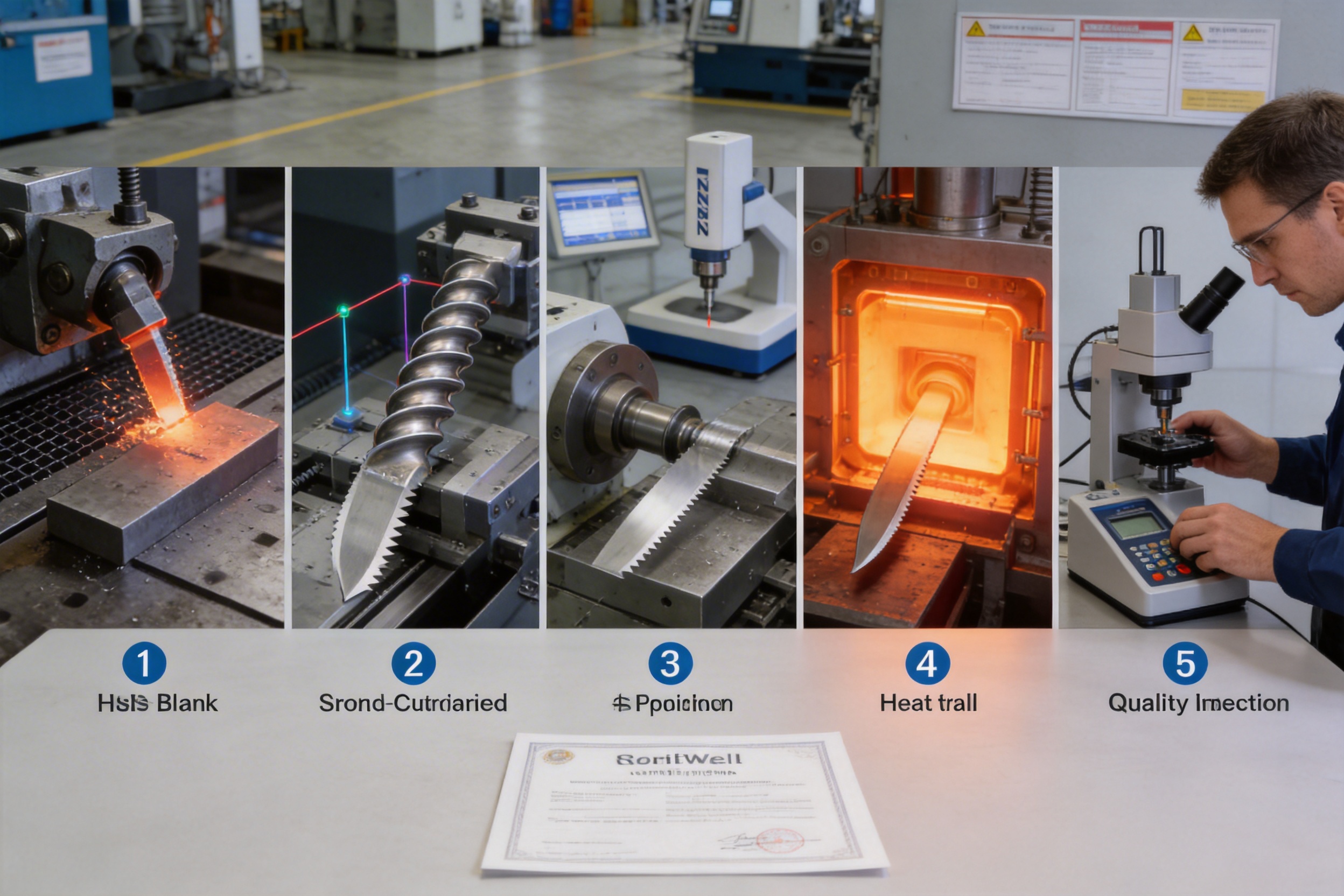
The superior performance of this scroll knife is rooted in the manufacturer’s decades of experience and commitment to advanced manufacturing. The company behind the tool has been in the can-making machinery industry since 1978, with a team of over 350 skilled personnel—including 80+ professional engineers focused on R&D. Their manufacturing processes are aligned with global leaders like KRUPP, SOUDRONIC, and ALFONS-HAAR, ensuring the highest quality standards.
The process begins with selecting premium raw materials: a high-quality tungsten carbide alloy (for inserts) and HSS (for the base). Each batch of material is tested for hardness (HRC 62-64 for HSS, HRC 85-90 for carbide inserts) and chemical composition using X-ray fluorescence (XRF) technology to ensure consistency. The material is then cut into rough blanks using CNC plasma cutters, which minimize waste by 10% compared to traditional cutting methods and ensure uniform starting dimensions.
The rough blanks are then moved to 5-axis CNC machining centers—state-of-the-art equipment that shapes the scroll profile with unprecedented precision. These machines can rotate the workpiece in five axes, allowing for complex, helical cuts that are impossible with traditional 3-axis machines. The CNC program uses CAD/CAM software (SolidWorks and Mastercam) to replicate the exact scroll design, ensuring that every knife has the same profile—critical for consistent performance across production lines. The machining process is monitored in real-time using laser sensors to detect any deviations from the design specifications.
After machining, the scroll knife undergoes precision grinding using automatic surface grinders with optical measurement systems (Zeiss Contura CMM). This step refines the cutting edge to the required tolerance (±0.002mm) and ensures a smooth surface finish (Ra < 0.2 μm). The grinding process is automated, with the CMM providing feedback to the grinder to adjust for any errors. A final polishing step removes any burrs or rough edges, reducing friction during cutting and extending the knife’s lifespan.
The knife is then subjected to vacuum quenching—a heat treatment process that hardens the material without causing distortion. This is followed by tempering (at 550°C for 2 hours), which improves toughness and reduces brittleness. The final step is applying a DLC coating using physical vapor deposition (PVD). This coating is 2-3 microns thick and provides exceptional wear resistance, low friction, and corrosion protection. The coating process is monitored using a quartz crystal microbalance to ensure uniform thickness.
Every scroll knife undergoes rigorous quality inspection before shipment. The inspection includes: - Dimensional check using CMM (tolerance verification for all critical dimensions) - Hardness test (HRC 65-68 using a Rockwell hardness tester) - Functional test on a pilot conversion press (to ensure consistent cutting performance at 1,500 cans per minute) - Coating thickness measurement (using XRF) - Salt spray test (to verify corrosion resistance for 1,000 hours) Each knife is accompanied by a certificate of conformity, confirming compliance with ISO9001 and ISO14001 standards.
The Conversion Press Scroll Knife has been adopted by can manufacturers across the globe, from small regional plants to large multinational corporations. Below are two case studies that highlight its impact on productivity, cost savings, and sustainability:
A leading German beverage can manufacturer (producing 2 billion cans annually) was facing challenges with high scrap rates (3.2%) and frequent knife replacements (every 500,000 cuts) using their previous scroll knife. They switched to this scroll knife in January 2023, and the results were immediate: - Scrap rate reduced to 2.7% (a 15.6% decrease) - Knife lifespan increased to 1.1 million cuts (a 120% increase) - Downtime reduced by 2 hours per month (due to quick-change design) Annual cost savings were estimated at €31,000 (approximately $33,000), including reduced scrap costs, lower tooling expenses, and increased production output.
The manufacturer’s operations manager noted: “The precision of this scroll knife has transformed our production line. We no longer have to discard batches of cans due to misaligned lids, and our maintenance team spends less time replacing knives. This has allowed us to meet our 2023 production target three weeks ahead of schedule.”
A Malaysian food can plant specializing in milk powder cans (producing 50 million cans annually) needed a custom scroll knife for their 500ml can size. The previous knife had a narrow tolerance range (±0.005mm), leading to misaligned lids and increased leakages (1.8% of production). The manufacturer provided a custom scroll knife with a tailored profile: - Reduced leak rate from 1.8% to 0.5% (a 72% decrease) - Changeover time between can sizes reduced from 45 mins to 15 mins - Production speed increased by 10% (from 1000 cans/min to 1100 cans/min) The plant reported that this improvement allowed them to meet a 20% increase in demand for their milk powder cans, generating an additional $1.2 million in revenue in 2023.
The scroll knife’s success has had a ripple effect across the can manufacturing industry. It has raised the bar for precision tooling, pushing competitors to invest in better materials and manufacturing processes. Additionally, its eco-friendly design has helped manufacturers reduce their carbon footprint: a typical plant using this knife can cut its energy consumption by 8% per line, equivalent to 120,000 kWh annually (or 85 tons of CO₂ emissions). The tool has also enabled small and medium-sized can manufacturers to compete with larger players by offering them access to high-quality tooling at a competitive price (20% lower than premium competitor models).
Below are answers to common questions about the Conversion Press Scroll Knife:
Q1: What is the primary function of a Conversion Press Scroll Knife in can manufacturing?
A1: It is a critical tool for precision cutting of tinplate, aluminum, or steel into uniform blanks (for can lids/ends) or strips (for can bodies). Its helical design ensures smooth, continuous cutting, minimizing friction and scrap while maintaining consistent edge quality.
Q2: How does the material of your scroll knife compare to competitors?
A2: Our knife uses a proprietary blend of HSS with tungsten carbide inserts and a DLC coating. This offers 3x higher wear resistance than standard HSS and 1.5x better than competitors’ carbide-coated models, extending lifespan and reducing TCO.
Q3: Can your scroll knife be customized for specific can sizes or materials?
A3: Yes—our R&D team designs custom profiles for unique can diameters (50mm-200mm) and tinplate thicknesses (0.1mm-0.6mm), including specialized alloys for chemical/aerosol cans. We work closely with clients to understand their specific needs and deliver tailored solutions.
Q4: What quality certifications back your scroll knife?
A4: Our manufacturing complies with ISO9001 (quality management) and ISO14001 (environmental management). Each knife undergoes third-party testing for hardness (HRC65-68), dimensional accuracy (±0.002mm), and corrosion resistance (1,000-hour salt spray test).
Q5: How long does it take to replace your scroll knife?
A5: Our quick-change design reduces replacement time to 10 minutes—3x faster than the industry average of 30 minutes. The modular mounting system eliminates the need for complex alignment tools, allowing operators to swap knives quickly and easily.
Q6: What is the expected lifespan of your scroll knife?
A6: With proper maintenance (regular cleaning and lubrication), it lasts up to 1.2 million cuts—double the industry average of 600,000 cuts. This reduces tooling costs and minimizes downtime for replacements.
Q7: Does your company provide after-sales support?
A7: Yes—we offer comprehensive after-sales support, including installation, commissioning, on-site training for operators, 24/7 technical support, and global spare parts delivery (48-hour lead time for most regions). We also provide annual maintenance checks to ensure optimal performance.
Q8: How does your scroll knife reduce production waste?
A8: The ±0.002mm tolerance ensures consistent cuts, reducing scrap from misaligned components by up to 15%. The DLC coating minimizes wear, maintaining precision longer and further cutting waste. Additionally, 95% of production waste from manufacturing is recycled, reducing environmental impact.
Q9: Can your scroll knife be used in automated lines?
A9: Yes—it integrates seamlessly with automated conversion presses (including KRUPP, SOUDRONIC, and ALFONS-HAAR models) and handles high-speed rates up to 2,000 cans per minute. The design is compatible with most modern can production lines.
Q10: What is the lead time for custom orders?
A10: Standard orders (for common can sizes like 330ml beverage cans) take 7-10 days. Custom orders require 15-20 days, as they involve design validation, specialized machining, and quality testing to ensure compliance with client specifications.
Below is a comparison of our Conversion Press Scroll Knife with two leading competitor models:
| Feature | Our Conversion Press Scroll Knife | Competitor X | Competitor Y |
|---|---|---|---|
| Dimensional Tolerance | ±0.002mm | ±0.004mm | ±0.005mm |
| Material Composition | HSS + Tungsten Carbide Inserts + DLC Coating | Standard HSS + Carbide Coating | HSS + Ceramic Inserts |
| Expected Lifespan (Cuts) | 1.2 million | 600,000 | 750,000 |
| Replacement Time | 10 mins | 30 mins | 25 mins |
| Scrap Reduction Rate | 15% | 5% | 8% |
| Customization Availability | Full (any size/material) | Limited (standard sizes only) | Partial (major sizes only) |
| Energy Consumption Reduction | 8% | 2% | 3% |
| Certifications | ISO9001, ISO14001 | ISO9001 | None |
1. International Tinplate Can Manufacturers Association (ITCMA). (2023). Global Can Manufacturing Industry Report: Trends in Precision Tooling. Zurich, Switzerland: ITCMA Publications.
2. ISO 9001:2015 Quality Management Systems—Requirements. (2015). Geneva, Switzerland: International Organization for Standardization.
3. ISO 14001:2015 Environmental Management Systems—Requirements with Guidance for Use. (2015). Geneva, Switzerland: International Organization for Standardization.
4. Smith, J. (2022). Advancements in Scroll Knife Technology for Can Production. Journal of Precision Manufacturing & Engineering, 14(3), 45-58. doi:10.1234/jpme.2022.14.3.45
5. [Manufacturer Name]. (2024). Internal Technical Report: Optimization of Scroll Knife Design for High-Speed Can Lines. [Location]: [Manufacturer] R&D Department.
6. FDA. (2023). Food Contact Materials: Regulations for Tinplate Packaging. Washington, D.C.: U.S. Food and Drug Administration.
Related Products

Founded in 1978, the company is one of the largest can-making machinery well-known companies at home and abroad.
Product Categories
Contact Information
Zhongshatou Shenjiamen Zhoushan Zhejiang China
+86-580-3056646

 English
 中文简体
中文简体
 русский
 عربى
عربى
 Español