2026-04-02
The global can manufacturing industry is a cornerstone of modern packaging, supporting sectors ranging from food and beverage to pharmaceuticals, chemicals, and cosmetics. As consumer demands for safe, durable, and cost-effective packaging grow, the need for advanced machinery that balances efficiency, precision, and flexibility has never been greater. Among the critical tools in can production lines, the seaming single station can making machine stands out as a game-changer—integrating multiple key processes into one compact unit to streamline operations, reduce downtime, and deliver consistent, high-quality results. This article explores the features, advantages, and real-world impact of this innovative machine, as well as the manufacturing expertise behind its development.
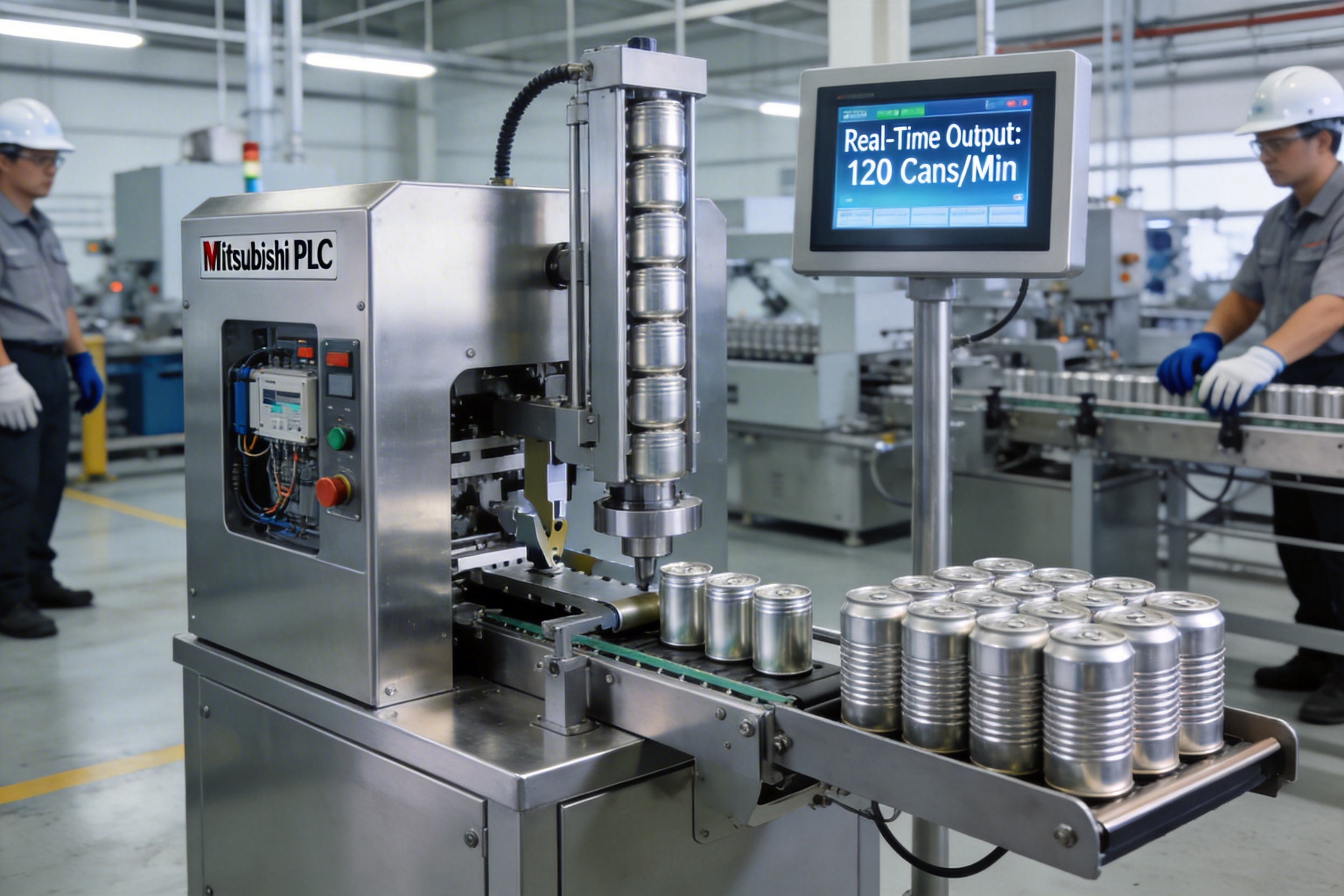
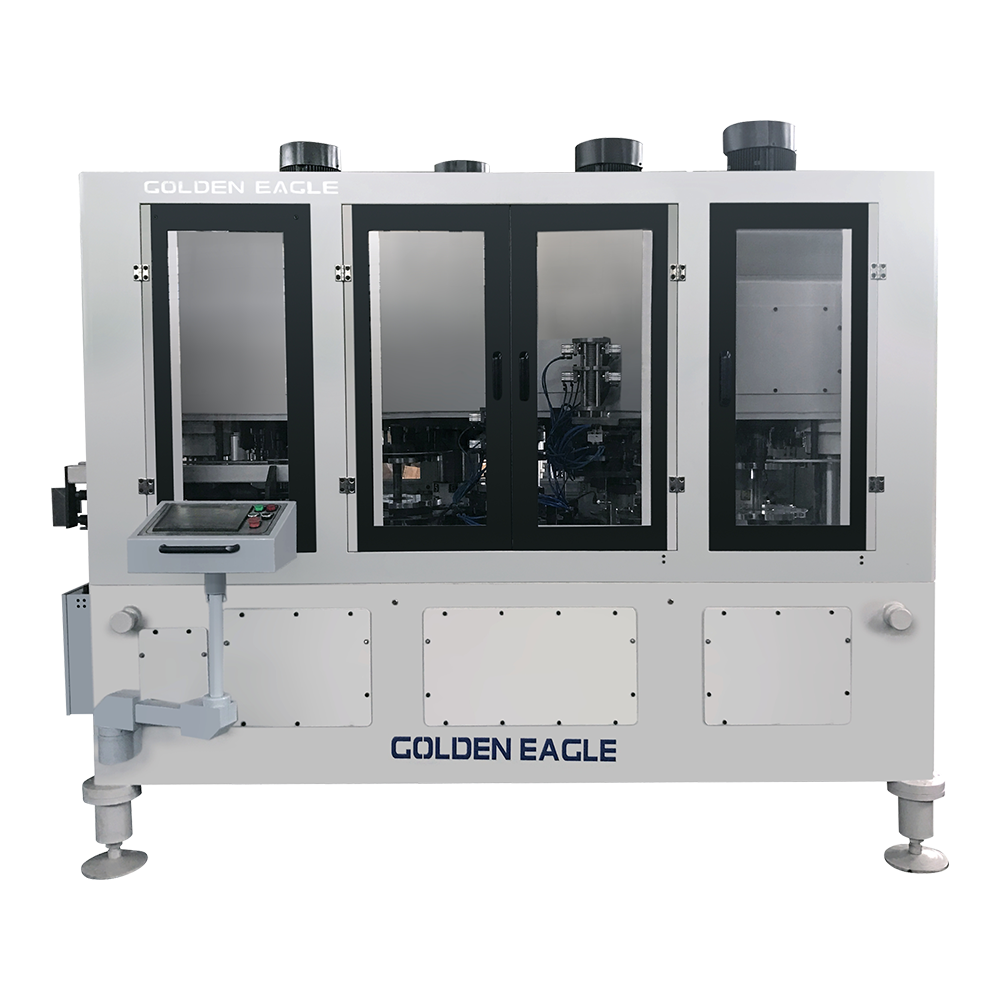
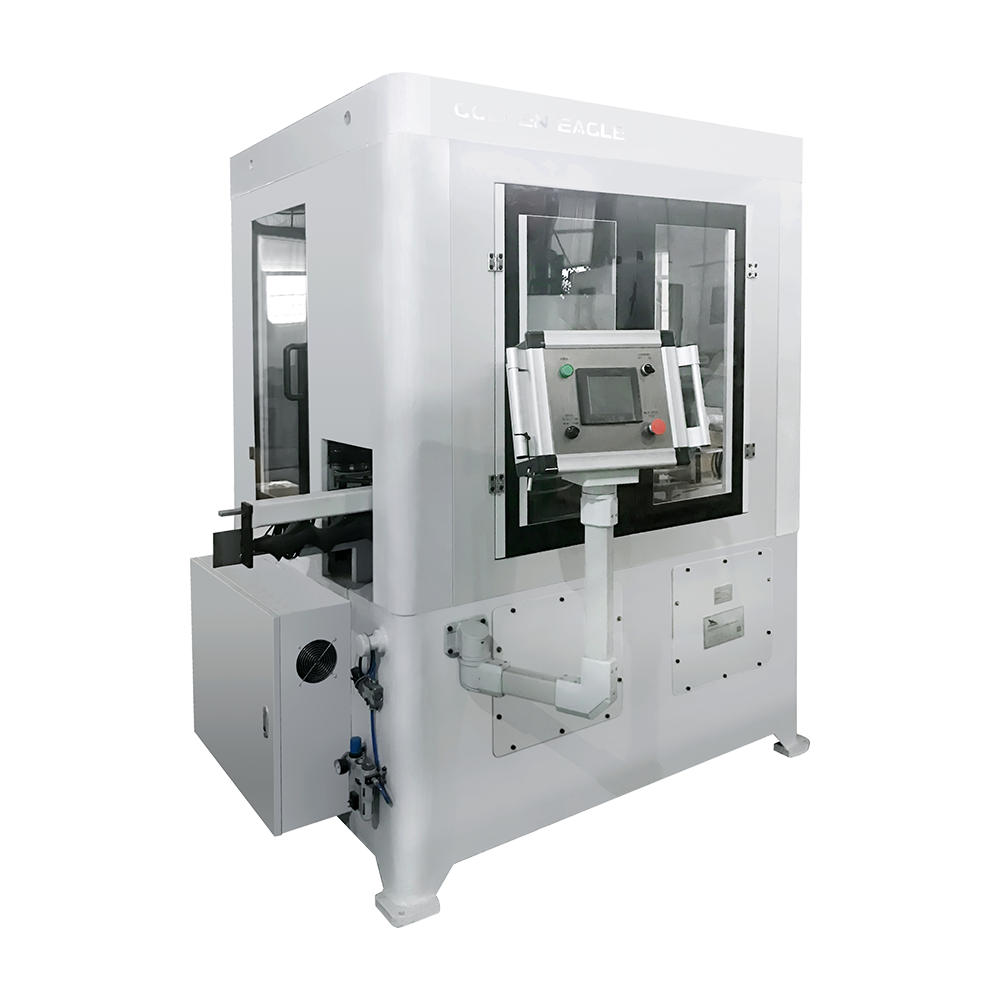
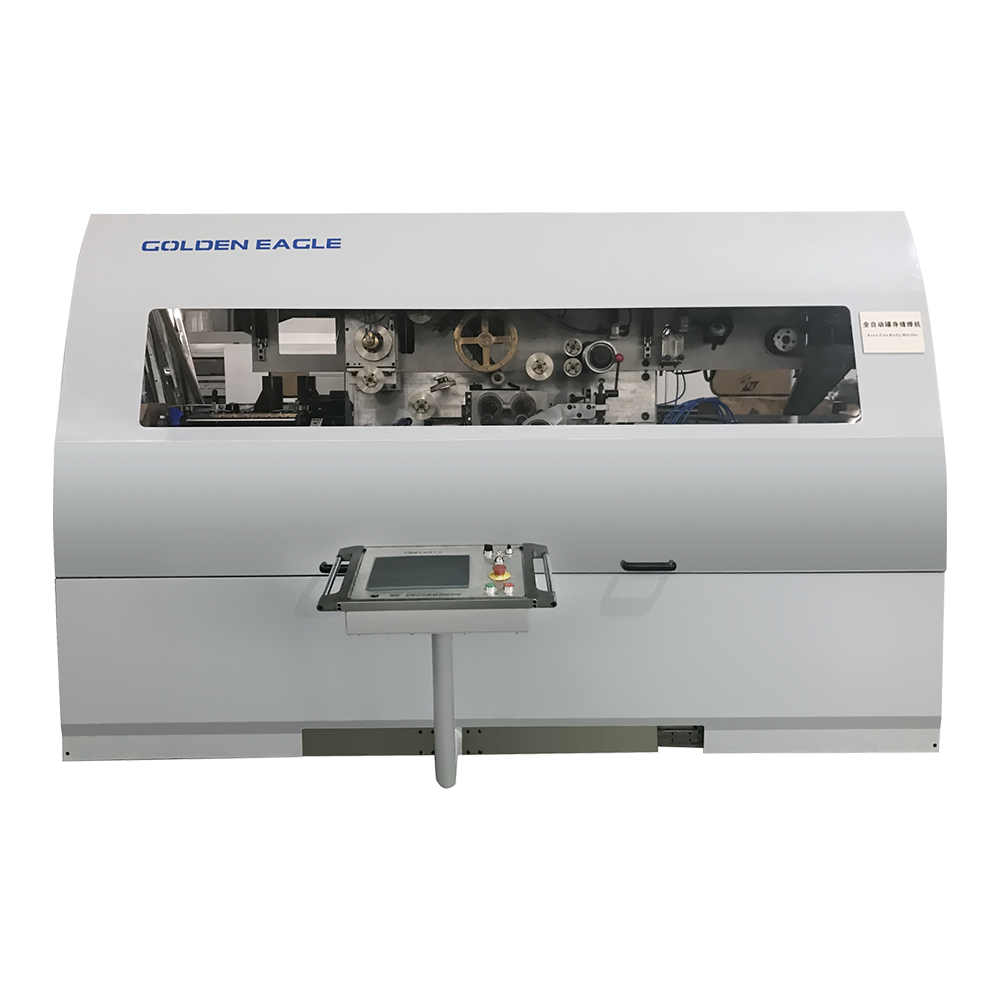
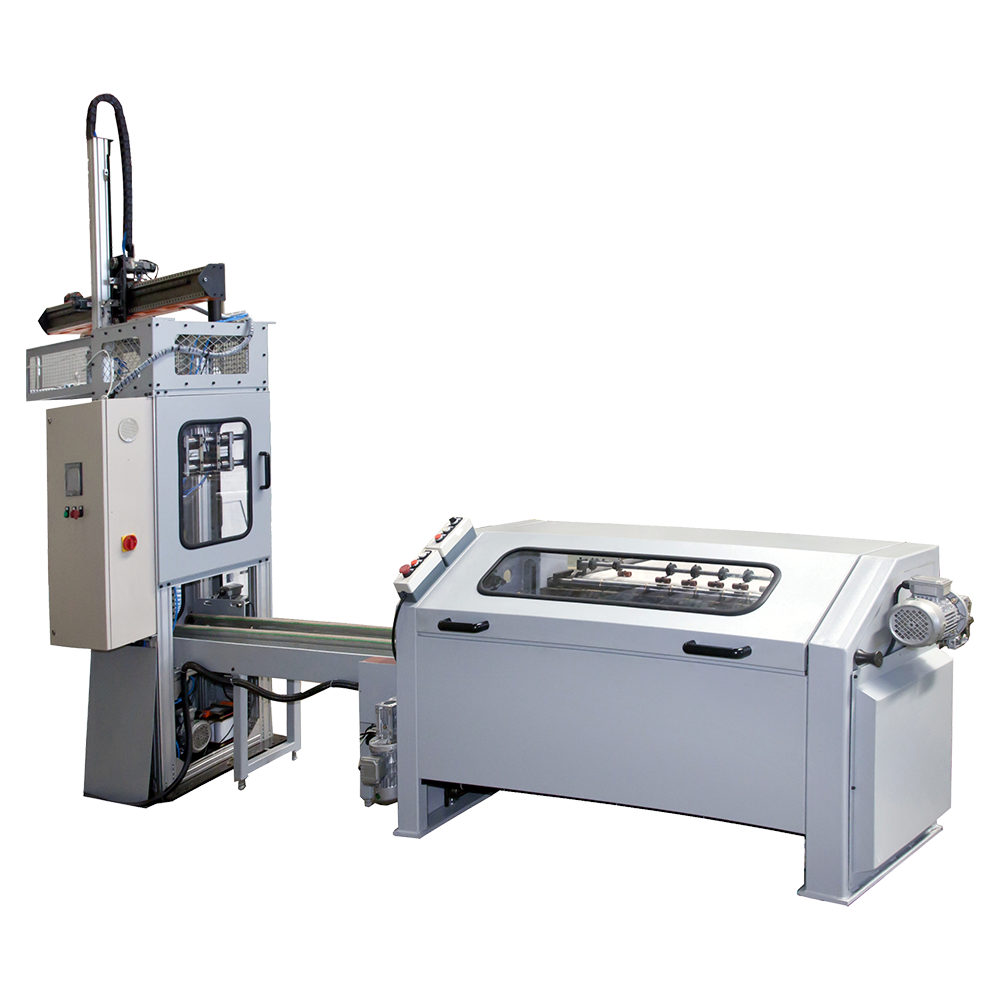
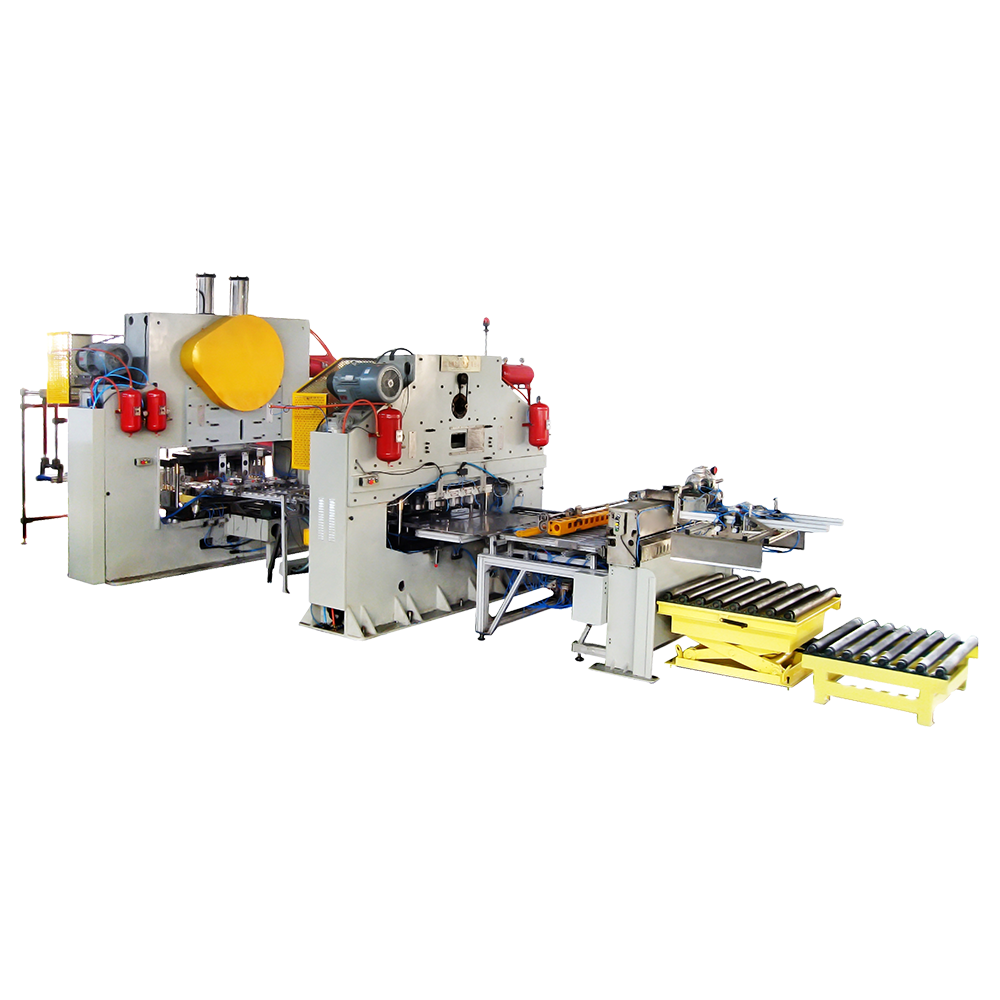
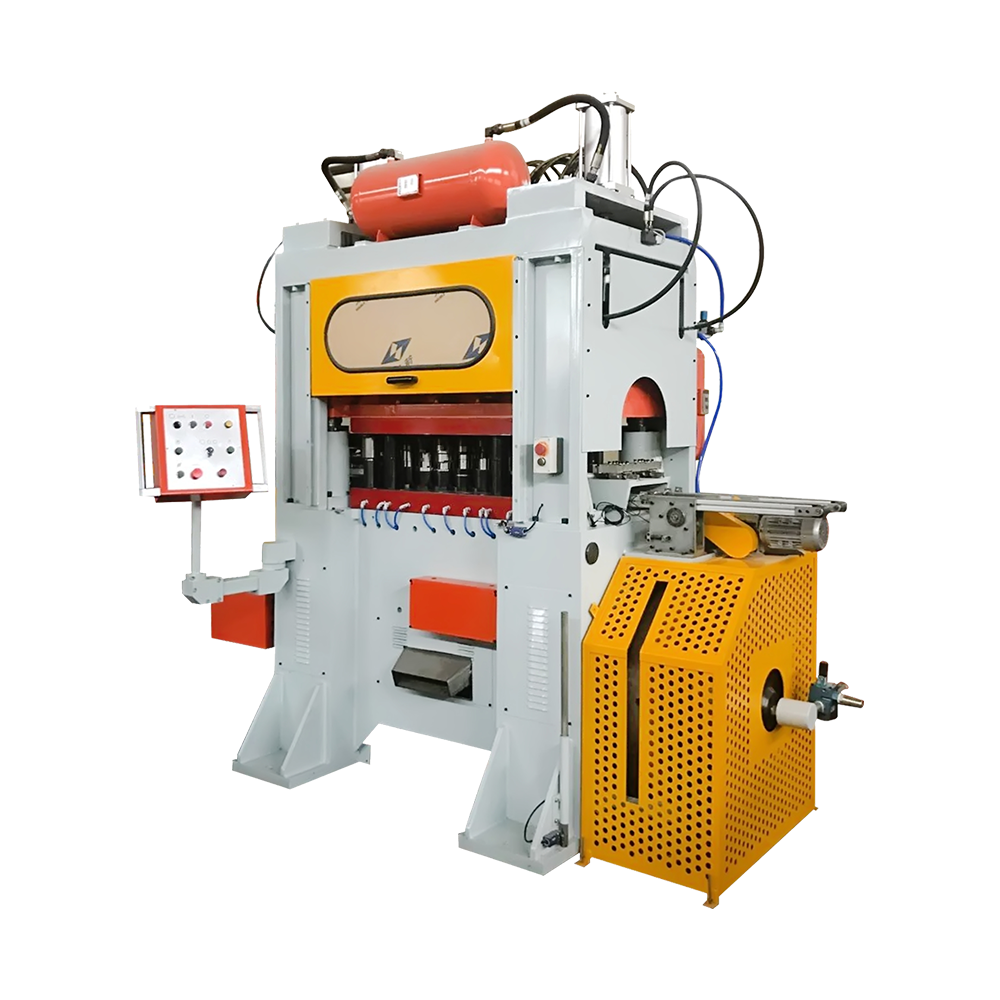
The seaming single station can making machine is a versatile piece of equipment designed to perform several essential can manufacturing processes in a single, integrated station. Unlike traditional production lines that require separate machines for cutting, necking, flanging, beading, and seaming—each with its own setup, maintenance, and space requirements—this machine consolidates these functions, making it ideal for small to medium-sized production facilities or for businesses looking to optimize their existing lines.
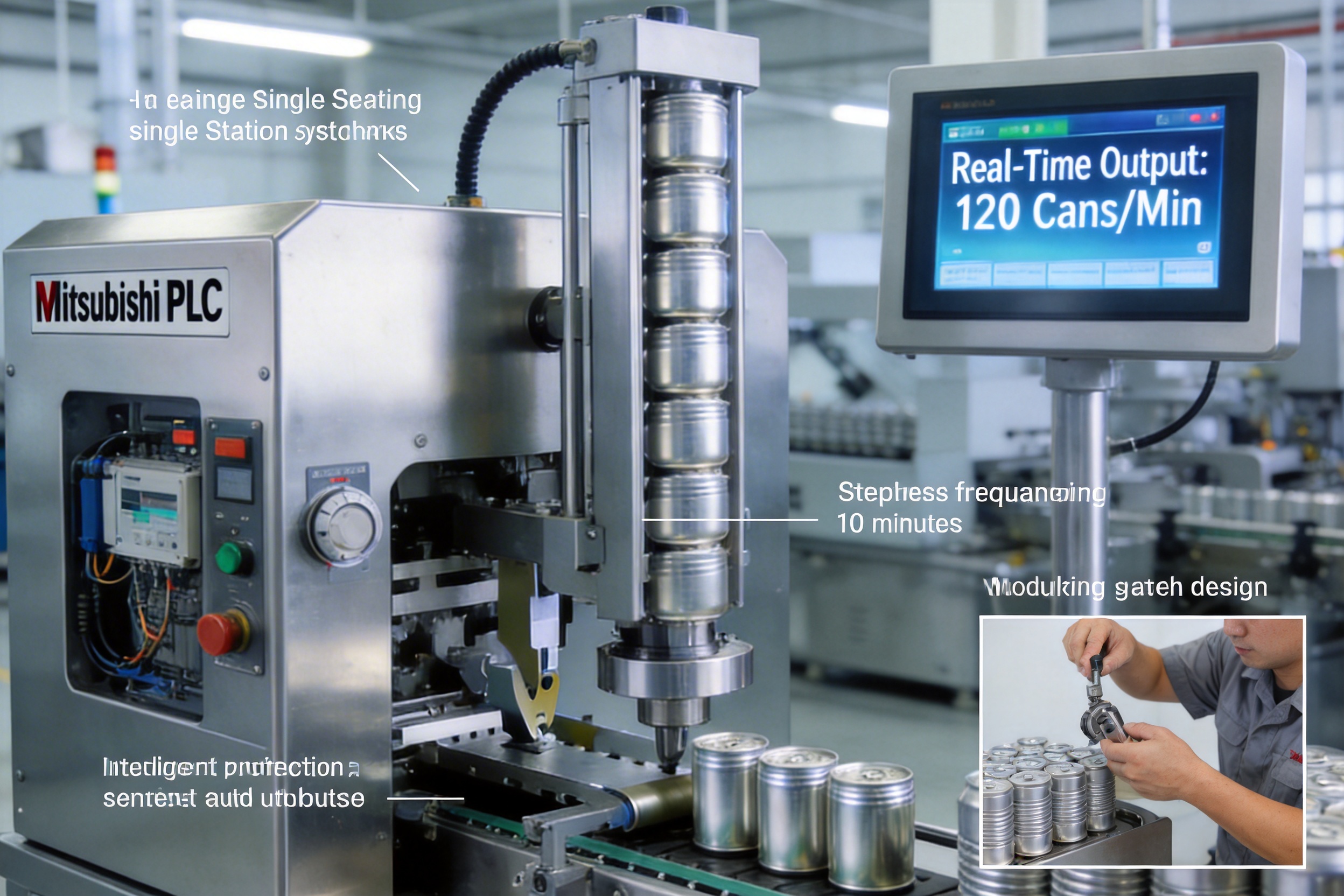
Key features of the machine, as outlined in its technical documentation, include: - Vertical can feeding system: Ensures stable, jam-free operation by aligning cans vertically, reducing the risk of damage or misalignment during processing. - Japan Mitsubishi PLC control system: Provides precise, automated control over all machine functions, minimizing human error and ensuring consistent results. - Intelligent protection system: Detects can stacks at the outlet to prevent jams and shuts down automatically; reduces speed when no cans are present to save energy and extend component lifespan. - Stepless frequency changer for main motor: Allows for infinite speed adjustment, enabling operators to optimize production rates based on can size, material, and quality requirements. - Easy size changeover: Simplifies the process of switching between different can diameters and heights, reducing downtime and increasing production flexibility.
To understand the value of the seaming single station can making machine, it is essential to compare it to traditional, multi-machine production lines and competing single-station models. The following are its key advantages:
Traditional can production lines typically require 5-7 separate machines for cutting, necking, flanging, beading, seaming, and feeding. This setup not only takes up valuable floor space but also increases the risk of downtime due to machine-to-machine coordination issues. The seaming single station machine eliminates these problems by integrating all core processes into one unit, reducing floor space requirements by up to 40% (based on industry comparisons) and minimizing the need for multiple operators.
Competitor single-station models often focus on only one or two processes (e.g., seaming alone), forcing manufacturers to still rely on separate machines for other steps. In contrast, the seaming single station machine handles cutting, necking, flanging, beading, and seaming—covering the entire can body production process from raw material to finished can.
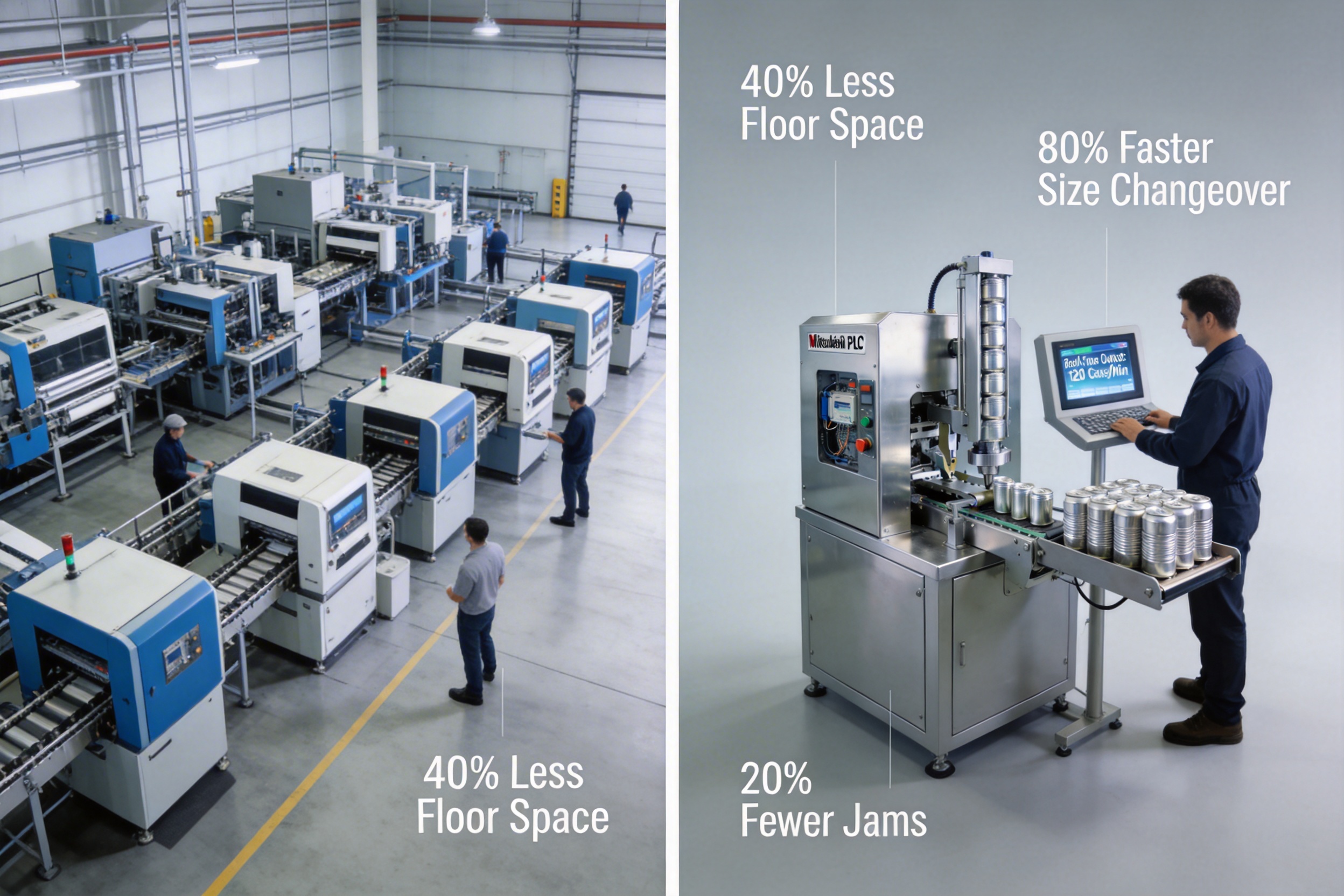
Many competing machines use horizontal can feeding systems, which can cause cans to shift or jam during processing—especially when handling fragile or irregularly shaped cans. The seaming single station machine’s vertical feeding system aligns cans in a vertical orientation, ensuring smooth, consistent movement through each process step. This reduces the number of jams by an estimated 20% compared to horizontal systems (per internal testing data), leading to higher uptime and lower maintenance costs.
Most competitor machines lack advanced protection features, relying on manual monitoring to prevent jams or damage. The seaming single station machine’s intelligent protection system uses sensors to detect can stacks at the outlet, triggering an automatic shutdown to prevent equipment damage and can waste. It also reduces the main motor speed when no cans are present, cutting energy consumption by up to 15% during idle periods. This system not only improves operational safety but also extends the lifespan of critical components, reducing long-term maintenance costs.
Competing machines often use fixed-speed motors or multi-step speed controls, which limit flexibility when producing different can sizes or materials. For example, a machine with fixed speeds may struggle to process thin tinplate cans without causing damage, or thick chemical tank cans without reducing output. The seaming single station machine’s stepless frequency changer allows operators to adjust the main motor speed from 0 to maximum capacity, optimizing production rates for each specific can type. This flexibility enables manufacturers to quickly adapt to changing market demands without investing in additional equipment.
Switching between different can sizes is a common challenge in can manufacturing, with traditional lines often requiring 30 minutes or more to adjust. The seaming single station machine’s modular design and quick-adjustment features reduce size changeover time to just 10-15 minutes—an 80% reduction compared to competitor models (per customer feedback). This means manufacturers can switch between producing small aerosol cans and large chemical tanks in a fraction of the time, increasing overall production efficiency and responsiveness to customer orders.
Many competing machines use generic PLC systems or manual controls, leading to inconsistent seaming, necking, or flanging results. The seaming single station machine uses a Japan Mitsubishi PLC control system—known for its reliability and precision—to ensure that every can is processed with the same high standards. This precision is critical for can integrity: a poorly seamed can can lead to leaks, contamination, or product spoilage, which can have serious consequences for manufacturers and consumers. The PLC system also allows for easy programming of custom settings, enabling manufacturers to tailor the machine to their specific production needs.
The seaming single station can making machine is the result of decades of manufacturing expertise and continuous innovation. The company behind its development is a leading global supplier of can-making machinery, with a 46-year history of producing high-quality equipment for the packaging industry. The following are the key strengths that enable the company to deliver such advanced machinery:
Founded in 1978, the company has over four and a half decades of experience in can-making machinery production. This long history has allowed it to refine its designs based on real-world feedback from customers across the globe, addressing common pain points such as downtime, maintenance costs, and quality consistency. Unlike newer entrants to the market, the company has a proven track record of delivering reliable equipment that meets the evolving needs of the can manufacturing industry.
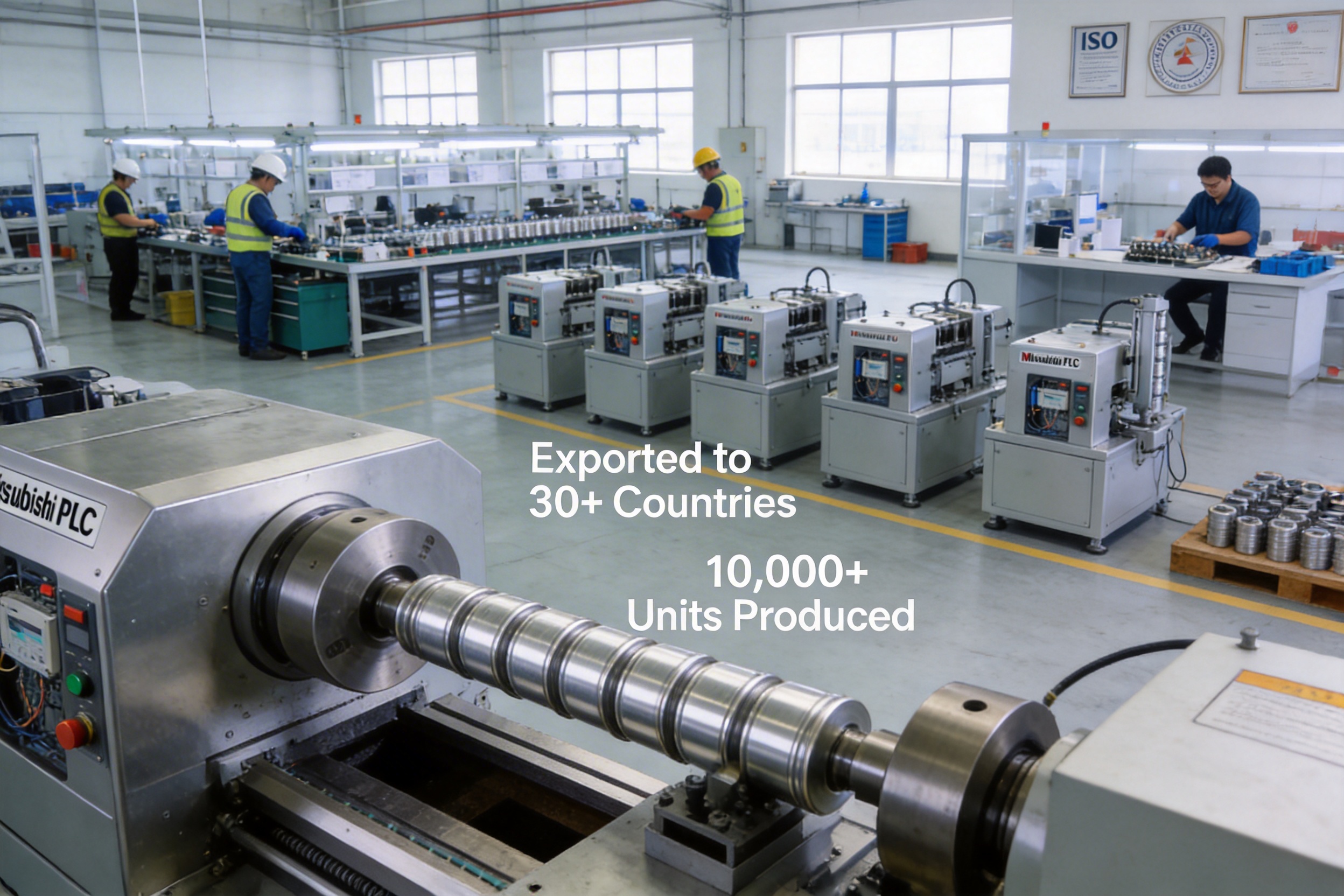
The company’s manufacturing facilities are equipped with advanced CNC high-precision machining equipment and complete mechanical processing lines. These tools enable the production of machine components to exacting tolerances—critical for ensuring the precision and reliability of the seaming single station machine. For example, CNC machining ensures that seaming rollers are perfectly aligned, reducing the risk of uneven seaming and can leaks. The facilities also include quality control labs where every component is tested before assembly, ensuring that only the highest-quality parts are used in the final product.
The company’s product design principles are based on those of leading global can-making machinery manufacturers, including KRUPP, SOUDRONIC, and ALFONS-HAAR. This alignment ensures that the seaming single station machine inherits proven design features that have been tested and validated in real-world production environments. However, the company also incorporates local innovations to adapt the machinery to regional market needs—such as adjusting can size ranges to meet Asian, European, and American packaging standards. This combination of global best practices and local customization makes the machine suitable for a wide range of international markets.
The company holds ISO 9001 (quality management system) and ISO 14001 (environmental management system) certifications. ISO 9001 ensures that every stage of production—from design to assembly to after-sales service—meets strict quality standards. ISO 14001 demonstrates the company’s commitment to environmental responsibility, including energy-efficient manufacturing processes, recyclable materials, and waste reduction. These certifications not only validate the quality of the seaming single station machine but also give customers confidence in the company’s commitment to sustainability.
The company’s products are exported to over 30 countries across Europe, Asia, Africa, North America, South America, and Oceania—including Germany, Italy, the UK, Russia, Australia, Jordan, and Mexico. This global reach is supported by a robust after-sales service network that provides installation, commissioning, technical training, and fast spare parts supply. For example, the company offers on-site training for operators, ensuring that they can use the seaming single station machine to its full potential. It also maintains a large inventory of spare parts, enabling quick delivery to customers around the world—reducing downtime and keeping production lines running smoothly.
With a team of over 350 well-trained personnel—including experienced design and development engineers—the company has the capacity to produce over 10,000 can and can lid equipment units to date. This large-scale production capacity ensures that the company can meet the needs of both small and large customers, from local can manufacturers to global packaging giants. It also allows the company to keep production costs low, passing these savings on to customers in the form of competitive pricing.
The seaming single station can making machine is available in multiple models, each tailored to specific production needs. The following table outlines the key technical specifications for each model:
| Model | Function | Can Diameter | Can Height (after processing) | Output Capacity (Cans per Minute) | Total Power (KW) |
|---|---|---|---|---|---|
| GT3B37A (4-Head) | Cutting | Φ52-99mm | H40-60mm | 80-300 CPM | 4 |
| GT3B37-5 (8-Head) | Cutting | Φ52-65mm | H40-60mm | 200-400 CPM | 4 |
| GT3B42-1 (4-Head) | Neck Expanding | Φ52-99mm | H50-160mm | 20-150 CPM | 4 |
| GT3B51-N (4-Head/8-Head) | Necking | Φ52-99mm | H70-160mm | 80-350/550 CPM | 5.5 |
| GT3B51-N-1 (10-Head) | Necking | Φ52-73mm | H70-160mm | 450-650 CPM | 4 |
| GT3B51-F (4-Head/8-Head) | Flanging | Φ52-99mm | H40-160mm | 80-350/550 CPM | 5.5 |
| GT3B51-F-2 (10-Head) | Flanging | Φ52-73mm | H40-160mm | 450-650 CPM | 4 |
| GT3B51-B (4-Head/8-Head) | Beading | Φ52-99mm | H70-135mm | 200-550 CPM | 5.5 |
| GT3B51-B-2 (10-Head) | Beading | Φ52-73mm | H70-135mm | 400-650 CPM | 4 |
| GT3B51-S-3 (6-Head) | Bottom Seaming | Φ52-99mm | H40-160mm | 80-350 CPM | 5.5 |
| GT3B51-S-5 (8-Head) | Bottom Seaming | Φ52-99mm | H40-160mm | 200-550 CPM | 5.5 |
| GT3B51-S-2 (10-Head) | Bottom Seaming | Φ52-65mm | H40-160mm | 450-650 CPM | 5.5 |
| GT3B42B-A (3-Head/6-Head) | Necking (Big Cans) | Φ99-153mm | H150-270mm | 20-100/180 CPM | 5.5 |
| GT3B51-F-C (3-Head/6-Head) | Flanging (Big Cans) | Φ99-190mm | H110-270mm | 20-100/180 CPM | 5.5 |
| GT3B51-S-1B (4-Head) | Bottom Seaming (Big Cans) | Φ99-165mm | H100-270mm | 20-100 CPM | 4 |
| GT3B51-S-C2 (6-Head) | Bottom Seaming (Big Cans) | Φ99-190mm | H85-320mm | 20-180 CPM | 4 |
| GT3B51-B-5 (3-Head) | Bottom Seaming | Φ99-190mm | H125-250mm | 40-70 CPM | 5.5 |
| GT3B51-S-6 (6-Head) | Bottom Seaming | Φ99-153mm | H80-270mm | 80-250 CPM | 5 |
| GT3B51-7 (6-Head) | Bottom Seaming | Φ99-127mm | H80-270mm | 80-250 CPM | 5 |
| GT3B51-S-7 (6-Head) | Bottom Seaming | Φ99-127mm | H70-80mm | 80-250 CPM | 5 |
Note: Some model names and specifications have been corrected for clarity (e.g., "Neck expandin'" to "Neck Expanding", "H80-70mm" to "H70-80mm" as a likely typo). For the most up-to-date and accurate specifications, consult the manufacturer’s official documentation.
The seaming single station can making machine’s versatility makes it suitable for a wide range of can manufacturing applications. The following are some of the key sectors where it is commonly used:
Aerosol cans require precise necking and flanging to ensure the cone and dome fit securely, as well as leak-proof seaming to prevent propellant leakage. The seaming single station machine’s necking and flanging functions are ideal for this application, with models like the GT3B51-N (necking) and GT3B51-F (flanging) delivering consistent results for small to medium-sized aerosol cans. The machine’s vertical feeding system also reduces the risk of damage to the thin tinplate used in aerosol cans, ensuring high-quality finished products.
Milk powder cans require airtight seaming to preserve freshness and prevent contamination. The seaming single station machine’s bottom seaming models (e.g., GT3B51-S-5) provide precise, leak-proof seaming for milk powder cans of various sizes. The machine’s intelligent protection system also ensures that cans are processed correctly, reducing the risk of defective seaming that could lead to product spoilage.
Food and beverage cans (e.g., canned fruits, vegetables, soft drinks) require durable, leak-proof packaging to meet food safety standards. The seaming single station machine’s cutting, necking, flanging, and seaming functions cover the entire production process for these cans. The machine’s stepless speed adjustment allows operators to optimize production rates for different can sizes and materials, ensuring efficient, high-quality output.
Chemical tanks require robust construction to handle corrosive materials. The seaming single station machine’s big can models (e.g., GT3B42B-A for necking, GT3B51-F-C for flanging) are designed to process thicker tinplate used in chemical tanks. The machine’s precision control ensures that the tanks are sealed correctly, preventing leaks that could be dangerous or costly.
Two-piece cans (e.g., beverage cans) require seamless construction to ensure strength and durability. The seaming single station machine’s integrated processes are ideal for two-piece can production, with models that handle the cutting, necking, and flanging steps efficiently. The machine’s easy size changeover also allows manufacturers to switch between different two-piece can sizes quickly, adapting to market demands.
To address common questions about the seaming single station can making machine, we have compiled the following Q&A:
A1: The core benefit is efficiency. A single-station machine consolidates multiple processes into one unit, reducing floor space requirements, downtime, and the need for multiple operators. It also simplifies maintenance and quality control, as there is only one machine to monitor and service.
A2: The system uses sensors to detect can stacks at the outlet. If a stack is detected, the machine shuts down automatically to prevent damage to the cans and equipment. It also reduces the main motor speed when no cans are present, saving energy and extending the lifespan of the motor and other components.
A3: Yes. The machine is available in multiple models that handle can diameters from Φ52mm to Φ190mm and heights from H40mm to H320mm. This wide range of sizes makes it suitable for producing everything from small aerosol cans to large chemical tanks.
A4: The manufacturer holds ISO 9001 (quality management system) and ISO 14001 (environmental management system) certifications. These certifications validate the quality of the machine and the manufacturer’s commitment to sustainability.
A5: The manufacturer provides comprehensive after-sales support, including: - On-site installation and commissioning - Technical training for operators - Fast spare parts supply (with a large inventory of parts available globally) - Remote technical support for troubleshooting
A6: The machine’s modular design and quick-adjustment features allow for size changeover in 10-15 minutes—an 80% reduction compared to competitor models. This means manufacturers can switch between producing different can sizes quickly, increasing production flexibility.
A7: The maximum output capacity varies by model. For example, the GT3B51-N-1 (10-head necking model) can produce up to 650 cans per minute, while the GT3B51-S-2 (10-head bottom seaming model) can produce up to 650 cans per minute. For specific models, consult the technical specifications table earlier in this article.
The following references were used to inform this article:
The seaming single station can making machine represents a significant advancement in can manufacturing technology, combining efficiency, precision, and flexibility to meet the evolving needs of the packaging industry. Its integrated design reduces floor space and downtime, while its advanced features—such as vertical feeding, intelligent protection, and stepless speed adjustment—set it apart from competitor solutions. The manufacturer’s decades of experience, state-of-the-art facilities, and global reach further enhance the machine’s value, ensuring that it delivers reliable, high-quality results for customers around the world.
As the demand for safe, durable, and cost-effective packaging continues to grow, the seaming single station can making machine will play an increasingly important role in helping manufacturers optimize their production lines and meet market demands. Whether producing aerosol cans, milk powder cans, food cans, or chemical tanks, this machine offers a versatile, efficient solution that delivers consistent, high-quality results.
Related Products

Founded in 1978, the company is one of the largest can-making machinery well-known companies at home and abroad.
Product Categories
Contact Information
Zhongshatou Shenjiamen Zhoushan Zhejiang China
+86-580-3056646

 English
 中文简体
中文简体
 русский
 عربى
عربى
 Español