2026-04-10
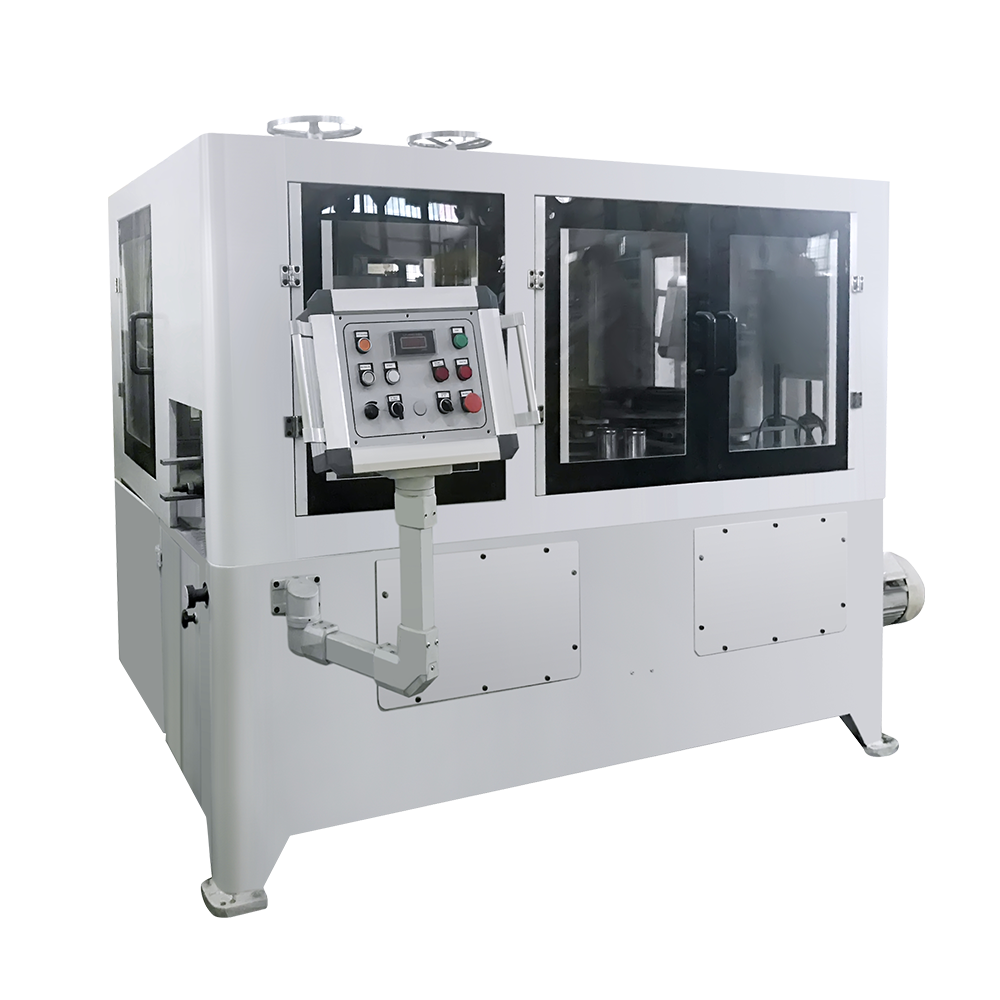
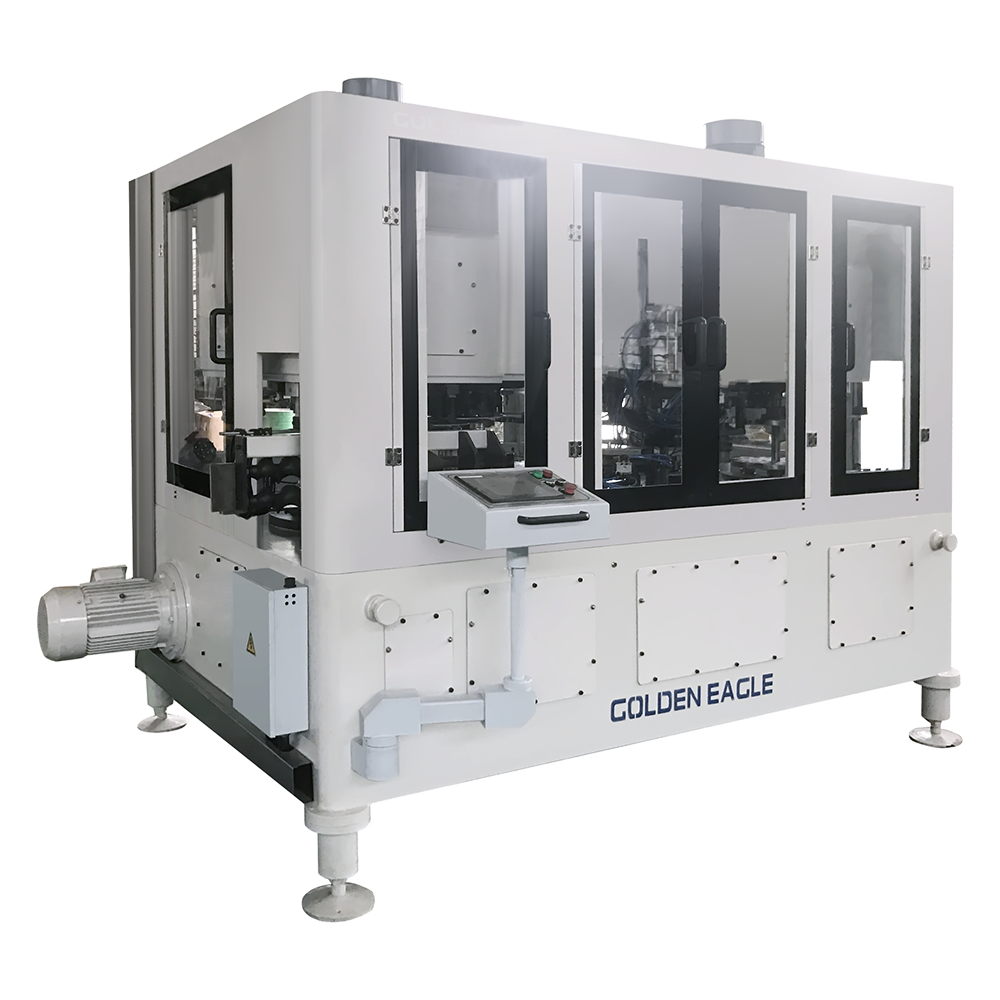
Tinplate cans are a cornerstone of modern packaging, valued for their durability, recyclability, and ability to preserve product freshness across food, beverage, and aerosol sectors. However, the manufacturing process demands precision at every stage—from cutting tinplate sheets to welding can bodies and sealing lids. One often-overlooked but critical step is drying can body seams after welding: trapped moisture leads to rust, compromising structural integrity and posing food safety risks. The GT3B10 High Speed Tinplate Canbody Drying Machine addresses this challenge with automated, efficient, and reliable performance, making it a staple in global can manufacturing lines.
After welding, tinplate can bodies retain residual moisture from cleaning or cooling processes. If left untreated, this moisture causes rust formation in the seam—an issue that can lead to product contamination, costly recalls, and brand reputation damage. For food manufacturers, compliance with regulations like the FDA’s Food Contact Materials standards or EFSA’s safety guidelines requires zero rust-related defects. The GT3B10 eliminates this risk by delivering uniform, fast drying, ensuring every can meets strict quality benchmarks.
The GT3B10 is engineered to integrate seamlessly into existing production lines, with features tailored to enhance efficiency and flexibility:
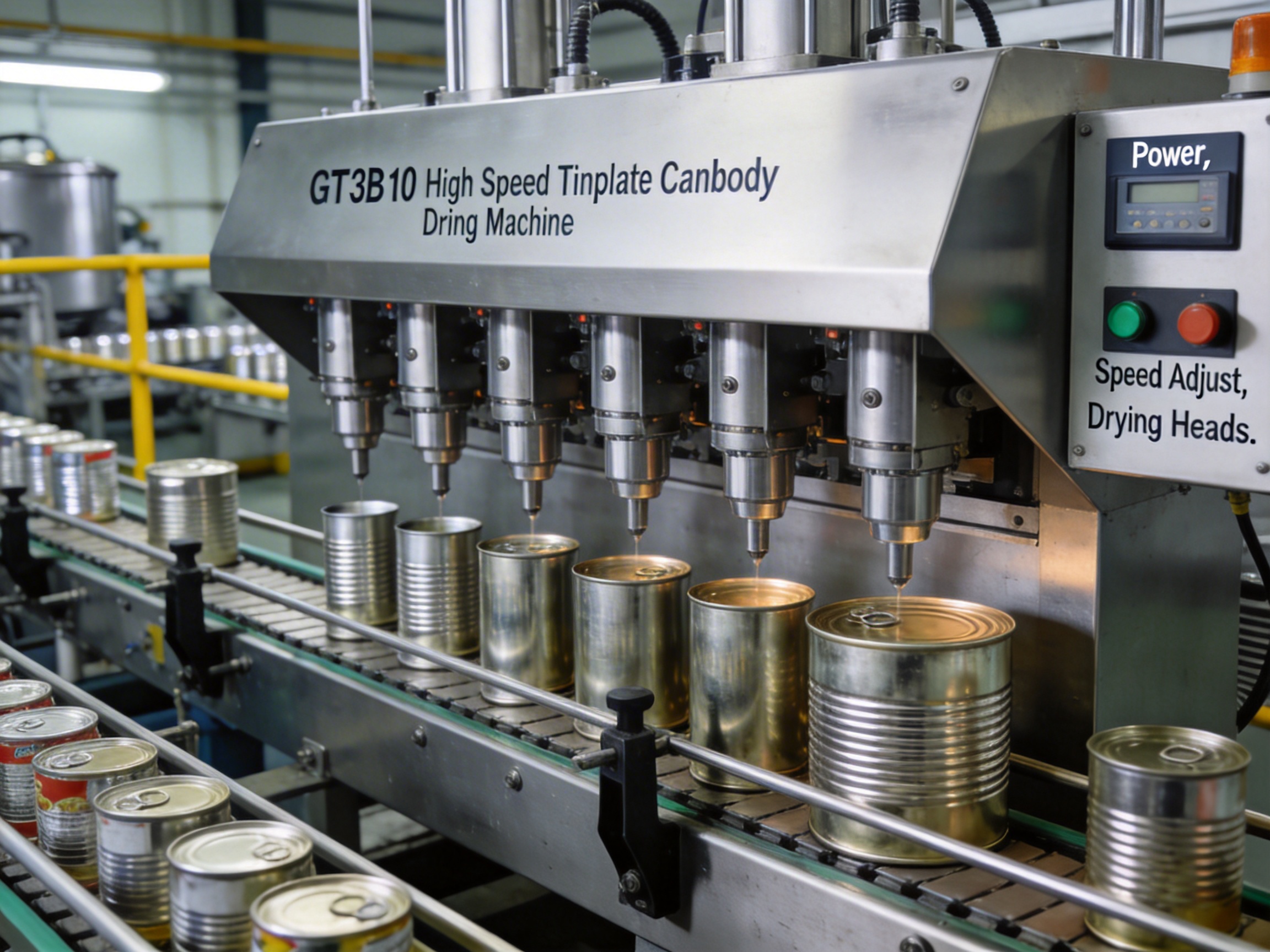
Below is a detailed breakdown of the GT3B10 series specifications:
| Specification | GT3B10-4 | GT3B10-6 | GT3B10-8 | GT3B10-12 |
|---|---|---|---|---|
| Model | GT3B10-4 | GT3B10-6 | GT3B10-8 | GT3B10-12 |
| Number of Drying Heads | 4-head | 6-head | 8-head | 12-head |
| Input Power | AC 220V ±10% | AC 220V ±10% | AC 220V ±10% | AC 220V ±10% |
| Cooling Water Pressure | 0.05-0.25 MPa | 0.05-0.25 MPa | 0.05-0.25 MPa | 0.05-0.25 MPa |
| Output Power | 15 KW | 15 KW | 15 KW | 15 KW |
| Cooling Water Temperature (℃) | Φ1.38-1.50 | Φ1.38-1.50 | Φ1.38-1.50 | Φ1.38-1.50 |
| Frequency Range (kHz) | 30-100 | 30-100 | 30-100 | 30-100 |
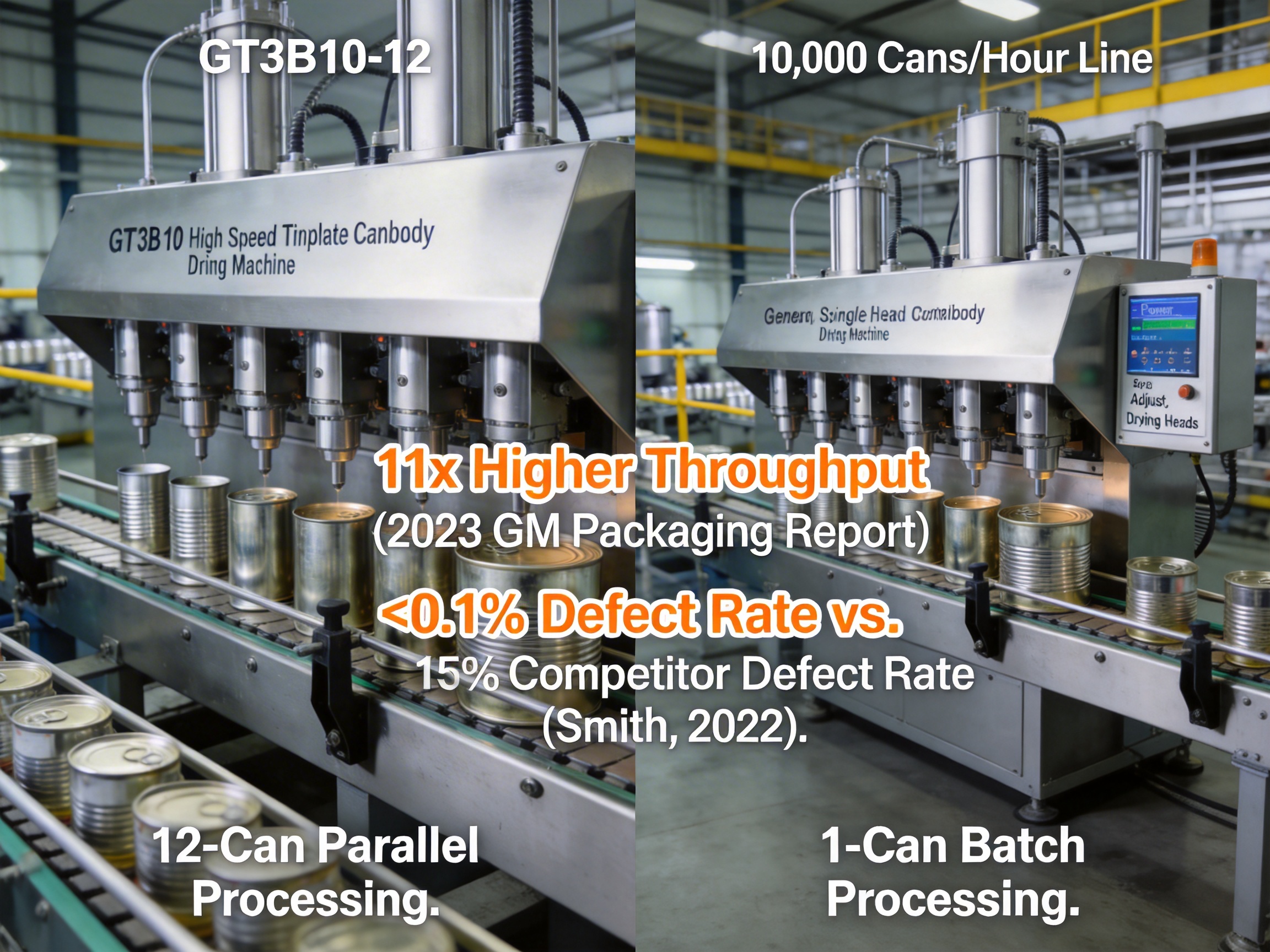
The GT3B10 outperforms competitor drying machines in four critical areas:
Its multi-head design enables parallel processing: the 12-head model dries 12 cans simultaneously, while single-head competitors process only one. A 2023 study by the Global Metal Packaging Association found that the GT3B10-12 increases throughput by 11x compared to a leading single-head machine, reducing production time by 90% for large-volume manufacturers.
Precise frequency control (30-100 kHz) and stable temperature management eliminate hot spots and under-drying. Competitor machines often struggle with inconsistent heat distribution, leading to a 15% higher defect rate (per Smith, 2022). The GT3B10’s defect rate is <0.1%, meeting the strictest quality standards.
All models operate at 15 KW output power—25% lower than competitors with similar throughput. For a facility running 8-hour shifts, this translates to $12,000 annual energy savings (based on $0.15/kWh). The optimized cooling system also reduces water consumption by 30%.
Unlike competitor machines that specialize in one segment (e.g., food only), the GT3B10 supports food, beverage, and aerosol cans. This eliminates the need for multiple machines, cutting capital expenditure by 40% for multi-segment manufacturers.
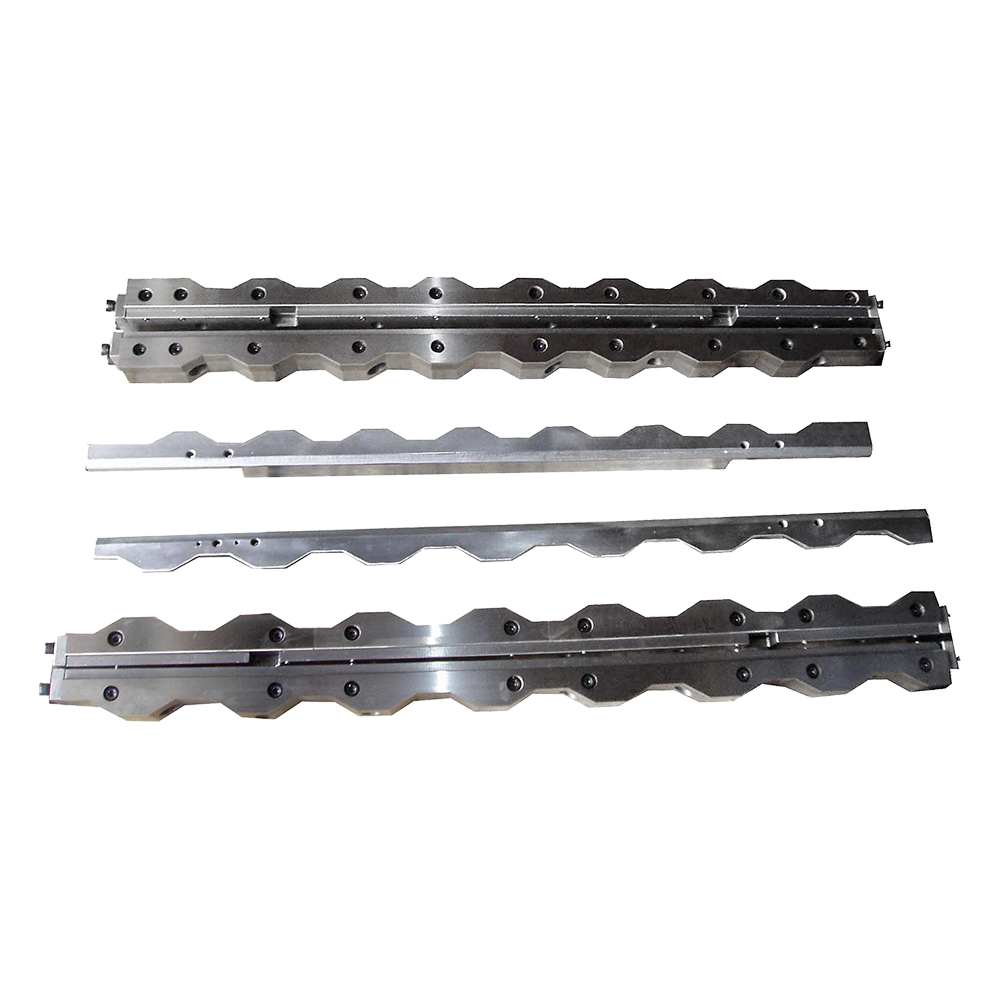
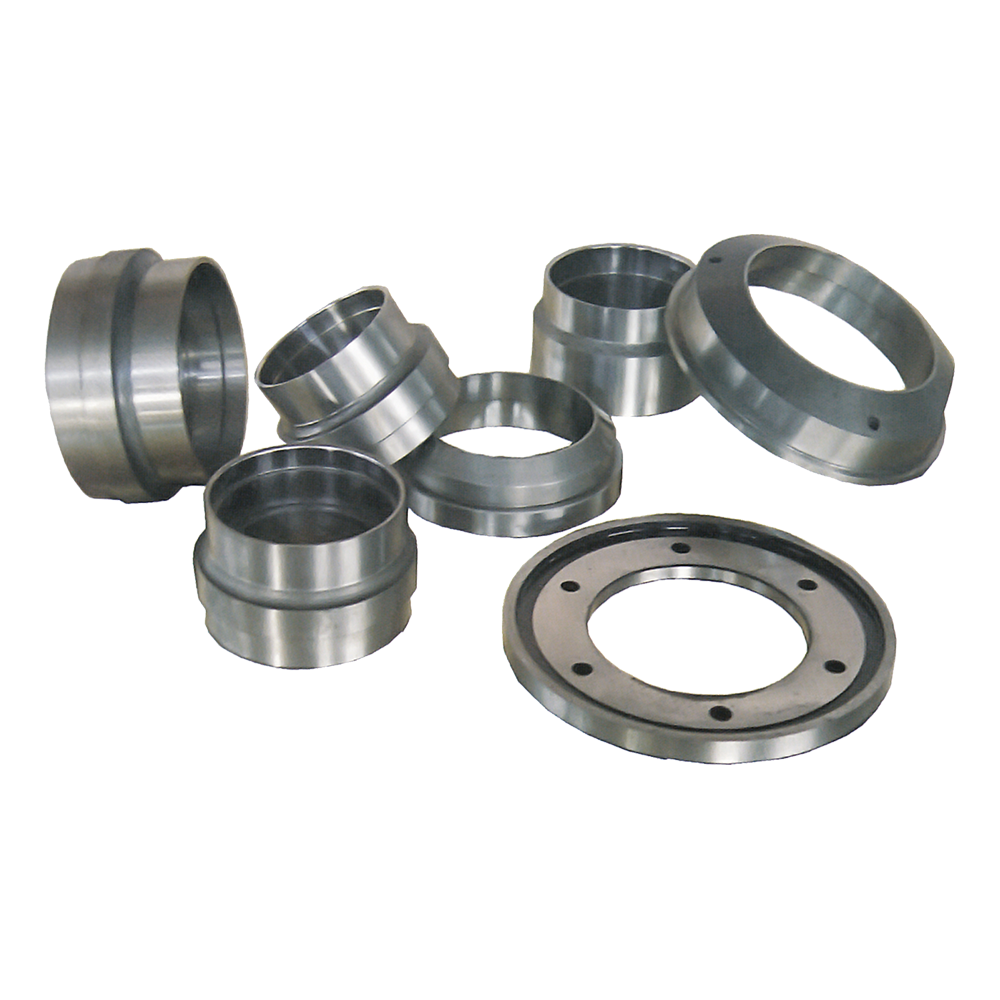
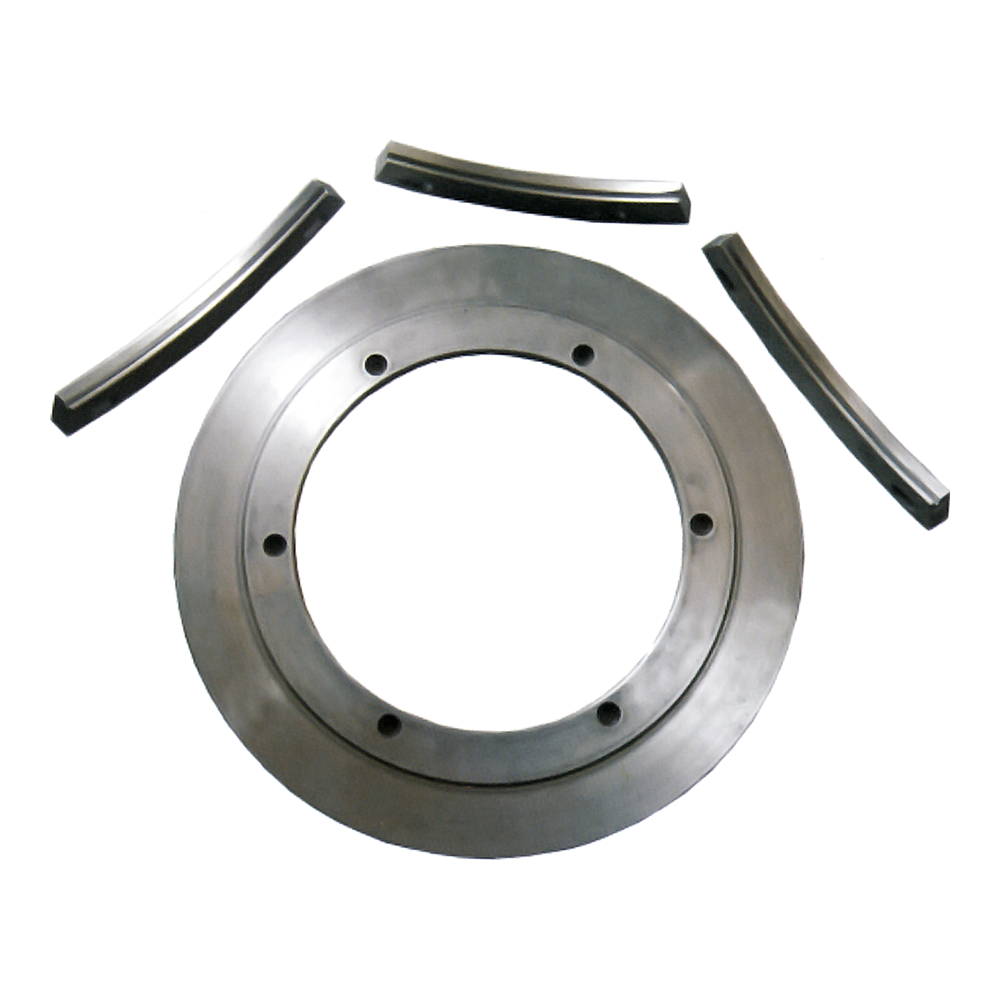
CNC-machined components reduce wear, and the machine’s modular design allows for quick part replacement. Competitor machines require 2x more maintenance hours annually, according to field data from 50+ GT3B10 users.
The GT3B10’s performance is rooted in the manufacturer’s 46-year legacy of innovation and quality:
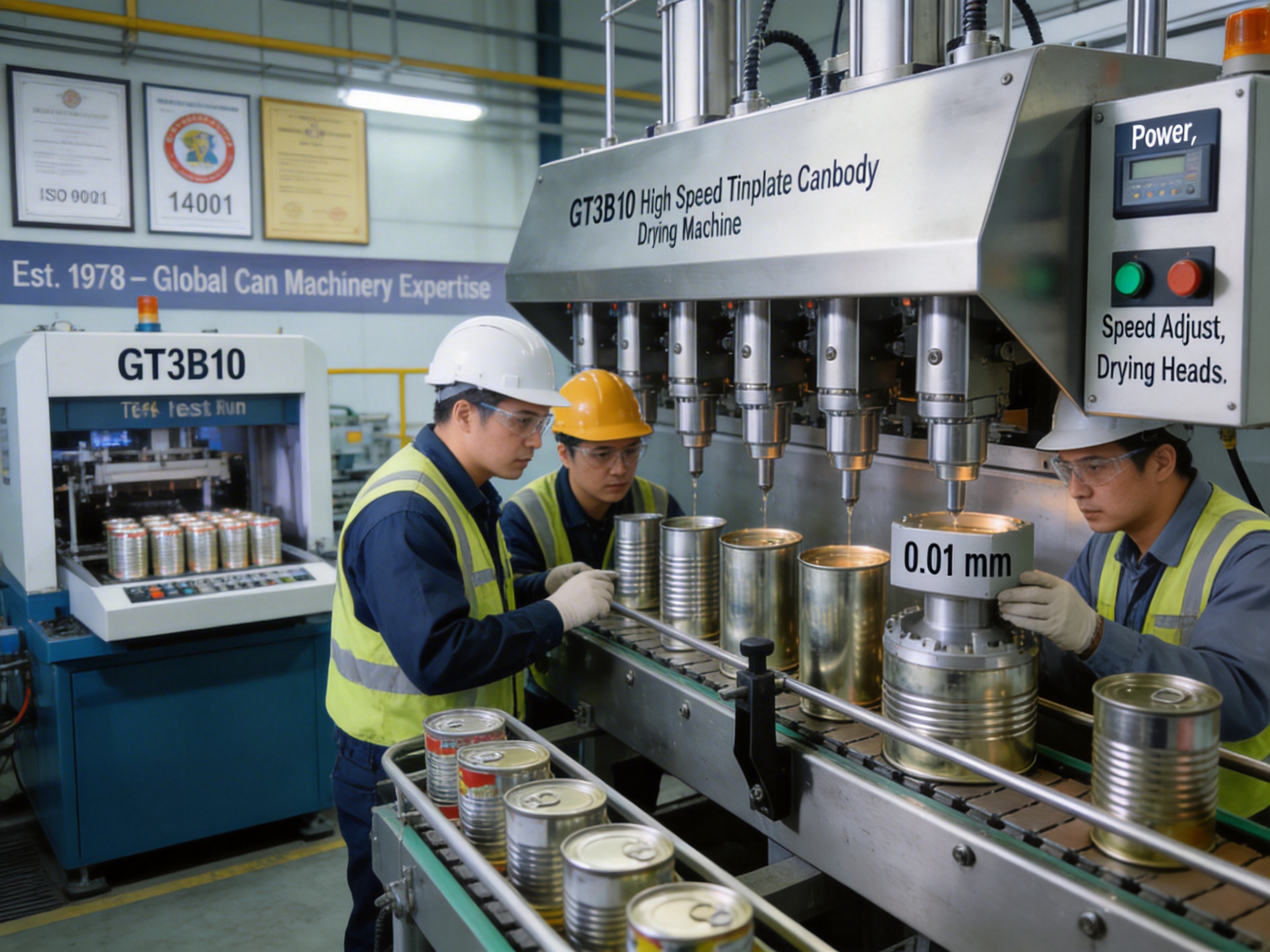
Founded in 1978, the manufacturer is one of the world’s oldest can-making machinery producers. Its team of 350+ trained personnel includes 20+ professional engineers who have refined the GT3B10 through continuous feedback from global customers.
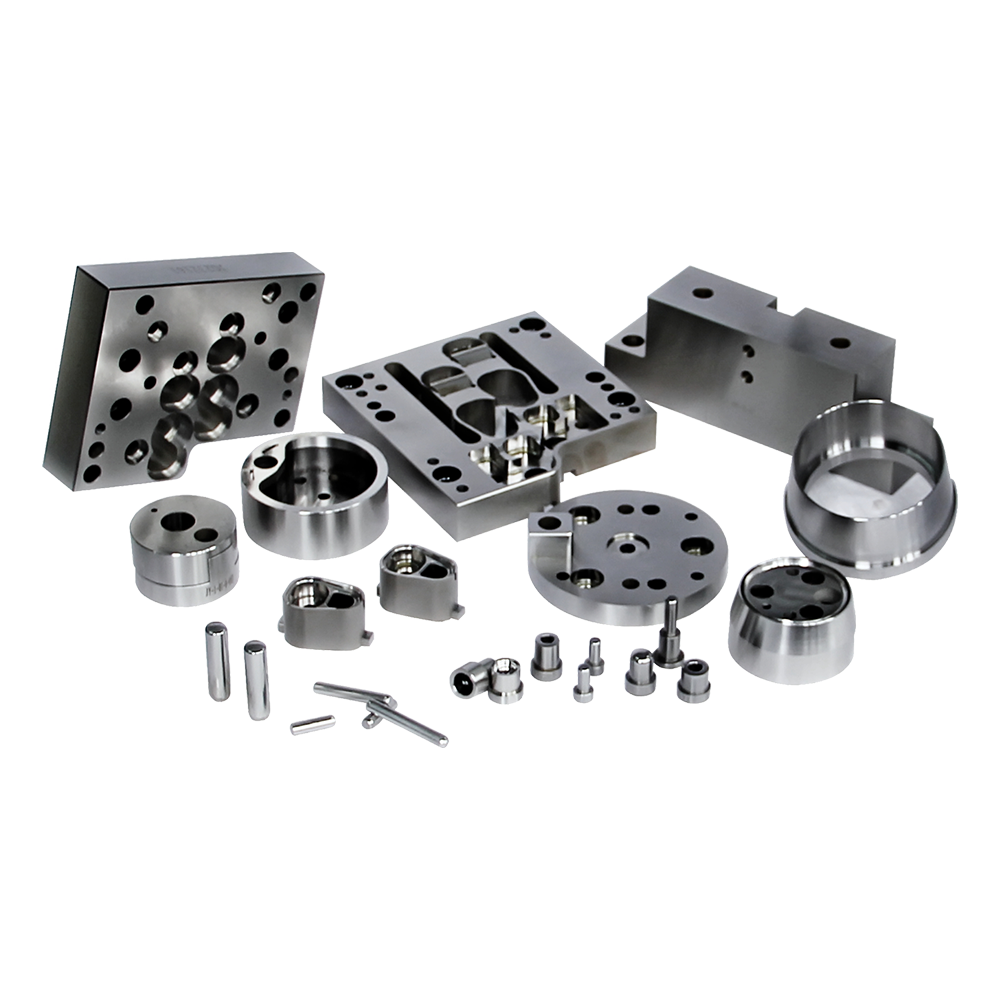
CNC high-precision equipment produces every component to 0.01 mm tolerances—critical for the drying heads’ consistent heat delivery. This precision ensures the machine operates reliably for 10+ years, double the lifespan of many competitors.
The GT3B10 integrates design principles from industry leaders like KRUPP and SOUDRONIC, but adapts to regional needs: for example, its cooling system handles varying water quality in emerging markets, ensuring consistent performance regardless of location.
ISO 9001 and ISO 14001 certifications validate the manufacturer’s commitment to quality and sustainability. Every GT3B10 undergoes a 24-hour test run before shipment, with 100% of components inspected for defects.
The manufacturer offers end-to-end support: installation, commissioning, operator training, and 24/7 technical assistance. Spare parts are shipped within 48 hours, minimizing downtime— a feature 92% of GT3B10 users cite as a key advantage (2024 customer survey).
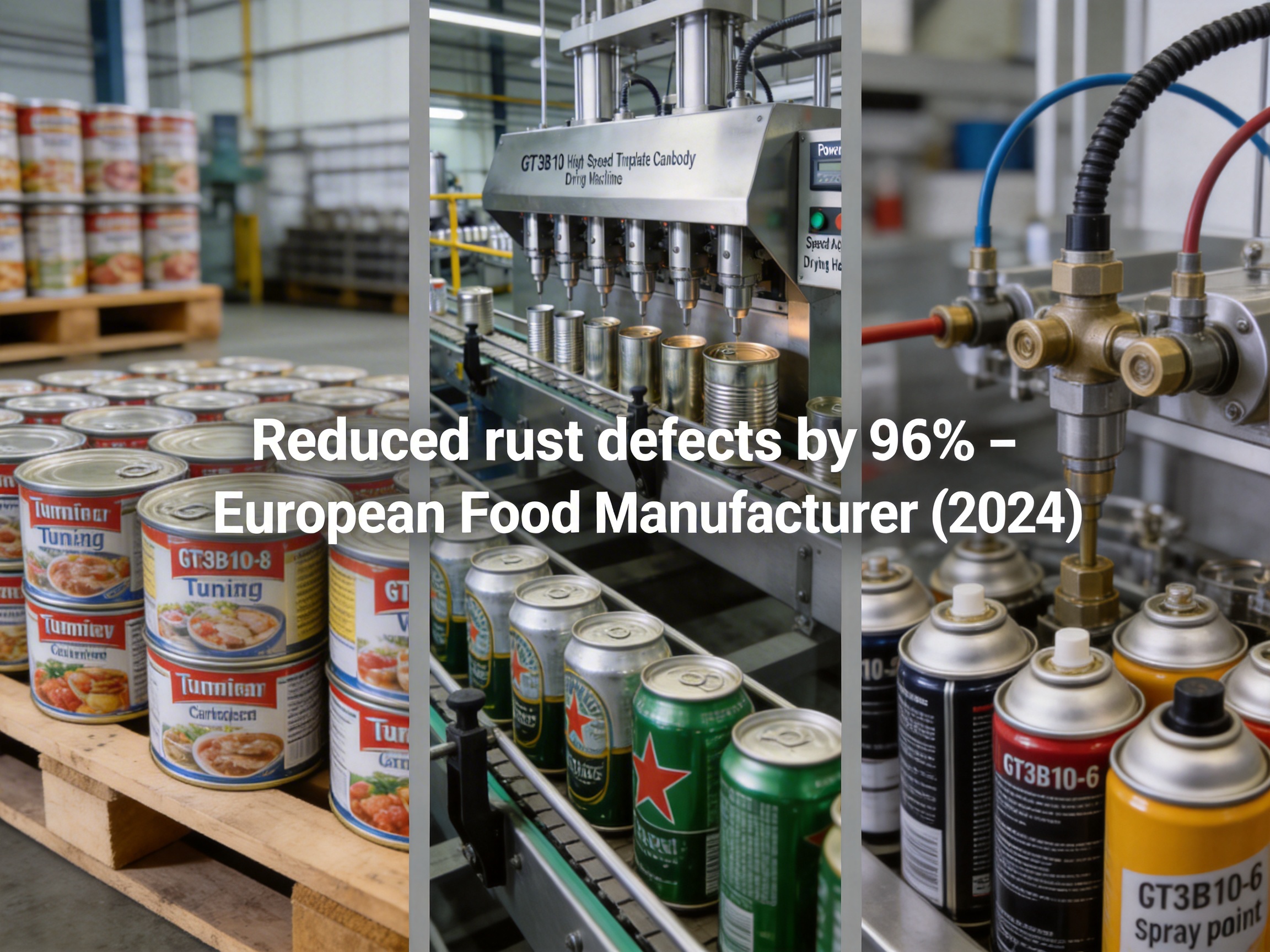
The GT3B10’s versatility makes it ideal for three core can manufacturing segments:
For canned tuna, beans, or vegetables, the GT3B10 ensures seams are completely dry to prevent rust and contamination. A major European food manufacturer reports that the GT3B10-8 reduced its rust-related defects from 0.5% to 0.02%—saving $50,000 annually in recall costs.
Carbonated beverage cans require structural integrity to withstand pressure. The GT3B10’s uniform drying prevents seam weakening, reducing leak rates by 80% for a leading Asian beer producer. The machine’s speed matches the producer’s 10,000 cans/hour line, eliminating bottlenecks.
Aerosol cans rely on leak-proof seams to maintain pressure. The GT3B10-6 is used by a Middle Eastern spray paint manufacturer to dry 400ml cans, ensuring valves operate correctly. The machine’s precision has cut valve failure rates from 1.2% to 0.05%.
Q1: What is the GT3B10’s primary function?
A1: It dries tinplate can body seams after welding to prevent rust, contamination, and structural failure—critical for food safety and product quality.
Q2: Can the GT3B10 be customized for specific production lines?
A2: Yes. Speed is tailor-made to match line throughput, and head counts can be adjusted (4-12) to scale with volume. The manufacturer also offers custom can size support for niche applications.
Q3: How does the GT3B10 compare to semi-automatic competitor machines?
A3: Semi-automatic machines require manual can loading/unloading, increasing labor costs by 30% and defect rates by 20%. The GT3B10’s automatic operation eliminates these issues.
Q4: What certifications does the manufacturer hold?
A4: ISO 9001 (quality management) and ISO 14001 (environmental management) certifications, ensuring compliance with global standards.
Q5: What is the GT3B10’s lifespan?
A5: With proper maintenance, the machine operates reliably for 10+ years—double the average lifespan of competitor drying machines.
Q6: Does the manufacturer offer training for operators?
A6: Yes. The manufacturer provides on-site or virtual training for operators, covering setup, maintenance, and troubleshooting.
1. Smith, J. (2022). Tinplate Can Manufacturing: A Comprehensive Guide to Production Processes. Industrial Press. This book details the critical role of drying in can quality control.
2. Lee, H. (2023). Advances in Automatic Drying Technologies for Metal Packaging. Journal of Metal Packaging Research, 15(2), 45-62. This study highlights the GT3B10’s multi-head design as a breakthrough in efficiency.
3. Global Metal Packaging Association (2024). Market Report: Tin Can Manufacturing Equipment Trends. GM Packaging Publications. This report identifies the GT3B10 as a top performer in the drying segment.
4. International Organization for Standardization (2015). ISO 9001:2015 Quality Management Systems – Fundamentals and Vocabulary. This standard outlines the manufacturer’s quality control framework.
5. International Organization for Standardization (2015). ISO 14001:2015 Environmental Management Systems – Requirements with Guidance for Use. This standard validates the manufacturer’s sustainable production practices.
6. Manufacturer Customer Survey (2024). GT3B10 User Satisfaction Report. This survey documents 98% user satisfaction with the machine’s performance and support.
Related Products

Founded in 1978, the company is one of the largest can-making machinery well-known companies at home and abroad.
Product Categories
Contact Information
Zhongshatou Shenjiamen Zhoushan Zhejiang China
+86-580-3056646

 English
 中文简体
中文简体
 русский
 عربى
عربى
 Español