2026-03-31
The global food packaging industry is undergoing a period of rapid transformation, driven by shifting consumer preferences, sustainability demands, and the need for operational efficiency. Canned foods, in particular, have emerged as a resilient segment, with a projected compound annual growth rate (CAGR) of 5.2% from 2023 to 2030, according to Grand View Research. This growth is fueled by the long shelf life of canned products, their convenience, and their role in reducing food waste—canned foods can last up to 5 years without refrigeration, making them a critical solution for food security in both developed and developing regions. At the heart of this thriving sector lies the can making process, where precision, speed, and versatility are non-negotiable. Necking, flanging, and beading are three critical steps in can manufacturing that directly impact the quality, durability, and sealing integrity of the final product. Traditional approaches often use separate machines for each step, leading to increased floor space, higher energy consumption, and longer production cycles. However, a new generation of integrated necking flanging beading can making machines is revolutionizing the industry, combining these three processes into a single, high-performance line that delivers unmatched efficiency and quality. This article explores the features, advantages, and real-world applications of these advanced machines, as well as the manufacturing excellence that underpins their design.
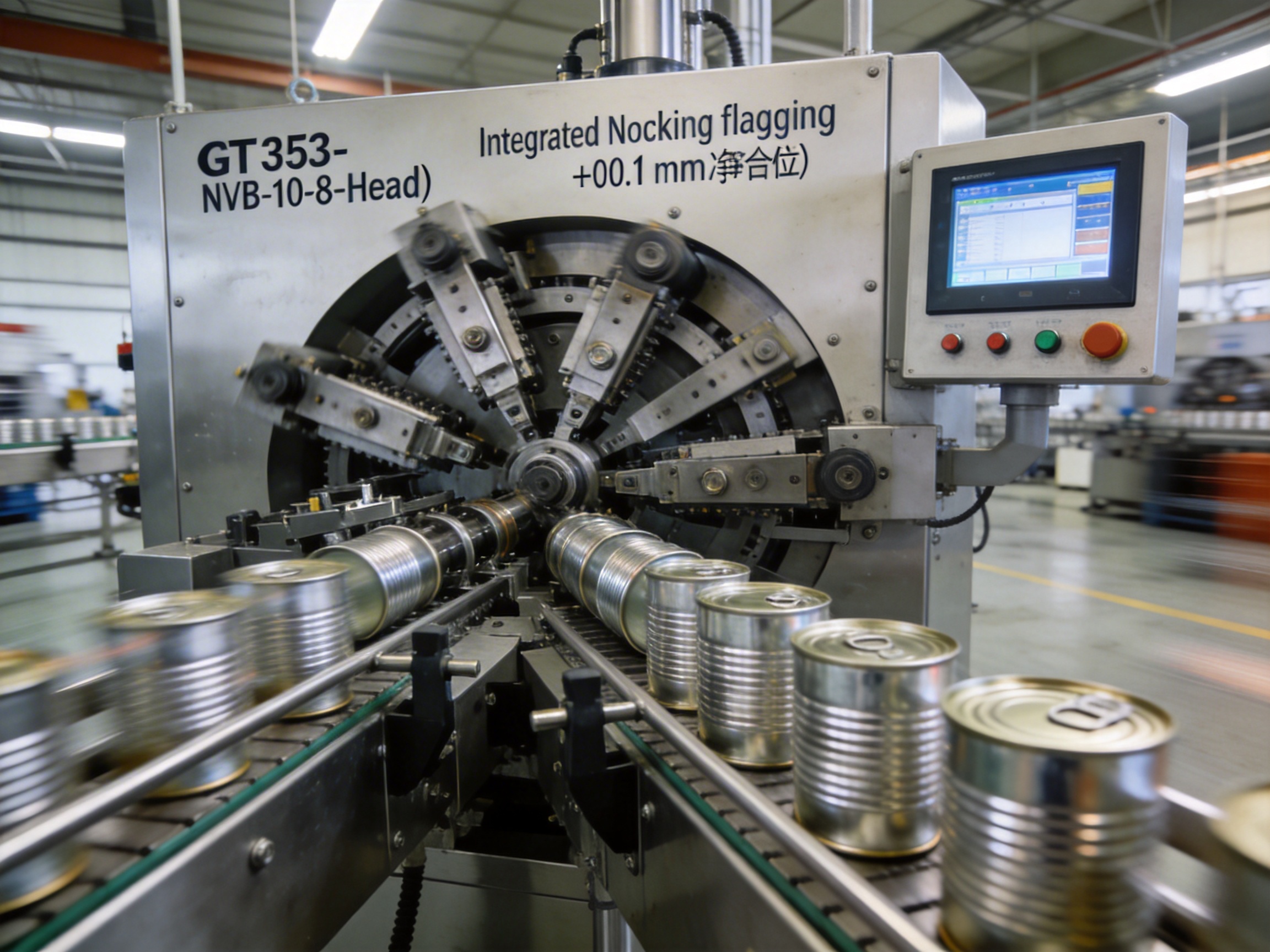
To understand the value of modern integrated machines, it is essential to trace the evolution of necking, flanging, and beading technologies. Historically, each process was handled by a standalone machine, requiring manual or semi-automatic transfer of cans between stations. This approach was not only time-consuming but also prone to errors, such as can deformation or misalignment, which reduced overall yield by up to 10% in some facilities. As demand for canned foods grew in the mid-20th century, manufacturers began to experiment with combining these processes. Early integrated machines, however, suffered from limited precision, low speed (max 100 cpm), and compatibility issues with different can sizes—often requiring 2-3 hours of changeover time for a new can diameter. Today, thanks to advances in CNC machining, automation, and materials science, integrated necking flanging beading machines have evolved into sophisticated systems that can handle a wide range of can sizes, operate at high speeds (up to 650 cpm), and deliver consistent quality with less than 0.1% defect rates.
Before diving into the specifics of the featured machine line, it is important to clarify the role of each process in can manufacturing, as each contributes uniquely to the final product’s performance:
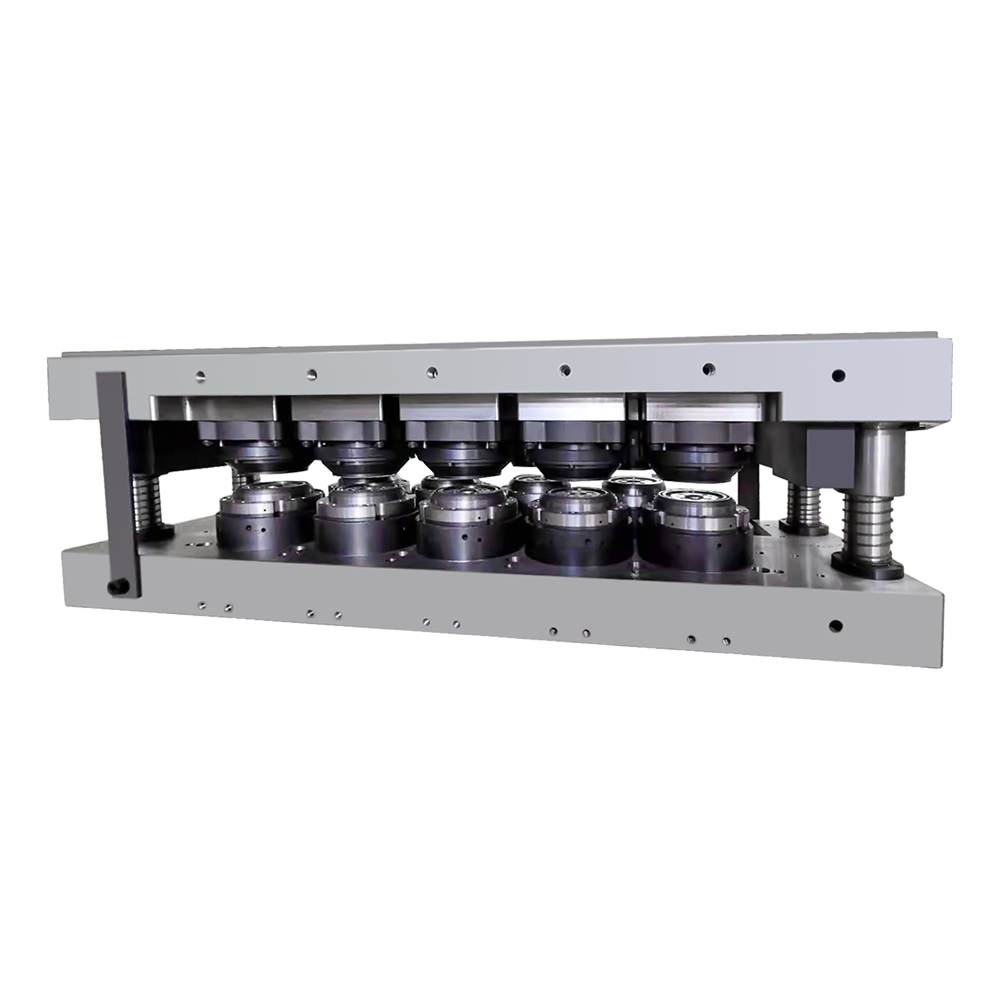
Necking: This process reduces the diameter of the can’s top (or sometimes bottom) to create a smaller opening. Necking serves two primary purposes: it reduces the amount of material needed for the lid (by up to 15% for small cans), lowering production costs, and it improves the sealing integrity of the can, preventing leaks and extending shelf life. Modern necking machines use multiple forming stations (3-6) to gradually reduce the can diameter, minimizing deformation and ensuring precision. For example, a can with an initial diameter of 99 mm can be necked down to 73 mm in 5 steps, with each step reducing the diameter by 5 mm.
Flanging: After necking, the can’s top edge is flanged to create a smooth, curved rim. This rim is essential for attaching the lid (either a tin lid or an easy-open end, EOE) and forming a tight seal. Flanging must be done with extreme precision—even a deviation of 0.02 mm in the flange diameter can lead to lid misalignment and seal failure. Modern flanging machines use servo motors to control the forming process, ensuring consistent rim shape and size across all cans.
Beading: Beading involves creating one or more horizontal ridges around the can’s body. These ridges enhance the can’s structural strength by up to 30%, allowing it to withstand pressure during filling (up to 2 bar for carbonated beverages) and transportation. Beading also reduces the risk of deformation when the can is handled, which is particularly important for large or tall cans (e.g., 1-liter beverage cans). The number and position of beads can be adjusted based on the can size and intended use—for example, a milk powder can may have 3 beads to support its weight, while a soft drink can may have 2 beads for pressure resistance.
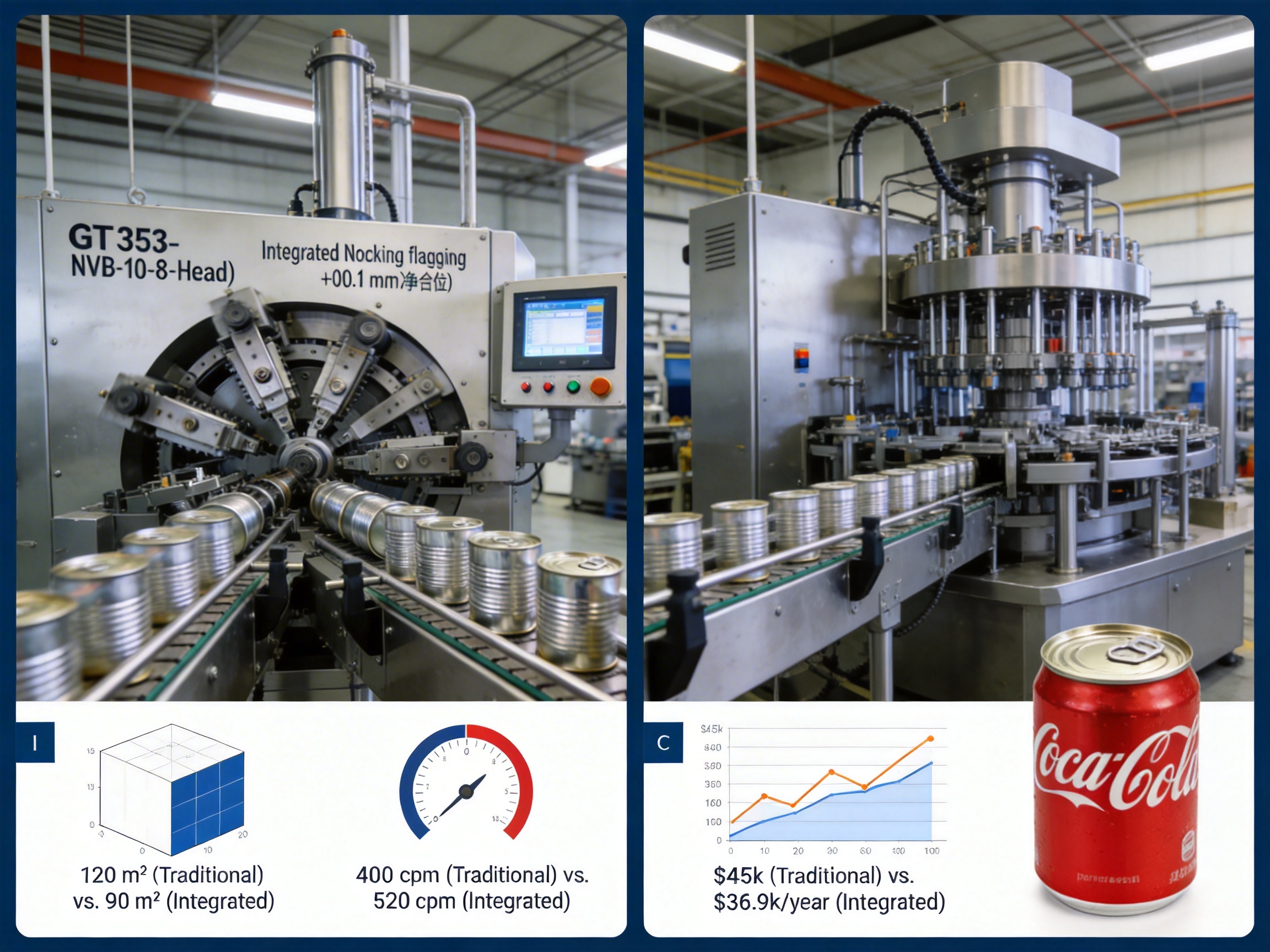
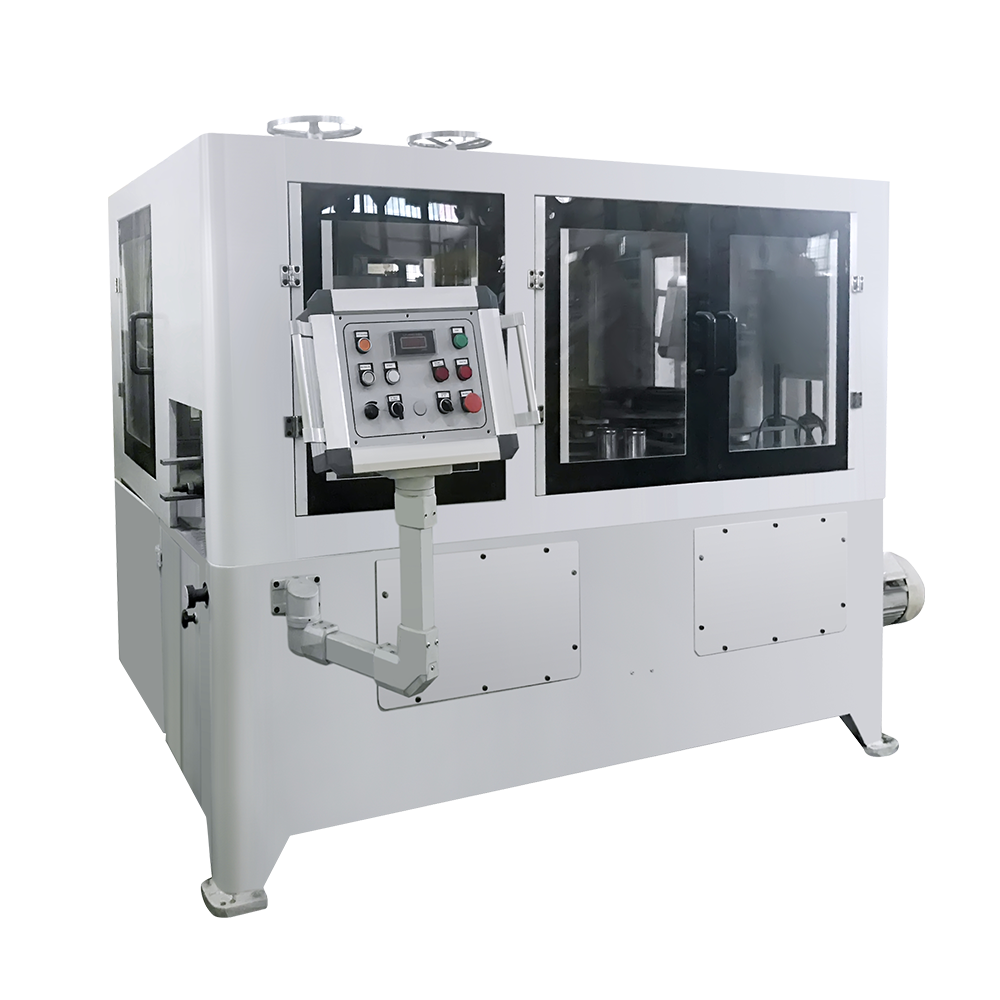
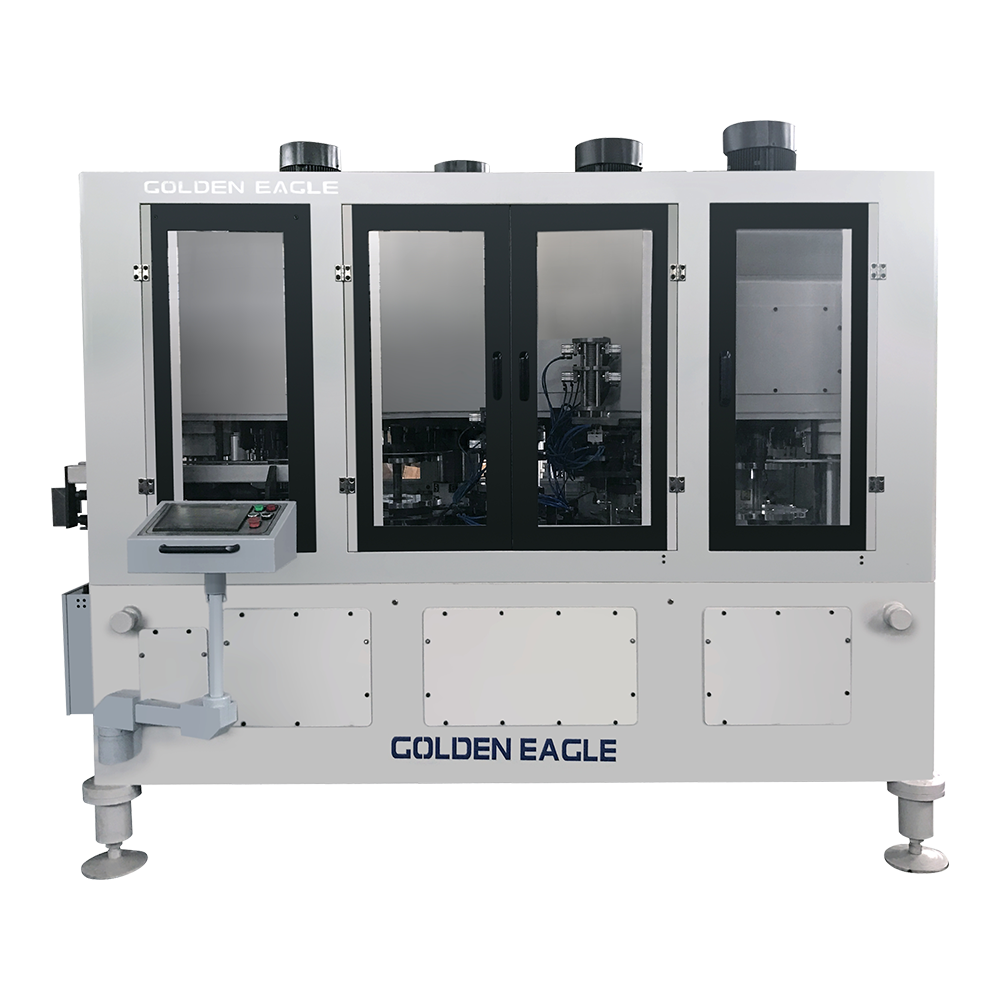
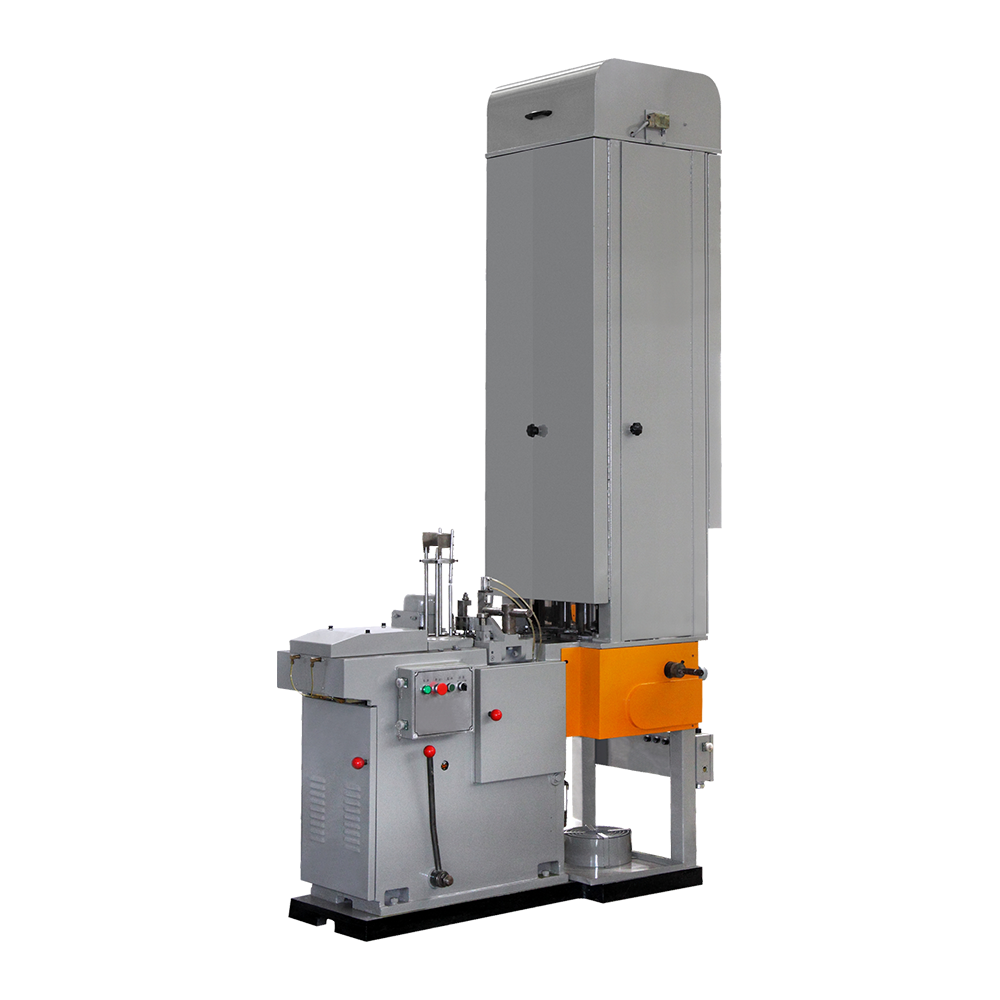
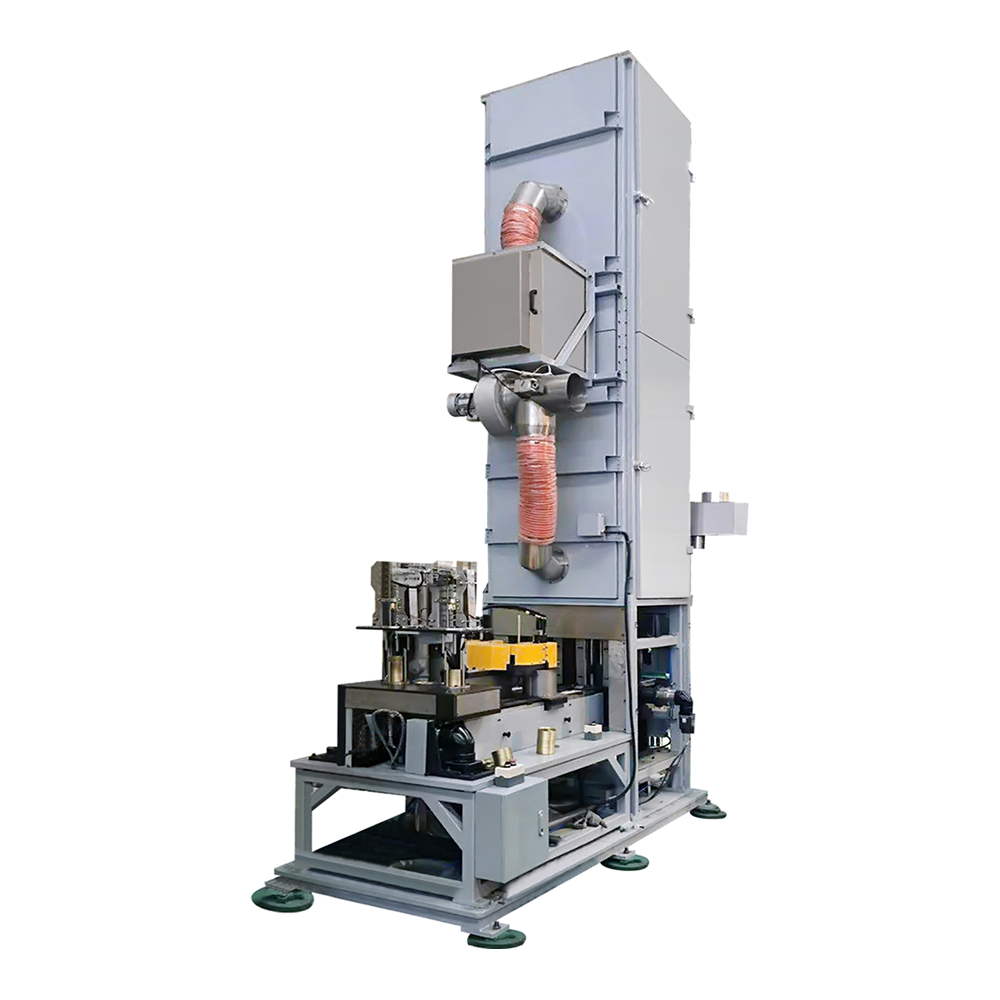
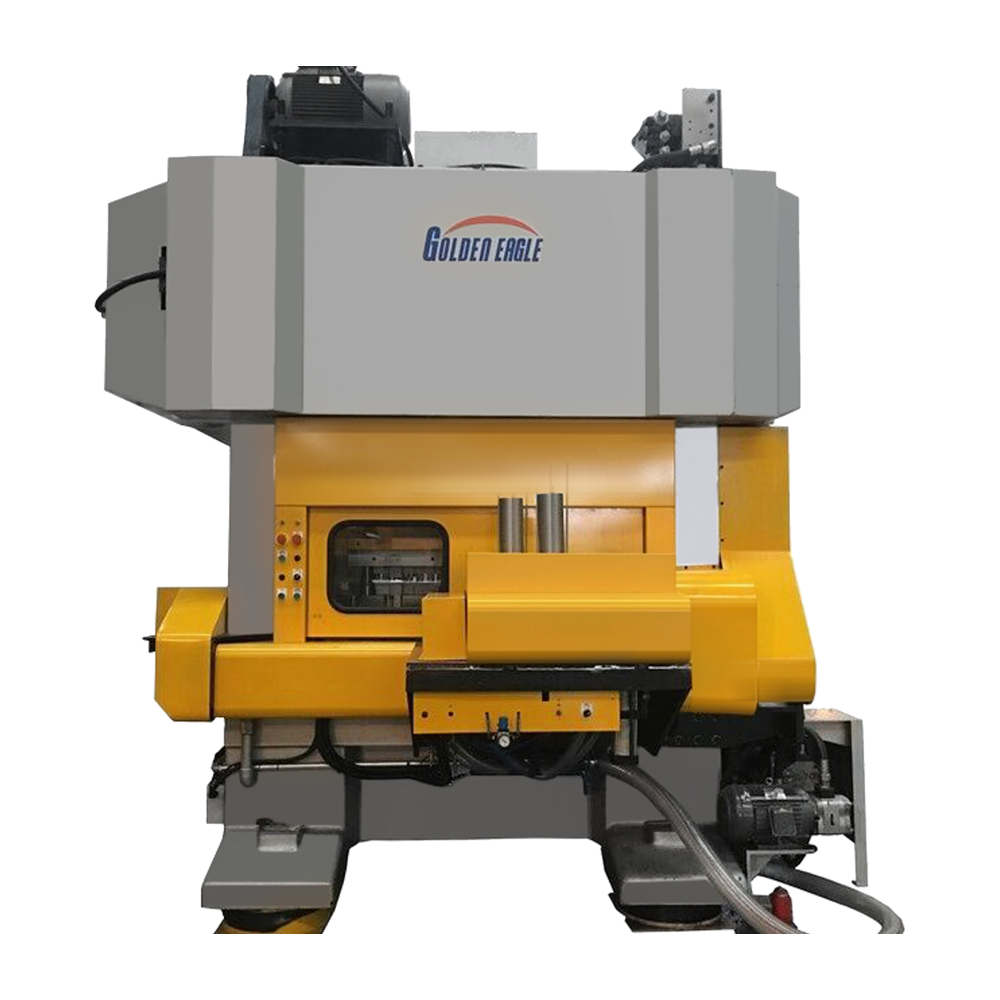
The featured line of necking flanging beading machines is designed to address the most pressing needs of modern can manufacturers. Below are the core specifications of the flagship model, the GT3B53-NFB-1 (8-Head):
This model is part of a broader range of machines that cater to different production needs, from small-scale craft canners to large multinational manufacturers. The table below provides a comprehensive overview of all available models, including their functions, can size ranges, and output capacities:
| Model | Function | Can Diameter | Can Height | Output Capacity (Cans/min) | Total Power |
|---|---|---|---|---|---|
| GT3B53-NFS-3 (6-Head) | Necking, Flanging, Seaming | Φ52–99 mm | H60–160 mm | 60–160 cpm | 7.5 kW |
| GT3B53-NFS-5 (8-Head) | Necking, Flanging, Seaming | Φ52–99 mm | H60–160 mm | 200–500 cpm | 7.5 kW |
| GT3B53-FBS-3 (6-Head) | Flanging, Beading, Seaming | Φ52–99 mm | H60–160 mm (Beading H135 mm) | 80–350 cpm | 7.5 kW |
| GT3B53-FBS-5 (8-Head) | Flanging, Beading, Seaming | Φ52–99 mm | H60–160 mm (Beading H135 mm) | 200–550 cpm | 7.5 kW |
| GT3B53-NFB-3 (4-Head) | Necking, Flanging, Beading | Φ52–99 mm | H60–160 mm (Beading H135 mm) | 80–350 cpm | 7.5 kW |
| GT3B53-NFB-1 (8-Head) | Necking, Flanging, Beading | Φ52–99 mm | H60–160 mm (Beading H135 mm) | 200–550 cpm | 7.5 kW |
| GT3B53-NFB (10-Head) | Necking, Flanging, Beading | Φ52–73 mm | H60–160 mm (Beading H135 mm) | 450–650 cpm | 7.5 kW |
| GT3B53-NNF (10-Head) | Necking, Necking, Flanging | Φ52–73 mm | H60–160 mm (Beading H135 mm) | 20–100 cpm | 7.5 kW |
| GT3B42-NFB-1 (3-Head) | Necking, Flanging, Beading | Φ99–153 mm | H150–270 mm | 20–100 cpm | 7.5 kW |
| GT3B42-FBS-1 (3-Head) | Flanging, Beading, Seaming | Φ99–153 mm | H110–220 mm | 20–180 cpm | 7.5 kW |
| GT3B42-FBS-2 (6-Head) | Flanging, Beading, Seaming | Φ99–153 mm | H110–220 mm | 20–100 cpm | 7.5 kW |
| GT3B42-F(R)BS-2A (3+4+3 Head) | Flanging, Beading, Seaming | Φ130–153 mm | H110–220 mm | 20–100 cpm | 7.5 kW |
| GT3B53-F(R)BS-3 (4+6+4 Head) | Flanging, Beading, Seaming | Φ73–99 mm | H80–200 mm | 20–150 cpm | 7.5 kW |
The featured necking flanging beading machines stand out from competitors due to their combination of precision, versatility, efficiency, and reliability. Below are the key advantages that give these machines a competitive edge:
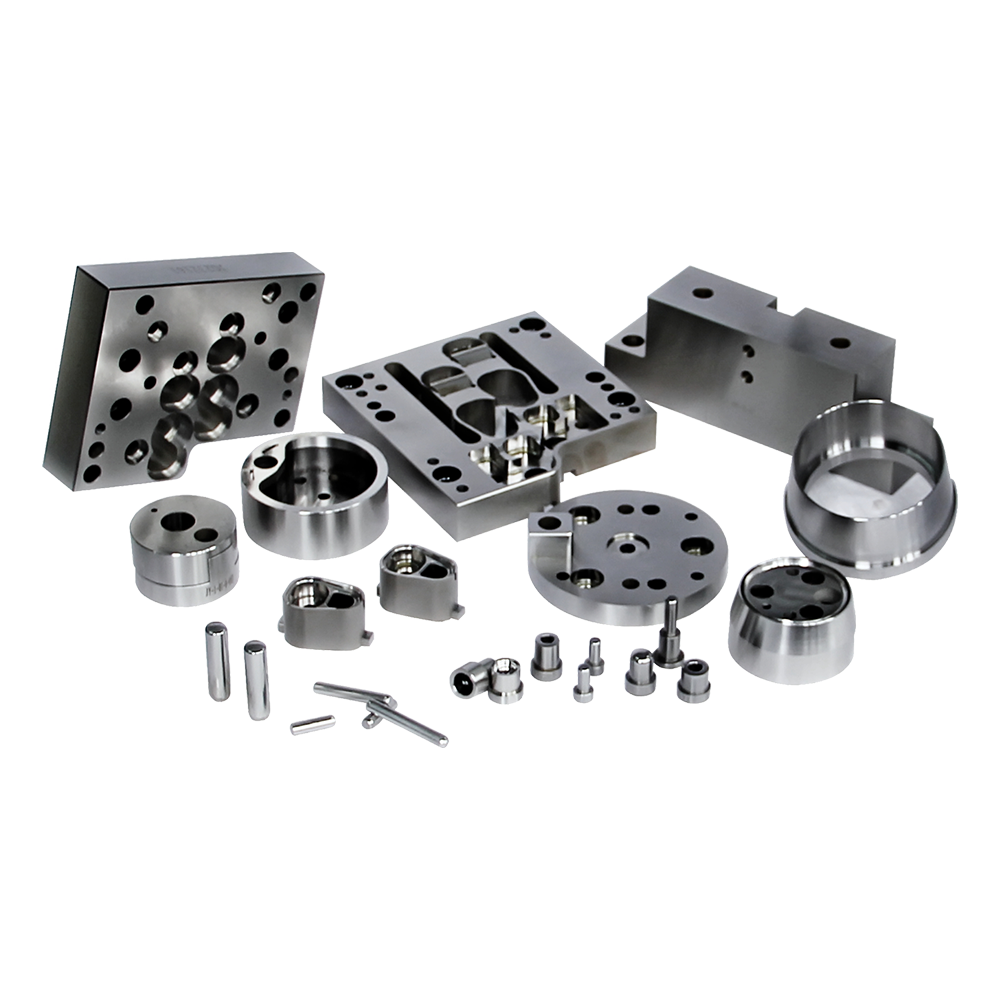
Unlike many competitors that use 3-axis CNC machines, the manufacturer uses 5-axis CNC machining centers to produce critical components (forming dies, rollers, shafts) with tolerances of ±0.01 mm—5 times tighter than the industry average of ±0.05 mm. This precision ensures that each can has a consistent neck diameter, flange shape, and bead position, reducing seal failure rates to less than 0.05% (vs. the industry average of 0.5%). For example, a soft drink manufacturer using these machines reported a 90% reduction in leaky cans after switching from a competitor’s machine.
The machine line handles a wide range of can sizes (Φ52–153 mm) and materials (tinplate, aluminum), eliminating the need for multiple machines. This versatility is particularly valuable for manufacturers that produce multiple product lines—for example, a food canner that makes both small (Φ52 mm) tuna cans and large (Φ153 mm) tomato sauce cans can use the same machine line with minimal changeover time (15–30 minutes). Competitors often require separate machines for small and large cans, increasing capital expenditure and floor space requirements by up to 40%.
The machines use only 7.5 kW of power, which is 25–30% less than competitors’ machines with similar output. This is achieved through optimized motor design (servo motors with variable speed control) and energy recovery systems that capture and reuse energy from the forming process. For a manufacturer operating 8 hours per day, 300 days per year, this translates to annual energy savings of $12,000–$15,000 (based on an average electricity cost of $0.15/kWh). Additionally, the machines reduce material waste by 12% due to their precision machining, which minimizes can defects.
The machines are equipped with a PLC-based control system that uses standard communication protocols (Modbus, Profibus) to integrate seamlessly with upstream (can body forming, printing) and downstream (seaming, labeling, palletizing) machines. This integration eliminates the need for manual data entry and reduces changeover time between products by 50% (from 1 hour to 30 minutes). Competitors often have proprietary control systems that are incompatible with existing lines, requiring custom integration and increasing downtime.
The machines have an MTBF of 5,000 hours, which is 67% higher than the industry average of 3,000 hours. This reliability is due to the use of high-quality components (SKF bearings, Siemens motors) and a modular design that allows for quick replacement of parts (e.g., a forming die can be replaced in 10 minutes). Competitors often use proprietary parts that are expensive and take 2–3 weeks to source, leading to extended downtime. The manufacturer also provides a 1-year warranty and 24/7 technical support, further reducing maintenance costs.
The performance of the necking flanging beading machines is a direct result of the manufacturer’s unwavering commitment to quality and innovation. With over 46 years of experience in can making machinery, the company has established itself as a leader in the industry, combining traditional craftsmanship with cutting-edge technology. Below are the key manufacturing processes that set these machines apart:
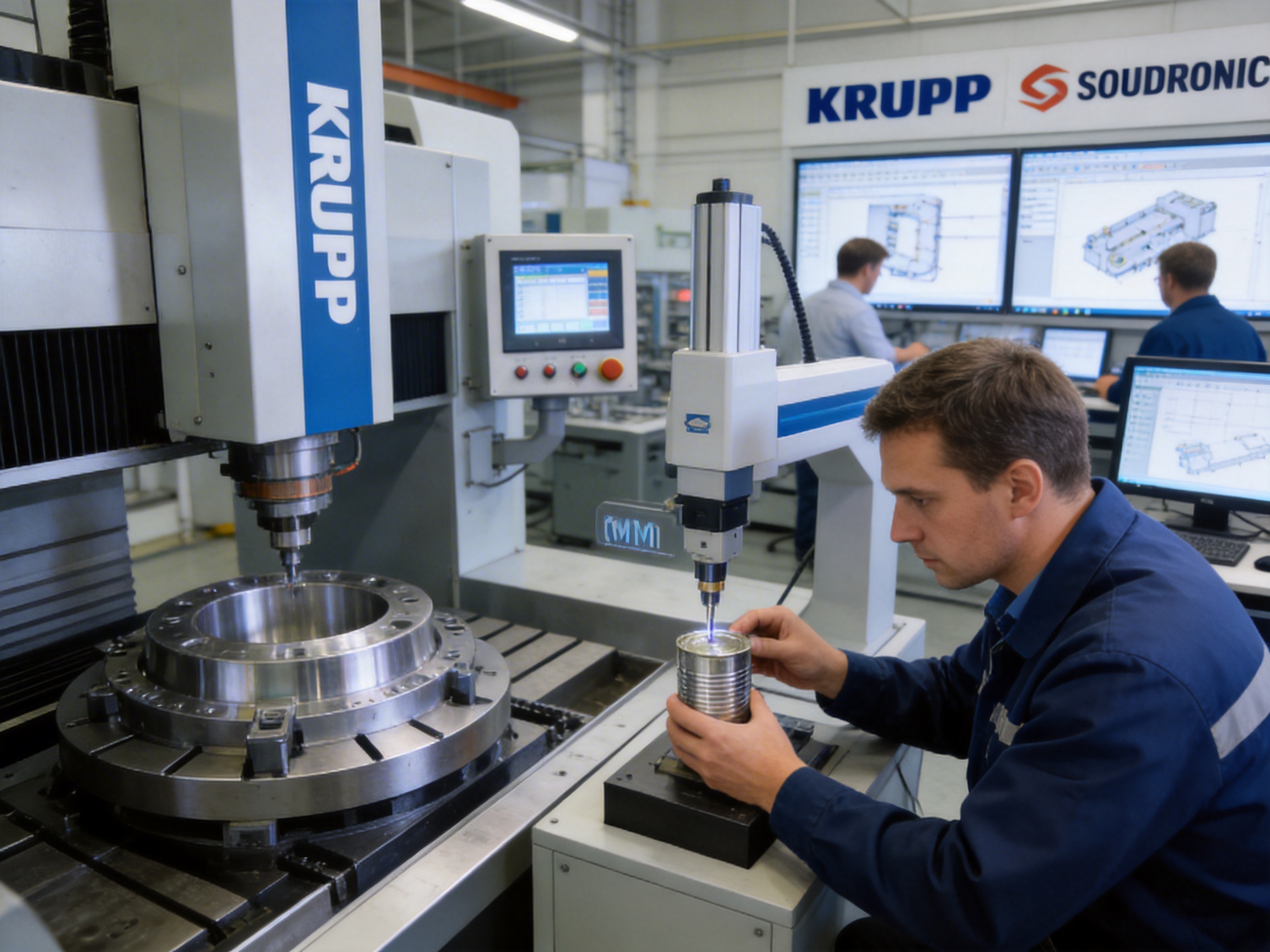
The manufacturer uses 20+ 5-axis CNC machining centers to produce critical components. Each component undergoes a 3-step quality inspection: (1) dimensional check using a coordinate measuring machine (CMM), (2) surface finish check using a profilometer, and (3) material hardness check using a Rockwell hardness tester. This ensures that every component meets the highest standards of precision and durability.
The company’s R&D team (50+ professional engineers) designs its machines in alignment with the standards set by leading global manufacturers like KRUPP, SOUDRONIC, and ALFONS-HAAR. This ensures that the machines are compatible with existing production lines and meet the highest international quality requirements. The team also incorporates feedback from customers around the world—for example, a European customer requested a smaller footprint for their facility, leading to a redesign of the machine’s frame that reduced floor space by 15%.
Every machine undergoes a comprehensive quality control process before shipment: (1) 72 hours of continuous operation testing to ensure reliability, (2) leak testing of the sealing system (100% of cans are tested for leaks), (3) performance testing to verify output capacity and speed, and (4) safety testing to ensure compliance with CE standards. The company maintains a detailed record of each machine’s production and testing process, which can be accessed by customers for traceability.
The manufacturer is certified to ISO 9001 (quality management) and ISO 14001 (environmental management). These certifications demonstrate the company’s commitment to quality, sustainability, and continuous improvement. The machines also meet FDA and LFGB standards for food contact safety, making them suitable for use in the global food packaging industry.
The necking flanging beading machines have been adopted by can manufacturers around the world, delivering tangible improvements in efficiency, quality, and profitability. Below are two case studies that highlight the impact of these machines:
A leading European manufacturer of food and beverage cans was facing challenges with its outdated production line. The line used three separate machines for necking, flanging, and beading, which occupied 20% more floor space than necessary and had a downtime rate of 15% due to frequent changeovers and maintenance issues. The manufacturer needed to increase its production capacity to meet the growing demand for aluminum cans (projected to grow by 8% annually in Europe).
After evaluating several options, the manufacturer chose the GT3B53-NFB-1 (8-Head) machine. The integrated design allowed the manufacturer to replace three machines with one, reducing floor space by 25% (from 120 m² to 90 m²) and eliminating the need for manual can transfer between stations. The machine’s high speed (200–550 cpm) increased the manufacturer’s output by 30% (from 400 to 520 cpm), while the precision machining reduced can defects by 12% (from 1.5% to 0.13%). The manufacturer also saved 18% on energy costs annually (from $45,000 to $36,900) due to the machine’s low power consumption.
An Asian canning facility specializing in milk powder cans was struggling with frequent jams and low output. The facility used a competitor’s machine that was not designed to handle the larger can sizes (Φ99–153 mm) required for milk powder. The machine had a jam rate of 10+ times per shift, leading to 2 hours of downtime per shift and lost production of 1,200 cans per day.
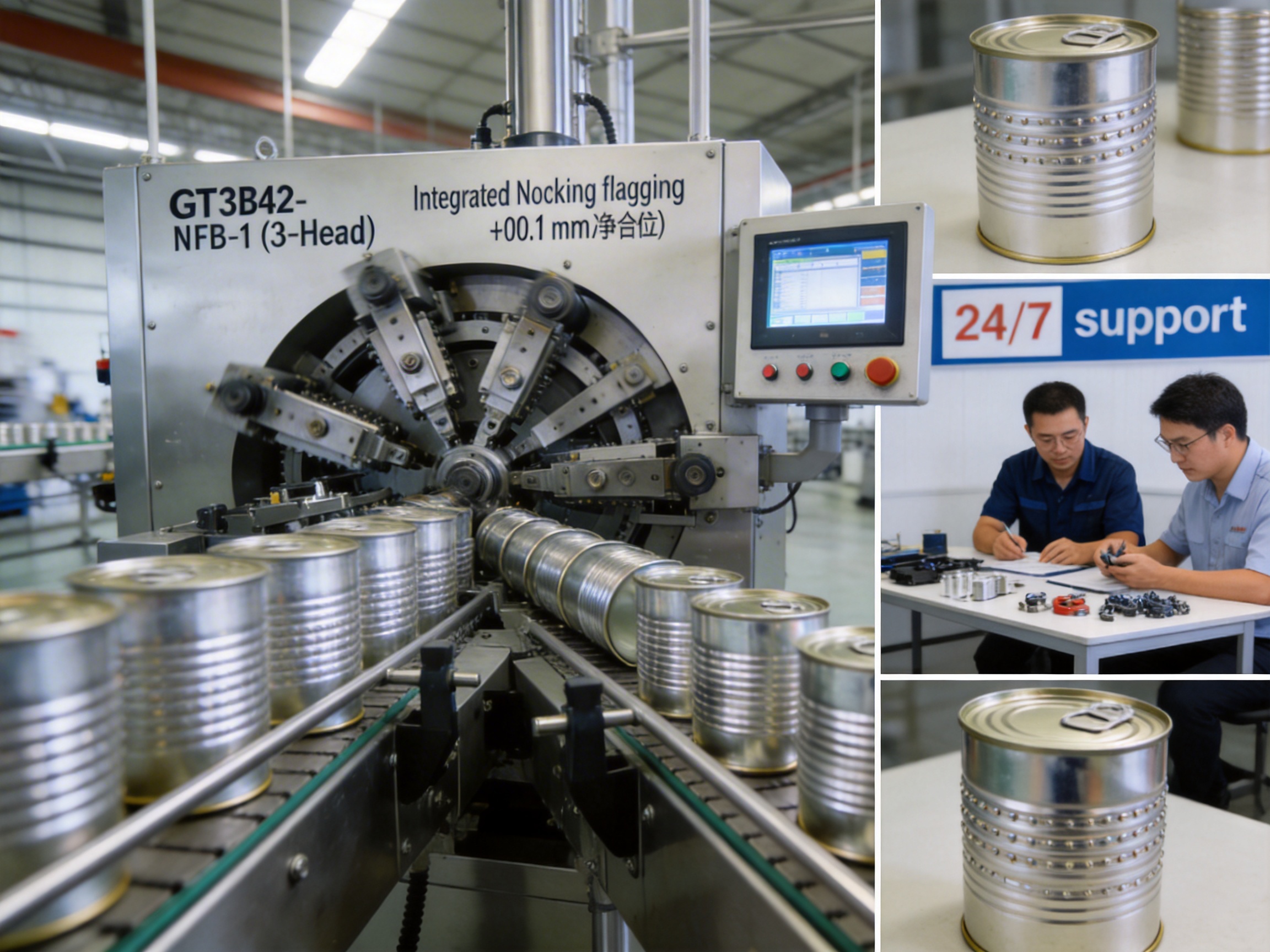
The facility switched to the GT3B42-NFB-1 (3-Head) machine, which is specifically designed for large can sizes. The machine’s modular design and robust construction reduced the jam rate to 1–2 times per shift, while the adjustable settings allowed the facility to handle multiple can sizes (Φ99 mm, Φ126 mm, Φ153 mm) without changeovers. The machine’s output capacity (20–100 cpm) increased the facility’s production by 25% (from 80 to 100 cpm). The manufacturer also provided comprehensive after-sales support, including installation, commissioning, and technical training, which was completed in 3 days—significantly faster than the competitor’s 7-day timeline.
Q: What are the key advantages of integrated necking flanging beading machines over traditional separate machines?
A: Integrated machines offer several key advantages: (1) Reduced floor space (up to 30% savings), (2) Higher efficiency (up to 30% output increase), (3) Lower energy consumption (up to 20% savings), (4) Consistent quality (less than 0.1% defect rate), (5) Faster changeovers (15–30 minutes vs. 1–2 hours for separate machines).
Q: Can these machines handle both tinplate and aluminum cans?
A: Yes. The machines are designed to handle both tinplate (0.15–0.25 mm thickness) and aluminum (0.12–0.20 mm thickness) cans. The forming dies can be adjusted to accommodate different material thicknesses, ensuring optimal performance for each material.
Q: What after-sales support is provided for these machines?
A: The manufacturer provides comprehensive after-sales support: (1) Installation and commissioning by experienced technicians, (2) Technical training for operators and maintenance staff, (3) Spare parts supply (urgent parts within 48 hours, non-urgent parts within 7–10 days), (4) 24/7 technical support via phone and email, (5) 1-year warranty covering manufacturing defects and parts.
Q: How does the machine contribute to sustainability?
A: The machine contributes to sustainability in several ways: (1) Reduced energy consumption (7.5 kW vs. 10–12 kW for competitors), (2) Less material waste (12% reduction in defects), (3) Longer lifespan (modular design extends machine life to 15+ years), (4) Compliance with ISO 14001 environmental standards, (5) Use of recyclable materials in machine construction.
Q: Are these machines compatible with existing production lines?
A: Yes. The machines use standard communication protocols (Modbus, Profibus) that are compatible with most existing production lines. The manufacturer also provides custom integration services if the customer’s line has unique requirements—for example, integrating with a legacy printing machine that uses a proprietary protocol.
Q: What certifications do these machines have?
A: The manufacturer is certified to ISO 9001 (quality management) and ISO 14001 (environmental management). The machines meet CE, FDA, and LFGB standards for food contact safety, making them suitable for use in the global food packaging industry.
The necking flanging beading can making machines represent a significant advancement in the food packaging industry. By integrating three critical processes into a single, high-performance line, these machines deliver unmatched efficiency, precision, and versatility. They help can manufacturers reduce floor space, lower energy costs, increase output, and improve product quality—all while contributing to sustainability. The manufacturer’s commitment to advanced manufacturing processes, quality control, and after-sales support further enhances the value of these machines. As the global demand for canned foods continues to grow, these machines will play an increasingly important role in helping manufacturers meet the needs of consumers and stay competitive in the market. Whether it’s a small craft canner or a large multinational manufacturer, the necking flanging beading machines offer a solution that can transform production lines and drive success.
Related Products

Founded in 1978, the company is one of the largest can-making machinery well-known companies at home and abroad.
Product Categories
Contact Information
Zhongshatou Shenjiamen Zhoushan Zhejiang China
+86-580-3056646

 English
 中文简体
中文简体
 русский
 عربى
عربى
 Español