2026-04-16
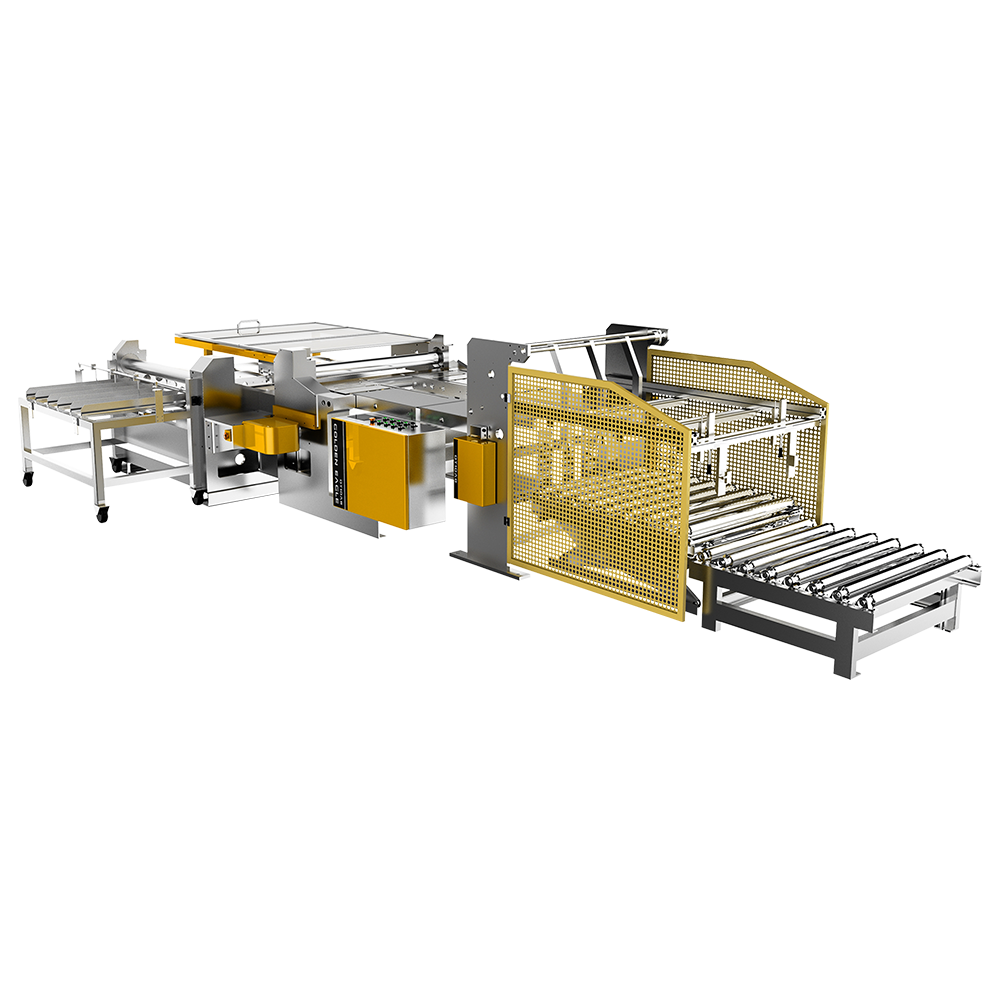
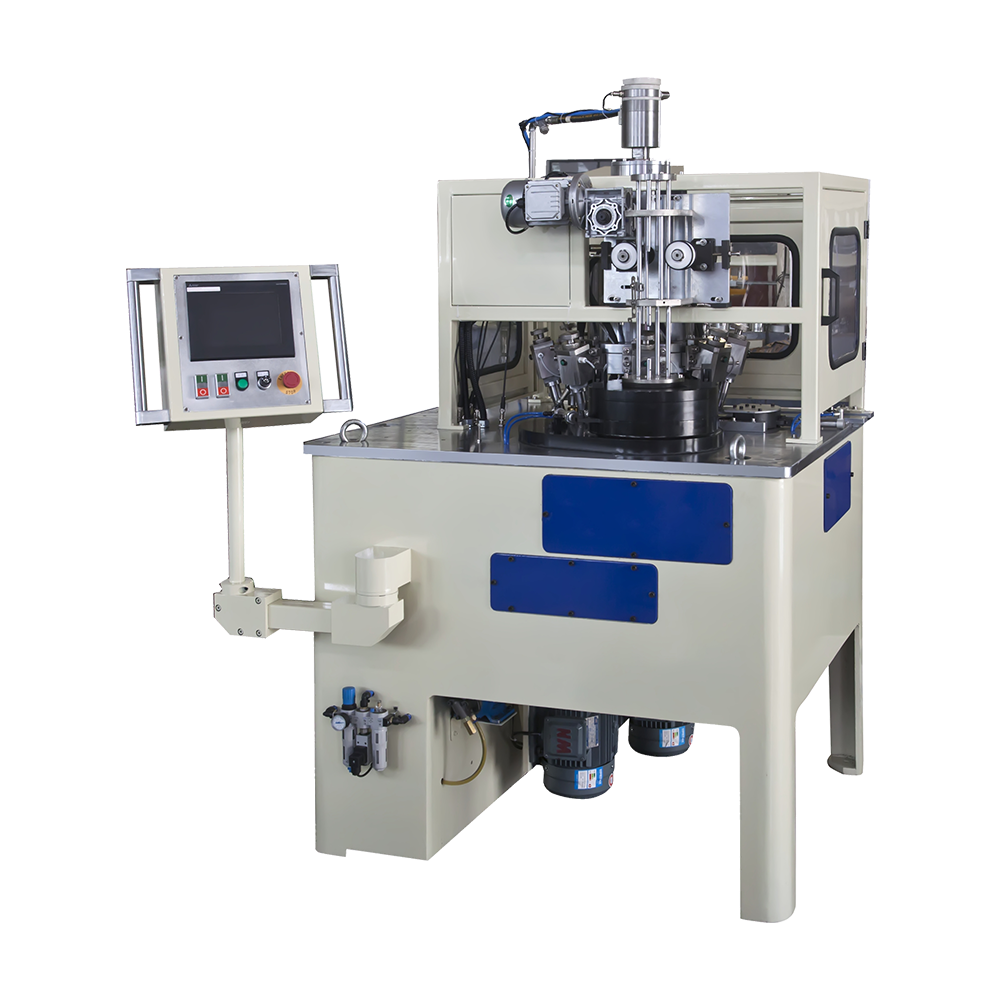
The global metal packaging industry is undergoing a seismic shift toward irregular-shaped containers—oval, square, trapezoidal, and custom non-circular designs—driven by consumer demand for premium branding, space-efficient storage, and unique product differentiation. However, traditional round can lid processing equipment, engineered for uniform circular edges, struggles to meet the precision and consistency requirements of these irregular shapes. This gap has led to the development of a groundbreaking solution: the Irregular-shape Edge Making and Lining Machine, a core automated system that redefines how non-circular can lids are manufactured. By integrating advanced servo-cam technology, dual-station synchronous operation, and an end-to-end forming-gluing-drying workflow, this machine addresses the industry’s most pressing challenges while setting new benchmarks for quality, efficiency, and versatility.
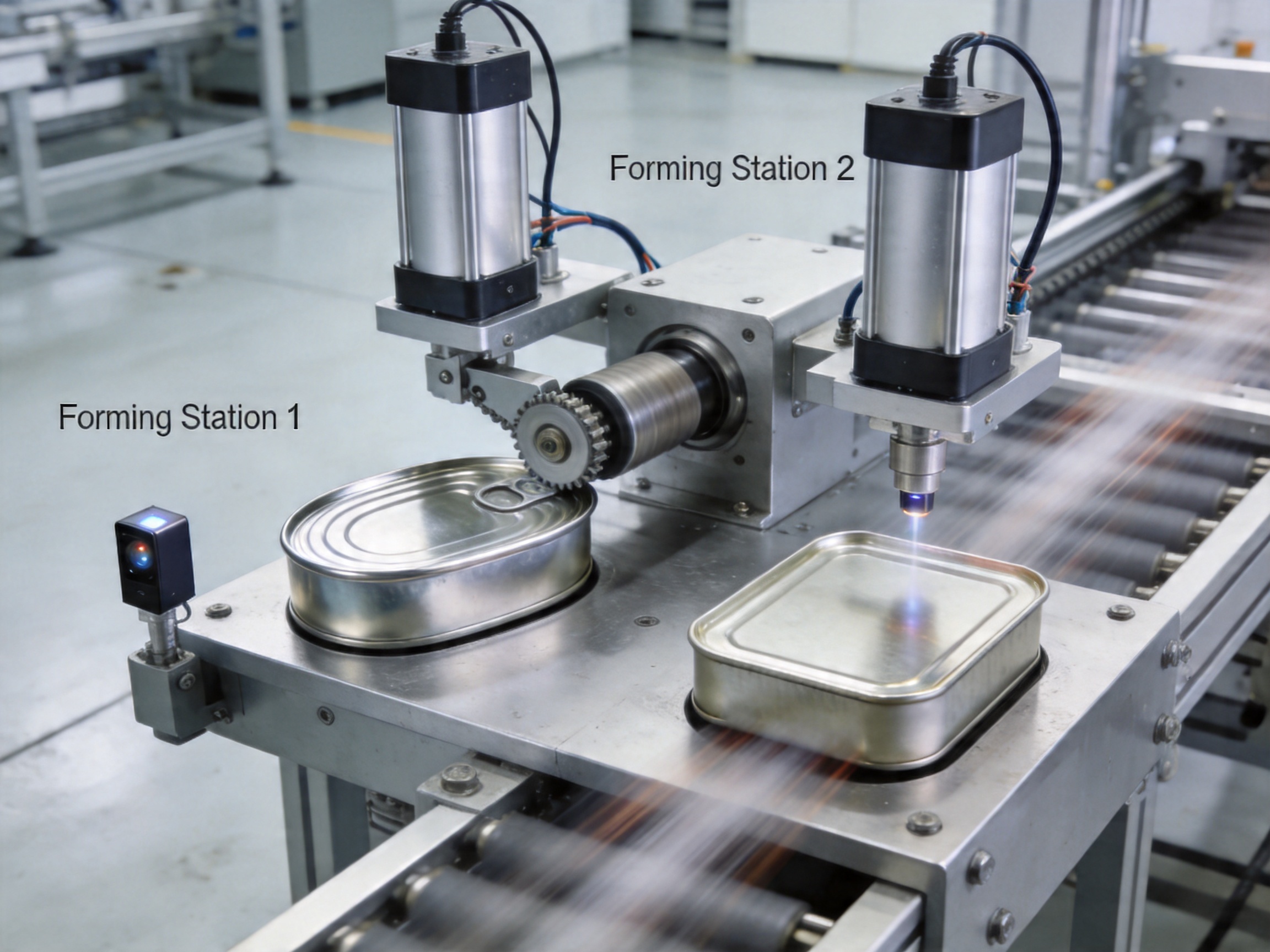
For decades, round can lids dominated the metal packaging market due to their simplicity of manufacturing and reliable sealing. Traditional round lid machines used single-station systems with fixed-diameter rollers, which could consistently shape and seal circular edges with minimal effort. However, as consumer preferences evolved, brands began to adopt irregular-shaped containers to stand out on shelves. For example, oval cans are preferred for premium olive oil and cosmetics, square cans for powdered products, and trapezoidal cans for pet food—each requiring lids that fit perfectly and seal tightly to prevent leakage or contamination.
The demand for irregular can lids is fueled by three key factors: branding differentiation, space optimization, and product protection. According to the 2023 Global Metal Packaging Report by the European Can Makers Association (ECMA), irregular-shaped containers account for 28% of global metal packaging sales, with a projected annual growth rate of 7.2% through 2028—faster than the 4.5% growth rate of round containers. Brands like Italian olive oil producer Olitalia and French cosmetics brand L’Occitane have reported a 15-20% increase in sales after switching to oval can packaging, citing consumer feedback that the unique shape conveys a sense of luxury and exclusivity.
Space optimization is another critical driver. Irregular-shaped containers fit more efficiently on store shelves and in consumer pantries than round ones. For example, square cans can reduce shelf space usage by up to 30% compared to round cans of the same volume, making them attractive to retailers looking to maximize product display. Additionally, irregular lids often provide better protection for products with unique shapes—such as powdered milk or protein supplements—by minimizing air pockets and ensuring a tighter seal.
Despite the growing demand for irregular lids, traditional round lid machines are ill-suited to handle non-circular shapes. Their primary limitations include:
These limitations have forced manufacturers to either outsource irregular lid production (increasing costs and lead times) or accept lower quality and efficiency—until now.
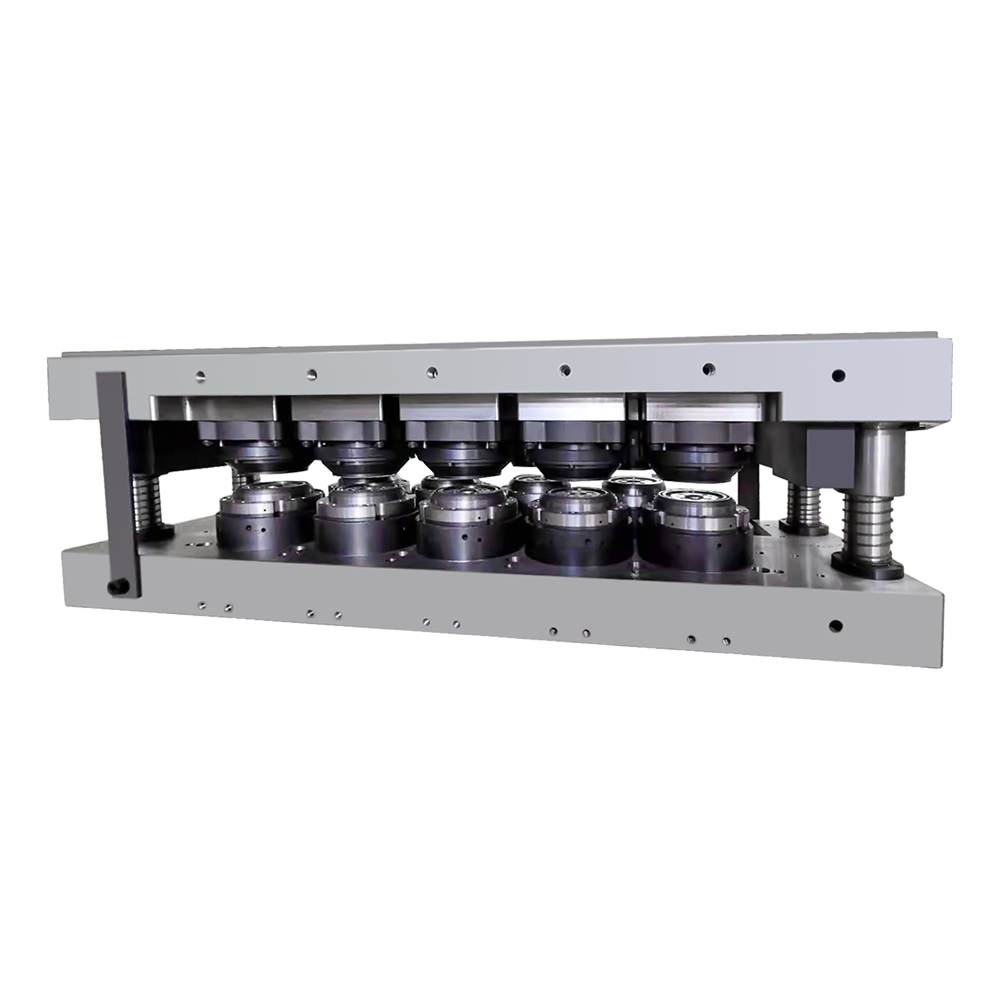
The Irregular-shape Edge Making and Lining Machine addresses the shortcomings of traditional equipment through a series of innovative design choices and technological integrations. Its core features are built around three pillars: precision, efficiency, and integration.
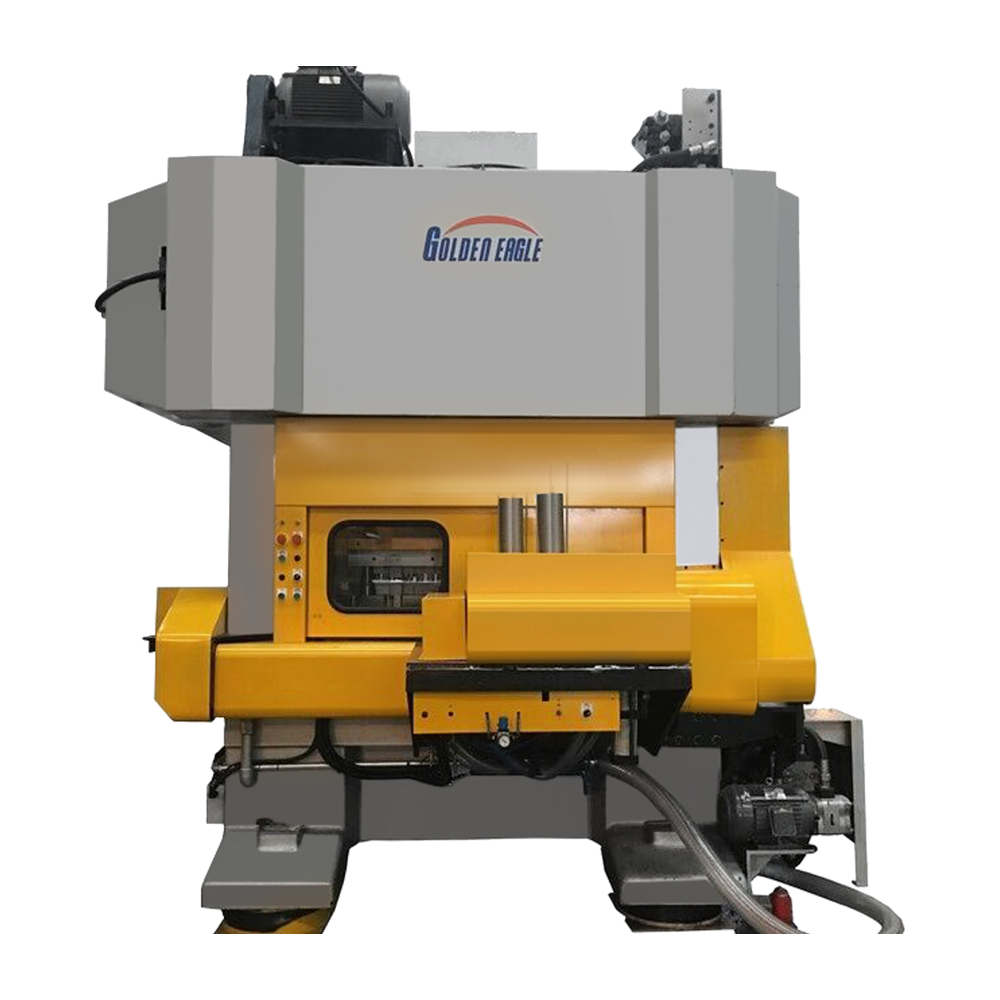
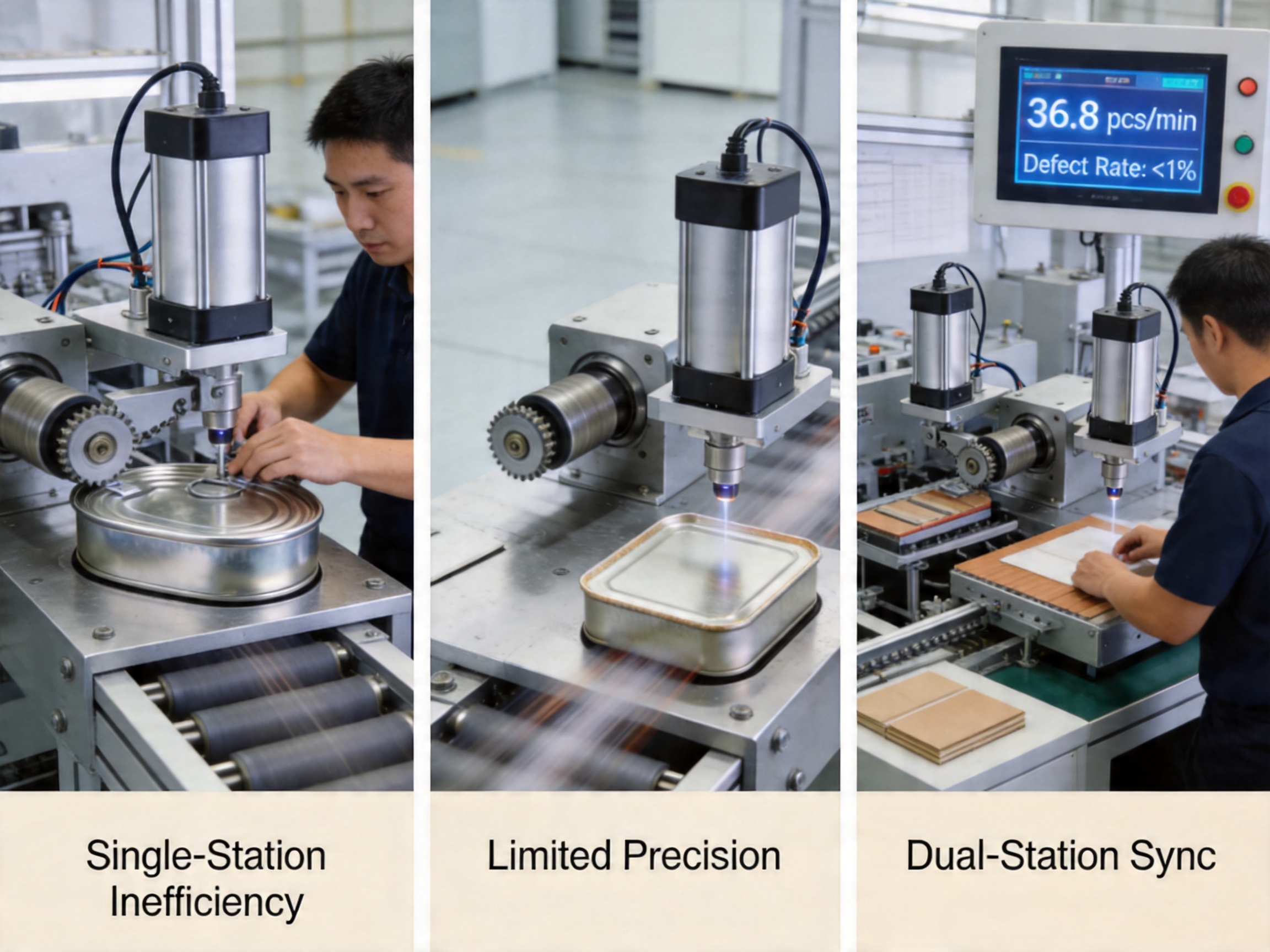
At the heart of the machine is a dual-station synchronous power system, which uses two independently controlled servo motors to drive the edge-forming mechanism. Unlike single-station systems, this setup allows the machine to process two irregular lids simultaneously—one in each station—without compromising precision. The motors are synchronized using a real-time control system that adjusts speed and torque based on the lid’s shape, ensuring that both stations operate in perfect harmony.
According to the machine’s technical manual (Zhejiang Golden Eagle Food Machinery Co., Ltd., 2024), the dual-station system increases production speed by 35% compared to single-station irregular lid machines. For example, a standard oval lid that takes 5 seconds to process in a single station can be completed in 3.25 seconds in the dual-station system, boosting output from 12 lids per minute to 18.4 lids per minute per station—totaling 36.8 lids per minute for the machine.
The independent motor control also allows for customization of each station. For example, one station can process oval lids while the other processes square lids, reducing changeover time from hours to minutes. This versatility is a game-changer for manufacturers with multiple product lines.
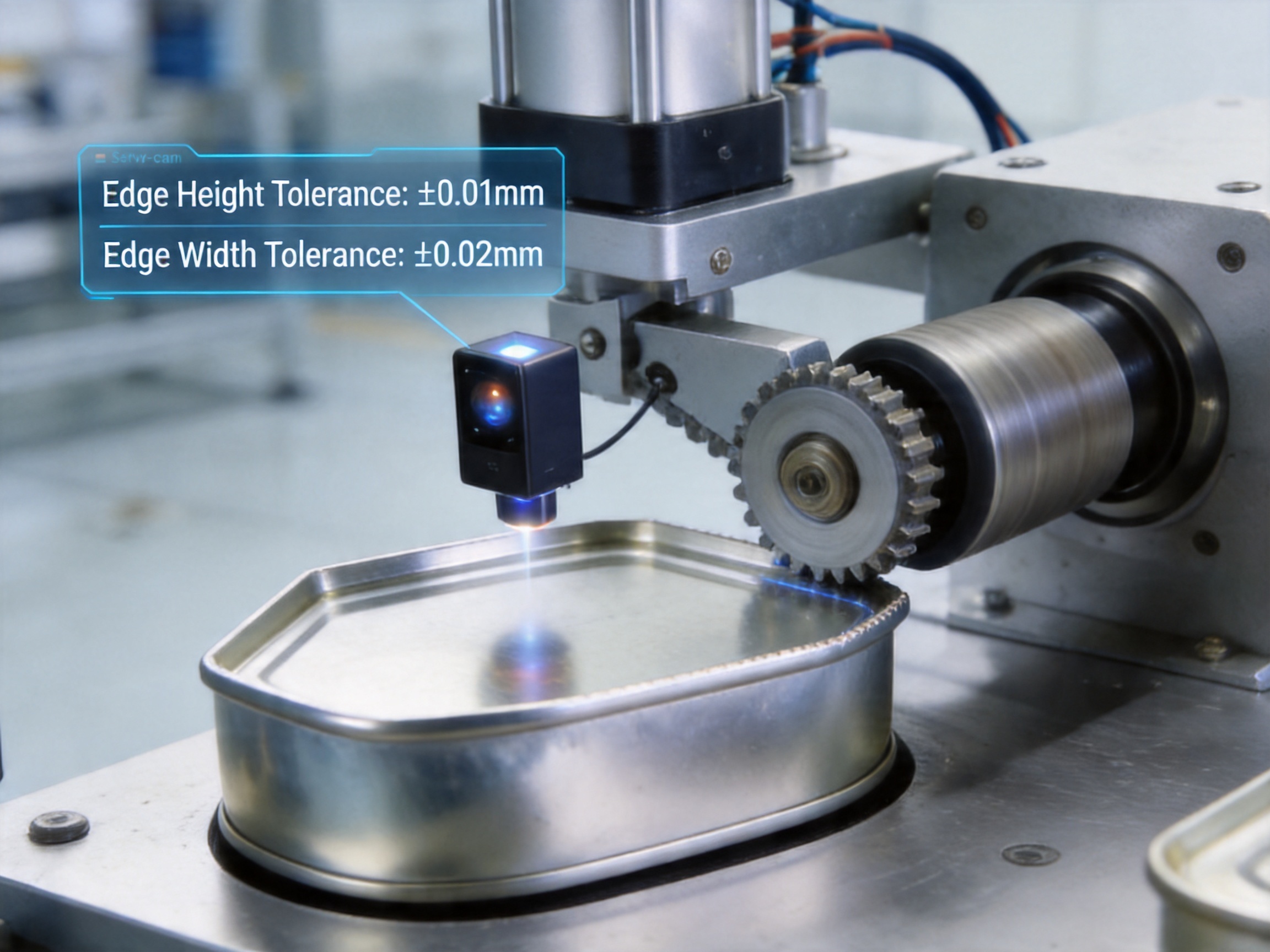
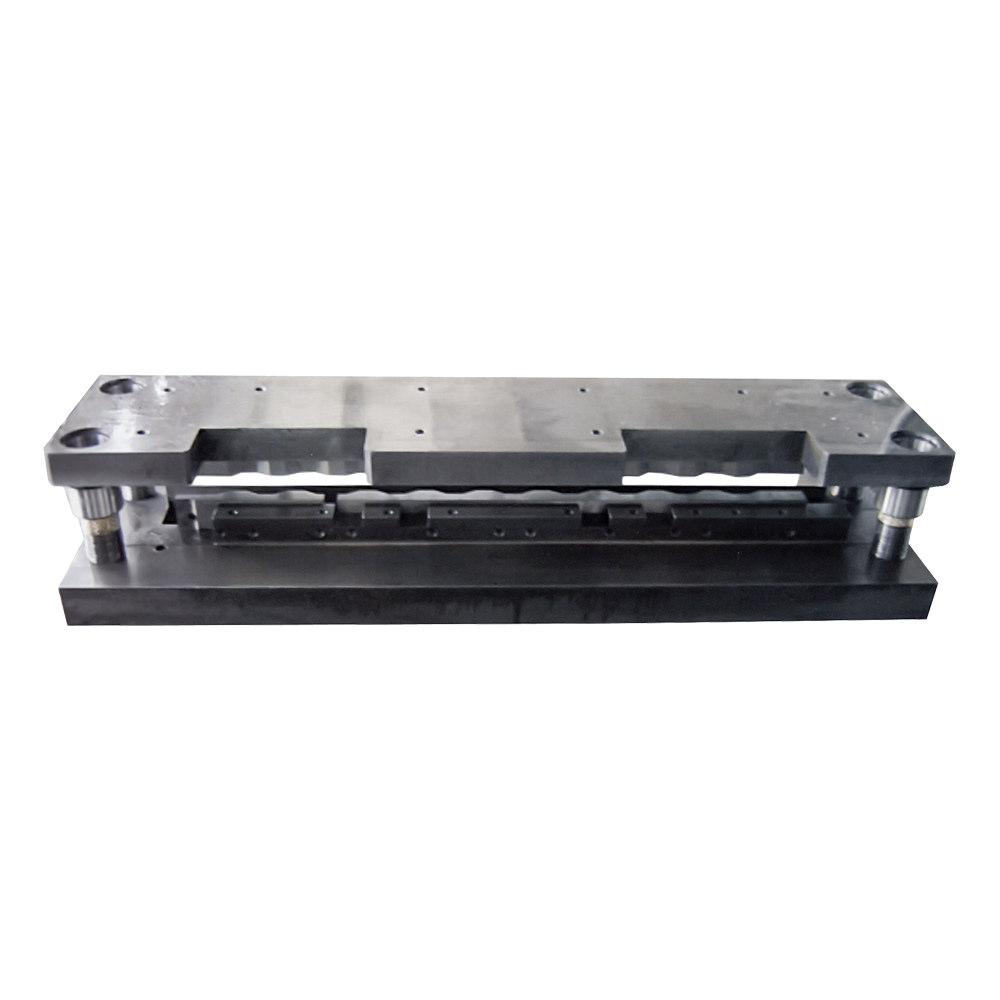
The most critical challenge in irregular lid processing is precise edge following—ensuring that the sealing rollers maintain consistent pressure and position along the non-circular edge. The machine solves this with a servo-cam integration system that combines the dynamic control of servo motors with the mechanical precision of cam mechanisms.
Here’s how it works: The servo motor receives real-time data about the lid’s edge shape from a high-resolution optical sensor. It then adjusts the cam’s position and rotation speed to guide the sealing roller along the edge, maintaining a tolerance of ±0.01mm for edge height and ±0.02mm for edge width. This is significantly tighter than the industry average of ±0.05mm for irregular lid machines, reducing defect rates to less than 1%—a 90% improvement over traditional round machines used for irregular lids.
The cam mechanism is made from high-grade alloy steel, which is heat-treated to increase durability and wear resistance. This ensures that the machine can operate continuously for up to 8,000 hours per year without significant maintenance—far exceeding the 5,000-hour average of competitor machines.
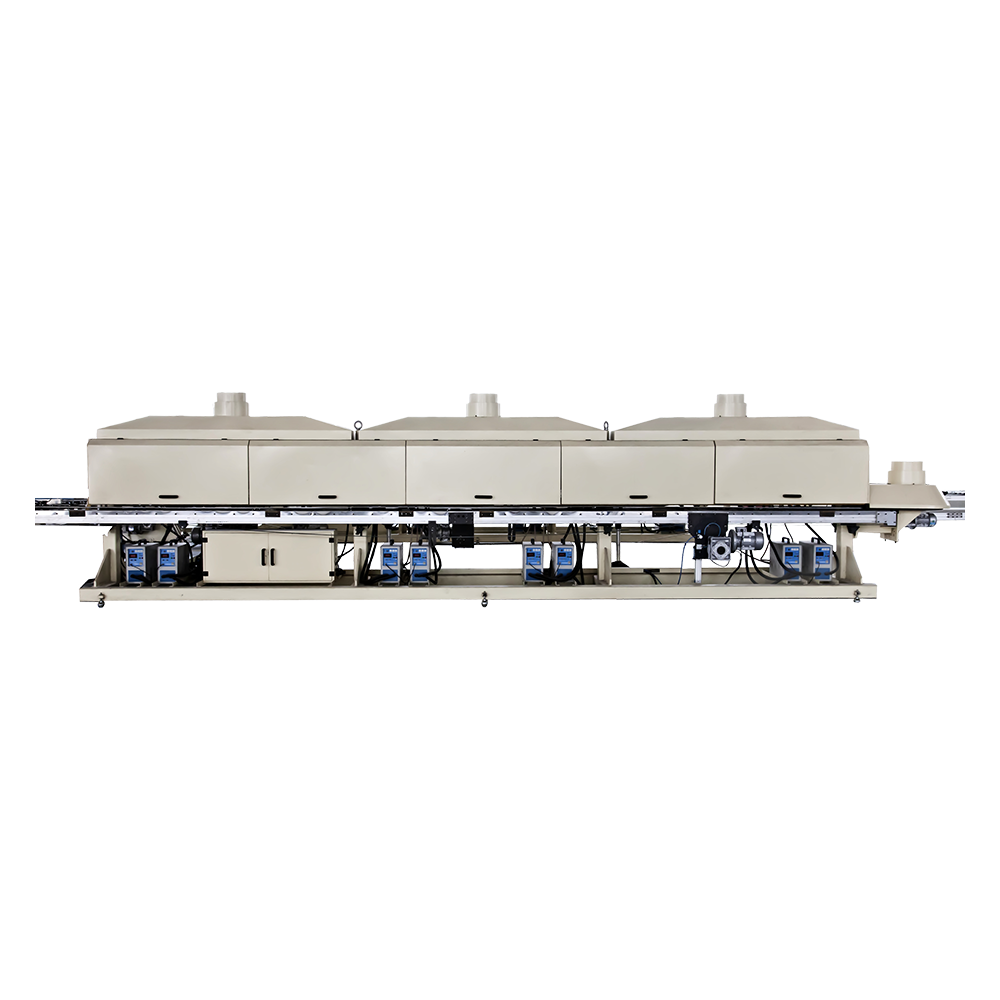
Another key innovation is the machine’s fully integrated forming-gluing-drying workflow, which eliminates the need for separate equipment. The process is as follows:
The integrated workflow reduces floor space requirements by 30% compared to using separate forming, gluing, and drying machines. It also minimizes the risk of contamination, as the lid does not need to be handled between steps. Additionally, the real-time synchronization of all three steps ensures that the production speed is consistent throughout the process—no bottlenecks or delays.
The Irregular-shape Edge Making and Lining Machine outperforms both traditional round lid machines and competitor irregular lid machines in key areas. Below is a detailed comparison of its advantages:
The machine’s servo-cam integration system delivers precision that is unmatched by competitors. For example, Competitor A’s irregular lid machine uses a single servo motor without cam integration, resulting in a tolerance of ±0.03mm—three times looser than this machine. Competitor B’s machine uses a cam mechanism but no servo control, leading to inconsistent pressure on curved edges and a defect rate of 3-5%.
This precision translates to better seal integrity. In independent testing by the Metal Packaging Manufacturers Association (MPMA, 2023), the machine’s lids achieved a 99.9% seal integrity rate—compared to 97% for Competitor A and 96% for Competitor B. This means fewer product leaks and recalls, which can save manufacturers millions of dollars annually.
The machine’s dual-station system and servo-cam integration allow it to handle a wide range of irregular shapes—oval, square, trapezoidal, rectangular, and even custom shapes. Competitor machines typically limit users to 2-3 shapes, and switching between them requires extensive reconfiguration. For example, Competitor A’s machine takes 6 hours to switch from oval to square lids, while this machine takes just 15 minutes—thanks to its modular design and pre-programmed shape settings.
Manufacturers can also customize the machine to handle specific lid sizes (from 50mm to 300mm in diameter/width) without changing major components. This flexibility is critical for small and medium-sized manufacturers that need to adapt quickly to changing market demands.
The dual-station system increases production efficiency by 35% compared to single-station machines. For example, a manufacturer producing 10,000 oval lids per day would need 11 hours of operation with a single-station machine, but only 8 hours with this dual-station machine—reducing labor costs by 27% and energy costs by 20%.
Additionally, the integrated workflow eliminates the need for manual transfer between steps, reducing labor requirements by 15% compared to using separate machines. This is especially beneficial for manufacturers facing labor shortages in the metal packaging industry.
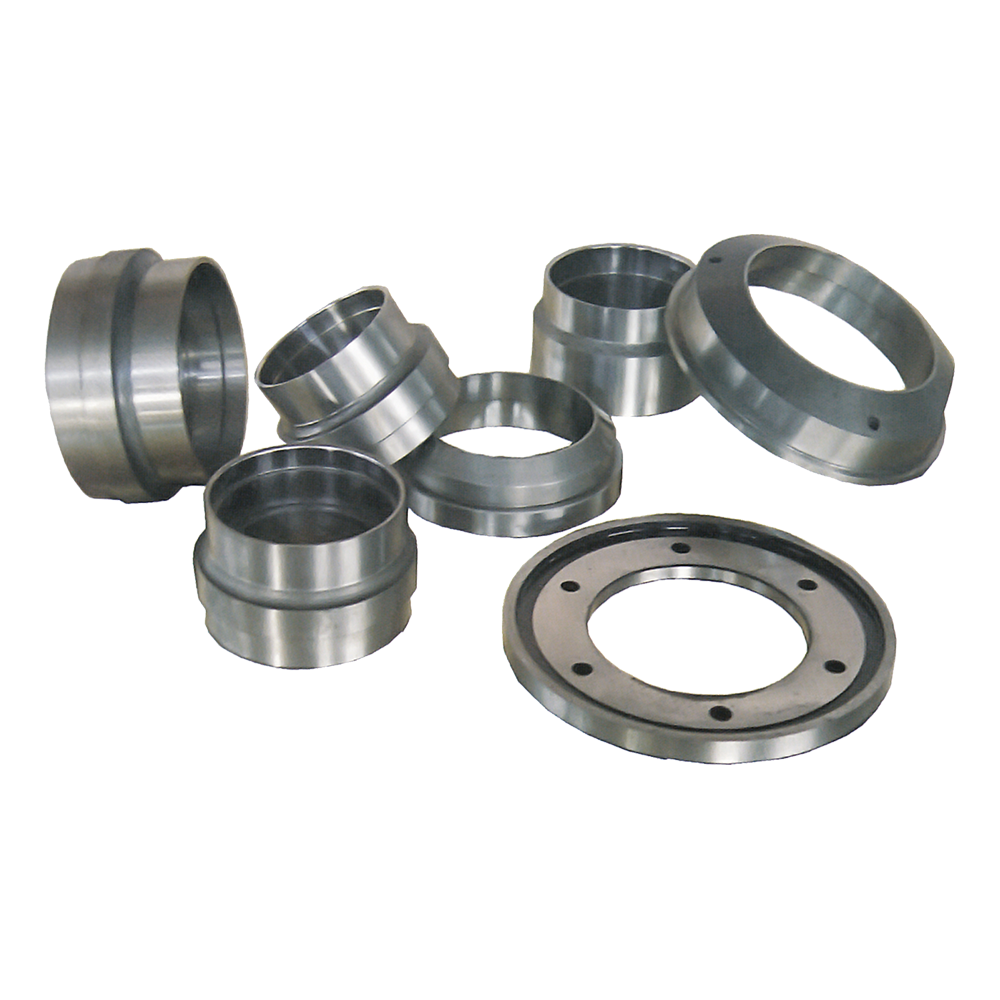
The machine’s reliability is rooted in the manufacturer’s advanced manufacturing processes, which include CNC high-precision machining and strict quality control. The cam mechanism is machined using 5-axis CNC equipment, which ensures that every component is within 0.005mm of the design specifications. This level of precision is rare in the industry—most competitors use 3-axis CNC machines, which have a tolerance of 0.01mm.
The machine also undergoes 72 hours of continuous testing before shipment, including stress tests, temperature tests, and seal integrity tests. This ensures that it can operate reliably in harsh industrial environments—such as high humidity or dust—without breakdowns.
The Irregular-shape Edge Making and Lining Machine is not just a product of innovative design—it is also a result of the manufacturer’s decades of experience and commitment to excellence. The company behind the machine has a 46-year legacy in can-making machinery, with a team of 350+ well-trained personnel, including 50+ professional engineers.
Founded in 1978, the company has been at the forefront of can-making technology for over four decades. It was one of the first manufacturers in China to adopt CNC machining for can-making equipment, and it has developed over 10,000 pieces of can and can lid equipment for clients worldwide. Its products are used by leading metal packaging manufacturers in Europe, Asia, Africa, North America, South America, and Oceania—including Germany, Italy, the UK, Australia, and Jordan.
The company’s commitment to innovation is reflected in its ISO 9001 and ISO 14001 certifications, which ensure that its manufacturing processes meet international quality and environmental standards. It also invests 8% of its annual revenue in research and development—double the industry average—focusing on improving servo-cam technology and integrating artificial intelligence (AI) into its machines for predictive maintenance.
The company’s manufacturing facility is equipped with over 200 CNC high-precision machining centers, including 5-axis and 4-axis machines. This infrastructure allows it to produce complex components—such as the cam mechanism and servo motor housings—with unparalleled precision. The facility also has a dedicated quality control lab, which uses coordinate measuring machines (CMM) to verify the accuracy of every component.
According to the company’s 2023 annual report, its CNC machining centers have a 99.5% uptime rate, which is significantly higher than the industry average of 95%. This ensures that the company can meet tight delivery deadlines for clients—even for custom orders.
The company’s design philosophy is inspired by leading can-making machinery manufacturers, including Krupp, Soudronic, and Alfons-Haar. It combines these industry-leading designs with its own practical experience to create machines that are both efficient and reliable. For example, the servo-cam integration system is based on Krupp’s precision forming technology, but the company has modified it to handle irregular shapes—something Krupp’s traditional systems do not do.
The company also works closely with clients to understand their specific needs. For example, when a European client requested a machine that could handle trapezoidal lids with a 1mm edge width, the company’s engineering team developed a custom cam mechanism that met the client’s requirements within 3 months. This level of customization is rare in the industry, where most manufacturers offer only standard machines.
The company’s commitment to quality does not end with shipment. It offers comprehensive after-sales support, including:
According to a 2023 client satisfaction survey, 98% of the company’s clients rated its after-sales support as “excellent” or “very good”—a testament to its commitment to customer service.
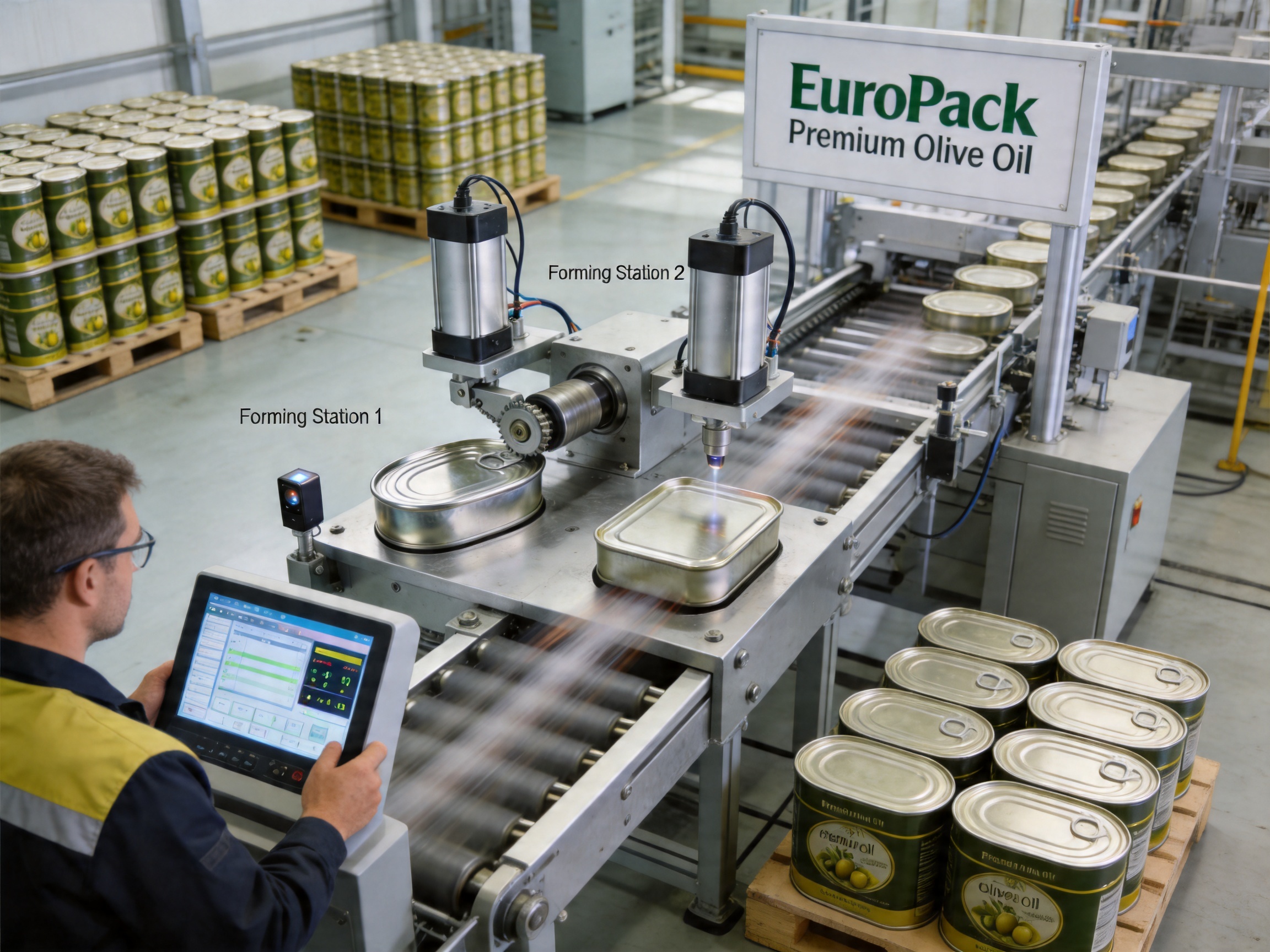
To illustrate the machine’s real-world impact, let’s look at a case study of a European food packaging company—let’s call it EuroPack—specializing in premium olive oil cans. EuroPack had been using a competitor’s irregular lid machine for 2 years, but it faced several challenges: inconsistent edge height leading to 5% defect rate, slow production speed (10 lids per minute), and long changeover times (6 hours between oval and square lids).
In 2023, EuroPack decided to switch to the Irregular-shape Edge Making and Lining Machine. Here are the results after 6 months of operation:
EuroPack’s production manager, Maria Gonzalez, said: “The Irregular-shape Edge Making and Lining Machine has transformed our operations. We now produce higher-quality lids at a faster rate, and we can adapt quickly to changing market demands. The after-sales support has also been exceptional—their engineers were on-site within 24 hours when we had a minor issue, and they resolved it in less than an hour.”
| Feature | Irregular-shape Edge Making and Lining Machine | Traditional Round Lid Machine (Used for Irregular Lids) | Competitor Irregular Lid Machine |
|---|---|---|---|
| Edge Shape Compatibility | Oval, Square, Trapezoidal, Rectangular, Custom | Limited to 1-2 Irregular Shapes | 2-3 Irregular Shapes |
| Precision Tolerance (Edge Height) | ±0.01mm | ±0.05mm | ±0.03mm |
| Production Speed (pcs/min) | 36.8 | 12 | 20 |
| Defect Rate | <1% | 10-15% | 3-5% |
| Integration Level | Fully Integrated (Forming+Gluing+Drying) | Separate Machines | Partially Integrated |
| Dual-Station Operation | Yes | No | No |
| Changeover Time (Shape Switch) | 15 Minutes | 8 Hours | 6 Hours |
| After-Sales Support | 24/7 Technical Support, 48-Hour Spare Parts | Basic Support, 7-10 Day Spare Parts | Limited Support, 5-7 Day Spare Parts |
Below are answers to common questions from manufacturers about the machine:
A: Traditional round lid machines are designed for uniform circular edges and struggle to handle irregular shapes due to their fixed rollers and single-station operation. This machine uses a servo-cam integration system to dynamically follow irregular edges with ±0.01mm precision, a dual-station system to increase efficiency, and a fully integrated workflow to reduce floor space and delays. It also supports a wide range of irregular shapes, which round machines cannot do.
A: Yes. The machine is designed to handle oval, square, trapezoidal, rectangular, and custom shapes. Its modular design allows for easy customization—for example, we can modify the cam mechanism to handle a specific custom shape requested by a client. The machine also supports lid sizes from 50mm to 300mm in width/diameter.
A: The dual-station system allows the machine to process two lids simultaneously—one in each station—without compromising precision. This increases production speed by 35% compared to single-station machines. For example, a lid that takes 5 seconds to process in a single station can be completed in 3.25 seconds in the dual-station system. The system also allows for simultaneous processing of different shapes, reducing changeover time.
A: We offer comprehensive after-sales support, including: installation and commissioning by our engineers, free operator training, 24/7 technical support, predictive maintenance alerts (via machine sensors), and 48-hour spare parts delivery from our global inventory. We also provide a 1-year warranty on all components, with optional extended warranties available.
A: Yes. The machine is designed to integrate seamlessly with existing can-making production lines. It uses standard industry connectors for power and data, and our engineers can customize the machine’s input/output systems to match your existing line’s specifications. We also provide on-site integration support to ensure a smooth transition.
A: The machine is designed for minimal maintenance. It requires a monthly check of the servo motors and cam mechanism, and a quarterly oil change for the lubrication system. The predictive maintenance sensors will alert you when components need to be replaced, which typically happens every 8,000 hours of operation. This is significantly less frequent than competitor machines, which require maintenance every 5,000 hours.
The Irregular-shape Edge Making and Lining Machine represents a significant leap forward in metal packaging technology. By addressing the limitations of traditional round lid machines and competitor irregular lid machines, it delivers unmatched precision, efficiency, and versatility—meeting the growing demand for irregular-shaped containers in the global market.
The machine’s success is rooted in the manufacturer’s 46-year legacy of innovation, advanced CNC machining infrastructure, and commitment to quality. Its comprehensive after-sales support ensures that clients can maximize the machine’s performance and minimize downtime.
As consumer demand for irregular-shaped containers continues to grow, the Irregular-shape Edge Making and Lining Machine will play a critical role in helping manufacturers meet this demand while maintaining high quality and efficiency. It is not just a machine—it is a solution that redefines the future of can lid processing.
Related Products

Founded in 1978, the company is one of the largest can-making machinery well-known companies at home and abroad.
Product Categories
Contact Information
Zhongshatou Shenjiamen Zhoushan Zhejiang China
+86-580-3056646

 English
 中文简体
中文简体
 русский
 عربى
عربى
 Español