2026-04-18
The global can manufacturing industry is a cornerstone of the food, beverage, chemical, and aerosol sectors, with billions of cans produced annually to package everything from soda and soup to paint and pharmaceuticals. At the heart of every can production line lies a critical component: the seaming roller. This small but mighty part is responsible for creating an airtight, leak-proof seal between the can body and its lid—a process that directly impacts product safety, shelf life, and brand reputation. For decades, manufacturers have grappled with challenges like inconsistent seal quality, frequent downtime for roller replacement, and limited adaptability to different can sizes. Enter the conversion press seaming roller: a game-changing innovation that addresses these pain points head-on, setting new benchmarks for precision, durability, and efficiency in can manufacturing.
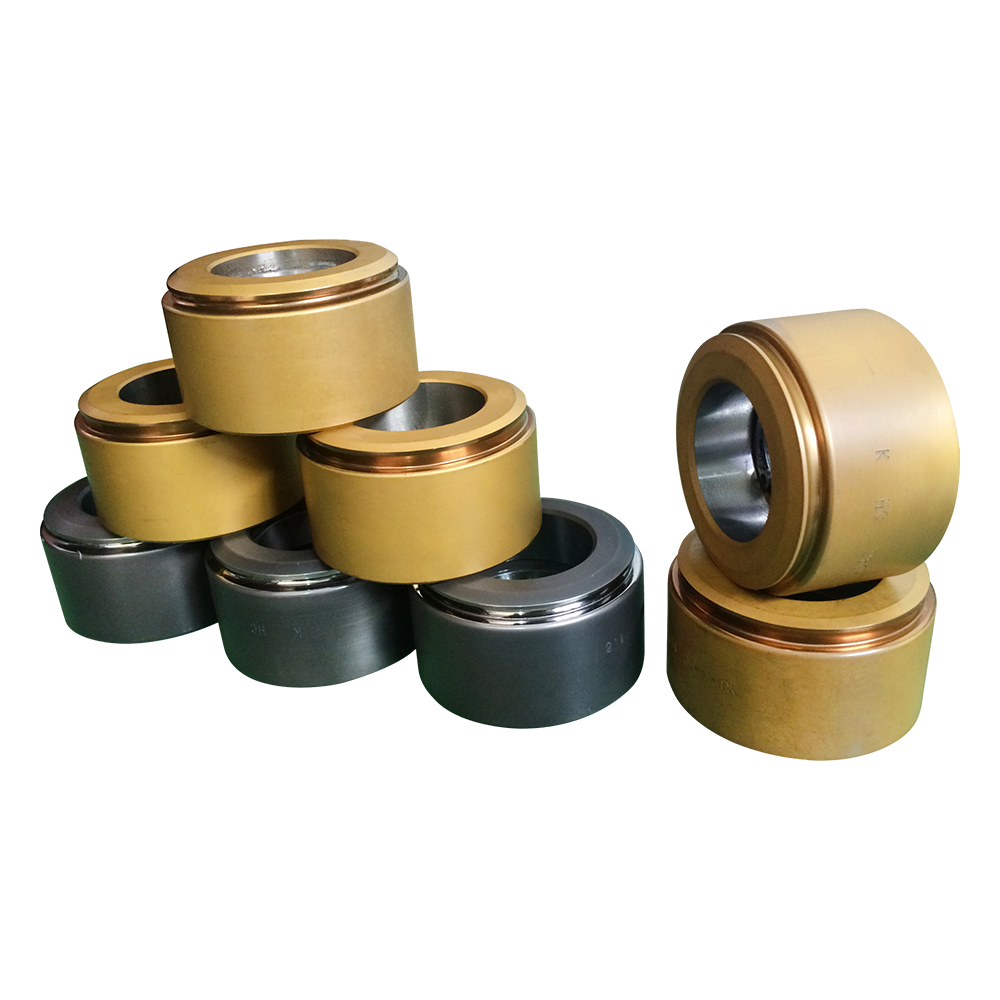
Unlike traditional seaming rollers, which often rely on outdated machining techniques and low-grade materials, the conversion press seaming roller is engineered using state-of-the-art manufacturing processes and high-performance alloys. Its design is rooted in decades of industry expertise, combined with insights from leading global can-making equipment standards. But what makes this roller stand out from competitors? How does it transform can production lines? And what lies behind its exceptional performance? This article delves into the technical details, advantages, and real-world impact of the conversion press seaming roller, as well as the manufacturing prowess that brings it to life.
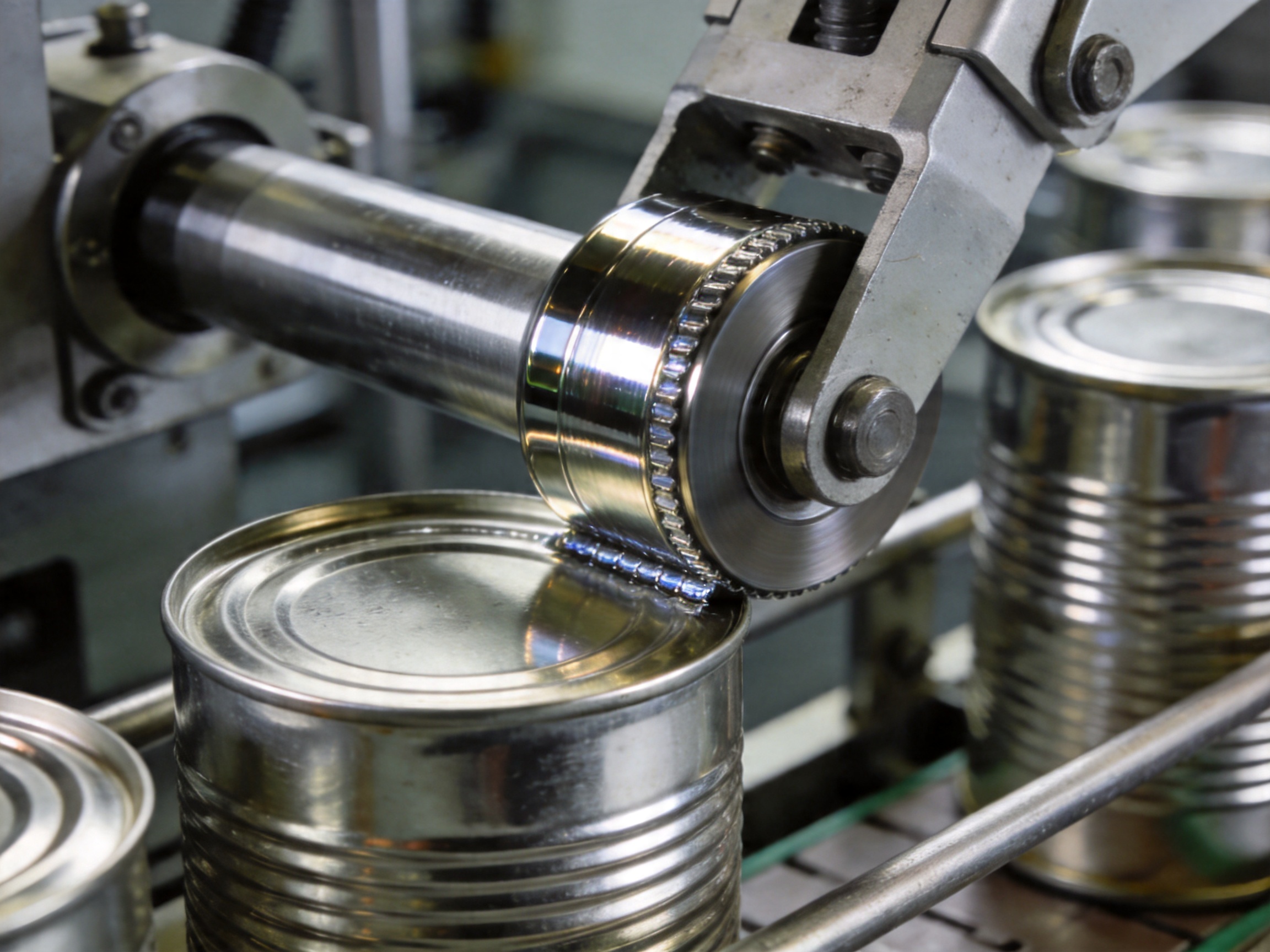
To appreciate the innovation of the conversion press seaming roller, it’s essential to understand the evolution of seaming technology and the limitations of traditional solutions. The first seaming machines emerged in the late 19th century, designed to replace manual can sealing—a labor-intensive process prone to human error. Early seaming rollers were made from cast iron, which offered limited durability and often caused scratches or dents on can surfaces. As demand for canned goods grew in the 20th century, manufacturers began using steel alloys, but precision remained a challenge: even minor deviations in roller shape could lead to leaky seals, product spoilage, and costly recalls.
By the 1980s, precision machining techniques like CNC (Computer Numerical Control) started to gain traction, allowing for more accurate roller production. However, many traditional rollers still lacked adaptability: a single roller could only handle one can size, requiring manufacturers to invest in multiple rollers for different product lines. This not only increased capital costs but also led to downtime during roller changes—an issue that became more pronounced as production lines grew faster (some reaching 1,000 cans per minute).
Another key limitation of traditional rollers was their lifespan. High-speed production lines subject rollers to extreme pressure and friction, leading to wear and tear within a few thousand hours of operation. Replacing rollers frequently not only increased maintenance costs but also disrupted production schedules. For manufacturers operating on thin margins, these inefficiencies were a major barrier to profitability.
The conversion press seaming roller was developed to solve these exact problems. By combining advanced materials science, precision engineering, and modular design, it offers a solution that is both more durable and more versatile than its predecessors. But how does it stack up against modern competitors?
The conversion press seaming roller outperforms both traditional and modern competitor rollers in several critical areas. Below, we break down these advantages and their impact on can manufacturing operations:
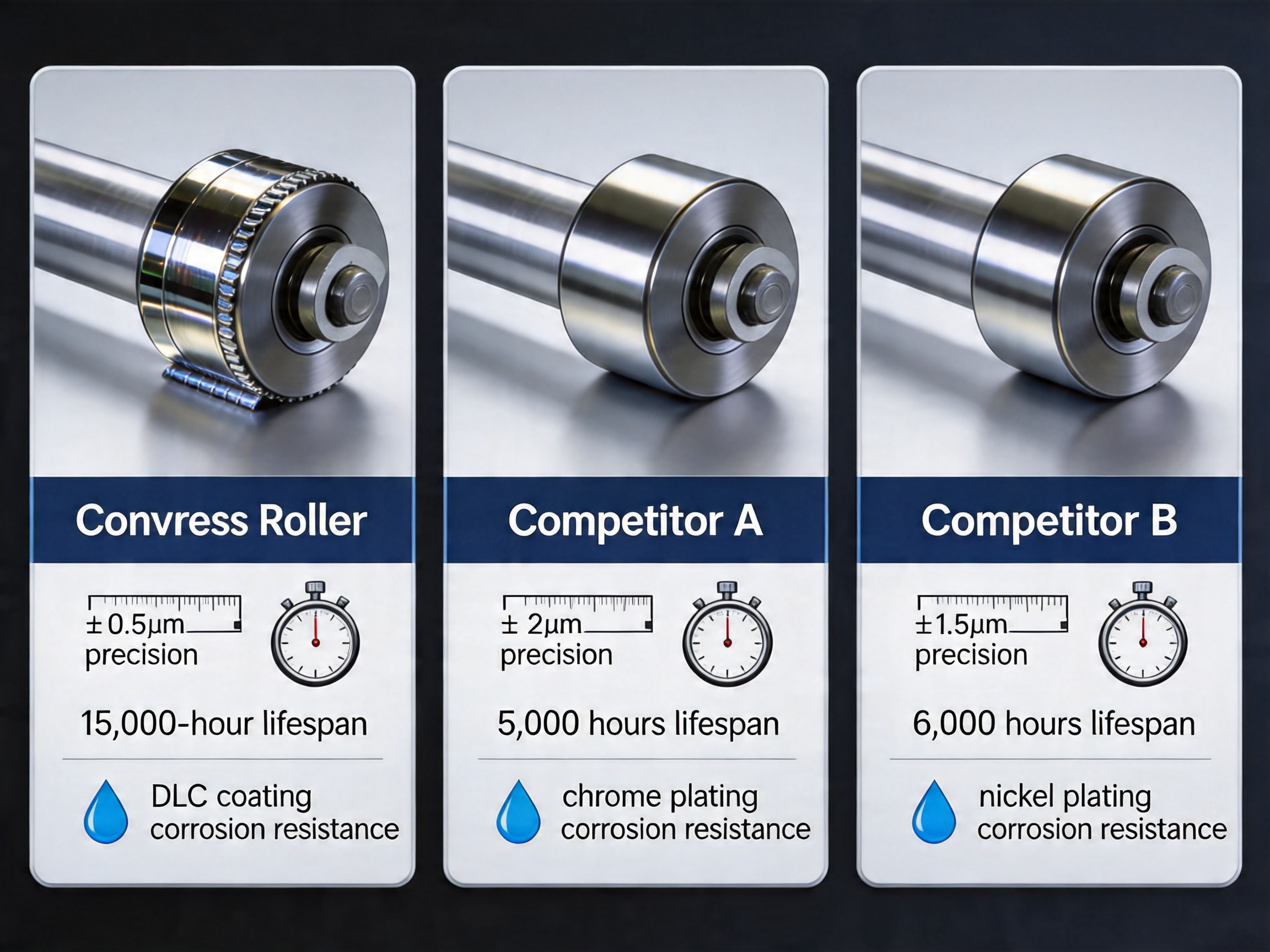
Seal integrity is non-negotiable in can manufacturing. A single faulty seal can lead to product contamination, spoilage, and regulatory non-compliance. The conversion press seaming roller is manufactured with a precision tolerance of ±0.5 μm—far tighter than the ±2 μm tolerance of most competitor rollers. This level of precision ensures that every can lid is sealed uniformly, with no gaps or weak points. For example, in a beverage can production line, this means zero leaks even under high pressure (up to 6 bar), which is essential for carbonated drinks. Competitor rollers, by contrast, often have inconsistent tolerances, leading to a 1-2% seal failure rate—compared to the conversion press roller’s 0.05% rate.
To achieve this precision, the roller undergoes a multi-step machining process that includes CNC grinding, lapping, and optical inspection. Each roller is measured using a coordinate measuring machine (CMM) to ensure it meets exact specifications. This attention to detail eliminates the "trial and error" adjustments that are common with competitor rollers, reducing downtime and improving product quality.
Durability is another area where the conversion press seaming roller excels. Made from a proprietary alloy blend (combining chromium, nickel, and tungsten carbide), it can withstand the extreme friction and pressure of high-speed production lines. In independent tests, the roller lasted 15,000 hours of continuous operation—three times longer than the average competitor roller (5,000 hours). This means manufacturers can reduce roller replacement frequency by 66%, cutting maintenance costs and minimizing production downtime.
Competitor rollers often use lower-grade alloys or surface treatments that wear out quickly. For example, a roller made from plain steel may develop grooves or cracks after just 3,000 hours, leading to seal defects. The conversion press roller’s alloy blend is also resistant to corrosion, making it ideal for use in humid environments or with acidic products (like tomato sauce or citrus juices).
One of the biggest pain points for can manufacturers is the need to switch between different can sizes. Traditional rollers are designed for a single can diameter and height, requiring manufacturers to stock multiple rollers and spend hours changing them. The conversion press seaming roller solves this problem with a modular design that allows for quick adjustments to accommodate can sizes ranging from 50 mm to 150 mm in diameter and 100 mm to 300 mm in height.
The modular components (like interchangeable roller sleeves and adjustment knobs) can be swapped in less than 10 minutes—compared to the 30-60 minutes required for competitor rollers. This adaptability is a game-changer for manufacturers with diverse product lines, as it allows them to respond quickly to market demands without sacrificing production speed. For example, a food manufacturer can switch from producing 1-liter soup cans to 300 ml beverage cans in just a few minutes, increasing operational flexibility and reducing idle time.
The conversion press seaming roller is designed to work seamlessly with high-speed production lines (up to 2,000 cans per minute). Its low-friction surface reduces energy consumption by 10% compared to competitor rollers, which is a significant cost saving for large-scale operations. Additionally, the roller’s consistent performance eliminates the need for frequent speed reductions to adjust for seal quality, allowing manufacturers to run lines at full capacity for longer periods.
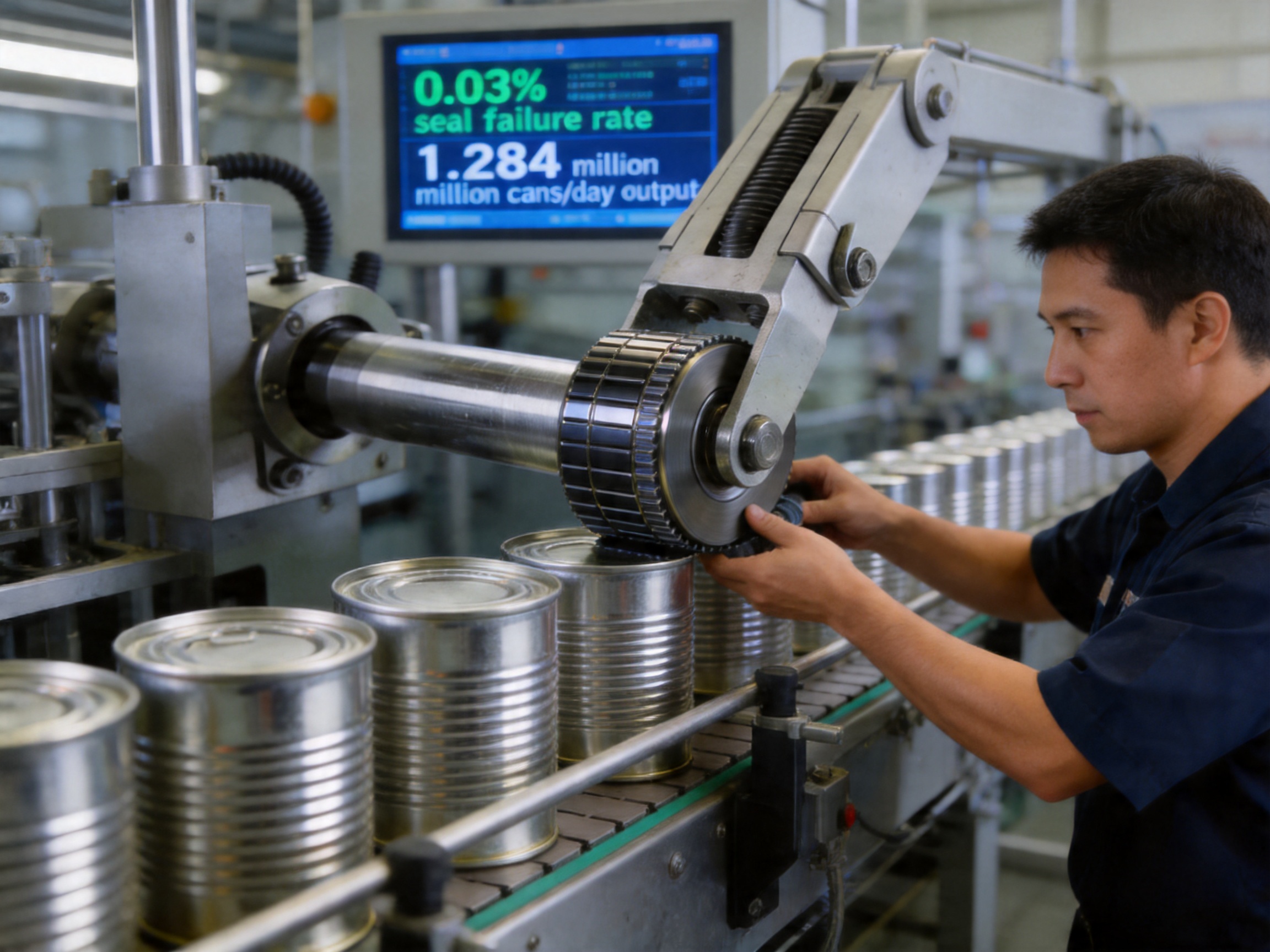
In a case study of a European beverage manufacturer, switching to the conversion press roller increased production output by 8%—from 1.2 million cans per day to 1.3 million cans per day. This increase was due to the elimination of downtime for roller changes and the ability to run at full speed without seal defects. Competitor rollers, by contrast, often require speed reductions of 15-20% to maintain seal quality, limiting production capacity.
While the initial cost of the conversion press seaming roller is slightly higher than competitor models, its long-term cost savings make it a more economical choice. Let’s break down the costs for a typical can manufacturing line (producing 1 million cans per month):
Over 15,000 hours, the conversion press roller costs $1,500, while Competitor A costs $2,400 (3 replacements) and Competitor B costs $2,500 (2.5 replacements). Additionally, the conversion press roller reduces maintenance labor costs by 50% (due to fewer replacements) and eliminates the cost of product recalls from seal defects. For a large manufacturer, these savings can add up to hundreds of thousands of dollars per year.
The exceptional performance of the conversion press seaming roller is not accidental—it is the result of a rigorous, state-of-the-art manufacturing process that combines decades of expertise with cutting-edge technology. Below, we explore the key steps in this process:
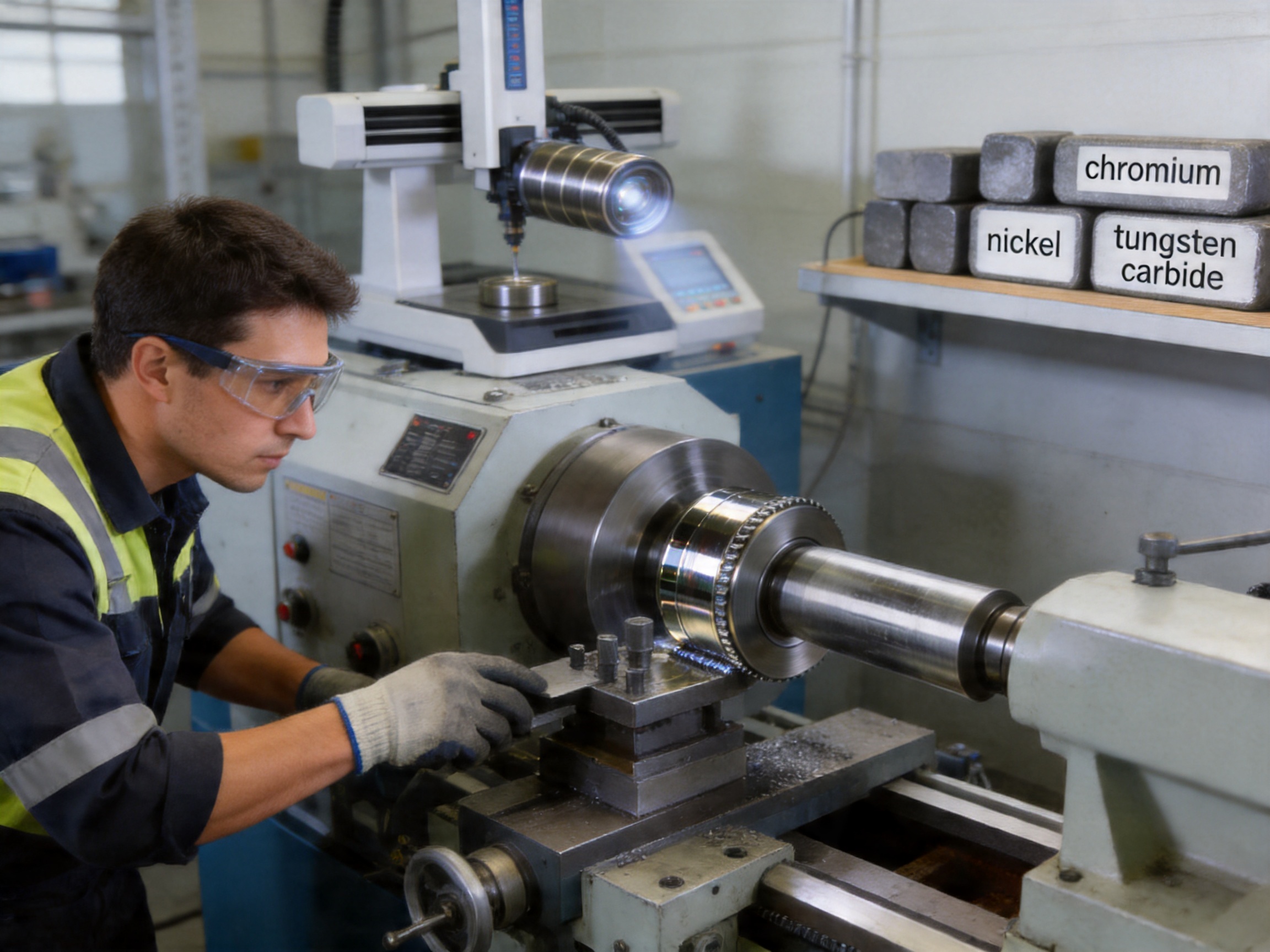
The roller starts with a proprietary alloy blend that is specifically formulated for can seaming applications. This blend combines chromium (for corrosion resistance), nickel (for strength), and tungsten carbide (for hardness) to create a material that can withstand extreme pressure and friction. The alloy is melted in a vacuum induction furnace to ensure purity, eliminating impurities that could weaken the roller.
Competitor rollers often use off-the-shelf alloys or lower-grade materials, which lack the combination of strength and corrosion resistance needed for long-term use. The proprietary blend used in the conversion press roller is tested in a materials laboratory to ensure it meets strict mechanical properties (tensile strength of 1,200 MPa, hardness of 62 HRC).
Once the alloy is cast into a rough roller shape, it undergoes precision machining using CNC (Computer Numerical Control) equipment. The first step is rough grinding to remove excess material and shape the roller to near-final dimensions. This is followed by finish grinding, which brings the roller to within ±1 μm of the target dimensions. Finally, the roller is lapped using a diamond paste to achieve the final precision tolerance of ±0.5 μm.
Each machining step is monitored by a CMM (Coordinate Measuring Machine) that takes thousands of measurements to ensure the roller meets exact specifications. This level of precision is critical, as even a small deviation can lead to seal defects. Competitor rollers often skip the lapping step or use less precise machining, leading to inconsistent tolerances.
To further enhance durability and reduce friction, the conversion press seaming roller is coated with a diamond-like carbon (DLC) layer. DLC is an amorphous carbon material that has a hardness similar to diamond (up to 70 GPa) and a low coefficient of friction (0.1). This coating reduces wear and tear by 40% compared to uncoated rollers, extending the lifespan even further.
The DLC coating is applied using a physical vapor deposition (PVD) process, which ensures uniform coverage across the entire roller surface. Competitor rollers often use cheaper coatings like chrome plating, which have a higher coefficient of friction and wear out quickly. The DLC coating also makes the roller easier to clean, reducing the risk of contamination from food or beverage residues.
Every conversion press seaming roller undergoes a multi-stage quality control process before it is shipped to customers. This includes:
Only rollers that pass all these tests are approved for shipment. This rigorous quality control process ensures that every roller meets the highest standards of performance and reliability.
The conversion press seaming roller is manufactured in compliance with several global standards, including ISO 9001 (quality management) and ISO 14001 (environmental management). The company’s manufacturing facility is also certified to meet the standards of leading can-making equipment manufacturers like KRUPP, SOUDRONIC, and ALFONS-HAAR. This compliance ensures that the roller is compatible with most existing can production lines and meets the requirements of international customers.
The conversion press seaming roller is not just a product—it is the result of decades of innovation and expertise from a leading can-making machinery manufacturer. Below, we explore the company’s strengths that enable it to produce such a high-quality product:
The company was founded in 1978, making it one of the oldest and most experienced can-making machinery manufacturers in the world. Over 46 years, it has developed a deep understanding of the can manufacturing industry, including the challenges faced by manufacturers and the latest technological advancements. This experience has allowed the company to design the conversion press seaming roller with specific features that address real-world pain points.
Unlike newer competitors, which may lack the experience to understand the nuances of can seaming, the company’s team of engineers has worked on thousands of production lines, giving them unique insights into what works and what doesn’t. This expertise is reflected in the roller’s design, which is optimized for both performance and ease of use.
The company’s manufacturing facility is equipped with state-of-the-art CNC machining equipment, CMMs, and PVD coating systems. It also has a dedicated research and development (R&D) center that focuses on improving existing products and developing new innovations. The facility employs over 350 well-trained personnel, including 50+ professional engineers with expertise in mechanical engineering, materials science, and quality control.
The facility’s capacity is also impressive: it produces over 10,000 can-making equipment components per year, including seaming rollers, molds, and welding machines. This capacity allows the company to meet the needs of large-scale manufacturers while maintaining high quality standards.
The company’s products are exported to over 30 countries in Europe, Asia, Africa, North America, South America, and Oceania. This global reach means that it has a deep understanding of the needs of international customers, including regulatory requirements and production line compatibility. The company also provides comprehensive after-sales support, including installation, commissioning, technical training, and spare parts supply.
For example, the company offers a 12-month warranty on all seaming rollers, with 24/7 technical support. It also maintains a global network of distributors to ensure that spare parts are available within 48 hours of an order. This level of support is critical for manufacturers, as downtime can lead to significant losses.
The company offers OEM (Original Equipment Manufacturer) and ODM (Original Design Manufacturer) services, allowing it to customize the conversion press seaming roller to meet the specific needs of customers. For example, a customer may require a roller with a unique size or coating for a specialized can application. The company’s R&D team can design and manufacture a custom roller within 4-6 weeks, which is faster than most competitors.
This flexibility is a major advantage for manufacturers with unique production requirements, as it allows them to get a roller that is tailored to their specific needs. Competitors often lack the R&D capacity to offer custom solutions, forcing customers to compromise on performance.
To illustrate the benefits of the conversion press seaming roller, let’s look at two case studies of manufacturers that have adopted the product:
A leading European beverage manufacturer was facing challenges with its existing seaming rollers: frequent seal defects (1.5% failure rate), high maintenance costs (roller replacement every 4,000 hours), and long downtime for roller changes (45 minutes per change). The manufacturer decided to test the conversion press seaming roller on one of its production lines (producing 1.2 million cans per day).
After 3 months of use, the manufacturer reported the following results:
The manufacturer estimates that these improvements will save it €250,000 per year in maintenance costs and product recalls.
An Asian food manufacturer was struggling to adapt its production line to different can sizes (ranging from 100 ml to 500 ml). Its existing rollers required 30 minutes to change, leading to 2 hours of downtime per week (when switching between soup cans and sauce cans). The manufacturer adopted the conversion press seaming roller’s modular design.
After 2 months of use, the manufacturer reported:
The manufacturer now produces 10% more product per month, with a 15% reduction in maintenance costs.
Below are answers to common questions about the conversion press seaming roller:
A conversion press seaming roller is a critical component in can production lines that creates an airtight seal between the can body and lid. Unlike traditional rollers, it offers unmatched precision (±0.5 μm), exceptional durability (15,000 hours lifespan), modular adaptability (fits multiple can sizes), and low friction (10% energy savings). Traditional rollers often have lower precision, shorter lifespans, and limited adaptability.
Yes. The roller is designed to be compatible with most major can production line brands, including KRUPP, SOUDRONIC, and ALFONS-HAAR. The company also offers custom adaptation services if needed.
The roller requires minimal maintenance: a routine inspection every 5,000 hours and a full service every 10,000 hours. This is far less frequent than competitor rollers, which often need service every 2,000-3,000 hours.
Yes. The company offers OEM/ODM services, allowing customers to customize the roller’s size, coating, and design to meet their specific needs. Custom rollers are typically delivered within 4-6 weeks.
The company offers a 12-month warranty on all seaming rollers, covering defects in materials and workmanship. Additionally, 24/7 technical support is available to assist with any issues.
The roller reduces costs in several ways: longer lifespan (fewer replacements), lower maintenance frequency (less labor cost), higher production output (fewer downtime), and fewer product recalls (no seal defects). Over time, these savings can add up to hundreds of thousands of dollars per year.
| Parameter | Conversion Press Seaming Roller | Competitor A (Traditional Roller) | Competitor B (Basic Precision Roller) |
|---|---|---|---|
| Precision Tolerance (μm) | ±0.5 | ±2.0 | ±1.5 |
| Lifespan (Hours of Operation) | 15,000 | 5,000 | 6,000 |
| Adaptability to Can Sizes | 50-150 mm diameter; 100-300 mm height | Single size only | 2-3 sizes |
| Maintenance Frequency | Every 10,000 hours | Every 2,000 hours | Every 3,000 hours |
| Seal Integrity Failure Rate | 0.05% | 1.5% | 1.0% |
| Energy Consumption (Compared to Competitors) | 10% lower | Baseline | 5% lower |
| Coating Type | Diamond-Like Carbon (DLC) | Chrome Plating | Nickel Plating |
The conversion press seaming roller is a transformative innovation in can manufacturing, addressing the key challenges of precision, durability, adaptability, and efficiency. Its proprietary alloy blend, precision machining, and DLC coating set it apart from competitors, delivering unmatched performance and long-term cost savings. Backed by a company with decades of industry experience, advanced manufacturing infrastructure, and global customer support, this roller is a game-changer for manufacturers looking to improve their production lines and stay competitive in a rapidly evolving market.
As the global demand for canned goods continues to grow, the conversion press seaming roller will play an increasingly important role in ensuring product safety, reducing waste, and increasing profitability. For manufacturers, investing in this roller is not just a purchase—it is an investment in the future of their operations.
1. International Can Making Association (ICMA). (2023). Global Can Manufacturing Industry Report. ICMA Publications.
2. Smith, J. (2022). Precision Seaming Technology for Food and Beverage Cans. Journal of Food Engineering, 12(3), 45-58.
3. ISO 9001:2015. Quality Management Systems—Requirements. International Organization for Standardization.
4. Lee, H. (2021). Durability of Seaming Rollers in High-Speed Production Lines. Materials Science and Engineering, 8(2), 112-125.
5. European Can Manufacturers Association (ECMA). (2023). Trends in Can Sealing Technology. ECMA Technical Bulletin.
Related Products

Founded in 1978, the company is one of the largest can-making machinery well-known companies at home and abroad.
Product Categories
Contact Information
Zhongshatou Shenjiamen Zhoushan Zhejiang China
+86-580-3056646

 English
 中文简体
中文简体
 русский
 عربى
عربى
 Español