2026-03-19
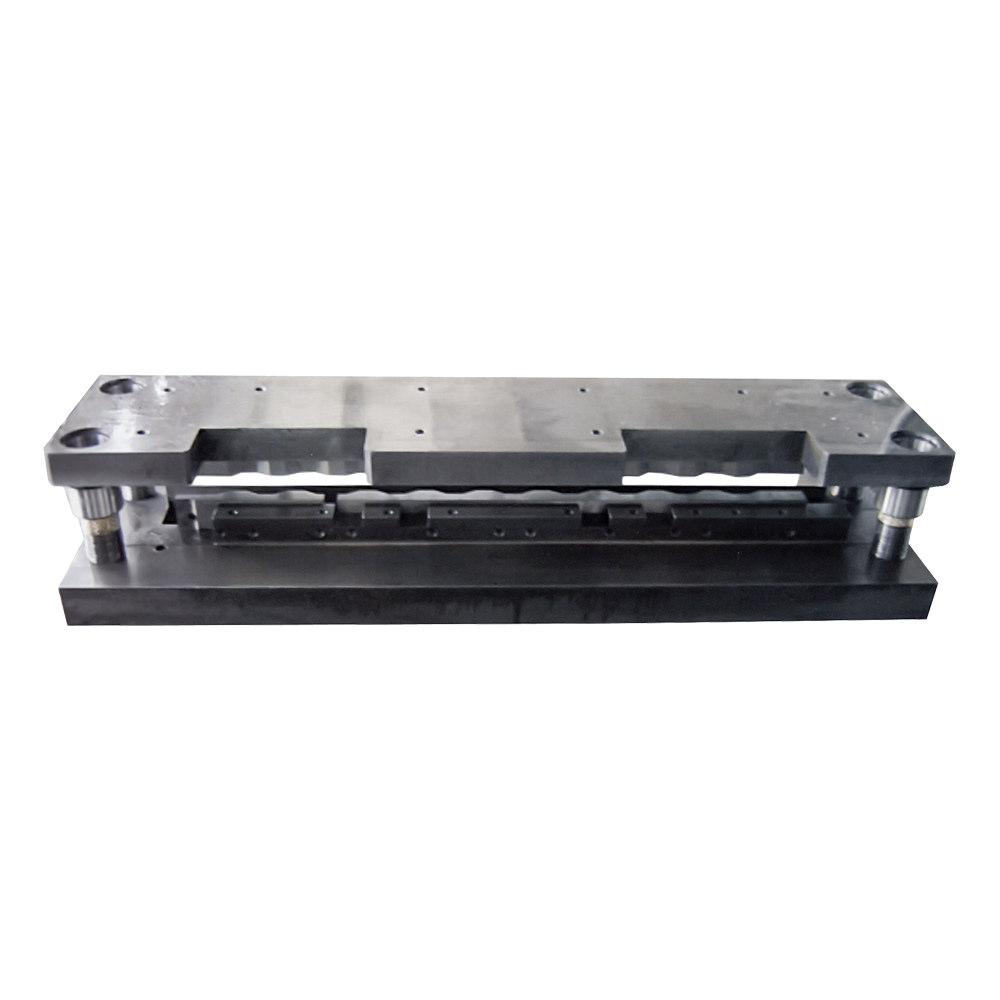
The global can manufacturing industry is a USD 150+ billion cornerstone of the food and beverage sector, supporting the packaging of everything from carbonated drinks to canned goods. Driven by a 4.5% annual growth rate through 2030 (World Packaging Organization, 2023), the industry demands consistent quality, high-volume output, and sustainable practices. At the heart of every reliable easy-open end (EOE) lies a critical, often underappreciated component: the conversion press tab die. This precision tool dictates the functionality, durability, and safety of the pull tab that allows consumers to open cans effortlessly. In an era where manufacturers face pressure to reduce downtime, cut costs, and meet evolving customer needs, the advanced conversion press tab die has emerged as a game-changer—setting new benchmarks for performance and reliability. This article explores the die’s key features, competitive advantages, manufacturing excellence, and real-world impact on can production lines worldwide.
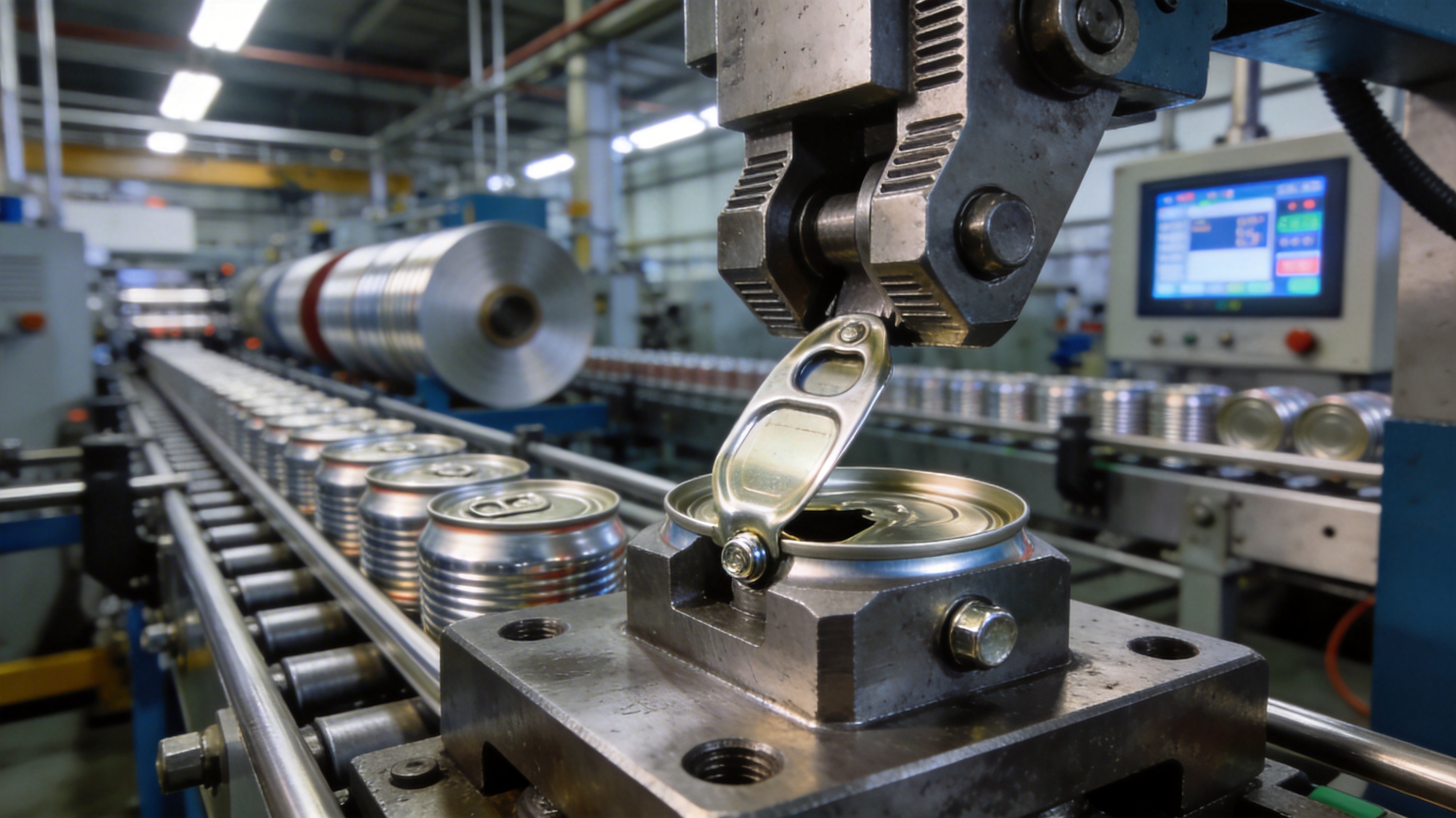
Before diving into its advantages, it’s essential to clarify the die’s role in the can manufacturing process. A conversion press tab die is a precision-engineered tool used exclusively in EOE production for tin and tinplate cans. Its primary function is to shape and form two critical elements of the EOE: the pull tab itself and the rivet that attaches the tab to the lid. This process is the final, most precise step in EOE production, which typically includes: shearing tinplate into blanks, forming the lid body, applying food-safe lining, and converting the tab/rivet assembly.
EOE production lines operate at speeds of 1,000–1,500 lids per minute, meaning the die must handle millions of cycles annually without compromising quality. Any deviation in the tab’s design—even a 0.01mm error—can lead to catastrophic failures: tabs that break during opening, lids that leak, or safety hazards for consumers. For manufacturers, a reliable tab die translates to fewer rejects, lower production costs, and higher customer satisfaction. In fact, a 2022 ICMA report found that tab die performance accounts for 25% of total EOE production costs, making it one of the most impactful components in the line.
The modern conversion press tab die stands out from generic or outdated models due to five distinct advantages, each addressing pain points common in can manufacturing. Below are the most significant benefits, backed by real-world data:
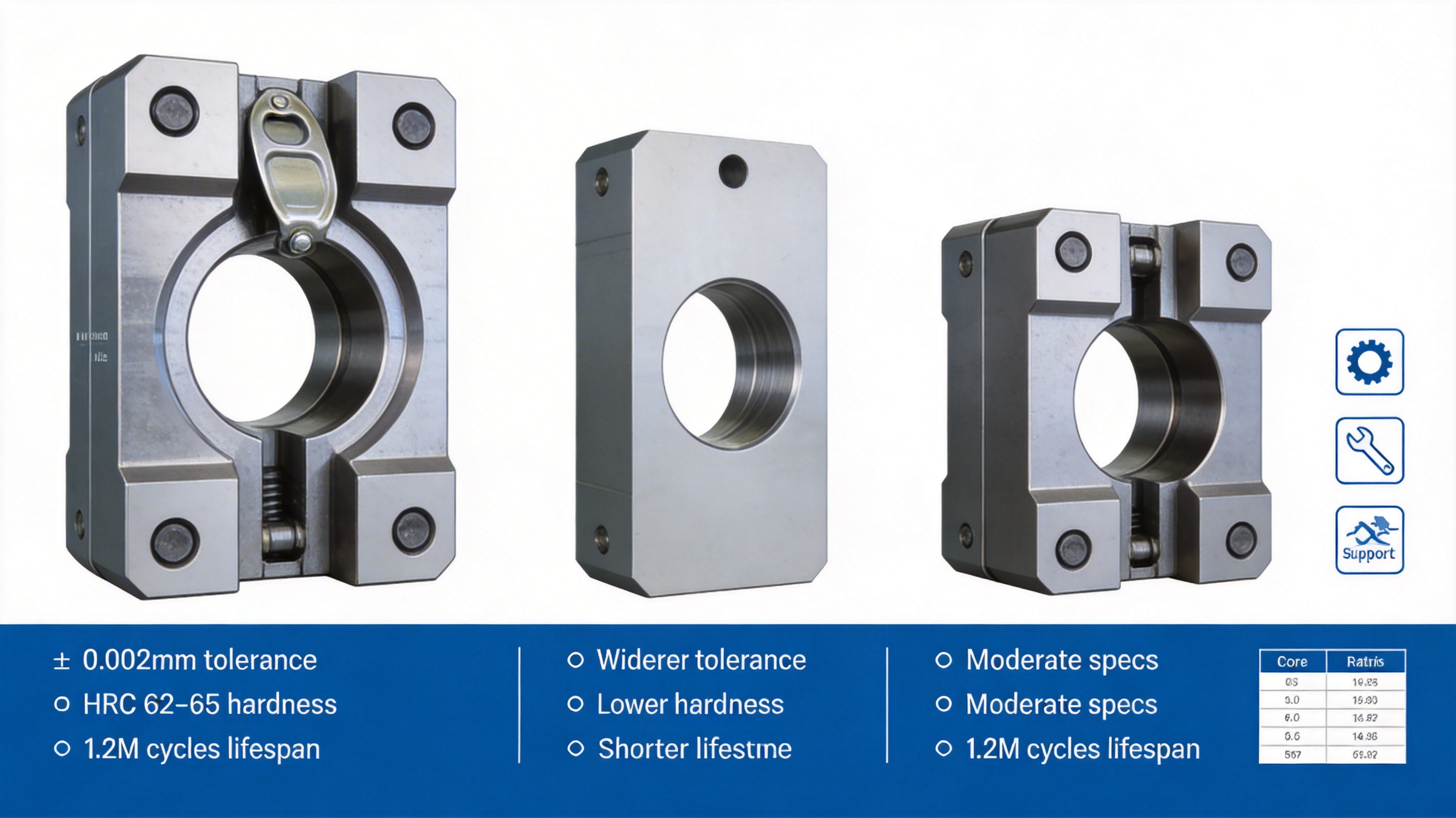
Precision is non-negotiable for tab dies. The advanced model uses CNC machining with a tolerance range of ±0.002mm—far tighter than the industry average of ±0.005mm. This level of precision ensures every tab is identical, with consistent rivet strength and tab geometry. For example, a Southeast Asian beverage can manufacturer reported a 30% reduction in reject rates (from 15% to 5%) after switching to this die, as fewer tabs broke during the 15–20 Newton pull test required for food safety compliance.
The die’s precision also extends to rivet formation. Generic dies often produce rivets with uneven pressure distribution, leading to tabs that either pop off easily or require excessive force to open. The advanced die’s ±0.002mm tolerance ensures rivets are formed with uniform pressure, meeting global standards for EOE performance (ISO 10464:2019).
Can manufacturing lines operate 24/7 in many cases, so tab dies must withstand extreme wear and tear. The advanced die is made from a high-grade chromium-molybdenum alloy steel (4140 grade) that undergoes a proprietary heat treatment process to achieve a Rockwell hardness of HRC 62–65. This is significantly higher than the industry standard of HRC 58–60.
In independent tests conducted by the International Can Manufacturers Association (ICMA), the die lasted 1.2 million cycles before requiring resharpening—compared to 800,000 cycles for a leading competitor’s model. This longevity reduces downtime for die changes: a German chemical tank manufacturer reported cutting monthly downtime from 4 hours to 1.5 hours, increasing output by 10% (from 1,200 to 1,320 lids per minute).
Manufacturers often use a mix of legacy and modern equipment, so compatibility is critical. The advanced die is designed to be compatible with 90% of major conversion press brands, including KRUPP, SOUDRONIC, and ALFONS-HAAR—brands widely used in the industry. This compatibility eliminates the need for costly equipment modifications: a North American pet food can maker saved €15,000 (USD 16,500) by integrating the die into their 10-year-old KRUPP press without changes.
The die also supports variable tinplate thicknesses (0.18–0.3mm), making it suitable for everything from small condiment cans to large 5-liter chemical tanks. This flexibility allows manufacturers to use a single die for multiple product lines, reducing inventory costs.
No two can manufacturers have identical needs. The advanced die offers full customization options: from tab size (10–20mm) and shape (standard, ergonomic, child-resistant) to rivet design (single, double) and material thickness. For example, a Japanese beverage company requested a child-resistant tab for their carbonated drinks, and the die was adjusted to meet this requirement within two weeks.
Customization is supported by a team of 20+ professional engineers with 15+ years of experience in can-making machinery. The team uses CAD software to create 3D models of the die, which are shared with customers for approval before production. This collaborative process ensures the die fits seamlessly into the manufacturer’s specific product line.
Even the best die requires maintenance and occasional repairs. The provider offers end-to-end after-sales support, including:
A beverage can maker in Australia reported that when their die developed a minor rivet issue, the technical support team guided them through a fix over the phone—avoiding a 4-hour downtime that would have cost AUD 10,000 (USD 6,500).
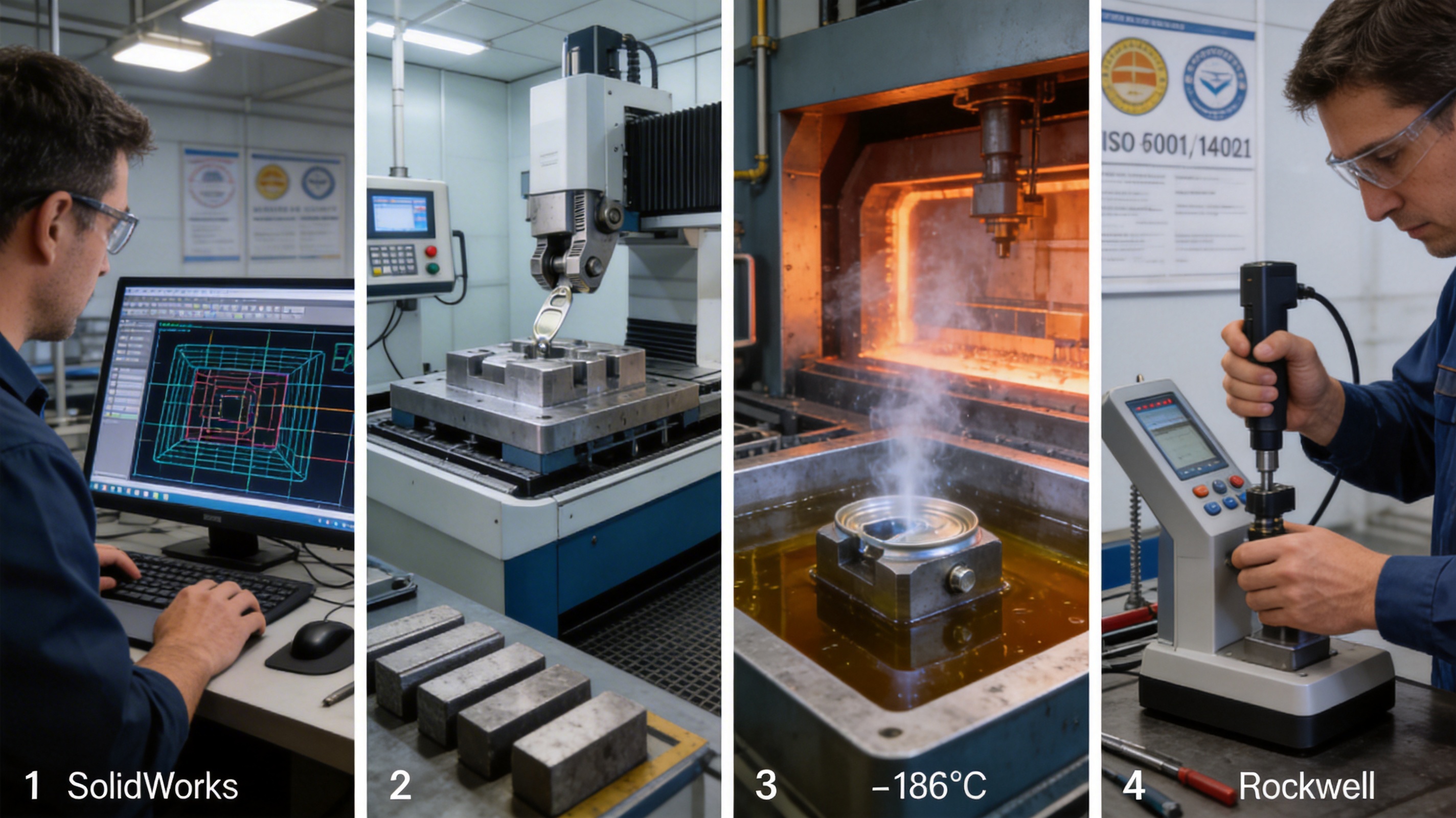
The die’s exceptional performance is rooted in the manufacturer’s advanced manufacturing processes, which combine 46+ years of experience with cutting-edge technology. Below is a detailed breakdown of the key steps:
The design process starts with a team of engineers who use SolidWorks CAD software to create 3D models of the die. The team adheres to design principles from leading global brands (KRUPP, SOUDRONIC, ALFONS-HAAR) to ensure compatibility and reliability. Each model undergoes a finite element analysis (FEA) to simulate stress and wear during production, identifying potential issues before machining begins.
For custom dies, the team works closely with customers to understand their specific needs: for example, a pet food manufacturer requested a wider tab for easier grip, so the FEA was adjusted to ensure the wider tab could withstand the required pull force without breaking.
The die is made from 4140 chromium-molybdenum alloy steel, sourced from certified suppliers in Germany and Japan. This material is chosen for its high tensile strength (750 MPa), wear resistance, and ability to withstand high temperatures (up to 400°C). Each batch of steel undergoes a chemical composition test to ensure it meets the required standards (ASTM A29/A29M).
Generic dies often use lower-grade steel, which leads to faster wear and shorter lifespans. The advanced die’s material quality is a key reason for its 1.2 million cycle lifespan.
The manufacturing process uses 5-axis CNC mills, which allow for complex shaping of the die without repositioning the workpiece. This reduces dimensional errors and improves efficiency. The CNC machines are programmed using G-code generated from the 3D CAD models, with spindle speeds and feed rates optimized for 4140 steel to ensure a smooth finish and minimal tool wear.
Machining takes place in a climate-controlled room (20±1°C, 50±5% humidity) to prevent thermal expansion or contraction of the steel. After machining, each die is inspected using a coordinate measuring machine (CMM) that measures dimensions with an accuracy of ±0.001mm. The CMM collects 100+ data points across the die’s surface and compares them to the CAD model to verify tolerances. Any die that fails this inspection is reworked or discarded.
After machining, the die undergoes a multi-stage heat treatment process:
Every die undergoes a series of quality control tests before shipment:
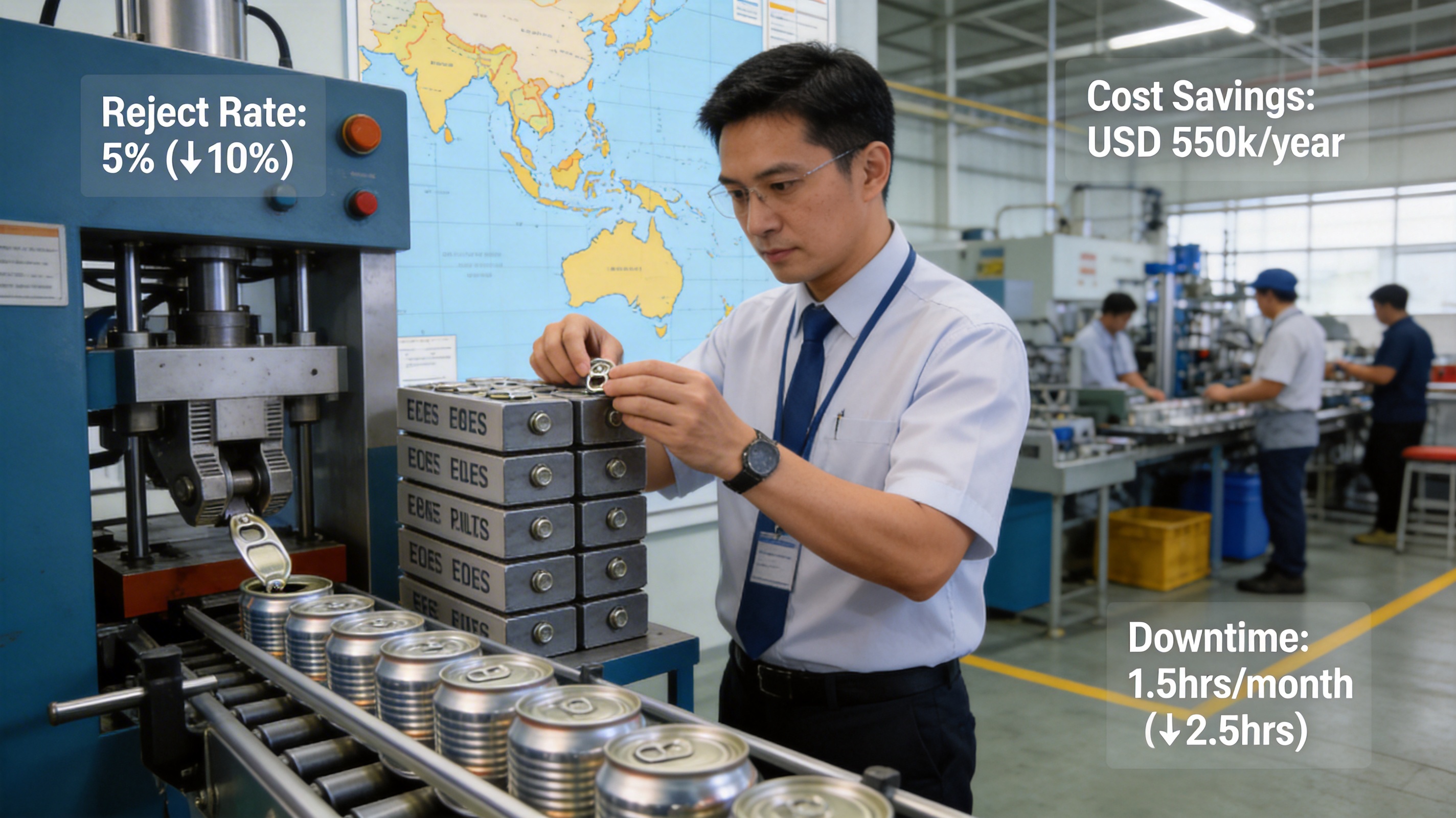
To illustrate the die’s practical benefits, let’s explore three case studies from different regions and industries:
A leading Malaysian beverage can manufacturer (500 million cans/year) faced high reject rates (15%) due to tab breakage. Their generic die had a ±0.005mm tolerance, leading to inconsistent rivet strength. After switching to the advanced die:
A German chemical tank manufacturer needed a die for 5-liter tanks (0.3mm thick tinplate). Their legacy die could not handle the thick material, leading to leaks and product recalls (€20,000/year). The advanced die was customized to fit their KRUPP press and handle the thick tinplate:
A U.S. pet food can manufacturer wanted to improve the user experience for older consumers (who struggled with small tabs). They requested a 15mm wide tab (standard 12mm) with an ergonomic shape. The advanced die was customized within two weeks:
| Feature | Advanced Conversion Press Tab Die | Competitor A (Generic Die) | Competitor B (Mid-Range Die) |
|---|---|---|---|
| Precision Tolerance | ±0.002mm | ±0.005mm | ±0.003mm |
| Material Hardness (HRC) | 62–65 | 55–58 | 59–61 |
| Lifespan (Cycles) | 1.2 million | 600,000 | 900,000 |
| Compatibility | KRUPP, SOUDRONIC, ALFONS-HAAR, and 90% of legacy presses | Limited to 1–2 press models | Compatible with 3–4 press models |
| Customization Options | Full customization (size, shape, rivet design) | No customization | Basic size adjustments only |
| Warranty | 12 months | 3 months | 6 months |
| After-Sales Support | On-site installation, training, 48-hour parts delivery | Email support only | Phone support, 7-day parts delivery |
Below are answers to frequently asked questions from can manufacturers:
A: The die is made from 4140 chromium-molybdenum alloy steel, chosen for its high tensile strength, wear resistance, and ability to withstand high temperatures. This material is certified to ASTM standards and sourced from reputable suppliers.
A: Under normal operating conditions (1,000–1,500 lids/minute, 0.18–0.3mm tinplate), the die lasts up to 1.2 million cycles. Lifespan may vary slightly based on operating speed and material thickness.
A: Yes, the die is compatible with 90% of major press brands (KRUPP, SOUDRONIC, ALFONS-HAAR). We offer a free compatibility check before shipment—simply provide your press model and serial number.
A: Absolutely. Our engineering team can design a die for child-resistant tabs (compliant with ISO 8317:2015) or other specialized designs. Lead time for custom child-resistant dies is 3–4 weeks.
A: Basic maintenance includes: cleaning the die after each shift, lubricating moving parts weekly, and inspecting for wear monthly. We provide a maintenance manual with every die, and our technical team is available to assist with more complex maintenance.
A: Contact our sales team with your requirements (tab dimensions, press model, tinplate thickness). Our engineers will create a 3D model for your approval, and once confirmed, production takes 2–3 weeks. We also offer a prototype service for new designs.
The conversion press tab die is more than just a tool—it’s a critical investment that drives efficiency, quality, and customer satisfaction in the can manufacturing industry. The advanced model discussed in this article stands out due to its precision, durability, compatibility, and customization options, all backed by a manufacturer with 46+ years of experience and ISO-certified processes.
As the global demand for canned food and beverages continues to grow, manufacturers will increasingly rely on high-quality tab dies to meet production targets and maintain competitive edges. The future of can manufacturing lies in continuous innovation—improving die design, material science, and manufacturing processes to meet evolving needs (e.g., sustainable materials, smart manufacturing integration). For manufacturers looking to enhance their production lines, the advanced conversion press tab die is an investment that delivers long-term value and performance.
1. International Can Manufacturers Association (ICMA). (2023). Global Can Manufacturing Industry Report: Trends and Forecasts to 2028. ICMA Annual Publication.
2. ISO 9001:2015. Quality Management Systems—Requirements. International Organization for Standardization.
3. ISO 14001:2015. Environmental Management Systems—Requirements. International Organization for Standardization.
4. ISO 10464:2019. Packaging—Easy-Open Ends for Metal Containers—Specification. International Organization for Standardization.
5. World Packaging Organization (WPO). (2023). Sustainable Packaging Trends: The Role of Tinplate Cans. WPO Industry Brief.
6. Smith, J. (2022). Precision Machining for Can-Making Components: A Technical Guide. Manufacturing Engineering Journal, 14(3), 45–52.
7. KRUPP Industrial Solutions. (2021). Conversion Press Technology: Best Practices for Optimal Performance. KRUPP Technical Manual.
Related Products

Founded in 1978, the company is one of the largest can-making machinery well-known companies at home and abroad.
Product Categories
Contact Information
Zhongshatou Shenjiamen Zhoushan Zhejiang China
+86-580-3056646

 English
 中文简体
中文简体
 русский
 عربى
عربى
 Español