2026-06-29
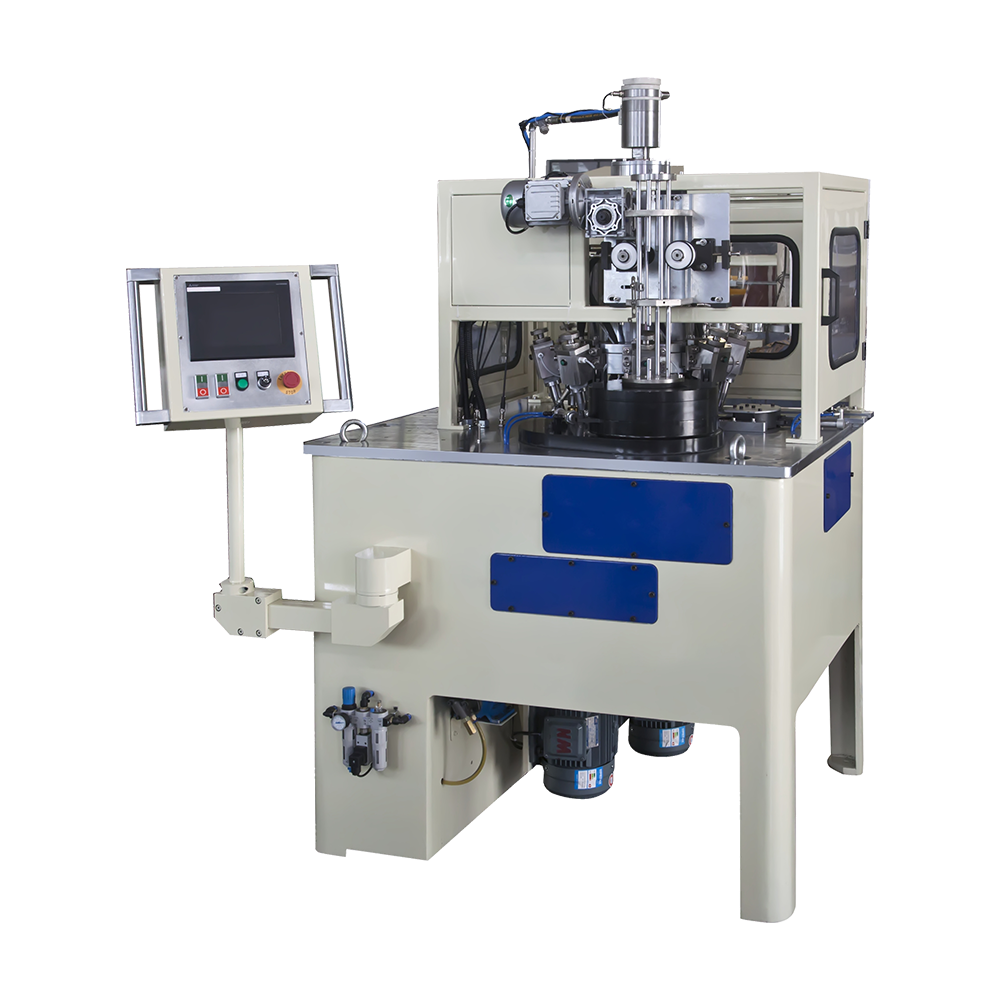
In modern food packaging, the quality of a can body is not determined by appearance alone. It is measured by dimensional accuracy, seam reliability, production stability, line efficiency, and the ability of the equipment to run continuously under demanding industrial conditions. The flanging and seaming high performance can making machine for food can production is designed to meet these requirements by integrating essential can body forming operations into an automatic, high-speed, and reliable production process.
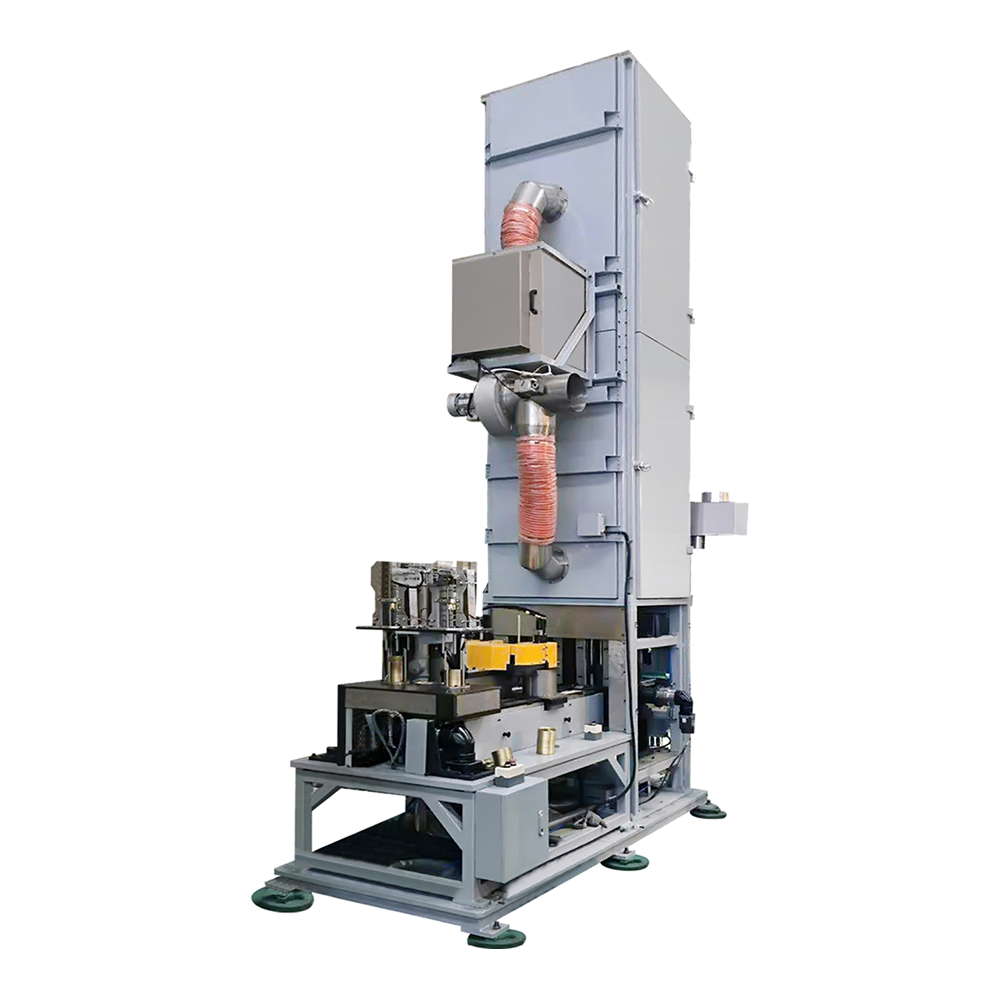
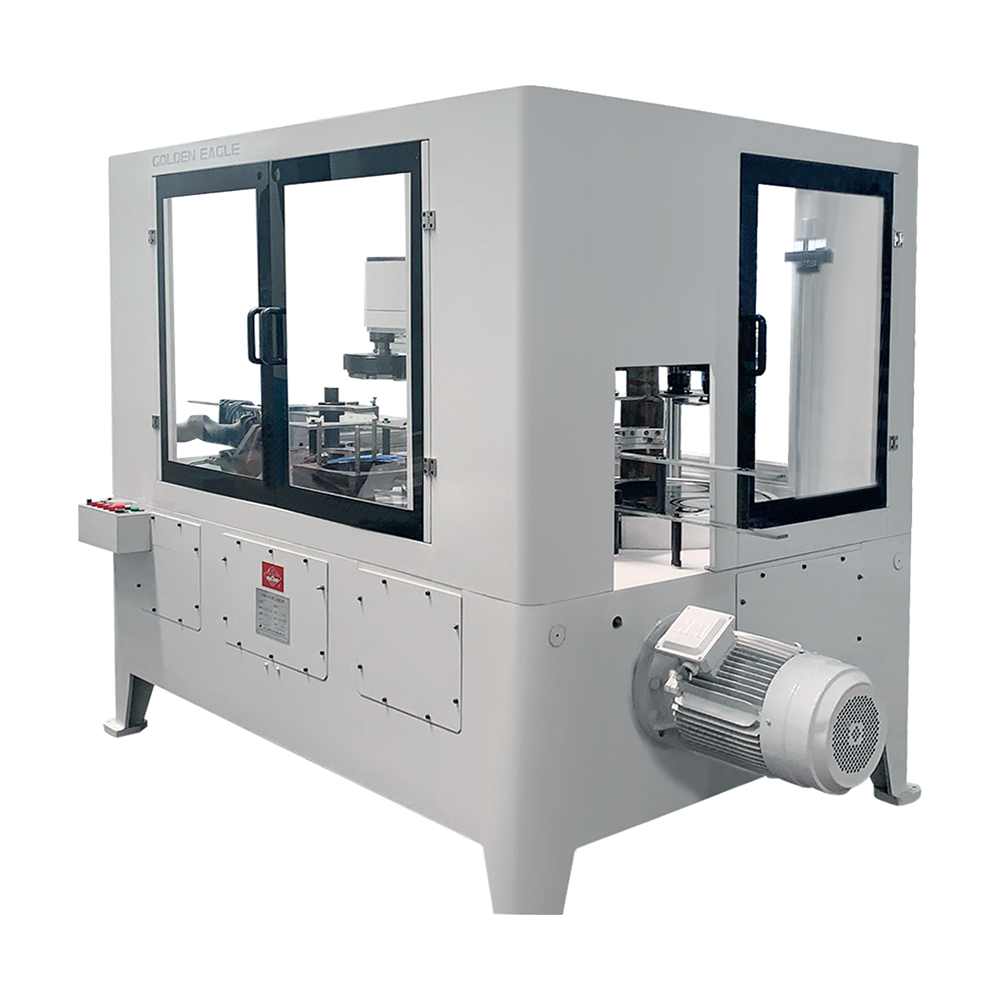
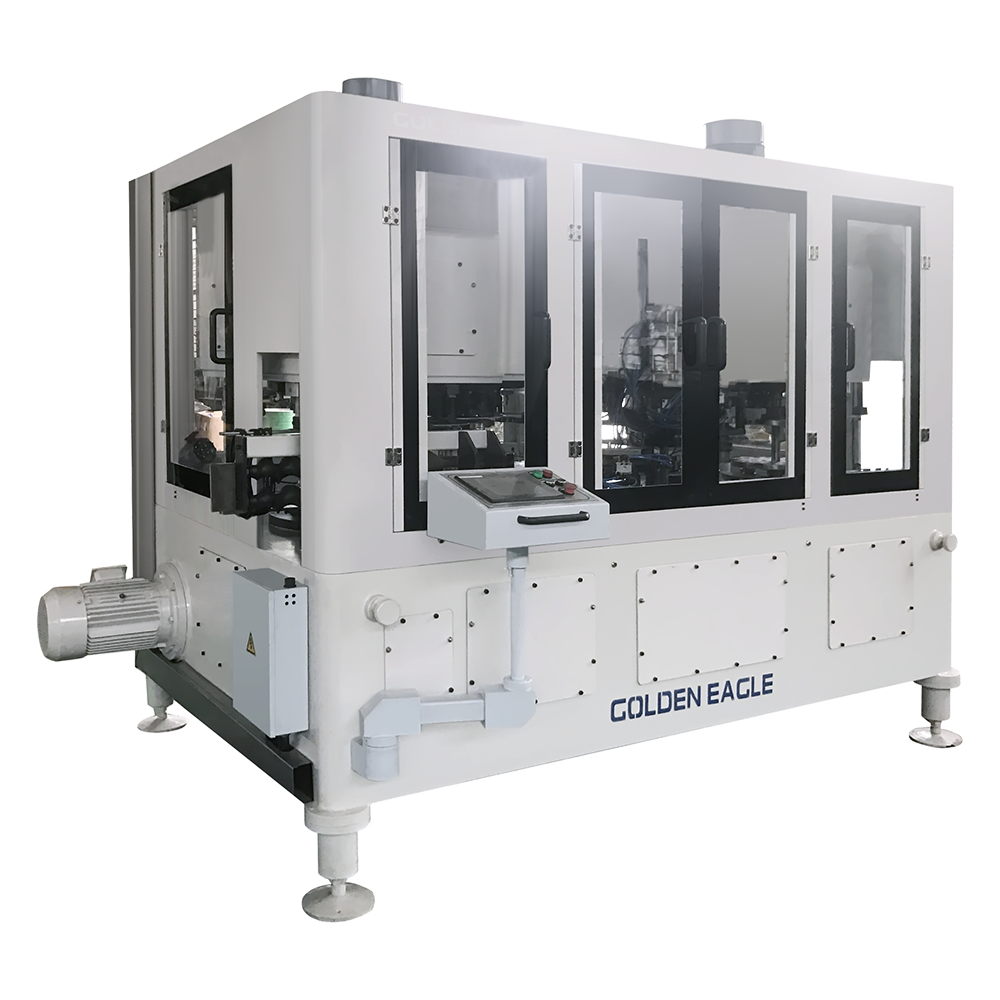
This article focuses on the vertical automatic combination machine used for food can making, especially the GT3B53-FS-5 eight-head flanging and seaming model. The machine is developed for food can manufacturers that require fast throughput, stable performance, precise processing, and dependable quality. With automatic operation, a can diameter range of approximately 52 to 99 mm, and a production speed of 200 to 550 cans per minute, it is suitable for medium and high-volume food can production lines.
The equipment belongs to a broader series of can making machinery that includes cutting machines, necking machines, flanging and beading machines, flanging and seaming machines, welding machines, feeding machines, can lid making machines, aerosol can making machines, chemical tank equipment, two-piece can machines, and molds. Within this product family, the flanging and seaming machine plays a critical role because it directly affects the structural stability and closing performance of the can body.
Food cans must withstand filling, sterilization, transportation, shelf storage, and consumer handling. A weak flange or inconsistent seam can lead to leakage, deformation, contamination risk, and product rejection. Therefore, the precision of the flanging and seaming process is essential. The eight-head automatic combination design is intended to improve efficiency while maintaining consistency across every can processed.
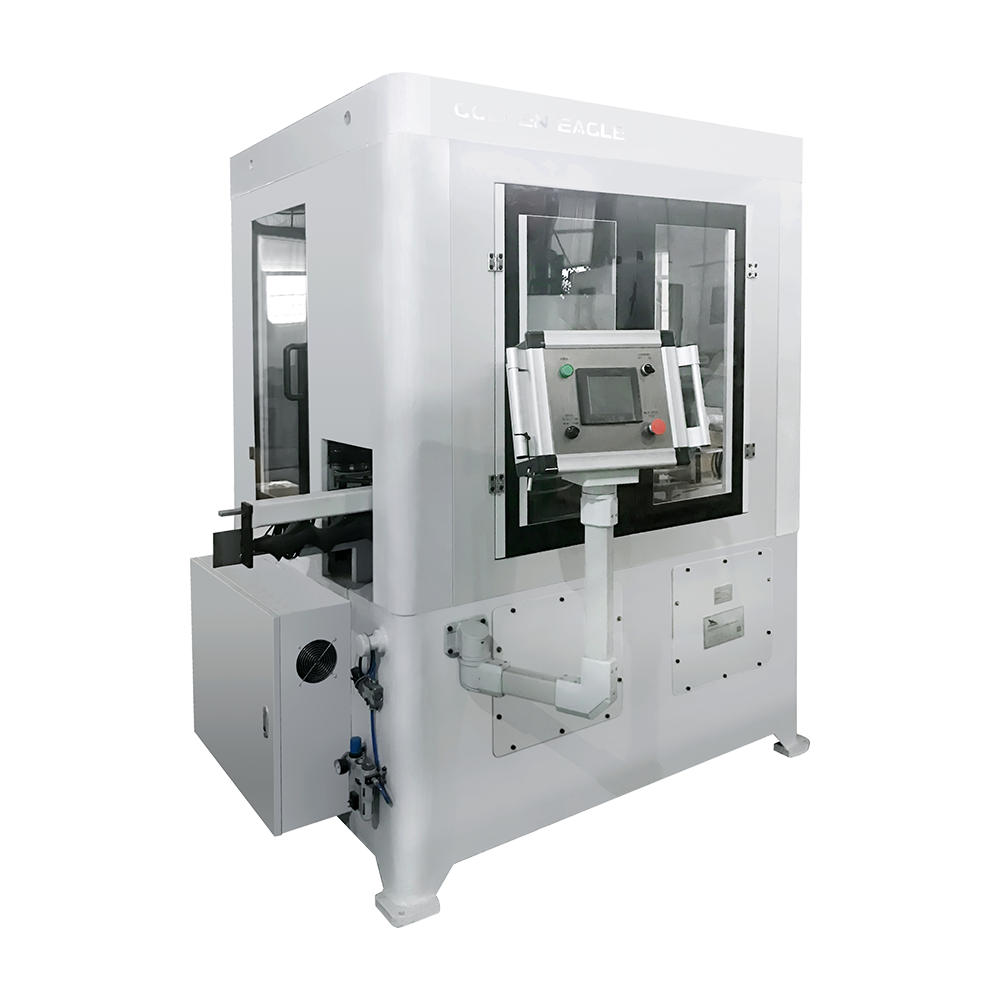
Flanging Seaming High Performance Can Making Machine for Food
The flanging and seaming high performance can making machine is a vertical automatic combination machine for food can production. It is designed to complete flanging and seaming operations in a coordinated and stable workflow. By combining these processes, the machine helps reduce handling time, improve line synchronization, and support continuous production.
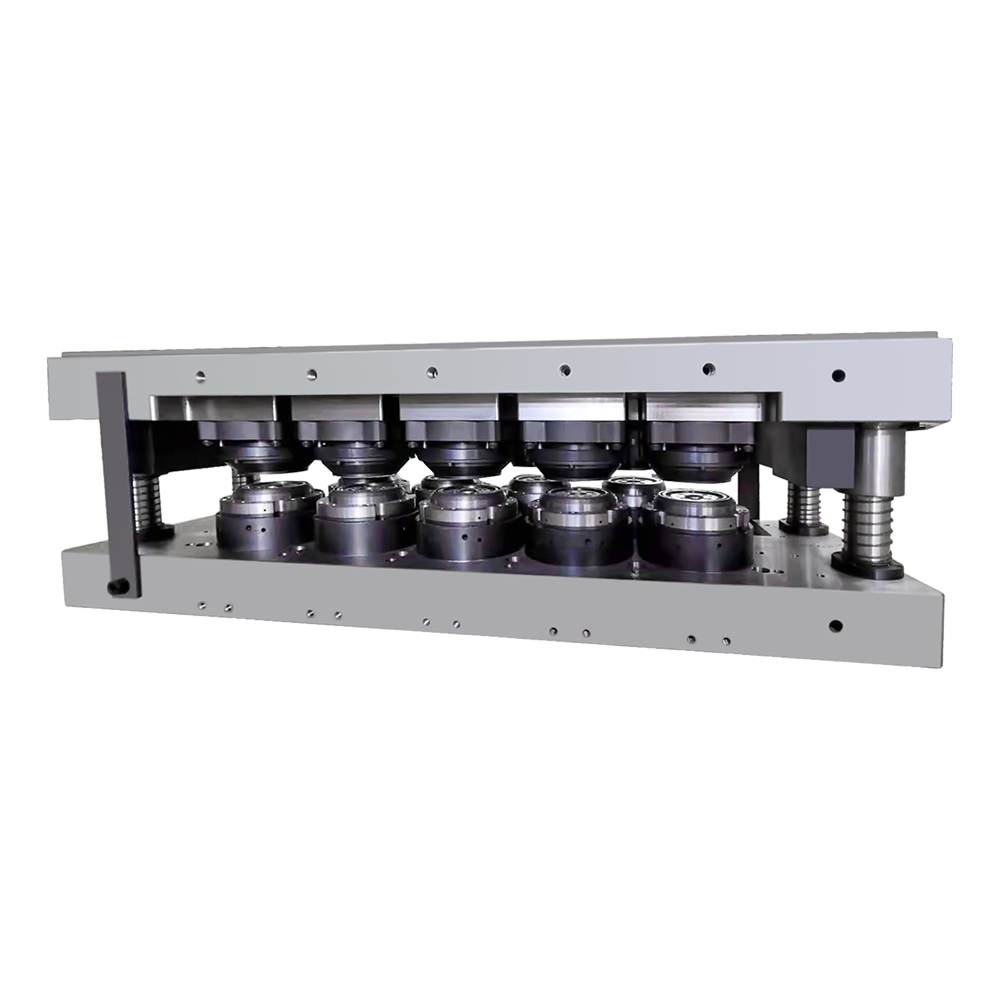
The specified model is GT3B53-FS-5 with an eight-head configuration. The term “eight-head” indicates that the machine is equipped with multiple working heads to support high-speed processing. Compared with lower-head configurations, an eight-head system can increase output capacity and distribute mechanical workload more efficiently, which is valuable for production plants that require stable operation at high speed.
The machine operates automatically, reducing manual intervention and improving consistency. In can making, automation is not only a matter of labor savings. It also helps minimize human error, keeps process timing stable, and supports predictable product quality. For food can production, where each can must meet strict dimensional and sealing requirements, automatic operation is a major advantage.
The application range includes flanging and seaming. Flanging forms the edge of the can body to prepare it for end attachment, while seaming joins the can body with the lid or end component. These steps are essential in food packaging because the final container must maintain integrity during filling, retorting, storage, and distribution.
The machine supports can diameters from 52 mm to 99 mm, covering a widely used size range for many food can applications. This range makes the machine suitable for producers manufacturing different can formats within the food packaging sector, including cans for milk powder, processed foods, preserved products, and other shelf-stable food items.
With a speed range of 200 to 550 cans per minute, the machine is designed for high-efficiency production. This speed level allows manufacturers to support large orders, improve production capacity, and reduce unit processing cost when the machine is integrated into a well-balanced production line.
| Item | Specification | Production Value |
| Machine Type | Vertical Automatic Combination Machine | Designed for integrated food can body processing |
| Model | GT3B53-FS-5, Eight-Head Configuration | High-speed flanging and seaming operation |
| Operation | Automatic | Reduced manual handling and stable production rhythm |
| Main Application | Flanging and Seaming | Prepares and closes can bodies for food packaging use |
| Can Diameter Range | 52 to 99 mm | Covers common food can sizes |
| Applicable Can Height | Approximately 40 to 160 mm in the FS-5 series data | Supports a practical range of food can formats |
| Output Capacity | 200 to 550 cans per minute | Suitable for medium and high-volume production |
| Total Power | Approximately 5.5 kW in the related FS-5 series | Efficient power use for high-speed mechanical processing |
Flanging is one of the most important forming steps in three-piece can production. During this process, the edge of the can body is turned outward or shaped into a profile suitable for later seaming. The quality of this flange affects how the lid or end will attach to the body. If the flange is uneven, too narrow, too wide, cracked, or out of tolerance, the final seam may not meet performance requirements.
In food can production, flange quality is especially important because food containers are expected to protect contents from oxygen, moisture, microorganisms, and external contamination. A precise flange gives the seaming mechanism a stable foundation. This improves the possibility of forming a tight and uniform seam, which is essential for food safety and shelf life.
The automatic flanging function of the machine helps ensure that each can is processed with repeatable accuracy. Repeatability is a major advantage over manual or semi-automatic production methods. In high-speed production, even small dimensional deviations can create large numbers of defective cans. A stable automatic flanging system helps minimize this risk.
The eight-head structure contributes to smooth throughput. Instead of forcing one or two heads to process all cans at extremely high mechanical stress, multiple heads share the workload. This design supports higher speed, more balanced operation, and better long-term machine stability.
For food can producers handling high-volume orders, flanging consistency can directly affect profitability. Rejects, line stoppages, and customer complaints all increase cost. By providing controlled flanging performance, the machine helps manufacturers improve yield and maintain stronger quality control.
Seaming is the process of joining the can body with the can end. In food packaging, this step is critical because the seam is one of the main barriers protecting the product. The seam must be mechanically strong, dimensionally accurate, and tight enough to prevent leakage and contamination.
A poor seam can cause serious problems. It may leak during filling, fail during sterilization, deform during transport, or compromise product shelf life. In severe cases, poor seam quality may create food safety concerns. Therefore, seaming equipment must offer precision, stability, and reliable adjustment.
The flanging and seaming combination machine is designed to support these requirements by coordinating the preparation and joining processes. When flanging and seaming are properly matched, the final can body is more likely to meet strict production standards. This is one of the main advantages of using a dedicated automatic combination machine instead of separating operations across less coordinated equipment.
High-speed seaming also requires stable feeding and positioning. At speeds up to 550 cans per minute, the machine must maintain accurate alignment and smooth mechanical motion. Any unstable transfer, vibration, or timing error can affect seam quality. The automatic design helps maintain the rhythm required for continuous industrial production.
In food can manufacturing, quality inspection often includes seam thickness, seam width, countersink depth, overlap, body hook, cover hook, tightness, and visual appearance. Although inspection equipment and operator checks are separate from the machine itself, a well-built seaming machine makes it easier to achieve acceptable results consistently.
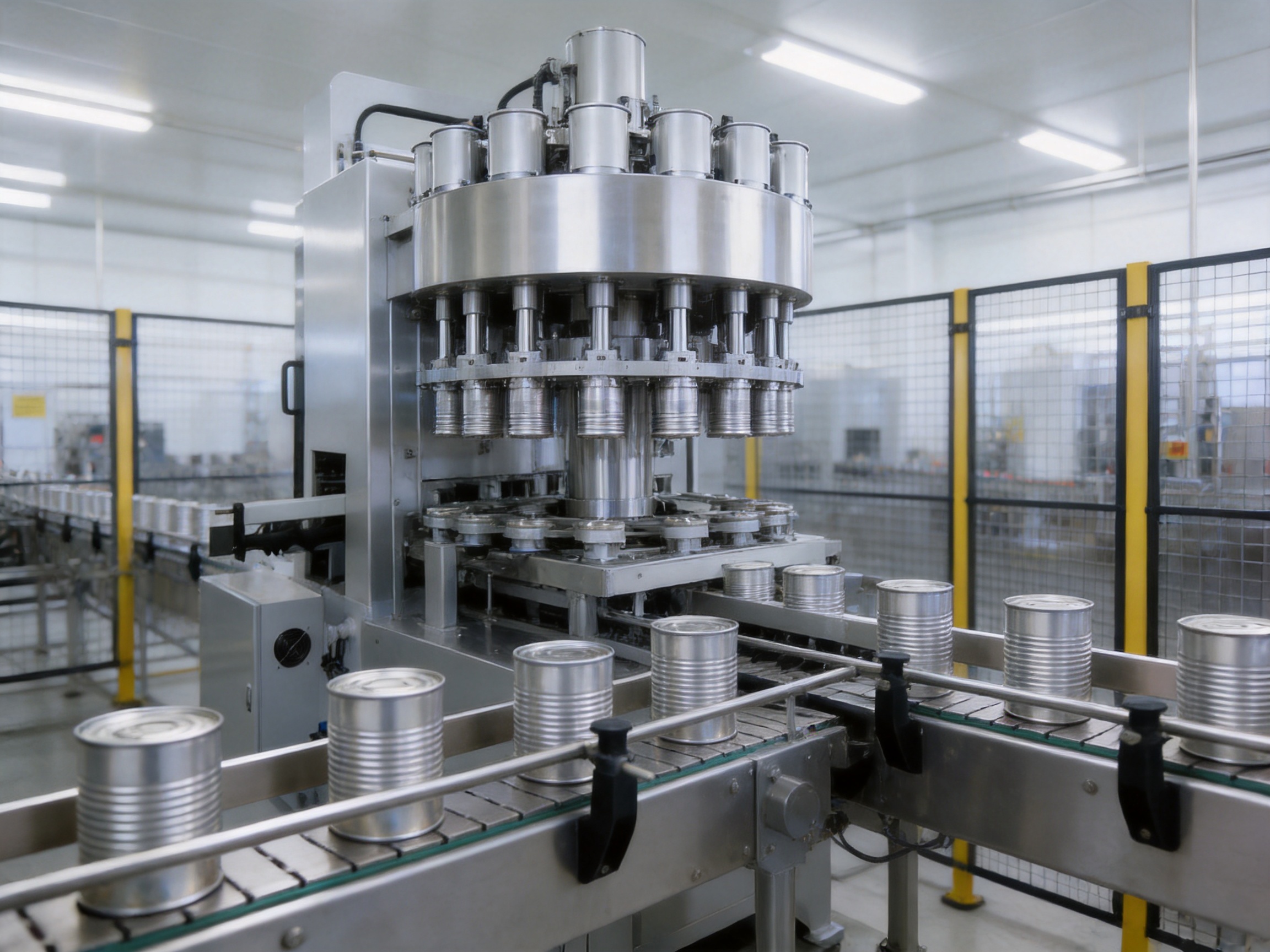
The flanging and seaming high performance can making machine offers several competitive advantages for food can manufacturers. These advantages are related to speed, integration, accuracy, flexibility, durability, and manufacturing support.
One of the most important advantages is the output capacity of 200 to 550 cans per minute. This speed range is suitable for manufacturers that must meet high production demand without sacrificing process stability. In competitive packaging markets, production speed has a direct impact on delivery time, cost per can, and customer satisfaction.
Compared with slower machines, the eight-head model helps manufacturers increase daily output within the same production space. This can be especially valuable when factory floor area is limited or when producers need to expand capacity without building an entirely new production line.
Combining flanging and seaming operations can improve production flow. When these processes are performed in a coordinated machine, manufacturers can reduce intermediate handling, shorten transfer distance, and simplify line layout. This helps reduce the risk of can body damage between operations.
Separate machines may require additional conveyors, alignment systems, and control coordination. By using an automatic combination system, the line can become more compact and efficient. This advantage is particularly useful for factories seeking to modernize older production lines.
Automatic operation improves consistency and reduces dependence on manual skill. While skilled operators remain important for setup, monitoring, and maintenance, the machine performs the repetitive forming work with mechanical precision. This reduces the variability that can occur in manual or semi-automatic production.
In high-volume food can production, consistency is often more valuable than occasional peak performance. A machine that can run steadily throughout long shifts helps manufacturers maintain predictable output and reduce quality fluctuations.
The 52 to 99 mm diameter range covers many common food can sizes. This gives producers greater flexibility when responding to different customer orders or market requirements. A machine with a practical size range can help reduce the need for multiple specialized machines.
For manufacturers producing milk powder cans and other food cans, this flexibility can improve return on investment. With suitable tooling and setup, one machine can support different product formats within its working range.
The related FS-5 series specification indicates total power of approximately 5.5 kW. For a machine capable of high-speed output, efficient power usage supports lower operating costs. Energy efficiency is increasingly important for factories seeking to control production expenses and reduce environmental impact.
While energy consumption depends on actual operating conditions, machine configuration, auxiliary equipment, and production schedule, a high-output machine with moderate power demand can contribute to better cost efficiency.
Can making equipment must withstand continuous mechanical stress. High-speed forming, rotating components, repeated pressure, and constant movement require robust machine construction. A durable machine reduces downtime, lowers maintenance frequency, and supports long service life.
The manufacturer’s long experience in can making machinery and mold production contributes to machine reliability. Experience is important because can making equipment requires both mechanical design knowledge and practical understanding of production challenges.
The product category identifies the machine as part of the milk powder can making machine range. Milk powder cans have demanding packaging requirements because the product is sensitive to moisture, oxygen, and contamination. A strong can body and reliable seam are essential for protecting the powder during storage and distribution.
Milk powder packaging often requires a clean appearance, accurate dimensions, and strong structural performance. The can body must support labels, lids, closures, and secondary packaging. It must also remain stable during filling and handling. The flanging and seaming machine contributes to this performance by ensuring that the can body edge and end connection are properly formed.
For milk powder producers, packaging reliability affects brand reputation. Consumers expect containers to be clean, safe, and easy to use. Any defect in the can body can lead to product loss or customer complaints. Therefore, can manufacturers serving the milk powder market need dependable equipment that can maintain high quality under continuous operation.
The GT3B53-FS-5 eight-head machine is well suited to this environment because it provides high speed while supporting precision flanging and seaming. Its automatic operation reduces inconsistency, while its can diameter range covers many practical milk powder and food can formats.
Beyond milk powder packaging, the machine can be applied to various food can production requirements within its size range. Food cans are used for preserved fruits, vegetables, meat products, fish products, sauces, dry food, powdered food, and other shelf-stable products. Each application may have different requirements for can height, diameter, internal coating, lid type, and sterilization conditions.
The machine’s flanging and seaming functions are central to many of these applications. Whether the can is used for dry food or retorted food, the edge forming and end joining processes must be precise. This makes the equipment valuable for food can factories that produce multiple container types.
Food can manufacturing is often driven by large orders and strict deadlines. The ability to run at high speed gives manufacturers an advantage when serving food processors, packaging distributors, and brand owners. A stable automatic machine can help producers increase output while maintaining quality requirements.
In addition, the machine can be integrated into larger can production lines that include cutting, welding, body forming, necking, beading, feeding, inspection, and palletizing. Its role as a flanging and seaming station makes it an important link in the overall production chain.
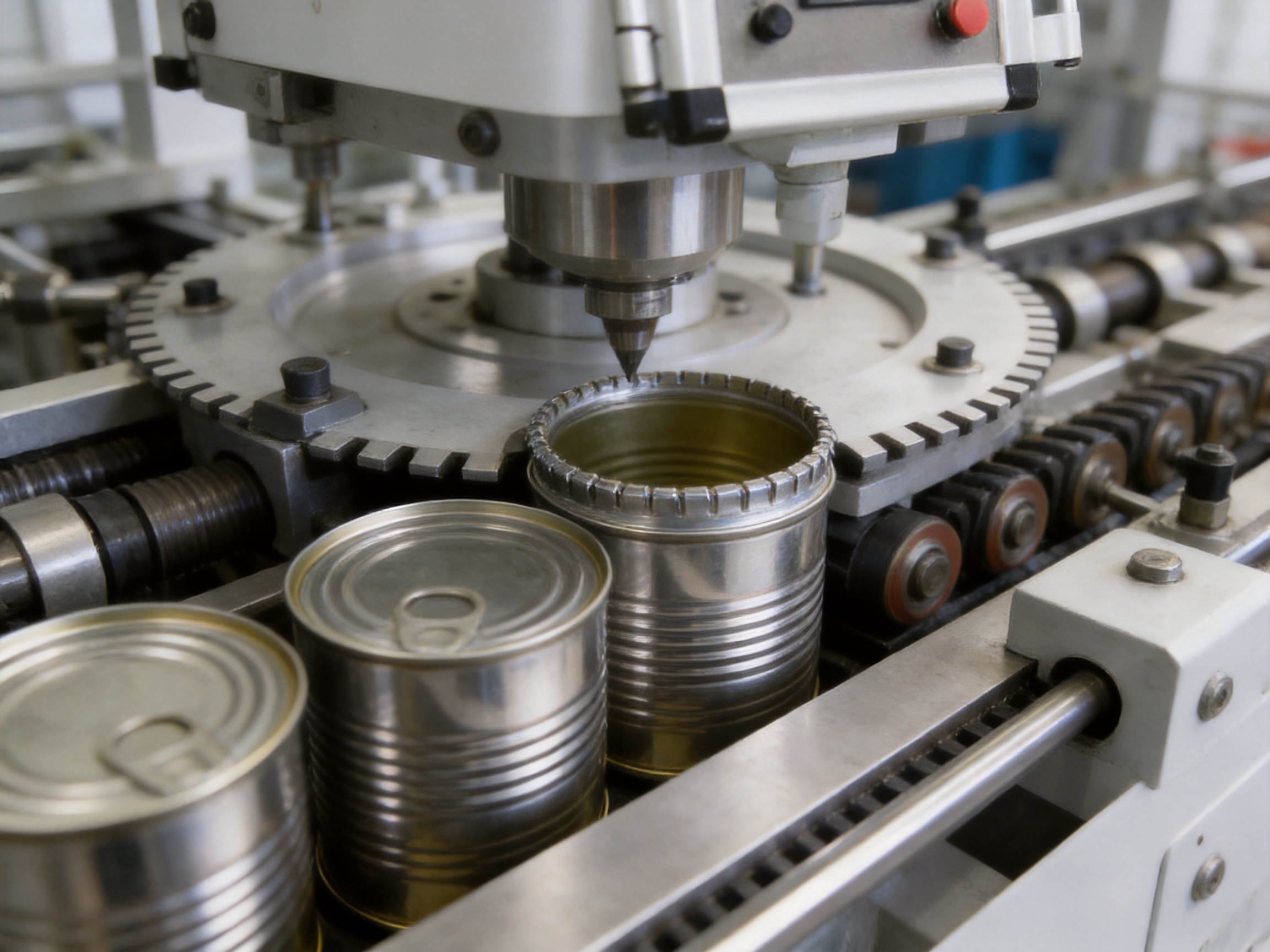
The machine is produced by Zhejiang Golden Eagle Food Machinery Co., Ltd., a manufacturer located in Zhoushan, Zhejiang, China. The company has a long history in can making machinery and mold manufacturing. Established in 1978, it has accumulated decades of technical experience in designing and producing machinery for can bodies, can lids, molds, and complete production lines.
The company was formerly known as Zhejiang Food Machinery Factory and Zhoushan Mold Factory. This background is important because can making equipment depends heavily on precise tooling and mold technology. A manufacturer with mold-making experience can better understand the relationship between machine structure, tooling precision, and final product quality.
The company has more than 350 well-trained personnel, including experienced design and development staff and professional engineers. This technical team supports product development, equipment improvement, customization, production, installation, commissioning, and after-sales service.
After more than 46 years of development and continuous innovation, the company has built a broad product range. Its manufacturing portfolio includes food can production lines, beverage can production lines, can lid production lines, chemical tank production lines, aerosol canister production lines, two-piece can production lines, pop can production lines, automatic feeding systems, welding machines, cutting equipment, slitter systems, and molds.
The company has produced more than 10,000 sets or pieces of can and can lid equipment. This production history indicates broad market experience and practical application knowledge. Equipment used in real factories across different countries and industries provides valuable feedback for continuous design improvement.
The quality of a can making machine begins long before final assembly. It depends on design, material selection, machining accuracy, heat treatment where applicable, assembly precision, testing, and quality control. The manufacturer uses CNC high-precision machining equipment and complete mechanical machining facilities to produce machine parts with accurate dimensions and stable performance.
CNC machining is important for can making equipment because many components require tight tolerances. Working heads, shafts, frames, guide structures, transmission components, and tooling-related parts must align accurately to maintain production precision. If component accuracy is poor, the machine may experience vibration, premature wear, unstable forming, or difficulty maintaining adjustment.
High-precision machining supports better mechanical fit, smoother operation, and longer service life. It also helps reduce variation between machines, making production quality more predictable. For customers, this means easier installation, more stable operation, and better long-term reliability.
The company’s product design principles are described as being similar to those of respected international can making machinery approaches associated with advanced European equipment traditions. At the same time, the manufacturer integrates its own practical production experience and continuous innovation. This combination of reference to proven design concepts and independent improvement helps create machines that are practical, efficient, and suited to real factory use.
Continuous improvement is especially important in can making machinery. Packaging markets change, can sizes evolve, customer requirements become stricter, and factories demand higher automation. A manufacturer with long-term production practice can adapt machinery to meet these changing needs.
The company has been certified to ISO9001 quality management system standards and ISO14001 environmental management system standards. These certifications reflect organized management practices in quality control and environmental responsibility.
ISO9001 certification supports consistent production procedures, inspection systems, documentation, corrective actions, and customer-focused quality improvement. For buyers of industrial machinery, this matters because equipment investment is long-term. A structured quality management system helps reduce uncertainty and supports stable product performance.
ISO14001 certification shows attention to environmental management. In modern manufacturing, environmental responsibility is increasingly important. Customers may consider not only machine performance but also the manufacturing standards of their suppliers. Environmental management can include resource control, waste reduction, energy awareness, and regulatory compliance.
For food can producers, working with a machinery supplier that follows recognized management systems can support supplier evaluation and procurement confidence. It also helps international customers assess the manufacturer’s ability to meet structured production and service expectations.
A major strength of the manufacturer is its long-term focus on can making machinery. Since 1978, it has specialized in this field rather than treating it as a secondary product line. This specialization is valuable because can making equipment requires detailed knowledge of thin metal forming, tinplate processing, mechanical transmission, tooling, alignment, and production line coordination.
Practical innovation comes from observing how machines perform in real factories. Engineers can improve feeding stability, reduce adjustment difficulty, strengthen vulnerable components, improve safety, enhance compatibility, and refine tooling design based on customer feedback. Over decades, these improvements accumulate into practical machine advantages.
The flanging and seaming machine benefits from this accumulated experience. Its high-speed design, automatic operation, and compatibility with common food can sizes reflect a mature understanding of production needs. The machine is not only a mechanical unit; it is part of a complete production philosophy focused on stable output and can quality.
A food can production line usually includes several steps. Tinplate sheets may be cut to size, body blanks may be formed, side seams may be welded, can bodies may be shaped, flanged, beaded, necked, seamed, tested, and conveyed to later filling or packaging stages. Each stage must coordinate with the others.
The flanging and seaming machine is positioned after earlier body forming and before final product handling or further processing, depending on line configuration. Its role is to prepare the can body edge and attach the end securely. Because it operates at high speed, it must match upstream and downstream equipment capacity.
If the flanging and seaming station is too slow, it becomes a bottleneck. If it is unstable, it can stop the entire line. Therefore, high output and stable automatic operation are essential. The 200 to 550 cans per minute speed range makes the machine suitable for efficient line integration.
The manufacturer’s broad product range also supports complete line planning. Since it supplies cutting machines, welding machines, feeding systems, can lid equipment, molds, and other can making machines, customers may obtain better compatibility between different line sections. This can reduce integration difficulty and simplify technical communication.
The product information includes several related machine models with different functions, can size ranges, and production capacities. This shows that the manufacturer provides equipment for different production needs rather than relying on a single configuration.
For example, some models focus on cutting, some on necking and flanging, some on flanging and beading, and others on flanging and seaming. Output capacities vary from lower-speed machines for larger or specialized cans to higher-speed machines for smaller food can formats. This allows customers to select a machine according to product size, line speed, and application.
The GT3B53-FS-5 eight-head flanging and seaming machine stands out because it combines high-speed output with two essential finishing operations. Compared with lower-capacity flanging and seaming machines in the broader series, the FS-5 type is suitable for producers requiring higher throughput in the 52 to 99 mm diameter range.
For manufacturers producing larger cans or chemical tanks, other machines in the series may be more appropriate. However, for food can and milk powder can production requiring high speed and common diameter compatibility, the eight-head FS-5 configuration offers a strong balance of capacity and precision.
Manufacturers invest in high-performance can making machinery to improve production efficiency and control costs. Efficiency is not only measured by maximum speed. It also includes uptime, changeover convenience, defect reduction, maintenance requirements, energy usage, and operator workload.
The automatic flanging and seaming machine contributes to efficiency in several ways. First, it processes cans at high speed, increasing output per hour. Second, it combines two functions, reducing the need for separate handling. Third, it supports consistent forming quality, which can reduce waste. Fourth, its robust construction and precision manufacturing help maintain stable operation.
Cost control is especially important in packaging manufacturing because margins may be influenced by raw material prices, energy costs, labor costs, and customer pricing pressure. A machine that improves throughput and reduces rejects can help protect profitability.
High-speed automatic equipment can also reduce dependence on manual labor for repetitive operations. Operators can focus on monitoring, inspection, adjustment, and maintenance rather than direct manual processing. This supports safer and more organized production management.
Food can factories often operate long shifts or continuous production schedules. Equipment reliability is therefore essential. A machine that performs well during a short demonstration but becomes unstable during extended operation will not meet industrial requirements.
The eight-head flanging and seaming machine is designed for continuous production environments. Its mechanical structure, automatic operation, and high-precision manufacturing support stable long-term use. Multiple working heads can help distribute processing load and support smoother high-speed operation.
Reliability also depends on proper installation, commissioning, lubrication, maintenance, and operator training. The manufacturer provides after-sales services including installation, commissioning, technical guidance, operation training, and spare parts supply. These services help customers use the machine correctly and maintain performance over time.
For international customers, after-sales support is a key factor in purchasing decisions. Machinery is a long-term investment, and technical service can significantly affect machine uptime and customer satisfaction.
Can making is a precision manufacturing process. Even though cans may appear simple, they require accurate dimensions and controlled forming. Flanging and seaming are particularly sensitive because they influence leakage resistance and structural stability.
The machine’s precision is supported by mechanical design, tooling accuracy, stable transmission, and controlled automatic movement. When properly adjusted, it can help produce cans with uniform flanges and reliable seams. This improves downstream performance in filling, sterilization, labeling, packing, and distribution.
Quality can also affect brand image. Food companies want packaging that looks clean and professional. Dents, uneven edges, poor seams, and dimensional instability can create negative impressions. By helping can manufacturers produce stable and accurate can bodies, the machine indirectly supports the brand value of packaged food products.
Different customers may require different can sizes, speeds, line layouts, and tooling arrangements. A strong machinery supplier must be able to understand these requirements and provide suitable solutions. The manufacturer’s experience in both machinery and molds supports this adaptability.
Because can diameter and height requirements vary, customers must confirm exact production needs before machine selection. The GT3B53-FS-5 eight-head machine is appropriate for cans within its specified range, but tooling and configuration should be matched to the customer’s actual can design.
The manufacturer also offers OEM and ODM-related services for tin and tinplate can production lines. This means customers may discuss customized requirements, complete line planning, and equipment adaptation. Such support is useful for customers building new factories or upgrading existing lines.
Adaptability is an important advantage over suppliers that only provide standard machines without engineering support. In real production, small differences in material, can size, line layout, and production goals can require practical technical adjustments.
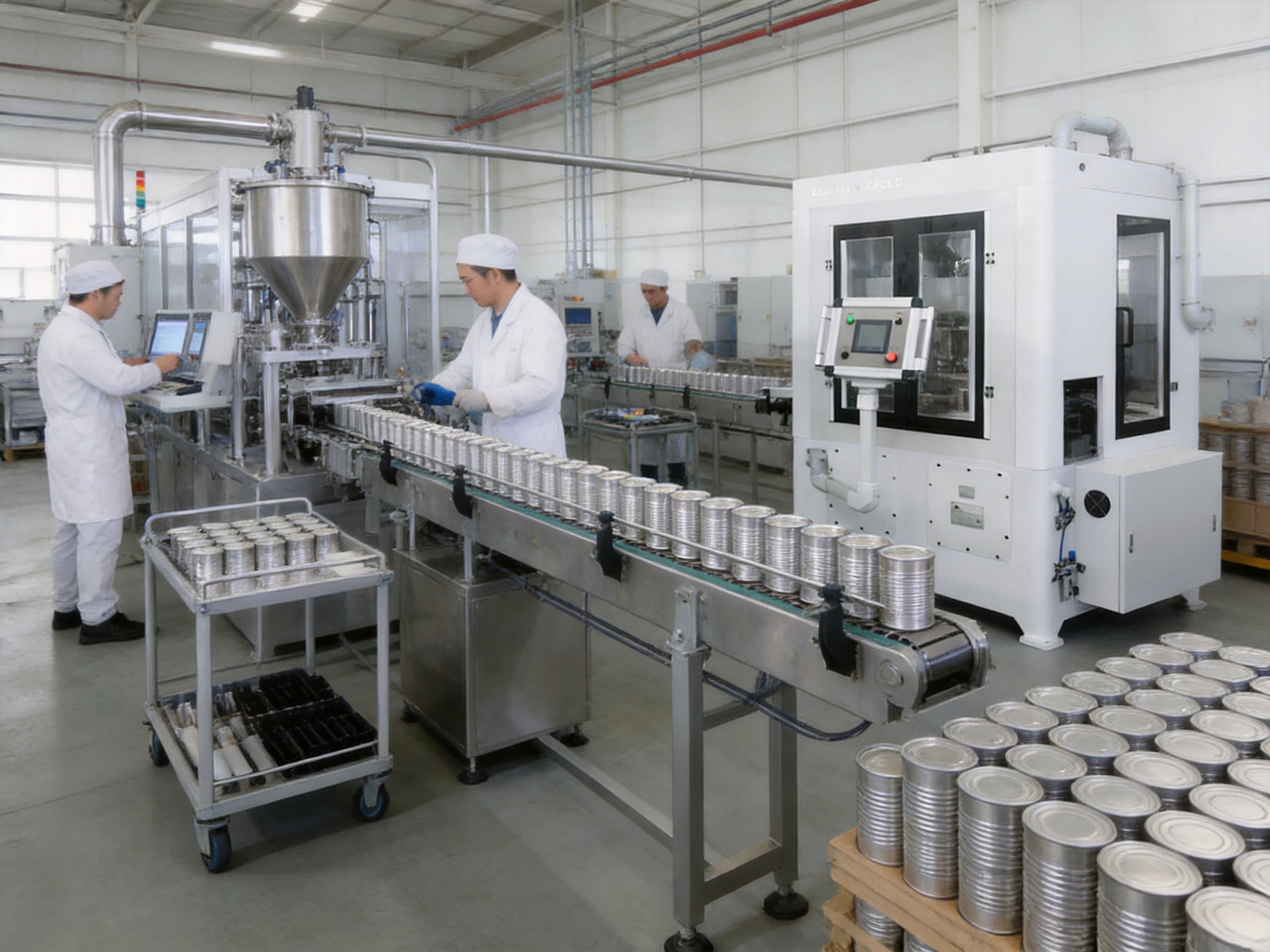
The manufacturer’s equipment has been exported to many countries across Europe, Asia, Africa, North America, South America, and Oceania. Reported markets include Germany, Italy, the United Kingdom, Spain, Hungary, Russia, Australia, Jordan, Malaysia, the Philippines, Pakistan, Egypt, Algeria, Turkey, Mexico, Nigeria, Iran, and others.
This international experience is important because machinery used in different regions must adapt to different factory conditions, production standards, customer expectations, and service requirements. A supplier with global experience is more likely to understand export documentation, installation communication, spare parts support, and international customer concerns.
For food can manufacturers considering equipment investment, global market recognition can provide confidence. A machine that has been accepted by many users in different countries has likely been tested under varied production environments.
The food packaging industry is competitive. Can manufacturers must deliver high-quality products quickly and at reasonable cost. They must also meet the requirements of food processors, distributors, and end consumers. Equipment selection directly affects their ability to compete.
The flanging and seaming high performance can making machine supports competitiveness by offering high-speed output, automatic operation, precision forming, and reliable construction. These characteristics help manufacturers increase capacity, reduce defects, and maintain consistent can quality.
Compared with less integrated or lower-speed equipment, the machine provides better support for modern production lines. Its combination of flanging and seaming reduces process fragmentation. Its eight-head design supports higher capacity. Its automatic operation improves consistency. Its common diameter range makes it useful for practical food can applications.
In addition, the manufacturer’s advanced machining facilities, experienced engineering team, broad product portfolio, and after-sales service strengthen the overall value of the machine. Customers are not only buying a piece of equipment; they are obtaining technical support from a long-established can making machinery manufacturer.
To obtain the best performance from the machine, users should pay attention to several operational factors. First, the can body material should meet the required specifications for thickness, coating, hardness, and dimensional consistency. Poor material quality can affect flanging and seaming results even when the machine is properly adjusted.
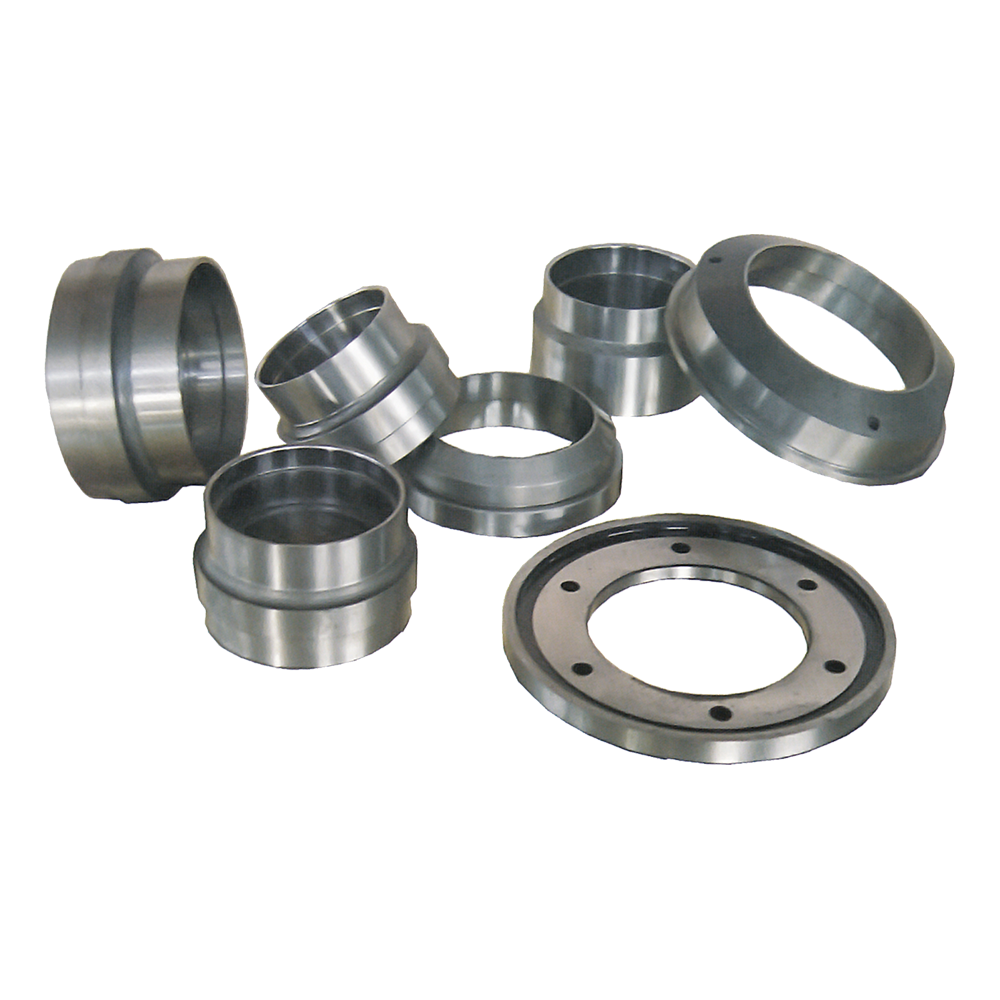
Second, tooling must be suitable for the can size and production requirement. Flanging and seaming tools should be installed and adjusted correctly. Worn or damaged tooling can reduce product quality and increase reject rates.
Third, regular maintenance is necessary. Lubrication, inspection, cleaning, fastening checks, and replacement of worn parts help maintain stable operation. High-speed machinery requires disciplined maintenance practices to prevent unexpected downtime.
Fourth, operators should receive proper training. Although the machine is automatic, operators must understand startup procedures, safety rules, adjustment methods, troubleshooting, and quality inspection points. Well-trained operators can identify problems early and maintain stable production.
Fifth, production line synchronization should be considered. The machine should be matched with upstream and downstream equipment capacity. Balanced line design prevents bottlenecks and supports continuous high-speed operation.
High-speed can making equipment must be operated with attention to safety. Moving parts, rotating heads, forming pressure, conveyors, and electrical systems all require proper safeguards and operator awareness. Automatic machinery can improve safety by reducing manual handling, but safe operation still depends on correct procedures.
Factories should establish safety rules for installation, operation, maintenance, and cleaning. Operators should avoid unauthorized adjustment while the machine is running. Maintenance personnel should follow lockout and shutdown procedures when working on mechanical or electrical components.
Production management should also include quality control routines. Regular checks of flange dimensions and seam quality help ensure that the machine continues to produce acceptable cans. Early detection of variation can prevent large batches of defective products.
After-sales service is a key part of machinery value. The manufacturer provides installation, commissioning, technical guidance, operation training, and spare parts support. These services help customers transition from equipment purchase to stable production.
Installation and commissioning ensure that the machine is correctly positioned, connected, adjusted, and tested. Technical guidance helps customers understand machine operation and maintenance. Operation training improves user confidence and reduces the risk of incorrect use.
Spare parts supply is also important. High-speed production cannot tolerate long downtime caused by unavailable parts. A supplier that can provide parts promptly helps customers maintain production continuity.
For customers purchasing from overseas, clear communication and reliable support are especially valuable. A machinery supplier with export experience can better assist customers through the full equipment lifecycle.
The machine is designed for automatic flanging and seaming of food can bodies. Flanging prepares the can edge, while seaming joins the can body with the end component to form a secure container structure.
The highlighted model is GT3B53-FS-5 with an eight-head configuration. It is a high-performance vertical automatic combination machine for food can production.
The machine supports can diameters from approximately 52 mm to 99 mm, making it suitable for many common food can and milk powder can formats.
The machine has an output capacity of approximately 200 to 550 cans per minute, depending on can specifications, production conditions, tooling, and line configuration.
Flanging forms the edge of the can body so that it can be properly seamed with the can end. A precise flange helps create a reliable seam and reduces the risk of leakage or structural defects.
Seaming creates the joint between the can body and the can end. In food packaging, seam quality is critical for product protection, shelf life, and safety.
The eight-head design supports higher speed, smoother workload distribution, and better production efficiency. It is suitable for manufacturers that require high-volume output and stable continuous operation.
Yes. The machine belongs to the milk powder can making machine category and is suitable for food can applications within its working size range. Milk powder cans require reliable flanging and seaming to protect the contents from moisture and contamination.
It improves cost efficiency through high-speed output, automatic operation, reduced manual handling, integrated flanging and seaming, and stable quality that can lower reject rates.
The manufacturer provides installation, commissioning, technical guidance, operation training, and spare parts supply. These services help customers maintain stable production and reduce downtime.
The flanging and seaming high performance can making machine for food can production is a valuable solution for manufacturers seeking speed, precision, automation, and reliability. With automatic operation, an eight-head configuration, a can diameter range of 52 to 99 mm, and a speed range of 200 to 550 cans per minute, it is designed for demanding food can and milk powder can production environments.
Its main advantage lies in combining two critical processes: flanging and seaming. By integrating these functions, the machine supports smoother production flow, better line efficiency, and consistent can quality. For food packaging, where seam reliability and container integrity are essential, this performance is highly important.
The value of the machine is strengthened by the manufacturer’s long experience, advanced CNC machining capability, broad product range, professional engineering team, quality management systems, environmental management standards, and global market experience. Zhejiang Golden Eagle Food Machinery Co., Ltd. has been engaged in can making machinery since 1978 and has developed a strong foundation in machinery and mold manufacturing.
For can manufacturers competing in modern food packaging markets, equipment choice affects productivity, quality, and long-term profitability. The GT3B53-FS-5 eight-head flanging and seaming machine offers a strong combination of high speed, practical size compatibility, stable automatic operation, and industrial durability. It is well suited for manufacturers that want to upgrade production capability and deliver reliable food cans to demanding customers.
1. Technical product data for vertical automatic combination can making machines, including GT3B53-FS-5 and related FS series specifications.
2. General principles of three-piece food can manufacturing, including cutting, welding, flanging, beading, necking, and seaming processes.
3. Industrial packaging machinery quality management practices based on ISO9001 quality management system principles.
4. Environmental management considerations in machinery manufacturing based on ISO14001 environmental management system principles.
5. Practical engineering knowledge of tinplate food can production, can body forming, flange preparation, and double seam quality control.
Related Products

Founded in 1978, the company is one of the largest can-making machinery well-known companies at home and abroad.
Product Categories
Contact Information
Zhongshatou Shenjiamen Zhoushan Zhejiang China
+86-580-3056646

 English
 中文简体
中文简体
 русский
 عربى
عربى
 Español