2026-06-25
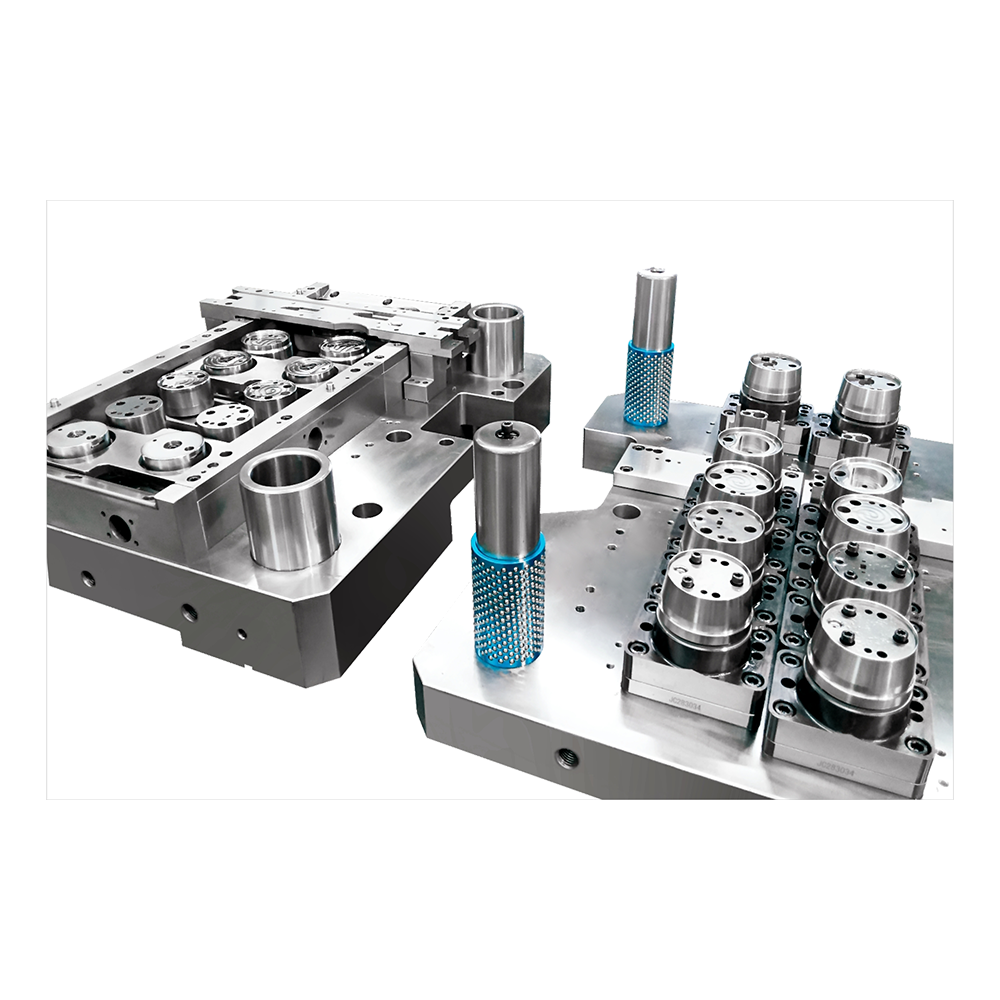
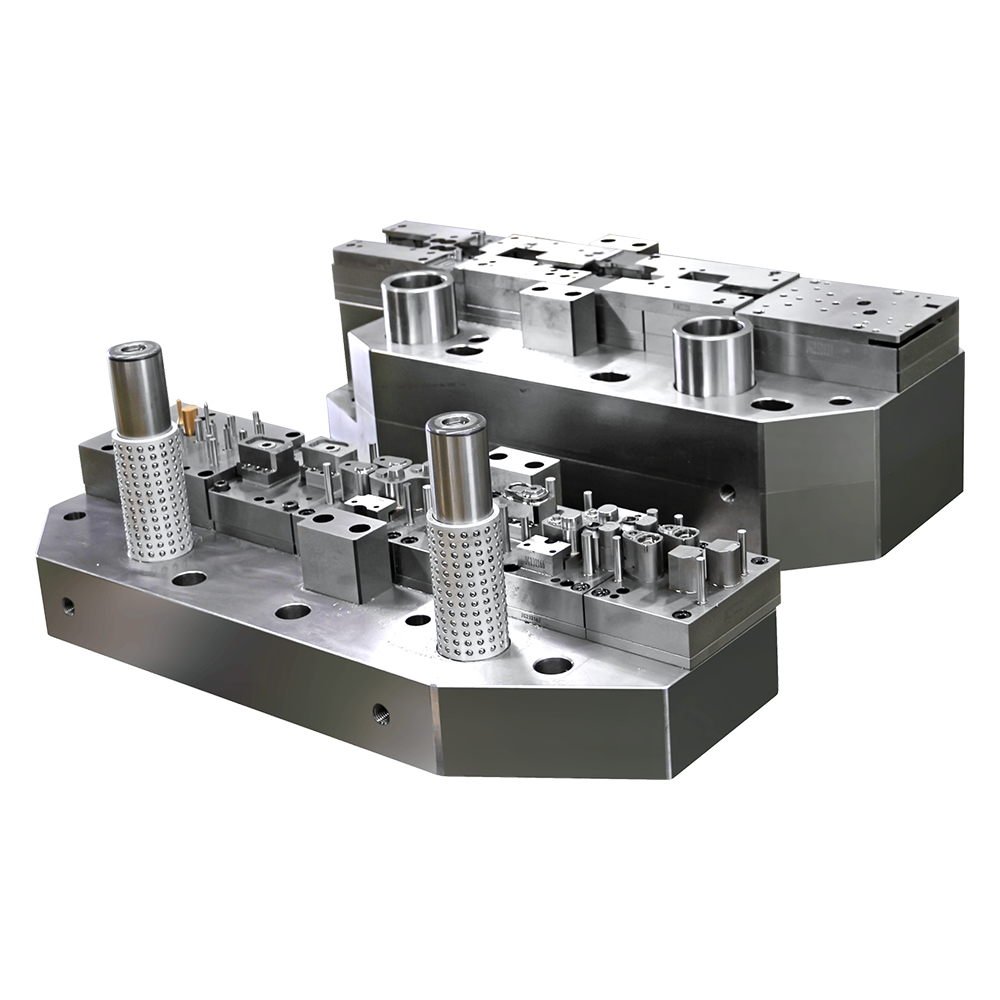
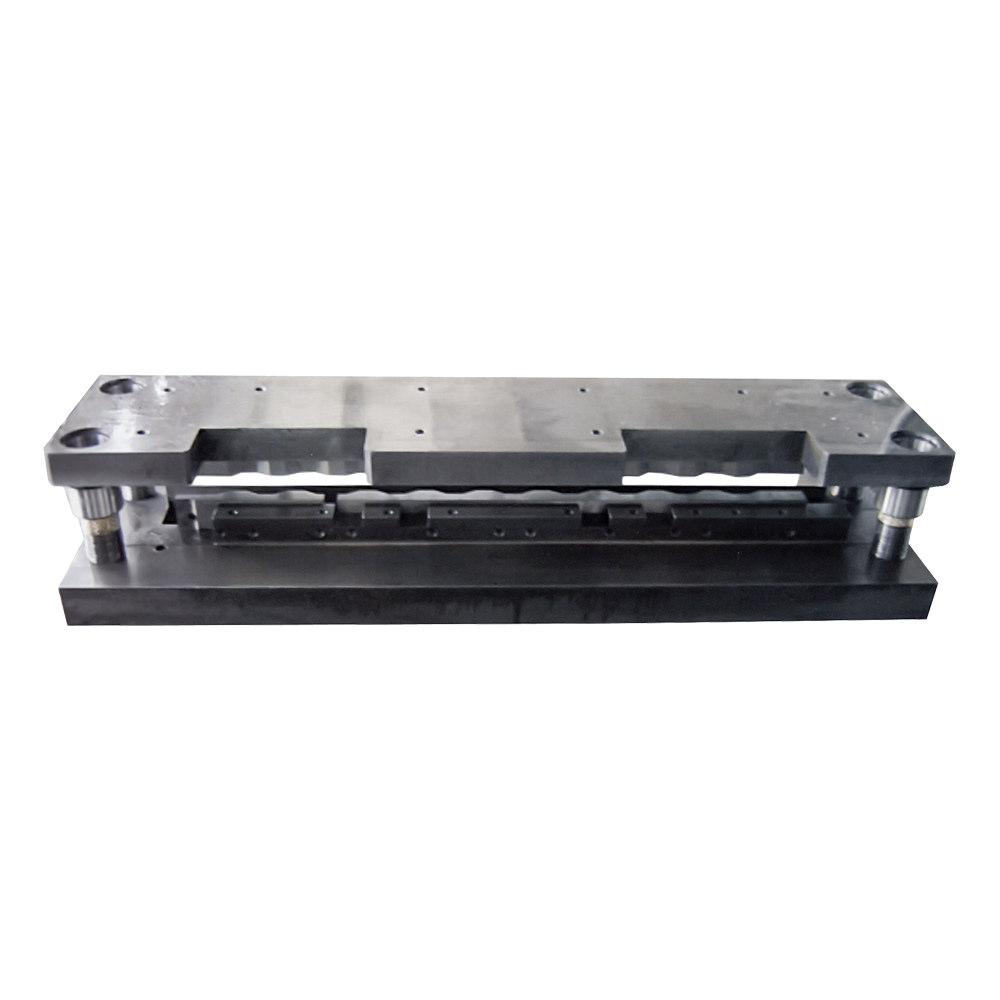
The Conversion Press Channel Die is a specialized mold solution designed for high-precision forming operations in tinplate can lid and end manufacturing. In modern can-making plants, the quality of each lid, channel, curl, bead, countersink, and sealing surface directly affects the performance of the finished container. For food cans, beverage cans, milk powder cans, aerosol cans, chemical tanks, and other metal packaging, lid accuracy is not simply a production detail; it is a foundation of safety, sealing reliability, shelf-life protection, and line efficiency.
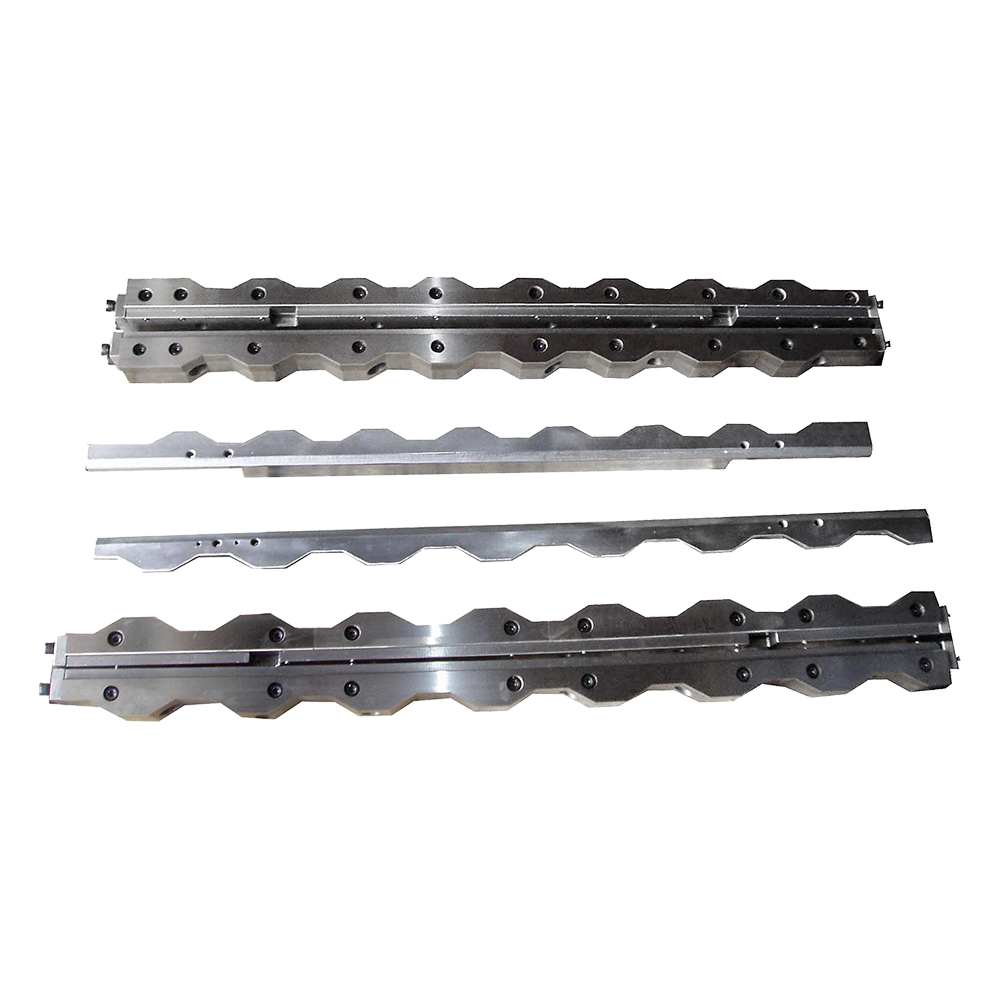
As a core mold component used in conversion press systems, the Conversion Press Channel Die supports the forming of consistent channel profiles on tin can lids and ends. It is engineered to withstand repeated high-speed press operation while maintaining dimensional accuracy, smooth forming transitions, and stable output quality. For manufacturers seeking reliable can making machine solutions, tin can making machinery production line upgrades, or tinplate can making machine tooling, this die offers a practical combination of durability, precision, and production adaptability.
In can end production, the conversion process often involves multiple forming and shaping steps. Each step must be aligned with strict tolerance requirements because even minor variation can lead to leakage, poor seaming, lid deformation, coating damage, or reduced compatibility with downstream equipment. The channel die is therefore a key interface between press force, tinplate material, end design, and final package performance.
Developed for professional can-making environments, this product reflects decades of industrial experience in can-making machinery and can-making molds. Its value lies not only in the die itself, but also in the manufacturing knowledge behind it: precision machining, material selection, heat treatment, surface finishing, testing, and process optimization. These strengths help users achieve stable operation, lower maintenance frequency, better finished-product consistency, and stronger competitiveness in metal packaging production.
The Conversion Press Channel Die is a mold used in a conversion press to form the channel area of a metal can lid or end. In lid-making terminology, the channel is an important structural area that contributes to the geometry, stiffness, and sealing function of the end. It must be formed accurately so that the lid can cooperate with the can body during seaming, withstand internal or external pressure, and maintain a reliable closure after filling, sterilization, transportation, and storage.
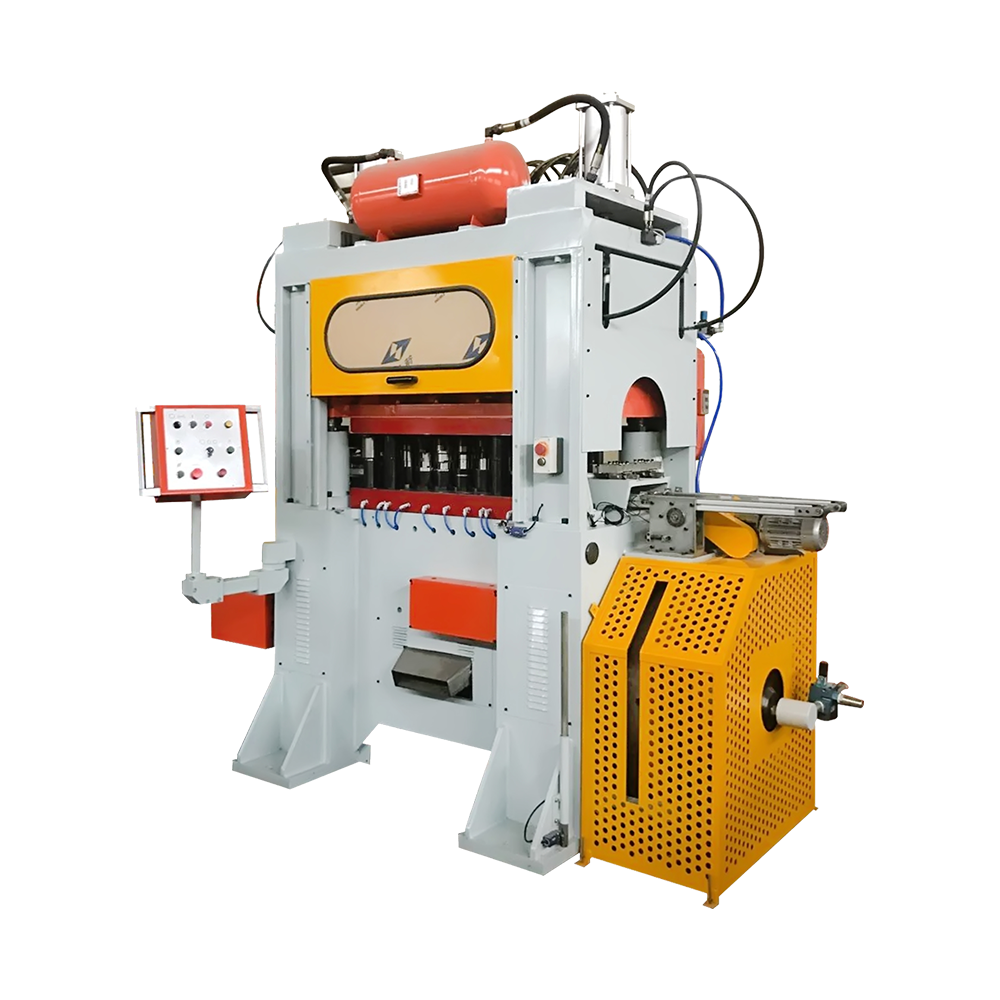
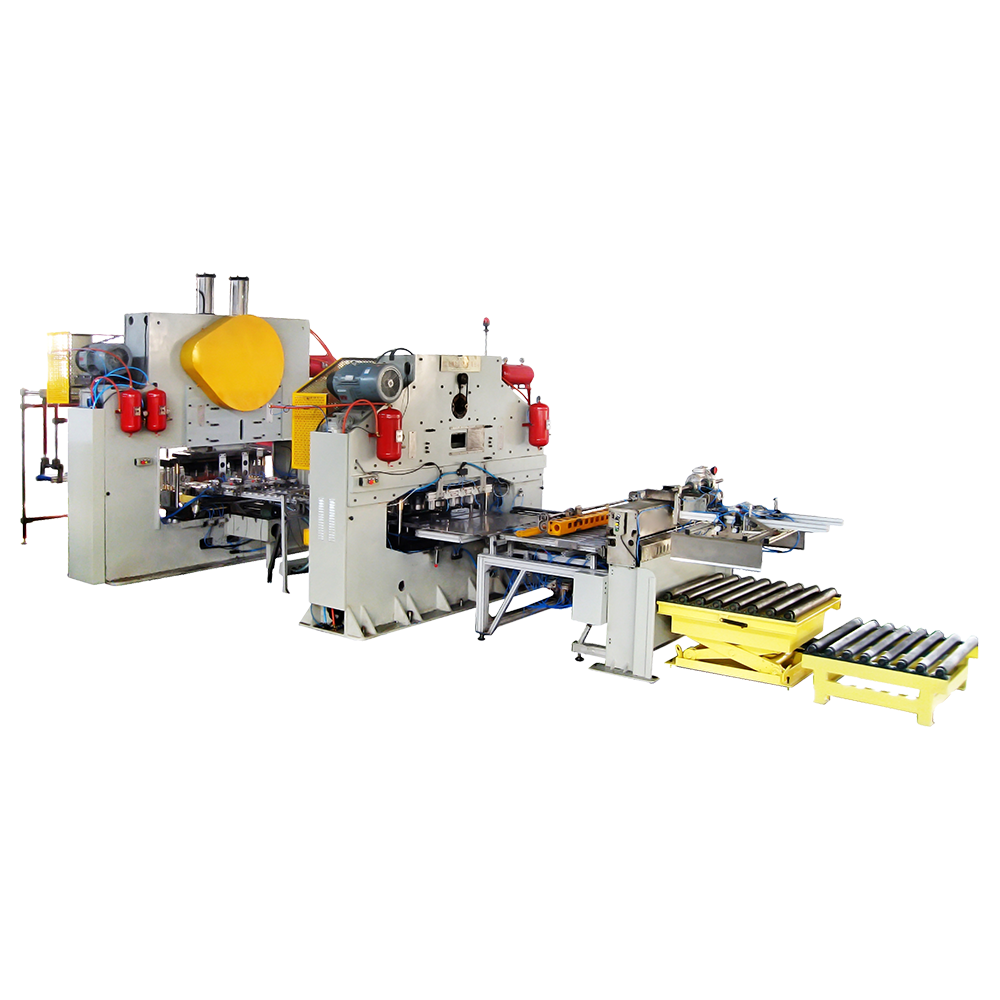
This die is typically applied in tin can lid end making machines, EOE lids making machines, food and beverage can making lines, aerosol can making lines, and other metal packaging production systems where lid geometry is critical. It is suitable for manufacturers producing various can ends for food products, powdered milk, beverages, chemicals, aerosols, and related industrial packaging.
Unlike ordinary tooling that may only meet basic forming requirements, a professional channel die is engineered to support high repeatability across long production runs. It must manage material flow smoothly, avoid sharp stress concentration, protect lacquer or coating surfaces, and reduce the risk of metal cracking or wrinkles. It must also fit accurately within the press structure and cooperate with surrounding tools, pilots, strippers, and feeding systems.
The Conversion Press Channel Die is not an isolated accessory; it is part of an integrated production philosophy. It supports can lid quality, press stability, and manufacturing efficiency. When installed in a well-designed tinplate can making machinery production line, it can contribute to improved line balance, reduced scrap, and higher confidence in product conformity.
In the metal packaging industry, can lids and ends are exposed to demanding requirements. Food cans may undergo high-temperature sterilization. Beverage cans must withstand pressure and preserve freshness. Milk powder cans require excellent sealing to protect contents from moisture and contamination. Aerosol components must resist pressure and maintain structural integrity. Chemical tanks and other industrial containers require reliable closure performance under handling and storage stresses.
Because of these conditions, the lid channel cannot be poorly formed. If the channel depth, radius, angle, or surface condition is inconsistent, the finished can may suffer from sealing issues, deformation, or rejection during inspection. A defective channel may also cause difficulty during double seaming, leading to seam defects such as droop, false seam, sharp seam, insufficient overlap, or uneven tightness.
High-quality channel dies help solve these problems by forming the lid geometry with controlled pressure and stable dimensions. They also support smoother production flow because fewer defective lids are produced, fewer press adjustments are needed, and downstream equipment can operate with fewer interruptions. For companies operating high-volume can making machine systems, these improvements can significantly affect total production cost.
In competitive markets, even small improvements in scrap reduction and uptime can provide measurable advantages. A die that maintains accuracy over a longer service life reduces replacement frequency and stabilizes inventory planning. A die that forms material smoothly helps protect tinplate coating, reducing quality complaints. A die that is easier to install and align shortens maintenance downtime. For these reasons, professional mold design is a strategic investment rather than a simple spare part purchase.
The Conversion Press Channel Die is designed for precision forming. Accurate machining helps maintain the intended channel profile, enabling lids to meet strict dimensional requirements. Stable dimensions support better compatibility with double seaming machinery, end stacking systems, automatic feeding machines, and inspection devices. In high-speed can lid production, dimensional consistency is one of the strongest indicators of tooling quality.
Precision is achieved through careful design interpretation, machining control, and inspection. Every critical surface must be produced with attention to radius continuity, flatness, concentricity, and transition smoothness. This level of precision is particularly valuable for customers who produce lids for food, beverage, aerosol, and powdered product containers where sealing reliability is essential.
During production, a channel die is repeatedly exposed to press force, friction, and contact with coated tinplate or other metal sheets. A durable die must resist wear while preserving the accuracy of the forming profile. Superior wear resistance helps extend tool life and reduce the need for frequent reworking or replacement.
A well-made die also helps maintain stable production quality over time. When tooling wears quickly, the formed channel gradually changes shape, and production teams must compensate with adjustments or accept increased scrap. With a wear-resistant channel die, operators can run longer campaigns with greater confidence and fewer interruptions.
Smooth forming is essential for protecting material integrity. The die geometry must guide metal flow without causing excessive thinning, cracking, wrinkling, or coating damage. This is especially important for tinplate and coated steel materials used in food and beverage packaging, where surface defects can lead to corrosion risks or appearance problems.
The Conversion Press Channel Die is engineered to achieve controlled forming transitions. Carefully finished surfaces and optimized radii reduce friction and support stable material movement. This contributes to cleaner lid appearance, fewer rejected ends, and improved downstream sealing results.
Metal can manufacturers may operate different types of can making machinery production lines, including food can production lines, beverage can production lines, can lid production lines, aerosol canister production lines, chemical tank production lines, two-piece can production lines, and pop can production lines. A practical die solution must be adaptable to the technical needs of these systems.
The Conversion Press Channel Die can be designed or configured according to the specifications of the user’s press, lid diameter, material thickness, production speed, and end design. This flexibility is valuable for OEM and ODM production needs, where packaging dimensions and performance standards may vary from market to market.
A reliable die reduces unscheduled stops. When tooling is manufactured accurately and installed correctly, operators spend less time correcting forming defects, replacing worn parts, or troubleshooting press performance. This improves line utilization and helps factories meet delivery schedules.
For high-volume production plants, downtime is expensive. It affects output, labor planning, energy efficiency, and customer delivery reliability. A robust channel die supports smoother daily operation and contributes to better overall equipment effectiveness.
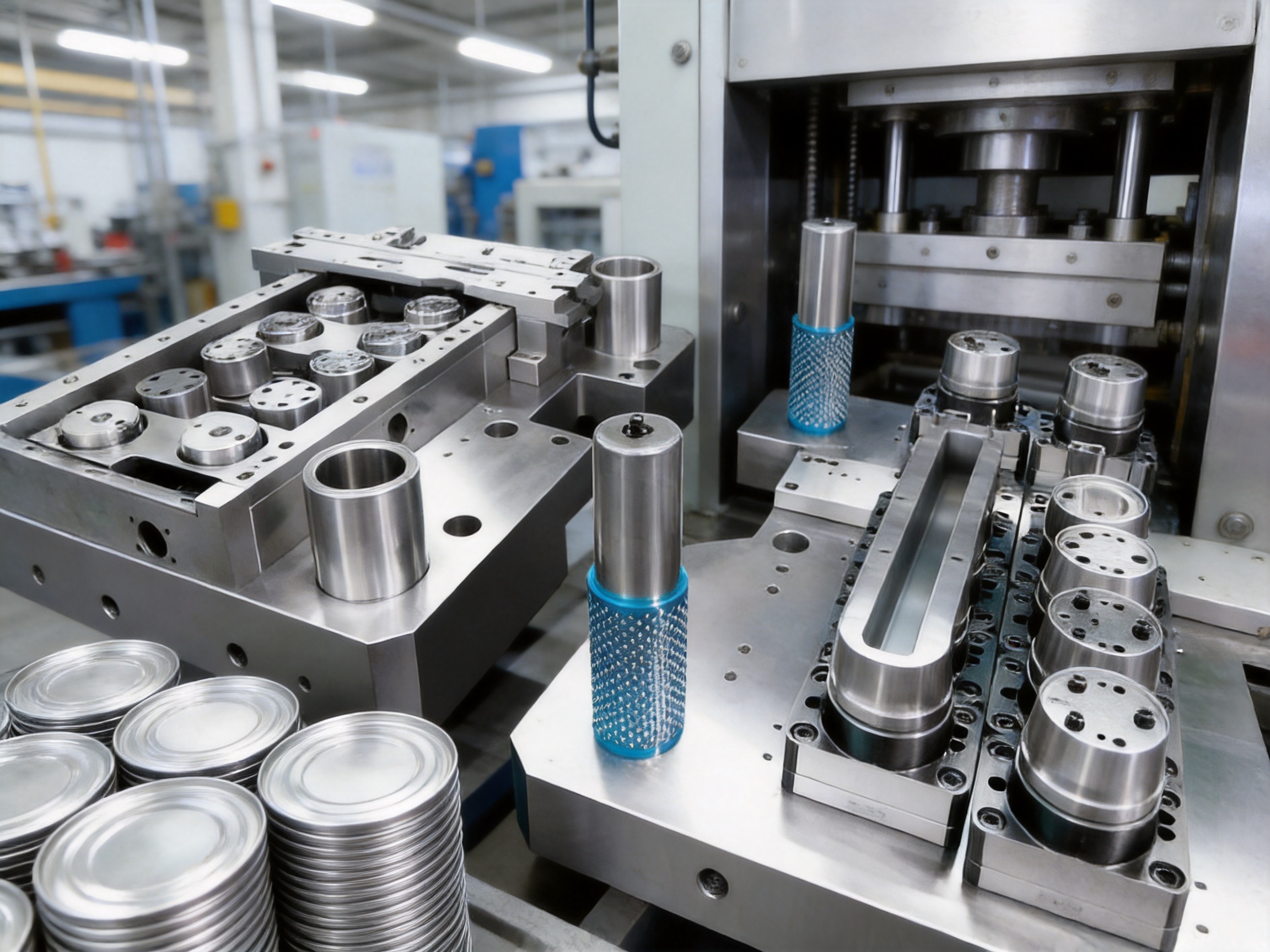
Many factories have experienced issues with low-cost or poorly engineered tooling. Such tooling may appear acceptable during initial installation, but it can create hidden costs over time. Frequent adjustment, unstable channel dimensions, fast wear, coating scratches, and short service life can all reduce the apparent savings of cheaper molds.
The Conversion Press Channel Die is positioned as a professional mold solution for manufacturers who value long-term production stability. Its competitive advantage comes from precision manufacturing, practical can-making experience, and the ability to support complete production line performance rather than only isolated tooling function.
| Evaluation Item | Professional Conversion Press Channel Die | Typical Low-Grade Tooling |
|---|---|---|
| Dimensional Accuracy | Designed for consistent channel depth, profile, and forming transition | May show variation after short production periods |
| Surface Finish | Smooth finishing helps protect coating and reduce friction | Rougher surfaces may scratch tinplate or increase forming defects |
| Wear Resistance | Material and heat treatment are selected for long production life | Faster wear can lead to dimensional drift and frequent replacement |
| Production Stability | Supports high-speed continuous operation with fewer adjustments | May require frequent operator intervention |
| Line Compatibility | Can be matched with specific press and lid production requirements | Often limited to basic specifications |
| Total Cost of Ownership | Lower long-term cost through reduced scrap and downtime | Lower initial cost but potentially higher operating cost |
The difference is not only a matter of materials or machining. It is also a matter of engineering understanding. A die used in can lid production must be designed with knowledge of metal flow, press motion, lid design, coating protection, and downstream seaming requirements. A tooling supplier without deep can-making experience may overlook details that become serious production problems after installation.
The performance of a channel die depends heavily on how it is manufactured. Precision tooling cannot be produced by rough machining alone. It requires a controlled process from design confirmation to final inspection. Each stage affects the next, and any weakness can reduce die life or forming accuracy.
The manufacturing process begins with understanding the customer’s production requirements. Important factors include lid size, tinplate thickness, coating type, forming depth, press model, operating speed, and final package application. Engineers evaluate these factors to confirm the die geometry and technical parameters.
Design review is essential because the channel die must work with other press components. The relationship between upper and lower tooling, blank holding, stripping, feeding accuracy, and press timing must be considered. Proper design reduces installation problems and helps operators achieve stable production faster.
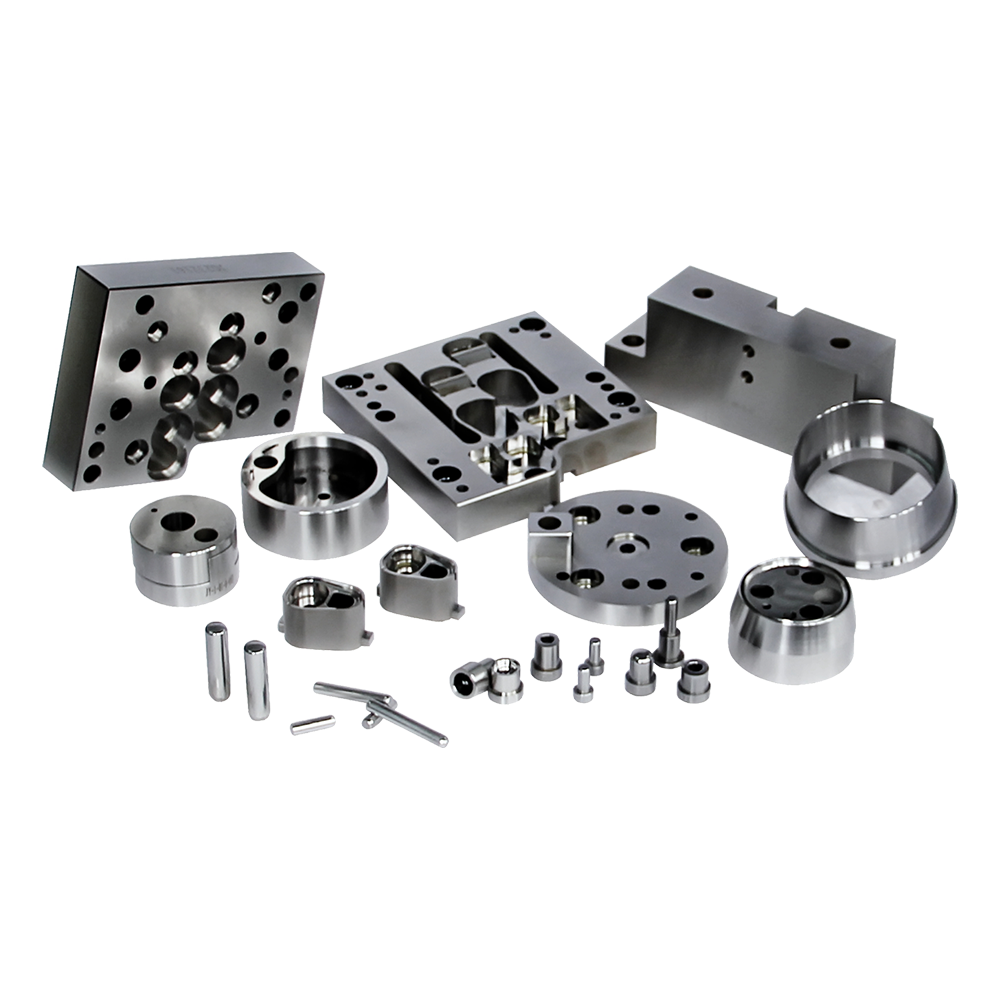
High-precision CNC machining is used to create critical forming surfaces and mounting features. CNC machining supports repeatability, accuracy, and complex profile control. For can-making molds, the precision of machining directly affects the consistency of lid forming.
Accurate CNC equipment helps ensure that the die profile follows the intended design. It also supports tight control of concentricity, flatness, parallelism, and surface geometry. This is particularly important for channel dies because small deviations may cause uneven forming, eccentric lid geometry, or inconsistent seaming performance.
Tool steel and other mold materials must be processed for strength and wear resistance. Heat treatment improves hardness and durability, but it must be controlled carefully to avoid deformation, cracking, or internal stress. A professional manufacturing process considers both hardness and toughness to produce a die that can withstand repeated press operation.
Material stabilization is also important. If the die changes shape after machining or during use, production accuracy will decline. Controlled thermal processing and finishing procedures help maintain long-term dimensional stability.
After rough and semi-finish machining, precision grinding and finishing create the final surface condition. Smooth surfaces reduce friction between the die and tinplate. They also help protect lacquered or coated surfaces from scratching and scuffing. In food and beverage can production, this protection is especially valuable because surface damage can affect corrosion resistance.
Finishing is not merely cosmetic. A properly finished die promotes smoother metal flow and more consistent forming. It can reduce the risk of micro-cracking, material dragging, and uneven pressure distribution. This is one reason why high-quality molds often outperform cheaper alternatives during long production runs.
Inspection confirms whether the die meets design requirements. Critical dimensions, forming surfaces, mounting points, and alignment references must be checked before delivery. Quality control reduces the risk of installation difficulty and production defects.
A strong inspection system supports consistent manufacturing results. It also gives customers confidence that each die is produced according to practical can-making standards. For can manufacturers running multiple production lines, consistent tooling quality simplifies maintenance planning and production management.
Zhejiang Golden Eagle Food Machinery Co., Ltd. has a long history in can-making machinery and can-making molds. Established in 1978 and formerly known as Zhejiang Food Machinery Factory and Zhoushan Mold Factory, the company has accumulated extensive experience in metal packaging equipment and mold manufacturing. Its location in Zhoushan, Zhejiang, China, supports access to industrial resources, skilled labor, and export logistics.
The company has developed a broad product portfolio that includes food can production lines, beverage can production lines, can lid production lines, chemical tank production lines, aerosol canister production lines, two-piece can production lines, pop can production lines, cutting machine duplex slitters, automatic feeding machines, tin can auto-welding machines, and various can-making molds. This wide product range gives the company a systems-level understanding of how each tooling component affects complete production line performance.
One of the company’s major strengths is its experienced team. With more than 350 well-trained personnel and professional engineering staff, it can support design, development, machining, assembly, testing, installation, commissioning, technical guidance, operator training, and spare parts supply. This full-service capability is important for customers who need more than a product; they need a dependable technical partner.
The company uses advanced manufacturing equipment, including CNC high-precision machining equipment and complete mechanical machining facilities. Its product design approach draws on principles similar to internationally recognized can-making equipment traditions, while also incorporating decades of practical production experience. This combination of technical reference, local innovation, and field feedback helps improve product reliability and suitability for real factory conditions.
The company has produced more than 10,000 pieces of can and can lid equipment, serving many can manufacturers and canning factories. Its products have been exported to numerous regions, including Europe, Asia, Africa, North America, South America, and Oceania. Export experience helps the company understand diverse production standards, packaging formats, operating habits, and customer expectations.
Quality and environmental management are also part of the company’s strength. Certification to ISO9001 quality management and ISO14001 environmental management reflects structured internal systems. For tooling customers, this means production is supported by documented quality processes rather than informal workshop methods.
The Conversion Press Channel Die can be used across a wide range of can lid and end manufacturing applications. Its exact configuration depends on the customer’s lid design and production line requirements, but the product is relevant to several major packaging sectors.
Food cans require dependable sealing performance because they often undergo sterilization and long-term storage. The lid channel must help the end resist deformation and maintain compatibility with double seaming operations. A precise channel die supports stable lid geometry, reducing the risk of leakage and quality rejection.
In food can production lines, consistency is especially important because customers often produce large volumes of identical containers. A die that maintains accuracy over long runs improves production planning and reduces the burden on inspection teams.
Beverage packaging requires clean forming, attractive appearance, and reliable pressure performance. Although beverage can structures vary, forming accuracy remains critical for end performance and customer satisfaction. High-quality tooling helps ensure that each lid meets the required functional and visual standards.
For beverage can making machine systems, production speed can be demanding. Tooling must therefore combine strength, accuracy, and low-friction forming behavior. A well-made channel die supports higher productivity while reducing the risk of press stoppage.
Milk powder cans must protect sensitive contents from moisture, oxygen, and contamination. Lid and end quality directly contributes to product protection. The channel area must be formed with precision to support sealing integrity and package reliability.
Because milk powder packaging often targets high-quality consumer markets, appearance and consistency also matter. Smooth die surfaces and accurate forming help produce clean, professional-looking lids that support brand confidence for the final packer.
Easy-open ends require accurate forming because they include additional functional features such as score lines, rivets, tabs, and opening panels. The channel die must support the structural requirements of the end without interfering with other functional zones. A precise conversion die helps maintain the overall geometry needed for reliable opening and sealing performance.
EOE lids making machines are often part of highly coordinated production systems. Tooling accuracy helps maintain the balance between forming, scoring, riveting, and inspection operations.
Aerosol packaging must withstand internal pressure and meet strict safety expectations. Cones, domes, and related components require accurate shaping and strong material integrity. Tooling used in aerosol can making machine systems must avoid defects that could compromise pressure resistance.
The principles behind a high-quality channel die—controlled forming, smooth surfaces, durable materials, and stable dimensions—are highly relevant to aerosol component production. Reliable molds contribute to safer and more consistent finished containers.
Chemical tanks and industrial containers often demand robust construction and secure closures. Their lids and ends may experience rough handling, storage pressure, and exposure to aggressive materials. Accurate forming helps maintain package strength and compatibility with sealing operations.
For chemical tank making machine systems, durable tooling reduces interruptions and supports efficient production of heavy-duty metal packaging components.
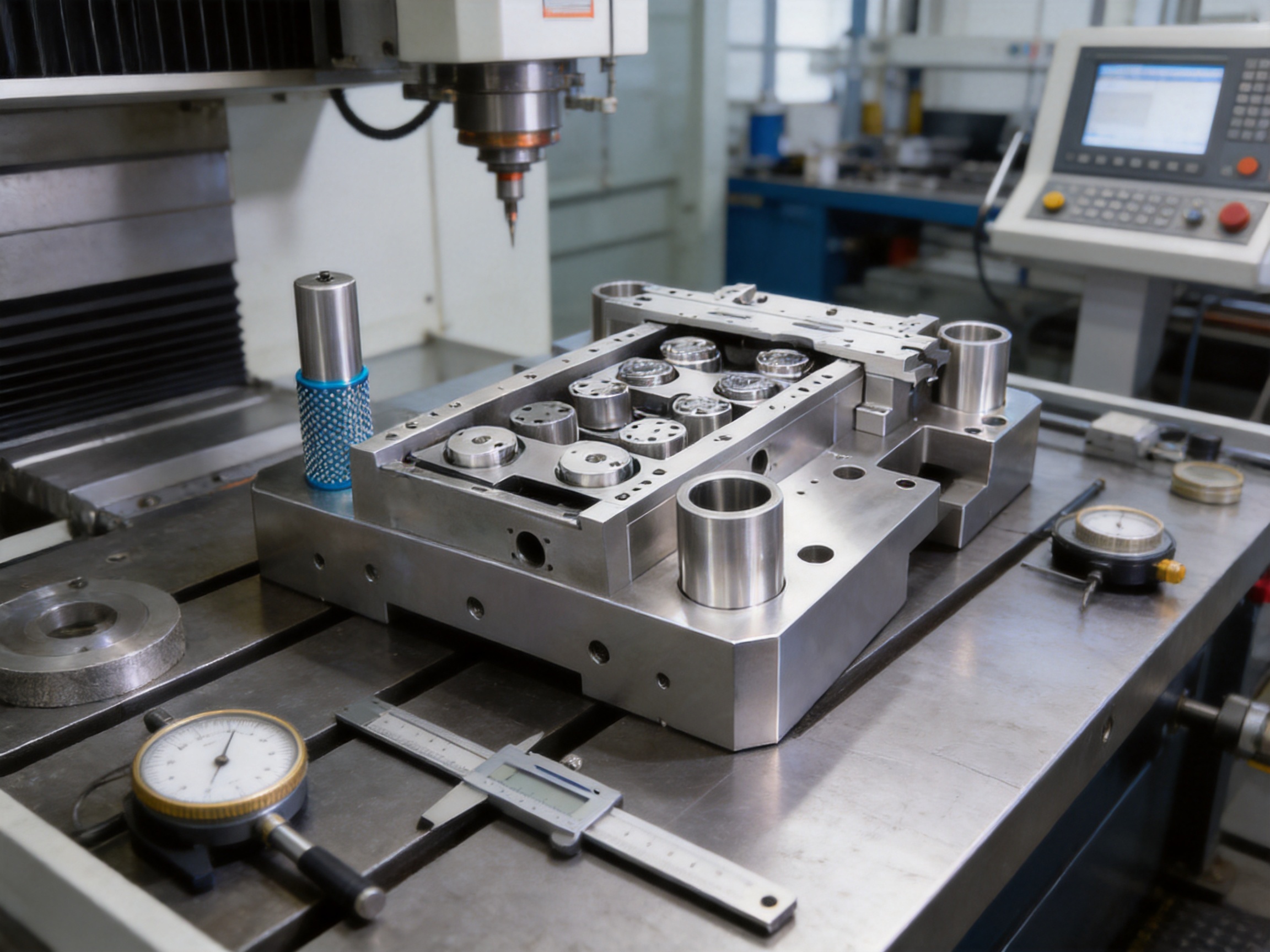
Production efficiency in can lid manufacturing is influenced by many factors: press speed, feeding accuracy, material quality, operator skill, maintenance practices, and tooling performance. Among these, tooling has a direct and continuous effect on every part produced. A stable channel die can improve efficiency in several ways.
First, it reduces scrap. When the channel is formed correctly, fewer lids are rejected due to wrinkles, cracks, scratches, uneven depth, or dimensional deviation. Scrap reduction saves material cost, labor cost, inspection time, and recycling effort.
Second, it reduces adjustment time. Operators often spend significant time fine-tuning presses when tooling is unstable or poorly matched. A precision die with correct geometry can shorten setup time and make production changeovers more predictable.
Third, it improves downstream performance. Lids with consistent geometry feed more smoothly, stack more evenly, and seam more reliably. This reduces disruptions in later processes and improves the total efficiency of the can making machinery production line.
Fourth, it extends maintenance intervals. Durable tooling with good wear resistance can operate longer before requiring regrinding, polishing, repair, or replacement. Maintenance teams can plan service work more effectively instead of reacting to unexpected failures.
Fifth, it improves quality confidence. When production teams trust their tooling, they can operate at appropriate speeds without constant concern about hidden defects. This confidence contributes to stable output and better delivery performance.
Can lid designs vary widely by industry, region, and customer specification. Therefore, channel dies often need to be customized or adjusted to match specific requirements. Important design considerations include material thickness, tinplate hardness, coating type, lid diameter, forming depth, press capacity, production speed, and final seaming conditions.
For example, a lid used for a high-pressure package may require different structural reinforcement than a lid used for a dry powder container. A food can lid designed for sterilization may need different forming characteristics than a decorative industrial container lid. The channel die must reflect these differences.
The company’s experience across multiple production line types helps it address such variations. Because it manufactures can-making equipment as well as molds, it can evaluate tooling requirements in relation to the complete system. This is a key advantage over suppliers that only manufacture simple mold components without understanding full-line operation.
Customization can also include mounting dimensions, die material, surface treatment, hardness requirements, and compatibility with existing presses. By aligning the die with the user’s actual equipment, the final product can support smoother installation and more stable production.
Material selection is central to die performance. A channel die must be hard enough to resist wear, tough enough to withstand impact and repeated loading, and stable enough to maintain precision after machining and heat treatment. The correct choice depends on production volume, tinplate properties, forming severity, and maintenance expectations.
High-quality die materials help reduce premature wear and surface damage. They also support better polishing and finishing results, which are important for smooth material flow. However, material alone is not enough. Even premium steel can fail if heat treatment is improper, machining is inaccurate, or die geometry is poorly designed.
Long-term reliability comes from the combination of material, process, design, and inspection. The Conversion Press Channel Die is valuable because it is developed within a complete manufacturing environment where these factors are coordinated. This integrated approach helps customers avoid the common problem of tooling that looks correct at delivery but performs poorly in continuous production.
Many tinplate can lids are coated or lacquered to protect the metal and preserve product quality. During forming, the coating may be exposed to pressure and friction. If the die surface is rough, contaminated, or incorrectly shaped, it can scratch or damage the coating. Such defects may not always be visible immediately, but they can lead to corrosion or customer complaints later.
A smooth, accurately finished channel die reduces the risk of coating damage. Proper radii and polished contact surfaces allow the material to move more naturally during forming. This is especially important in food and beverage packaging, where internal coating integrity can affect product safety and shelf life.
Surface quality also affects production cleanliness. Smooth tooling is easier to clean and less likely to accumulate metal particles or coating debris. This helps maintain consistent forming conditions and reduces the risk of repeated defects.
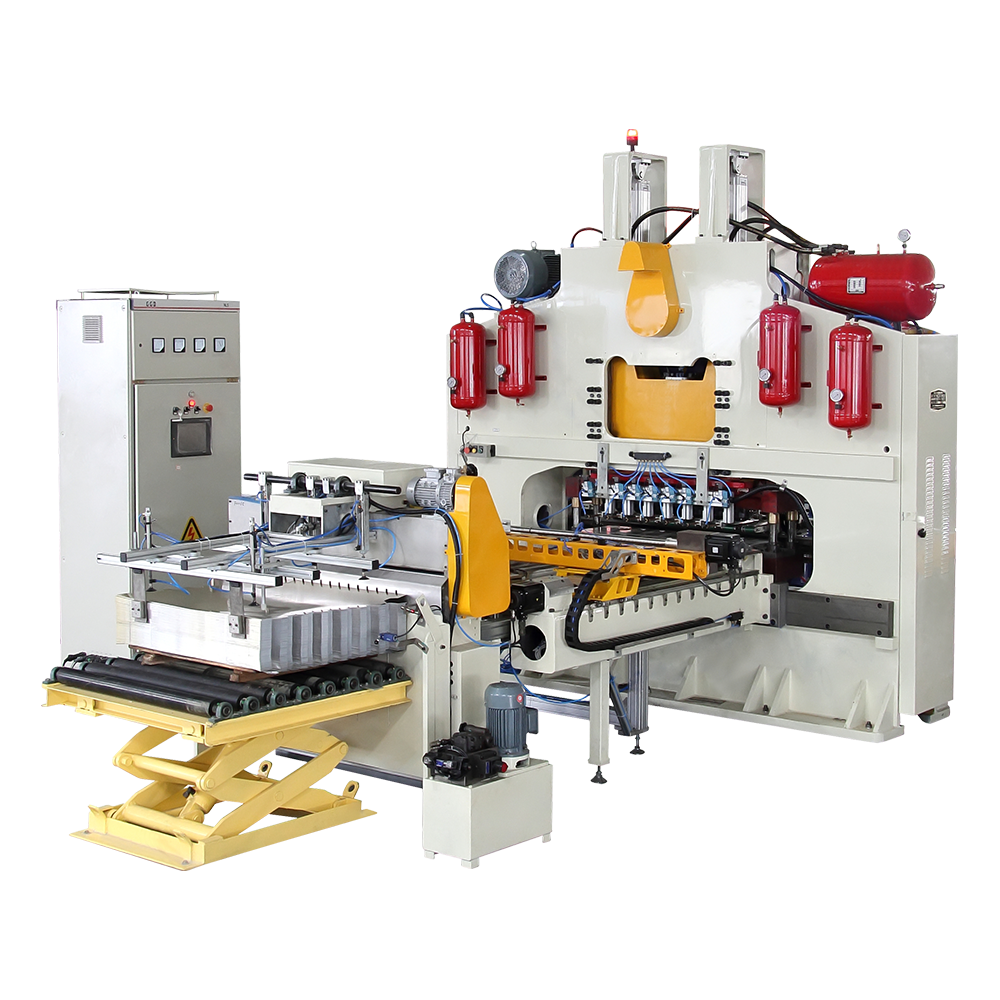
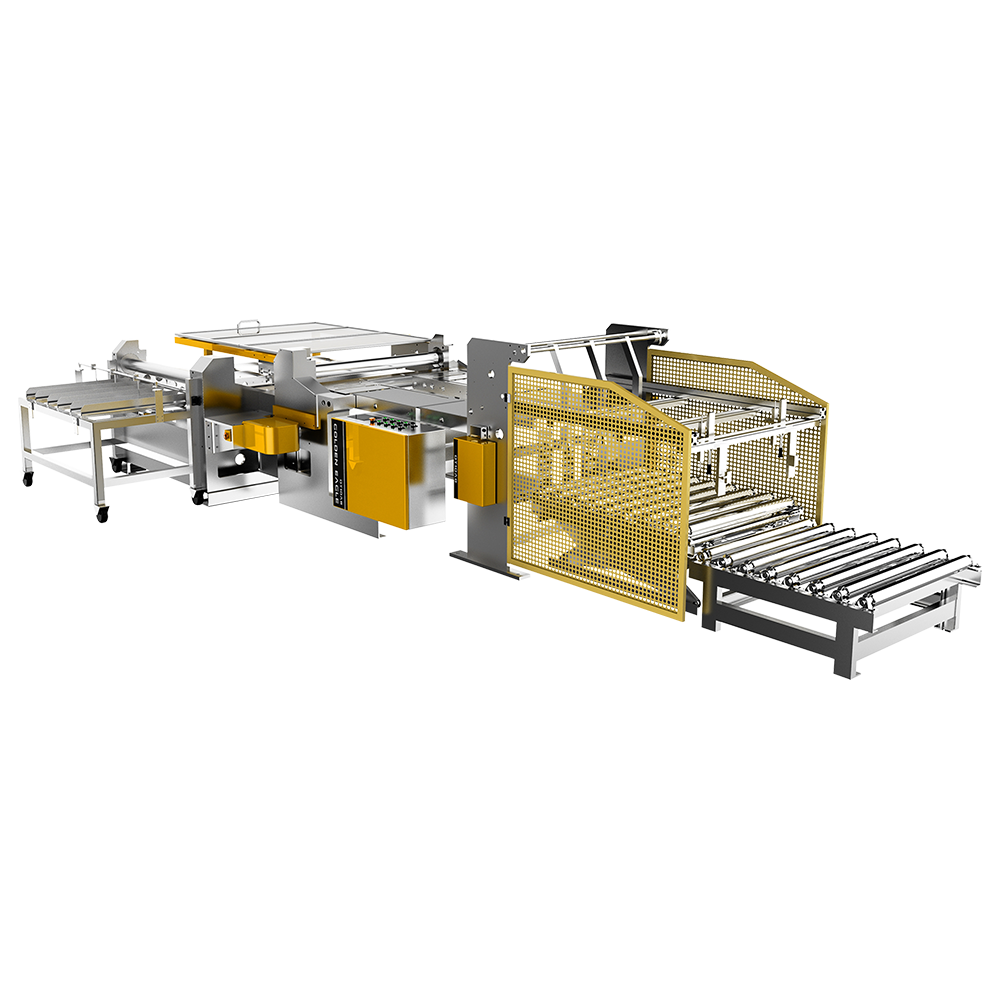
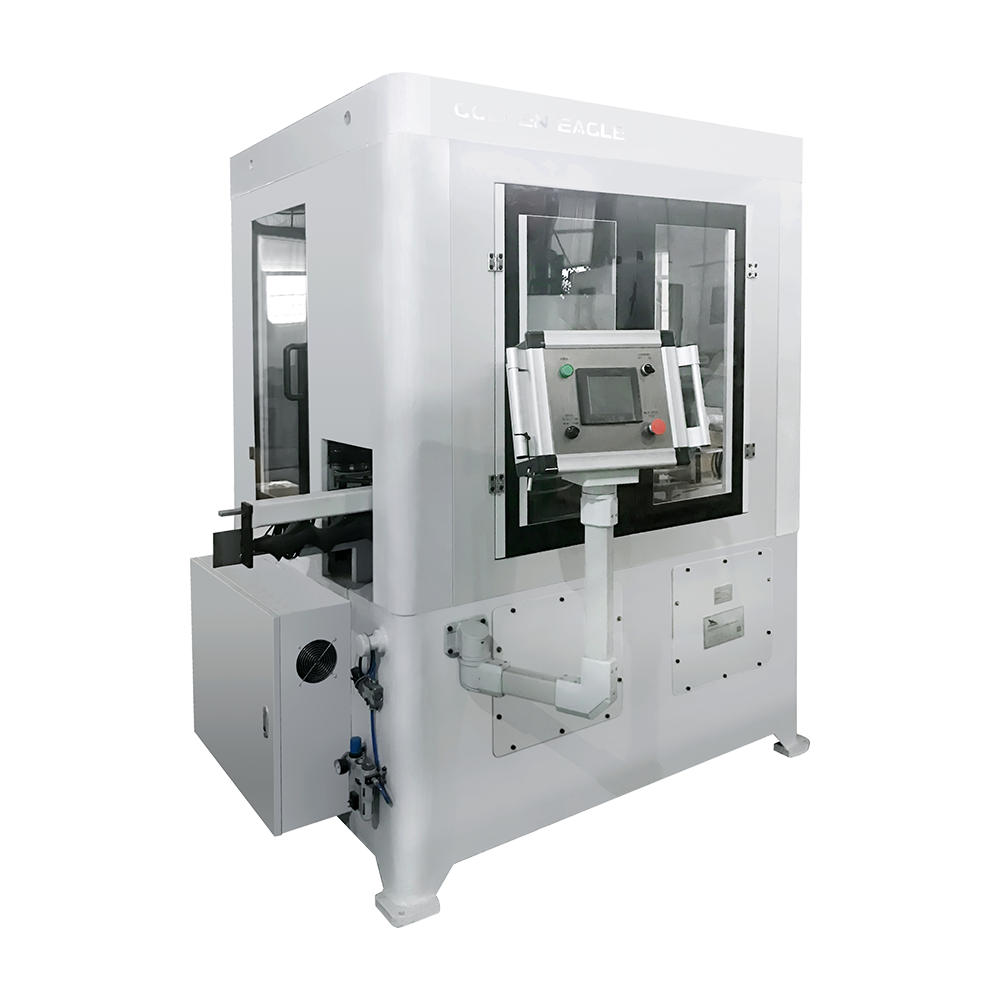
The Conversion Press Channel Die is part of a larger ecosystem of can manufacturing equipment. The company supplies food can production lines, beverage can production lines, tin can lid end making machines, cutting machine duplex slitters, milk powder can making machines, EOE lids making machines, tin can auto-welding machines, aerosol cone and dome making equipment, chemical tank making machines, automatic feeding machines, aerosol can making machines, two-piece can making machines, and molds.
This broad capability provides a significant advantage. When a tooling supplier also understands upstream slitting, feeding, welding, forming, lid production, and downstream handling, it can design molds that better match real production conditions. The result is not only a better die, but a better production relationship between machine, material, operator, and finished can.
For customers planning a new tin can making machinery production line or upgrading an existing tinplate can making machine, integrated technical support is valuable. Tooling decisions can be coordinated with machine specifications, expected output, and product design. This reduces the risk of mismatch and helps shorten the path from installation to stable production.
Quality management is essential in mold manufacturing because small defects can multiply into large production losses. A single poorly made die can affect thousands or millions of lids. Therefore, customers need confidence that tooling is produced under controlled conditions.
The company’s ISO9001 quality management certification indicates a structured approach to quality control. This includes attention to process consistency, documentation, inspection, and continuous improvement. ISO14001 environmental management certification also reflects responsible operational practices.
For international customers, certifications and export experience are important. They show that the manufacturer can work with different market expectations and support customers beyond domestic production. The company’s export record across Europe, Asia, Africa, North America, South America, and Oceania demonstrates broad acceptance of its can-making machinery and molds.
A mold product is most valuable when supported by practical technical service. Installation, commissioning, technical guidance, operation training, and spare parts support can greatly affect customer success. Even a high-quality die must be installed and maintained correctly to achieve best performance.
The company provides after-sales support that includes installation assistance, commissioning, technical guidance, operator training, and parts supply. This service approach helps customers solve practical issues and improve production skills. It is particularly helpful for factories adopting new can making machinery production lines or producing new lid specifications.
Technical support also helps customers optimize die life. Proper lubrication, cleaning, alignment, press setting, material control, and inspection routines can extend service life and maintain forming accuracy. A knowledgeable supplier can guide users in these areas, reducing avoidable wear and production defects.
To obtain the best performance from a Conversion Press Channel Die, users should follow disciplined operating practices. Before installation, the press and mounting surfaces should be cleaned and inspected. The die should be installed according to alignment requirements, and press settings should be verified carefully. Any mismatch between die, press, and material should be corrected before high-speed operation begins.
During production, operators should monitor formed lids for channel depth, surface condition, concentricity, wrinkles, cracks, and coating damage. Early detection of abnormal marks or dimensional variation can prevent larger production losses. Regular lubrication and cleaning are also important because metal particles and coating residue can affect surface quality.
Maintenance teams should track die usage and wear patterns. Scheduled inspection allows polishing or servicing before defects become severe. When a die reaches the end of its service interval, professional repair or replacement should be arranged to maintain production reliability.
Material control is equally important. Tinplate thickness, hardness, coating condition, and flatness should remain within approved specifications. Even the best die cannot fully compensate for unsuitable material. Stable material quality and stable tooling together produce the best production results.
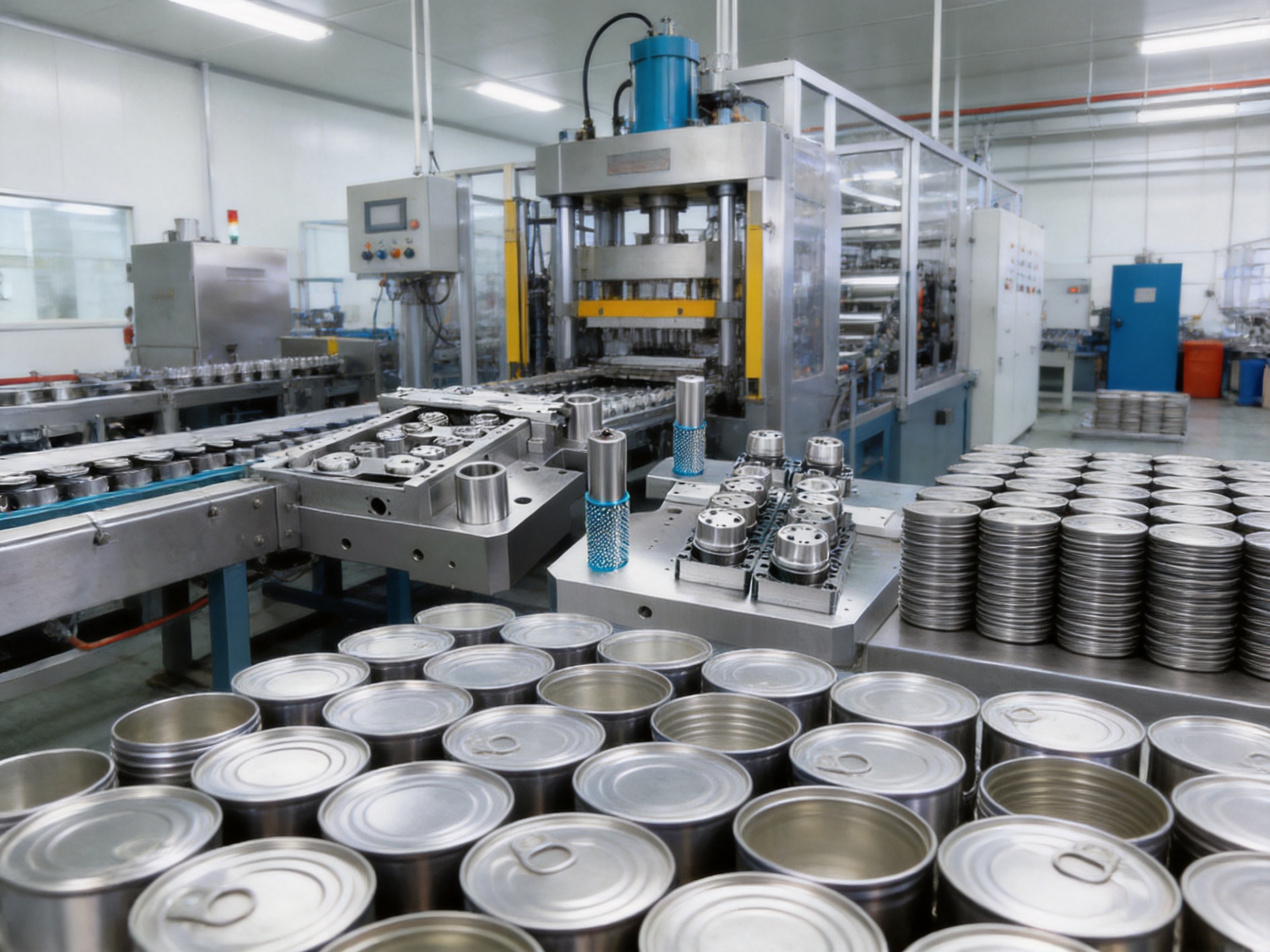
Modern can manufacturers face pressure to improve quality, reduce cost, increase speed, and satisfy diverse customer requirements. They need tooling that supports both precision and productivity. The Conversion Press Channel Die is a strong choice because it addresses the practical problems that affect daily production: dimensional consistency, wear, coating protection, setup time, maintenance frequency, and downstream compatibility.
Its advantage over many competitor products is rooted in manufacturing depth. The company is not only a mold producer but also a long-established manufacturer of can-making machinery and complete production lines. This means the die is developed with knowledge of real production systems, not only drawing specifications. The result is tooling that better supports actual factory operation.
The product is especially suitable for customers who value long-term stability rather than only low initial purchase cost. In can-making production, the true cost of tooling includes scrap, downtime, maintenance, operator adjustment, rejected shipments, and customer complaints. A precision channel die can reduce these hidden costs and improve the overall economics of production.
For factories producing food cans, beverage cans, milk powder cans, EOE lids, aerosol components, chemical tanks, or other tinplate packaging, this die provides a dependable forming solution. It can support OEM and ODM requirements and can be matched to specific production line conditions.
A Conversion Press Channel Die is used in a conversion press to form the channel area of a metal can lid or end. The channel helps define the structure, sealing compatibility, and dimensional performance of the lid. Accurate channel forming is important for food cans, beverage cans, milk powder cans, aerosol cans, chemical containers, and other metal packaging products.
The channel area affects lid strength, geometry, and sealing performance. If it is formed incorrectly, the lid may not seam properly with the can body, which can cause leakage, deformation, or product rejection. A high-quality channel die helps maintain consistent channel dimensions and improves finished can reliability.
This die is designed with attention to precision machining, surface finishing, wear resistance, forming smoothness, and production line compatibility. Ordinary low-grade tooling may have a lower initial cost, but it can wear faster, damage coating, require frequent adjustment, and increase scrap. A professional channel die supports lower total production cost over time.
Yes. The die can be designed or adjusted according to lid diameter, material thickness, channel profile, press model, production speed, and customer product requirements. Customization is important because different packaging applications require different forming characteristics.
The die can be used in food can production, beverage can production, milk powder can production, EOE lid manufacturing, aerosol component manufacturing, chemical tank production, and other tinplate or metal packaging applications where accurate lid forming is required.
It helps reduce production cost by lowering scrap rates, decreasing press adjustment time, improving downstream seaming stability, extending maintenance intervals, and supporting longer tooling life. These benefits reduce hidden operating costs that often exceed the initial purchase price of tooling.
The die quality is supported by engineering design review, CNC high-precision machining, controlled heat treatment, precision grinding, surface finishing, and inspection. These processes help ensure dimensional accuracy, durability, and stable forming performance.
Yes. Support can include installation, commissioning, technical guidance, operator training, and spare parts supply. Proper support helps users install the die correctly, maintain it effectively, and achieve stable production more quickly.
Users should keep the die clean, maintain correct alignment, use suitable lubrication, monitor formed lid quality, inspect wear regularly, and ensure that tinplate material remains within specification. Scheduled maintenance helps extend die life and preserve forming accuracy.
Can-making experience is important because tooling performance depends on more than part geometry. It depends on how the die interacts with presses, feeding systems, tinplate material, coatings, lid design, and downstream seaming equipment. A manufacturer with complete production line experience can design tooling that performs better in real factory conditions.
The Conversion Press Channel Die is a critical mold product for precision can lid and end manufacturing. It supports accurate channel forming, stable lid geometry, coating protection, and reliable downstream sealing performance. In industries where packaging safety, shelf life, appearance, and production efficiency matter, the quality of this die has a direct effect on customer success.
Its main strengths include high dimensional precision, strong wear resistance, smooth forming performance, adaptability to different production lines, and reduced downtime. These advantages help can manufacturers improve output quality and lower long-term operating costs. Compared with ordinary tooling, it offers stronger value through better manufacturing control and deeper understanding of can-making processes.
Backed by decades of experience in can-making machinery and molds, advanced CNC machining capability, professional engineering support, ISO-certified management systems, and broad export experience, the manufacturer provides more than a mold; it provides a production-oriented solution. For companies seeking dependable tin can making machine tooling, tinplate can making machinery production line support, or OEM and ODM can lid production solutions, the Conversion Press Channel Die is a practical and high-value choice.
1. Metal Packaging Manufacturers Association. Technical Guide to Metal Can Ends and Double Seam Performance.
2. Soroka, W. Fundamentals of Packaging Technology. Institute of Packaging Professionals.
3. Yam, K. L. The Wiley Encyclopedia of Packaging Technology. John Wiley and Sons.
4. Page, B., Edwards, M., and May, N. Metal Packaging: Materials, Processes and Applications. Packaging Technology Series.
5. ISO 9001 Quality Management Systems: Requirements and Practical Implementation Guidance.
6. ISO 14001 Environmental Management Systems: Requirements and Operational Guidelines.
7. Industrial Tooling Handbook for Sheet Metal Forming and Press Die Design.
8. Canmaking Industry Technical Notes on Tinplate Forming, End Manufacturing, and Seaming Quality Control.
Related Products

Founded in 1978, the company is one of the largest can-making machinery well-known companies at home and abroad.
Product Categories
Contact Information
Zhongshatou Shenjiamen Zhoushan Zhejiang China
+86-580-3056646

 English
 中文简体
中文简体
 русский
 عربى
عربى
 Español