2026-07-05
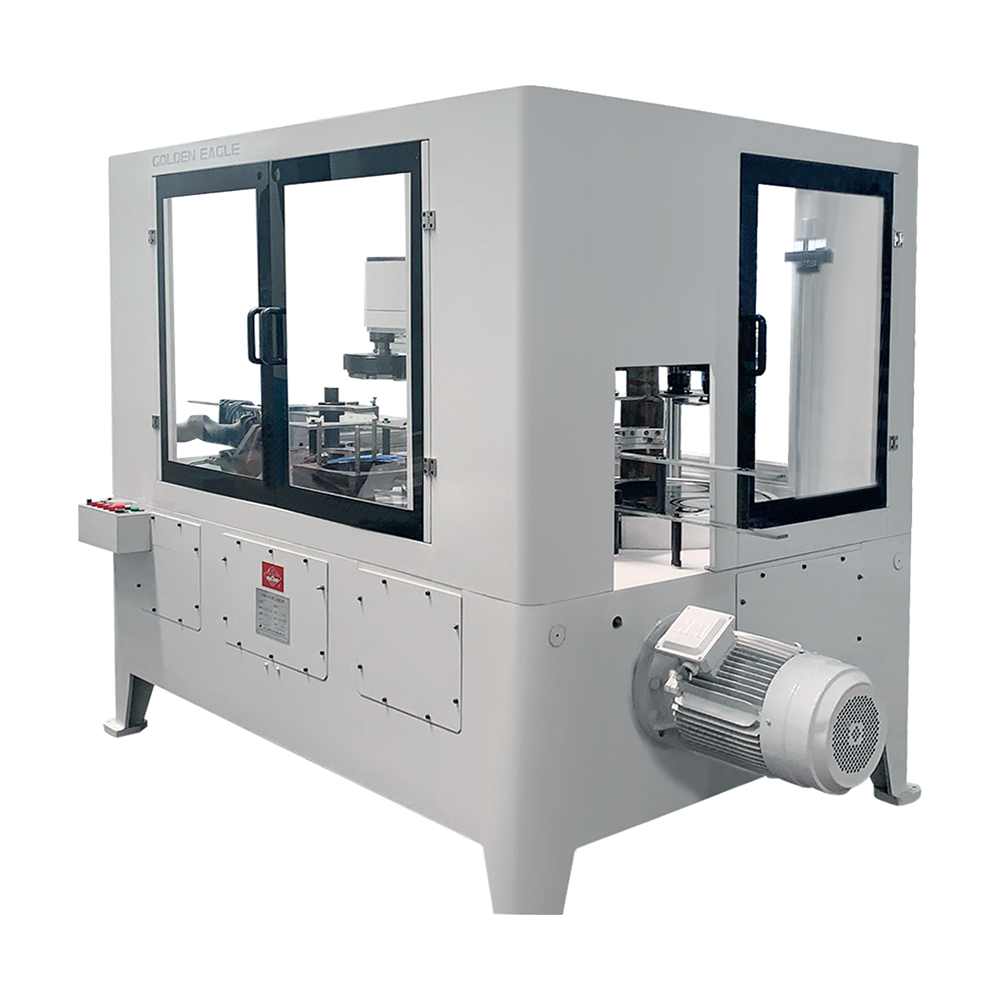
In modern tinplate can manufacturing, cutting accuracy is one of the first conditions for stable downstream production. Before a can body is welded, flanged, beaded, seamed, or packed, the metal sheet must be divided into blanks with reliable dimensions, clean edges, and repeatable geometry. The GT10A8 Automatic Compound Cutting Machine is designed for this essential stage of canbody blank preparation, especially for food can production and other tinplate can-making applications that require dependable slitting performance.
This machine belongs to the Cutting Machine Duplex Slitter category and is used for single slitting of metal sheets into canbody blanks. With automatic operation, a maximum output capacity of up to 40 sheets per minute, and a maximum cutting speed of 1330 mm per second, the GT10A8 supports can makers seeking higher productivity, better consistency, and reduced manual dependence. Its circular knives are made from alloy steel, providing strong cutting performance and wear resistance for continuous industrial use.
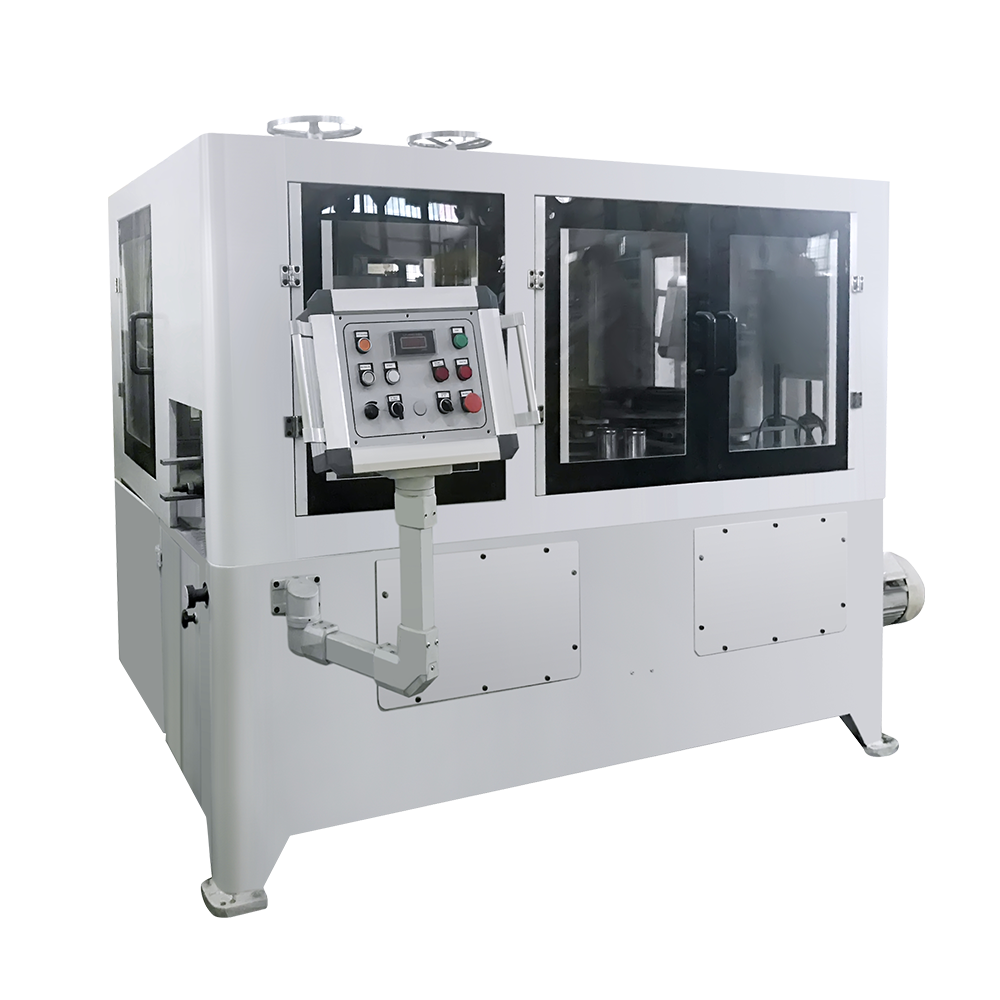
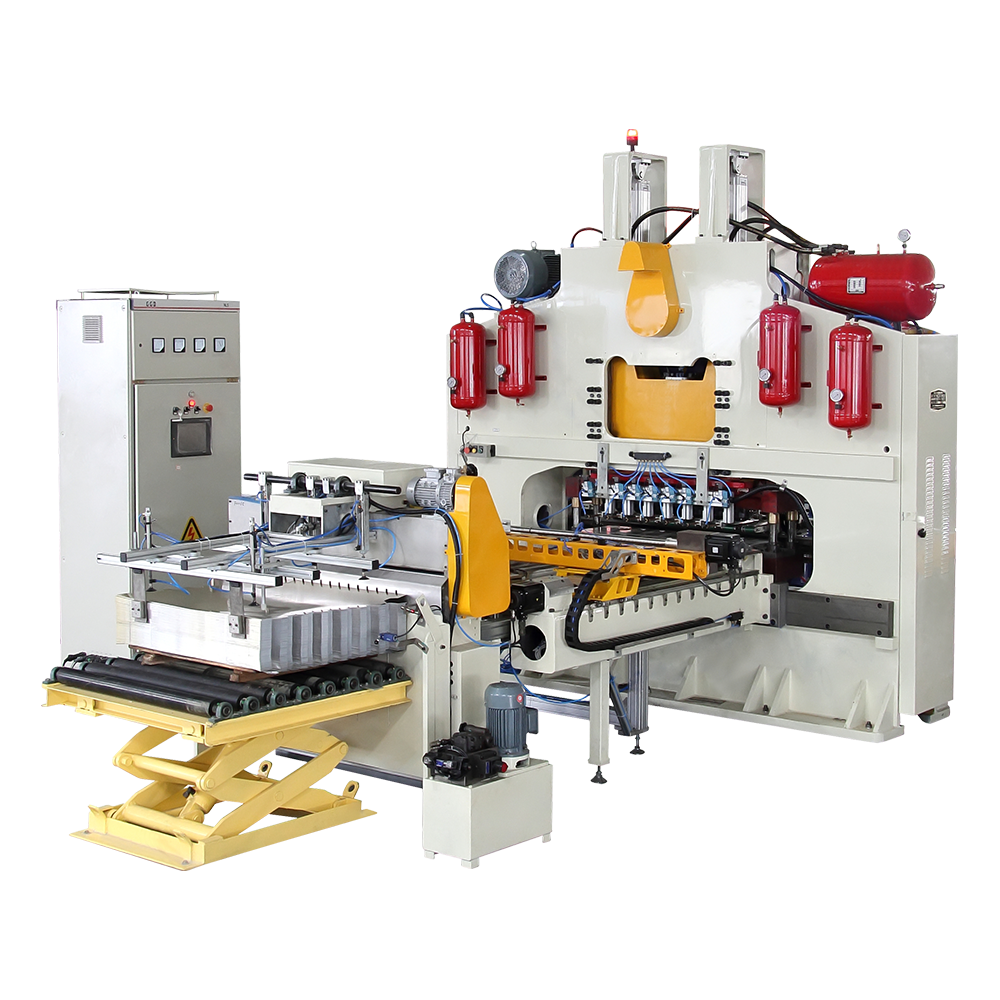
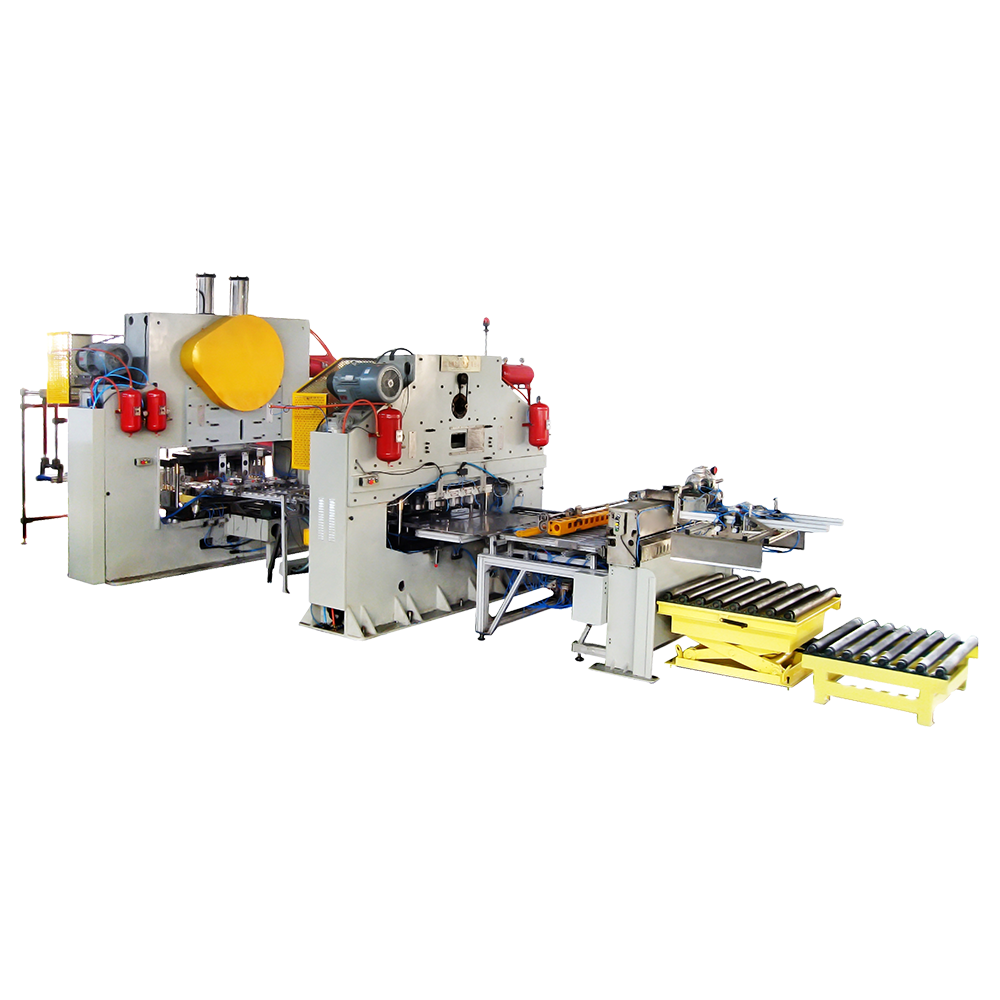
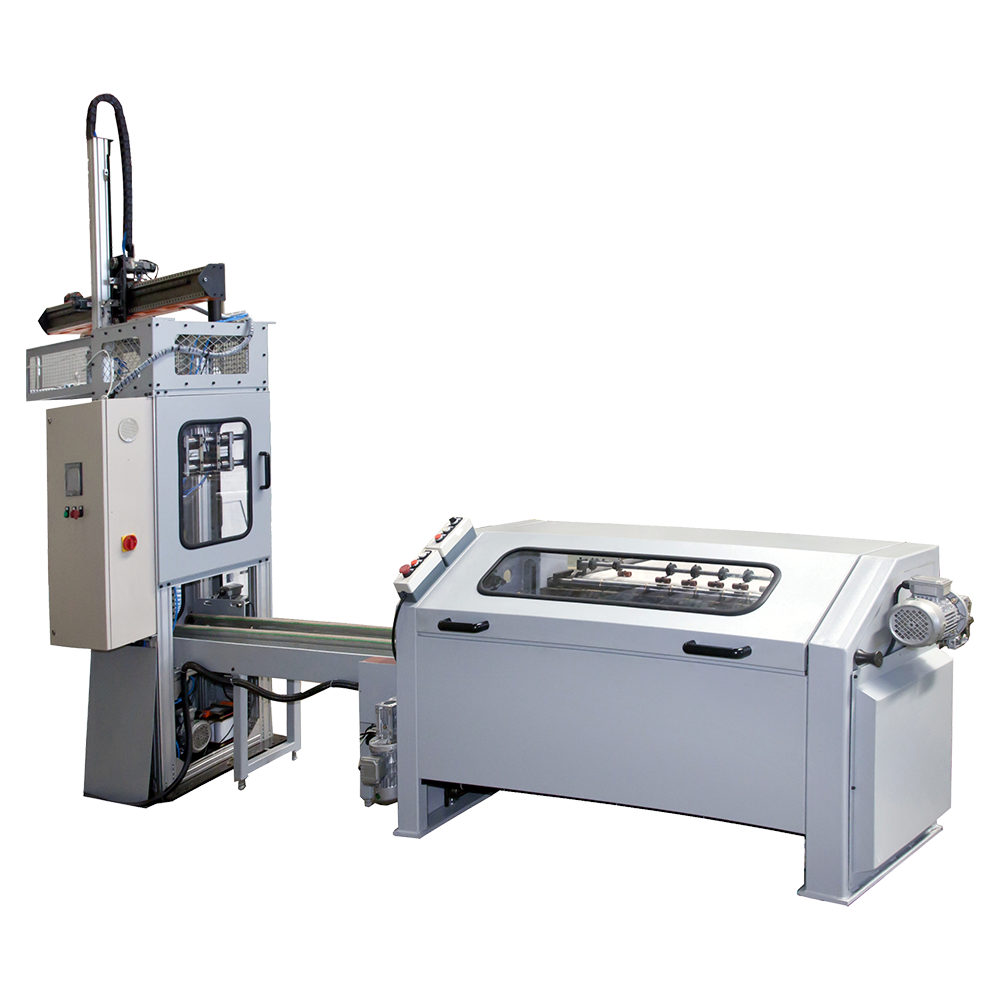
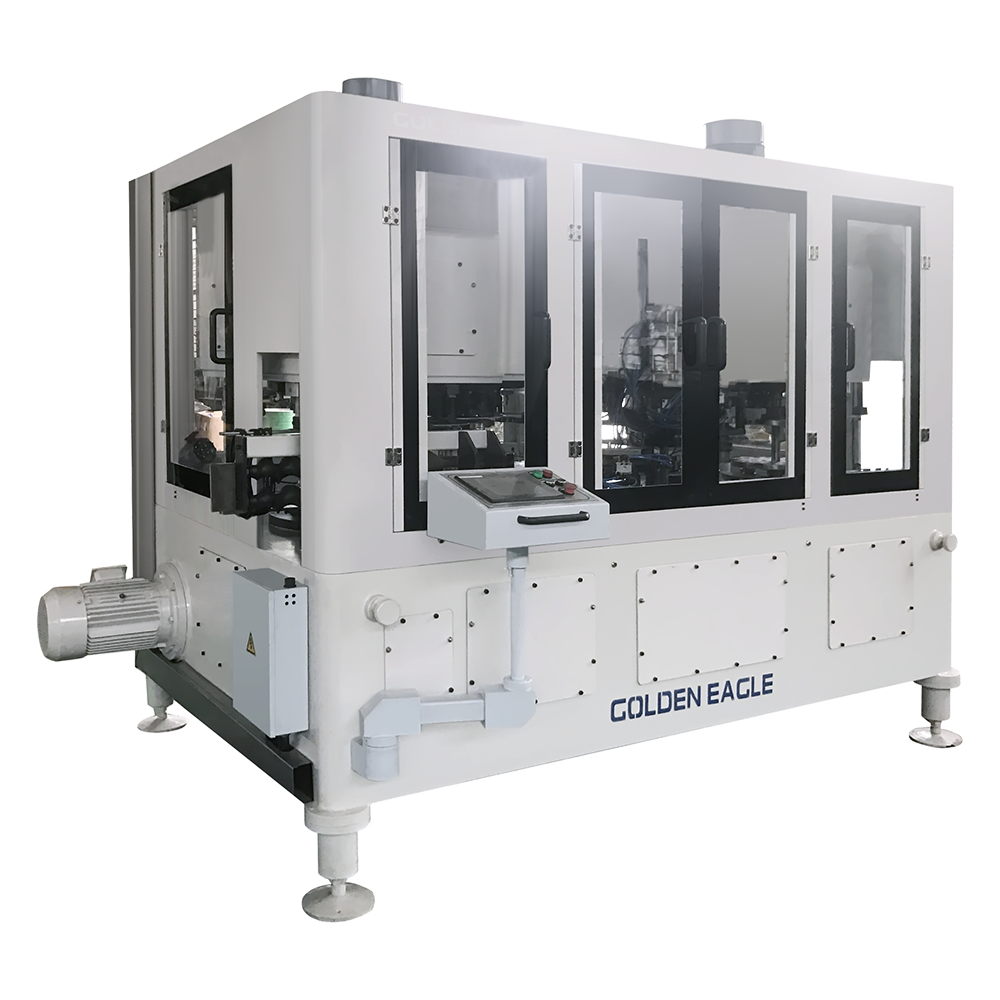
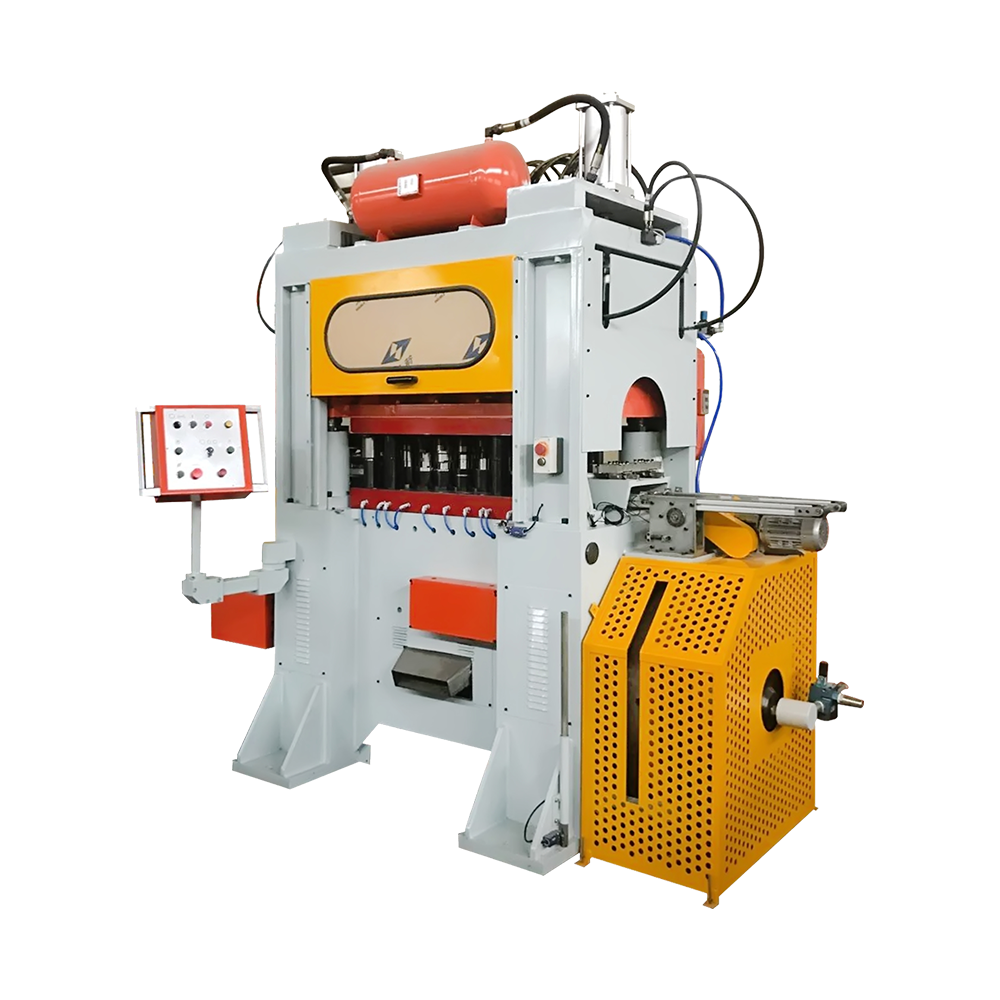
GT10A8 Automatic Compound Cutting Machine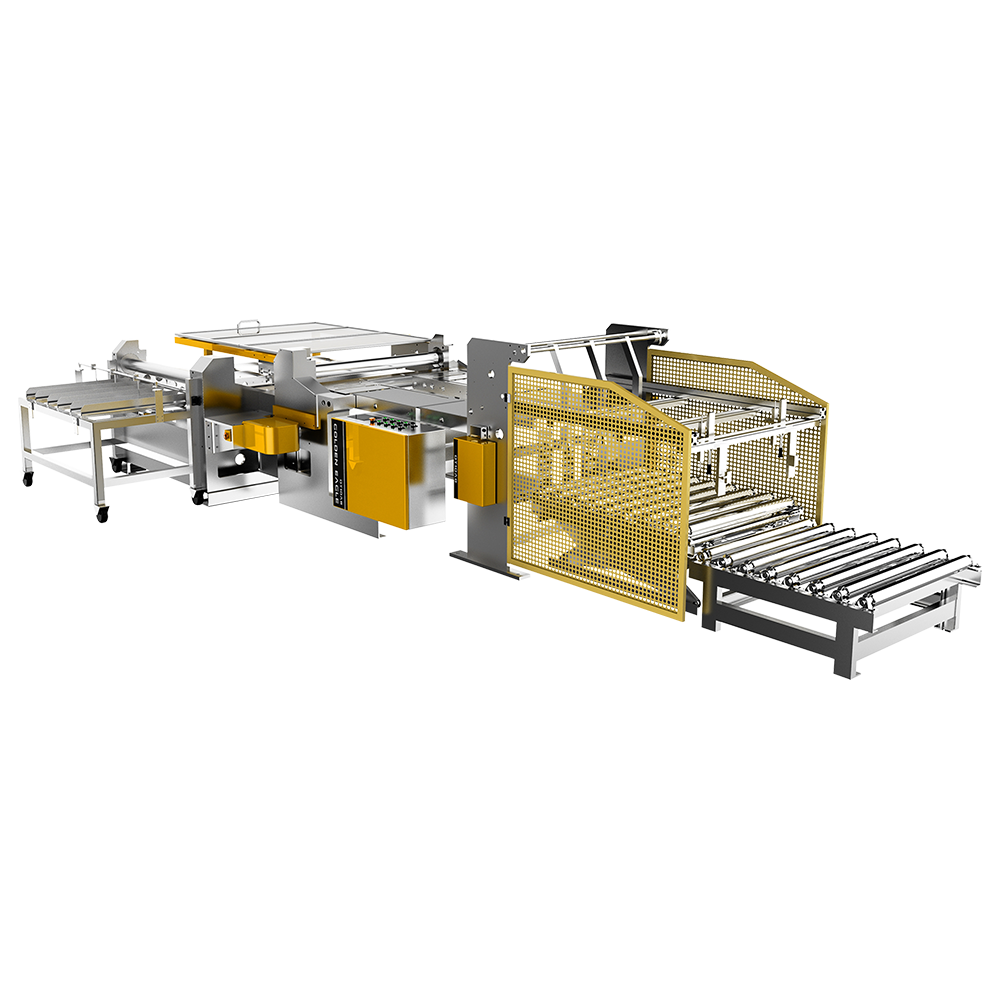
Can-making is a chain of precision processes. A small error at the cutting stage can multiply through welding, body forming, flanging, seaming, and final inspection. If the blank is too wide, too narrow, diagonally cut, burred, scratched, or inconsistent from sheet to sheet, the welding machine may become unstable, the overlap may vary, and the finished can may fail to meet dimensional requirements. Therefore, the cutting machine is not merely auxiliary equipment; it is a key quality-control point at the beginning of the production line.
For food cans, the requirements are especially strict. Can bodies must maintain uniform size and smooth seams to protect food safety, improve packaging appearance, and support efficient filling and sterilization. A cleanly cut blank helps reduce edge defects, improves the stability of automatic welding, and contributes to consistent can height and diameter. In high-volume production, these advantages directly influence material utilization, labor efficiency, machine uptime, and total operating cost.
The GT10A8 Automatic Compound Cutting Machine addresses these needs by combining automatic feeding and slitting capability with a robust mechanical design. It is suitable for various can sizes and can process sheet dimensions from a minimum plate size of 500 × 700 mm to a maximum of 1140 × 1140 mm, with a maximum thickness of 0.4 mm. This range makes it practical for can manufacturers producing different specifications without needing a separate cutting solution for every format.
The GT10A8 is an automatic compound cutting machine engineered for canbody blank single slitting. Its primary purpose is to cut tinplate or similar metal sheet material into accurately sized blanks used in the production of tin cans and food cans. The machine is designed for industrial can-making environments where speed, stability, and repeatable precision are required throughout long production shifts.
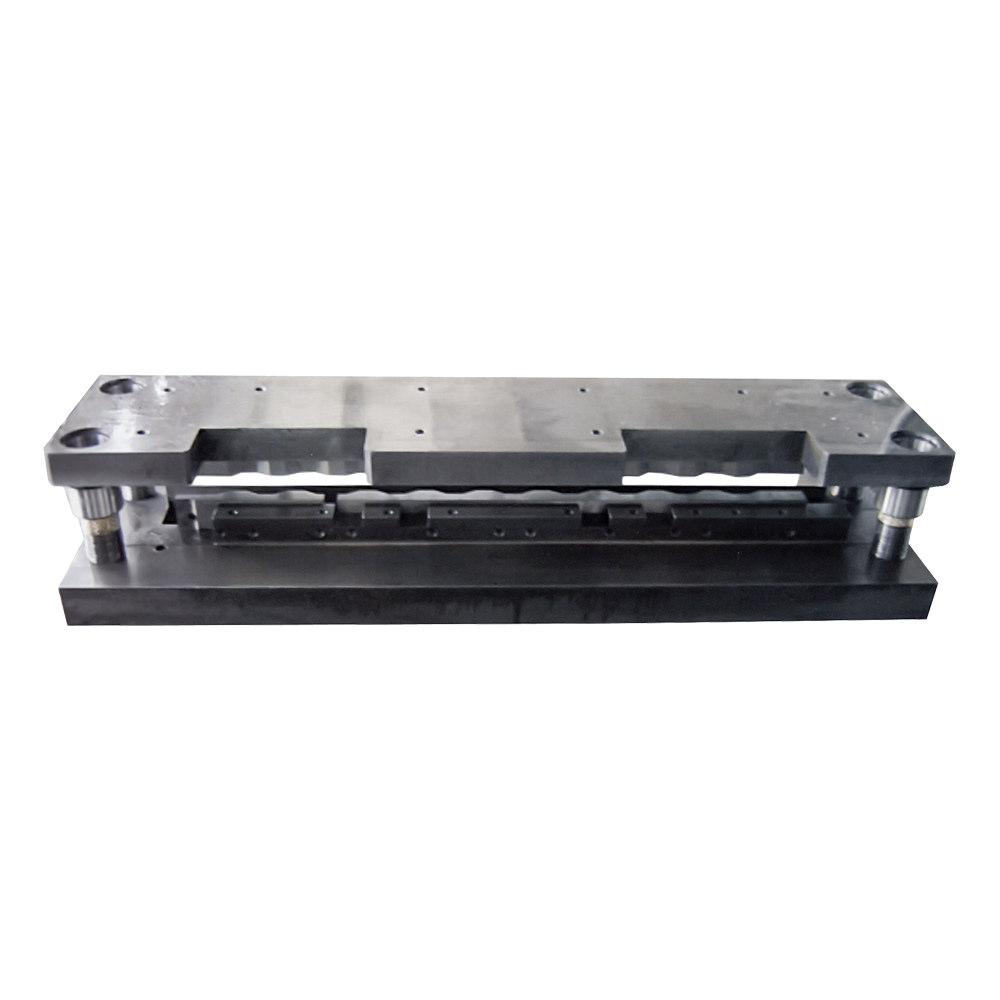
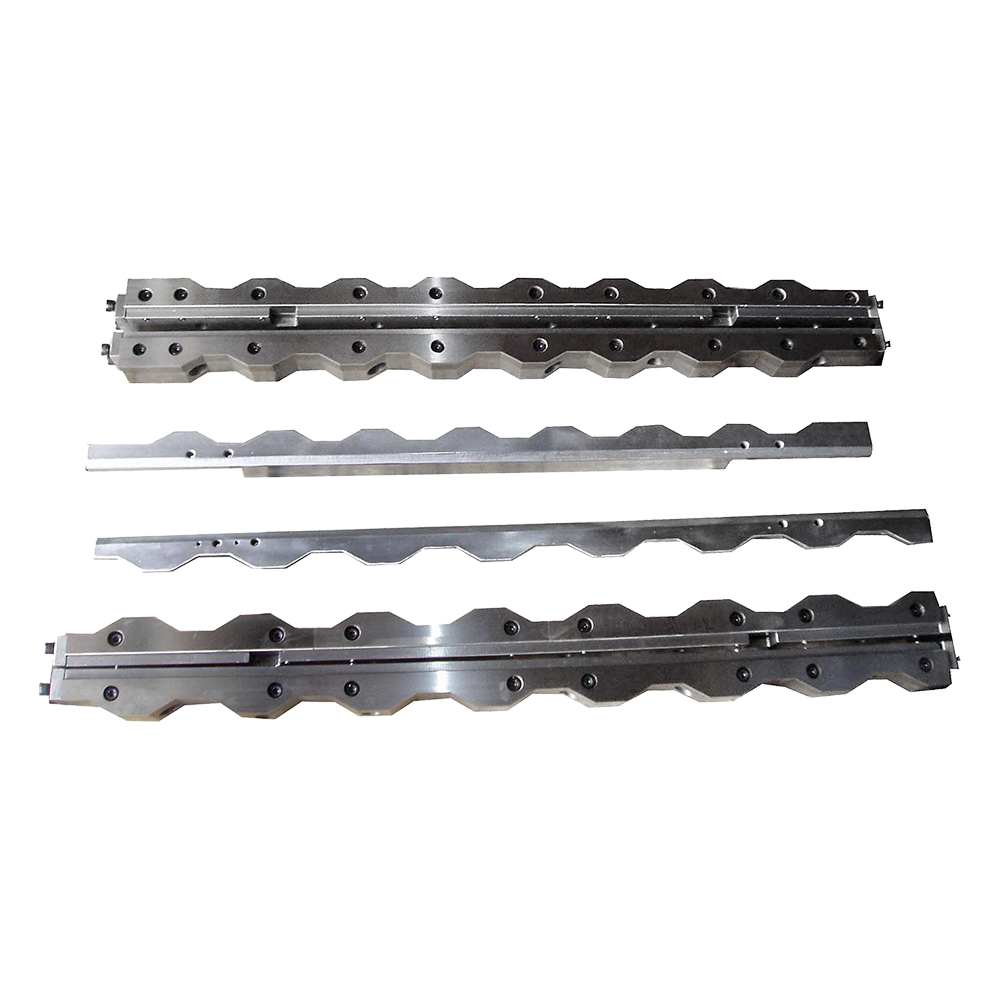
The equipment uses circular knives manufactured from alloy steel. This material choice is important because can-making slitting places continuous mechanical stress on the blade edge. Alloy steel knives offer a balance of hardness, toughness, and wear resistance, helping the machine maintain clean cutting effects over extended operation. Compared with ordinary cutting tools that may lose sharpness quickly, alloy steel circular knives support more stable edge quality and reduce the frequency of tool maintenance.
The GT10A8 operates automatically, reducing the need for manual intervention during repetitive cutting tasks. Automatic operation contributes to more consistent feeding, more uniform cutting rhythm, and higher production efficiency. For manufacturers seeking to modernize traditional manual or semi-automatic blank preparation, this model provides an effective step toward streamlined canbody production.
| Item | Specification |
| Model | GT10A8 |
| Operation | Automatic |
| Application | Canbody blanks single slitting |
| Applicable can size | Various |
| Biggest plate width | 1140 × 1140 mm |
| Minimum plate width | 500 × 700 mm |
| Maximum sheet thickness | 0.4 mm |
| Output capacity | Up to 40 pieces of sheet per minute |
| Maximum cutting speed | 1330 mm per second |
| Total power | 6 kW |
| Machine dimension | 4500 × 2600 × 2800 mm |
| Machine weight | 6000 kg |
One of the most significant advantages of the GT10A8 is its automatic operation. In conventional cutting workshops, manual feeding and manual handling can limit production speed and create quality variation. Operators may become fatigued, feeding positions may vary, and cutting rhythm may be inconsistent. In contrast, automatic operation helps maintain a stable processing cycle, supporting output capacity of up to 40 sheets per minute under suitable conditions.
For can manufacturers, this level of productivity can improve the coordination between sheet preparation and downstream operations. Welding machines, forming machines, and assembly lines depend on a steady supply of correctly cut blanks. If the cutting process is too slow or unstable, the entire production line may suffer from interruptions. The GT10A8 helps reduce this bottleneck by delivering efficient blank preparation with less dependence on manual pace.
The maximum cutting speed of 1330 mm per second enables the GT10A8 to meet the demands of fast industrial production. Speed alone, however, is not enough. A cutting machine must maintain accuracy and edge quality while operating quickly. The machine’s structure, knife system, and automatic workflow are designed to support a balance between speed and reliability.
Compared with slower machines, the GT10A8 can help increase daily output. Compared with high-speed but less stable alternatives, it emphasizes practical can-making reliability. This makes it suitable for factories that value both quantity and quality, especially where production schedules require consistent throughput over long working periods.
The circular knives are a core component of the machine. The GT10A8 uses alloy steel knives to provide good cutting effects and wear resistance. In slitting applications, dull or unstable knives may cause burrs, tearing, uneven edges, or frequent downtime for adjustment and replacement. Alloy steel blades help minimize these problems by maintaining a sharp and durable cutting edge.
For canbody blank production, edge condition is directly connected to welding quality. A clean blank edge improves the stability of overlap formation and contributes to smooth welding performance. Better edge quality can reduce scrap, rework, and defects in later stages. Therefore, the blade material is not a minor detail; it is a critical contributor to total production efficiency.
The GT10A8 can process sheets from 500 × 700 mm to 1140 × 1140 mm, making it adaptable to a range of canbody blank requirements. Many can manufacturers produce multiple can sizes for food, beverage, aerosol, chemical, or specialty packaging markets. A cutting machine with limited size compatibility may restrict production planning or require additional equipment. The GT10A8 offers flexibility for varied can sizes, supporting manufacturers who need to respond to changing orders.
This adaptability is particularly useful for OEM and ODM production environments, where customers may request different can formats. By handling various sheet sizes, the machine can contribute to more efficient order changeovers and better utilization of production space.
With a machine weight of 6000 kg and dimensions of 4500 × 2600 × 2800 mm, the GT10A8 is built as a substantial industrial unit. A rigid structure is important in slitting because vibration and instability can affect cutting accuracy. The machine’s robust body helps support stable operation, especially when processing sheets at high speed.
Compared with lighter-duty cutting equipment, a heavier and more solid structure can offer better resistance to vibration, improved alignment retention, and longer service life when properly maintained. For factories operating multiple shifts, structural stability is a major factor in long-term equipment value.
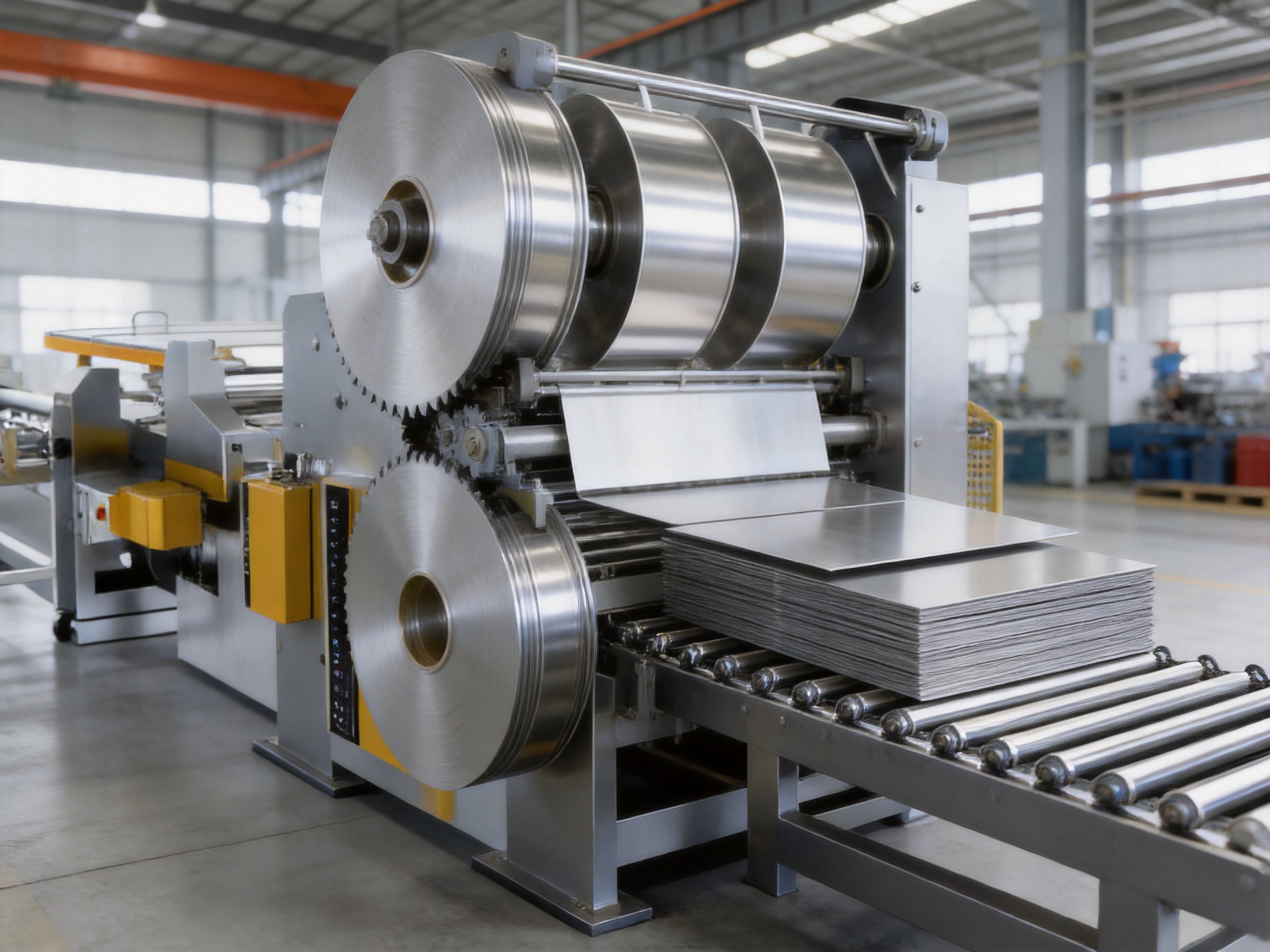
Food can production demands strict dimensional control and hygienic packaging reliability. Although the cutting machine does not directly contact food, it determines the geometry of the canbody blank, which later becomes part of the sealed food container. If the blank size is inconsistent, the final can may show seam defects, appearance issues, or dimensional problems during filling and sealing.
The GT10A8 is designed for metal sheet single slitting in food can-making applications. It prepares blanks for subsequent automatic welding and forming processes. The machine’s ability to handle various can sizes makes it useful for manufacturers producing canned vegetables, fruits, meat, fish, sauces, powdered products, and other food packaging formats.
In food can factories, production lines often need high-volume consistency. Repeated blank accuracy can improve the performance of tin can auto-welding machines and reduce troubleshooting in later processes. By providing clean and consistent canbody blanks, the GT10A8 contributes to the stability of the entire can-making line.
The GT10A8 can be integrated into a broader tinplate can-making machinery production line. A typical three-piece food can line may include sheet feeding, slitting, welding, body expansion or forming, flanging, beading, seaming, inspection, and conveying systems. In such a line, the cutting machine is positioned near the beginning, where it prepares the material for body-making.
When a cutting machine is correctly matched with the rest of the line, manufacturers can achieve smoother material flow. Automatic cutting reduces manual handling and helps maintain a predictable supply of blanks. This can support better coordination with downstream welding equipment, especially in high-efficiency workshops where every machine must operate in rhythm.
The GT10A8 is also relevant to manufacturers producing tinplate cans for multiple industries. While its content emphasizes food can-making, tinplate blank preparation is also important for beverage cans, chemical cans, milk powder cans, aerosol cans, and other metal packaging types. Its role is to provide precisely cut sheet material that allows later forming equipment to operate effectively.
Zhejiang Golden Eagle Food Machinery Co., Ltd. has a long history in can-making machinery and mold manufacturing. Established in 1978, the company has developed from its earlier identity as Zhejiang Food Machinery Factory and Zhoushan Mold Factory into a specialized manufacturer of can-making machinery, can lid equipment, cutting machines, welding machines, molds, and complete production lines.
More than four decades of experience provides an important advantage in product development. Can-making equipment requires practical knowledge of materials, mechanical transmission, tooling, feeding systems, forming behavior, factory operation, and maintenance requirements. A manufacturer with long-term industry experience can design machines based not only on theory but also on real production feedback from can factories.
The company has more than 350 well-trained personnel, including experienced design and development professionals and professional engineers. This technical team supports equipment design, manufacturing, assembly, testing, and after-sales service. For buyers, this means the GT10A8 is not an isolated machine but part of a wider industrial capability covering can production solutions.
Modern can-making equipment depends on precision manufacturing. Cutting machines require accurate assembly of frames, shafts, knife holders, transmission parts, feeding systems, and control components. Zhejiang Golden Eagle Food Machinery Co., Ltd. uses CNC high-precision machining equipment and complete mechanical machining equipment to manufacture key components. CNC machining helps improve dimensional accuracy, repeatability, and surface quality, which are important for machines that must maintain alignment during high-speed operation.
The company’s manufacturing approach is influenced by established international design principles associated with advanced can-making machinery. Through long-term production practice, the company has combined international mechanical concepts with practical field experience, continuously improving equipment performance. This approach allows the GT10A8 to reflect both proven engineering logic and practical adaptation to real factory needs.
Quality management is also part of the company’s manufacturing strength. The company has obtained ISO9001 quality management system certification and ISO14001 environmental management system certification. ISO9001 indicates a structured quality management approach, while ISO14001 demonstrates attention to environmental management in operations. These certifications support customer confidence in production consistency, process discipline, and responsible manufacturing.
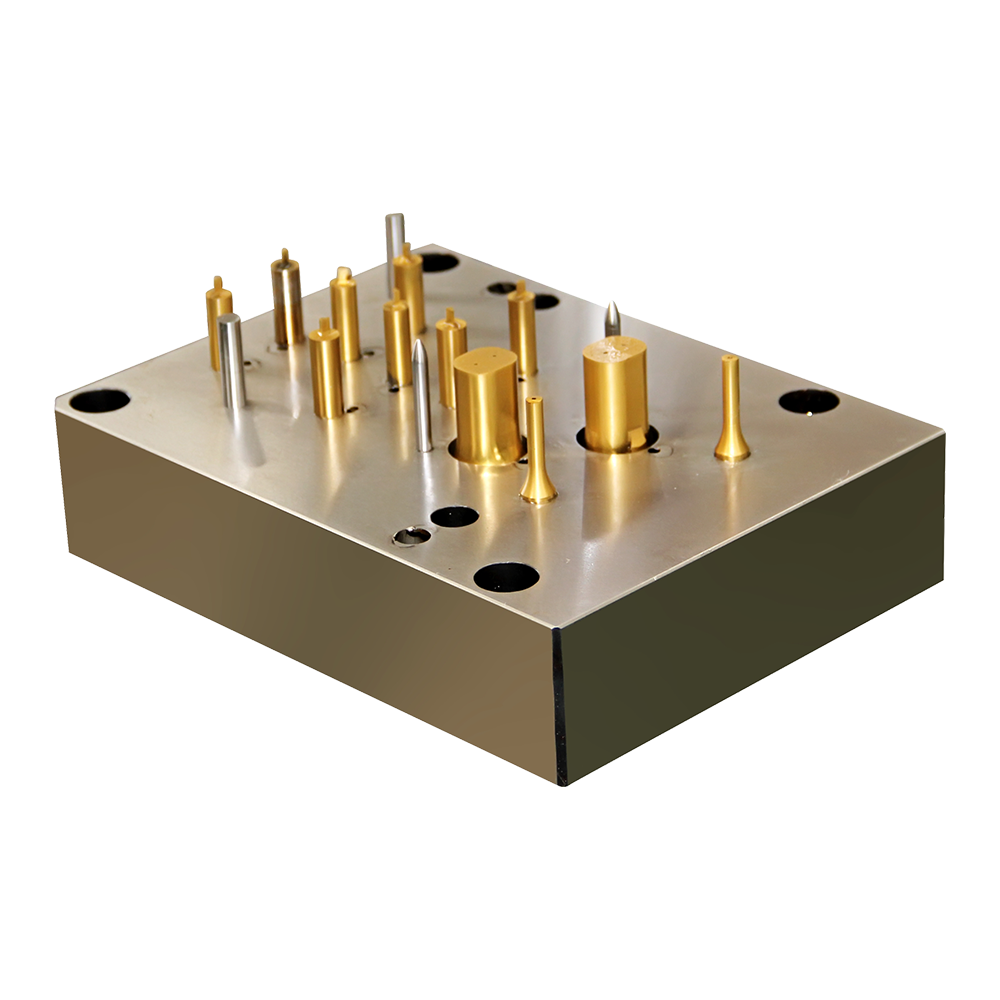
The company supplies a broad range of can-making machinery categories, including food can production lines, beverage can production lines, can lid production lines, chemical tank production lines, aerosol canister production lines, two-piece can production lines, pop can production lines, automatic feeding machines, tin can auto-welding machines, EOE lid-making machines, milk powder can-making machines, and molds. This wide product range is an advantage for customers who need complete production planning rather than a single machine purchase.
Because the GT10A8 is part of a larger equipment ecosystem, it can be considered together with feeding systems, welding machines, lid-making machines, and molds. This helps reduce compatibility concerns. Customers can discuss production line requirements with a supplier that understands upstream and downstream processes, rather than coordinating separate suppliers with limited knowledge of each other’s equipment.
Over the years, the company has produced more than 10,000 pieces of can and can lid equipment. Its products are used by many can manufacturers and canning factories and have been exported to countries across Europe, Asia, Africa, North America, South America, and Oceania, including Germany, Italy, the United Kingdom, Spain, Hungary, Russia, Australia, Jordan, Malaysia, the Philippines, Pakistan, Egypt, Algeria, Turkey, Mexico, Nigeria, Iran, and others. This international application experience gives the company insight into different production standards, factory layouts, operator habits, and market requirements.
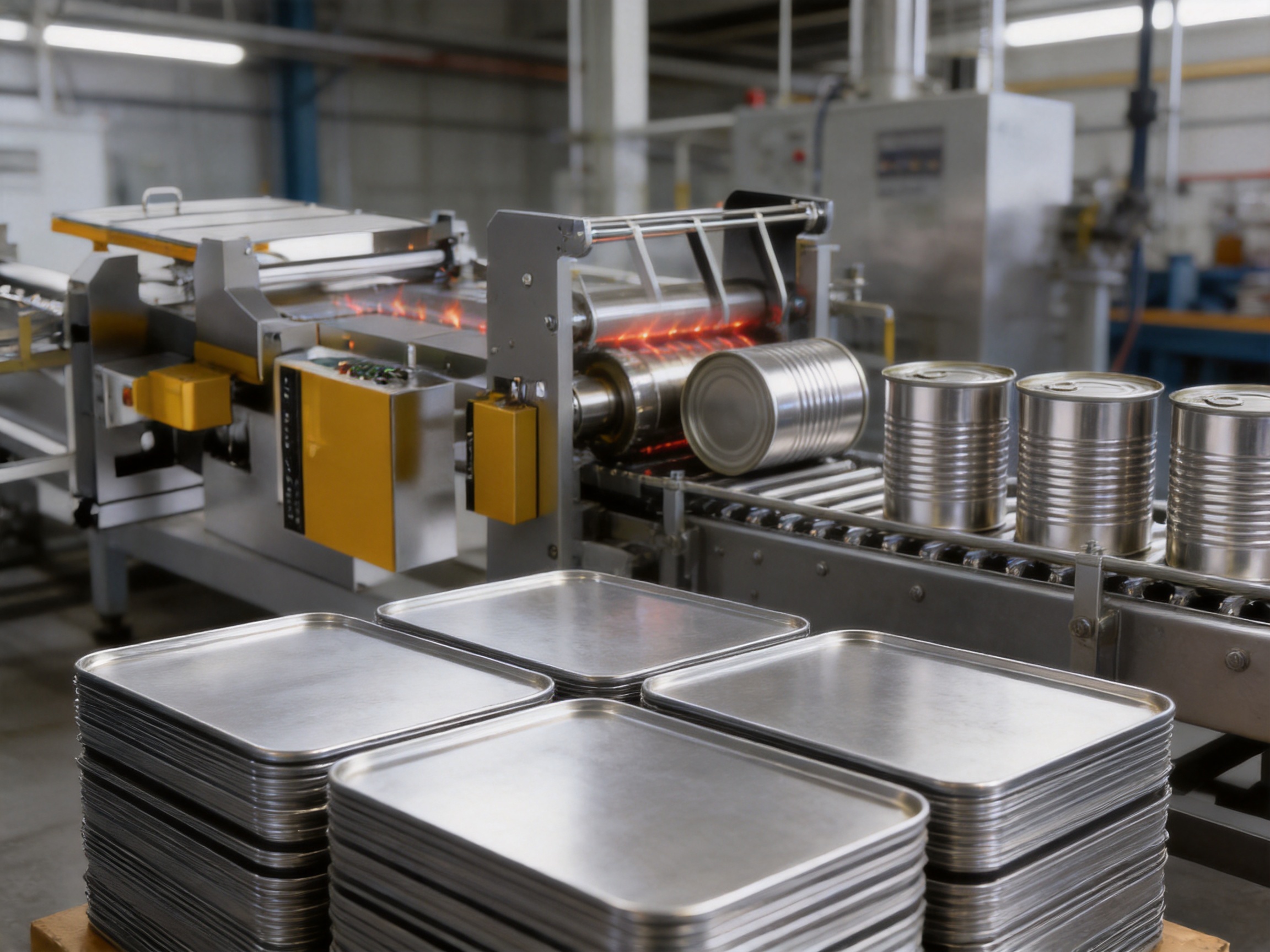
The GT10A8 supports smoother production flow by preparing blanks efficiently and consistently. In a can-making factory, delays at the cutting stage can create shortages downstream. Conversely, uneven cutting output can result in excessive work-in-process inventory. With automatic operation and high output capacity, the machine helps maintain a more balanced production rhythm.
Manual sheet cutting can require substantial labor and may expose production quality to operator variability. The automatic structure of the GT10A8 reduces repetitive manual involvement, allowing workers to focus on monitoring, quality inspection, material preparation, and line coordination. This can improve labor efficiency and reduce the risk of fatigue-related mistakes.
Accurate slitting contributes to better material utilization. Tinplate is a significant cost in can manufacturing, and dimensional mistakes can lead to scrap. A machine that maintains stable cutting dimensions helps reduce waste from incorrect blank size, poor edge quality, or inconsistent output. Over time, reduced scrap can have a meaningful effect on production cost.
Blank consistency is critical for automatic welding. If the blank width varies, the overlap at the weld seam can become unstable, causing welding defects or machine stoppage. By producing uniform blanks, the GT10A8 supports the performance of tin can auto-welding machines and helps maintain stable seam formation.
Many can producers serve different markets and require frequent changes between can sizes. The GT10A8 is suitable for various can sizes and a wide range of sheet dimensions, allowing factories to support diverse orders. This flexibility is a competitive advantage in a market where packaging formats and customer requirements can change quickly.
When evaluating cutting machines, buyers typically compare productivity, cutting quality, durability, maintenance demand, manufacturer experience, service support, and integration capability. The GT10A8 is competitive because it combines high-speed automatic operation with practical industrial robustness and the backing of an experienced can-making machinery manufacturer.
Some competing machines may provide basic cutting capability but lack sufficient speed for modern production lines. Others may offer speed but require frequent blade maintenance or struggle with stable edge quality. Some suppliers may specialize only in standalone cutting equipment and may not fully understand the requirements of welding, forming, lid production, or complete can lines. The GT10A8 benefits from being developed within a company that supplies whole-set can-making solutions, allowing the machine to be designed with downstream production realities in mind.
The use of alloy steel circular knives gives the machine a strong advantage in wear resistance. Its capacity of up to 40 sheets per minute offers practical productivity for industrial food can production. Its maximum sheet range of 1140 × 1140 mm and minimum sheet range of 500 × 700 mm provide flexibility for multiple products. Its 6000 kg structure supports reliable operation in demanding factory environments.
| Comparison Factor | GT10A8 Advantage | Typical Limitation of Basic Alternatives |
| Operation mode | Automatic operation supports stable workflow | Manual or semi-automatic handling may reduce consistency |
| Output capacity | Up to 40 sheets per minute | Lower speed may restrict line productivity |
| Cutting speed | Maximum 1330 mm per second | Slower cutting may create bottlenecks |
| Knife material | Alloy steel circular knives for wear resistance | Ordinary blades may wear faster |
| Sheet compatibility | 500 × 700 mm to 1140 × 1140 mm | Narrower range may limit production flexibility |
| Manufacturer support | Backed by extensive can-making machinery experience | Standalone suppliers may lack full-line process knowledge |
A cutting machine is a long-term production asset. Buyers should consider not only initial specifications but also long-term stability, spare parts support, maintenance convenience, and compatibility with factory expansion. The GT10A8 is designed for industrial use, with a 6 kW power configuration and a robust structure suitable for continuous can-making environments.
Maintenance planning should include regular inspection of circular knives, alignment checks, lubrication, cleaning, and monitoring of feeding accuracy. Because blade quality has a direct effect on cut edge condition, operators should follow recommended procedures for knife adjustment and replacement. Proper maintenance helps preserve cutting quality and extend the service life of the equipment.
Training is another important factor. Zhejiang Golden Eagle Food Machinery Co., Ltd. provides after-sales service including installation, commissioning, technical guidance, operation training, and parts supply. This support is valuable because even well-designed equipment must be correctly installed, adjusted, and operated to achieve best performance. Training helps operators understand safe operation, adjustment procedures, inspection points, and routine maintenance practices.
Tinplate remains widely used for food and industrial packaging because of its mechanical strength, barrier performance, printability, and suitability for sealed containers. As can designs become more varied and production volumes become more demanding, can manufacturers need equipment that can process tinplate efficiently while maintaining accuracy.
The GT10A8 fits into this requirement by providing automatic compound cutting for canbody blank preparation. It supports tinplate can-making machinery production lines where reliable blank quality is essential. Its role may appear simple compared with welding or seaming, but in practice, it strongly influences the quality and efficiency of every later process.
For manufacturers upgrading from older manual cutting machines, the GT10A8 can improve production consistency and reduce labor intensity. For factories building new lines, it provides a modern automatic cutting solution that can be coordinated with other can-making machinery. For companies serving export markets, its stable performance can help meet stricter requirements for finished can quality.
A machine purchase is also a supplier relationship. Zhejiang Golden Eagle Food Machinery Co., Ltd. has served the can-making industry since 1978 and has built a reputation through extensive production experience and global market presence. The company’s long development history indicates stability, accumulated know-how, and continuous improvement.
The factory is located in Zhoushan City, Zhejiang Province, China, an area with manufacturing resources and industrial supply chains. The company’s experience includes can-making machinery, can-making molds, and complete line solutions. This combination is valuable because molds and machinery must work together to achieve accurate forming and consistent output.
The company’s products have been recognized by can manufacturers and canning factories in many countries. International use means the equipment has encountered different materials, climates, production practices, and technical requirements. Such experience can improve future product development and service support because feedback from diverse markets helps refine machine design.
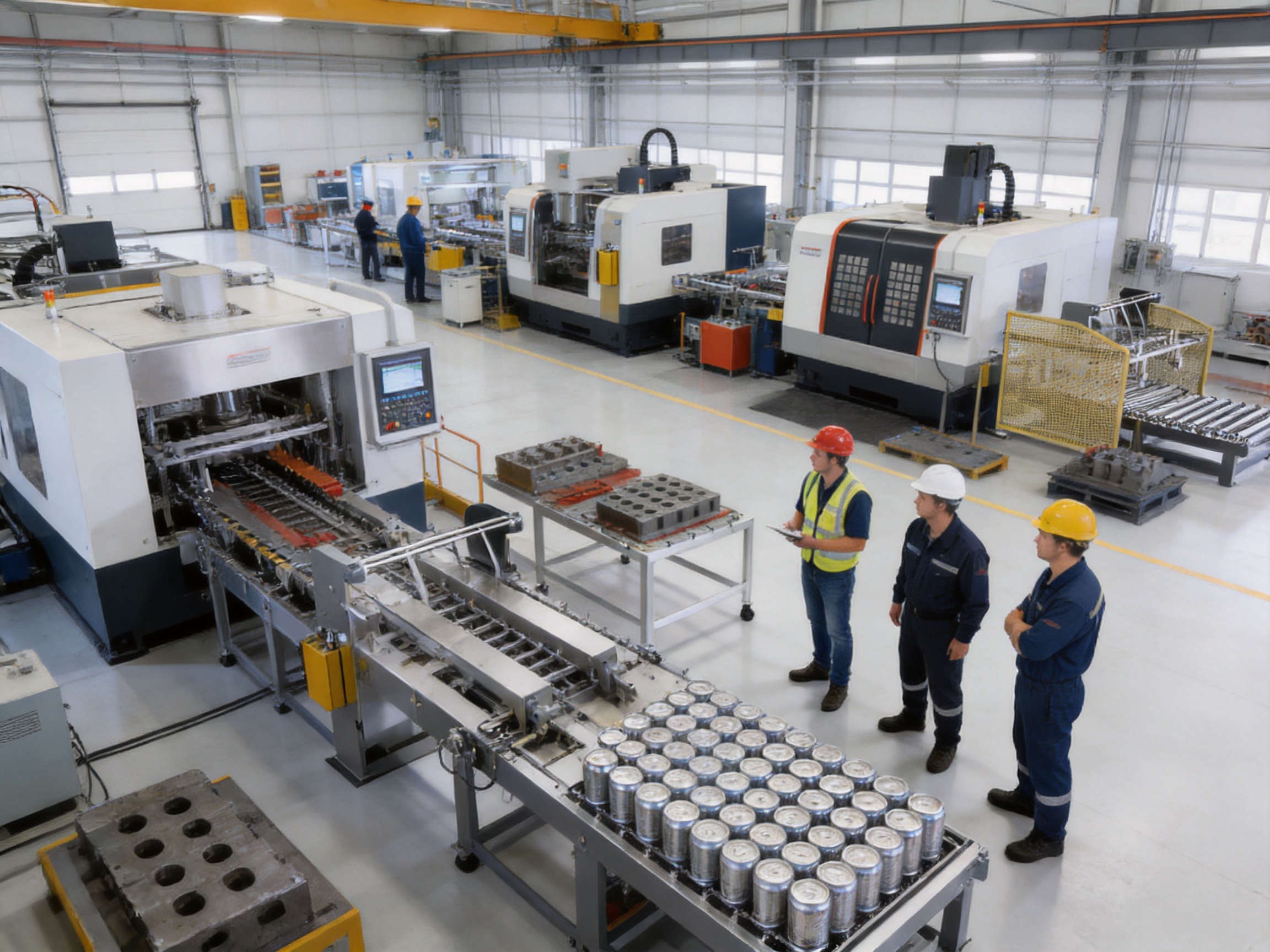
Before purchasing the GT10A8, manufacturers should review their sheet material specifications, canbody blank dimensions, production capacity goals, available factory space, power supply, and downstream equipment requirements. The machine dimension of 4500 × 2600 × 2800 mm should be considered in layout planning, including access for operation, maintenance, sheet loading, and material flow.
Factories should also consider whether the machine will be used for a single product or multiple can sizes. If multiple formats are required, operators should be trained in adjustment and changeover procedures. Material quality should also be controlled, because inconsistent sheet flatness, coating condition, or thickness variation can affect slitting performance.
Communication with the manufacturer is important during project planning. By sharing can drawings, blank sizes, sheet specifications, desired capacity, and production line layout, buyers can receive more accurate technical guidance. Since the manufacturer provides complete can-making equipment categories, it can support broader line planning beyond the cutting machine itself.
The main function of the GT10A8 is to perform automatic single slitting of metal sheets into canbody blanks. These blanks are used in tinplate can-making production, especially for food can applications.
The machine is designed for metal sheet cutting, particularly tinplate or similar sheet materials used in can-making. The maximum sheet thickness is 0.4 mm.
The GT10A8 can reach an output capacity of up to 40 pieces of sheet per minute, depending on production conditions, material characteristics, and operating setup.
Alloy steel circular knives provide good cutting effects and wear resistance. They help maintain clean edges, reduce tool wear, and support stable downstream welding and forming processes.
The machine can process sheets with a maximum size of 1140 × 1140 mm and a minimum size of 500 × 700 mm.
It offers automatic operation, high cutting speed, strong output capacity, alloy steel knives, a robust industrial structure, and support from an experienced can-making machinery manufacturer. These advantages help improve productivity, quality consistency, and long-term production reliability.
Yes. The GT10A8 is suitable for various can sizes, making it useful for factories that produce different can formats or need flexible production capability.
The manufacturer provides after-sales services including installation, commissioning, technical guidance, operation training, and parts supply. These services help customers put the machine into production effectively and maintain stable operation.
Canbody welding depends on consistent blank width and clean edges. If the blank is inaccurate, the weld overlap may vary, causing welding instability or quality defects. Accurate cutting supports reliable welding and better finished can quality.
Yes. Its automatic operation, speed, and sheet compatibility make it suitable for integration into modern tinplate can-making production lines where stable material preparation is required.
The GT10A8 Automatic Compound Cutting Machine is a practical and competitive solution for can manufacturers that need reliable canbody blank preparation. With automatic operation, output capacity of up to 40 sheets per minute, maximum cutting speed of 1330 mm per second, alloy steel circular knives, and broad sheet size compatibility, it addresses the key requirements of modern tinplate can production.
Its value is not limited to cutting speed. The machine supports downstream welding stability, improves production flow, reduces manual dependence, and contributes to better material utilization. In can-making, these benefits can influence the quality and cost of the entire production line.
Backed by Zhejiang Golden Eagle Food Machinery Co., Ltd., a manufacturer established in 1978 with extensive experience in can-making machinery, molds, complete production lines, CNC precision manufacturing, ISO-certified management systems, and global market service, the GT10A8 represents both mechanical performance and manufacturing reliability. For food can producers and tinplate can manufacturers seeking a dependable automatic cutting solution, the GT10A8 offers a strong combination of productivity, flexibility, durability, and professional support.
1. ISO 9001 Quality Management Systems: Principles and Industrial Application Guidelines.
2. ISO 14001 Environmental Management Systems: Requirements and Implementation Practices.
3. Technical literature on tinplate packaging production and three-piece can manufacturing processes.
4. Industrial references on circular slitting technology, blade wear resistance, and sheet metal cutting accuracy.
5. Can-making machinery operation manuals and maintenance practices for automatic sheet cutting systems.
Related Products

Founded in 1978, the company is one of the largest can-making machinery well-known companies at home and abroad.
Product Categories
Contact Information
Zhongshatou Shenjiamen Zhoushan Zhejiang China
+86-580-3056646

 English
 中文简体
中文简体
 русский
 عربى
عربى
 Español