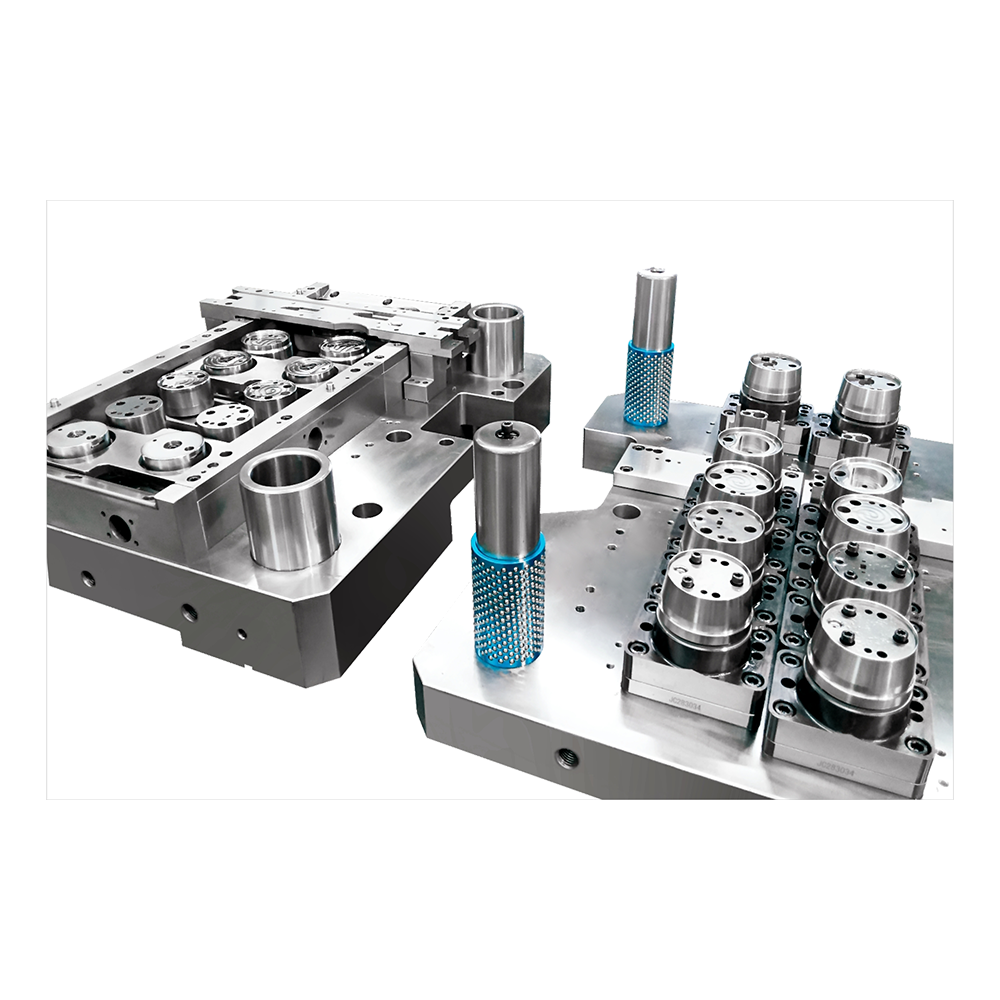
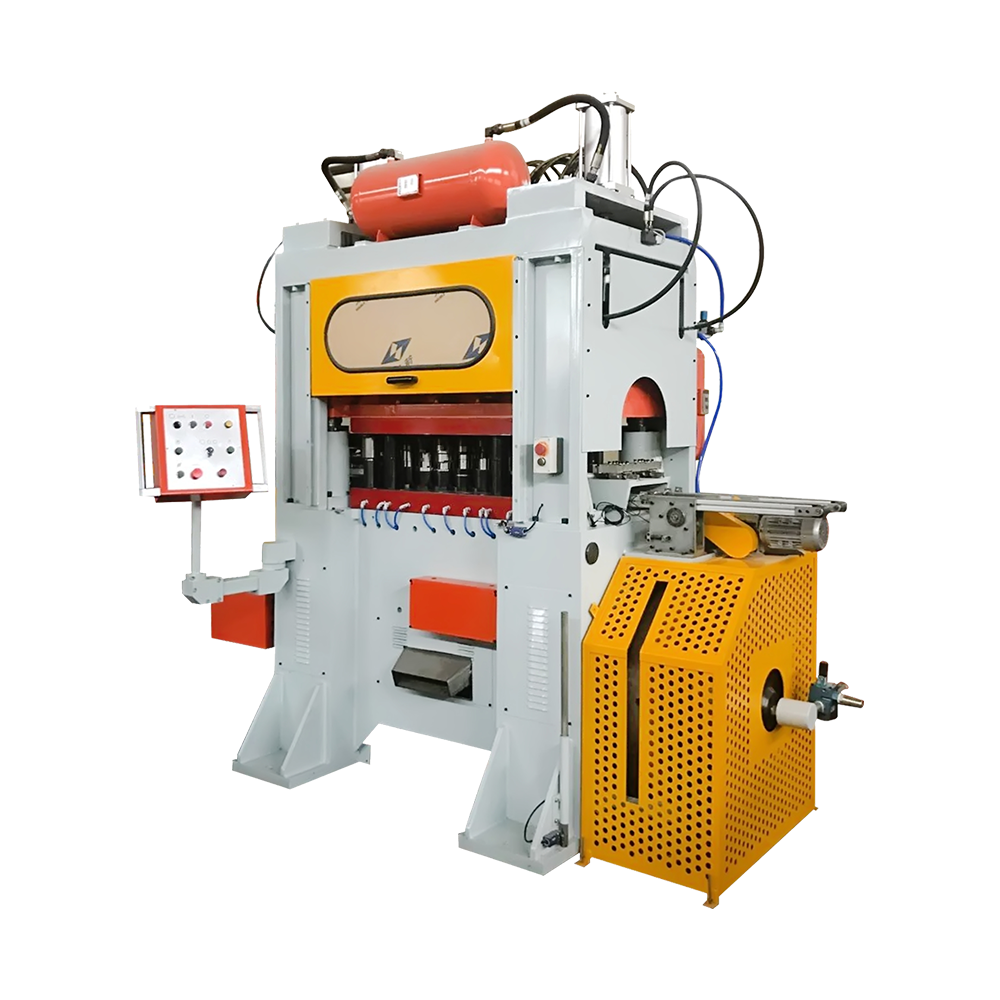
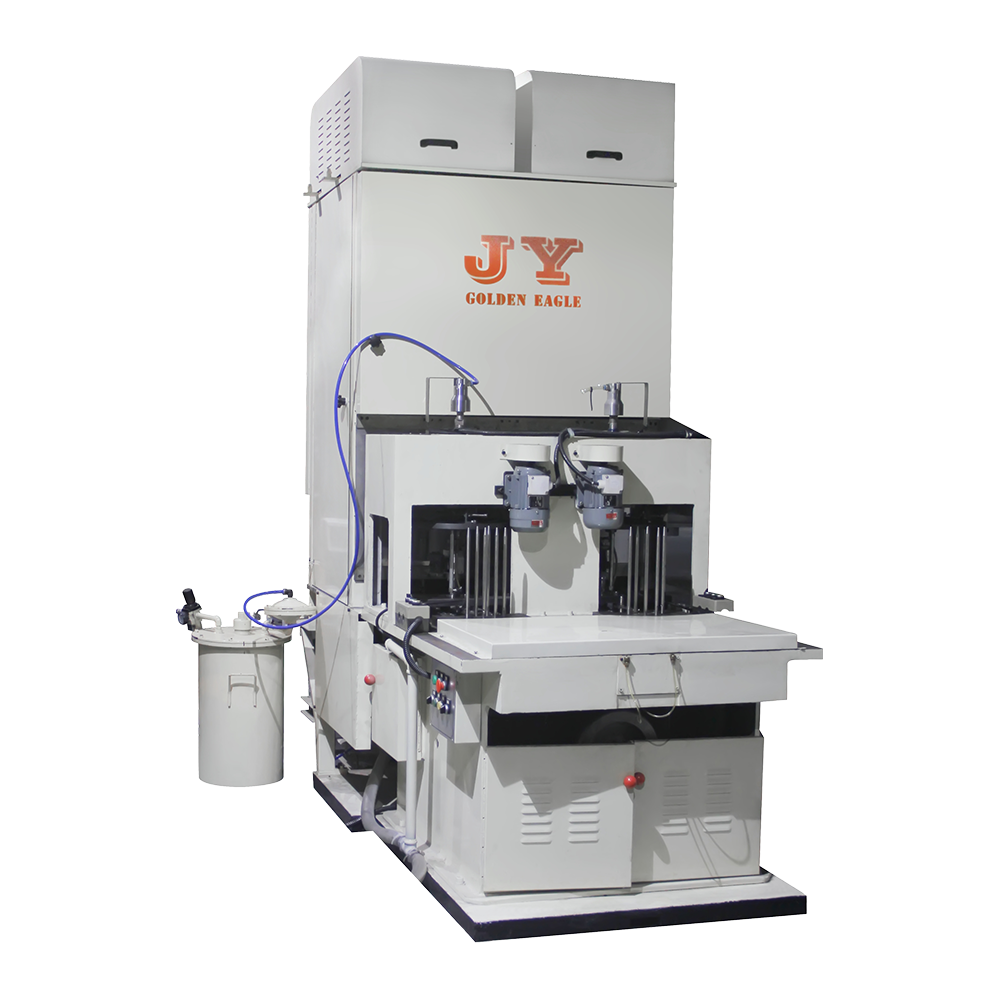
2026-07-25
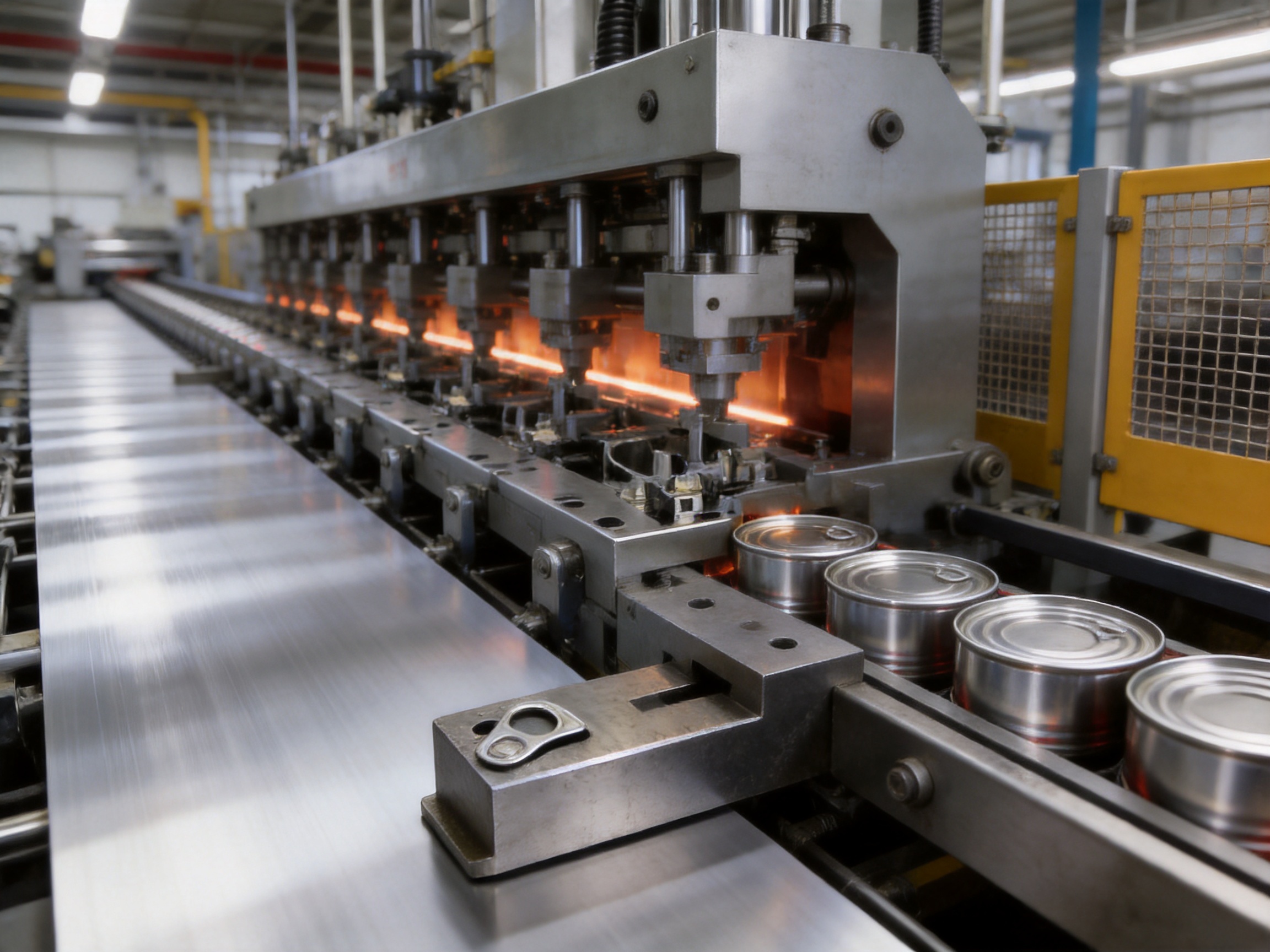
In modern metal packaging production, the conversion press is one of the most demanding machines on the manufacturing floor. It performs repeated forming, cutting, embossing, and shaping operations at high speed while maintaining strict dimensional accuracy. Every component inside the press must withstand continuous mechanical stress, rapid reciprocating movement, friction, heat, and repeated contact with metal strip or sheet. Among these components, the tab die is especially important because it directly influences the consistency, appearance, and functional quality of the finished can component.
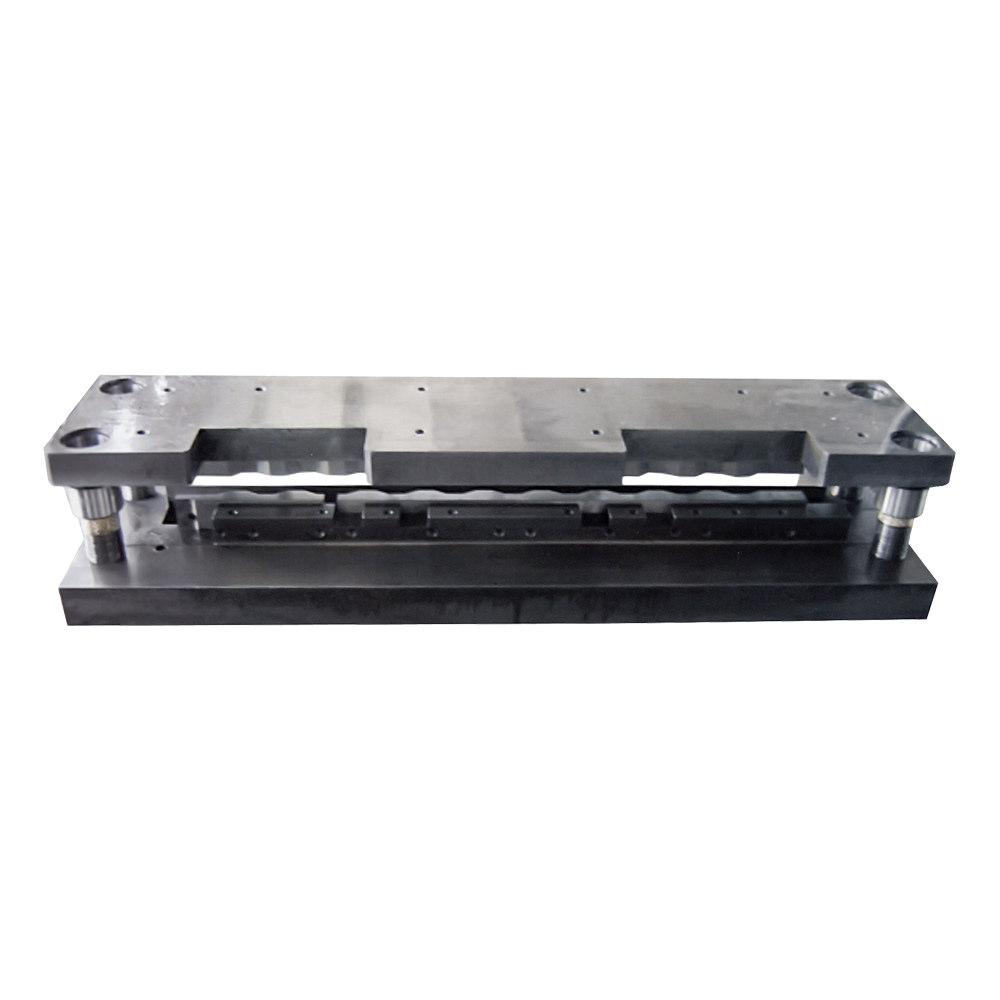
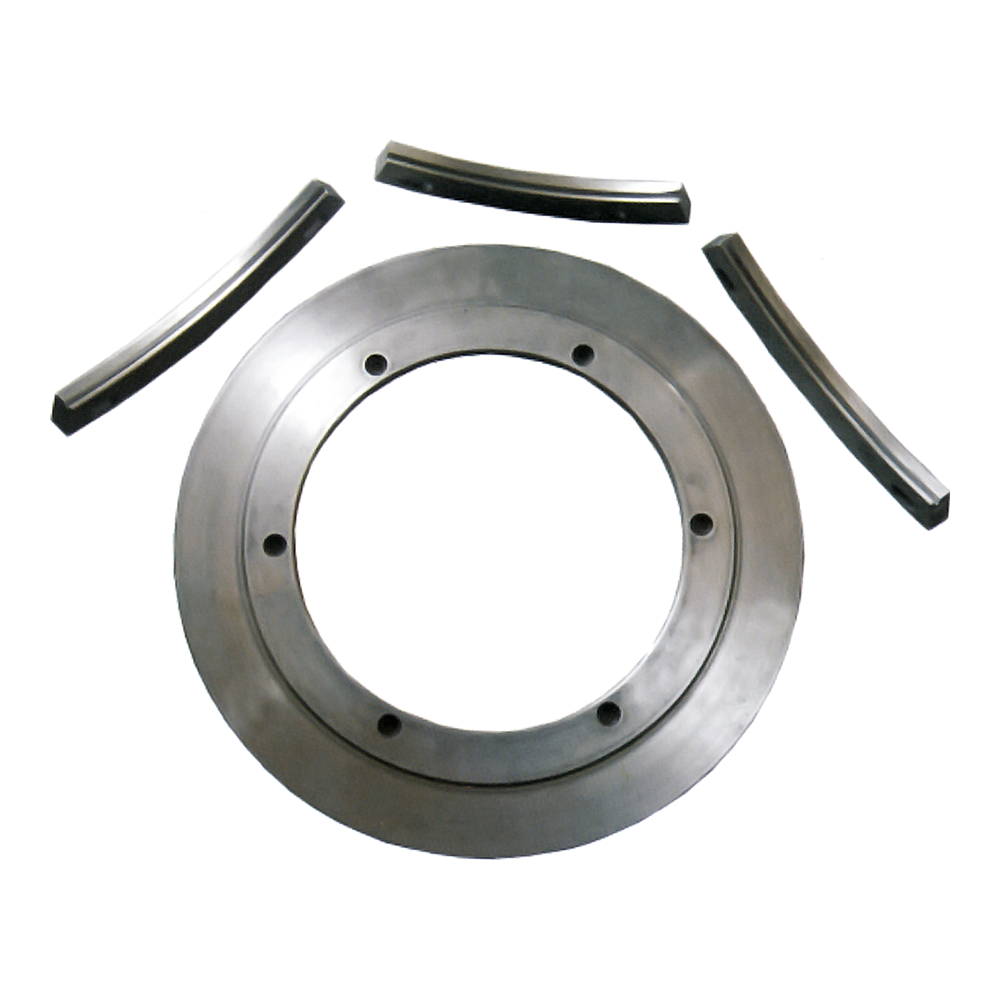
The Conversion Press Tab Die (Bulk) is a specialized die unit developed for high-precision conversion press applications. Supplied in bulk rather than only as part of a complete die set, it provides manufacturers with a practical solution for targeted maintenance, selective replacement, and long-term production support. Instead of replacing an entire die assembly when only one working component has become worn, a factory can keep individual bulk die parts in inventory and replace specific parts at the affected workstation.
This approach can reduce spare-parts expenditure, shorten maintenance periods, and help production teams restore normal operation more quickly. For factories producing large volumes of food cans, beverage cans, tinplate components, aerosol packaging, chemical containers, and other metal packages, these benefits can contribute directly to improved equipment availability and overall equipment effectiveness.
The die is manufactured from a high-hardness industrial alloy selected for demanding metal-forming conditions. Precision vacuum heat treatment improves the material’s hardness, toughness, and resistance to fatigue. Nano-level grinding and carefully controlled finishing processes create a smooth working surface with a low coefficient of friction. Together, these features help the tab die resist wear, manage heat, and protect the surface quality of the metal being formed.
Designed for manufacturers that require repeatable performance, reliable replacement parts, and compatibility with high-intensity press production, the Conversion Press Tab Die (Bulk) represents a balance between precision engineering and practical maintenance efficiency.
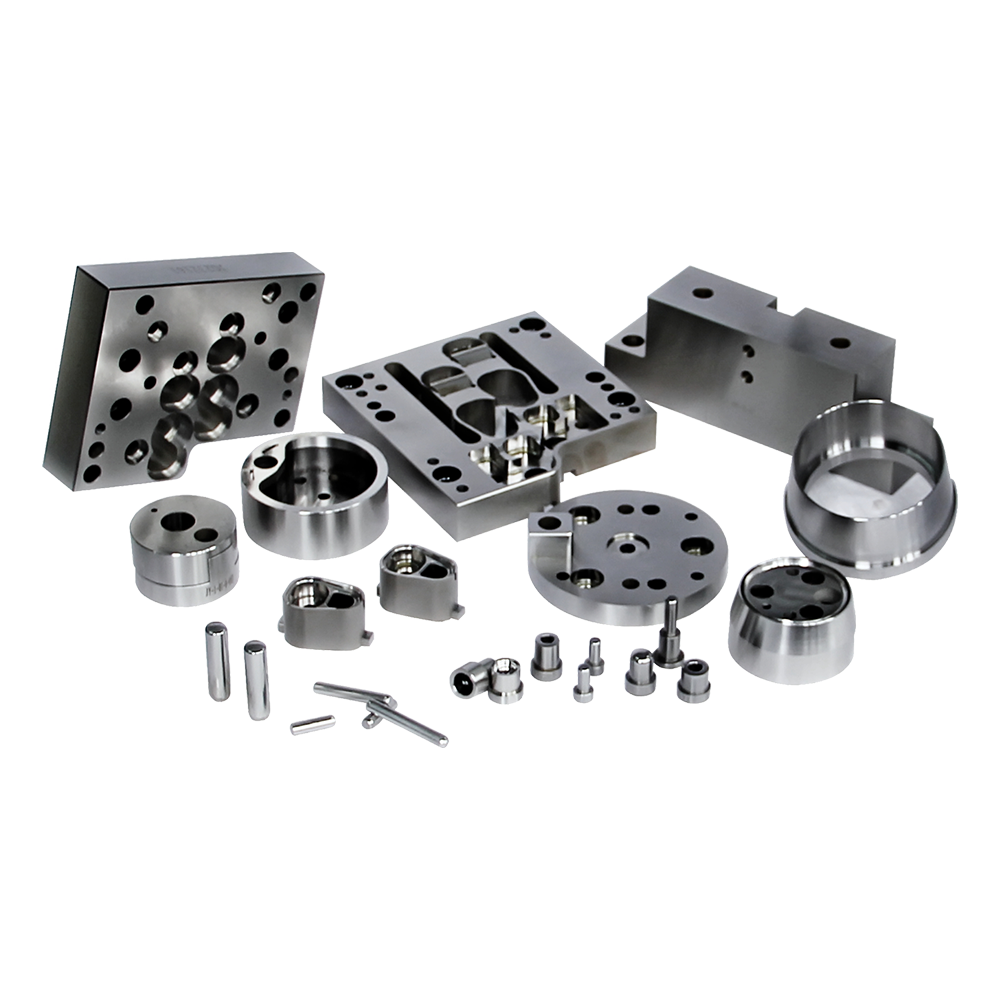
Conversion Press Tab Die(Bulk)
A conversion press transforms metal stock into accurately shaped components through a sequence of synchronized operations. In can manufacturing, the press may perform several actions in rapid succession, including blanking, drawing, forming, curling, scoring, embossing, and tab shaping. The die set determines the geometry of the finished component and controls how the metal flows during each stage of the process.
The tab die is the working element responsible for forming or processing the tab area of a can-end component. Although the tab may be relatively small compared with the complete lid or end, its manufacturing requirements are highly demanding. The tab must be positioned accurately, formed to the required profile, and produced with a clean surface and consistent dimensions. Small deviations can affect opening performance, appearance, assembly, or the consumer’s experience when using the finished package.
During operation, the tab die is exposed to repeated impact and sliding contact. The conversion press may operate at hundreds of reciprocating impacts per minute, depending on the equipment design, material, and production settings. The die must therefore tolerate a large number of cycles without excessive deformation, cracking, chipping, or loss of dimensional accuracy.
The operating environment also includes heat generated by friction and rapid movement. If heat is not dissipated effectively, thermal expansion may alter clearances between mating components. Excessive temperature can also accelerate lubricant breakdown, increase wear, and contribute to surface defects on the metal strip. A well-designed tab die must therefore combine mechanical strength, wear resistance, dimensional stability, and surface quality.
For these reasons, a tab die is not simply a shaped piece of hardened metal. It is a precision-engineered functional component whose material, geometry, heat treatment, grinding accuracy, and installation condition all influence the output of the conversion press.
The Conversion Press Tab Die (Bulk) uses a high-hardness industrial alloy as its base material. The selection of die material is central to performance because the die must resist repeated compressive loading, impact, sliding friction, and contact with metal stock. A material that is too soft may wear quickly or lose its shape. A material that is excessively brittle may be vulnerable to cracking under repeated impact. The most suitable alloy must provide a balanced combination of hardness, toughness, fatigue strength, and dimensional stability.
High hardness helps the working surface resist abrasion and indentation. This is particularly valuable when the die is used in continuous production and exposed to metal particles, surface contaminants, or imperfect lubrication. However, hardness alone is not sufficient. The material must also withstand repeated stress cycles without developing fatigue cracks or edge damage.
Fatigue strength is important because the die experiences thousands or millions of repeated loading events over its service life. Each stroke may appear small, but the cumulative effect of high-frequency operation can be significant. An alloy with appropriate fatigue resistance can maintain its working profile for a longer period and reduce the frequency of unplanned replacement.
Wear resistance helps preserve the geometry of the forming surface. When a die wears, the resulting change may be gradual and difficult to detect at first. Over time, however, it can affect tab dimensions, edge quality, forming consistency, and alignment with other die components. A wear-resistant alloy helps delay this process and supports stable production quality.
Dimensional stability is equally important. The tab die must remain within tight tolerances during operation and after heat treatment. If the material changes shape during production or becomes distorted under load, the press may produce inconsistent parts. The use of a carefully processed industrial alloy helps provide a stable foundation for precision grinding and final inspection.
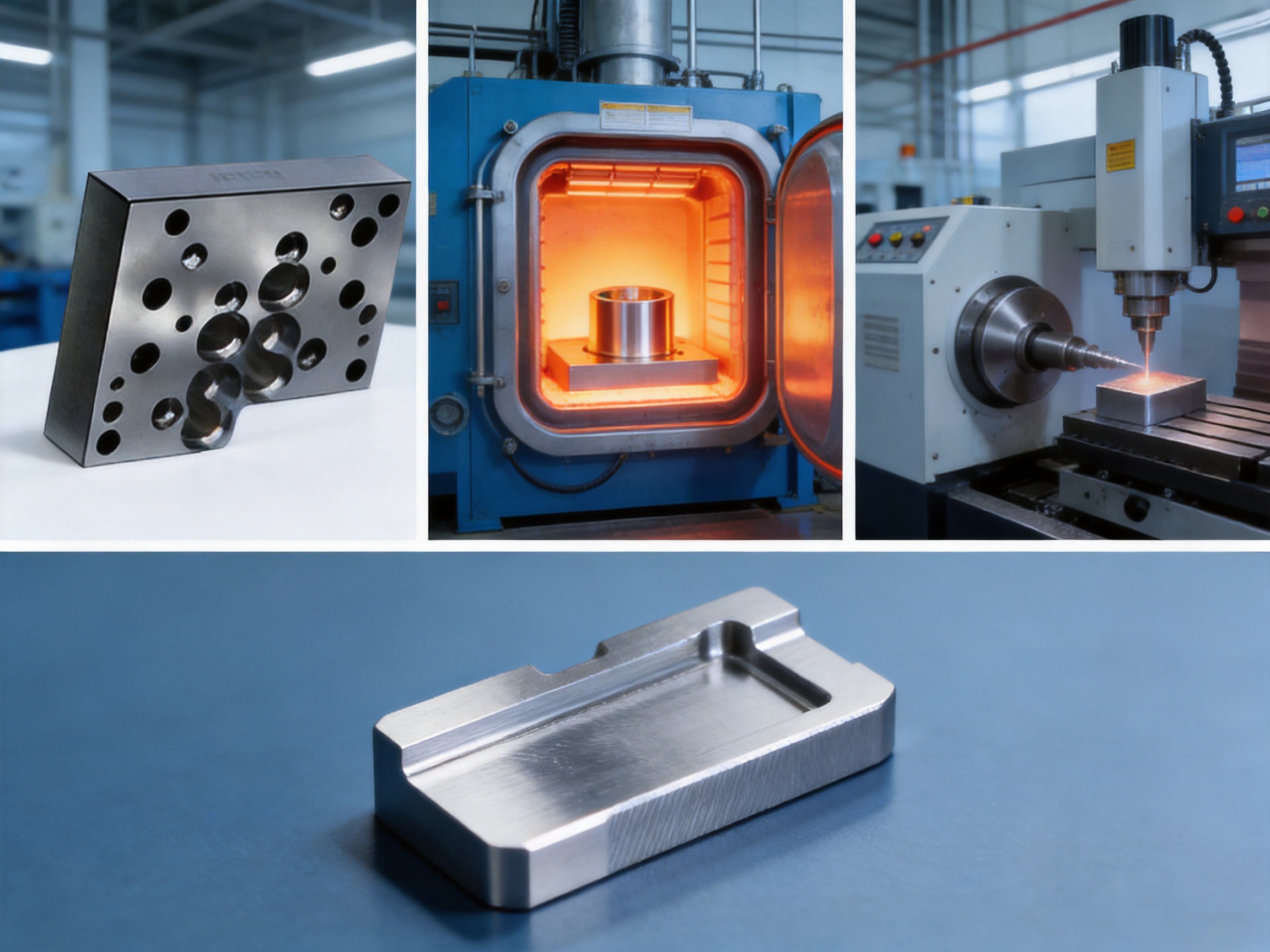
Heat treatment is one of the most important stages in the manufacture of a high-performance die. It changes the internal structure of the alloy and allows the material to achieve the required hardness and mechanical properties. For the Conversion Press Tab Die (Bulk), precision vacuum heat treatment is used to improve the quality and consistency of the finished die components.
Vacuum heat treatment takes place in a controlled environment with reduced atmospheric exposure. This minimizes oxidation, scaling, and surface contamination during heating. A cleaner surface after treatment is beneficial because it reduces the amount of post-treatment correction required and supports the production of a precise working profile.
Controlled heating and cooling also help reduce unnecessary distortion. Conventional heat treatment can create uneven temperature distribution or surface reactions that complicate subsequent machining. A carefully controlled vacuum process provides a more stable basis for final grinding and dimensional verification.
The heat-treatment cycle is selected according to the alloy, the component geometry, and the required service conditions. The objective is to achieve a suitable relationship between hardness and toughness. Excessive hardness without adequate toughness can increase the risk of brittle damage, while insufficient hardness may lead to rapid wear. A balanced heat-treatment process supports the die’s ability to withstand both repeated impact and continuous contact with the workpiece.
For high-speed conversion presses, this balance is particularly valuable. The die must maintain its shape while handling intense cyclic loading. It must also resist the gradual deterioration caused by friction and heat. Precision vacuum heat treatment helps prepare the alloy for these operating demands.
Another advantage is process repeatability. When heat treatment is conducted under carefully monitored conditions, different production batches can achieve more consistent properties. This is important for bulk-supplied die parts because manufacturers expect replacement components to perform in a predictable manner when installed on the same type of press or workstation.
After heat treatment, the die requires precision machining and finishing to achieve its final geometry. The working surface must be accurate enough to control the metal-forming operation and smooth enough to minimize friction. Nano-level grinding is applied to produce a refined surface with a very low coefficient of friction.
Surface finish affects more than appearance. A rough or uneven die surface can increase sliding resistance, create localized pressure points, and leave marks on the metal material. It may also encourage the accumulation of residue or fine particles in the working area. By contrast, a smooth surface allows the material to move more consistently across the die during forming.
Lower friction can reduce mechanical resistance during high-speed operation. It may also decrease heat generation at contact points. The resulting thermal conditions can help protect both the die and the workpiece, especially when the press operates continuously for extended shifts.
Fine grinding also supports dimensional consistency. A die profile that has been accurately finished is more likely to produce uniform components from the first stroke to the last. This is important in applications where the tab must meet a defined shape, position, and edge condition.
The finishing process must be controlled carefully. Removing too much material can change the designed geometry, while insufficient finishing may leave unwanted irregularities. Skilled machining personnel, suitable grinding equipment, and careful measurement are therefore essential to the production of reliable tab dies.
Low-friction finishing can provide an advantage over less precisely processed alternatives. A die that has only basic machining or inconsistent surface treatment may require more frequent adjustment, generate more heat, or contribute to greater surface marking on the metal. The refined finish of this bulk tab die is intended to support stable operation and a cleaner forming result.
High-frequency conversion presses place exceptional demands on die components. The repeated motion of the press creates impact loads, vibration, friction, and heat. Even small weaknesses in material quality or machining accuracy can become visible through premature wear, chipped edges, inconsistent forming, or frequent adjustment requirements.
The Conversion Press Tab Die (Bulk) is designed to address these conditions through a combination of high-hardness alloy construction, vacuum heat treatment, and precision surface finishing. Each feature contributes to a different aspect of operating performance.
The alloy provides the structural foundation needed to resist deformation. Vacuum heat treatment improves its ability to endure repeated mechanical loading. Nano-level grinding reduces friction and supports smooth material movement. Together, these characteristics help the die maintain its shape and working accuracy during demanding production cycles.
Effective heat management is also important. Frictional heat can affect the die, lubricant, and metal strip. A smooth working surface reduces unnecessary friction and helps limit heat generation. The die’s stable material properties also support predictable behavior when the press reaches its normal operating temperature.
Consistent performance is particularly important in automated production lines. When the press is integrated with feeding, forming, inspection, and packaging equipment, a problem at one workstation may affect the entire line. A worn tab die can result in rejected parts, press stoppages, downstream alignment issues, and increased labor requirements for inspection or rework.
By using a durable and precisely finished replacement component, production managers can help reduce the likelihood of such interruptions. The die does not eliminate the need for inspection or maintenance, but it provides a dependable component for maintaining the intended performance of the conversion press.
The bulk-supply format is one of the most practical advantages of this product. In a conventional maintenance approach, a factory may need to purchase a complete die set or a large assembly when only one tab die component has reached the end of its useful service life. This can increase the cost of spare parts and create unnecessary inventory.
Bulk supply allows the customer to purchase individual die parts in a quantity appropriate for production requirements. The factory can maintain a stock of replacement components and use them when specific workstations require service. This modular strategy supports more flexible maintenance planning.
Selective replacement can reduce downtime. If a single component shows wear, the maintenance team can replace that part instead of removing and changing the complete die assembly. The work can often be focused on the affected station, reducing the number of adjustments required after maintenance.
Bulk replacement parts can also help standardize maintenance. A factory may identify common wear patterns, establish replacement intervals, and keep a suitable quantity of critical components available. This makes it easier to respond to unexpected wear and reduces reliance on emergency procurement.
Inventory planning is another benefit. Complete die assemblies are larger, more expensive, and more difficult to store. Individual bulk die components require less storage space and allow manufacturers to build a more targeted spare-parts inventory. This can be especially useful for plants operating several conversion presses or multiple production lines.
The modular concept also supports equipment life extension. When worn components can be replaced individually, the main die structure and other serviceable parts may continue operating effectively. This reduces the need for premature replacement of an entire die set and supports a more economical lifecycle strategy.
| Maintenance factor | Complete die replacement | Bulk individual tab die replacement |
|---|---|---|
| Replacement scope | The entire die set or large assembly may be replaced | Only the worn or damaged component is replaced |
| Spare-parts cost | Usually higher because unused components are included | More targeted and potentially more economical |
| Maintenance time | May require extensive disassembly and setup | Can focus on the affected workstation |
| Inventory flexibility | Requires storage of complete assemblies | Allows stocking of selected high-use components |
| Production recovery | May involve longer adjustment and verification | Can support faster restoration when correctly installed |
| Equipment lifecycle | Serviceable parts may be discarded with the assembly | Usable parts can remain in service |
The actual result depends on press design, maintenance procedures, operator skill, and the condition of the surrounding components. Nevertheless, the bulk format gives production managers more choices than a replacement strategy limited to complete assemblies.
Not all die components are manufactured for the same production conditions. A general-purpose forming component may not provide the material quality, heat treatment, or surface finish needed for high-frequency conversion press operation. The Conversion Press Tab Die (Bulk) is specifically positioned for demanding applications where durability and repeatability are essential.
One advantage is its focus on fatigue resistance. A component designed for occasional or low-speed operation may not withstand the repeated impact associated with continuous industrial production. The use of a suitable high-hardness alloy and controlled heat treatment helps prepare this die for more intensive service.
Another advantage is wear control. Inferior surface finishing can cause greater friction and faster deterioration of the forming profile. The low-friction surface produced through precision grinding helps support smoother contact with the metal material and may reduce the rate of surface damage.
Dimensional consistency is also a distinguishing factor. A die that is manufactured with broad or inconsistent tolerances can lead to variation in the finished tab. Precision machining and inspection help ensure that the bulk replacement part is suitable for applications where repeatability matters.
The modular supply model provides a further practical advantage. Even if a complete die assembly is available from another source, it may not offer the same flexibility for selective replacement. A bulk component program enables a factory to respond to localized wear rather than replacing equipment more broadly than necessary.
Compared with low-quality substitutes, a properly processed replacement die may also reduce the risk of secondary damage. A poorly finished or incorrectly hardened component can create abnormal contact, increase load on adjacent parts, or damage the metal strip. A precision-made die is intended to work as part of a controlled system, helping protect the consistency of the complete conversion operation.
It is important to note that performance depends on correct matching. The die must correspond to the press model, workstation, product specification, and tooling configuration. The strongest material cannot compensate for incorrect installation, unsuitable clearance, poor lubrication, or misalignment. Product selection should therefore be combined with accurate technical verification.
Reliable die manufacturing begins with material control. The selected alloy must be appropriate for the intended load, wear conditions, and finishing requirements. Incoming material inspection can include verification of dimensions, identification, surface condition, and relevant material documentation.
Machining preparation is the next stage. The component is shaped using precision mechanical processing so that the basic geometry is close to the final design before heat treatment. Maintaining suitable machining allowances is important because heat treatment and final grinding must be coordinated to achieve the required dimensions.
During vacuum heat treatment, process parameters are monitored to support consistent hardness and minimize distortion. After treatment, the component may be inspected for visible defects, dimensional change, and surface condition before moving to final grinding.
Precision grinding is performed to establish the final working geometry and surface quality. This stage requires attention to profile accuracy, edge condition, flatness, concentricity, and other relevant dimensions. The objective is not simply to create a smooth finish, but to ensure that the die will function correctly within the complete conversion press assembly.
Final inspection may include dimensional measurement, surface examination, hardness verification, and visual checks for grinding marks, cracks, chips, or other irregularities. Each inspection step contributes to confidence in the replacement component.
The manufacturer’s wider production capabilities are also relevant. Zhejiang Golden Eagle Food Machinery Co., Ltd. operates with CNC high-precision machining equipment and comprehensive mechanical processing equipment. Its manufacturing experience covers can-making machinery and can-making molds, giving its engineering personnel practical familiarity with the relationship between tooling, press operation, and finished packaging components.
The company was established in 1978 and has developed a workforce of more than 350 trained employees, including experienced design and development engineers. This combination of long-term industry experience and modern machining capability supports the production of specialized die components for demanding packaging applications.
A die component performs best when it is developed with an understanding of the complete production system. The manufacturer’s experience in can-making machinery provides an important foundation for this type of product. Can production includes many interdependent operations, and tooling must be designed with attention to material behavior, press speed, component dimensions, feeding accuracy, and downstream assembly.
Experience with complete production lines also helps engineers understand practical factory conditions. A die may perform differently depending on the grade and thickness of tinplate, the operating speed, lubricant condition, press alignment, and maintenance schedule. Knowledge gained from manufacturing a broad range of equipment can help inform tooling design and technical support.
The company supplies equipment and molds for food can production lines, beverage can production lines, can-lid production lines, chemical tank production lines, aerosol canister production lines, two-piece can production lines, and pop-can applications. This broad product range reflects an understanding of different metal-packaging requirements.
Its product design principles are described as similar to those associated with established international equipment manufacturers, while practical production experience has been used to adapt and improve designs. The objective is to combine proven mechanical concepts with manufacturing knowledge gained through continuous use and development.
More than 10,000 pieces of can and can-lid equipment have reportedly been produced. This level of accumulated production experience can support better process familiarity, spare-parts planning, and customer service for manufacturers operating metal-packaging machinery in different markets.
The Conversion Press Tab Die (Bulk) is suitable for production environments in which conversion presses form or process tab-related components for metal packaging. Typical applications may include food cans, beverage cans, tinplate can ends, easy-open-end components, and other metal container products that require accurate tab geometry.
Food and beverage packaging lines often operate for long production periods and require strict control of component consistency. A tab die that maintains its working profile can support uniform output and help reduce variation between production batches.
Aerosol and chemical packaging manufacturers may also require precision tooling for metal components. These applications can involve demanding material specifications and strict functional requirements. The appropriate die configuration must be selected according to the specific product design and press arrangement.
Because the die is supplied in bulk, it can be useful for factories that maintain multiple lines or operate several similar conversion presses. A centralized spare-parts inventory can support different maintenance teams and reduce the time required to source individual components.
Export-oriented manufacturers can also benefit from a structured replacement-parts supply program. When equipment is installed in different regions, timely access to compatible wear parts can be important. Bulk purchasing can help customers plan replenishment before a critical component reaches an unacceptable condition.
Correct installation is essential for achieving the intended performance of a precision tab die. Before installation, the maintenance team should confirm the part number, dimensions, orientation, workstation position, and compatibility with the existing die set. The replacement component should be checked for transport damage, contamination, or visible surface defects.
The mounting area should be clean and free from chips, hardened residue, and other particles that could affect seating. Even a small contaminant may create misalignment or uneven loading. Contact surfaces should be examined for burrs, dents, or damage before the new die is installed.
Alignment and clearance should follow the requirements of the relevant press and tooling design. Incorrect clearance can increase friction, produce poor forming results, or cause premature wear. Excessive clearance may result in dimensional variation, while insufficient clearance can create excessive pressure and damage.
Lubrication should also be appropriate for the material, press speed, and production process. The smooth surface of the die helps reduce friction, but it does not eliminate the need for proper lubrication where the application requires it. Lubricant quantity and distribution should be controlled to prevent both dry contact and excessive residue.
After installation, the press should be operated at a controlled speed while the maintenance team verifies movement, noise, vibration, material flow, and part quality. Initial samples should be inspected for dimensions, surface marks, burrs, deformation, and tab position. If the press is part of an automated line, downstream operations should also be checked before full-speed production begins.
A short observation period after installation can identify problems that are not visible during static inspection. Monitoring the die temperature, press load, and appearance of the formed components can help confirm that the component is operating under appropriate conditions.
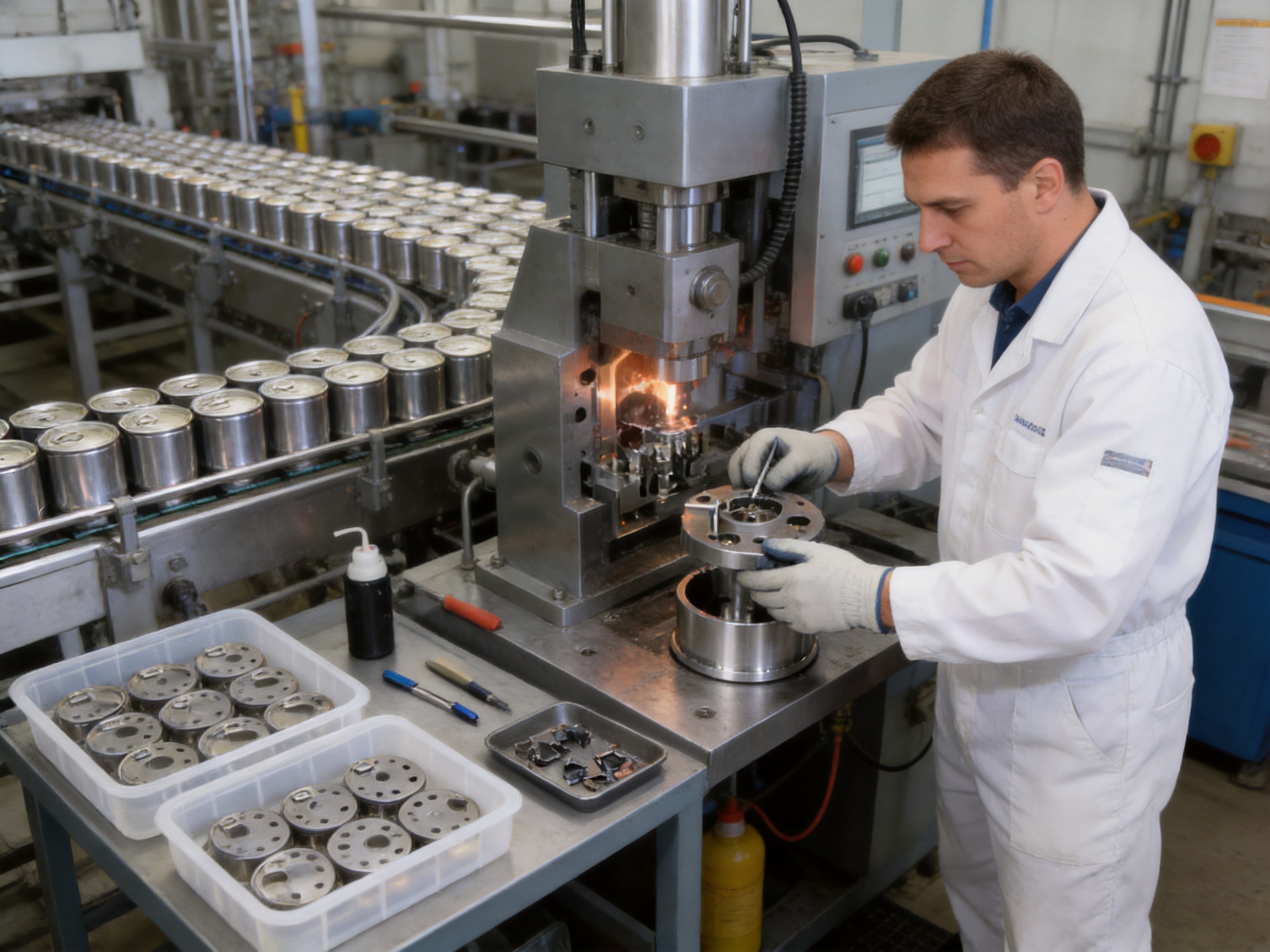
Even a durable die requires regular inspection. Preventive maintenance is generally more economical than waiting for a failure that stops the production line. Operators and maintenance personnel should monitor the tab die for changes in surface appearance, forming quality, press noise, vibration, and operating load.
Signs of wear may include changes in tab dimensions, incomplete forming, surface scratches, burr formation, inconsistent edge quality, or a gradual increase in rejected components. Changes in the press sound or operating resistance may also indicate that the die or a related component requires attention.
Inspection frequency should be based on production speed, material type, operating hours, product specification, and previous wear history. High-volume lines may require more frequent checks than intermittent production equipment. Records should be maintained so that the factory can identify trends and predict replacement needs.
Bulk replacement parts make it easier to implement planned replacement intervals. If a factory knows that a particular workstation typically requires a new tab die after a defined number of production cycles, replacement can be scheduled during a planned maintenance window. This reduces the likelihood of an unexpected breakdown during a critical order.
Storage conditions are also important. Spare die components should be kept in a clean, dry environment and protected from impact, moisture, and contamination. Precision surfaces should not be placed directly against rough or abrasive materials. Appropriate packaging and identification help ensure that the correct part is available when required.
When a replacement is installed, the removed component should be examined where possible. Wear patterns can reveal alignment problems, inadequate lubrication, excessive loading, or contamination. This information can help the maintenance team correct underlying issues rather than repeatedly replacing the same component without addressing the cause.
Overall equipment effectiveness, commonly known as OEE, reflects the availability, performance, and quality of a production line. A small die component can influence all three factors. If it wears prematurely, equipment availability may decline because of unplanned stoppages. If it creates additional friction or requires reduced press speed, performance may be affected. If it produces inconsistent tabs, quality losses may increase.
The Conversion Press Tab Die (Bulk) supports availability through selective replacement. Maintenance personnel can focus on the worn part instead of replacing a complete assembly. This may shorten repair time and reduce the number of adjustments required before production resumes.
It supports performance through a low-friction, precisely finished working surface. Stable movement and controlled contact can help the press operate at its intended speed, subject to the complete condition of the machine and process.
It supports quality through accurate geometry and wear-resistant construction. A die that maintains its profile can help produce more consistent components and reduce the possibility of defects related to deformation, scratches, or dimensional variation.
OEE improvement is never achieved by one component alone. Feeding accuracy, press condition, material quality, lubrication, operator training, inspection, and downstream equipment all play important roles. Nevertheless, reliable tooling is a necessary part of an efficient conversion press system.
| Feature | Production value | Operational benefit |
|---|---|---|
| High-hardness industrial alloy | Provides a strong and wear-resistant working foundation | Helps preserve die geometry during repeated forming |
| High fatigue strength | Supports resistance to repeated impact and cyclic loading | Suitable for high-frequency conversion press operation |
| Precision vacuum heat treatment | Improves material properties while reducing oxidation and distortion | Creates a stable basis for final machining and service |
| Nano-level grinding | Produces a refined and accurate working surface | Supports lower friction and consistent material movement |
| Low coefficient of friction | Reduces resistance at sliding contact areas | Helps limit heat generation, scratches, and deformation |
| Bulk supply format | Allows individual components to be stocked and replaced | Reduces maintenance scope and supports faster recovery |
| Can-making machinery expertise | Connects die production with complete press-line requirements | Supports practical technical coordination and service |
A precision replacement component is most valuable when customers can obtain accurate technical information and appropriate support. The manufacturer provides machinery and molds for a wide range of can-making applications and has experience serving customers in Europe, Asia, Africa, North America, South America, and Oceania.
International experience can be useful because production conditions differ between factories. Customers may operate different press models, material specifications, line speeds, and maintenance systems. Technical communication is therefore important when confirming die dimensions, application requirements, replacement quantities, and installation procedures.
The company provides after-sales services that include installation, commissioning, technical guidance, operation training, and parts supply. These services can help customers introduce new equipment, replace worn tooling, and improve the reliability of existing production lines.
For a bulk tab die order, technical confirmation should normally include the press type, die-set identification, workstation location, product specification, material thickness, required quantity, and any available drawings or sample parts. Confirming these details before production helps reduce the risk of ordering an incompatible component.
Engineering support is also valuable when a customer wants to improve a recurring production problem. If the factory is experiencing abnormal wear, repeated scratches, or inconsistent tab dimensions, the cause may involve more than the die itself. A review of alignment, clearance, lubrication, press settings, and material condition can help identify the most effective solution.
Die performance is determined by the complete manufacturing chain rather than by one advertised feature. A high-quality alloy cannot deliver its full value if it is incorrectly machined. Accurate machining may be undermined by poor heat treatment. Proper heat treatment may not produce consistent results if final grinding is uncontrolled. For this reason, an integrated manufacturing process is essential.
The production approach for the Conversion Press Tab Die (Bulk) combines material selection, precision machining, vacuum heat treatment, fine grinding, and inspection. Each stage prepares the component for the next stage and contributes to the final working performance.
CNC high-precision machining equipment helps establish repeatable dimensions and supports the production of complex or closely controlled geometries. Complete mechanical processing equipment allows different operations to be coordinated within a broader manufacturing system.
Experienced personnel are equally important. Tooling requires practical judgment regarding machining allowances, heat-treatment behavior, finishing methods, and the relationship between the die profile and the press process. More than four decades of industry development provide a substantial knowledge base for these decisions.
The company’s ISO9001 quality management certification reflects the use of a structured quality-management approach. Its ISO14001 environmental management certification demonstrates attention to environmental management practices. These certifications do not replace product inspection, but they indicate that manufacturing and management processes are organized within recognized systems.
Before purchasing a bulk tab die, production managers should identify the exact application. The same general component name may cover different geometries or configurations depending on the conversion press and the can-end design. The factory should provide as much technical information as possible to ensure correct matching.
Expected annual consumption is another important consideration. A factory operating one press intermittently may require a small stock, while a multi-line plant running continuous shifts may need a larger reserve. Historical wear data can help determine a practical order quantity.
Lead time and replenishment planning should be considered together. Bulk ordering may reduce the risk of production interruptions, but the components should be stored under suitable conditions and clearly identified. A simple inventory system can record the date each part enters service, the production cycles completed, and the reason for replacement.
Cost evaluation should include more than the purchase price. The total value of a die component may be reflected in its service life, maintenance time, effect on product quality, and compatibility with existing equipment. A lower-cost component that wears rapidly may create greater expenses through downtime and rejected products.
Factories should also evaluate the supplier’s ability to provide technical support and related machinery. A supplier with knowledge of can-making equipment may be better positioned to understand the operating context and assist with troubleshooting or future tooling requirements.
Longer-lasting die components can support more responsible use of industrial resources. When a worn component can be replaced individually, there may be less need to discard a complete die assembly containing several still-serviceable parts. This modular approach can reduce unnecessary material consumption and support more efficient spare-parts management.
Reduced friction may also contribute to efficient operation by limiting mechanical resistance and heat generation. The actual energy effect depends on the complete press, lubrication system, production speed, and operating condition, but a smooth and accurately finished contact surface is generally beneficial to controlled mechanical performance.
Proper maintenance extends the useful life of tooling and reduces waste caused by avoidable damage. Regular inspection, correct lubrication, accurate alignment, and timely replacement can help prevent a small wear issue from damaging adjacent components or creating large quantities of defective products.
The manufacturer’s ISO14001 environmental management certification indicates that environmental factors are considered within its management system. For customers evaluating suppliers, this can be part of a broader assessment that includes material efficiency, production controls, packaging, logistics, and service life.
A Conversion Press Tab Die is a precision tooling component used in a conversion press to form or process the tab area of a metal can-end component. It controls the relevant geometry during repeated high-speed forming operations.
Bulk means that the tab die is supplied as an individual replacement component or in a quantity of separate components rather than only as part of a complete die assembly. This allows factories to replace selected worn parts.
The die uses a high-hardness industrial alloy selected for demanding metal-forming applications. The material is intended to provide wear resistance, fatigue strength, and dimensional stability.
Vacuum heat treatment helps improve the mechanical properties of the alloy while reducing oxidation, scaling, and unwanted surface contamination. It also supports more controlled dimensional behavior before final grinding.
Nano-level grinding produces a highly refined working surface. The resulting low coefficient of friction can support smoother material movement, lower contact resistance, improved heat management, and reduced risk of scratches or deformation.
The bulk supply format can help reduce downtime because maintenance personnel may replace only the worn component instead of changing a complete die set. Actual downtime depends on the press design, accessibility, installation procedure, and maintenance skill.
Compatibility must be confirmed before ordering. The correct component depends on the press model, die-set design, workstation, product geometry, and technical dimensions. Customers should provide equipment information and drawings when available.
Maintenance should include regular inspection for wear, scratches, chips, deformation, abnormal noise, vibration, and changes in product quality. The die should be kept clean, correctly lubricated where required, properly aligned, and replaced before wear causes serious secondary damage.
Useful information includes the press model, existing die-set identification, application, product dimensions, material type and thickness, required quantity, drawings, photographs, and delivery requirements. These details help the supplier confirm the correct configuration.
The product is intended for metal-packaging manufacturers, including producers of food cans, beverage cans, tinplate components, can ends, aerosol packaging, chemical containers, and other products manufactured with conversion press technology.
Its main differentiators are the high-hardness alloy, precision vacuum heat treatment, nano-level grinding, low-friction surface, and bulk modular replacement format. These features are designed for high-frequency production and practical maintenance efficiency.
The Conversion Press Tab Die (Bulk) is a specialized solution for manufacturers that require precision, durability, and flexible maintenance in high-speed metal-packaging production. Its high-hardness industrial alloy provides the foundation for wear resistance and fatigue performance. Precision vacuum heat treatment improves the material’s ability to withstand repeated loading, while nano-level grinding creates a low-friction working surface that supports smooth forming and reduced surface damage.
The bulk supply format adds an important operational advantage. Factories can stock individual components, replace only the parts that require service, and reduce the cost and time associated with complete die-set replacement. This modular strategy can support better spare-parts planning, faster maintenance response, and improved production availability.
Manufacturing expertise also contributes to the product’s value. Zhejiang Golden Eagle Food Machinery Co., Ltd. combines long-term experience in can-making machinery and molds with CNC precision machining, complete mechanical processing capabilities, trained personnel, and structured quality and environmental management systems. Its experience with complete can production lines helps connect the performance of an individual die component with the requirements of the broader manufacturing process.
For production managers, the most important step is to confirm compatibility and application requirements before ordering. When correctly matched, installed, and maintained, the Conversion Press Tab Die (Bulk) can serve as a dependable component for high-intensity conversion press operations and help manufacturers pursue stable quality, lower maintenance disruption, and improved overall equipment effectiveness.
1. Industrial die-material selection principles for high-cycle metal forming applications.
2. Technical guidance on vacuum heat treatment of high-hardness alloy tooling.
3. Best practices for precision grinding and surface finishing of press dies.
4. Maintenance planning methods for conversion presses and metal-packaging production lines.
5. Quality management principles based on ISO9001 manufacturing systems.
6. Environmental management principles based on ISO14001 industrial production systems.
7. Manufacturer-provided product information for the Conversion Press Tab Die (Bulk).
8. Manufacturer-provided company information concerning can-making machinery, can-making molds, production capabilities, certifications, and after-sales services.
Related Products

Founded in 1978, the company is one of the largest can-making machinery well-known companies at home and abroad.
Product Categories
Contact Information
Zhongshatou Shenjiamen Zhoushan Zhejiang China
+86-580-3056646

 English
 中文简体
中文简体
 русский
 عربى
عربى
 Español