2026-07-17
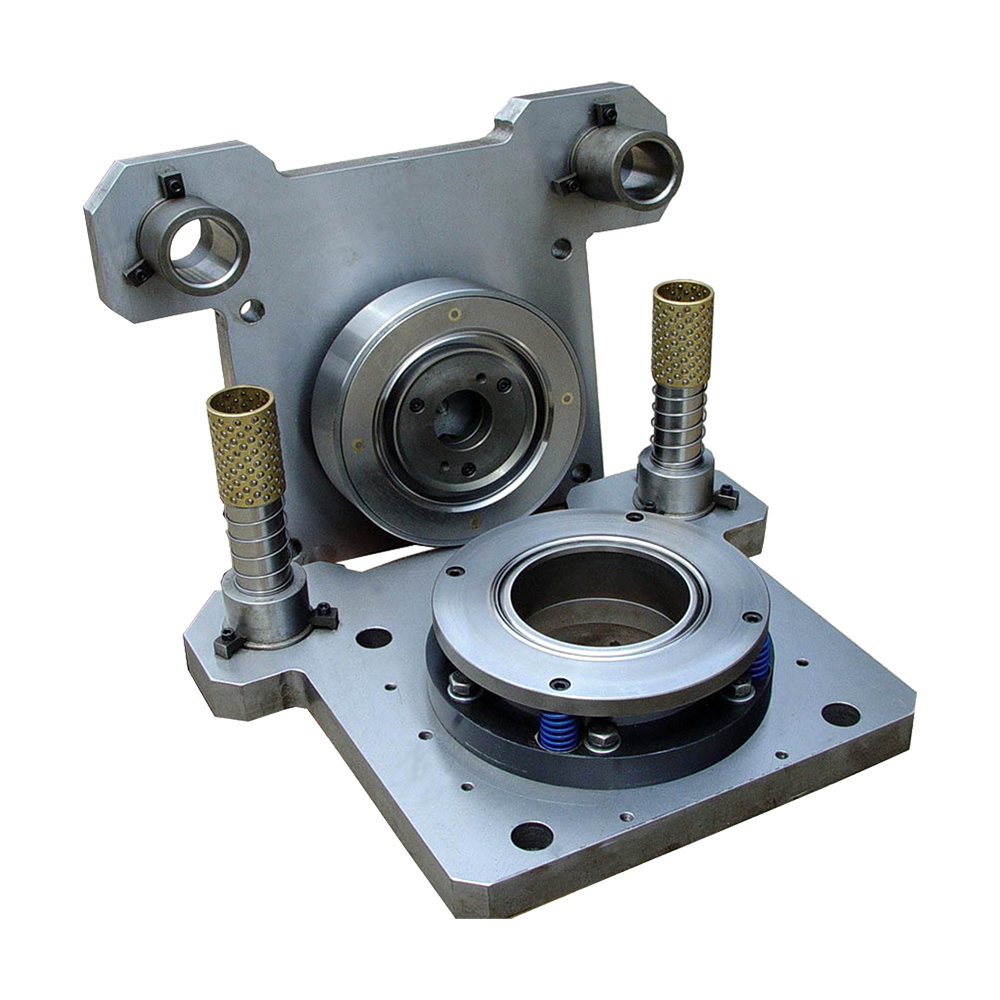
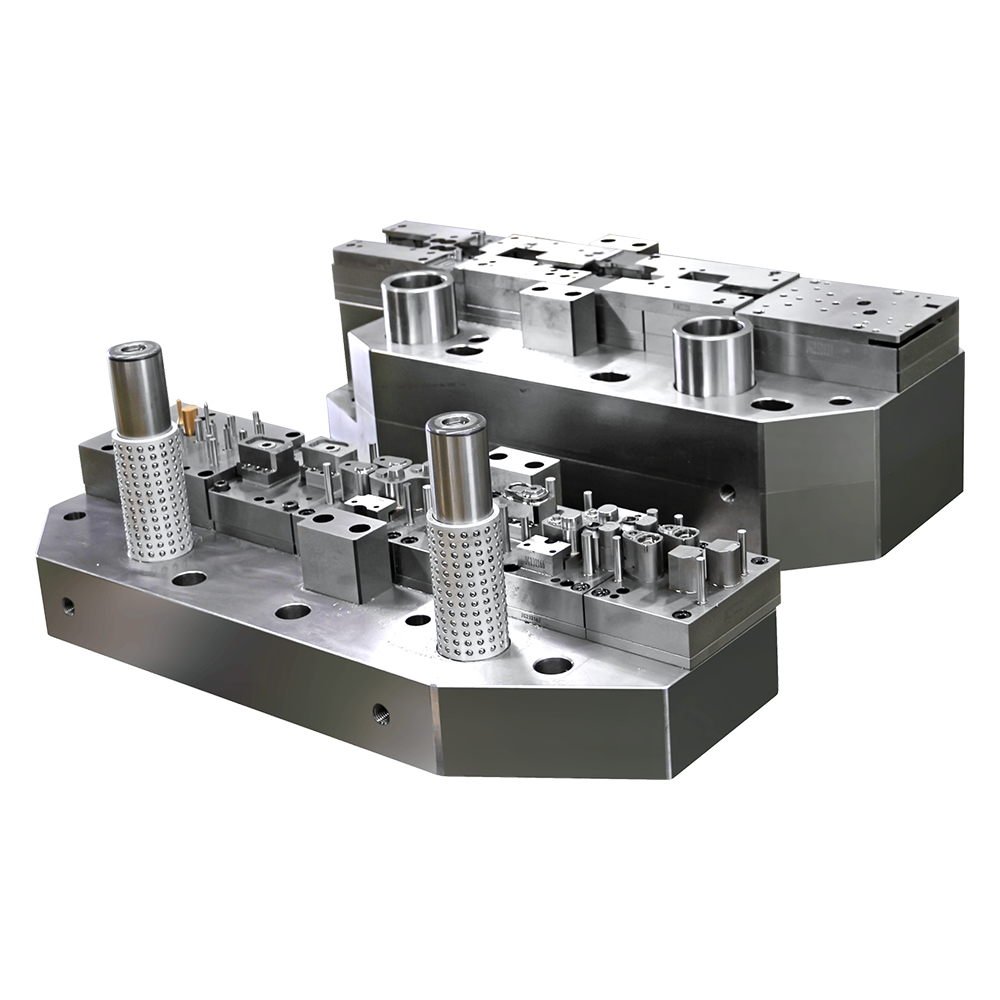
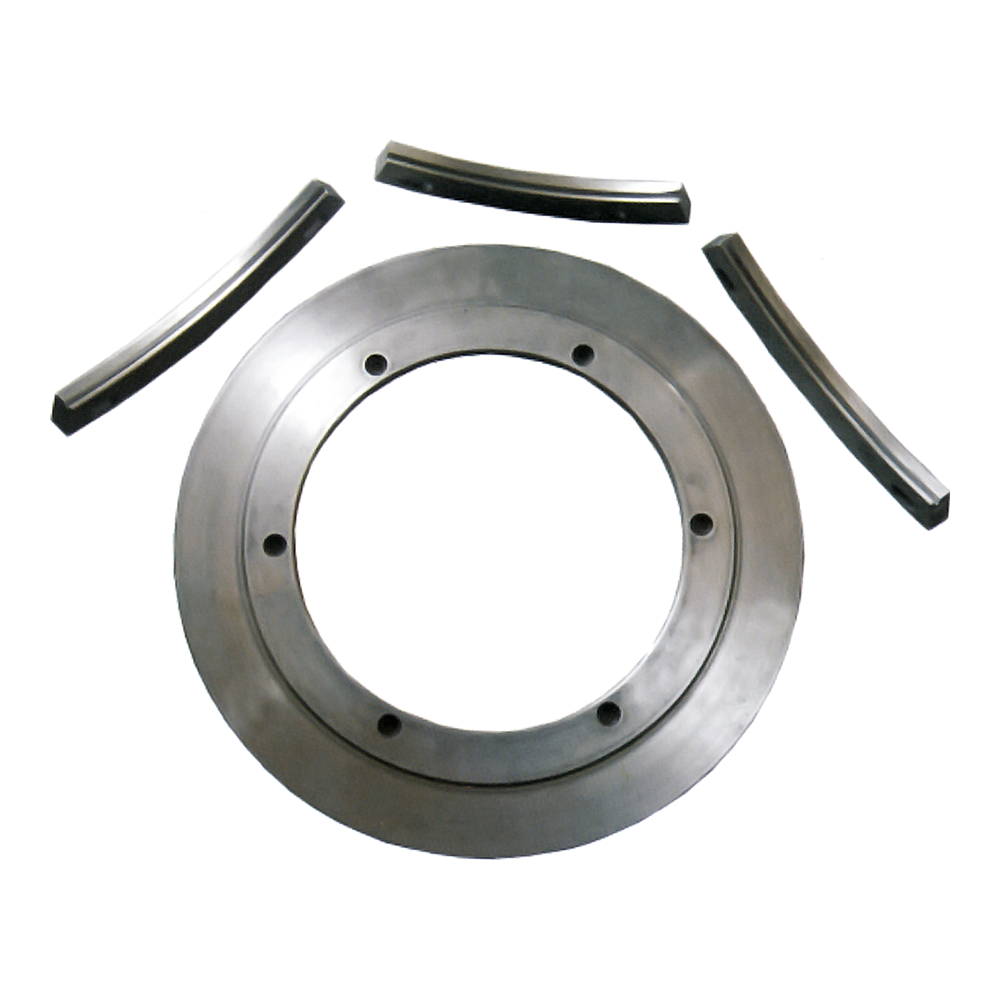
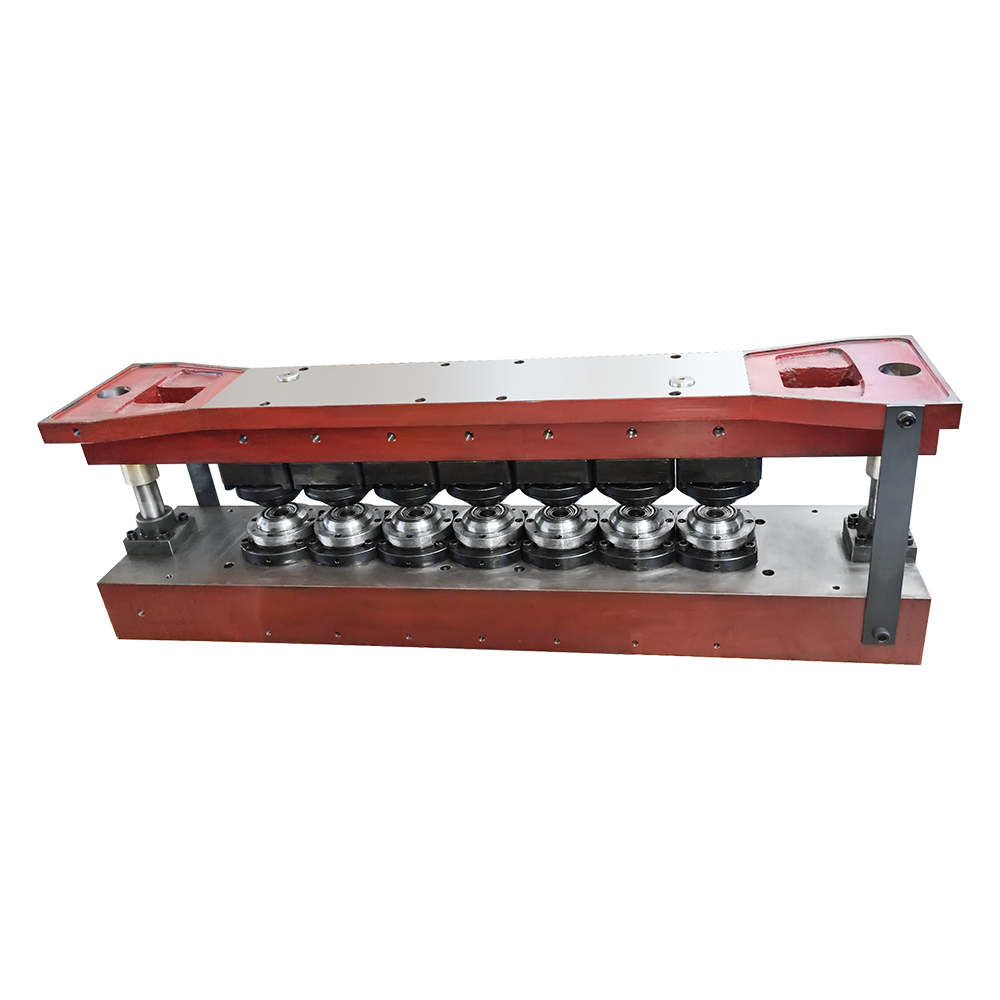
In modern metal packaging production, the quality of a can end is determined long before the finished lid is packed, stacked, or seamed onto a filled container. It begins at the forming stage, where carefully engineered tooling converts flat tinplate, tin-free steel, or other suitable sheet materials into precise, repeatable, and structurally reliable components. The Conversion Press Drawing Die is a specialized mold solution designed for this exact purpose: stable drawing, accurate shaping, consistent dimensional control, and dependable performance in high-volume can-making environments.
As a core mold used with conversion presses, this drawing die supports can lid and end production by transforming metal blanks into defined profiles with controlled depth, radius, panel shape, countersink geometry, and other critical features. In can-making production lines, even a small deviation in end profile may affect seaming performance, stacking stability, internal pressure resistance, or opening reliability. Therefore, the drawing die is not merely a replaceable tool; it is a key production asset that influences efficiency, product consistency, line speed, and total operating cost.
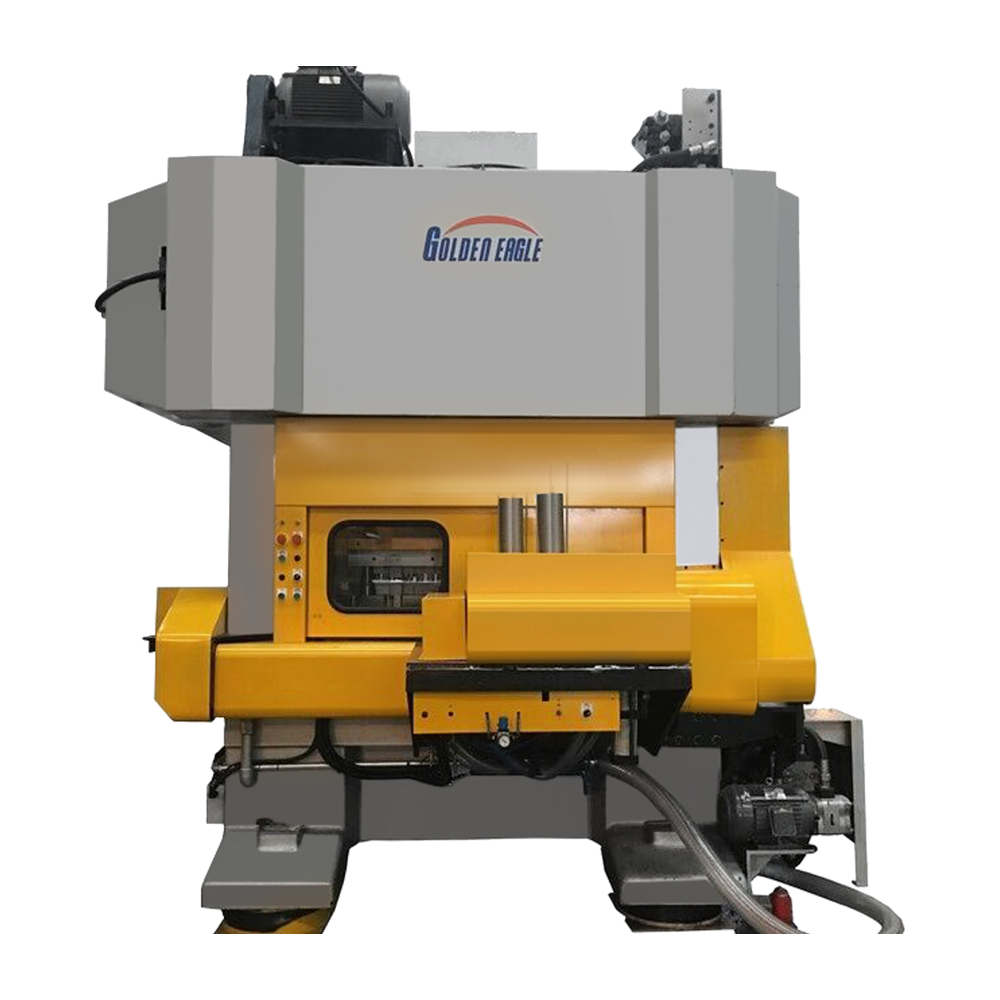
Zhejiang Golden Eagle Food Machinery Co., Ltd., an experienced manufacturer of can-making machinery and can-making molds, provides the Conversion Press Drawing Die as part of its broader capability in food can production lines, beverage can production lines, can lid production lines, chemical tank production lines, aerosol canister production lines, two-piece can production lines, and related tinplate can making machinery production line solutions. With a manufacturing history dating back to 1978, the company combines long-term practical experience with high-precision CNC machining, systematic quality management, and continuous product improvement.
The Conversion Press Drawing Die is especially valuable for manufacturers that need reliable tooling for tin can lid end making machines, EOE lids making machines, food and beverage can making machines, and related can end conversion equipment. Its purpose is to help production teams achieve a smooth forming process, reduce scrap, extend tooling life, and maintain repeatable product quality across large batches. In competitive can manufacturing, these advantages directly translate into higher productivity and stronger customer confidence.
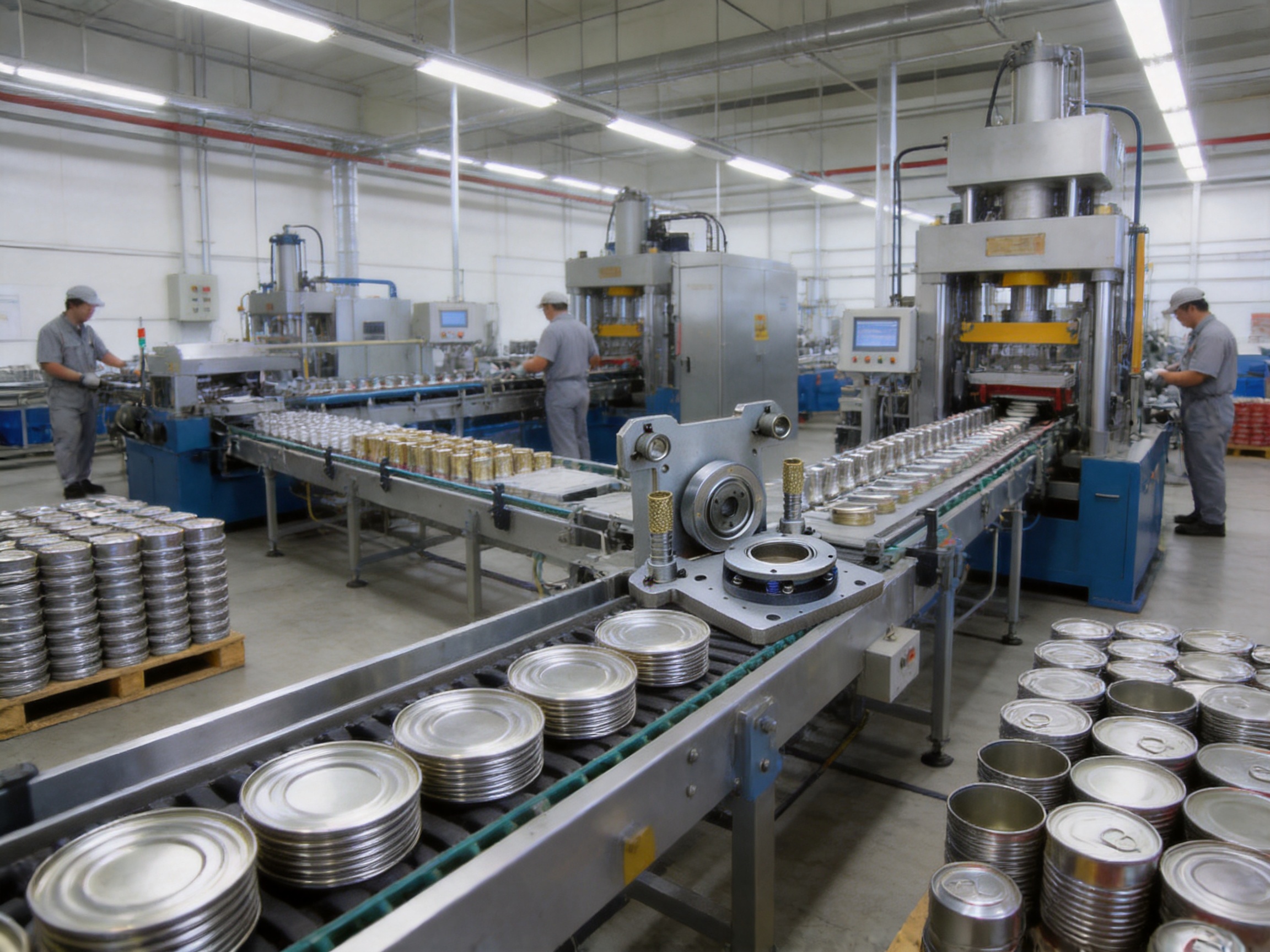
A conversion press drawing die is used to form metal material into a required end profile through controlled drawing and shaping. In a can end production line, the sheet material is first prepared, cut, and fed into the press system. The die then works with punches, blank holders, pressure pads, and related components to draw the metal into the desired shape. The process may include forming a central panel, defining the countersink, establishing a peripheral curl or flange area, and preparing the part for subsequent operations such as scoring, riveting, tab attachment, curling, or compound lining.
The drawing stage is critical because it establishes the foundation for every later operation. If the drawing die produces uneven wall thickness, wrinkles, cracks, burrs, unstable radii, or inconsistent dimensions, downstream equipment will experience higher rejection rates and more frequent adjustments. For easy-open ends, inaccurate forming may affect score quality, rivet strength, tab function, and consumer opening performance. For standard sanitary ends, it may affect seaming integrity and pressure performance.
The Conversion Press Drawing Die therefore has a direct relationship with the safety, appearance, and functionality of the final can package. In food cans, a secure end contributes to product preservation and sterilization reliability. In beverage cans, consistent geometry helps support pressure resistance and high-speed filling. In aerosol and chemical containers, reliable end shapes contribute to safety under internal pressure or demanding storage conditions. While the die is a mold component, its impact extends across the full production chain.
Compared with general-purpose or low-precision tooling, a professional conversion press drawing die is engineered around the realities of can-making production. It must withstand repeated impact and forming pressure, control metal flow, support high-speed operation, and remain stable over long production runs. The die must also match the mechanical characteristics of the press, the material grade, the end diameter, and the required final product specification. This is why experience in both machinery and mold manufacturing is a major advantage.
The Conversion Press Drawing Die offers several advantages over ordinary competitor tooling, particularly when evaluated in the context of high-volume tin can making machinery production lines. Many low-cost dies may appear acceptable during initial testing, but problems often emerge during continuous operation: premature wear, unstable forming, material cracking, difficult adjustment, poor interchangeability, or frequent stoppages. A high-quality drawing die is designed not only to form a part, but also to protect productivity.
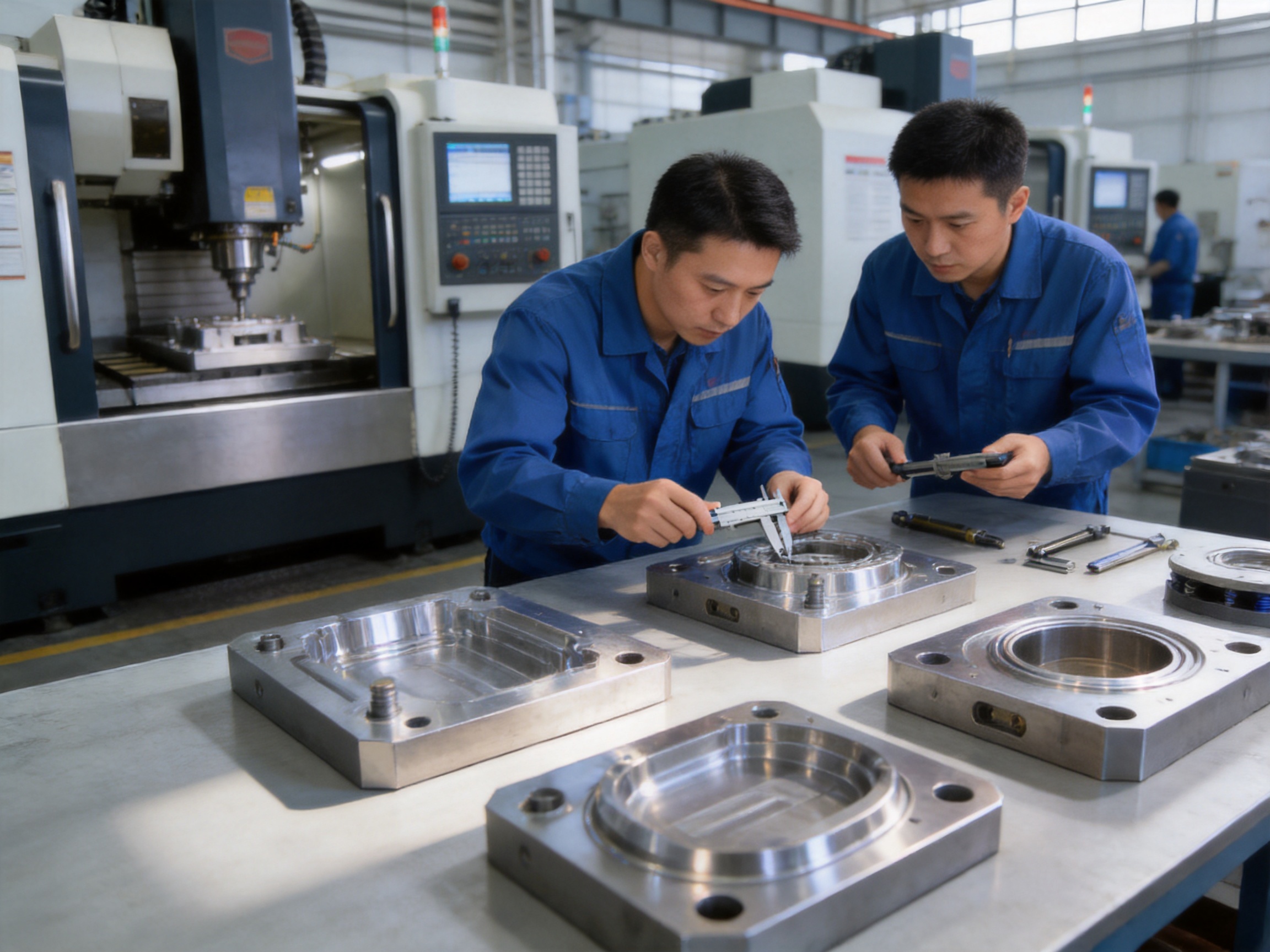
One of the most important advantages is precision. The drawing die must maintain accurate dimensions under continuous working conditions. Precision machining helps ensure that contact surfaces, forming radii, guiding components, and pressure zones are consistent with design requirements. This reduces variation between parts and allows the production line to run with fewer manual interventions. When the die is precisely manufactured, operators spend less time correcting defects and more time maintaining stable output.
Another advantage is optimized metal flow. During drawing, the metal sheet undergoes deformation. If resistance is too high, cracking may occur. If holding pressure is insufficient or geometry is not balanced, wrinkling may occur. A well-designed conversion press drawing die manages this balance through proper radius design, surface finish, clearance control, and pressure distribution. This contributes to better forming quality and less material waste.
Durability is also a major competitive advantage. The die works under repeated mechanical loading, and its forming surfaces must resist wear, fatigue, and deformation. Proper material selection, heat treatment, surface finishing, and machining accuracy can significantly extend service life. For can manufacturers, longer die life means lower replacement cost, fewer line interruptions, and more predictable maintenance planning.
Compatibility with production requirements is another strength. The die can be developed for specific end sizes, material thicknesses, production speeds, and downstream operations. Rather than using a one-size-fits-all approach, specialized tooling supports a more efficient and stable can-making process. This is particularly valuable for manufacturers producing different lid types, food can ends, beverage ends, chemical can ends, aerosol components, or easy-open ends.
The product also supports improved product appearance. In metal packaging, visual quality matters. Dents, scratches, waviness, uneven panels, or rough edges may cause customer complaints even if the end technically passes basic inspection. Smooth forming and consistent profiles help create a professional finished product, which is important for can manufacturers serving demanding food, beverage, and industrial packaging markets.
Zhejiang Golden Eagle Food Machinery Co., Ltd. has accumulated decades of experience in can-making machinery and mold production. Established in 1978 and formerly known as Zhejiang Food Machinery Factory and Zhoushan Mold Factory, the company has developed strong technical knowledge in both equipment design and mold manufacturing. This dual capability is particularly important because the performance of a drawing die depends not only on the die itself, but also on how it interacts with the press, feeding system, and overall production line.
The company’s manufacturing strength includes advanced CNC high-precision machining equipment and complete mechanical machining equipment. High-precision machining is essential for producing forming surfaces, alignment features, guide systems, and assembly interfaces. In mold manufacturing, small deviations can become large production problems. CNC machining allows consistent dimensional accuracy and repeatability, while experienced technicians ensure that practical production requirements are considered during manufacturing and finishing.
The company also benefits from a team of more than 350 well-trained personnel, including experienced design and development professionals and professional engineers. This workforce supports the full process from design consultation and technical evaluation to machining, assembly, inspection, installation guidance, commissioning, operation training, and after-sales support. In tooling projects, communication between design, manufacturing, and service teams is essential because real production conditions often require practical adjustments.
The company has been certified to ISO9001 quality management system and ISO14001 environmental management system standards. These certifications reflect attention to process control, quality consistency, environmental responsibility, and organized manufacturing management. For customers purchasing can-making machinery or molds, certification can provide additional confidence that production is supported by structured procedures rather than informal workshop methods.
Another important strength is accumulated production experience. The company has produced more than 10,000 pieces of can and can lid equipment, and its products have been used by many can manufacturers and canning factories. This long-term experience helps engineers understand common production challenges, such as material variation, line-speed requirements, tooling wear, alignment sensitivity, lubrication conditions, and customer-specific end specifications. A drawing die designed by a team with deep industry experience is more likely to perform reliably in actual factory conditions.
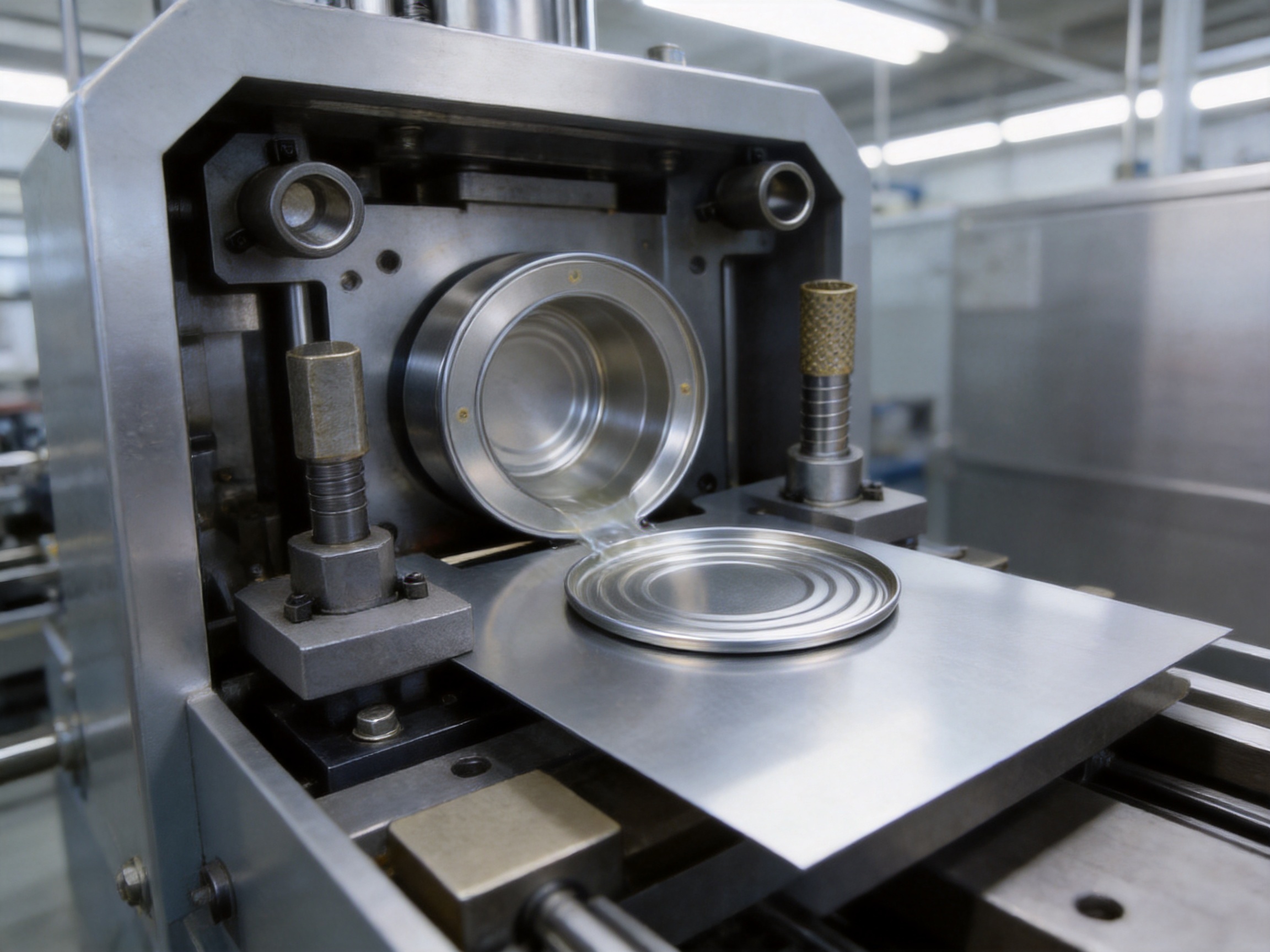
A successful conversion press drawing die begins with careful design. The design must consider the finished end geometry, metal material properties, press capability, production speed, and expected service life. The drawing operation may appear simple from the outside, but the mechanics of sheet metal forming are complex. The die must guide the material into shape without overstressing it, and it must do so repeatedly at industrial speed.
One key design factor is forming radius. Sharp radii may create stress concentration and increase the risk of cracking. Excessively large radii may fail to define the profile clearly or may cause dimensional instability. The correct radius depends on material thickness, hardness, coating, end design, and drawing depth. Experienced mold designers evaluate these factors to develop a practical die geometry.
Clearance control is another essential factor. The space between mating tooling components affects metal flow, thickness distribution, burr formation, and surface quality. If clearances are inconsistent, the end may show uneven forming or dimensional variation. Precision machining and accurate assembly help maintain the designed clearance throughout the working area.
Surface finish plays a major role in reducing friction and protecting coated metal. Many can ends are produced from coated or printed material. Excessive friction, rough tool surfaces, or poor lubrication can damage coating layers and cause scratches or defects. A high-quality drawing die uses carefully finished contact surfaces to promote smooth material movement and stable forming.
Guiding and alignment features are equally important. A die operating at high speed must maintain accurate alignment between upper and lower components. Misalignment can cause uneven loading, tool damage, product defects, and accelerated wear. Robust guide structures and accurate assembly interfaces help protect the die and improve long-term stability.
Material selection for the die must also match the application. Tool steel or other suitable mold materials may be selected based on wear resistance, toughness, machinability, and heat treatment response. Heat treatment must be controlled to achieve the desired hardness and structural stability. Improper heat treatment may lead to cracking, deformation, or premature wear.
Finally, maintainability should be considered during design. Production tooling must eventually be cleaned, inspected, adjusted, sharpened, polished, or repaired. A die that is easier to maintain reduces downtime and improves long-term production efficiency. Thoughtful design can make replacement of wear parts more convenient and help operators restore production more quickly.
Production efficiency in can manufacturing is measured not only by machine speed, but also by stable uptime, low scrap rate, quick changeover, and predictable maintenance. The Conversion Press Drawing Die contributes to efficiency in several ways. First, it enables more stable forming, which reduces the frequency of defects and quality interruptions. When the forming process is stable, downstream operations can run continuously without frequent rejection of parts.
Second, the die helps reduce adjustment time. Poorly manufactured tooling often requires repeated trial-and-error adjustment before acceptable products can be made. Precision tooling, by contrast, is designed and manufactured to meet specifications from the beginning. This allows faster production start-up and easier repeat production when the die is installed again after maintenance or changeover.
Third, the die supports higher material utilization. In can-making, material cost is a major part of total production cost. Defective ends represent wasted metal, wasted coating, wasted energy, and lost machine time. By improving forming consistency and reducing scrap, a reliable drawing die contributes directly to cost control.
Fourth, the die reduces unexpected downtime. When tooling wears unevenly, cracks, becomes misaligned, or damages products, the production line may need to stop for troubleshooting. These stoppages are costly, especially in large plants where upstream and downstream equipment are connected. Durable and well-designed dies help reduce such disruptions.
Fifth, the die improves line confidence. Operators and production managers prefer tooling that behaves predictably. Predictability allows better planning of output, maintenance intervals, and delivery schedules. In competitive packaging markets, the ability to fulfill customer orders on time can be just as important as unit production cost.
The Conversion Press Drawing Die can serve multiple areas of metal packaging production. Its main application is can-end forming, but the specific production environment may vary depending on the type of can and end being produced. In food can production, ends must meet strict requirements for seaming, sterilization, and product protection. The die must produce stable profiles that support airtight sealing and safe processing.
In beverage can production, ends often need to withstand internal pressure and high-speed filling operations. The geometric precision of the end affects pressure performance and compatibility with seaming equipment. A reliable drawing die helps maintain end uniformity across large batches.
In easy-open end production, forming quality is especially important because the end must later receive additional features such as a rivet, score, and pull tab. If the drawn shell or end profile is unstable, the scoring process may become inconsistent, and the opening performance may be affected. A precise drawing die helps provide a stable foundation for EOE lids making machines.
In aerosol can component production, cone and dome making requires reliable forming of pressure-bearing shapes. Although the exact tooling differs according to product design, the same principles apply: controlled deformation, accurate geometry, smooth surface finish, and durable tool construction. The company’s broader expertise in aerosol cone and dome making supports its understanding of demanding formed components.
In chemical tank and industrial can production, end components may require special strength, diameter, and shape specifications. The drawing die must match the product’s mechanical requirements and material characteristics. Customization is often important in this area because industrial packaging may involve diverse sizes and performance requirements.
The die also fits within complete can-making machinery solutions. Because the company supplies food beverage can making machines, tin can lid end making machines, cutting machine duplex slitters, milk powder can making machines, tin can auto-welding machines, automatic feeding machines, aerosol can making machines, two-piece can making machines, and molds, it can evaluate tooling requirements from a whole-line perspective. This helps ensure that the die is not isolated from the real production process.
The following table summarizes key technical features of the Conversion Press Drawing Die and the practical benefits they bring to can manufacturers.
| Technical Feature | Production Benefit | Customer Value |
|---|---|---|
| Precision-machined forming surfaces | Stable end profile and reduced dimensional variation | Improved product consistency and easier downstream processing |
| Optimized drawing geometry | Better metal flow with lower risk of cracking or wrinkling | Reduced scrap and improved material utilization |
| Durable mold material and controlled heat treatment | Longer working life under repeated press operation | Lower tooling replacement cost and fewer stoppages |
| Accurate clearance and alignment design | Reliable forming at production speed | Higher uptime and reduced adjustment workload |
| Smooth surface finishing | Reduced friction and protection of coated metal | Better appearance and fewer surface defects |
| Customizable specification | Adaptation to different can end sizes and materials | Greater flexibility for varied production needs |
| Integrated machinery and mold expertise | Better compatibility with conversion presses and production lines | More practical solutions and stronger technical support |
This table demonstrates that the value of the drawing die is not limited to the tooling purchase itself. Its real value appears in daily production: fewer defective parts, easier operation, longer service intervals, and more stable delivery performance. For manufacturers facing strong cost pressure and demanding customers, these benefits can make a significant difference.
In the mold market, buyers may encounter many suppliers offering drawing dies at different price levels. However, the lowest initial price does not necessarily result in the lowest total cost. A die that wears quickly, creates frequent defects, or requires constant adjustment can become far more expensive than a higher-quality tool. The Conversion Press Drawing Die offers advantages that are especially relevant when total production cost is considered.
First, the die benefits from specialized can-making knowledge. Some tooling suppliers may understand general metal stamping but lack deep experience in can end production. Can-making has unique requirements related to seaming, internal pressure, sterilization, coating protection, high-speed operation, and mass production repeatability. A die developed by a manufacturer with long-term can-making machinery experience is better aligned with these industry-specific requirements.
Second, the die is supported by complete manufacturing capability. Precision CNC machining, mechanical processing, experienced assembly, and inspection procedures all contribute to final performance. Competitor dies produced with less accurate equipment or weaker quality control may show hidden problems that only appear after installation. High-precision manufacturing reduces these risks.
Third, the die can be supported by after-sales service. The company provides installation, commissioning, technical guidance, operation training, and timely parts supply. Tooling support is valuable because even a well-made die must be correctly installed, adjusted, lubricated, and maintained. Competitors that only sell tooling without technical support may leave customers to solve problems independently.
Fourth, the die is backed by broad product-line experience. Because the company supplies entire can production solutions, it understands how cutting, feeding, welding, forming, lining, curling, and seaming processes influence each other. This integrated perspective helps reduce compatibility problems and supports more practical tooling recommendations.
Fifth, the company has experience serving international markets. Its products have been exported to countries across Europe, Asia, Africa, North America, South America, and Oceania, including Germany, Italy, the United Kingdom, Spain, Hungary, Russia, Australia, Jordan, Malaysia, the Philippines, Pakistan, Egypt, Algeria, Turkey, Mexico, Nigeria, Iran, and others. International use requires adaptability to different factory standards, operator practices, material sources, and production expectations. This experience supports more robust design thinking.
Quality control for a conversion press drawing die begins with understanding the customer’s requirements. Important information includes end diameter, material type, sheet thickness, coating condition, target production speed, press model, product drawing, tolerance requirements, and downstream process needs. Without accurate input data, even a well-machined die may not match production expectations. Therefore, technical communication is a crucial first step.
After confirming requirements, engineers develop or review the die design. The design stage considers forming sequence, tool geometry, assembly structure, material selection, and maintenance requirements. If the customer uses existing production equipment, the die must be compatible with that equipment’s installation dimensions, stroke, force, and operating characteristics.
During manufacturing, high-precision machining controls the critical dimensions. CNC equipment is used for accurate shaping of key components. Mechanical machining equipment supports additional processes such as turning, milling, grinding, drilling, and fitting. Skilled workers then handle assembly and finishing steps, ensuring that the final die is not only dimensionally correct but also practical to use.
Inspection is performed to verify important dimensions and surface conditions. For tooling, inspection must focus on functional accuracy, not only isolated measurements. Alignment, clearance, surface quality, and component fit all influence performance. A quality-focused manufacturer reviews these details before delivery to reduce commissioning risk.
Packaging and delivery must also protect the die. Tooling surfaces are precision-finished and should be protected against impact, corrosion, contamination, and mishandling. Proper packaging helps ensure that the die arrives ready for installation and commissioning.
After delivery, installation and commissioning support help customers achieve stable production. Technical guidance may include die mounting, press alignment, lubrication recommendations, trial production, defect analysis, and operator training. This service-oriented approach is especially helpful for customers introducing new products, upgrading lines, or working with unfamiliar materials.
Can-end materials may vary in thickness, hardness, temper, coating type, and surface condition. These differences influence drawing performance. A die that performs well with one material may need adjustment or redesign for another. For this reason, material compatibility is an essential consideration in drawing die design.
Tinplate is widely used in food cans and many general metal packaging applications. It offers good formability, corrosion resistance when properly coated, and reliable seaming characteristics. However, tinplate surfaces must be protected during forming to avoid scratches or coating damage. The die surface finish and lubrication conditions are therefore important.
Tin-free steel may also be used in certain applications. Its surface characteristics differ from tinplate, and it may require different forming considerations. Material hardness and coating behavior must be evaluated to avoid cracking, wrinkling, or surface defects.
Aluminum may be used in some can-end applications, especially beverage packaging, although tooling requirements differ from steel. Aluminum has different flow characteristics, springback behavior, and wear considerations. If a drawing die is intended for aluminum ends, the design and finishing approach must reflect that material’s behavior.
Coated and printed sheets require particular care. Many metal packaging products use pre-coated or printed materials to improve appearance and corrosion resistance. During drawing, the coating layer must remain intact. A rough tool surface, excessive pressure, or poor lubrication can damage the coating, leading to quality issues. A carefully finished die helps protect the material while maintaining forming accuracy.
The quality of the can end affects the final package in multiple ways. First, it influences seaming performance. The end must fit properly with the can body flange to create a reliable double seam. If the end profile is inconsistent, seam dimensions may vary, increasing the risk of leakage or weak sealing. A precise drawing die helps maintain the end geometry needed for consistent seaming.
Second, the end contributes to pressure resistance. Beverage, aerosol, and some processed food containers must withstand internal pressure or vacuum conditions. The formed panel, countersink, and surrounding geometry all contribute to mechanical strength. Inconsistent drawing may weaken the structure or create stress concentration.
Third, the end affects sterilization and food safety in food can applications. During thermal processing, cans experience changes in internal pressure and temperature. Stable end geometry helps the package maintain integrity under these conditions. While many factors contribute to food safety, accurate tooling is one important foundation.
Fourth, the end influences consumer experience. For easy-open lids, the opening force, tear path, rivet strength, and tab function depend on accurate forming and subsequent operations. A poorly formed end may lead to difficult opening, broken tabs, or irregular tearing. The drawing die supports the dimensional stability required for reliable consumer use.
Fifth, the end affects appearance and brand perception. Even when the article title does not mention a company or brand, real packaged goods are judged by buyers and consumers. A clean, smooth, well-formed lid suggests quality and reliability. A defective or uneven lid may create doubts about the product inside.
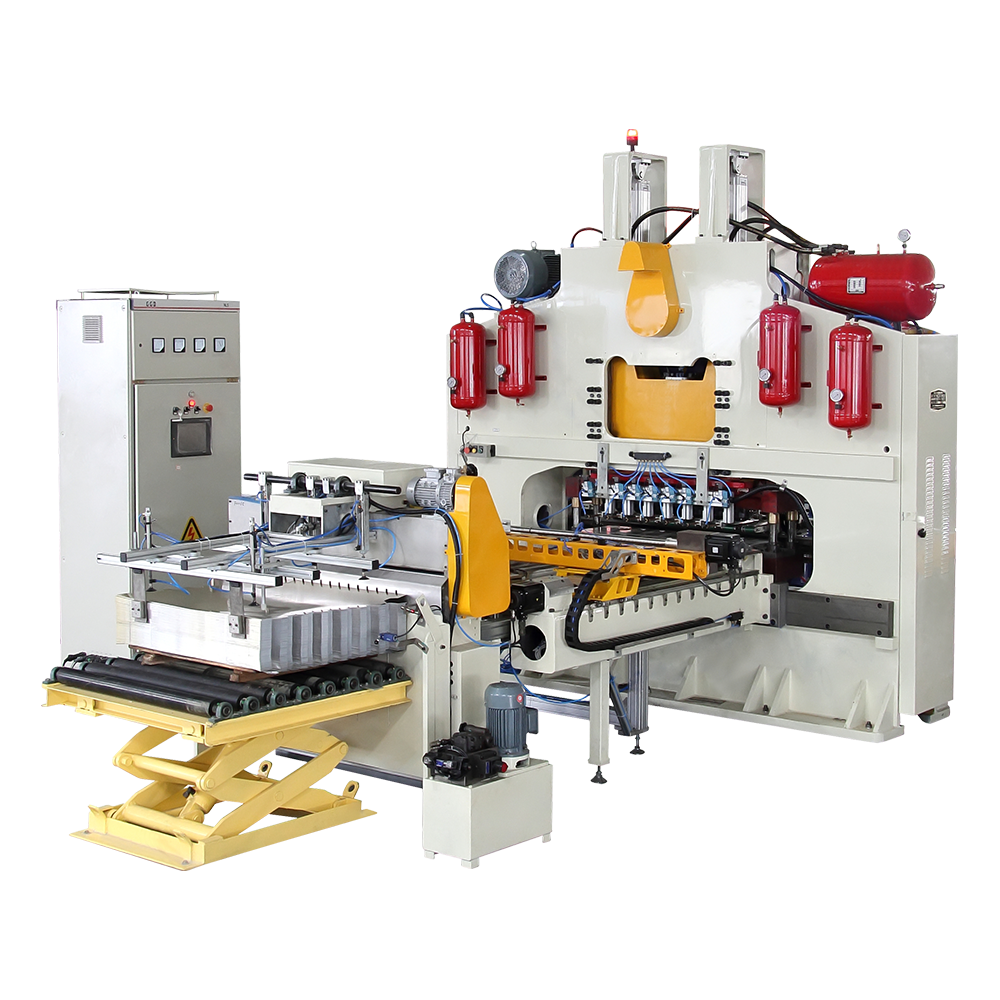
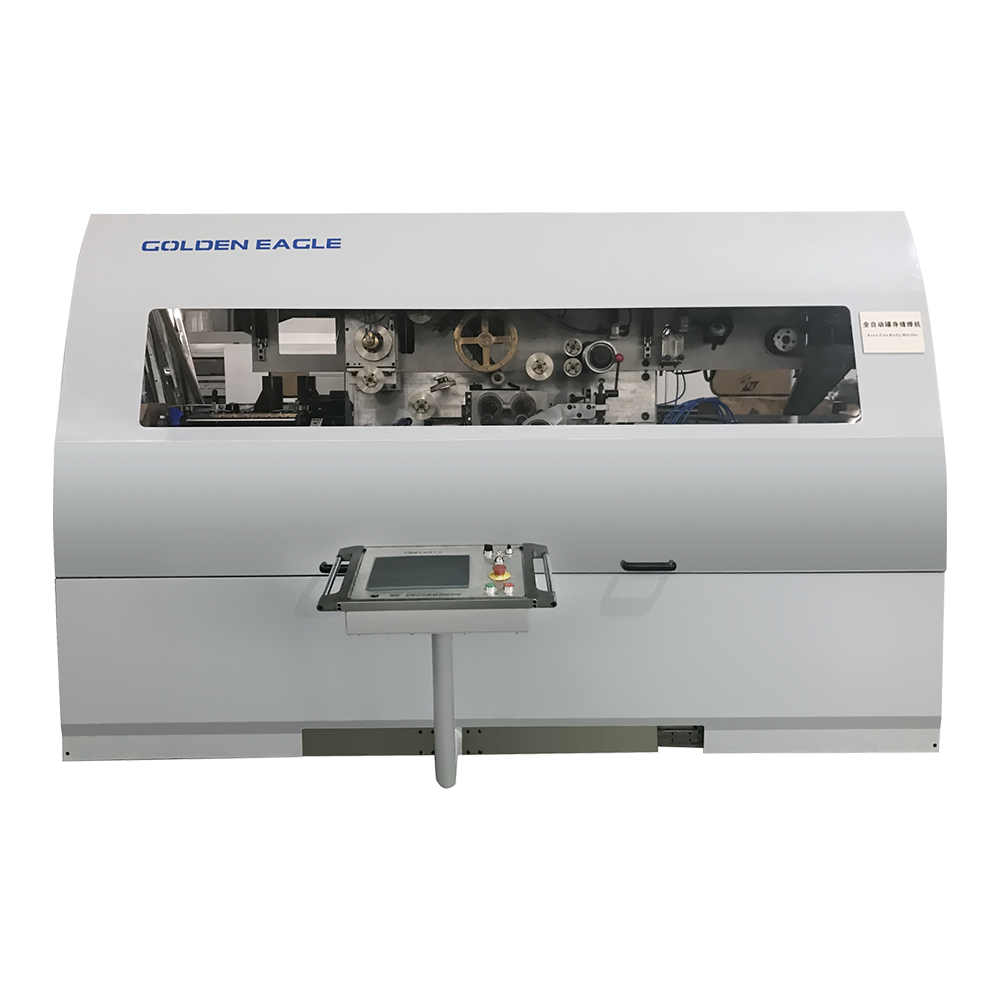
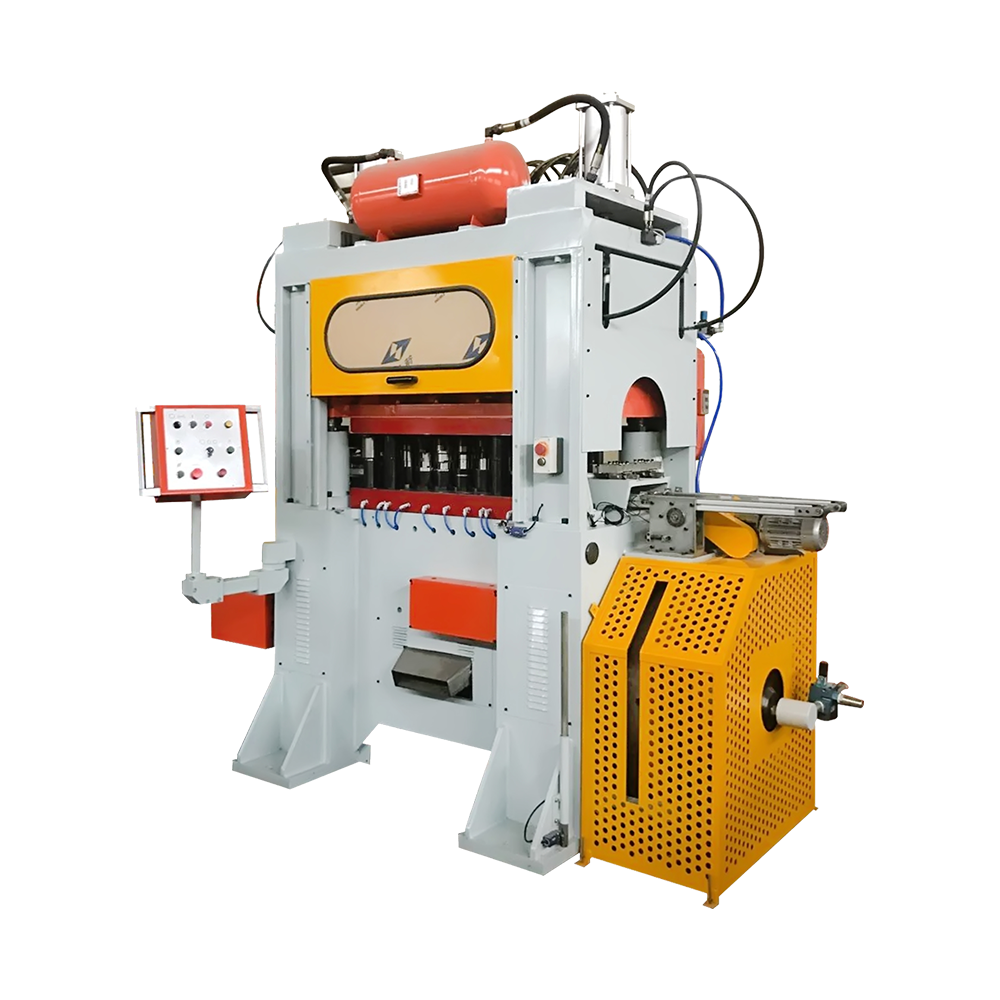
One of the important advantages offered by Zhejiang Golden Eagle Food Machinery Co., Ltd. is its ability to supply not only molds but also a wide range of can-making machinery. The company’s product categories include food beverage can making machines, tin can lid end making machines, cutting machine duplex slitters, milk powder can making machines, EOE lids making machines, tin can auto-welding machines, aerosol cone and dome making equipment, chemical tank making machines, automatic feeding machines, aerosol can making machines, two-piece can making machines, and molds.
This broad product range matters because a drawing die rarely works in isolation. Upstream cutting accuracy influences blank size and material positioning. Feeding equipment affects placement stability. Press condition affects forming repeatability. Downstream curling, lining, scoring, riveting, and seaming operations depend on the end profile produced by the drawing die. When a supplier understands the entire production line, it can provide better technical advice and reduce process mismatches.
For example, if a customer experiences wrinkles in drawn ends, the cause may be related to die geometry, material properties, blank size, lubrication, blank holder pressure, or press alignment. A supplier with complete machinery knowledge can evaluate these factors more effectively than a supplier focused only on one tool component. This integrated problem-solving capability is valuable in real production environments.
Similarly, if a customer upgrades from manual or semi-automatic production to a higher-speed line, tooling must support increased operating demands. Higher speed may increase heat, vibration, and wear. The die must maintain stability under these conditions. Experience with automatic feeding machines and production lines helps the manufacturer design tooling suitable for industrial operation.
Even the best drawing die requires proper maintenance. Maintenance is not a sign of weakness; it is a normal part of high-volume manufacturing. Good maintenance practices help preserve accuracy, extend die life, and reduce unexpected downtime.
Regular cleaning is essential. Metal particles, coating residue, lubricant buildup, and dust can affect forming quality. Operators should clean critical surfaces according to the production schedule and material conditions. Clean tooling reduces scratches and helps maintain smooth material flow.
Lubrication should be properly controlled. Insufficient lubrication can increase friction, cause galling, damage coatings, and accelerate wear. Excessive or unsuitable lubrication may create contamination or downstream process problems. The correct lubrication method depends on material, coating, speed, and product requirements.
Inspection should focus on wear surfaces, forming radii, guide components, fasteners, and alignment features. Small signs of wear should be addressed before they become serious defects. Regular inspection helps prevent sudden tool failure.
Operators should monitor product quality continuously. Changes in end dimensions, surface marks, wrinkling, cracking, or unusual noise may indicate a tooling issue. Early detection allows corrective action before large quantities of scrap are produced.
Storage is also important. When the die is not in use, it should be protected from corrosion, impact, and contamination. Precision surfaces should be coated or covered as appropriate. Proper storage helps maintain readiness for future production runs.
Can-making molds are practical engineering products. While computer design, advanced machining, and inspection equipment are important, long-term experience remains essential. Metal forming involves material behavior, friction, deformation, springback, press dynamics, and operator practices. Many of these factors are best understood through years of production exposure.
Since 1978, Zhejiang Golden Eagle Food Machinery Co., Ltd. has focused on can-making machinery and molds. Over more than four decades, the company has developed knowledge through continuous innovation and production practice. Its product design principles draw from international technical concepts while incorporating practical experience gained through actual manufacturing and customer use.
This experience helps the company avoid common design mistakes. For example, a theoretically correct geometry may not be easy to maintain in a factory. A hard tool surface may resist wear but become brittle if heat treatment is not balanced. A tight clearance may improve dimensional accuracy but increase sensitivity to material variation. Practical experience helps balance these factors.
Experience also improves troubleshooting. When customers report problems, experienced engineers can quickly identify likely causes and recommend solutions. This saves time and reduces production losses. In a high-volume can plant, fast technical response is valuable.
The metal packaging industry operates globally, and production requirements differ by region. Some markets emphasize food cans for vegetables, fish, meat, or milk powder. Others focus heavily on beverages, aerosols, chemicals, or industrial containers. Material availability, labor practices, factory automation levels, and quality standards also vary. A drawing die intended for international customers must be adaptable and robust.
The company’s export history demonstrates its ability to serve diverse markets. Products have reached customers in Europe, Asia, Africa, North America, South America, and Oceania. This broad exposure helps the company understand different customer expectations, from highly automated plants requiring stable high-speed production to developing-market factories seeking durable and practical equipment.
For international buyers, communication and service are important. A die must be manufactured according to clear specifications, delivered safely, and supported with technical guidance. The company’s experience in installation, commissioning, training, and parts supply supports international cooperation.
Global suitability also depends on consistent quality. Customers far from the manufacturer need confidence that the product will perform as expected. High-precision manufacturing, quality management certification, and proven production experience help build that confidence.
When selecting a Conversion Press Drawing Die, buyers should consider several factors. The first is product specification. The supplier must know the end size, drawing depth, material thickness, and required profile. If possible, the buyer should provide drawings, samples, material data, and press information.
The second factor is production volume. A die for occasional low-volume production may have different requirements from a die used continuously in high-speed mass production. High-volume production requires stronger durability, better wear resistance, and more stable performance.
The third factor is material type. Tinplate, tin-free steel, aluminum, coated sheet, and printed sheet all have different forming characteristics. The die design should match the actual material used in production.
The fourth factor is compatibility with existing machinery. The die must fit the press and work with the feeding system and downstream equipment. Installation dimensions, press stroke, press force, and alignment features should be confirmed before manufacturing.
The fifth factor is supplier capability. Buyers should evaluate whether the supplier has experience in can-making molds, advanced machining equipment, quality management systems, and after-sales service. A supplier with complete machinery and mold capability can provide more comprehensive support.
The sixth factor is total cost rather than purchase price alone. A cheaper die may lead to higher scrap, more downtime, shorter service life, and greater maintenance cost. A higher-quality die can reduce total operating cost over its working life.
A Conversion Press Drawing Die is a precision mold used in a conversion press to draw and form sheet metal into a required can-end or lid profile. It controls the shape, depth, radius, and dimensional stability of the formed component.
The drawing die establishes the basic geometry of the can end. If the formed end is inaccurate, later processes such as scoring, riveting, curling, lining, and seaming may be affected. A reliable die improves product consistency and reduces scrap.
Depending on design and application, drawing dies may be used for tinplate, tin-free steel, aluminum, and coated or printed sheet materials. The die should be designed according to the actual material properties and production requirements.
It helps reduce cost by improving forming stability, lowering scrap rates, reducing adjustment time, extending tooling life, and decreasing unexpected downtime. These benefits can be more important than the initial purchase price.
Its advantages include precision machining, optimized drawing geometry, durable construction, smooth surface finishing, industry-specific can-making design experience, and support from a manufacturer with complete machinery and mold capabilities.
Yes. A drawing die can be developed according to end diameter, material thickness, profile requirements, production speed, press compatibility, and downstream processing needs. Customization is important for stable production.
Regular cleaning, proper lubrication, inspection of wear surfaces, alignment checks, and careful storage are recommended. Good maintenance extends service life and helps preserve forming accuracy.
Yes. Support may include installation guidance, commissioning, technical advice, operation training, and parts supply. Such support helps customers achieve stable production more quickly.
The Conversion Press Drawing Die is a vital precision mold for can-end forming and lid production. Its value lies in its ability to convert flat metal material into accurate, stable, and functional end profiles while supporting high production efficiency. In can-making, where millions of components may be produced and every small dimensional error can affect downstream performance, tooling quality is a strategic factor.
Compared with ordinary competitor dies, a professionally engineered drawing die provides better dimensional stability, smoother forming, longer service life, reduced scrap, and stronger compatibility with production-line requirements. These advantages help manufacturers improve output quality, control operating costs, and maintain reliable delivery schedules.
Zhejiang Golden Eagle Food Machinery Co., Ltd. strengthens the value of this product through decades of industry experience, advanced CNC high-precision machining, complete mechanical manufacturing capability, professional engineering personnel, ISO9001 and ISO14001 certified management systems, and a broad portfolio of can-making machinery and molds. Its experience across food, beverage, aerosol, chemical, two-piece can, easy-open end, and tinplate can making machinery production line applications allows it to provide tooling solutions grounded in real production needs.
For manufacturers seeking dependable mold solutions for tin can lid end making machines, EOE lids making machines, food beverage can making machines, or other can-making production lines, the Conversion Press Drawing Die offers a practical combination of precision, durability, efficiency, and technical support. In a competitive packaging market, this kind of tooling can help transform production challenges into stable, repeatable, and profitable manufacturing performance.
ASM International. Sheet Metal Forming Fundamentals and Applications.
Society of Manufacturing Engineers. Tool and Die Making Handbook.
Kalpakjian, S., and Schmid, S. Manufacturing Engineering and Technology.
Hosford, W. F., and Caddell, R. M. Metal Forming: Mechanics and Metallurgy.
International Organization for Standardization. ISO9001 Quality Management Systems Guidelines.
International Organization for Standardization. ISO14001 Environmental Management Systems Guidelines.
The Canmaker. Technical Articles on Metal Packaging Manufacturing and Can-End Production.
Metal Packaging Europe. Guidance on Metal Packaging Performance and Sustainability.
Related Products

Founded in 1978, the company is one of the largest can-making machinery well-known companies at home and abroad.
Product Categories
Contact Information
Zhongshatou Shenjiamen Zhoushan Zhejiang China
+86-580-3056646

 English
 中文简体
中文简体
 русский
 عربى
عربى
 Español