2026-08-02
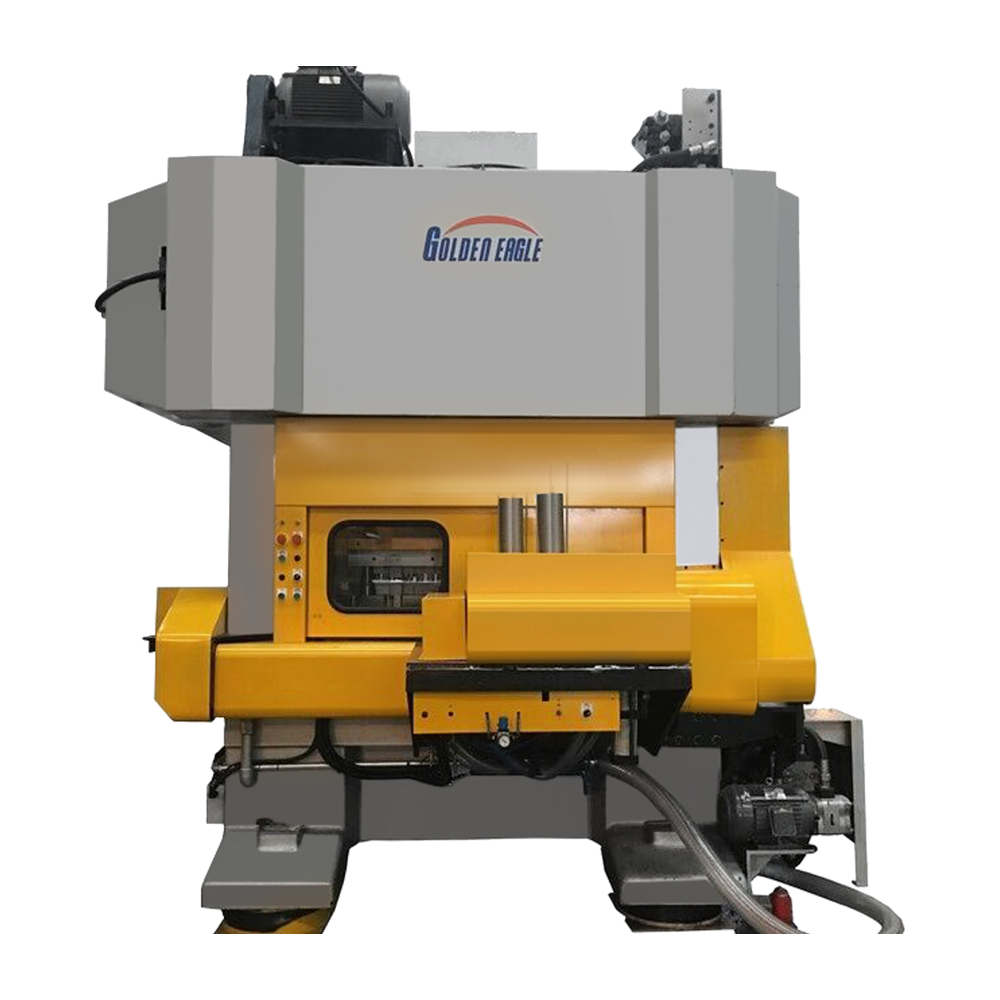
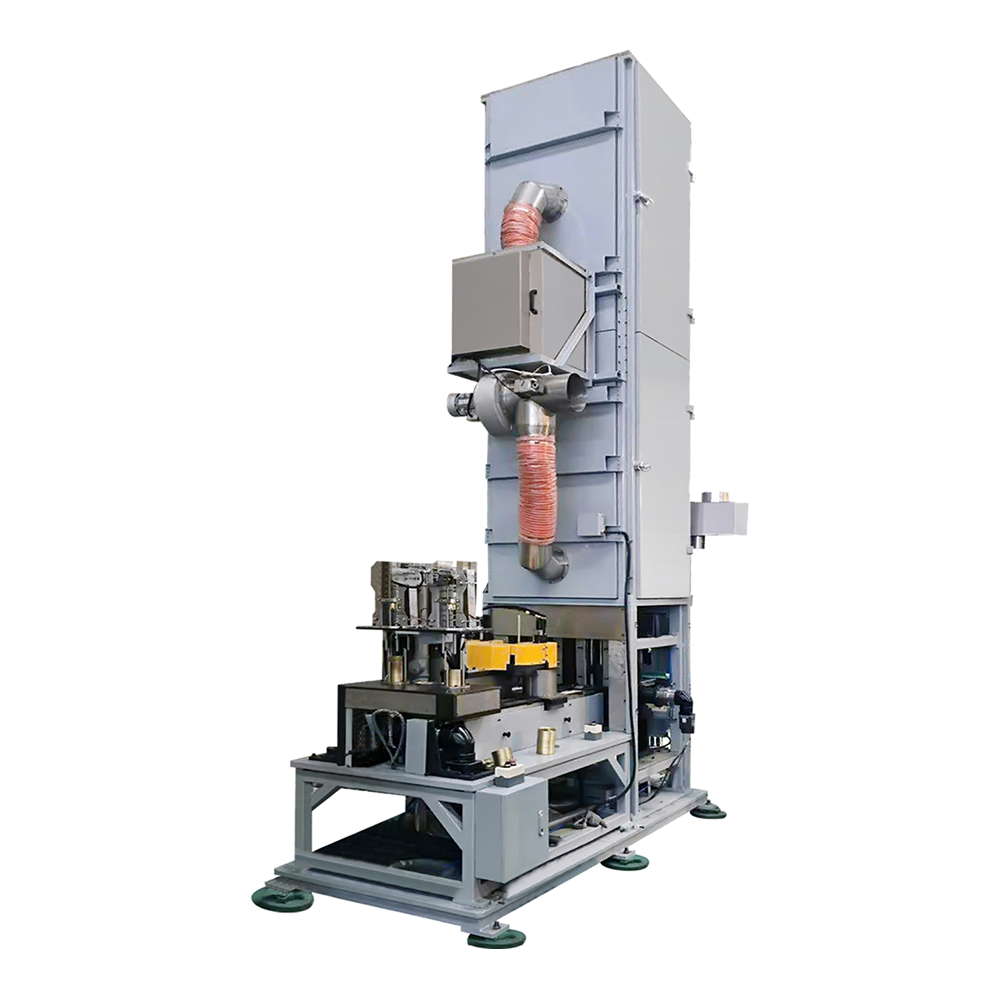
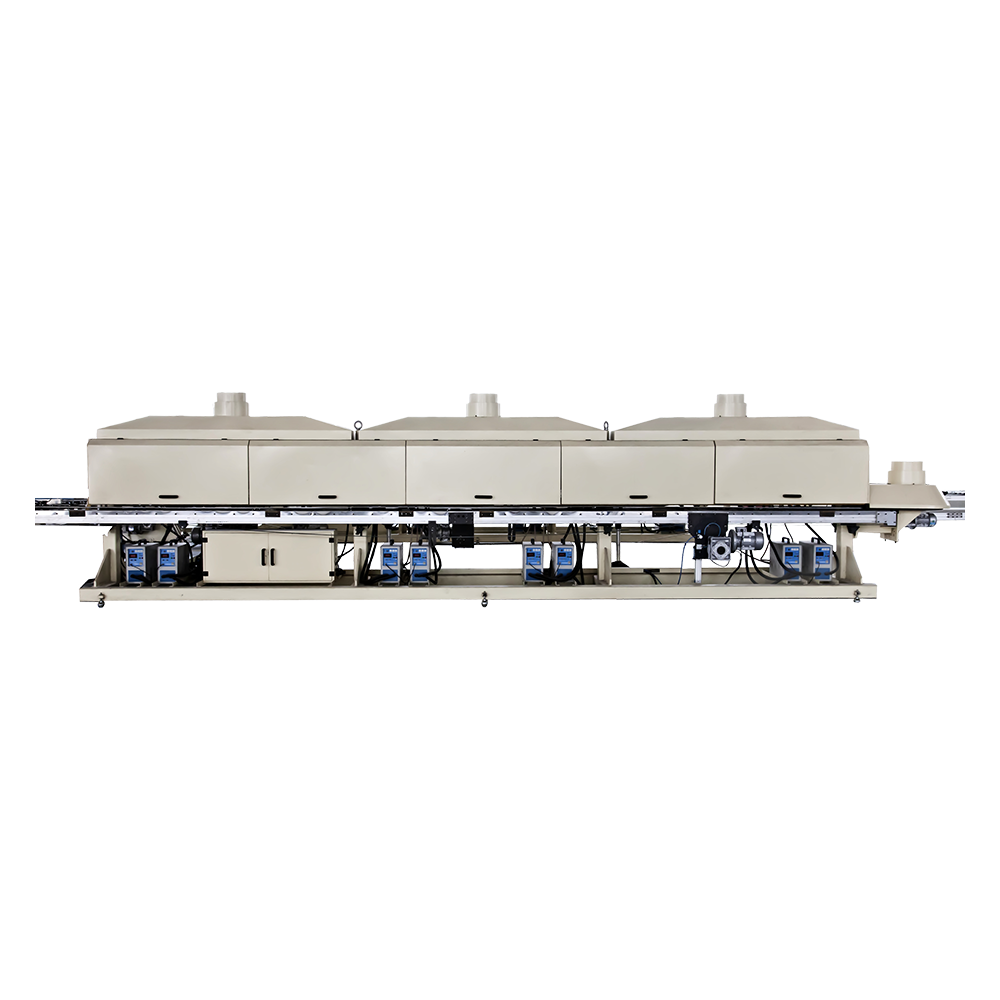
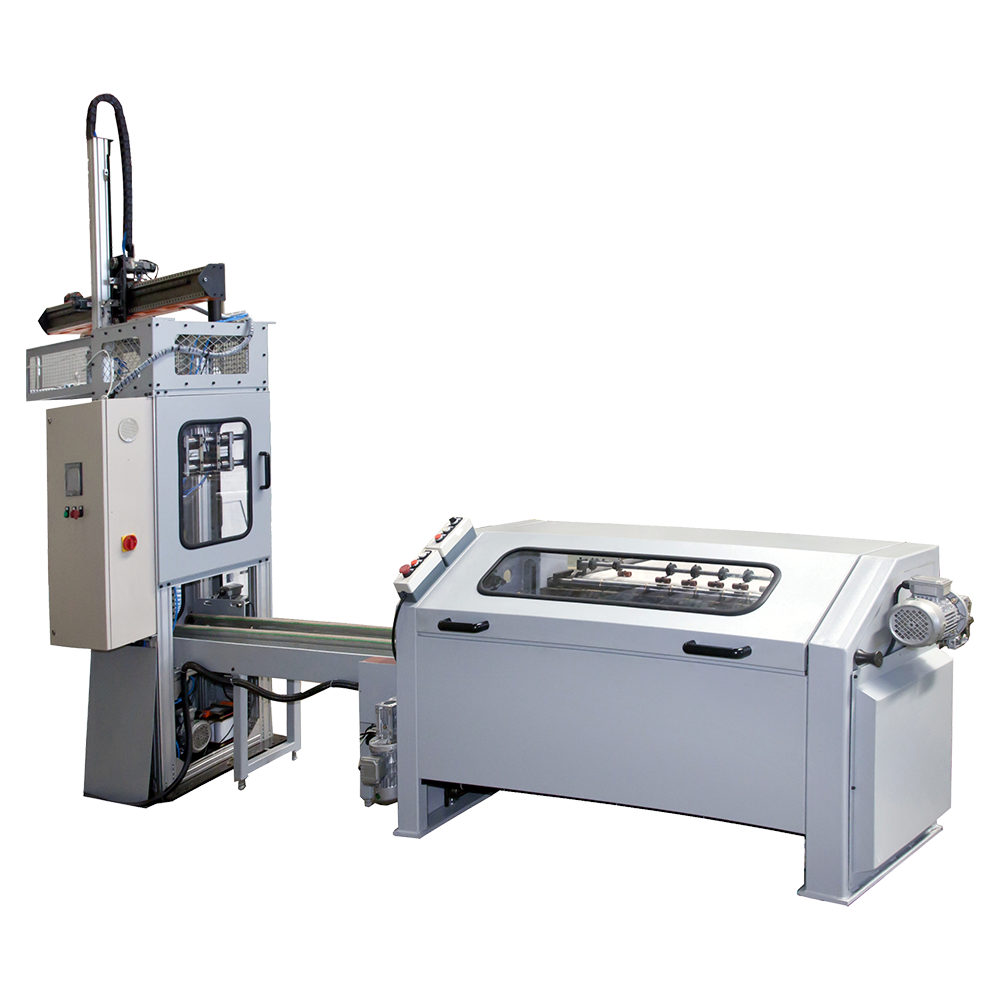
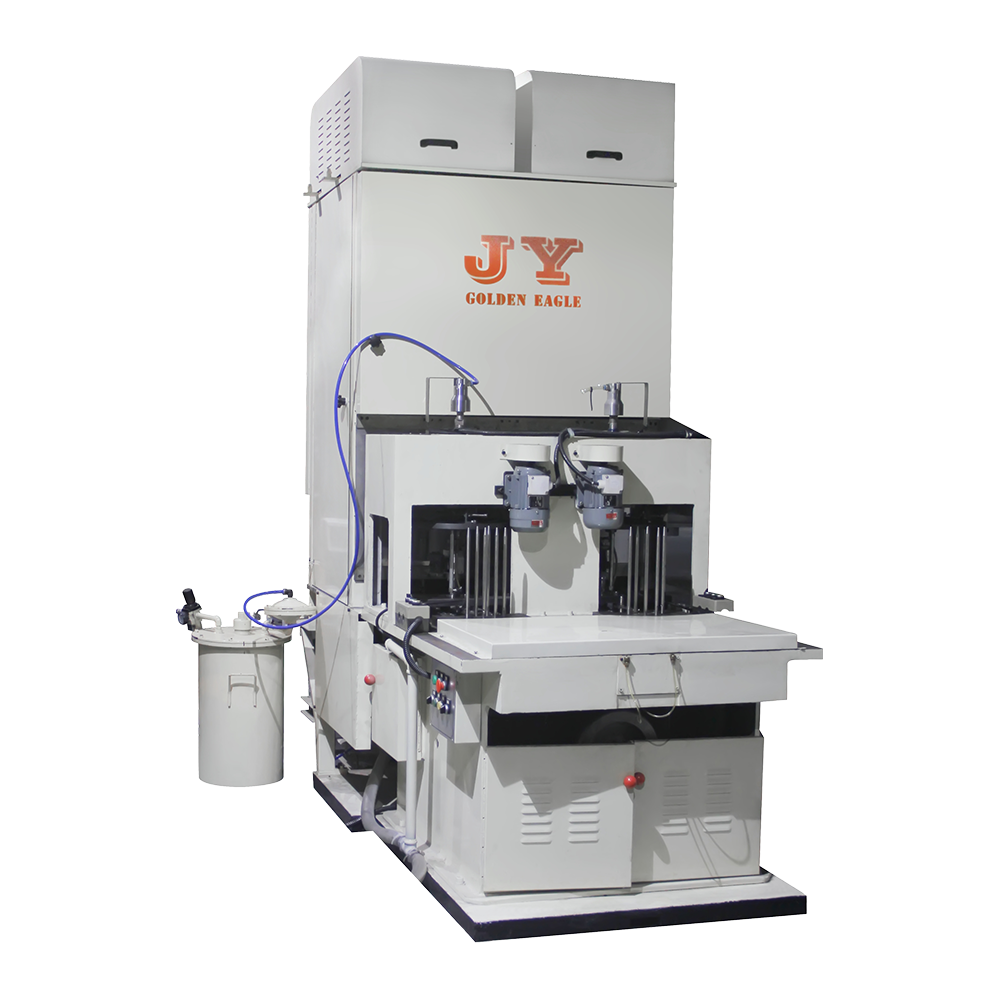
Modern chemical and aerosol packaging requires a production system that combines dependable forming, accurate flange preparation, reliable seaming, high output, and consistent quality control. The chemical can line described in this article is designed for manufacturers that need to produce both aerosol containers and chemical cans from tinplate materials. Its configuration can support different can diameters, can heights, operating speeds, and end-making requirements, allowing one product family to serve several demanding packaging applications.
The line is categorized as a chemical tank making machine, but its practical application is broader. Depending on the selected machine configuration, it can be used for aerosol cans, chemical cans, industrial containers, and other round tinplate packages that require flanging, top seaming, or complete seaming operations. Automatic operation, multi-head processing, robust mechanical construction, and a wide range of optional configurations make the system suitable for both specialized production and flexible can-making factories.
Manufactured by Zhejiang Golden Eagle Food Machinery Co., Ltd., the equipment benefits from decades of experience in can-making machinery and mold production. The manufacturer has developed a broad portfolio covering food can production lines, beverage can production lines, can lid production equipment, aerosol canister lines, two-piece can machinery, chemical tank lines, and related molds. This integrated background is important because the performance of a can line depends not only on individual machines but also on the relationship between forming, conveying, feeding, seaming, tooling, and quality inspection.
The chemical can line is an automatic production solution for round metal containers. It is available in configurations for smaller and medium-diameter cans as well as larger chemical containers. The primary operations listed for the equipment include flanging, top seaming, and seaming. These operations can be combined according to the intended can structure and production process.
For smaller and medium-sized cans, the equipment can cover diameters from approximately 52 mm to 190 mm, with typical output capacities ranging from 80 to 150 cans per minute. For larger containers, the available diameter range is approximately 250 mm to 275 mm, with output capacities of approximately 20 to 50 cans per minute. The difference in speed reflects the physical size, weight, material handling requirements, and forming demands of larger chemical containers.
The product family includes six-head machines for several smaller-diameter applications. Six-head processing allows multiple cans to be handled during each operating cycle, helping the equipment achieve high production rates while maintaining repeatable processing conditions. For larger cans, specialized machines are available for seaming or combined flanging and seaming, with capacities suited to the larger package dimensions.
Because chemical and aerosol packaging formats vary significantly, a production line should not be selected by speed alone. The correct choice depends on the can diameter, can height, lid structure, body construction, metal thickness, sealing requirements, product filling conditions, and required annual capacity. The configurations described below provide a practical starting point for selecting equipment and planning a complete line.
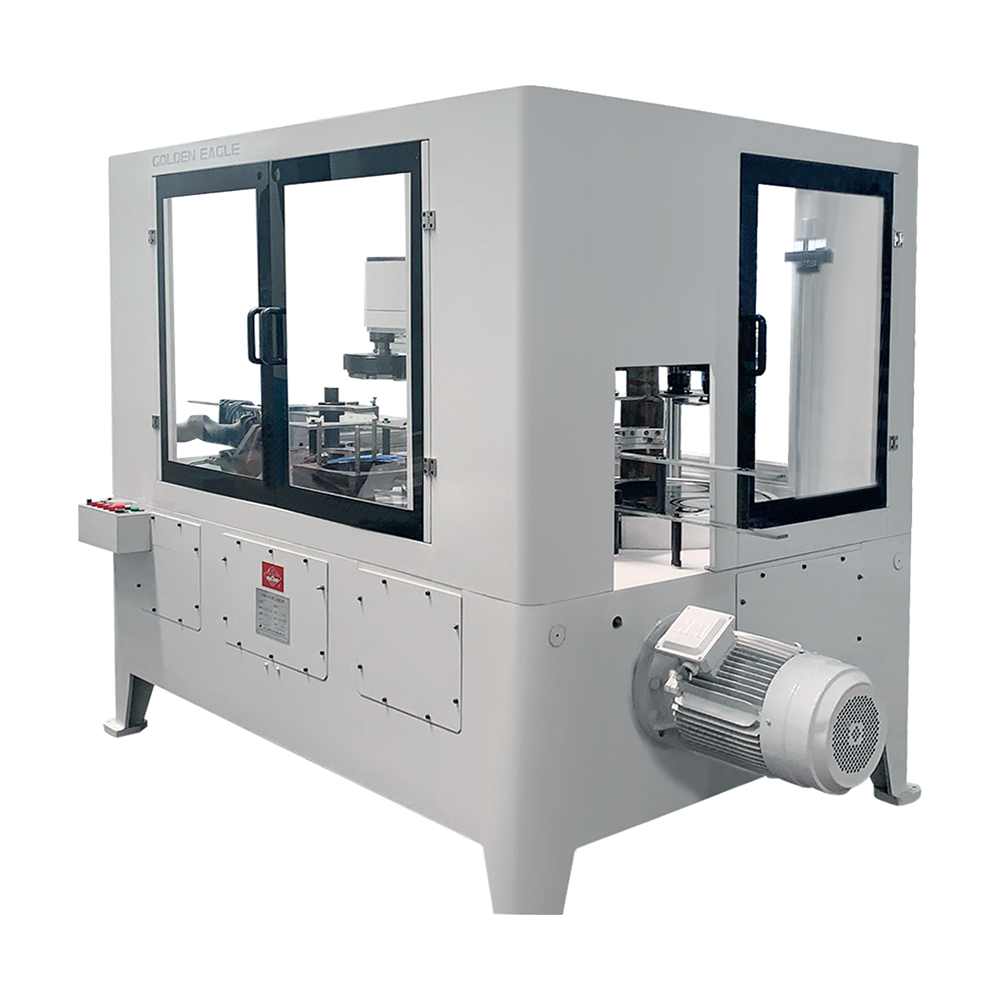
Chemical Can Line both for Aerosol can and Chemical can
The product information identifies two principal application groups. The first covers cans with diameters from Φ52 mm to Φ190 mm. Depending on the exact model and process arrangement, the listed height range is generally from approximately 60 or 80 mm to 220 mm or 320 mm. The second group covers larger containers with diameters from Φ250 mm to Φ275 mm. The supplied information includes height values from H60-160 mm in the model table and a broader general range extending to H280-400 mm for certain line arrangements. Final height capability should therefore be confirmed during technical selection and engineering review.
| Application group | Approximate can diameter | Typical can height range | Typical output | Primary operations |
| Small and medium chemical or aerosol cans | Φ52-105 mm | H60-220 mm, depending on model | 80-150 cans per minute | Flanging, top seaming, seaming |
| Medium and large round cans | Φ99-190 mm | H60-160 mm in the listed configuration | 80-150 cans per minute | Flanging, top seaming, seaming |
| Large chemical containers | Φ250-270 mm | H60-160 mm in the listed configuration | 20-50 cans per minute | Seaming |
| Large chemical containers with flanging | Φ250-275 mm | H60-160 mm in the listed configuration | 20-50 cans per minute | Flanging and seaming |
The equipment models and their principal functions are summarized in the following table. These specifications are based on the supplied product information. Actual performance may depend on can material, body dimensions, lid design, tooling, feeding method, operator settings, and the complete line layout.
| Model | Configuration | Function | Can diameter | Can height | Output capacity | Power |
| GT3B51-S-C5 | Six-head | Flanging and top seaming | Φ52-99 mm | H80-220 mm | 80-150 cans per minute | 4 kW |
| GT3B53-FSS-C1A | Six-head | Flanging, top seaming, and seaming | Φ52-105 mm | H60-160 mm | 80-150 cans per minute | 7.5 kW |
| GT3B53-FSS-C1B | Six-head, high-lid configuration | Flanging, top seaming, and seaming | Φ52-105 mm | H60-160 mm | 80-150 cans per minute | 7.5 kW |
| GT3B53-FSS-C | Six-head | Flanging, top seaming, and seaming | Φ99-190 mm | H60-160 mm | 80-150 cans per minute | 7.5 kW |
| GT3B51-S-CB | Large-can configuration | Seaming | Φ250-270 mm | H60-160 mm | 20-50 cans per minute | 5.5 kW |
| GT3B52-FS-CB | Large-can configuration | Flanging and seaming | Φ250-275 mm | H60-160 mm | 20-50 cans per minute | 7.5 kW |
A major benefit of this product line is its ability to serve two related but distinct packaging markets. Aerosol cans require careful control of the upper opening, valve mounting area, lid geometry, and seam quality. Chemical cans may require larger diameters, thicker or more rigid materials, reinforced closures, and a different internal volume. A machine family that accommodates both applications gives manufacturers greater flexibility when customer orders change or when multiple product categories must be produced in the same factory.
For aerosol applications, the upper part of the can must be prepared accurately for the fitting of the appropriate top component. The flanging operation creates or adjusts the edge geometry required for subsequent assembly. Top seaming can then join the lid or top component to the can body with a consistent mechanical seal. Depending on the can design, the line may also include additional seaming operations to complete the closure or reinforce the connection.
For chemical cans, the line can be configured for smaller pail-like or industrial round containers as well as larger-diameter packages. The exact machine combination depends on whether the can requires only seaming or both flanging and seaming. The large-can configurations in the product range are intended to handle lower-speed, heavier-duty production conditions associated with larger containers.
This dual application capability can reduce the need for separate production assets. Instead of investing in unrelated machines for aerosol and chemical can production, a manufacturer can select compatible configurations from one equipment family. This simplifies operator training, spare-parts planning, tooling management, and maintenance procedures. It can also make factory expansion easier because future capacity can be added using familiar machine technology.
Flanging is a critical operation in the production of many tinplate cans. The edge of the can body must be shaped consistently so that the lid or end component can be positioned correctly before seaming. Poor flange geometry can lead to uneven seams, material deformation, leakage, lid misalignment, or unnecessary rejection during inspection.
The listed models provide flanging as a stand-alone operation or as part of a combined flanging and seaming process. This gives manufacturers the ability to match the machine to the required process sequence. In a line where the can body and lid are prepared in separate stages, a flanging machine can be integrated with feeding and conveying equipment. In a more compact arrangement, combined functions can reduce the number of transfers between machines.
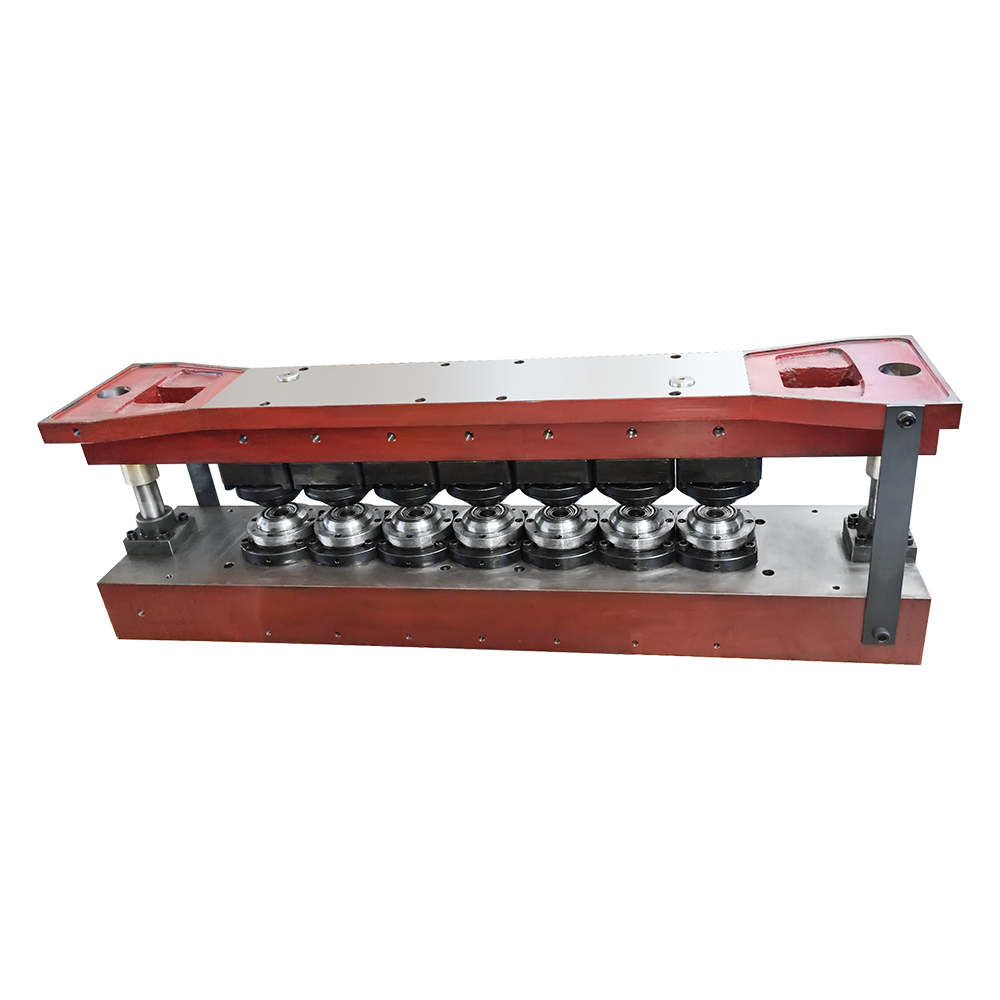
Accurate flanging depends on properly selected tooling, stable can positioning, controlled mechanical movement, and appropriate adjustment for the material and dimensions of the can body. The machine structure must resist vibration while the forming tools act on the metal edge. Consistency is particularly important in high-speed production because small variations repeated across thousands of cans can affect seam quality and customer acceptance.
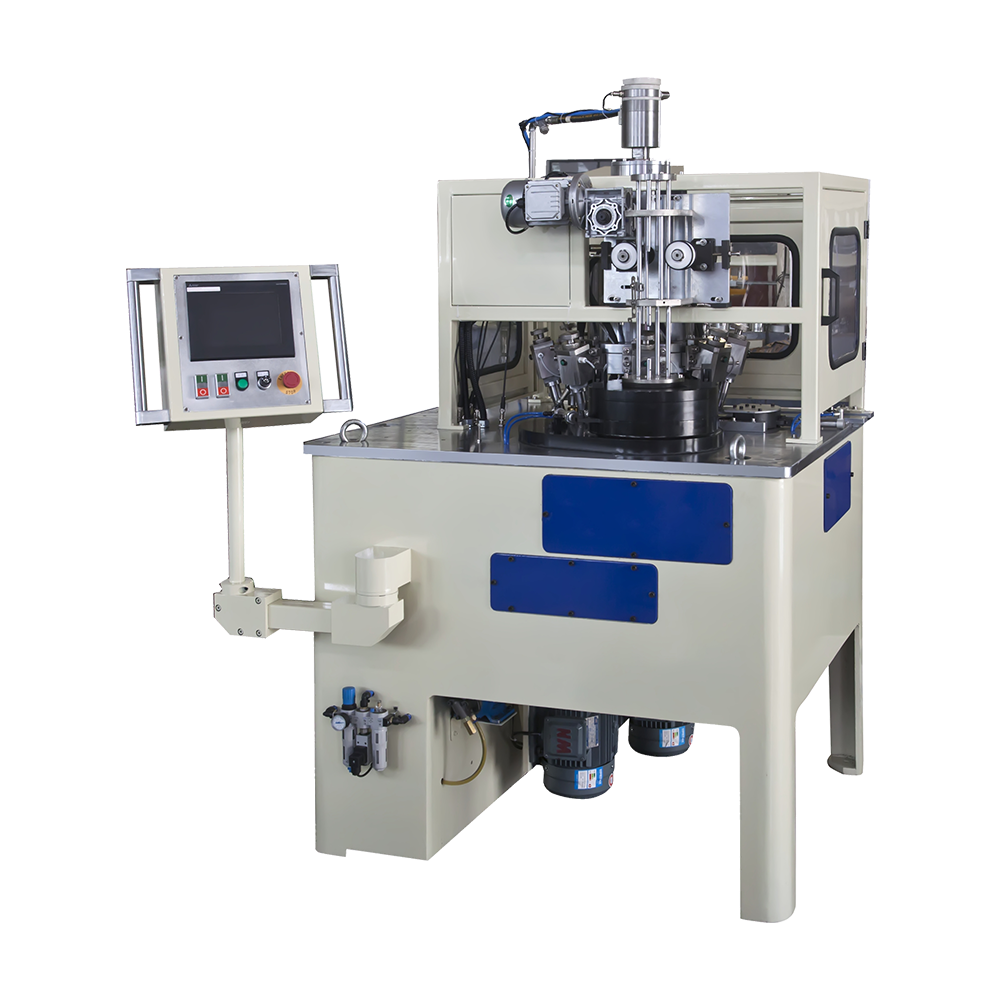
The six-head configurations support high output for smaller and medium-sized cans. Multiple heads distribute the processing cycle across several can positions, allowing the system to maintain production while reducing the time required for each individual operation. When combined with suitable automatic feeding, this design can support continuous factory operation with less manual handling.
Seaming is one of the most important quality operations in metal can manufacturing. A seam must join the body and end securely while maintaining the dimensional and sealing requirements of the package. In aerosol and chemical applications, seam reliability is especially important because the container may hold pressurized contents, volatile materials, corrosive products, or substances that require protection from contamination and leakage.
The equipment range includes machines for top seaming, seaming, and combined flanging, top seaming, and seaming. This makes it possible to select an arrangement according to the can architecture. The GT3B53-FSS-C1A and GT3B53-FSS-C1B configurations, for example, are listed with all three operations for cans in the Φ52-105 mm diameter range. The high-lid version is intended for designs that require a different top profile or increased clearance around the lid area.
For diameters from Φ99 mm to Φ190 mm, the GT3B53-FSS-C configuration provides the same general combination of flanging, top seaming, and seaming for a larger can range. This broadens the possible use of the production line beyond standard aerosol formats and allows the same general process philosophy to be applied to larger chemical or industrial cans.
Seaming consistency is influenced by the condition of the can body, the dimensions of the lid, the accuracy of the flange, the selected tooling, and the adjustment of the machine. A robust machine cannot compensate for unsuitable components, so complete production planning should include material testing, sample can evaluation, seam inspection, and tooling verification. The manufacturer’s experience in producing both can-making machinery and can-making molds is an advantage during this process.
The product data lists output capacities of 80-150 cans per minute for several small and medium can configurations. Such output is suitable for manufacturers that need to produce large quantities of aerosol cans or chemical cans in a limited floor area. High speed can improve labor productivity, increase equipment utilization, and reduce the processing cost per container when the line is correctly balanced.
High-speed operation requires more than a fast main machine. Feeding must keep pace with the forming and seaming cycle. Can bodies and ends must be delivered in the correct orientation. Conveyors must prevent collisions, tipping, and accumulation. Operators must have access to adjustment points without creating unnecessary production interruptions. The complete line therefore benefits from coordinated engineering rather than isolated machine selection.
The six-head design is particularly useful in this context. By processing several units within each cycle, the machine can achieve a high output while maintaining a structured and repeatable movement pattern. The compact range of the GT3B51-S-C5 and GT3B53 series makes them appropriate for production environments where speed, dimensional flexibility, and reliable closure formation are all required.
Manufacturers should evaluate rated output together with actual operating efficiency. Factors such as changeover time, material availability, inspection frequency, maintenance intervals, and product mix influence real daily production. A line that can operate at a stable speed with fewer interruptions may provide better overall productivity than a nominally faster machine that requires frequent adjustment.
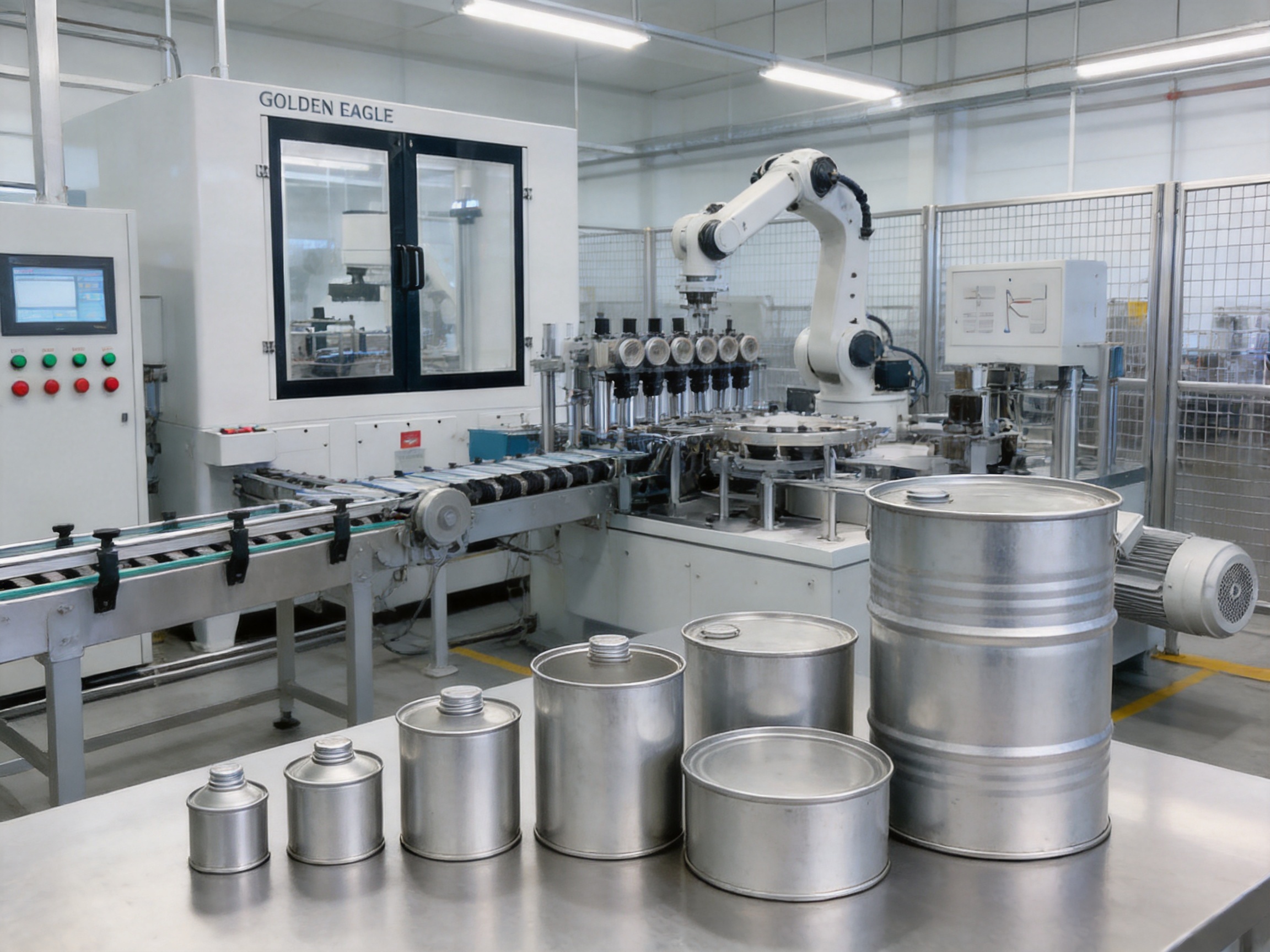
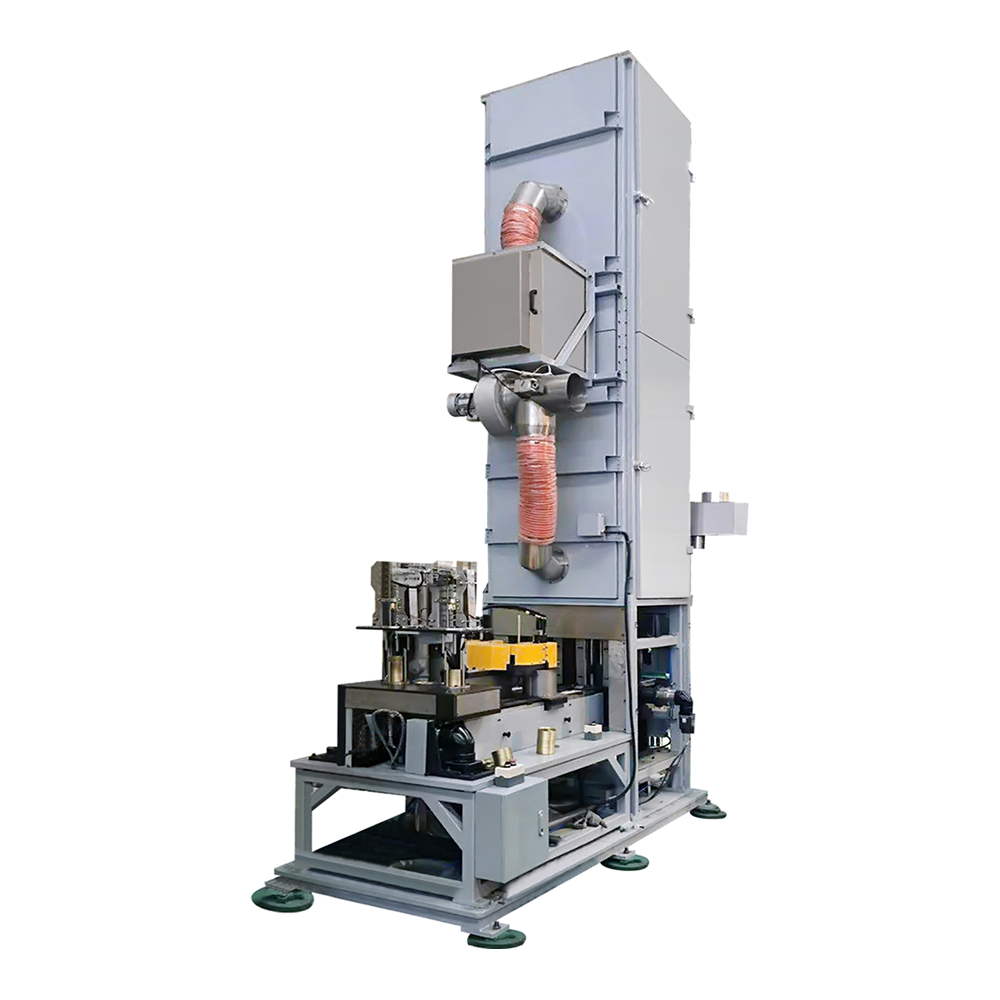
Large chemical containers present different mechanical challenges from small aerosol cans. Their diameter and weight may require stronger supporting structures, slower acceleration and deceleration, specialized feeding, and greater attention to operator ergonomics. The listed GT3B51-S-CB and GT3B52-FS-CB configurations address this production segment with a diameter range of approximately Φ250-270 mm or Φ250-275 mm and output of approximately 20-50 cans per minute.
The GT3B51-S-CB is listed for seaming, while the GT3B52-FS-CB combines flanging and seaming. This distinction allows a factory to choose a simpler machine when the can body is already prepared for the closure, or a more complete machine when flange formation is part of the final process. The 5.5 kW and 7.5 kW power ratings correspond to the listed machine configurations and should be considered alongside the complete line’s electrical requirements.
Large-can production may be used for chemical products, industrial materials, coatings, lubricants, agricultural products, and other applications requiring a durable metal package. Depending on the product and regulatory requirements, the final container may need additional testing for leakage resistance, seam integrity, corrosion protection, and compatibility with the filled material.
When selecting a large-can line, manufacturers should provide accurate information about the can diameter, body height, end design, material thickness, and expected production rate. The height data supplied for the listed models is H60-160 mm, while the general product description also mentions a larger height range for certain line arrangements. This suggests that the final line may be engineered with different tooling or auxiliary equipment for specific container dimensions. Technical confirmation before ordering is therefore essential.
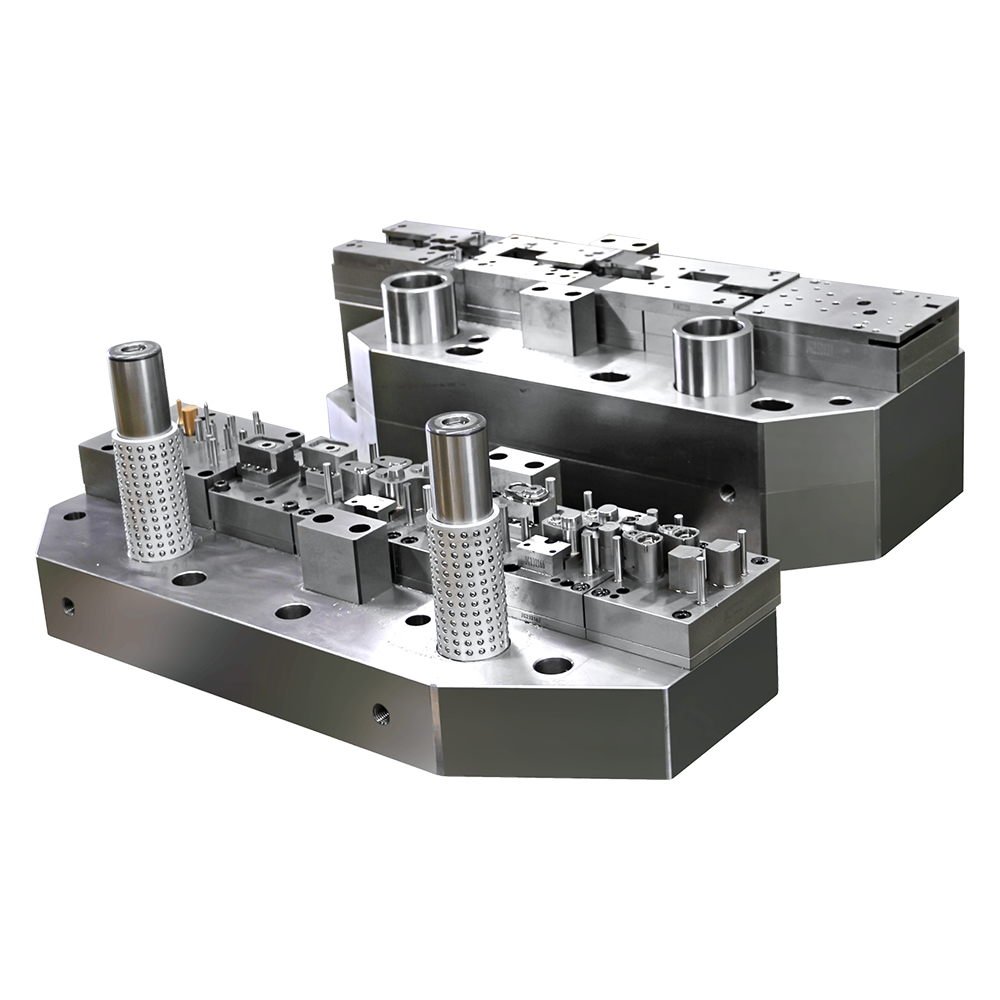
One of the strongest advantages of the manufacturer is its combined capability in can-making machinery and can-making molds. Molds and forming tools directly influence the quality and stability of a can production line. When the machine builder also has experience designing and manufacturing molds, it can better coordinate dimensions, clearances, material movement, and changeover requirements.
This integrated approach can simplify communication during project development. Instead of separating responsibility between a machine supplier and a tooling supplier, the customer can discuss the can specification, tooling design, machine configuration, and production objectives as one connected project. This is especially valuable for customized chemical cans or aerosol containers with nonstandard lid profiles.
The product family covers small diameters from approximately Φ52 mm, medium diameters up to approximately Φ190 mm, and large diameters up to approximately Φ275 mm in the listed configurations. It also covers several combinations of flanging, top seaming, and seaming. This breadth enables manufacturers to select a configuration suited to their present needs while retaining the possibility of expanding into additional container formats.
Compared with a narrowly specialized machine that serves only one diameter or one operation, a broader product family can provide better long-term value for contract manufacturers and packaging companies with diverse product portfolios. It may also support more efficient spare-parts management because related equipment can share design principles and maintenance knowledge.
Automatic operation reduces the amount of repetitive manual work required for feeding, positioning, forming, and closure processing. Automation can improve production consistency because each can is handled according to the same programmed or mechanically controlled sequence. It also helps improve workplace conditions by reducing direct handling of sharp metal edges and repetitive lifting.
Automatic equipment does not eliminate the need for skilled personnel. Operators are still responsible for setup, tooling adjustment, material inspection, seam-quality checks, cleaning, and preventive maintenance. However, the operator’s role shifts from continuous manual handling toward process supervision and quality control, which can improve both productivity and operational discipline.
The manufacturer was established in 1978 and has more than 46 years of experience in the can-making machinery field. Its workforce includes more than 350 trained personnel and experienced design and development engineers. The company reports that it has produced more than 10,000 pieces of can and can-lid equipment. This installed experience provides a substantial base for understanding production problems, equipment durability, machine adjustment, and customer-specific requirements.
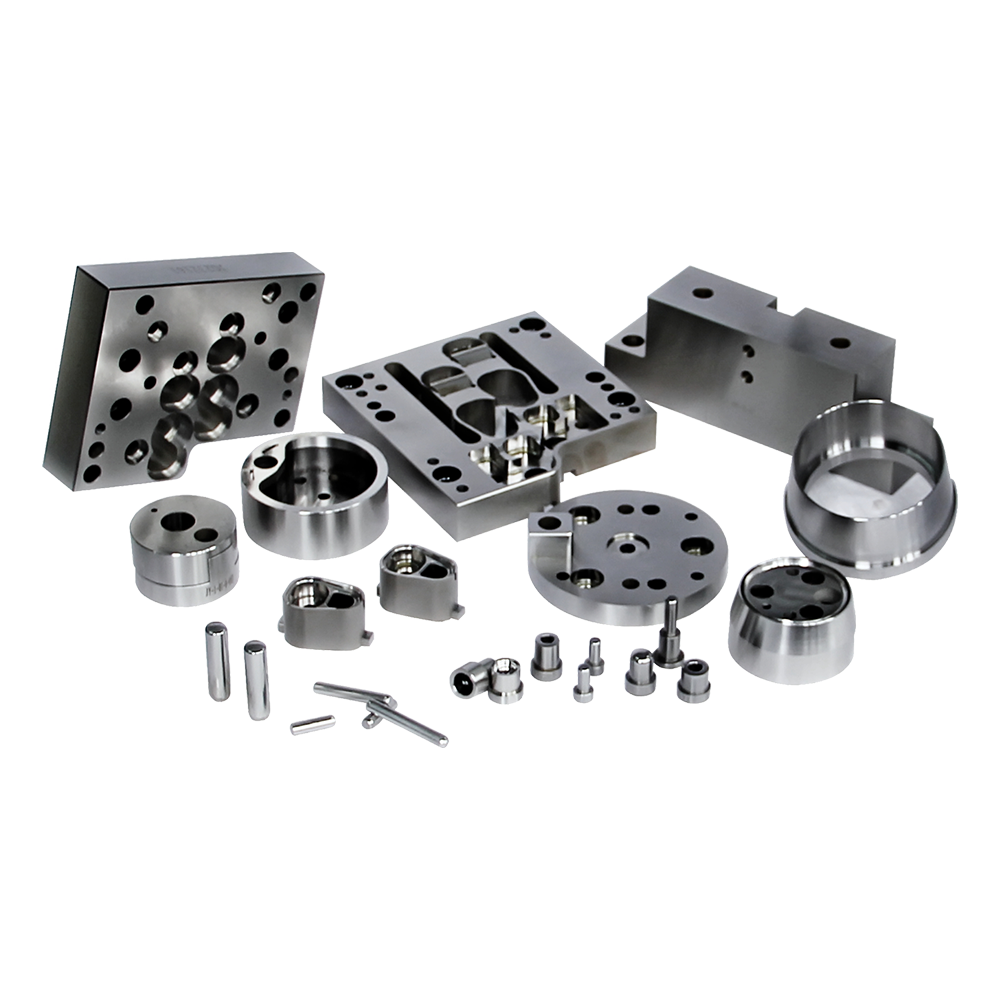
The company uses CNC high-precision machining equipment together with complete mechanical machining equipment. Precision manufacturing is important for parts such as forming tools, shafts, guide components, head assemblies, and other elements that influence alignment and repeatability. High-quality machining can help reduce vibration, improve component fit, and extend service life when combined with suitable maintenance.
The manufacturer reports certification to the ISO9001 quality management system and ISO14001 environmental management system. ISO9001 provides a framework for controlled processes, documentation, corrective action, and continuous improvement. ISO14001 addresses environmental management, resource use, waste control, and environmental responsibilities within the organization.
Certifications do not replace product testing or customer acceptance procedures, but they provide evidence that the manufacturer has established formal management systems. For international buyers, this can support supplier evaluation and project documentation. It may also help customers align their own procurement and quality-assurance requirements with a recognized manufacturing partner.
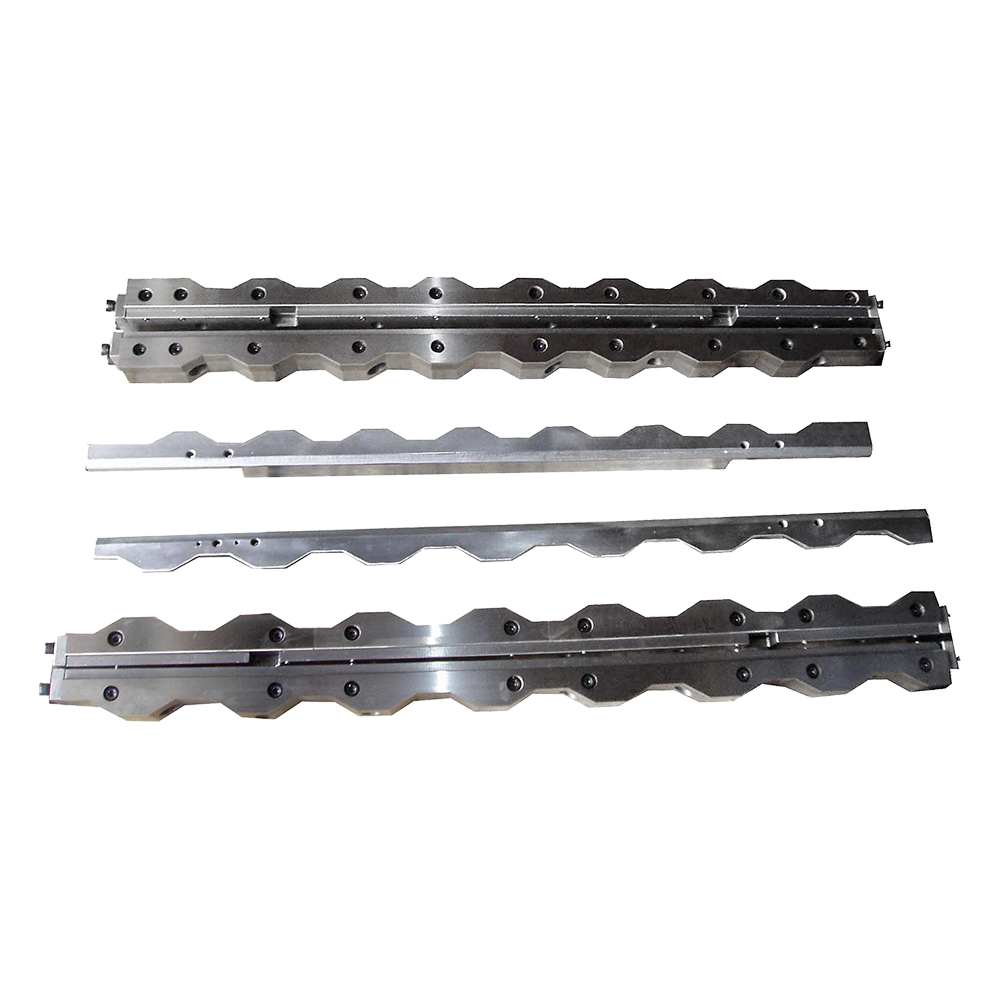
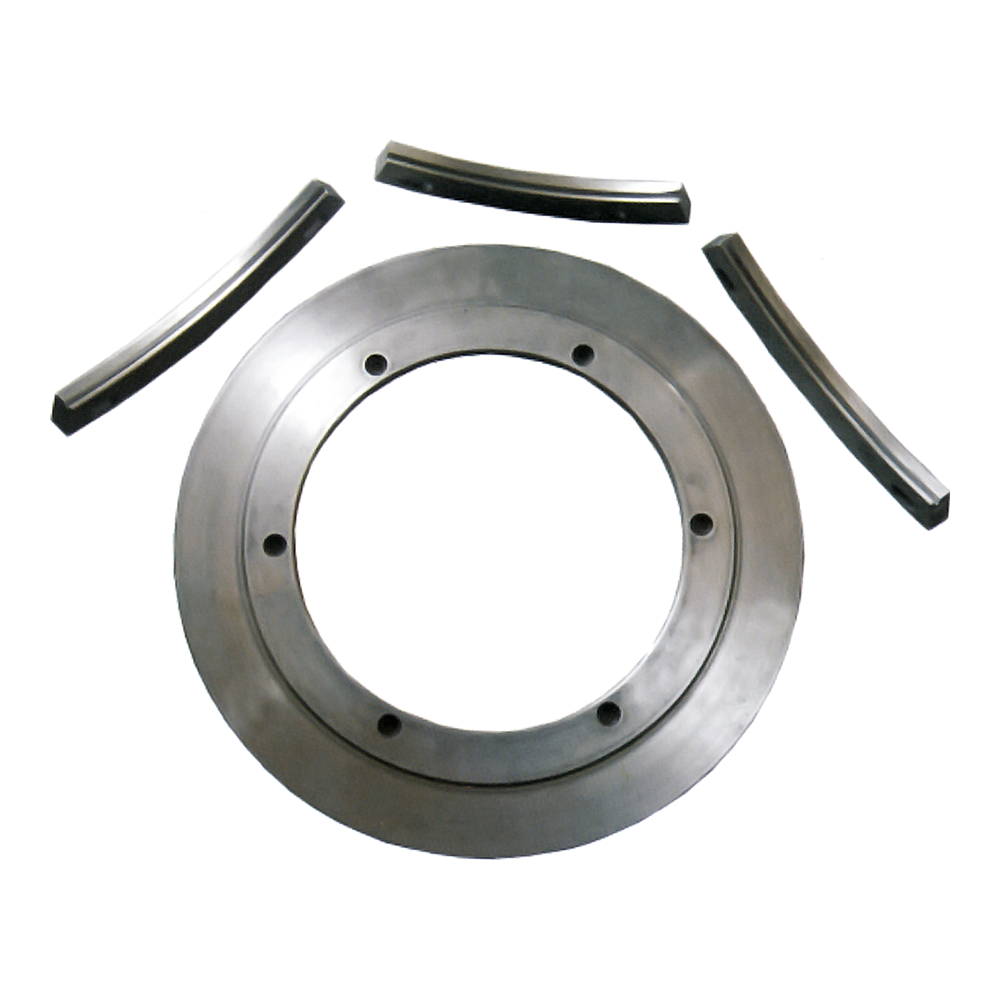
The performance of a can-making machine begins with the quality of its components. The manufacturer’s use of CNC high-precision machining equipment supports the production of parts requiring accurate dimensions and repeatable geometry. This is particularly important for seaming heads, forming rollers, guide rails, tooling seats, drive components, and other parts that must operate in coordination.
CNC machining can improve consistency from one component to another by using controlled tool paths and repeatable production parameters. It also makes it easier to manufacture replacement parts according to established drawings and specifications. For customers operating equipment over many years, this can be beneficial because replacement components can be produced with a closer relationship to the original design.
Complete mechanical machining capability allows more production stages to be managed within the manufacturer’s own technical system. Internal control over machining and assembly can improve coordination between engineering design and manufacturing practice. It also allows practical feedback from production to be incorporated into later product improvements.
The company states that its product design principles are similar to those associated with established European can-making machinery manufacturers. This should be understood as a design reference rather than a claim that the equipment is identical to any competitor’s product. The important point is that the manufacturer has studied advanced industry approaches and combined them with its own manufacturing experience and field application knowledge.
Production practice is an important source of engineering improvement. Can-making machinery must operate under real conditions involving variations in tinplate, changes in ambient temperature, differences in operator experience, and the demands of continuous production. A manufacturer with a long history of supplying equipment to can factories can use field experience to improve accessibility, adjustment methods, structural strength, and maintenance arrangements.
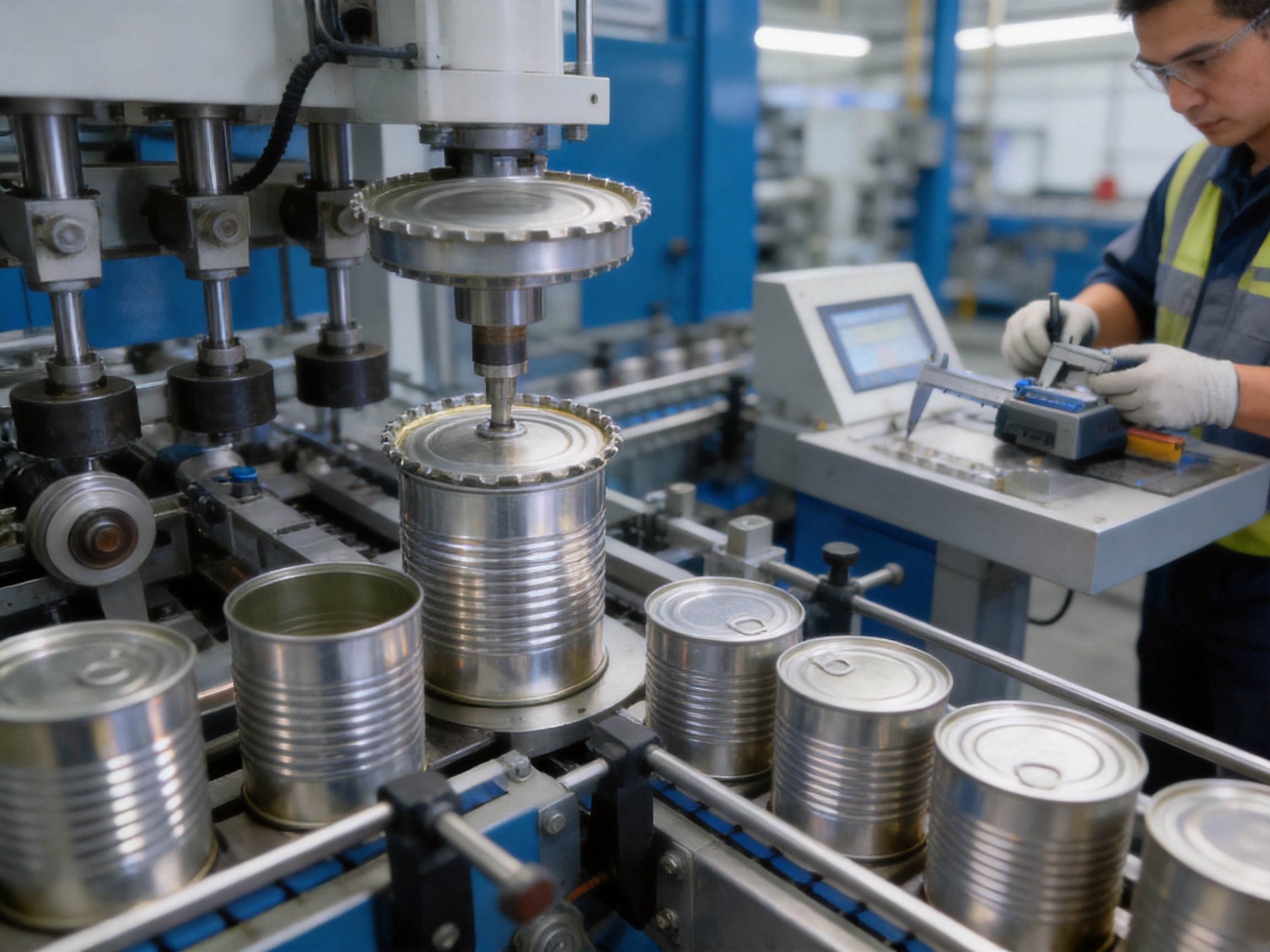
Competition in the can-making machinery market is based on more than the purchase price of a machine. Buyers normally evaluate production speed, product range, seam quality, equipment life, spare-parts availability, service response, installation support, and the supplier’s ability to understand the complete manufacturing process. The chemical can line has several features that support its competitiveness in these areas.
First, it offers multiple machine configurations rather than a single fixed specification. Customers can select a model for flanging and top seaming, a model that includes full seaming functions, or a large-can machine for lower-speed chemical container production. This reduces the risk of paying for unnecessary functions while preserving access to more advanced configurations when they are required.
Second, the equipment is available for a wide range of diameters. A manufacturer producing multiple container sizes may use related equipment models rather than building an entirely different technical platform for every product. This can simplify operator training and reduce the learning curve associated with changeovers and maintenance.
Third, the product is supported by a company that manufactures both machinery and molds. In many projects, tooling problems are responsible for a significant portion of setup difficulty. The ability to coordinate the machine and mold design can improve project efficiency, particularly where the customer requires a new can size or a customized top profile.
Fourth, the manufacturer has international export experience. Its products have been supplied to customers in Europe, Asia, Africa, North America, South America, and Oceania. Experience with different markets can help the supplier understand varying electrical standards, documentation expectations, shipping requirements, installation conditions, and customer communication practices.
Finally, the company offers after-sales services that include installation, commissioning, technical guidance, operation training, and parts supply. These services can reduce the risk associated with installing a complex production line in a new factory or adding equipment to an existing facility.
The machine should be considered as part of a complete chemical or aerosol can production system. A typical project may involve tinplate preparation, body forming, welding or joining, flange processing, lid feeding, seaming, inspection, conveying, packing, and auxiliary utilities. The exact arrangement depends on whether the customer is producing three-piece cans, specialized aerosol containers, or larger chemical packages.
Automatic feeding equipment is often essential for maintaining stable production. It must deliver can bodies, lids, and ends to the correct location without damaging edges or surfaces. Feeding capacity should be matched to the rated output of the main machine. If the feeder is too slow, the seaming equipment will wait for material. If it is poorly synchronized, the line may experience collisions, jams, or product misalignment.
Conveyor design is also important. Conveyors should provide sufficient accumulation capacity while preserving product orientation. Transfer points should be accessible for cleaning and jam removal. The layout should allow operators to observe the process, reach adjustment points, and perform maintenance without unsafe movement around the equipment.
Utilities must be reviewed before installation. These may include electrical supply, compressed air if required by the selected configuration, ventilation, lighting, drainage, and space for material storage. Chemical and aerosol can plants should also consider fire safety, hazardous-material handling, grounding, and local regulatory requirements. The can-making machine itself is only one part of a safe and compliant production environment.
Manufacturers often produce more than one can size. A flexible chemical can line should therefore be evaluated for changeover time, tooling replacement, adjustment accessibility, and the repeatability of settings. The available diameter groups make it possible to address different product sizes, but each specific size may require appropriate tooling and technical confirmation.
Changeover procedures commonly involve replacing or adjusting forming tools, guides, supports, feeding components, and seam-related parts. Clear documentation and operator training can reduce the time needed to return the machine to stable production. Tooling should be stored and identified systematically so that the correct components are available for each can specification.
The high-lid configuration listed for the GT3B53-FSS-C1B demonstrates that different top geometries may require a dedicated arrangement. This is important for aerosol packaging, where the top profile and valve area can differ from standard flat-lid designs. Customers should provide drawings or samples of the intended can and lid before finalizing the machine model.
Product flexibility must always be balanced against production speed. A machine may cover a broad diameter range, but output can vary according to size, material, operation sequence, and tooling. A responsible selection process should identify the normal production range rather than relying only on the maximum possible range.
Quality control should be integrated into the production plan from the beginning. Important checks may include can diameter, can height, flange dimensions, lid position, seam appearance, seam tightness, overall roundness, surface condition, and leakage resistance. For aerosol containers, additional checks may be required for valve-area dimensions and pressure-related performance according to the finished product design and applicable regulations.
Visual inspection can identify obvious defects such as scratches, dents, incomplete seams, excessive metal deformation, and lid misalignment. Dimensional measurement verifies that the can remains within the required tolerance after forming and seaming. Seam inspection should be performed using procedures appropriate to the package design and the customer’s quality standards.
Testing should be conducted at the start of a production run, after a changeover, following tooling adjustment, and at defined intervals during continuous operation. The goal is to detect process drift before a large quantity of nonconforming cans is produced. Operators should record inspection results and use them to guide preventive adjustment.
Because chemical and aerosol products may have serious consequences if the package fails, manufacturers should establish acceptance criteria before commissioning. These criteria should cover both the empty can and the filled package where appropriate. The machine supplier can provide technical guidance on operation and adjustment, while the final product manufacturer remains responsible for ensuring that the package meets the relevant industry and regulatory requirements.
The listed power ratings range from 4 kW to 7.5 kW for the specified machine models. The lower-power GT3B51-S-C5 configuration is listed at 4 kW, while several six-head combined-function models are listed at 7.5 kW. The large-can seaming machine is listed at 5.5 kW, and the large-can flanging and seaming machine is listed at 7.5 kW.
Actual plant energy consumption depends on operating speed, machine load, start-stop frequency, auxiliary equipment, and the total line configuration. Efficient production planning can reduce unnecessary idle operation. Stable feeding and fewer interruptions also improve the effective energy use per finished can because more of the consumed energy contributes to saleable production.
Preventive maintenance should include cleaning, lubrication where specified, inspection of fasteners, checking of drive components, examination of forming and seaming tools, and verification of safety devices. Wear parts should be monitored rather than replaced only after a failure. Early replacement can prevent secondary damage and reduce unplanned downtime.
Maintenance access is an important factor when comparing equipment. A machine that is easy to inspect and adjust can reduce service time and improve operator confidence. Customers should request maintenance schedules, recommended spare-parts lists, lubrication specifications, and troubleshooting procedures during the project stage.
Installation is a major stage in the success of an automatic can line. The manufacturer provides installation, commissioning, technical guidance, and operation training. These services are intended to help the customer place the machine correctly, connect the required utilities, set up tooling, verify the operating sequence, and train personnel in normal production procedures.
Commissioning should begin with a review of the installation conditions and machine alignment. The line should then be tested at low speed before gradually increasing output. Feeding, forming, seaming, emergency stops, guarding, and product transfer should all be checked. Sample cans should be inspected at each stage so that any problem can be traced to the relevant operation.
Training should cover startup and shutdown, product changeover, adjustment, cleaning, quality inspection, jam clearing, safety procedures, and basic troubleshooting. Maintenance personnel should receive additional instruction in preventive maintenance and the identification of wear. Proper training is particularly important when the line is expected to run multiple container sizes or when chemical and aerosol packaging standards are strict.
Technical documentation should be retained in an accessible location. It may include machine manuals, electrical drawings, pneumatic diagrams where applicable, parts lists, tooling drawings, maintenance schedules, and commissioning records. Good documentation supports faster troubleshooting and helps preserve knowledge when personnel change.
Zhejiang Golden Eagle Food Machinery Co., Ltd. is located in Zhoushan City, Zhejiang Province, China. The company was formerly known as Zhejiang Food Machinery Factory and Zhoushan Mold Factory. Its long operating history is closely connected with the development of can-making machinery and molds.
The company reports a workforce of more than 350 trained employees, including experienced design and development personnel. This combination of manufacturing staff and engineering specialists supports the development of machines for different can types and production requirements. It also provides a foundation for technical service and product improvement.
More than 10,000 pieces of can and can-lid equipment have reportedly been produced. An installed base of this size can provide valuable operating feedback. It may also support the development of standard components, service procedures, and replacement-part systems for customers in different regions.
The company supplies complete series of equipment for food cans, beverage cans, can lids, chemical tanks, aerosol canisters, two-piece cans, pop cans, and related applications. This broad portfolio gives customers access to a supplier that understands the wider can-making process rather than only one isolated machine.
The company’s products have been exported to many countries and regions, including Germany, Italy, the United Kingdom, Spain, Hungary, Russia, Australia, Jordan, Malaysia, the Philippines, Pakistan, Egypt, Algeria, Turkey, Mexico, Nigeria, and Iran. International experience does not guarantee that every project will have identical requirements, but it demonstrates familiarity with overseas customers and diverse production environments.
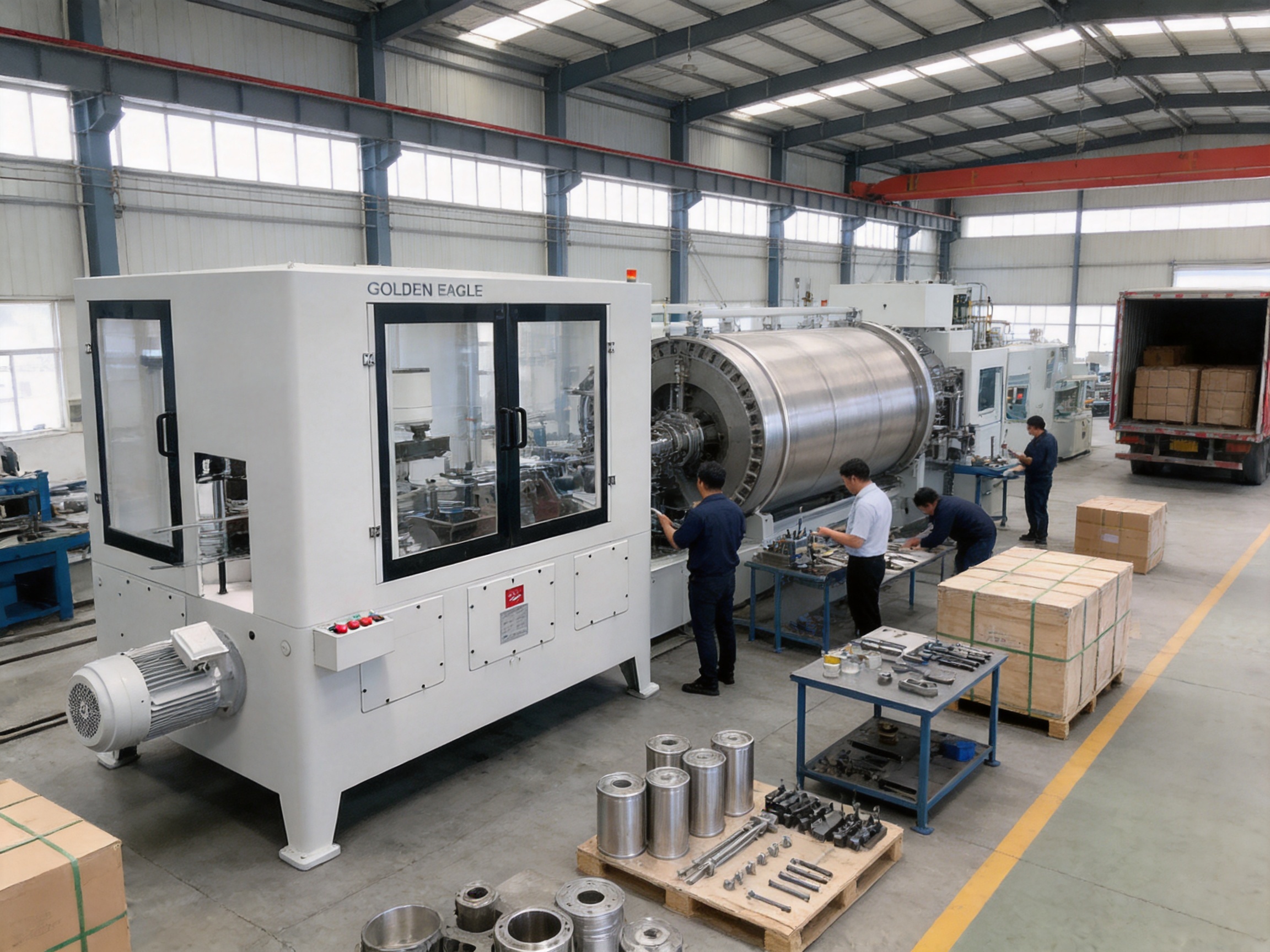
Factories producing aerosol containers can use the smaller-diameter configurations for high-output production. The six-head models are suited to lines that require flanging, top seaming, and seaming operations at a rate of approximately 80-150 cans per minute. The high-lid configuration may be selected when the top design requires additional clearance or a different lid profile.
Chemical manufacturers may require cans for coatings, solvents, industrial chemicals, agricultural products, lubricants, or specialty materials. Depending on the product volume and container format, the line can be configured for small, medium, or large round cans. The larger machines provide a solution for diameters around Φ250-275 mm and output of approximately 20-50 cans per minute.
Contract manufacturers often need to accept orders from customers with different container dimensions. A machine family with multiple diameter groups and process combinations can support a broader customer base. This flexibility may help the factory respond to seasonal demand, new product introductions, and short production runs.
The equipment can also be used to expand an existing plant. A factory may add a high-speed small-can machine, a large-can seaming unit, or a combined flanging and seaming configuration according to its production bottleneck. Because the supplier offers related machinery and molds, expansion projects can potentially be coordinated through one technical channel.
Before ordering, buyers should prepare a complete technical specification. The specification should include can diameter, body height, metal material, material thickness, lid design, required operations, target speed, production schedule, and expected changeover frequency. Can drawings and physical samples are highly recommended for nonstandard products.
The buyer should also clarify whether the line is intended for aerosol cans, chemical cans, or both. If both product categories are required, the factory should identify the percentage of production assigned to each format and whether frequent changeovers are expected. This information will influence the machine model, tooling package, feeding design, and layout.
Output should be expressed as both rated capacity and expected usable production. A machine rated at 80-150 cans per minute may operate at different practical speeds depending on the can size and material. The customer should discuss sample testing and acceptance criteria so that the agreed performance is clearly defined.
Installation conditions should be reviewed before shipment. Floor strength, available space, electrical voltage, environmental conditions, material flow, ventilation, and safety provisions can affect commissioning. Early planning reduces delays after the machine arrives at the factory.
Spare parts and service expectations should also be included in the purchase discussion. Recommended parts may include wear components, forming tools, seaming-related parts, bearings, sensors, belts, fasteners, and other items appropriate to the selected configuration. Maintaining a reasonable spare-parts inventory can reduce downtime during long production campaigns.
The chemical can line can provide several operational benefits when correctly matched to the product. Automatic processing reduces repetitive handling and supports stable production. Multi-head configurations provide high output for small and medium cans. Large-can models extend the product range to heavier industrial containers. Combined operations can reduce transfers and simplify the process sequence.
Consistent forming and seaming can reduce material waste caused by defective closures or dimensional variation. Stable production also makes downstream filling, labeling, and packing easier because containers arrive with more uniform geometry. Reduced rejection improves material utilization and helps protect the manufacturer’s delivery schedule.
Another benefit is the possibility of standardizing production technology across several product lines. When related machines use familiar operating principles, training can be shared between departments. Maintenance personnel can develop deeper knowledge of the equipment platform, and managers can compare performance using consistent production records.
The manufacturer’s after-sales support further contributes to operational value. Installation, commissioning, technical guidance, training, and parts supply can help the customer move from equipment delivery to stable production more efficiently. For overseas projects, this support is particularly important because local teams may need assistance with setup and initial adjustment.
Chemical and aerosol packaging operations should be planned with safety as a central requirement. The machine should be installed with suitable guarding, emergency-stop arrangements, electrical protection, and safe access to service areas. Operators should be trained not to reach into moving mechanisms while the machine is running or while stored energy remains present.
The finished package may be subject to regulations related to pressure, hazardous substances, transport, storage, labeling, and environmental protection. The machine produces the can, but the packaging manufacturer must ensure that the completed container meets the rules applicable to the product and destination market.
Factories should consider the properties of the materials being packaged. Flammable, corrosive, toxic, or reactive products may require special facility design, ventilation, grounding, fire protection, and handling procedures. These requirements should be evaluated separately from the mechanical capabilities of the can-making line.
Environmental management is also relevant. The manufacturer’s reported ISO14001 certification indicates a formal environmental management framework. At the customer’s factory, attention should be given to metal scrap collection, lubricant management, packaging waste, noise control, and responsible disposal of contaminated materials.
A can-making line is a long-term capital investment. The relationship between the supplier and customer should therefore continue beyond delivery. Technical support can assist with commissioning, process optimization, tooling selection, and production troubleshooting. Training helps the customer build an internal team capable of operating and maintaining the equipment effectively.
Parts availability is another important consideration. The company states that it supplies parts at speed, which can help customers reduce the duration of maintenance events. Buyers should nevertheless establish a preventive spare-parts plan based on operating hours, production volume, and the criticality of individual components.
Long-term cooperation can also support future expansion. A customer may begin with one chemical can machine and later add aerosol equipment, lid-making machinery, automatic feeding systems, molds, or a complete production line. A supplier with a broad product range can help coordinate these additions and maintain greater consistency across the factory.
The line is designed for round tinplate chemical cans and aerosol cans. Depending on the selected model and tooling, it can handle different diameters and heights and can perform flanging, top seaming, seaming, or a combination of these operations.
The listed output for the smaller and medium configurations is approximately 80-150 cans per minute. The listed output for the large-can configurations is approximately 20-50 cans per minute. Actual production depends on the can dimensions, material, tooling, feeding system, operating conditions, and product changeovers.
The GT3B51-S-C5 is listed for can diameters from Φ52-99 mm and can heights from H80-220 mm. Its functions include flanging and top seaming, with a listed output of 80-150 cans per minute and power of 4 kW.
The GT3B53-FSS-C1A and GT3B53-FSS-C1B are listed for diameters from Φ52-105 mm. Both are six-head configurations with flanging, top seaming, and seaming functions. The GT3B53-FSS-C1B is identified as a high-lid configuration.
The GT3B53-FSS-C is listed for diameters from Φ99-190 mm, with flanging, top seaming, and seaming functions. Its listed output is 80-150 cans per minute, and its listed power is 7.5 kW.
Yes. The GT3B51-S-CB is listed for seaming cans with diameters from Φ250-270 mm, while the GT3B52-FS-CB is listed for flanging and seaming cans with diameters from Φ250-275 mm. Both are listed with an output of 20-50 cans per minute.
The listed models cover different height ranges. The model table includes ranges from H60-160 mm, H80-220 mm, and other general ranges in the product description. Exact height capability depends on the selected machine, tooling, and line configuration, so final confirmation should be made using the customer’s can drawings and samples.
A six-head configuration allows multiple can positions to be processed during an operating cycle. This supports high output for smaller and medium-sized cans and can improve production efficiency when the feeding and conveying systems are properly synchronized.
Yes. The company has a history of manufacturing can-making machinery and can-making molds. This integrated capability can help coordinate tooling dimensions and machine functions for standard or customized can designs.
The company provides after-sales services including installation, commissioning, technical guidance, operation training, and parts supply. The exact scope and arrangement should be confirmed during the purchase contract and project planning stage.
The buyer should provide can diameter, can height, material and thickness, body and lid drawings, required operations, expected speed, production volume, power conditions, destination country, and whether the cans are intended for aerosol or chemical products. Samples are useful for verifying the correct configuration and tooling.
The automatic chemical can line is a flexible solution for manufacturers producing aerosol cans, chemical cans, and other round tinplate containers. Its product range covers small and medium diameters from approximately Φ52 mm to Φ190 mm as well as large containers up to approximately Φ275 mm in the listed configurations. With options for flanging, top seaming, seaming, and combined operations, the line can be adapted to different container structures and production processes.
The six-head models provide high output of approximately 80-150 cans per minute for smaller and medium-sized products, while the large-can machines provide approximately 20-50 cans per minute for larger chemical containers. Automatic operation, multiple configurations, CNC-supported manufacturing, mold-making capability, international experience, and after-sales service strengthen the product’s position in the competitive can-making machinery market.
For the best result, customers should select the equipment through a complete technical review rather than by diameter or speed alone. Can drawings, material information, lid structure, seam requirements, production targets, and factory conditions should all be evaluated. With the correct configuration, tooling, installation, training, and maintenance program, the line can support stable, efficient, and scalable production for demanding chemical and aerosol packaging applications.
1. Zhejiang Golden Eagle Food Machinery Co., Ltd., product specifications for chemical can and aerosol can production equipment.
2. Zhejiang Golden Eagle Food Machinery Co., Ltd., company profile and manufacturing capability information.
3. ISO 9001, Quality Management Systems: Requirements.
4. ISO 14001, Environmental Management Systems: Requirements with Guidance for Use.
5. General industrial guidance on metal can forming, flanging, and double-seam quality control.
6. General packaging engineering practices for aerosol containers and chemical product cans.
Related Products

Founded in 1978, the company is one of the largest can-making machinery well-known companies at home and abroad.
Product Categories
Contact Information
Zhongshatou Shenjiamen Zhoushan Zhejiang China
+86-580-3056646

 English
 中文简体
中文简体
 русский
 عربى
عربى
 Español