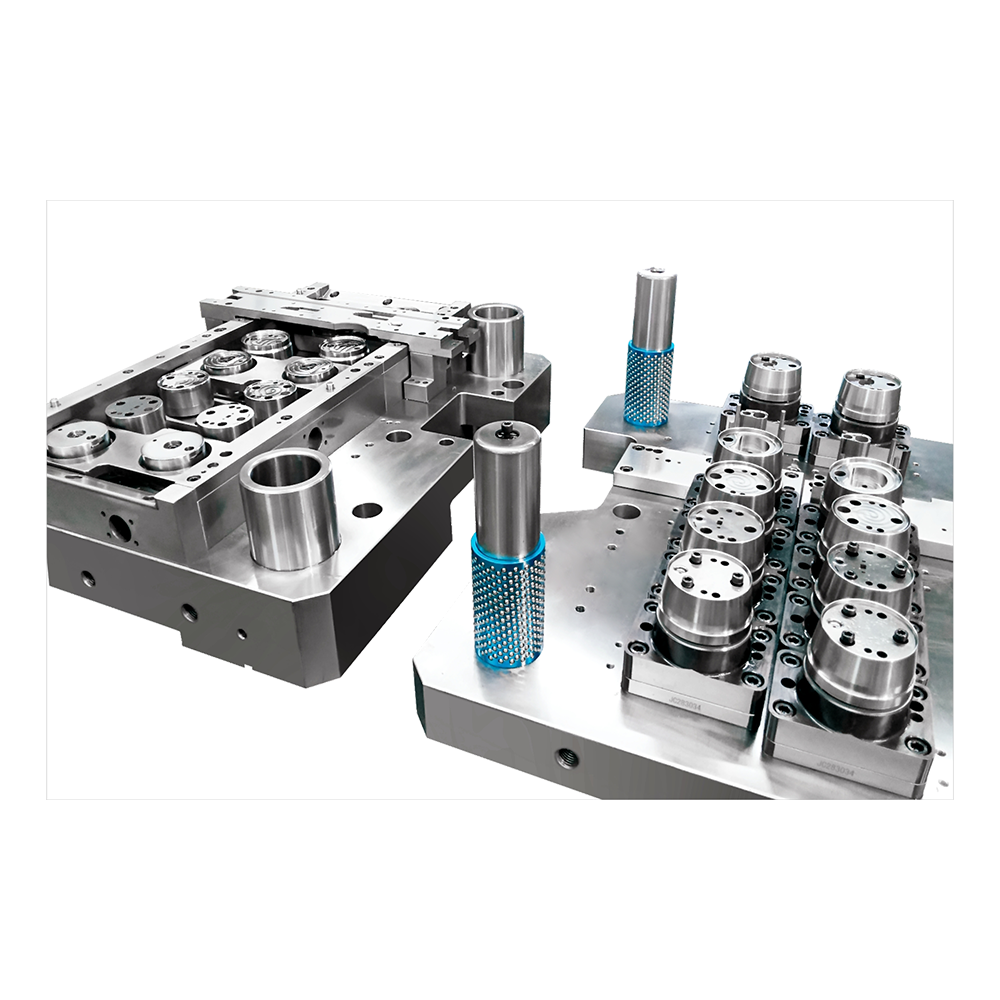
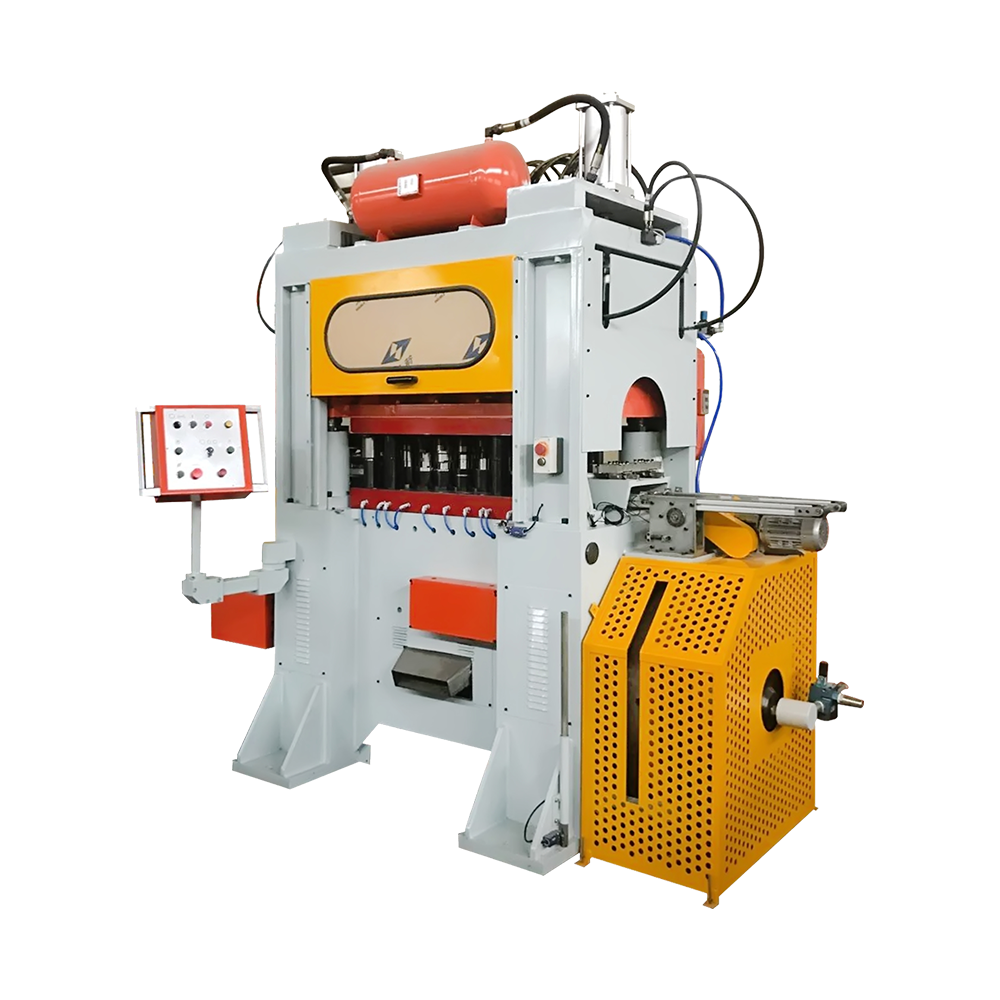
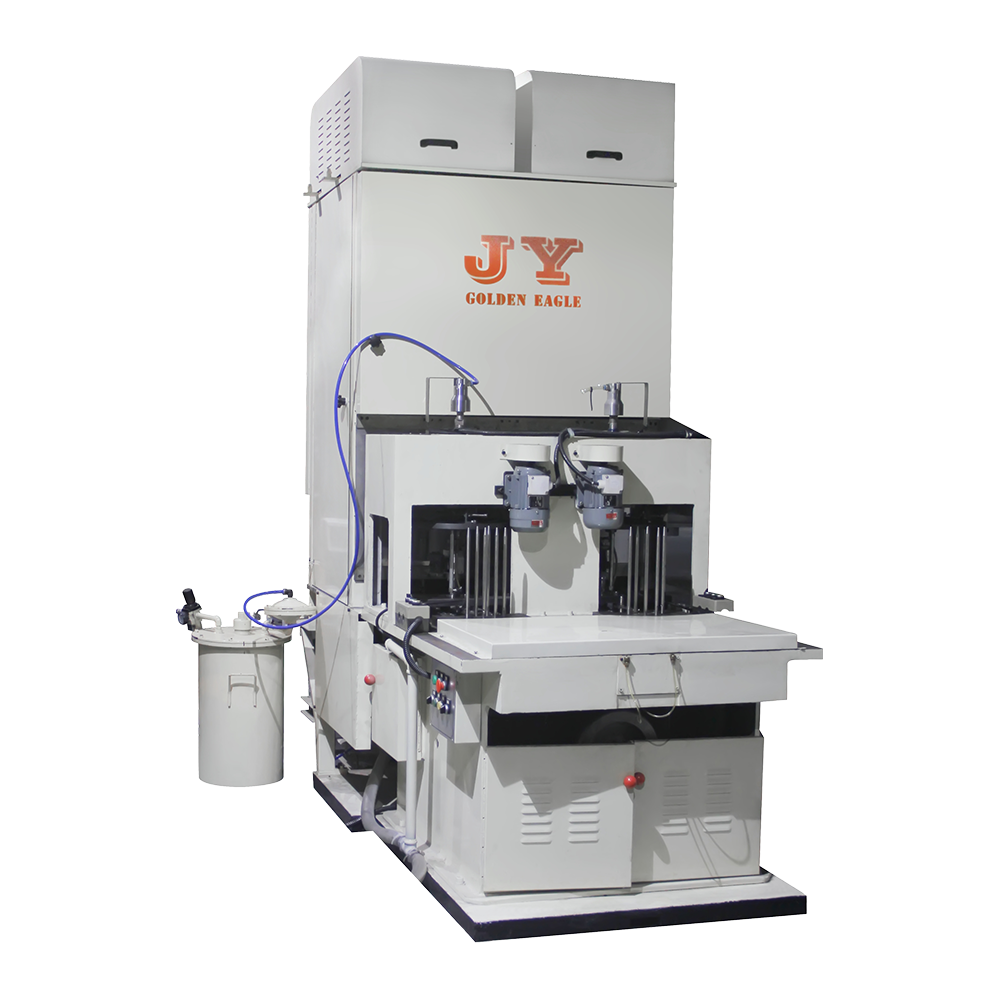
2026-06-21
In modern metal packaging, accuracy at the earliest cutting stage determines the stability, economy, and appearance of every subsequent operation. A conversion press scroll shearing die is a critical mold system designed to shear tinplate, tin-free steel, aluminum, and other can-making sheet materials into optimized scroll patterns for can ends, lids, and related components. When this die is properly engineered, it reduces material waste, supports high-speed production, improves downstream forming quality, and helps manufacturers achieve consistent results across large-volume can-making lines.
The conversion press scroll shearing die supplied for professional can-making applications is not merely a cutting tool. It is a precision-engineered production asset. It must combine high cutting accuracy, strong rigidity, balanced wear resistance, smooth sheet feeding, stable clearance control, and reliable repeatability. For producers of food cans, beverage cans, milk powder cans, aerosol cans, chemical cans, EOE lids, and two-piece cans, the die plays an important role in converting flat metal sheets into high-value packaging parts with minimal scrap and maximum line efficiency.
Zhejiang Golden Eagle Food Machinery Co., Ltd. manufactures can-making machinery and can-making molds with a long industrial background dating back to 1978. The company’s experience in food can production lines, beverage can production lines, tin can lid end making machines, tin can auto-welding machines, EOE lids making machines, cutting machines, duplex slitters, aerosol cone and dome equipment, automatic feeding machines, two-piece can equipment, and mold systems gives it a strong foundation for developing conversion press scroll shearing dies that match real production requirements. The company combines practical can-factory experience with advanced CNC machining, quality management, engineering design, and after-sales support.
Conversion Press Scroll Shearing Die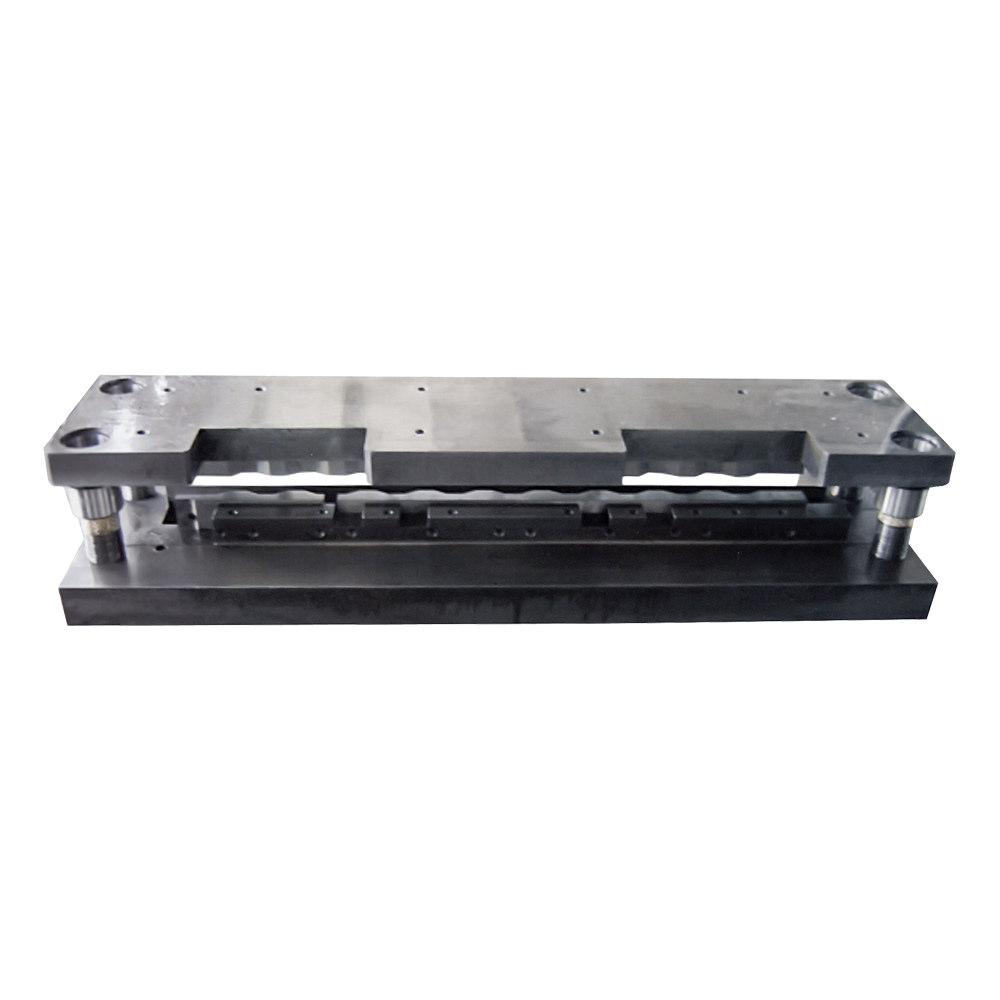
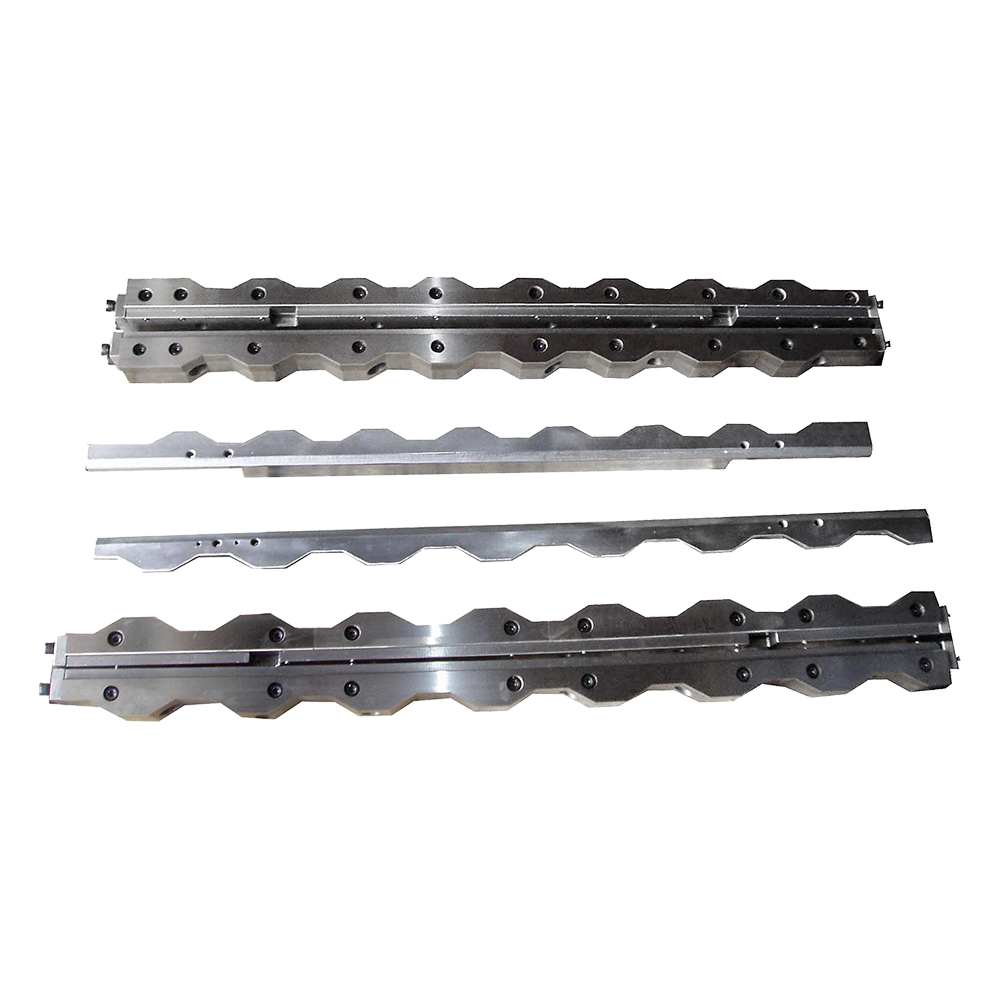
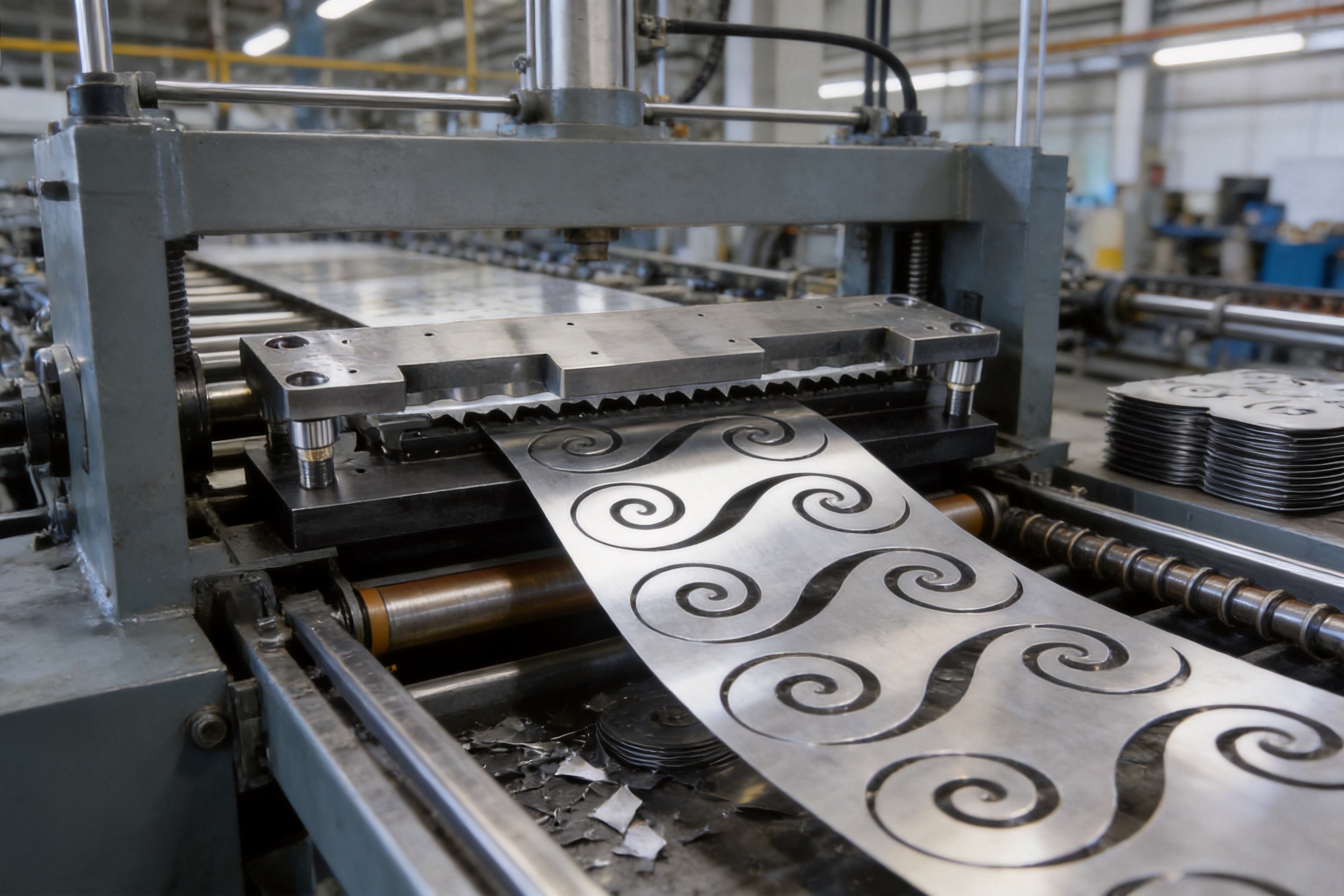
A conversion press scroll shearing die is used to cut metal sheets into scroll-shaped blanks before further processing into can ends, lids, or other circular and non-circular components. Unlike simple straight cutting, scroll shearing is designed to improve the utilization rate of sheet material by arranging cutting profiles in an interlocking or nested pattern. This arrangement reduces scrap between blanks and allows manufacturers to obtain more usable pieces from each sheet.
In can-end production, material cost is one of the most significant components of total manufacturing cost. Even a small improvement in sheet utilization can lead to substantial savings over long-term production. A high-quality scroll shearing die helps manufacturers reduce edge waste, control blank geometry, and maintain clean cutting lines. This is especially valuable in high-volume can-making factories where millions or even billions of ends may be produced over time.
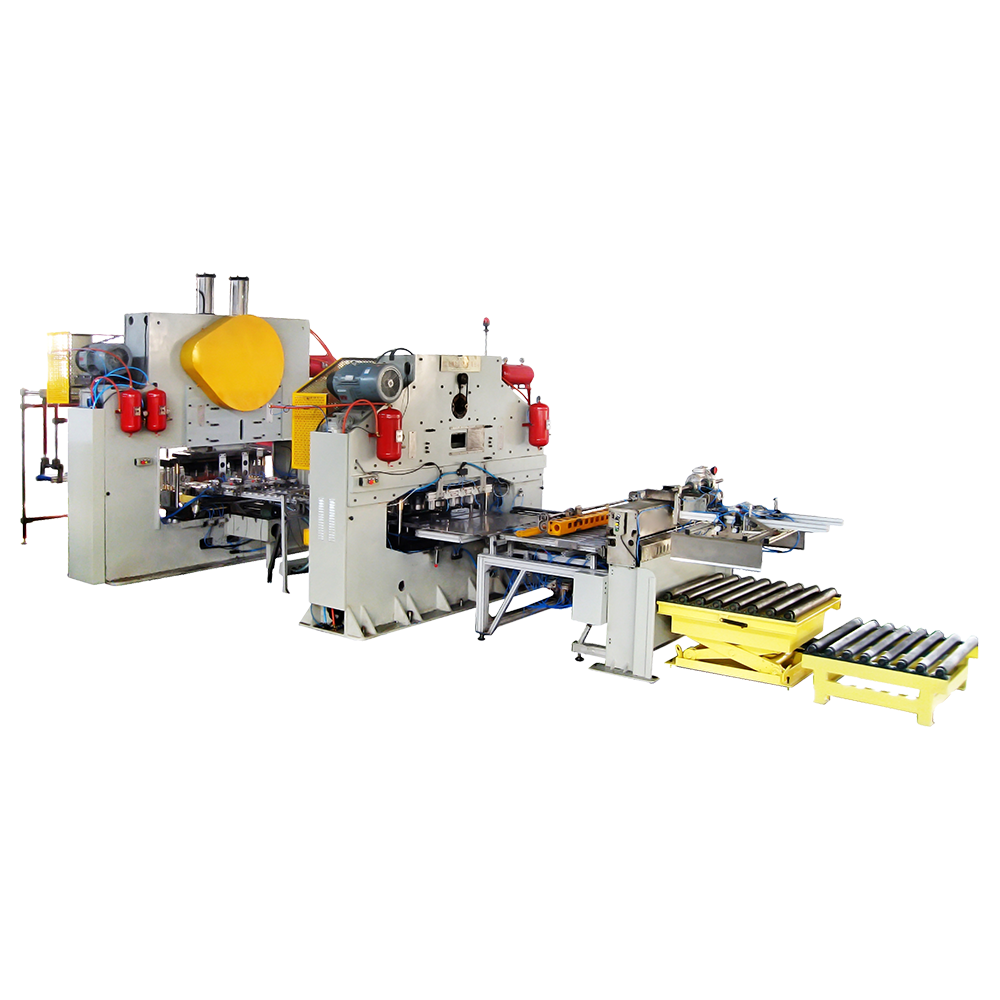
The die is typically installed on a conversion press or compatible shearing press. During operation, the press drives the upper and lower die components to shear the sheet according to a precisely designed scroll pattern. The accuracy of the die directly influences the dimensional consistency of the blanks. If the cutting edge is poorly aligned, if clearance is unstable, or if the die material lacks durability, defects such as burrs, deformation, uneven edges, and feeding interruptions can occur. These defects may later affect curling, lining, stamping, seaming, or easy-open-end production.
For this reason, the conversion press scroll shearing die must be engineered as part of the complete can-making process rather than as an isolated cutting accessory. Zhejiang Golden Eagle Food Machinery Co., Ltd. develops molds based on decades of equipment manufacturing experience, enabling the die design to coordinate with press stroke, feeding accuracy, sheet thickness, coating type, production speed, and downstream tooling requirements.
Scroll shearing is widely used because it addresses two major production goals: material economy and process reliability. In tinplate can making, sheet metal is often supplied in carefully specified thicknesses, coatings, tempers, and surface finishes. These materials must be used efficiently, because waste represents not only direct material loss but also unnecessary handling, storage, and recycling cost.
A scroll pattern is designed to arrange blanks close to one another while preserving safe cutting margins and stable sheet flow. Compared with less optimized shearing layouts, a professionally designed scroll shearing die can reduce scrap bridges and unnecessary web material. For factories producing tin can lids, food can ends, beverage closures, chemical can components, or aerosol parts, this improvement can contribute directly to higher profitability.
Clean cutting quality is another essential factor. A good die produces edges with controlled burr height and minimal distortion. In lid and end manufacturing, even small edge inconsistencies may create problems during subsequent pressing, curling, compound lining, or seaming. A stable scroll shearing die helps preserve the flatness and shape of blanks, allowing the next station to run more smoothly.
Scroll shearing also improves line organization. When a die is matched to automatic feeding equipment, cutting machines, duplex slitters, or end-making presses, the production flow becomes more stable. Consistent blank geometry reduces the need for manual correction and lowers the risk of stoppage. This is especially important for customers seeking high-output tin/tinplate can making machinery production lines and automated can-making systems.
The value of a conversion press scroll shearing die lies in its ability to deliver stable performance under repeated industrial use. The die must operate reliably through countless cutting cycles while maintaining cutting sharpness, alignment, and dimensional accuracy. Compared with ordinary or low-precision dies, a professional scroll shearing die offers several practical advantages.
The scroll layout is engineered to maximize the number of blanks obtained from each sheet. Through rational nesting and precise shearing geometry, the die reduces unnecessary scrap. For large-scale can manufacturers, this advantage can translate into measurable annual savings. When tinplate, aluminum, or coated steel prices fluctuate, improved material utilization becomes even more valuable.
The die is manufactured using high-precision machining processes. Accurate cutting profiles help ensure that each blank conforms to the required geometry. This improves compatibility with downstream presses, curling machines, lining systems, and assembly operations. Stable dimensions also help reduce quality variation between production batches.
Burr control is a key quality factor in can-end and lid production. Excessive burrs may cause scratches, tooling wear, coating damage, or forming defects. A well-designed shearing die maintains proper clearance between cutting edges, reducing burr formation and improving the edge condition of the blank. This contributes to safer, cleaner, and more reliable production.
The die is designed for demanding industrial conditions. Proper material selection, heat treatment, precision grinding, and surface finishing help the cutting edges resist wear. A durable die reduces the frequency of replacement and maintenance, improving uptime and lowering total operating cost.
Can-making factories require continuous, predictable output. The conversion press scroll shearing die is engineered for stable operation in compatible press systems. Proper rigidity, guiding accuracy, and feeding coordination help prevent misalignment, jamming, and vibration-related cutting problems.
Because the manufacturer produces a broad range of can-making machinery and molds, the die can be designed with system-level understanding. It can be integrated into production environments involving food can lines, beverage can lines, EOE lid lines, aerosol can lines, chemical tank lines, and other tinplate can making machinery production lines.
The performance of a precision die depends heavily on the manufacturer’s process capability. Zhejiang Golden Eagle Food Machinery Co., Ltd. has long specialized in can-making machinery and can-making molds. Established in 1978 and formerly known as Zhejiang Food Machinery Factory and Zhoushan Mold Factory, the company has accumulated decades of experience in practical production engineering. This background supports the development of molds that are not only accurate on paper but also durable and efficient in factory use.
The company is located in Zhoushan, Zhejiang Province, China, and operates with more than 350 well-trained personnel, including experienced design and development engineers. Its manufacturing approach combines practical knowledge from can factories with advanced machining equipment. The company uses CNC high-precision machining equipment and complete mechanical machining resources to produce dies and machinery with reliable accuracy.
Unlike suppliers that focus only on individual tooling, the company supplies complete series of can-making equipment, including food can production lines, beverage can production lines, can lid production lines, chemical tank production lines, aerosol canister production lines, two-piece can production lines, and pop can production lines. This broad product range gives the engineering team a comprehensive understanding of the relationships between cutting, feeding, forming, welding, lining, seaming, and packaging processes.
The product design principles are developed with reference to mature international can-making machinery concepts associated with advanced European-style engineering. At the same time, the company continuously improves its own designs through production practice and customer feedback. This combination of proven design logic and practical innovation helps the conversion press scroll shearing die meet the needs of modern tin can making machine users.
Every successful die begins with careful engineering analysis. The scroll shearing die must account for sheet thickness, hardness, coating characteristics, blank diameter, scroll pitch, press capacity, feeding method, production speed, and expected service life. If one of these parameters is ignored, the die may fail to deliver stable results in real operation.
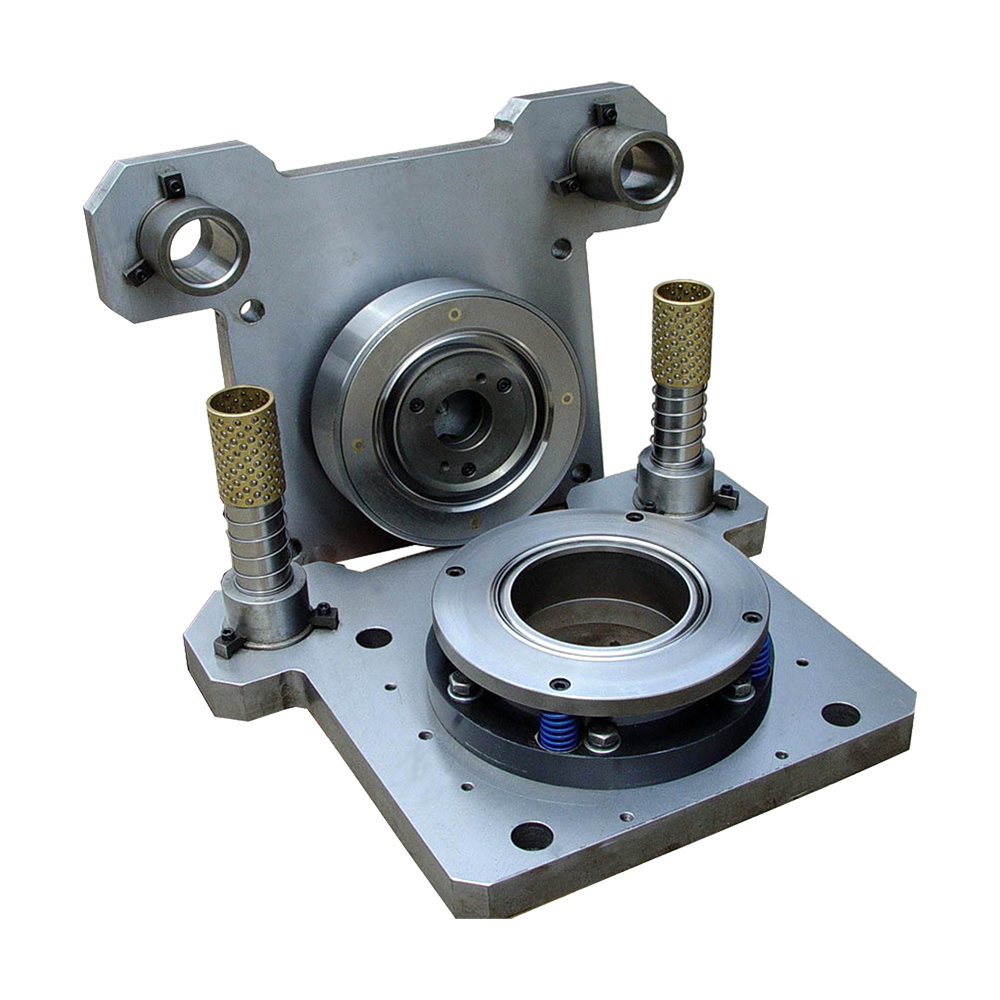
During design, engineers define the cutting profile, clearance, guiding structure, fastening method, and wear allowance. The goal is to balance sharp cutting with mechanical strength. A very tight clearance may produce clean cuts but increase wear or risk of seizure. A clearance that is too large may produce burrs and distortion. The correct solution depends on material type and production requirements.
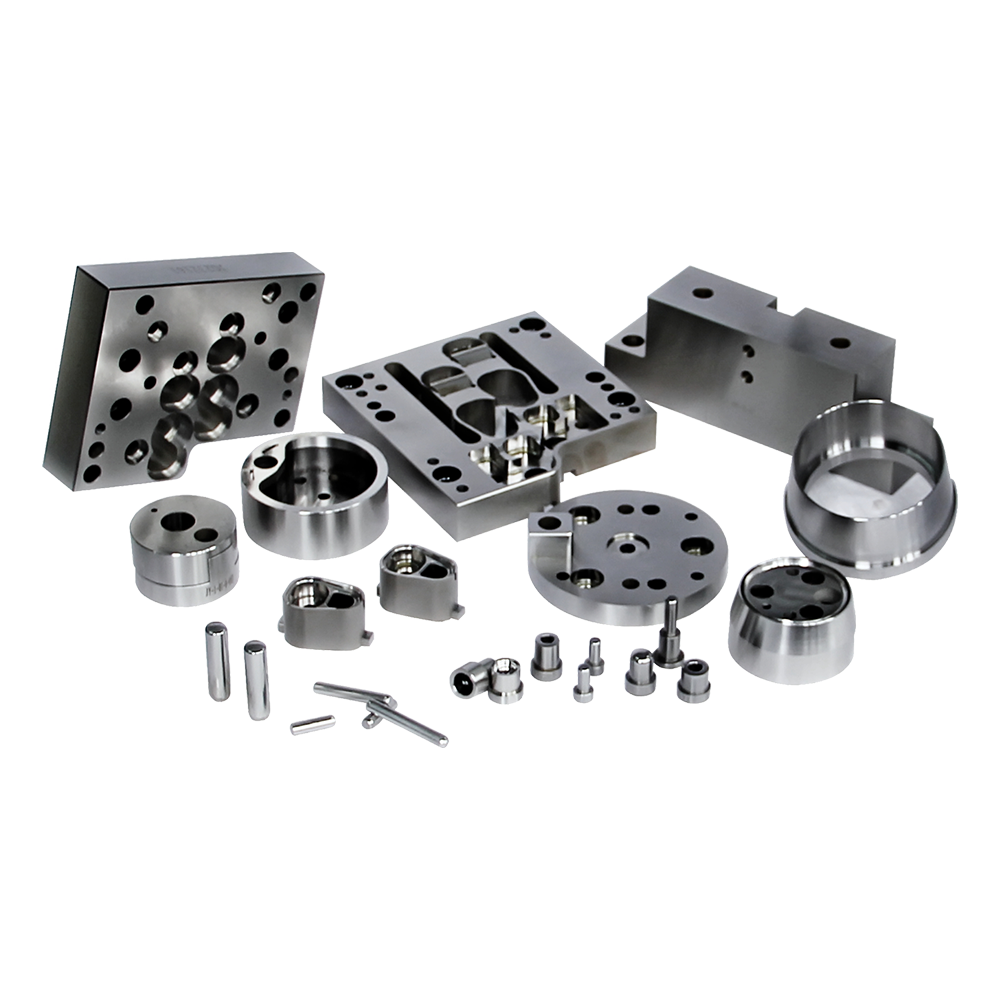
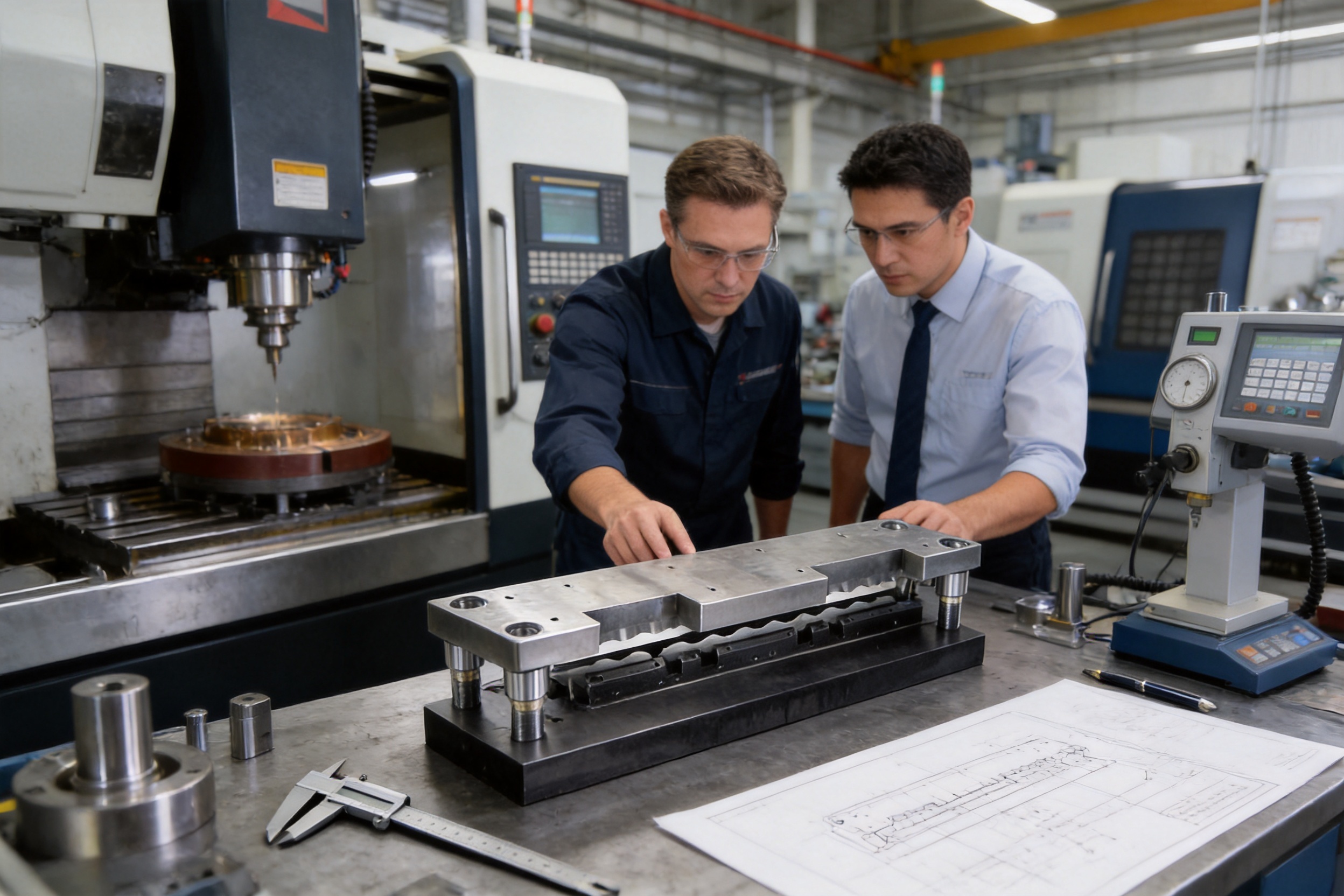
Advanced CNC machining is used to create accurate die components. High-precision machining improves dimensional consistency and reduces the need for excessive manual adjustment. Grinding and finishing processes further refine cutting surfaces and contact areas. When required, heat treatment enhances hardness and wear resistance while maintaining toughness. The result is a die capable of withstanding repeated impact and friction during industrial shearing.
Quality inspection is also essential. Dimensional checking, assembly verification, trial cutting, and functional testing help ensure that the die performs as expected before delivery. The company’s ISO9001 quality management system supports consistent manufacturing control, while ISO14001 environmental management certification reflects attention to responsible production practices.
Not all shearing dies deliver the same value. Some low-cost dies may appear acceptable at first but generate hidden expenses through frequent sharpening, unstable blank quality, high scrap rate, press downtime, or short service life. The following table summarizes key differences between a professionally engineered conversion press scroll shearing die and a typical low-precision alternative.
| Evaluation Area | Professional Conversion Press Scroll Shearing Die | Ordinary Low-Precision Die |
|---|---|---|
| Material Utilization | Optimized scroll pattern reduces sheet waste and improves blank yield. | Less efficient layout may create higher scrap and long-term material loss. |
| Cutting Accuracy | Precision machining supports consistent blank dimensions. | Dimensional variation may affect downstream forming and assembly. |
| Burr Control | Controlled clearance helps produce cleaner edges with lower burr height. | Poor clearance may cause burrs, deformation, and coating damage. |
| Service Life | Durable materials, heat treatment, and finishing extend operating life. | Faster wear can lead to frequent repair or replacement. |
| Production Stability | Rigid structure and accurate guiding support stable high-volume operation. | Vibration, misalignment, or jamming may interrupt production. |
| System Compatibility | Designed with knowledge of complete can-making machinery production lines. | Often designed as a single tool without full process coordination. |
| After-Sales Support | Installation guidance, commissioning, technical support, training, and parts supply are available. | Support may be limited after delivery. |
This comparison shows that the purchase price of a die should not be the only consideration. For can-making factories, total value is determined by output stability, sheet savings, maintenance frequency, product quality, and service support. A reliable conversion press scroll shearing die can help reduce production risk and improve long-term profitability.
The conversion press scroll shearing die is suitable for a wide range of metal packaging production environments. Its function is especially important wherever sheet material must be converted into precise blanks for lids, ends, or related components.
Food can manufacturers require safe, consistent, and hygienic packaging components. Ends and lids must meet strict dimensional and sealing requirements. The scroll shearing die supports food can production by providing accurate blanks for later forming and finishing. Stable edge quality helps reduce problems during curling, sealing compound application, and double seaming.
Beverage packaging demands high-speed production and uniform component quality. Whether used in a beverage can production line or a can lid production line, the die helps maintain efficient material conversion. For high-volume facilities, small improvements in sheet yield and die uptime have a large cumulative effect.
Milk powder cans often require excellent appearance and sealing reliability. The die contributes to precise lid and end preparation, supporting downstream processes that require clean surfaces and accurate geometries. Good blank consistency helps protect the quality image of premium food packaging.
Easy-open-end production requires highly controlled components because later operations involve scoring, riveting, tab forming, and opening performance requirements. A poor blank can affect the quality of the finished EOE lid. A precision scroll shearing die provides a stable foundation for consistent EOE lid production.
Aerosol cone and dome production requires strong control over material shape and edge quality. Defective blanks may affect forming accuracy and pressure performance. The scroll shearing die can be applied as part of an aerosol can making machine system to improve production stability.
Chemical tanks and industrial metal containers require reliable component integrity. The cutting stage must provide blanks that can withstand later forming and assembly. A strong, accurate die supports the production of durable components for demanding industrial packaging.
Although two-piece can production involves different forming principles from three-piece can manufacturing, precision blank preparation remains important in many related processes. The manufacturer’s knowledge of two-piece can making machinery strengthens its understanding of material behavior and tooling requirements.
Tinplate and tin-free steel are common materials in can-making. Aluminum is also widely used in beverage and aerosol applications. Each material has its own shearing behavior, and the die must be designed accordingly.
Tinplate has a protective tin coating that must be preserved as much as possible during cutting and forming. Excessive burrs or edge damage may expose base metal or create later corrosion risks. A precision die helps reduce coating disturbance and supports cleaner edges. Tin-free steel requires careful clearance control due to its surface characteristics and mechanical properties. Aluminum, being softer than steel, may behave differently under shearing pressure and may require adjusted clearance and surface treatment to avoid galling or material pickup.
Sheet thickness is another important factor. Thicker sheets require greater shearing force and stronger die construction. Thinner sheets may be more sensitive to distortion or wrinkling. Material temper and hardness also affect cutting resistance and burr formation. The conversion press scroll shearing die can be designed according to customer material specifications to achieve stable production results.
Surface coating also matters. Lacquered or printed sheets require careful handling to reduce scratches and marking. The die and feeding system should support smooth sheet movement. In high-quality packaging, visible defects can cause product rejection even if the component is dimensionally acceptable. Therefore, tooling design must consider both mechanical performance and surface protection.
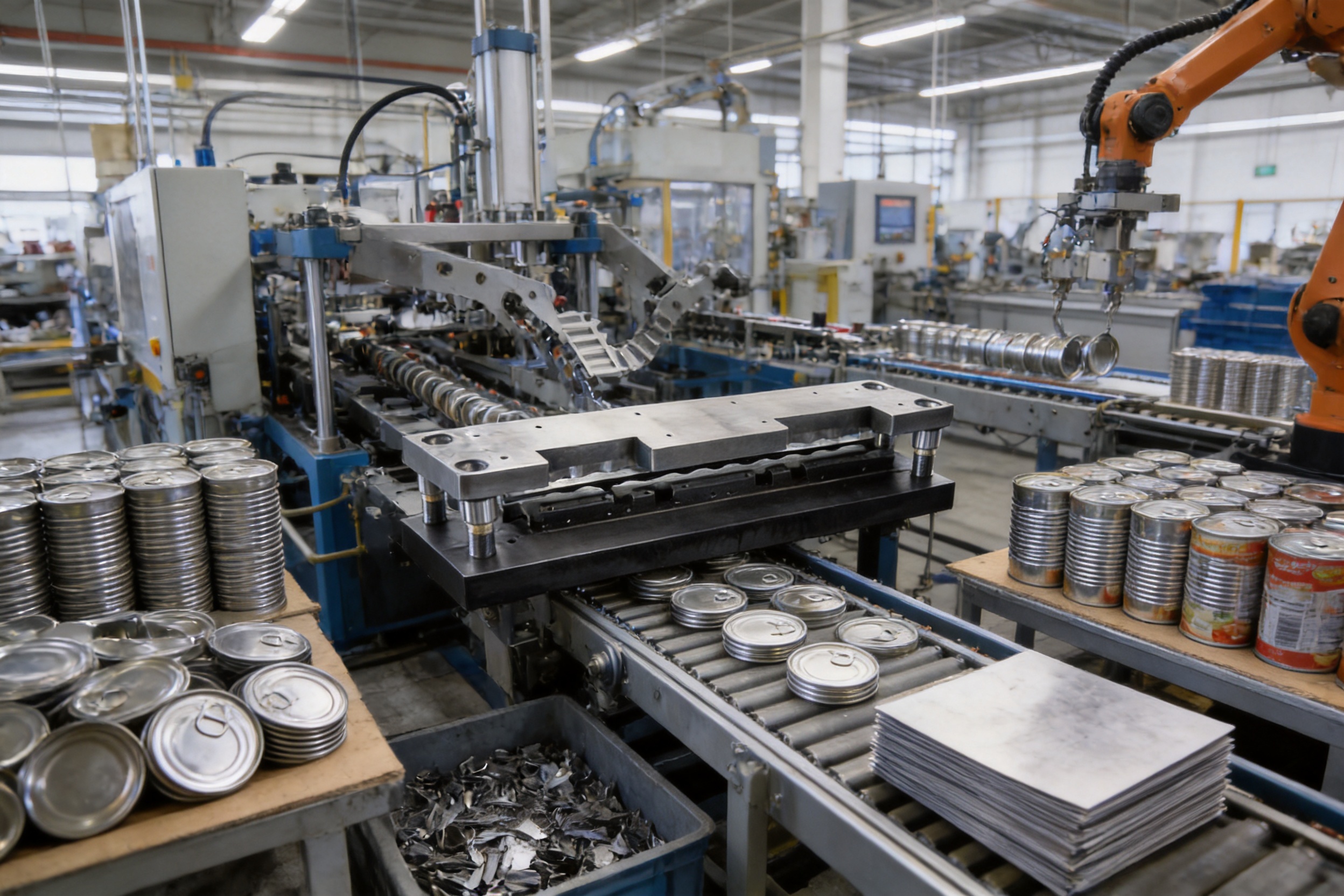
A scroll shearing die performs best when combined with accurate feeding and a suitable conversion press. The sheet must enter the die at the correct position, speed, and orientation. Feeding errors can reduce material utilization, create irregular blanks, or damage the die. Therefore, integration between the die, press, and automatic feeding machine is a key factor in reliable production.
Zhejiang Golden Eagle Food Machinery Co., Ltd. manufactures automatic feeding machines and cutting machines in addition to molds. This allows the company to consider the full working relationship between material supply and die operation. For customers upgrading existing equipment, the die can be developed to match the available press conditions. For customers purchasing complete production lines, the die can be integrated into the entire line design.
Press rigidity and stroke consistency influence cutting performance. A weak or unstable press may cause uneven load distribution, resulting in accelerated die wear or poor edge quality. A properly matched press helps maintain consistent shearing pressure across the cutting profile. Guide accuracy, lubrication, sheet positioning, and waste removal must also be considered.
When a die is designed with full system integration in mind, operators experience fewer stoppages and less adjustment work. This improves productivity and reduces dependence on highly specialized manual intervention. In competitive can-making markets, production lines that run smoothly with minimal downtime have a significant advantage.
Even the best die requires proper maintenance. Regular inspection, cleaning, lubrication, and sharpening help preserve cutting quality. Operators should monitor burr height, blank dimensions, sheet feeding behavior, and die noise during operation. Changes in these conditions may indicate wear, misalignment, or the need for adjustment.
The conversion press scroll shearing die is designed for maintainability. Durable construction, precise assembly, and serviceable components help reduce maintenance difficulty. When sharpening is required, the die should be handled according to recommended procedures to preserve clearance and cutting geometry. Improper sharpening may shorten die life or create inconsistent cutting quality.
Long-term value is measured by more than the initial investment. A durable die saves money through improved sheet utilization, reduced scrap, fewer stoppages, lower defect rates, and longer intervals between maintenance events. For factories operating multiple shifts, these benefits can be substantial. In many cases, a precision die can provide a rapid return through material savings alone.
After-sales support also contributes to long-term value. The company provides installation, commissioning, technical guidance, operation training, and parts supply. This is important for customers who need reliable support after purchase, especially when setting up a new tin can making machinery production line or upgrading older equipment.
Quality in die manufacturing is built through controlled processes rather than final inspection alone. From material procurement to machining, heat treatment, assembly, and testing, each stage influences final performance. A strong quality management system helps ensure that every die meets customer requirements and internal standards.
The company has been certified to ISO9001 quality management system standards. This certification supports standardized manufacturing procedures, documentation, corrective action, and continuous improvement. For customers purchasing precision molds, such systems help reduce uncertainty and improve confidence in product consistency.
The ISO14001 environmental management system certification reflects attention to environmental responsibility in manufacturing. Modern industrial customers increasingly value suppliers that manage resources, waste, and environmental impact responsibly. In metal packaging, where sustainability and recyclability are important industry themes, responsible equipment manufacturing is also meaningful.
With more than 10,000 pieces of can and can lid equipment produced over its history, the company has developed practical knowledge across many customer environments. Its products have been used by can manufacturers and canning factories in multiple regions and have been exported to countries across Europe, Asia, Africa, North America, South America, and Oceania. This international experience helps the engineering team understand different standards, materials, operating habits, and market requirements.
The conversion press scroll shearing die offers competitive advantages that come from engineering experience, manufacturing capacity, and process understanding. Many tooling suppliers can produce a die based on drawings, but fewer can combine die production with complete can-making machinery knowledge. This broader capability is one of the major differentiators.
Because the manufacturer supplies can body equipment, can lid equipment, cutting machinery, welding machines, aerosol component equipment, chemical tank lines, two-piece can machines, and molds, its engineers understand how the scroll shearing die affects later production stages. This reduces the risk of designing a die that cuts well in isolation but creates problems downstream.
Since 1978, the company has remained engaged in can-making machinery and mold manufacturing. More than four decades of continuous development provide a deep base of practical experience. This long history helps the company solve application-specific challenges and optimize designs according to real production conditions.
Precision CNC machining and complete mechanical machining equipment support accurate mold production. High-precision manufacturing improves repeatability, reduces assembly error, and supports longer service life. This is particularly important for cutting profiles where small deviations can affect material utilization and blank quality.
The company employs more than 350 well-trained personnel and experienced design and development engineers. Skilled human resources remain essential even in advanced manufacturing. Engineers define the correct design strategy, technicians execute machining and assembly, and quality personnel verify performance.
Customers often have different sheet sizes, end dimensions, production speeds, press models, and packaging standards. OEM and ODM capability allows the die to be customized for specific requirements rather than forcing customers to adapt to a generic tool. This flexibility is valuable for both established factories and new production line investors.
The company’s products have reached markets including Germany, Italy, the United Kingdom, Spain, Hungary, Russia, Australia, Jordan, Malaysia, the Philippines, Pakistan, Egypt, Algeria, Turkey, Mexico, Nigeria, Iran, and other countries. Such international exposure helps the manufacturer respond to diverse customer needs and operating environments.
Total cost of ownership is a more useful measure than purchase price alone. A lower-cost die that causes high scrap, frequent downtime, short service life, or quality rejection may become expensive over time. A precision conversion press scroll shearing die can reduce total cost in several ways.
First, it improves material utilization. Since sheet metal is a major cost in can-making, better nesting efficiency can save significant money. Second, it reduces defects. Clean, accurate blanks are less likely to create problems in forming, lining, curling, or seaming. Third, it improves uptime. A stable die reduces interruptions caused by jamming, misfeeding, or excessive burrs. Fourth, it extends maintenance intervals. Durable cutting edges and accurate guiding reduce wear-related downtime. Fifth, it supports labor efficiency. Operators spend less time adjusting, sorting, and correcting production problems.
For customers planning a new can-making machinery production line, investing in high-quality tooling from the beginning can improve the entire production launch. For customers replacing an old or worn die, upgrading to a more precise scroll shearing die can immediately improve yield and operating stability.
Every customer application has specific requirements. The die may need to match a particular conversion press, sheet size, blank diameter, scroll layout, production capacity, material type, or end product. Effective customization begins with technical communication.
Important information includes sheet material, thickness range, coating condition, required blank dimensions, press model, press tonnage, stroke rate, feeding method, target output, current production problems, and downstream forming requirements. With this information, engineers can design a die that meets practical production needs. If customers are developing a complete tinplate can making machine line, the die can be considered together with automatic feeding, cutting, pressing, welding, and lid-making equipment.
Customization may involve cutting profile design, die size, mounting configuration, guide structure, material selection, surface treatment, and maintenance features. For customers producing multiple lid sizes, tooling strategy can be planned to support efficient changeover. For factories emphasizing extremely high output, durability and cooling or lubrication considerations may be prioritized. For customers working with printed or lacquered sheets, surface protection and feeding smoothness may receive special attention.
Metal packaging is valued for durability, recyclability, product protection, and long shelf life. However, sustainable manufacturing also requires efficient use of material and energy. A conversion press scroll shearing die contributes to sustainability by reducing sheet waste. Less scrap means fewer resources consumed per finished can end or lid.
High-quality cutting also reduces rejected parts, lowering the amount of material that must be reworked or recycled. Stable production reduces energy waste associated with stoppages, restarts, and defective batches. Durable tooling also reduces the frequency of replacement, saving manufacturing resources used to produce new molds.
The company’s ISO14001 environmental management system supports a broader commitment to responsible production. For customers serving food, beverage, chemical, and aerosol markets, sustainable production practices can strengthen competitiveness and align with the expectations of global brands and regulatory environments.
When selecting a conversion press scroll shearing die, buyers should evaluate both technical and supplier-related factors. The die should be suitable for the required material, thickness, blank shape, press conditions, and production volume. It should also be supported by a supplier capable of providing engineering advice, manufacturing precision, commissioning guidance, and long-term parts support.
Buyers should ask whether the supplier understands complete can-making processes, not just die machining. They should review the supplier’s experience, equipment, quality management system, export record, and after-sales service capability. For large production facilities, supplier stability is important because tooling support may be required years after installation.
It is also useful to consider whether the supplier can provide related equipment. A manufacturer that offers cutting machines, duplex slitters, automatic feeding machines, can lid making machines, tin can auto-welding machines, and other can-making machinery can help customers solve system-level challenges. This integrated capability reduces communication complexity and helps ensure that all production stages work together effectively.
To obtain the best performance from the conversion press scroll shearing die, operators should follow proper setup and maintenance practices. The die should be installed on a press with adequate rigidity and correct alignment. Feeding equipment should be adjusted to deliver sheets accurately and smoothly. Trial cutting should be conducted before full-speed production to verify blank dimensions, burr condition, and waste separation.
During operation, operators should monitor sheet behavior and edge quality. Sudden changes in burr height, noise, vibration, or blank shape may indicate a need for inspection. Lubrication should be used according to material and process requirements. The die should be kept clean to prevent metal chips, dust, or coating particles from affecting cutting surfaces or guide components.
Maintenance records are valuable. By tracking operating hours, sharpening intervals, material types, and quality observations, factories can plan maintenance before problems interrupt production. Proper training also matters. Operators who understand the relationship between die clearance, feeding accuracy, press condition, and blank quality can respond more effectively to production changes.
Zhejiang Golden Eagle Food Machinery Co., Ltd. supports customers with manufacturing, technical guidance, installation, commissioning, operation training, and parts supply. Its experience across global markets makes it capable of serving customers with different language, standard, and production requirements. The company welcomes business cooperation and factory visits, reflecting confidence in its manufacturing capability and production history.
The company’s product portfolio includes food beverage can making machines, tin can lid end making machines, cutting machines, duplex slitters, milk powder can making machines, EOE lids making machines, tin can auto-welding machines, aerosol cone and dome making equipment, chemical tank making machines, automatic feeding machines, aerosol can making machines, two-piece can making machines, and molds. This wide portfolio makes it a comprehensive supplier for can-making factories seeking reliable machinery and tooling.
For customers in the metal packaging industry, supplier selection is a strategic decision. Equipment and tooling affect daily production, quality reputation, delivery performance, and cost structure. A supplier with long experience, strong machining capacity, engineering depth, and international service capability can help customers build more competitive can-making operations.
A conversion press scroll shearing die is used to shear metal sheets into optimized scroll-pattern blanks for can ends, lids, and related packaging components. Its main purpose is to improve material utilization, produce accurate blank shapes, and support stable downstream can-making processes.
Scroll shearing allows blanks to be arranged in a more efficient nested pattern, reducing sheet waste. This improves material yield and lowers production cost, especially in high-volume tinplate and aluminum packaging manufacturing.
The die determines the accuracy and edge condition of the blank. If the blank has burrs, deformation, or dimensional variation, later processes such as forming, curling, lining, scoring, or seaming may be affected. A precision die helps create a stable foundation for high-quality finished products.
The die can be engineered for common can-making materials such as tinplate, tin-free steel, aluminum, and coated or lacquered sheets. Design details such as clearance, cutting edge geometry, and surface finish can be adjusted according to material properties.
The die offers optimized material utilization, precision cutting accuracy, reduced burr formation, long service life, stable operation, and compatibility with complete can-making production lines. It is supported by a manufacturer with decades of experience in both can-making machinery and mold production.
Yes. The die can be customized according to press model, mounting requirements, sheet size, blank dimensions, production speed, and material specifications. Technical communication before design helps ensure proper compatibility.
A buyer should provide material type, thickness, sheet size, coating condition, required blank size, press specifications, feeding method, target output, and any current production problems. This information allows engineers to design a suitable die.
The manufacturer provides after-sales service including installation, commissioning, technical guidance, operation training, and parts supply. This support helps customers start production smoothly and maintain long-term performance.
By improving sheet utilization and reducing defective blanks, the die helps lower material waste. Longer service life also reduces the need for frequent tool replacement, supporting more resource-efficient production.
Yes. Because the manufacturer supplies a wide range of can-making machinery and molds, the die can be integrated into complete production line projects for food cans, beverage cans, can lids, EOE lids, aerosol cans, chemical tanks, and other metal packaging products.
The conversion press scroll shearing die is a key precision mold for efficient, high-quality can-end and lid production. Its importance extends beyond simple cutting. It influences material savings, edge quality, downstream stability, production speed, maintenance cost, and final packaging reliability. For metal packaging manufacturers, choosing a well-engineered die can improve both daily operation and long-term competitiveness.
Zhejiang Golden Eagle Food Machinery Co., Ltd. brings together decades of can-making machinery experience, advanced CNC machining capability, skilled engineering personnel, ISO-certified management systems, and international market experience. These strengths support the production of conversion press scroll shearing dies that meet demanding industrial requirements. By combining optimized scroll design, durable construction, accurate machining, and responsive service, the die provides practical value for can manufacturers seeking stable output, lower waste, and better total cost of ownership.
For factories producing food cans, beverage cans, milk powder cans, EOE lids, aerosol cans, chemical tanks, two-piece cans, or other tinplate packaging products, this die can serve as a reliable foundation for efficient sheet conversion. In an industry where precision, speed, and material economy determine success, a high-quality conversion press scroll shearing die is not only a mold; it is a strategic production tool.
1. Lange, K. Handbook of Metal Forming. Society of Manufacturing Engineers.
2. Kalpakjian, S., and Schmid, S. Manufacturing Engineering and Technology. Pearson Education.
3. Hosford, W. F., and Caddell, R. M. Metal Forming: Mechanics and Metallurgy. Cambridge University Press.
4. The Canmaker. Technical articles and industry reports on metal packaging machinery and can-end production.
5. ISO 9001 Quality Management Systems: Requirements. International Organization for Standardization.
6. ISO 14001 Environmental Management Systems: Requirements with Guidance for Use. International Organization for Standardization.
Related Products

Founded in 1978, the company is one of the largest can-making machinery well-known companies at home and abroad.
Product Categories
Contact Information
Zhongshatou Shenjiamen Zhoushan Zhejiang China
+86-580-3056646

 English
 中文简体
中文简体
 русский
 عربى
عربى
 Español