2026-05-30
Modern packaging manufacturers need can-making equipment that delivers accuracy, speed, durability, and flexibility across multiple product formats. The automatic chemical can line described here is designed for both aerosol cans and chemical cans, giving manufacturers a practical way to produce strong, consistent tinplate containers for demanding industrial and consumer applications. With automatic operation, a broad diameter range, stable output capacity, and multiple machine configurations, this production solution supports can makers that want to improve productivity while maintaining high-quality forming and seaming results.
This chemical can making machine series is intended for manufacturers producing aerosol packaging, chemical tanks, industrial containers, and similar round tinplate cans. It is especially useful for companies that require equipment capable of handling different can diameters and heights without sacrificing forming precision. The available models cover smaller aerosol-style diameters from Φ52 mm up to larger chemical can diameters around Φ275 mm, making the line suitable for a wide variety of packaging specifications.
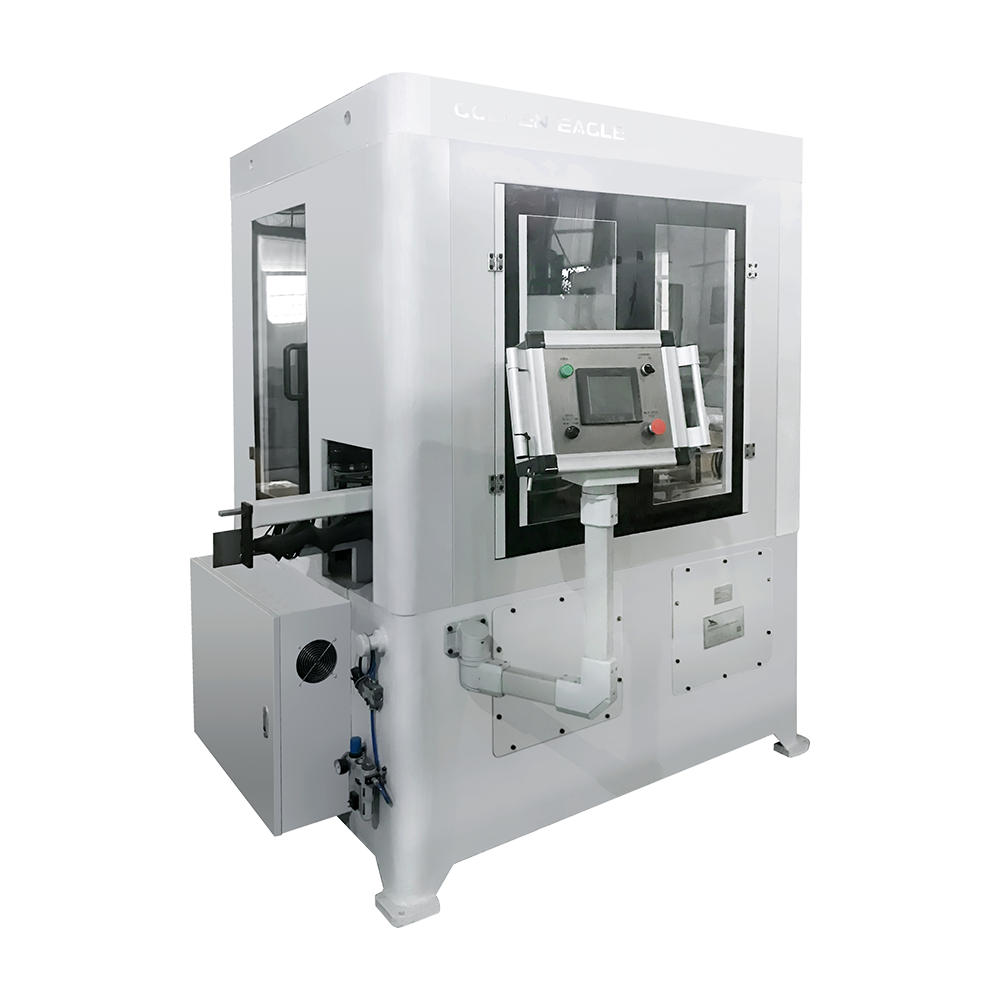
The line integrates key processes such as flanging, top seaming, and seaming. These processes are central to container strength and sealing reliability. In aerosol and chemical packaging, weak flanges or inaccurate seams can create serious problems, including leakage, deformation, pressure instability, or reduced shelf safety. For this reason, the equipment is designed to maintain mechanical stability, dimensional accuracy, and efficient continuous operation.
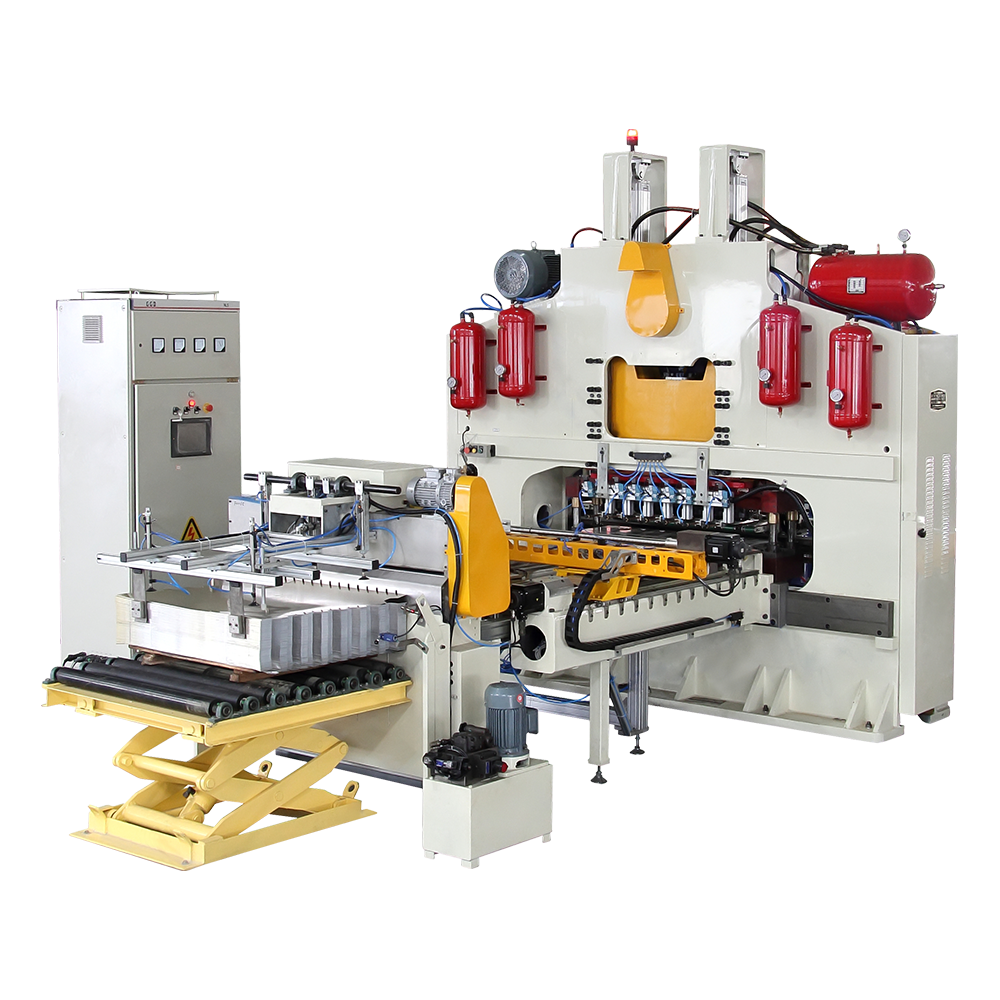
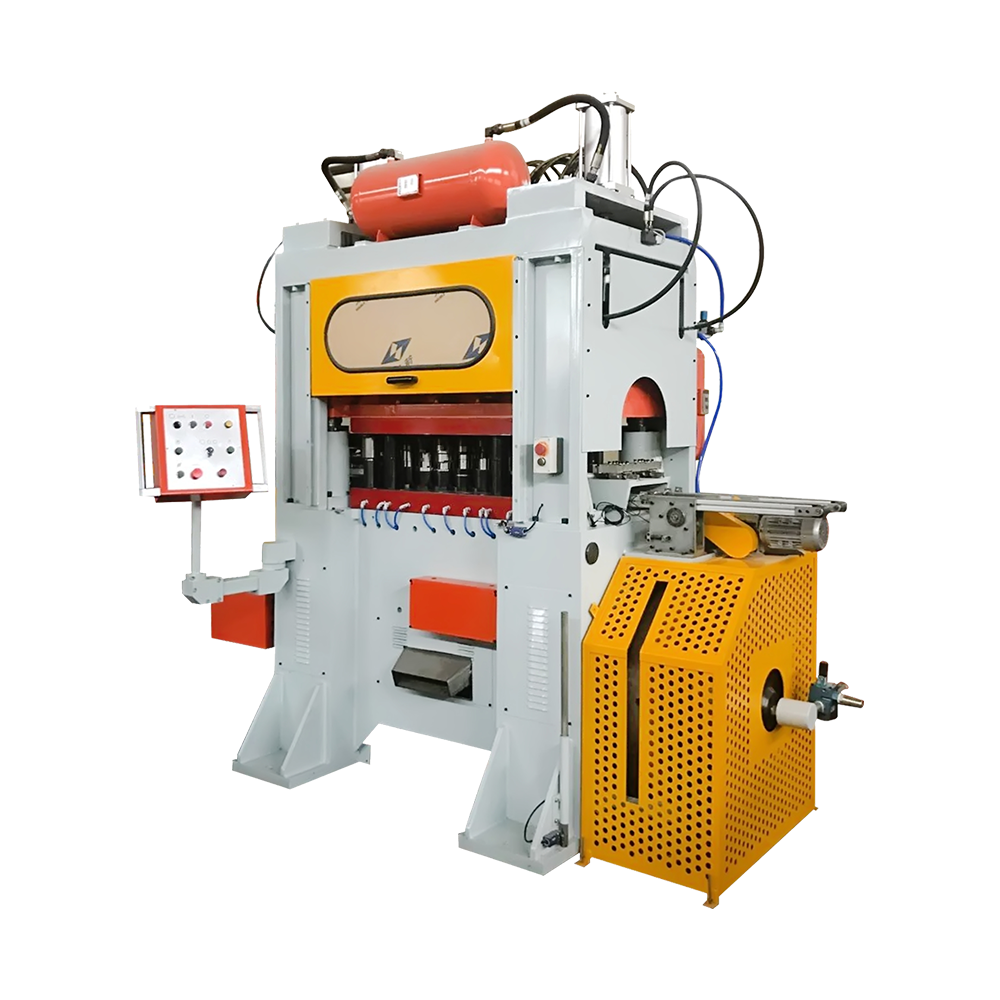
As part of a complete can making machinery production line, the system can be combined with related equipment such as tin can auto-welding machines, cutting machines, duplex slitters, automatic feeding systems, lid end making machines, molds, and specialized aerosol cone and dome forming equipment. This makes it possible to build a complete tinplate can making machinery production line according to the customer’s plant layout, target capacity, product size, and investment plan.
Chemical Can Line both for Aerosol can and Chemical can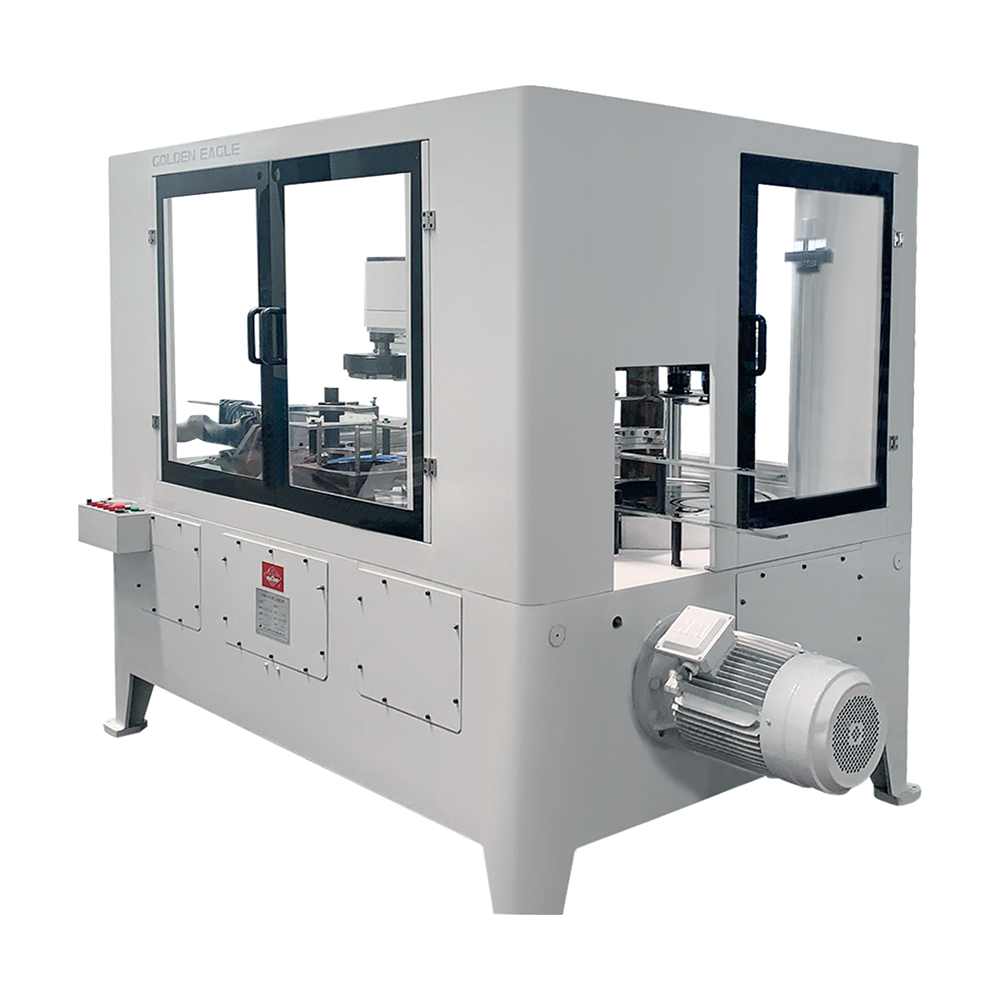
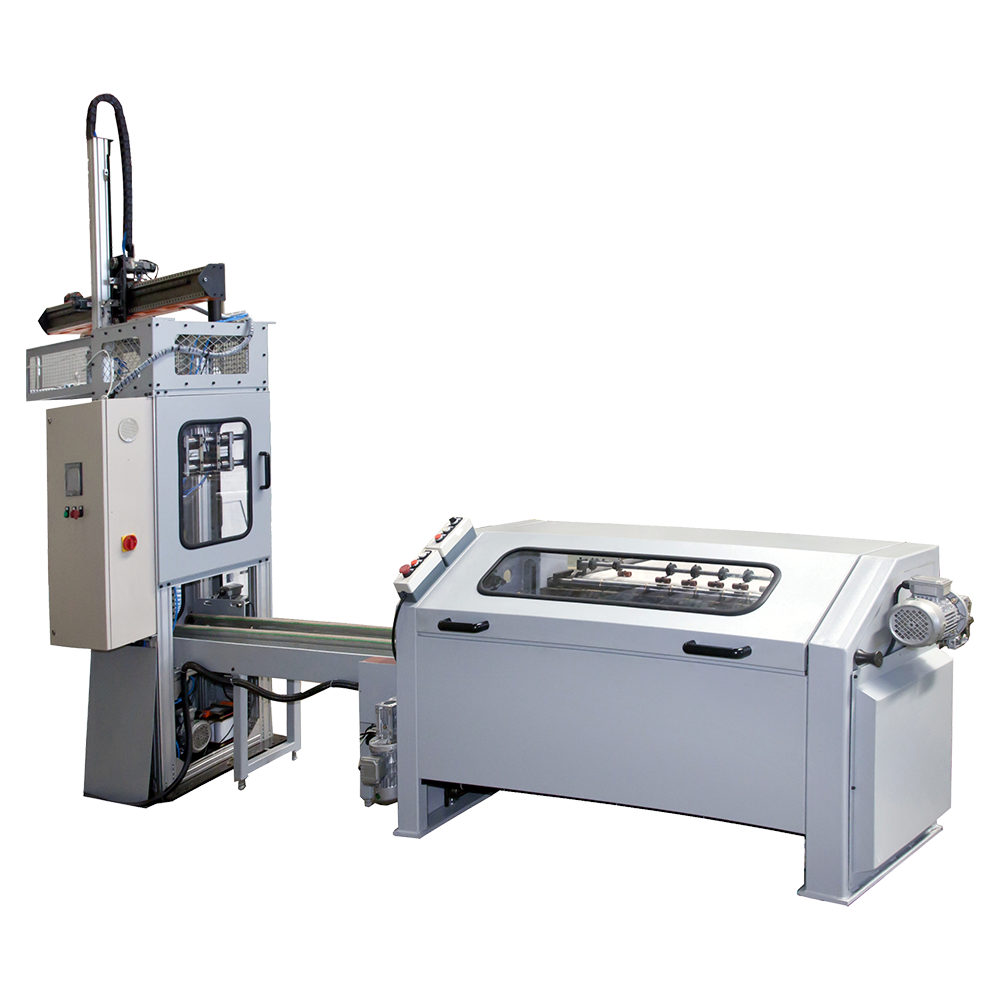
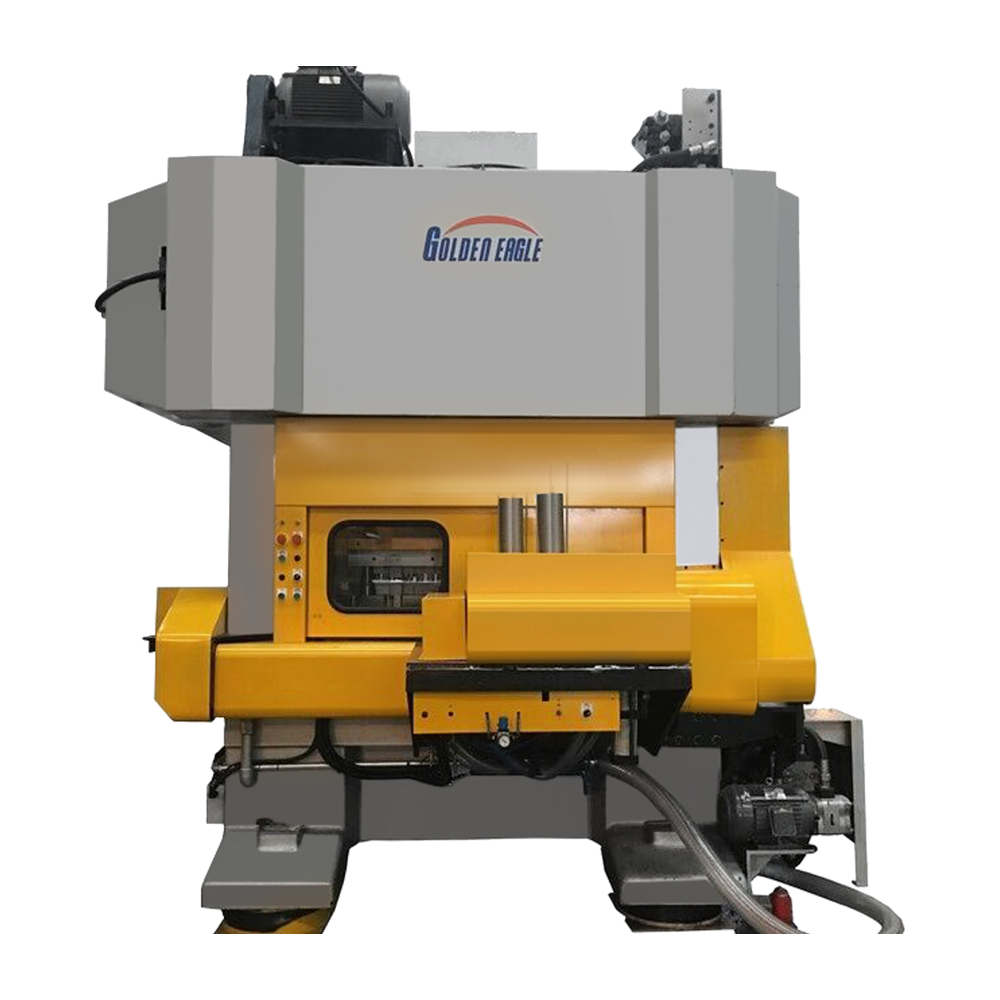
The automatic chemical can line is a specialized can making machine series developed for tinplate container production. It is suitable for both aerosol cans and chemical cans, which often require stronger structures and more precise seams than simple low-pressure containers. The equipment supports automatic production and is available in several model configurations depending on the required function, can diameter, can height, output capacity, and power demand.
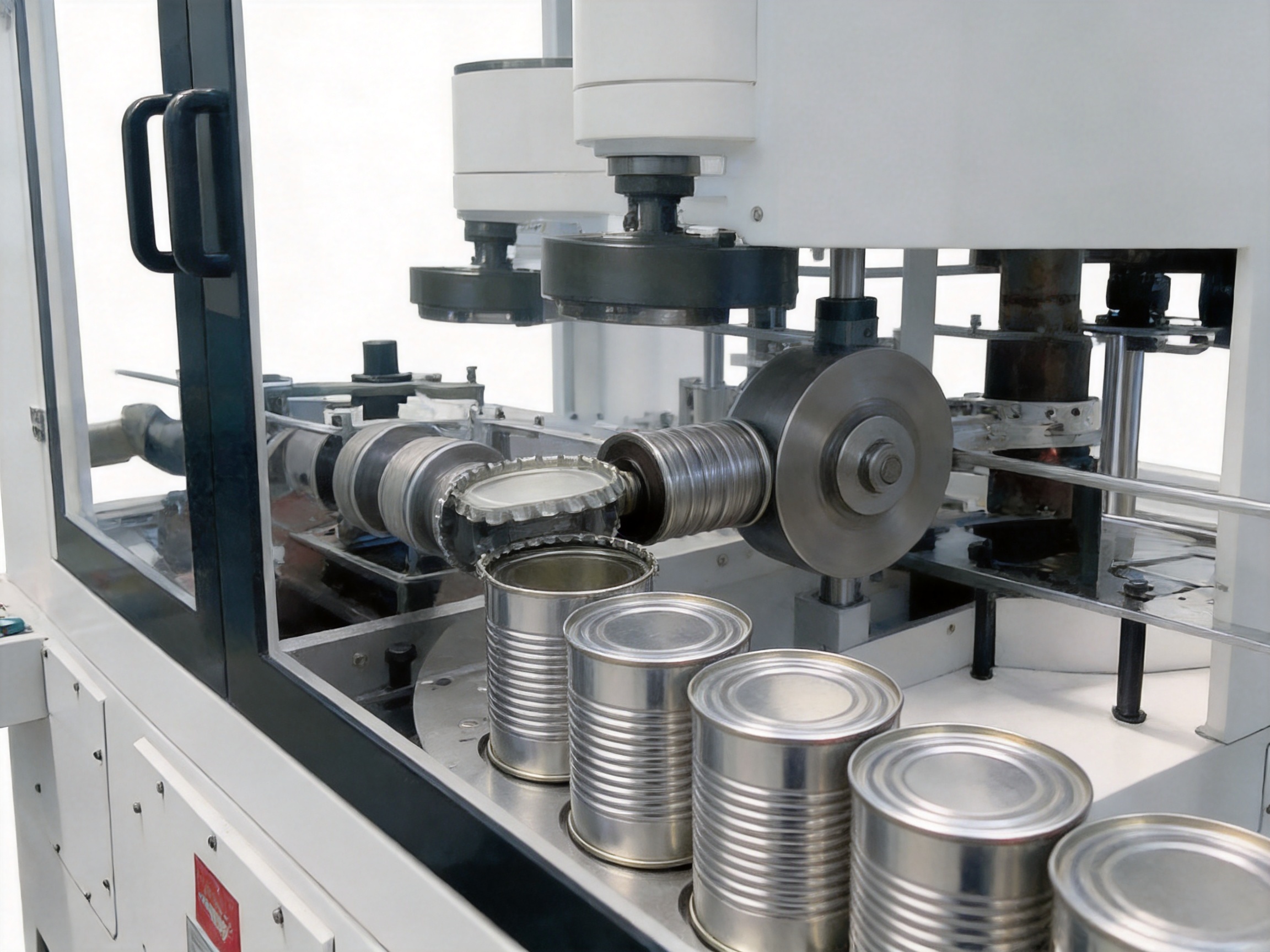
The core working functions include flanging, top seaming, and seaming. Flanging prepares the open edge of the can body for secure connection with the lid or end. Top seaming joins the upper end to the can body, while seaming completes the closure requirements for the container. These operations must be performed with accurate synchronization, proper mechanical force, and reliable tooling alignment.
The product range includes models suitable for Φ52-99 mm, Φ52-105 mm, Φ99-190 mm, and Φ250-275 mm can diameters. The available height ranges include H60-160 mm, H80-220 mm, and broader production references reaching H80-320 mm or H280-400 mm depending on the intended line arrangement and can specification. Output capacity ranges from 80-150 cans per minute for smaller and medium-size cans, and 20-50 cans per minute for larger chemical can formats.
This combination of speed and format coverage makes the equipment valuable for can makers serving diverse markets. Aerosol cans may be used for sprays, household products, personal care products, cleaning agents, lubricants, insecticides, and automotive chemicals. Chemical cans may be used for coatings, paints, adhesives, solvents, lubricants, industrial liquids, and specialty materials. Both market segments require dependable containers that can withstand handling, transport, storage, and filling operations.
The following table summarizes the main model configurations and performance parameters available within the chemical can making machine series.
| Model | Function | Can Diameter | Can Height | Output Capacity | Power |
| GT3B51-S-C5, 6-Head | Flanging, Top Seaming | Φ52-99 mm | H80-220 mm | 80-150 cpm | 4 kW |
| GT3B53-FSS-C1A, 6-Head | Flanging, Top Seaming, Seaming | Φ52-105 mm | H60-160 mm | 80-150 cpm | 7.5 kW |
| GT3B53-FSS-C1B, 6-Head, High Lid | Flanging, Top Seaming, Seaming | Φ52-105 mm | H60-160 mm | 80-150 cpm | 7.5 kW |
| GT3B53-FSS-C, 6-Head | Flanging, Top Seaming, Seaming | Φ99-190 mm | H60-160 mm | 80-150 cpm | 7.5 kW |
| GT3B51-S-CB | Seaming | Φ250-270 mm | H60-160 mm | 20-50 cpm | 5.5 kW |
| GT3B52-FS-CB | Flanging, Seaming | Φ250-275 mm | H60-160 mm | 20-50 cpm | 7.5 kW |
These models allow manufacturers to select equipment according to the can sizes they need to produce. For high-speed aerosol and smaller chemical can production, 6-head configurations provide an efficient solution with output capacity reaching 80-150 cans per minute. For larger chemical containers, the equipment is optimized for heavier can bodies and larger diameters, with a capacity of 20-50 cans per minute.
A major advantage of this chemical can line is its ability to serve both aerosol can and chemical can production requirements. Many competing systems are limited to a narrow format range or require extensive customization when switching between can types. This series offers a broader practical application range, allowing manufacturers to plan for multiple product categories from one equipment family.
Aerosol cans demand high consistency because they are often pressurized containers. Even when the line is used for related non-pressure formats, the manufacturing standards must remain precise. Accurate flanging and seaming are critical because the container must remain stable during filling, valve insertion, capping, storage, and distribution. The machine structure and tooling design help maintain repeatable edge forming and seam quality throughout production.
Chemical cans also require strength and reliability. Many chemical products are sensitive to leakage, contamination, evaporation, or external deformation. Packaging for paint, thinner, oil, adhesive, or industrial liquid must be strong enough for logistics and safe enough for end users. By supporting larger diameters up to Φ275 mm, the line can meet the needs of chemical packaging producers that manufacture medium and large round tinplate containers.
This dual-purpose capability gives can manufacturers more flexibility when market demand changes. A plant may need to produce aerosol cans in one season and chemical cans in another, or may serve different customers at the same time. The equipment series helps reduce the need for completely separate production assets, improving utilization and return on investment.
Flanging is the process of forming the edge of the can body so that it can be properly joined with the can end. A well-formed flange must have the correct angle, width, roundness, and surface quality. If the flange is too narrow, too wide, uneven, or damaged, the seaming process may fail or create an unstable closure.
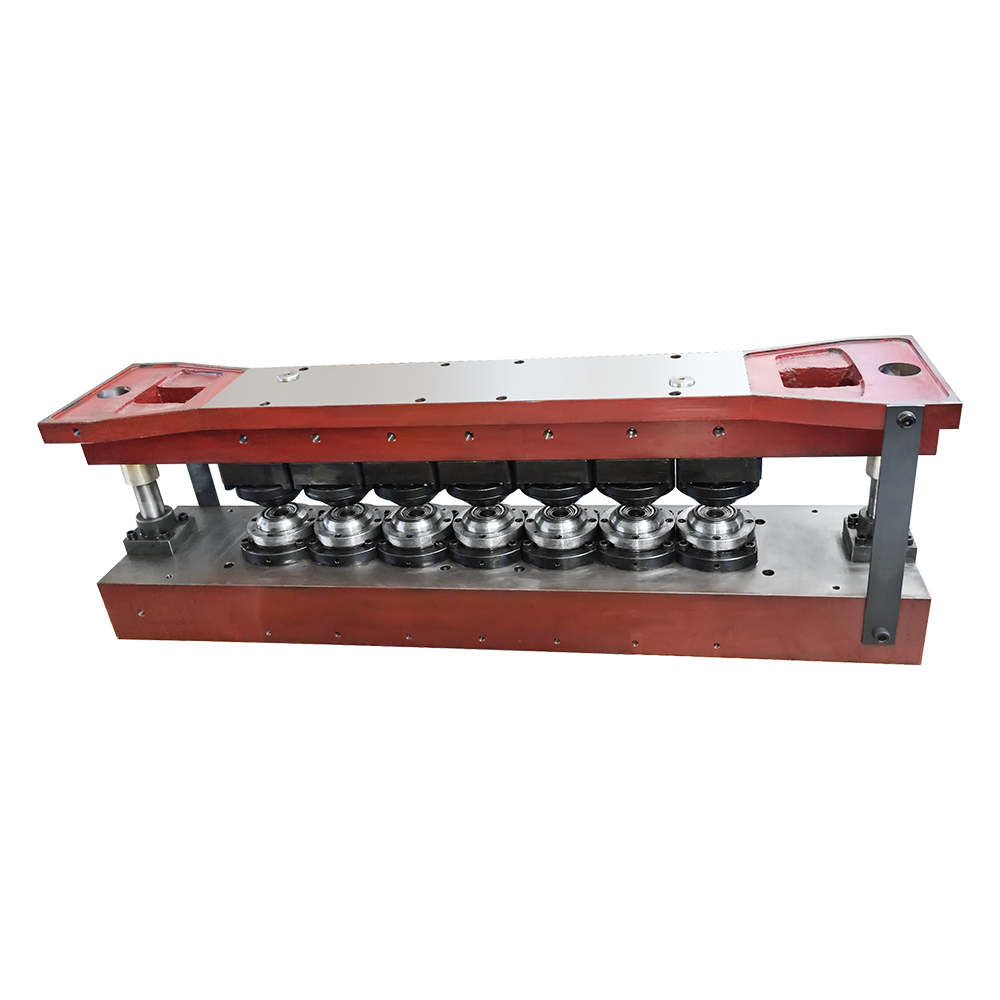
The flanging function in this chemical can making machine series is designed for stable edge formation. Multiple-head configurations increase production efficiency while maintaining uniform results. The machine must guide the can body accurately, control mechanical movement precisely, and avoid excessive force that could distort thin tinplate material.
In high-speed can making, flanging is not only a forming operation but also a quality-control point. The equipment must maintain alignment even during continuous production at up to 150 cans per minute. Strong machine rigidity, accurate tooling, and reliable synchronization help reduce defects and improve downstream seaming performance.
Compared with basic or low-cost equipment, a well-engineered flanging system reduces waste and improves consistency. Poor flanging can lead to rejected cans, line stoppages, higher labor inspection requirements, and increased material loss. A stable flanging unit helps manufacturers improve both quality and cost control.
Top seaming joins the upper end of the can to the body. This operation is especially important for aerosol-style cans and chemical containers that require reliable closure integrity. The top seam must be uniform around the full circumference of the can, with proper overlap and compression.
The available models that include top seaming functions are suitable for can diameters such as Φ52-99 mm and Φ52-105 mm, making them useful for smaller and medium-size cans. The top seaming system is designed to work with the flanged can body and lid components to create a strong mechanical connection.
In actual production, seaming quality is influenced by many factors, including lid dimensions, can body roundness, flange geometry, tooling condition, material thickness, and machine adjustment. The machine series supports stable forming by using precise mechanical design and carefully matched tooling. This improves production reliability and reduces the risk of seam defects.
For manufacturers competing in aerosol and chemical packaging markets, top seaming performance can become a major quality differentiator. Customers increasingly expect packaging that is consistent, safe, and visually neat. A clean, accurate seam improves both product appearance and functional reliability.
Final seaming completes the closure process and is one of the most critical operations in tinplate can production. A strong seam protects the contents from leakage and helps preserve container strength. In chemical packaging, seam failure can result in product loss, safety hazards, customer complaints, and brand damage for the filler.
The chemical can line includes several models with seaming functions. For smaller can ranges, models such as GT3B53-FSS-C1A, GT3B53-FSS-C1B, and GT3B53-FSS-C combine flanging, top seaming, and seaming into one efficient configuration. For larger cans, models such as GT3B51-S-CB and GT3B52-FS-CB are designed for diameters from Φ250 mm up to Φ275 mm.
Because the seam must be accurate over thousands or millions of production cycles, machine durability is essential. Strong mechanical components, precise machining, and rigid frame design help maintain seam consistency. This is an area where advanced manufacturing capability directly affects customer results. The better the machine is built, the more stable the can quality will be in long-term production.
Compared with competitors that may focus mainly on price, this equipment series emphasizes mechanical precision, process stability, and long service life. These factors can lower total operating cost by reducing maintenance interruptions, defective output, and tooling instability.
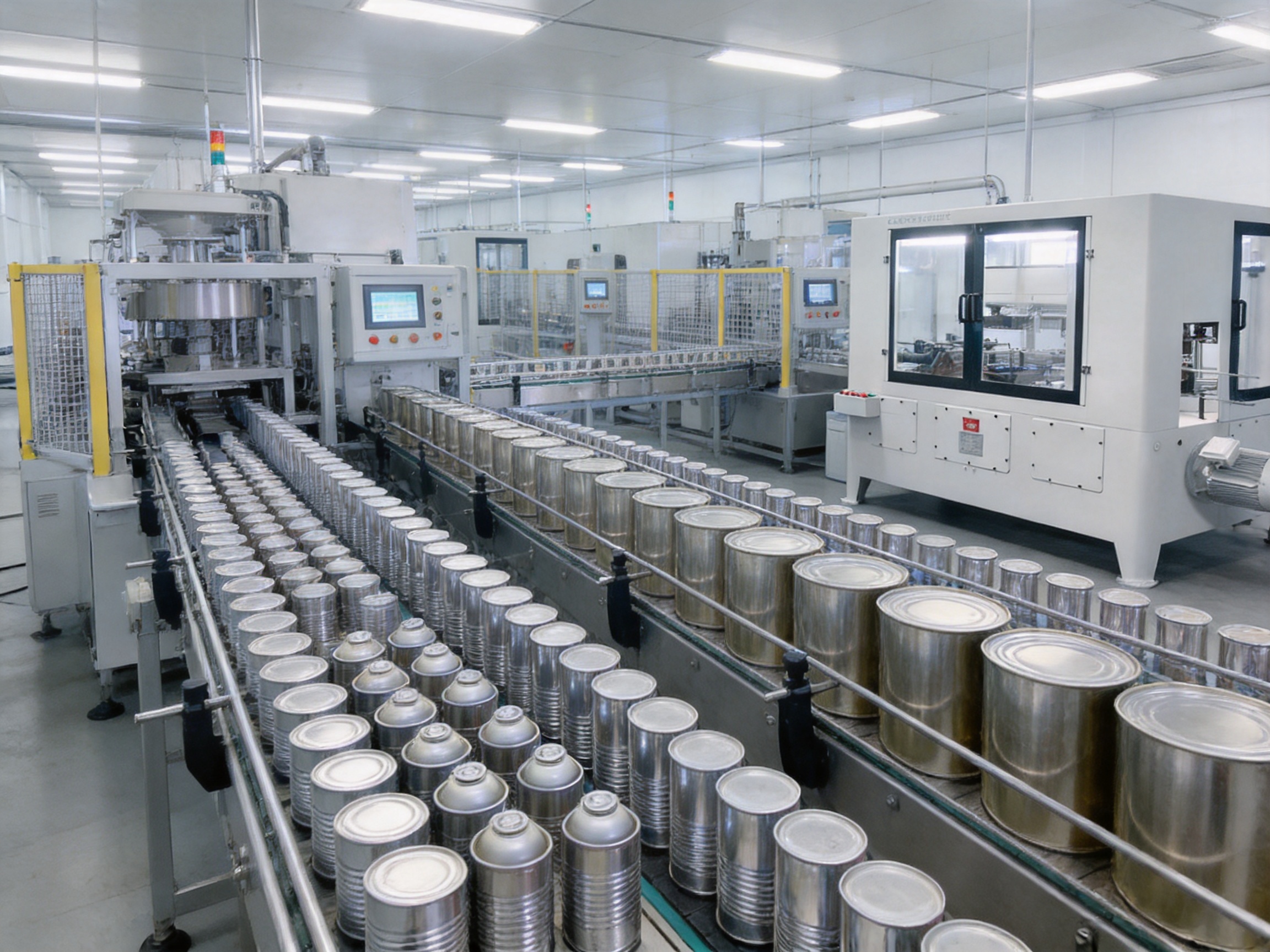
Automatic operation is a key advantage for modern can manufacturers. Manual or semi-automatic processes may be suitable for very small workshops, but they cannot meet the efficiency, consistency, and labor cost requirements of industrial-scale packaging production. This chemical can line is built for automatic operation, allowing continuous production with stable output and reduced dependence on manual intervention.
For smaller and medium-size cans, the line can reach 80-150 cans per minute depending on model, product size, material condition, and line configuration. This speed range is suitable for manufacturers that need high-volume production of aerosol cans, spray cans, small chemical cans, and related tinplate containers. For larger chemical cans, the output of 20-50 cans per minute reflects the heavier dimensions and different mechanical requirements of big-diameter containers.
Production efficiency is not only about maximum speed. A good can making machine must run smoothly, minimize downtime, support convenient adjustment, and maintain quality at rated output. If a machine can run fast only for short periods but requires frequent correction, the real daily production capacity will be lower. The automatic chemical can line is designed to help manufacturers achieve practical, sustainable productivity.
The equipment can also be integrated into broader production systems. A complete can making machinery production line may include sheet cutting, body forming, welding, flanging, beading, seaming, leak testing, conveying, and automatic feeding. When these processes are matched properly, the plant can achieve better workflow and lower handling loss.
The competitive advantages of this chemical can making machine series can be understood in several practical dimensions: application flexibility, production speed, process integration, manufacturing quality, service support, and long-term reliability.
First, the line offers wide application coverage. It is suitable for both aerosol cans and chemical cans, with diameter ranges from small aerosol formats to larger industrial can sizes. This gives manufacturers more production flexibility than equipment designed for only one product type.
Second, the available 6-head configurations support high-speed production of smaller and medium-size containers. Output capacity of 80-150 cans per minute helps can makers respond to large orders and reduce unit production cost. For competitive markets, speed and stable output are essential.
Third, the line integrates multiple functions. Depending on the selected model, the equipment can perform flanging, top seaming, and seaming. Integration reduces transfer complexity, saves floor space, and improves synchronization between related operations.
Fourth, the equipment benefits from strong manufacturing capability. Zhejiang Golden Eagle Food Machinery Co., Ltd. has decades of experience in can-making machinery and can-making molds. The company’s production background supports improved tooling accuracy, machine reliability, and process understanding.
Fifth, the equipment is supported by after-sales services such as installation, commissioning, technical guidance, operation training, and spare parts supply. For international customers, this service capability is important because even well-built machinery requires correct installation and skilled operation to achieve the best results.
Finally, the product design philosophy draws from advanced international can-making equipment concepts while incorporating practical production experience. The company has continuously improved its machinery through real production feedback, which helps create equipment that is not only technically capable but also practical for factory use.
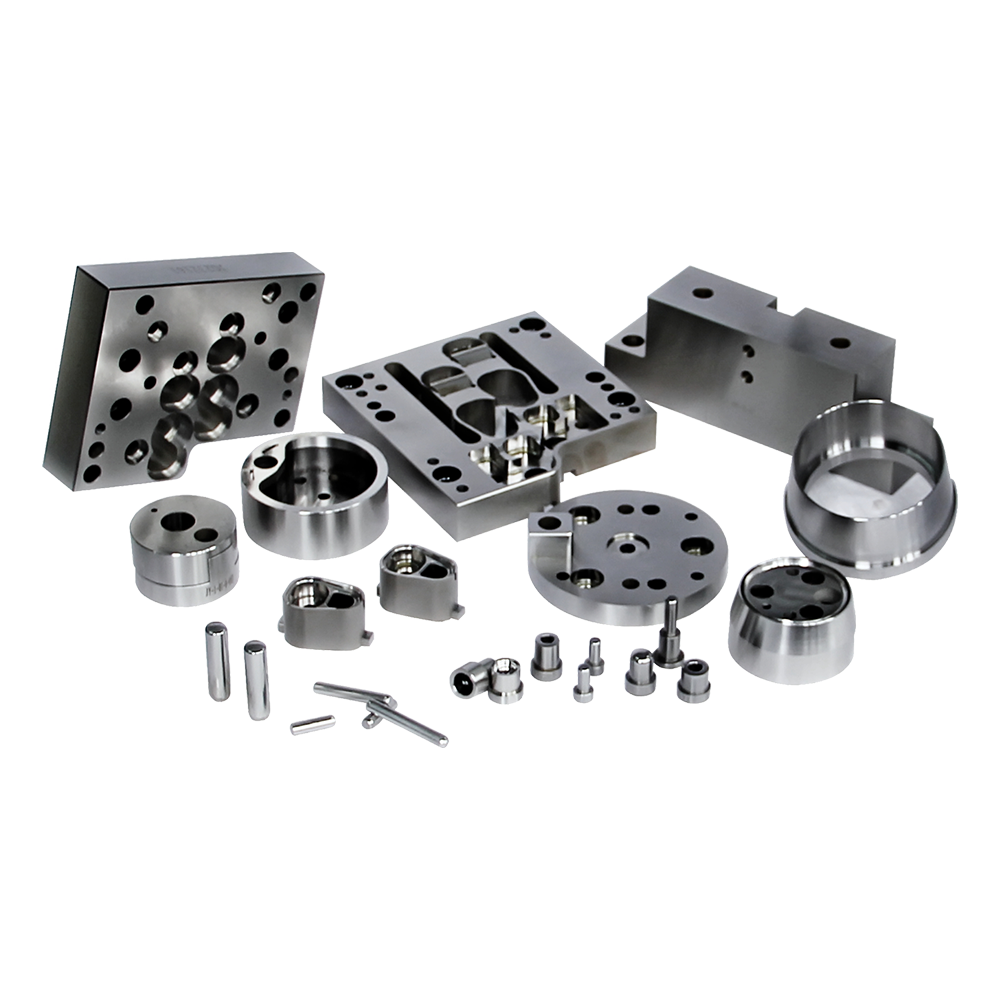
A can making machine is only as reliable as the manufacturing process used to build it. Precision equipment requires accurate machining, stable material selection, careful assembly, and strict quality control. Zhejiang Golden Eagle Food Machinery Co., Ltd. applies advanced manufacturing equipment, including CNC high-precision machining equipment and complete mechanical machining systems, to produce can-making machinery and molds.
CNC machining is especially important for components that require close tolerances. In flanging and seaming systems, small deviations in tooling surfaces, shafts, cams, or guiding structures can affect final can quality. High-precision machining helps ensure that parts fit correctly and operate smoothly under repeated production cycles.
Complete mechanical machining capability also improves production control. Instead of depending excessively on external suppliers for critical parts, a manufacturer with strong in-house machining capacity can better manage quality, lead time, and technical improvement. This is particularly valuable for custom can sizes or special production requirements.
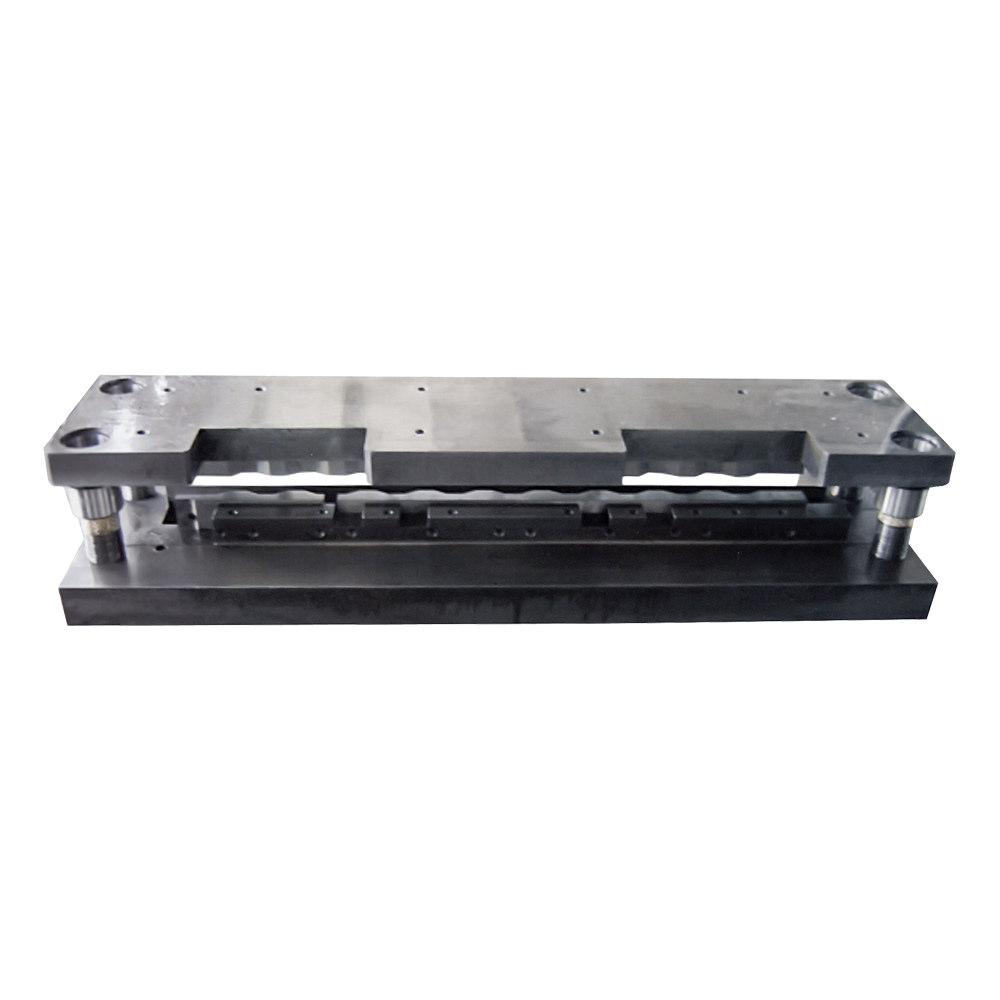
The company’s long history in both can-making machinery and molds is another major advantage. Molds and tooling directly determine forming quality. A machine builder that also understands mold manufacturing can better optimize the relationship between machine movement and forming tools. This results in improved performance during flanging, seaming, can body processing, lid production, and related operations.
The company has been engaged in can-making machinery since 1978 and has produced more than 10,000 pieces of can and can lid equipment. This production record indicates extensive practical experience. In the machinery industry, long-term experience matters because design improvements often come from solving real problems in customer factories.
The company behind this equipment was formerly known as Zhejiang Food Machinery Factory and Zhoushan Mold Factory. Over more than 46 years of development, it has built extensive knowledge in can-making machinery, can-making molds, and complete production line solutions. This background is important because the can packaging industry requires both theoretical engineering and practical production experience.
The company has a team of more than 350 well-trained personnel, including experienced design and development professionals and professional engineers. Such a team enables the company to handle machine design, machining, assembly, testing, and customer support. A strong engineering team also allows product improvement based on market needs.
Continuous innovation has been a major part of the company’s development. Rather than simply copying existing designs, the company has combined advanced design principles with practical production experience. The product design principle is similar to those used by well-known international machinery concepts, while the final machine structure is adapted through accumulated manufacturing and field experience.
For customers, this means the equipment is developed with attention to actual factory operation. A machine may look impressive in a catalog, but real value is proven by stable daily production, easy maintenance, and reliable output. The company’s long-term production practice helps improve these practical details.
Innovation also includes the ability to offer complete product series. The company supplies food can production lines, beverage can production lines, can lid production lines, chemical tank production lines, aerosol canister production lines, two-piece can production lines, pop can production lines, and molds. This complete range allows customers to cooperate with one manufacturer for multiple packaging equipment needs.
Industrial customers increasingly require suppliers with formal management systems. The company has been certified to ISO9001 quality management system and ISO14001 environmental management system standards. These certifications support confidence in production control, quality consistency, and responsible manufacturing practices.
ISO9001 certification indicates that the company has established a structured quality management system. For machinery manufacturing, this can include process control, inspection procedures, documentation, corrective action, supplier management, and continuous improvement. These practices help reduce inconsistency and support reliable machine delivery.
ISO14001 certification reflects environmental management awareness. Machinery manufacturing involves machining, materials, energy use, waste handling, and production planning. Environmental management systems encourage manufacturers to improve resource efficiency and reduce negative environmental impact.
For buyers, these certifications are not merely decorative. They provide an additional level of assurance that the supplier has organized management processes. When purchasing a tin can making machine or a complete tinplate can making machinery production line, customers are investing in equipment that may operate for many years. A supplier with quality and environmental management systems is better positioned to provide consistent long-term support.
Chemical packaging is a demanding field because containers may hold products that are heavy, volatile, reactive, or sensitive to leakage. Common applications include paint, coatings, varnish, adhesive, lubricants, solvents, thinners, sealants, industrial oils, and other chemical materials. These products require packaging that is strong, secure, and compatible with filling and distribution requirements.
Tinplate chemical cans remain popular because they offer good mechanical strength, barrier performance, printability, and recyclability. Round tinplate cans can be manufactured in various diameters and heights, making them suitable for different filling volumes and market segments. The automatic chemical can line supports these needs by providing flanging and seaming solutions for multiple can sizes.
The larger-diameter models are especially useful for industrial and commercial chemical cans. With supported diameters such as Φ250-270 mm and Φ250-275 mm, the equipment can serve manufacturers producing larger containers. These cans often require stronger forming control because larger surfaces are more sensitive to deformation and handling stress.
For chemical can manufacturers, reliable seams are essential. Leakage can damage warehouses, transportation vehicles, retail shelves, and customer property. Accurate seaming reduces these risks and helps protect the reputation of both can makers and product fillers.
Aerosol packaging is widely used in household, automotive, industrial, cosmetic, and personal care products. The aerosol can market requires consistent dimensions because the can body must match valves, cones, domes, caps, filling lines, and packaging equipment. Even small dimensional variations can affect downstream assembly and filling.
The automatic chemical can line is suitable for aerosol can production because it can handle smaller diameter ranges such as Φ52-99 mm and Φ52-105 mm, with high-speed output capacity of 80-150 cans per minute. These specifications match many common aerosol can production requirements.
Aerosol can making often involves multiple specialized processes, including body welding, necking, flanging, seaming, cone and dome making, leak testing, and printing preparation. The chemical can line can be part of a broader aerosol can making machine system, working together with aerosol cone and dome making equipment, automatic feeding machines, and related molds.
Because aerosol cans may be pressurized after filling, manufacturing accuracy is a priority. The line’s emphasis on stable flanging and seaming contributes to container integrity. This helps can makers meet the expectations of fillers that require consistent quality and reliable performance.
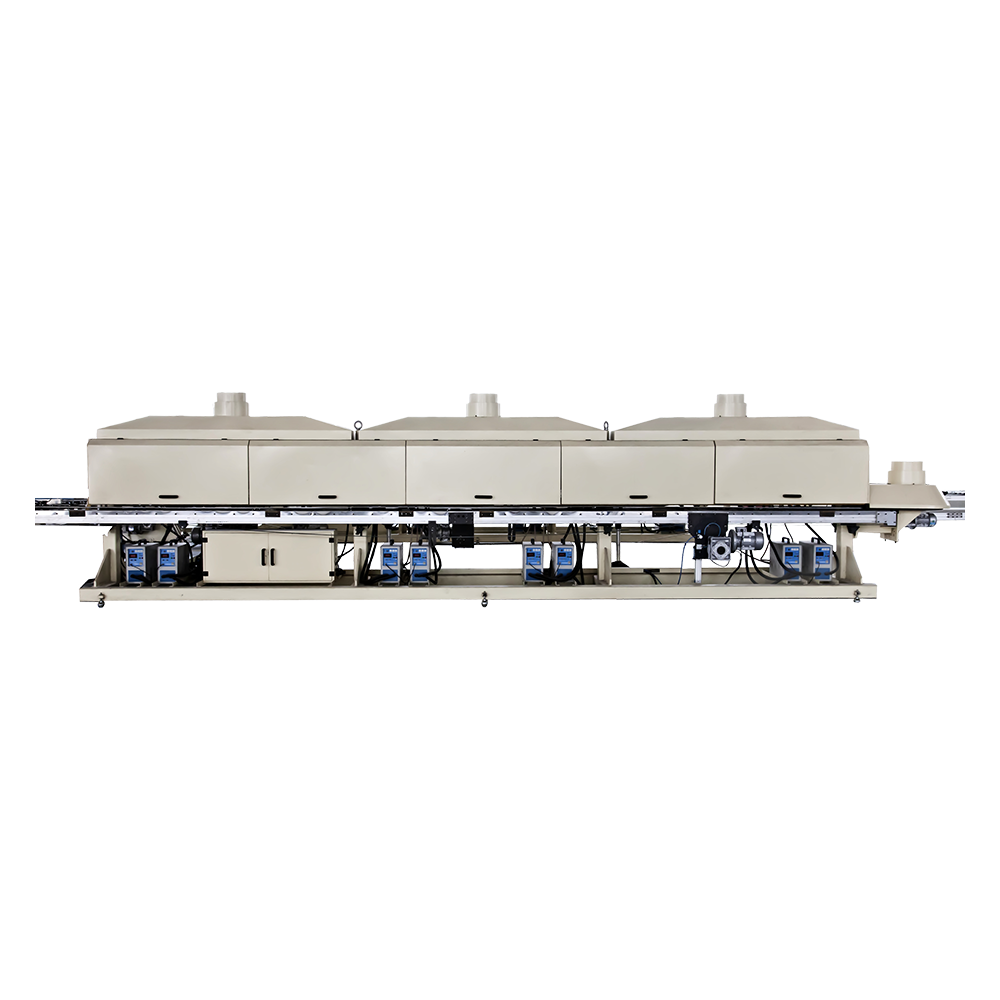
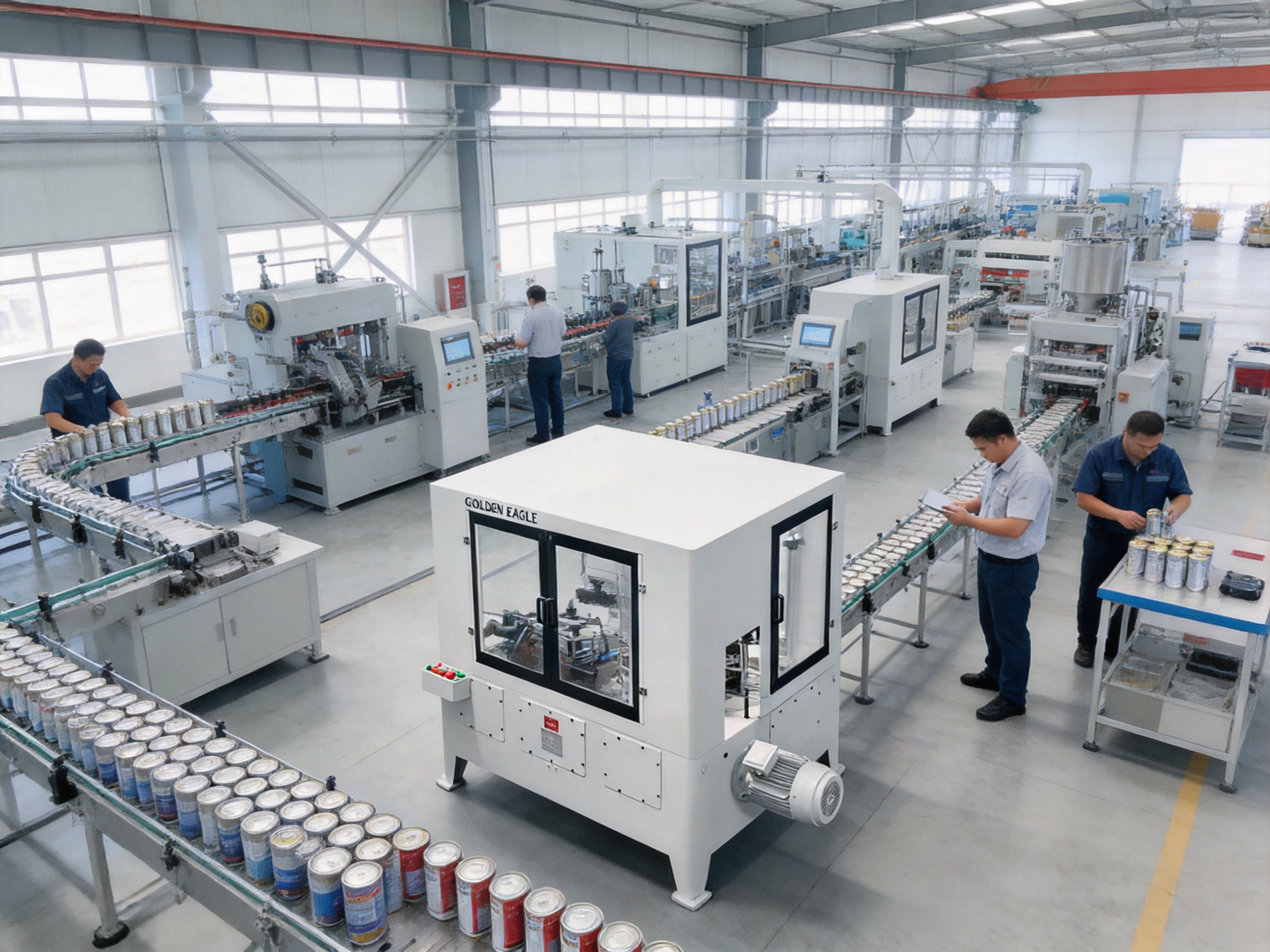
The chemical can line can be considered part of a wider tinplate can making machine ecosystem. A complete production line may start with tinplate sheet preparation and cutting. A cutting machine or duplex slitter can prepare sheets or strips according to can body dimensions. The can body may then be formed and welded using an automatic welding machine. After welding, the body may go through internal and external coating, curing, shaping, flanging, beading, seaming, and testing.
For can ends and lids, a separate tin can lid end making machine or EOE lids making machine may be used. If the plant manufactures aerosol containers, cone and dome making equipment may also be required. Automatic feeding machines can improve line continuity by reducing manual handling and improving synchronization between machines.
The advantage of working with a manufacturer that supplies multiple product categories is system compatibility. When machines are designed with an understanding of the complete process, it becomes easier to create a balanced production line. Capacity matching, can transfer, tooling design, and adjustment procedures can be planned more effectively.
For example, if a plant needs to produce chemical cans with a specific diameter and height, the equipment supplier can consider upstream body-making capacity, downstream seaming requirements, lid production, and mold design. This helps avoid bottlenecks and improves overall line performance.
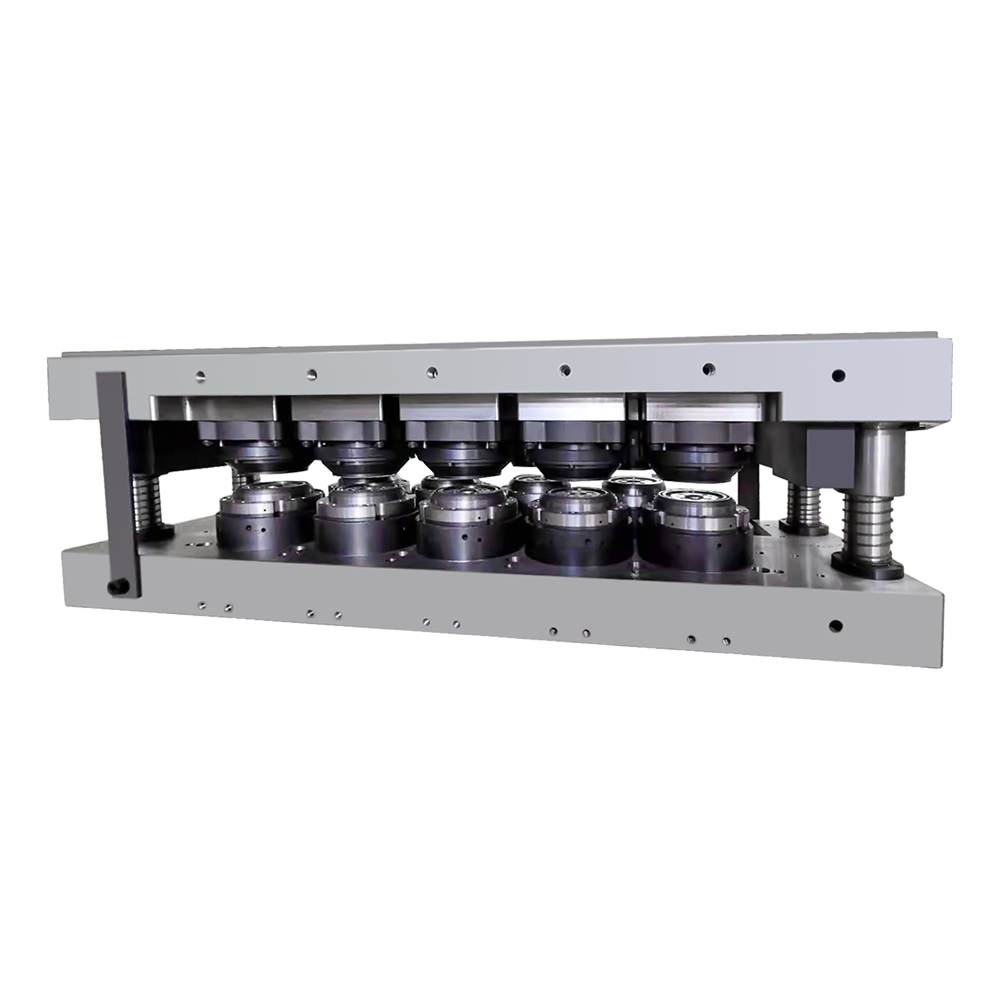
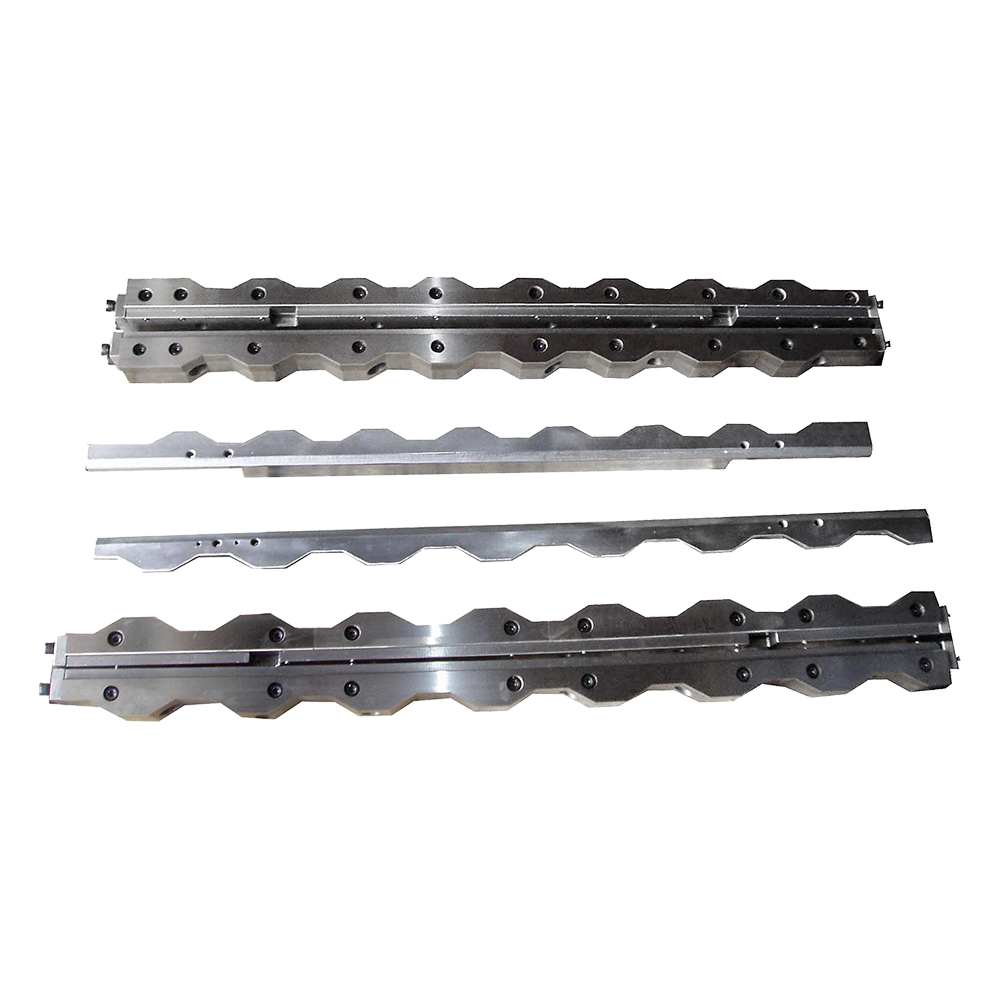
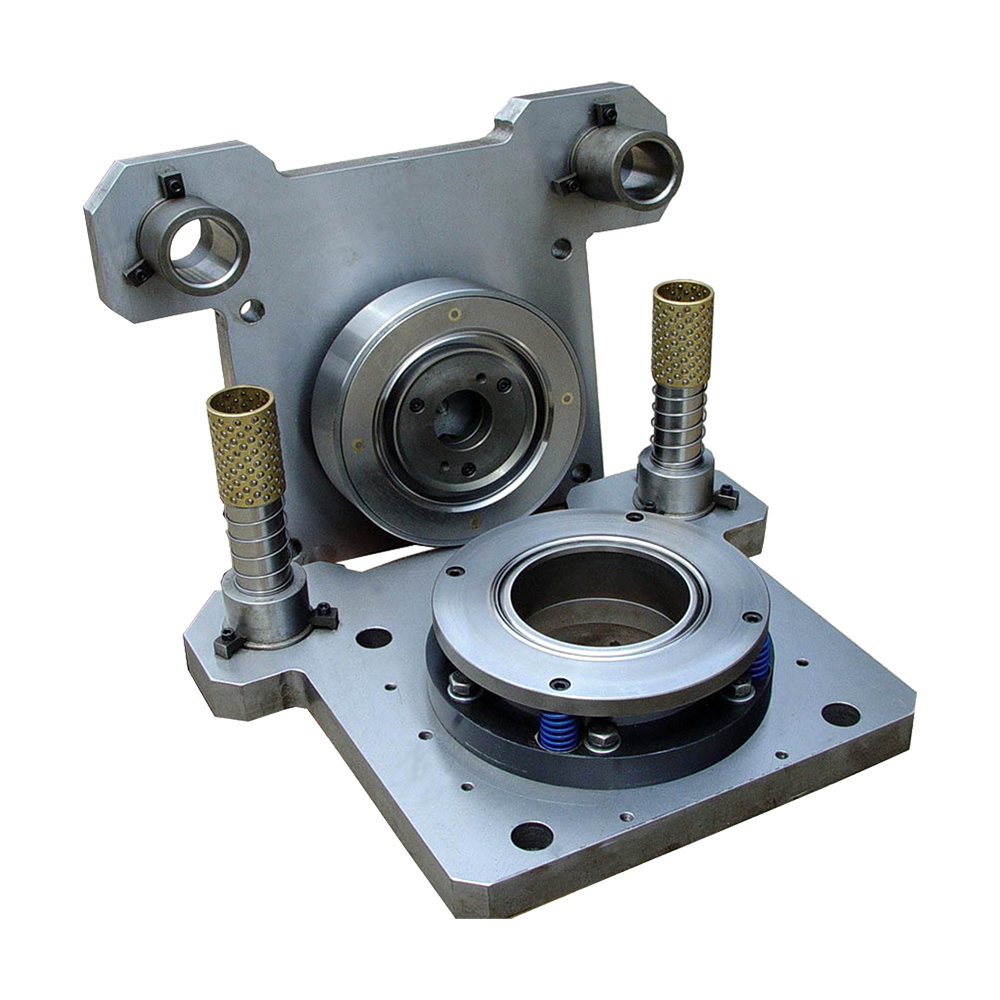
Tooling is one of the most important factors in can production quality. Even a strong machine frame cannot produce good cans if the tooling is inaccurate, worn, or poorly matched to the can specification. Flanging rolls, seaming chucks, seaming rolls, guiding parts, molds, and related components must be manufactured with high precision.
The company’s background in mold manufacturing gives it a strong advantage. Since it has long experience in both machinery and can-making molds, it can better coordinate tool geometry with machine movement. This is especially useful when customers need equipment for specific can diameters, high lids, unusual heights, or specialized chemical container designs.
Precision tooling reduces the risk of defects such as uneven flanges, wrinkles, damaged edges, loose seams, false seams, sharp seam edges, and irregular can shape. It also helps the equipment run more smoothly, because well-matched tools reduce vibration and unnecessary mechanical stress.
Over time, good tooling contributes to lower operating cost. Fewer defective cans mean less wasted tinplate, fewer production interruptions, and less rework. In competitive can manufacturing, material efficiency is a major part of profitability.
Can-making equipment operates under repeated mechanical motion. In high-speed production, components may complete thousands of cycles per hour. This makes durability a central requirement. The chemical can line is designed to support stable long-term operation through solid mechanical structure, accurate machining, and practical engineering.
Machine rigidity helps maintain alignment during operation. If a frame or moving component lacks stiffness, production speed can cause vibration, misalignment, and quality variation. For flanging and seaming, even small movement errors can affect finished can quality. A stable mechanical platform improves repeatability.
Durability is also connected to maintenance. A well-designed machine should allow operators and technicians to inspect, adjust, lubricate, and replace relevant parts efficiently. Good maintenance accessibility reduces downtime and helps preserve machine performance over years of operation.
Compared with lower-grade competitors, durable equipment may require a higher initial investment but can deliver better long-term value. Reduced breakdowns, fewer rejects, better uptime, and longer service life often create a lower total cost of ownership.
For can manufacturers, the automatic chemical can line provides several business benefits. The first is increased productivity. With automatic operation and output capacity up to 150 cans per minute for suitable formats, the line helps manufacturers handle larger orders and improve delivery capability.
The second benefit is improved quality consistency. Stable flanging and seaming reduce variation between cans. This consistency is essential when supplying customers that use automatic filling and packaging systems.
The third benefit is flexible product coverage. The line can support aerosol and chemical can formats, allowing manufacturers to serve multiple market sectors. This flexibility can help companies respond to changing demand and reduce dependence on a single product category.
The fourth benefit is better labor efficiency. Automatic machinery reduces manual handling and allows workers to focus on supervision, quality control, maintenance, and logistics. This can be especially valuable in regions where skilled labor is limited or labor costs are rising.
The fifth benefit is stronger market competitiveness. Can buyers often evaluate suppliers based on quality, delivery speed, product range, and reliability. A modern can making machinery production line helps manufacturers improve all of these factors.
Although the machine is purchased by can manufacturers, its benefits extend to fillers and end users. Fillers need containers that work smoothly on filling lines, close reliably, and meet safety expectations. Poor cans can cause filling line stoppages, leakage, product waste, and customer complaints.
By producing cans with accurate flanges and seams, the chemical can line helps improve downstream filling performance. Consistent dimensions support smoother handling, capping, labeling, packing, and palletizing.
End users also benefit from reliable packaging. A chemical can that does not leak, deform, or fail during storage improves user safety and satisfaction. An aerosol can with consistent structure and appearance supports brand trust and product performance.
In this way, investment in high-quality tinplate can making machinery production line equipment supports the entire packaging value chain, from tinplate processing to final consumer use.
Different customers may require different can diameters, heights, lids, line speeds, and plant layouts. The chemical can making machine series offers several model choices, but successful production planning also depends on careful evaluation of customer needs.
Before selecting a model, manufacturers should consider their main can diameter range, expected annual production volume, product type, material thickness, lid style, available factory space, labor skill level, and future expansion plans. For high-volume aerosol production, a 6-head high-speed configuration may be appropriate. For larger chemical containers, a lower-speed but stronger large-diameter model may be better.
Customers should also consider whether they need a single machine or a complete line. A complete can making machinery production line may include welding, conveying, flanging, seaming, lid making, leak testing, and automatic feeding. Selecting compatible equipment from one experienced supplier can simplify installation and commissioning.
Because the company offers OEM and ODM support for tin and tinplate can production lines, customers can discuss special requirements. This is useful for manufacturers entering new markets or upgrading older equipment.
Even the best equipment must be installed and operated correctly. The company provides after-sales service including installation, commissioning, technical guidance, operation training, and spare parts supply. These services are important for helping customers reach stable production as quickly as possible.
During installation, technicians confirm machine positioning, mechanical connections, power supply, and line coordination. During commissioning, the equipment is tested with actual cans or trial materials to adjust forming and seaming performance. Proper commissioning helps prevent early production problems.
Operation training helps customer personnel understand machine controls, adjustment methods, safety practices, maintenance requirements, and quality checks. Skilled operators can identify abnormal conditions early and maintain consistent production.
Spare parts support is also important. In long-term production, wear parts and tooling components may need replacement. Timely spare parts supply reduces downtime and helps protect production schedules.
The company’s products have been exported to many countries across Europe, Asia, Africa, North America, South America, and Oceania. Markets include Germany, Italy, the United Kingdom, Spain, Hungary, Russia, Australia, Jordan, Malaysia, the Philippines, Pakistan, Egypt, Algeria, Turkey, Mexico, Nigeria, Iran, and other regions.
This global experience is valuable because can-making requirements vary by country and industry. Different customers may use different tinplate materials, can sizes, quality standards, power conditions, labor practices, and factory layouts. A supplier with broad export experience is more likely to understand international customer expectations.
Global market recognition also suggests that the equipment has been tested in diverse operating environments. For buyers, this can increase confidence in machine adaptability and supplier service capability.
When purchasing a can making machine, it is tempting to focus mainly on the initial price. However, the real cost of equipment includes much more than the purchase amount. Buyers should consider uptime, reject rate, maintenance cost, spare parts availability, energy use, operator workload, tooling life, and production flexibility.
A low-cost machine that produces inconsistent seams or requires frequent maintenance may become expensive over time. Material waste alone can significantly affect profitability, especially when tinplate prices are high. Downtime can also cause missed delivery schedules and customer dissatisfaction.
The automatic chemical can line offers value through stable operation, precise processes, model flexibility, and support from an experienced manufacturer. Its ability to serve both aerosol and chemical can production can also improve equipment utilization.
For manufacturers planning long-term growth, a reliable tinplate can making machine is not just a production tool. It is a strategic investment in quality, capacity, and customer trust.
To achieve the best results from the chemical can line, manufacturers should maintain a strong quality control program. Important inspection points include can body diameter, can height, flange width, flange angle, seam thickness, seam width, overlap, tightness, visual surface quality, and leakage performance.
Operators should regularly inspect tooling condition and machine alignment. Worn seaming rolls or damaged flanging tools can quickly create defects. Preventive maintenance schedules should be followed to protect machine accuracy.
Material quality should also be controlled. Tinplate thickness, hardness, coating quality, and surface condition can affect forming performance. Even advanced machinery cannot fully compensate for unstable raw material quality.
By combining accurate equipment with disciplined quality management, can manufacturers can achieve excellent production performance and reduce customer complaints.
Routine maintenance helps preserve the performance of the chemical can making machine. Key maintenance activities include lubrication, cleaning, inspection of moving parts, checking fasteners, monitoring vibration, inspecting belts or transmission components, and verifying tooling condition.
Maintenance staff should follow the manufacturer’s recommendations and record service activities. Good records help identify wear patterns and prevent unexpected failures. Operators should also be trained to report abnormal sound, vibration, temperature, or product quality changes.
Tooling maintenance is especially important. Seaming and flanging tools should be kept clean and protected from damage. When replacement is required, parts should match the original specifications to maintain can quality.
A well-maintained machine can provide long service life and stable production. This is one of the reasons why professional after-sales support and spare parts availability matter when choosing a supplier.
The main purpose is to produce tinplate chemical cans and aerosol cans through automatic processes such as flanging, top seaming, and seaming. It is suitable for manufacturers that need stable output, accurate can forming, and reliable closure quality.
The series supports multiple ranges depending on the model. Smaller and medium-size models cover diameters such as Φ52-99 mm, Φ52-105 mm, and Φ99-190 mm. Larger chemical can models support diameters such as Φ250-270 mm and Φ250-275 mm.
For smaller and medium-size cans, the output capacity can reach 80-150 cans per minute. For larger chemical cans, the output capacity is typically 20-50 cans per minute, depending on the model and production conditions.
Yes. The line is suitable for aerosol can production, especially models designed for smaller diameters such as Φ52-99 mm and Φ52-105 mm. It can be integrated with other aerosol can making equipment, such as cone and dome making machines and automatic feeding systems.
Yes. Models such as GT3B51-S-CB and GT3B52-FS-CB are designed for large-diameter chemical can production, covering ranges up to Φ275 mm.
The main advantages include broad application coverage, automatic operation, multiple model options, integrated functions, high-speed capability for suitable formats, precision manufacturing, strong tooling experience, and professional after-sales support.
Flanging prepares the edge of the can body for seaming. A correct flange improves seam quality, reduces leakage risk, and supports stable downstream production.
Chemical cans may contain liquids, solvents, coatings, adhesives, or other sensitive materials. Poor seaming can cause leakage, contamination, product loss, and safety risks. Reliable seaming protects both the product and the user.
Yes. The manufacturer supplies multiple equipment categories, including food can production lines, beverage can production lines, can lid production lines, chemical tank production lines, aerosol canister production lines, two-piece can production lines, pop can production lines, molds, welding machines, cutting machines, and automatic feeding machines.
Support includes installation, commissioning, technical guidance, operation training, and spare parts supply. These services help customers achieve stable production and maintain equipment performance.
The automatic chemical can line for both aerosol cans and chemical cans is a practical and powerful solution for modern tinplate packaging manufacturers. It combines automatic operation, flexible model selection, precise flanging, reliable top seaming, and strong final seaming performance. With can diameter coverage from small aerosol formats to large chemical containers, the series helps manufacturers serve diverse markets with one equipment family.
Its advantages are strengthened by the manufacturing capability behind it. Zhejiang Golden Eagle Food Machinery Co., Ltd. has been active in can-making machinery since 1978 and has accumulated extensive experience in machines, molds, complete production lines, and international customer service. With CNC high-precision machining, complete mechanical processing capability, ISO9001 and ISO14001 certifications, and a large team of trained personnel and engineers, the company provides more than machines; it provides production knowledge and long-term support.
For can makers seeking a reliable tin can making machine, tinplate can making machine, or complete can making machinery production line, this chemical can making machine series offers a strong balance of speed, precision, flexibility, and durability. It is especially suitable for manufacturers that want to improve output, reduce defects, expand product range, and build a stronger position in aerosol and chemical packaging markets.
1. Soroka, W. Fundamentals of Packaging Technology. Institute of Packaging Professionals.
2. Robertson, G. L. Food Packaging: Principles and Practice. CRC Press.
3. Yam, K. L. The Wiley Encyclopedia of Packaging Technology. Wiley.
4. ISO 9001 Quality Management Systems: Requirements. International Organization for Standardization.
5. ISO 14001 Environmental Management Systems: Requirements with Guidance for Use. International Organization for Standardization.
6. Technical literature on tinplate container forming, flanging, seaming, and aerosol can manufacturing processes.
Related Products

Founded in 1978, the company is one of the largest can-making machinery well-known companies at home and abroad.
Product Categories
Contact Information
Zhongshatou Shenjiamen Zhoushan Zhejiang China
+86-580-3056646

 English
 中文简体
中文简体
 русский
 عربى
عربى
 Español