2026-07-09
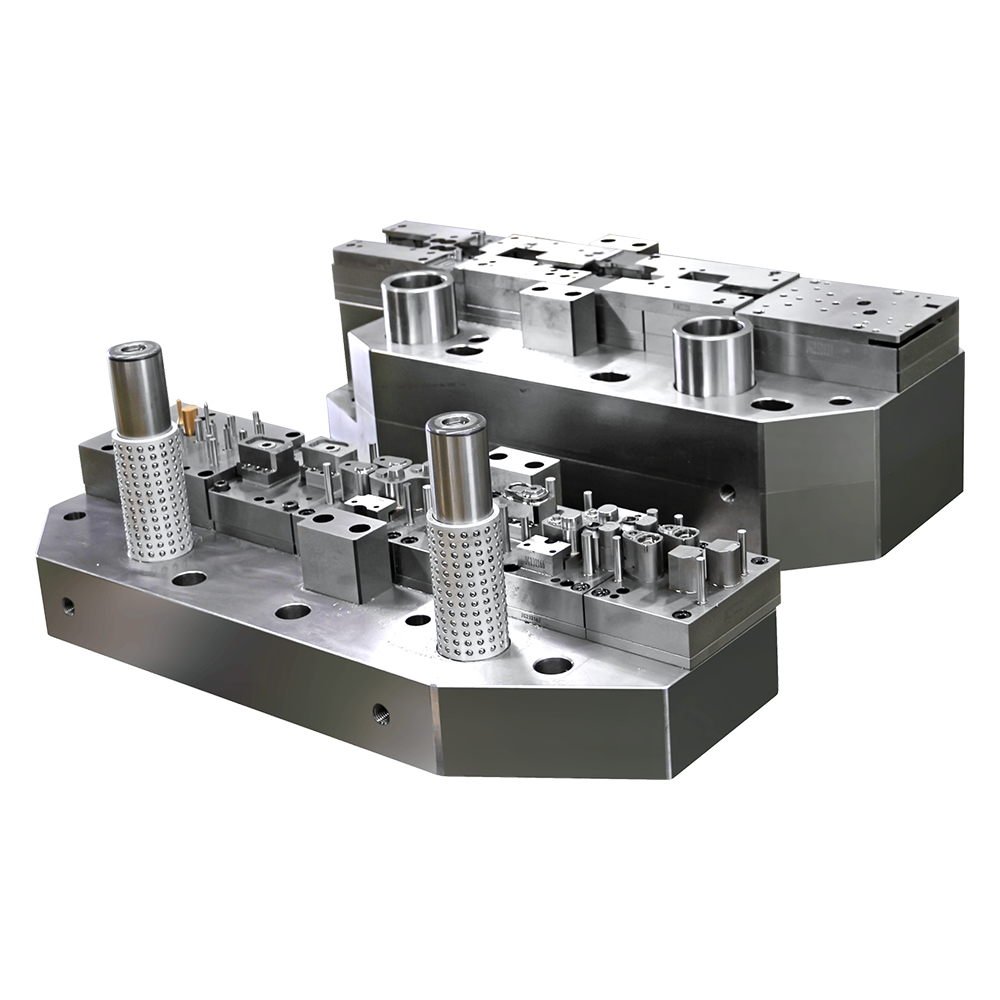
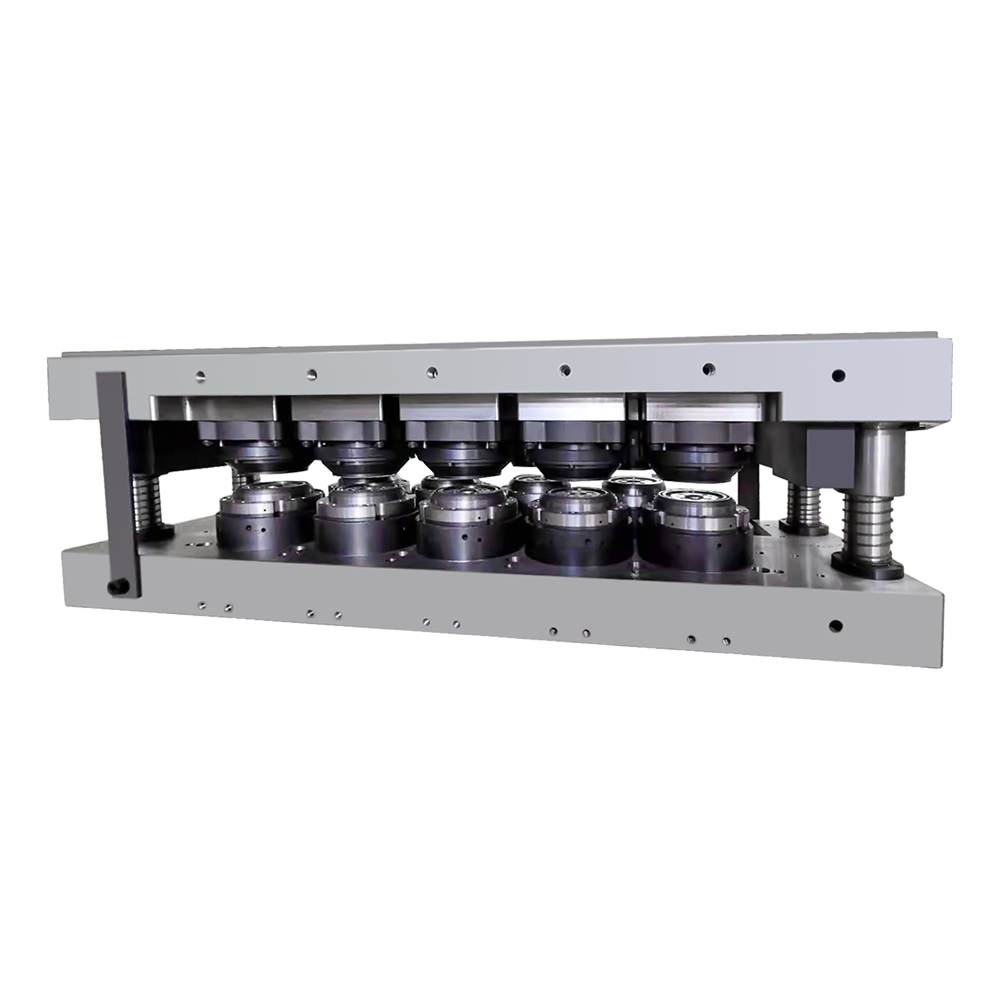
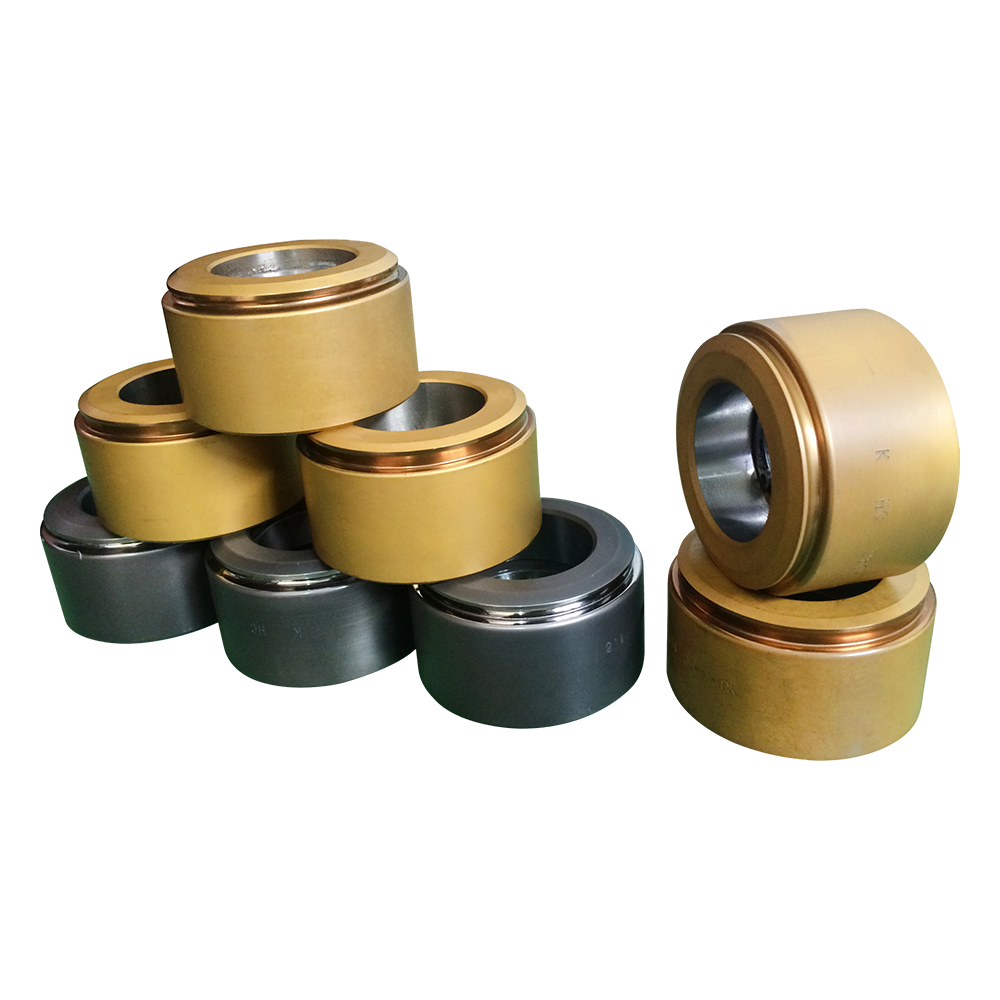
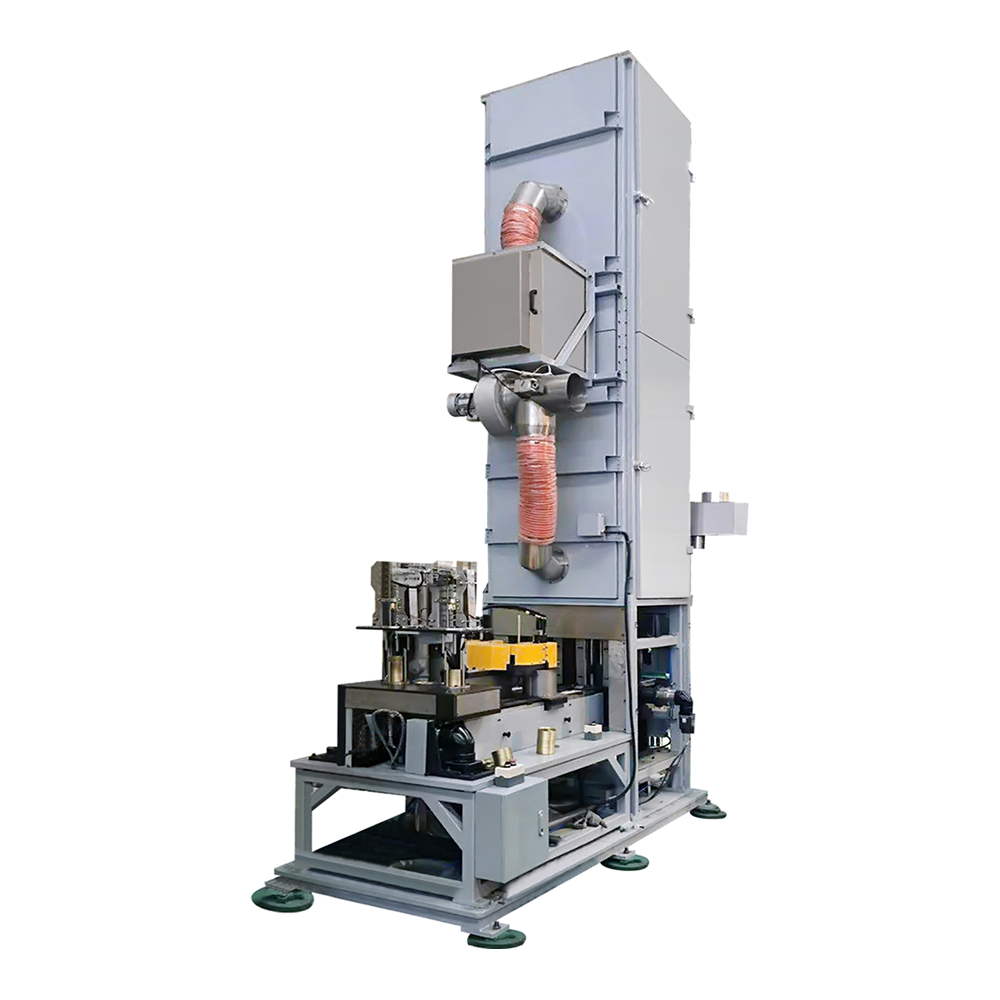
In modern can-end manufacturing, the conversion press is one of the most demanding areas of the entire production line. It must repeatedly form, score, rivet, curl, emboss, and shape metal at extremely high speed while maintaining stable dimensions, smooth surfaces, and reliable opening performance. The Conversion Press Tab Die (Bulk) is designed for this demanding environment. As a core die unit for high-precision conversion presses, it provides durable tooling support for high-intensity, high-frequency metal forming operations, especially in the production of easy-open ends and related can-lid components.
This bulk-supplied tab die is not simply a spare part. It is a precision-engineered tooling solution intended to help factories maintain production continuity, reduce unplanned downtime, and improve overall production efficiency. Its value is especially clear in facilities where conversion presses run continuously and where even a short interruption can influence output, delivery schedules, and product consistency. By enabling selective replacement of worn die parts, this modular die solution helps manufacturers avoid the cost and time burden of replacing entire die assemblies when only specific working areas require maintenance.
The product is categorized under Mold, but its role extends far beyond a conventional mold component. It functions as a critical interface between press force, metal material, product geometry, and production stability. In high-speed can-end manufacturing, small variations in tooling hardness, surface finish, alignment, or wear resistance can directly affect the quality of finished parts. Therefore, the Conversion Press Tab Die (Bulk) is manufactured with careful attention to material selection, heat treatment, surface finishing, and dimensional precision.
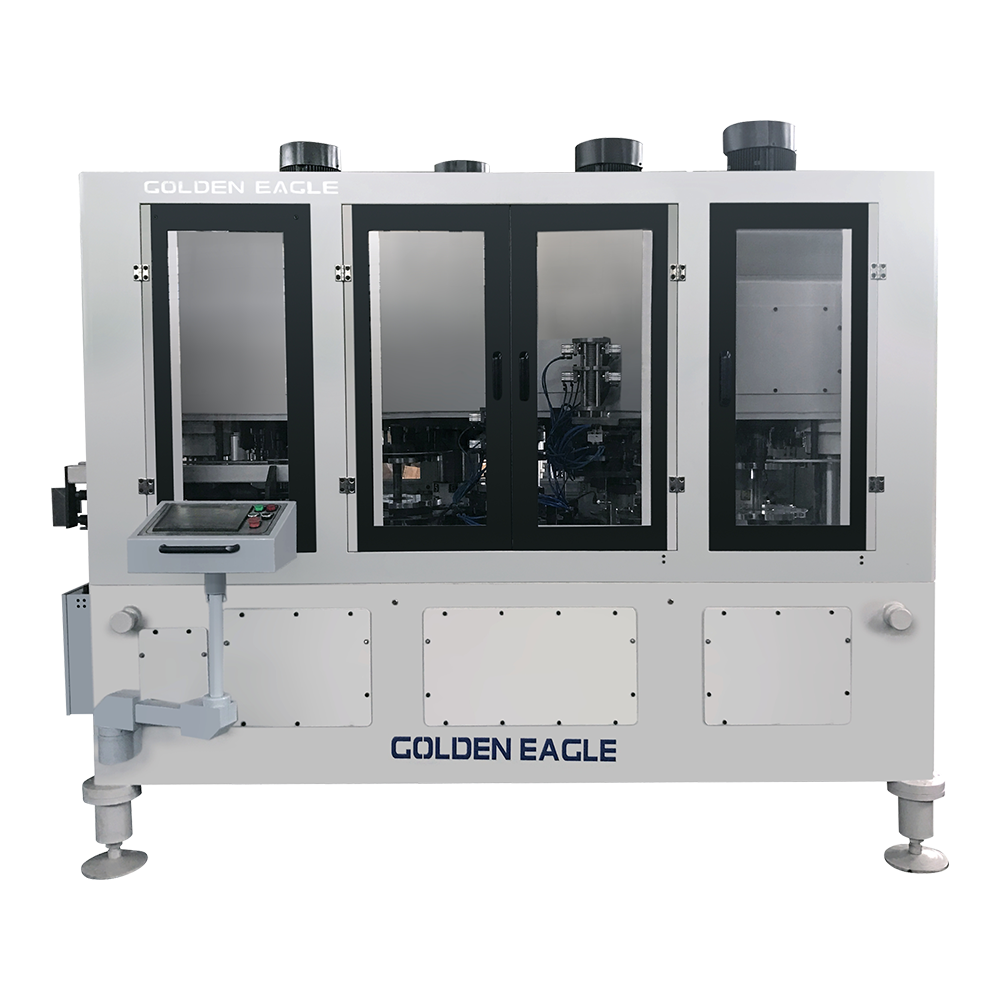
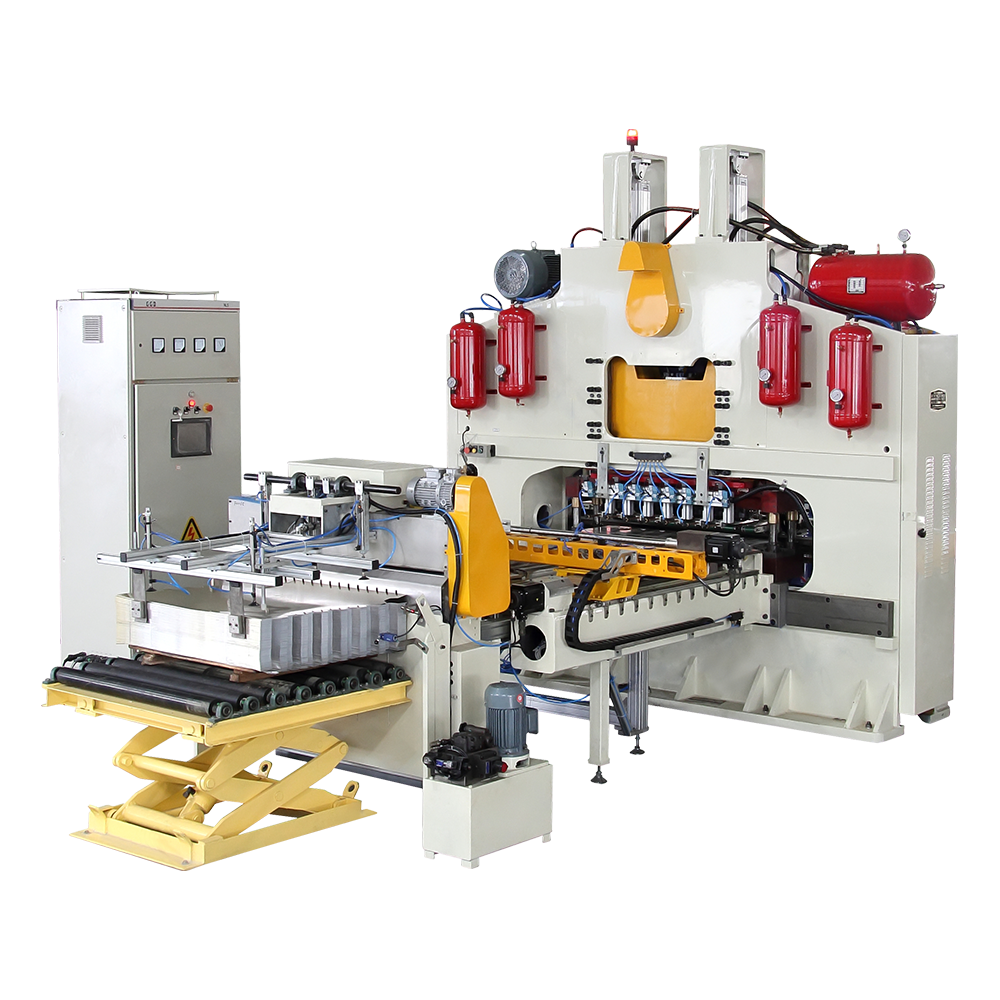
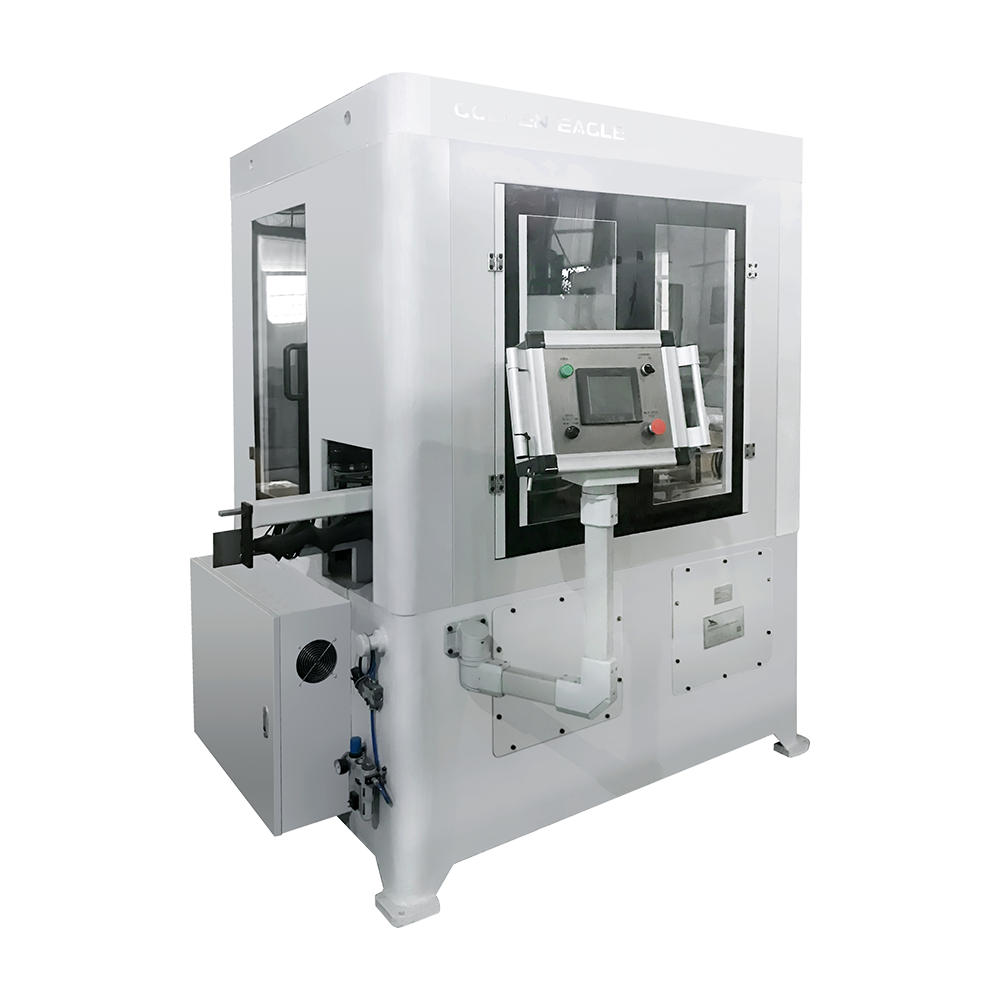
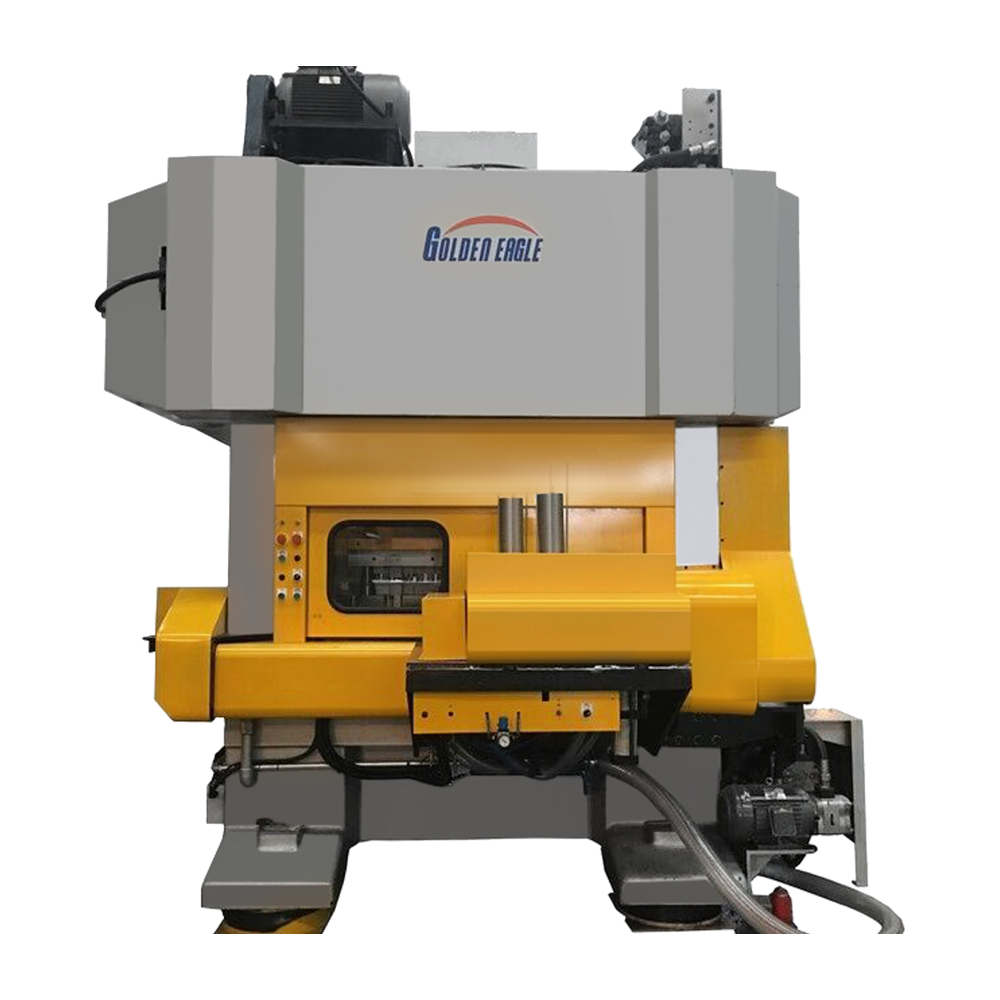
Zhejiang Golden Eagle Food Machinery Co., Ltd. manufactures can-making machinery and can-making molds with decades of accumulated experience. Founded in 1978, the company has developed from a specialist machinery and mold manufacturer into a comprehensive supplier of can production lines, can lid production equipment, aerosol canister machinery, chemical tank equipment, two-piece can machinery, and related tooling. Its long-term manufacturing background allows the company to understand not only how an individual die should be produced, but also how that die performs inside a complete can-making production system.
Conversion Press Tab Die(Bulk)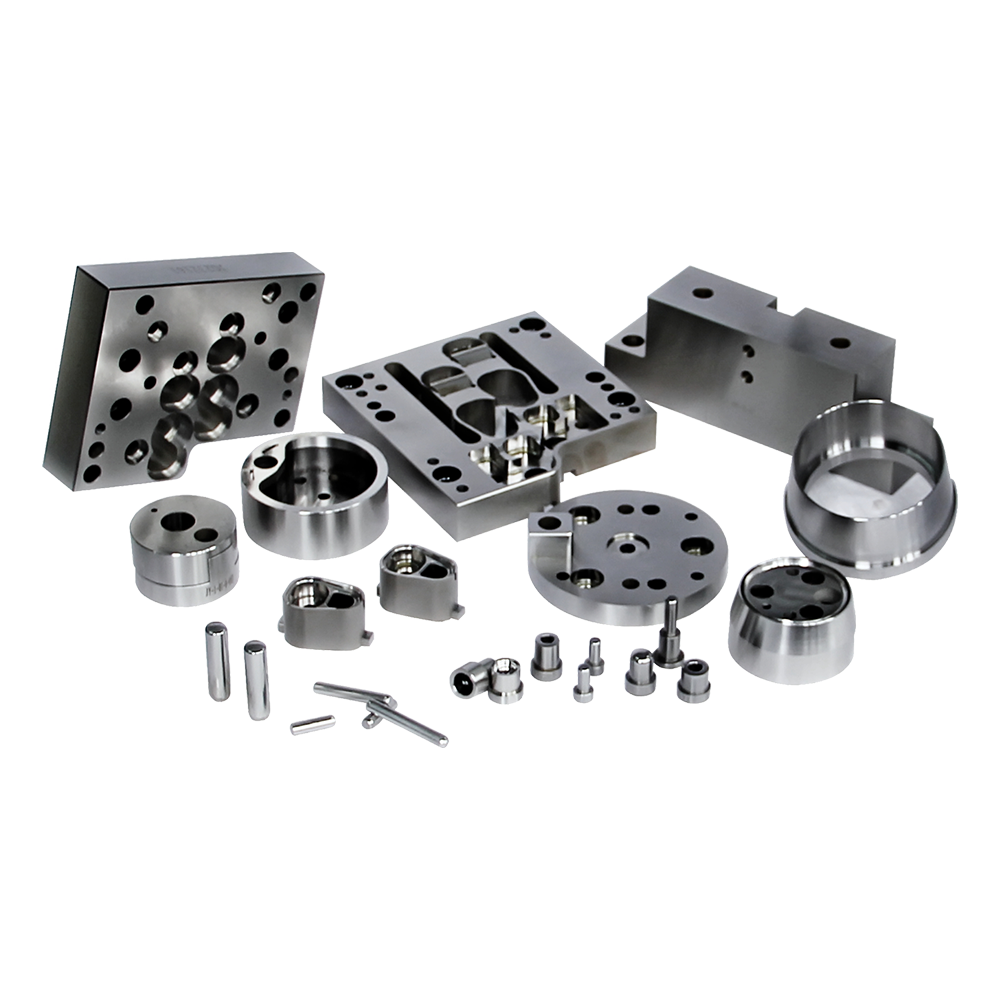
A conversion press is used to convert a basic shell or blank into a functional can end. In easy-open end production, tabs must be formed with precise shapes and mechanical properties so that consumers can open the can smoothly and safely. The tab must be strong enough to lift and tear the scored panel, yet its shape and contact points must not damage the end during manufacturing, stacking, transportation, or final use. The die responsible for tab forming must therefore deliver reliable metal flow, repeatable geometry, and stable contact pressure.
The Conversion Press Tab Die (Bulk) is designed to support these requirements by providing the working surfaces and forming geometries needed for accurate tab production. It must tolerate fast reciprocating movement, repeated impact, friction, localized heat generation, and abrasive contact with tinplate or aluminum-based materials depending on the production configuration. Because conversion presses may operate at hundreds of strokes per minute, the die material and surface treatment are crucial to maintaining accuracy over long production cycles.
In many production lines, the tab die is exposed to some of the most severe wear conditions in the press. The forming zone repeatedly contacts metal sheets or preformed components with high pressure. If the die surface becomes rough, scratched, chipped, or dimensionally unstable, defects may appear rapidly. These defects can include inconsistent tab height, surface scratches, metal deformation, burrs, poor rivet cooperation, difficulty in opening, or excessive tool marks. A precision tab die reduces these risks by maintaining stable contact and predictable forming behavior.
The bulk-supplied format is especially important for factories operating multiple presses or long production shifts. Rather than ordering single replacement pieces only after wear is detected, manufacturers can prepare a planned stock of critical die components. This supports preventive maintenance and allows replacement to be performed during scheduled downtime. As a result, the production team can keep the conversion press running more smoothly and avoid extended stoppages caused by urgent tooling shortages.
The Conversion Press Tab Die (Bulk) offers multiple advantages for can-end producers seeking higher productivity, lower maintenance costs, and improved product consistency. These advantages are rooted in its material performance, modular structure, precision machining, and suitability for high-speed operation.
The die assembly uses a high-hardness industrial alloy as its base material. This is essential because the die must withstand repeated impact, sliding friction, and compressive stress. Ordinary tooling materials may lose dimensional accuracy or surface smoothness under high-speed press conditions. By using an alloy selected for fatigue strength and wear resistance, the die provides a more stable service life and better forming consistency.
High hardness alone is not enough. Tooling must also have toughness, resistance to cracking, and reliable performance after heat treatment. The product is designed for a balance between hardness and durability, allowing it to perform in demanding conversion press environments without premature failure. This balance is a major advantage compared with lower-grade die components that may appear cost-effective at first but lead to frequent replacement, quality problems, and machine downtime.
Each bulk-supplied die part undergoes precision vacuum heat treatment. Vacuum heat treatment helps reduce oxidation, decarburization, and surface contamination during the hardening process. For precision tooling, this matters because the final surface integrity and internal structure directly influence die life. A more uniform heat-treated structure provides stable hardness distribution, improved wear resistance, and greater dimensional stability.
Compared with conventional heat treatment, vacuum processing can deliver cleaner surfaces and better repeatability. This reduces the need for excessive corrective machining and helps maintain the intended geometry of the die. In high-speed conversion presses, even small dimensional deviations can influence tab quality. Therefore, controlled heat treatment is not merely a production step; it is an important part of the die’s final performance.
The die parts are processed with nano-level grinding to achieve a very low coefficient of friction. A smoother surface helps reduce scratches, galling, and unnecessary deformation of the metal material during forming. In easy-open end production, surface quality is not only an aesthetic matter. Scratches or localized deformation may affect coating integrity, corrosion resistance, and mechanical performance.
Low-friction surfaces also support heat dissipation during high-speed stamping. When the press operates at high frequency, friction-generated heat can accumulate at contact surfaces. Excessive heat may accelerate wear, change lubrication behavior, or influence metal flow. By reducing friction, the die contributes to more stable forming conditions and longer tooling life.
One of the strongest advantages of the bulk tab die assembly is its modular replacement concept. In many factories, only certain die stations or working surfaces wear faster than others. Replacing a complete bulky die set when only selected parts are worn is inefficient and expensive. The modular design allows factories to quickly and selectively replace worn parts at specific workstations.
This approach reduces spare parts costs, shortens maintenance time, and improves overall equipment effectiveness. Maintenance personnel can keep frequently used components in stock and replace them as needed without disrupting the entire production system. For high-volume can-end manufacturers, this can result in significant savings over time.
The product is intended for high-intensity, high-frequency metal forming. Stability under rapid reciprocating impact is one of its central design goals. A die that performs well only during short trial runs is not enough for industrial production. The Conversion Press Tab Die (Bulk) is designed to maintain consistent forming performance during extended operation, supporting stable output and predictable quality inspection results.
Many competitor die products may meet basic dimensional requirements, but high-speed conversion press production demands more than basic fit. It requires fatigue resistance, surface smoothness, material stability, heat-treatment reliability, and practical maintenance convenience. The Conversion Press Tab Die (Bulk) is positioned as a high-value solution for manufacturers who need long-term production reliability rather than short-term purchasing savings.
| Evaluation Area | Conversion Press Tab Die (Bulk) | Typical Conventional Competitor Tooling |
|---|---|---|
| Material Performance | High-hardness industrial alloy selected for fatigue strength and wear resistance | May use general tooling steel with limited fatigue life under high-frequency operation |
| Heat Treatment | Precision vacuum heat treatment for cleaner surfaces and stable hardness | May rely on less controlled heat treatment, increasing risk of distortion or surface oxidation |
| Surface Finish | Nano-level grinding for low friction and reduced scratching | Surface finish may be sufficient for low-speed use but less stable in high-speed production |
| Maintenance Concept | Bulk supply supports selective replacement of worn workstations | Often requires longer lead times or larger assembly replacement |
| Production Stability | Designed for high-frequency, high-intensity conversion press operation | May show faster wear, inconsistent forming, or greater adjustment frequency |
| Cost Over Time | Lower downtime and targeted spare part replacement improve lifecycle value | Lower initial cost may be offset by maintenance, defects, and downtime |
The most important difference is lifecycle value. In high-speed can-end production, tooling cost should not be evaluated only by purchase price. A lower-cost die that requires frequent adjustment, creates more defects, or causes unplanned stoppages can become far more expensive than a precision die with longer service stability. The Conversion Press Tab Die (Bulk) is designed to reduce hidden costs by improving consistency and maintainability.
Another competitive advantage is the supplier’s understanding of complete can-making systems. Zhejiang Golden Eagle Food Machinery Co., Ltd. produces not only molds, but also food can production lines, beverage can production lines, tin can auto-welding machines, cutting machines, duplex slitters, aerosol can making machines, chemical tank making machines, automatic feeding machines, two-piece can making machines, and easy-open end equipment. This broad product background helps the company design tooling that works effectively inside real production conditions.
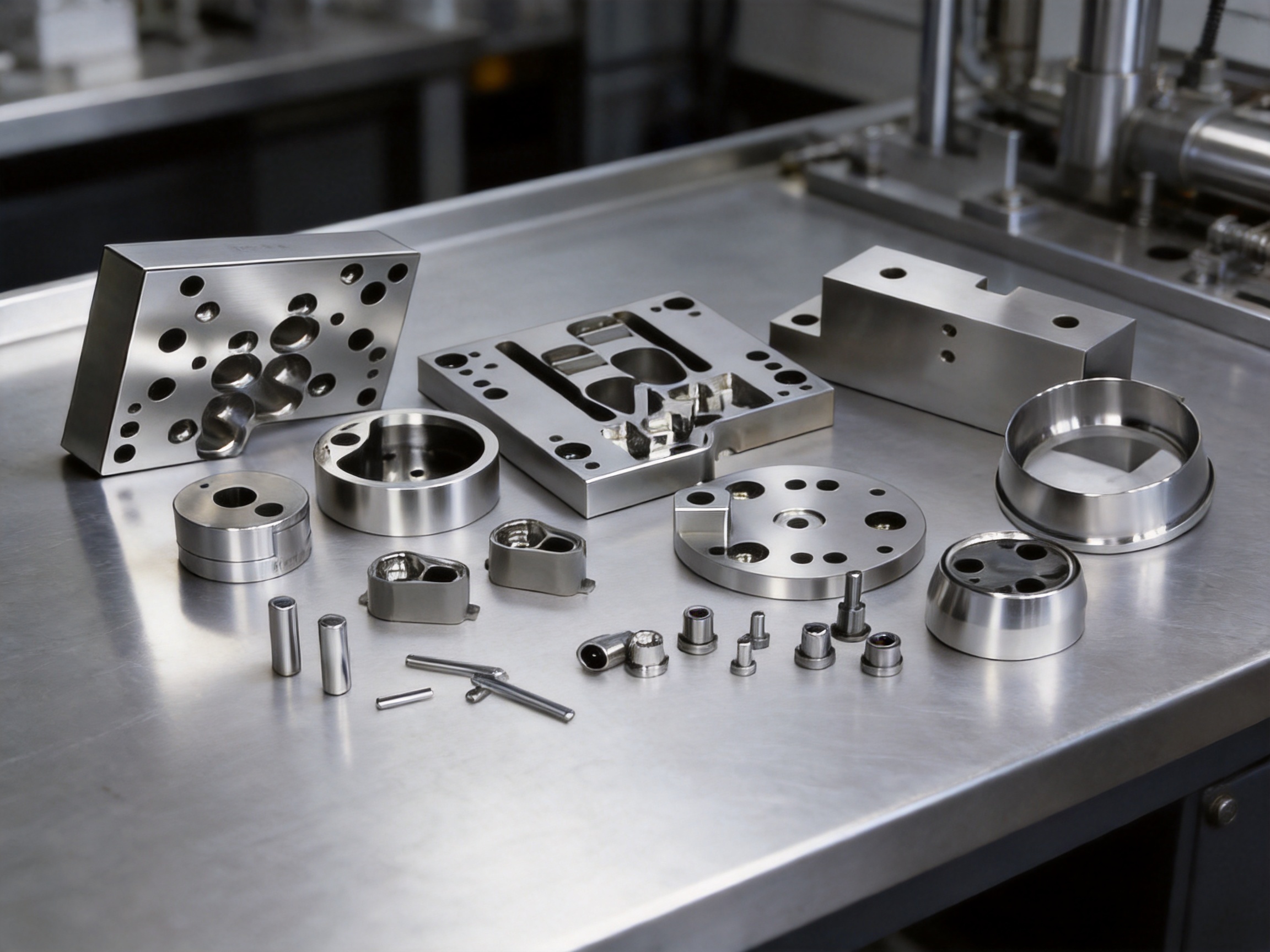
The performance of a conversion press tab die depends heavily on manufacturing process control. Precision tooling cannot be made by material selection alone. It requires integrated manufacturing steps, from design and machining to heat treatment, grinding, inspection, and final preparation. Zhejiang Golden Eagle Food Machinery Co., Ltd. applies advanced machining equipment and established mold-manufacturing experience to produce can-making molds and related die components.
The company’s product design philosophy has been influenced by internationally recognized can-making equipment concepts while also being refined through decades of practical production experience. This means the die is not designed in isolation. It is developed with an understanding of press movement, material behavior, lubrication, production speed, maintenance requirements, and downstream quality expectations.
For a tab die, design accuracy includes the forming contour, contact radius, working clearance, alignment reference, mounting stability, and replacement convenience. If these features are not properly balanced, the tool may produce acceptable samples but fail under long-term production conditions. Engineering design must therefore consider both the final part shape and the dynamic environment of the conversion press.
The company adopts CNC high-precision machining equipment and complete mechanical machining equipment. CNC machining enables repeatable production of complex die geometries with tight tolerances. For bulk-supplied die components, consistency between pieces is extremely important. If replacement parts differ noticeably from one another, maintenance teams may need additional adjustment time after installation. High-precision machining reduces this risk and supports faster replacement.
CNC machining is also important for creating accurate reference surfaces. In a conversion press, die components must be aligned correctly to interact with other tooling stations. Poor reference accuracy may lead to uneven contact, accelerated wear, or product deformation. A well-machined die component supports stable assembly and repeatable press performance.
After rough or semi-finished machining, die parts require heat treatment to achieve final mechanical properties. The vacuum heat treatment process improves the material’s hardness, strength, and wear resistance while helping preserve surface quality. For tab die components, controlled heat treatment reduces the chance of dimensional change that could affect fitting or forming accuracy.
The heat treatment stage is one of the most critical points in tooling production. Improper heating, soaking, cooling, or tempering can cause cracking, insufficient hardness, excessive brittleness, or internal stress. Precision vacuum heat treatment helps ensure that each die part can withstand repetitive impact without rapid deterioration.
After heat treatment, the die undergoes fine grinding and surface finishing. The stated nano-level grinding process is especially valuable for reducing friction and achieving a refined working surface. A smooth, accurate surface helps avoid scratches on the metal material and supports stable material flow during forming.
Surface finishing also helps reduce adhesion between the die and the workpiece. In metal forming, adhesion or galling can quickly damage both the product and the tool. A polished and properly finished die surface reduces this risk, especially when combined with correct lubrication and press maintenance practices.
Quality assurance is fundamental to die performance. Zhejiang Golden Eagle Food Machinery Co., Ltd. has been certified to ISO9001 quality management system and ISO14001 environmental management system. These certifications reflect systematic attention to production control, process consistency, environmental responsibility, and continuous improvement.
For a precision tab die, inspection may include dimensional checks, hardness testing, surface finish evaluation, geometric verification, and fitting assessment. The goal is to ensure that each component supplied in bulk can perform reliably when installed in the corresponding conversion press station. Consistency is particularly important for customers who operate multiple production lines and require interchangeable tooling parts.
Easy-open ends are widely used in food cans, beverage cans, milk powder cans, and other packaging applications where consumer convenience and seal integrity are both important. The tab is a small component, but it plays a major role in user experience. If the tab is too weak, it may break during opening. If it is poorly formed, it may be uncomfortable or difficult to lift. If its interaction with the rivet and score is unstable, the can end may not open correctly.
The Conversion Press Tab Die (Bulk) contributes to the production of tabs with stable geometry and repeatable forming results. By controlling the forming process, the die helps ensure that tabs meet dimensional and functional requirements. Stable tooling also reduces variation from one production batch to another, which is essential for large can manufacturers supplying major food and beverage brands.
In addition, a high-quality tab die helps protect coating integrity. Many can-end materials are coated to resist corrosion and preserve food safety. Excessive friction, rough tool surfaces, or poor forming conditions can damage coatings. The low-friction finish of the die supports cleaner forming and reduces the likelihood of surface defects.
For manufacturers producing tinplate can ends or related components, stable tab forming is closely linked to production efficiency. Defective tabs may require rejection of entire can ends, creating material waste and increasing inspection workload. By improving forming consistency, the die helps reduce scrap and supports better production yield.
Bulk supply is not merely a purchasing format. It is a production strategy. High-speed can-end plants often operate around strict schedules, with planned maintenance windows and demanding delivery commitments. Tooling wear is inevitable, but production disruption can be minimized if the right spare parts are available at the right time.
With bulk-supplied die components, factories can build a spare parts system based on actual wear patterns. For example, if a particular workstation wears faster due to higher forming pressure, the factory can stock more of that component. This reduces the risk of waiting for emergency shipments and allows maintenance teams to perform rapid replacement.
Bulk supply also improves cost predictability. Instead of repeatedly purchasing urgent spare parts, manufacturers can plan tooling budgets more effectively. They can track die life, analyze replacement frequency, and optimize maintenance intervals. Over time, this supports more scientific production management.
Another important advantage is training and maintenance standardization. When a factory uses consistent bulk-supplied die parts, technicians become familiar with replacement procedures, inspection points, and adjustment methods. This reduces dependence on improvised maintenance and helps maintain stable press performance across shifts.
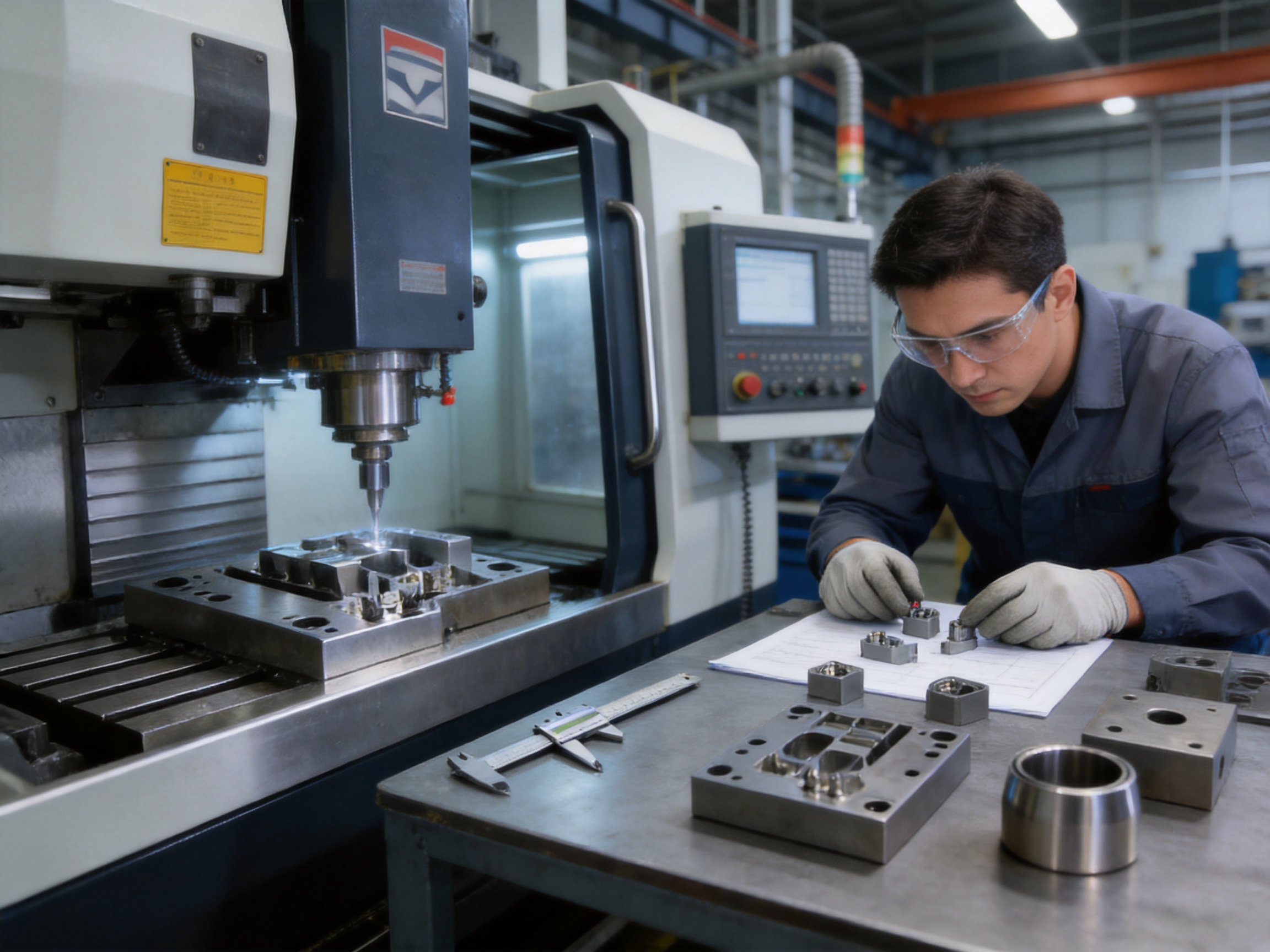
Overall equipment effectiveness, often abbreviated as OEE, is a key performance indicator in modern manufacturing. It combines availability, performance, and quality. The Conversion Press Tab Die (Bulk) supports all three dimensions.
First, it improves availability by reducing unplanned downtime. Because worn parts can be selectively replaced, maintenance is faster and less disruptive. A bulky full die set does not need to be removed if only a specific component is worn. This allows the production line to return to operation more quickly.
Second, it supports performance by maintaining stable operation at high press speeds. Tooling that wears quickly often forces operators to slow down the press, make frequent adjustments, or stop for inspection. A durable, low-friction die helps the press maintain intended production speed for longer periods.
Third, it improves quality by reducing defects related to scratches, deformation, and inconsistent forming. Stable die geometry helps ensure that each tab is formed according to specification. Fewer defects mean less scrap, fewer rework activities, and better customer satisfaction.
For large-scale can-making plants, even a small improvement in OEE can produce significant financial benefits. If a conversion press produces thousands of parts per hour, reducing downtime by minutes per shift can translate into substantial output gains over a year. Therefore, precision tooling should be considered an investment in production performance, not merely a consumable part.
The Conversion Press Tab Die (Bulk) is especially relevant for customers involved in can lid and easy-open end manufacturing, but its value is connected to the broader can-making ecosystem. Zhejiang Golden Eagle Food Machinery Co., Ltd. supplies a wide range of whole-set series products, including food can production lines, beverage can production lines, can lid production lines, chemical tank production lines, aerosol canister production lines, two-piece can production lines, and pop can production lines.
This wide manufacturing scope gives the company practical insight into how tooling affects complete line performance. A can lid production line, for example, depends on coordination between material feeding, cutting, shell forming, conversion pressing, inspection, stacking, and packaging. If the tab die creates unstable output, downstream processes may be affected. Conversely, a stable die supports smoother production flow.
The company’s product categories also include food beverage can making machines, tin can lid end making machines, cutting machine duplex slitters, milk powder can making machines, EOE lids making machines, tin can auto-welding machines, aerosol cone and dome making equipment, chemical tank making machines, automatic feeding machines, aerosol can making machines, two-piece can making machines, and molds. This broad portfolio is important because customers can obtain both machinery and tooling knowledge from the same experienced manufacturer.
In many cases, buyers prefer suppliers who understand complete applications rather than only individual components. A die supplier without can-making system experience may produce a part that looks accurate in isolation but performs poorly under real press conditions. A manufacturer with complete line knowledge is better positioned to design tooling that supports actual production requirements.
Zhejiang Golden Eagle Food Machinery Co., Ltd. has more than 46 years of experience in can-making machinery and mold manufacturing. Established in 1978, the company has developed a strong technical foundation and a broad customer base. It has produced more than 10,000 pieces of can and can lid equipment, and its products are used by many can manufacturers and canning factories.
The company has a team of more than 350 well-trained personnel, including experienced design and development engineers. This personnel structure supports both production capacity and technical innovation. For precision tooling such as the Conversion Press Tab Die (Bulk), skilled engineers and operators are essential. Tooling quality depends not only on machines but also on process understanding, inspection discipline, and practical experience.
The company’s manufacturing base in Zhoushan City, Zhejiang Province, benefits from a long industrial background in food machinery and mold production. Its advanced manufacturing equipment includes CNC high-precision machining equipment and complete mechanical processing facilities. These resources allow the company to manufacture complex can-making machinery as well as precision mold components.
International market experience is another strength. The company’s products have been exported to Europe, Asia, Africa, North America, South America, and Oceania, including countries such as Germany, Italy, the United Kingdom, Spain, Hungary, Russia, Australia, Jordan, Malaysia, the Philippines, Pakistan, Egypt, Algeria, Turkey, Mexico, Nigeria, and Iran. This export experience indicates the ability to serve customers with different production standards, operating habits, and technical requirements.
After-sales service is also part of the company’s value proposition. The company provides installation, commissioning, technical guidance, operation training, and spare parts supply. For tooling products, reliable spare parts support is especially important because production lines must continue operating with minimal interruption. A supplier capable of both manufacturing and service support offers greater confidence to industrial customers.
High-speed stamping creates a unique combination of mechanical and thermal stress. Each press stroke involves impact loading, sliding contact, elastic deformation, and sometimes microscopic material transfer. Over thousands or millions of cycles, these forces can gradually wear the die surface or alter the working geometry. The Conversion Press Tab Die (Bulk) is designed to resist these effects.
The high-hardness alloy base provides the foundation for wear resistance. However, fatigue strength is equally important. Repeated stress cycles can cause microcracks if the material structure is not properly controlled. Vacuum heat treatment helps improve structural uniformity, reducing the risk of premature fatigue failure.
Surface finish affects friction, heat generation, and product appearance. A rough surface increases resistance during forming and may scratch the workpiece. It can also trap particles, create localized stress, or encourage galling. Nano-level grinding creates a smoother surface, helping the die move against the material more efficiently.
In tab forming, stable metal flow is essential. If the die creates uneven friction, the tab may deform unpredictably. The low coefficient of friction helps achieve more controlled forming and reduces the chance of inconsistent geometry. This is particularly valuable in high-volume production where small variations can accumulate into significant quality losses.
To obtain the best results from the Conversion Press Tab Die (Bulk), manufacturers should combine high-quality tooling with disciplined maintenance practices. Even the best die requires correct installation, lubrication, inspection, and replacement planning.
Before installation, technicians should verify that mounting surfaces are clean and free from burrs or debris. Accurate seating is essential for alignment and forming consistency. During installation, the die should be handled carefully to avoid impact damage to precision surfaces. Proper torque and alignment procedures should be followed according to the press and tooling design.
During operation, press lubrication should be monitored. Low-friction die surfaces reduce wear, but suitable lubrication remains important in high-speed metal forming. Insufficient lubrication can increase heat, friction, and tool wear. Excessive or contaminated lubrication may also affect product cleanliness and forming behavior.
Regular inspection should focus on working surfaces, edge conditions, forming contours, and product output. Early signs of wear may include slight changes in tab height, increased surface marks, inconsistent forming, or abnormal press noise. By identifying these signs early, maintenance teams can replace only the affected die part before larger quality issues appear.
Bulk supply supports this preventive approach. Instead of waiting for severe wear, factories can schedule replacement based on production counts, inspection results, or historical die life. This improves maintenance planning and reduces emergency downtime.
The Conversion Press Tab Die (Bulk) is primarily associated with conversion press tab forming, but its importance extends across several packaging sectors. Food cans, beverage cans, milk powder cans, and easy-open lids all depend on reliable end-making technology. In each sector, safety, sealing, opening performance, and appearance are essential.
Food cans require dependable opening and strong packaging integrity. A poorly formed tab can reduce consumer confidence and may create functional problems. Beverage cans often require high-speed production and consistent opening behavior. Milk powder cans may emphasize clean appearance, controlled metal deformation, and protection of product quality. Easy-open ends require precise cooperation between the tab, rivet, score, and panel geometry.
In all of these applications, tooling precision is directly connected to product reliability. The tab die is a small but vital part of a larger system. Its performance can influence the usability and perceived quality of the final package.
For manufacturers seeking can making machine solutions, tin can making machine systems, tinplate can making machine equipment, or can making machinery production lines, the availability of reliable molds and die parts is an important selection factor. A production line is only as reliable as its key wear components. The Conversion Press Tab Die (Bulk) helps ensure that the conversion press remains productive and consistent.
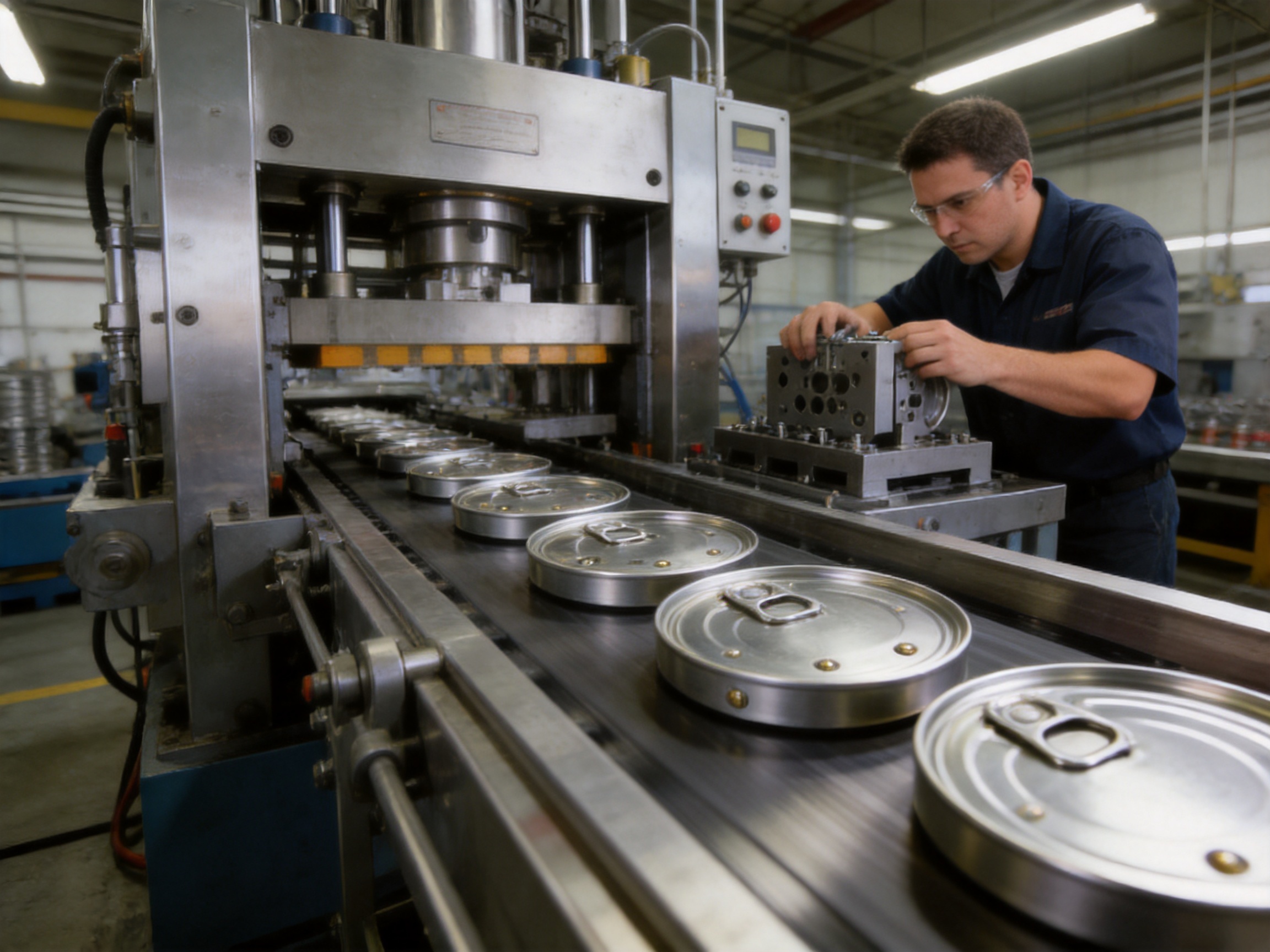
Industrial customers increasingly evaluate suppliers based on quality management, environmental responsibility, and long-term partnership potential. Zhejiang Golden Eagle Food Machinery Co., Ltd. has obtained ISO9001 and ISO14001 certifications, reflecting attention to both quality systems and environmental management. These systems help support controlled production, documentation, continuous improvement, and responsible manufacturing practices.
For customers, this means tooling orders are supported by a more systematic production environment. Precision die manufacturing requires repeatability. A quality management system helps ensure that processes are documented, controlled, and improved over time. Environmental management also reflects a modern approach to manufacturing, especially important for customers with supplier responsibility requirements.
Long-term value is created through the combination of durable tooling, spare parts availability, technical support, and production knowledge. The Conversion Press Tab Die (Bulk) is not only a component purchased once; it can become part of an ongoing maintenance and improvement strategy. Customers can evaluate die life, optimize replacement schedules, and cooperate with the manufacturer on future tooling improvements.
When selecting a conversion press tab die, buyers should consider several technical and commercial factors. The first factor is compatibility with the press and product specification. The die must match the required tab geometry, production material, press station design, and forming sequence. Accurate communication of drawings, samples, or technical requirements is essential.
The second factor is expected production speed and output volume. A die used in occasional low-speed production faces different demands from one used in continuous high-speed operation. For high-volume plants, durability and low downtime are often more important than the lowest initial cost.
The third factor is spare parts strategy. Bulk supply is ideal for factories that want to reduce urgent purchasing and create a stable maintenance inventory. Buyers should identify which die components are most likely to wear and plan stock levels accordingly.
The fourth factor is supplier capability. A supplier with complete can-making machinery experience can provide more practical tooling support than a supplier focused only on isolated mold parts. Zhejiang Golden Eagle Food Machinery Co., Ltd. combines machinery manufacturing, mold production, engineering knowledge, and after-sales service, making it a strong partner for can-end manufacturers.
The fifth factor is lifecycle cost. Buyers should evaluate not only purchase price but also service life, downtime reduction, scrap reduction, installation convenience, and technical support. A precision die may offer a lower total cost of ownership even if its initial price is higher than basic alternatives.
It is a precision die unit used in high-speed conversion presses, especially for forming tabs in easy-open end and can-lid production. It provides the working geometry and surface contact needed to produce consistent tab shapes under repeated stamping conditions.
Bulk supply allows factories to keep critical spare die parts in stock. This supports preventive maintenance, selective replacement, shorter downtime, and better spare parts cost control. Instead of replacing an entire bulky die set, technicians can replace worn parts at specific workstations.
The die is made from high-hardness industrial alloy and processed with precision vacuum heat treatment and nano-level grinding. These features improve fatigue strength, wear resistance, dimensional stability, and low-friction performance, all of which are important for high-frequency conversion press operation.
Its smooth, low-friction working surface helps reduce scratches, deformation, and inconsistent forming. Stable die geometry supports repeatable tab dimensions, improving the quality of easy-open ends and reducing scrap.
Compared with conventional tooling, it offers stronger lifecycle value through better material performance, controlled heat treatment, refined grinding, modular replacement, and improved production stability. Competitor tooling may have a lower initial price, but it can lead to more frequent maintenance, shorter service life, and higher downtime costs.
Zhejiang Golden Eagle Food Machinery Co., Ltd. has been engaged in can-making machinery and mold manufacturing since 1978. The company has advanced CNC machining equipment, experienced engineers, ISO9001 and ISO14001 certifications, a broad product portfolio, international export experience, and after-sales support including installation, commissioning, technical guidance, training, and spare parts supply.
Yes. The die is suitable for can-end manufacturing applications involving tinplate and related metal materials, depending on the specific press configuration and product design. Its low-friction surface and durable structure are beneficial for tinplate can making machinery production lines and tinplate can lid production.
It improves OEE by increasing availability through faster maintenance, supporting performance through stable high-speed operation, and improving quality through reduced defects and consistent forming results.
Customers should provide technical drawings, press model information, tab specifications, material details, production speed requirements, and any existing sample parts if available. This helps ensure proper compatibility and tooling performance.
Yes. The manufacturer provides technical service, spare parts support, installation and commissioning assistance for related equipment, operation training, and technical guidance to help customers maintain stable production.
The Conversion Press Tab Die (Bulk) is a high-value precision tooling solution for manufacturers operating high-speed conversion presses in can-end production. Its high-hardness industrial alloy material, precision vacuum heat treatment, nano-level grinding, low-friction surface, and modular bulk supply format provide clear advantages in durability, consistency, maintenance efficiency, and lifecycle cost.
In a competitive manufacturing environment, the most successful can-making factories are those that control not only major machinery but also critical tooling details. A reliable tab die helps improve easy-open end quality, reduce scratches and deformation, minimize downtime, and support high-speed production stability. By enabling selective replacement of worn components, the bulk die assembly also helps factories manage spare parts more effectively and improve overall equipment effectiveness.
Backed by Zhejiang Golden Eagle Food Machinery Co., Ltd.’s decades of experience in can-making machinery and mold manufacturing, this product reflects a practical understanding of industrial production needs. The company’s advanced CNC machining capabilities, quality management systems, experienced engineering team, broad product portfolio, international market experience, and after-sales service strengthen the product’s value for customers worldwide.
For manufacturers seeking dependable tooling for tin can making machinery production lines, tinplate can making machine systems, easy-open end production, and can lid manufacturing, the Conversion Press Tab Die (Bulk) offers a durable and efficient solution. It is designed not only to form metal accurately, but also to support continuous production, reduce hidden costs, and deliver consistent quality in demanding can-end manufacturing environments.
Kalpakjian, S., and Schmid, S. R. Manufacturing Engineering and Technology. Pearson Education.
ASM International. ASM Handbook, Volume 14B: Metalworking: Sheet Forming.
Altan, T., and Tekkaya, A. E. Sheet Metal Forming: Processes and Applications. ASM International.
Suchy, I. Handbook of Die Design. McGraw-Hill Education.
International Organization for Standardization. ISO9001 Quality Management Systems: Requirements.
International Organization for Standardization. ISO14001 Environmental Management Systems: Requirements with Guidance for Use.
Lange, K. Handbook of Metal Forming. Society of Manufacturing Engineers.
Related Products

Founded in 1978, the company is one of the largest can-making machinery well-known companies at home and abroad.
Product Categories
Contact Information
Zhongshatou Shenjiamen Zhoushan Zhejiang China
+86-580-3056646

 English
 中文简体
中文简体
 русский
 عربى
عربى
 Español