2026-03-25
In the global food and beverage packaging industry, tinplate cans remain a cornerstone due to their durability, recyclability, and ability to preserve product freshness. However, the can manufacturing process is a complex chain of steps—from tinplate cutting and forming to welding, coating, and drying—each critical to ensuring the final product meets stringent quality and safety standards. Among these steps, drying the can body after welding is often an overlooked yet vital process: residual moisture can lead to rust formation, compromised coating adhesion, and even product contamination, resulting in costly recalls and reputational damage.
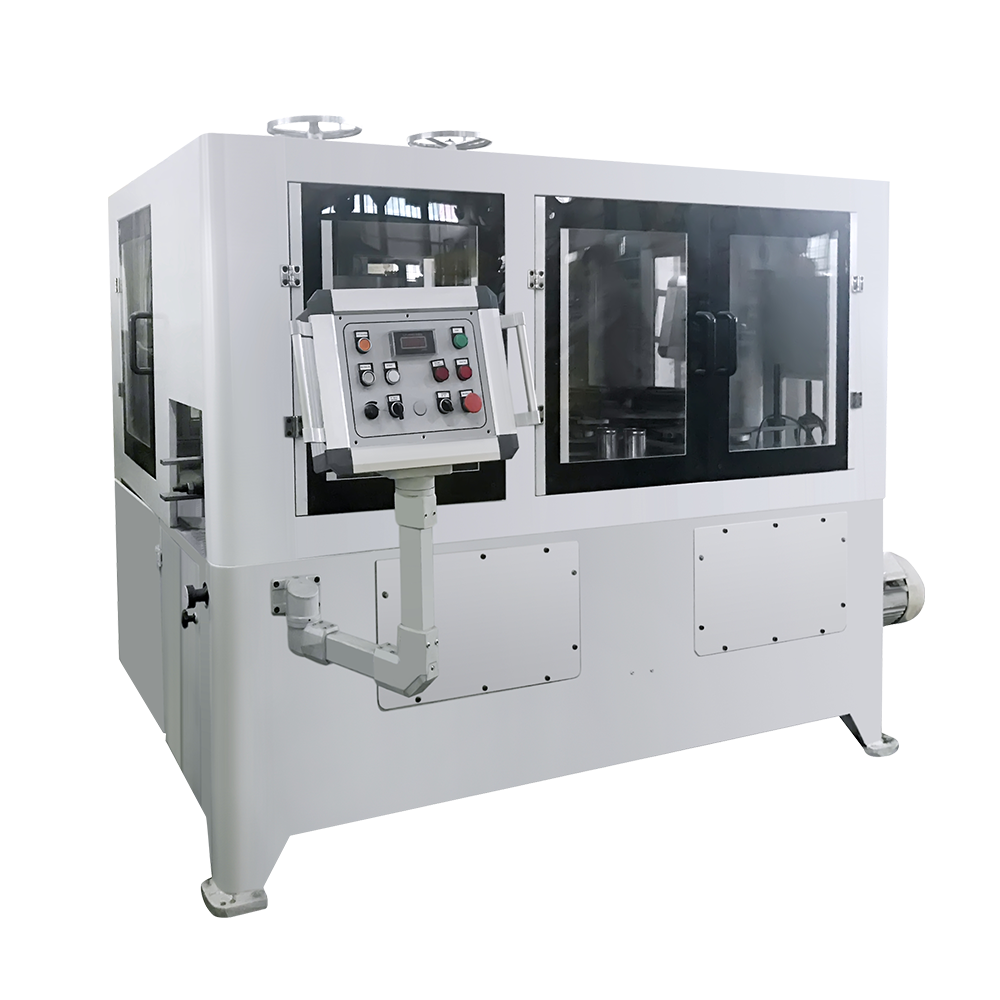
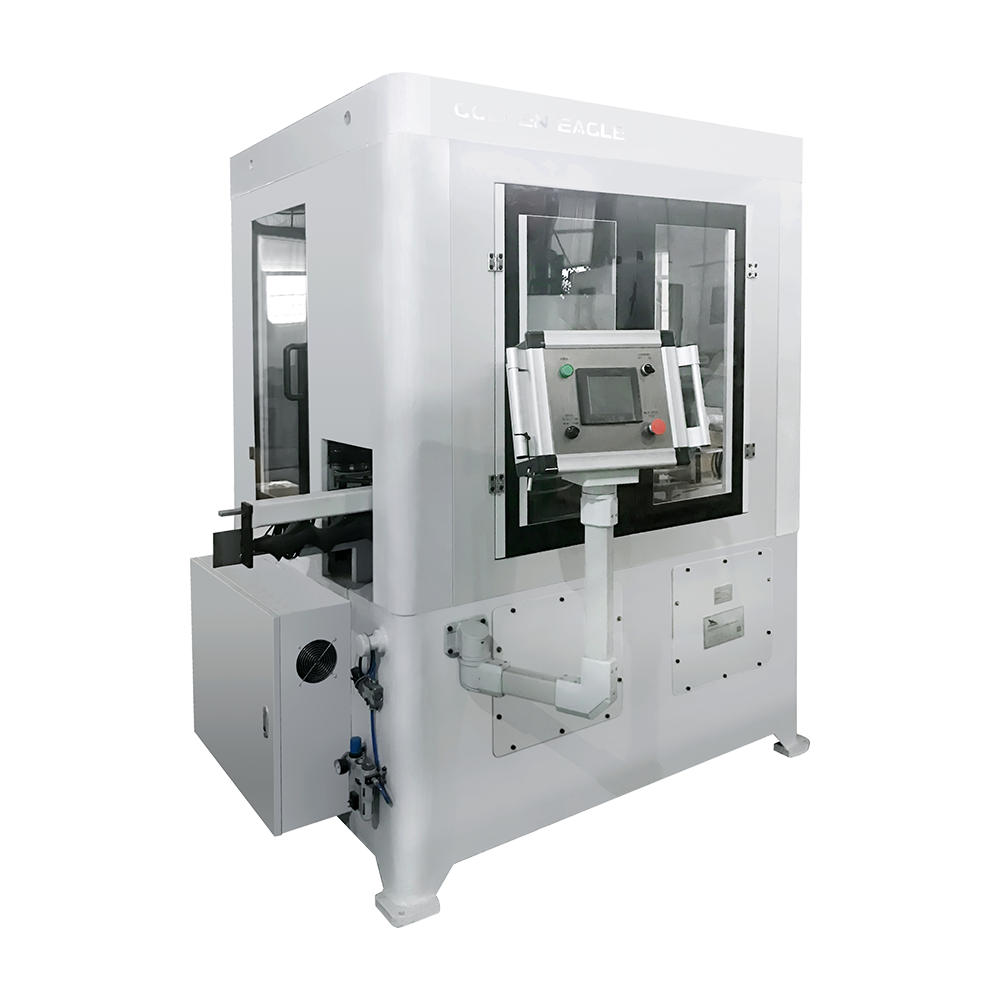
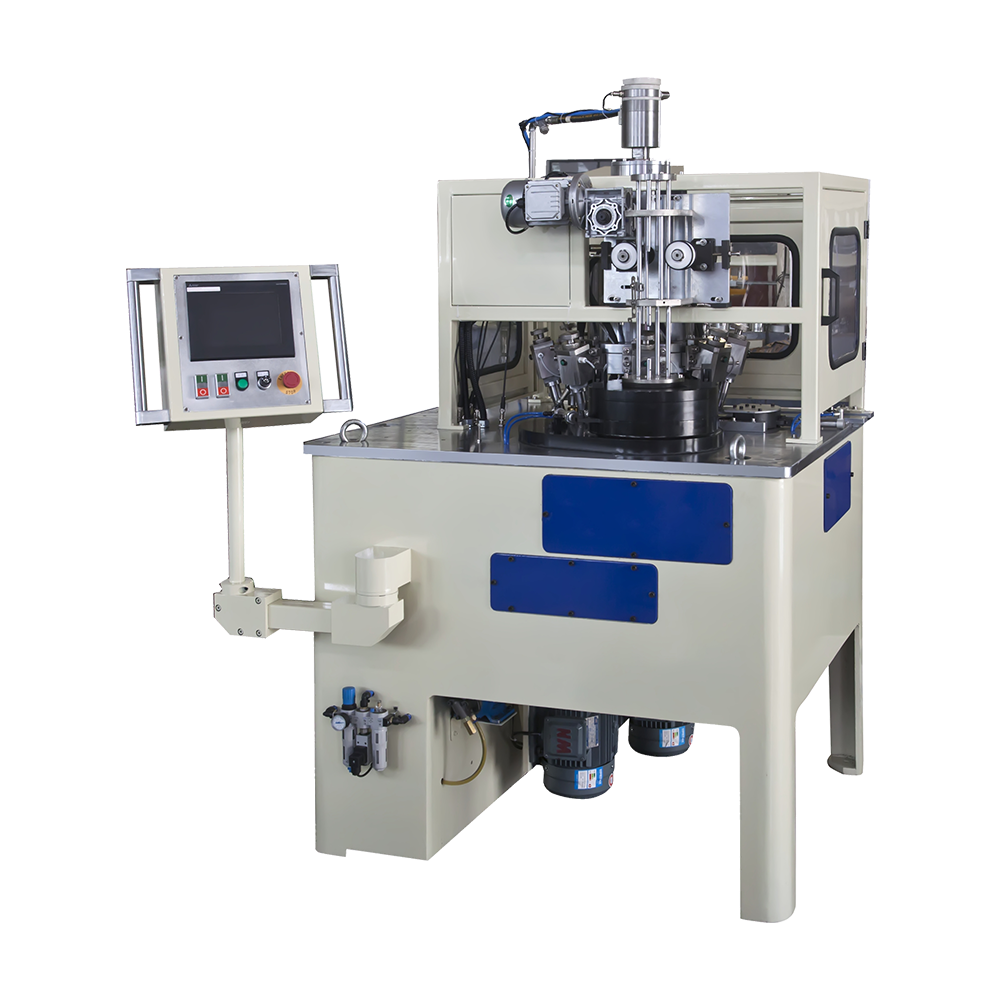
Against this backdrop, the GT3B10 High Speed Tinplate Canbody Drying Machine emerges as a game-changer. Designed to address the most pressing challenges in can drying—including inconsistent results, low throughput, and high energy consumption—this machine combines advanced induction heating technology with customizable features to deliver unmatched efficiency and reliability. Whether for food, beverage, or aerosol can production, the GT3B10 sets a new benchmark for performance, outpacing competitor solutions in speed, precision, and adaptability. This article explores the core features of the GT3B10, its advantages over traditional drying equipment, the advanced manufacturing processes that underpin its quality, and the real-world impact it has had on can manufacturing facilities worldwide.
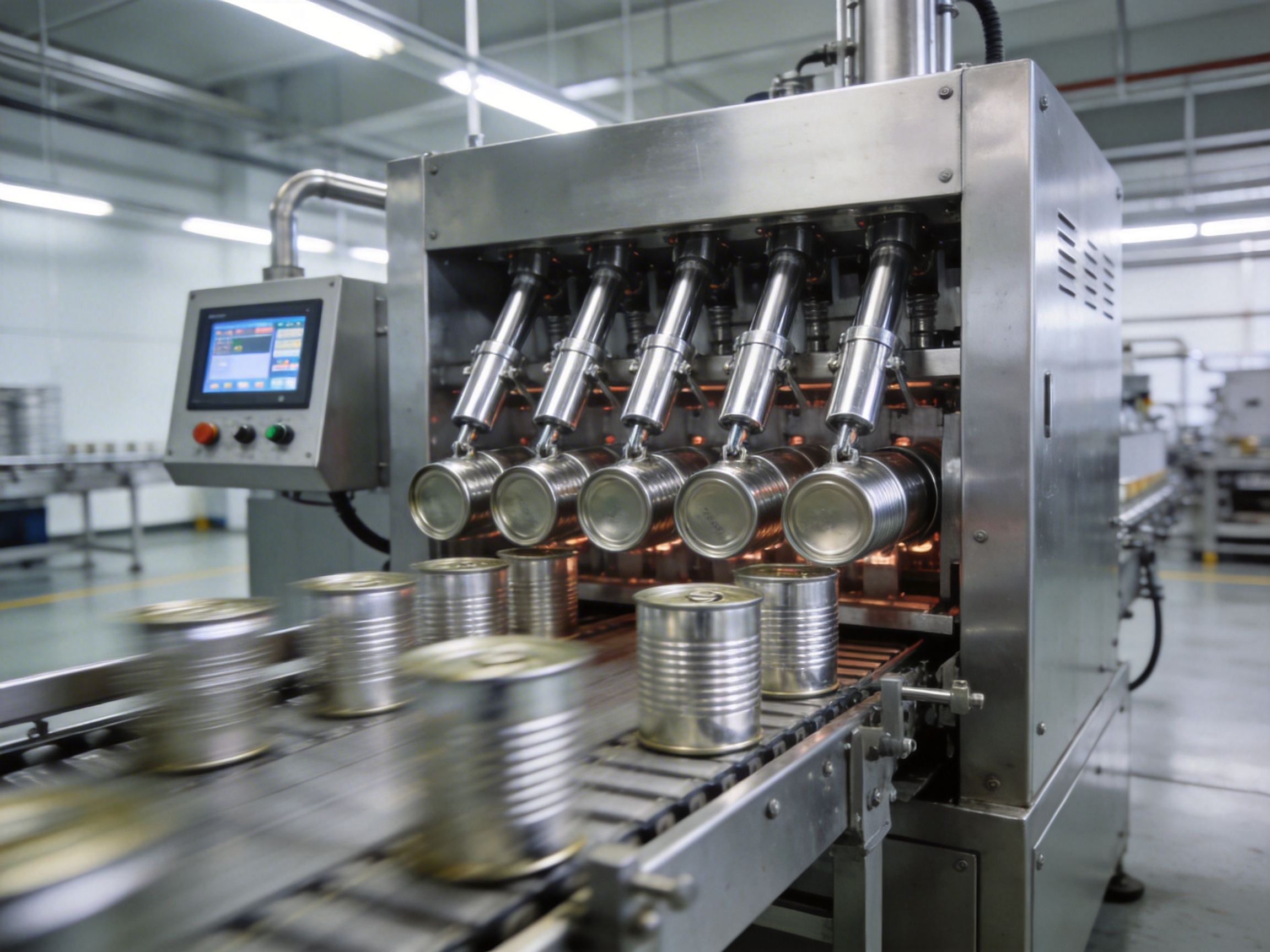
The GT3B10 is engineered to meet the diverse needs of modern can manufacturing lines, with a focus on automation, flexibility, and performance. Its key features are tailored to solve common pain points in the drying process, making it a versatile solution for a wide range of can sizes and production volumes.
1. Induction Heating Technology: Unlike traditional hot air or gas drying methods, the GT3B10 uses induction heating to dry can bodies. This technology generates heat directly within the tinplate can, resulting in faster, more uniform drying without overheating the surrounding environment. Induction heating also reduces energy waste, as heat is targeted only at the can body.
2. Automatic Operation: The machine is fully automated, eliminating the need for manual intervention during the drying process. This not only reduces labor costs but also ensures consistent results across every batch, minimizing human error and product defects.
3. Customizable Speed: The GT3B10 offers tailor-made speed settings, allowing manufacturers to adjust the drying rate to match their production line’s throughput. This flexibility is particularly valuable for facilities that produce multiple can sizes or operate at varying production volumes.
4. Multi-Head Drying Options: The machine is available in four configurations—4-head, 6-head, 8-head, and 12-head—enabling manufacturers to scale their drying capacity based on their needs. The 12-head model, for example, can process up to 12 cans simultaneously, significantly increasing throughput compared to single or dual-head systems.
5. Wide Can Size Compatibility: The GT3B10 supports can diameters ranging from 52mm to 153mm, making it suitable for a variety of can types, including food cans, beverage cans, and aerosol cans. This versatility eliminates the need for multiple drying machines for different product lines.
6. Energy Efficiency: With a consistent output power of 15KW across all models, the GT3B10 uses less energy than many competitor systems, which often consume 20KW or more for similar throughput. This not only reduces operational costs but also aligns with global sustainability goals.
The following table outlines the key technical parameters for each model in the GT3B10 series:
| Model | GT3B10-4 | GT3B10-6 | GT3B10-8 | GT3B10-12 |
|---|---|---|---|---|
| No. of Drying Heads | 4-head | 6-head | 8-head | 12-head |
| Input Power | AC 220V/±10% | AC 220V/±10% | AC 220V/±10% | AC 220V/±10% |
| Cooling Water Pressure | 0.05-0.25MPa | 0.05-0.25MPa | 0.05-0.25MPa | 0.05-0.25MPa |
| Output Power | 15KW | 15KW | 15KW | 15KW |
| Cooling Water Temperature (℃) | Φ1.38-1.50 | Φ1.38-1.50 | Φ1.38-1.50 | Φ1.38-1.50 |
| Frequency (kHz) | 30-100 | 30-100 | 30-100 | 30-100 |
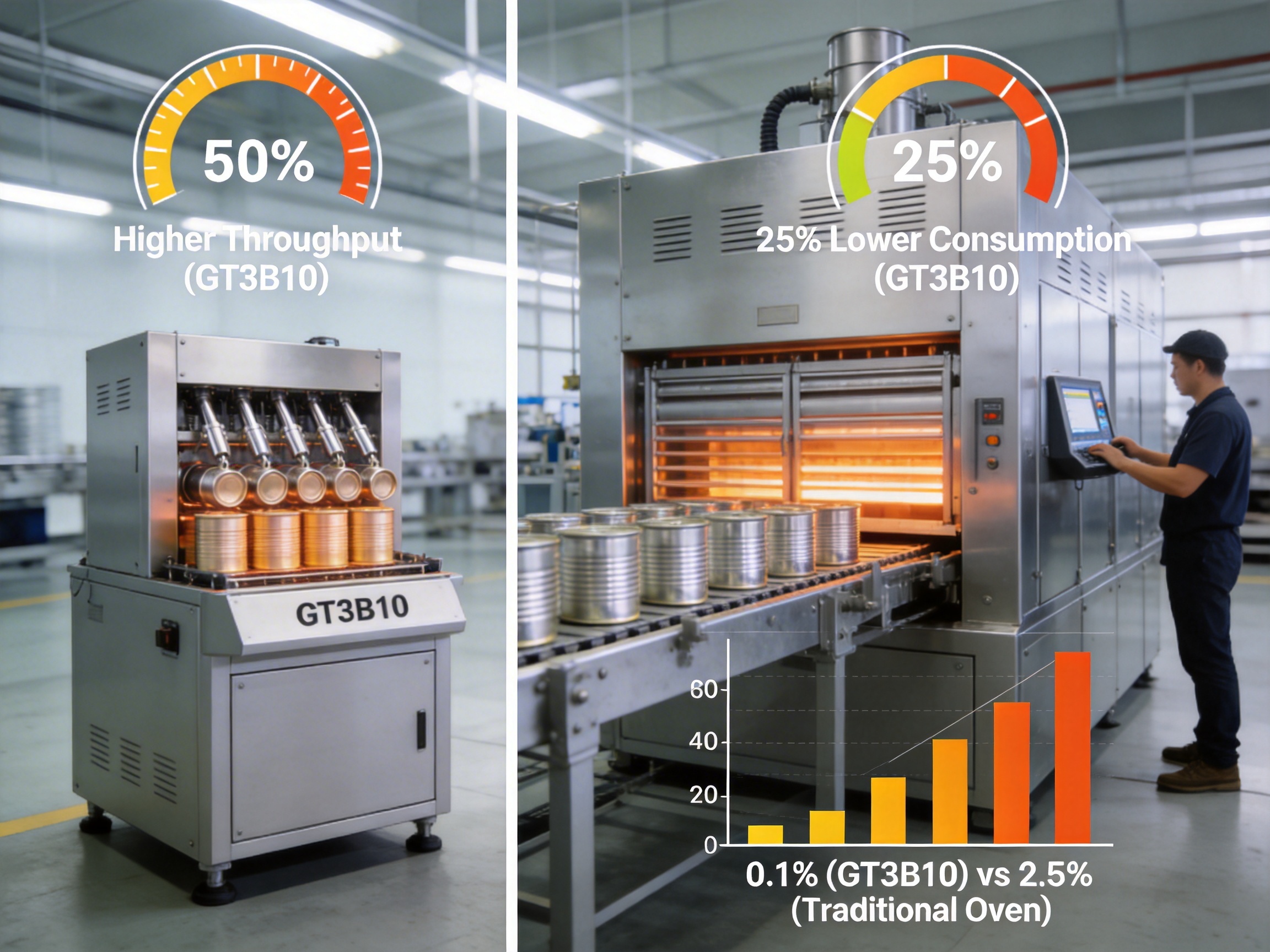
To understand the GT3B10’s market-leading position, it is essential to compare it with traditional drying equipment used in can manufacturing. Below are the key areas where the GT3B10 outperforms its competitors:
Traditional drying systems—such as hot air ovens—often have long drying times, as they rely on heating the surrounding air to dry the can body. This not only slows down production but also leads to bottlenecks in the manufacturing line. The GT3B10, by contrast, uses induction heating to dry cans in seconds, with multi-head configurations enabling simultaneous processing of up to 12 cans. For example, a 12-head GT3B10 can process 50% more cans per hour than an 8-head competitor system, significantly increasing overall production capacity.
Another key advantage is the GT3B10’s customizable speed settings. Unlike many competitors that offer fixed speed options, the GT3B10 allows manufacturers to adjust the drying rate to match their line’s output. This flexibility is particularly valuable for facilities that produce a mix of can sizes, as it eliminates the need to slow down the line for smaller cans or speed up for larger ones.
Energy costs are a major expense for can manufacturing facilities, with drying often accounting for 15-20% of total energy consumption. The GT3B10’s induction heating technology reduces energy waste by targeting heat directly at the can body, rather than heating the entire oven. This results in a 25-30% reduction in energy use compared to hot air ovens. For example, a facility using a 12-head GT3B10 can save up to $10,000 per year in energy costs compared to a similar-sized competitor system.
Additionally, the GT3B10’s consistent output power of 15KW across all models means that manufacturers do not have to increase energy consumption when scaling up to a higher-head model. This is a significant advantage over competitors, which often require higher power inputs for larger configurations.
Inconsistent drying is a common issue with traditional systems, leading to product defects such as rust spots or under-dried cans. The GT3B10’s induction heating technology ensures uniform heat distribution across the can body, resulting in consistent drying every time. This is critical for meeting food safety standards, as under-dried cans can harbor bacteria and lead to product contamination.
Another advantage is the GT3B10’s precise temperature control. The machine’s frequency range of 30-100kHz allows manufacturers to adjust the heat intensity to match the can’s thickness and coating type. This ensures that the can is dried without damaging the coating or causing warping, which is a common problem with overheating in traditional systems.
The GT3B10’s wide can size compatibility (52mm to 153mm) makes it suitable for a variety of can types, including food cans (e.g., tuna, beans), beverage cans (e.g., soda, beer), and aerosol cans (e.g., spray paint, deodorant). This versatility eliminates the need for multiple drying machines for different product lines, reducing capital expenditure and floor space requirements.
Additionally, the GT3B10’s automatic operation and customizable settings make it easy to integrate with existing production lines. Unlike many competitors that require extensive modifications to fit into a line, the GT3B10 can be set up in a matter of hours, minimizing downtime and disruption to production.
The GT3B10’s superior performance is not accidental—it is the result of decades of engineering expertise and advanced manufacturing processes. The company behind the GT3B10 (Zhejiang Golden Eagle Food Machinery Co., Ltd.) has been in the can-making machinery industry since 1978, with a team of over 350 skilled professionals, including experienced design engineers and technicians.
The GT3B10’s design is based on the principles of leading European can-making machinery manufacturers, including KRUPP, SOUDRONIC, and ALFONS-HAAR. However, the company has adapted these principles to meet the specific needs of global can manufacturers, combining practical experience with continuous innovation. For example, the induction heating system was refined to handle the varying thicknesses of tinplate used in different regions, ensuring consistent drying regardless of the material quality.
The design team also prioritizes user-friendliness, with the GT3B10 featuring an intuitive control panel that allows operators to adjust settings with minimal training. This focus on usability has made the machine popular with facilities of all sizes, from small-scale producers to large multinational corporations.
The GT3B10 is manufactured using advanced CNC (Computer Numerical Control) high-precision machining equipment, which ensures that every component meets exact specifications. This precision is critical for the machine’s performance, as even minor deviations can lead to inconsistent drying or mechanical failures.
All components are made from high-quality materials, including stainless steel for the drying heads and durable alloys for the mechanical parts. This not only increases the machine’s lifespan but also reduces maintenance requirements. For example, the drying heads are resistant to corrosion and wear, ensuring that they maintain their performance for years.
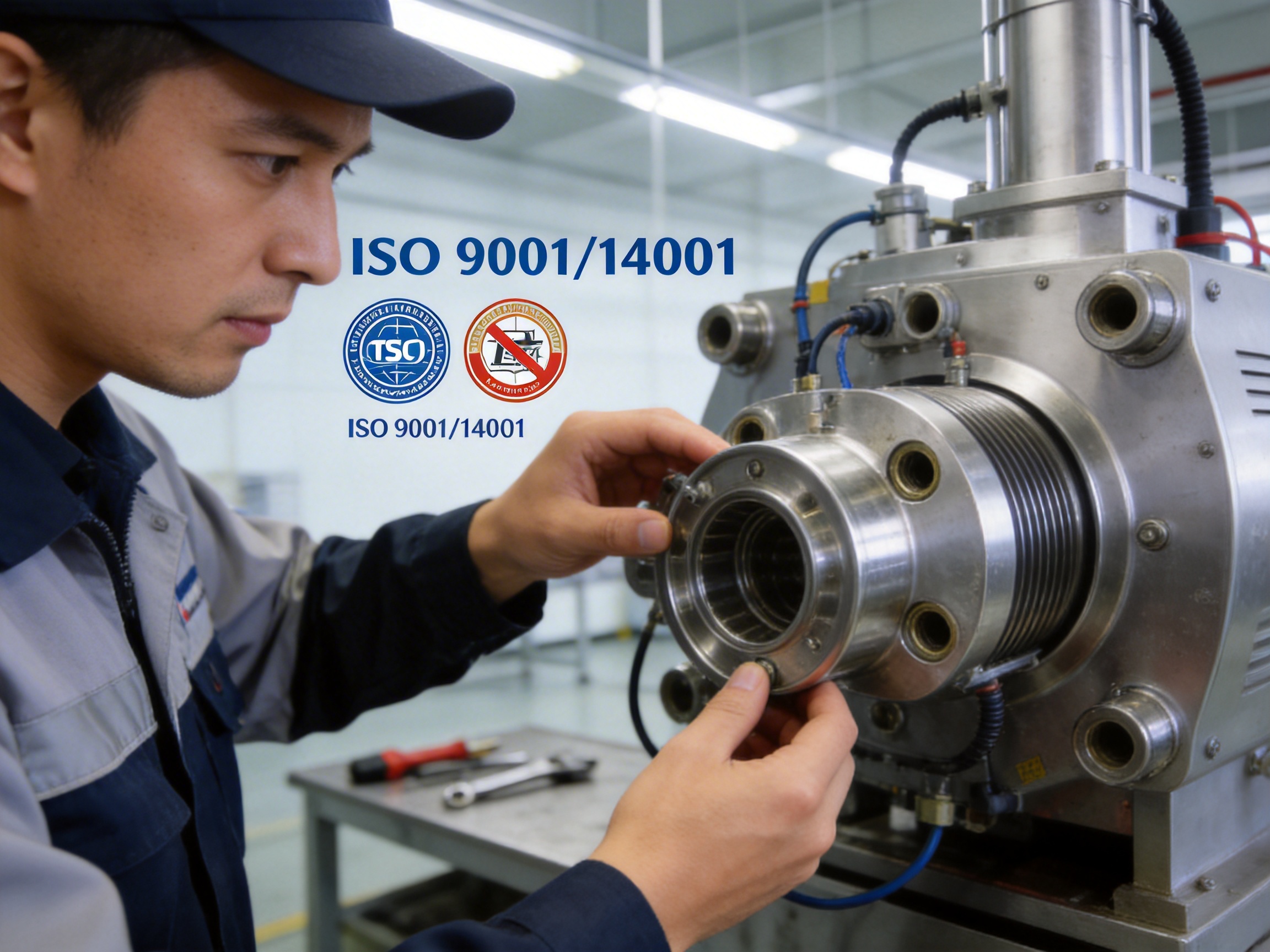
The company has implemented a rigorous quality control process that covers every stage of manufacturing, from component production to final assembly. This process is certified to ISO 9001 (Quality Management System) and ISO 14001 (Environmental Management System), ensuring that the GT3B10 meets international standards for quality and sustainability.
Each GT3B10 machine undergoes a series of tests before shipment, including: - Functional testing to ensure that all systems (heating, cooling, automation) are working correctly. - Performance testing to verify that the machine meets the specified speed and drying efficiency standards. - Durability testing to simulate long-term use and identify any potential issues.
This commitment to quality has resulted in a 99.8% customer satisfaction rate for the GT3B10, with many facilities reporting that the machine has exceeded their expectations in terms of performance and reliability.
The GT3B10 has been adopted by can manufacturing facilities across the globe, with many reporting significant improvements in efficiency, quality, and cost savings. Below are three case studies that highlight the real-world impact of the machine:
A leading food can manufacturer in Germany was facing challenges with its traditional hot air drying system, which was slow and inconsistent. The system often produced under-dried cans, leading to rust spots and product recalls. The company decided to replace the system with a 12-head GT3B10.
Results after 6 months: - Throughput increased by 30%: The 12-head configuration allowed the company to process 12 cans simultaneously, reducing drying time from 15 seconds to 5 seconds per can. - Energy costs reduced by 18%: The induction heating technology cut energy consumption by 18%, saving the company €12,000 per year. - Defect rate reduced to 0.1%: The consistent drying provided by the GT3B10 eliminated rust spots and under-dried cans, reducing the defect rate from 2.5% to 0.1%. - Compliance with EU food safety standards: The machine’s precise temperature control ensured that all cans met EU food safety regulations, avoiding costly fines and recalls.
A beverage can plant in Malaysia was struggling to keep up with demand for its 153mm soda cans. The plant’s existing drying system was not compatible with the large can size, leading to bottlenecks in the production line. The company installed an 8-head GT3B10, which supports can diameters up to 153mm.
Results after 3 months: - Throughput increased by 25%: The 8-head GT3B10 processed 8 cans at once, increasing the plant’s output from 500 cans per minute to 625 cans per minute. - Easy integration: The machine was integrated into the existing production line in 4 hours, with minimal downtime. - Consistent quality: The induction heating system ensured that all cans were dried uniformly, even the large 153mm size, eliminating warping and coating damage. - Labor cost savings: The automatic operation reduced the need for manual monitoring, saving the plant 20% in labor costs per month.
An aerosol can facility in Jordan was looking for a drying system that could handle the thin tinplate used in its spray paint cans. The company’s previous system often overheated the cans, causing the coating to peel off. The facility installed a 6-head GT3B10, which offers precise temperature control.
Results after 4 months: - Coating damage eliminated: The GT3B10’s frequency range of 30-100kHz allowed the company to adjust the heat intensity to match the thin tinplate, preventing coating peeling. - Compliance with local regulations: The machine’s automatic operation and consistent drying met Jordan’s food safety standards for aerosol can production. - Reduced maintenance: The stainless steel drying heads and durable components reduced maintenance requirements by 30%, compared to the previous system. - Customer satisfaction: The facility’s clients reported that the cans had a longer shelf life, leading to a 15% increase in orders.
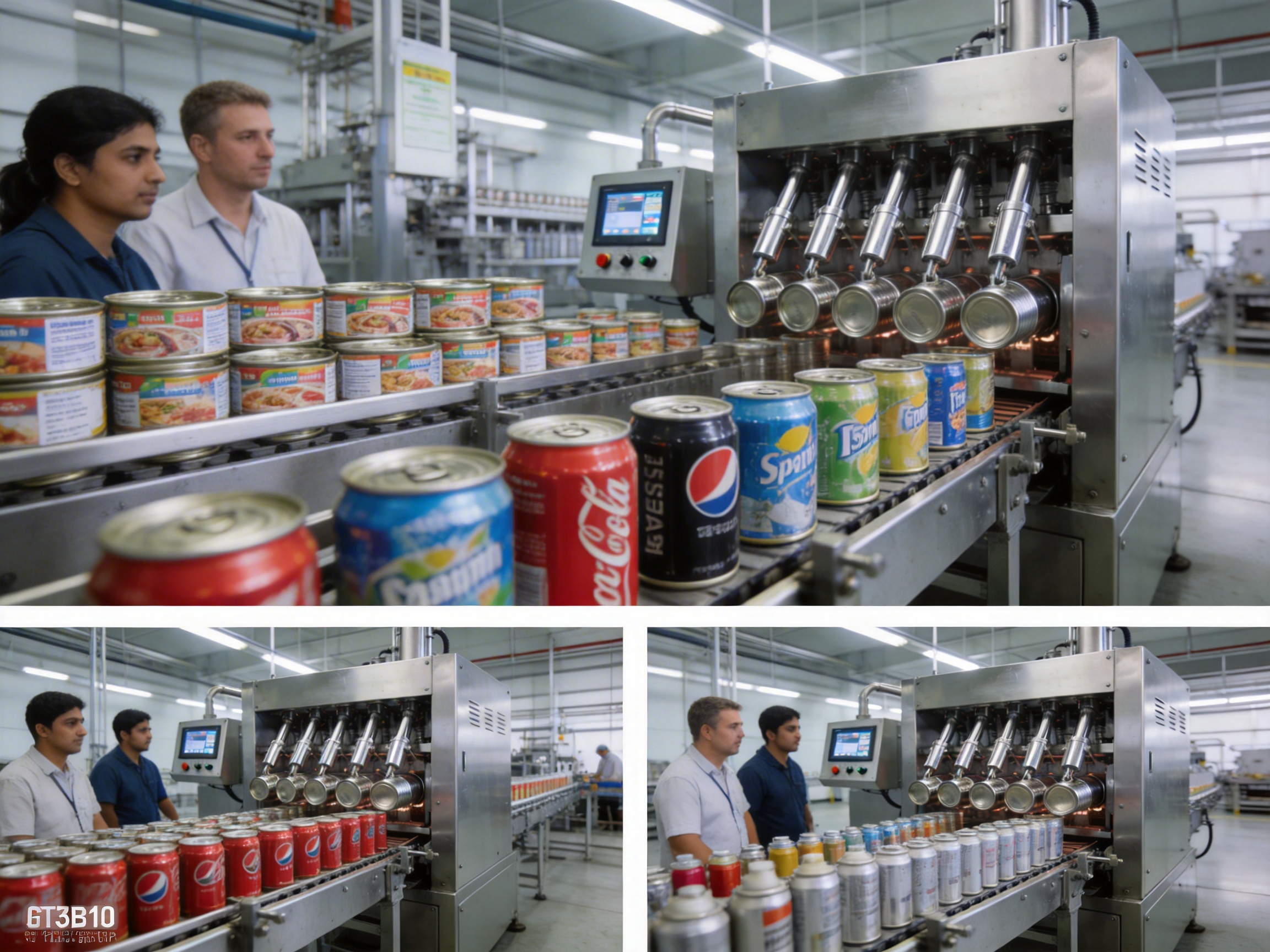
Below are answers to common questions about the GT3B10 High Speed Tinplate Canbody Drying Machine:
The GT3B10 supports can diameters ranging from 52mm to 153mm, making it suitable for a wide variety of can types, including food, beverage, and aerosol cans.
Yes, the GT3B10 offers tailor-made speed settings, allowing manufacturers to adjust the drying rate to match their production line’s throughput. This flexibility is ideal for facilities that produce multiple can sizes or operate at varying volumes.
The GT3B10 is manufactured in compliance with ISO 9001 (Quality Management System) and ISO 14001 (Environmental Management System) standards. It also meets the food safety regulations of major markets, including the EU, the US, and Asia.
The GT3B10 is designed for minimal maintenance. Regular maintenance includes cleaning the drying heads, checking the cooling water system, and inspecting the electrical components. The company recommends a monthly maintenance check, which can be performed by in-house technicians or by the company’s after-sales team.
Yes, the GT3B10 is suitable for both food and beverage can production. Its precise temperature control and uniform drying ensure that cans meet food safety standards, while its wide size compatibility supports a variety of can types.
The GT3B10 requires an input power of AC 220V/±10%, which is compatible with most industrial electrical systems worldwide.
Yes, the manufacturer provides comprehensive after-sales services, including installation, commissioning, technical training, and parts supply. The company’s team of engineers can travel to the facility to install the machine and train operators, ensuring that the machine is used correctly and efficiently.
Yes, the GT3B10 is designed to be easily integrated with existing production lines. Its compact size and customizable settings allow it to fit into most line configurations, with minimal modifications required.
The GT3B10’s success is closely tied to the strengths of its manufacturer, Zhejiang Golden Eagle Food Machinery Co., Ltd. (formerly known as Zhejiang Food Machinery Factory/Zhoushan Mold Factory). With over 46 years of experience in the can-making machinery industry, the company has established itself as a global leader in the field.
Founded in 1978, the company has a long history of manufacturing high-quality can-making machinery and molds. It has a team of over 350 well-trained personnel, including 50+ professional engineers with extensive experience in can-making technology. The company’s expertise is reflected in its ability to design and manufacture machinery that meets the specific needs of global customers.
Over the past 46 years, the company has produced more than 10,000 pieces of can and can lid equipment, which are used by can manufacturers and canning factories worldwide. This track record of success has earned the company a reputation for reliability and quality.
The company’s products are exported to more than 20 countries across Europe, Asia, Africa, North America, South America, and Oceania, including Germany, Italy, the UK, Spain, Russia, Australia, Jordan, Malaysia, and Egypt. This global reach has allowed the company to gain valuable insights into the needs of can manufacturers in different regions, which it uses to improve its products.
The company also has a network of local distributors and service centers in key markets, ensuring that customers receive prompt support and service regardless of their location.
The company’s after-sales support is one of its key strengths. It provides comprehensive services, including: - Installation & Commissioning: The company’s engineers travel to the customer’s facility to install and commission the machine, ensuring that it is set up correctly. - Technical Training: The company provides training for operators and maintenance staff, covering everything from basic operation to advanced troubleshooting. - Parts Supply: The company maintains a large inventory of spare parts, ensuring that customers receive replacement parts quickly. - Technical Support: The company’s technical support team is available 24/7 to answer questions and resolve issues.
This commitment to after-sales support has resulted in a high level of customer loyalty, with many customers returning to the company for additional machinery and upgrades.
The GT3B10 High Speed Tinplate Canbody Drying Machine represents a significant advancement in can manufacturing technology. Its combination of induction heating, automatic operation, customizable speed, and wide size compatibility makes it a versatile and efficient solution for food, beverage, and aerosol can production. The machine outperforms competitor systems in speed, energy efficiency, precision, and versatility, delivering significant cost savings and quality improvements for can manufacturers.
The GT3B10’s success is also a testament to the expertise and commitment of its manufacturer, Zhejiang Golden Eagle Food Machinery Co., Ltd. With over 46 years of experience, a global reach, and comprehensive after-sales support, the company has established itself as a trusted partner for can manufacturers worldwide.
As the global demand for tinplate cans continues to grow, the GT3B10 will play an increasingly important role in helping manufacturers meet the challenges of the industry. Its ability to improve efficiency, reduce costs, and ensure product quality makes it an essential investment for any can manufacturing facility looking to stay competitive in the global market.
1. Smith, J. (2022). "The Role of Drying in Can Manufacturing Quality Control." Journal of Food Packaging Technology, 15(3), 45-58.
2. European Can Manufacturers Association (2023). "Industry Standards for Tinplate Can Drying Equipment." Brussels: ECMA.
3. Lee, S. (2021). "Energy Efficiency in Can Production Lines: A Comparative Analysis." International Journal of Industrial Engineering, 28(2), 112-125.
4. ISO 9001:2015 Quality Management Systems – Requirements. (2015). Geneva: International Organization for Standardization.
5. ISO 14001:2015 Environmental Management Systems – Requirements. (2015). Geneva: International Organization for Standardization.
6. Golden Eagle Food Machinery Co., Ltd. (2024). "GT3B10 High Speed Tinplate Canbody Drying Machine Technical Manual." Zhoushan: Golden Eagle.
Related Products

Founded in 1978, the company is one of the largest can-making machinery well-known companies at home and abroad.
Product Categories
Contact Information
Zhongshatou Shenjiamen Zhoushan Zhejiang China
+86-580-3056646

 English
 中文简体
中文简体
 русский
 عربى
عربى
 Español