2026-03-27
The global metal packaging market is projected to grow at a compound annual growth rate (CAGR) of 4.2% from 2024 to 2030, driven by rising demand for safe, durable, and eco-friendly packaging solutions (Grand View Research, 2024). At the core of this industry’s success lies the production of high-quality can caps—critical components that preserve product freshness, prevent contamination, and ensure consumer safety. To meet these evolving demands, a state-of-the-art Tin Can Cap Production Line has emerged as a game-changer, combining precision engineering, flexibility, and high-speed performance to redefine metal packaging manufacturing standards.
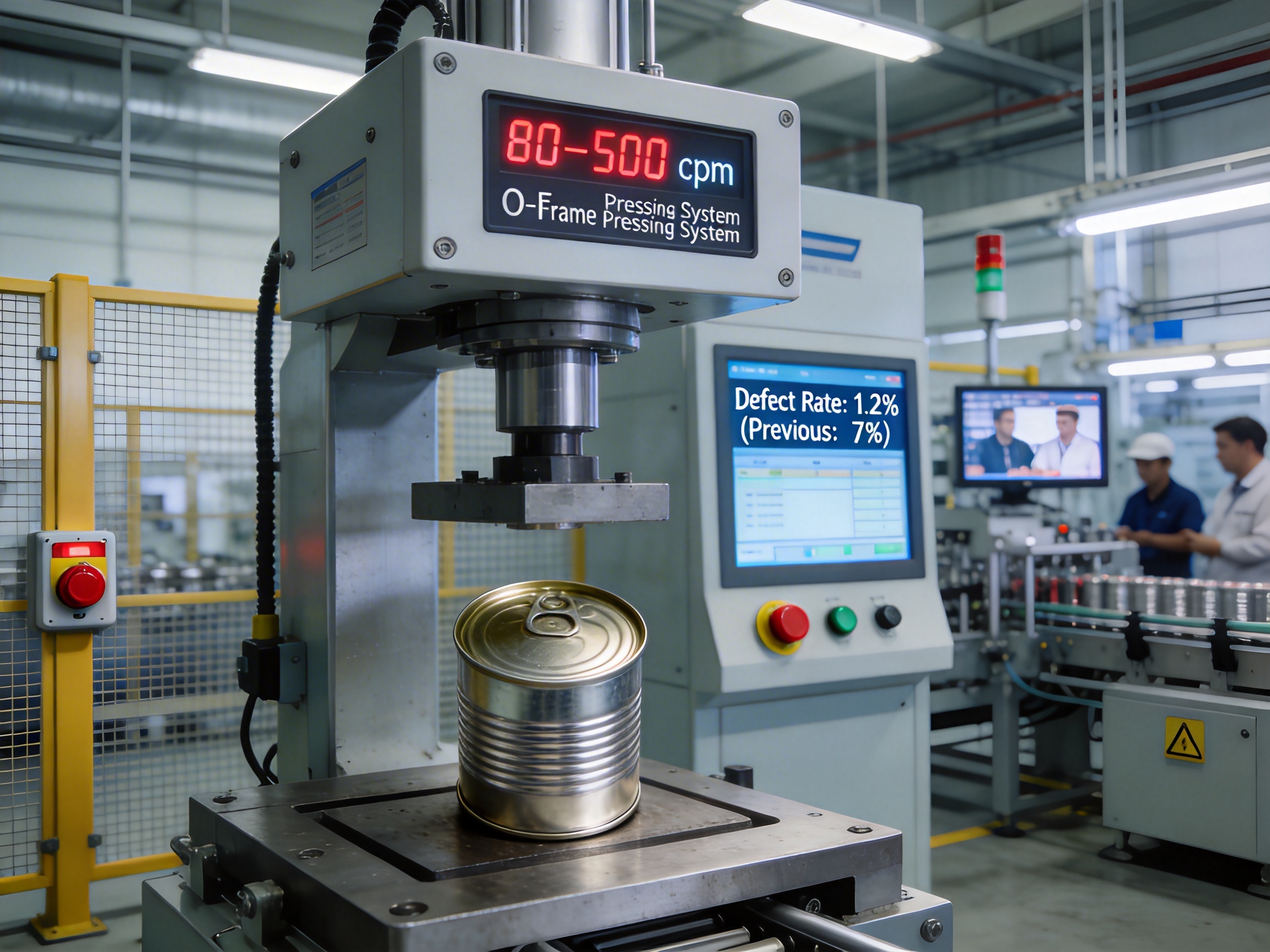
This production line addresses key pain points of traditional can cap manufacturing: low efficiency, high defect rates, limited customization, and inflexible speed ranges. By integrating advanced CNC technology, modular die configurations, and scalable speed settings, it delivers a solution that adapts to the diverse needs of manufacturers across food, beverage, chemical, and aerosol sectors. Whether producing small-batch custom caps or high-volume standard designs, this line optimizes productivity while maintaining uncompromising quality.
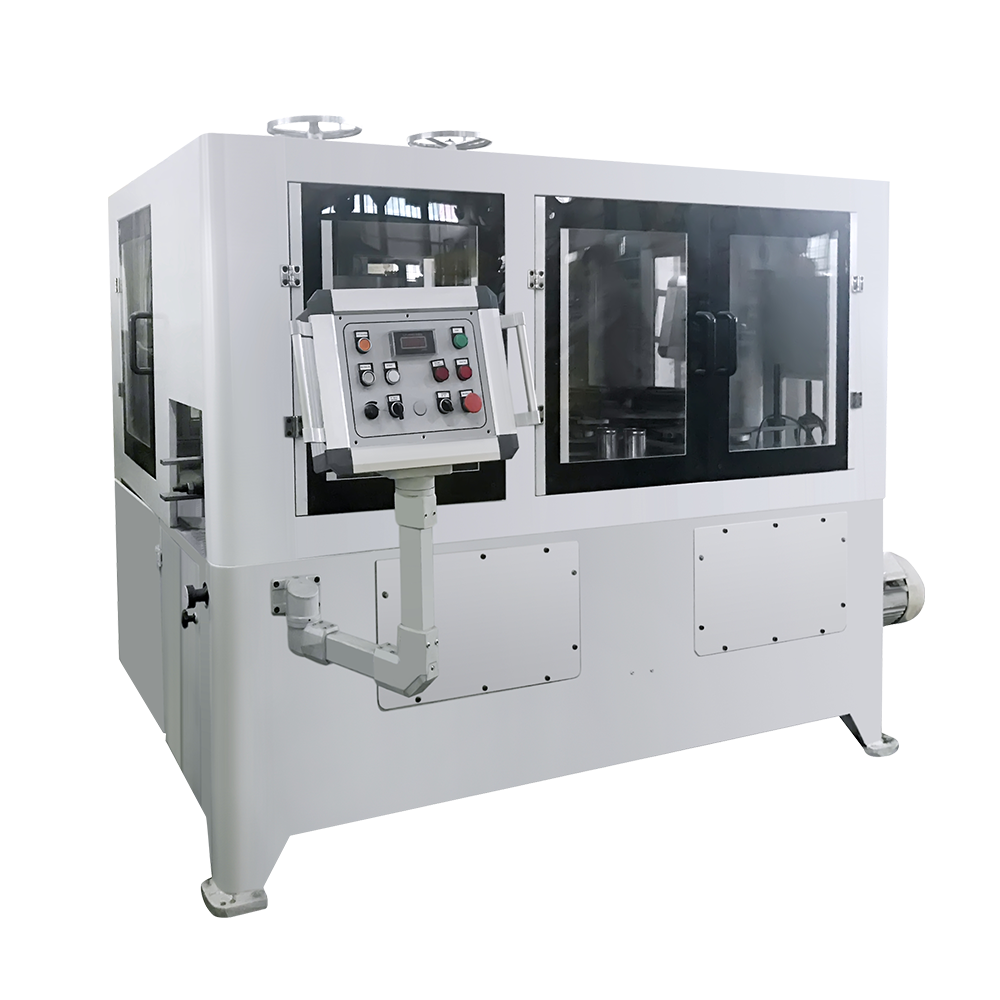
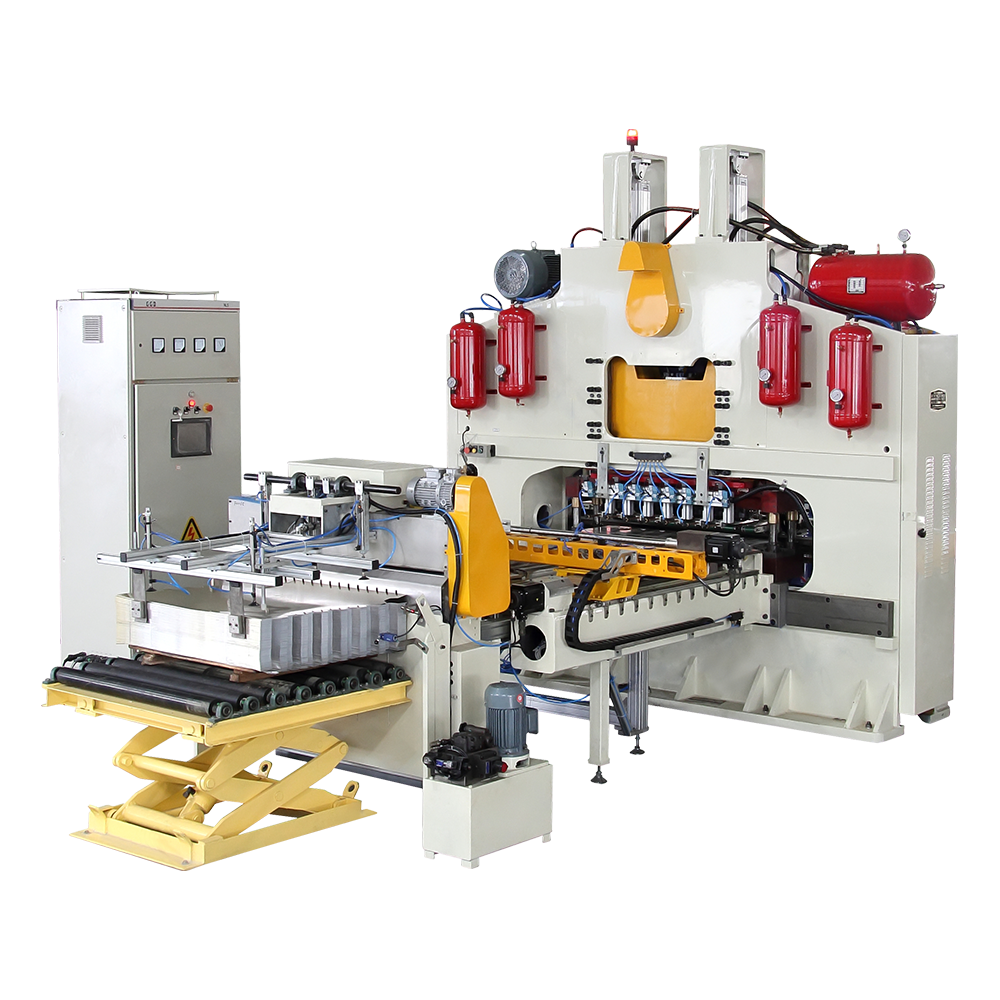
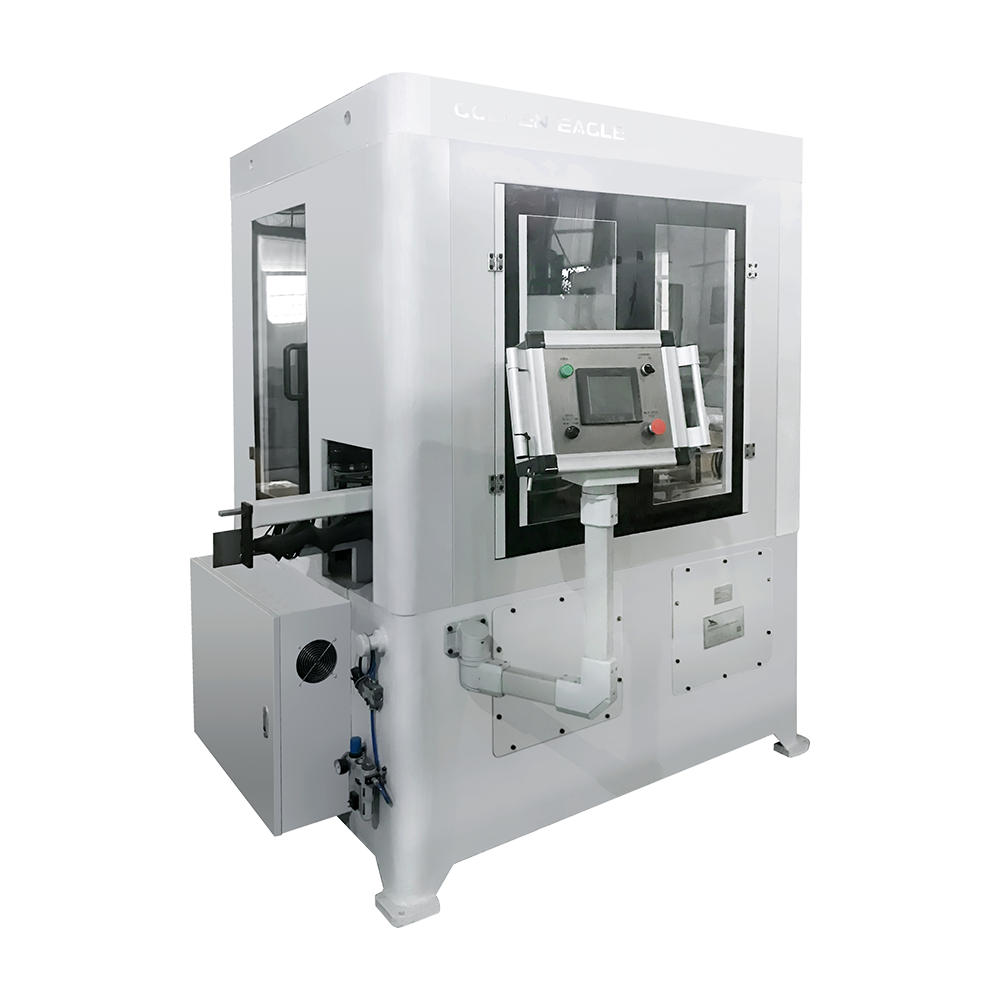
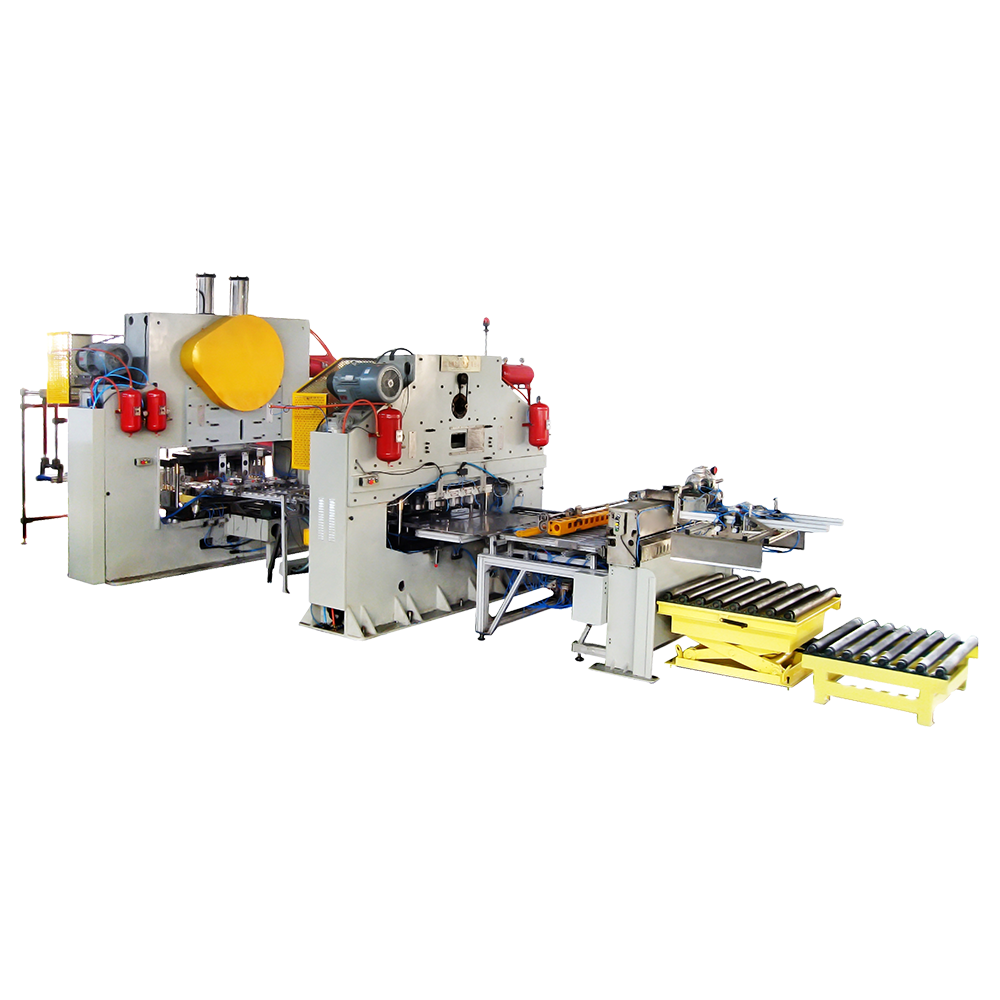
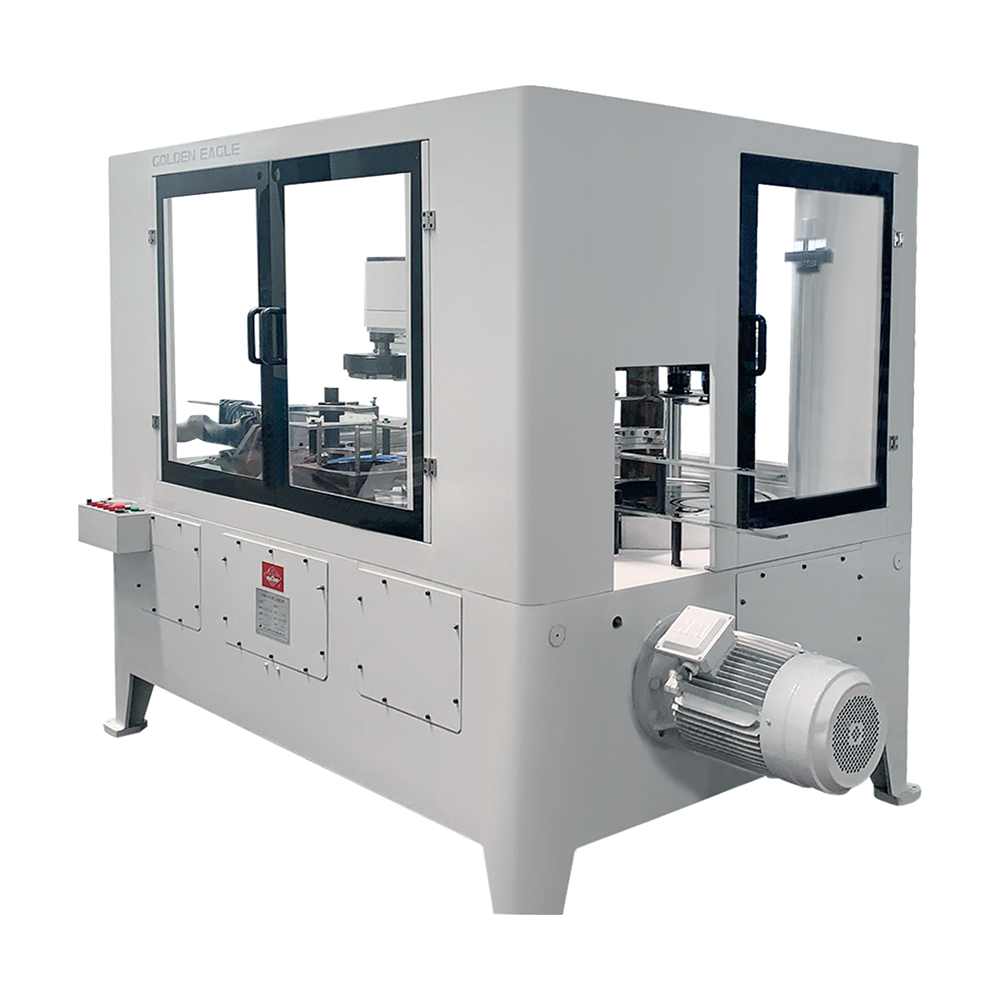
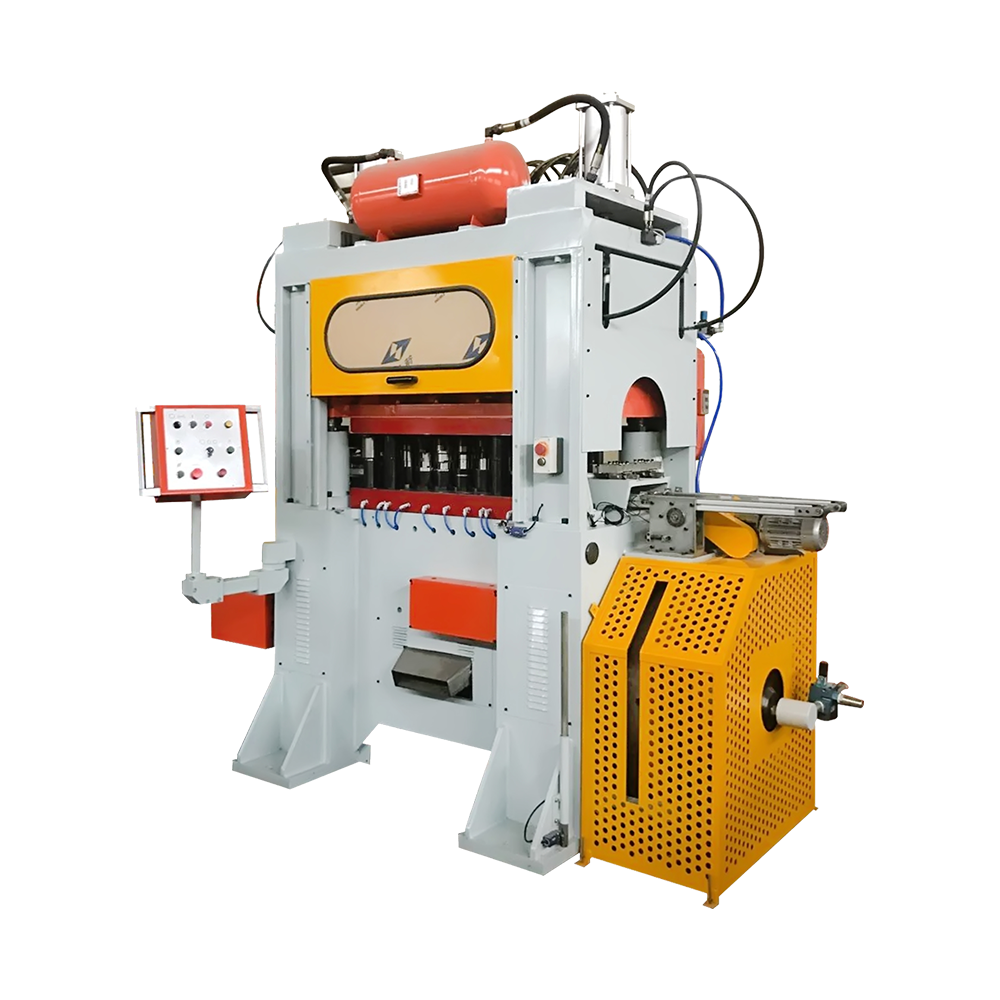
The Tin Can Cap Production Line is a fully automatic system designed for punch pressing of metal can caps. Its key features include:
The Tin Can Cap Production Line stands out in the market due to its unique advantages over traditional and competitor systems:
Precision is non-negotiable in can cap manufacturing—even minor defects can lead to product spoilage or safety risks. Unlike competitors’ lines that rely on outdated mechanical systems (resulting in 5–10% defect rates), this line uses computer-controlled CNC technology to achieve tolerance levels as low as 0.01mm. This ensures every cap meets exact specifications, reducing waste and rework costs by up to 80% compared to generic lines.
The O-frame pressing system, a design aligned with global leaders like KRUPP, further enhances precision by minimizing vibration. Competitors often use C-frame systems, which are less rigid and prone to deflection, leading to inconsistent cap quality. For example, a beverage manufacturer using this line reported a defect rate drop from 7% to 1.2% within the first month of operation.
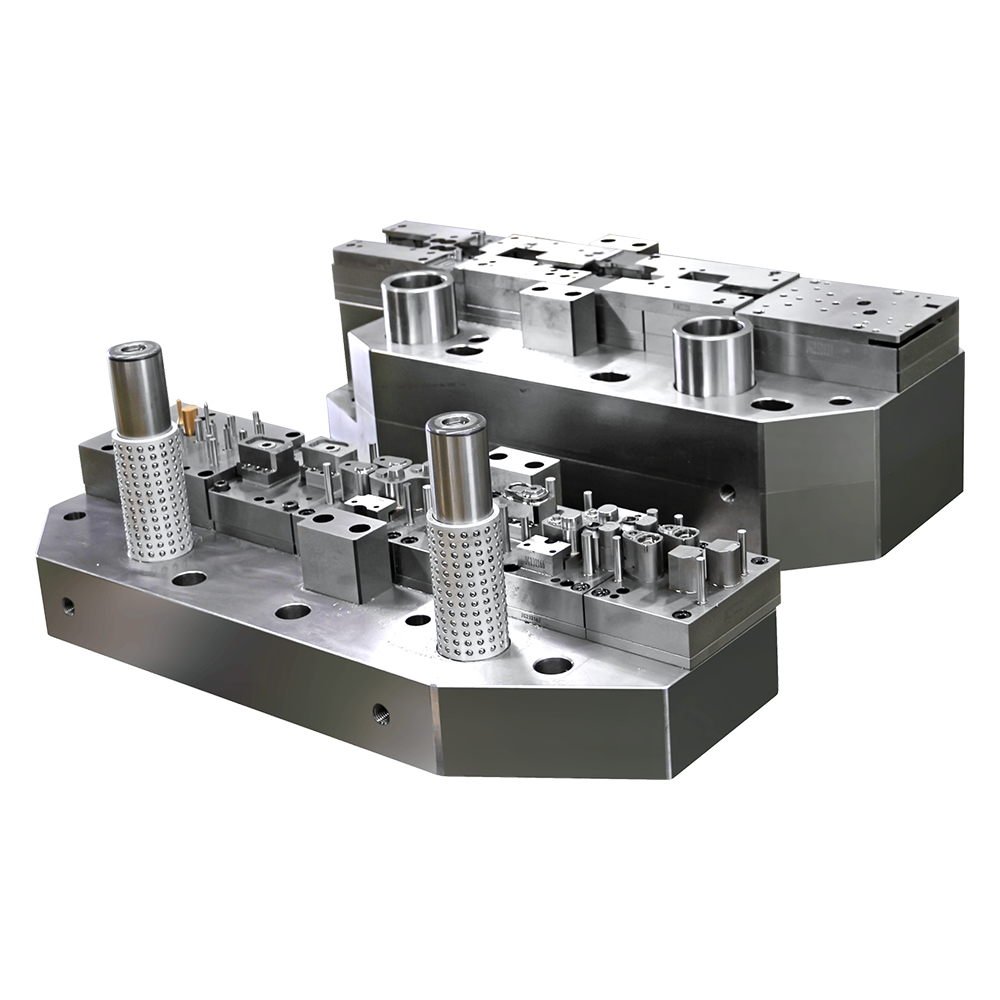
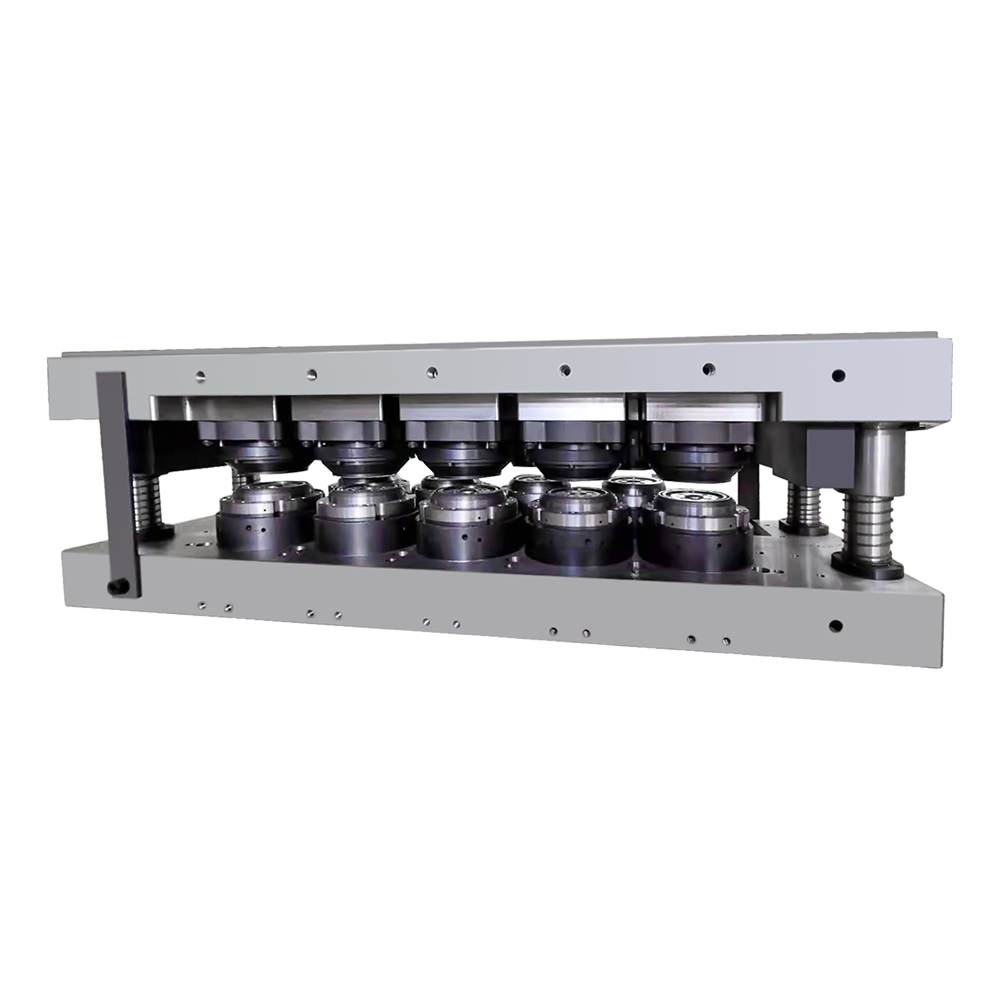
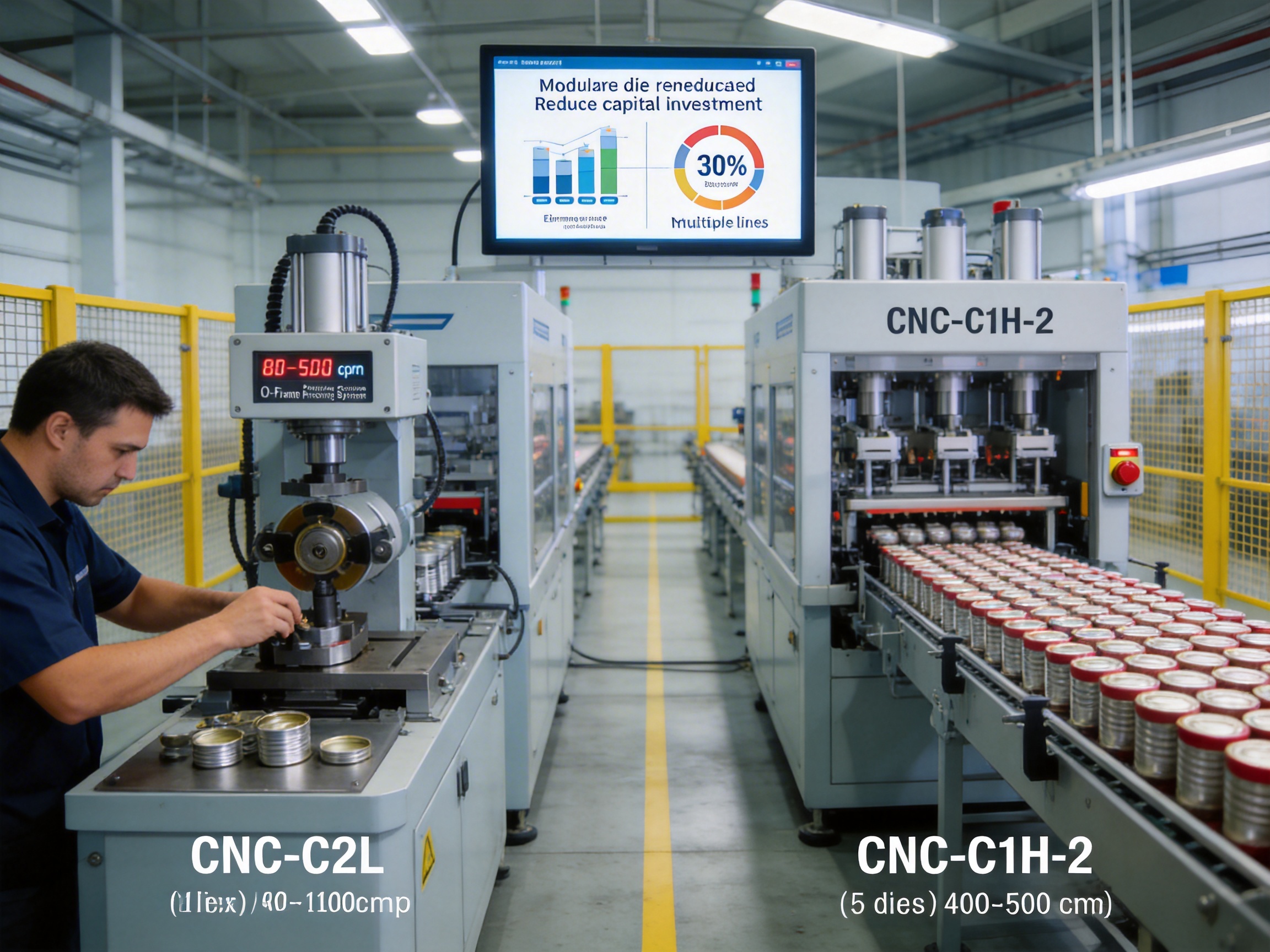
Many competitors’ lines have fixed speed ranges (e.g., 100–200 cpm) and rigid die counts, limiting their scalability. This line’s modular design allows manufacturers to adjust die capacity (from 1 to 5 dies) and speed based on cap size and production volume. For instance:
This flexibility eliminates the need for multiple production lines, saving manufacturers up to 30% in capital investment.
Most competitors offer only standard lines, but this production line supports full OEM/ODM customization. Clients can request:
A Middle Eastern food company recently used this service to create custom 180mm caps for their milk powder products, reducing outsourcing delays from 8 weeks to 4 weeks and saving $50k annually in rework costs.
Competitors often provide limited post-purchase support, but this line includes comprehensive services: installation, commissioning, operator training, and fast parts supply. The company’s technical team offers on-site support within 72 hours of request, and replacement parts are shipped within 48 hours—minimizing downtime. For example, a European manufacturer reported a 25% reduction in downtime after receiving on-site training for the CNC-C2H model.
The production line’s performance is rooted in the manufacturer’s 46+ years of expertise and advanced manufacturing practices:
The manufacturer holds ISO 9001 (quality management) and ISO 14001 (environmental management) certifications. These standards ensure consistent product quality and sustainable manufacturing: 95% of production waste is recycled, and energy consumption is optimized using variable-frequency drives (VFDs) in all models.
The facility uses state-of-the-art CNC equipment to produce components with sub-millimeter accuracy. This replaces manual machining (used by many competitors), reducing wear and tear and extending the line’s lifespan by up to 15 years. Each component undergoes 3 quality inspections before assembly: dimensional checks, material hardness tests, and stress tests.
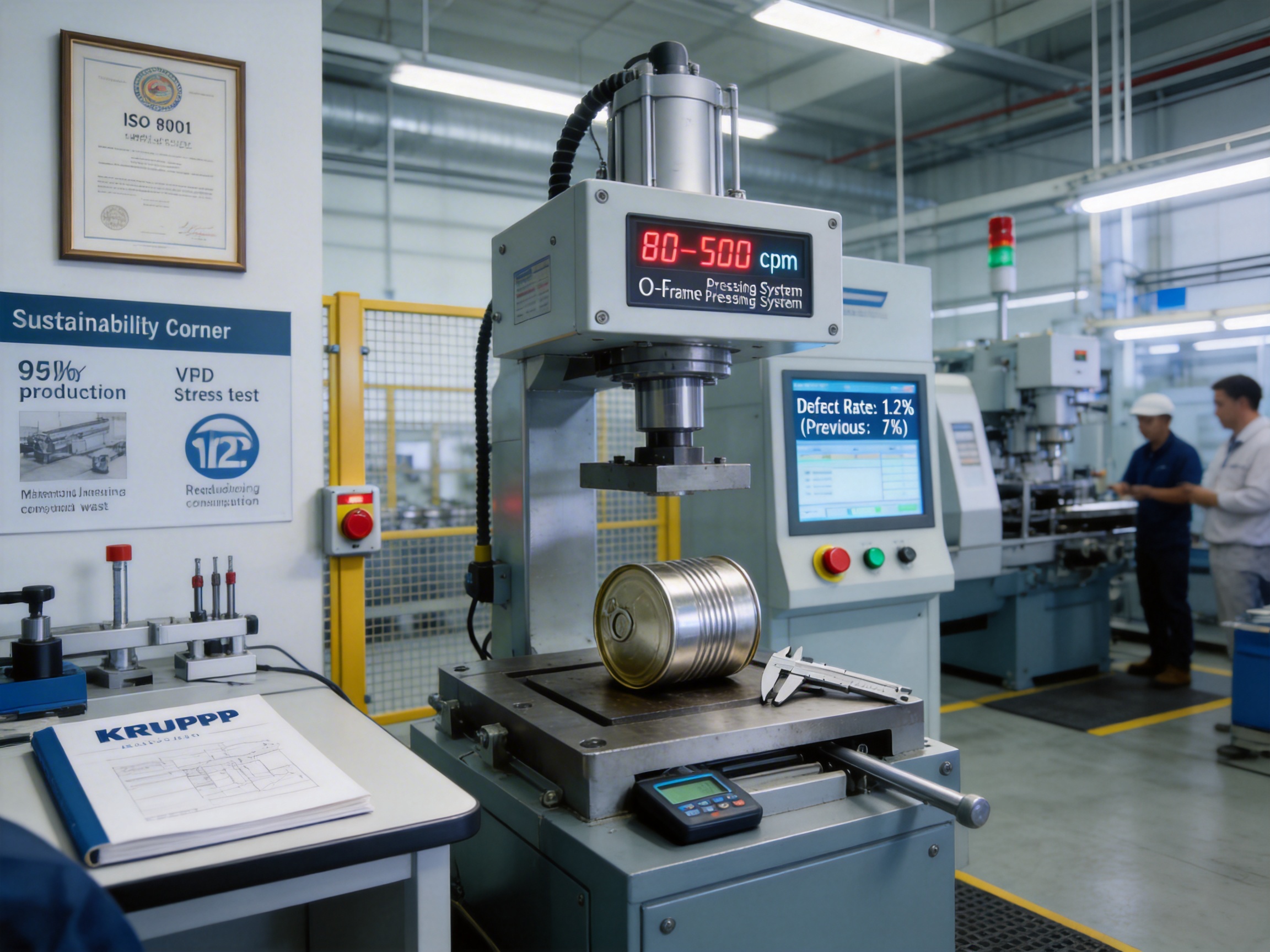
For example, the ram stroke components are machined to a tolerance of 0.005mm, ensuring smooth, consistent movement during pressing. Competitors often use manual machining, leading to tolerance levels of 0.02mm or higher—resulting in increased maintenance costs and shorter equipment lifespans.
The production line’s design principles are aligned with leading industrial machinery standards (KRUPP, SOUDRONIC, ALFONS-HAAR). This ensures compliance with international safety and performance regulations, making it suitable for clients in Europe, Asia, Africa, and the Americas. For instance, the line includes emergency stop buttons, safety guards, and overload protection systems—meeting EU Machinery Directive 2006/42/EC requirements.
The manufacturer invests 5% of annual revenue in R&D, with a team of 20+ professional engineers. Recent innovations include:
The Tin Can Cap Production Line is available in 8 models, each tailored to specific production needs. Below is a comprehensive table of technical specifications:
| Model | Working Pressure | Ram Stroke Distance | Max Stroke Time | Punch Die Number | Max Lift Depth | Max Shut Height | Adjustment of Max Shut Height | Main Power | Total Power | Total Weight | Machine Dimension (L×W×H) | Function |
|---|---|---|---|---|---|---|---|---|---|---|---|---|
| CNC-C2L | 450KN | 140mm | 150spm (Φ153mm) | 1 die | 35mm | 485mm | 17mm | 7.5kw | 40kw | 18T | 12120×5000×3170mm | 80-100cpm @1 die |
| CNC-C2H | 450KN | 190mm | 100spm | up to 2 dies | 55mm | 466mm | 17mm | 7.5kw | 50kw | 22T | 12120×6000×3170mm | 160-200cpm @2 dies |
| CNC-C1B-L | 900KN | 140mm | 150spm (Φ153mm) | up to 3 dies | 35mm | 485mm | 17mm | 11kw | 60kw | 25T | 12560×6000×3780mm | 240-300cpm @3 dies |
| CNC-C1H-2 | 900KN | 190mm | 100spm | up to 5 dies | 55mm | 466mm | 17mm | 11kw | 65kw | 27T | 12560×6000×3780mm | 400-500cpm @5 dies |
| CNC-CⅥ-L | 120KN | 150mm | 150spm (Φ153mm) | up to 2 dies | 35mm | 505mm | 17mm | 15kw | 45kw | 20T | 11800×4800×3000mm | 120-150cpm @2 dies |
| CNC-C3 | 120KN | 190mm | 100spm | up to 3 dies | 55mm | 466mm | 25mm | 18.5kw | 55kw | 24T | 12200×5500×3200mm | 200-250cpm @3 dies |
| CNC-CⅥ-H | 120KN | 150mm | 150spm (Φ153mm) | up to 3 dies | 35mm | 505mm | 17mm | 15kw | 48kw | 21T | 11800×5200×3050mm | 180-220cpm @3 dies |
| CNC-C9 | 160KN | 190mm | 100spm | up to 4 dies | 55mm | 466mm | 25mm | 22kw | 60kw | 26T | 12600×6200×3300mm | 300-350cpm @4 dies |
The Tin Can Cap Production Line has delivered measurable results for manufacturers across industries:
Challenge: A German beverage manufacturer was using an outdated line with a fixed speed of 120 cpm, leading to long lead times for their 330ml cans. Defect rates were 8% due to imprecise pressing, costing €20k annually in rework.
Solution: Switched to the CNC-C2H model (160–200 cpm @2 dies) and received on-site operator training.
Results:
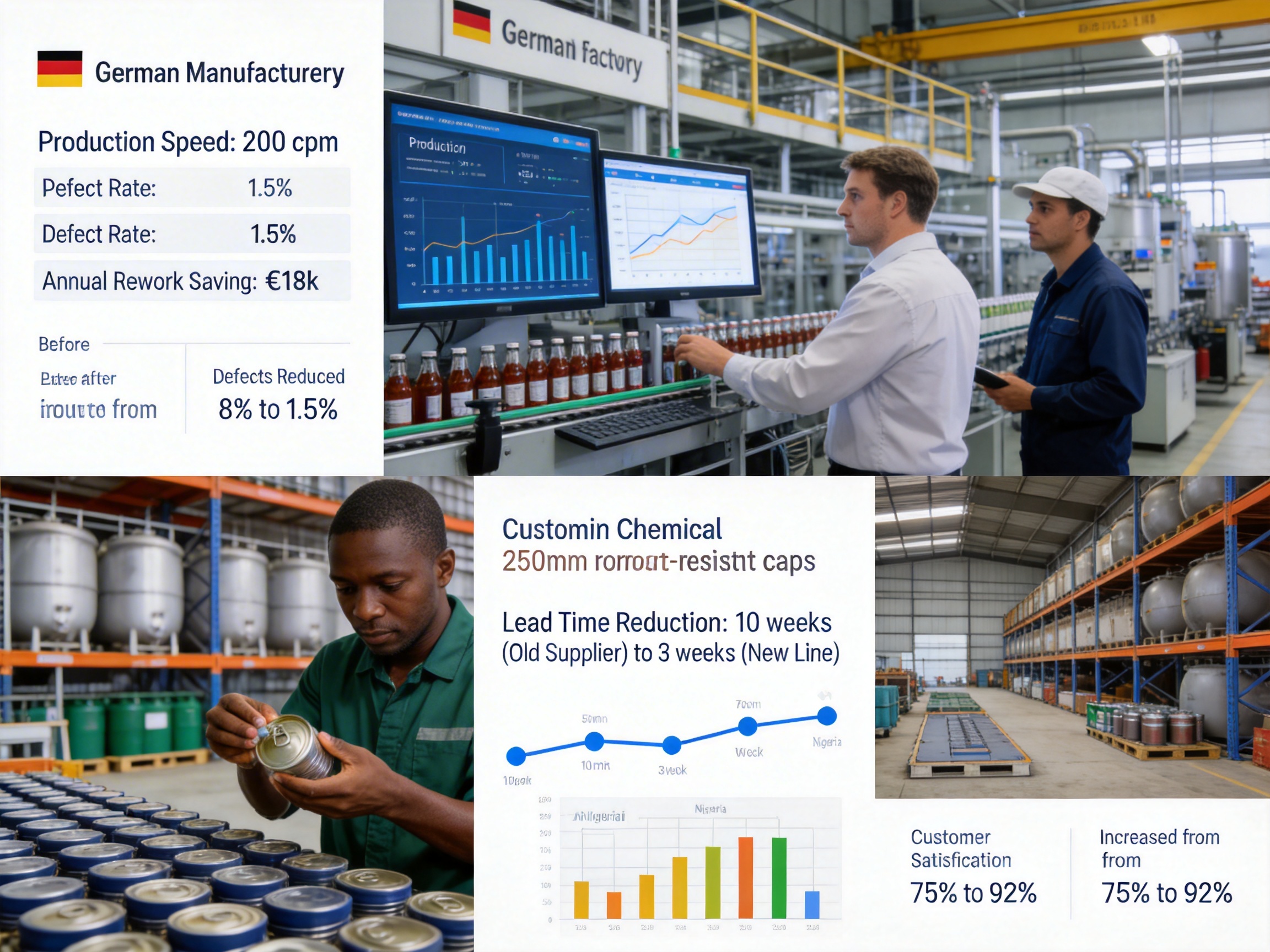
Challenge: A Nigerian chemical tank manufacturer needed corrosion-resistant caps for 200L tanks. Their previous supplier could not accommodate the custom 250mm size, leading to 10-week delays.
Solution: Used OEM customization to adjust the CNC-C9 model for 250mm caps, adding anti-corrosion die features.
Results:
Below are answers to common questions about the Tin Can Cap Production Line:
A: The line is designed for tinplate (the most common material for metal can caps) and can accommodate thicknesses from 0.15mm to 0.3mm. It also supports aluminum caps for niche applications.
A: Installation and commissioning typically take 2–4 weeks, depending on the model and facility layout. The manufacturer’s technical team provides on-site support to ensure quick setup.
A: Yes, the line uses modular connectors that integrate with most can body welding, coating, and labeling machines. This reduces the need for facility renovations.
A: The line includes emergency stop buttons, safety light curtains, overload protection, and interlocked guards. It meets EU Machinery Directive 2006/42/EC and OSHA standards.
A: The line comes with a 12-month warranty covering defects in materials and workmanship. Extended warranties (up to 3 years) are available for an additional fee.
Related Products

Founded in 1978, the company is one of the largest can-making machinery well-known companies at home and abroad.
Product Categories
Contact Information
Zhongshatou Shenjiamen Zhoushan Zhejiang China
+86-580-3056646

 English
 中文简体
中文简体
 русский
 عربى
عربى
 Español