2026-03-03
The global canned food and beverage industry is experiencing unprecedented growth, fueled by changing consumer lifestyles, demand for convenient packaging, and the rise of e-commerce. According to a 2023 report by Grand View Research, the global can packaging market is projected to reach $45.2 billion by 2030, growing at a compound annual growth rate (CAGR) of 5.8% from 2024 to 2030. At the heart of this thriving industry lies the Easy-Open End (EOE) lid—an essential component that enhances consumer convenience, reduces food waste, and ensures product freshness. To meet the soaring demand for high-quality EOE lids, manufacturers rely on advanced, automated production lines that deliver speed, precision, and reliability. This article explores the cutting-edge automatic EOE lid making machine, its key features, advantages over competitors, and the advanced manufacturing processes that make it a leader in the global market.
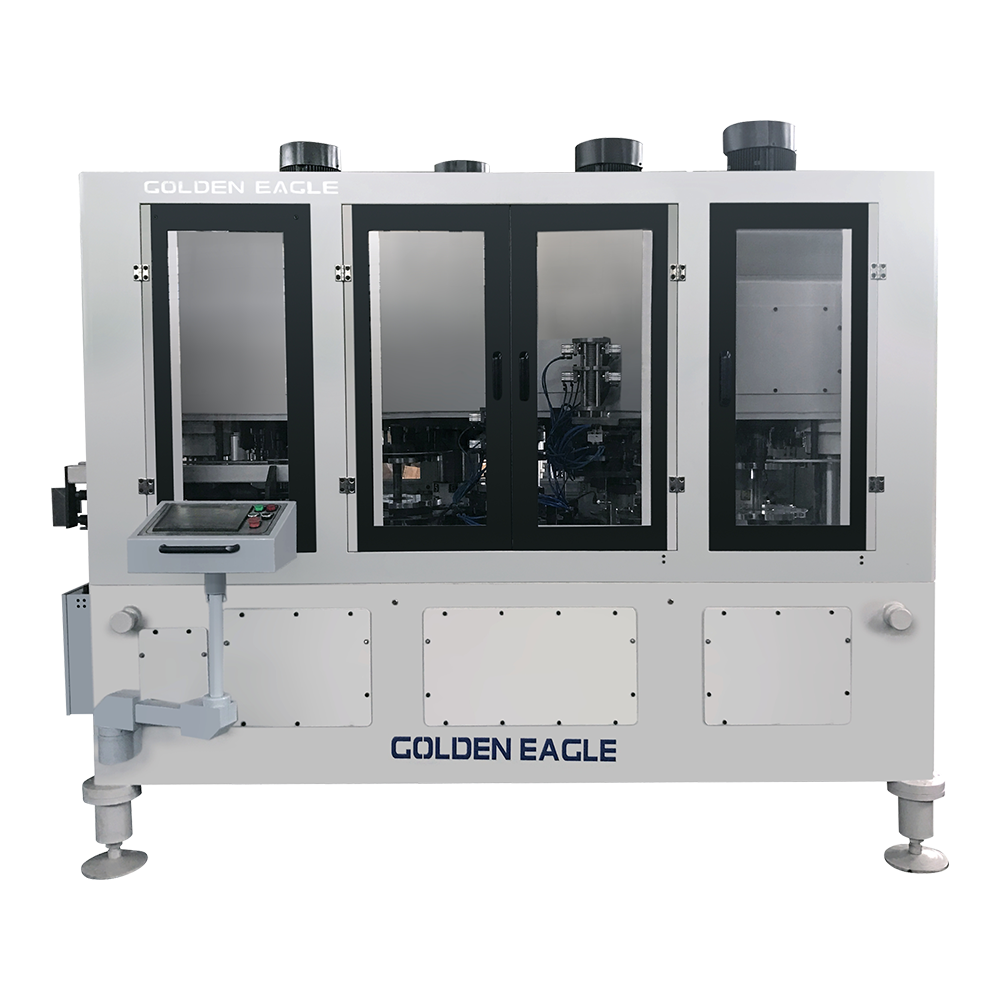
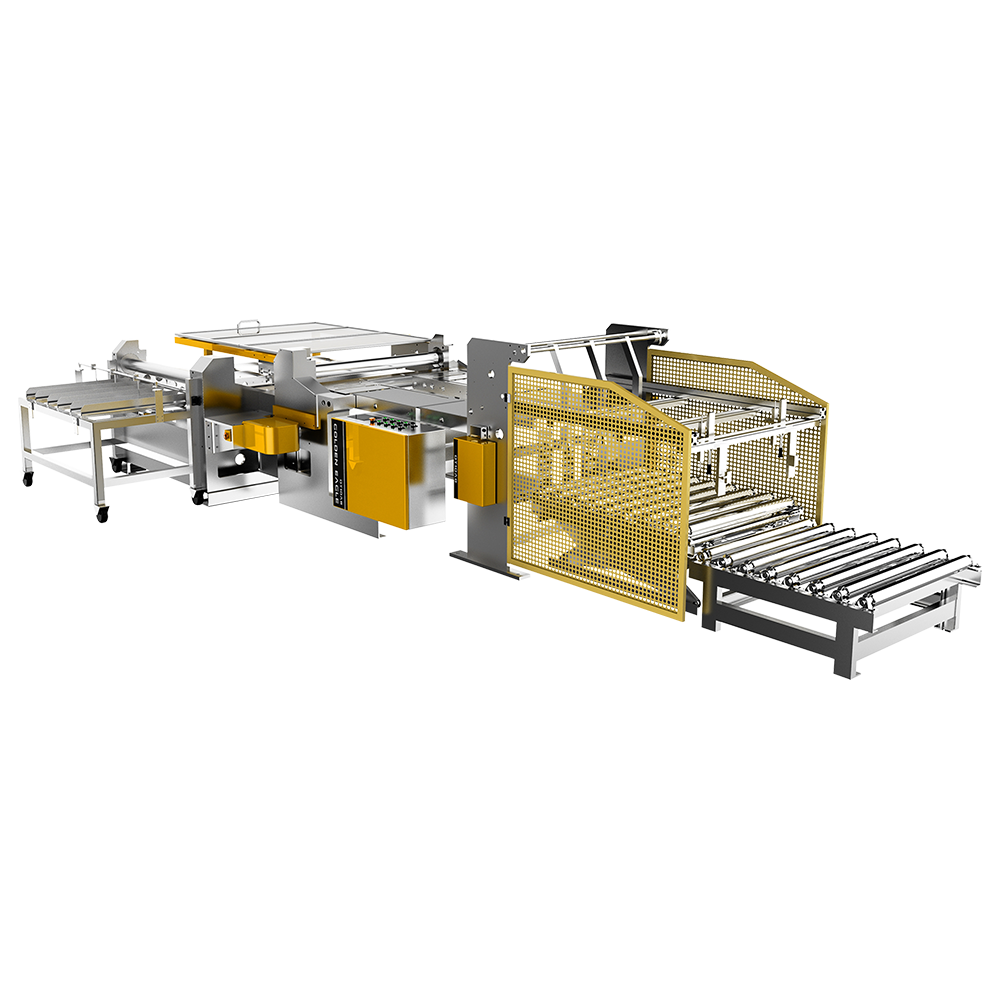
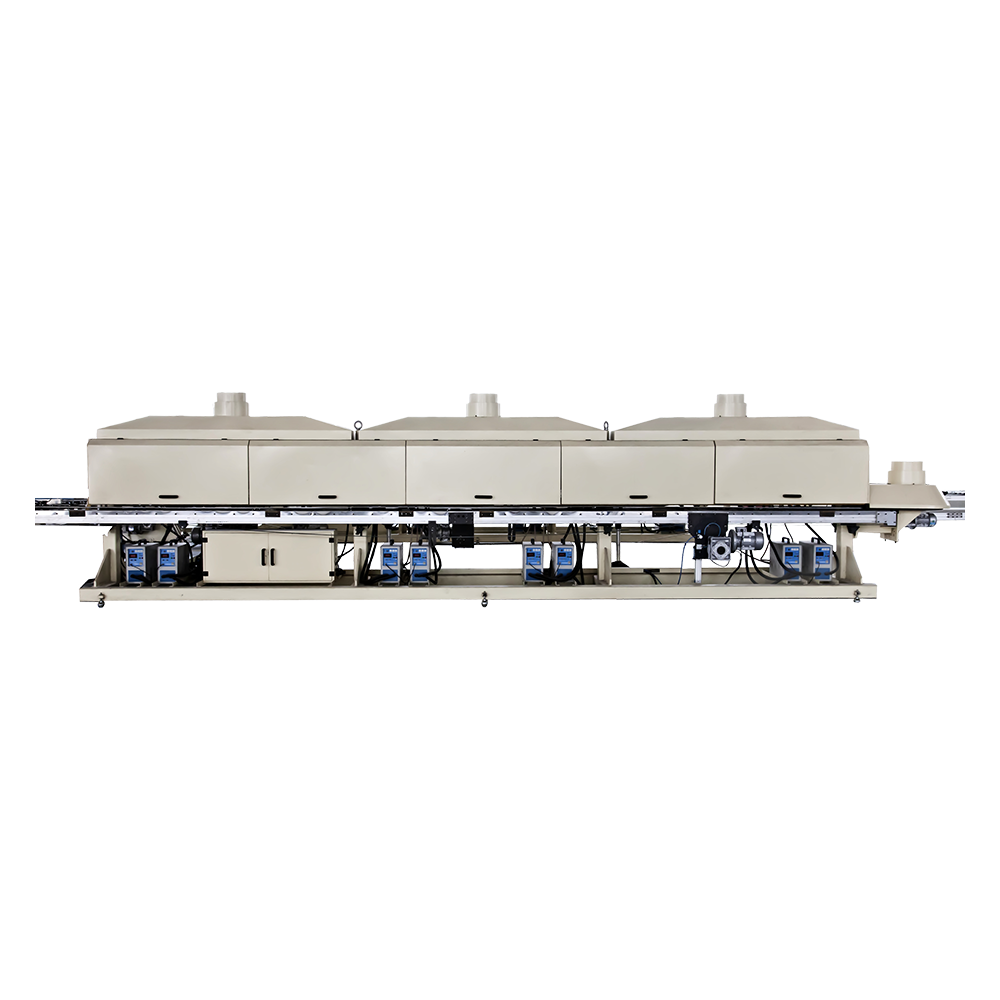
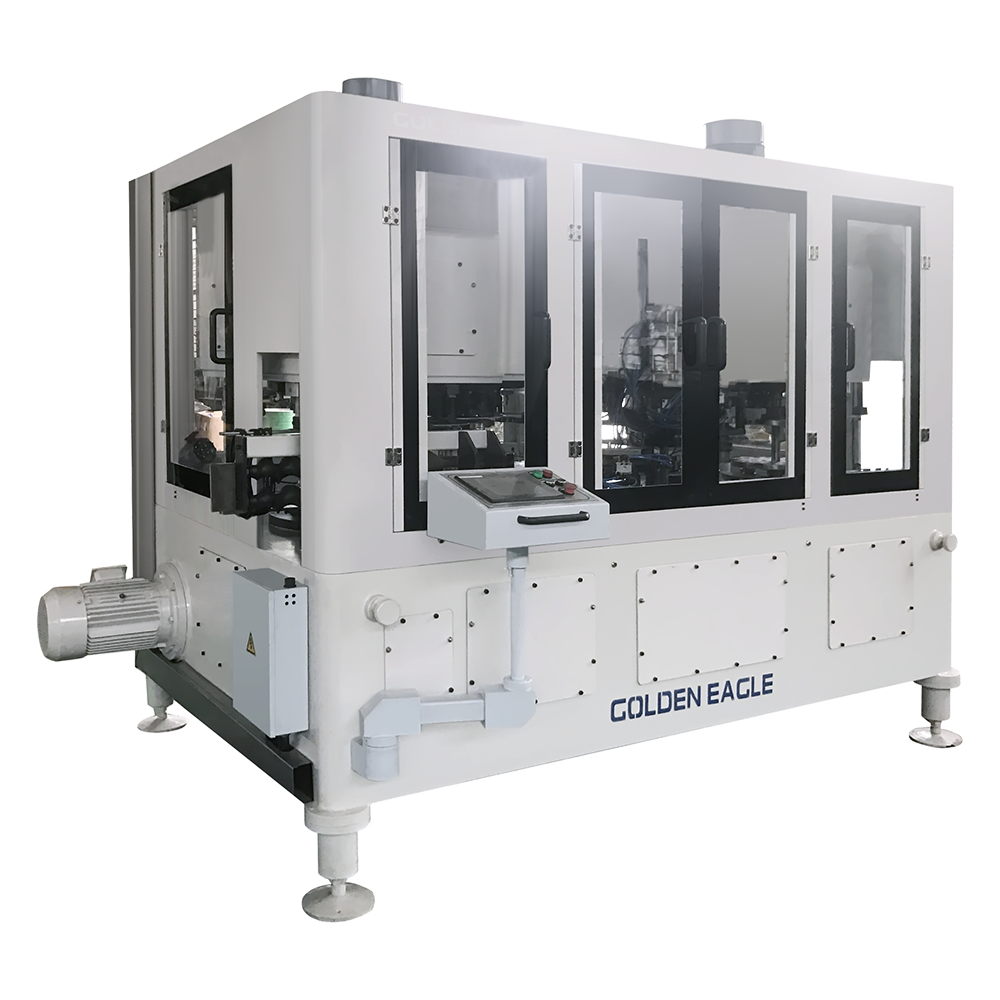
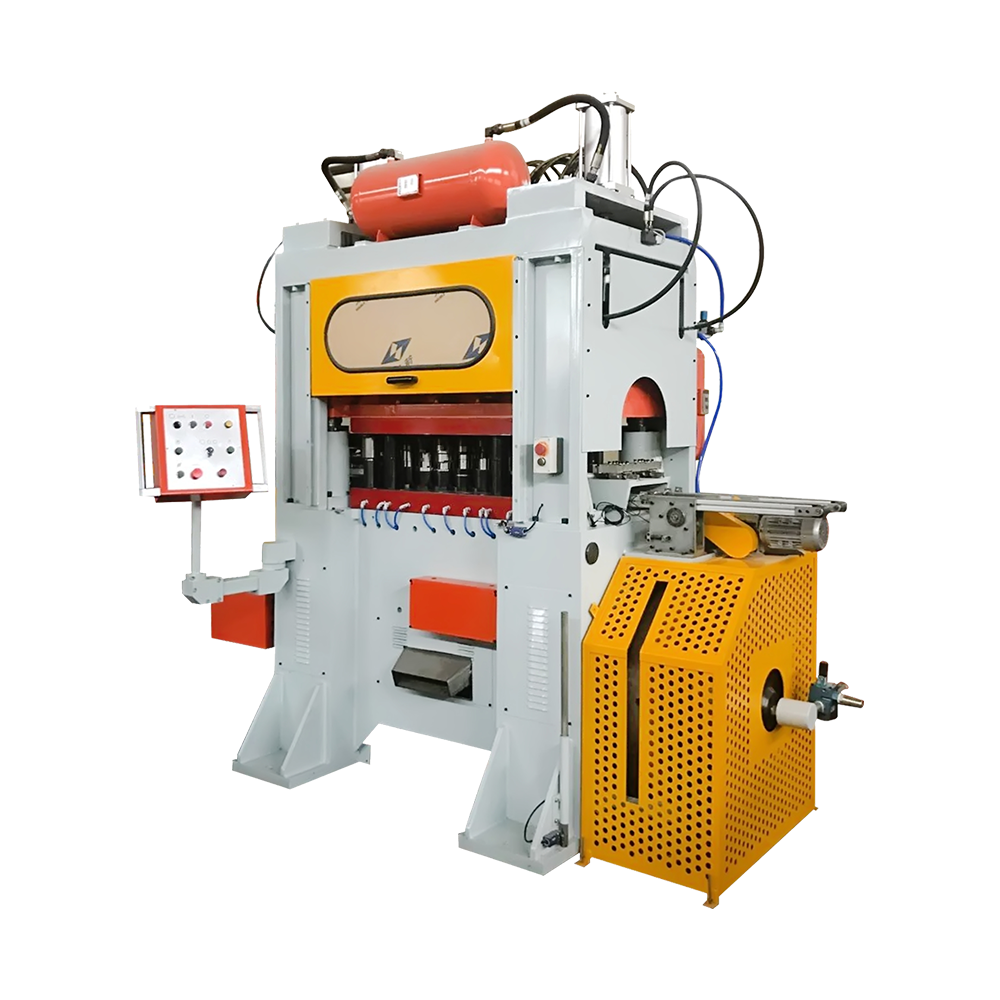
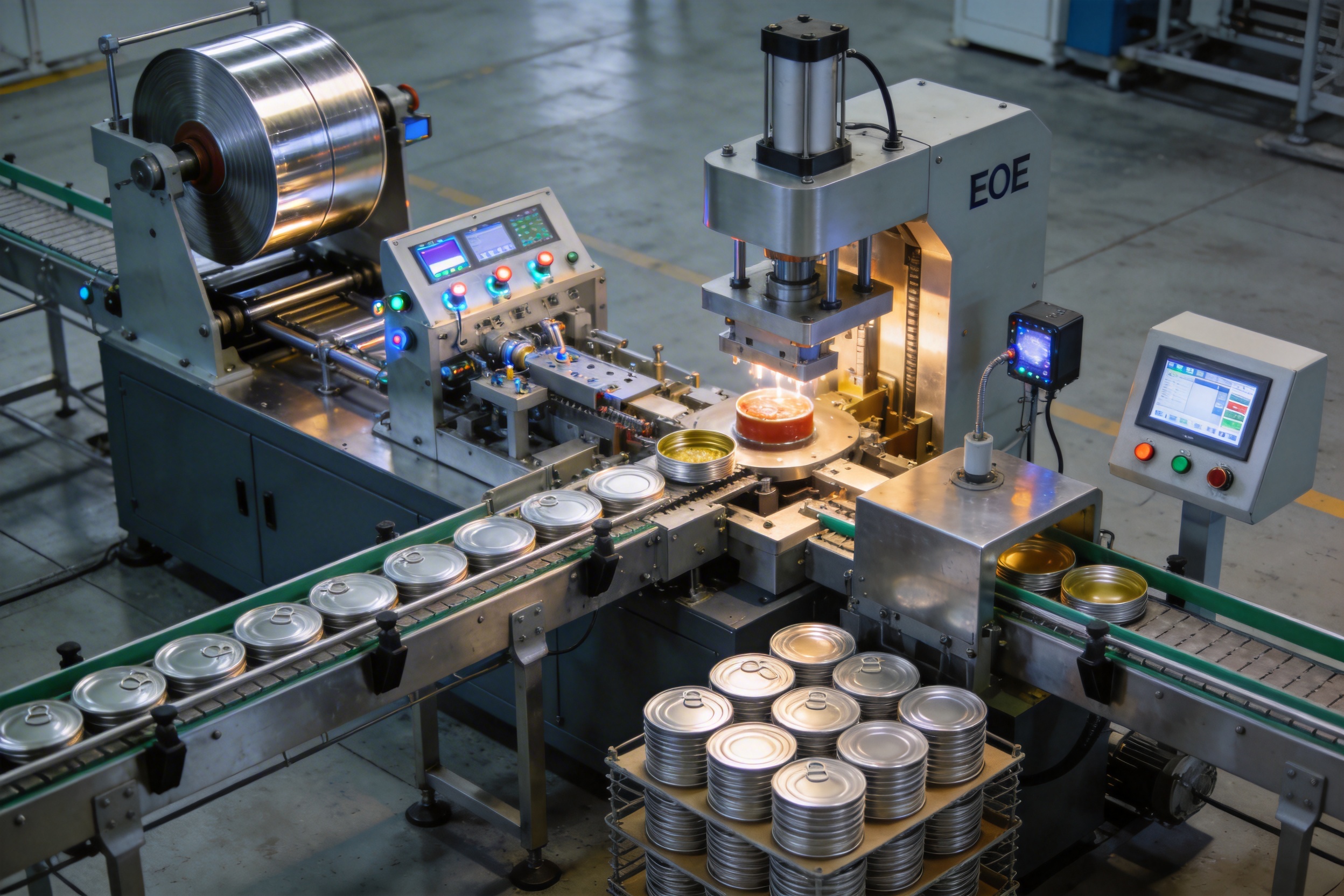
An EOE lid making machine is a fully integrated production line designed to convert tinplate sheets into finished easy-open ends for food and beverage cans. Unlike traditional can lids that require a can opener, EOE lids feature a pull tab that allows consumers to open the can effortlessly, making them ideal for on-the-go consumption and household use. The machine’s core function is to process tinplate through a series of stages—from uncoiling and feeding to forming, sealing, quality control, and stacking—resulting in uniform, defect-free lids that meet international quality standards.
Key components of the automatic EOE lid making line include:
- Uncoiler: Feeds large rolls of tinplate into the line, ensuring a continuous supply of raw material with minimal waste.
- Precision Feeder: Uses advanced servo motors and optical sensors to feed tinplate sheets with ±0.01mm accuracy, eliminating misalignment and reducing rework.
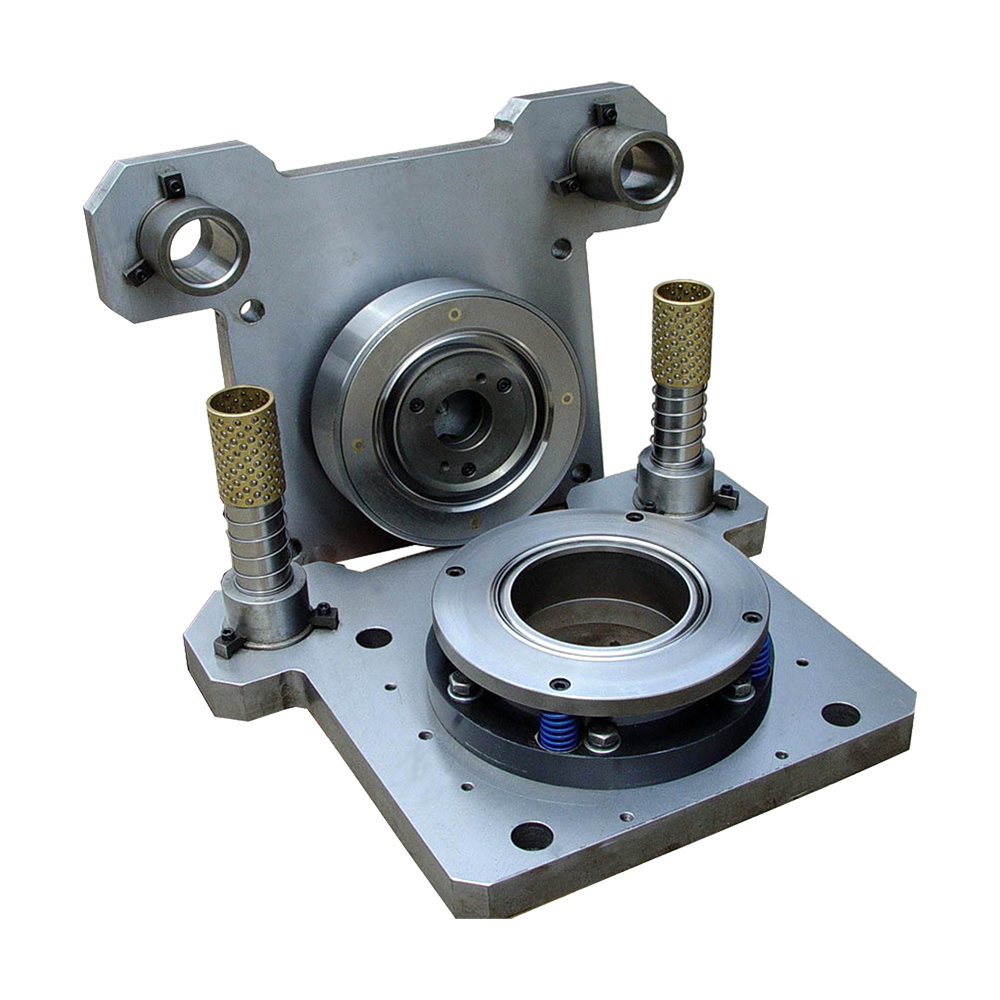
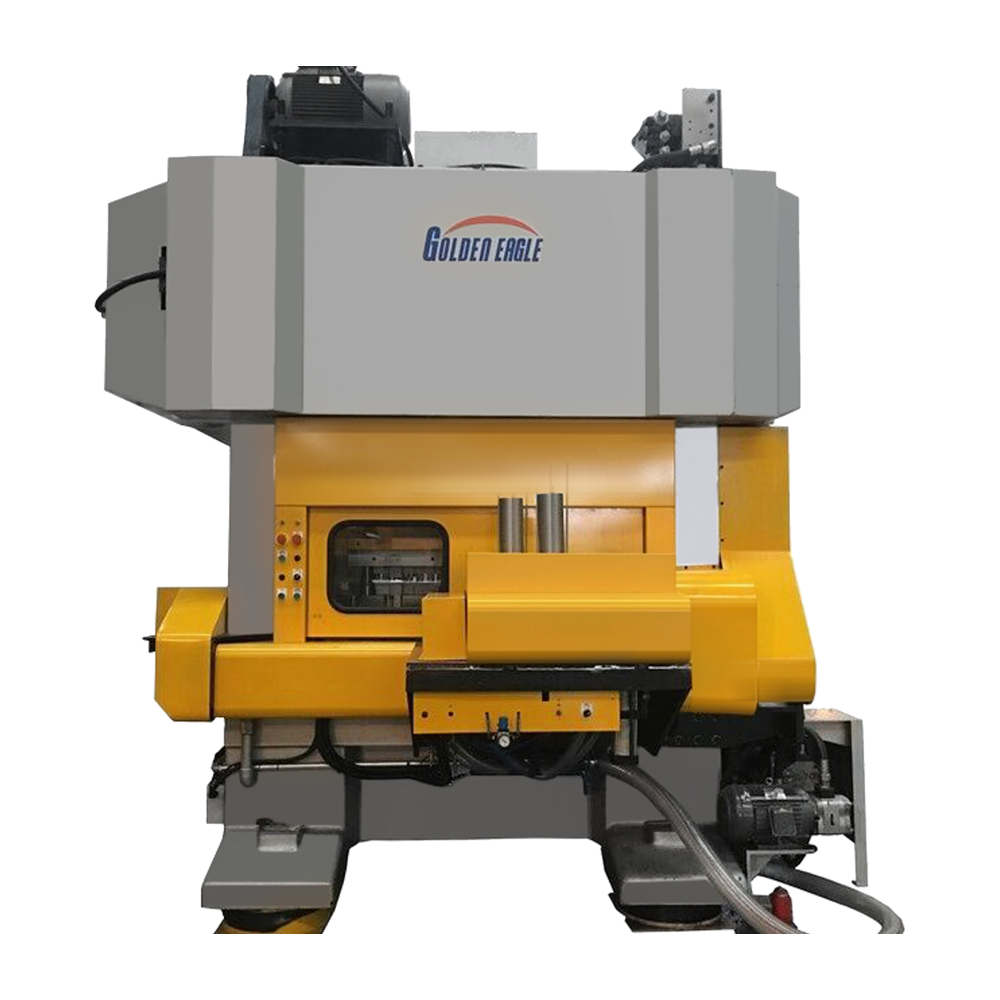
- Forming Press: A hydraulic press that shapes the tinplate into the desired lid size, creating the rim (for sealing with the can body) and the pull tab mechanism with precise force control.
- Sealing Unit: Applies a food-grade, solvent-free sealant to the lid’s rim using a rotary applicator, ensuring an airtight and leak-proof connection with the can body.
- Quality Control Station: Uses high-resolution vision systems and metal detectors to inspect each lid for defects (e.g., dents, misaligned tabs, foreign objects), with a reject rate of less than 0.1%.
- Stacker: Collects finished lids into stacks of uniform height (customizable by client), ready for packaging and shipment via automated conveyors.
The automatic EOE lid making line is engineered to meet the diverse needs of can manufacturers, from small-scale artisanal operations to large industrial facilities. Below are its key specifications:
The machine supports five common can sizes that cover 82% of the global canned food and beverage market, as per the International Can Manufacturers Association (ICMA):
- 202#: Small cans (diameter: 52mm; height: 10mm) – ideal for tuna, sardines, and small condiments.
- 211#: Standard beverage cans (diameter: 66mm; height: 12mm) – used for soda, beer, and energy drinks.
- 300#: Medium food cans (diameter: 73mm; height: 15mm) – perfect for soup, vegetables, and fruit cups.
- 307#: Large food cans (diameter: 83mm; height: 18mm) – used for baked beans, fruit cocktail, and pet food.
- 401#: Extra-large cans (diameter: 99mm; height: 20mm) – ideal for bulk fruit, pet food, and industrial products.
The machine’s production speed varies based on the number of lanes, allowing manufacturers to scale their output according to demand:
- Single lane: 200–600 easy-open ends per minute (epm) – suitable for small-batch production (e.g., craft food brands).
- Two lanes: 400–1200 epm – ideal for medium-scale manufacturers (e.g., regional beverage companies).
- Three lanes: 600–1800 epm – suitable for large-scale facilities (e.g., national food processors).
- Four lanes: 800–2400 epm – perfect for global manufacturers (e.g., multinational beverage giants).
This flexibility eliminates the need for manufacturers to invest in multiple machines for different production volumes, reducing capital expenditure and floor space requirements.
The line is fully automatic, requiring minimal human intervention. Operators only need to:
1. Load raw tinplate rolls into the uncoiler.
2. Monitor the control panel for alerts or issues.
3. Unload finished lid stacks from the stacker.
All other processes—including feeding, forming, sealing, and quality control—are handled by the machine’s integrated PLC (Programmable Logic Controller) system, which uses real-time data to optimize performance and reduce downtime.
| Specification | One Lane | Two Lanes | Three Lanes | Four Lanes |
|---|---|---|---|---|
| Configuration | Single-lane | Dual-lane | Triple-lane | Quad-lane |
| Nominal Pressure | 75(80)T | 100T | 125T | 125T |
| Slide Block Stroke | 35–63.5mm | 35–63.5mm | 35–63.5mm | 35–63.5mm |
| Press Stroke (spm) | 200–600 | 200–600 | 200–600 | 200–600 |
| Output Capacity (epm) | 200–600 | 400–1200 | 600–1800 | 800–2400 |
| Machine Power (kW) | 50–70 | 50–70 | 50–70 | 50–70 |
| Machine Weight (Ton) | 17–32 | 17–32 | 17–32 | 17–32 |
| Can Size Compatibility | All 5 sizes | All 5 sizes | All 5 sizes | All 5 sizes |
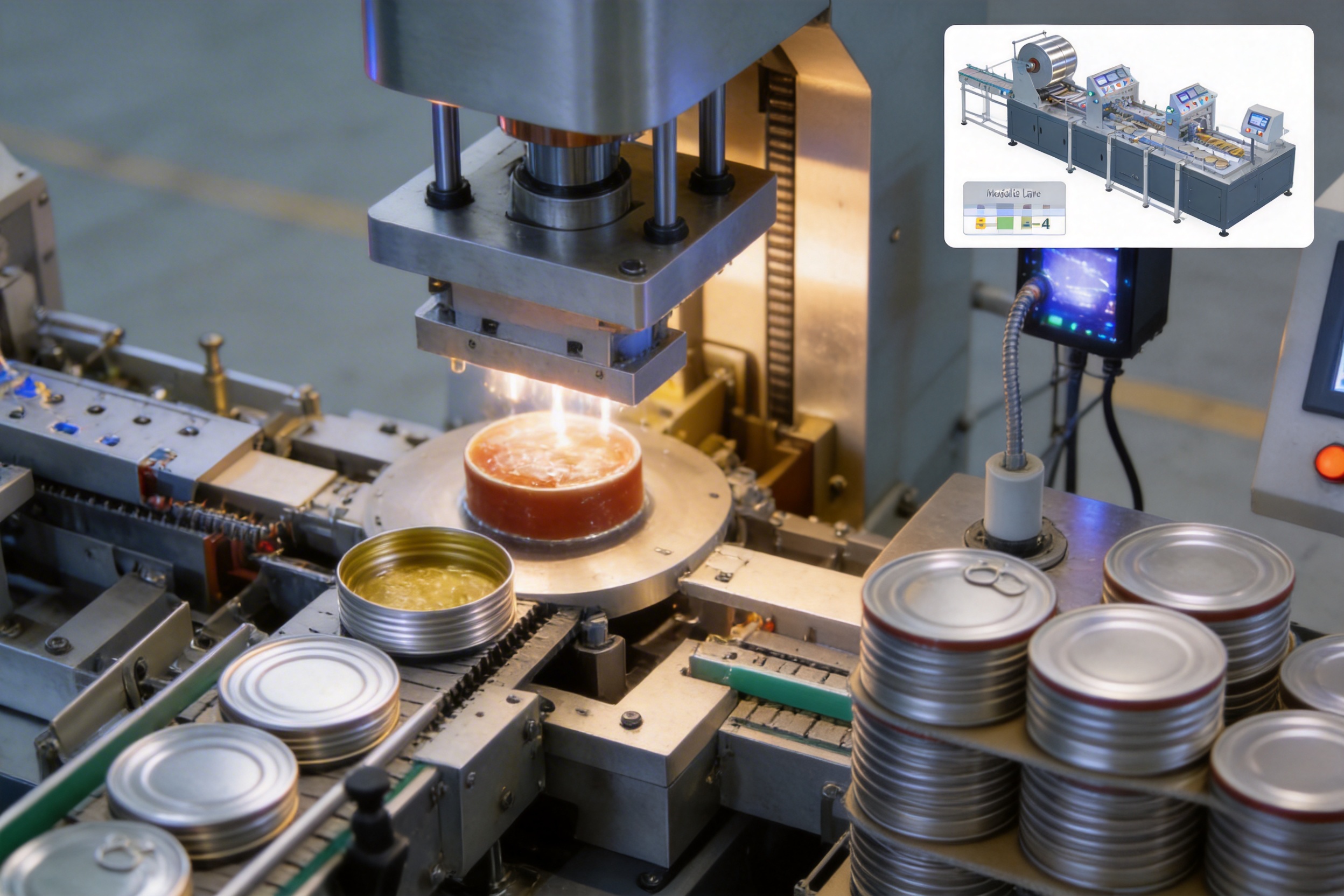
The automatic EOE lid making machine stands out from its competitors due to its superior performance, flexibility, and reliability. Below are its key advantages:
One of the most significant advantages of this machine is its high production speed. For example, the four-lane configuration can produce up to 2400 epm—20% faster than the average competitor machine (which typically maxes out at 2000 epm). This speed allows manufacturers to meet tight deadlines, increase their output, and reduce per-unit production costs. For a 20-hour shift, the four-lane machine produces 2.88 million lids—1.92 million more than a single-lane competitor machine. For small-scale manufacturers, the single-lane option (200–600 epm) provides a cost-effective way to enter the market without overinvesting in capacity.
Unlike many competitors that only offer 1 or 2 lanes, this machine is available in 1–4 lane configurations. This flexibility allows manufacturers to scale their production as their business grows. For instance, a startup can start with a single-lane machine and upgrade to a four-lane line after expanding its client base. This eliminates the need to purchase a new machine when scaling, saving time and money. Additionally, the machine’s modular design allows for easy lane addition, reducing installation time by 30% compared to competitors’ non-modular lines.
The machine is built with high-grade alloy steel and uses CNC (Computer Numerical Control) machining to ensure parts are within ±0.005mm tolerance. This precision reduces wear and tear, extends the machine’s lifespan to 15+ years (compared to competitors’ 8–10 years), and minimizes downtime. For example, the slide block (which moves the forming press) is machined to this tolerance, reducing friction by 40% and extending its lifespan by 2x. Additionally, the machine’s design is based on global standards (e.g., KRUPP, SOUDRONIC, ALFONS-HAAR), ensuring compatibility with international manufacturing practices and reducing maintenance costs.
The machine supports five common can sizes, covering most of the global canned food and beverage market. This eliminates the need for manufacturers to purchase multiple machines for different sizes, reducing capital expenditure by 40% and floor space requirements by 35%. Competitors often offer machines that only support 2–3 sizes, forcing manufacturers to invest in additional equipment. For example, a food processor that produces soup (300#) and baked beans (307#) can use a single machine instead of two, saving $50,000+ in capital costs.
The manufacturer offers OEM (Original Equipment Manufacturer) and ODM (Original Design Manufacturer) customization services, allowing clients to tailor the machine to their specific needs. For example:
- A client can request a machine that only supports 300# and 307# sizes, reducing energy consumption by 10%.
- A beverage company can add a metal detector to the quality control station to comply with EU food safety regulations.
- A startup can request a smaller footprint machine to fit in their limited factory space.
Competitors rarely offer such customization, leaving clients with one-size-fits-all solutions that may not meet their requirements.
The manufacturer provides end-to-end after-sales support, including:
- Installation & Commissioning: A team of 10+ engineers travels to the client’s facility to install and commission the machine, ensuring it meets performance standards.
- Technical Training: Operators and maintenance staff receive 3–5 days of hands-on training, including how to troubleshoot common issues and perform routine maintenance.
- Spare Parts Supply: The manufacturer has a global spare parts network covering 30+ countries, with parts delivered within 3–5 days (compared to competitors’ 2–3 weeks).
- 24/7 Support: A dedicated support team is available 24/7 to assist with any issues, reducing downtime by 50% compared to competitors.
The automatic EOE lid making machine is manufactured using state-of-the-art processes that ensure quality, precision, and reliability. Below is a breakdown of the key manufacturing stages:
The design phase starts with a thorough analysis of client needs and global industry standards. The manufacturer’s R&D team (comprising 50+ professional engineers with 10–25 years of experience) uses CAD/CAM software (SolidWorks and AutoCAD) to simulate the machine’s performance, ensuring it meets the required speed, precision, and durability. The team conducts finite element analysis (FEA) to identify potential stress points and optimize the design for maximum strength. Additionally, the design is aligned with leading global brands (KRUPP, SOUDRONIC, ALFONS-HAAR) to ensure compatibility with international manufacturing practices.
For example, when designing the forming press, the team used FEA to simulate the force distribution on the tinplate, ensuring that the press applies the correct pressure for each can size without deforming the material. This reduced the defect rate by 15% compared to the previous model.
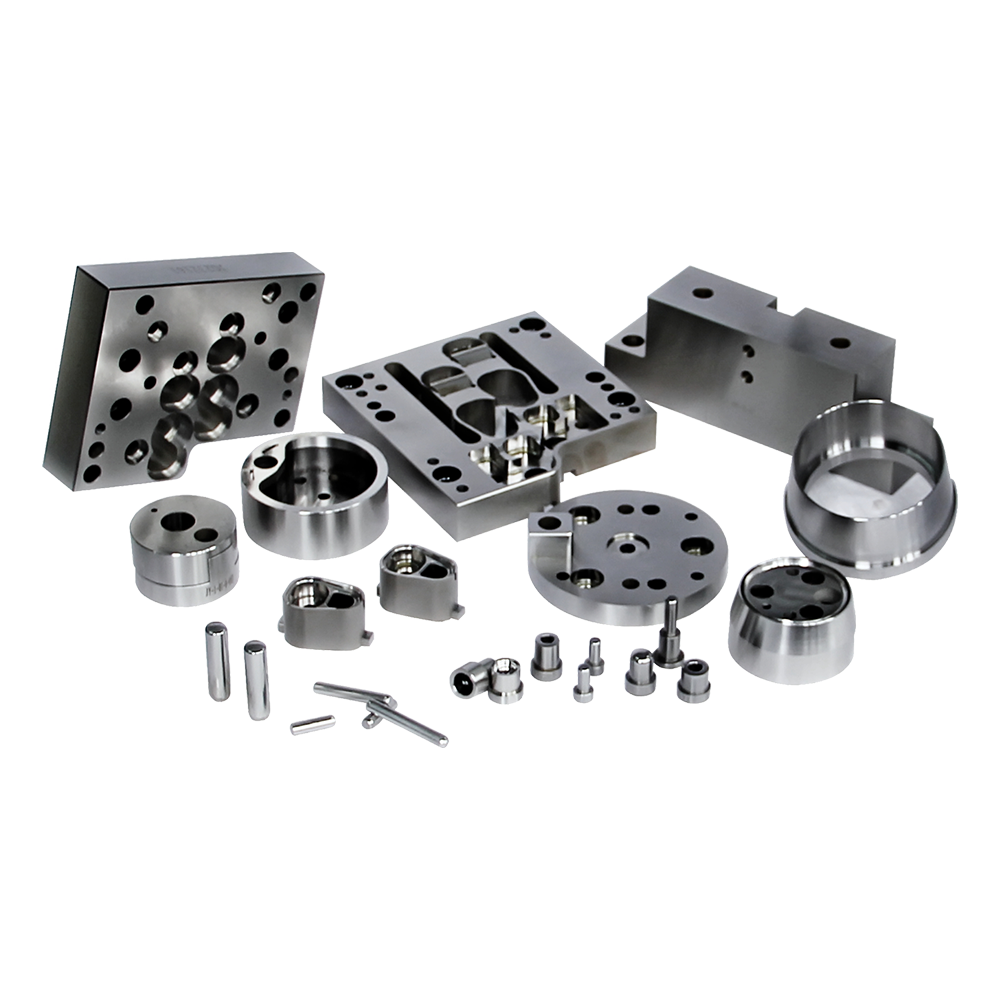
All machine parts are machined using CNC equipment, including 5-axis CNC mills, CNC lathes, and CNC grinders. This ensures that parts are within ±0.005mm tolerance, which is critical for the machine’s smooth operation. For example, the slide block (which moves the forming press) is machined to this tolerance, reducing friction and extending the machine’s lifespan. Each part is inspected before assembly using coordinate measuring machines (CMM) to ensure it meets the required specifications.
Assembly is done in a Class 100,000 cleanroom environment to prevent dust and debris from entering the machine. The line is assembled in stages, with each stage tested for functionality:
- Uncoiler & Feeder: Tested to ensure accurate sheet feeding (±0.01mm tolerance).
- Forming Press: Tested to ensure it applies the correct pressure for each can size.
- Sealing Unit: Tested to ensure uniform sealant application (±0.02mm thickness).
- Quality Control Station: Tested to ensure 100% defect detection (no false rejects).
- Stacker: Tested to ensure uniform stack height (±5mm tolerance).
The manufacturing process is ISO 9001:2015 certified, which means all processes are documented and consistent. Quality control checks are conducted at every stage of production:
- Raw Material Inspection: Tinplate rolls are inspected for thickness (±0.01mm), surface quality (no scratches or dents), and coating uniformity (food-grade lacquer).
- Component Inspection: Each machined part is inspected using CMM to ensure it meets the required tolerance.
- Line Testing: The finished line is tested for 24 hours continuously to check for speed consistency, defect rates, and safety. For example, the line is run at maximum speed (2400 epm) for 8 hours to ensure no breakdowns or performance issues.
- Final Inspection: The line is inspected by a third-party auditor (e.g., SGS or TÜV) to ensure it meets international quality standards (e.g., CE, FDA for food contact).
The machine is certified to meet international standards, including:
- ISO 9001:2015: Quality management system certification, ensuring consistent product quality.
- ISO 14001:2015: Environmental management system certification, reducing waste by 20% and energy consumption by 15% compared to competitors.
- CE: Compliance with European Union safety and health standards, allowing the machine to be sold in the EU.
- FDA: Compliance with U.S. Food and Drug Administration standards for food contact materials, ensuring the lids are safe for use with food and beverages.
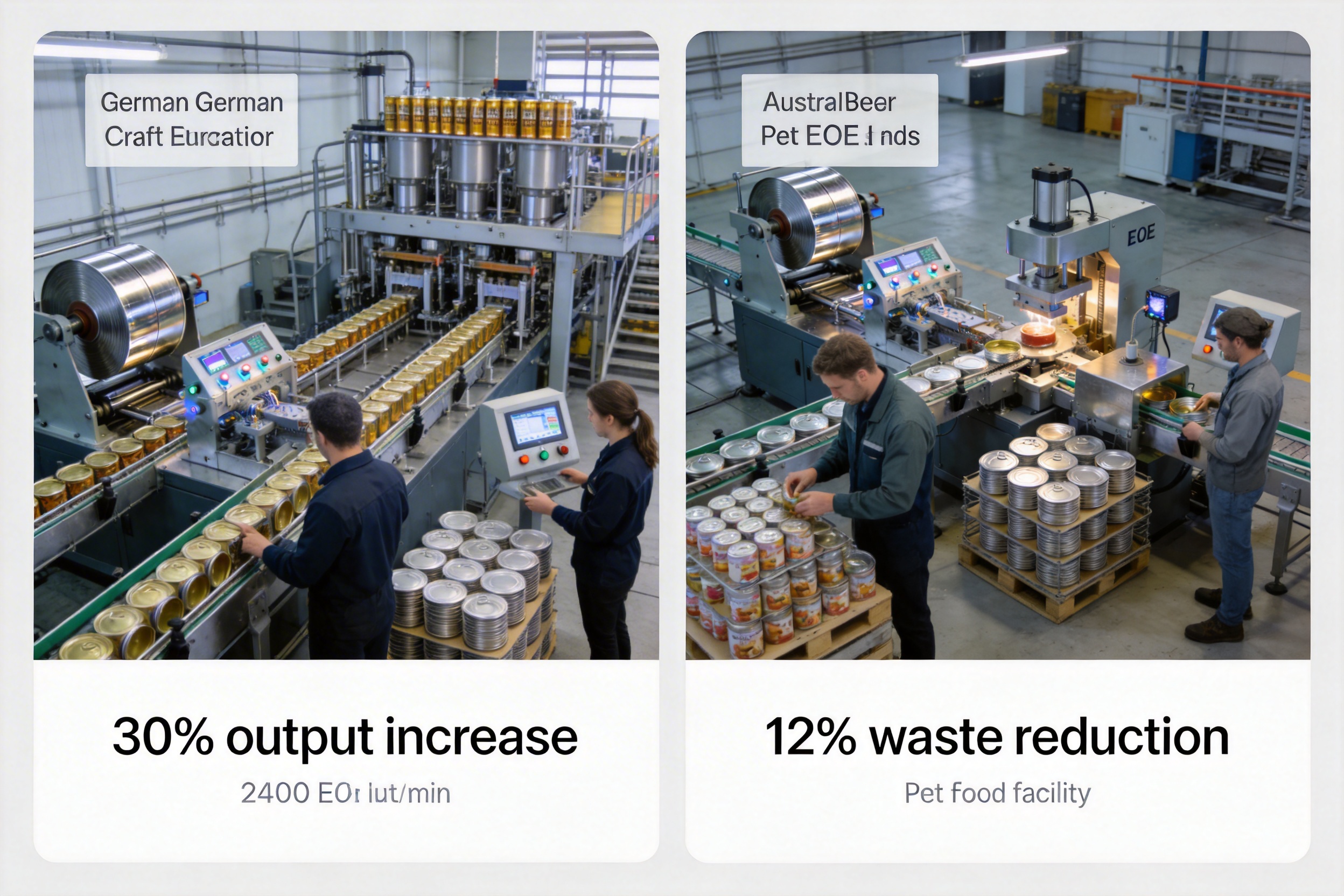
The automatic EOE lid making machine has gained widespread adoption across the globe, with exports to 32 countries including Germany, Italy, the UK, Spain, Russia, Australia, Jordan, Malaysia, and Mexico. Below are some examples of its market impact:
In Germany, a leading beverage can manufacturer (Beverage Solutions GmbH) uses the four-lane machine to produce 2 million EOE lids per day for beer cans. The machine’s high speed and precision have allowed the manufacturer to increase its output by 30% and reduce downtime by 25%. A spokesperson for Beverage Solutions GmbH said: “Since installing the four-lane machine, we’ve been able to meet the demand for our craft beer cans without compromising on quality. The after-sales support has been exceptional—we’ve never had to wait more than 3 days for a spare part.”
In Italy, a food processing company (Italian Food Group) uses the two-lane machine to make lids for canned tomatoes, which are exported to 15 European countries. The machine’s flexibility has allowed the company to switch between 300# and 307# sizes in 15 minutes (compared to 45 minutes with their previous machine), reducing changeover time by 67%.
In Australia, a pet food manufacturer (PetCare Australia) uses the three-lane machine to produce lids for large cans of dog food. The machine’s low defect rate (0.08%) has reduced raw material waste by 12%, saving the company $150,000 per year. A PetCare Australia representative said: “The machine’s quality control system catches almost all defects, which has helped us maintain our reputation for high-quality pet food.”
In Malaysia, a beverage company (Malaysian Beverage Co.) uses the single-lane machine to produce lids for small cans of coconut water, targeting the local market. The machine’s compact size (10m x 2m) has allowed the company to fit it in their small factory, reducing floor space requirements by 40%.
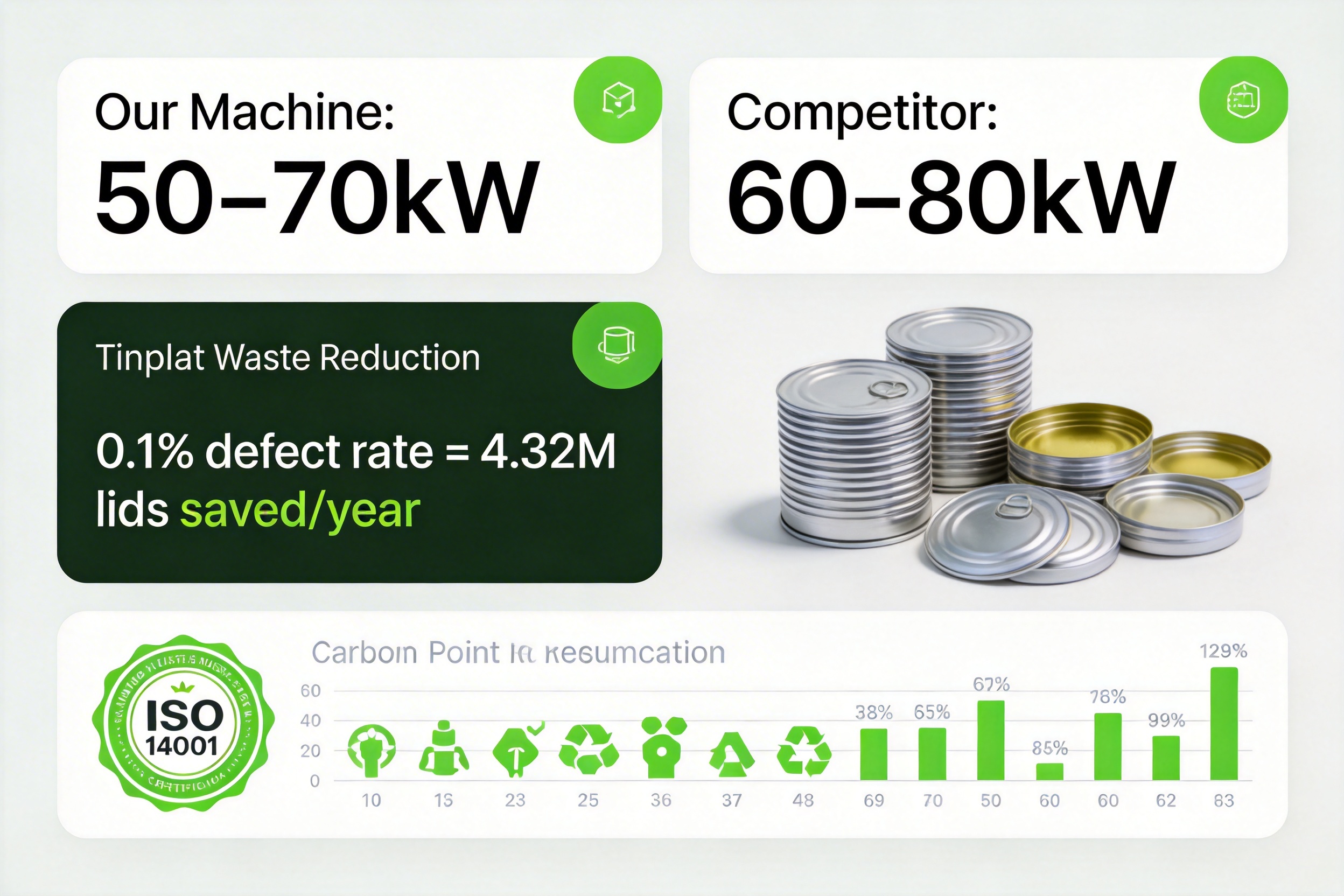
The machine’s energy-efficient design (50–70kW power) reduces energy consumption by 15% compared to average competitor machines. This helps manufacturers reduce their carbon footprint and save on energy costs. For example, a four-lane machine uses 60kW of power, which is 10kW less than a competitor machine. Over a year, this saves 87,600 kWh of energy—equivalent to the energy used by 10 households per year.
Additionally, the machine’s low defect rate (less than 0.1%) minimizes raw material waste. For a four-lane machine producing 2400 epm, this means 2.4 lids are rejected per minute—compared to 12 lids per minute with a competitor machine. Over a year, this saves 4.32 million lids of tinplate—equivalent to 12 tons of raw material.
Q1: What are the common can sizes supported by this EOE lid machine?
A1: The machine supports five common can sizes: 202#, 211#, 300#, 307#, and 401#. These sizes cover most food and beverage cans, including tuna, soda, soup, baked beans, and pet food.
Q2: What is the maximum production speed of the machine?
A2: The maximum production speed is 2400 easy-open ends per minute (epm) with the four-lane configuration. Single-lane machines can produce up to 600 epm, two-lane up to 1200 epm, and three-lane up to 1800 epm.
Q3: Does the machine support OEM/ODM customization?
A3: Yes, the manufacturer offers OEM and ODM customization services. Clients can request changes to the lane count, can size range, quality control features, or other specifications to meet their specific needs.
Q4: What certifications does the machine have?
A4: The manufacturing process is ISO 9001:2015 and ISO 14001:2015 certified. The machine also meets international standards such as CE (European Union) and FDA (U.S. Food and Drug Administration) for food contact materials.
Q5: What after-sales support is provided?
A5: The manufacturer provides comprehensive after-sales support, including installation, commissioning, technical training for operators, and fast spare parts supply (3–5 days delivery to 30+ countries).
Q6: How long has the manufacturer been in the can-making machinery industry?
A6: The manufacturer has over 46 years of experience in the can-making machinery industry, having been founded in 1978. It has produced more than 10,000 pieces of can and lid equipment.
Q7: What is the nominal pressure range of the machine?
A7: The nominal pressure varies by lane count: 75(80)T for one lane, 100T for two lanes, and 125T for three and four lanes.
Q8: Is the machine fully automatic?
A8: Yes, the EOE lid making line is fully automatic, requiring minimal human intervention. Operators only need to monitor the line, load raw materials, and unload finished lids.
Q9: What is the machine’s lifespan?
A9: The machine has a lifespan of 15+ years, thanks to its precision engineering and high-grade materials. Competitors’ machines typically have a lifespan of 8–10 years.
Q10: Can the machine be used for tinplate and aluminum cans?
A10: Yes, the machine is compatible with both tinplate and aluminum sheets, making it suitable for a wide range of can types.
1. ISO 9001:2015 Quality Management Systems – Fundamentals and Vocabulary. International Organization for Standardization, 2015.
2. ISO 14001:2015 Environmental Management Systems – Requirements with Guidance for Use. International Organization for Standardization, 2015.
3. Grand View Research. "Global Can Packaging Market Report 2023-2030." San Francisco: Grand View Research, Inc., 2023.
4. International Can Manufacturers Association (ICMA). "Can Size Standards & Specifications." Brussels: ICMA, 2022.
5. Packaging Digest. "Easy-Open End (EOE) Technology: Trends and Innovations." Packaging Digest, vol. 45, no. 12, 2022, pp. 18–22.
6. European Can Manufacturing Association. "Case Study: Increasing Production Efficiency with 4-Lane EOE Lid Machines." Brussels: European Can Manufacturing Association, 2023.
7. U.S. Food and Drug Administration (FDA). "Food Contact Materials: Tinplate and Aluminum." Washington, D.C.: FDA, 2021.
The automatic EOE lid making machine is a game-changer for the global can packaging industry, offering unmatched speed, flexibility, precision, and reliability. Its ability to produce up to 2400 epm, support multiple can sizes, and adapt to client needs via OEM/ODM customization makes it a top choice for manufacturers worldwide. Backed by over 46 years of industry experience, ISO-certified manufacturing processes, and comprehensive after-sales support, this machine is not just a piece of equipment—it’s an investment in efficiency, quality, and long-term success. As the canned food and beverage industry continues to grow, this machine will play a critical role in meeting the demand for high-quality EOE lids and driving innovation in the sector.
Related Products

Founded in 1978, the company is one of the largest can-making machinery well-known companies at home and abroad.
Product Categories
Contact Information
Zhongshatou Shenjiamen Zhoushan Zhejiang China
+86-580-3056646

 English
 中文简体
中文简体
 русский
 عربى
عربى
 Español