2026-05-28
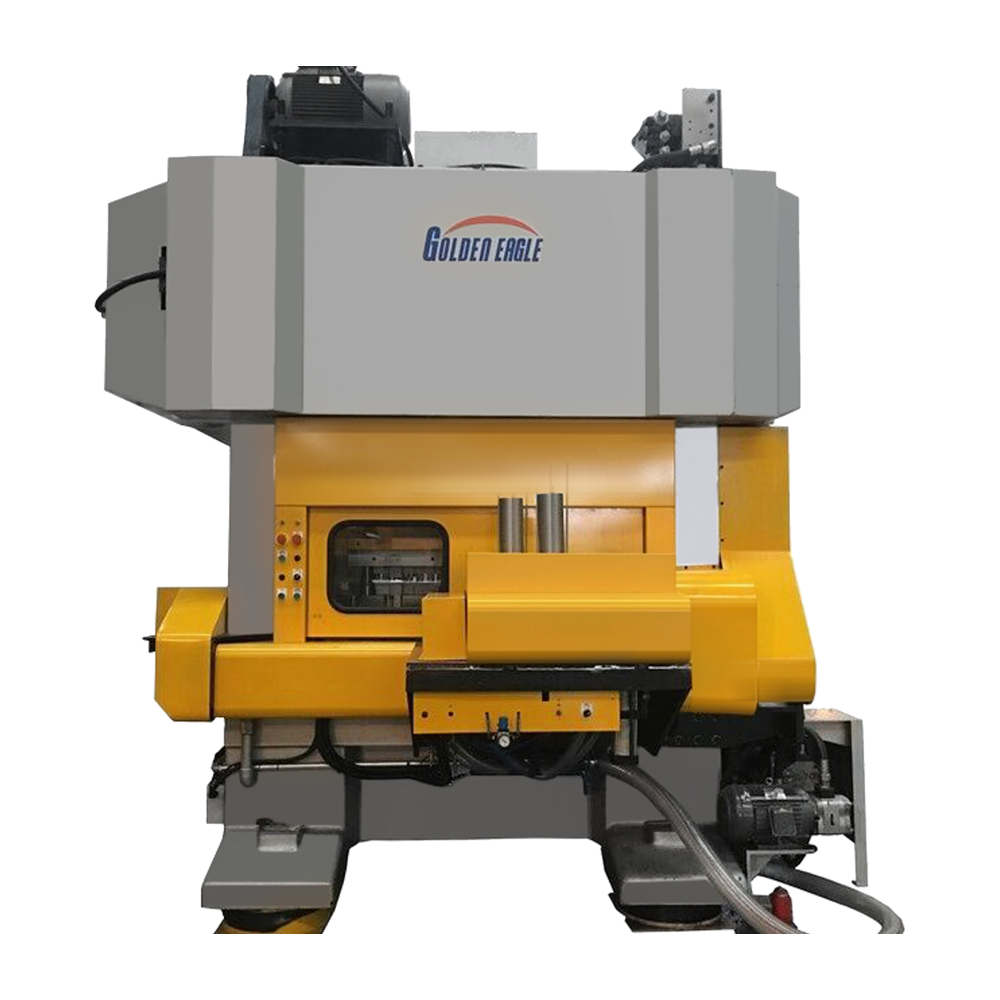
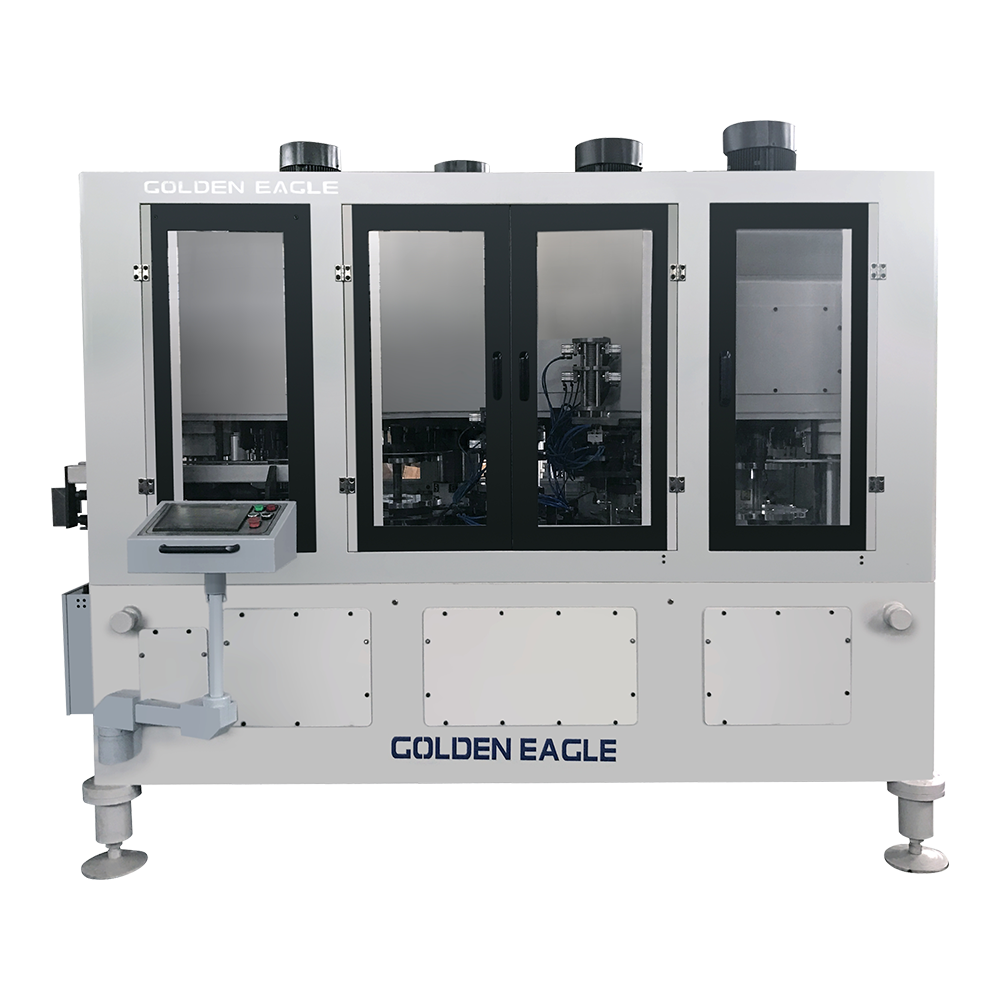
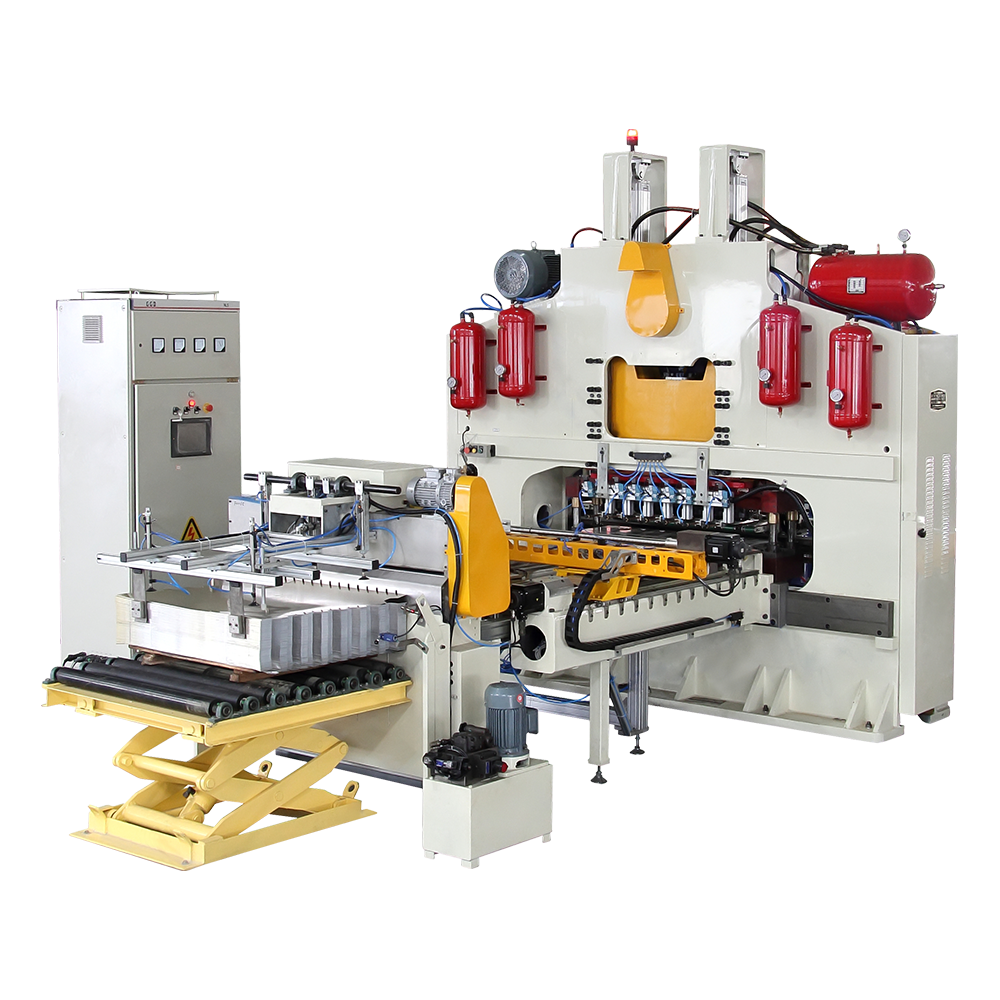
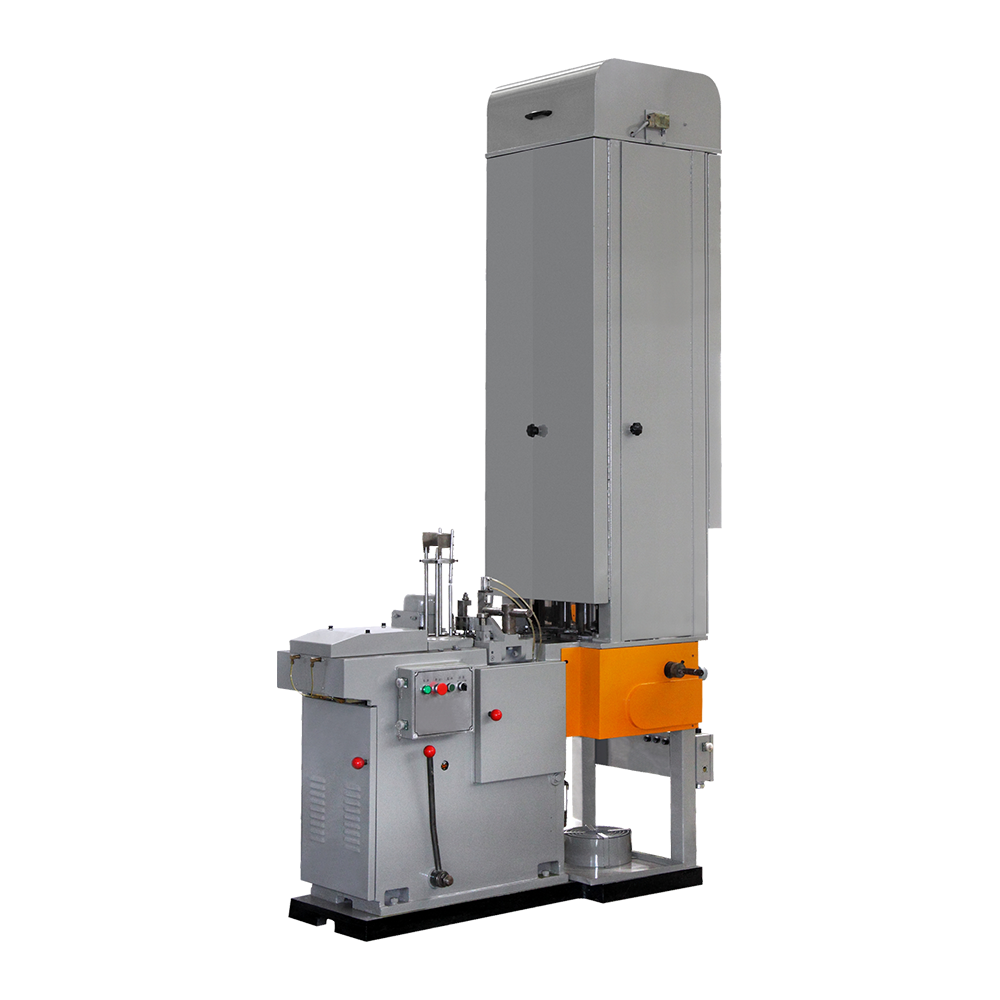
In modern metal packaging, the easy-open-end lid has become one of the most important components for food cans, beverage cans, dry powder containers, and other tinplate packaging formats. A lid may appear simple to the consumer, yet its manufacturing process requires exceptional precision, stable high-speed operation, reliable feeding, accurate tab placement, and strict safety monitoring. The Conversion Press is designed for this demanding production environment. It converts pre-formed can ends into functional easy-open ends by integrating tab forming, tab feeding, lane tooling, end separation, detection systems, pneumatic and oil systems, vacuum handling, mechanical transmission, and electrical control into one coordinated high-speed production platform.
This article introduces the Conversion Press for easy-open-end lid manufacturing, focusing on its technical structure, production advantages, competitive strengths, application value, and the manufacturing capabilities behind it. It also explains how Zhejiang Golden Eagle Food Machinery Co., Ltd. supports customers with advanced machining, engineering experience, complete can-making machinery solutions, and long-term service. For can manufacturers seeking high productivity, material efficiency, operational safety, and reliable quality, the Conversion Press offers a balanced solution for industrial-scale EOE lid production.
An easy-open-end lid, commonly called an EOE lid, is a metal can end equipped with a scored opening area and a pull tab. The consumer opens the package by lifting and pulling the tab, which ruptures the score line and allows access to the contents. This convenient opening method has become a standard feature for many food and beverage packages because it eliminates the need for separate tools and improves consumer experience.
The Conversion Press is the machine responsible for converting plain or prepared can ends into complete easy-open ends. During operation, the machine handles ends through multiple lanes, feeds tab material, forms or processes tabs through dedicated dies, places tabs accurately onto the lid, performs related forming and riveting actions, and checks for defects through sensors and detection units. The result is a finished easy-open-end lid ready for downstream packing or further canning operations.
Because EOE lids must perform under pressure, resist leakage, open smoothly, and maintain food safety, the conversion process must be highly accurate. Small variations in tab positioning, score depth, rivet formation, or lid feeding can lead to defects. A high-quality Conversion Press therefore needs not only speed, but also control. It must synchronize mechanical motion, pneumatic action, vacuum handling, electrical monitoring, tooling accuracy, and operator safety.
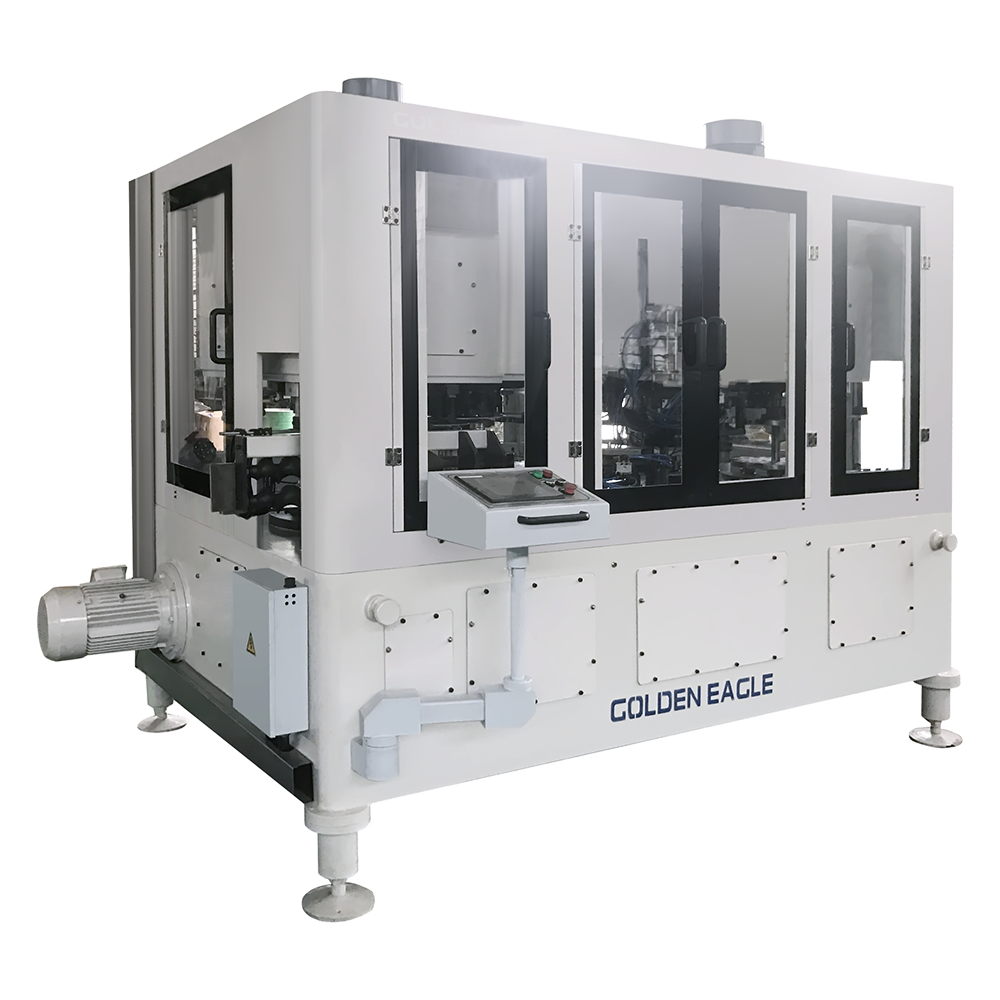
The Conversion Press discussed here is designed specifically for demanding EOE lid production lines. It supports customer-selected press options, including well-known international or regional press brands such as USA MINSTER or Taiwan INGYU, as well as other press configurations based on customer requirements. It can be equipped with multiple output lanes, typically two, three, or four lanes, allowing manufacturers to increase production capacity without sacrificing stability.
The Conversion Press is part of the EOE Lids Making Machine category and is engineered for high-speed, multi-lane easy-open-end production. It is suitable for can-making enterprises that require consistent output, high material utilization, accurate tab conversion, and reliable operation in continuous industrial conditions.
One of the key design characteristics of the machine is its compact tab layout. A compact layout improves metal material utilization, helping reduce scrap and production cost. Since raw material consumption is a significant part of metal packaging production economics, efficient layout design directly contributes to profitability. Compared with less optimized systems, a compact layout can help customers gain more usable parts from the same coil or sheet material, improving long-term operating value.
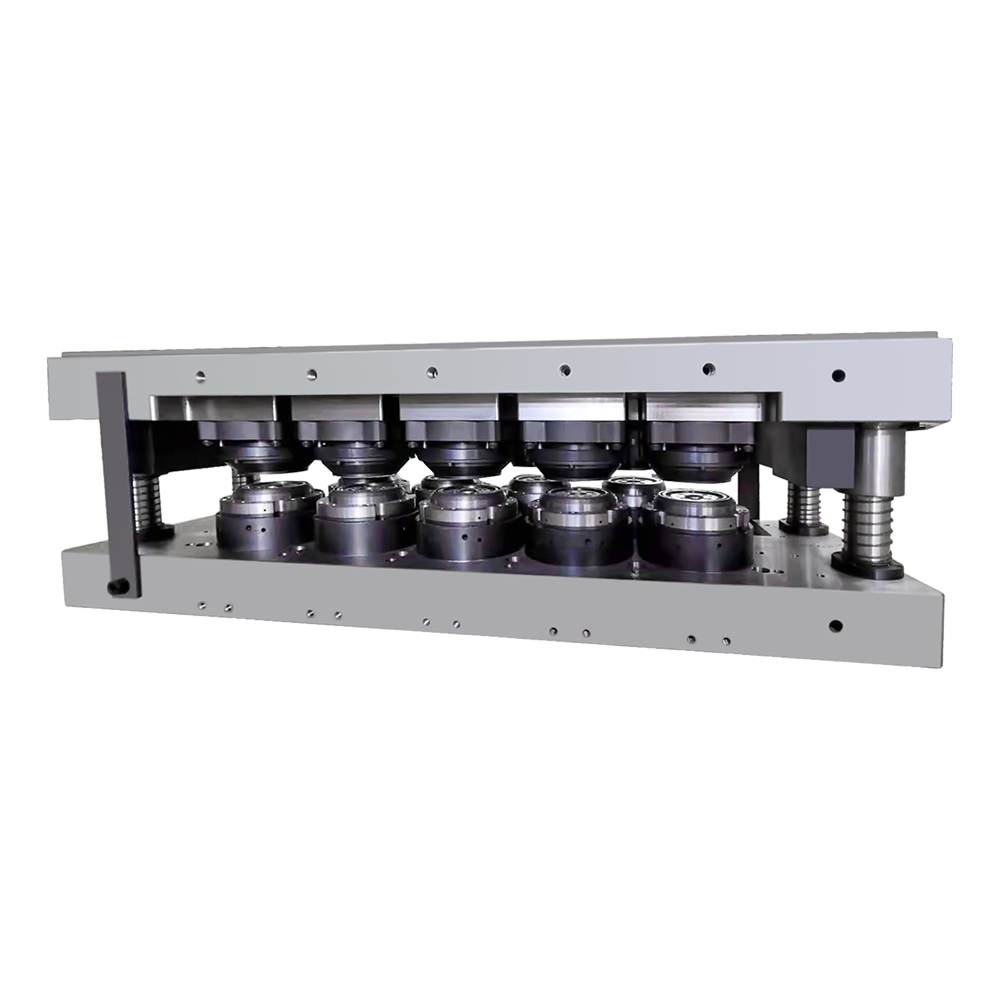
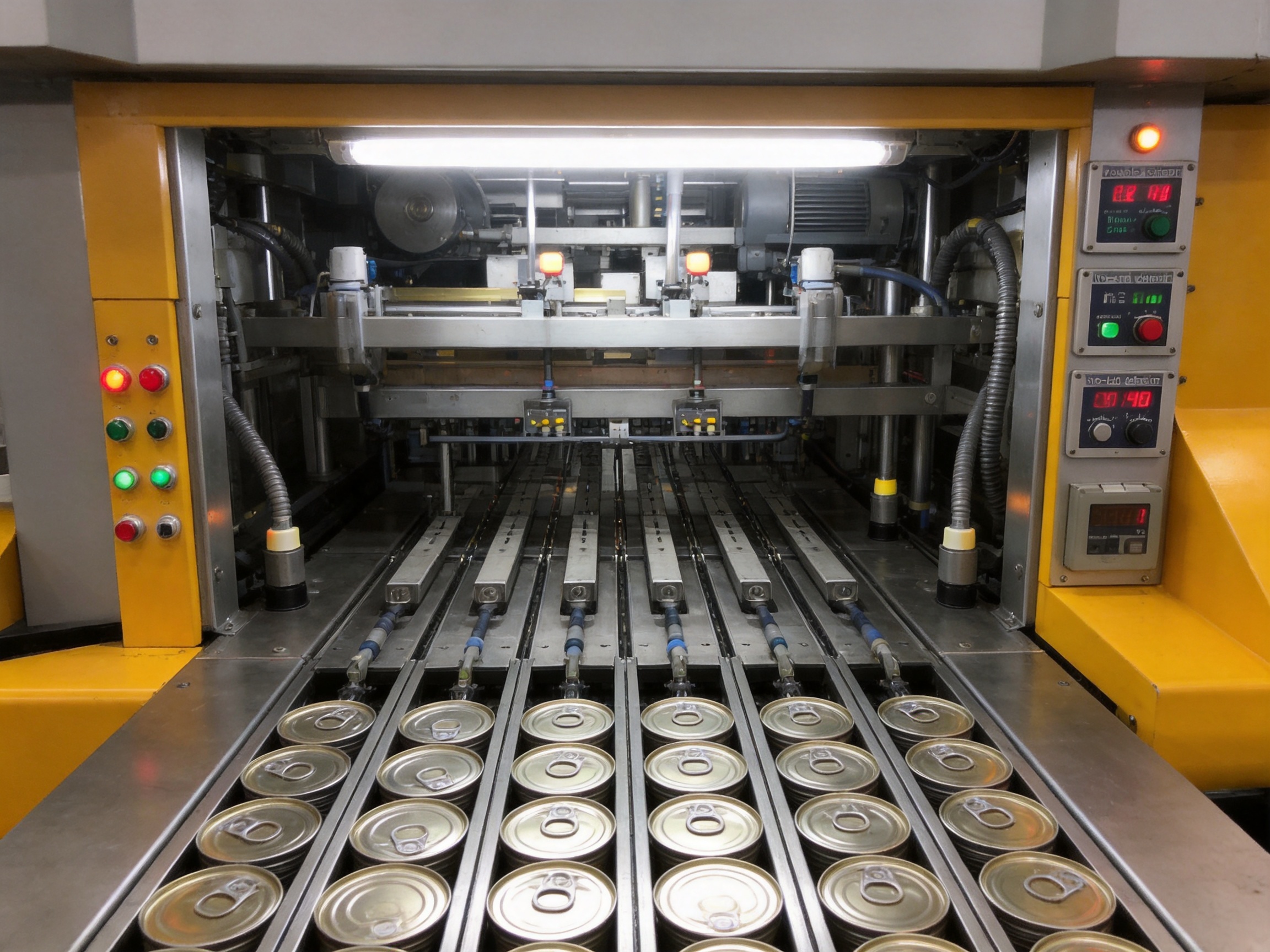
The conversion system consists of multiple integrated components. These include tab dies, lane dies, end separators, related tooling, a mechanical transmission system, an oil and pneumatic system, a transmission division unit, a tab material feeder, a vacuum system, and an electric control system. The electric control system includes multiple detection and protection functions, such as double-sheet detection, no-end detection, tab wrong-position detection, no-tab detection, and multiple safety protection units.
This integration is important because EOE production involves several fast, repetitive operations. If one function is unstable, the entire process can be interrupted or defective lids may be produced. By combining mechanical, pneumatic, electrical, and vacuum technologies in a coordinated structure, the Conversion Press offers a complete solution rather than a collection of separate devices.
| Parameter Name | Specification |
| Tonnage | 75-125 tons |
| Stroke of Slide | 38.1-63.5 mm |
| Strokes per Minute | 200-600 spm |
| Number of Lanes | 2-4 lanes |
| Main Power | 38.5-46.5 kW |
| Net Weight | 20-30 tons |
The tonnage range of 75 to 125 tons supports the force needed for tab processing, riveting, and lid conversion. The slide stroke range of 38.1 to 63.5 mm allows adaptation to different tooling and production requirements. The operating speed of 200 to 600 strokes per minute is suitable for high-volume industrial production, especially when combined with a multi-lane design. With two to four lanes, manufacturers can match capacity to market demand, factory layout, and investment strategy.
The main power range of 38.5 to 46.5 kW reflects an industrial machine designed for continuous production. The net weight of 20 to 30 tons indicates a robust mechanical structure, helping ensure vibration control, operational stability, and durable performance during high-speed stamping and conversion.
One major advantage of the Conversion Press is its ability to work with multiple lanes. In can lid manufacturing, lane count has a direct effect on output. A two-lane system may be suitable for medium-capacity production or factories introducing EOE lid production for the first time. A three-lane or four-lane system can greatly increase productivity for customers with larger orders, multiple canning clients, or export-oriented production.
Multi-lane design also helps balance investment and capacity. Instead of installing several separate machines, a manufacturer can choose a multi-out conversion press that produces more lids within a compact equipment footprint. This can save floor space, reduce operator requirements, simplify line management, and improve energy efficiency per finished lid.
However, multi-lane conversion is technically demanding. Each lane must feed lids accurately, receive tabs correctly, and maintain synchronized operation with the press motion. The machine must also separate ends cleanly and prevent double feeding or missing lids. The Conversion Press addresses these requirements through lane dies, end separators, transmission division units, vacuum handling, and electrical detection systems. These systems work together to support stable output at speeds up to 600 strokes per minute.
Compared with basic single-function presses or lower-speed conversion systems, this multi-lane Conversion Press provides stronger productivity potential. It is particularly valuable for plants serving food can, beverage can, milk powder can, and general tinplate packaging markets where order volumes are large and delivery schedules are strict.
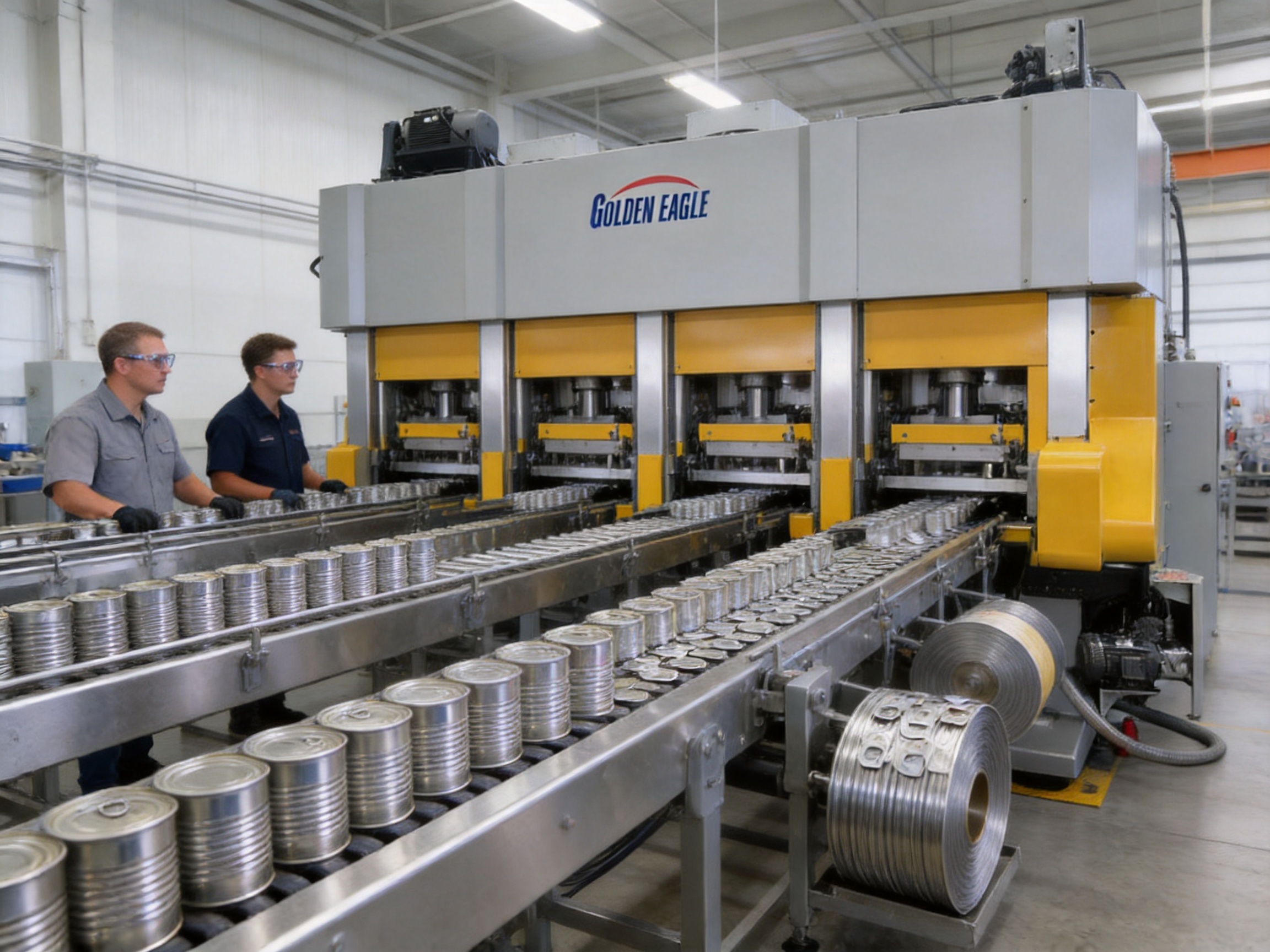
Material efficiency is a decisive factor in the economics of can-making. Tinplate, aluminum, and other metal packaging materials represent recurring costs, and small improvements in layout efficiency can create significant savings over long production cycles. The Conversion Press is designed with a compact tab layout to improve material usage. This means that the arrangement of tab blanks or tab processing positions is optimized to reduce scrap and obtain more finished components from the available material.
In competitive markets, manufacturers cannot rely only on machine speed. If a machine runs quickly but wastes too much material, the cost per lid remains high. By emphasizing material utilization, the Conversion Press provides a practical advantage over less efficient alternatives. It helps customers reduce waste, improve yield, and strengthen their cost position when bidding for packaging contracts.
Compact tab layout also reflects strong tooling design. Tab dies must be accurate, durable, and stable at high speed. They must form tabs consistently while minimizing deformation, burrs, or alignment problems. The company’s long background in can-making molds and machinery supports this requirement. Experience in mold manufacturing is especially important because EOE lid quality depends heavily on tooling precision.
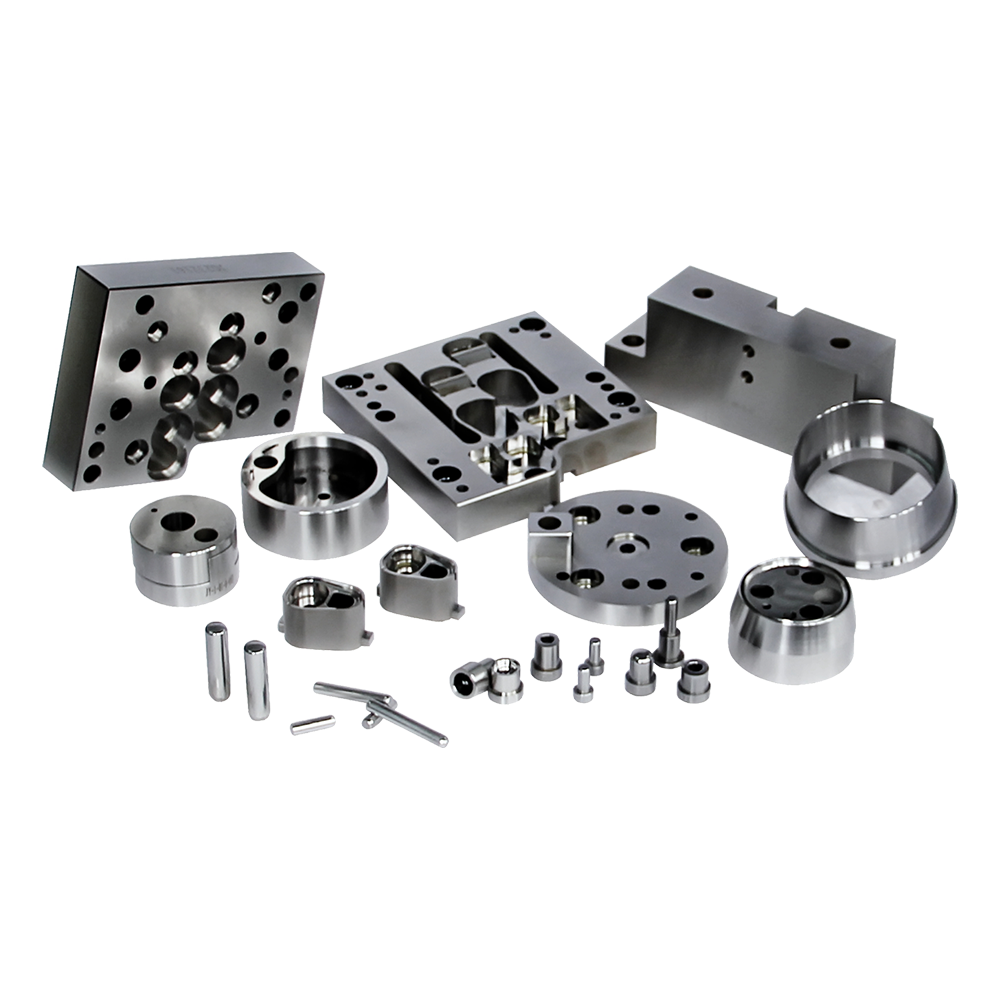
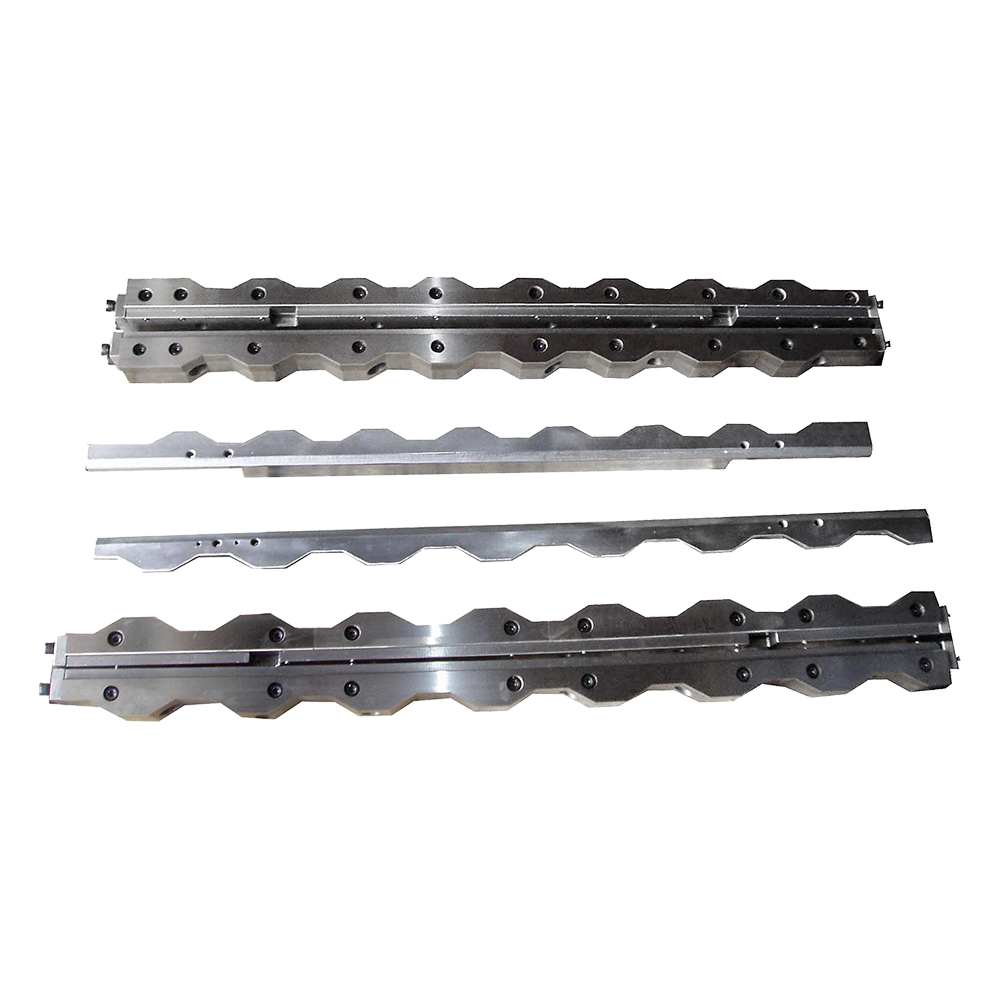
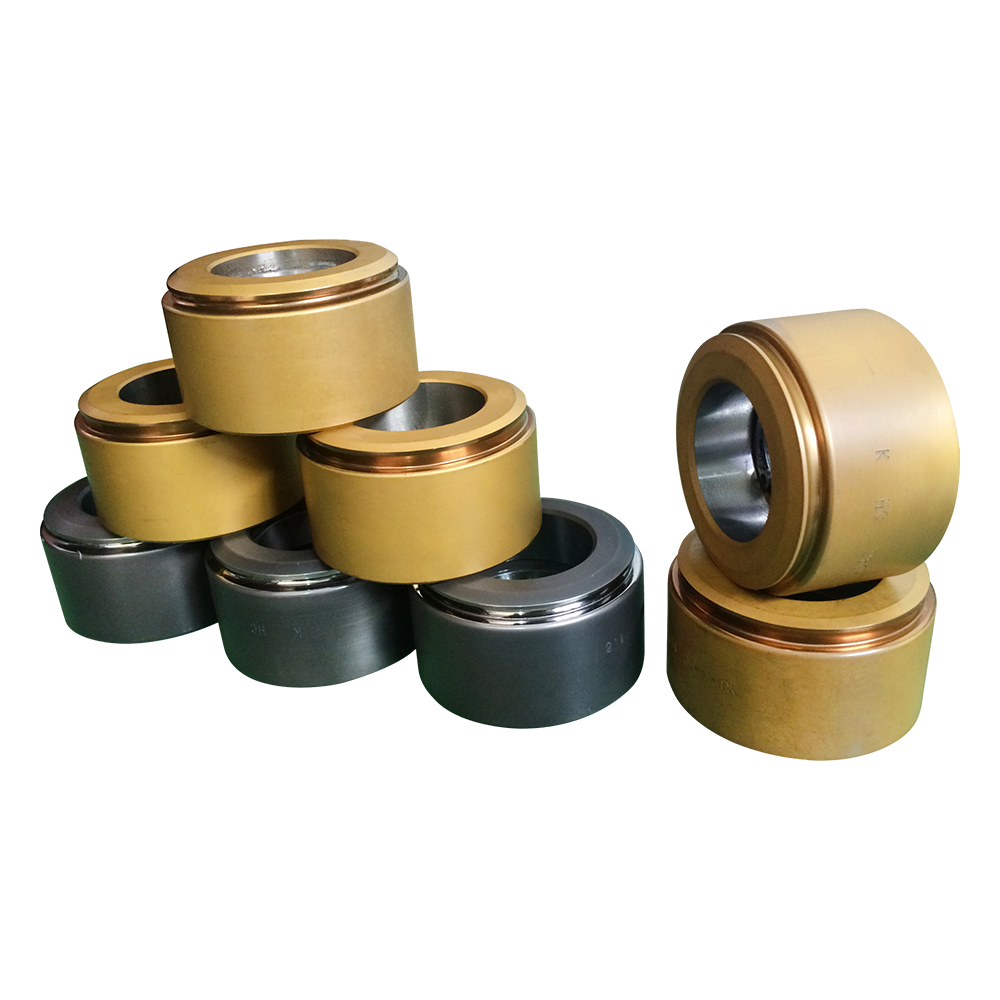
The tooling system is at the heart of the Conversion Press. The system includes tab dies, lane dies, end separators, and other related tooling. These components perform the physical forming, feeding, positioning, and conversion actions required to produce a functional easy-open-end lid.
Tab dies are responsible for processing the pull tab. The tab must be strong enough to open the lid, comfortable enough for the consumer to lift, and accurately shaped to match the lid design. If the tab is poorly formed, it may break, bend incorrectly, or fail during opening. Lane dies guide and process multiple lanes in coordination, ensuring each lane maintains consistent timing and positioning.
End separators help manage the individual can ends as they move into the conversion area. Because lids are thin and may stick together due to oil, static, pressure, or surface contact, separating them reliably is essential. Double feeding can damage tooling, create defective products, and interrupt production. The Conversion Press includes double-sheet detection and no-end detection to further protect the production process.
The integration of tooling with detection systems provides both productivity and protection. When a missing lid, double lid, absent tab, or incorrect tab position is detected, the system can respond to prevent defective production or mechanical damage. This is a key advantage in high-speed operation, where manual observation alone is not sufficient.
High-speed conversion requires a stable mechanical transmission system. The press must deliver repeated force with accurate timing, while the feeding and tooling systems must synchronize with the slide movement. Any timing error can cause misplacement, collision, or inconsistent lid quality.
The Conversion Press includes a mechanical transmission system and transmission division unit. These components distribute motion to the required conversion functions and help coordinate multi-lane operation. In a machine running hundreds of strokes per minute, mechanical rigidity and timing precision are essential. A strong transmission structure reduces vibration, improves repeatability, and supports longer tooling life.
The substantial machine weight of 20 to 30 tons also contributes to stable operation. A heavier, well-engineered structure can absorb dynamic forces better than a lightweight frame. This is particularly important in high-speed stamping and conversion, where repeated impact loads can affect machine accuracy if the structure is not sufficiently rigid.
Compared with lighter or less integrated systems, a robust mechanical design helps the Conversion Press maintain quality during long production shifts. It also supports the customer’s goal of reducing unplanned downtime and maintaining predictable production schedules.
The Conversion Press combines oil, pneumatic, and vacuum systems to support different functions of the conversion process. Each system has a specific role. Oil systems can support lubrication and smooth mechanical operation. Pneumatic systems can drive or assist fast, controlled movements. Vacuum systems are commonly used for holding, transferring, or positioning thin metal ends and tabs without causing mechanical damage.
Vacuum handling is especially valuable in lid production because can ends are lightweight, thin, and sensitive to surface damage. Mechanical gripping alone may scratch or deform parts if not carefully designed. A vacuum system allows stable handling while protecting the surface and geometry of the lid.
Pneumatic control offers fast response and flexibility for supporting feeding, separation, and auxiliary actions. When combined with electrical controls and sensors, pneumatic systems can react quickly to abnormal conditions. This contributes to safer and more reliable production.
By combining these systems within one conversion platform, the machine reduces the need for separate auxiliary equipment and simplifies production management. Operators can monitor and maintain a coordinated system rather than multiple disconnected mechanisms.
The electrical control system is one of the most important parts of a modern Conversion Press. High-speed production requires automated monitoring because defects can occur faster than an operator can see. The machine includes several detection functions designed to prevent common production problems.
Double-sheet detection identifies when more than one end enters the process at the same time. This protects tooling from overload or collision and prevents defective output. No-end detection identifies missing lids, helping avoid wasted tab material or incomplete conversion. Tab wrong-position detection monitors whether the tab is properly located. No-tab detection identifies when a lid is present but the tab is missing. Multiple safety protection units help protect operators, tooling, and equipment.
These detection features provide a clear competitive advantage. In less advanced machines, defects may continue until an operator notices them, causing material waste and possible tooling damage. In contrast, integrated detection allows faster response, better process control, and more consistent quality. For factories working under strict quality requirements from food and beverage customers, this kind of monitoring is essential.
Safety protection is also important from a management perspective. High-speed presses involve heavy force and rapid motion. A machine with strong safety systems helps reduce risk, supports compliance with factory safety standards, and builds operator confidence.
Different customers may have different preferences for press brands, technical standards, maintenance practices, and spare parts availability. The Conversion Press can be configured with press options according to customer requirements, including USA MINSTER, Taiwan INGYU, or other suitable brands. This flexibility allows customers to choose a press platform that matches their factory standards and long-term operating plans.
For some manufacturers, compatibility with existing maintenance knowledge is important. If a factory already uses a certain press brand, selecting a familiar platform can reduce training time and simplify spare parts management. For other customers, the decision may depend on budget, speed requirements, tooling compatibility, or regional service support.
This configurable approach provides an advantage over rigid machine offerings. Instead of forcing one fixed configuration on every buyer, the Conversion Press can be adapted to the customer’s capacity goals, product specifications, and equipment preference. This is valuable for global markets, where factories differ widely in standards, product types, and investment levels.
A conversion press is only as reliable as the engineering and manufacturing capability behind it. Zhejiang Golden Eagle Food Machinery Co., Ltd. has been engaged in can-making machinery and can-making molds since 1978. With more than four decades of experience, the company has developed complete product series for food can production lines, beverage can production lines, can lid production lines, chemical tank production lines, aerosol canister production lines, two-piece can production lines, and pop can production lines.
The company’s background is important because can-making equipment requires specialized knowledge. It is not enough to build a general press or general feeding system. The manufacturer must understand can materials, lid geometry, end forming, tab behavior, mold wear, production speed, canning requirements, and packaging industry standards. Long-term experience in both machinery and molds gives the company a strong foundation for designing practical, durable equipment.
The company has more than 350 well-trained personnel, including experienced design and development staff and professional engineers. This human resource base supports engineering design, machining, assembly, inspection, installation, commissioning, and after-sales service. For buyers of complex equipment, supplier capability is as important as machine specifications. A strong technical team can solve problems faster, customize solutions more effectively, and support customers over the full equipment life cycle.
Advanced manufacturing equipment also supports machine quality. The company uses CNC high-precision machining equipment and complete mechanical machining facilities. Precision machining is especially important for dies, transmission components, press-related parts, and alignment structures. When components are machined accurately, assembly is easier, motion is smoother, and long-term performance is more stable.
The manufacturing of a Conversion Press involves a chain of processes, including design, material selection, machining, heat treatment where required, surface finishing, assembly, alignment, testing, and quality inspection. Each stage affects final machine performance. A strong manufacturing company must control not only the design concept but also the production details.
CNC high-precision machining enables accurate production of complex parts. In can-making equipment, tolerances can affect feeding accuracy, die alignment, slide stability, and vibration behavior. By using precision machining, the company can produce components that support high-speed operation and consistent lid quality.
Complete mechanical machining capability also improves production independence. A company that can process key components in-house or through controlled machining systems can better manage quality, delivery time, and customization. This is an advantage over suppliers that depend heavily on outside processing without strong technical control.
The company’s product design principles are similar to established international can-making machinery concepts associated with leading industry names such as KRUPP, SOUDRONIC, and ALFONS-HAAR. At the same time, the company has continuously improved its products through practical production experience. This combination of industry reference, accumulated application knowledge, and continuous innovation helps create machinery that is both technically mature and adapted to real factory conditions.
The company has also been certified to ISO9001 quality management system and ISO14001 environmental management system standards. ISO9001 reflects structured quality management practices, while ISO14001 reflects environmental management awareness. For international customers, these certifications provide additional confidence that the supplier follows recognized management systems.
The Conversion Press offers several advantages over many competing systems in the EOE lid production market. The first advantage is its balance of speed and stability. With a speed range of 200 to 600 strokes per minute and two to four lane options, it can serve both medium and high-volume production needs. Some machines may offer speed but lack stable feeding, while others may be stable but limited in capacity. This machine is designed to combine output potential with process control.
The second advantage is material efficiency. The compact tab layout improves raw material usage. In long-term production, material savings can be more valuable than a small difference in machine purchase price. A factory producing millions or billions of lids can benefit greatly from reduced scrap.
The third advantage is integrated detection. Double-sheet detection, no-end detection, tab wrong-position detection, no-tab detection, and multiple safety protection units reduce the risk of defective production and mechanical damage. Competitors with fewer detection features may require more manual inspection or may produce more waste during abnormal operation.
The fourth advantage is configuration flexibility. Customers can select press options according to their requirements, including well-known press brands or other suitable configurations. This makes the equipment easier to integrate into different factories and supports customized production strategies.
The fifth advantage is supplier experience. The manufacturer has produced more than 10,000 pieces of can and can lid equipment over decades of operation. This production history suggests broad application experience and accumulated knowledge from many customer installations. A machine supplier with extensive field experience is often better prepared to address real operating challenges.
The sixth advantage is complete line capability. Because the company supplies food can production lines, beverage can production lines, can lid production lines, chemical tank production lines, aerosol canister production lines, two-piece can production lines, and other equipment, it can support customers beyond a single machine. This is valuable for factories building new production lines or upgrading entire systems.
The Conversion Press is primarily used for EOE lid production. EOE lids are widely used in food cans, including canned vegetables, fruits, meat, fish, beans, sauces, and ready-to-eat meals. They are also used in beverage packaging, dry powder packaging, and other tinplate container applications where convenient opening is required.
Milk powder can manufacturing can also benefit from high-quality lid and end production systems. Although different lid structures may be used depending on product design, the demand for clean, accurate, and reliable metal packaging equipment remains strong. Food safety, sealing reliability, and presentation quality are all important in this sector.
Can lid production lines must often meet strict customer standards because lids are critical sealing components. If a lid fails, the entire package can fail. The Conversion Press supports this market by emphasizing accuracy, detection, and stable high-speed conversion.
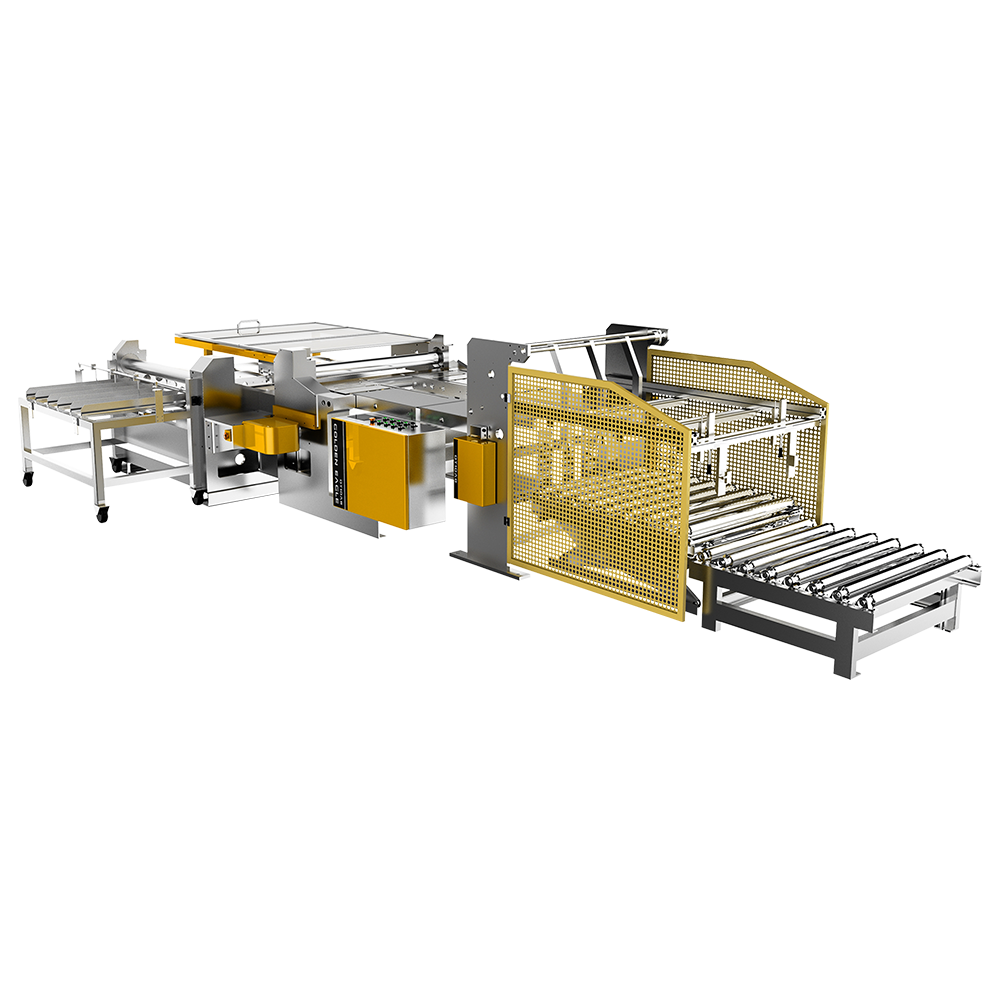
The machine can be part of a larger can-making machinery production line. It may work alongside cutting machines, slitters, welding machines, feeding systems, lid-making machines, mold systems, and other specialized equipment. This makes it suitable for integrated factories that want comprehensive production capability from one experienced supplier.
For can manufacturers, equipment decisions affect daily production cost, quality reputation, customer satisfaction, and long-term competitiveness. A Conversion Press with stable output can help factories accept large orders and deliver on time. High production speed reduces unit processing time, while multi-lane operation increases output without requiring excessive floor space.
Quality consistency is another major value. EOE lids must open reliably and seal properly. If tab placement is inconsistent or defects are frequent, customers may reject batches or require additional inspection. The machine’s detection systems help reduce these risks and support more stable quality control.
Reduced downtime is also important. In high-volume can-making, unplanned stoppages can disrupt downstream operations and delivery plans. A robust mechanical structure, accurate tooling, reliable feeding, and safety monitoring all contribute to smoother production. While every industrial machine requires maintenance, a well-designed system can reduce unnecessary interruptions caused by feeding errors, misalignment, or undetected defects.
Operator efficiency is another benefit. Automated detection and integrated systems reduce the need for constant manual checking. Operators can focus on monitoring, material supply, adjustment, and quality verification rather than trying to detect every high-speed fault visually. This improves working efficiency and reduces the chance of human error.
EOE lid production depends heavily on tooling quality. Dies must resist wear, maintain accurate geometry, and perform consistently under high-speed conditions. Poor tooling can cause burrs, cracks, inaccurate scoring, weak riveting, tab deformation, or inconsistent opening performance.
The manufacturer’s long history in can-making molds is therefore a significant advantage. Formerly associated with food machinery and mold manufacturing foundations, the company has accumulated experience in both machine design and mold technology. This dual capability allows better coordination between press mechanics and tooling requirements.
When a machine builder also understands tooling deeply, it can design equipment that supports die life, simplifies installation, and improves conversion accuracy. The machine frame, transmission, feeding system, and detection units can all be developed with practical tooling behavior in mind. This is especially valuable for customers producing multiple lid sizes or working with different materials.
Strong mold expertise also supports customization. Different customers may require specific lid diameters, tab designs, lane arrangements, or production layouts. A supplier with mold design and manufacturing experience can better adapt the conversion system to these requirements.
Industrial can-making machinery requires professional installation and commissioning. A Conversion Press must be placed correctly, leveled, connected to power and auxiliary systems, aligned with feeding and discharge equipment, fitted with tooling, tested at low and high speeds, and adjusted for stable production. Improper installation can lead to vibration, feeding errors, or premature wear.
The company provides after-sales service including installation, commissioning, technical guidance, operation training, and parts supply. This service is important because customers need more than machine delivery. They need the machine to operate successfully in their factory environment.
Operation training helps factory staff understand machine controls, safety procedures, feeding adjustments, detection systems, maintenance routines, and troubleshooting methods. Good training can shorten the learning curve and help customers reach stable production faster.
Spare parts supply is also essential for long-term operation. Even high-quality equipment requires wear parts, tooling maintenance, and occasional component replacement. Fast parts support helps reduce downtime and gives customers confidence in long-term ownership.
The company’s equipment has been exported to many countries across Europe, Asia, Africa, North America, South America, and Oceania. Export markets include countries such as Germany, Italy, the United Kingdom, Spain, Hungary, Russia, Australia, Jordan, Malaysia, the Philippines, Pakistan, Egypt, Algeria, Turkey, Mexico, Nigeria, and Iran.
This global experience is meaningful because different markets have different packaging standards, materials, power conditions, operator skill levels, and maintenance expectations. A supplier that has served diverse markets is more likely to understand international customer needs and adapt equipment accordingly.
For buyers, export experience can reduce project risk. It suggests that the company is familiar with international communication, shipping, installation support, technical documentation, and after-sales coordination. In complex equipment projects, these practical capabilities can be as important as the machine itself.
Can-making is a competitive industry. Manufacturers must control cost, maintain quality, improve output, and respond to customer demand quickly. The Conversion Press contributes to these goals by increasing production capacity, improving material usage, reducing defect risk, and supporting stable high-speed operation.
Its multi-lane configuration allows customers to scale production. Its compact tab layout supports cost reduction. Its detection systems protect quality and tooling. Its robust structure supports continuous industrial use. Its configurable press selection helps customers align the machine with their standards. Its supplier background adds confidence in engineering, manufacturing, and service.
When considered as a complete investment rather than a single machine purchase, the Conversion Press offers value across the production life cycle. It can help reduce waste, improve delivery capability, strengthen product consistency, and support expansion into higher-volume EOE lid markets.

Before selecting a Conversion Press, customers should evaluate their required lid type, diameter range, annual output target, available factory space, preferred lane count, power supply, operator skill level, and integration with existing equipment. They should also consider whether they need two, three, or four lanes. A higher lane count can increase capacity, but it should match actual market demand and upstream or downstream line capacity.
Customers should also consider tooling requirements. Different lid formats and tab designs may require specific dies and adjustment plans. Early technical communication with the supplier can help define the most suitable configuration.
Maintenance planning is another important factor. High-speed presses should be maintained according to clear schedules. Lubrication, inspection, sensor checking, tooling maintenance, and safety system verification should be part of routine operation. A customer that prepares maintenance staff and spare parts management in advance can gain better long-term performance from the equipment.
Finally, customers should evaluate supplier service. Installation, commissioning, training, and parts support can strongly affect project success. Working with an experienced manufacturer that understands complete can-making lines can simplify the project and improve results.
The main function of the Conversion Press is to convert can ends into easy-open-end lids. It processes tabs, feeds and positions lids, performs conversion actions, and uses detection systems to help ensure accurate, reliable EOE lid production.
The machine operates within a range of 200 to 600 strokes per minute, depending on configuration, product type, tooling, material, and production conditions.
The machine can be equipped with two, three, or four lanes. This multi-lane flexibility allows customers to select a capacity level that matches their production requirements.
Compact tab layout improves material utilization. Better material usage reduces scrap, lowers production cost, and increases long-term manufacturing efficiency, especially in high-volume lid production.
The electrical control system includes double-sheet detection, no-end detection, tab wrong-position detection, no-tab detection, and multiple safety protection units. These functions help reduce defects, protect tooling, and improve production safety.
Yes. Based on customer requirements, the machine can use press options such as USA MINSTER, Taiwan INGYU, or other suitable press brands and configurations.
The main advantages include high-speed operation, two-to-four-lane flexibility, compact tab layout, efficient material usage, integrated detection systems, robust mechanical construction, configurable press selection, and support from an experienced can-making machinery manufacturer.
EOE lids are widely used in food cans, beverage cans, dry product containers, milk powder cans, and other tinplate packaging applications that require convenient opening and reliable sealing.
Yes. The supplier provides installation, commissioning, technical guidance, operation training, and parts support to help customers operate and maintain the equipment effectively.
Manufacturer experience affects machine design, tooling quality, production stability, customization ability, and after-sales support. A supplier with decades of can-making machinery and mold experience can better understand customer needs and provide practical solutions.
The Conversion Press is a high-speed, multi-lane solution for easy-open-end lid production. It is designed to meet the practical needs of modern can manufacturers: high output, accurate tab placement, stable lid handling, efficient material usage, reliable detection, and safe operation. With specifications including 75 to 125 tons of tonnage, 38.1 to 63.5 mm slide stroke, 200 to 600 strokes per minute, two to four lanes, 38.5 to 46.5 kW main power, and a 20 to 30 ton machine weight, it offers strong industrial capability for continuous production.
Its competitive strengths are found not only in speed but also in system integration. Tab dies, lane dies, end separators, mechanical transmission, oil and pneumatic systems, vacuum handling, tab material feeding, transmission division, electrical control, and safety detection all work together to support stable EOE lid manufacturing. The compact tab layout improves material utilization, while configurable press options allow customers to match the machine to their technical and operational preferences.
Behind the machine is a manufacturer with long experience in can-making machinery and molds, advanced CNC high-precision machining, complete mechanical processing capability, ISO9001 and ISO14001 management system certifications, a large engineering and production team, and global export experience. These strengths help ensure that customers receive not only equipment, but also technical support, installation guidance, commissioning service, operator training, and long-term parts support.
For can manufacturers seeking to improve productivity, reduce waste, enhance quality control, and strengthen market competitiveness, the Conversion Press represents a practical and advanced choice for easy-open-end lid production.
1. Metal Packaging Manufacturers Association. Technical Principles of Metal Can Ends and Closures.
2. Soroka, W. Fundamentals of Packaging Technology. Institute of Packaging Professionals.
3. Yam, K. L. The Wiley Encyclopedia of Packaging Technology. John Wiley & Sons.
4. ISO 9001 Quality Management Systems: Requirements. International Organization for Standardization.
5. ISO 14001 Environmental Management Systems: Requirements with Guidance for Use. International Organization for Standardization.
6. Industry practices in easy-open-end lid forming, tab conversion, and high-speed metal packaging production.
Related Products

Founded in 1978, the company is one of the largest can-making machinery well-known companies at home and abroad.
Product Categories
Contact Information
Zhongshatou Shenjiamen Zhoushan Zhejiang China
+86-580-3056646

 English
 中文简体
中文简体
 русский
 عربى
عربى
 Español