2026-08-06
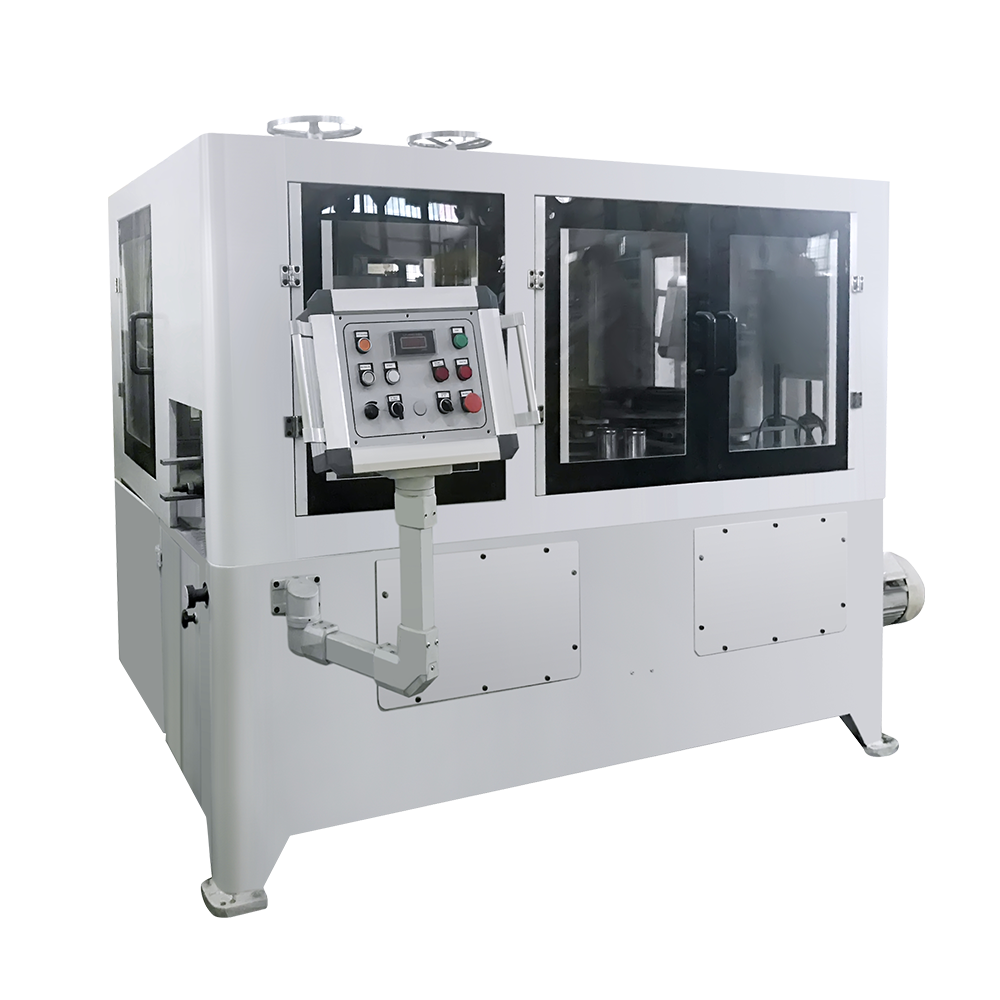
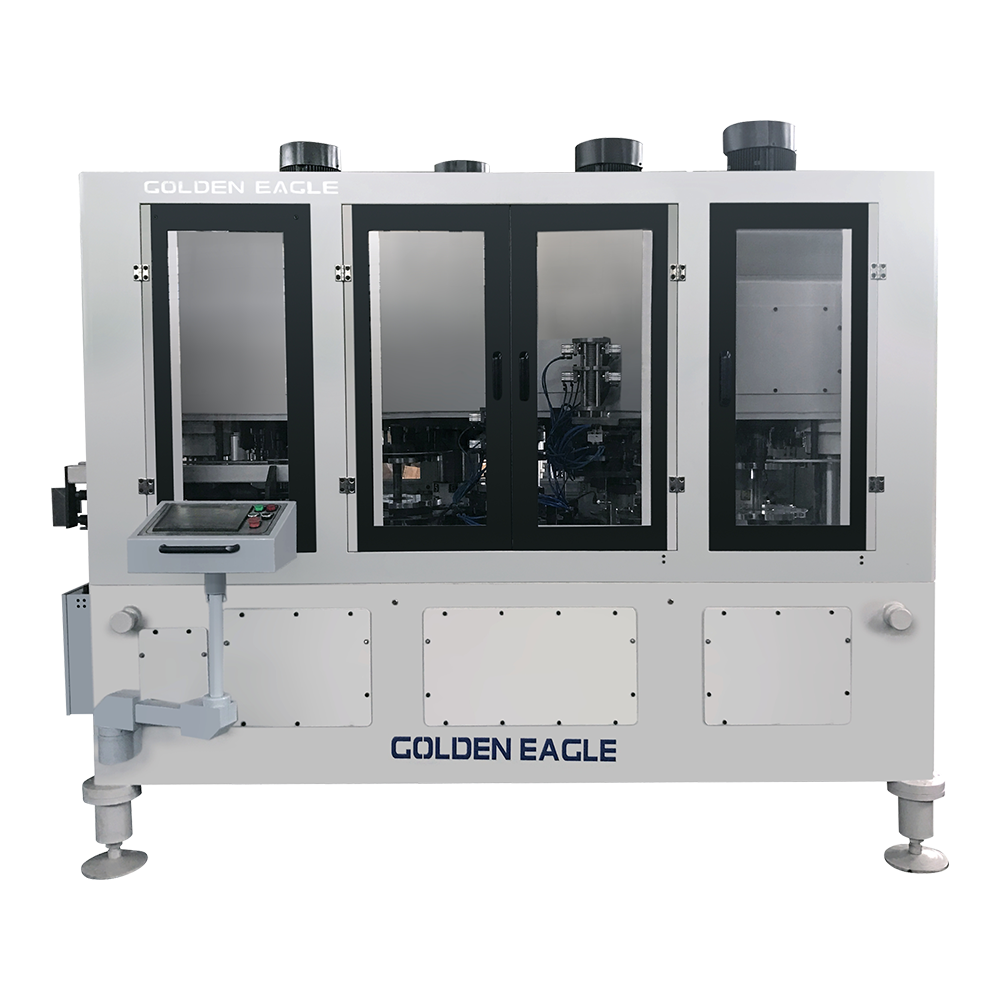
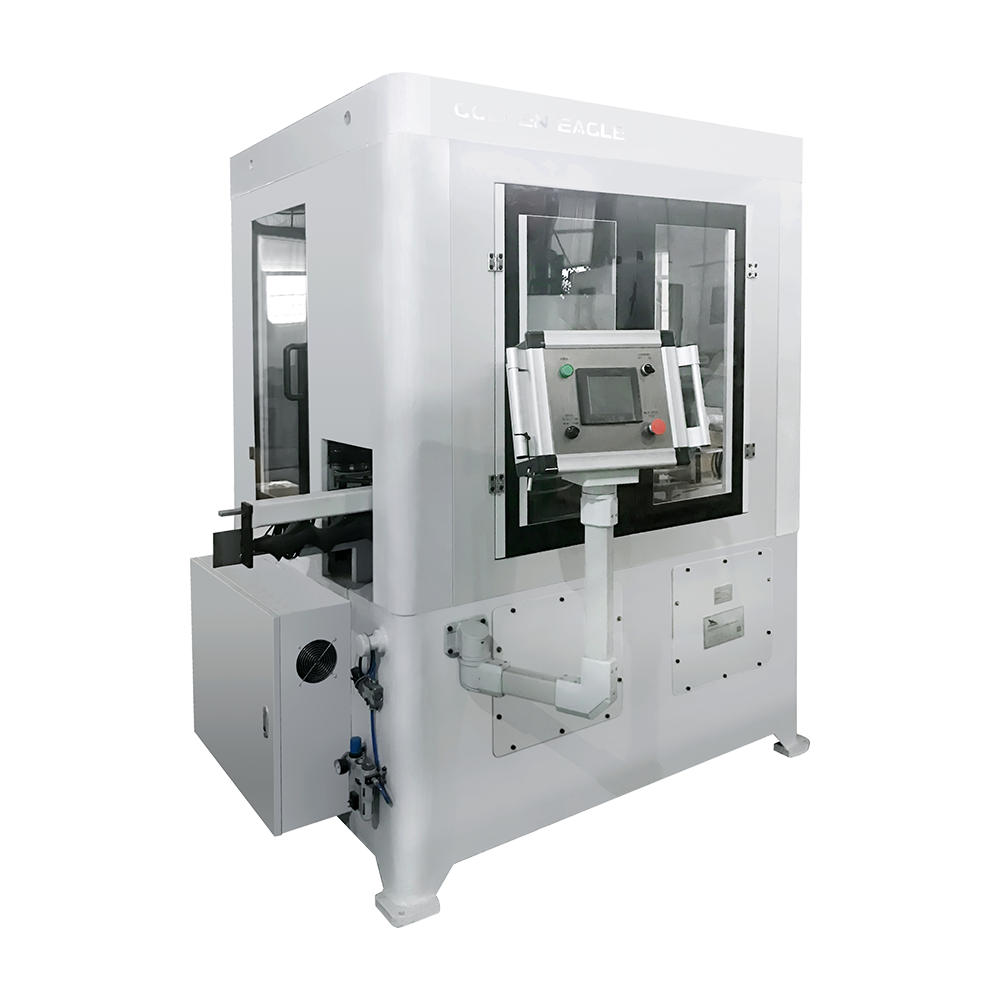
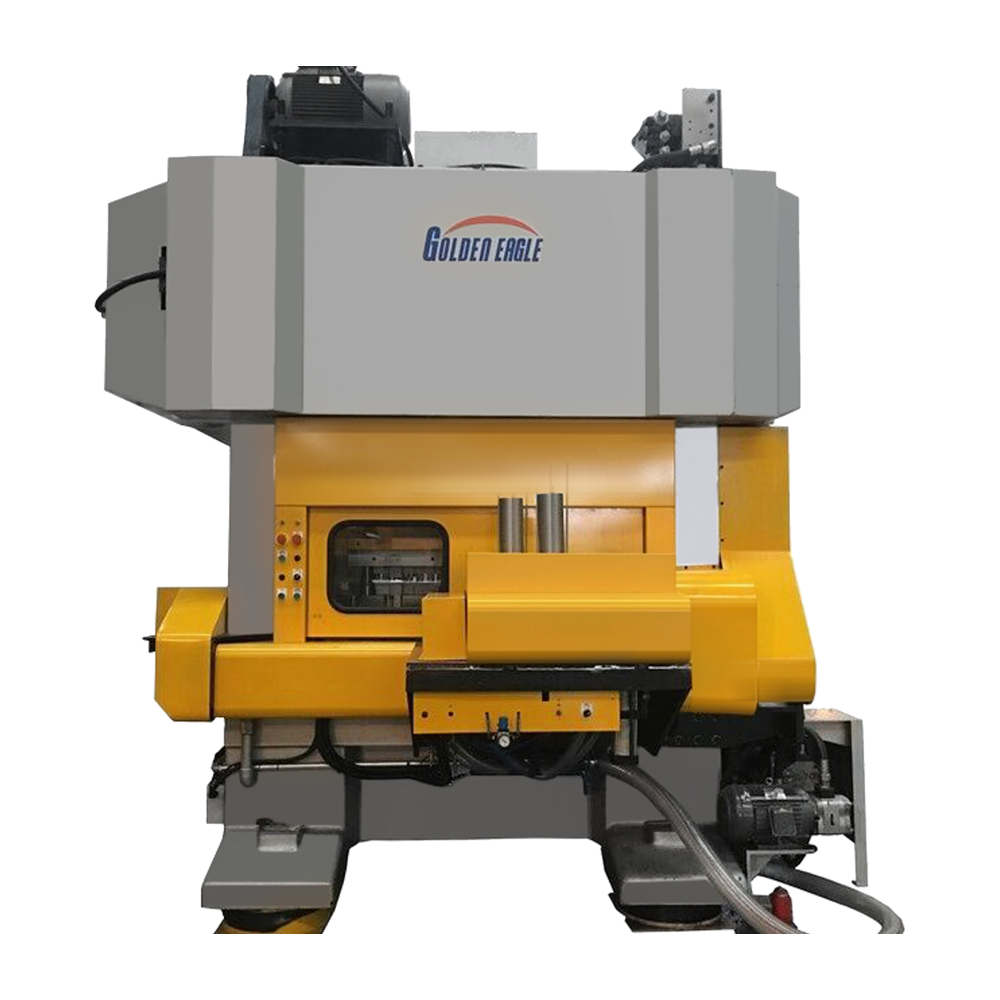
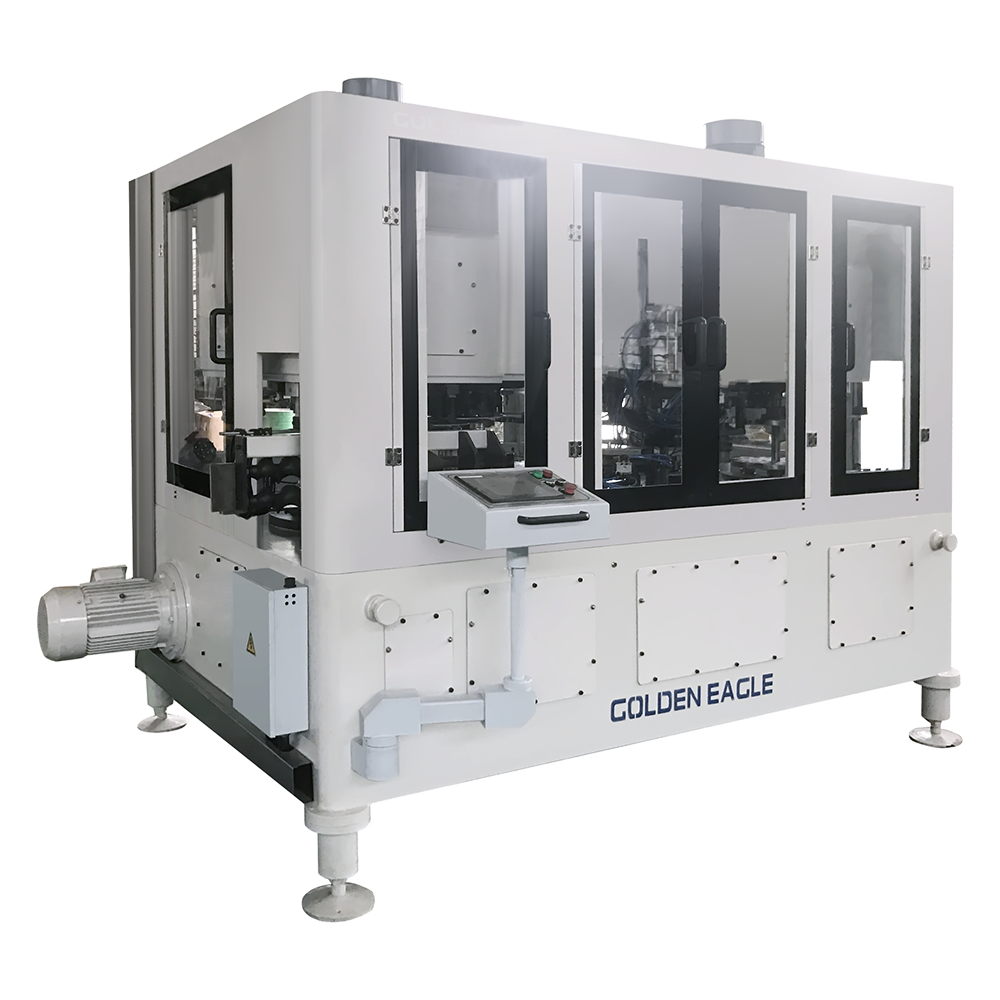
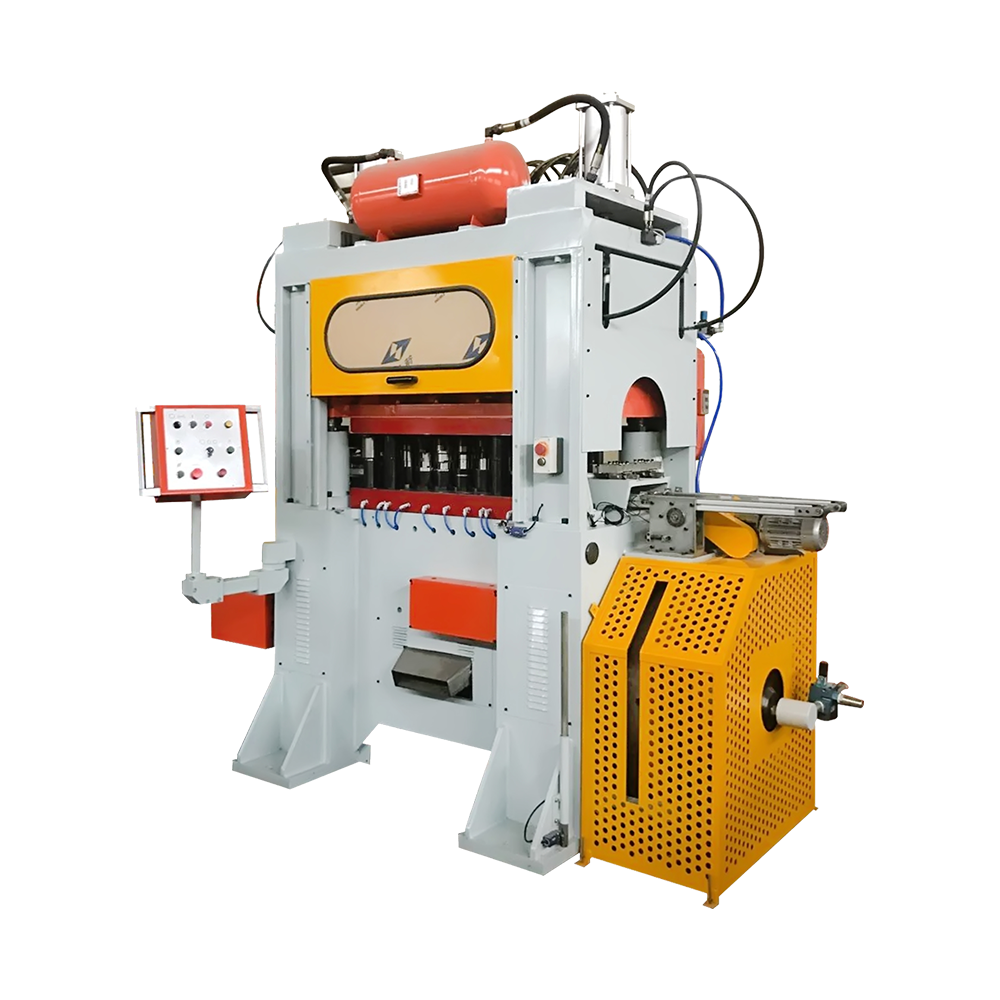
The manufacture of tin can lids and ends demands more than a powerful press. A modern production line must combine accurate forming, stable feeding, rapid changeover, material efficiency, operator protection, and dependable long-term operation. The CNC Automatic Digital-Control Punch Press is designed to meet these requirements in one integrated solution. It is developed for automatic sheet pressing and can be configured for a broad range of end diameters, lid formats, and production demands.
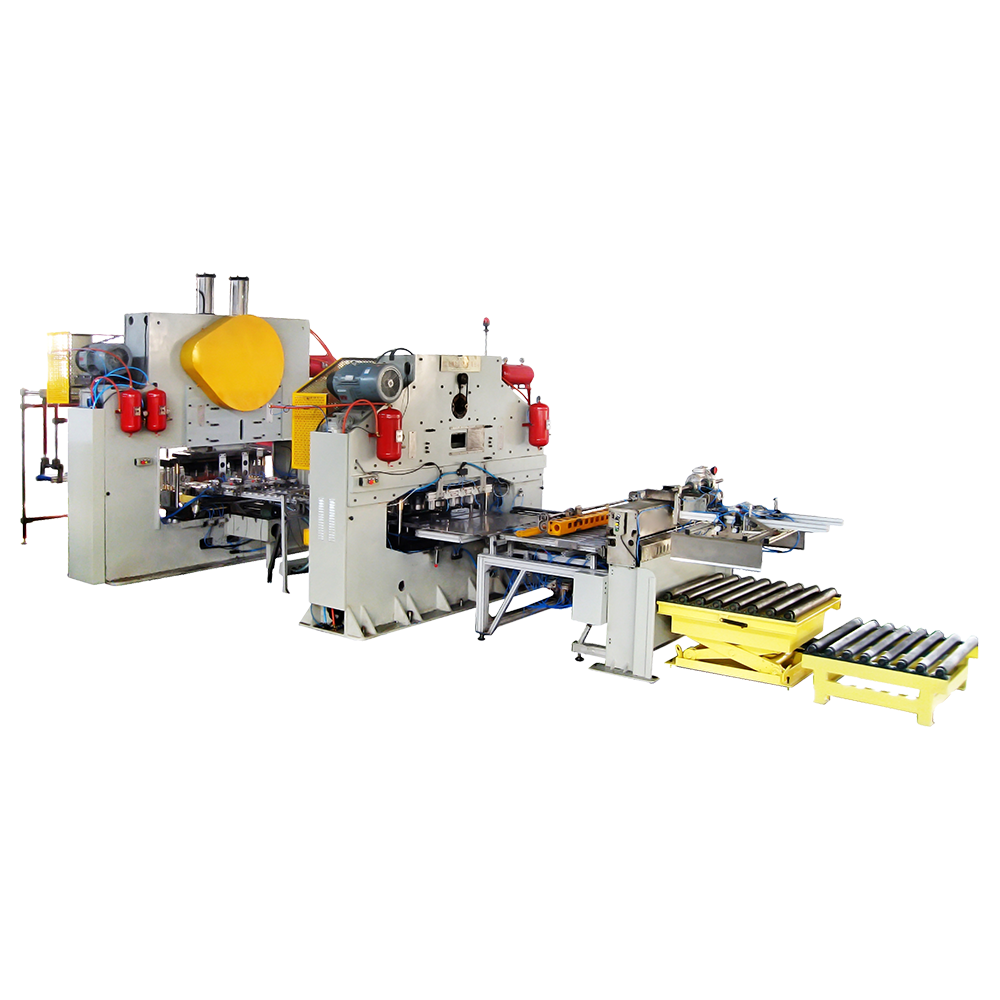
As a specialized machine for the tin can lid end manufacturing sector, this press combines a rigid mechanical structure with programmable control, automatic processing, multi-module die arrangements, and safety monitoring. Its design is suitable for the production of bottom covers, base covers, large tank covers, chemical tank covers, and other pressed tinplate components. Depending on the model and tooling arrangement, the machine can operate with one to fifteen modules, allowing manufacturers to select an appropriate configuration for their product mix.
The press series is manufactured by Zhejiang Golden Eagle Food Machinery Co., Ltd., a long-established Chinese producer of can-making machinery and molds. With decades of industrial experience, advanced CNC machining equipment, ISO-certified management systems, and a broad international customer base, the company provides not only the main press but also technical support, installation, commissioning, training, and replacement parts.
Tin can lids are generally produced from tinplate or another suitable sheet material. Before forming, the sheet may be coated, printed, slit, or prepared in a format compatible with the press. The punch press then performs the main pressing operation, transforming flat sheet material into accurately shaped lids, ends, covers, or related components.
In a conventional production arrangement, operators may need to feed sheets manually, monitor the press cycle, remove formed pieces, and check for double sheets or abnormal loads. Such processes can limit output and increase the risk of inconsistent quality. Manual operation may also result in unnecessary material waste, higher labor requirements, and greater exposure to moving equipment.
The CNC Automatic Digital-Control Punch Press automates the principal sheet pressing procedure. Sheet movement, pressing, die operation, and machine coordination are managed through a programmable control system. This enables the press to maintain consistent operating parameters across long production runs and makes it easier to adapt production to different lid sizes and tooling configurations.
The central advantage of automation is repeatability. Once the correct die, feeding arrangement, stroke, and control parameters have been established, the machine can continue producing similar components with limited operator intervention. This is particularly valuable for food cans, beverage cans, chemical containers, aerosol-related components, and other applications where dimensional consistency and reliable sealing are essential.
The press is designed to complete the sheet pressing process automatically. Automatic operation reduces dependence on manual handling and helps maintain a stable production rhythm. It also enables the machine to work as part of a wider can lid line, where sheet preparation, feeding, pressing, inspection, and subsequent operations are coordinated as a continuous process.
Automatic pressing is especially useful for high-volume manufacturers. Instead of repeatedly positioning each sheet by hand, operators can focus on material preparation, process supervision, quality inspection, and routine maintenance. The result is improved productivity and a more controlled manufacturing environment.
The machine uses digital control technology and a PLC controller to coordinate its operating sequence. Programmable control allows important machine functions to be monitored and adjusted according to the selected product and die arrangement.
A PLC-based system provides several practical benefits. It can improve operating consistency, simplify fault diagnosis, support interlocking between machine functions, and reduce the possibility of incorrect manual operation. The control system also makes it easier to integrate sensors and protection devices, including the double-sheet detection system and overload protection.
For production managers, digital control provides better process visibility. Operating settings can be documented, repeated, and adjusted in a more systematic manner than with a purely mechanical control arrangement. This supports standardized production, operator training, and production record management.
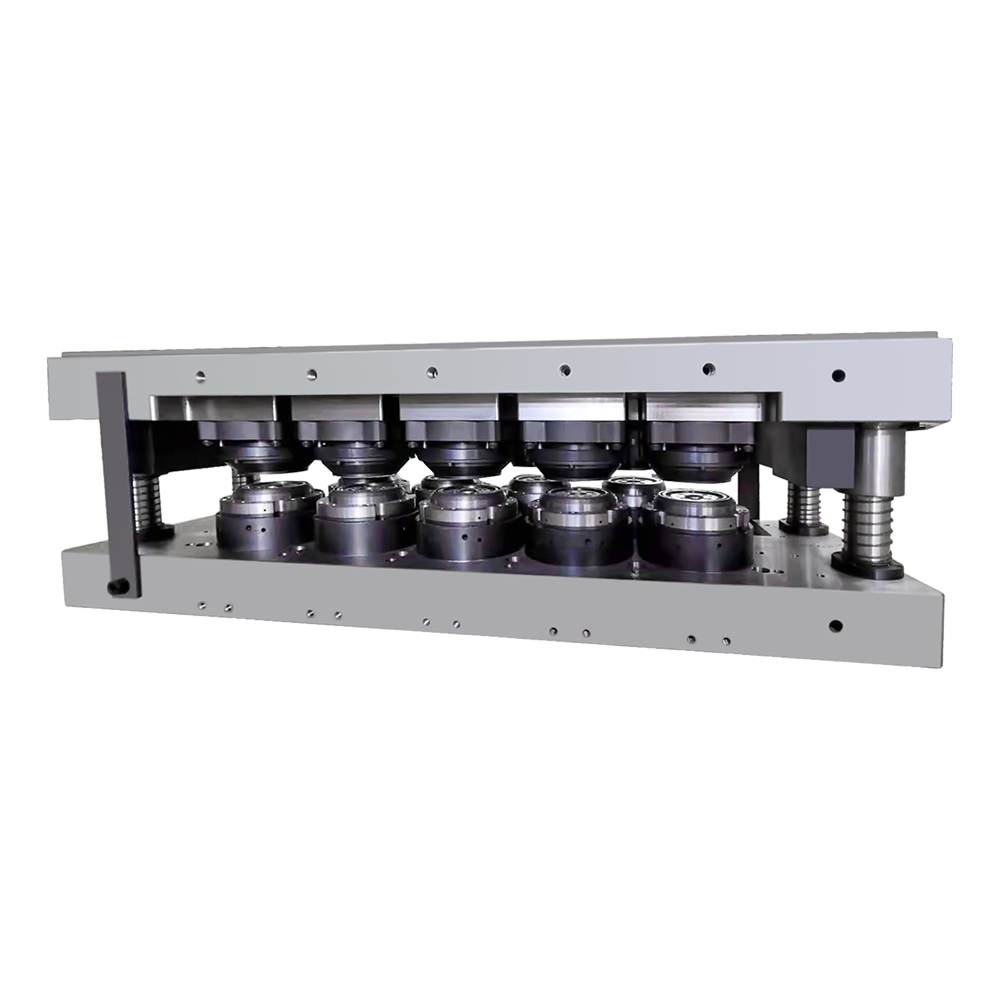
The machine series supports different numbers of forming modules depending on the model. Available configurations range from single-module arrangements to machines capable of carrying as many as fifteen modules. Some models support seven or eight modules for smaller end diameters, while larger-capacity configurations can support fifteen modules.
Multi-module tooling increases the number of products that can be formed during each press cycle. This provides a direct productivity advantage over single-head or low-capacity equipment when the product size and material layout are suitable. It also enables manufacturers to optimize production according to the diameter of the lid and the desired output.
For example, several models are designed for end diameters in the approximate range of 52 to 99 millimeters, with additional configurations for approximately 153-millimeter products. Other models are intended for larger covers or specialized applications. The actual output depends on the selected model, die design, material thickness, sheet layout, stroke, and operating conditions.
A double-sheet detector is included as an important protection and quality-control feature. If two sheets enter the pressing area together, the resulting thickness may exceed the intended operating range. This can damage the tooling, deform the product, or place excessive stress on the press frame and drive system.
The double-sheet detection system is designed to identify this abnormal condition before serious damage occurs. By helping prevent two sheets from being pressed simultaneously, the system protects valuable dies, reduces unplanned downtime, and supports more stable production.
This feature is particularly important when thin tinplate is processed at high speed. Thin sheet can sometimes adhere because of oil, static electricity, surface conditions, or improper stacking. Automatic detection provides an additional level of protection that would not be available through visual observation alone.
The press is equipped with overload protection to help safeguard the mechanical system when abnormal resistance occurs. Overload may result from a double sheet, incorrect die adjustment, a foreign object, material deformation, or another problem in the forming area.
Protecting the machine against excessive force is essential for preserving the service life of the frame, crank mechanism, connecting components, die set, and drive system. It also helps reduce the risk of serious mechanical failure and improves overall operator safety.
When combined with correct die installation, regular inspection, suitable lubrication, and proper operating procedures, overload protection contributes to dependable long-term performance.
The press is suitable for different end-size pressing applications. This flexibility makes it useful for manufacturers producing more than one type of can or cover. Instead of purchasing a completely separate machine for every end size, a suitable model can often be configured with appropriate tooling and production parameters.
Different models in the series provide different pressure levels, strokes, die capacities, plate sizes, and power ratings. This allows the equipment to be selected according to the actual application rather than forcing every manufacturer into one standard configuration.
Product changeover still requires proper tooling preparation and machine adjustment. The manufacturer should confirm the intended lid diameter, material specifications, required forming depth, production speed, and die arrangement before placing an order. However, the general configuration of the series provides a practical foundation for flexible production.
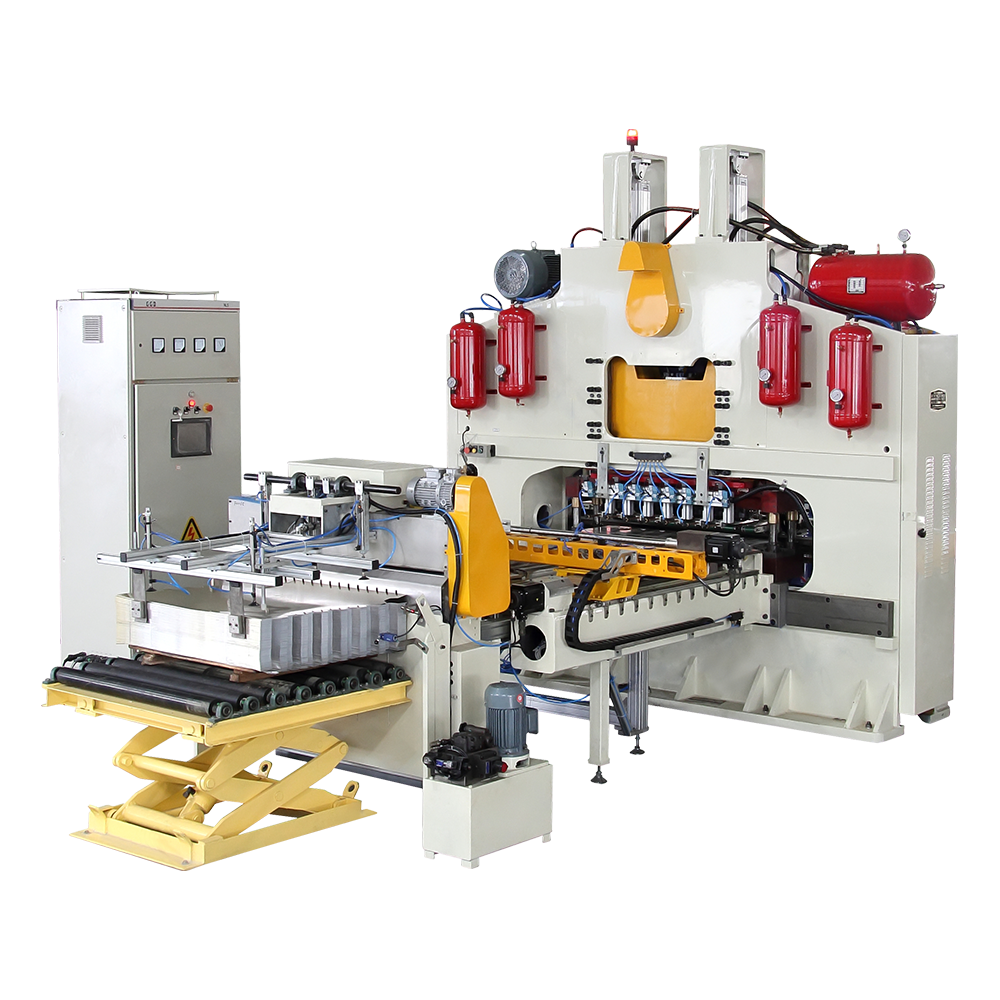
CNC Automatic digital controlling punch
The available models cover a wide operating range. Several machines use a working pressure of 900 kilonewtons, while other configurations provide 450, 1,200, 2,500, or 120 kilonewtons. This variation enables the machine to be matched to different product sizes and forming requirements.
| Model | Working Pressure | Stroke | Main Motor Power | Total Power | Host Weight |
|---|---|---|---|---|---|
| CNC-C1B | 900 kN | 105 mm | 7.5 kW | 25 kW | 11.8 t |
| CNC-C1D | 900 kN | 105 mm | 7.5 kW | 25 kW | 11.8 t |
| CNC-C1W | 900 kN | 105 mm | 7.5 kW | 30 kW | 12 t |
| CNC-C1H | 900 kN | 140 mm | 11 kW | 30 kW | 11.8 t |
| CNC-C2 | 450 kN | 100 mm | 5.5 kW | 20 kW | 10 t |
| CNC-C12 | 2,500 kN | 80 mm | 22 kW | 35 kW | 30 t |
| CNC-C6 | 1,200 kN | 105 mm | 15 kW | 32 kW | 12 t |
| CNC-C6D | 1,200 kN | 105 mm | 15 kW | 32 kW | 12 t |
| CNC-C6W | 1,200 kN | 105 mm | 7.5 kW | 35 kW | 12.2 t |
| CNC-C8 | 120 kN | 190 mm | 4 kW | 18 kW | 6.5 t |
The technical figures show that the series is not limited to one production scale. The CNC-C8, with a lower working pressure and a smaller installation footprint, can be considered for more specialized or lower-force applications, including the production of four screw caps according to the stated function description. At the opposite end, the CNC-C12 provides 2,500 kilonewtons of working pressure and supports a fifteen-module arrangement for high-capacity bottom and base cover production.
The CNC-C1 models offer a balanced configuration for many general-purpose lid and cover applications. The CNC-C1H provides a 140-millimeter stroke and is identified for large tank covers and chemical tank covers, including applications involving two levels of transmission. The CNC-C2 offers a lower working pressure and is primarily intended for bottom and base cover production.
The CNC-C6 group provides 1,200 kilonewtons of working pressure. Depending on the specific version, these machines can support up to eight modules for smaller diameters and three modules for approximately 153-millimeter products. Their stated functions include the production of bottom and base covers, with some variants designed for two-blank or related configurations.
Stroke length is an important factor in die design and product selection. The listed models have strokes ranging from 80 to 190 millimeters. The appropriate stroke depends on the required forming depth, the geometry of the lid, the die structure, and the movement required for feeding and discharge.
The technical data also identifies largest stroke values for different diameter ranges. Several models provide approximately 180 to 200 millimeters for smaller end sizes, while other values are specified for approximately 153-millimeter products. These figures should be reviewed together with the final tooling drawings before production begins.
Closed height affects the relationship between the press, die, and formed component. Most machines in the series have a largest closed height of approximately 395 millimeters and a maximum closed-height adjustment of 17 millimeters. The CNC-C12 provides a largest closed height of 425 millimeters and up to 25 millimeters of adjustment.
This adjustment range helps technicians establish the correct die position and forming relationship. Accurate adjustment is necessary to achieve consistent product dimensions and to prevent excessive loading of the die or press mechanism.
Many of the listed models accommodate a maximum plate width of 1,150 by 1,150 millimeters. The CNC-C8 is listed with a maximum plate width of 1,000 by 1,000 millimeters. The usable sheet size should be determined according to the feeding system, blank layout, die dimensions, and material-handling requirements.
A larger working plate can support efficient material layouts and may help increase the number of blanks processed per sheet. However, material savings depend on the actual lid diameter, blank spacing, scrap arrangement, and cutting accuracy. The press creates the forming operation, while an optimized layout and upstream cutting process determine how efficiently the sheet is utilized.
One of the most important advantages of the automatic punch press is its potential to improve production efficiency. The machine combines automatic sheet pressing with multi-module tooling, enabling multiple lids or covers to be formed in a coordinated cycle.
When compared with single-head equipment, a multi-module machine can increase output without requiring a proportional increase in floor space or labor. The actual gain depends on the number of modules, press cycle, blank arrangement, material thickness, and product design. Nevertheless, the ability to use one, two, several, or up to fifteen modules gives the manufacturer more options for production planning.
Material economy is another important benefit. The automatic process supports stable positioning and repeatable movement, which can reduce errors caused by inconsistent manual feeding. Better repeatability helps minimize malformed parts, incorrect placement, and unnecessary scrap.
Material savings also come from the interaction between the press and the die design. A well-designed die can use a suitable blank arrangement, maintain consistent forming, and reduce the amount of unused material around the product. Because the company also manufactures can-making molds, customers can obtain equipment and tooling from a supplier with experience in both areas.
Compared with less integrated equipment, this combination can simplify project coordination. The customer does not need to manage completely separate technical interfaces for the press, die, and production application. Tooling requirements, machine capacity, product dimensions, and operating conditions can be evaluated together.
Automatic operation reduces the number of repetitive manual actions required during production. Operators still need to load materials, supervise the equipment, inspect products, respond to alarms, and perform maintenance. However, the machine can reduce the need for continuous manual positioning and pressing.
Lower manual intervention can improve workplace organization and help manufacturers allocate employees to higher-value activities such as quality control, preventive maintenance, and production management. It may also help maintain more consistent output during extended shifts.
The press can be integrated into a wider can lid manufacturing line. A complete line may include sheet cutting, blank preparation, automatic feeding, pressing, inspection, conveying, and downstream operations. The press therefore serves as a core forming unit rather than an isolated workshop machine.
Stable coordination between the feeding equipment and the press is essential. Correct timing, sheet separation, die alignment, and discharge control all influence output and product quality. The PLC system and protective sensors help provide the control foundation needed for coordinated operation.
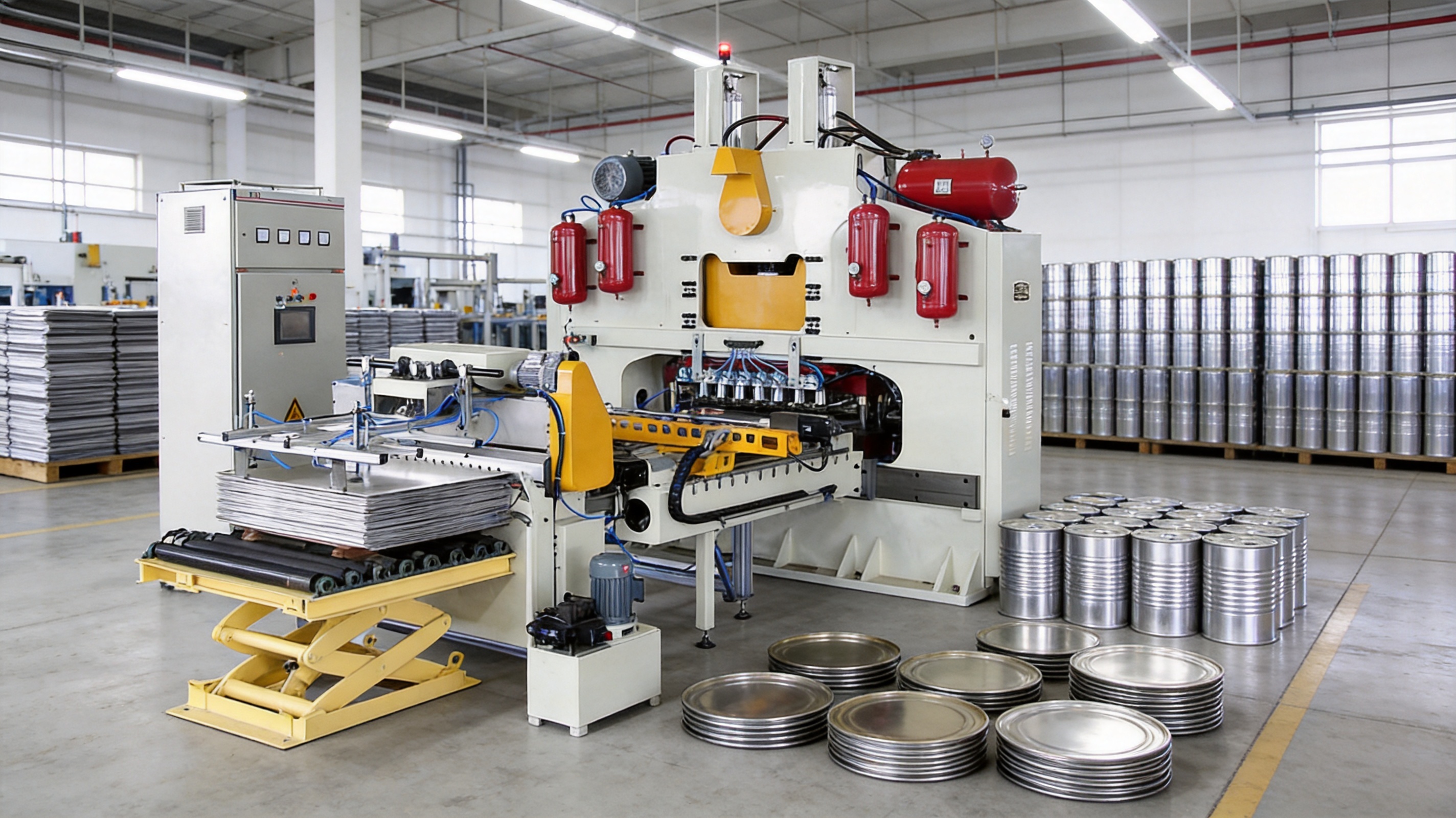
Traditional manual or semi-automatic presses may require frequent operator intervention. This can create differences in feeding position, cycle timing, and product handling. The CNC Automatic Digital-Control Punch Press is designed to automate the main pressing procedure, helping create a more uniform process.
Automation also makes production less dependent on individual operator skill. Experienced personnel remain important, but the machine control system helps standardize routine operations. This is a significant advantage for factories that operate multiple shifts or need to train new employees.
A single-purpose press may be economical when one product is manufactured continuously, but it can become a limitation when customer orders vary. The available machine series includes different pressure levels, strokes, module capacities, and application descriptions. This makes it possible to select a machine for general bottom and base covers, large tank covers, chemical tank covers, or specialized screw caps.
The ability to configure dies for different end sizes gives the equipment a broader application range than a press designed only for one fixed product. It also allows a manufacturer to plan future products more effectively, provided the proposed products remain within the machine’s pressure, stroke, die, and sheet-size limits.
Double-sheet detection and overload protection are valuable differentiators when compared with machines that rely mainly on operator observation. A damaged die can cause expensive downtime and may require extensive repair or replacement. Protecting the die and press helps maintain production continuity.
Protection systems also support safer operation. They do not replace guarding, lockout procedures, operator training, or regular inspection, but they provide additional monitoring during the automatic cycle.
The listed host weights range from approximately 6.5 to 30 tons. The substantial weight of the larger models reflects the need for a rigid structure capable of handling high forming forces. A rigid press frame helps reduce unwanted movement and vibration, supporting stable die alignment and repeatable forming.
The high-capacity CNC-C12, for example, is listed with a 2,500-kilonewton working pressure and a 30-ton host weight. Such a configuration is appropriate for demanding production applications where force, stability, and durability are critical considerations.
Press performance depends heavily on the quality and suitability of the die. A machine may have sufficient nominal force but still produce poor results if the tooling is incorrectly designed or adjusted. The manufacturer’s experience in both can-making machinery and molds provides an important technical advantage.
Integrated knowledge of press mechanics and die construction can help reduce incompatibility risks. It also allows technical personnel to consider the complete forming system, including product geometry, material properties, blank dimensions, module arrangement, and maintenance requirements.
The manufacturer has been engaged in can-making machinery and mold production since 1978. This long period of specialization provides accumulated experience in mechanical design, sheet-metal forming, machine assembly, tooling development, and production-line integration.
The company employs more than 350 trained personnel, including experienced design and development engineers. A large technical team supports the development of equipment for food cans, beverage cans, can lids, chemical tanks, aerosol containers, two-piece cans, and other packaging applications.
Advanced CNC high-precision machining equipment is used together with a complete range of mechanical processing equipment. CNC machining can improve dimensional control for important parts such as die components, guide structures, mounting surfaces, and precision mechanical elements.
Precision machining is particularly important in a multi-module press. Each module must be positioned consistently, and the relationship between the die, sheet, and press movement must remain accurate. Small errors can become more visible when multiple forming heads operate at the same time. High-precision manufacturing helps establish the mechanical foundation for reliable operation.
The company states that its product design principles are similar to those associated with major international can-making machinery manufacturers such as KRUPP, SOUDRONIC, and ALFONS-HAAR. This indicates an effort to apply established industrial design concepts while adapting them to practical production experience.
Rather than copying a single design approach, the company combines accumulated manufacturing experience with ongoing product development. Its equipment has been used in practical production environments, allowing operating feedback to influence later improvements in structure, automation, tooling, and serviceability.
The manufacturer has been certified to ISO 9001 quality management and ISO 14001 environmental management systems. ISO 9001 supports structured quality processes, documentation, and continual improvement. ISO 14001 provides a framework for managing environmental responsibilities and improving environmental performance.
Certification does not replace product inspection or customer acceptance testing, but it demonstrates that manufacturing and management activities are organized within recognized systems. For international buyers, documented management processes can provide additional confidence during supplier evaluation.
Producing a heavy-duty automatic press requires more than assembly capability. The manufacturer must control machining, fitting, alignment, electrical installation, testing, and final commissioning. The company’s complete mechanical processing resources support the production of large and precision components in-house or through coordinated manufacturing processes.
This broader manufacturing capability can help improve control over delivery schedules, component compatibility, and final machine quality. It also allows the company to support customized machine configurations, special die arrangements, and complete production-line projects.
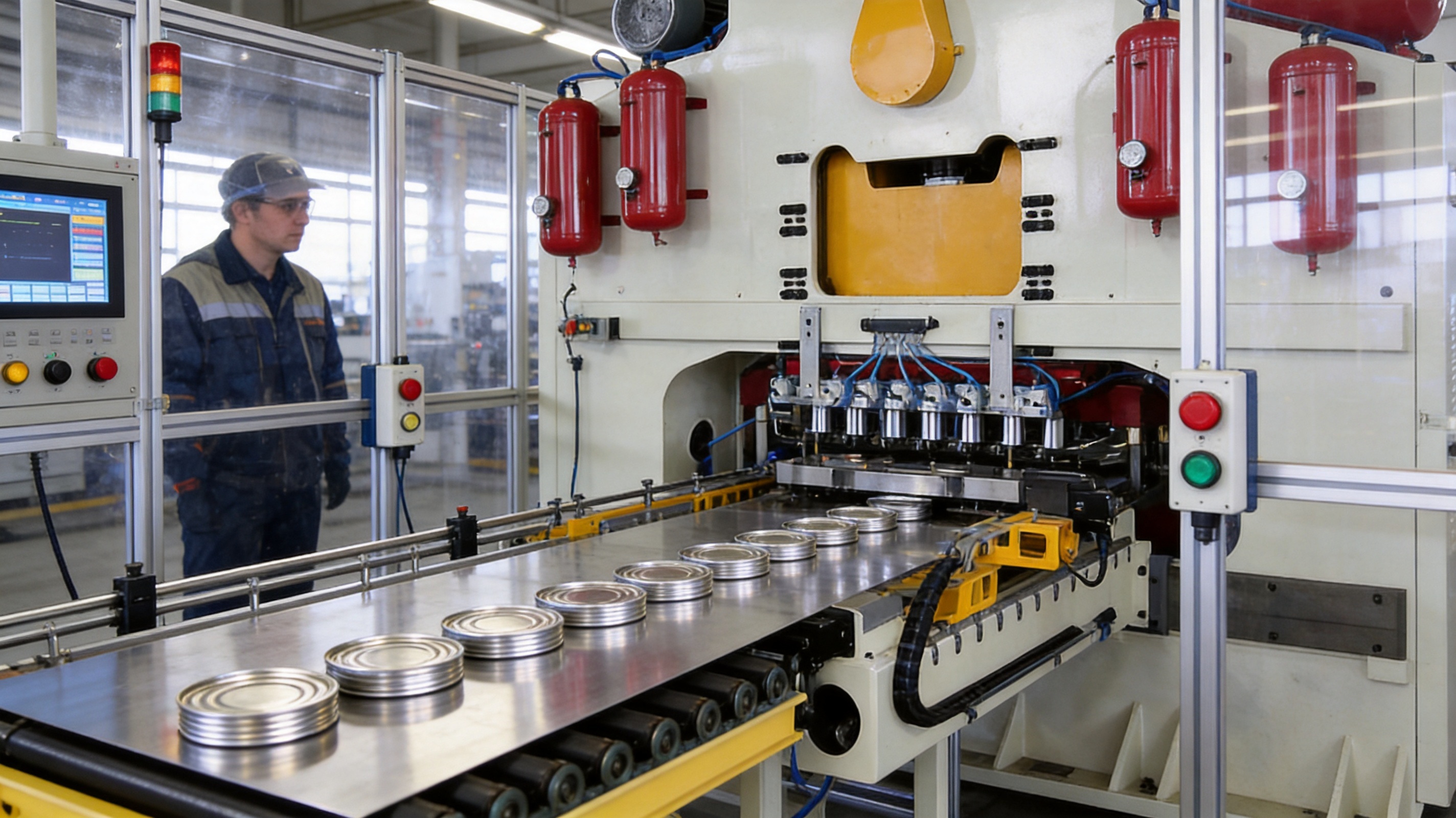
The press can be used for the production of bottom covers and base covers for food cans. Food can manufacturers require consistent dimensions because the end must fit the can body and support reliable seaming. A stable pressing process helps produce uniform components for later assembly.
Beverage packaging requires high production volumes and consistent quality. Depending on the product design and selected tooling, the machine series can support suitable lid and end-forming applications within the specified operating range. Production planning should account for material thickness, coating, diameter, forming depth, and downstream sealing requirements.
The CNC-C1H is identified as being mainly suitable for large tank covers and chemical tank covers. Its 140-millimeter stroke and specialized transmission description make it appropriate for applications that require a different forming range from standard small can ends.
Chemical container components may require particular attention to material strength, corrosion resistance, cover geometry, and sealing performance. The press should be configured with tooling specifically designed for the intended container and material.
The company supplies machinery for aerosol canister production, and the press technology can form selected aerosol-related covers or ends when the product dimensions and tooling are compatible. Aerosol components often require precise geometry because they may be used with pressure-containing containers and specialized valves.
The CNC-C8 is described as mainly intended for the production of four screw caps. With a 120-kilonewton working pressure, 190-millimeter stroke, and a maximum plate width of 1,000 by 1,000 millimeters, it represents a more specialized configuration within the overall range.
A heavy automatic punch press must be planned as part of the factory layout. Installation dimensions vary by model. Several large models are listed at approximately 8,000 by 6,310 by 3,170 millimeters, while the CNC-C2 is listed at approximately 8,000 by 6,310 by 2,700 millimeters and the CNC-C8 at approximately 5,400 by 4,000 by 2,500 millimeters.
These figures should be treated as basic installation references. The actual factory space must also include room for sheet storage, die handling, maintenance access, control cabinets, conveyors, feeding equipment, product discharge, inspection, and safe operator movement.
Foundation design is another important consideration. Models weighing between 6.5 and 30 tons require an adequately engineered foundation and suitable lifting arrangements. The buyer should confirm floor loading, anchor requirements, vibration considerations, power supply, ventilation, and access routes before delivery.
Electrical requirements should be reviewed with the supplier because total power varies from approximately 18 to 35 kilowatts among the listed models. The facility must provide a stable power supply that matches the machine’s voltage, frequency, phase, control requirements, and local regulations.
Die installation should be carried out by trained technicians. The die must be aligned carefully, fastened securely, and adjusted to the correct closed height. Incorrect installation can cause uneven forming, excessive wear, product deformation, or overload.
Before full production, the machine should be tested at low speed or under controlled conditions. Operators should confirm sheet feeding, blank position, die clearance, product discharge, sensor operation, and emergency-stop functions.
The manufacturer provides after-sales services including installation, commissioning, technical guidance, and operation training. These services are important because advanced automatic equipment performs best when operators understand both the control system and the mechanical process.
Training should cover startup and shutdown, product changeover, die handling, alarm interpretation, double-sheet response, overload response, lubrication, cleaning, inspection, and emergency procedures. Maintenance personnel should also receive guidance on preventive maintenance and replacement of wear parts.
Regular maintenance is necessary to preserve press accuracy and productivity. Heavy-duty construction can provide a strong foundation, but it does not eliminate the need for scheduled inspection. The maintenance program should be adapted to production hours, material type, operating speed, and environmental conditions.
Daily checks may include cleaning the working area, inspecting sheet-feeding components, checking for abnormal noise, confirming sensor status, and observing product quality. Lubrication points should be serviced according to the manufacturer’s instructions.
Periodic maintenance may include inspection of fasteners, guide components, drive mechanisms, electrical connections, protective devices, die surfaces, and control-system signals. Any unusual vibration, repeated alarm, dimensional drift, or increase in scrap should be investigated promptly.
Dies require special care. Forming surfaces should be kept clean and free of damage. Operators should avoid allowing foreign material to enter the die. When a machine is changed from one product to another, tooling should be stored safely, identified clearly, and protected from impact and corrosion.
The availability of replacement parts is also important. The manufacturer states that it supplies parts at speed as part of its after-sales support. Fast access to suitable components can reduce downtime and help customers maintain their production schedules.
Model selection should begin with the product rather than the machine. The buyer should define the end diameter, material grade, material thickness, forming depth, blank size, target output, number of products per cycle, and required die arrangement.
| Selection Factor | Why It Matters |
|---|---|
| End diameter | Determines die dimensions, module layout, and suitable pressing range. |
| Material thickness | Influences forming force, feeding stability, and overload risk. |
| Required output | Helps determine the number of modules and appropriate press capacity. |
| Forming depth | Must be compatible with the available stroke and die design. |
| Sheet dimensions | Must remain within the working plate and feeding-system limits. |
| Product range | Determines whether a general-purpose or specialized machine is more suitable. |
| Factory space | Must accommodate machine dimensions, maintenance access, and material flow. |
| Power supply | Must support the listed main and total power requirements. |
| Tooling strategy | Determines the practical number of modules and changeover requirements. |
Manufacturers producing standard bottom and base covers may consider the CNC-C1 or CNC-C6 families, depending on output and force requirements. Facilities producing large tank or chemical tank covers should evaluate the CNC-C1H. High-capacity production involving a fifteen-module arrangement may justify consideration of the CNC-C12.
The CNC-C8 may be appropriate for more specialized products with lower force requirements. The CNC-C2 can provide a different balance of force, power, and module capacity for selected bottom and base cover applications.
Final selection should be confirmed through technical communication with the supplier. Product drawings, material samples, target output, and die requirements should be reviewed before the machine configuration is finalized.
The value of a punch press depends on more than its nameplate pressure. A supplier with experience in can-making machinery understands the interaction between the press, die, sheet material, feeding system, and downstream operations.
Zhejiang Golden Eagle Food Machinery Co., Ltd. has produced more than 10,000 pieces of can and can-lid equipment according to its company information. Its product range includes food can production lines, beverage can production lines, can lid production lines, chemical tank production lines, aerosol canister production lines, two-piece can production lines, and pop can production lines.
This product breadth is useful for customers planning a complete factory project. Rather than purchasing isolated machines from unrelated suppliers, a customer can discuss the overall production route with a company familiar with multiple can-making processes.
The company’s export experience also supports international projects. Its equipment has been supplied to customers in Europe, Asia, Africa, North America, South America, and Oceania. International delivery requires attention to documentation, packaging, electrical standards, installation coordination, spare parts, and technical communication.
More than forty-six years of development have also allowed the company to accumulate knowledge about different factory environments and application requirements. This experience can help customers identify practical issues before installation, including foundation preparation, line layout, tooling compatibility, and operator training.
Automatic presses contain moving mechanisms and high forming forces. Safe operation requires physical guarding, appropriate interlocks, emergency-stop systems, operator training, and disciplined maintenance procedures. The double-sheet detector and overload protection system provide important machine-level safeguards, but they must be used together with the customer’s own workplace safety program.
Operators should never bypass protection devices or reach into the forming area while the machine is energized. Die changes, cleaning, adjustment, and maintenance should follow lockout and isolation procedures. Only authorized technicians should access electrical cabinets or modify control parameters.
Safety instructions should be translated and made available in the language used by the operating team. Warning signs, emergency procedures, and routine inspection checklists should be displayed clearly near the equipment.
The CNC Automatic Digital-Control Punch Press is a versatile solution for manufacturers that need automatic tin can lid and end forming with strong production capability. Its main strengths include automatic sheet pressing, PLC control, multi-module die capacity, double-sheet detection, overload protection, flexible end-size applications, and a choice of models covering different pressure and output requirements.
Compared with simpler manual or single-module presses, the machine can offer higher automation, more consistent operation, better production flexibility, and improved protection for the press and tooling. Compared with equipment designed for only one product, the series provides a wider choice of configurations for food cans, beverage packaging, chemical containers, aerosol-related components, and specialized covers.
The manufacturer strengthens the product offering through long-term experience, professional engineers, CNC precision machining, complete mechanical manufacturing resources, ISO 9001 and ISO 14001 certification, mold production, complete can-making lines, and international after-sales support.
For a successful investment, customers should evaluate the complete forming system. The selected model must match the product dimensions, material, required output, die arrangement, factory space, foundation, electrical supply, and maintenance capabilities. When these factors are correctly coordinated, the CNC Automatic Digital-Control Punch Press can become a reliable core machine for efficient tin can lid end production.
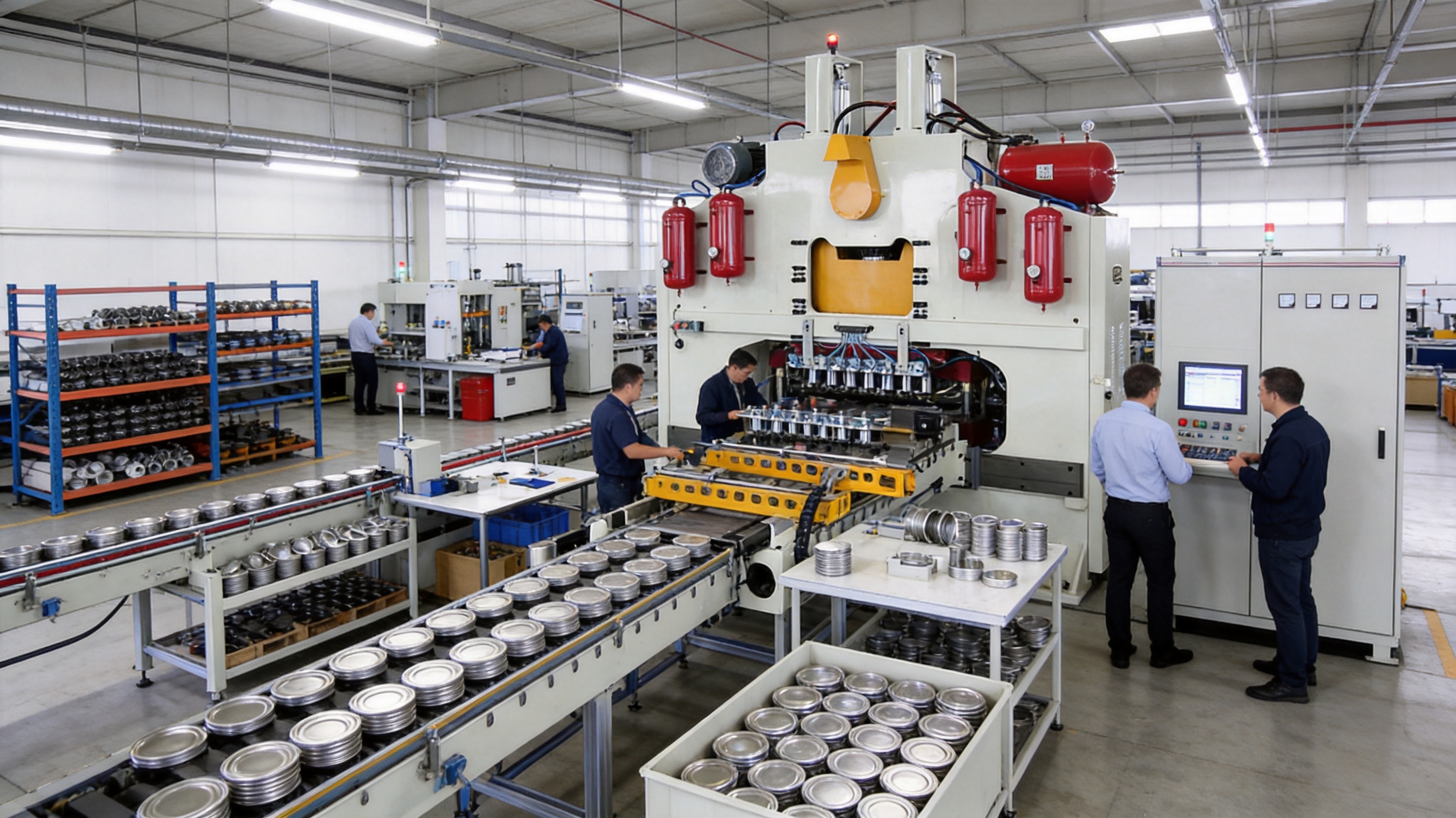
The press is mainly used to form tin can lids, bottom covers, base covers, tank covers, chemical tank covers, and selected specialized components such as four screw caps. The exact application depends on the model, material, product dimensions, and installed tooling.
The available configurations range from one to fifteen modules. Some models support seven or eight modules for smaller end diameters, while the CNC-C12 is listed with a maximum fifteen-module capacity. The actual number used depends on product diameter, die design, sheet layout, and required output.
Yes. The press is designed for automatic sheet pressing and uses a PLC controller to coordinate the operating procedure. Operators are still required for supervision, material preparation, quality inspection, maintenance, and safe production management.
The machine is equipped with a double-sheet detector and overload protection. These systems help prevent damage caused by two sheets entering the die together or by excessive forming resistance. They should be used together with guarding, emergency-stop systems, lockout procedures, and operator training.
The listed models provide working pressures from 120 to 2,500 kilonewtons. Examples include 450 kilonewtons for the CNC-C2, 900 kilonewtons for several CNC-C1 models, 1,200 kilonewtons for the CNC-C6 family, and 2,500 kilonewtons for the CNC-C12.
The CNC-C1H is identified mainly for large tank covers and chemical tank covers. It has a 900-kilonewton working pressure and a 140-millimeter stroke. The customer should still provide product drawings and material details so the supplier can confirm the complete tooling and process arrangement.
The series is suitable for different end-size pressing applications when the correct die and configuration are used. The available machine specifications include arrangements for approximately 52-to-99-millimeter products and approximately 153-millimeter products, as well as larger cover applications.
Most of the larger models are listed with a maximum plate width of 1,150 by 1,150 millimeters. The CNC-C8 is listed with a maximum plate width of 1,000 by 1,000 millimeters. Actual production suitability depends on the feeding system and die layout.
The machine uses digital control and a PLC controller. The PLC coordinates the automatic sequence and works with sensors and protection devices. The precise control interface and available functions should be confirmed for the selected model and project configuration.
Yes. The company manufactures both can-making machinery and can-making molds. This integrated capability can help customers coordinate the press, die, product dimensions, and forming process through one experienced technical source.
According to the provided company information, after-sales services include installation, commissioning, technical guidance, operation training, and the supply of replacement parts. Service arrangements should be confirmed in the commercial and technical agreement.
The choice should be based on end diameter, material thickness, forming depth, required output, number of products per cycle, die capacity, available floor space, power supply, and future product plans. The supplier should review product drawings and production targets before recommending the final model.
Yes. The press can serve as the forming unit in a broader line that may include sheet cutting, automatic feeding, lid forming, inspection, conveying, and downstream operations. The manufacturer also supplies complete production-line solutions for several can-making applications.
The customer should prepare an engineered foundation, adequate floor space, lifting and transportation access, suitable electrical power, material storage, maintenance clearance, safety guarding, and trained personnel. Installation drawings and utility requirements should be confirmed with the supplier in advance.
1. Product technical specification sheets for the CNC-C1B, CNC-C1D, CNC-C1W, CNC-C1H, CNC-C2, CNC-C12, CNC-C6, CNC-C6D, CNC-C6W, and CNC-C8 models.
2. Manufacturer-provided product description for the CNC Automatic Digital-Control Punch Press.
3. ISO 9001, Quality Management Systems: Requirements.
4. ISO 14001, Environmental Management Systems: Requirements with Guidance for Use.
5. General principles of sheet-metal forming, press tooling, die alignment, and mechanical press maintenance.
6. Manufacturer-provided company profile and can-making machinery service information.
Related Products

Founded in 1978, the company is one of the largest can-making machinery well-known companies at home and abroad.
Product Categories
Contact Information
Zhongshatou Shenjiamen Zhoushan Zhejiang China
+86-580-3056646

 English
 中文简体
中文简体
 русский
 عربى
عربى
 Español