2026-08-04
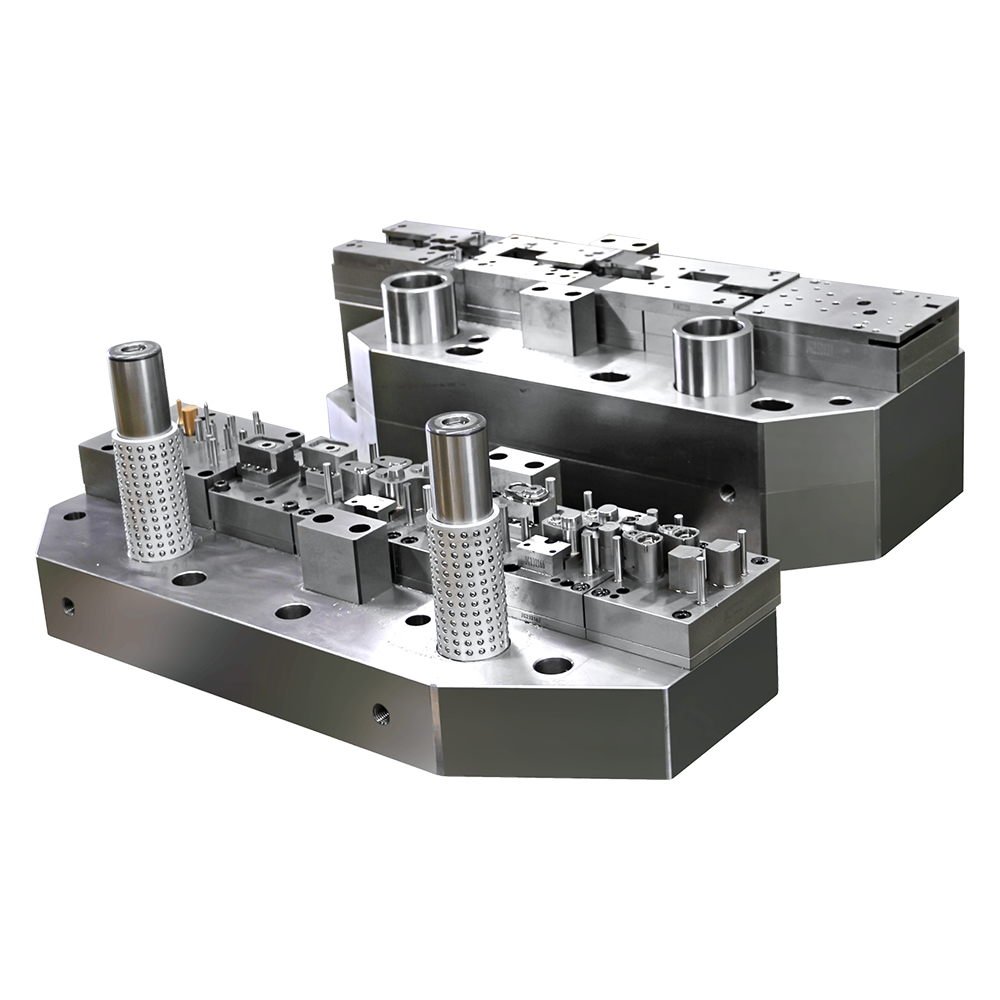
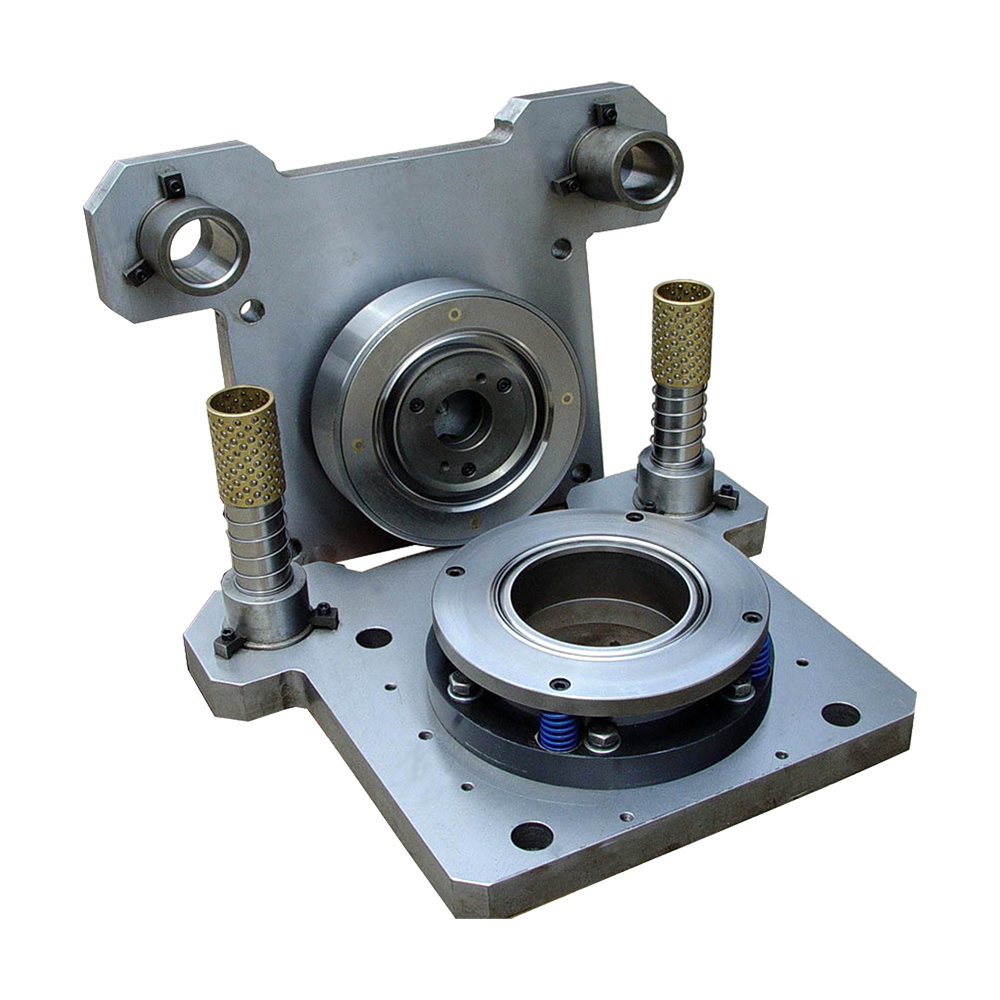
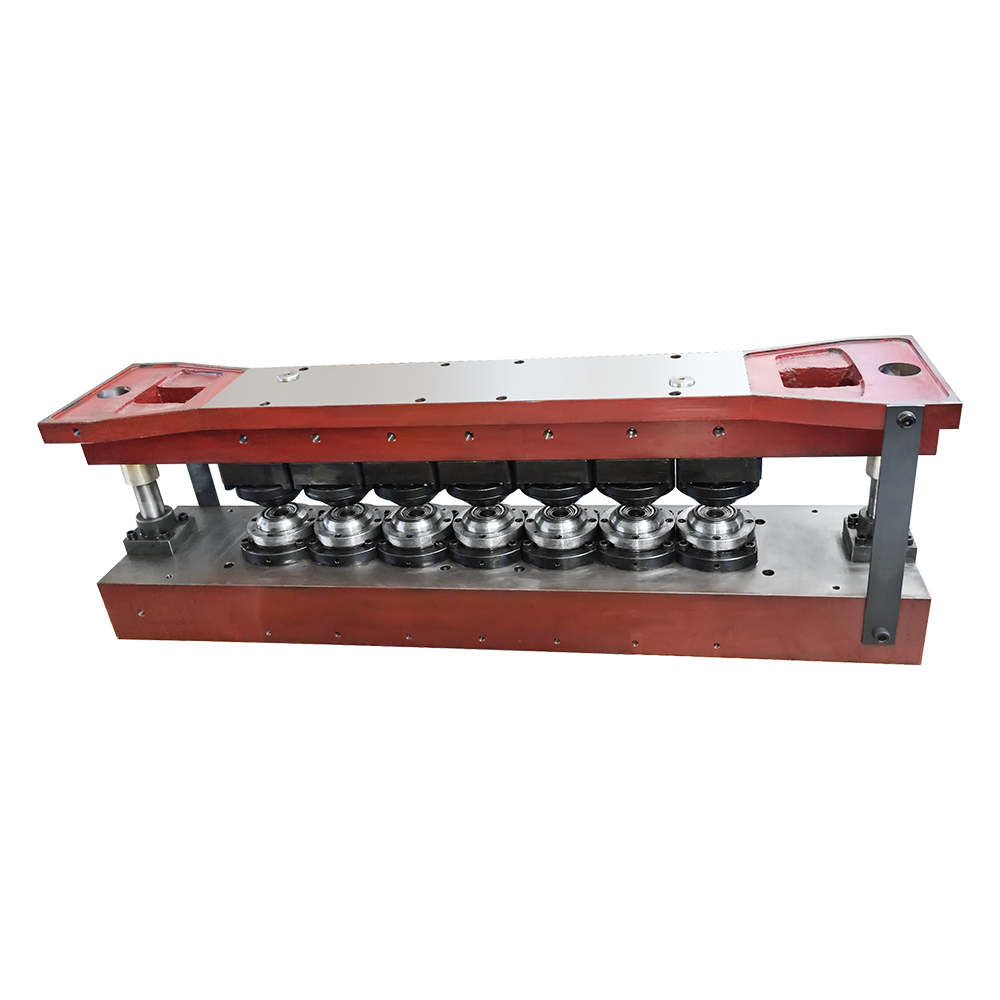
In modern metal packaging production, the quality of the forming die directly influences the consistency, appearance, strength, and production efficiency of the finished can end. A conversion press channel die is an important mold component used in can lid and can end manufacturing. It supports the controlled forming and conversion of tinplate or other suitable metal sheet into accurately shaped components for food cans, beverage cans, aerosol containers, chemical containers, and related packaging products.
A channel die must perform reliably under repeated high-speed pressing conditions. It must guide, support, shape, and stabilize the workpiece while maintaining close dimensional tolerances over a long operating cycle. Even a small deviation in the die profile can result in uneven forming, damaged coating, inconsistent countersink depth, poor sealing performance, excessive scrap, or accelerated wear on associated tooling. For this reason, the selection of a dependable conversion press channel die is an important decision for every can-making factory.
The Conversion Press Channel Die supplied by Zhejiang Golden Eagle Food Machinery Co., Ltd. is designed for professional can-making and can-lid production applications. The product benefits from the company’s long experience in can-making machinery and mold manufacturing, advanced CNC machining capabilities, experienced engineering personnel, and broad understanding of complete can production lines. Its design philosophy combines practical production experience with precision manufacturing methods, creating a tooling solution intended for stability, repeatability, and compatibility with demanding industrial environments.
This article explains the purpose of a conversion press channel die, its main technical advantages, its role in production, manufacturing considerations, maintenance requirements, and the strengths of the supplier behind the product.
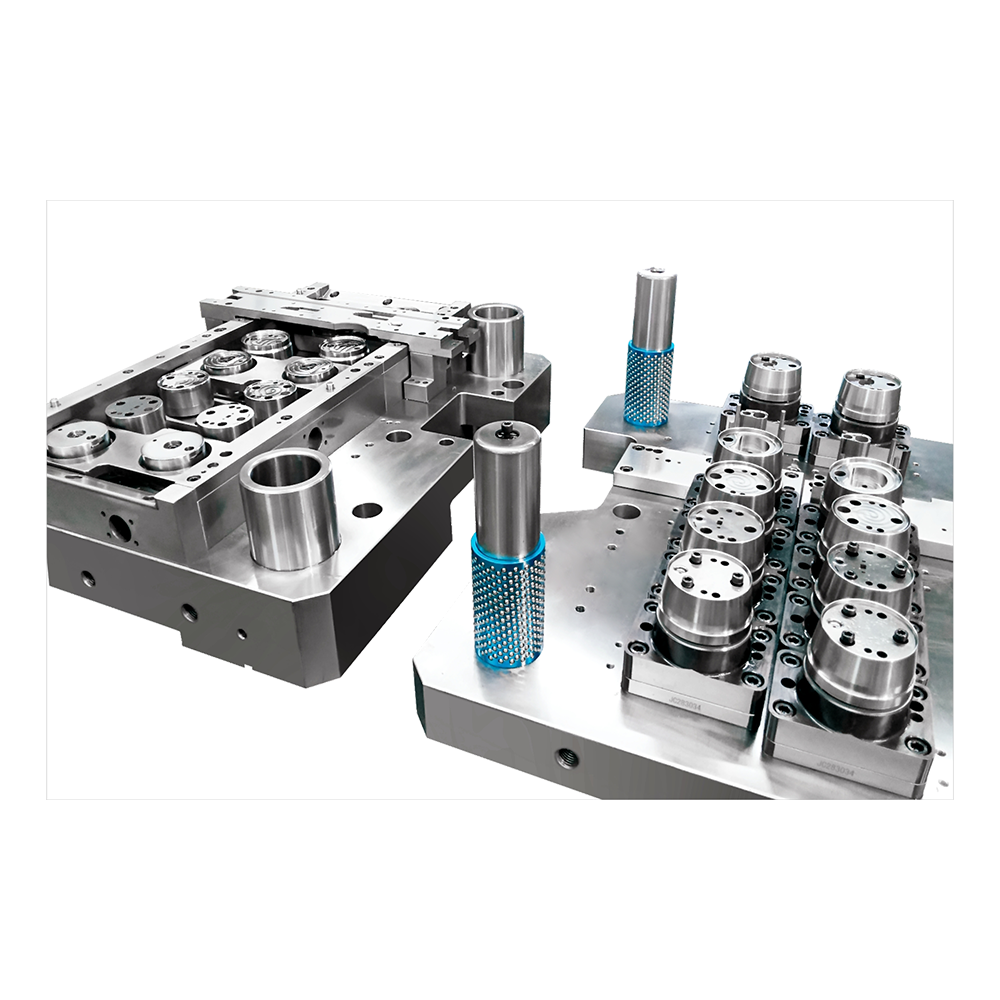
Conversion Press Channel Die
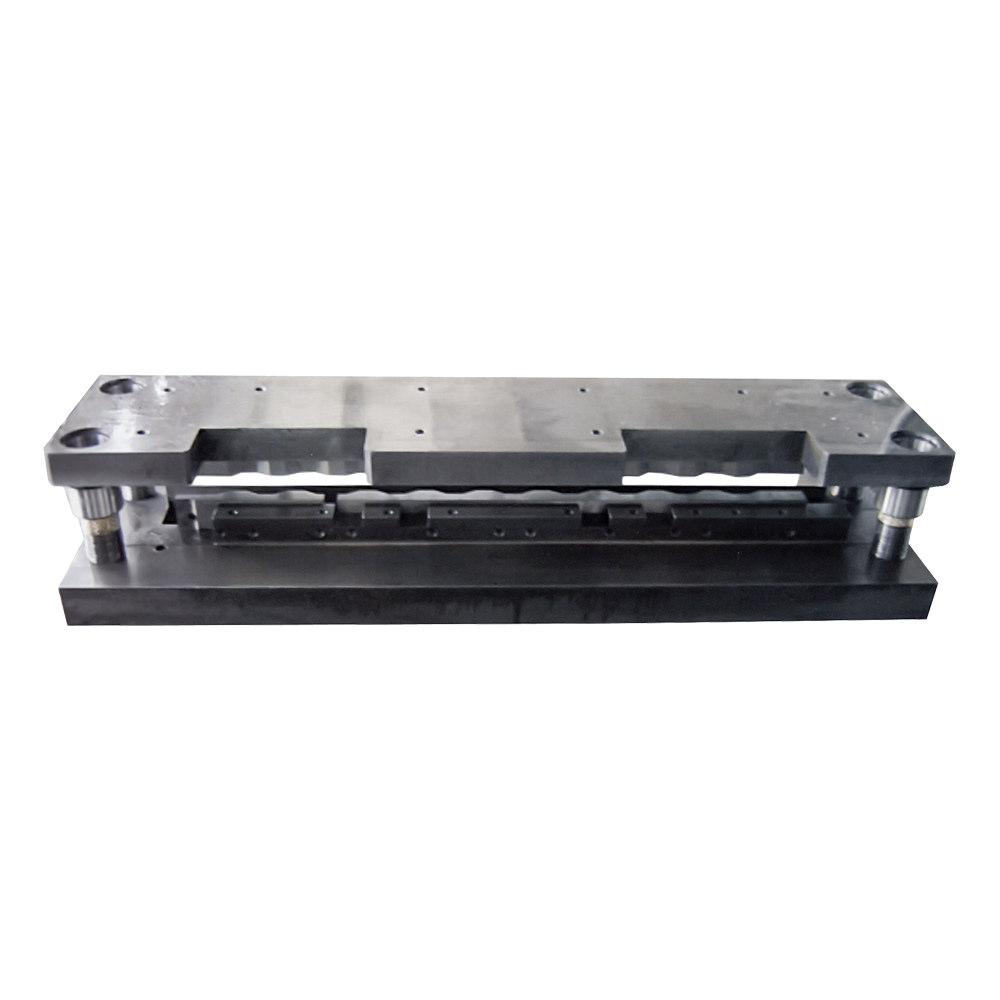
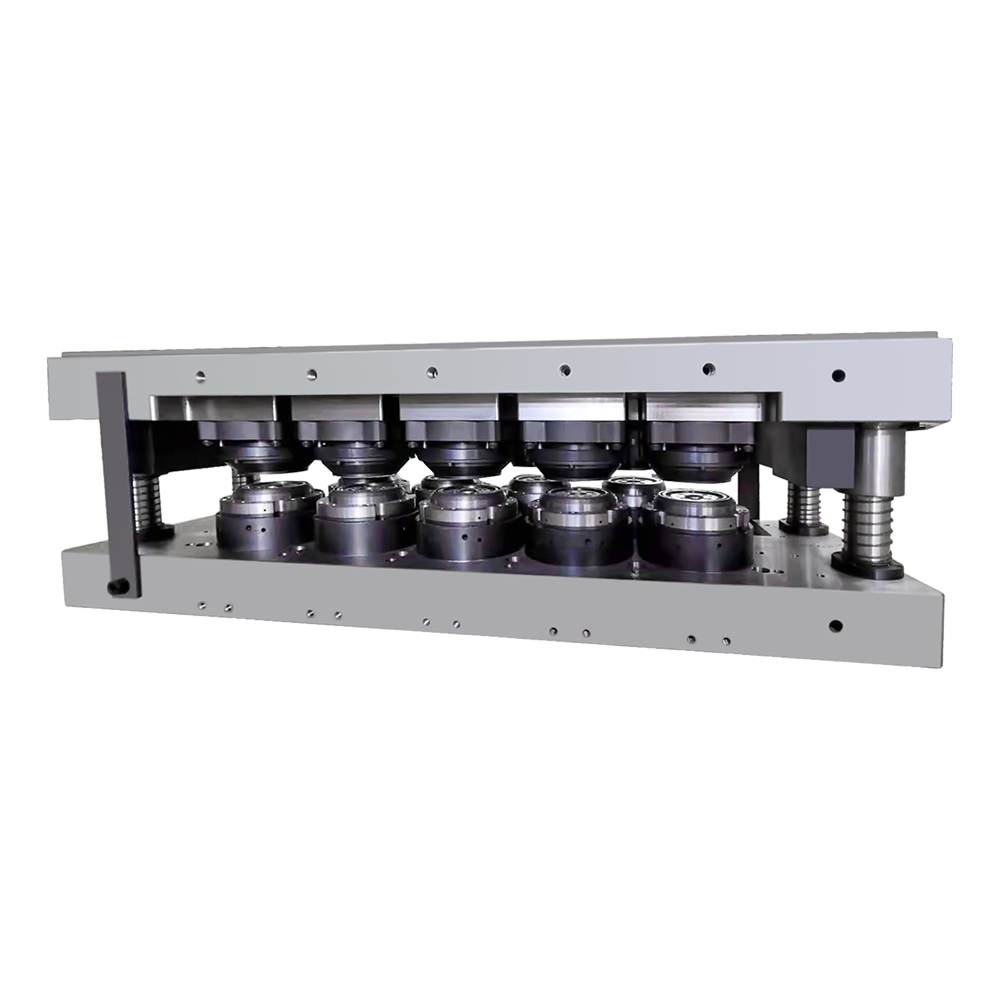
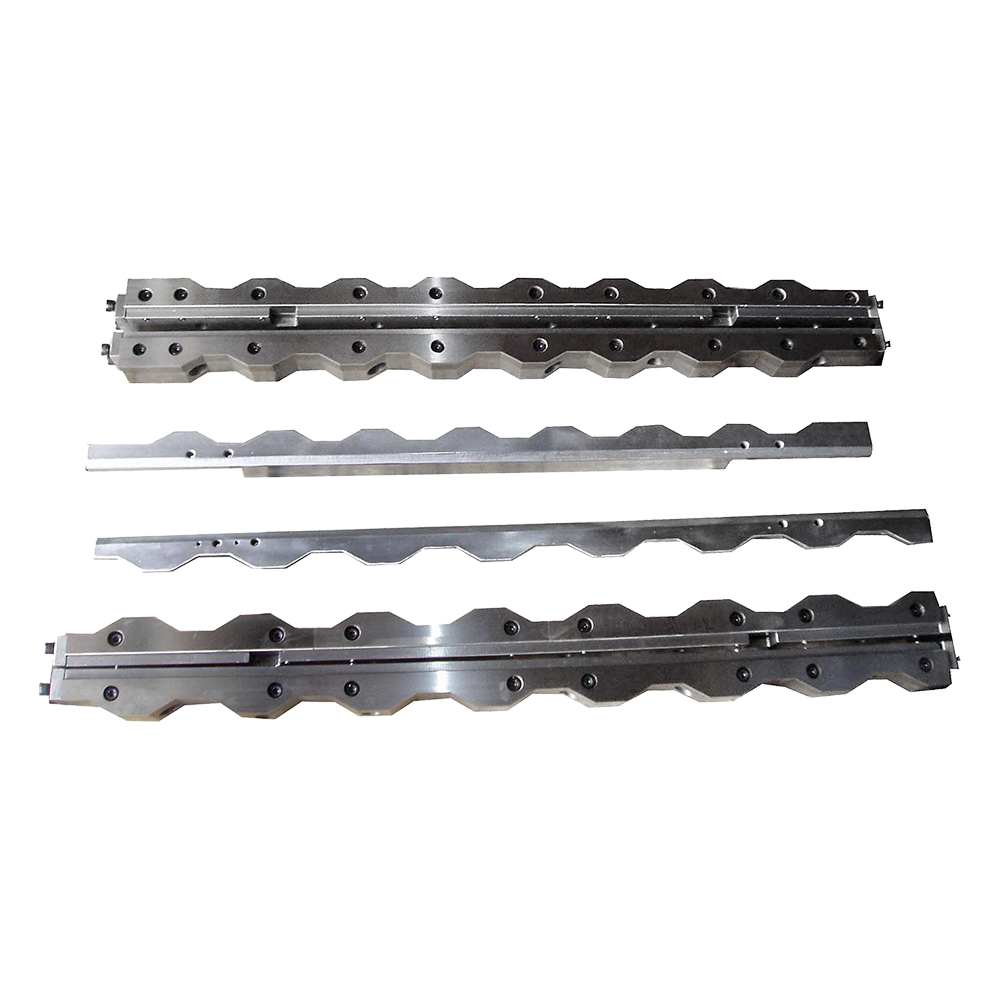
A conversion press channel die is a precision tooling component used in a conversion press during the manufacture of can ends or lids. In a typical production process, a metal shell or partially formed can end passes through a series of forming, scoring, shelling, beading, embossing, or other conversion operations. The channel die provides a carefully engineered forming path that helps control the movement and final geometry of the metal part.
The word “channel” refers to the shaped working area or guided profile within the die assembly. This area may support the material, define a transition zone, create a specific contour, or maintain the relationship between the workpiece and other press tools. Depending on the can end design, the channel may contribute to the formation of a peripheral bead, countersink, reinforcement profile, rim, or other structural feature.
Although a channel die may appear to be a single mold component, its performance depends on several design factors. These include the geometry of the working surfaces, the alignment of the die with the punch and other tooling, the selected material, the surface finish, the clearance between mating components, the quality of heat treatment, and the ability of the die to resist wear during repeated production.
In a high-volume can-making operation, the die is exposed to continuous mechanical loads, sliding contact, impact, vibration, and friction. It may also work with coated or lubricated metal sheet and operate at high production speeds. Therefore, the die must be manufactured with sufficient precision to ensure stable production rather than merely producing an acceptable result during initial testing.
Can ends are engineered components rather than simple flat pieces of metal. They must satisfy several requirements simultaneously. The end must fit the can body correctly, maintain sufficient rigidity, support sealing operations, resist deformation during handling, and provide the required appearance and functional features. A conversion press channel die contributes to these requirements by helping the press form the material into a repeatable profile.
In food and beverage packaging, the dimensional accuracy of the end is particularly important. A small variation in the peripheral area may influence the performance of the seaming operation. If the formed end is not consistent, the can manufacturer may experience unstable seam dimensions, increased inspection requirements, reduced line speed, or a greater risk of leakage. A precision channel die helps reduce these risks by maintaining the intended geometry from one production cycle to the next.
In aerosol and chemical packaging, the forming requirements can be even more demanding because the container may need to withstand internal pressure or handle specialized closing systems. The tooling must support the production of strong and consistent components while preserving the integrity of protective coatings. This makes surface quality and process control especially important.
For two-piece cans, beverage cans, food cans, and other drawn or formed containers, the precise function of a particular channel die depends on the press design and the final product specification. The tooling may be used as part of a complete mold set or as a replacement component during equipment maintenance and format conversion. In both situations, the die must match the press, material thickness, product dimensions, and production method.
The primary advantage of a high-quality conversion press channel die is its ability to reproduce a carefully defined shape with consistent accuracy. The working profile is manufactured according to engineering drawings and product requirements. Correct geometry helps ensure that each formed can end remains within the required dimensional range.
Precision is important not only at the final contour but also throughout the transition areas of the die. Smooth and correctly calculated transitions reduce sudden deformation and help the metal flow in a controlled way. This can reduce wrinkling, cracking, excessive thinning, and unwanted marks on the surface of the part.
Accurate geometry also improves the relationship between the channel die and other tooling components. When the die, punch, stripper, guide parts, and supporting elements work together correctly, the press can perform more stable forming operations. This helps reduce adjustments during production and supports more predictable tooling behavior.
Can-making lines often operate for extended periods, and the tooling may complete a large number of forming cycles in one production shift. A conversion press channel die must therefore retain its geometry and surface characteristics under repeated loading. Dimensional stability is one of the most important differences between industrial-grade tooling and less precise replacement parts.
A stable die reduces the frequency of process interruptions caused by inconsistent forming. It can also help production teams maintain a more constant press setting. When the tooling performs consistently, operators spend less time compensating for changing dimensions and more time maintaining normal line operation.
Stable performance is especially valuable in automated production lines. In an automated system, a small tooling problem can affect material feeding, transfer, inspection, stacking, and downstream seaming. Reliable tooling supports the performance of the complete line rather than only one individual press station.
Wear resistance is influenced by the die material, heat treatment, surface finish, working clearance, lubrication, and manufacturing accuracy. A well-designed channel die is made to withstand the friction and contact generated during metal forming. Its working surfaces should remain smooth and accurately shaped for as long as possible.
Improved wear resistance may extend the usable service period of the die and reduce the frequency of replacement. It also helps protect product consistency because excessive wear can gradually change the shape of the formed can end. When the working profile remains stable, the production team can achieve more uniform results across a longer run.
Wear resistance does not eliminate the need for maintenance. Even high-quality tooling must be inspected, cleaned, lubricated where appropriate, and protected from damage. However, a properly manufactured die provides a stronger foundation for long-term maintenance and reliable service.
The surface condition of a die directly affects the appearance of the metal component. Roughness, machining marks, burrs, or localized damage can leave visible marks on the can end or disturb the flow of material. A carefully finished channel die helps reduce unnecessary surface defects.
This is important when the metal sheet has a printed, lacquered, coated, or otherwise protected surface. Damage to the coating can reduce appearance quality and may expose the substrate to corrosion. Smooth working surfaces and controlled forming conditions help protect the value of the finished package.
Good surface quality also reduces friction. Lower friction can support smoother material movement, reduce heat generation, and decrease the possibility of galling or scoring. The actual result depends on the material and production conditions, but precise finishing remains a major tooling consideration.
The Conversion Press Channel Die is intended for use within the broader field of can-making machinery and mold systems. This makes it suitable for factories that manufacture food can ends, beverage can ends, aerosol components, chemical container parts, and other formed metal packaging components, subject to the specific design and equipment requirements of each application.
Because can-making factories often produce multiple formats, tooling compatibility is essential. The die must be selected according to the press model, workpiece dimensions, metal thickness, product profile, and required production speed. A professional manufacturer can provide engineering communication and production support to help confirm these parameters before manufacture.
Scrap reduction is a major objective in metal packaging production. Defective components consume raw material, press time, labor, energy, and inspection resources. A die that maintains accurate forming conditions can help reduce defects associated with incorrect dimensions, unstable profiles, surface damage, and incomplete forming.
Scrap reduction depends on the complete process, including material quality, press adjustment, feeding accuracy, lubrication, and operator skill. Nevertheless, tooling accuracy is a central factor. When the channel die is correctly designed and manufactured, it helps establish consistent conditions for the other parts of the production system.
The performance of a conversion press channel die is closely connected to the manufacturing process used to produce it. Zhejiang Golden Eagle Food Machinery Co., Ltd. has more than four decades of experience in can-making machinery and mold production. Founded in 1978, the company developed from an organization previously known as Zhejiang Food Machinery Factory and Zhoushan Mold Factory. This background has provided extensive practical knowledge of forming tools, can-lid equipment, and complete production systems.
The company employs more than 350 trained personnel, including experienced design and development staff and professional engineers. This personnel base supports the design, machining, inspection, assembly, and service activities required for industrial tooling. The combination of engineering knowledge and production experience is particularly valuable for dies because tooling performance depends on the interaction of many precise details.
Before a die is manufactured, the design must reflect the product drawing and the operating conditions of the press. Engineers consider the required shape, material characteristics, forming sequence, clearance, alignment, contact surfaces, and connection with other tooling. The die must also be practical to install, inspect, maintain, and replace.
Design decisions should account for the actual behavior of tinplate and other metal sheet materials during forming. Metal does not move through a die as a perfectly rigid object. It stretches, compresses, bends, and transfers force between adjacent areas. A suitable profile guides this behavior and avoids unnecessary concentration of stress.
Practical design experience helps identify potential production problems before machining begins. This can include excessive sharpness in a transition, insufficient support for a thin section, an unsuitable clearance, or a surface profile that may cause coating damage. Such considerations distinguish production-oriented tooling from a purely theoretical design.
The company uses CNC high-precision machining equipment together with complete mechanical processing equipment. CNC machining supports repeatability and allows complex die profiles to be produced according to defined digital or engineering data. It also improves control over dimensional relationships between different working surfaces.
High-precision machining is important because the channel die may contain curved, stepped, angled, or blended surfaces that must work together accurately. Manual correction alone cannot provide the same level of repeatability for every component. CNC processing, combined with skilled inspection and finishing, supports stable production quality.
Machining strategy also influences the final condition of the die. Appropriate tool selection, cutting parameters, fixture stability, and process sequencing help reduce vibration and deformation. After rough machining, semi-finishing, and finishing operations, critical surfaces can be checked and corrected as required.
Complete mechanical processing capabilities allow the manufacturer to handle more stages of die production internally. These stages may include preparation of the blank, rough shaping, precision machining, drilling, fitting, surface finishing, and inspection. Coordinating these processes within one manufacturing organization can improve communication and reduce the risk of errors caused by disconnected suppliers.
Finishing is particularly important in the working areas of a channel die. The final surface must be sufficiently smooth and free from burrs, sharp irregularities, or unwanted machining marks. The appropriate finishing method depends on the die material, geometry, and intended application. The objective is to achieve a surface that supports controlled metal movement and reliable service.
Quality control should include checks of dimensions, profile accuracy, surface condition, assembly fit, and functional compatibility. Critical dimensions require appropriate measurement methods and should be evaluated against the approved technical requirements. Inspection helps ensure that the completed die is suitable for installation and production use.
The company has obtained ISO9001 quality management system certification and ISO14001 environmental management system certification. These certifications demonstrate the existence of structured management practices related to quality and environmental responsibilities. Certification alone does not replace product inspection, but it provides a framework for controlled processes and continual improvement.
For customers, quality control is most valuable when it is connected to traceable production information. Clear drawings, specifications, inspection records, and communication about material and treatment help support future maintenance or repeat orders. These practices are particularly useful when a factory needs multiple tooling sets for the same can format.
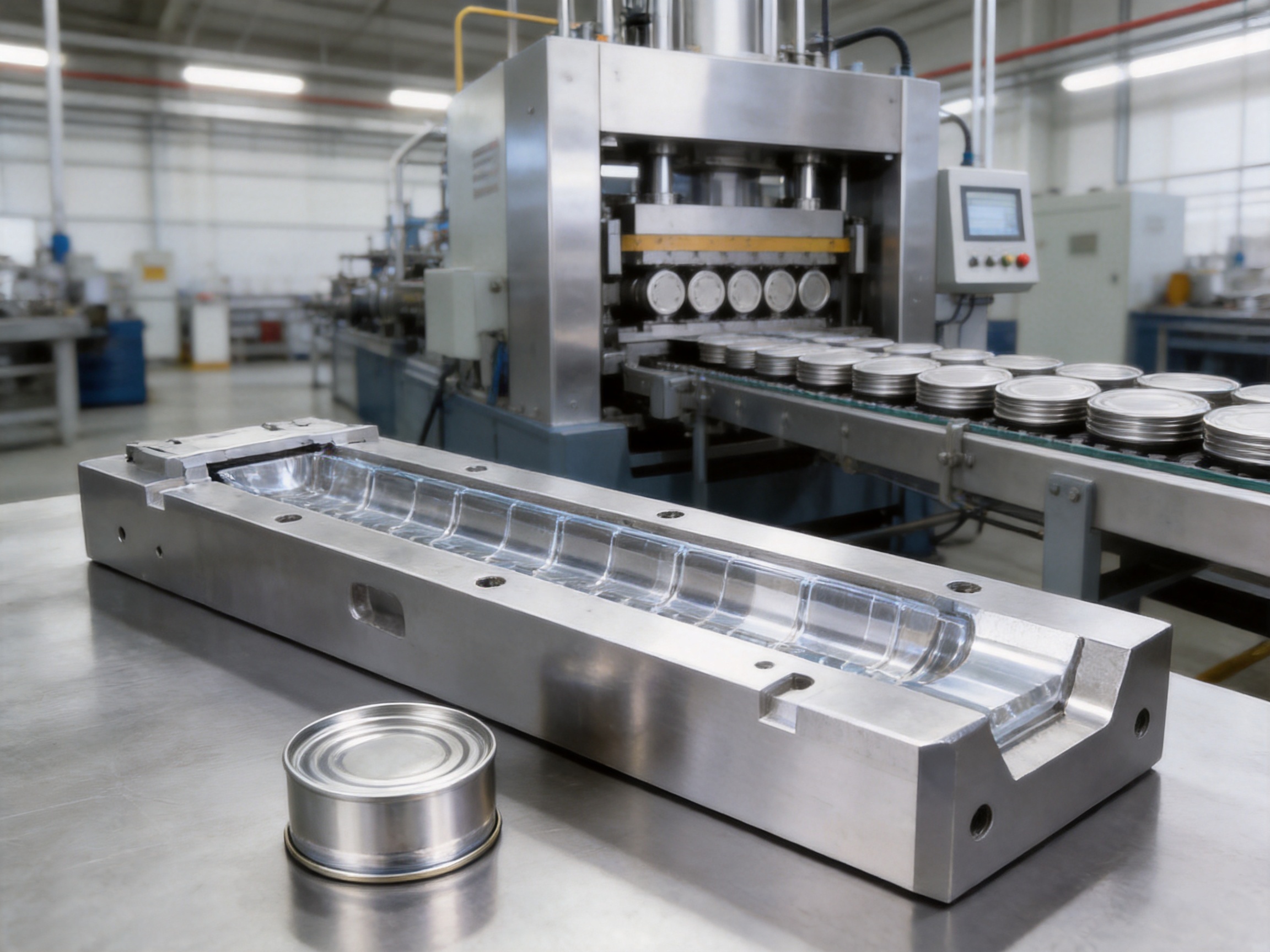
Not all channel dies provide the same level of performance. A low-cost component may appear attractive at the purchasing stage but create greater expenses during production. Problems can arise through short service life, unstable dimensions, poor surface finish, difficult installation, or incompatibility with existing tooling.
A general-purpose die may not be designed around the precise conditions of a specific conversion press. Its profile, clearances, mounting dimensions, or material properties may differ from the factory’s requirements. Even if the component can be installed physically, it may not produce the intended forming result.
By contrast, a professionally engineered conversion press channel die is developed with attention to the complete tooling relationship. The die is not evaluated only as an isolated piece of metal. Its performance is considered in relation to the punch, press stroke, material flow, product profile, and operating speed.
| Evaluation Area | Precision Conversion Press Channel Die | Low-Quality or Generic Alternative |
|---|---|---|
| Profile accuracy | Manufactured according to defined product and tooling requirements | May have inconsistent or unsuitable forming geometry |
| Dimensional repeatability | Supported by CNC machining and controlled inspection | May vary between components or production batches |
| Surface condition | Finished working areas designed to support smooth material movement | May contain roughness, burrs, or visible machining marks |
| Press compatibility | Can be engineered according to press and product parameters | May require excessive adjustment or fail to match the equipment |
| Service stability | Designed for repeated industrial forming cycles | May wear quickly or change profile during production |
| Technical support | Supported by experienced can-making machinery and mold engineers | May provide limited application guidance |
| Long-term production cost | Potentially lower through reduced scrap, downtime, and replacement frequency | Initial savings may be offset by production interruptions |
The most suitable die is not necessarily the component with the lowest purchase price. A better evaluation considers total operating cost. This includes tooling life, installation time, production stability, scrap, maintenance, energy use, and the effect of defects on customer deliveries.
Food cans require reliable end formation, accurate dimensions, and good compatibility with seaming operations. A conversion press channel die can support the production of can ends used for vegetables, fruits, meat, seafood, sauces, powders, and other packaged foods. The exact tooling arrangement depends on the can specification and the production line.
Food packaging manufacturers often operate at high volume and require repeatable results across long production runs. Stable tooling helps reduce interruptions and supports consistent can appearance. It also contributes to the control of formed features that must align correctly during subsequent assembly and sealing.
Beverage can production places demanding requirements on speed, precision, and material utilization. Can ends must be produced in large quantities and delivered to downstream processes with minimal variation. A channel die that maintains stable forming conditions can support the efficiency of beverage can end manufacturing.
Because beverage containers may use thin materials and high-speed equipment, tooling alignment and surface condition are especially important. Incorrect alignment may result in excessive wear, uneven forming, or damage to coated material. Properly manufactured components help the production team maintain the intended operating window.
Aerosol packaging requires carefully formed components and dependable dimensional control. The container and its closure parts may be subject to internal pressure, special sealing requirements, and strict appearance standards. Channel dies used in this area must be selected and engineered according to the specific aerosol design and press system.
The manufacturer also supplies aerosol can-making machinery and aerosol cone and dome production equipment. This broader experience can be useful when a customer needs tooling that fits into an integrated aerosol packaging project rather than a standalone replacement part.
Chemical containers and industrial tanks may use heavier or specially treated metal and may require robust formed components. Tooling in this field must be appropriate for the material thickness, forming force, and intended structural performance. A channel die can be developed as part of a larger production system for chemical tanks or related containers.
Industrial packaging manufacturers benefit from working with a supplier that understands both molds and machinery. The ability to consider the press, feeding system, forming sequence, and downstream operations can improve the practicality of the tooling solution.
Two-piece can manufacturing uses specialized forming methods and high-speed production equipment. The tooling arrangement varies according to the can body and end design, but precision remains essential. A suitable conversion press component can help maintain the dimensions and profile required by the production process.
Before ordering, the customer should confirm whether the required channel die is intended for a particular two-piece can format, conversion press model, or existing mold set. Technical information allows the manufacturer to verify compatibility and avoid unnecessary modification after delivery.
One strength of an experienced can-making machinery supplier is the ability to understand the role of a single die within a complete line. The company supplies equipment and tooling for food can production lines, beverage can production lines, can lid production lines, chemical tank production lines, aerosol canister production lines, two-piece can production lines, and pop can production lines.
This broad product range creates practical knowledge of the full production flow. A can end does not function independently. It is influenced by sheet preparation, feeding, pressing, forming, scoring, shelling, coating, inspection, stacking, and seaming. Tooling choices should support the requirements of these connected operations.
When a customer orders a replacement or customized channel die, information about the complete line can help the engineering team understand the operating environment. Useful information may include the press type, product drawing, material grade, sheet thickness, target output, existing die dimensions, and the nature of any current production problem.
Complete-line experience may also simplify future expansion. A customer that begins with a mold replacement may later need additional can-making machines, automatic feeding equipment, lid production equipment, or a complete production line. Working with an established machinery and mold supplier can create continuity in technical communication and service.
The appropriate die material depends on the production conditions and performance requirements. Factors include forming force, production speed, workpiece material, expected service life, surface requirements, heat treatment, and maintenance practices. The material should offer a suitable balance of hardness, toughness, dimensional stability, and machinability.
Excessive hardness without adequate toughness can make a die vulnerable to chipping or cracking. Insufficient hardness may lead to rapid wear and loss of profile accuracy. For this reason, material selection and heat treatment should be considered together rather than independently.
Die geometry must also reflect the material being formed. Tinplate, coated steel, aluminum, and other metal sheets have different forming characteristics. Thickness, temper, coating, lubrication, and surface condition can all affect the forming result. The channel profile and clearance should therefore be matched to the specific product and material specification.
Another consideration is maintainability. A well-designed die should permit practical inspection and cleaning. Areas that trap debris or lubricant residue may increase the risk of surface defects. Clearly defined reference surfaces and mounting features can make replacement and alignment easier for maintenance personnel.
Correct installation is necessary to obtain the intended performance from a conversion press channel die. Before installation, technicians should inspect the die, mounting location, adjacent components, fasteners, guide elements, and press condition. Foreign particles, burrs, or damage on contact surfaces should be removed carefully.
The die should be aligned according to the equipment instructions and the approved tooling arrangement. Incorrect alignment may create uneven loading, accelerated wear, poor product geometry, or damage to the press. The press should be checked at a safe low-speed or manual setting before normal production begins.
During commissioning, operators should review the first formed parts for dimensions, profile, surface appearance, and signs of abnormal contact. Adjustments should be made gradually and documented. A controlled commissioning process helps identify installation problems before the line reaches full speed.
Zhejiang Golden Eagle Food Machinery Co., Ltd. provides after-sales services including installation, commissioning, technical guidance, and operator training. These services can be valuable for overseas customers or factories introducing new tooling into an existing line. Proper training also helps operators understand inspection points and routine maintenance requirements.
Metal particles, coating residue, lubricant deposits, and dust should be removed from the working area according to the factory’s maintenance procedures. Cleaning should be performed with suitable tools that do not scratch or deform precision surfaces. Abrasive materials should be avoided unless specifically approved for the die material and finish.
Maintenance personnel should inspect the channel die for scoring, dents, cracks, burrs, unusual polishing, discoloration, and changes in the formed product. A gradual change in product dimensions may indicate wear even when the die appears visually acceptable. Inspection results should be recorded to support decisions about repair or replacement.
Alignment should be checked whenever the die is removed, replaced, or involved in an abnormal production event. Press vibration, accidental overload, loose fasteners, or worn guide components can affect alignment. Correcting the related problem is important because installing a new die without addressing the underlying issue may lead to rapid damage.
Where lubrication is used, the amount and type should follow the production process requirements. Too little lubrication may increase friction and wear, while too much may contaminate the product or interfere with downstream operations. Stable material feeding and press settings are also important for protecting the die.
Factories should maintain a replacement plan based on production volume, historical wear, inspection results, and product quality data. Keeping an approved spare channel die available can reduce downtime when replacement becomes necessary. It also allows the maintenance team to refurbish or inspect the removed component without delaying production.
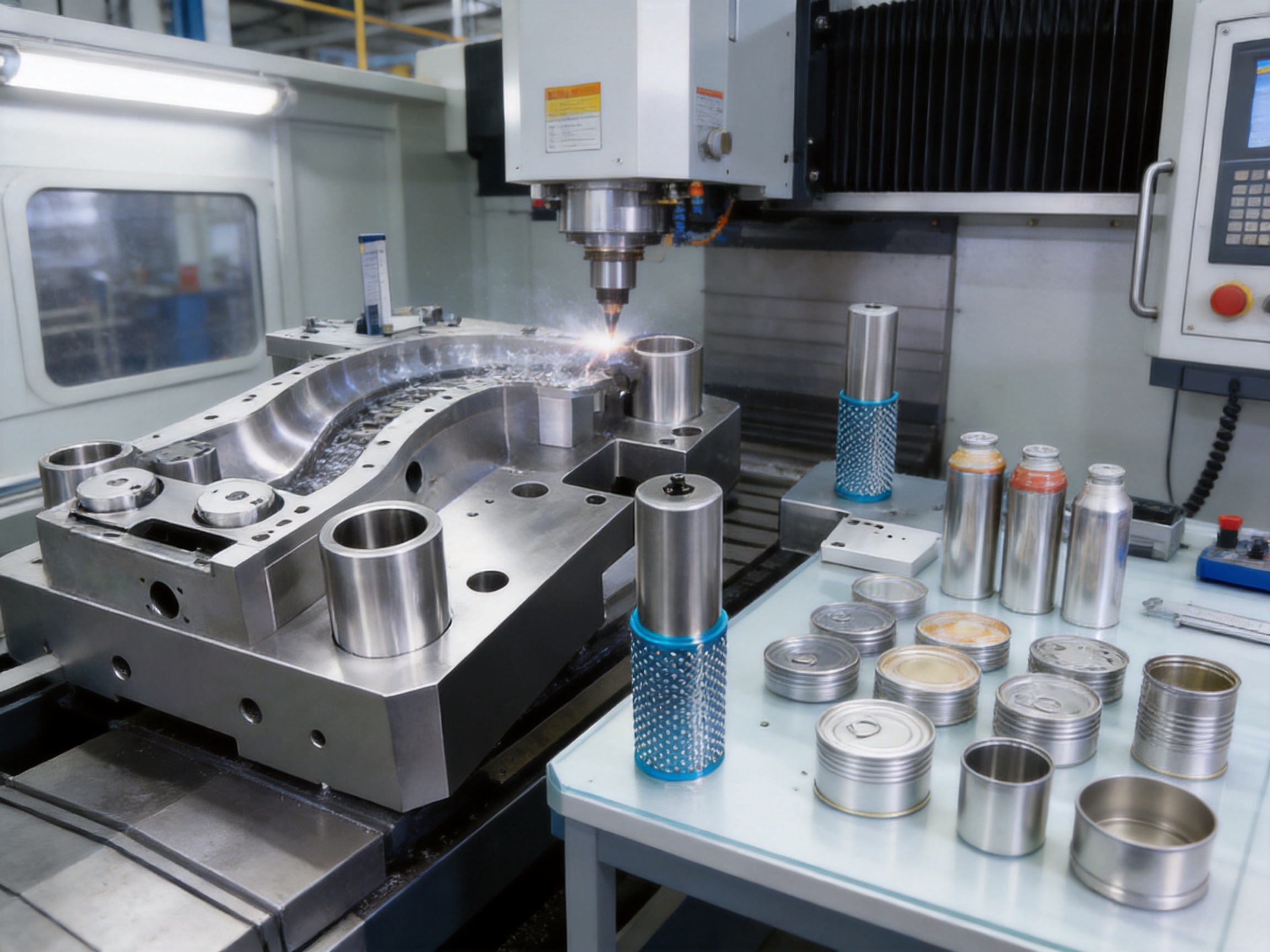
The supplier’s long operating history is a significant advantage for customers purchasing specialized can-making molds. Since 1978, the company has focused on can-making machinery and molds rather than treating tooling as an unrelated product category. This specialization supports a deeper understanding of the pressures, tolerances, and production challenges found in metal packaging.
More than 10,000 pieces of can and can-lid equipment have been produced by the company. This production experience indicates familiarity with a broad range of customer requirements and equipment applications. It also creates a substantial practical knowledge base for the design and manufacture of replacement components and customized tooling.
The company combines design and development personnel with modern manufacturing equipment. Its use of CNC high-precision machining equipment and complete mechanical processing equipment supports the production of accurate components. The company’s product design principles are similar to those associated with established European can-making machinery traditions, while its engineers also incorporate experience gained from actual production practice.
This combination of international design awareness and practical adaptation is useful because can-making factories often operate under different material, labor, maintenance, and production conditions. A tooling solution must be technically sound but also practical for the customer’s operating environment.
Quality and environmental management certifications provide additional organizational support. ISO9001 emphasizes controlled quality processes, while ISO14001 addresses environmental management. Together with technical inspection and experienced personnel, these systems help establish a structured foundation for consistent manufacturing.
Can-making equipment and molds supplied by the company have been exported to customers in Europe, Asia, Africa, North America, South America, and Oceania. Its products have been used in countries including Germany, Italy, the United Kingdom, Spain, Hungary, Russia, Australia, Jordan, Malaysia, the Philippines, Pakistan, Egypt, Algeria, Turkey, Mexico, Nigeria, and Iran.
International experience requires more than shipping a product. Customers may use different electrical standards, press configurations, product specifications, languages, inspection practices, and maintenance systems. Clear technical communication and organized after-sales support are therefore important parts of a successful tooling project.
The company offers installation, commissioning, technical guidance, operation training, and parts supply. These services can help customers reduce the time required to introduce a new component and improve their ability to maintain the equipment independently. Fast access to suitable spare parts is also valuable when a production line operates continuously.
For a conversion press channel die, international cooperation should begin with accurate information exchange. The customer should provide drawings, photographs, existing tooling references, machine details, product samples where possible, and a description of the desired improvement. The supplier can then assess the application and recommend a suitable manufacturing approach.
Customers should begin by identifying the exact product application. A die for a food can end may not be interchangeable with a die for a beverage can, aerosol component, or chemical container. The product diameter, profile, material thickness, forming sequence, and press model all affect the final design.
The second step is to confirm the existing tooling arrangement. Information about the punch, die holder, stripper, guide system, mounting holes, reference dimensions, and available working space helps prevent compatibility problems. If an old die is being replaced, photographs and measured dimensions can supplement the original drawing.
The third step is to clarify the performance objective. The customer may need a standard replacement, longer service life, improved surface quality, reduced scrap, higher press speed, or support for a new material. A clear objective allows the supplier to prioritize the relevant design and manufacturing factors.
The fourth step is to review inspection and acceptance requirements. Customers may specify dimensional tolerances, surface finish, material certificates, heat treatment information, trial production results, or inspection reports. Agreeing on these requirements before production creates a clearer basis for acceptance.
| Customer Information | Why It Is Important |
|---|---|
| Can end or lid drawing | Defines the required profile, dimensions, and functional features |
| Press model and tooling reference | Helps confirm installation and operating compatibility |
| Material grade and thickness | Influences forming behavior, clearance, and tool loading |
| Production speed | Indicates expected cycle frequency and wear conditions |
| Existing die sample or drawing | Supports replacement accuracy and comparison with current tooling |
| Current production problem | Helps identify whether the issue involves geometry, alignment, wear, or process settings |
| Required delivery and service conditions | Supports planning for manufacturing, commissioning, and spare parts |
Careful information exchange reduces the risk of producing a die that is technically precise but unsuitable for the customer’s particular machine. It also supports more efficient engineering review and quotation.
The value of a conversion press channel die should be assessed over its complete operating life. Purchase price is only one element. Other factors include installation time, adjustment requirements, production speed, scrap rate, maintenance labor, downtime, repairability, and replacement availability.
A precise die may reduce the need for frequent press adjustment. It may also help operators identify genuine process issues more quickly because the tooling itself is stable. When a lower-quality component changes shape during production, it can be difficult to distinguish tooling wear from material or machine problems.
Reduced scrap has both financial and environmental benefits. Less wasted tinplate or aluminum means more efficient use of raw materials. Lower scrap also reduces the energy and labor associated with producing defective parts. ISO14001-based environmental management further supports the goal of responsible industrial production, although actual environmental performance depends on the complete factory process.
Reliable tooling may also protect downstream equipment. Poorly formed parts can cause feeding interruptions, stacking problems, seaming instability, or inspection rejections. By helping maintain the intended part geometry, the channel die contributes to the stability of the broader production line.
A conversion press channel die with accurate geometry and suitable surface quality can provide several practical benefits to a can manufacturer. These include more uniform product dimensions, more stable press operation, fewer tooling-related interruptions, improved appearance, better compatibility with automated handling, and more predictable maintenance planning.
These benefits are especially relevant to factories that need to supply large quantities of cans or lids on a strict schedule. Production interruptions can affect not only the press department but also coating, inspection, packaging, warehousing, and customer delivery. Reliable tooling helps reduce the possibility that a small mold problem will become a larger production disruption.
For factories introducing a new can format, a professionally manufactured die can also support a more organized trial process. Engineers can evaluate the formed part against the drawing, record dimensional results, adjust the process methodically, and establish an operating standard for future runs.
For factories maintaining older equipment, a replacement channel die may help extend the useful life of the press. When the original tooling is worn or difficult to source, a new component manufactured according to available drawings and samples can restore production capability, subject to technical evaluation and compatibility confirmation.
A professional tooling project usually begins with a technical consultation. The customer explains the product, machine, material, production issue, and expected result. The supplier reviews the available data and identifies any missing information.
After the initial review, engineering drawings and specifications are confirmed. If the die is customized, the customer and supplier should agree on critical dimensions, tolerances, material requirements, surface treatment, inspection standards, and delivery conditions before manufacturing begins.
The die is then produced using the appropriate machining and finishing processes. Inspection is carried out at relevant stages, with particular attention to critical working surfaces and mounting features. If required, trial assembly or sample forming can be arranged to verify the tooling result.
After delivery, installation and commissioning should follow a controlled procedure. Initial production should be monitored, and any changes to press settings should be documented. This creates a useful technical record for future maintenance and repeat orders.
Continued communication after commissioning is beneficial. Feedback about service life, product quality, and operating conditions can help improve future tooling designs. It also allows the supplier to recommend replacement parts, maintenance methods, or related equipment when needed.
Its main function is to guide and shape a metal workpiece during a conversion pressing operation used to manufacture can ends, lids, or related formed packaging components. The exact forming feature depends on the product and press design.
No. Channel dies are selected according to the can format, product dimensions, metal material, sheet thickness, press model, and tooling arrangement. Technical confirmation is required before ordering.
Customers should provide the product drawing, press model, existing die reference, material grade and thickness, production speed, mounting dimensions, and any current production problems. Photographs and samples may also be useful when original drawings are unavailable.
CNC machining helps produce complex working profiles and critical dimensions with repeatable accuracy. It supports consistency between replacement dies and helps reduce variation caused by manual processing alone.
A smooth and correctly finished working surface can support controlled material movement, reduce friction, minimize surface marks, and help protect coated metal. Roughness or burrs may contribute to defects and accelerated wear.
By supporting stable forming, the die may help reduce scrap, adjustment time, downtime, and premature replacement. The actual savings depend on the complete press and production process.
The company has design, development, CNC machining, and can-making machinery experience, allowing it to manufacture tooling according to customer drawings and application requirements. Customization should be confirmed through technical communication.
Available support includes installation, commissioning, technical guidance, operation training, and parts supply. The specific service arrangement depends on the project and customer location.
It should be cleaned regularly, inspected for wear and damage, kept correctly aligned, used with suitable lubrication when required, and stored in a clean, dry, protected environment when not installed.
A replacement die may improve production stability when worn or damaged tooling is the cause of quality problems. However, the press condition, alignment, feeding system, material, and other tooling must also be checked before expecting a complete improvement.
Potential applications include food cans, beverage cans, aerosol containers, chemical tanks, two-piece cans, can lids, and other metal packaging products. The correct design depends on the individual application.
A supplier with experience in both areas can better understand how the die interacts with the press, feeder, forming sequence, and downstream equipment. This may simplify technical communication and support a more integrated solution.
A conversion press channel die is a small but highly important component in the can-making process. Its accuracy affects forming quality, product consistency, tooling life, press stability, scrap levels, and the performance of downstream operations. For this reason, it should be selected as an engineered production tool rather than as a generic replacement part.
The Conversion Press Channel Die offered by Zhejiang Golden Eagle Food Machinery Co., Ltd. benefits from a manufacturing background that has been dedicated to can-making machinery and molds since 1978. The company combines experienced engineers, more than 350 trained personnel, CNC high-precision machining equipment, complete mechanical processing capabilities, quality management systems, and international service experience.
Its practical understanding of food can, beverage can, can lid, aerosol, chemical tank, two-piece can, and related production lines allows the tooling to be considered within the requirements of real industrial applications. Precision geometry, stable performance, wear resistance, controlled surface finish, and technical support are the main factors that distinguish this type of professional channel die from a low-quality or unsuitable alternative.
For can manufacturers seeking reliable replacement tooling, new-format development, improved production stability, or support for a complete can-making project, the correct engineering review is the first step. By providing complete machine and product information, customers can obtain a channel die designed for their actual operating conditions and gain greater value over the full service life of the tooling.
1. General principles of metal forming and press-tool design for packaging components.
2. Industrial practices for tinplate can body, can end, and lid manufacturing.
3. Quality management principles based on ISO9001 requirements.
4. Environmental management principles based on ISO14001 requirements.
5. Technical guidance for inspection, maintenance, alignment, and operation of precision forming dies.
6. Manufacturer information concerning can-making machinery, can-making molds, production lines, engineering services, and after-sales support.
Related Products

Founded in 1978, the company is one of the largest can-making machinery well-known companies at home and abroad.
Product Categories
Contact Information
Zhongshatou Shenjiamen Zhoushan Zhejiang China
+86-580-3056646

 English
 中文简体
中文简体
 русский
 عربى
عربى
 Español