2026-08-16
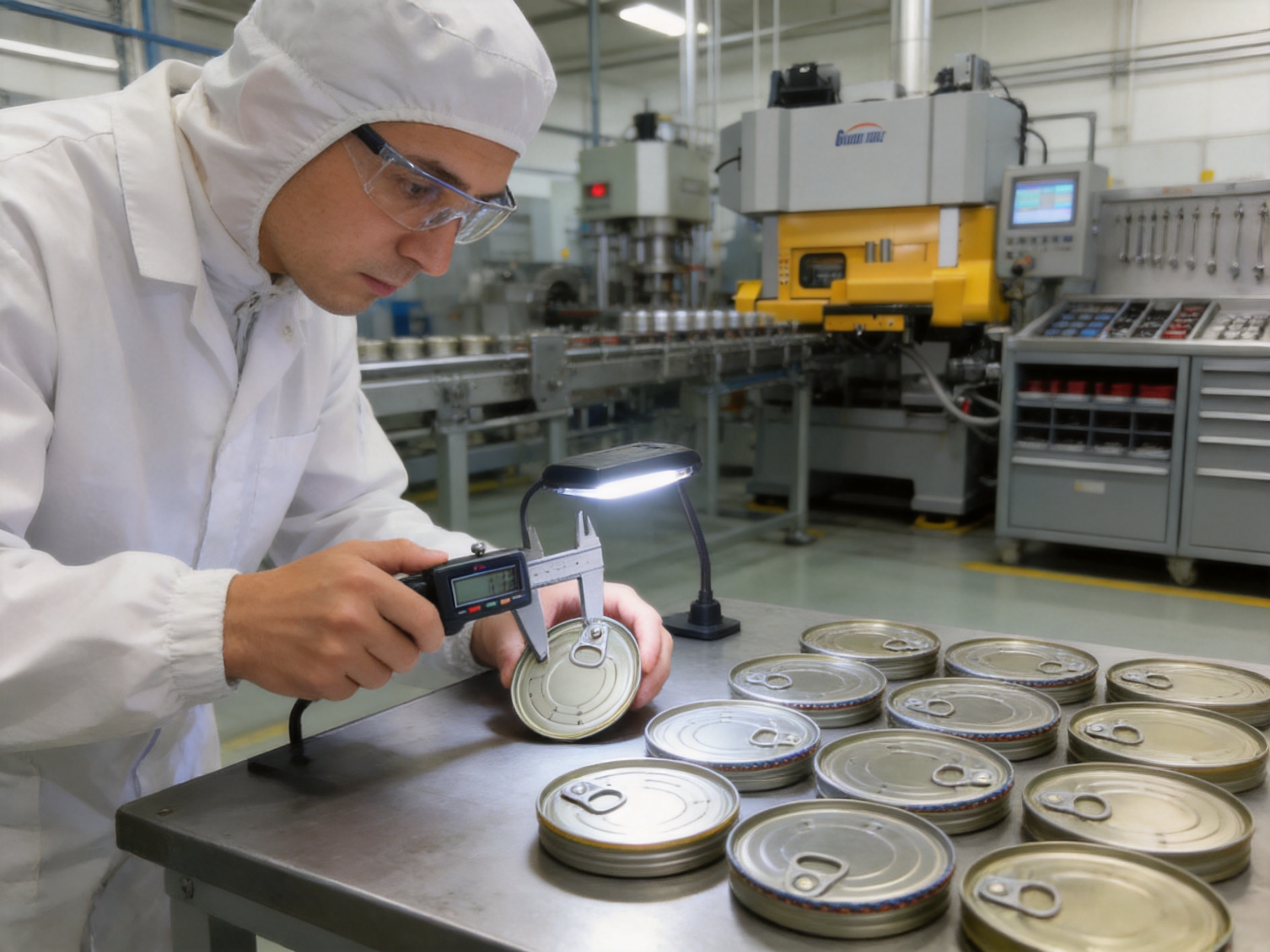
Easy-open-end lids are essential components in modern food, beverage, aerosol, and general packaging industries. They provide convenient access to sealed products while preserving product integrity during storage, transportation, and retail handling. As demand for hygienic, attractive, and user-friendly metal packaging continues to grow, can manufacturers require production equipment that combines high output, dimensional accuracy, reliable operation, and efficient use of materials. An automatic easy-open-end lid making machine is designed to meet these requirements through continuous, synchronized forming and conversion operations.
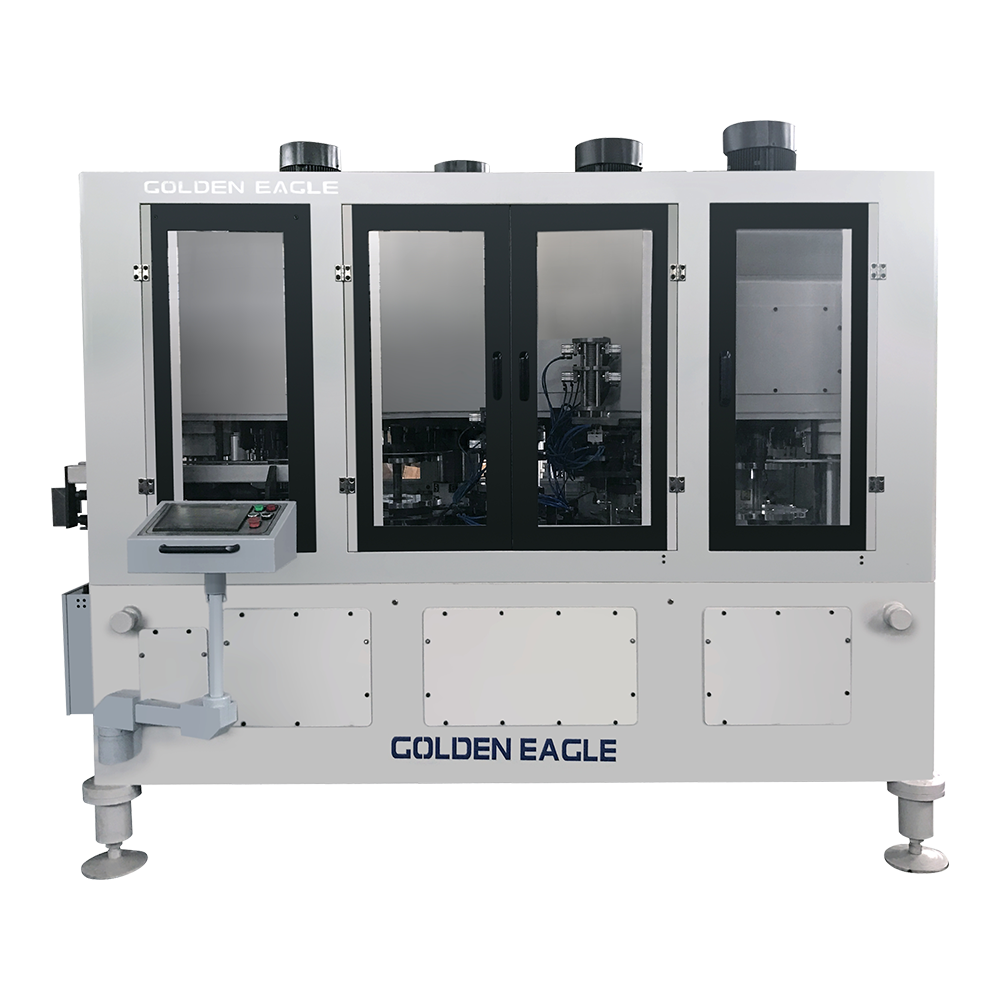
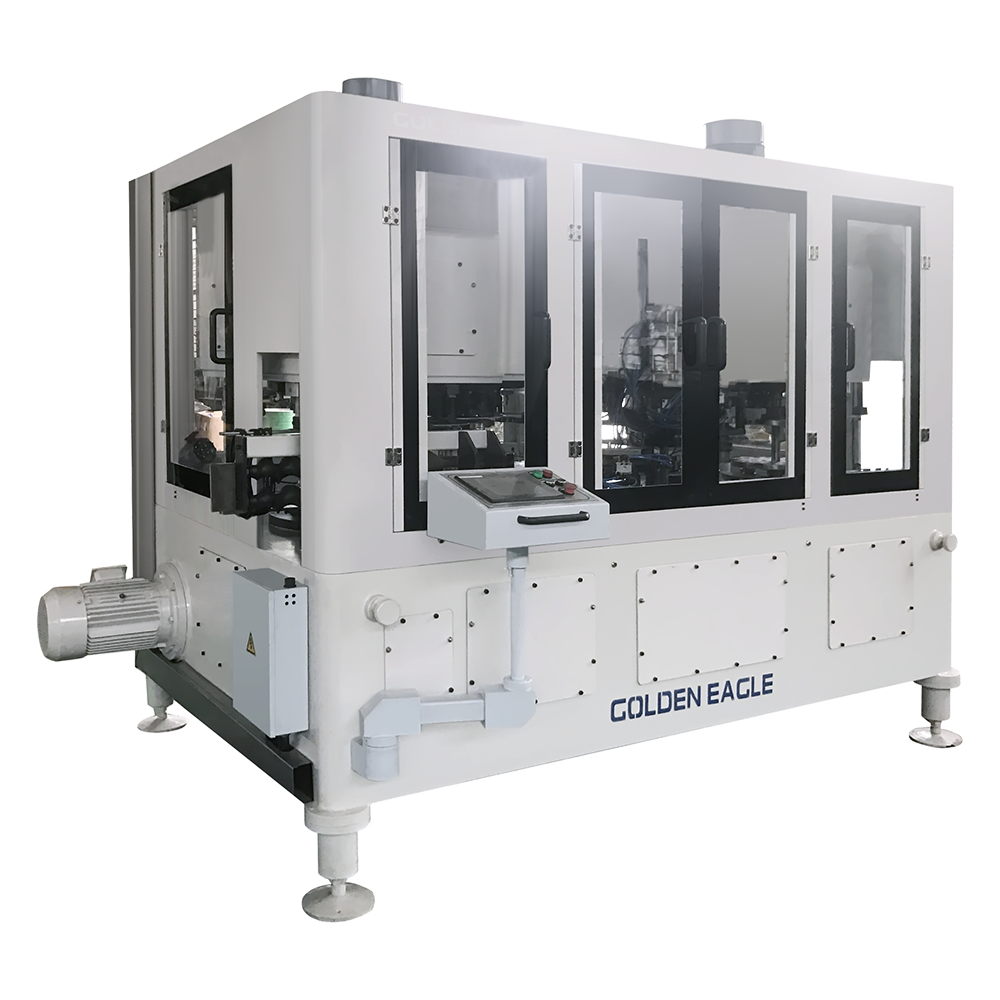
The EOE Lid Making Machine described in this article is an automatic conversion line for producing tinplate easy-open ends in several widely used sizes, including 202#, 211#, 300#, 307#, and 401#. Depending on the selected configuration, the equipment can operate with one, two, three, or four lanes. Its rated output range extends from 200 to 600 easy-open ends per minute for a single-lane configuration and up to 2,400 easy-open ends per minute for a four-lane configuration. This makes the line suitable for both specialized production and high-volume industrial manufacturing.
The machine is manufactured by Zhejiang Golden Eagle Food Machinery Co., Ltd., a Chinese can-making machinery producer with a history dating back to 1978. The company develops and manufactures equipment for food cans, beverage cans, can lids, chemical containers, aerosol packages, two-piece cans, and related metal packaging applications. Its experience in mechanical processing, mold production, line integration, and after-sales support gives the EOE conversion line a strong foundation for demanding production environments.
An easy-open end, commonly abbreviated as EOE, is a metal can lid designed to open without a separate can opener. It normally includes a scored opening panel, a riveted pull tab, and carefully formed contours that support sealing, stacking, handling, and consumer opening. The end must meet strict requirements because it serves several functions at the same time. It must remain securely sealed throughout filling and sterilization, resist pressure and impact during logistics, and open smoothly when the consumer pulls the tab.
An EOE Lid Making Machine converts printed or coated tinplate sheets, or previously prepared metal blanks, into finished easy-open ends through a sequence of precision operations. Depending on the complete line design, these operations may include feeding, blanking, shell forming, compound shaping, scoring, tab formation, riveting, inspection, and discharge. The equipment configuration is selected according to the end diameter, metal material, production speed, tooling requirements, and final application.
Unlike a basic mechanical press used for a single forming task, an automatic EOE conversion line coordinates multiple production stages. The line must maintain accurate timing between feeding and pressing, control the position of each blank, protect the scoring and riveting tools, and transfer completed ends without damaging their sealing surfaces. High-speed performance is therefore dependent not only on nominal press capacity but also on the stability of the entire mechanical and electrical system.
The machine is designed for several common EOE specifications: 202#, 211#, 300#, 307#, and 401#. These size designations are widely used in metal packaging and generally correspond to different nominal end diameters and can applications. Smaller ends may be used for compact food or beverage packages, while larger formats are often selected for processed foods, institutional packaging, or other products requiring greater internal volume.
Because each end format has its own dimensions, score geometry, tab design, countersink profile, and sealing requirements, tooling must be matched to the intended specification. A production line that supports multiple sizes offers manufacturers greater flexibility than equipment dedicated to only one lid diameter. With appropriate changeover procedures and compatible tooling, the machine can help a factory serve several product categories without investing in entirely separate production lines for every size.
The listed application is a tinplate EOE conversion line for food can making. Tinplate remains an important packaging material because it combines strength, formability, corrosion protection, printability, and compatibility with established can manufacturing processes. The machine can be integrated into a wider metal packaging plant that includes sheet preparation, printing, coating, slitting, blanking, can body production, seaming, testing, and packaging.
Automation is one of the most important advantages of this EOE production line. In an automatic configuration, the operator does not need to manually place individual blanks into the press or remove every finished end. Feeding, forming, transfer, and discharge functions are coordinated so that the machine can maintain a continuous production rhythm. This reduces manual handling, supports consistent quality, and improves labor productivity.
The product information specifies a production speed of 200 to 600 easy-open ends per minute for the one-lane model. Two-lane, three-lane, and four-lane configurations increase nominal output to 400–1,200, 600–1,800, and 800–2,400 easy-open ends per minute respectively. The listed press stroke range is 200–600 strokes per minute. Actual output depends on the number of lanes, selected end format, material characteristics, tooling, press settings, line balance, and operating conditions.
A four-lane configuration can reach 2,400 easy-open ends per minute under suitable conditions. This level of output is useful for factories supplying large volumes of packaged food or other products with standardized lid specifications. It can also reduce the number of individual machines required for a given production target, helping manufacturers make more efficient use of floor space, utilities, operators, and maintenance resources.
High speed alone does not define a successful EOE line. A machine must maintain stable feeding, repeatable forming, accurate scoring, and controlled transfer at that speed. Poor synchronization can result in double feeding, incomplete forming, score variation, tab misalignment, surface damage, or frequent stoppages. The automatic design of this line is intended to address these issues through coordinated mechanical operation and industrial control systems.
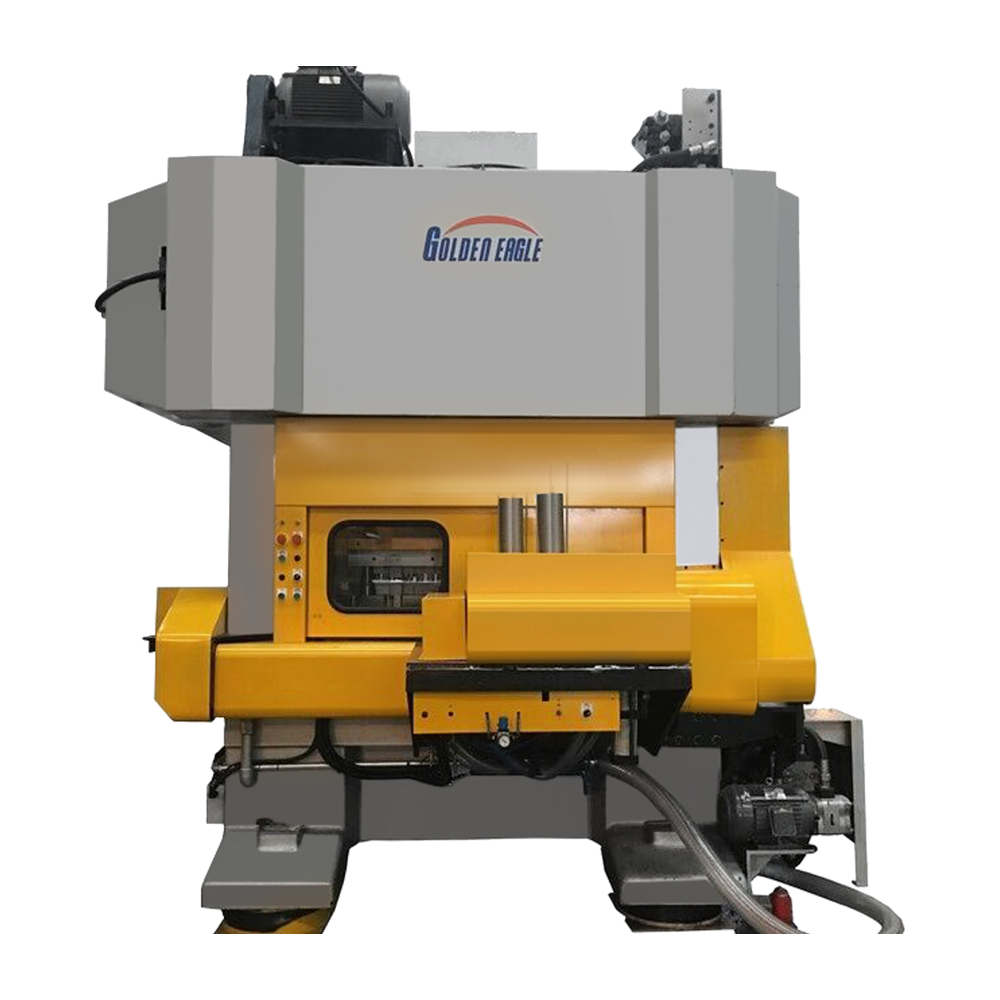
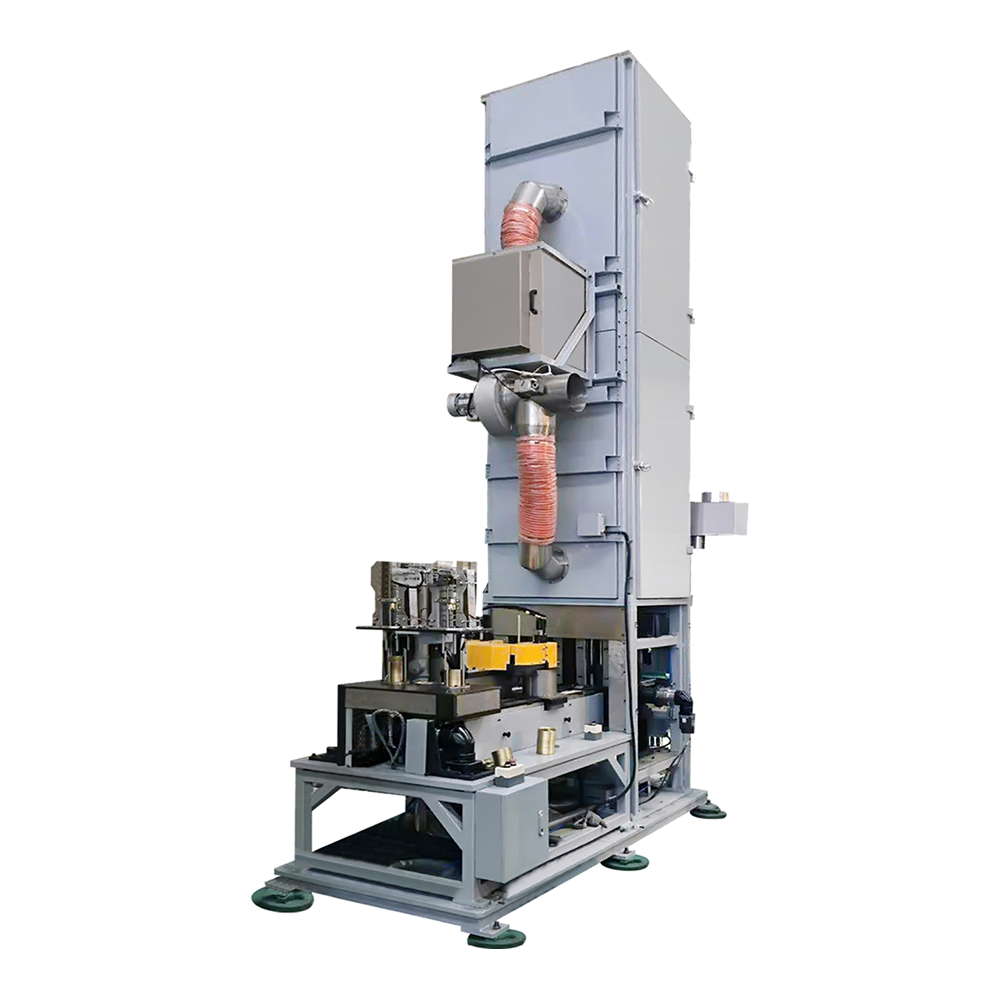
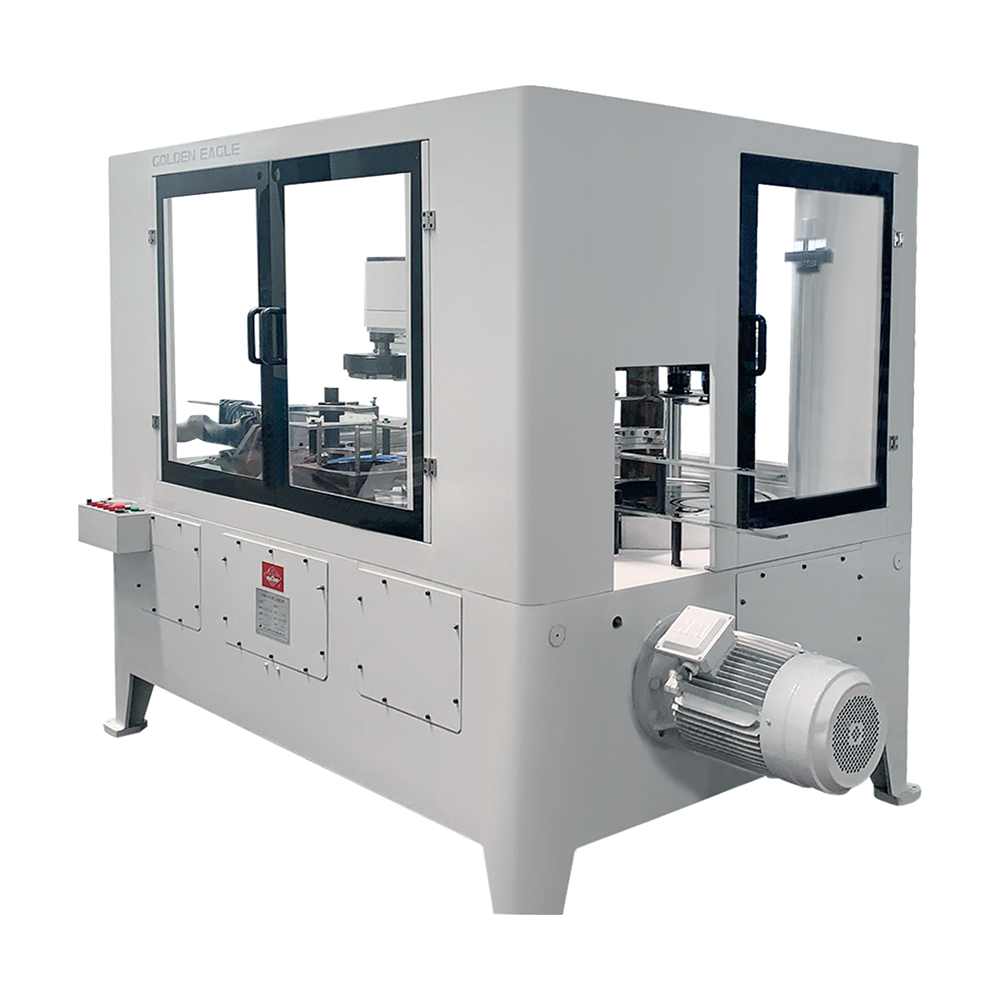
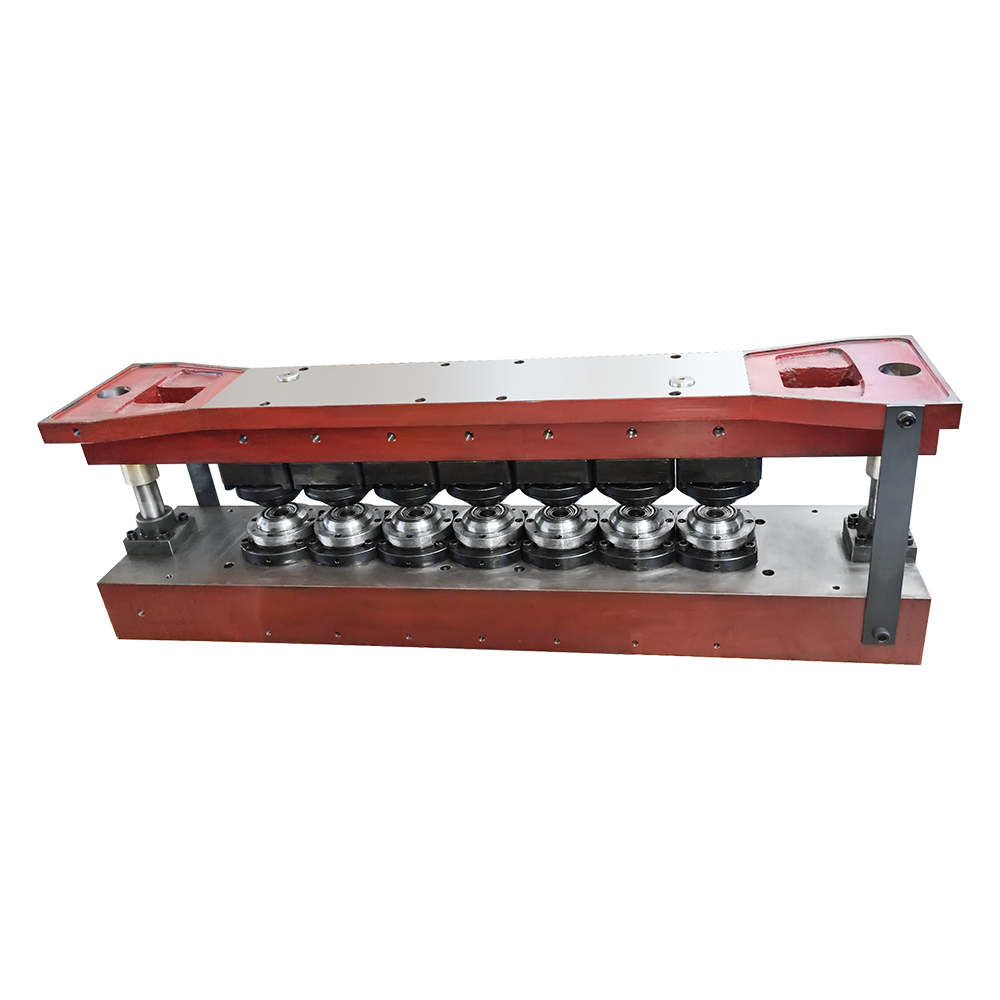
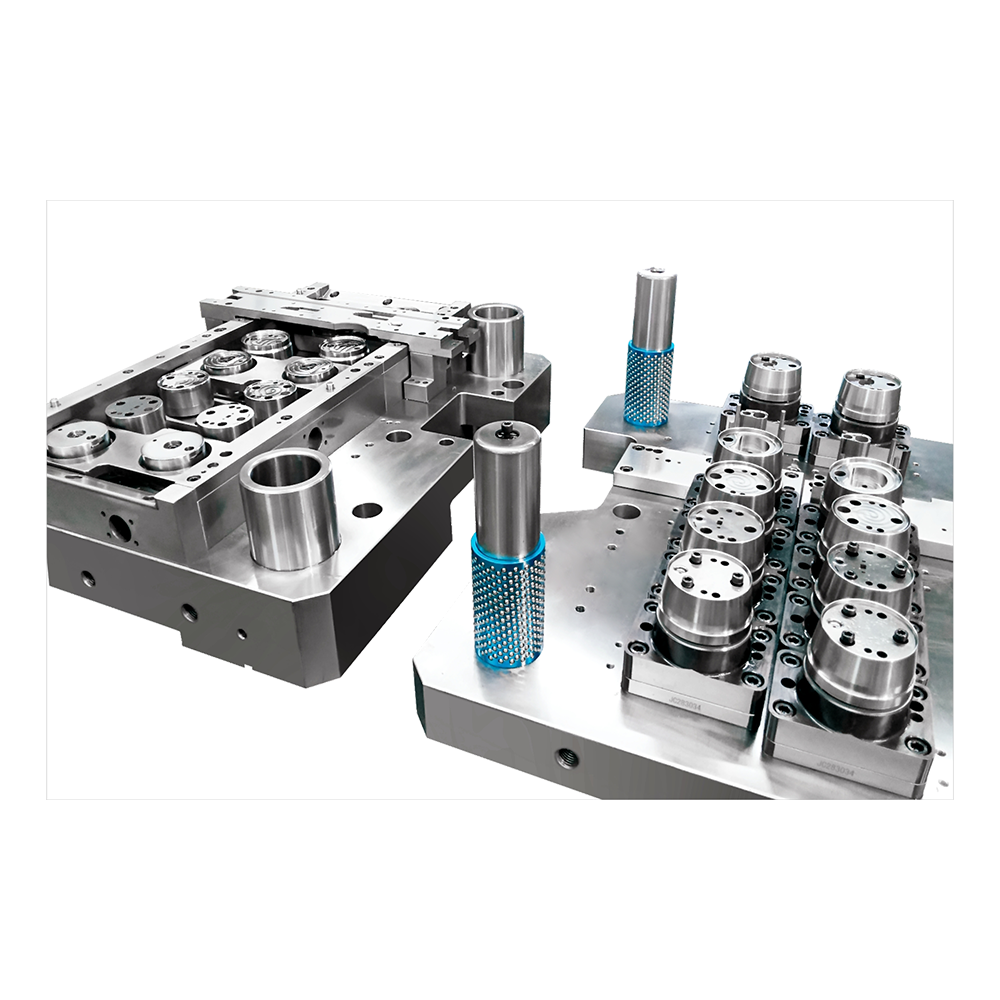
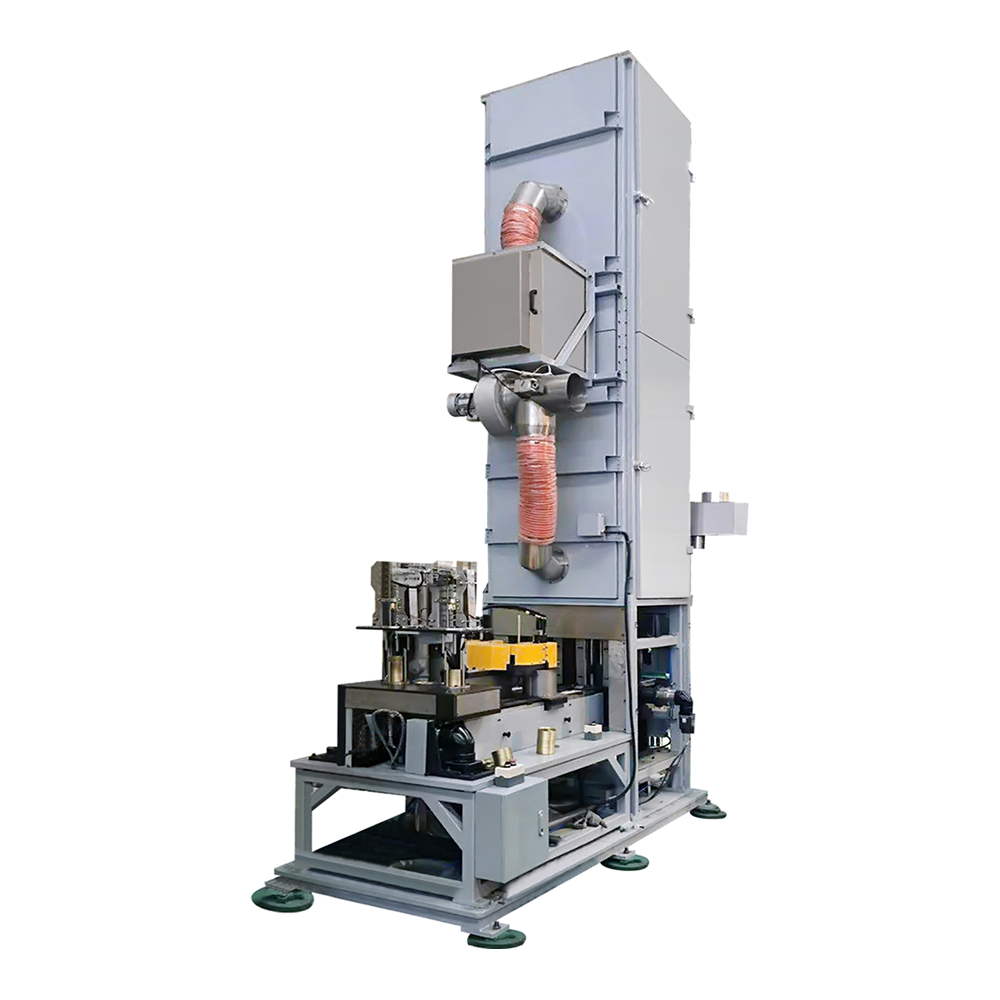
EOE Lid Making Machine
The line is available in one-lane, two-lane, three-lane, and four-lane configurations. This modular approach enables manufacturers to select capacity according to current production needs and future expansion plans. A one-lane machine may be suitable for a smaller factory, a specialized product, or a market that requires several lid sizes in moderate quantities. A four-lane line is more appropriate for continuous, high-volume production where maximum throughput is a priority.
| Configuration | Nominal Pressure | Stroke Range | Press Speed | Output Capacity |
|---|---|---|---|---|
| One lane | 75 or 80 tons | 35–63.5 mm slide block stroke | 200–600 strokes per minute | 200–600 ends per minute |
| Two lanes | 100 tons | 35–63.5 mm slide block stroke | 200–600 strokes per minute | 400–1,200 ends per minute |
| Three lanes | 125 tons | 35–63.5 mm slide block stroke | 200–600 strokes per minute | 600–1,800 ends per minute |
| Four lanes | 125 tons | 35–63.5 mm slide block stroke | 200–600 strokes per minute | 800–2,400 ends per minute |
The table presents the principal configuration data supplied for the machine. Nominal pressure is listed as 75 or 80 tons for the one-lane model, 100 tons for the two-lane model, and 125 tons for both the three-lane and four-lane models. The slide block stroke range is 35–63.5 millimeters for all configurations. Machine power is specified at approximately 50–70 kilowatts, while machine weight is listed in the range of 17–32 tons, depending on the selected arrangement and equipment scope.
Multi-lane production can improve output without requiring a proportional increase in press speed. This is an important distinction in high-speed metal forming. Increasing the number of lanes allows several workpieces to be processed during each press cycle, while maintaining a controlled stroke rate. In suitable applications, this approach can support high productivity while avoiding excessive speed increases that might place additional stress on tooling, feeders, and transfer components.
EOE production involves forming and cutting operations that require substantial and accurately controlled force. The listed nominal pressure range gives the press sufficient capacity for the specified end-making applications. A robust press frame helps absorb forming loads and supports the repeatability of the tool movement. Stability is especially important when the machine operates for long periods at several hundred strokes per minute.
The slide block stroke can be adjusted within the 35–63.5 millimeter range. The appropriate stroke setting depends on the tooling design and forming sequence. A controlled stroke helps ensure that the material reaches the required shape without unnecessary travel. It can also contribute to improved cycle efficiency, reduced mechanical shock, and more consistent tool loading when properly matched to the production specification.
Machine weight ranging from 17 to 32 tons reflects the heavy-duty nature of the equipment. A substantial machine structure can reduce vibration and improve operational stability. Reduced vibration is beneficial for maintaining dimensional accuracy, protecting cutting edges, and limiting the risk of premature wear in precision tooling. The foundation and installation environment must nevertheless be prepared according to the supplier’s technical requirements.
Mechanical stability also supports safer operation. A rigid frame, properly aligned transmission system, and accurately installed tooling reduce unexpected movement and help create a more predictable production environment. Operators still need to follow all safety procedures, including guarding, emergency-stop requirements, lockout procedures, scheduled inspections, and approved tooling-change practices.
An easy-open end must be manufactured within controlled dimensional limits. The countersink, sealing compound area, score line, tab rivet, and outer curl all contribute to final can performance. If one feature is outside the required tolerance, the lid may not seal correctly, the tab may be difficult to operate, or the end may fail during handling or processing. The EOE conversion line therefore requires accurate tools and stable press movement.
The scoring operation deserves particular attention. The score must be deep enough to allow convenient opening but not so deep that the lid loses pressure resistance or becomes vulnerable during transportation. Consistent scoring requires accurate tool geometry, proper clearance, suitable lubrication, stable material feeding, and regular inspection. The machine’s precision press structure and compatible tooling are important factors in achieving repeatable scores across a large production run.
Riveting is another critical process. The pull tab must be positioned correctly over the scored opening, and the rivet must secure the tab without causing excessive deformation. A properly formed rivet supports reliable opening behavior and a clean appearance. Automated positioning and synchronized pressing reduce the variation that can occur when these operations are performed manually or with poorly integrated equipment.
The finished end must also protect the can’s sealing area. Scratches, dents, contamination, or deformation around the curl and compound region can affect seaming performance. Automated transfer and discharge can reduce unnecessary contact with finished surfaces. For food can applications, the production environment, material handling, and cleaning procedures should be managed in accordance with the customer’s hygiene and regulatory requirements.
The equipment supplier was established in 1978 and has more than four decades of experience in can-making machinery and can-making molds. This long operating history is relevant because EOE lines combine press engineering, forming technology, tooling design, feeding systems, automation, and production-service knowledge. A supplier that works across these disciplines can better understand how the machine must perform within a complete packaging plant.
The company employs more than 350 trained personnel, including experienced design and development engineers. This organizational scale supports product engineering, mechanical design, electrical integration, machining, assembly, quality control, installation, and after-sales service. It also provides a broader technical base for adapting equipment to different can sizes, materials, output targets, and plant layouts.
In addition to EOE equipment, the manufacturer produces can-making machines and molds for food cans, beverage cans, chemical tanks, aerosol containers, two-piece cans, and other metal packaging products. This broad product range gives the company practical knowledge of different forming methods and production environments. It also allows customers to discuss complete packaging projects with a supplier familiar with multiple stages of can manufacturing.
The company states that it has produced more than 10,000 pieces of can and can-lid equipment. This installed production experience can support continuous improvement because feedback from operating machines helps identify opportunities to refine tooling, feeding systems, controls, maintenance procedures, and operator guidance. For a customer purchasing a complex conversion line, accumulated field experience can be an important consideration alongside the basic machine specifications.
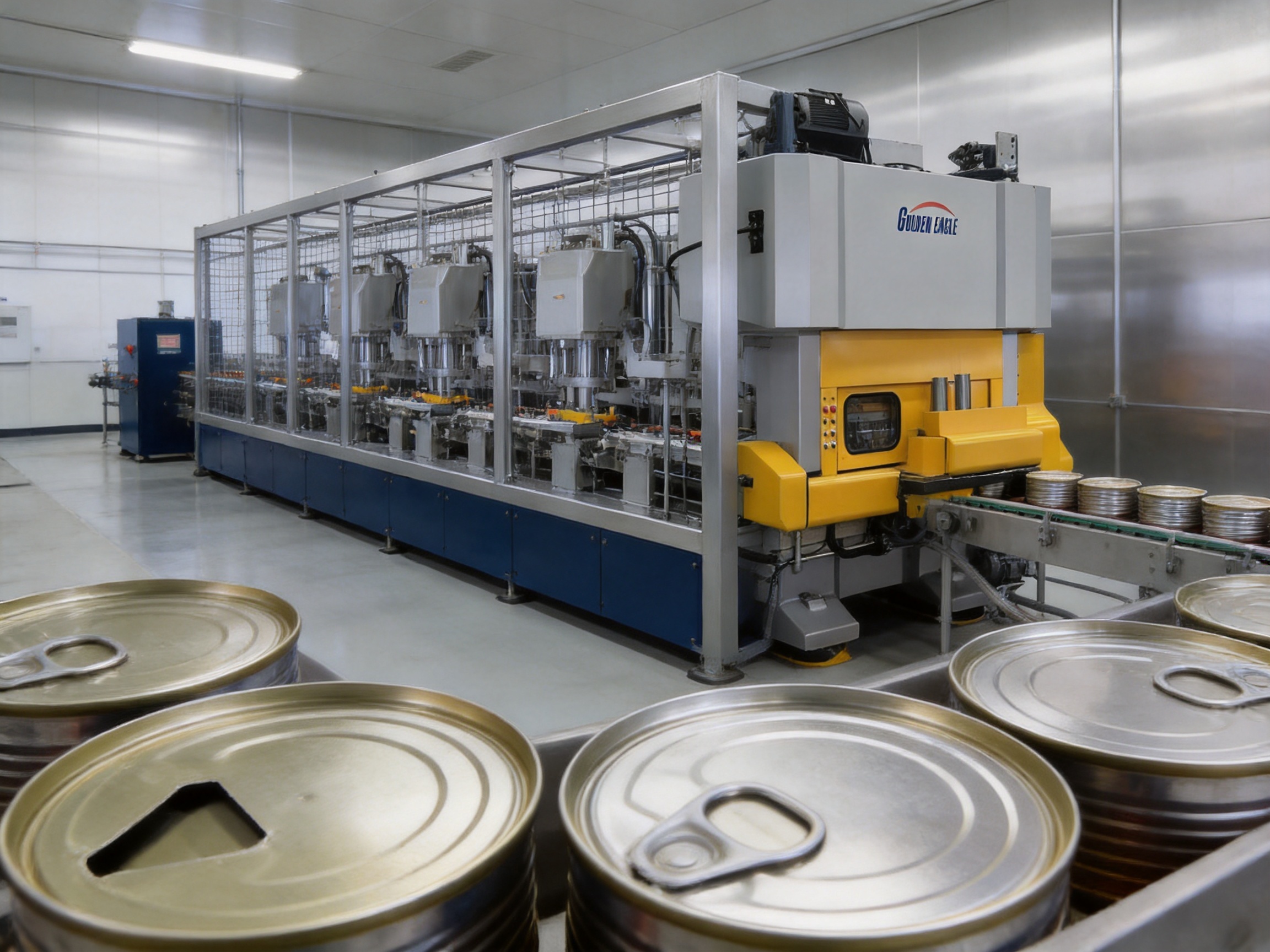
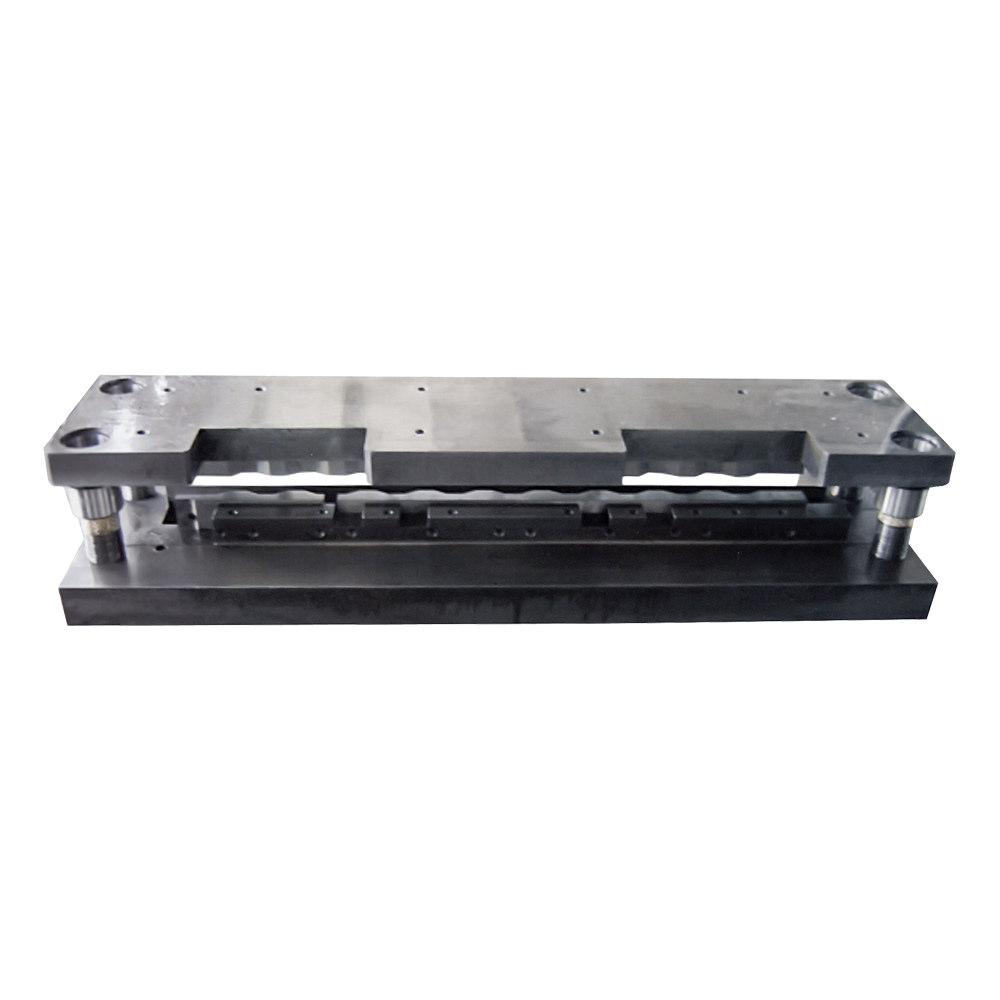
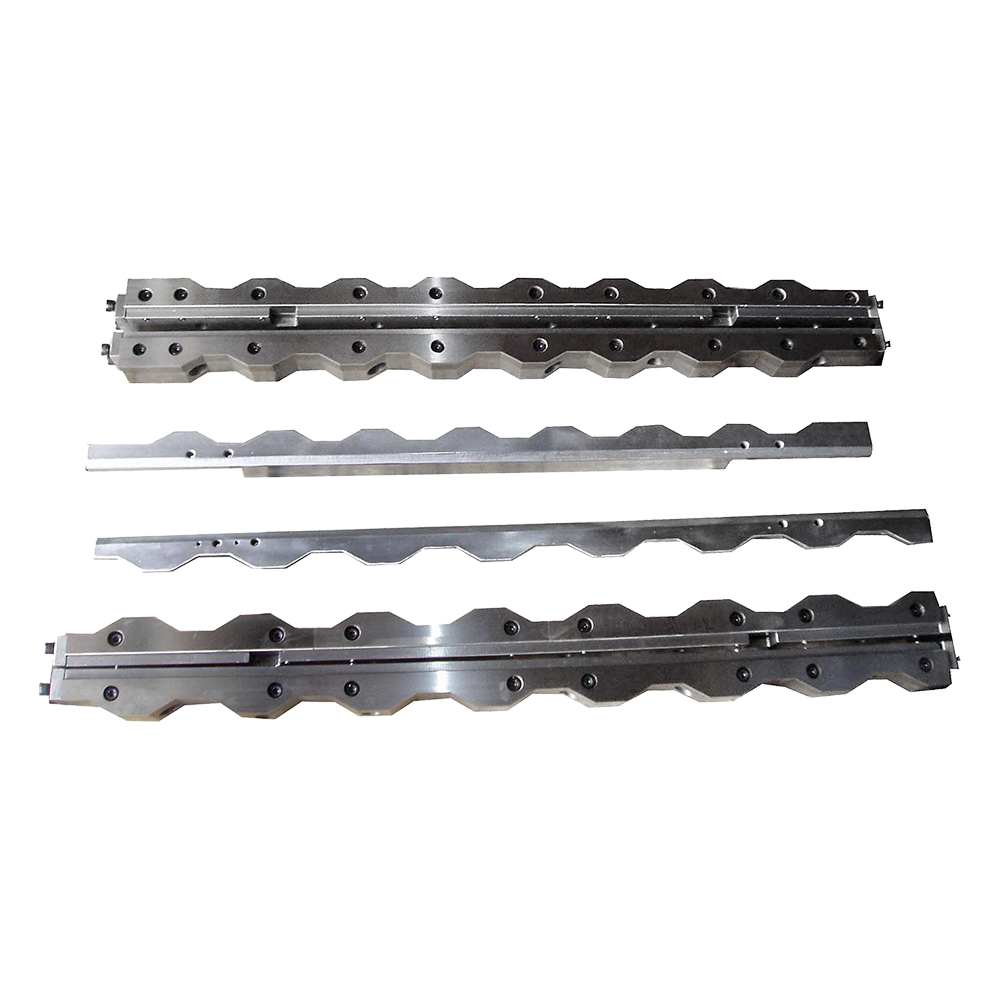
EOE production depends heavily on the quality of molds, dies, punches, scoring tools, rivet tooling, and other precision components. Even a well-designed press cannot deliver consistent results if the working tools are inaccurately manufactured or poorly maintained. The supplier’s experience in making both can machinery and can-making molds is therefore a direct strength for this product category.
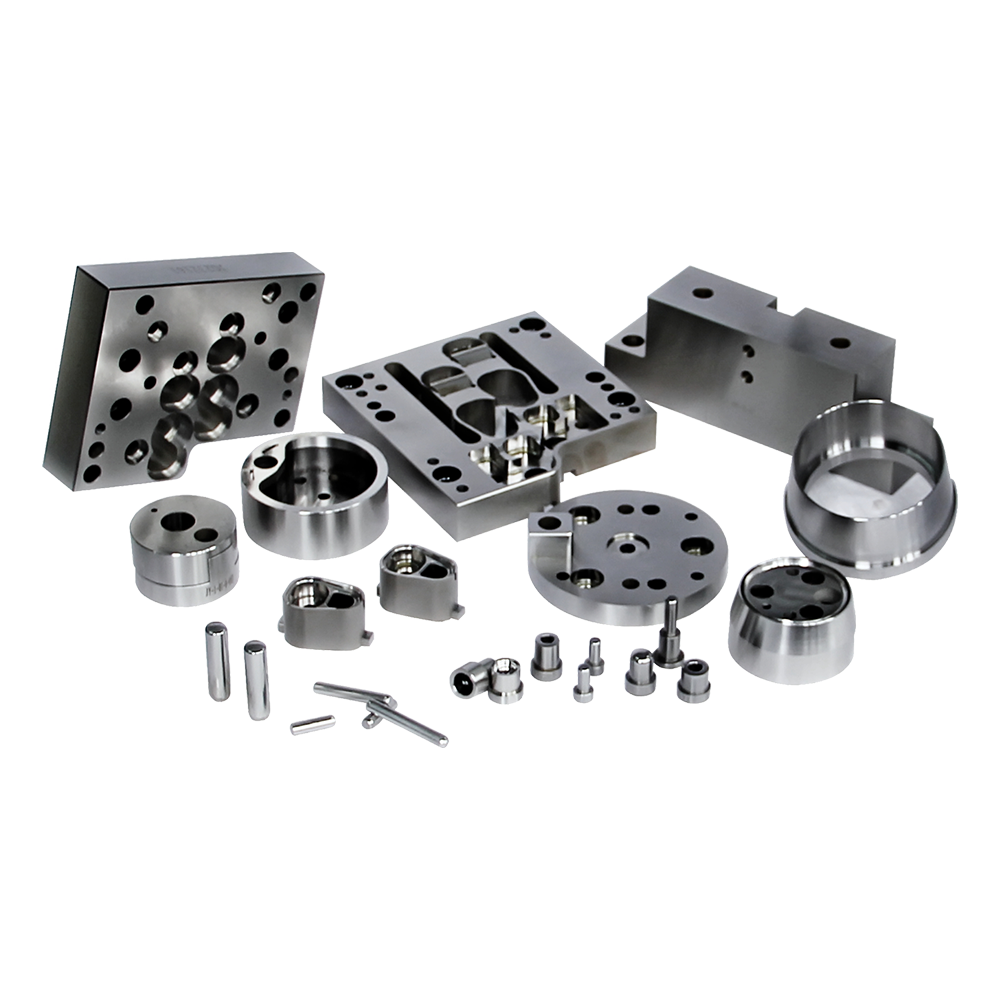
The company uses CNC high-precision machining equipment together with complete mechanical machining equipment. CNC processing can provide consistent dimensions and repeatable machining paths for complex components. When combined with suitable inspection and assembly practices, it supports the production of tooling with controlled clearances, accurate profiles, and repeatable installation positions.
Precision machining is especially valuable for multi-lane equipment. Each lane must be aligned so that it performs the same operation at the same time. Small differences between lanes can lead to variation in end dimensions, score depth, tab position, or material consumption. Accurate machining and careful assembly help reduce these differences and support balanced production across the complete press.
The supplier indicates that its product design principles are similar to those associated with established European can-making machinery manufacturers such as Krupp, Soudronic, and Alfons Haar. This comparison refers to design influence and engineering principles rather than a claim that the equipment is manufactured by those companies. The stated approach reflects an effort to combine proven mechanical concepts with the manufacturer’s own production experience and continuing development work.
During its production history, the company has combined practical manufacturing experience with ongoing product improvement. This approach is important in an industry where machine performance is influenced by real-world material variation, changing coating systems, new packaging designs, customer-specific output targets, and different factory conditions. Continuous refinement can help make the line more adaptable and maintainable over its service life.
Compared with manually fed presses or separate machines that require extensive operator intervention, an automatic EOE line can provide several operational advantages. Continuous feeding reduces the labor required for individual workpiece handling. Synchronized transfer reduces the risk of incorrectly positioned blanks. Automatic discharge supports more orderly collection and packaging of finished ends. These benefits can improve production consistency and reduce the interruption associated with manual operations.
Compared with a single-lane machine, a multi-lane configuration can produce more ends during each press cycle. This may lower the cost per unit when the equipment is operated at an appropriate utilization rate. Multi-lane production can also help a factory meet large orders without installing multiple independent presses, although the final economic result depends on tooling cost, changeover frequency, labor, energy consumption, maintenance, and the customer’s production schedule.
Compared with equipment designed for only one lid format, the ability to work with 202#, 211#, 300#, 307#, and 401# specifications can provide greater product flexibility. A manufacturer serving several food brands or package sizes may benefit from using one equipment platform with interchangeable tooling. Changeover time, tooling availability, and validation requirements must be evaluated before selecting the final configuration.
Compared with machines supplied without integrated technical support, equipment backed by design, mold, installation, commissioning, and training resources can reduce the risks associated with project implementation. A high-speed conversion line is not simply a standalone press. It must be installed correctly, connected to upstream and downstream systems, adjusted for the selected material, and operated by personnel who understand both process control and safety requirements.
The specified machine power range is approximately 50–70 kilowatts. Power demand varies according to the configuration, operating speed, auxiliary equipment, lubrication system, control system, and production conditions. Customers should confirm the exact electrical load, voltage, frequency, air requirements, foundation details, and environmental conditions during technical discussions before ordering.
A high-output multi-lane machine may require a substantial initial investment, but it can offer an efficient solution where demand is strong and production is continuous. The machine’s heavy structure and integrated design should be considered during factory planning. Sufficient space is needed not only for the press itself but also for material storage, access for maintenance, tooling handling, inspection, finished-product collection, and safe operator movement.
Production planning should include expected demand by lid size. A four-lane machine may offer outstanding capacity for a high-volume standard product, but a smaller configuration may be more suitable if orders are divided among many sizes or if frequent changeovers are expected. Selecting the correct lane configuration requires balancing output requirements, product mix, available floor space, investment budget, and expected machine utilization.
Manufacturers should also consider the relationship between the EOE line and other processes. The lid-making capacity should be matched with can body production, printing and coating, sealing compound application, inspection, packaging, and warehouse handling. A very high-capacity lid press may create unnecessary inventory if downstream operations cannot consume its output. Conversely, insufficient lid capacity may limit the performance of an otherwise efficient can-making plant.
Quality control should begin with incoming tinplate inspection. Material thickness, temper, coating condition, surface cleanliness, and mechanical properties can influence forming behavior. Consistent raw material helps the press and tooling operate within stable process conditions. Operators should follow approved material specifications and record relevant batch information for traceability.
In-process checks may include outside diameter, countersink dimensions, score geometry, rivet formation, tab position, curl condition, surface appearance, and compound coverage. Measurements should be taken at a frequency appropriate to the production risk and customer specification. Automated inspection systems may be added where required, but visual inspection and periodic dimensional verification remain important for identifying gradual tool wear or process drift.
Functional testing is also essential. Finished ends should be evaluated for opening performance, tab retention, sealing compatibility, pressure resistance, and behavior during the customer’s seaming and processing operations. Food packaging applications may require additional tests related to sterilization, corrosion resistance, coating performance, and hygienic handling. The exact testing program should be established with the can manufacturer and final product owner.
Tool maintenance is closely connected with quality. Cutting edges, scoring tools, forming surfaces, rivet components, and transfer elements gradually wear during production. Preventive maintenance can identify wear before it produces a large quantity of defective ends. A suitable spare-parts plan should include commonly replaced wear components and critical items with longer procurement times.
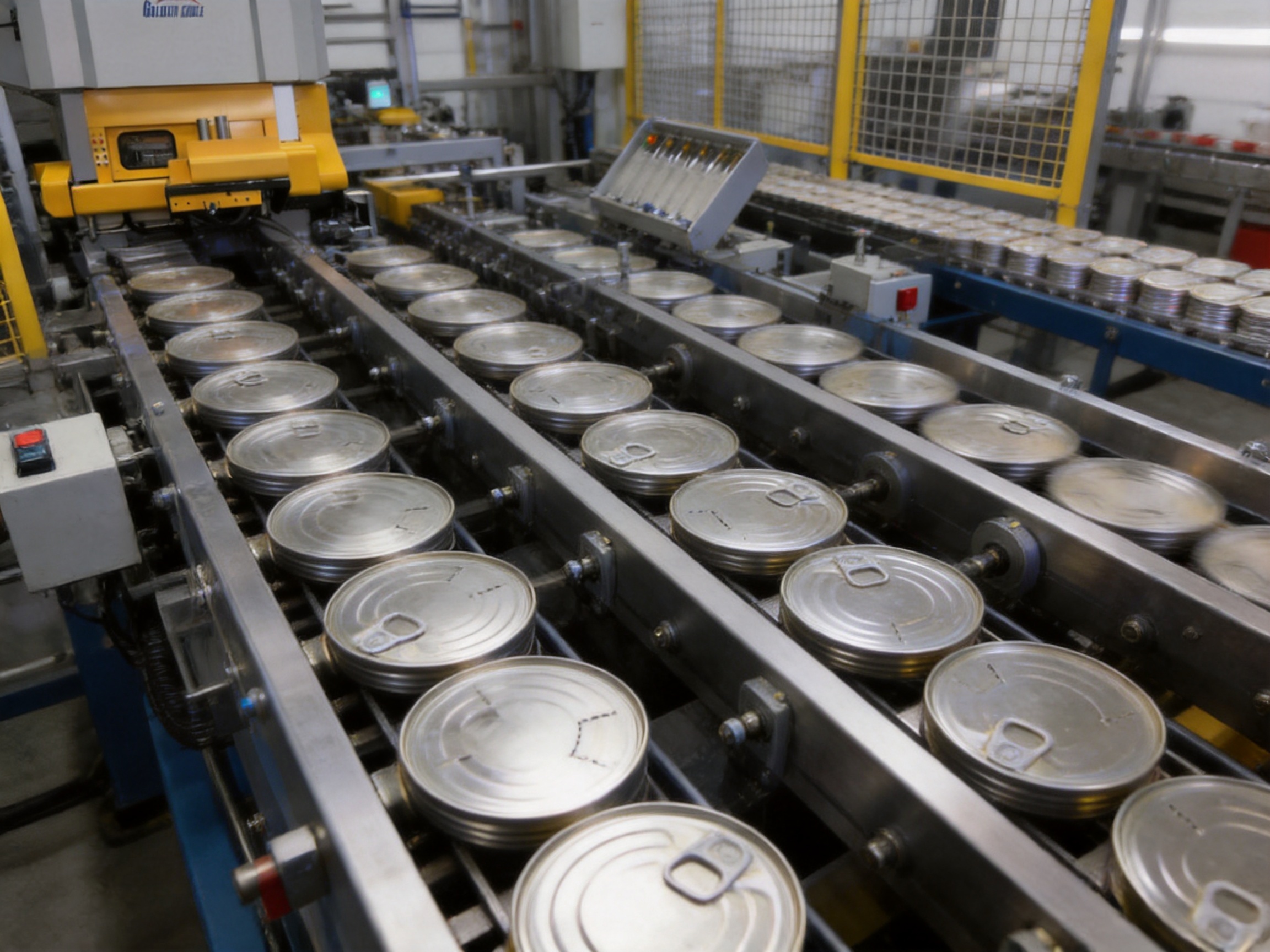
Successful installation begins before the machine arrives at the factory. The customer should prepare the foundation, power supply, compressed air system if required, ventilation, material flow, lighting, lifting equipment, and access routes. The supplier’s technical drawings and installation instructions should be reviewed by the factory’s engineering and safety teams.
After installation, commissioning verifies that the machine operates correctly under the customer’s actual conditions. This may include checking alignment, lubrication, electrical signals, safety circuits, feeder timing, tooling installation, stroke settings, lane balance, and product discharge. Trial production is used to adjust the line and confirm that the selected material and tooling produce ends that meet the agreed technical requirements.
Operator training is another important part of commissioning. Personnel should learn how to start and stop the machine, load material, monitor alarms, make approved adjustments, identify abnormal sounds or vibration, perform routine cleaning, and respond to common faults. Maintenance staff should receive instruction on lubrication, inspection points, tool replacement, alignment checks, and safe isolation procedures.
The manufacturer states that it provides installation, commissioning, technical guidance, and operation training. This support can be particularly valuable for customers purchasing their first automatic EOE line or expanding into a new lid format. Clear documentation, spare-parts identification, maintenance schedules, and communication channels help the customer maintain stable production after the installation team leaves.
The main application of the described line is food can production. Easy-open ends are widely used for canned vegetables, fruits, meat, seafood, soups, sauces, dairy products, pet food, and other shelf-stable goods. The correct lid design depends on the can diameter, internal pressure, filling process, sterilization conditions, product characteristics, and required opening force.
Although the listed product is focused on food can EOE production, the broader manufacturing experience of the supplier covers beverage cans, chemical containers, aerosol packages, and other metal packaging systems. Each application has different forming, sealing, coating, and safety requirements. Customers should confirm whether a particular EOE specification, material grade, or tooling design is suitable for their intended product.
The machine can be incorporated into a complete can-making project or used as an independent lid production system. A complete project may include automatic feeding equipment, cutting and slitting machinery, printing or coating systems, shell presses, compound application, inspection, packaging, and related molds. Integrating equipment from a supplier with experience across these categories can simplify technical coordination and project management.
The company reports certification to the ISO 9001 quality management system and ISO 14001 environmental management system. ISO 9001 certification indicates that the organization maintains a structured quality management framework, while ISO 14001 addresses environmental management practices. Certification does not replace customer acceptance testing or machine-specific quality verification, but it demonstrates an organized approach to production and management processes.
Environmental responsibility in machinery manufacturing includes material control, energy management, waste handling, machining-fluid management, equipment maintenance, and compliance with applicable regulations. For the end user, efficient production can also reduce material waste when feeding and forming are properly controlled. Accurate tooling and stable operation help minimize rejected ends, although actual waste levels depend on raw material, product design, operator settings, maintenance, and inspection standards.
A well-managed production line can support improved resource utilization in several ways. Automatic feeding reduces handling errors, stable forming reduces scrap, multi-lane operation increases output per press cycle, and preventive maintenance reduces the disruption caused by unexpected breakdowns. These potential benefits should be measured using the customer’s actual production data rather than assumed solely from the machine’s rated specifications.
EOE production is a specialized field. The machine must combine high-speed pressing with precision scoring, forming, riveting, material handling, and quality control. A general-purpose press supplier may provide force and speed but not necessarily the tooling knowledge or process experience needed for reliable easy-open-end production. A supplier specializing in can-making machinery is more likely to understand the complete relationship between the lid, the can body, the sealing compound, and the customer’s filling and seaming process.
The manufacturer’s long history in can machinery and molds is one of the product’s principal advantages. It means that the supplier’s capabilities extend beyond the press frame. Engineering, mold development, CNC machining, line assembly, commissioning, and after-sales support can be coordinated within one organization. This may reduce communication gaps that can occur when the press, tooling, feeder, and control system are sourced from unrelated vendors.
The company’s international export experience is another relevant strength. Its products have been supplied to customers in Europe, Asia, Africa, North America, South America, and Oceania. International projects require attention to documentation, electrical standards, shipping arrangements, installation coordination, spare parts, language support, and customer training. Experience in different markets can help the supplier anticipate many of these practical requirements.
At the same time, customers should compare suppliers using objective criteria. Important evaluation points include sample quality, output verification, tooling life, changeover design, energy consumption, safety functions, service response, spare-parts availability, warranty terms, and total cost of ownership. The listed specifications provide a useful starting point, but a final purchase decision should be based on a technical proposal tailored to the customer’s material and production goals.
Before ordering an EOE Lid Making Machine, the customer should define the required lid sizes and expected production volume. If the factory produces several sizes, it should estimate the proportion of total demand represented by each format. This information helps determine whether a one-lane, two-lane, three-lane, or four-lane configuration is appropriate.
The customer should provide information about tinplate thickness, temper, coating, sheet dimensions, blank dimensions, and any special surface or printing requirements. These details influence feeding, forming, tooling, and quality control. If the company plans to use materials from multiple suppliers, trials should be conducted to understand the operating window for each material type.
The customer should also clarify the desired level of automation. Questions may include whether automatic blank loading, automatic end discharge, machine vision, production data collection, reject separation, palletizing, or integration with upstream and downstream lines is required. Defining the automation scope at the beginning helps avoid unexpected modifications after installation.
Factory conditions should be reviewed in parallel. The buyer should confirm available power, floor loading, foundation dimensions, ceiling height, transportation access, compressed air quality, ambient temperature, humidity, dust control, and maintenance access. A machine weighing 17–32 tons requires careful logistical planning, particularly when it must be positioned inside an existing production building.
Finally, the buyer should agree on acceptance criteria. These may include demonstrated output, dimensional tolerance, score quality, tab riveting, scrap rate, continuous running time, safety functions, noise level, and documentation. A clearly defined factory acceptance test and site acceptance test can create a transparent basis for confirming that the equipment meets the project requirements.
Routine maintenance is essential for preserving the performance of a high-speed EOE line. Daily tasks may include cleaning material residues, checking lubrication, inspecting guards and sensors, monitoring abnormal vibration, and verifying the condition of feeding and discharge areas. Weekly or monthly tasks may involve checking fasteners, alignment, drive components, tooling condition, electrical connections, and safety devices.
Lubrication must follow the supplier’s recommended type, quantity, and interval. Both insufficient and excessive lubrication can cause problems. Insufficient lubrication may increase friction and wear, while excessive lubrication can contaminate materials or attract debris. Maintenance personnel should keep accurate service records so that recurring issues can be identified before they become major failures.
Tooling should be handled carefully during removal, cleaning, storage, and installation. Precision components should be protected from impact, corrosion, and contamination. When a tool is replaced, the operator should verify alignment and conduct trial production before returning to full-speed operation. Keeping a controlled inventory of critical tools and wear parts can shorten changeover and repair time.
Long-term reliability also depends on the operating environment. Stable power, clean material, suitable lubrication, correct foundation conditions, and trained operators all contribute to machine life. A powerful machine may perform poorly if it is installed on an unsuitable foundation or operated with incorrect material settings. Reliability is therefore the result of equipment design, installation quality, maintenance discipline, and process management working together.
The listed machine is designed for 202#, 211#, 300#, 307#, and 401# EOE formats. The exact range available to a specific customer depends on tooling, material, end design, and the approved technical configuration. Customers should identify all required sizes before ordering so that the appropriate tools and changeover arrangements can be planned.
The four-lane configuration is listed with an output capacity of up to 2,400 easy-open ends per minute at a press speed of 200–600 strokes per minute. The actual production result depends on end size, material, tooling, line settings, operating conditions, and acceptable quality standards. The one-lane model is listed at 200–600 ends per minute.
The correct choice depends on demand, product mix, available space, investment budget, and expected operating schedule. One lane may suit moderate or specialized production, while two or three lanes can provide additional capacity. Four lanes are appropriate for high-volume standardized production. A capacity study should be completed before the final configuration is selected.
The supplied information lists machine power in the approximate range of 50–70 kilowatts. Exact power requirements should be confirmed in the final technical documentation because they can vary according to machine configuration, auxiliary systems, control equipment, and customer-specific options.
The listed machine weight is approximately 17–32 tons. The final weight depends on the lane configuration, tooling, feeder, discharge system, guarding, and other included equipment. The customer should prepare suitable lifting, transportation, foundation, and floor-loading arrangements.
Yes, the product scope includes several EOE sizes. Producing different sizes requires compatible tooling and approved changeover procedures. The customer should discuss tooling supply, changeover time, storage, and production validation with the manufacturer.
The product is specifically described as a tinplate EOE conversion line for food can making. Food packaging projects must still satisfy the customer’s requirements for materials, coatings, sealing compounds, hygiene, inspection, traceability, and regulatory compliance. Final suitability should be confirmed through technical trials and customer acceptance testing.
The company states that it provides installation, commissioning, technical guidance, operation training, and after-sales service. The detailed scope, duration, travel arrangements, documentation, warranty, and response procedures should be included in the commercial and technical agreement.
The company reports that it supplies spare parts and provides after-sales support. Customers should request a recommended spare-parts list, maintenance schedule, troubleshooting guide, warranty terms, and service contact procedure before placing an order.
Comparison should include more than rated speed. Buyers should evaluate output stability, end quality, tool life, changeover time, material waste, energy use, safety systems, maintenance accessibility, control functions, delivery capability, installation support, and total ownership cost. The supplier’s experience in machinery and mold manufacturing is a relevant advantage, but customer-specific testing remains the best method of comparison.
The Automatic EOE Lid Making Machine is designed to provide a high-capacity solution for producing tinplate easy-open ends in 202#, 211#, 300#, 307#, and 401# formats. Its automatic operation, one- to four-lane configuration, 200–600 strokes-per-minute range, and maximum listed output of 2,400 ends per minute make it suitable for a wide range of can-making operations.
The machine’s principal advantages include continuous automated production, flexible capacity selection, substantial press force, stable heavy-duty construction, compatibility with several common lid sizes, and suitability for integration into complete metal packaging projects. Its performance is supported by the manufacturer’s experience in can-making machinery, mold production, CNC precision machining, mechanical assembly, and international project service.
For manufacturers seeking to improve output and reduce manual intervention, a properly configured EOE conversion line can provide a productive and scalable foundation. The best results will come from matching the lane arrangement, tooling, material, automation level, and quality-control plan to the customer’s actual production requirements. With proper installation, operator training, preventive maintenance, and process control, the equipment can support efficient and consistent easy-open-end production for food and other metal packaging applications.
1. Product specification information for the Automatic Easy-Open-End Making Line, including lane configurations, press capacity, stroke range, output capacity, power, and machine weight.
2. Company profile and manufacturing information for Zhejiang Golden Eagle Food Machinery Co., Ltd.
3. General engineering principles for tinplate can-making machinery, metal forming, scoring, riveting, and easy-open-end production.
4. ISO 9001 quality management system principles for manufacturing organizations.
5. ISO 14001 environmental management system principles for industrial manufacturers.
6. General practices for food-can packaging, metal-lid inspection, preventive maintenance, machine commissioning, and operator training.
Related Products

Founded in 1978, the company is one of the largest can-making machinery well-known companies at home and abroad.
Product Categories
Contact Information
Zhongshatou Shenjiamen Zhoushan Zhejiang China
+86-580-3056646

 English
 中文简体
中文简体
 русский
 عربى
عربى
 Español