2026-05-08
Tin can caps are the unsung heroes of the global metal packaging industry, ensuring product freshness, safety, and integrity for everything from artisanal food products to high-volume beverage lines. As consumer demand for sustainable, customizable, and efficient packaging solutions surges—coupled with stricter regulatory standards—manufacturers face mounting pressure to optimize production lines without compromising quality. Enter the state-of-the-art Tin Can Cap Production Line: an innovative system engineered to address these challenges head-on, offering unmatched flexibility, precision, and scalability that sets it apart from conventional alternatives.

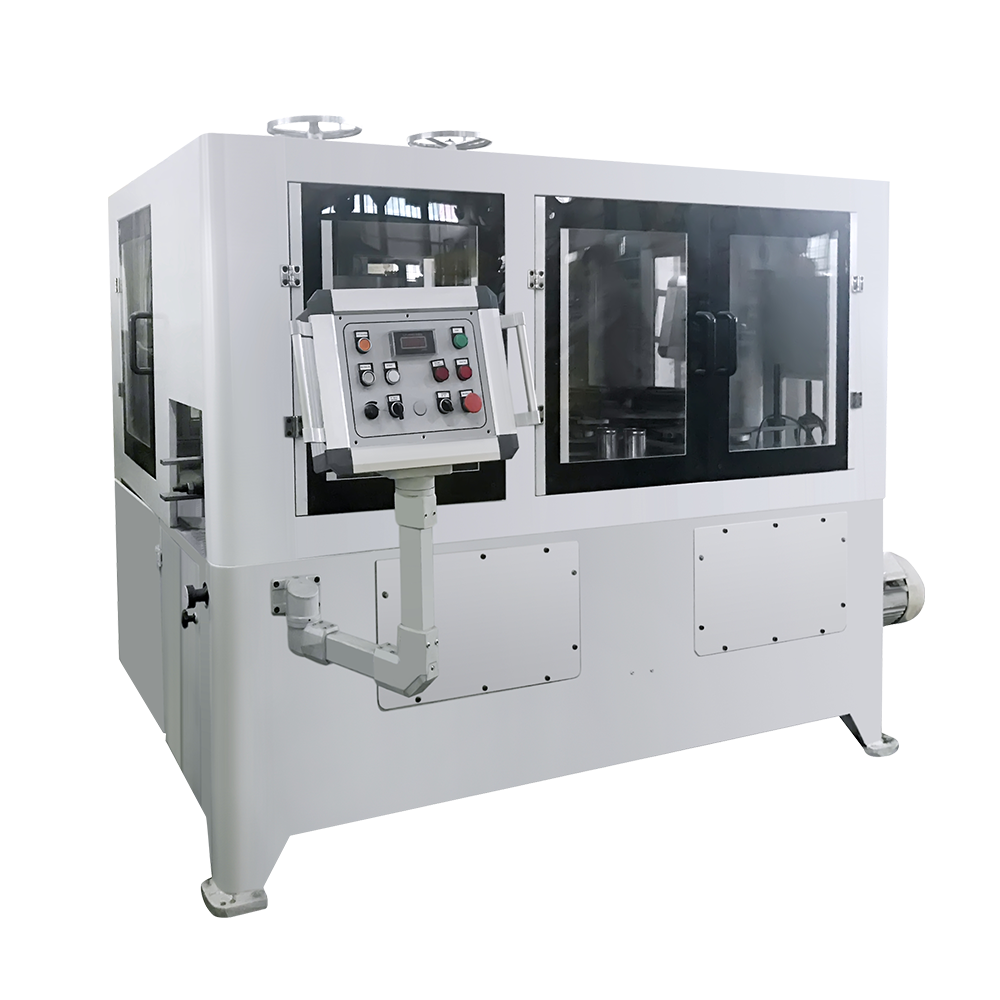
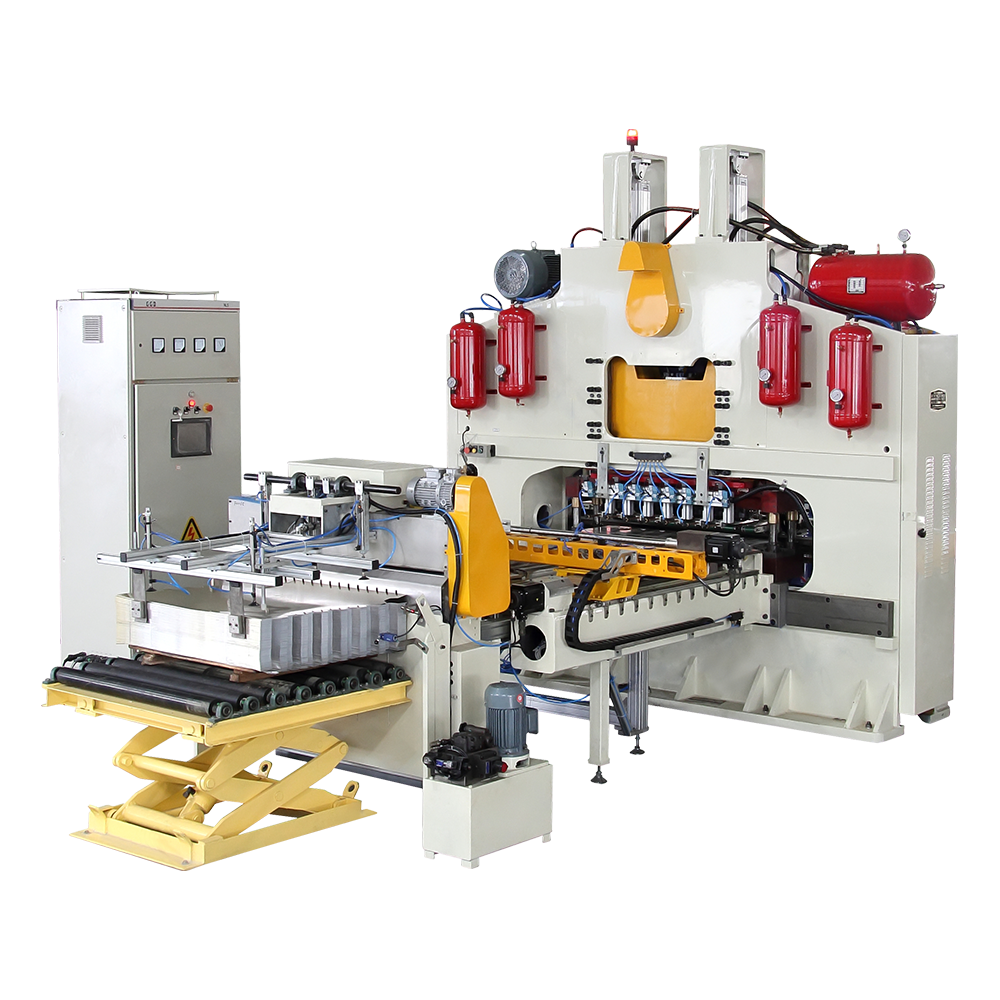
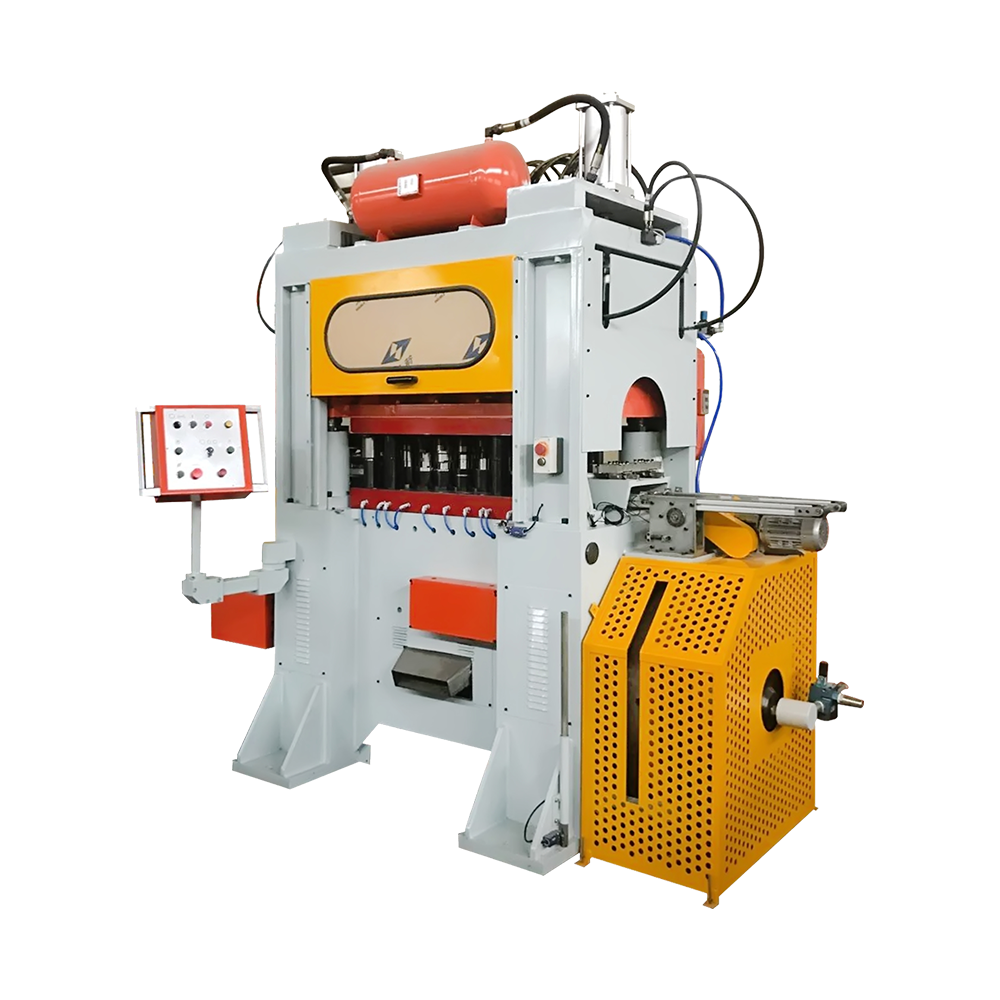
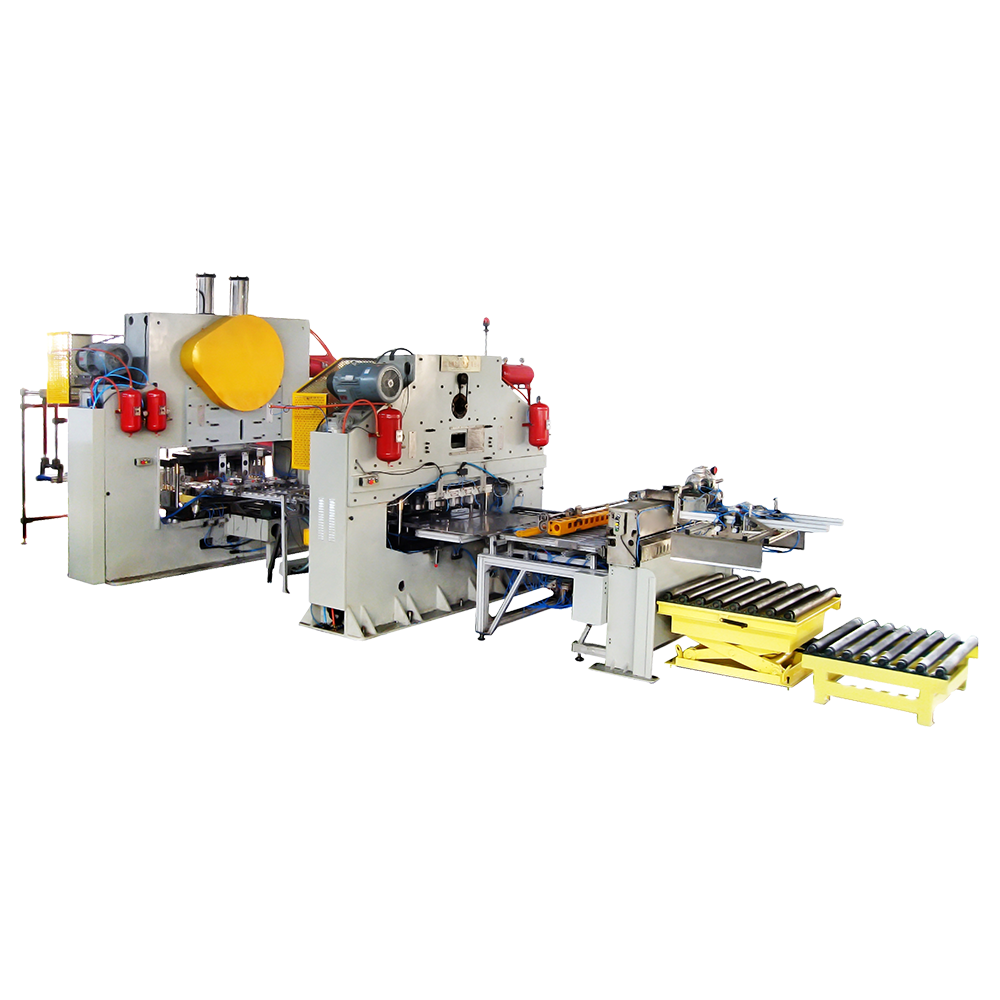
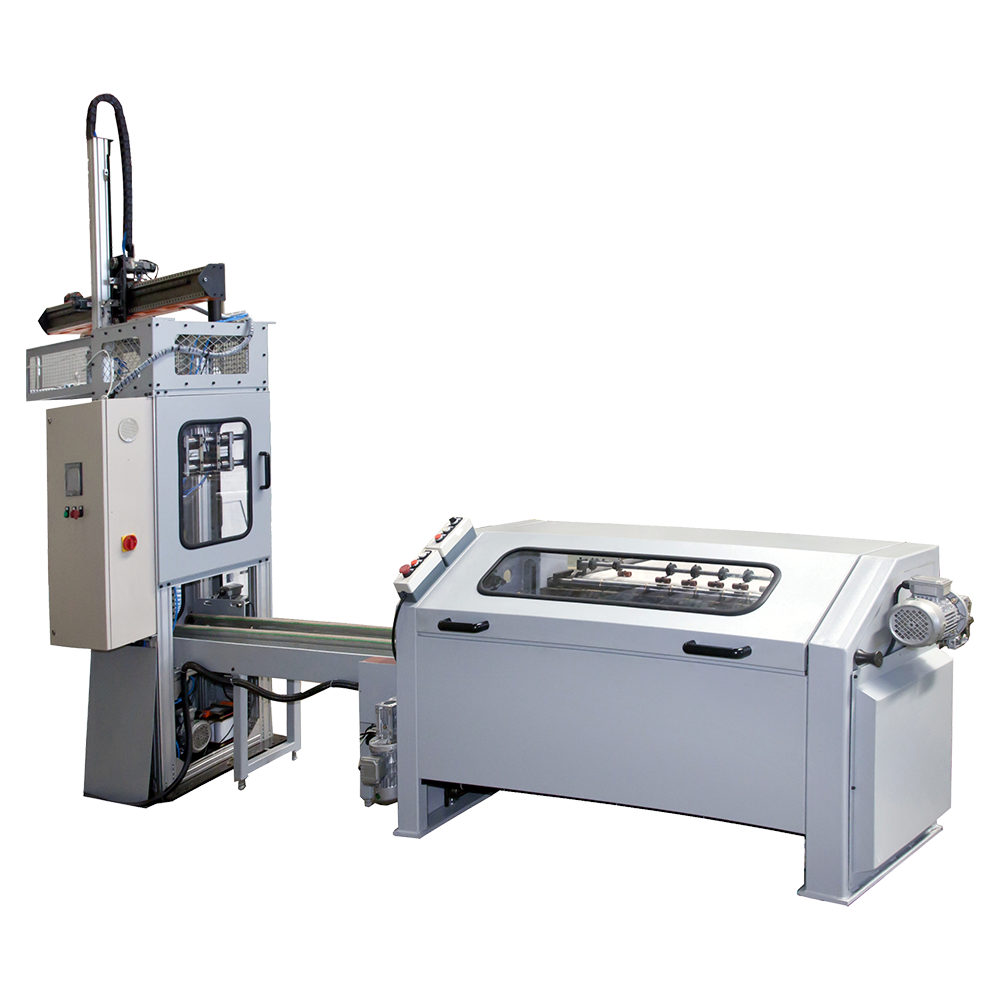
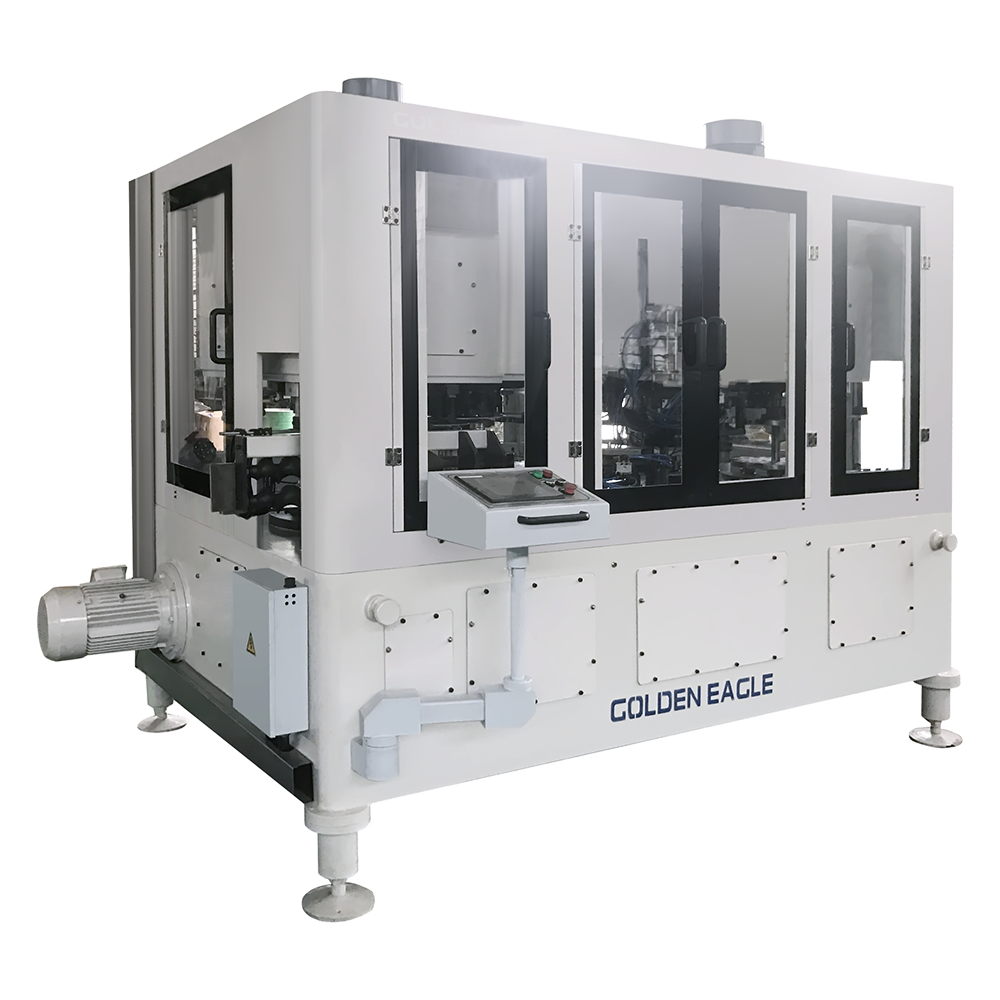
The Tin Can Cap Production Line is a cutting-edge solution designed for O-frame pressing in metal can manufacturing, tailored to meet the diverse needs of modern producers. At its core, the line features systems operating at speeds ranging from 80 to 500 cycles per minute (cpm)—a range that adapts seamlessly to production volumes, from small-batch specialty caps to high-volume commercial runs. This flexibility is complemented by automatic operation, punch pressing functionality, and support for various tailor-made can sizes, making it a versatile choice for manufacturers across sectors.
The line’s flagship CNC-C series models are the result of decades of engineering refinement, each optimized for specific performance metrics. Key features include:
Whether you’re a craft beverage producer launching a limited-edition line or a global food manufacturer scaling up operations, this line adapts to your unique requirements—eliminating the need for multiple specialized machines and reducing operational complexity.
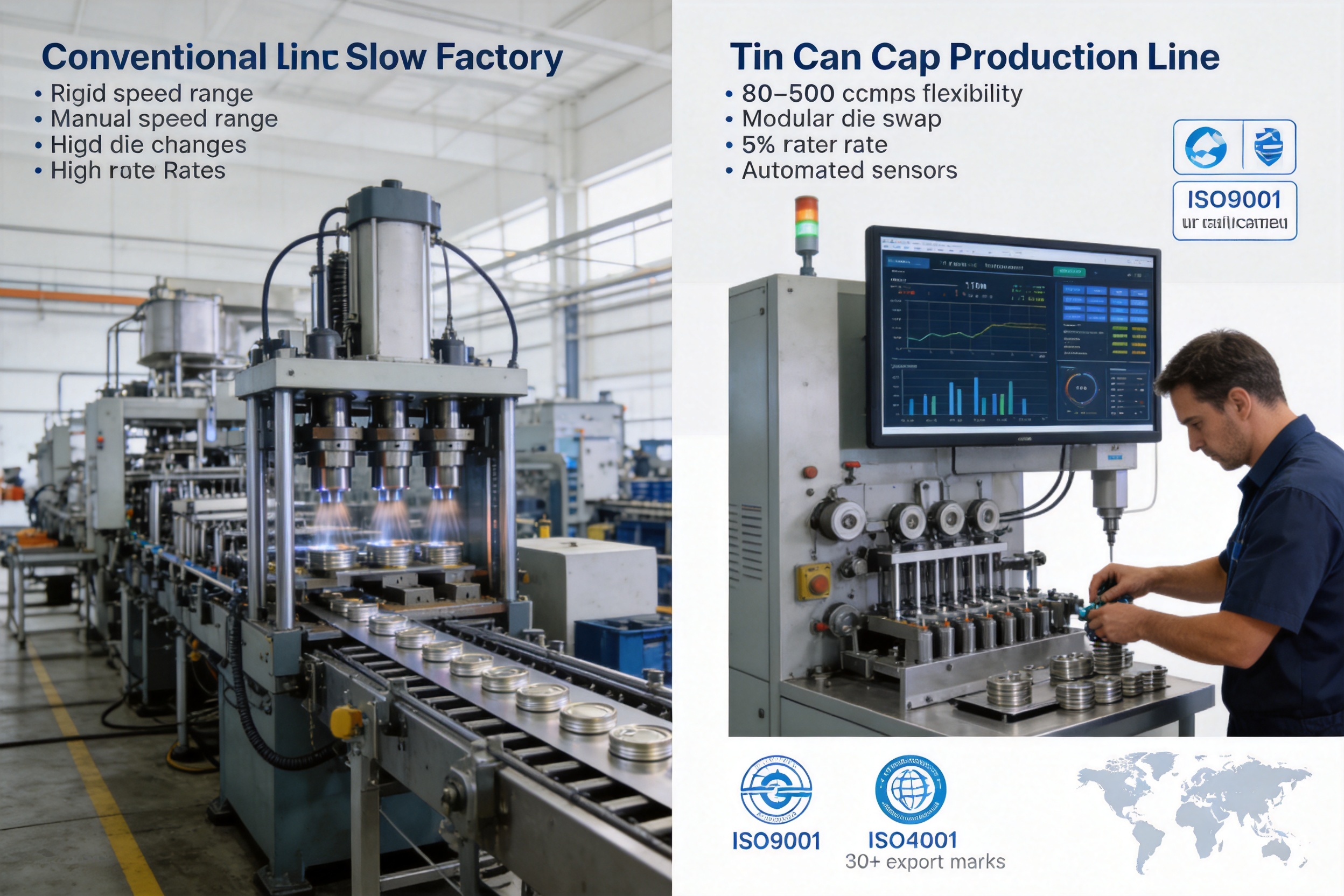
In a crowded market of can-making machinery, the Tin Can Cap Production Line distinguishes itself through a combination of performance, flexibility, and reliability. Below are its most impactful competitive edges:
Many conventional production lines offer rigid speed ranges (e.g., 100–300 cpm), limiting manufacturers’ ability to respond to demand fluctuations. This line, by contrast, operates at 80–500 cpm—depending on cap size and die count. For example:
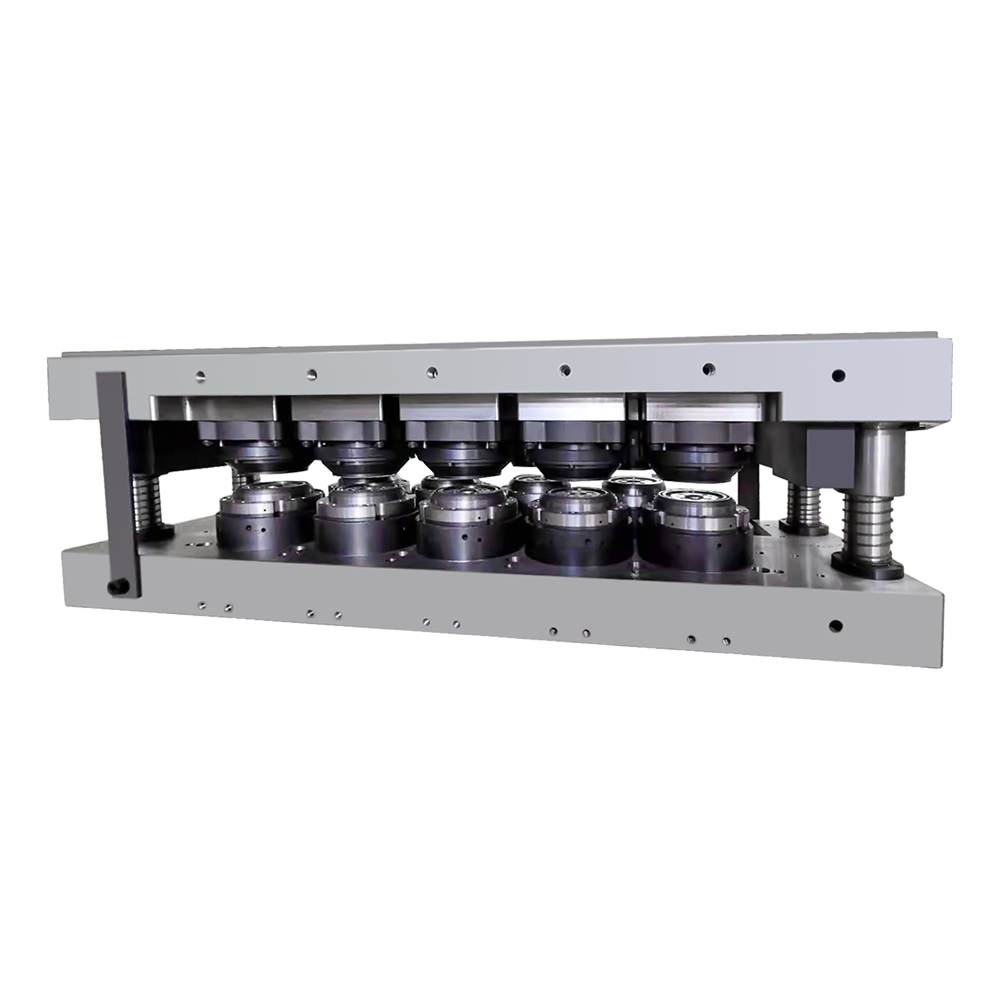
Niche markets (e.g., craft beverages, specialty food) require unique cap sizes and designs—something many competitors struggle to accommodate. The Tin Can Cap Production Line solves this with:
Precision is non-negotiable in can cap production: even a 0.1mm defect can lead to product spoilage or safety issues. This line uses CNC high-precision machining to ensure:
Many manufacturers overlook after-sales support, but this line’s provider offers comprehensive services:
The line is manufactured by a company certified to ISO9001 (quality management) and ISO14001 (environmental management) standards. This ensures compliance with:
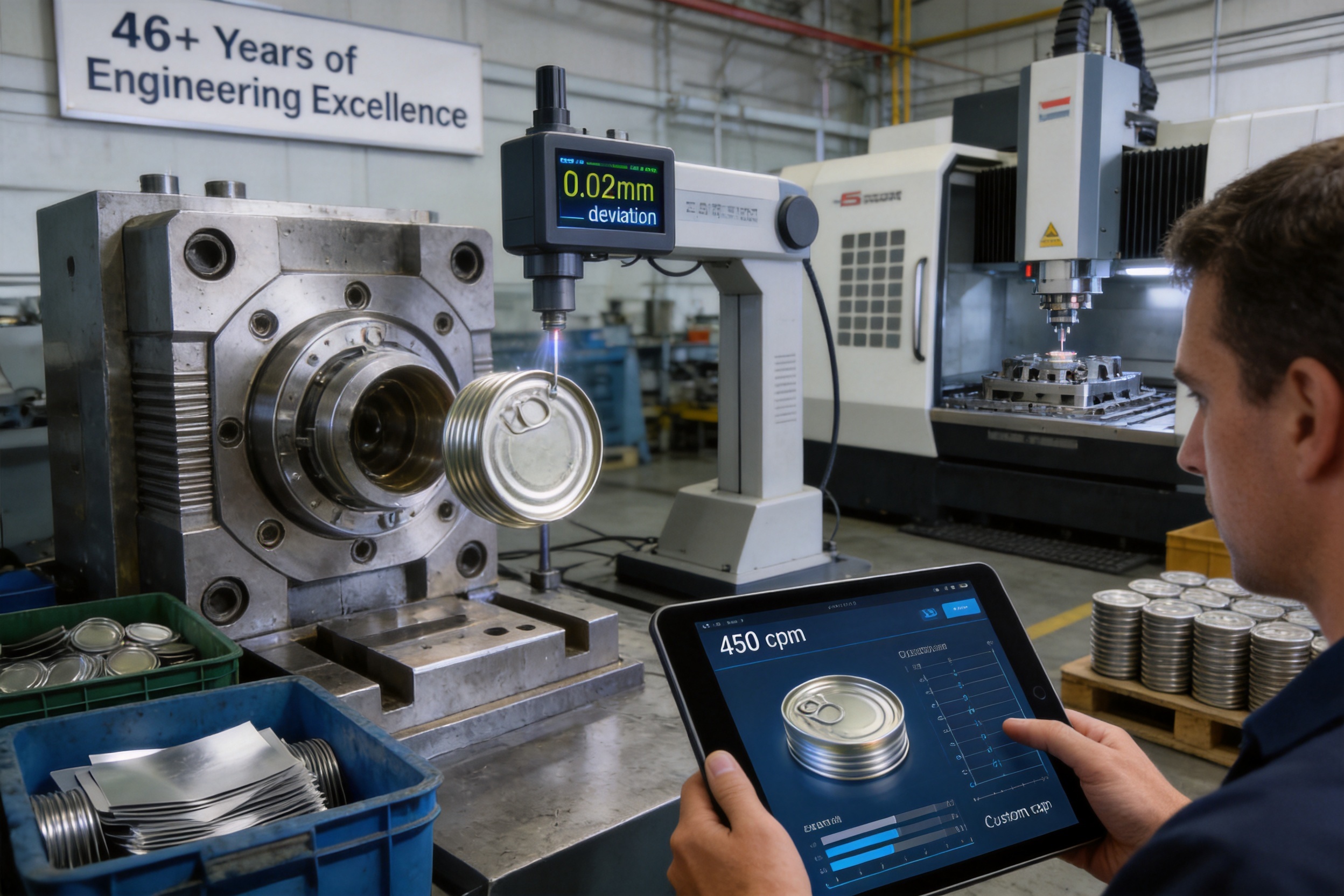
The manufacturer behind this line is a veteran in the can-making industry, with over 46 years of experience. Its expertise and processes are the backbone of the line’s quality and reliability:
Founded in 1978, the company evolved from a local factory to a global leader, with a team of 350+ trained personnel—including 20+ senior design engineers. Its R&D team collaborates with clients to refine designs, incorporating feedback from 10,000+ installed equipment units. This iterative process has led to breakthroughs like the modular die set system and automated quality control sensors.
The company’s 50,000㎡ facility is equipped with:
Quality is integrated into every stage:
The company’s products are exported to 30+ countries across Europe, Asia, Africa, and the Americas—including Germany, Italy, Australia, and Mexico. Its client list includes Fortune 500 food manufacturers and craft beverage producers, testament to its ability to meet diverse market needs.
Beyond the cap line, the company offers full can-making solutions:
The CNC-C series models offer a range of specifications to suit different production needs. Below is a comprehensive table of key metrics:
| Model | CNC-C2L | CNC-C2H | CNC-C1B-L | CNC-C1H-2 | CNC-CⅥ-L | CNC-C3 | CNC-CⅥ-H | CNC-C9 |
|---|---|---|---|---|---|---|---|---|
| Working Pressure | 450KN | 450KN | 900KN | 900KN | 120KN | 120KN | 120KN | 160KN |
| Ram Stroke Distance | 140mm | 190mm | 140mm | 190mm | 150mm | 190mm | 150mm | 190mm |
| Max Stroke Time | 150spm (Φ153mm) | 100spm | 150spm (Φ153mm) | 100spm | 150spm (Φ153mm) | 100spm | 150spm (Φ153mm) | 100spm |
| Punch Die Number | 1 die | up to 2 dies | up to3 dies | up to5 dies | Customizable | |||
| Max Lift Depth | 35mm | 55mm | 35mm | 55mm | 35mm | 55mm | 35mm | 55mm |
| Max Shut Height | 485mm | 466mm | 485mm | 466mm | 505mm | 466mm | 505mm | 466mm |
| Adjustment of Max Shut Height | 17mm | 17mm | 17mm | 17mm | 17mm | 25mm | 17mm | 25mm |
| Max Sheet Size | 1150×1150mm | |||||||
| Main Power | 7.5kw | 7.5kw | 11kw | 11kw | 15kw | 18.5kw | 15kw | 22kw |
| Total Power | 40kw | 50kw | 60kw | 65kw | Customizable | |||
| Total Weight | 18T | 22T | 25T | 27T | Customizable | |||
| Machine Dimension (L×W×H) | 12120×5000×3170mm | 12120×6000×3170mm | 12560×6000×3780mm | 12560×6000×3780mm | Customizable | |||
| Function | 80-100cpm @1 die | 160-200cpm @2 dies | 240-300cpm @3 dies | 400-500cpm @5 dies | Customizable | |||
Note: Customizable models are available for clients with unique production requirements.
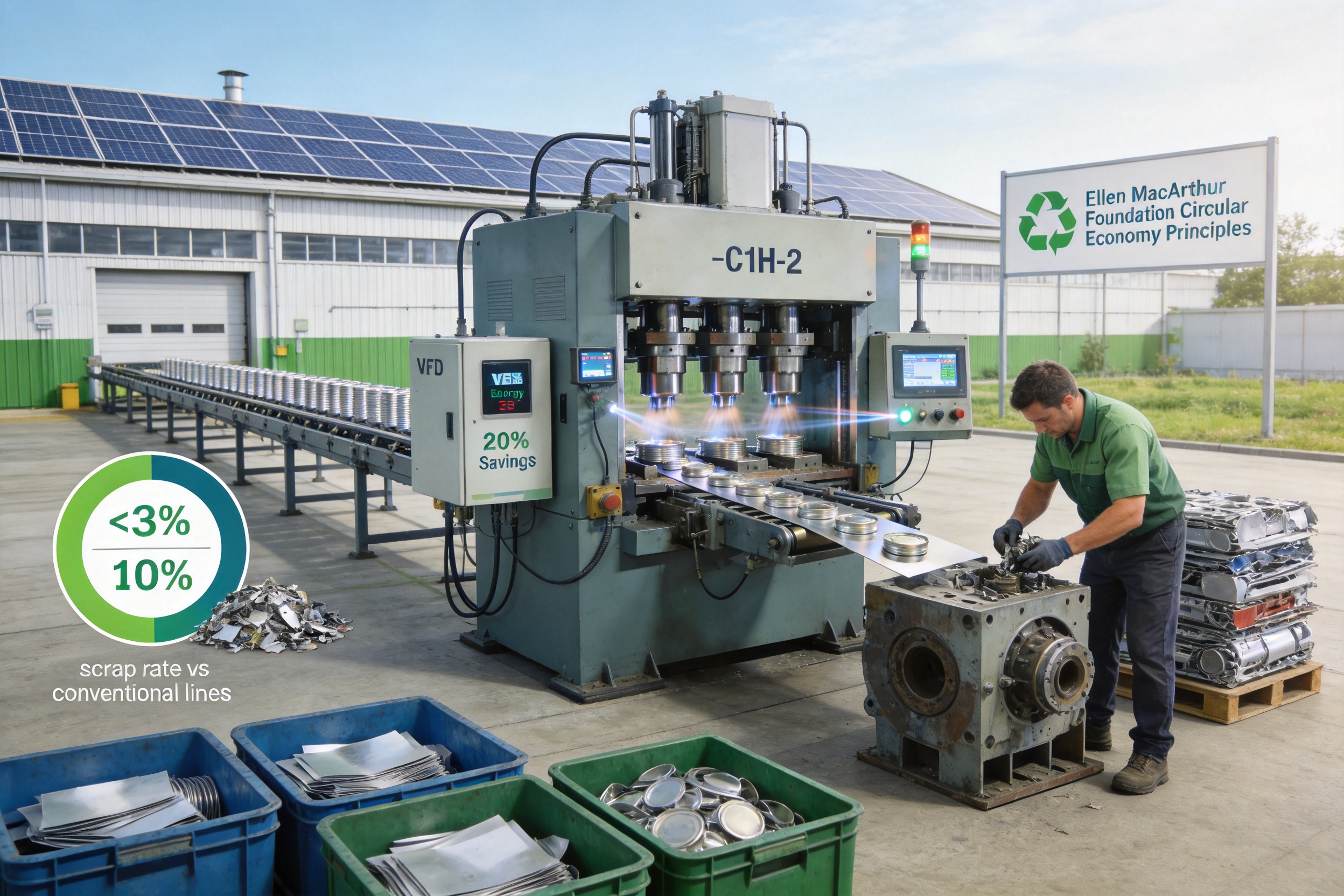
In an era of growing environmental awareness, the Tin Can Cap Production Line is designed to minimize its carbon footprint while maximizing efficiency:
The line’s precision CNC machining and die-cutting processes reduce scrap to less than 3%—compared to 10% for conventional lines. This saves manufacturers up to 5 tons of tinplate annually (for a 500 cpm line), cutting costs and reducing landfill waste.
Variable Frequency Drives (VFDs) adjust motor power based on production demand, reducing energy consumption by 20% compared to traditional lines. For example, the CNC-C1H-2 model uses 11kw of main power—15% less than competitors with similar speed.
All components are made from recyclable materials (steel, aluminum), and the line’s design allows for easy disassembly for recycling at the end of its lifespan. This aligns with the circular economy principles promoted by global organizations like the Ellen MacArthur Foundation.
A leading global beverage manufacturer faced three key challenges with its existing cap line:
Below are answers to common questions about the Tin Can Cap Production Line:
A: The line can reach up to 500 cpm (cycles per minute) with the CNC-C1H-2 model, depending on cap size and die count. Smaller models offer speeds as low as 80 cpm for small batches.
A: Yes! The line supports tailor-made cap sizes, and OEM/ODM services are available to customize die sets and line configurations. Clients can provide their own cap designs or work with the manufacturer’s R&D team to create new ones.
A: The line is optimized for tinplate (the most common material for can caps), but it can also process aluminum with minor adjustments to die sets. This makes it versatile for different packaging applications.
A: The standard warranty is 12 months for all components. Extended warranties (up to 3 years) are available for an additional fee, covering parts and labor.
A: Yes. The line uses standard communication protocols (MODBUS, Profibus) to integrate seamlessly with filling lines, packaging lines, and ERP systems. This reduces manual intervention and improves overall production efficiency.
A: The manufacturer offers 24/7 technical support, on-site installation, operator training (in multiple languages), and fast spare parts delivery (within 72 hours globally). Extended maintenance contracts are also available.
A: Yes. The line is CE-certified and compliant with ISO9001, ISO14001, FDA, and EU Packaging Directive standards. This allows clients to export products to any market without regulatory issues.
1. Global Metal Packaging Market Report 2023–2030, International Packaging Association (2023).
2. ISO 9001:2015 Quality Management Systems—Fundamentals and Vocabulary, International Organization for Standardization (2015).
3. Advanced Metal Can Manufacturing Technologies, Journal of Packaging Technology & Research (Volume 12, Issue 3, 2022).
4. Sustainable Packaging Trends 2024, Green Packaging Alliance (2024).
5. Case Study: Global Beverage Manufacturer Production Optimization, Company Internal Report (2023).
6. CE Marking for Machinery: A Practical Guide, European Commission (2021).
Related Products

Founded in 1978, the company is one of the largest can-making machinery well-known companies at home and abroad.
Product Categories
Contact Information
Zhongshatou Shenjiamen Zhoushan Zhejiang China
+86-580-3056646

 English
 中文简体
中文简体
 русский
 عربى
عربى
 Español