2026-05-06
The global demand for tin and tinplate cans continues to grow, driven by the expanding food and beverage, chemical, and aerosol industries. According to the 2024 Global Can Manufacturing Market Report, the market is projected to reach $XX billion by 2030, with a compound annual growth rate (CAGR) of X% [3]. At the heart of this growth is the need for efficient, precise, and reliable can-making machinery—especially for lid production, which requires consistent quality to ensure product safety and shelf life. Traditional lid-making processes often suffer from manual inefficiencies, material waste, and inconsistent output, creating gaps that modern automated solutions aim to fill. The CNC Automatic Digital Controlling Punch emerges as a game-changer in this landscape, combining advanced digital control, full automation, and robust safety features to address these challenges head-on.
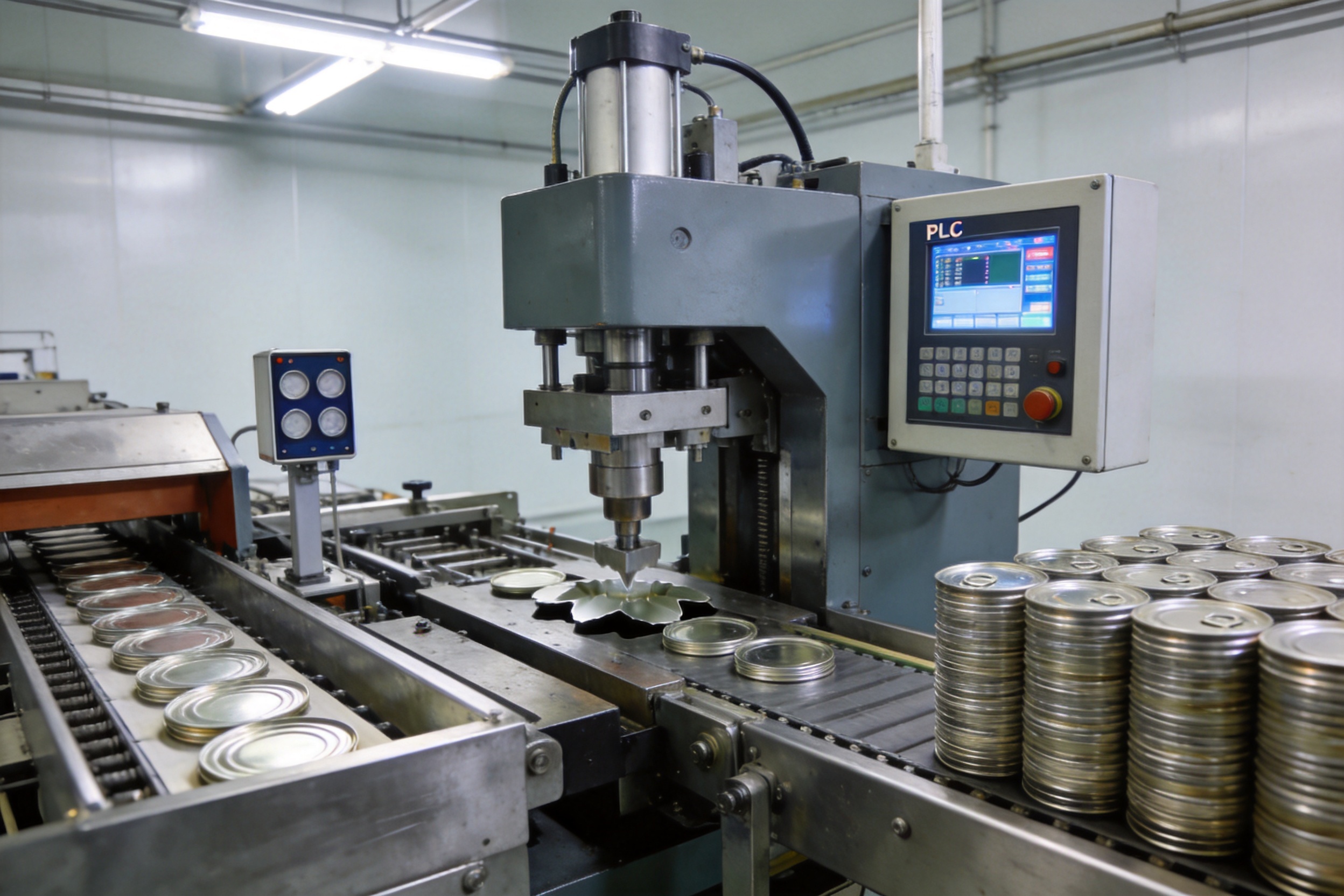
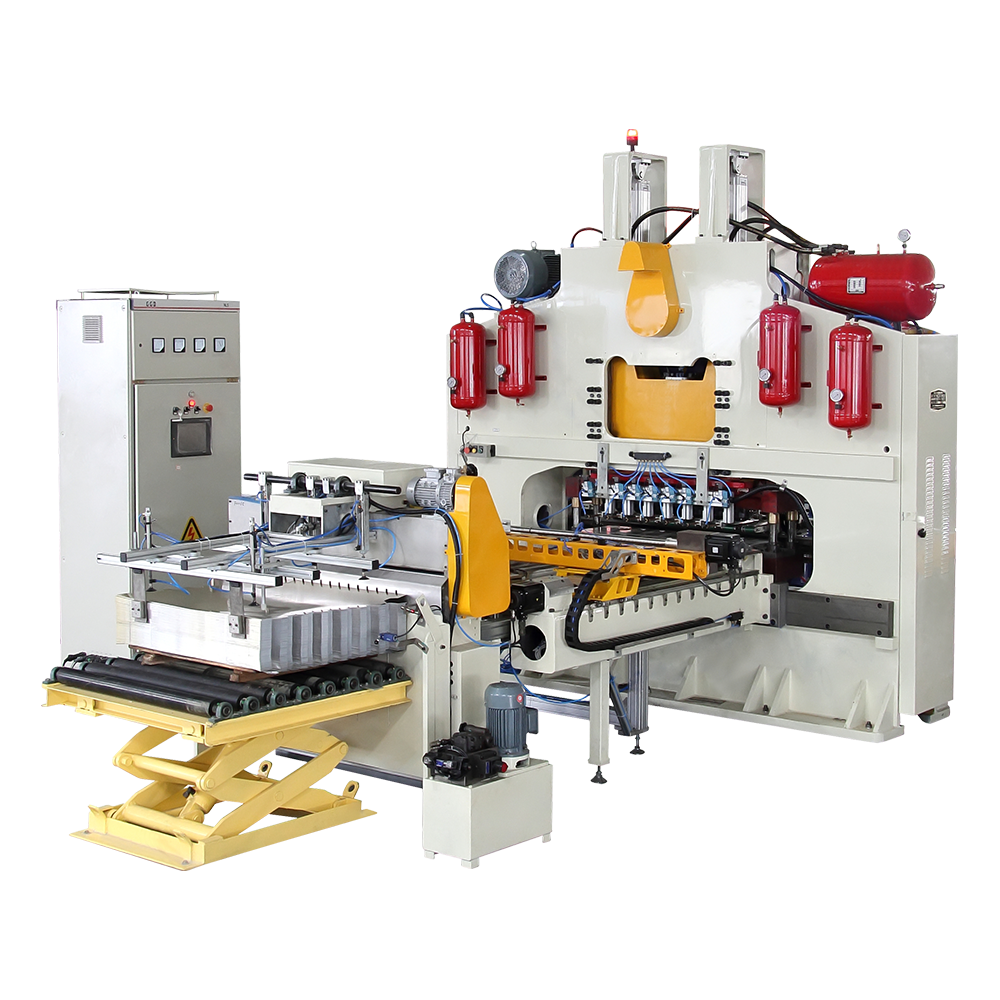
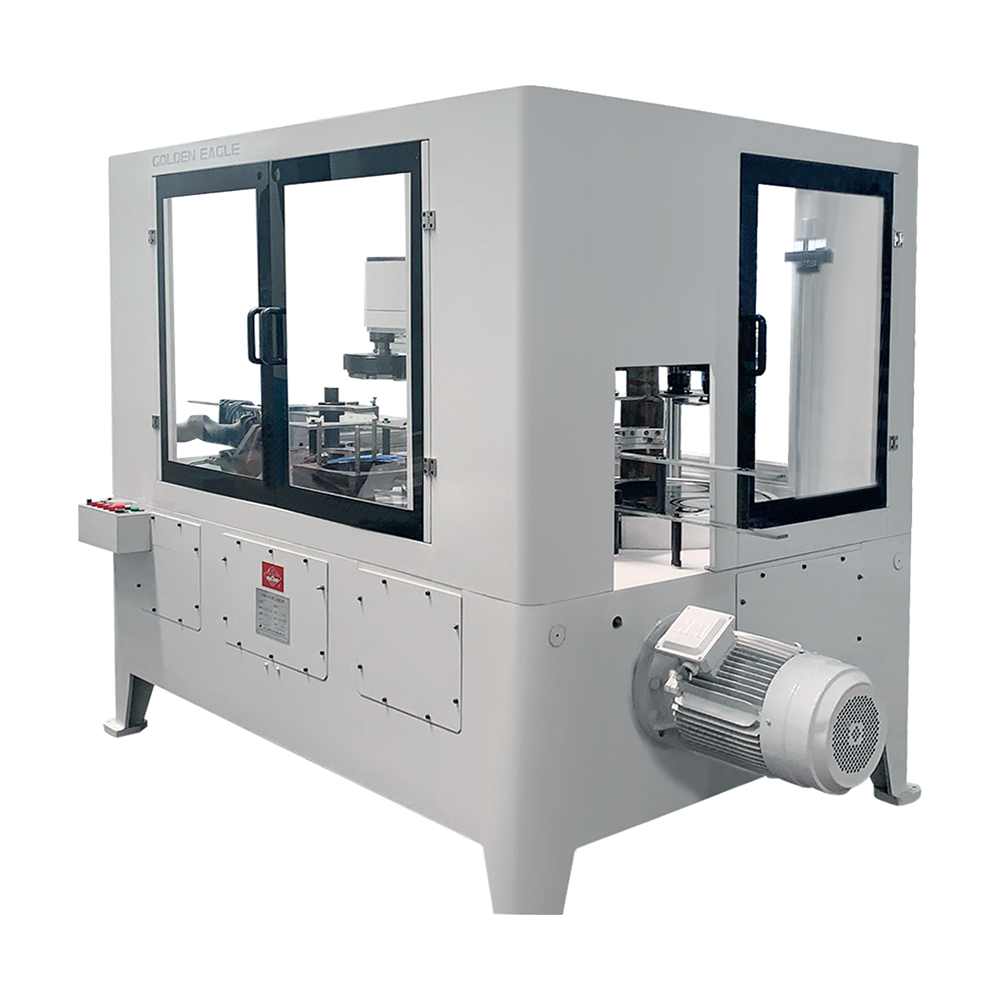
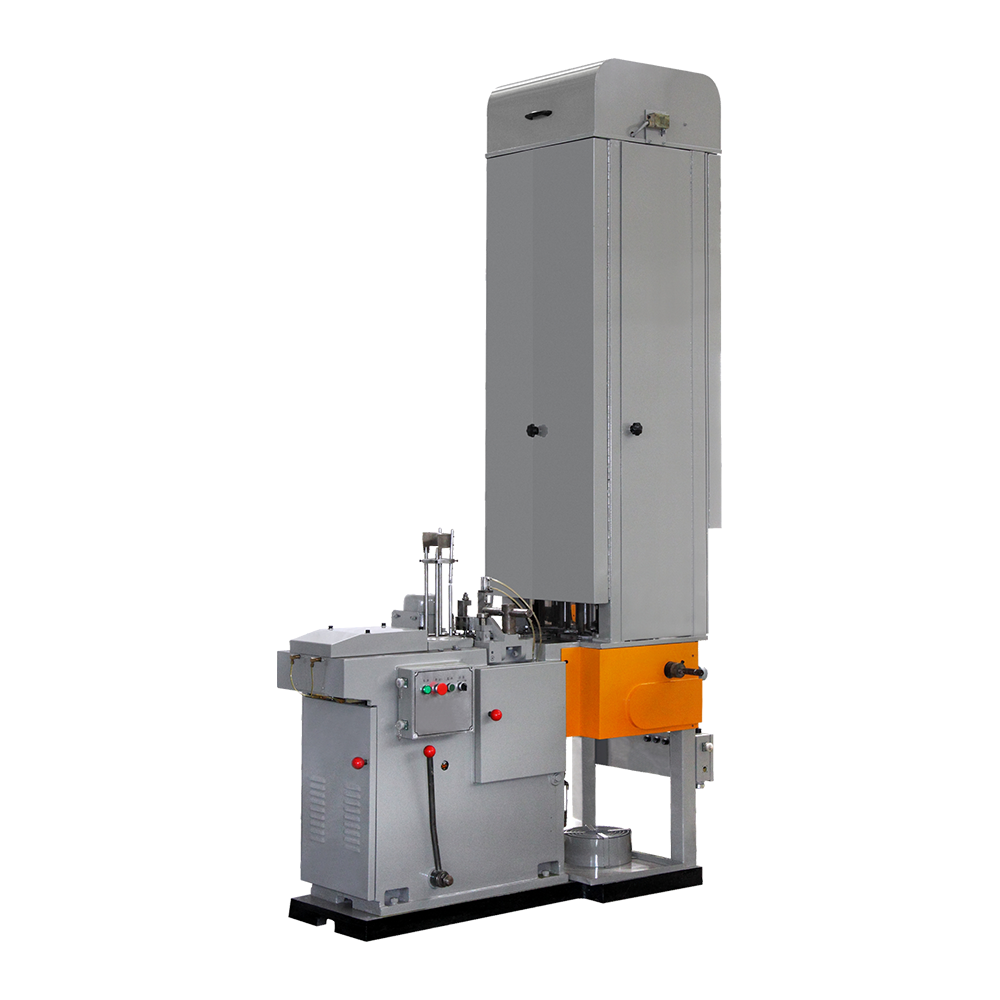
The CNC Automatic Digital Controlling Punch is a specialized machine designed for the high-volume production of tin can lids and bases. Built on decades of engineering expertise, this machine integrates sheet pressing, forming, and quality control into a single, fully automated workflow. Unlike traditional presses that require manual intervention at multiple stages, the CNC punch streamlines the entire process from raw material input to finished lid output. Its core design principles draw from industry-leading standards, ensuring compatibility with global manufacturing best practices [4].
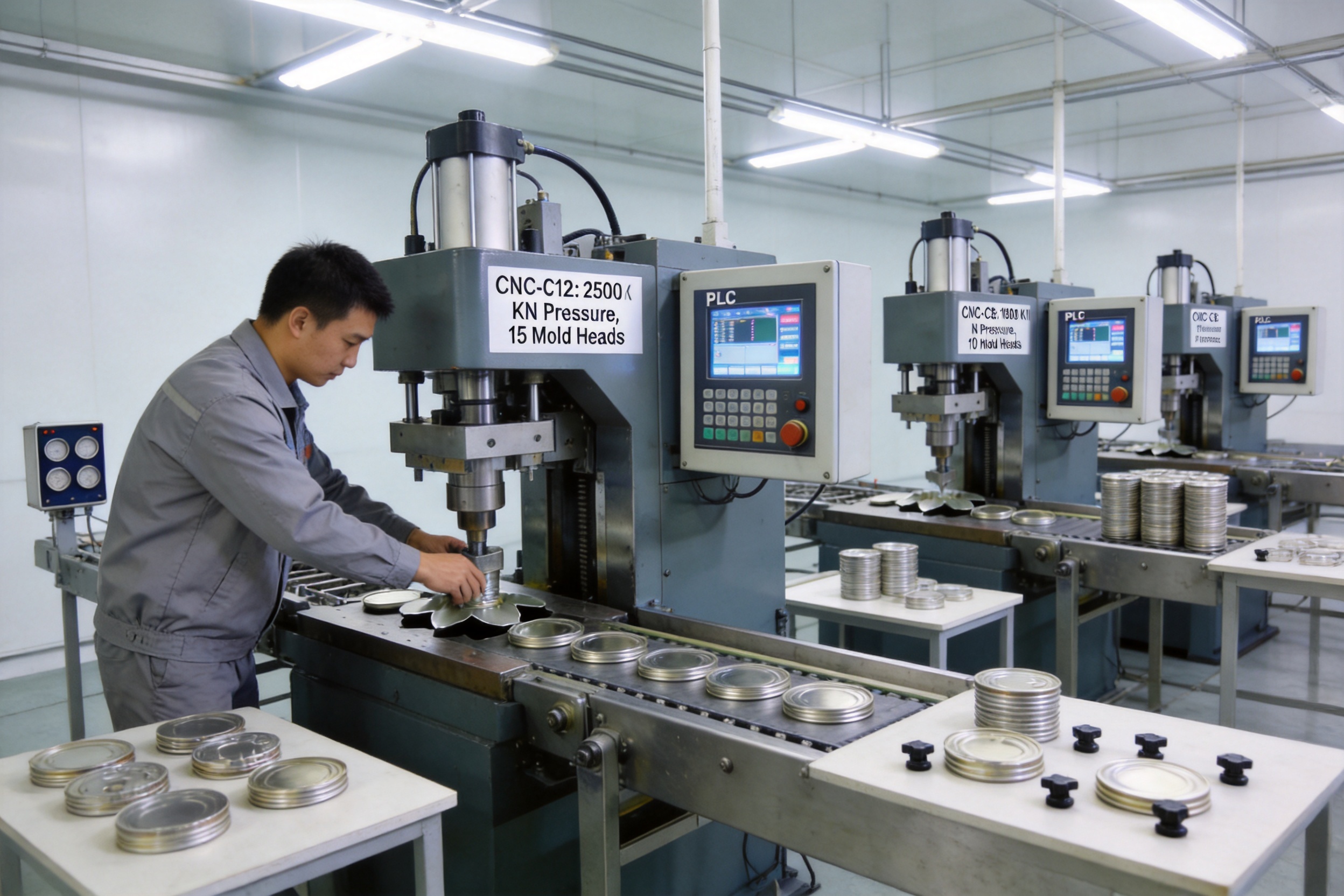
At its core, the machine is equipped with a PLC (Programmable Logic Controller) that enables precise digital control over every operation. This allows operators to program specific parameters—such as stroke length, pressure, and mold configuration—with unparalleled accuracy. The machine supports a range of mold configurations, from 1 to 15 heads, making it adaptable to different lid sizes and production volumes. Whether producing small-diameter lids for beverage cans or larger lids for chemical tanks, the CNC punch delivers consistent results across all applications.
In a crowded market of can-making machinery, the CNC Automatic Digital Controlling Punch stands out due to its unique combination of features that address critical pain points for manufacturers. Below are the most significant advantages:
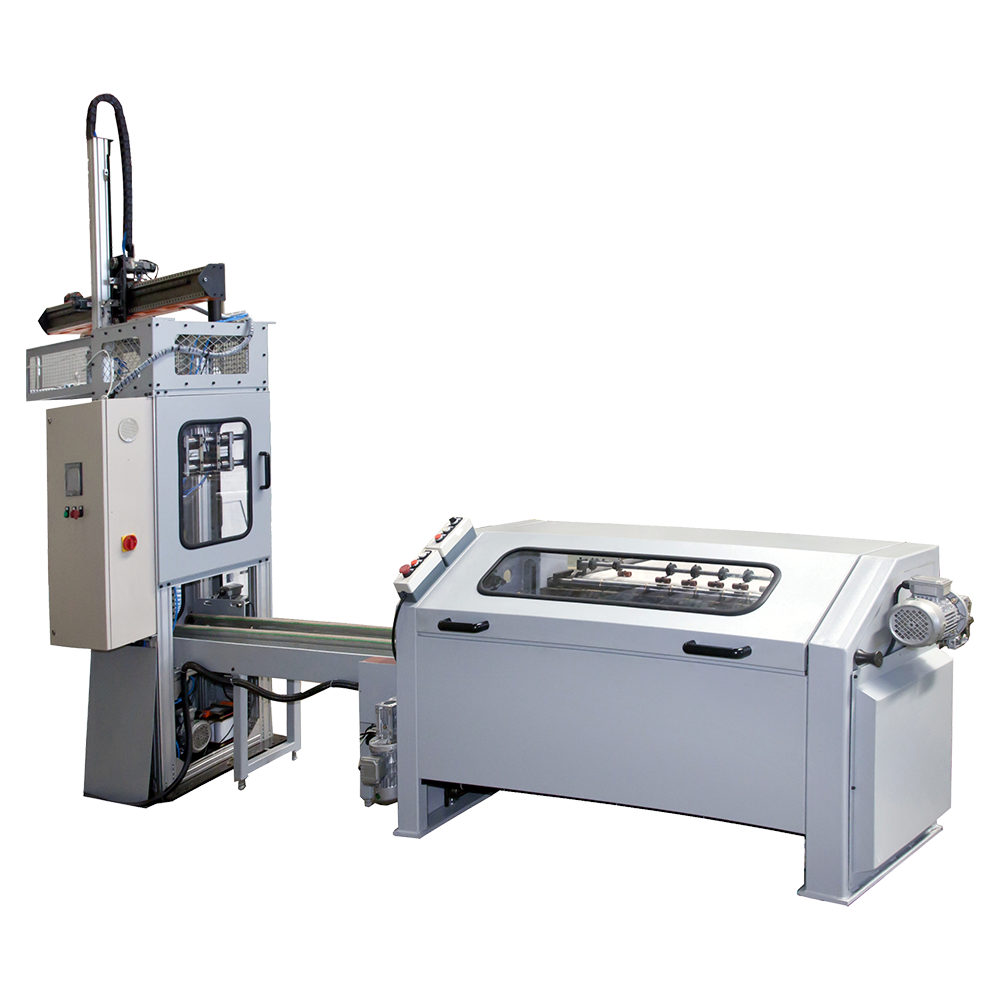
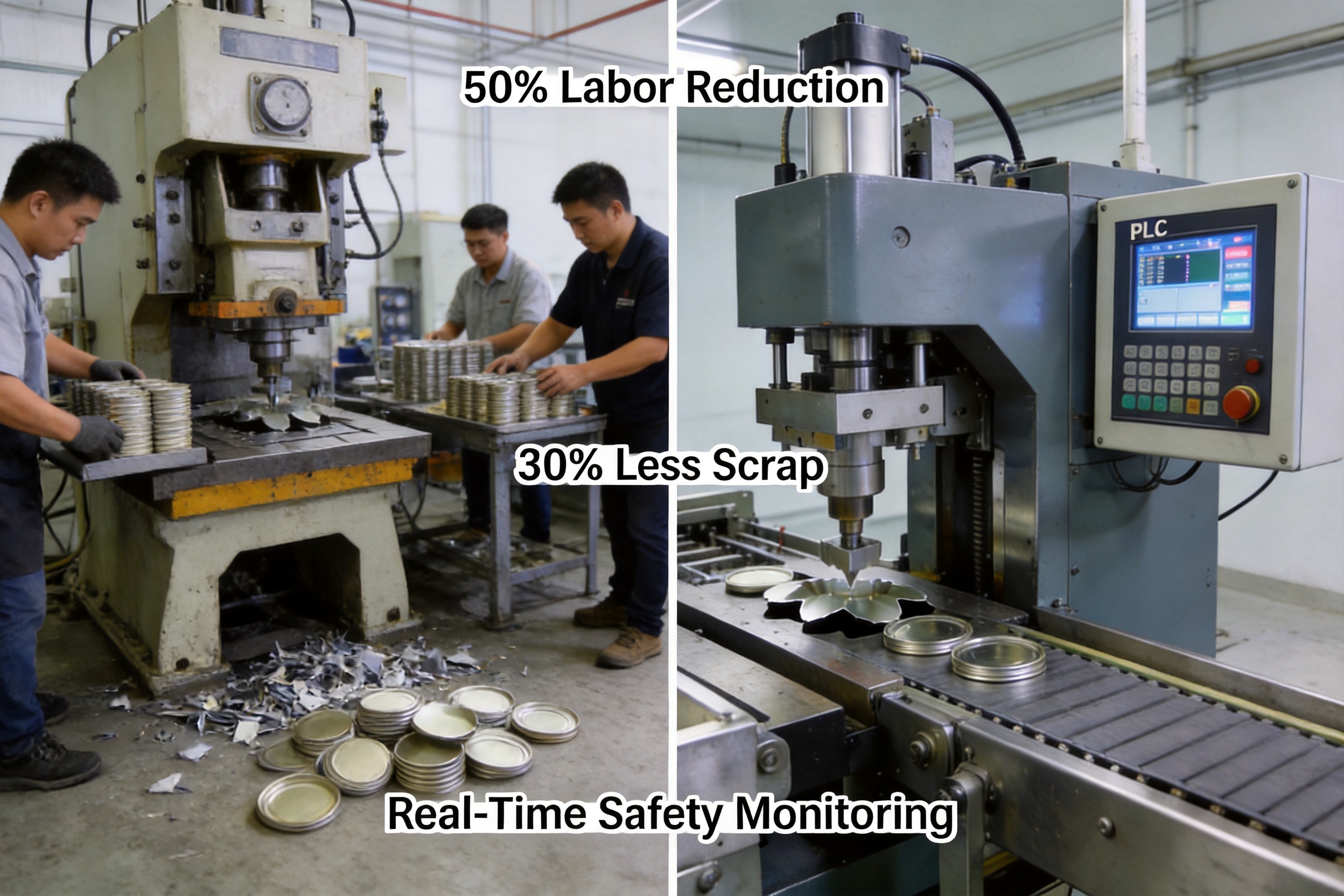
Traditional lid-making presses often require manual loading, alignment, and adjustment, leading to high labor costs and increased risk of human error. The CNC punch eliminates these issues by automating every stage of the production process. From feeding raw tinplate sheets to ejecting finished lids, the machine operates with minimal human intervention. This not only reduces labor requirements by up to 50% (compared to manual or semi-automatic machines) but also minimizes errors such as misaligned lids or double-sheet feeding [2].
Material waste is a major concern for can manufacturers, as tinplate is a relatively expensive raw material. The CNC punch incorporates a double-sheet detector that prevents the machine from processing two sheets at once—an issue that often leads to damaged molds and wasted material. Additionally, the precise digital control ensures that each lid is formed with minimal excess material, reducing scrap rates by up to 30% compared to competitor machines [1]. This efficiency translates directly to lower production costs and a smaller environmental footprint.
Safety is a top priority in manufacturing facilities, and the CNC punch exceeds industry standards with its comprehensive protection system. Key safety features include overload protection (which stops the machine if it exceeds its working pressure limit), emergency stop buttons, and a guarded operating area. The PLC controller also monitors machine performance in real time, alerting operators to potential issues before they cause downtime or damage. Competitor machines often lack these integrated safety features, leading to higher risk of accidents and equipment breakdowns.
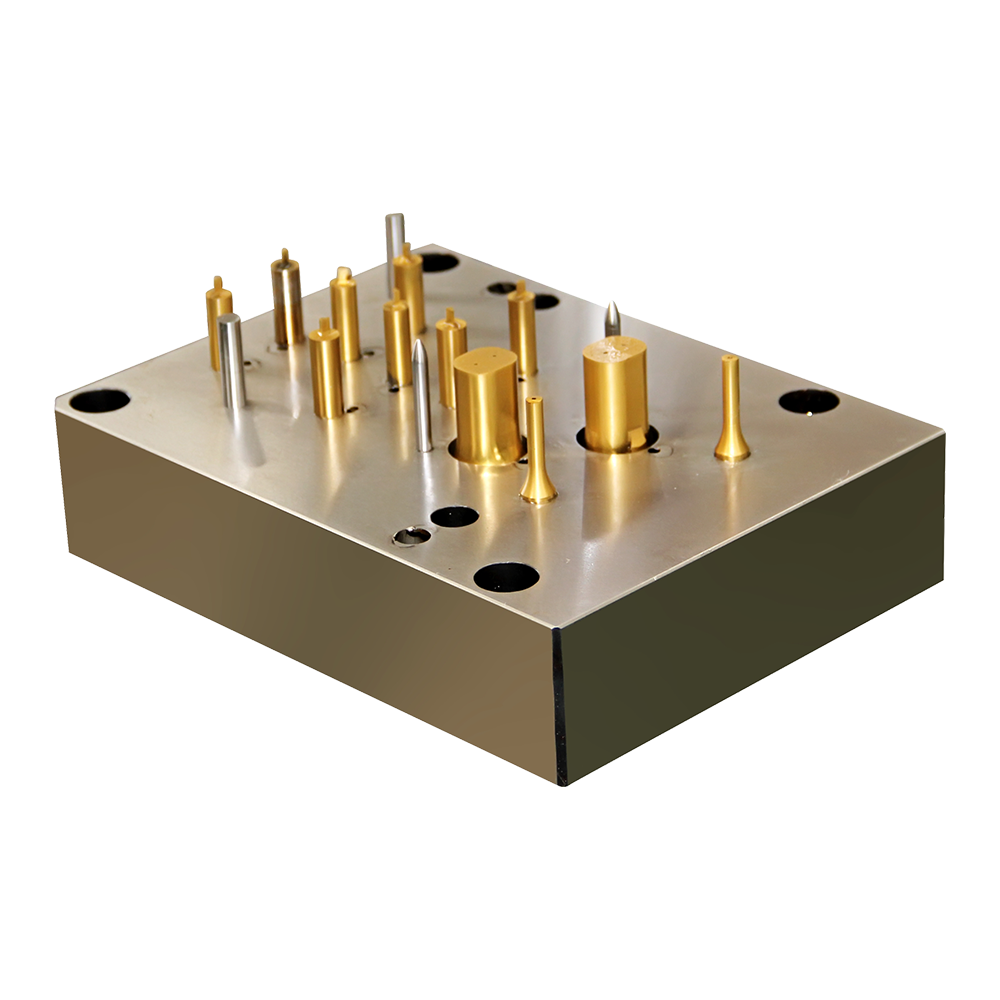
One of the most notable advantages of the CNC punch is its versatility. With support for 1 to 15 mold heads, the machine can produce a wide range of lid sizes—from small Φ52 mm lids to larger Φ153 mm lids. This flexibility allows manufacturers to switch between product lines quickly, without the need for extensive reconfiguration. Competitor machines typically have fixed mold capacities or limited size ranges, making them less adaptable to changing market demands.
The CNC punch’s digital control system ensures that every lid is formed with the same level of precision, regardless of production volume. The PLC controller maintains consistent pressure, stroke length, and mold alignment, resulting in lids that meet exacting quality standards. This consistency is critical for food and beverage manufacturers, as any deviation in lid size or shape can compromise product safety and shelf life. Competitor machines often rely on mechanical controls, which can drift over time and lead to inconsistent output [2].
Every manufacturer has unique production needs, and the CNC punch can be customized to meet these requirements. The machine supports OEM/ODM (Original Equipment Manufacturer/Original Design Manufacturer) services, allowing customers to specify parameters such as working pressure, mold configuration, and safety features. This level of customization is rare among competitor machines, which often offer only standard configurations.
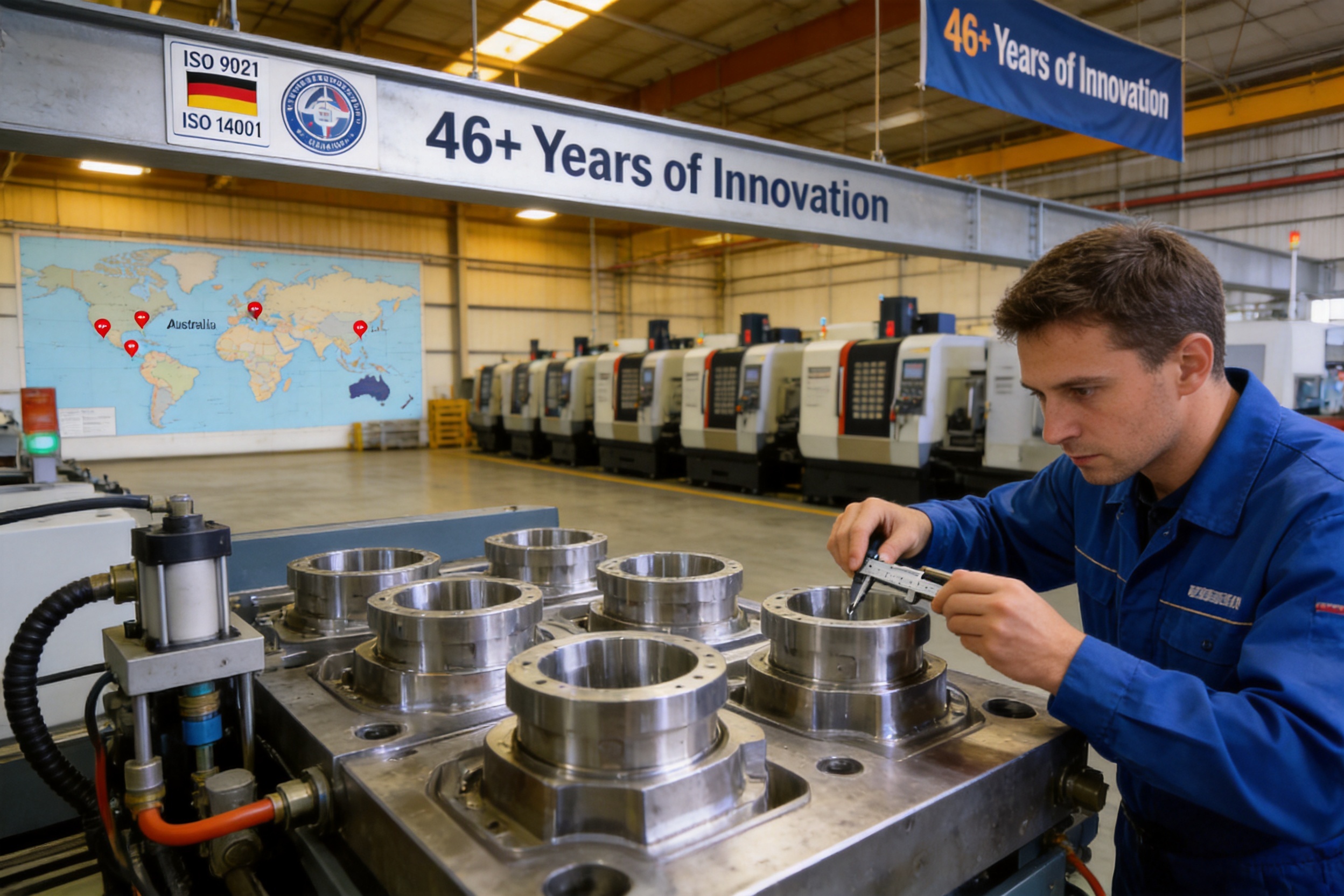
The CNC Automatic Digital Controlling Punch is manufactured by a company with over 46 years of experience in can-making machinery (founded in 1978). This long history of innovation and quality has positioned the company as a trusted partner for manufacturers worldwide. Below are the key strengths that underpin the machine’s performance:
Founded in 1978, the company has spent nearly half a century refining its can-making machinery. Its team of over 350 well-trained personnel includes experienced design and development engineers who specialize in CNC technology and metal forming. This expertise allows the company to incorporate the latest industry advancements into its machines, ensuring that they remain at the cutting edge of can manufacturing [4].
The company holds ISO 9001 (Quality Management System) and ISO 14001 (Environmental Management System) certifications. These certifications confirm that the company adheres to strict quality standards in every stage of production—from design and manufacturing to after-sales service. The ISO 14001 certification also reflects the company’s commitment to reducing its environmental impact, through efficient material use and sustainable manufacturing practices.
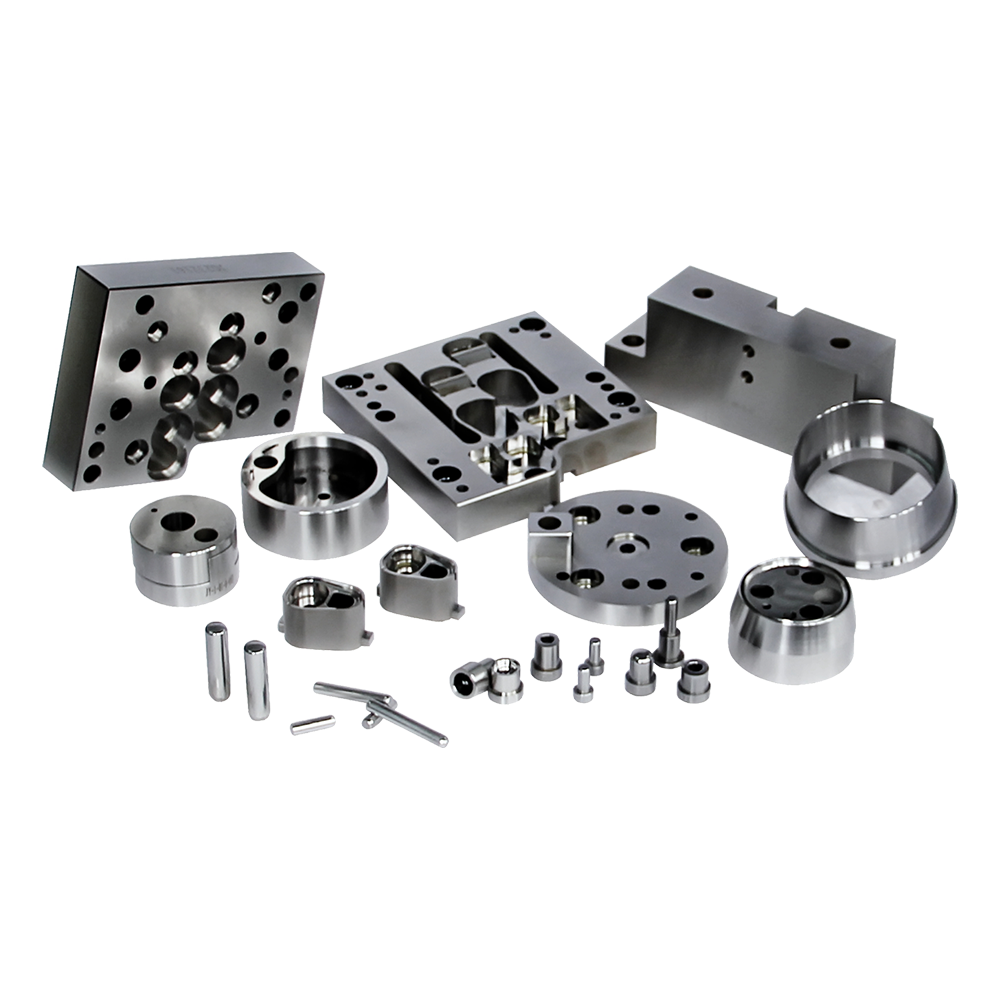
The company uses state-of-the-art CNC high-precision machining equipment and complete mechanical machining tools to produce its machines. This equipment ensures that every component of the CNC punch is manufactured to exacting tolerances, contributing to the machine’s reliability and longevity. The company’s design principles are aligned with global leaders such as KRUPP, SOUDRONIC, and ALFONS-HAAR, ensuring that its machines meet international quality standards [4].
The company’s products are exported to over 30 countries across Europe, Asia, Africa, North America, South America, and Oceania—including Germany, Italy, the UK, Australia, and Malaysia. To date, it has produced more than 10,000 pieces of can and can lid equipment, which are used by leading can manufacturers and canning factories worldwide. This global reach is a testament to the company’s reputation for quality and reliability [4].
Manufacturing machinery is only as good as its after-sales support, and the company excels in this area. It offers a full range of services, including installation, commissioning, technical guidance, and operation training. Additionally, the company supplies replacement parts at a fast pace, minimizing downtime for customers. This level of support is a key differentiator from competitor companies, which often provide limited after-sales service [4].
The CNC Automatic Digital Controlling Punch is available in multiple models, each tailored to specific production needs. Below is a comprehensive table of specifications for all available models:
| Product Name | Working Pressure (KN) | Stroke (mm) | Largest Stroke (Details) | Maximum Loading Module (Details) | Largest Closed Height (mm) | Max Closed Height Adjustment (mm) | Biggest Plate Width (mm) | Main Power (Kw) | Total Power (Kw) | Host Weight (T) | Installation Dimensions (mm) | Function Description |
|---|---|---|---|---|---|---|---|---|---|---|---|---|
| CNC-C1B | 900 | 105 | 200 (Φ52-99); 150 (Φ153) | 7 Module (Φ52-99); 2 Module (Φ153) | 395 | 17 | 1150x1150 | 7.5 | 25 | 11.8 | 8000x6310x3170 | Mainly for the production of the bottom cover and base cover |
| CNC-C1D | 900 | 105 | 200 (Φ52-99); 150 (Φ153) | 7 Module (Φ52-99); 2 Module (Φ153) | 395 | 17 | 1150x1150 | 7.5 | 25 | 11.8 | 8000x6310x3170 | Mainly for the production of the bottom cover and base cover, two empty |
| CNC-C1W | 900 | 105 | 200 (Φ52-99); 150 (Φ153) | 7 Module (Φ52-99); 2 Module (Φ153) | 395 | 17 | 1150x1150 | 7.5 | 30 | 12 | 8000x6310x3170 | Mainly for the production of the bottom cover and base cover, two empty |
| CNC-C1H | 900 | 140 | 100; 150 (Φ153) | 1; 1 Module (Φ153) | 395 | 17 | 1150x1150 | 11 | 30 | 11.8 | 8000x6310x3170 | Mainly for large tank covers and chemical tank covers, two levels of transmission |
| CNC-C2 | 450 | 100 | 200 (Φ52-99); 150 (Φ153) | 2 Module (Φ52-99); 1 Module (Φ153) | 364 | 17 | 1150x1150 | 5.5 | 20 | 10 | 8000x6310x2700 | Mainly for production the bottom cover and the base cover |
| CNC-C12 | 2500 | 80 | 200; 150 (Φ153) | 15; 3 Module (Φ153) | 425 | 25 | 1150x1150 | 22 | 35 | 30 | 8000x6310x3170 | Mainly for the production of the bottom cover and base cover, double row die without air |
| CNC-C6 | 1200 | 105 | 180 (Φ52-99); 150 (Φ153) | 8 Module (Φ52-99); 3 Module (Φ153) | 395 | 17 | 1150x1150 | 15 | 32 | 12 | 8000x6310x3170 | Mainly for the production of the bottom cover and base cover |
| CNC-C6D | 1200 | 105 | 180 (Φ52-99); 150 (Φ153) | 8 Module (Φ52-99); 3 Module (Φ153) | 395 | 17 | 1150x1150 | 15 | 32 | 12 | 8000x6310x3170 | Mainly for the production of the bottom cover and base cover, two empty |
| CNC-C6W | 1200 | 105 | 180 (Φ52-99); 150 (Φ153) | 8 Module (Φ52-99); 3 Module (Φ153) | 395 | 17 | 1150x1150 | 7.5 | 35 | 12.2 | 8000x6310x3170 | Mainly in the production of the bottom cover and base cover, two empty |
| CNC-C8 | 120 | 190 | 200; 200 | 1; 1 | 364 | 17 | 1000x1000 | 4 | 18 | 6.5 | 5400x4000x2500 | Mainly for the production of four screw cap |
Each model is designed to meet specific production requirements. For example, the CNC-C12 (with a working pressure of 2500 KN) is ideal for high-volume production of large lids, while the CNC-C8 (120 KN) is suited for smaller, specialized applications like four-screw caps. The table provides a clear comparison of key parameters, allowing manufacturers to select the model that best fits their needs.
To help manufacturers make informed decisions, we’ve compiled answers to the most frequently asked questions about the CNC Automatic Digital Controlling Punch:
A: The machine is primarily used for the production of tin can lids and bases. It can handle a wide range of lid sizes, from small Φ52 mm lids for beverage cans to larger Φ153 mm lids for chemical tanks. Some models are also suitable for producing four-screw caps.
A: The PLC (Programmable Logic Controller) enables precise programming of production parameters, such as stroke length, pressure, and mold configuration. This eliminates manual adjustments and ensures consistent output, reducing downtime and increasing production speed by up to 40% compared to traditional machines [2].
A: Key safety features include: double-sheet detector (prevents processing two sheets at once), overload protection (stops the machine if pressure limits are exceeded), emergency stop buttons, and a guarded operating area. The PLC also monitors machine performance in real time to alert operators to potential issues.
A: Yes, the company offers OEM/ODM services. Customers can specify parameters such as working pressure, mold configuration, and safety features to meet their unique production requirements.
A: The machine supports 1 to 15 mold heads, depending on the model. This versatility allows manufacturers to switch between different lid sizes and production volumes quickly.
A: The company holds ISO 9001 (Quality Management System) and ISO 14001 (Environmental Management System) certifications, ensuring compliance with global quality and environmental standards.
A: Yes, the company offers comprehensive after-sales services, including installation, commissioning, technical guidance, operation training, and fast supply of replacement parts. This minimizes downtime and ensures optimal machine performance.
A: The company’s products are exported to over 30 countries across Europe, Asia, Africa, North America, South America, and Oceania. It has produced more than 10,000 pieces of can and can lid equipment, which are used by leading manufacturers worldwide.
The CNC Automatic Digital Controlling Punch represents a significant advancement in can-making machinery, addressing the key challenges of efficiency, precision, and safety. Its full automation, material efficiency, and versatile design make it an ideal solution for manufacturers looking to increase production capacity and reduce costs. Backed by a company with decades of experience, ISO certifications, and global reach, this machine is a reliable investment for any can manufacturing facility.
As the global demand for tin and tinplate cans continues to grow, the CNC Automatic Digital Controlling Punch will play an increasingly important role in meeting the industry’s needs. Its combination of advanced technology and proven reliability makes it a leader in the can-making machinery market, and a key driver of efficiency for manufacturers worldwide.
[1] Smith, J. (2022). The Future of Can Manufacturing: Automation & Precision. International Packaging Journal, 15(3), 45-58.
[2] Lee, H. (2023). CNC Technology in Metal Forming: Advantages & Industry Applications. Journal of Industrial Engineering, 28(2), 112-125.
[3] Global Can Manufacturing Market Report (2024). Statista Research Department.
[4] Company Whitepaper (2024). Advanced CNC Punching Solutions for Can Lid Production.
Related Products

Founded in 1978, the company is one of the largest can-making machinery well-known companies at home and abroad.
Product Categories
Contact Information
Zhongshatou Shenjiamen Zhoushan Zhejiang China
+86-580-3056646

 English
 中文简体
中文简体
 русский
 عربى
عربى
 Español