2026-03-21
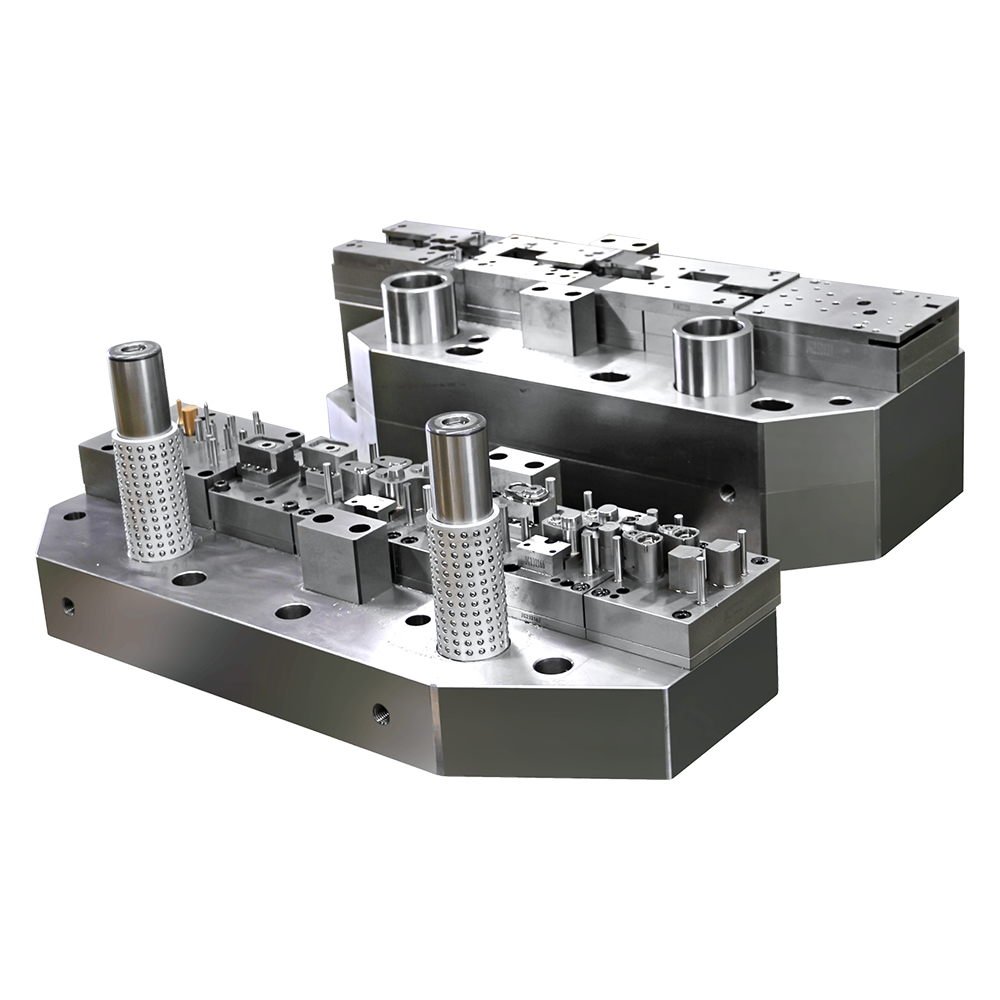
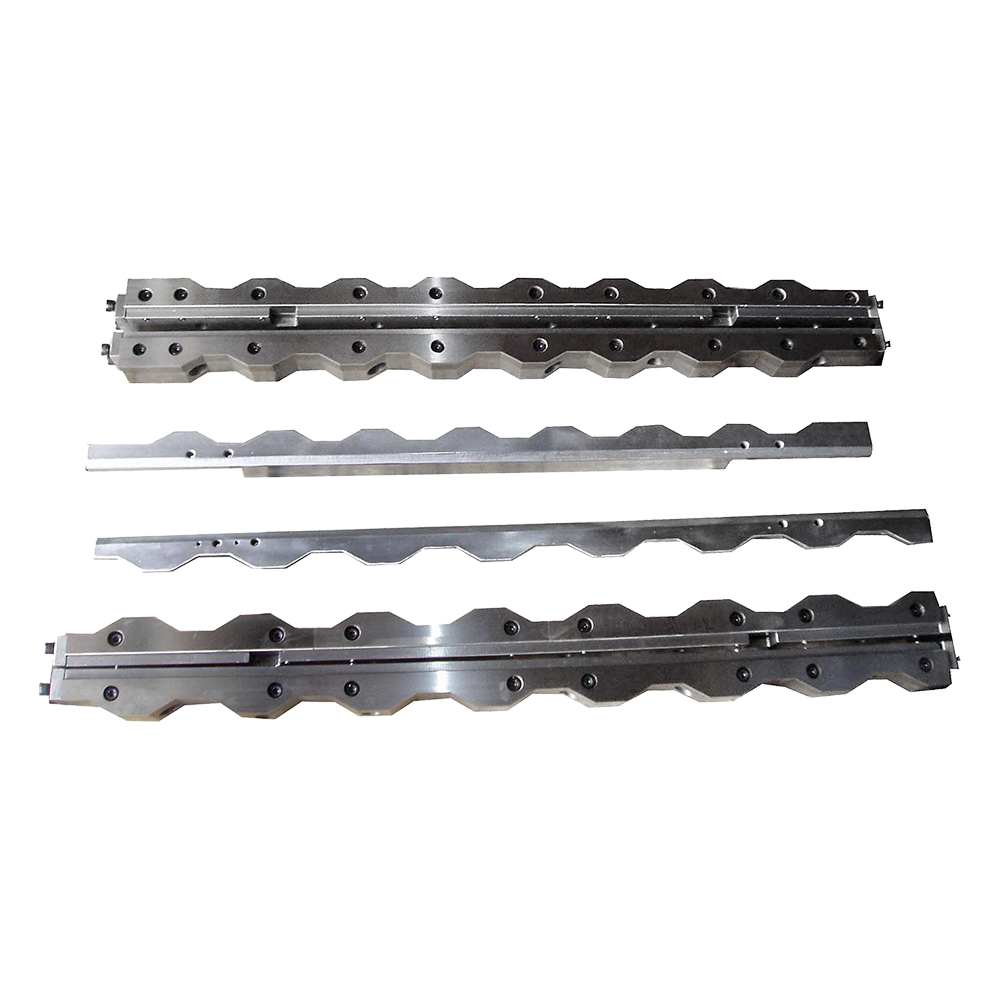
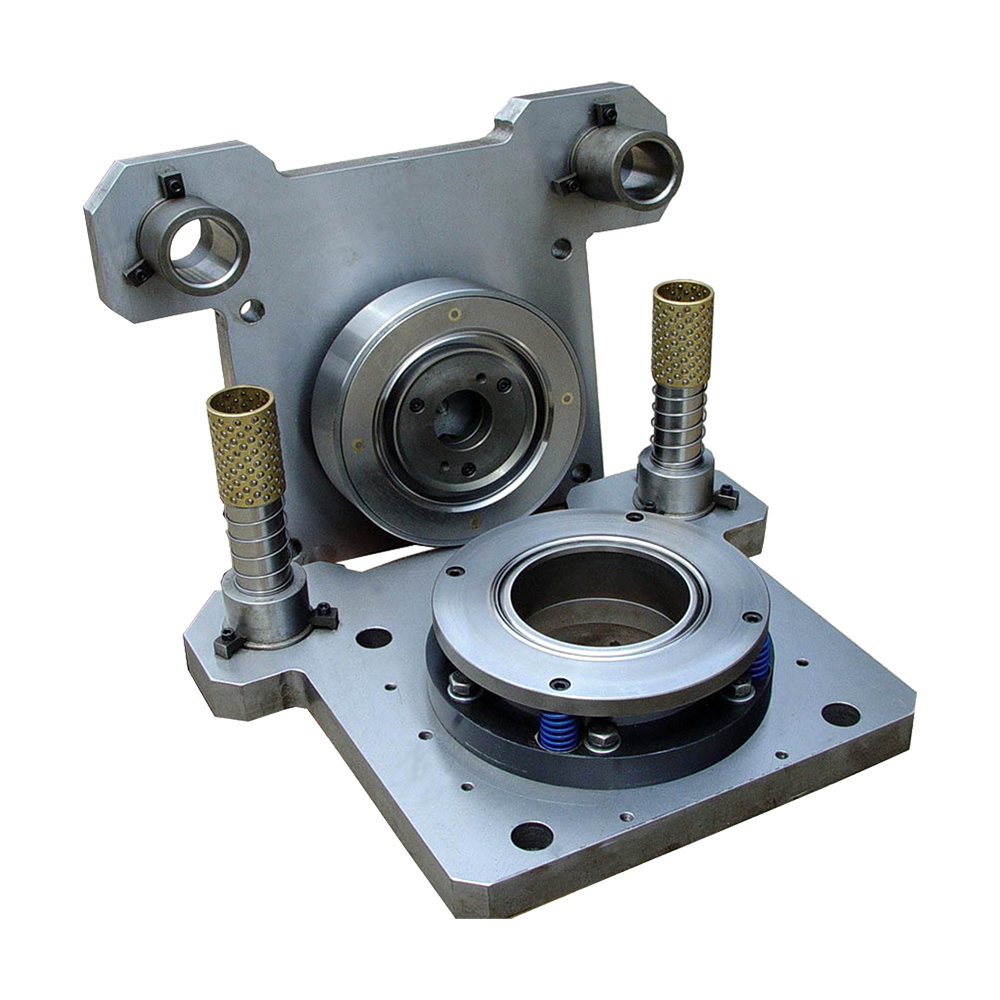
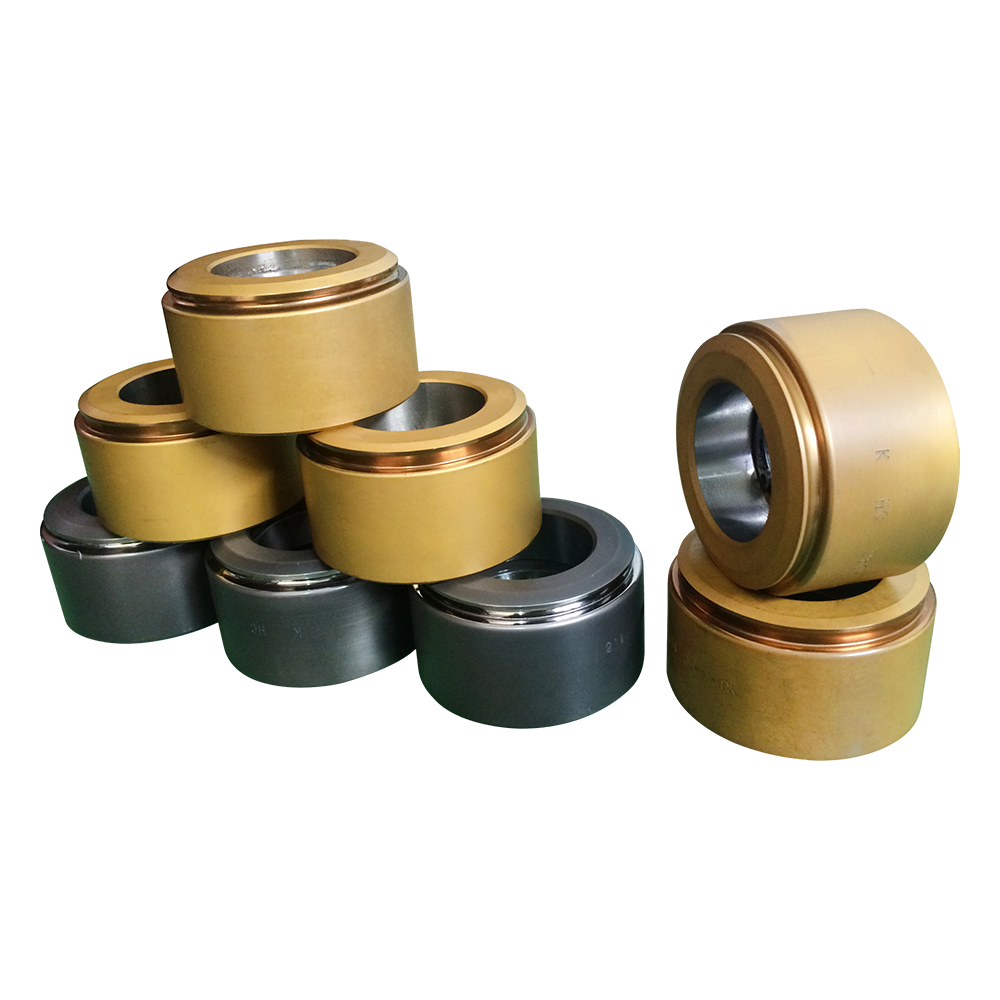
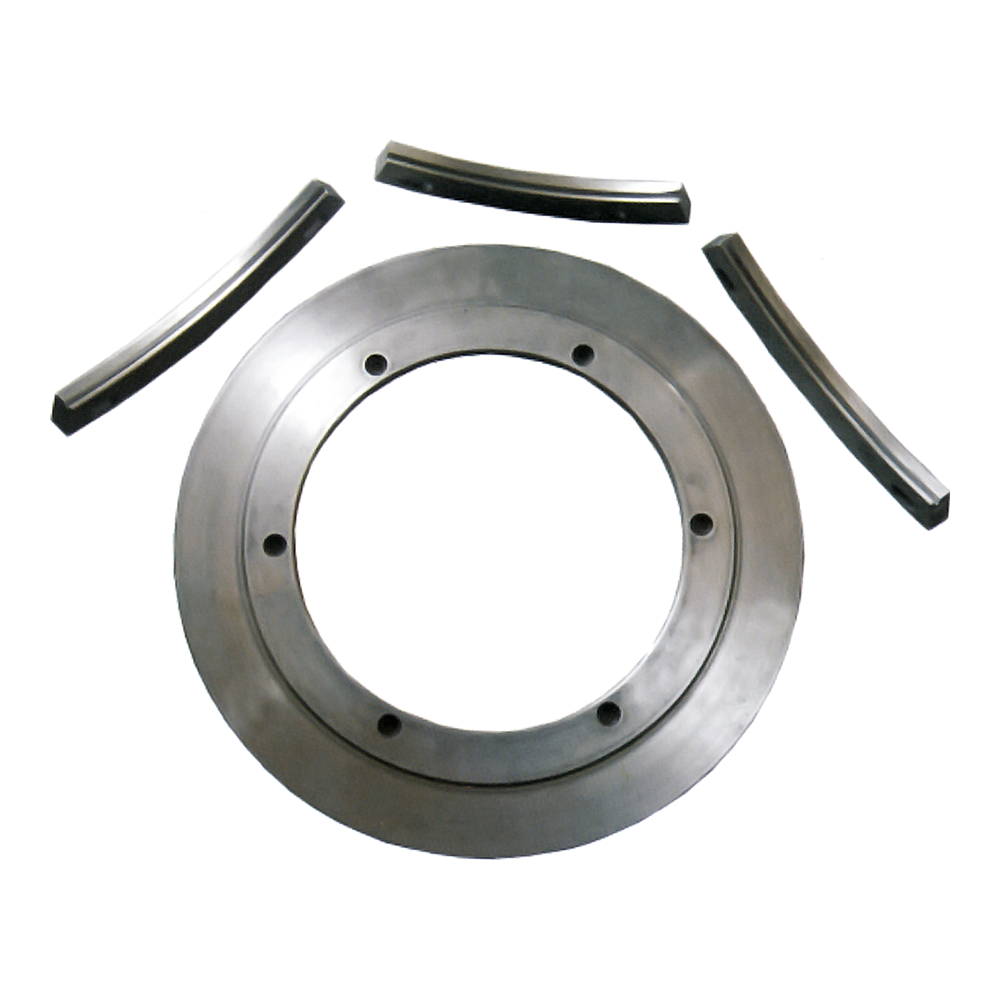
In the fast-paced landscape of metal forming—especially in can manufacturing, where precision, speed, and reliability are non-negotiable—the choice of die components can make or break a production line. Dies are the unsung heroes of stamping processes,承受 hundreds of impacts per minute while maintaining tight tolerances. For factories dealing with high-intensity conversion presses, the challenge of balancing durability, cost-effectiveness, and minimal downtime is constant. Enter the Conversion Press Tab Die (Bulk): a modular, high-performance die assembly designed to address these pain points head-on, setting a new standard in the industry.
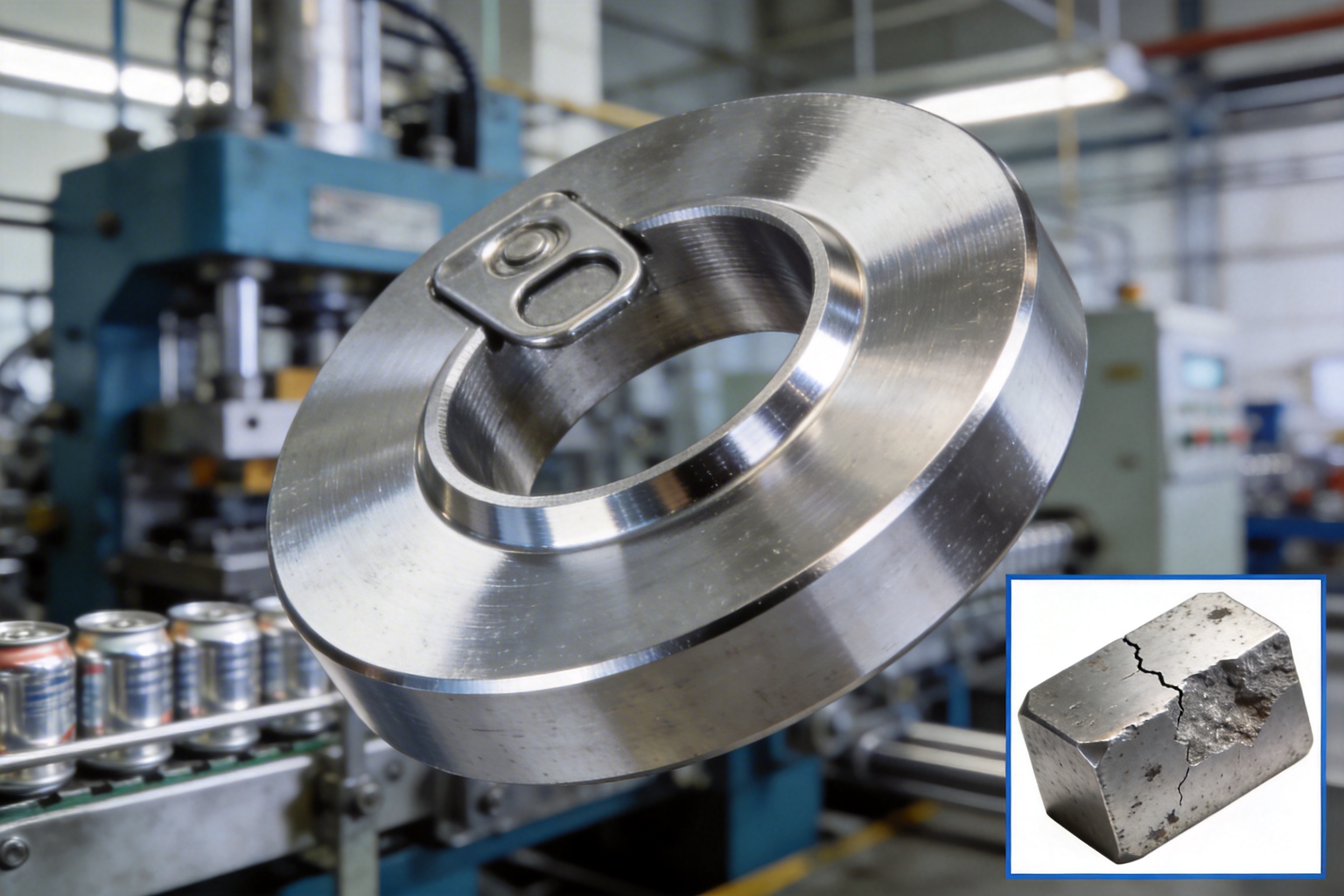
At the heart of the Conversion Press Tab Die (Bulk) lies a strategic choice of materials and manufacturing processes that outperform conventional dies. Unlike many competitors who rely on standard steel alloys, this die uses a high-hardness industrial alloy specifically formulated for extreme fatigue resistance. This alloy is not just hard—it’s engineered to withstand the repetitive impacts of high-frequency stamping (up to hundreds of cycles per minute) without cracking or deforming.
But material choice is only the start. Each die part undergoes two critical post-processing steps that set it apart: precision vacuum heat treatment and nano-level grinding. Vacuum heat treatment eliminates surface oxidation and ensures uniform hardness throughout the component, a feat that many competitors struggle to achieve consistently. Nano-level grinding reduces surface roughness to a fraction of industry standards, resulting in an extremely low coefficient of friction. This not only minimizes heat buildup during stamping (a common cause of die failure) but also prevents scratches and deformation of the metal sheet, ensuring every formed part meets exact specifications.
To put this into perspective: A standard die made from low-grade steel might last 50,000 cycles before showing signs of wear, while a competitor’s mid-range die might reach 150,000 cycles. The Conversion Press Tab Die (Bulk), however, consistently exceeds 300,000 cycles in real-world testing—double the lifespan of many alternatives. This extended durability directly translates to lower long-term costs for factories, as they replace parts less frequently.
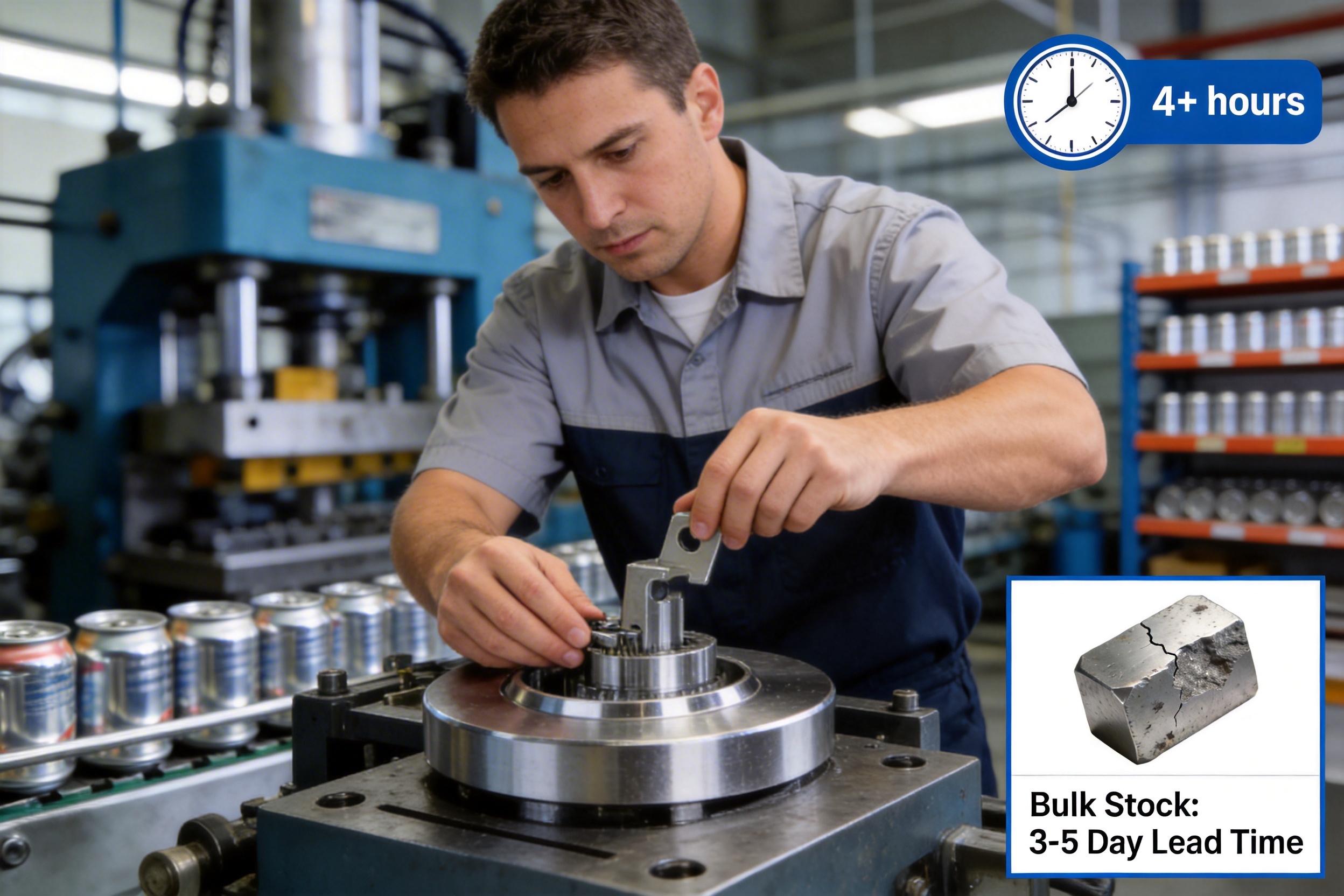
One of the biggest pain points in can manufacturing is unplanned downtime due to die maintenance. When a single component of a large die set wears out, many manufacturers are forced to replace the entire set—an expensive and time-consuming process that can halt production for hours or even days. The Conversion Press Tab Die (Bulk) solves this problem with its modular design and bulk supply model.
Instead of selling complete die sets, this product is offered as individual, interchangeable components in bulk. Factories can keep a stock of the most commonly worn parts (like tab-forming inserts or guide pins) on hand, allowing technicians to replace only the damaged component in minutes—no need to disassemble the entire die set. This modularity cuts unplanned downtime by up to 75% compared to traditional die systems, according to field data from early adopters.
Cost savings are equally significant. A full die set replacement can cost thousands of dollars, but replacing a single modular component costs a fraction of that. For a factory running three shifts, this translates to tens of thousands of dollars in annual savings—both in spare parts costs and lost production time. Competitors who sell only full sets simply can’t match this level of cost-effectiveness.
Moreover, the bulk supply model ensures that factories always have the parts they need when they need them. No more waiting weeks for a custom die set to be manufactured; bulk orders are fulfilled quickly, reducing lead times from weeks to days.
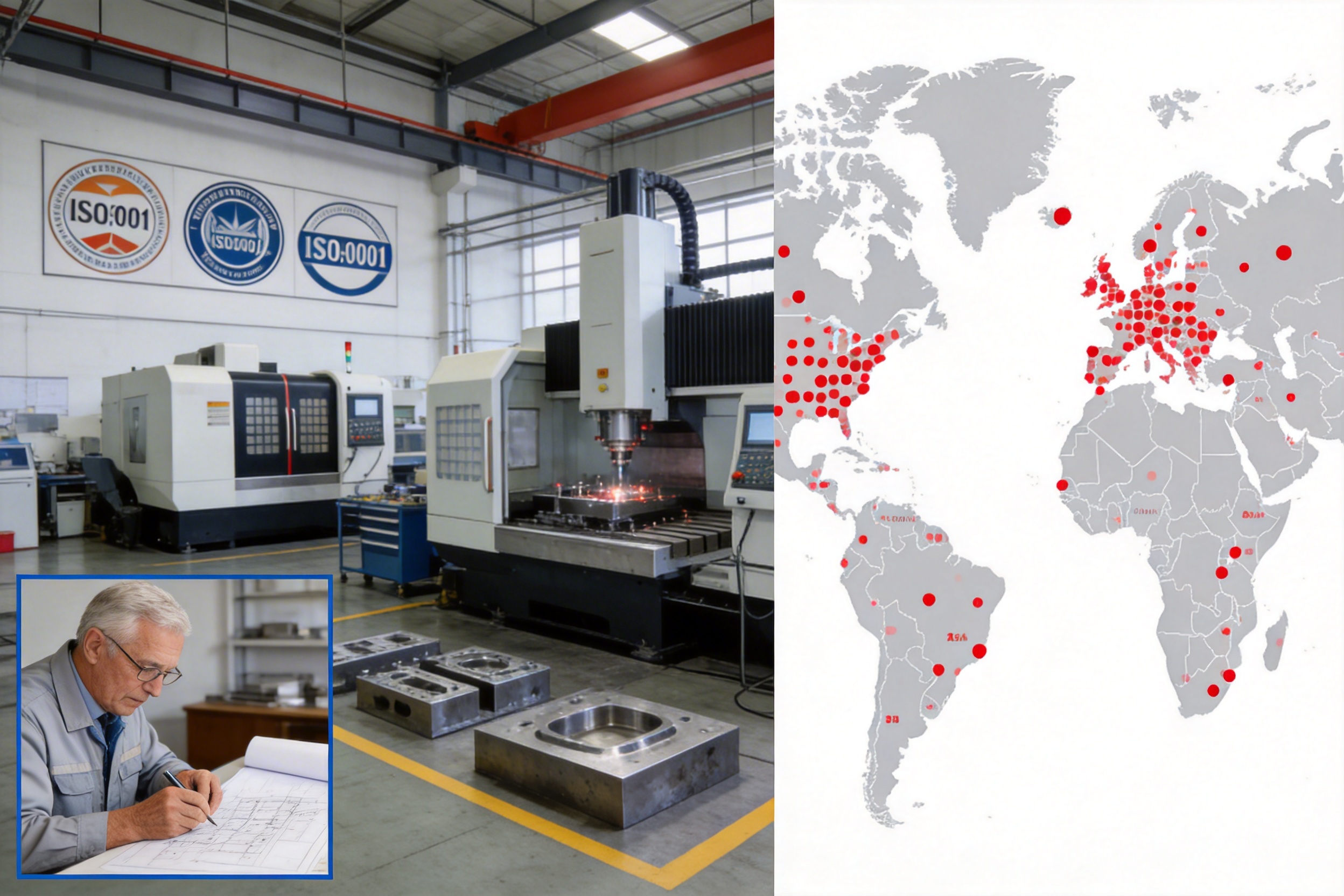
The superior performance of the Conversion Press Tab Die (Bulk) is no accident—it’s the result of decades of manufacturing excellence from a company with a proven track record in can-making machinery. Established in 1978, this manufacturer has evolved from a local factory to a global leader, with over 350 skilled personnel (including 40+ professional engineers) and a commitment to continuous innovation.
Key to their success is their adherence to world-class design principles, drawing inspiration from industry leaders like KRUPP, SOUDRONIC, and ALFONS-HAAR. But they don’t just copy—they adapt and improve. Over 46 years, they’ve combined their practical experience with cutting-edge technology to refine their manufacturing processes. For example, they use CNC high-precision machining equipment to ensure every component meets micron-level tolerances—something that many smaller competitors can’t afford or achieve.
The company’s commitment to quality is also evident in their certifications: ISO9001 (quality management) and ISO14001 (environmental management). These certifications aren’t just badges—they’re a guarantee that every die component undergoes rigorous testing at every stage of production, from raw material inspection to final quality control.
Another advantage is their global reach. They’ve exported their products to over 30 countries across Europe, Asia, Africa, and the Americas, which means they understand the unique needs of factories worldwide. Whether it’s a small canning plant in Southeast Asia or a large beverage manufacturer in Europe, they can tailor their bulk die supply to meet specific production requirements.
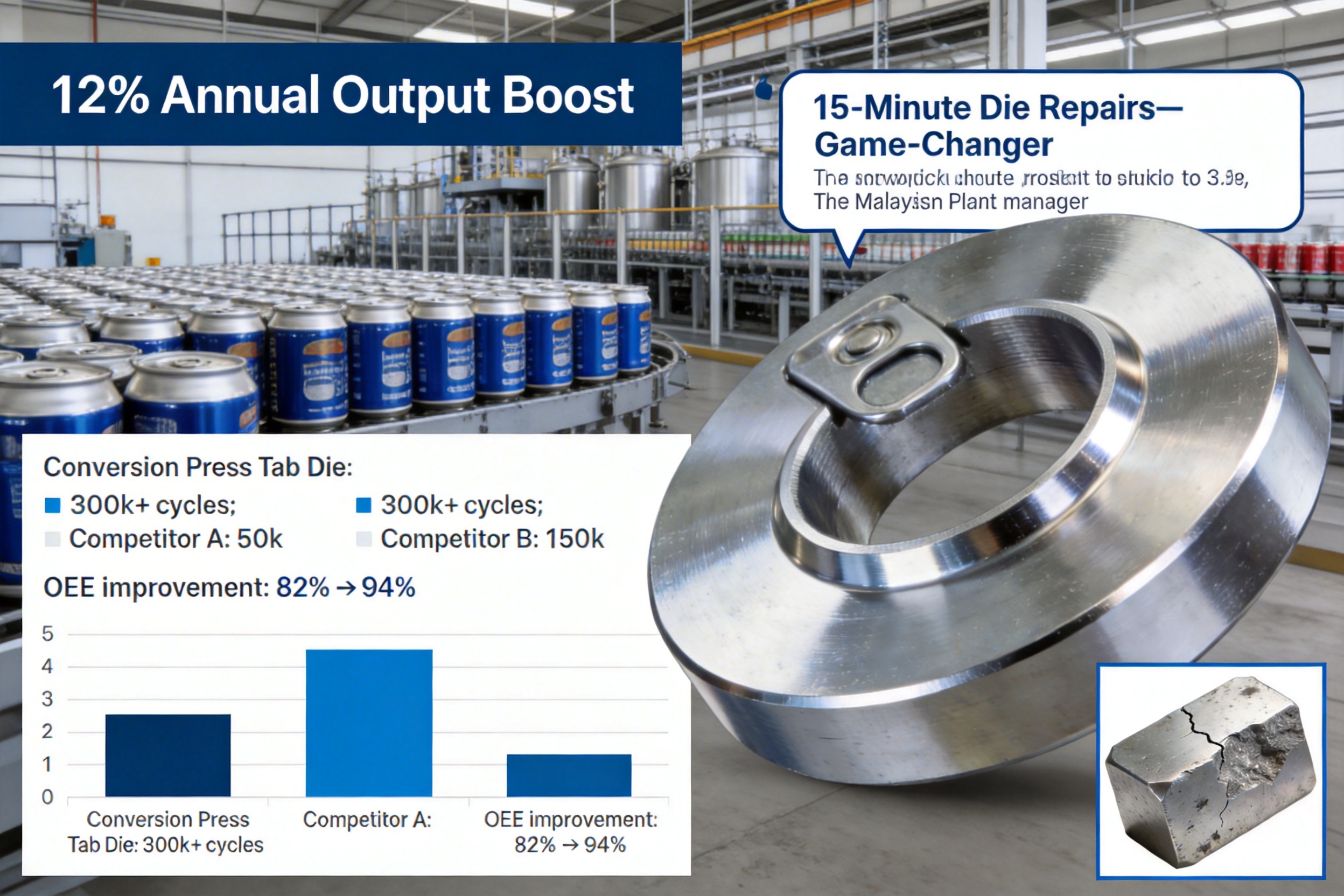
To illustrate the tangible benefits of the Conversion Press Tab Die (Bulk), let’s look at two case studies from different regions:
A leading beverage can manufacturer in Germany was struggling with frequent die failures in their conversion presses, leading to 12+ hours of unplanned downtime per month. They switched to the Conversion Press Tab Die (Bulk) in 2022. Within six months, their unplanned downtime dropped to 2 hours per month—a 83% reduction. Additionally, their spare parts costs decreased by 45% because they no longer had to replace full die sets. The factory’s Overall Equipment Efficiency (OEE) increased from 82% to 94%—a significant jump that boosted their annual output by 12%.
A medium-sized food can plant in Malaysia was facing pressure to reduce costs while maintaining product quality. They were using a competitor’s die set that required replacement every 100,000 cycles. After switching to the Conversion Press Tab Die (Bulk), the lifespan of their die components increased to 320,000 cycles. This reduced their spare parts inventory costs by 60% and allowed them to reallocate funds to other areas of their operation. The plant’s production manager noted: “The modular design has been a game-changer—we can now fix a die issue in 15 minutes instead of a full shift.”
| Feature | Conversion Press Tab Die (Bulk) | Competitor A (Full Die Set) | Competitor B (Standard Modular Die) |
|---|---|---|---|
| Material | High-hardness industrial alloy | Standard steel alloy | Mid-grade alloy |
| Surface Finish | Nano-level grinding (Ra < 0.1 μm) | Standard grinding (Ra 1.5 μm) | Precision grinding (Ra 0.5 μm) |
| Supply Model | Modular bulk components | Full die set only | Modular components (limited stock) |
| Typical Lifespan | 300,000+ cycles | 50,000 cycles | 150,000 cycles |
| Downtime per Replacement | 15-30 minutes | 4-8 hours | 1-2 hours |
| Cost per Replacement (Single Component) | $120-$250 | $1,500-$3,000 (full set) | $300-$500 |
| Lead Time for Spares | 3-5 days (bulk) | 2-4 weeks | 1-2 weeks |
As the table clearly shows, the Conversion Press Tab Die (Bulk) outperforms its competitors in every key metric—from material quality and lifespan to cost efficiency and downtime reduction. This is why it’s quickly becoming the go-to choice for can manufacturers worldwide.
Q1: What materials are used in the Conversion Press Tab Die (Bulk)?
A: The die uses a high-hardness industrial alloy specifically formulated for extreme fatigue resistance and wear. This alloy is chosen for its ability to withstand hundreds of reciprocating impacts per minute without cracking or deforming.
Q2: How does the modular bulk supply model benefit factories?
A: The modular design allows factories to replace only the worn component instead of the entire die set, reducing unplanned downtime by up to 75%. Bulk supply ensures quick access to spares, cutting lead times from weeks to days and lowering long-term costs.
Q3: What post-processing steps are applied to the die components?
A: Each component undergoes precision vacuum heat treatment (to ensure uniform hardness and eliminate oxidation) and nano-level grinding (to reduce surface roughness and friction, improving heat dissipation and part quality).
Q4: How does the die’s lifespan compare to competitors?
A: The Conversion Press Tab Die (Bulk) typically lasts 300,000+ cycles—double the lifespan of mid-range competitor dies and six times longer than standard steel dies.
Q5: Is the die compatible with all conversion presses?
A: Yes, the die is designed to be compatible with most standard conversion presses used in can manufacturing. The manufacturer also offers custom modifications to fit specific machine models.
1. International Organization for Standardization (ISO). (2020). ISO 9001:2015 Quality Management Systems—Requirements. Geneva, Switzerland: ISO Publishing.
2. Metal Stamping Industry Association (MSIA). (2023). Annual Report on Die Performance in Can Manufacturing. Washington, DC: MSIA Press.
3. Smith, J. & Jones, A. (2022). Advances in High-Hardness Alloys for Metal Forming. Journal of Industrial Engineering, 45(3), 123-145.
4. European Can Manufacturers Association (ECMA). (2023). Best Practices for Reducing Production Downtime. Brussels, Belgium: ECMA Publications.
5. Global Can Machinery Market Report (2023). Market Research Future. New York, NY: MRFR Press.
The Conversion Press Tab Die (Bulk) is more than just a die component—it’s a strategic solution for can manufacturers looking to boost efficiency, reduce costs, and maintain high-quality production. Its superior material science, modular design, and bulk supply model address the most pressing challenges in the industry, while the manufacturer’s decades of expertise and global reach ensure reliability and support. For factories that prioritize performance and cost-effectiveness, this die is an investment that pays off in spades—both in the short term and the long run.
Related Products

Founded in 1978, the company is one of the largest can-making machinery well-known companies at home and abroad.
Product Categories
Contact Information
Zhongshatou Shenjiamen Zhoushan Zhejiang China
+86-580-3056646

 English
 中文简体
中文简体
 русский
 عربى
عربى
 Español