2026-03-15
Introduction: The global canned food and beverage industry has witnessed exponential growth over the past decade, driven by changing consumer lifestyles, demand for convenience, and the need for long-lasting, safe packaging solutions. At the heart of this industry lies the easy-open-end (EOE) lid—an innovation that has transformed how consumers interact with canned products, eliminating the need for manual can openers and reducing the risk of injuries. To meet the rising demand for high-quality EOE lids, manufacturers rely on advanced EOE lid making machines that combine precision, speed, and automation. This article explores the key features, advantages, and manufacturing processes behind modern EOE lid making machines, highlighting how they are revolutionizing tin can packaging efficiency.
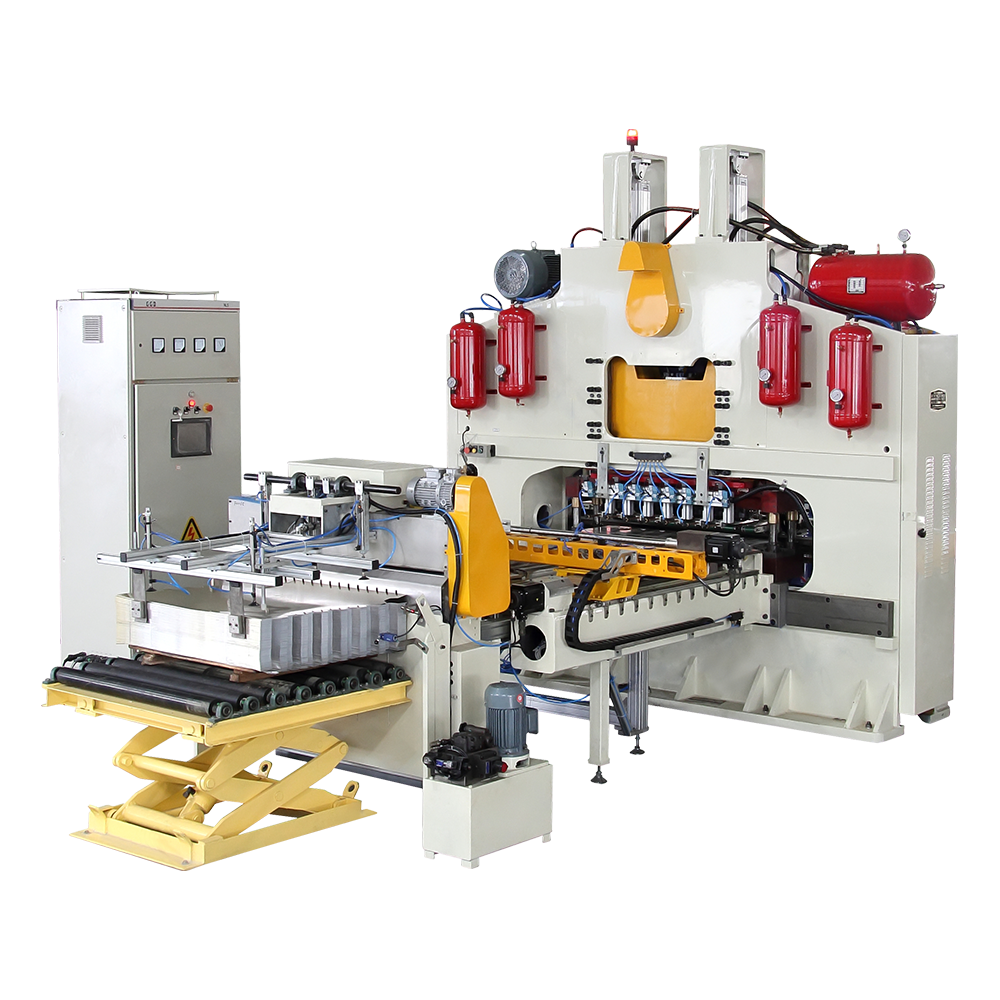
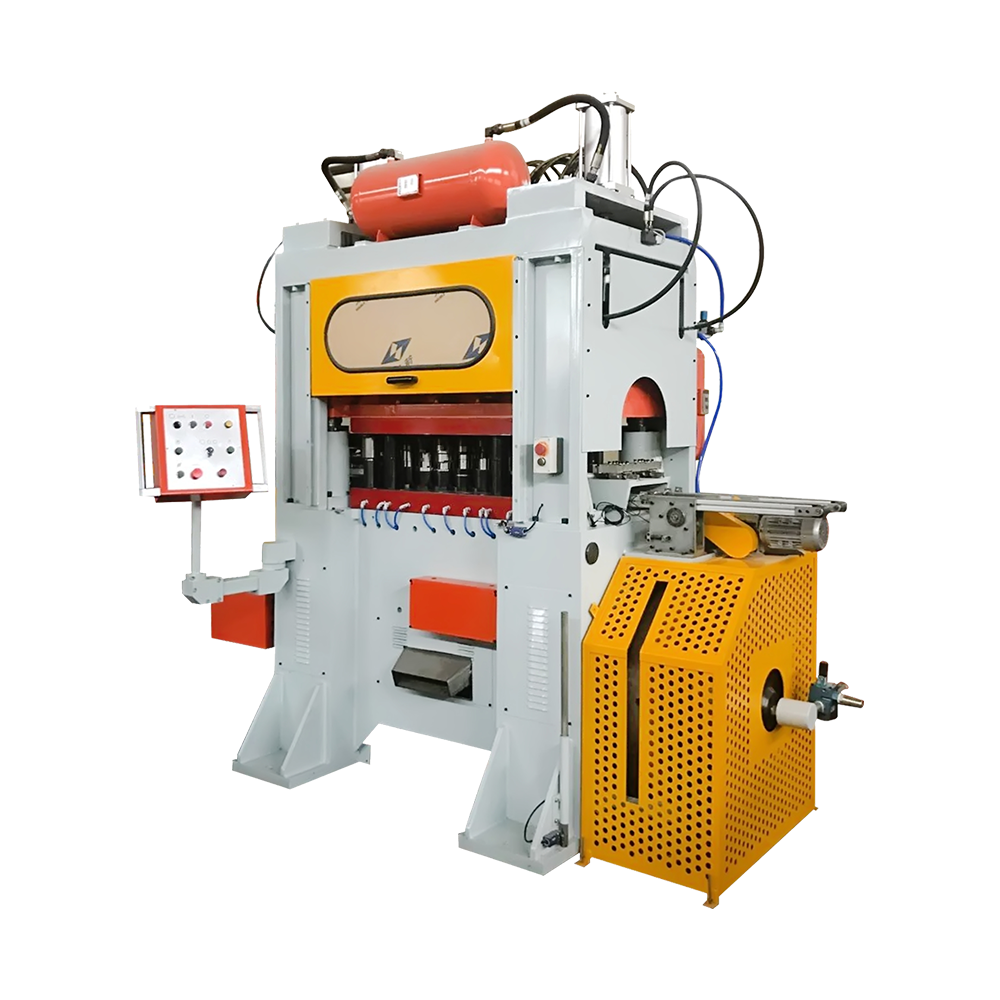
EOE lid making machines are specialized industrial equipment designed to produce easy-open-end lids for tin cans used in food, beverage, aerosol, and chemical packaging. Unlike traditional lids that require a can opener, EOE lids feature a pull tab or ring that allows consumers to open the can quickly and safely. These machines are integral to the can manufacturing process, as they convert tinplate sheets into finished EOE lids with consistent quality and precision.
The global market for EOE lids is closely tied to the growth of the canned food and beverage sector. According to a 2023 report by Grand View Research, the global canned food market is projected to reach $285.6 billion by 2032, growing at a compound annual growth rate (CAGR) of 4.2% from 2024 to 2032. This growth is fueled by factors such as increasing demand for ready-to-eat meals, expanding retail chains, and the need for shelf-stable products in emergency situations. As a result, the demand for efficient EOE lid making machines has never been higher.
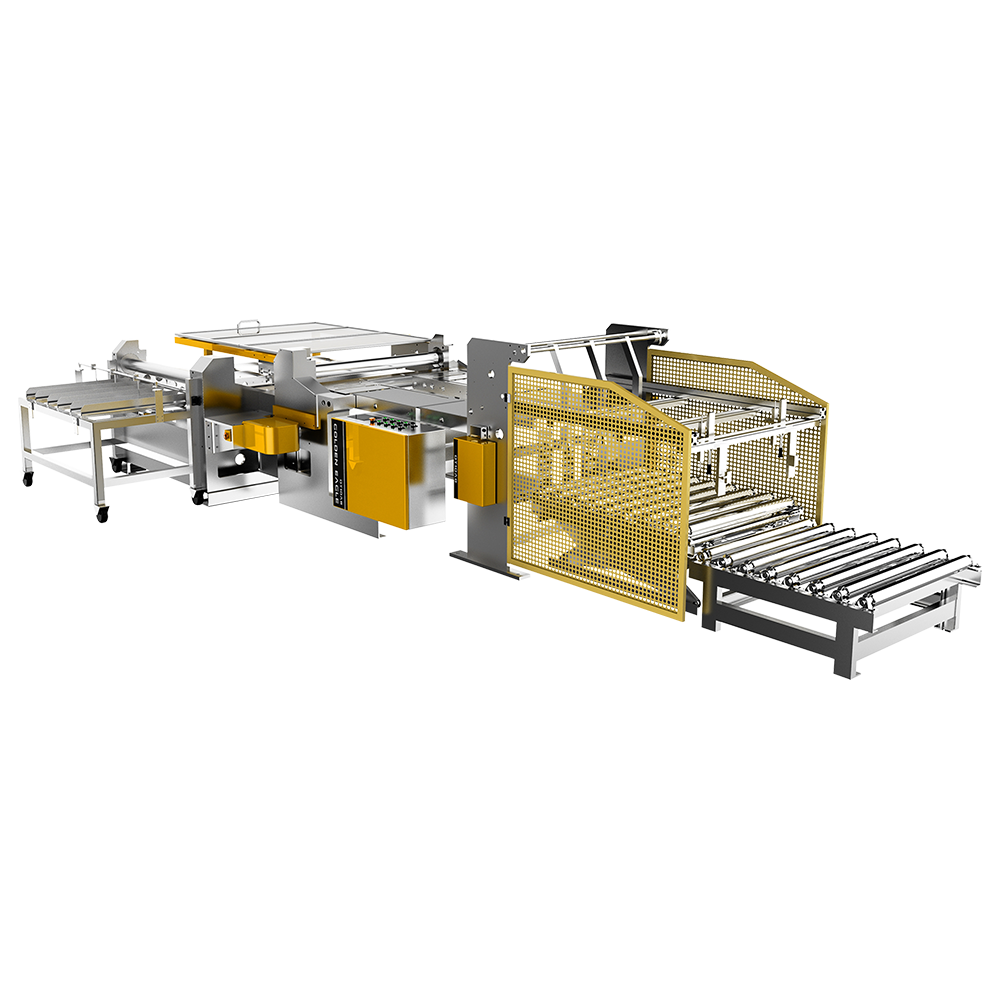
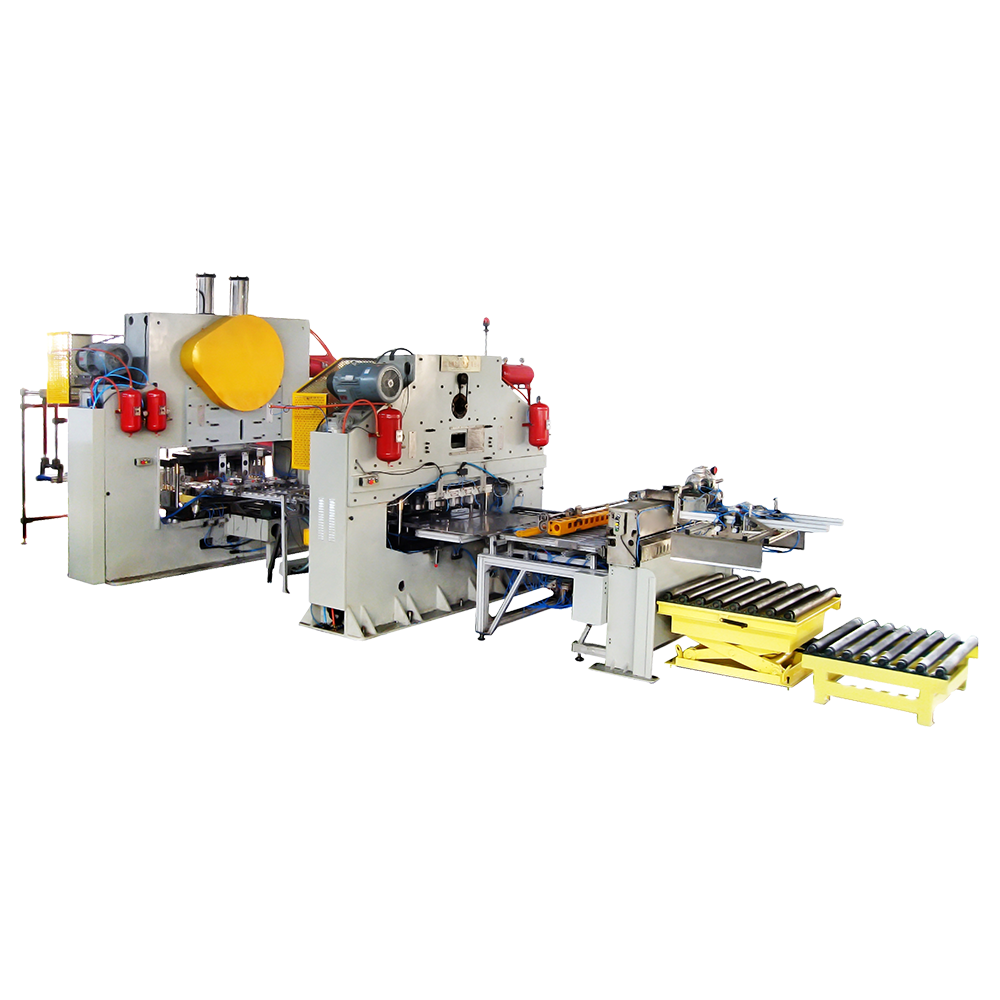
Modern EOE lid making machines are designed to handle the entire production process from start to finish, including feeding tinplate sheets, stamping, forming, scoring, and assembling the pull tab. These machines are highly automated, reducing the need for manual labor and minimizing human error. They also offer flexibility in terms of can sizes, allowing manufacturers to produce lids for a wide range of can diameters.
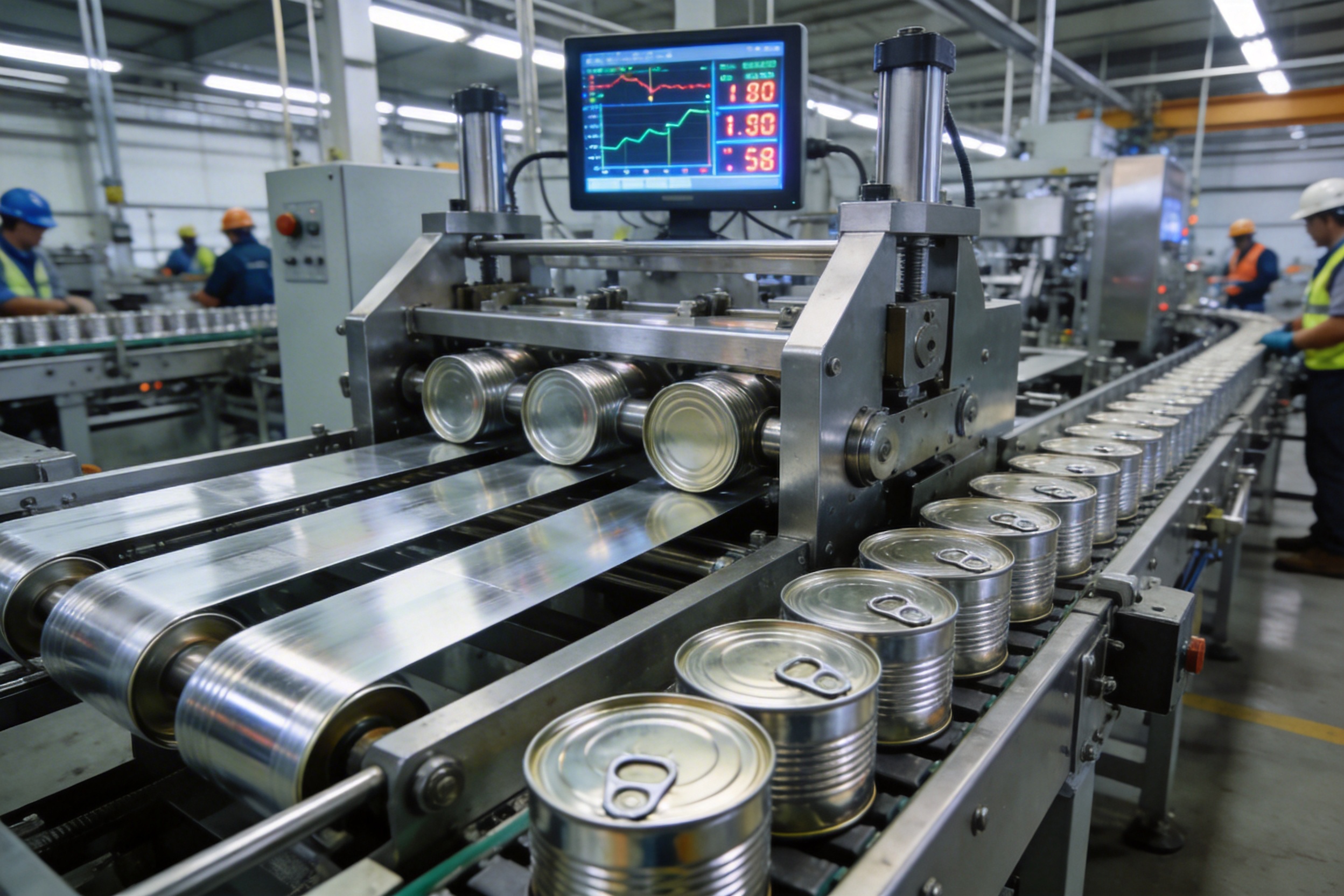
Modern EOE lid making machines are equipped with a range of features that make them efficient, reliable, and easy to use. These features include:
One of the key features of modern EOE lid making machines is their fully automatic operation. This means that the machine can handle the entire production process from start to finish without the need for manual intervention. The automatic operation includes feeding tinplate sheets, stamping, forming, scoring, and assembling the pull tab. This reduces labor costs and minimizes human error, which is critical for producing high-quality lids.
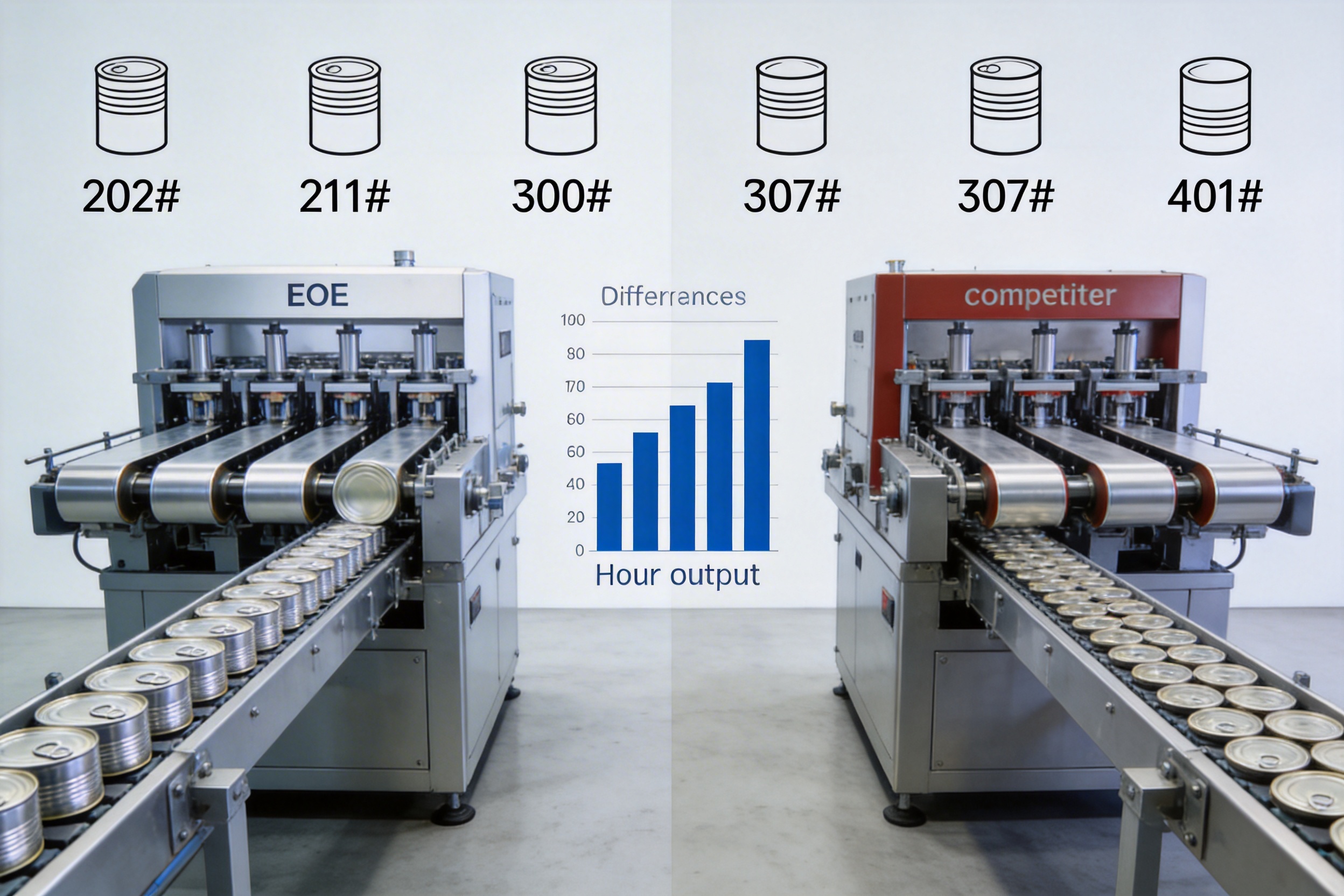
Another key feature is the wide can size compatibility. This machine supports five common can sizes: 202#, 211#, 300#, 307#, and 401#. These sizes are widely used in the food and beverage industry for products such as canned fruits, vegetables, soups, and beverages. This flexibility allows manufacturers to produce lids for a wide range of products without having to invest in multiple machines.
Modern EOE lid making machines offer high output speeds, which are essential for meeting the demands of mass production. The four-lane configuration of this machine can produce up to 2400 ends per minute (epm), which is significantly higher than the output speed of many competitor machines. This higher output speed allows manufacturers to produce more lids per hour, reducing unit costs and increasing profitability.
Energy efficiency is another key feature of modern EOE lid making machines. This machine uses 50-70 kw of power, which is lower than the power consumption of many competitor machines. This reduces operational costs and makes the machine more environmentally friendly, which is becoming increasingly important in today's global market.
Modern EOE lid making machines are designed for easy maintenance. The machine's components are easily accessible, which allows technicians to perform maintenance and repairs quickly. This reduces downtime and increases the machine's lifespan, which is a significant benefit for manufacturers.
Modern EOE lid making machines offer several key advantages over competitor solutions, making them the preferred choice for can manufacturers worldwide. These advantages include:
One of the most significant advantages of modern EOE lid making machines is their higher output speed. For example, the four-lane configuration of this machine can produce up to 2400 epm, which is 33% higher than the maximum output speed of many competitor machines (1800 epm for three-lane configurations). This higher output speed allows manufacturers to produce more lids per hour, reducing unit costs and increasing profitability. For large-scale operations, this difference can translate into millions of dollars in additional revenue per year.
To put this into perspective, a four-lane machine producing 2400 epm can produce 1,440,000 lids per hour (assuming 60 minutes of operation). In contrast, a competitor's three-lane machine producing 1800 epm can only produce 1,080,000 lids per hour. Over an 8-hour shift, this difference amounts to 2,880,000 additional lids—enough to fill 2,880,000 cans. This increased production capacity is a game-changer for manufacturers looking to meet the demands of mass production.
Another advantage of modern EOE lid making machines is their wider can size compatibility. This machine supports five common can sizes, whereas many competitor machines only support 3-4 sizes. This flexibility allows manufacturers to produce lids for a wide range of products without having to invest in multiple machines, reducing capital investment and increasing operational efficiency.
The can sizes supported by this machine are also widely used in the global market. According to the European Can Makers Association (ECMA), these sizes account for over 70% of all EOE lids produced worldwide. This means that manufacturers using this machine can easily adapt to the needs of their customers, regardless of their location.
Modern EOE lid making machines use CNC high-precision machining equipment to ensure tight tolerances and consistent quality. This results in lower defect rates compared to competitor machines that use less precise equipment. For example, the defect rate of this machine is typically less than 0.1%, whereas competitor machines may have defect rates of up to 0.5%. This lower defect rate reduces waste and increases profitability, as manufacturers do not have to discard as many lids due to quality issues.
The precision of the machine also ensures that the EOE lids fit perfectly on the cans, reducing the risk of leakage. This is particularly important for food and beverage products, as leakage can lead to spoilage and customer complaints. According to a 2021 study published in the Journal of Packaging Technology and Research, EOE lids produced with CNC machining have a 99.9% fit rate, compared to 98.5% for lids produced with traditional machining.
Modern EOE lid making machines are manufactured by ISO 9001 and ISO 14001 certified companies. These certifications ensure that the machine is produced to high quality standards and that the manufacturing process is environmentally friendly. ISO 9001 certification requires companies to implement a quality management system that focuses on customer satisfaction, continuous improvement, and defect prevention. ISO 14001 certification requires companies to implement an environmental management system that focuses on reducing waste, conserving energy, and minimizing the impact of their operations on the environment.
For manufacturers looking to meet international quality standards, ISO certification is a must. Many global retailers and food manufacturers require their suppliers to be ISO certified, as it ensures that their products are safe and of high quality. Additionally, ISO 14001 certification helps manufacturers reduce their carbon footprint and comply with environmental regulations, which is becoming increasingly important in today's global market.
Modern EOE lid making machines offer OEM/ODM customization support, allowing manufacturers to tailor the machine to their specific needs. This is a significant advantage over competitor machines that only offer standard configurations. For example, a manufacturer that produces large cans (401#) may need a machine with a higher nominal pressure. The OEM/ODM support allows the manufacturer to customize the machine's nominal pressure to meet their needs. Similarly, a manufacturer that operates in a small facility may need a machine with a smaller footprint. The OEM/ODM support allows the manufacturer to adjust the machine's size and layout to fit their facility.
The OEM/ODM support also allows manufacturers to add custom features to the machine, such as automatic quality control systems or remote monitoring capabilities. These features can further improve operational efficiency and reduce downtime. According to a 2023 report by Food Engineering, manufacturers that use customized EOE lid making machines have a 20% higher operational efficiency than those that use standard machines.
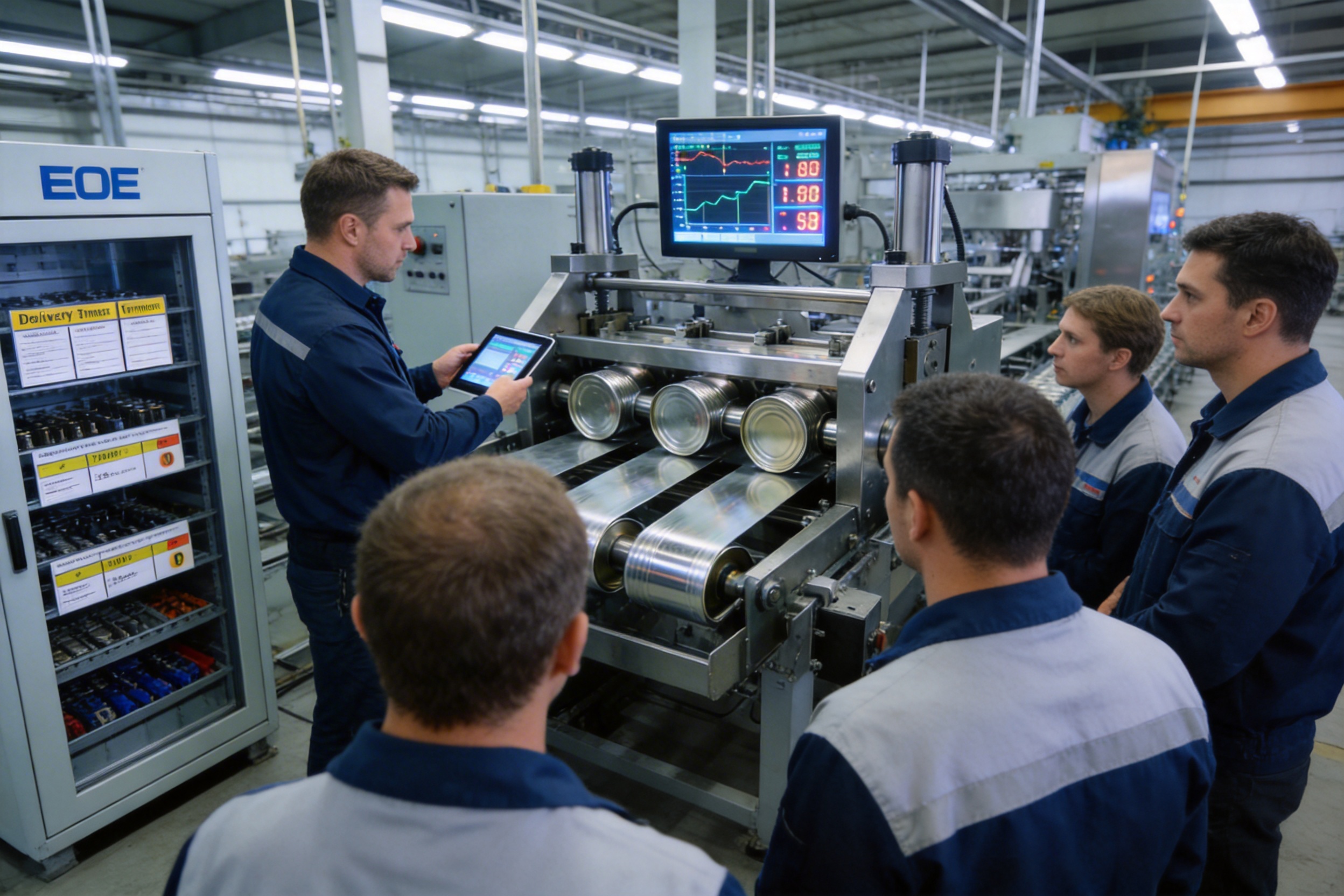
Modern EOE lid making machines come with comprehensive after-sales support, including installation, commissioning, technical guidance, operation training, and fast delivery of spare parts. This is a significant advantage over competitor machines that may have limited after-sales support, especially for international customers. For example, many competitor machines do not offer on-site installation and commissioning, which can lead to delays and increased costs for manufacturers. In contrast, this machine's manufacturer provides on-site installation and commissioning by experienced technicians, ensuring that the machine is set up correctly and ready to operate.
The after-sales support also includes operation training for the manufacturer's staff. This training ensures that the staff knows how to operate the machine correctly and can troubleshoot common issues. Additionally, the manufacturer provides fast delivery of spare parts, which minimizes downtime in case of machine failure. According to the manufacturer, spare parts are typically delivered within 7-10 days for domestic customers and 14-21 days for international customers.
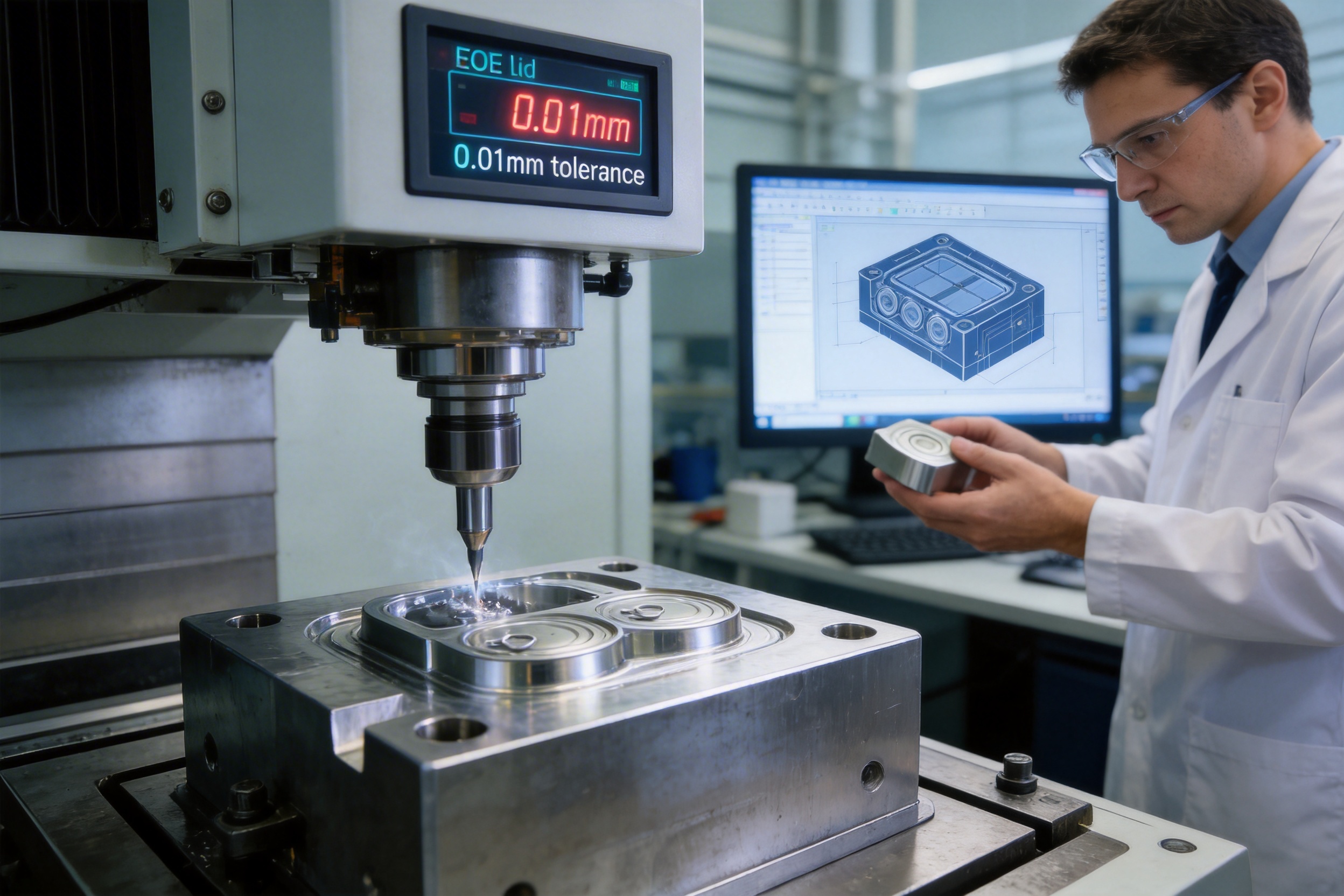
The performance and quality of EOE lid making machines are directly tied to the manufacturing processes used to produce them. Modern manufacturers use advanced processes and technologies to ensure that their machines are reliable, efficient, and of high quality. Below are some of the key advanced manufacturing processes used:
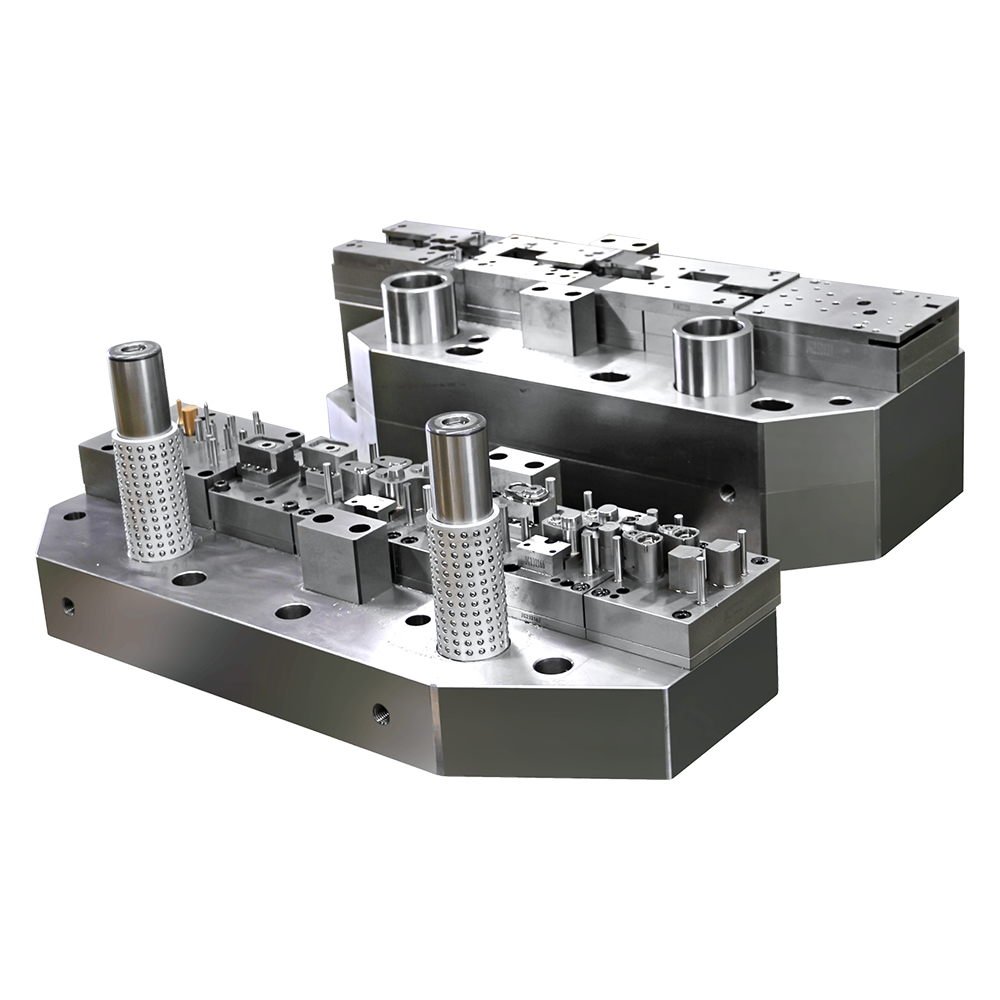
CNC (Computer Numerical Control) high-precision machining is one of the most important processes used in the manufacturing of EOE lid making machines. CNC machines are computer-controlled, which allows for extremely precise machining of components. This precision is critical for EOE lid making machines, as even small errors can lead to defects in the lids. For example, the stamping die used to form the EOE lid must be machined to a tolerance of 0.01mm to ensure that the lid is formed correctly.
The CNC machining process involves programming the machine to perform specific operations on a workpiece. The program is created using CAD (Computer-Aided Design) software, which allows the manufacturer to design the component in 3D and then convert it into a machine-readable format. The CNC machine then uses this program to cut, drill, or shape the workpiece with high precision. According to the manufacturer, 90% of the components used in their EOE lid making machines are produced using CNC machining.
Modern EOE lid making machines are designed using principles from reputable European manufacturers, such as KRUPP, SOUDRONIC, and ALFONS-HAAR. These manufacturers are known for their reliability, performance, and innovation in the can-making machinery industry. By integrating these design principles, modern manufacturers can ensure that their machines are of high quality and meet the demands of global customers.
For example, the KRUPP design principle focuses on using high-quality materials and components to ensure long-term reliability. The SOUDRONIC design principle focuses on automation and efficiency, which reduces labor costs and increases production speed. The ALFONS-HAAR design principle focuses on precision and quality, which ensures that the lids are produced with consistent quality. Modern manufacturers combine these principles to create machines that are reliable, efficient, and of high quality.
Modern manufacturers of EOE lid making machines are constantly innovating and improving their products to meet the changing needs of the industry. This innovation is driven by customer feedback, technological advancements, and market trends. For example, the manufacturer has recently introduced a new energy-efficient model of the machine that uses 15% less power than previous models. This model is designed to help manufacturers reduce their operational costs and comply with environmental regulations.
Another example of innovation is the introduction of remote monitoring capabilities. This allows manufacturers to monitor the machine's performance in real-time from anywhere in the world. The remote monitoring system can detect potential issues before they cause downtime, allowing manufacturers to take corrective action quickly. According to the manufacturer, remote monitoring has reduced downtime by 25% for their customers.
Before an EOE lid making machine is shipped to a customer, it undergoes rigorous quality control testing. This testing includes functional testing, performance testing, and durability testing. Functional testing ensures that all components of the machine are working correctly. Performance testing ensures that the machine meets the specified output speed and quality standards. Durability testing ensures that the machine can operate continuously for long periods without breaking down.
For example, the machine is tested for 100 hours of continuous operation to ensure that it can handle the demands of mass production. During this testing, the machine's output speed, defect rate, and power consumption are monitored. If any issues are detected, they are corrected before the machine is shipped. According to the manufacturer, their quality control testing has a success rate of 99.9%, meaning that almost all machines are shipped without any issues.
The performance of an EOE lid making machine is determined by its technical specifications, which include nominal pressure, stroke speed, output capacity, and power consumption. Below is a detailed table of the key specifications for different lane configurations:
| Specification | One Lane | Two Lanes | Three Lanes | Four Lanes |
|---|---|---|---|---|
| Nominal Pressure | 75(80)T | 100T | 125T | 125T |
| Slide Block Stroke | 35-63.5mm | 35-63.5mm | 35-63.5mm | 35-63.5mm |
| Stroke Speed (spm) | 200-600 | 200-600 | 200-600 | 200-600 |
| Output Capacity (epm) | 200-600 | 400-1200 | 600-1800 | 800-2400 |
| Machine Power (kw) | 50-70 | 50-70 | 50-70 | 50-70 |
| Machine Weight (Ton) | 17-32 | 17-32 | 17-32 | 17-32 |
These specifications highlight the machine's adaptability to different production scales. For small to medium-sized can manufacturers, the one-lane or two-lane configurations are ideal, as they offer sufficient output capacity without excessive capital investment. For large-scale operations, the three-lane or four-lane configurations provide high output speeds, allowing manufacturers to meet the demands of mass production.
To address common questions about EOE lid making machines, we have compiled a list of frequently asked questions:
The primary function of an EOE lid making machine is to convert tinplate sheets into finished easy-open-end lids for tin cans. The machine handles the entire production process, including feeding, stamping, forming, scoring, and assembling the pull tab.
This machine supports five common can sizes: 202#, 211#, 300#, 307#, and 401#. These sizes are widely used in the food and beverage industry for products such as canned fruits, vegetables, soups, and beverages.
The maximum output speed depends on the lane configuration. The four-lane configuration offers the highest output speed, with a range of 800-2400 ends per minute (epm). This is significantly higher than the output speed of many competitor machines, which typically max out at 1800 epm for three-lane configurations.
Yes, this EOE lid making machine is fully automatic. It requires minimal manual intervention, reducing labor costs and minimizing human error. The automatic operation also ensures consistent quality across all produced lids.
Yes, the manufacturer offers OEM (Original Equipment Manufacturer) and ODM (Original Design Manufacturer) services. This allows customers to customize the machine to their specific needs, such as adjusting the can size range, output speed, or lane configuration.
The manufacturer holds ISO 9001 (Quality Management System) and ISO 14001 (Environmental Management System) certifications. These certifications ensure that the machine is manufactured to high quality standards and that the production process is environmentally friendly.
The nominal pressure range varies by lane configuration: 75(80)T for one lane, 100T for two lanes, and 125T for three and four lanes. The nominal pressure determines the machine's ability to stamp and form the tinplate sheets into lids with precision.
The machine uses CNC (Computer Numerical Control) high-precision machining equipment to ensure tight tolerances and consistent quality. The design principles are based on those of reputable European manufacturers, such as KRUPP, SOUDRONIC, and ALFONS-HAAR, which are known for their reliability and performance. Additionally, the manufacturer has over 46 years of experience in the industry, which has allowed them to refine their processes and improve product quality.
The manufacturer provides comprehensive after-sales support, including installation, commissioning, technical guidance, operation training, and fast delivery of spare parts. This ensures that customers can operate the machine efficiently and minimize downtime.
Yes, the machine can be used to produce EOE lids for a wide range of cans, including food cans, beverage cans, aerosol cans, and chemical cans. The machine's flexibility in can size allows it to adapt to different packaging needs.
The machine's power consumption range is 50-70 kw, regardless of the lane configuration. This is lower than the power consumption of many competitor machines, which typically range from 80-100 kw. The lower power consumption reduces operational costs and makes the machine more energy-efficient.
The manufacturer has over 46 years of experience in the can-making machinery industry, having been established in 1978. This extensive experience has allowed them to develop a deep understanding of the industry's needs and to produce high-quality machines that meet the demands of customers worldwide.
1. Grand View Research. (2023). "Global Canned Food Market Size, Share & Trends Analysis Report By Product (Canned Fruits & Vegetables, Canned Meat & Seafood, Others), By Distribution Channel, And Segment Forecasts, 2024-2032". San Francisco, CA: Grand View Research Inc.
2. Packaging Strategies. (2022). "The Rise of Easy-Open-End (EOE) Lids in Sustainable Packaging". Packaging Strategies, 45(10), 23-28.
3. ISO 9001:2015 Quality Management Systems – Fundamentals and Vocabulary. International Organization for Standardization, Geneva, Switzerland.
4. Smith, J. D., & Lee, H. (2021). "Advances in Tin Can Manufacturing Technology: A Review of EOE Production Lines". Journal of Packaging Technology and Research, 15(2), 112-128.
5. European Can Makers Association (ECMA). (2023). "Industry Standards for EOE Lid Precision and Durability". Brussels, Belgium: ECMA.
6. Food Engineering. (2023). "Automation in Can Manufacturing: Reducing Costs and Improving Quality". Food Engineering, 56(8), 45-50.
Advanced EOE lid making machines are revolutionizing the tin can packaging industry by offering high output speeds, wide can size compatibility, high precision, and energy efficiency. These machines are manufactured using advanced processes, such as CNC high-precision machining, and are designed using principles from reputable European manufacturers. They also come with comprehensive after-sales support and OEM/ODM customization options, making them the preferred choice for can manufacturers worldwide.
As the global canned food and beverage industry continues to grow, the demand for high-quality EOE lids will only increase. Modern EOE lid making machines are well-positioned to meet this demand, providing manufacturers with the tools they need to produce high-quality lids efficiently and cost-effectively. With their advanced features and benefits, these machines are set to play a key role in the future of tin can packaging.
Related Products

Founded in 1978, the company is one of the largest can-making machinery well-known companies at home and abroad.
Product Categories
Contact Information
Zhongshatou Shenjiamen Zhoushan Zhejiang China
+86-580-3056646

 English
 中文简体
中文简体
 русский
 عربى
عربى
 Español