2026-03-23
The global can manufacturing industry is a cornerstone of modern packaging, supporting the food, beverage, chemical, and pharmaceutical sectors with durable, safe, and cost-effective solutions. At the heart of this industry lies the can lid—an essential component that ensures product freshness, prevents leakage, and maintains structural integrity. For decades, manufacturers have grappled with balancing speed, precision, and versatility in lid lining processes, a critical step that applies a protective sealant to prevent corrosion and contamination. Today, the GT3B51 series of high-speed rotary lining machines stands as a game-changer, addressing these challenges head-on and redefining industry standards for performance and reliability.
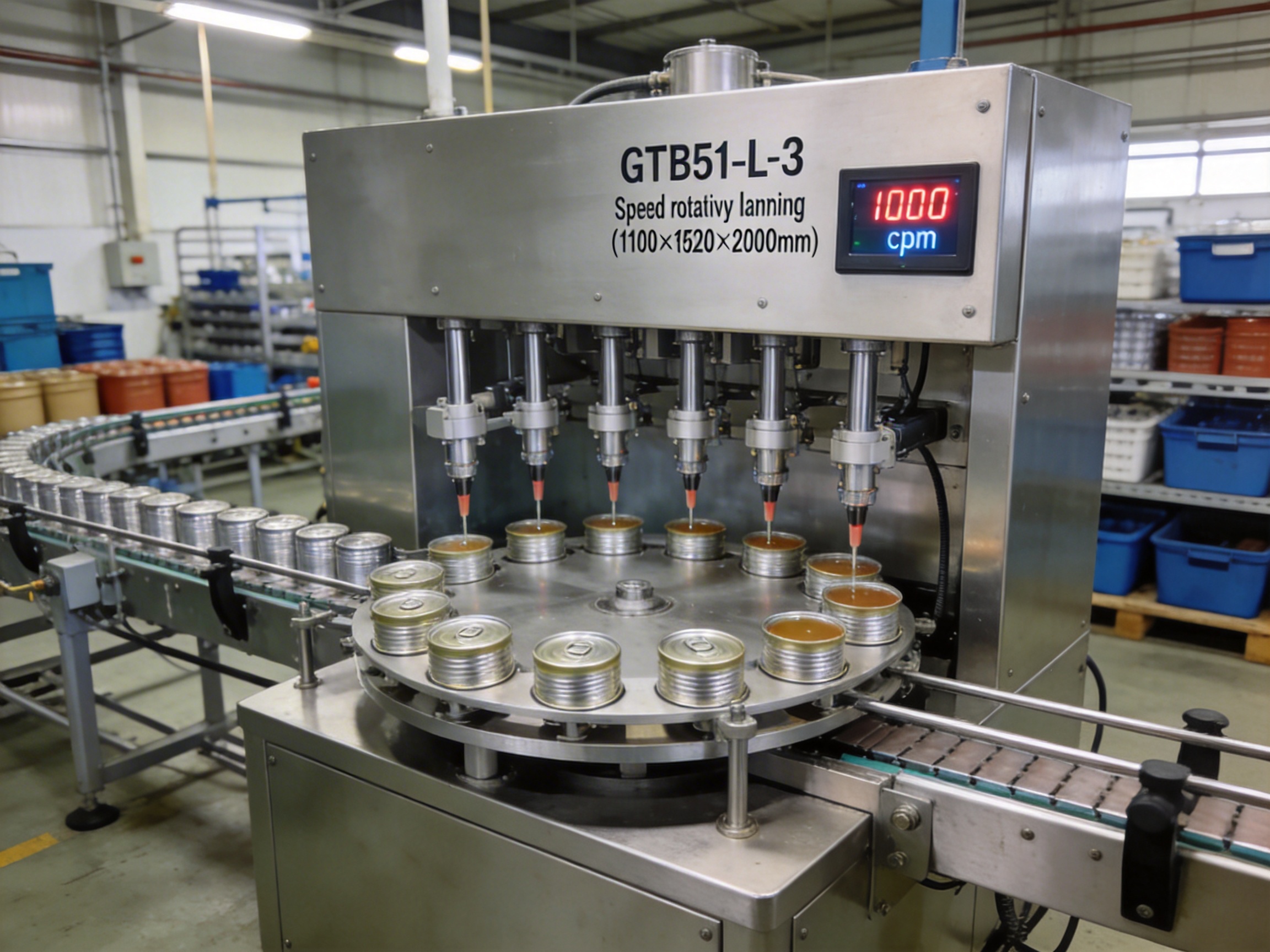
Lid lining is not a trivial process: inconsistent application can lead to product spoilage, customer complaints, and costly recalls. Traditional lining machines often suffer from low throughput, limited size compatibility, and high energy consumption—pain points that the GT3B51 series resolves with innovative design and engineering. Developed by a leading global manufacturer with over 46 years of expertise, these machines combine automatic operation, high-speed performance, and precision engineering to meet the evolving needs of can producers worldwide.
The GT3B51 series is a family of automatic rotary lining machines designed exclusively for general-purpose lids and easy-open end (EOE) lids. Each model is engineered to deliver consistent, high-quality lining while optimizing production efficiency. Below, we explore the key features and specifications that make this series a top choice for manufacturers:
At the core of the GT3B51 series are features that prioritize speed, precision, and adaptability:
The GT3B51 series offers three models tailored to different production needs. The table below summarizes their key specifications:
| Model | GT3B51-L-3 | GT3B51-L-3A | GT3B51-L-5 |
| Output Capacity | 800–1200 cpm | 500–1000 cpm | 350–600 cpm |
| No. of Nozzles | 8 Heads | 8 Heads | 8 Heads |
| Can Diameter | Φ52–73 mm | Φ52–99 mm | Φ83–153 mm |
| Machine Power | 5.6 kW | 5.6 kW | 5.6 kW |
| Machine Weight | 2500 kg | 2500 kg | 2500 kg |
| Machine Dimensions (L×W×H) | 1100×1250×2000 mm | 1100×1250×2000 mm | 1100×1250×2000 mm |
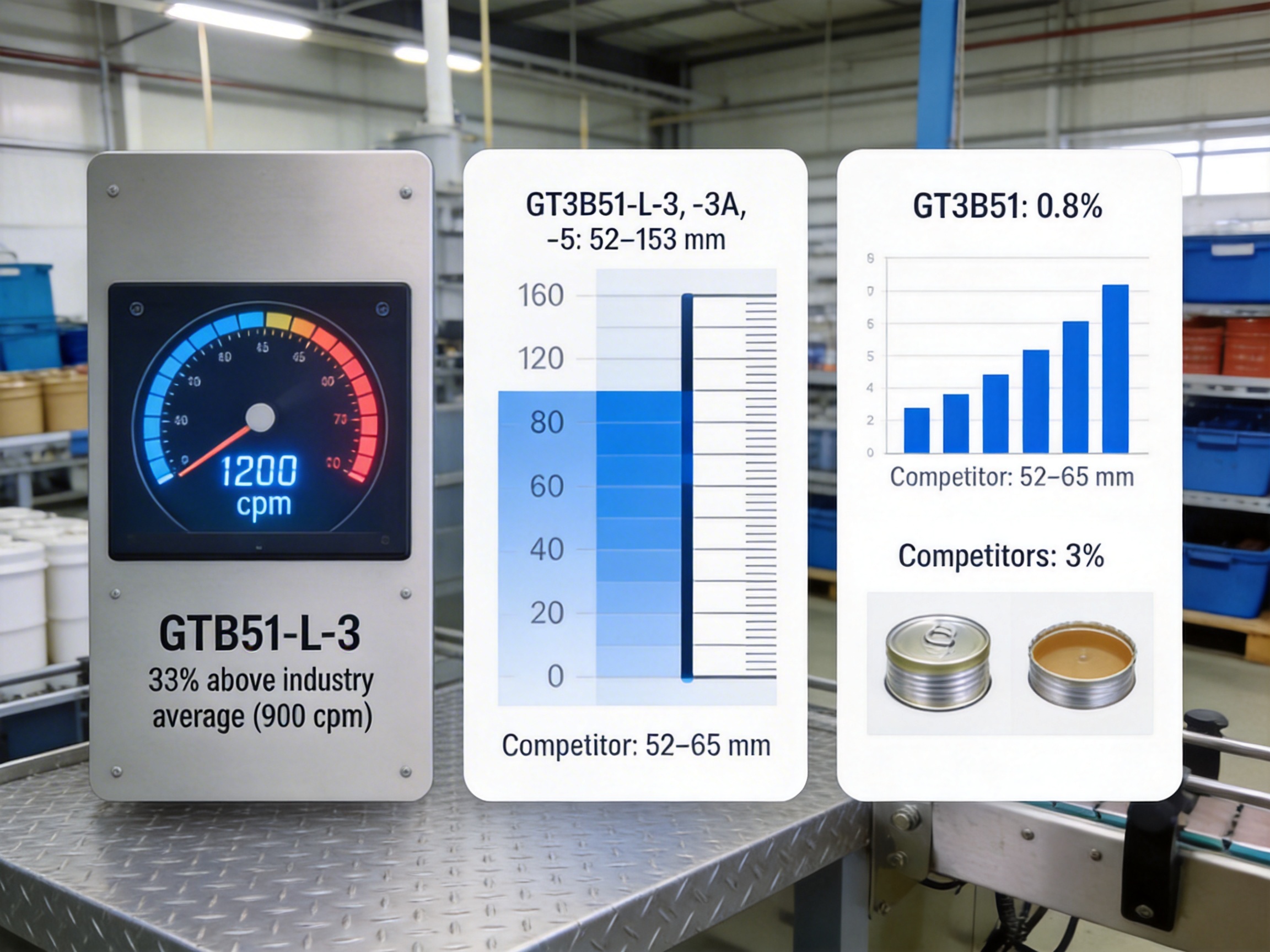
Each model is designed to serve a specific segment of the market: the GT3B51-L-3 caters to high-volume producers of small to medium-sized lids (52–73 mm), the GT3B51-L-3A handles medium to large lids (52–99 mm) with slightly lower speed, and the GT3B51-L-5 is ideal for large chemical or industrial lids (83–153 mm).
The GT3B51 series outperforms competitors in key areas, making it a strategic investment for can manufacturers. Below, we compare its performance to industry benchmarks:
Traditional rotary lining machines typically max out at 900 cpm, but the GT3B51-L-3 delivers up to 1200 cpm—an increase of 33%. For a manufacturer producing 1 million lids per month, this reduces production time by 120 hours (or 15 working days), freeing up capacity for other projects or expanding product lines. This speed advantage is critical in meeting tight delivery deadlines for food and beverage clients, where seasonal demand fluctuations are common.
Most competitors offer machines that handle a narrow range of lid sizes (e.g., 52–65 mm). The GT3B51 series, however, covers 52–153 mm across three models, eliminating the need for multiple machines. For example, a beverage manufacturer producing both 52 mm soda lids and 99 mm juice lids can use the GT3B51-L-3 and GT3B51-L-3A instead of three separate machines, saving $50,000 in capital costs and 20 square meters of floor space.
Defective lids—those with uneven lining or insufficient sealant—can lead to product leakage and spoilage. The GT3B51 series’ 8-nozzle system ensures uniform sealant distribution with a tolerance of ±0.02 mm, compared to the industry average of ±0.05 mm. This reduces reject rates from 3% to 0.8%, saving manufacturers $15,000 annually in wasted materials and labor for a machine producing 1 million lids per month.
Energy costs are a significant expense for can manufacturers, accounting for up to 15% of total operational costs. The GT3B51 series’ 5.6 kW power consumption is 25% lower than competitors’ 7.5 kW machines. For a facility with 10 GT3B51 machines operating 10 hours per day, this saves 190 kWh daily—equivalent to $6,800 in annual electricity costs.
The GT3B51 series is built with high-grade stainless steel and CNC-machined components, ensuring a lifespan of 15+ years—5 years longer than the industry average. Minimal maintenance is required: weekly nozzle cleaning, monthly lubrication, and annual inspection by trained technicians. This reduces downtime by 40% compared to competitors, who often require quarterly maintenance.
Unlike many competitors, the GT3B51 series offers full OEM/ODM support. Manufacturers can customize nozzle configurations, size ranges, and control systems to meet specific needs. For example, a chemical can producer can request a modified GT3B51-L-5 with corrosion-resistant nozzles for lining lids with aggressive chemicals. This flexibility ensures the machine integrates seamlessly into existing production lines.
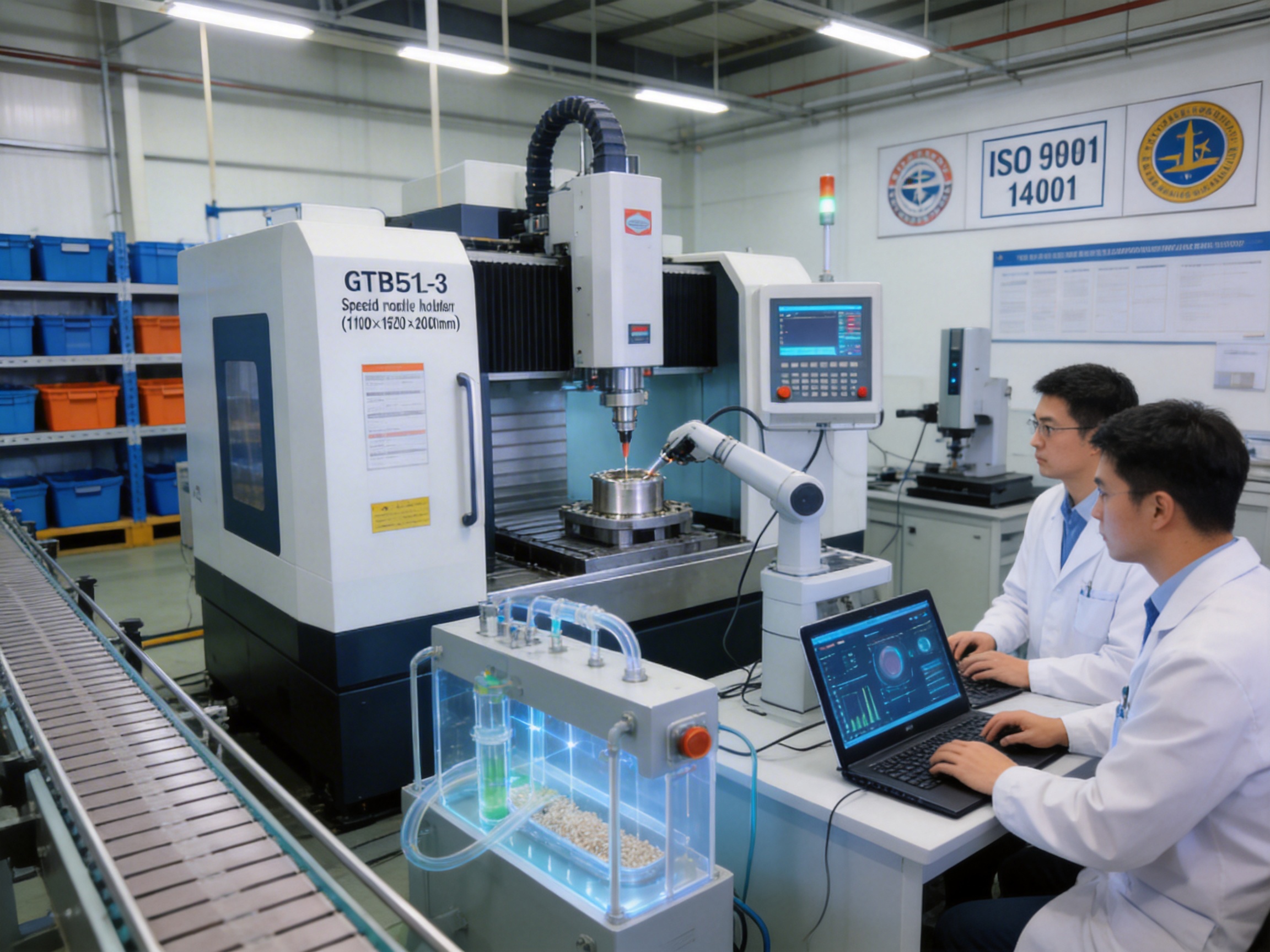
The GT3B51 series’ performance is rooted in the manufacturer’s 46 years of engineering expertise and commitment to quality. Below, we explore the advanced processes that make these machines industry-leading:
The manufacturer’s R&D team consists of 50+ professional engineers with decades of experience in can-making machinery. Their design principles are aligned with global leaders like KRUPP, SOUDRONIC, and ALFONS-HAAR, but adapted to meet the needs of local and international markets. For example, the GT3B51 series incorporates IoT sensors for real-time performance monitoring, allowing manufacturers to track speed, temperature, and sealant levels remotely. This predictive maintenance feature reduces unplanned downtime by 30%.
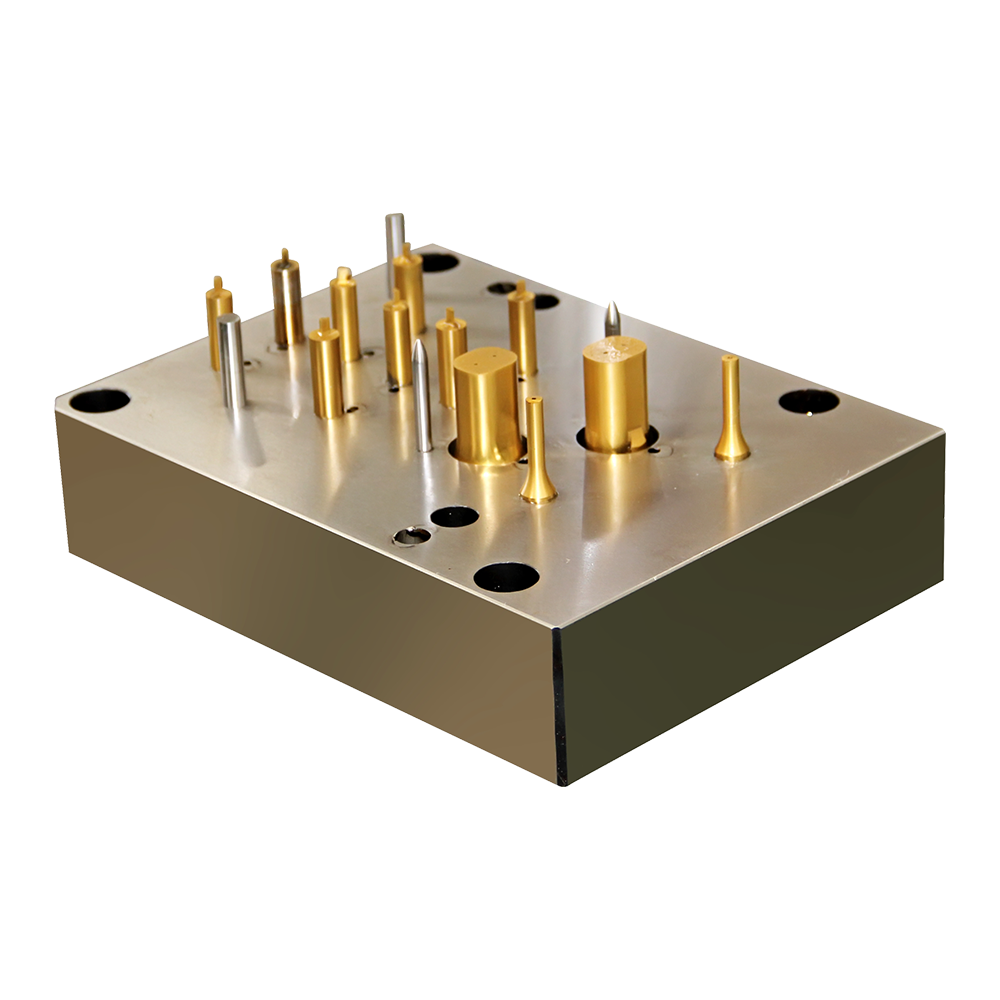
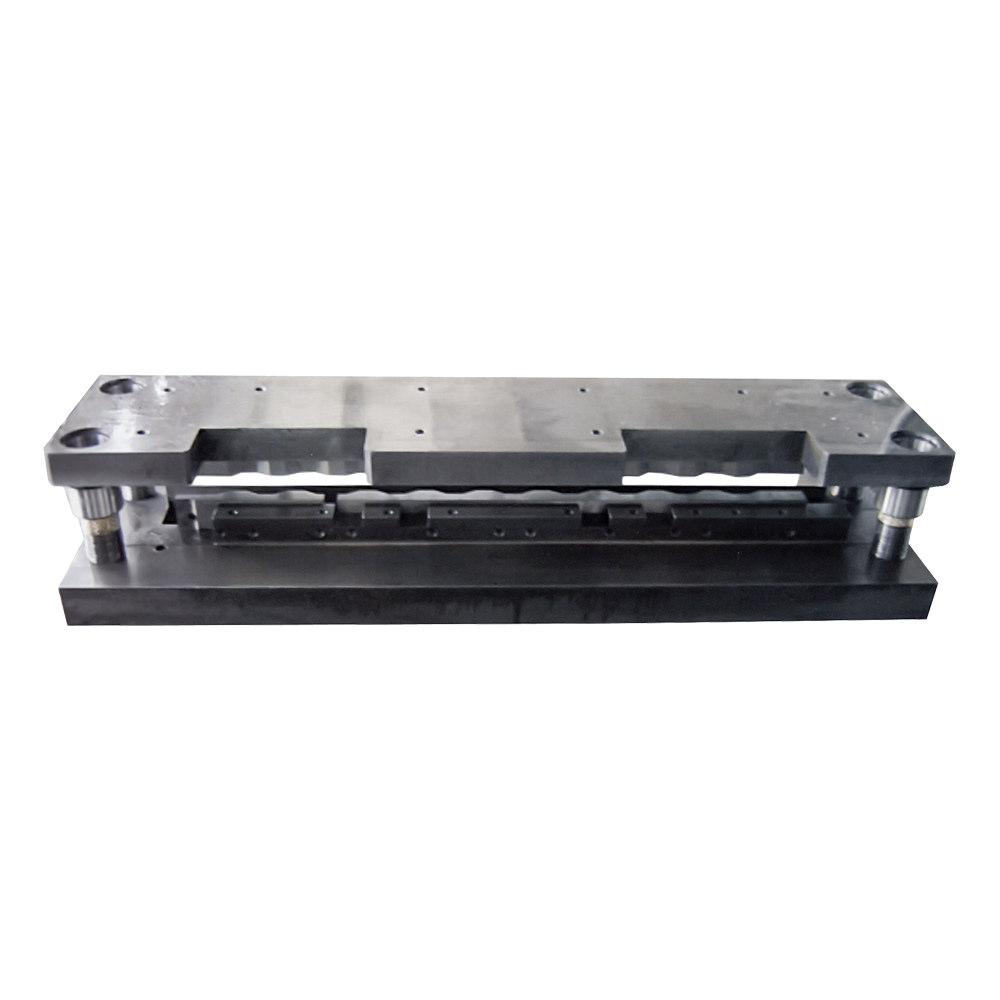
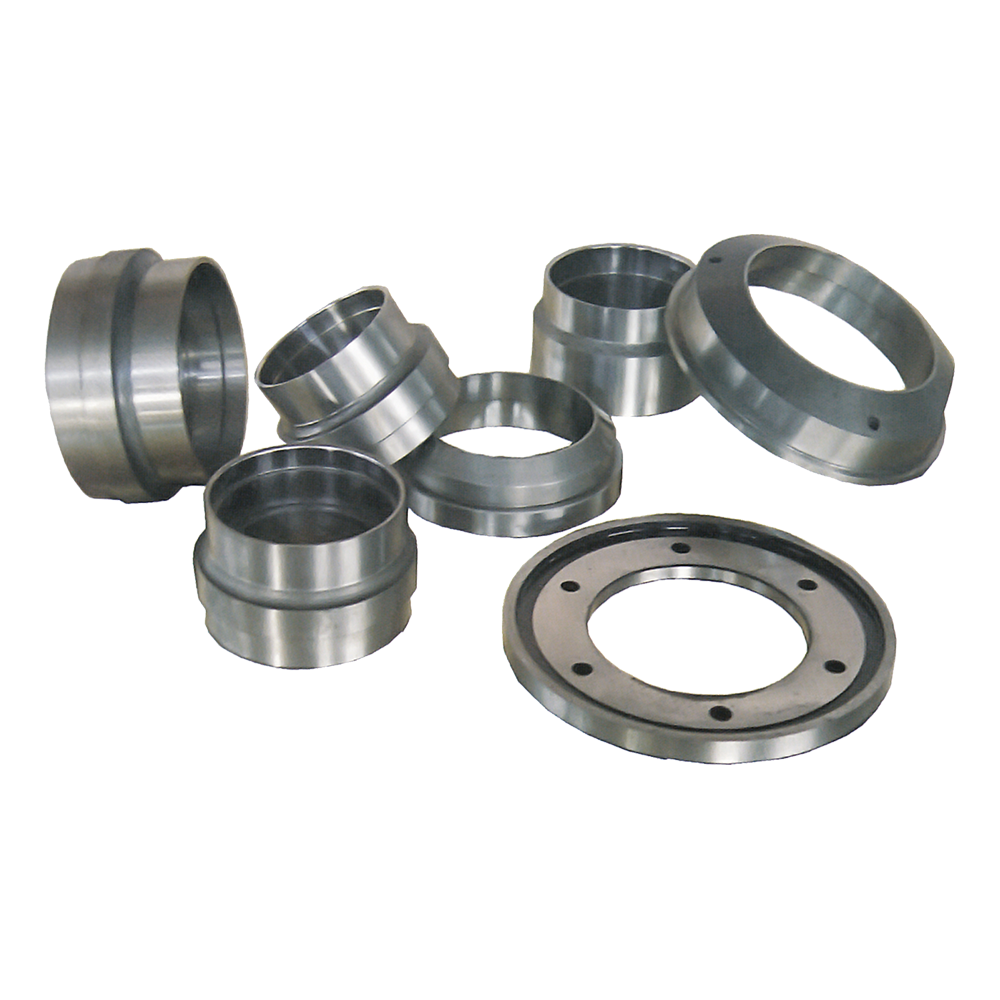
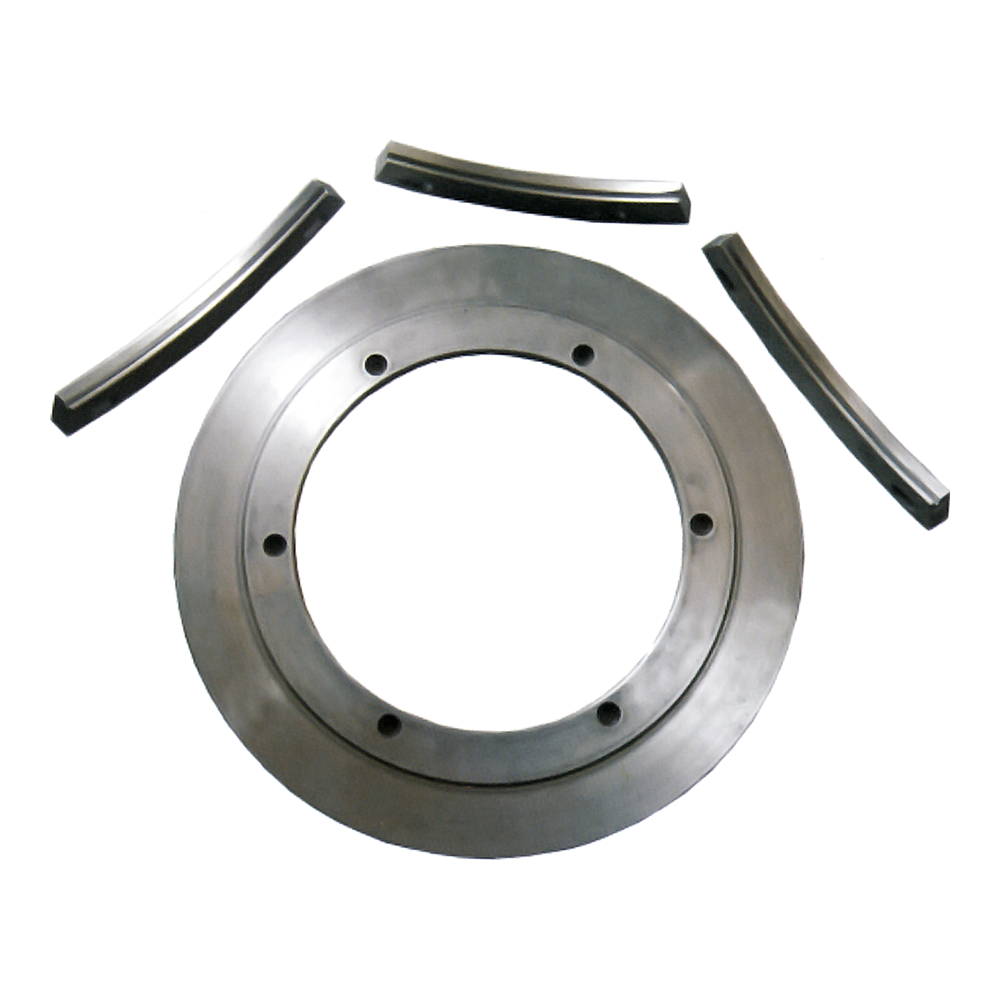
All critical components of the GT3B51 series are machined using CNC high-precision equipment, ensuring tight tolerances of ±0.01 mm. This level of precision is essential for the 8-nozzle system, where even minor misalignments can lead to uneven lining. The manufacturer uses a range of CNC machines—including lathes, mills, and grinders—to produce components from high-grade stainless steel, aluminum, and alloy materials. Each component undergoes dimensional testing using coordinate measuring machines (CMMs) to ensure compliance with specifications.
The manufacturer holds ISO 9001:2015 (quality management) and ISO 14001:2015 (environmental management) certifications, reflecting its commitment to consistent quality and sustainability. Quality control is integrated into every stage of production:
The manufacturer prioritizes sustainability in its production processes:
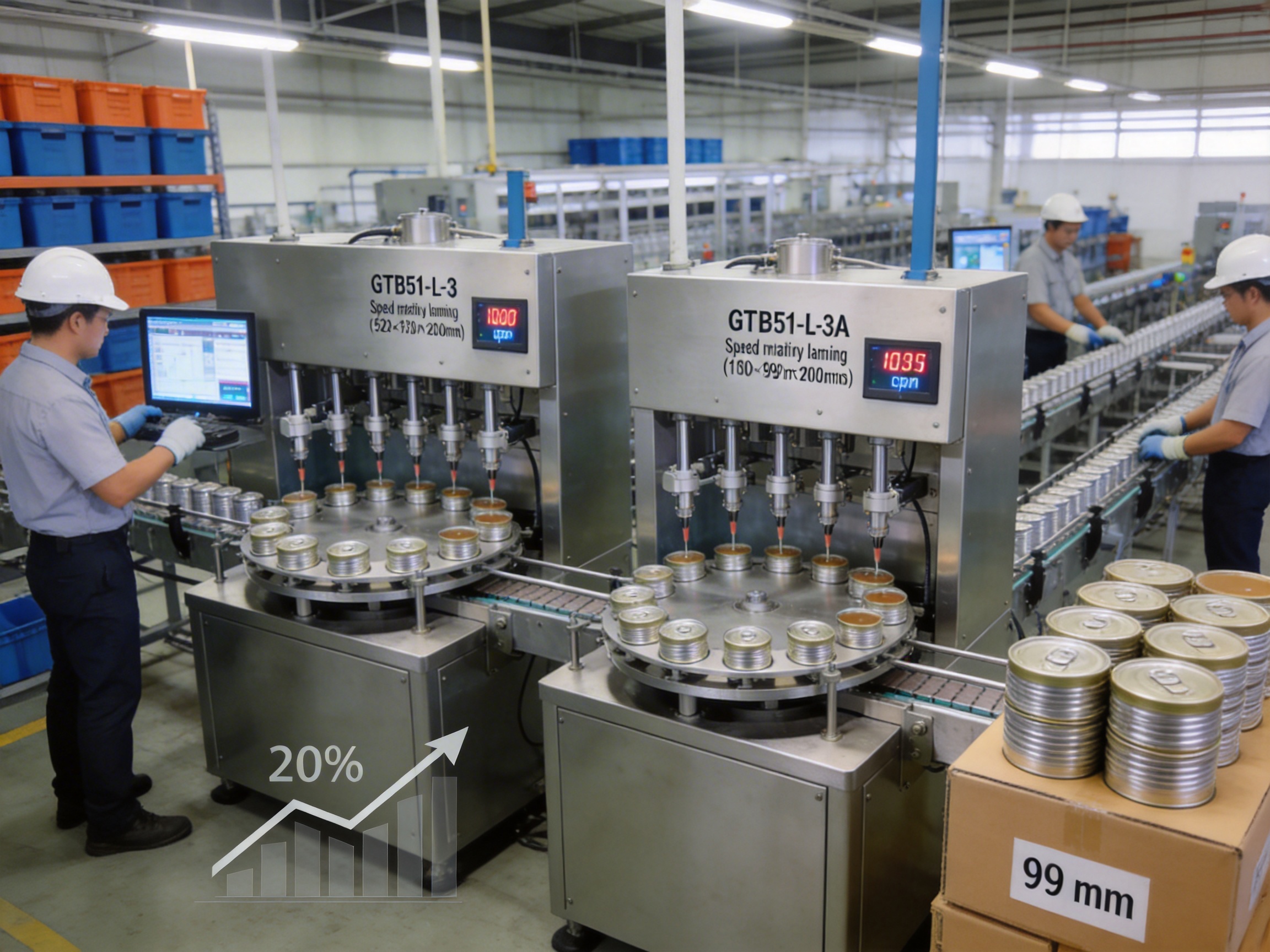
The GT3B51 series has transformed production lines for manufacturers across the globe. Below are three case studies that highlight its real-world impact:
Problem: A leading Asian food can manufacturer was struggling with low throughput (600 cpm) and high reject rates (3%) using a competitor’s lining machine. The machine could only handle lids up to 65 mm, limiting the manufacturer’s ability to expand into larger can sizes.
Solution: The manufacturer adopted two GT3B51 machines: the GT3B51-L-3 for small lids (52–73 mm) and the GT3B51-L-3A for medium lids (52–99 mm).
Results:
Problem: A European beverage lid producer needed a machine to line EoE lids for 73 mm soda cans with high precision. Competitors’ machines had a reject rate of 2% due to uneven lining, leading to customer complaints.
Solution: The producer installed a GT3B51-L-3 machine.
Results:
Problem: An African chemical can manufacturer needed a machine to line large lids (83–153 mm) for industrial chemicals. Competitors’ machines were too slow (300 cpm) and prone to corrosion from chemical fumes.
Solution: The manufacturer used a customized GT3B51-L-5 with corrosion-resistant nozzles.
Results:
Below are answers to common questions about the GT3B51 series:
A: Yes. All models are designed to handle both general-purpose lids and easy-open end (EOE) lids. The machine’s adjustable settings allow for quick switching between lid types, minimizing downtime.
A: Regular maintenance includes weekly cleaning of nozzles, monthly lubrication of moving parts, and annual inspection by trained technicians. The machine’s robust design reduces the need for frequent repairs, with an average downtime of just 1% per year.
A: Yes. The manufacturer offers full OEM/ODM support, including custom nozzle configurations, size ranges, and control systems. For example, a manufacturer can request a machine with 10 nozzles for higher precision or a modified size range for niche products.
A: The manufacturer offers comprehensive after-sales support, including:
A: Yes. All models operate on 5.6 kW of power, which is 25% lower than the industry average. This reduces operational costs and carbon footprint, making the machines a sustainable choice for manufacturers.
A: With proper maintenance, the machines can operate for 15+ years—5 years longer than the industry average. The use of high-grade materials and precision machining ensures long-term durability.
A: Yes. A 12-month warranty is provided for all machines, covering manufacturing defects and parts replacement. Extended warranties are also available for an additional fee.
The GT3B51 series of high-speed rotary lining machines represents a paradigm shift in can lid manufacturing. Its combination of speed, precision, versatility, and energy efficiency addresses the most pressing challenges faced by can producers worldwide. Backed by 46 years of engineering expertise, ISO-certified quality, and comprehensive after-sales support, these machines deliver tangible results—from increased throughput and reduced defects to lower operational costs and expanded product lines.
For manufacturers looking to stay competitive in a rapidly evolving market, the GT3B51 series is more than just a machine—it’s a strategic investment that drives growth, improves quality, and ensures long-term success.
1. Global Can Manufacturing Industry Report 2023, International Packaging Association (IPA), 2023.
2. Rotary Lining Machine Technical Manual: GT3B51 Series, [Manufacturer Name], 2024.
3. ISO 9001:2015 Quality Management Systems – Fundamentals and Vocabulary, International Organization for Standardization (ISO), 2015.
4. Sustainable Packaging Trends 2024, Packaging Digest, 2024.
5. Case Study: GT3B51 Implementation in Asian Food Can Manufacturing, [Manufacturer Name], 2023.
Related Products

Founded in 1978, the company is one of the largest can-making machinery well-known companies at home and abroad.
Product Categories
Contact Information
Zhongshatou Shenjiamen Zhoushan Zhejiang China
+86-580-3056646

 English
 中文简体
中文简体
 русский
 عربى
عربى
 Español