2026-09-07
Modern metal packaging manufacturers increasingly need equipment that can process more than standard round lids. Food products, beverages, chemicals, aerosols, specialty goods, and promotional packages often require oval, square, rectangular, trapezoidal, and other irregular can designs. These packages create strong visual differentiation and may provide better space utilization, handling convenience, or product-specific functionality. However, their non-circular geometry also creates demanding requirements for edge forming, compound application, drying, dimensional control, and production stability.
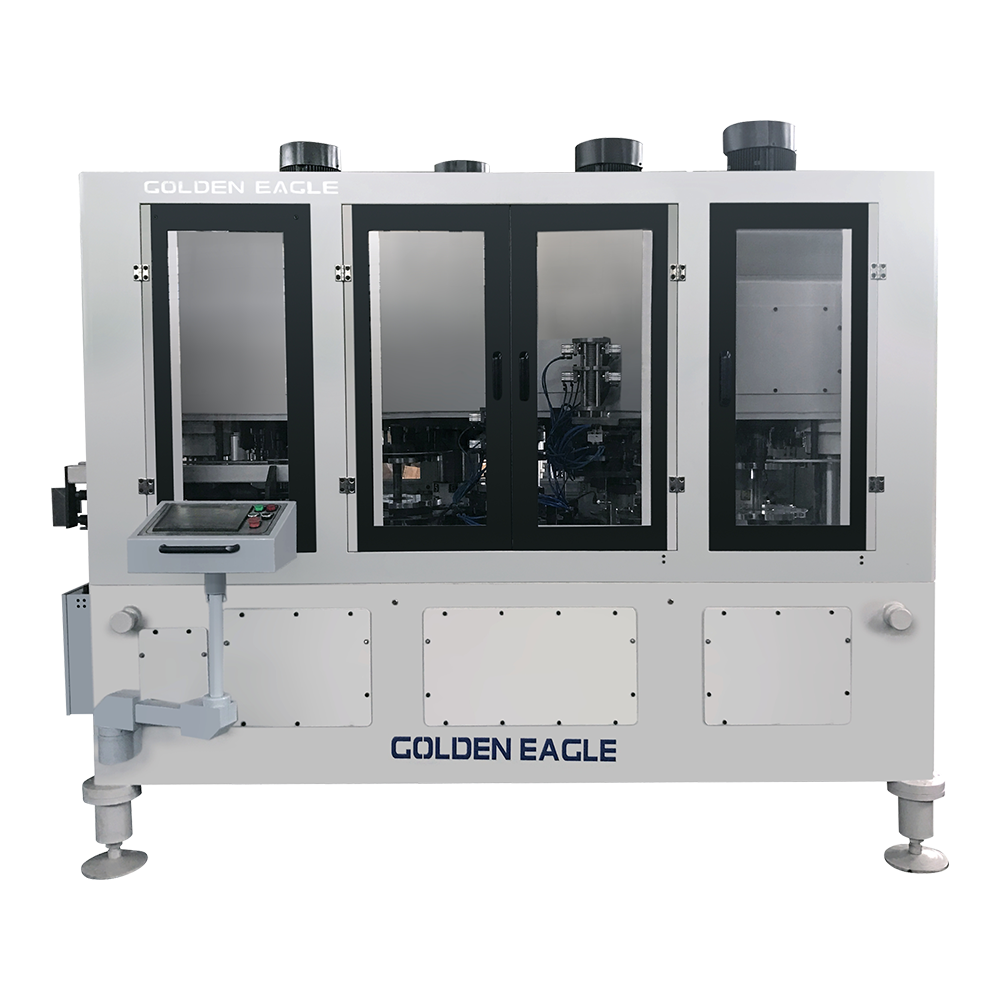
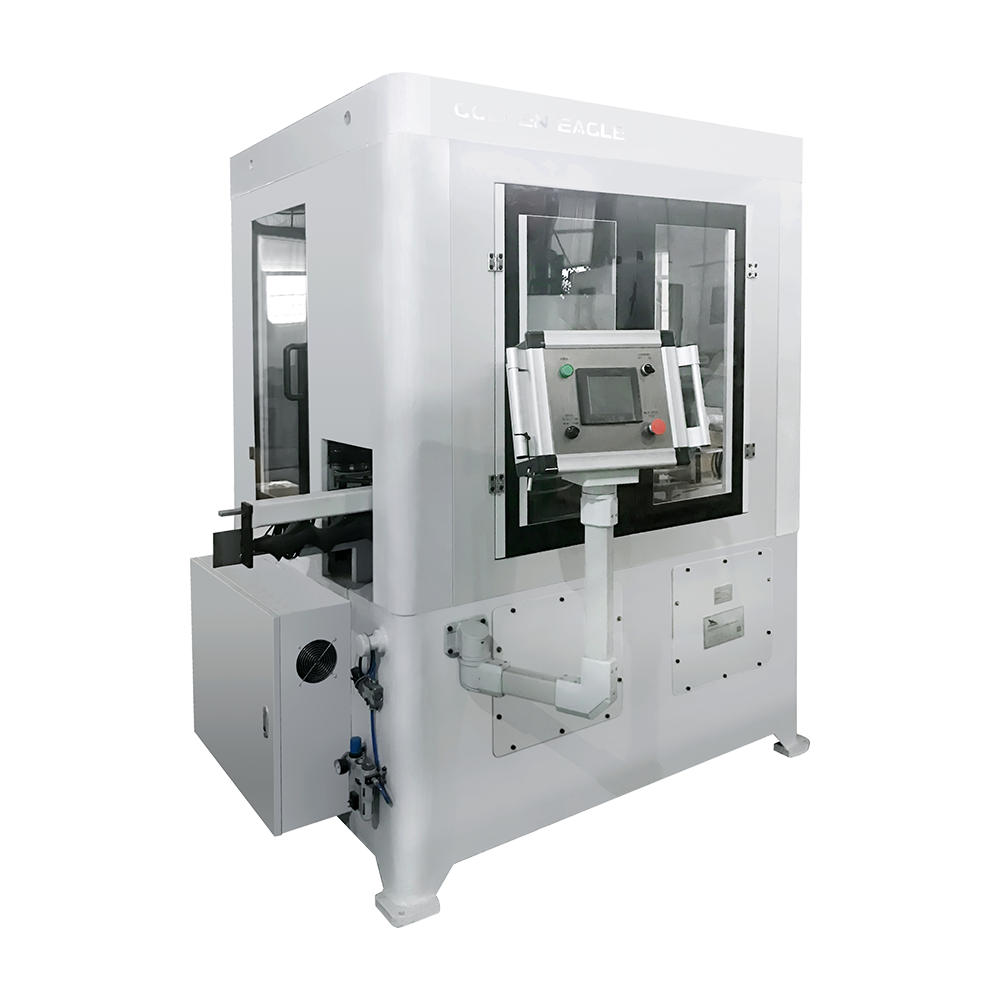
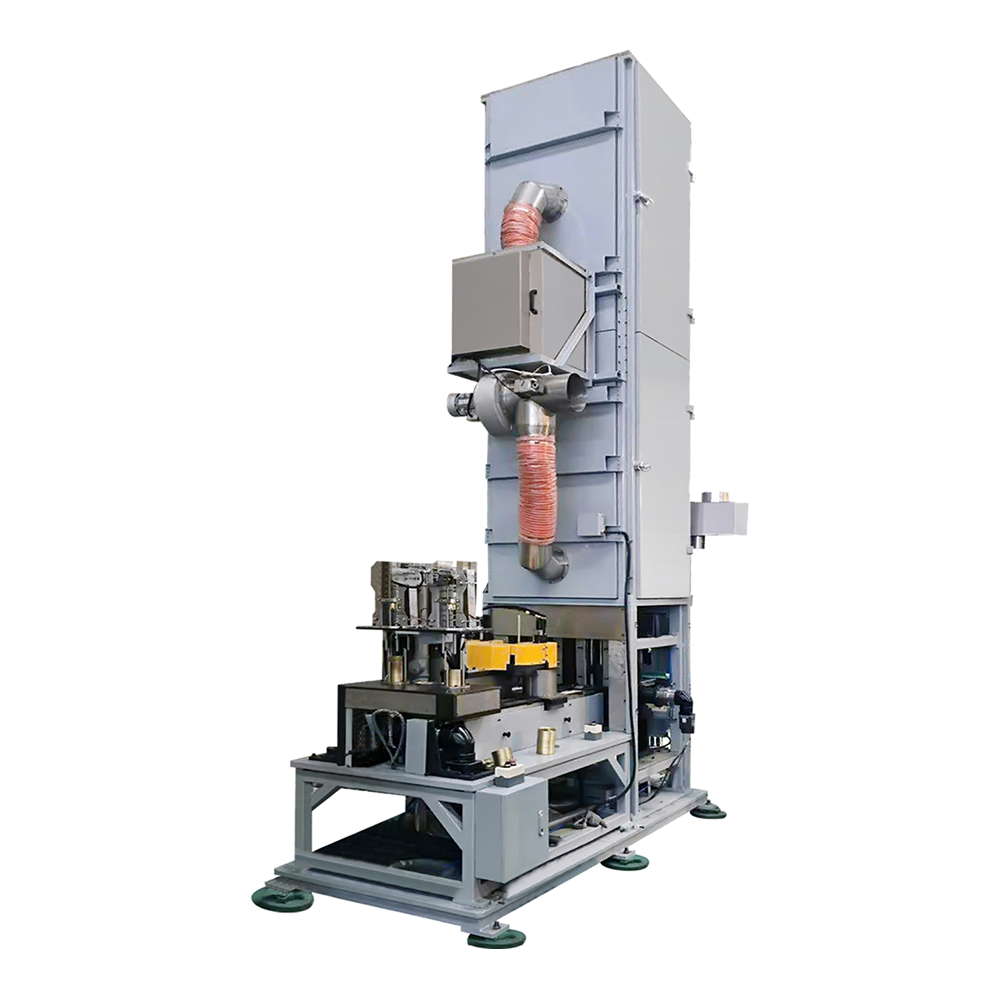
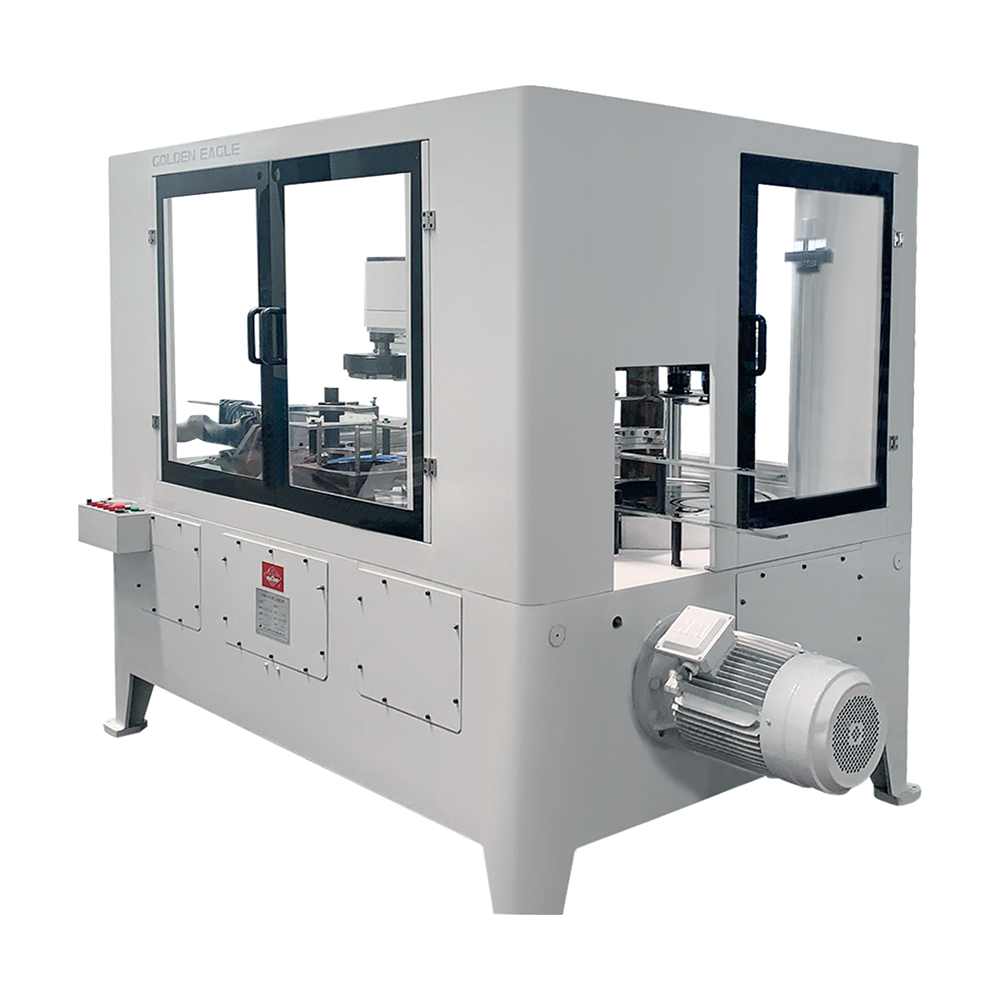
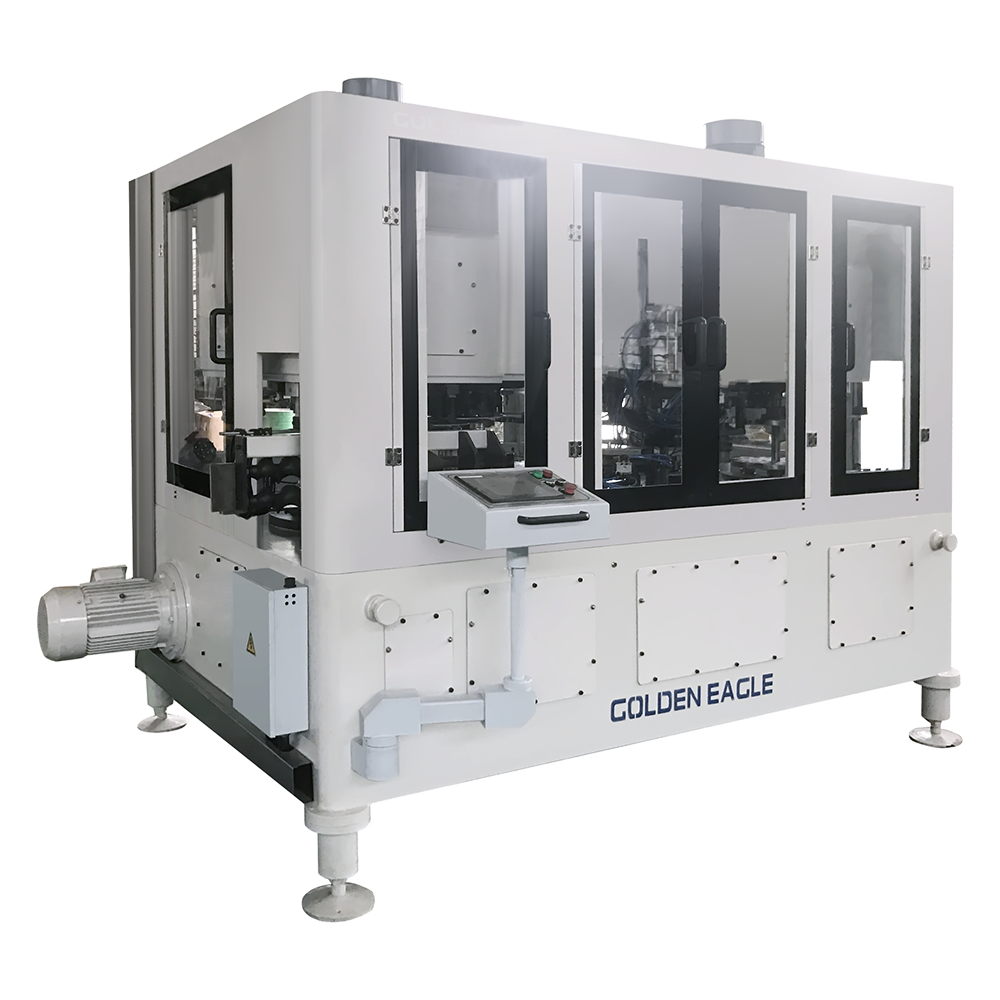
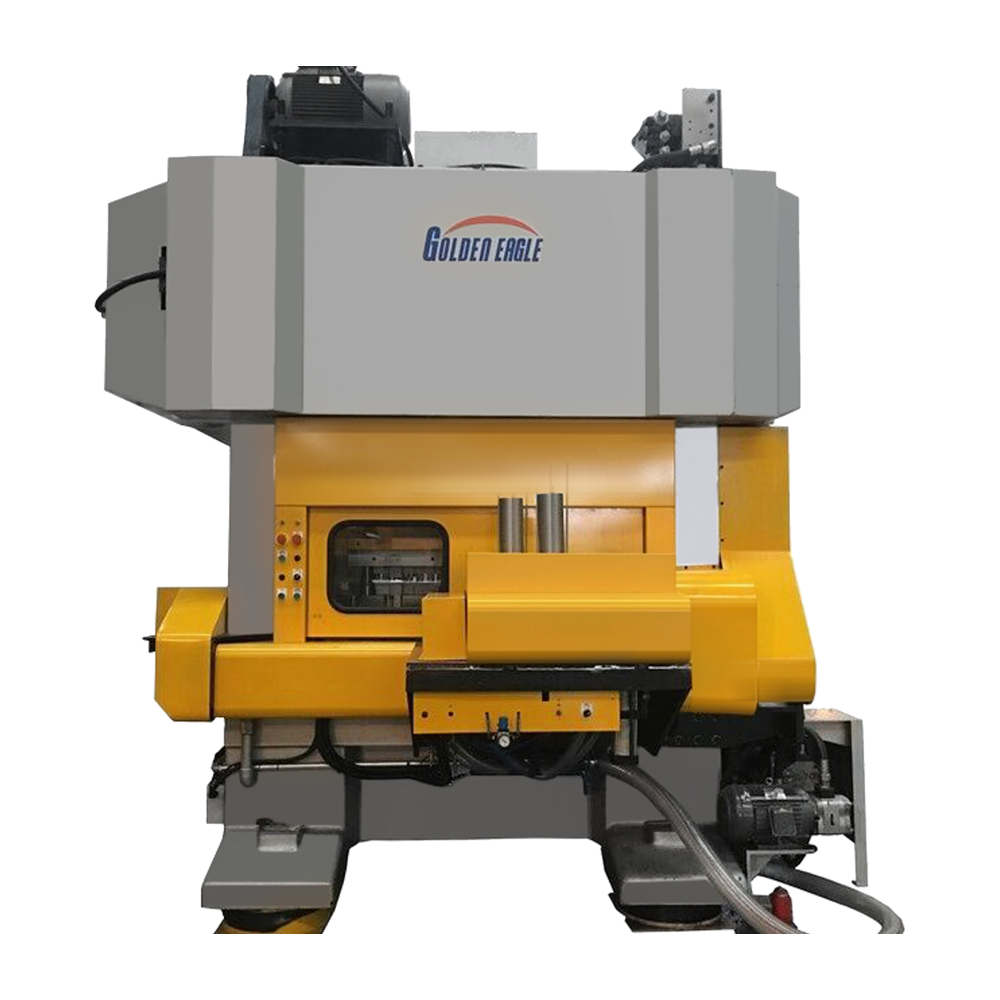
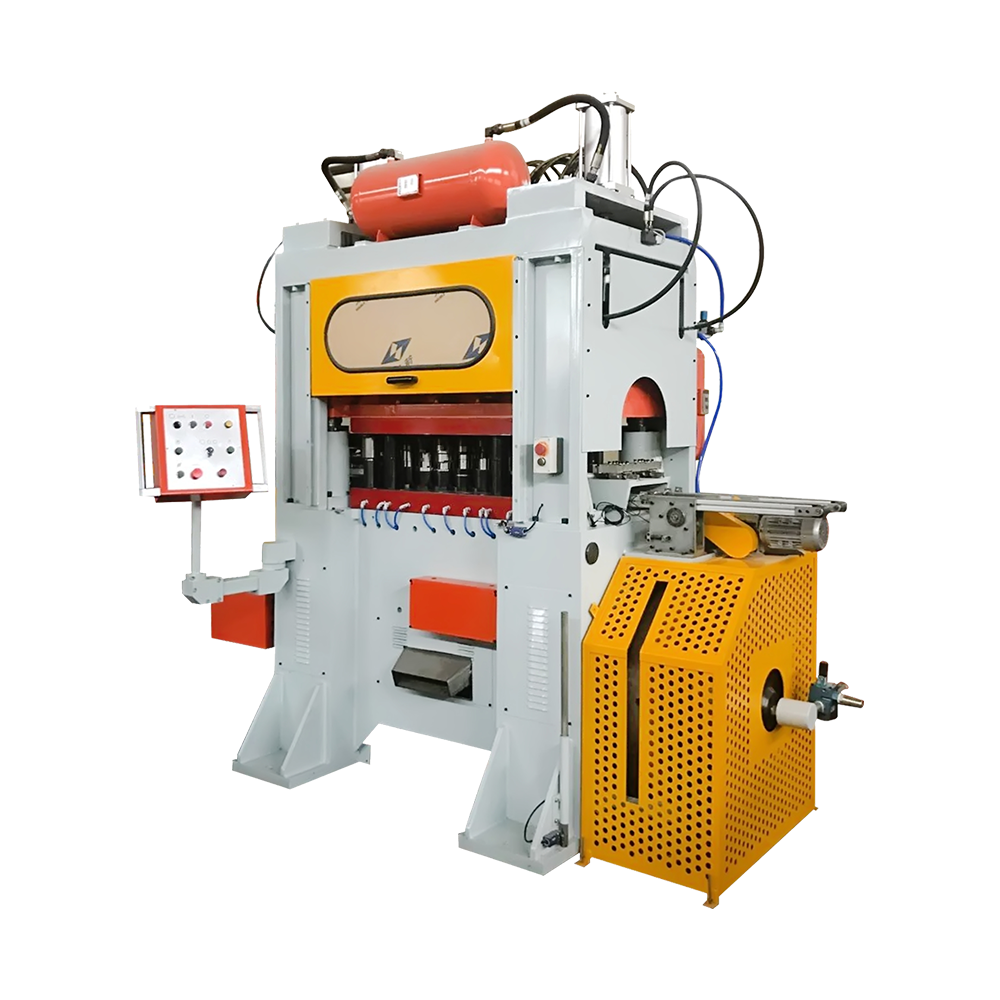
The Irregular-shape Edge Making and Lining Machine is designed to address these requirements through an integrated production concept. It combines the key functions of edge making, lining or compound application, and drying in a vertical, highly coordinated machine structure. Instead of treating each operation as an isolated process, the equipment creates a continuous workflow in which the workpiece is formed, sealed, lined, and prepared for subsequent can assembly with controlled timing and limited manual intervention.
For manufacturers of non-round metal containers, this integrated approach can improve production consistency while reducing the complexity normally associated with irregular-shape lids. The machine is particularly suitable for applications where sealing performance, repeatable edge dimensions, clean compound distribution, and reliable long-term operation are essential.
Zhejiang Golden Eagle Food Machinery Co., Ltd. has developed extensive experience in can-making machinery, can-lid equipment, and molds since its establishment in 1978. Supported by professional design personnel, CNC machining equipment, mechanical processing facilities, quality management systems, and international project experience, the company provides equipment intended for demanding metal packaging production environments.
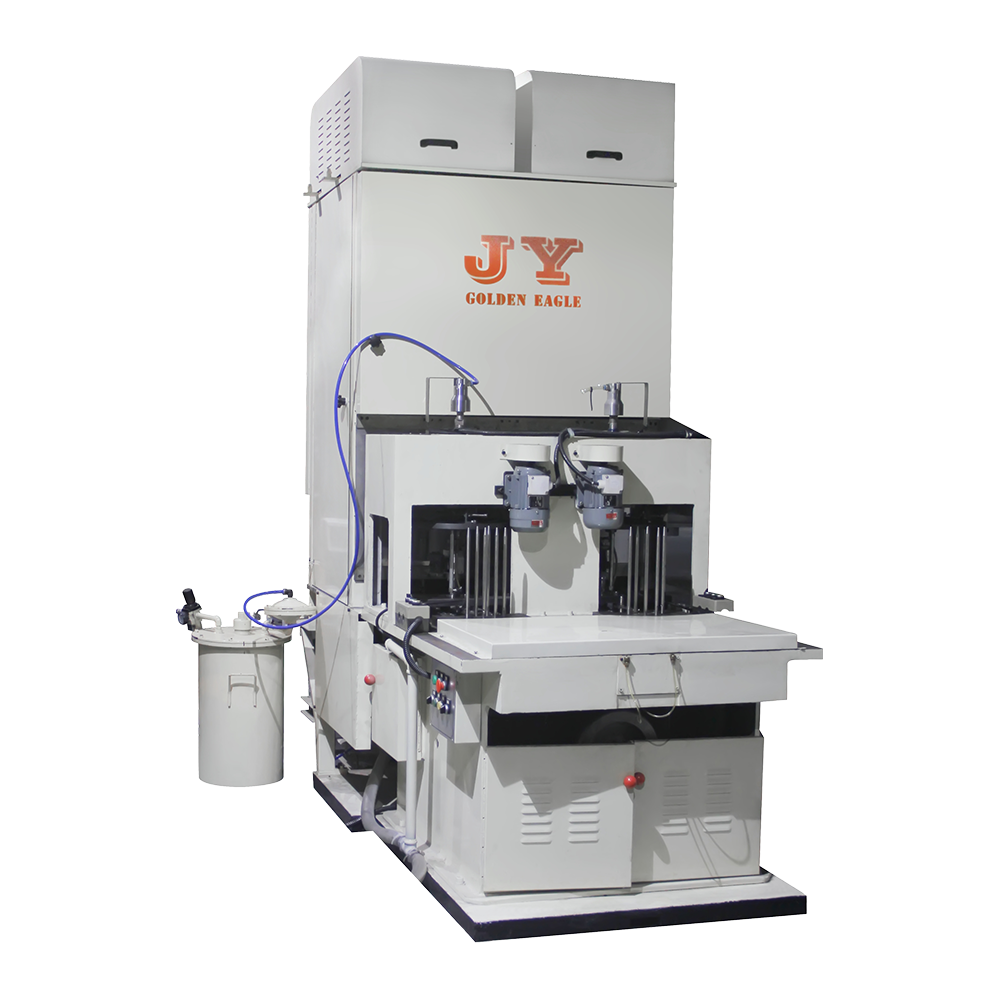
Irregular-shape Edge Making and Lining Machine
A metal can lid performs several important functions at the same time. It closes the container, protects the contents, contributes to the package’s structural strength, and supports the visual identity of the finished product. When the lid is circular, its geometry is relatively uniform. The forming rollers can follow a constant radius, and the sealing compound can be distributed around a predictable path.
Irregular-shape lids are more complicated. An oval lid contains continuously changing curvature. A square lid has corner transitions and straight sections. A trapezoidal lid combines different side lengths and angled corners. Other custom designs may include flattened sides, rounded corners, asymmetrical profiles, or compound curves. Every change in the perimeter affects the relationship between the lid, tooling, rollers, and lining system.
If the edge is not formed accurately, the finished package may experience inconsistent sealing, uneven stacking, deformation during assembly, or reduced resistance to pressure and handling. If lining compound is distributed unevenly, the package may have areas with insufficient sealing protection or excessive material that affects cleanliness and production efficiency. These risks become greater as line speed increases.
Consequently, irregular-shape can lids require equipment capable of synchronizing mechanical movement with the exact profile of the workpiece. The edge-making system must maintain controlled pressure and position while following the changing geometry. The lining system must apply compound consistently without contaminating the lid surface. The drying section must support suitable curing or stabilization before the lids move to the next operation.
The Irregular-shape Edge Making and Lining Machine is developed around these process requirements. Its structure supports coordinated operation from edge forming to compound application and drying, helping manufacturers establish a repeatable production method for special-shaped metal packaging.
The most important design characteristic of the machine is its integration of multiple processing functions. Traditional production arrangements may require separate machines for edge making, lining, transfer, and drying. Such arrangements can occupy more floor space and require additional conveyors, operators, adjustments, and inter-machine coordination.
By integrating the main operations into one vertical equipment structure, the machine creates a more compact process route. The lid can be transferred through the machine with reduced handling. Each section is positioned according to the sequence of operations, allowing the production system to maintain a clear and controlled workflow.
The forming stage establishes the required edge profile. The lining stage applies sealing compound or other specified material to the appropriate area. The drying stage helps stabilize the applied compound so that the lid is ready for later assembly or packaging operations. The integration of these functions also helps reduce the risk of damage caused by repeated manual transfer.
A vertical layout can offer practical benefits for factories with limited floor space. It provides a compact arrangement while preserving access to the main working sections. Depending on the production configuration, the layout may also simplify material flow and make it easier to establish connections with upstream stamping equipment and downstream lid inspection or packing equipment.
Integrated equipment does not eliminate the need for careful setup. Different lid shapes, materials, thicknesses, compounds, and production speeds may require specific tooling and process parameters. However, when the operations are engineered as one coordinated system, the manufacturer can manage these variables through a more unified production platform.
Every manual transfer creates the possibility of scratches, dents, contamination, misalignment, and production delay. Irregular lids may be especially vulnerable because their non-uniform profiles can be more difficult to stack and orient. The machine’s integrated process route helps reduce unnecessary intermediate handling between edge forming and lining.
Lower handling demand can also support cleaner production. Sealing compound must be applied to the correct surface and remain free from foreign particles. A shorter and more controlled transfer path can help protect the workpiece and reduce the number of points at which contamination may occur.
When separate machines are used, the transfer time between operations may vary according to conveyor speed, operator activity, or accumulation conditions. Integrated equipment allows the main operations to be coordinated around a common production cycle. This can support more consistent dwell times, transfer positions, and application sequences.
Stable timing is particularly valuable for compound handling and drying. The lining material must be applied at the appropriate stage, and the lid should pass through the following process without unnecessary delay or disturbance. A coordinated arrangement makes it easier to maintain these conditions.
Space efficiency is an important consideration in modern can-making plants. Production areas often contain stamping presses, body-making machines, seamers, inspection systems, conveyors, packing equipment, and material storage. A vertical integrated machine can help reduce the footprint required for irregular-lid processing while maintaining a logical production sequence.
The actual installation arrangement depends on the selected model, lid dimensions, production requirements, and factory layout. Nevertheless, the integrated concept provides manufacturers with a practical alternative to a series of disconnected processing stations.
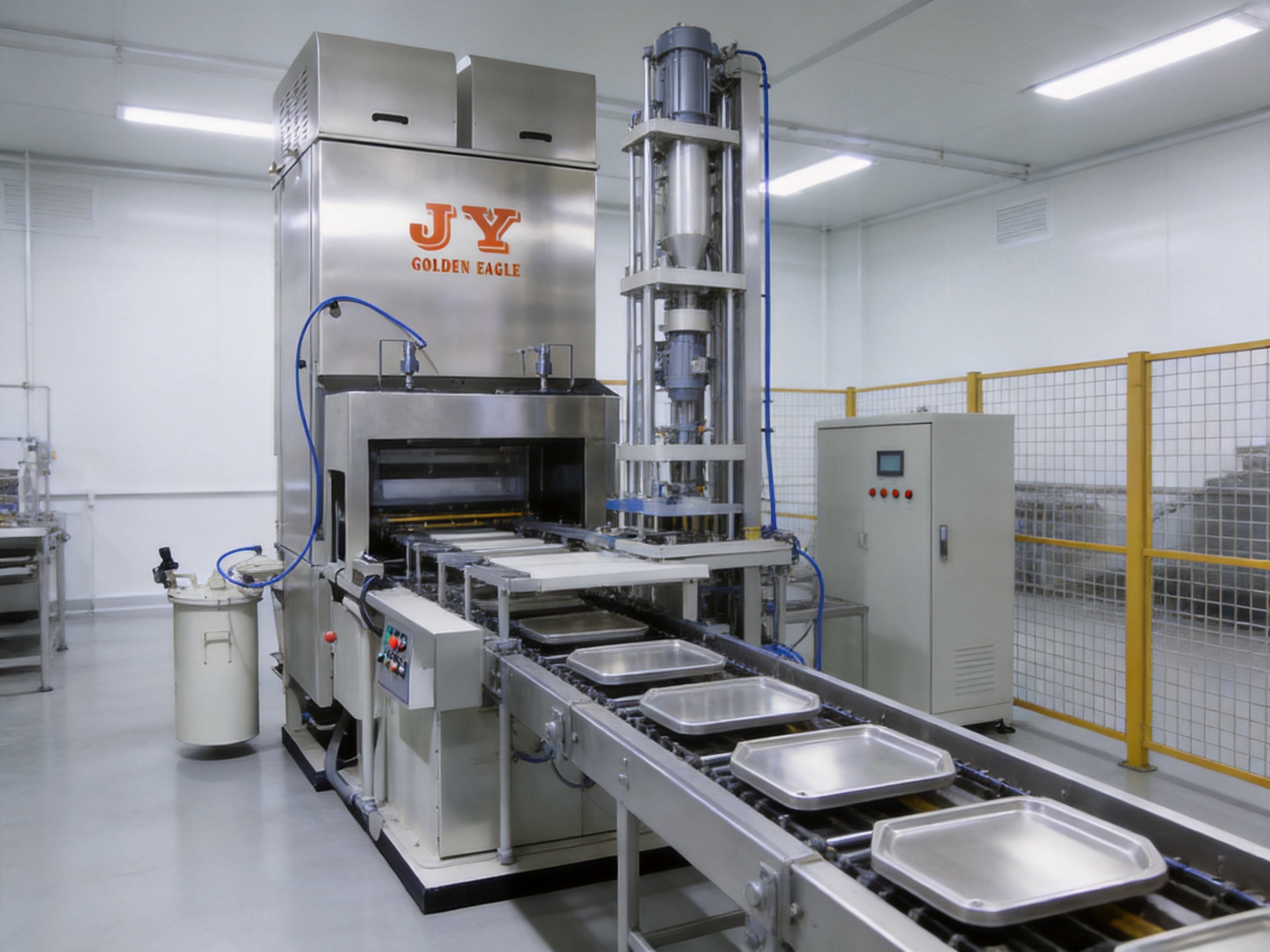
Edge making is the foundation of reliable irregular-lid production. The process shapes the perimeter of the lid so that it can meet the dimensional and sealing requirements of the finished container. The edge must be sufficiently uniform in height, width, and profile, even when the perimeter includes curves, straight sections, and corners.
The machine uses a forming arrangement driven by a complex cam mechanism or servo-based motion system, depending on the equipment configuration and application requirements. The purpose of this motion system is to guide the sealing rollers along the specific perimeter of the lid. Rather than applying a constant circular movement, the system follows the changing geometry of the irregular workpiece.
At the front end of the equipment, two independently controlled power motor modules are typically arranged to support dual-station synchronous operation. This arrangement helps distribute the processing workload and allows the machine to coordinate the movement of the relevant forming components. Independent motor control can also provide greater flexibility during setup and adjustment for different product specifications.
Precise edge forming depends on several related factors. These include the accuracy of the forming tools, the rigidity of the machine frame, the condition of the rollers, the stability of the drive system, the alignment of the workpiece, and the repeatability of the control sequence. A high-quality machine must address these factors as part of one complete mechanical system.
On an oval lid, the curvature changes continuously around the perimeter. The forming system must therefore adjust its movement in a controlled manner so that the roller pressure remains suitable across both tighter and flatter sections. Sudden changes in movement can create uneven edge dimensions or surface marks.
For square and trapezoidal lids, the transition between straight sides and corners is equally important. A corner that is not properly followed may become too sharp, too flat, or insufficiently formed. Such variations can affect the way the lid fits the body and can create stress concentrations during later assembly.
The machine’s motion architecture is designed to support controlled following of these profiles. Through accurate tooling and coordinated drive movement, the equipment can process a range of irregular geometries more consistently than equipment intended only for circular lids.
Uniform edge height and width are important for sealing performance. If the edge varies significantly, the amount of compound applied may not be consistent around the perimeter. The closing operation may also produce uneven pressure, increasing the possibility of leakage or package deformation.
A controlled forming system helps establish a repeatable geometric foundation before lining begins. This sequence is essential because the lining operation depends on the accuracy of the formed edge. Compound application cannot fully correct an edge that has already been formed incorrectly.
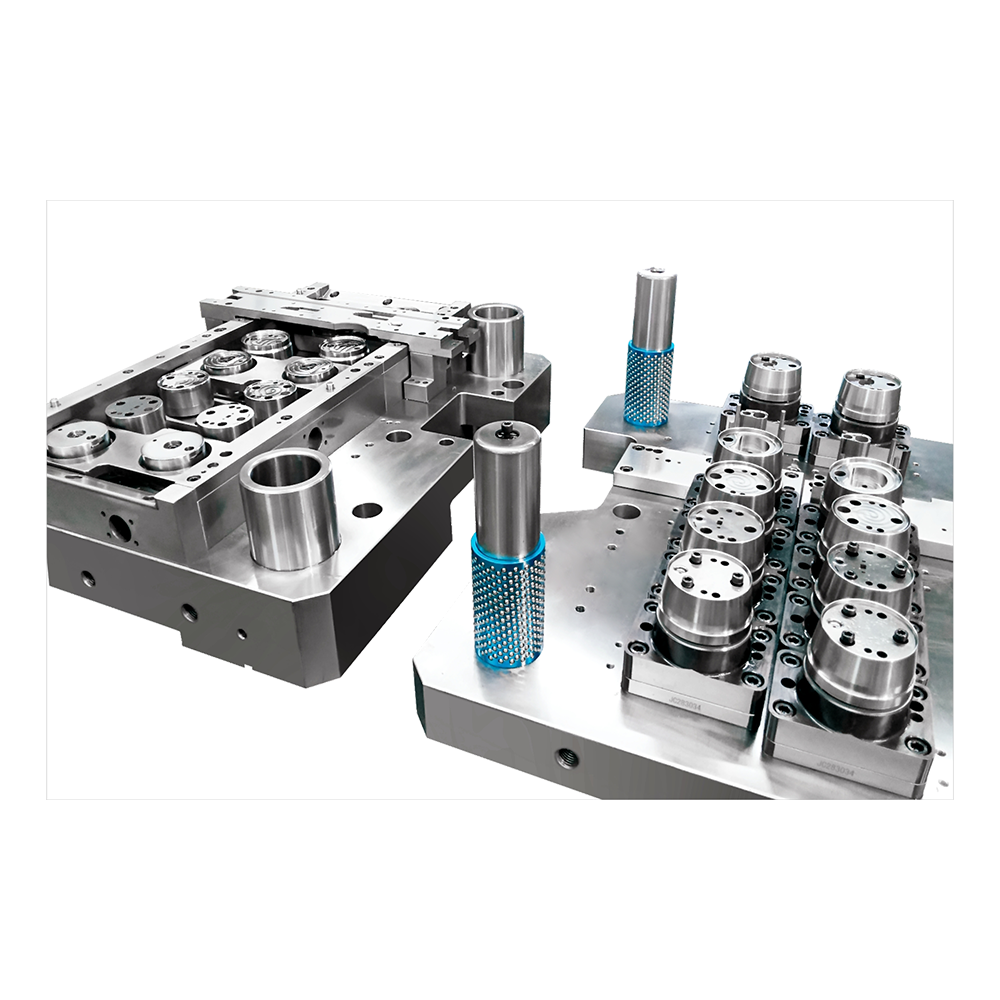
Irregular-shape packages often require customized dies, rollers, guides, and related tooling. A practical machine must therefore support tooling changes and adjustment procedures that are suitable for the manufacturer’s product range. Zhejiang Golden Eagle Food Machinery Co., Ltd. has a long history of producing can-making molds and equipment, providing an important foundation for the development of product-specific forming solutions.
The company’s experience in mold manufacturing can help connect the design of the machine with the dimensional needs of the lid. This relationship is valuable because the forming equipment and the tooling must operate as a matched system. Accurate machining, correct material selection, and appropriate surface finishing all influence the service life and performance of the forming components.
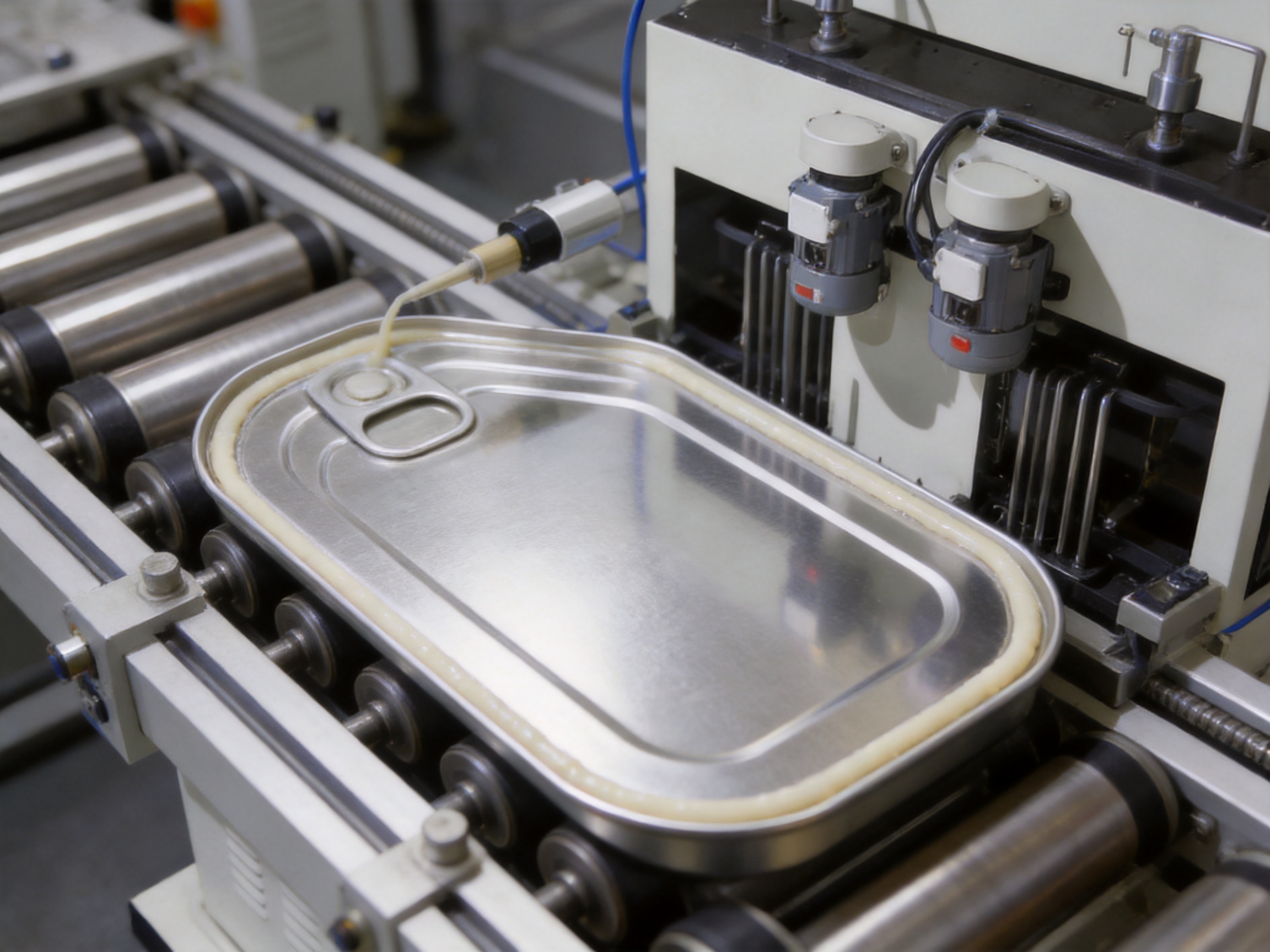
After the edge has been formed, the lid requires a lining or sealing compound to support the closure of the finished package. The compound must be applied in the required position and quantity. Its distribution should follow the lid’s irregular perimeter without excessive gaps, interruptions, splashing, or accumulation.
For a non-circular lid, lining is more difficult than for a standard round lid because the application path changes continuously. The system must maintain synchronization with the lid profile and preserve a stable distance between the applicator and the target edge. The machine’s integrated arrangement allows the lining process to be coordinated with the preceding edge-making operation.
Consistent compound application can provide several benefits:
• Improved sealing reliability around the full perimeter.
• Reduced risk of insufficient compound at corners or transition areas.
• Lower probability of excess material contaminating the lid or tooling.
• More stable performance during subsequent can closing operations.
• Better control of material consumption and production cost.
The optimum compound type and application parameters depend on the product, substrate, intended contents, and customer requirements. The machine should therefore be configured and adjusted according to the actual production specification rather than treated as a universal setting for every lid.
Corners and profile transitions are critical areas for irregular lids. Compound may accumulate at an abrupt change in direction or become thinner if the application movement is not properly synchronized. The lining system must be capable of maintaining an even path through these areas.
A well-designed machine provides controlled movement and stable application conditions so that the operator can tune the process for the selected lid shape. When the edge profile, tooling, and compound parameters are correctly matched, the corners can achieve a more consistent sealing condition.
Cleanliness has a direct influence on package appearance and production stability. Excess compound on visible surfaces may affect the appearance of the lid, interfere with stacking, or contaminate machine components. Insufficient control may also increase cleaning frequency and interrupt production.
The integrated lining section is designed to apply compound to the intended area while maintaining a controlled production path. Regular maintenance, correct compound viscosity, suitable application settings, and timely cleaning remain necessary for reliable operation.
Drying is the third major function integrated into the machine. Once the compound has been applied, it must be stabilized under appropriate conditions before the lid proceeds to later production stages. The exact drying requirements depend on the formulation of the compound and the production specification.
Integrating drying into the same equipment helps reduce the distance between application and stabilization. This can make the process easier to manage and may reduce the chance that freshly lined lids will be disturbed during transfer. A suitable drying section also supports a more predictable production sequence.
Drying control may involve factors such as temperature, airflow, dwell time, material quantity, and the physical arrangement of the lids. These factors should be selected according to the lining material and validated during commissioning. The machine provides the processing platform, while the final parameters should be established through technical testing and production trials.
Proper stabilization helps prevent compound transfer between stacked lids and supports reliable performance during subsequent can assembly. It can also help reduce the risk of deformation or contamination caused by handling freshly lined workpieces.
The Irregular-shape Edge Making and Lining Machine is not simply a standard round-lid machine with a different die. Its principal advantage is that its motion, forming, lining, and drying functions are designed around the challenges of non-circular geometry.
| Production requirement | Conventional general-purpose approach | Integrated irregular-shape solution |
|---|---|---|
| Changing perimeter geometry | May be limited by constant-radius movement | Designed to follow oval, square, trapezoidal, and other profiles |
| Edge formation | May require separate adaptations or manual adjustment | Uses coordinated forming tools and controlled roller movement |
| Lining application | Separate process may increase transfer and alignment risks | Integrated with the edge-making sequence |
| Drying | May require additional equipment and floor space | Included in the overall process route |
| Production layout | Multiple machines and conveyors | Compact vertical integrated structure |
| Changeover management | Adjustment across several independent stations | Coordinated tooling and process adjustment |
| Operator workload | More intermediate handling and supervision | Reduced manual transfer between core operations |
Compared with equipment designed only for round lids, the machine offers greater application flexibility for manufacturers seeking special-shaped packaging. It can help support product differentiation without requiring the factory to build an entirely separate production concept for every package geometry.
Compared with a group of disconnected machines, the integrated machine can reduce intermediate transfer, simplify production planning, and create a more compact process route. The benefits are especially relevant where floor space, labor efficiency, and consistent quality are important.
Compared with manually adjusted processes, coordinated motor modules and controlled forming movement can improve repeatability. Automation does not replace the need for skilled setup, but it reduces reliance on constant manual correction during normal production.
The two independently controlled power motor modules at the front of the equipment are an important part of the machine’s operating concept. They typically support a dual-station synchronous system in which the forming process is coordinated across two working positions or two related motion modules.
Independent control can provide several operational advantages. It allows the machine to balance the movement of the forming components and may make it possible to perform fine adjustments during commissioning. It can also support more stable operation when processing products with different dimensions or profile characteristics.
Synchronization is essential. If the two motion systems do not maintain the correct relationship, the edge may be formed unevenly or the workpiece may experience unwanted stress. The machine’s drive and control architecture is therefore designed to coordinate the modules as part of one forming process rather than treating them as unrelated motors.
For production managers, a dual-station arrangement may also support improved output organization. The exact capacity depends on lid size, material, tooling, operating speed, product requirements, and the selected machine configuration. Actual performance should be confirmed through technical discussion and testing with representative materials.
The performance of specialized equipment depends not only on its visible structure but also on the manufacturer’s design knowledge, machining capability, assembly standards, and after-sales support. Zhejiang Golden Eagle Food Machinery Co., Ltd. has been engaged in the production of can-making machinery and can-making molds for more than four decades.
Originally associated with Zhejiang Food Machinery Factory and Zhoushan Mold Factory, the company was established in 1978 and is located in Zhoushan City, Zhejiang Province, China. Over many years of development, it has built a production organization with more than 350 trained personnel, including experienced design and development engineers.
The company’s product portfolio covers a wide range of metal packaging equipment. Its equipment categories include food can production lines, beverage can production lines, can-lid production lines, chemical tank production lines, aerosol canister production lines, two-piece can production lines, pop can production lines, cutting machines, automatic feeding machines, tin can welding equipment, and specialized molds.
This broad product background is relevant to the development of irregular-shape lid machinery. A special-purpose machine often needs to connect with other forming, feeding, closing, inspection, or packing equipment. A manufacturer with experience across multiple can-making processes can better understand the relationship between individual machines and complete production lines.
The company uses CNC high-precision machining equipment together with complete mechanical processing facilities. Such resources are important for manufacturing forming tools, shafts, guide components, roller assemblies, mold parts, and other components that require accurate dimensions and stable surface quality.
Precision machining helps ensure that the machine’s mechanical parts are manufactured according to the design requirements. It also supports repeatable tooling production, which is essential when a customer needs multiple sets of dies or replacement parts for the same lid specification.
For irregular-shape applications, tooling accuracy is especially important because small dimensional errors can become visible at corners, transition areas, or changing-radius sections. CNC processing and controlled mechanical manufacturing provide a stronger foundation for repeatable forming performance.
The company states that its product design principles are similar to those associated with established international can-making machinery manufacturers, including KRUPP, SOUDRONIC, and ALFONS-HAAR. During its development, the company has combined practical production experience with ongoing product improvement.
This approach is valuable for specialized machinery because design decisions must reflect actual factory conditions. A machine may perform well in theory but still be difficult to operate, clean, adjust, or maintain if practical production factors are ignored. Experience gained from manufacturing and installing many machines can help guide improvements in structure, accessibility, motion control, and serviceability.
The company reports that it has produced more than 10,000 pieces of can and can-lid equipment. This level of manufacturing experience provides a broad base for understanding different customer requirements, material conditions, production environments, and regional standards.
Every installation is influenced by factors such as can dimensions, tinplate quality, compound selection, line speed, electrical standards, factory layout, operator experience, and desired automation level. A manufacturer with extensive project exposure is better positioned to discuss these variables during the planning stage.
Zhejiang Golden Eagle Food Machinery Co., Ltd. has been certified to the ISO9001 quality management system and ISO14001 environmental management system. These certifications indicate that the company has established formal management frameworks for quality-related processes and environmental management practices.
For equipment buyers, structured management can support more consistent documentation, production control, inspection, and project communication. Environmental management is also increasingly relevant as manufacturers seek to improve resource efficiency and responsible production practices throughout the equipment supply chain.
The machine is intended for metal packaging manufacturers that produce lids with non-circular or customized outlines. Potential applications include specialty food cans, beverage containers, chemical tanks, aerosol-related packaging, promotional packaging, and other metal containers requiring an irregular lid profile.
In the food sector, unusual can shapes can help products stand out on retail shelves. Oval and rectangular packages may provide a different presentation format for processed foods, seafood, meat products, confectionery, and specialty goods. In industrial and chemical packaging, a non-round form may be selected for handling, storage, branding, or compatibility with a particular container design.
The machine may also be suitable for manufacturers that produce several product shapes on one production platform. With the appropriate molds, tooling, process settings, and changeover procedures, a factory can develop a more flexible product portfolio than would be possible with equipment dedicated only to one standard round format.
Actual suitability must be evaluated according to the material, lid size, thickness, profile, lining compound, production speed, and downstream closing method. Customers should provide drawings, samples, or technical specifications so that the equipment can be configured correctly.
A typical workflow begins with the supply of stamped or prepared irregular lids to the machine’s feeding section. The lids are oriented and positioned for processing. Correct feeding is important because the edge-making tools must meet the workpiece in a repeatable location.
The first major operation is edge making. The forming rollers and motion system follow the lid’s perimeter to establish the required edge shape. The dual motor modules coordinate the movement of the forming components, while the tooling controls the physical profile of the edge.
After forming, the lid enters the lining section. The sealing compound is applied along the designated edge or channel. The application path follows the irregular geometry, including straight sections, curved areas, corners, and transition zones.
The lined lid then passes into the drying or stabilization section. The purpose is to provide the required conditions for the compound to become sufficiently stable for subsequent handling. The lid can then be discharged for inspection, stacking, assembly, or connection to another part of the production line.
During production, operators should monitor the appearance of the formed edge, compound distribution, drying condition, machine noise, vibration, and product transfer. Regular inspection helps identify tool wear, alignment changes, compound variation, or other conditions before they affect a large quantity of product.
Manufacturers of specialty packaging often need to change between different lid sizes or profiles. Efficient changeover depends on the availability of suitable tooling, clear adjustment procedures, accessible machine components, and accurate product references.
Before changing a product, the operator should confirm the correct forming tools, rollers, guides, lining components, and process parameters. The work area should be cleaned so that old compound or metal particles do not affect the new production run. After installation, the tooling should be checked for alignment and secure fastening.
Maintenance should include inspection of rollers, bearings, drive components, guides, sensors, compound application parts, drying components, and safety devices. Lubrication should follow the manufacturer’s recommendations. Wear parts should be replaced before excessive clearance or surface damage affects product quality.
Because irregular-shape processing depends on precise following, even a small amount of wear may influence the result. Operators should therefore pay attention to changes in edge dimensions, corner quality, compound placement, or machine vibration. Preventive maintenance is generally more efficient than waiting for a failure that interrupts the entire production line.
Sealing compound can gradually build up on application components if cleaning is not performed at suitable intervals. Deposits may affect the amount and position of compound applied, while hardened material can increase the difficulty of maintenance.
Cleaning procedures should be established according to the compound formulation and production schedule. The machine should be stopped and isolated according to the applicable safety procedures before cleaning or adjustment. Appropriate tools and approved cleaning materials should be used to protect the components and prevent contamination.
Forming rollers and related tooling should be checked for scratches, abnormal wear, deformation, and contamination. Their condition directly affects the quality of the edge. Damaged or incorrectly installed tools may produce inconsistent height, width, or corner transitions.
Tool inspection should be included in the production team’s routine checklist. Records of tool usage, maintenance, and replacement can help identify recurring problems and improve planning for spare parts.
Quality control for irregular lids should cover both dimensional and functional characteristics. Visual inspection can identify scratches, dents, excess compound, incomplete lining, and obvious edge variation. Dimensional checks can verify the height, width, perimeter, corner condition, and overall profile of the lid.
Functional testing should assess the lid’s interaction with the matching can body. Depending on the application, this may include closure testing, leakage testing, pressure testing, compound adhesion evaluation, and inspection after thermal or mechanical exposure.
The exact inspection plan depends on the customer’s product and applicable standards. A representative sample should be evaluated during commissioning and after major tooling or process changes. Establishing a clear acceptance standard helps operators distinguish normal variation from conditions requiring adjustment.
Stable quality is supported by several elements working together:
• Accurate machine construction and tooling.
• Correct setup of the forming and lining stations.
• Consistent material quality.
• Controlled compound properties.
• Suitable drying parameters.
• Proper operator training.
• Preventive maintenance and documented inspection.
The machine provides the technical foundation for these controls, while production personnel must apply the correct procedures for the specific lid and packaging application.
Professional installation and commissioning are important for specialized equipment. The machine must be positioned on a suitable foundation, connected to the required utilities, integrated with upstream and downstream equipment, and adjusted for the customer’s actual product.
Commissioning typically includes mechanical inspection, electrical connection checks, tooling installation, dry running, low-speed operation, compound application tests, drying verification, and sample inspection. Production speed can then be increased progressively after the process has demonstrated stability.
Zhejiang Golden Eagle Food Machinery Co., Ltd. provides after-sales services including installation, commissioning, technical guidance, operation training, and parts supply. These services can help customers shorten the learning period and establish correct procedures for daily operation and maintenance.
Training should cover machine structure, startup and shutdown, product changeover, safety requirements, compound handling, routine cleaning, inspection standards, troubleshooting, and preventive maintenance. Proper training improves both equipment utilization and operator safety.
Spare parts availability is also important for production continuity. Common wear components and application-related parts should be identified during the project planning stage. A recommended spare-parts list can help the customer maintain a practical inventory based on expected operating hours and production conditions.
Manufacturers generally choose special-shaped packaging to achieve a commercial or functional objective. The production equipment must support that objective without creating disproportionate complexity. An integrated edge-making and lining machine helps connect package design with practical manufacturing requirements.
The machine’s main advantages can be summarized as follows:
Specialized geometric control: The equipment is designed to process irregular profiles rather than relying exclusively on circular movement.
Integrated process sequence: Edge forming, lining, and drying are combined into a coordinated production route.
Reduced manual transfer: The vertical structure helps limit unnecessary movement between core operations.
Dual-motor coordination: Independently controlled power modules support synchronized forming movement.
Improved production flexibility: With suitable tooling, the machine can support different non-round lid concepts.
Compact arrangement: The integrated layout can help factories use floor space more efficiently.
Manufacturer experience: The equipment is supported by decades of experience in can-making machinery and molds.
Complete project support: Installation, commissioning, training, technical guidance, and spare-parts services are available.
These benefits make the machine a suitable option for manufacturers that want to expand beyond conventional round-can production and develop more distinctive metal packaging formats.
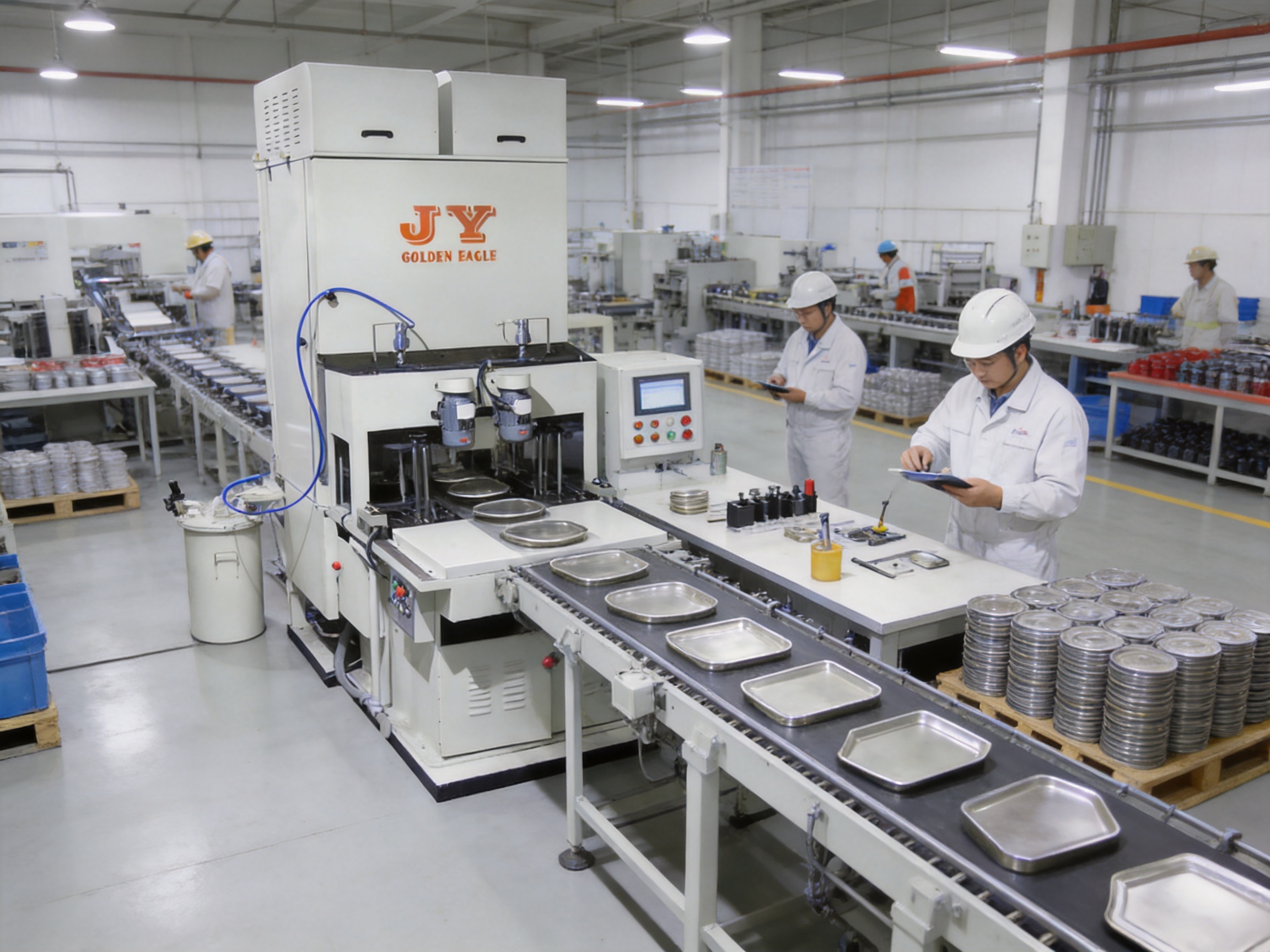
The machine is intended for irregular-shape lids, including oval, square, trapezoidal, and other customized non-circular profiles. The exact range depends on the machine model, tooling, lid dimensions, material thickness, and production requirements.
The integrated machine performs edge making, lining or sealing compound application, and drying or stabilization. These operations are arranged in a coordinated vertical structure to reduce intermediate handling and maintain a continuous process route.
Irregular lids have changing curvature, straight sections, corners, angled transitions, or asymmetrical profiles. The forming rollers must follow these changes accurately while maintaining stable pressure and consistent edge dimensions. The lining system must also follow the same geometry.
The two independently controlled power motor modules typically support dual-station synchronous operation. They coordinate the movement of the forming components and can provide flexibility for adjustment and controlled processing of irregular profiles.
It may process different shapes when suitable tooling and process settings are provided. Product compatibility should be confirmed through technical evaluation based on drawings, samples, dimensions, material properties, and required production speed.
The integrated design can reduce intermediate transfer, save floor space, simplify the production route, and improve coordination between forming, lining, and drying. It may also reduce the number of separate machines and conveyors required for these operations.
Important factors include the edge profile, compound viscosity, application position, application speed, lid alignment, temperature, tool condition, and cleaning frequency. These parameters should be adjusted according to the selected compound and product specification.
Drying or stabilization is generally required to prepare the lined lid for subsequent handling and assembly. The appropriate temperature, airflow, and dwell time depend on the compound formulation and should be confirmed during commissioning.
The manufacturer has experience in can-making machinery and molds, CNC high-precision machining equipment, complete mechanical processing facilities, engineering design, and production-line equipment. It also operates under ISO9001 quality management and ISO14001 environmental management certifications.
Yes. Available services include installation, commissioning, technical guidance, operation training, and parts supply. Service arrangements should be confirmed according to the project location, machine configuration, and customer requirements.
Useful information includes lid drawings, samples, material type and thickness, dimensions, profile details, compound specifications, desired production capacity, electrical standards, factory layout, and the requirements of connected upstream and downstream equipment.
Operators should follow the approved setup procedure, inspect forming tools, clean the lining system, monitor compound distribution, check drying conditions, perform regular lubrication, record maintenance activities, and replace worn components before they affect product quality.
The Irregular-shape Edge Making and Lining Machine provides a specialized solution for the production of non-circular metal can lids. Its integrated structure combines edge forming, lining, and drying, allowing manufacturers to establish a more compact and coordinated process for demanding package geometries.
Its core value lies in precision following. Through coordinated forming movement, independently controlled motor modules, specialized tooling, and a controlled lining sequence, the machine addresses the challenges associated with oval, square, trapezoidal, and customized lids. Stable edge dimensions create the foundation for reliable sealing, while integrated compound application and drying support efficient downstream assembly.
Compared with conventional round-lid equipment or separate manually coordinated processing stations, the machine offers greater flexibility for special-shaped packaging, reduced intermediate handling, more efficient use of floor space, and improved process coordination. Its performance is further supported by Zhejiang Golden Eagle Food Machinery Co., Ltd.’s long-term experience in can-making machinery and molds, CNC machining capabilities, product development resources, quality systems, and international service experience.
For manufacturers seeking to expand their metal packaging portfolio, the equipment can provide a practical route from distinctive package design to repeatable industrial production. The final configuration should be selected through detailed technical communication, tooling review, sample testing, and production validation. When correctly configured and maintained, the machine can become an important part of a modern irregular-lid production line.
1. Company product information for the Irregular-shape Edge Making and Lining Machine.
2. Company technical information regarding can-making machinery and can-making molds.
3. ISO 9001, Quality Management Systems—Requirements.
4. ISO 14001, Environmental Management Systems—Requirements with Guidance for Use.
5. General principles of metal packaging design, lid forming, sealing compound application, and can production engineering.
6. Industrial practices for preventive maintenance, tooling inspection, and quality control in metal packaging machinery.
Related Products

Founded in 1978, the company is one of the largest can-making machinery well-known companies at home and abroad.
Product Categories
Contact Information
Zhongshatou Shenjiamen Zhoushan Zhejiang China
+86-580-3056646

 English
 中文简体
中文简体
 русский
 عربى
عربى
 Español