2026-09-13
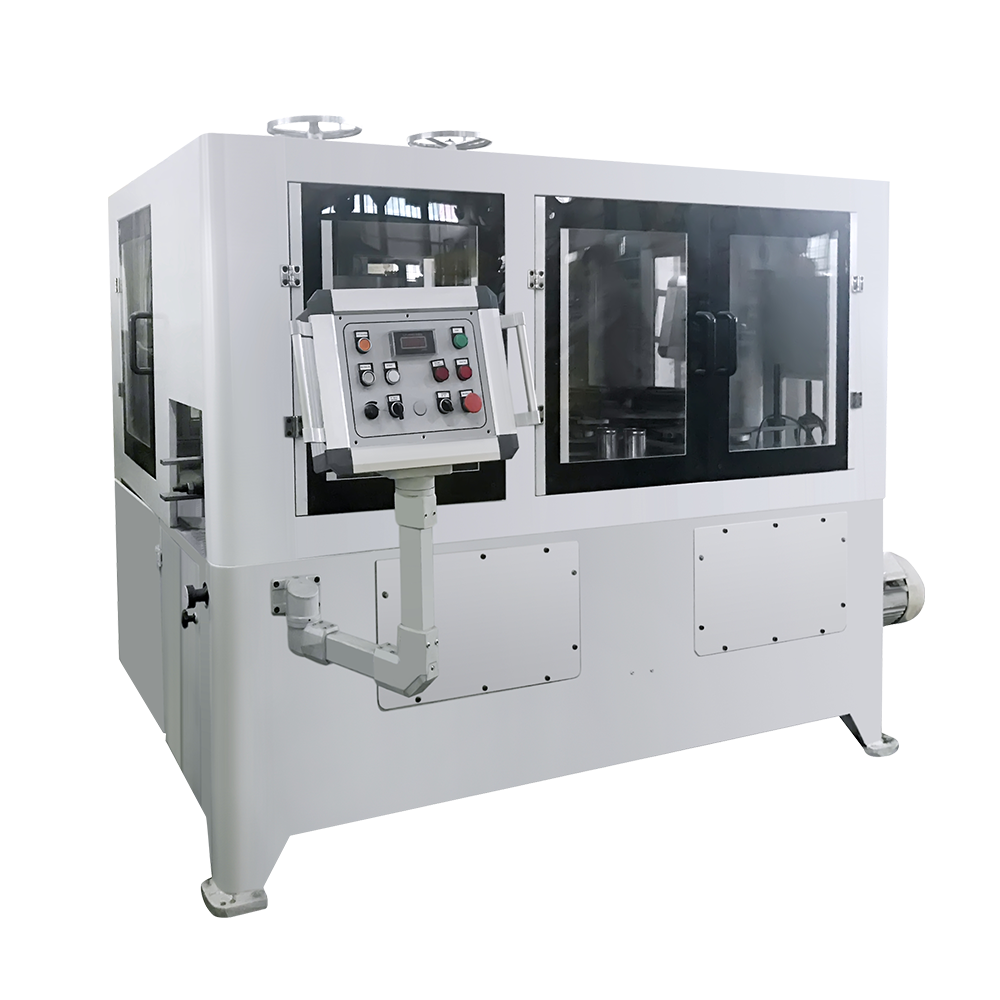
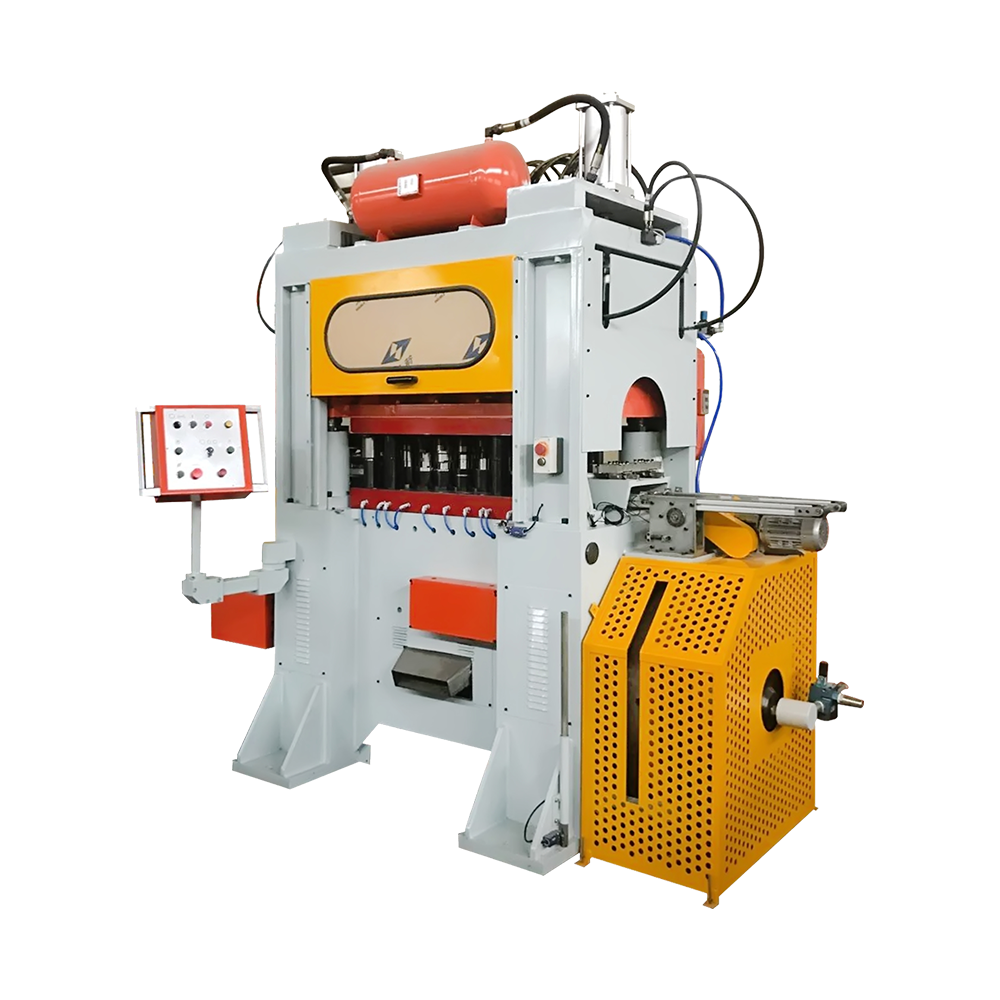
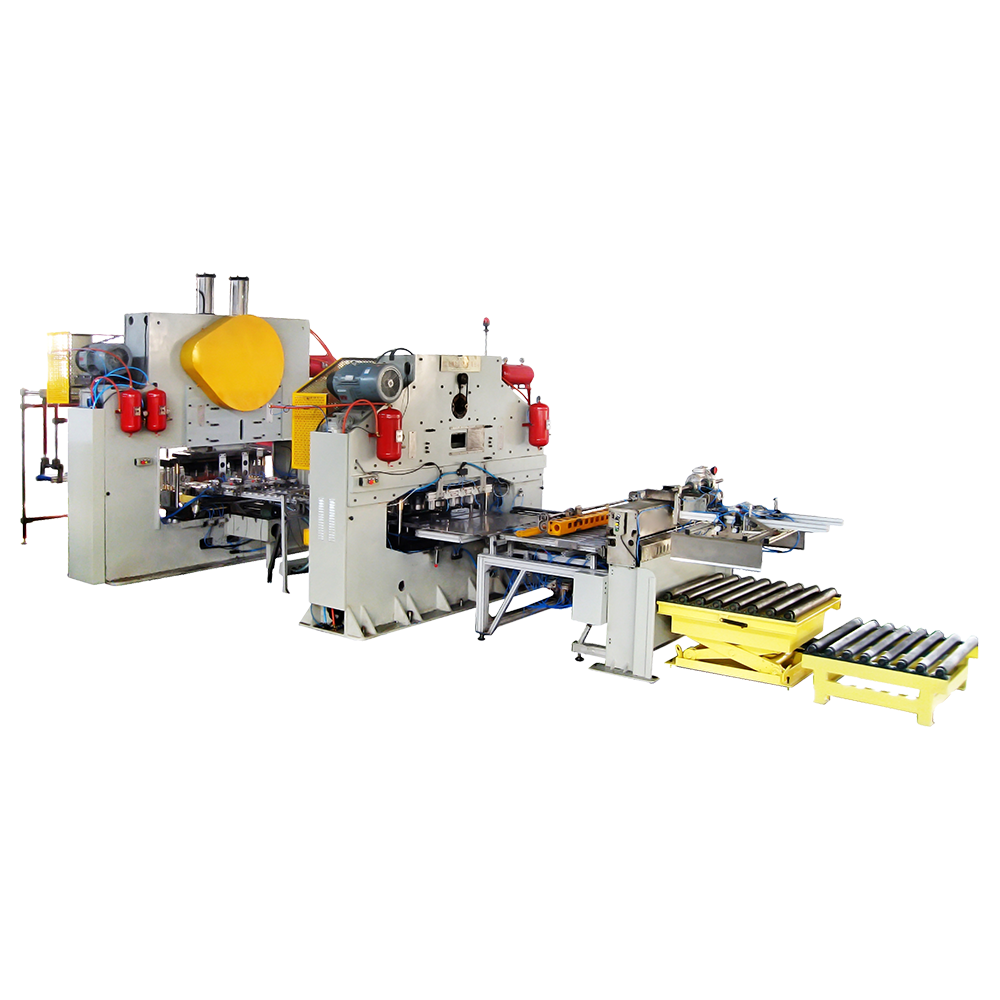
The manufacture of aerosol cans and industrial chemical containers requires equipment that can deliver consistent forming, accurate flange dimensions, reliable seaming, and stable high-speed operation. A complete chemical can line must also accommodate different diameters, heights, lid configurations, and production volumes without sacrificing safety or product quality. The chemical can line described in this article is designed for both aerosol can and chemical can production, offering an automatic solution for operations that need dependable tinplate container manufacturing.
With models covering small and medium can diameters as well as larger chemical containers, the line combines flanging, top seaming, and seaming functions in configurations selected for individual production requirements. Its working range includes can diameters from 52 to 190 millimeters and larger containers from 250 to 275 millimeters. Depending on the selected model and container size, output can reach between 80 and 150 cans per minute for smaller cans or between 20 and 50 cans per minute for larger cans.
This flexibility makes the equipment suitable for manufacturers producing aerosol containers, chemical cans, industrial packaging, paint cans, lubricant cans, and other tinplate containers that require mechanically formed and seamed ends. The line is manufactured by Zhejiang Golden Eagle Food Machinery Co., Ltd., a long-established Chinese producer of can-making machinery and can-making molds.
The chemical can line is an automatic production solution for operations that need to complete the finishing stages of cylindrical tinplate containers. Its principal functions include flange forming, top seaming, and final seaming. These functions may be provided in a single machine configuration or combined with upstream and downstream equipment to create a complete production line.
Flanging prepares the open end of the can body by forming a controlled outward flange. This flange is essential for positioning and joining the end component. A correctly formed flange supports stable end placement and contributes to the quality of the finished seam.
Top seaming places and joins the top end of the container. Depending on the product design, the top may include an opening, valve assembly, reinforced panel, or other special structure. The top-seaming function must therefore maintain accurate positioning while applying controlled forming pressure.
Final seaming creates the mechanical connection between the can body and the end. The seam must be compact, uniform, and repeatable around the complete circumference. Consistent seam quality is particularly important for aerosol and chemical containers because these packages may be exposed to internal pressure, volatile contents, corrosive formulations, or demanding transportation conditions.
The equipment is available in multiple configurations so that manufacturers can select the appropriate combination of functions, diameter range, height range, speed, and power consumption. This approach avoids forcing every customer to use the same machine architecture and allows the production line to be matched to the actual container portfolio.
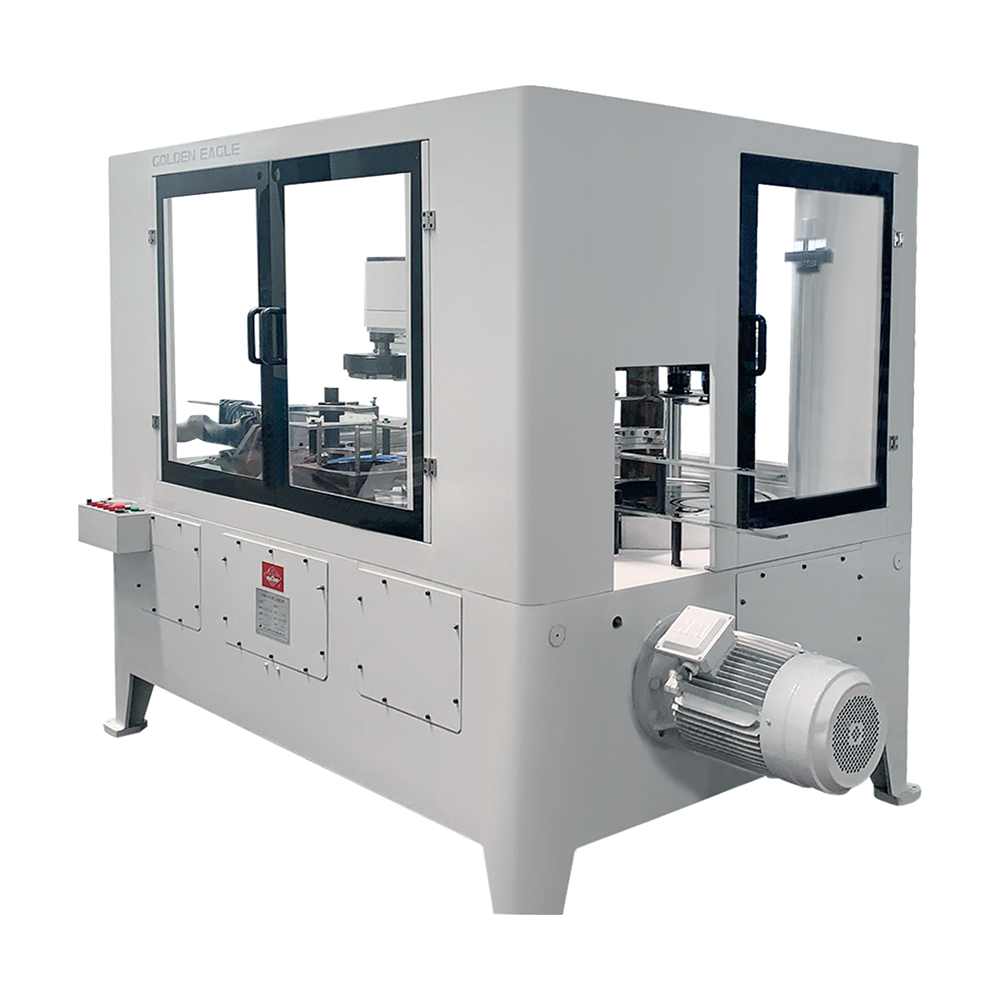
Chemical Can Line both for Aerosol can and Chemical can
Aerosol cans and chemical cans have different performance requirements, but both depend on accurate cylindrical body construction and reliable end attachment. Aerosol containers may be used for household products, industrial sprays, automotive products, pesticides, air fresheners, maintenance fluids, and technical formulations. Chemical cans may be used for coatings, solvents, adhesives, lubricants, cleaning chemicals, powders, and other industrial materials.
The line is suitable for manufacturers that produce several container sizes on the same production floor. The available small-can models cover diameters from 52 to 105 millimeters, while another configuration covers diameters from 99 to 190 millimeters. Large-container models cover diameters from 250 to 270 millimeters or from 250 to 275 millimeters.
The can height ranges shown for the available configurations include 60 to 160 millimeters for several small and large diameter models, 80 to 220 millimeters for one six-head flanging and top-seaming model, and up to 320 or 400 millimeters as general line capability ranges for selected applications. The final dimensions should be confirmed according to the can body design, end specification, material thickness, and required production process.
Because the line can be configured for both aerosol and chemical can applications, it can help manufacturers consolidate equipment investment. Instead of purchasing separate basic machines for each product family, a producer may select a suitable configuration and tooling package for multiple container specifications. This can improve equipment utilization and simplify operator training, maintenance planning, and spare-parts management.
Automatic operation reduces the need for continuous manual intervention during can processing. Once the machine is correctly adjusted and supplied with compatible components, the feeding, positioning, and forming operations can proceed in a coordinated sequence. Automation also supports more stable production conditions than manual or semi-manual assembly.
For high-volume aerosol production, automatic operation is especially valuable because the line can maintain a continuous working rhythm. For larger chemical cans, the lower output range is balanced by the ability to handle larger diameters and heavier or more substantial container formats.
Automation also contributes to process repeatability. When the same settings, tooling, and material conditions are maintained, the machine can perform the same operation with reduced variation between individual cans. This is important for downstream filling, labeling, palletizing, and quality inspection.
A major advantage of the equipment is its broad diameter coverage. The available models include configurations for 52 to 99 millimeters, 52 to 105 millimeters, 99 to 190 millimeters, 250 to 270 millimeters, and 250 to 275 millimeters. This range allows the same equipment family to serve both relatively compact aerosol containers and large chemical packaging.
Wide diameter coverage can reduce the need for a completely new production line when a manufacturer expands its product range. It may also support contract packaging operations that manufacture containers for multiple customers. The exact changeover procedure depends on the machine model and tooling, but the modular model structure makes it easier to identify the correct equipment for each diameter class.
The machine configurations include combinations of flanging, top seaming, and seaming. A six-head model may perform flanging and top seaming, while other six-head models combine flanging, top seaming, and seaming in one production configuration. For large containers, the available options include a seaming-only model and a flanging-and-seaming model.
Integrating multiple operations can reduce the number of transfers between separate machines. Fewer transfers may reduce handling damage, improve production flow, and lower the risk of inaccurate alignment. It can also simplify the arrangement of the factory floor and make it easier to coordinate operators, conveyors, inspection points, and material handling systems.
For container diameters between approximately 52 and 190 millimeters, the listed output capacity is 80 to 150 cans per minute, depending on the model and product conditions. This capacity is suitable for high-throughput operations where production efficiency and consistent cycle time are critical.
For containers with diameters between 250 and 275 millimeters, the listed output is 20 to 50 cans per minute. Although the speed is lower than that of small-can equipment, the larger format requires different forming forces, handling conditions, and operating space. The capacity provides a practical balance between output and the physical requirements of large chemical containers.
Actual production speed may be influenced by can height, material thickness, end design, seam specification, feeding stability, tooling condition, and operator settings. A responsible production evaluation should therefore consider the complete product specification rather than relying only on the maximum nominal speed.
The GT3B53-FSS-C1B configuration is identified as a six-head high-lid model. This indicates that the equipment family can accommodate a specialized high-lid application within the stated diameter and height range. High-lid containers often require accurate vertical positioning and careful control of the relationship between the can body, lid, and seaming tools.
The availability of a high-lid configuration is beneficial for producers whose product portfolio includes special aerosol or chemical container designs. It demonstrates that the equipment is not limited to a single standard end format and can be adapted for different packaging structures through appropriate tooling and process adjustment.
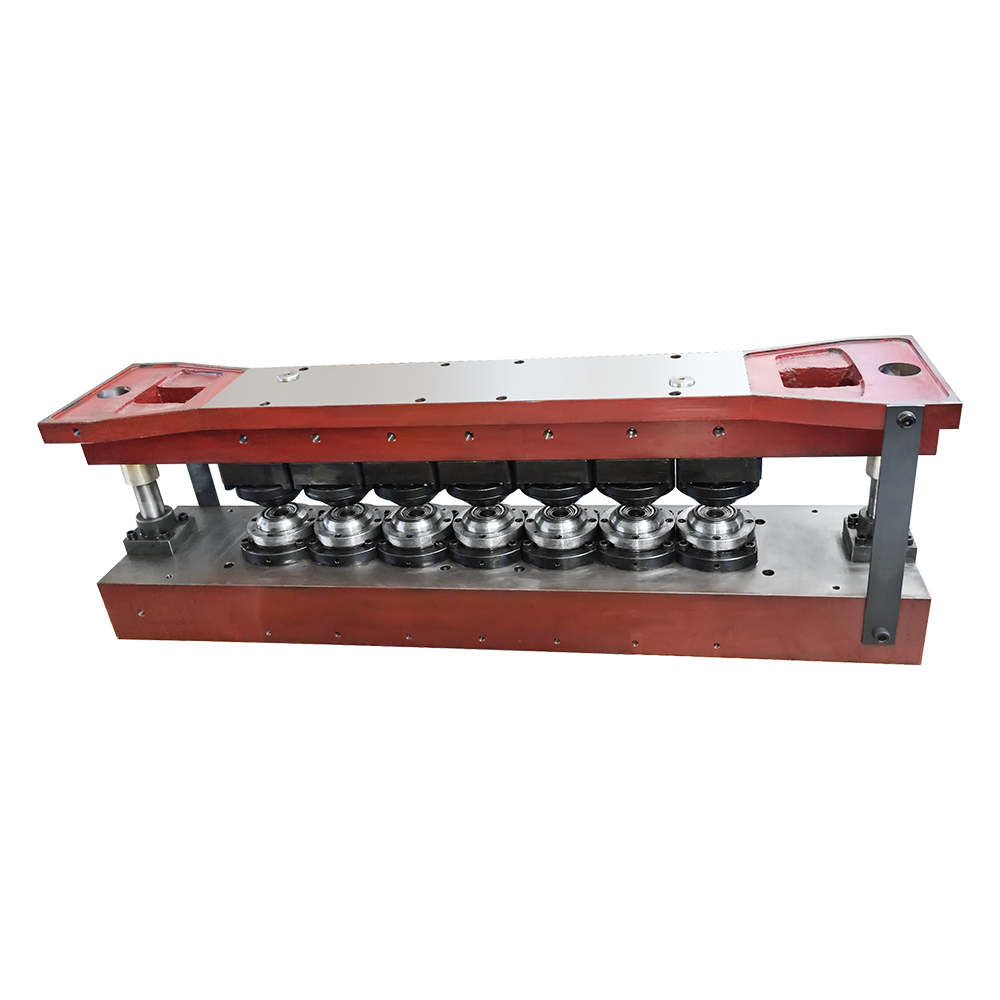
Seaming and flanging equipment must withstand repeated mechanical loads while maintaining dimensional accuracy. The machine’s performance depends on the stability of its frame, drive system, head assembly, tooling, feeding mechanism, and adjustment components. A rigid and carefully manufactured structure helps reduce vibration and supports consistent operation over extended production periods.
Zhejiang Golden Eagle Food Machinery Co., Ltd. states that its products are manufactured using CNC high-precision machining equipment and complete mechanical machining equipment. These capabilities are important for producing parts that require accurate dimensions, concentricity, surface finish, and repeatable assembly.
In a can-making machine, small dimensional errors in tooling or supporting components can affect the seam, flange, or end position. High-precision machining and controlled assembly can therefore contribute directly to finished-container quality and equipment service life.
The following table summarizes the principal configurations provided for the chemical can line. The values represent the stated operating ranges and should be confirmed during technical discussions according to the customer’s can drawings and production conditions.
| Model | Configuration | Functions | Can Diameter | Can Height | Output Capacity | Power |
|---|---|---|---|---|---|---|
| GT3B51-S-C5, six-head | Small and medium can configuration | Flanging; top seaming | 52–99 mm | 80–220 mm | 80–150 cpm | 4 kW |
| GT3B53-FSS-C1A, six-head | Small can configuration | Flanging; top seaming; seaming | 52–105 mm | 60–160 mm | 80–150 cpm | 7.5 kW |
| GT3B53-FSS-C1B, six-head high-lid | High-lid can configuration | Flanging; top seaming; seaming | 52–105 mm | 60–160 mm | 80–150 cpm | 7.5 kW |
| GT3B53-FSS-C, six-head | Medium and large small-can configuration | Flanging; top seaming; seaming | 99–190 mm | 60–160 mm | 80–150 cpm | 7.5 kW |
| GT3B51-S-CB | Large chemical can configuration | Seaming | 250–270 mm | 60–160 mm | 20–50 cpm | 5.5 kW |
| GT3B52-FS-CB | Large chemical can configuration | Flanging; seaming | 250–275 mm | 60–160 mm | 20–50 cpm | 7.5 kW |
Before the chemical can line begins its operations, the cylindrical can bodies must be produced, inspected, and delivered to the line in a condition suitable for automatic handling. The body diameter, height, roundness, weld quality, and edge condition influence the performance of the flanging and seaming process.
For welded tinplate bodies, the longitudinal weld should be smooth and sufficiently uniform. Any excessive deformation, sharp edge, contamination, or dimensional inconsistency can interfere with feeding or cause defects during seaming. Proper body preparation is therefore an essential part of the overall production system.
Automatic feeding introduces can bodies and ends into the working area at a controlled rate. The feeding system must maintain the correct orientation and spacing so that each can reaches the forming and seaming heads at the correct time.
Stable feeding is particularly important at speeds of 80 to 150 cans per minute. A small interruption or misalignment can affect several downstream cycles if the line is not properly controlled. The use of automatic feeding equipment, matched conveyors, and suitable guides helps maintain continuous production.
During flanging, the open end of the can body is shaped to create the geometry required for end attachment. The flange must be formed uniformly around the circumference. Its width, angle, and roundness influence the quality of the finished seam.
Consistent flange forming requires accurate tooling, correct machine adjustment, and compatible material properties. If the flange is too narrow, too wide, uneven, or damaged, the end may not be positioned correctly. The chemical can line is designed to perform this operation automatically within the specified diameter and height ranges of each model.
After flanging, the top end is positioned on the can body. Top seaming joins the top component to the prepared flange. The six-head configurations are designed to support continuous processing at the stated production speeds.
For high-lid containers, the geometry of the top assembly may require additional clearance and specialized tooling. The high-lid version provides a configuration intended for this type of product, helping manufacturers produce special container formats without relying on unsuitable standard equipment.
Final seaming forms the completed mechanical seam. The seaming process must control the relationship between the body hook, end hook, compound or sealing material where applicable, and the final seam profile. The precise seam requirements vary according to the container design and application.
For aerosol and chemical containers, seam integrity is a key quality characteristic. A good seam helps protect the contents from leakage and contamination and supports the required package strength. Manufacturers should combine machine adjustment with regular seam inspection, including visual checks and dimensional or destructive testing appropriate to their quality system.
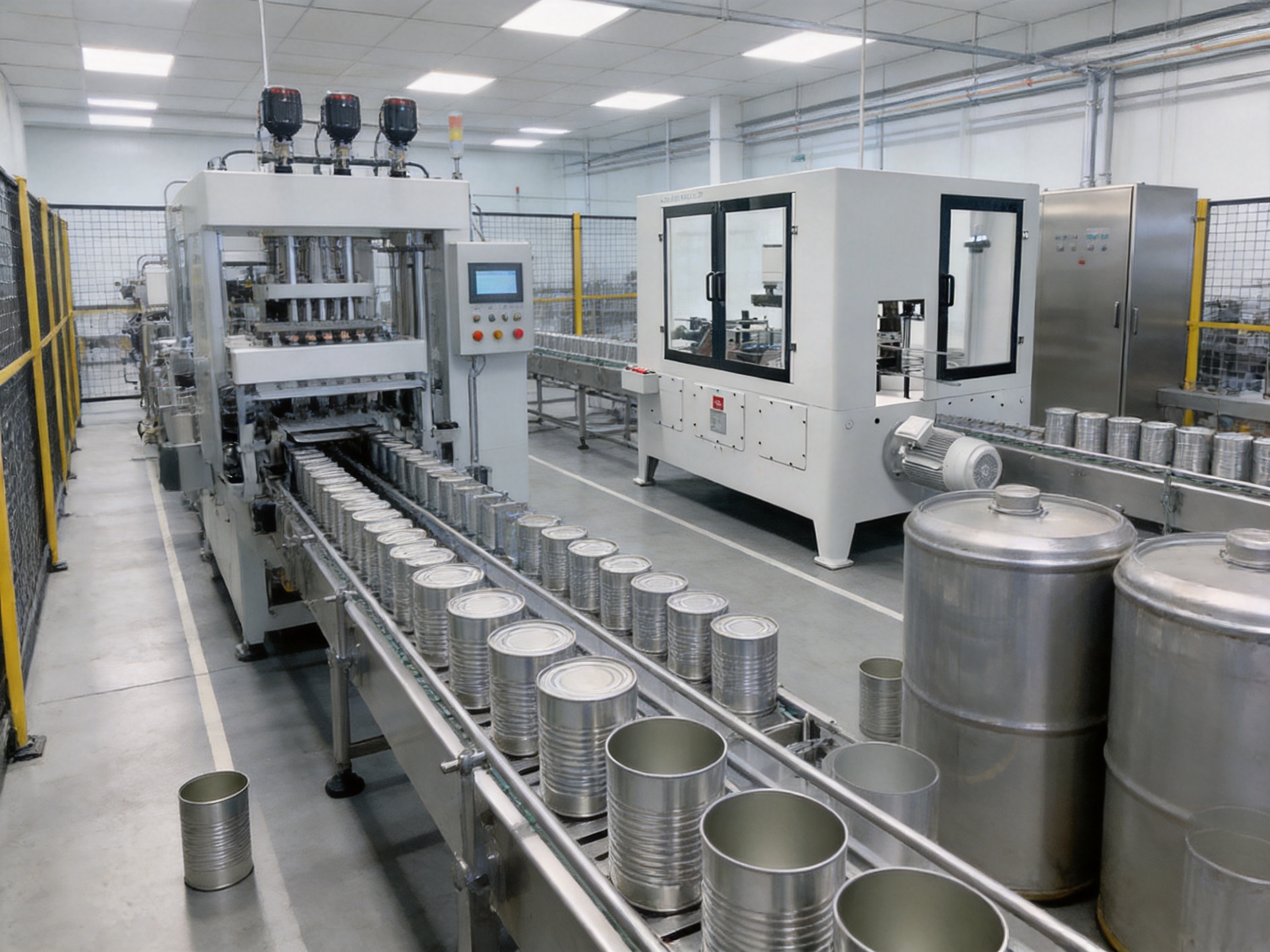
Compared with manual or semi-automatic production arrangements, an automatic chemical can line reduces the amount of direct handling required between operations. Lower manual handling can reduce labor intensity and help prevent dents, scratches, contamination, and incorrect component placement.
It also allows personnel to focus on machine supervision, material replenishment, quality inspection, and maintenance rather than manually transferring every can from one operation to another.
Separate machines operated with inconsistent timing can create variation in flange position, end alignment, and seam quality. An integrated automatic system coordinates the operating sequence and helps maintain a stable relationship between feeding and forming operations.
Process consistency is valuable when the finished cans must run through high-speed filling and packaging equipment. Uniform can dimensions and reliable seams reduce the risk of stoppages caused by poor fit, unstable positioning, or rejected containers.
Combining several functions within a coordinated machine arrangement can reduce unnecessary conveyors and transfer points. This may provide a more compact production layout than a series of disconnected machines. A streamlined layout can also simplify access for inspection and routine maintenance.
The range of model configurations allows manufacturers to select equipment for different diameter classes and end-processing requirements. This flexibility is useful when launching new products, serving different customers, or expanding from aerosol cans into larger chemical containers.
A machine family with multiple configurations can also simplify future investment decisions. Production managers can compare new requirements with an existing equipment structure instead of starting the selection process from the beginning for every new can format.
The listed power ratings range from 4 kilowatts to 7.5 kilowatts for the principal models. The large-container seaming model is rated at 5.5 kilowatts, while the flanging-and-seaming large-container model is rated at 7.5 kilowatts. These different ratings reflect the functional requirements of each configuration.
Selecting a machine according to the required functions avoids paying for unnecessary capacity. At the same time, customers can choose a higher-function model when their production process requires both flanging and seaming in the same equipment group.
Zhejiang Golden Eagle Food Machinery Co., Ltd. was established in 1978 and has a long history in the manufacture of can-making machinery and can-making molds. The company was formerly known as Zhejiang Food Machinery Factory and Zhoushan Mold Factory. Its experience covers equipment for food cans, beverage cans, can lids, chemical tanks, aerosol canisters, two-piece cans, and pop cans.
The company reports a workforce of more than 350 trained personnel, including experienced design and development engineers. A substantial engineering team supports product design, tooling development, mechanical improvement, production planning, and technical service.
The supplier also reports that it has produced more than 10,000 pieces of can and can-lid equipment. This installed production base provides practical experience with different container formats, machine configurations, and customer operating environments.
The company uses CNC high-precision machining equipment together with complete mechanical machining equipment. CNC production is particularly valuable for machine components that require repeatable dimensions and accurate relationships between multiple surfaces.
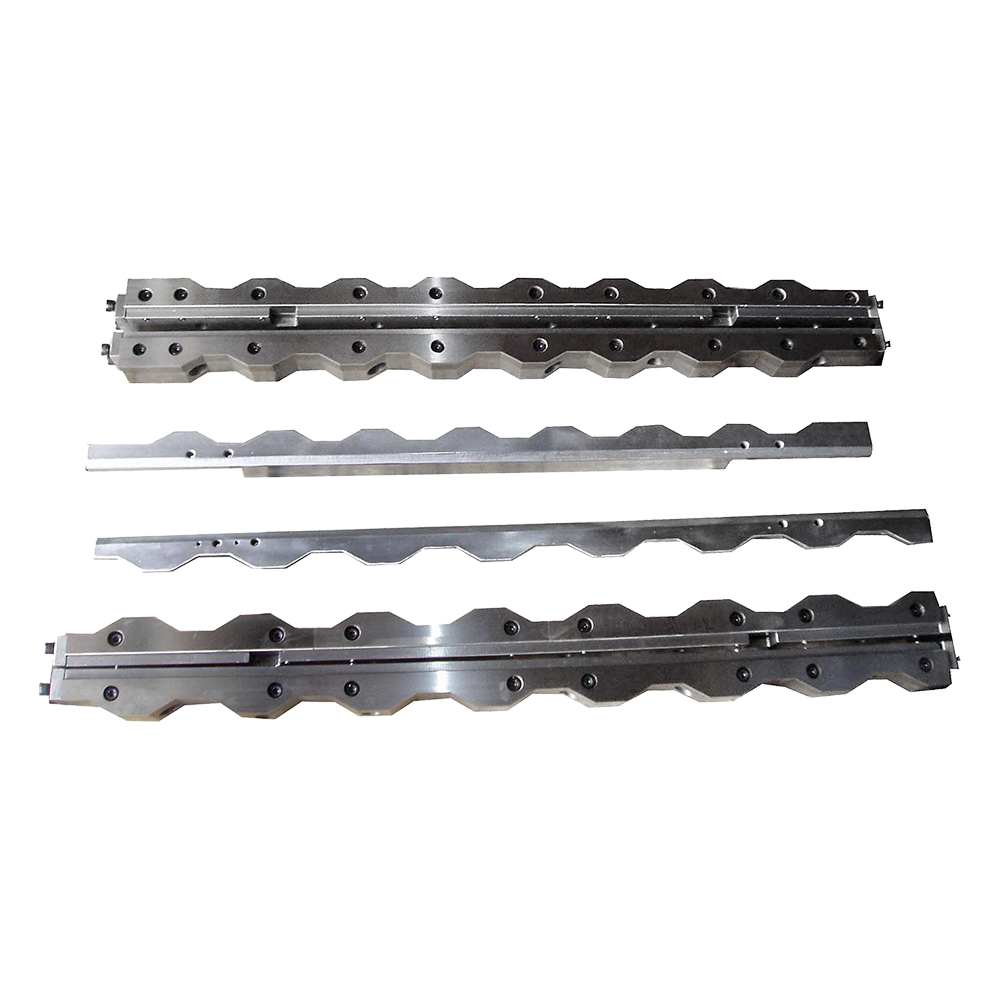
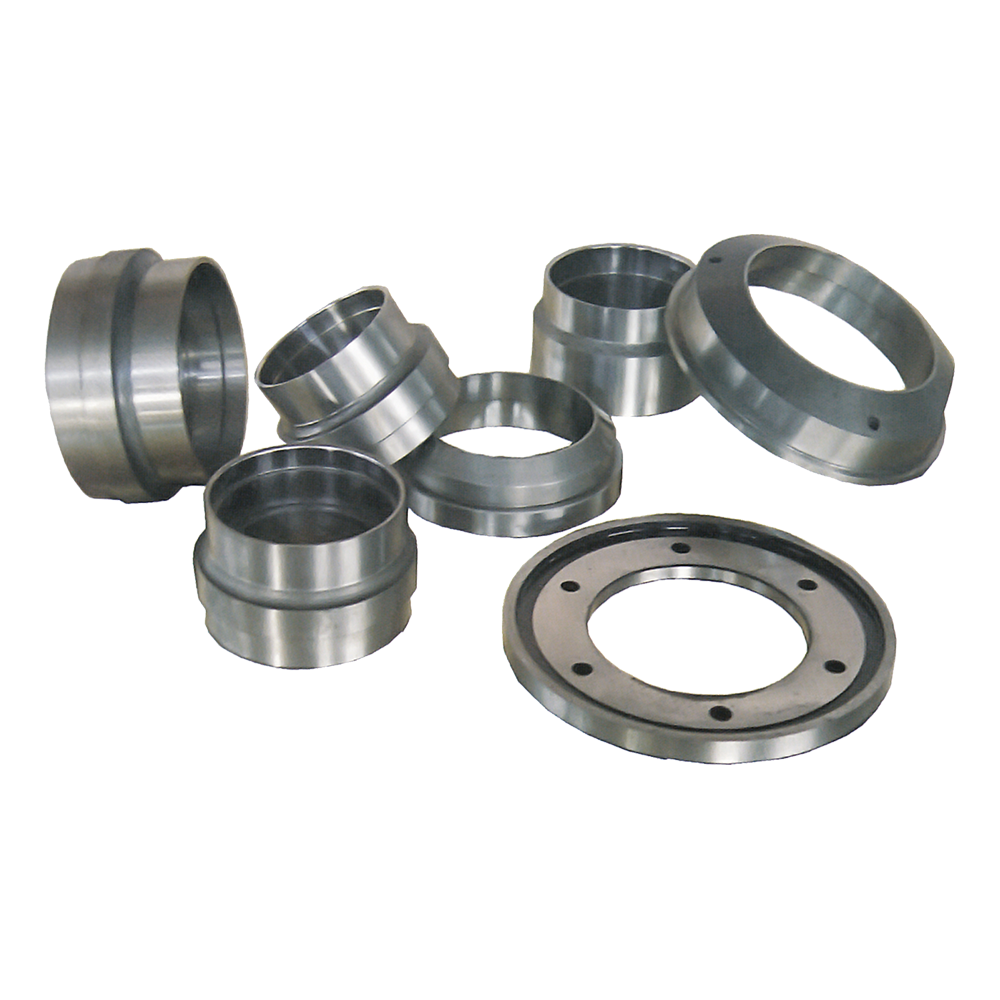
Can-making machinery includes numerous parts that must work together precisely. Forming rolls, seaming heads, guide components, shafts, holders, supports, and adjustment mechanisms all influence final production quality. Precision manufacturing helps the supplier produce replacement parts and complete machines with a higher degree of dimensional consistency.
The company states that its product design principles are similar to those associated with KRUPP, SOUDRONIC, and ALFONS-HAAR equipment. It has also combined practical manufacturing experience with continuous product development and improvement.
This combination of international design reference and field experience can be advantageous for customers seeking equipment that follows established mechanical principles while remaining adaptable to specific production requirements. The objective is not simply to copy a machine structure but to apply proven concepts to current manufacturing conditions, materials, tooling requirements, and customer needs.
The company has been certified to the ISO9001 quality management system and ISO14001 environmental management system. ISO9001 supports structured quality planning, process control, documentation, corrective action, and continuous improvement. ISO14001 provides a framework for managing environmental responsibilities and improving environmental performance.
For industrial machinery buyers, management-system certification can provide additional confidence that manufacturing activities are organized and subject to documented procedures. Customers should still review the specific inspection records, acceptance standards, spare-parts arrangements, and commissioning procedures applicable to their order.
The supplier has exported equipment to Europe, Asia, Africa, North America, South America, and Oceania. Its reported markets include Germany, Italy, the United Kingdom, Spain, Hungary, Russia, Australia, Jordan, Malaysia, the Philippines, Pakistan, Egypt, Algeria, Turkey, Mexico, Nigeria, and Iran.
International experience can help a machinery manufacturer understand differences in factory layouts, electrical standards, operating practices, packaging specifications, documentation requirements, and customer expectations. It may also support smoother communication during installation, commissioning, training, and after-sales service.
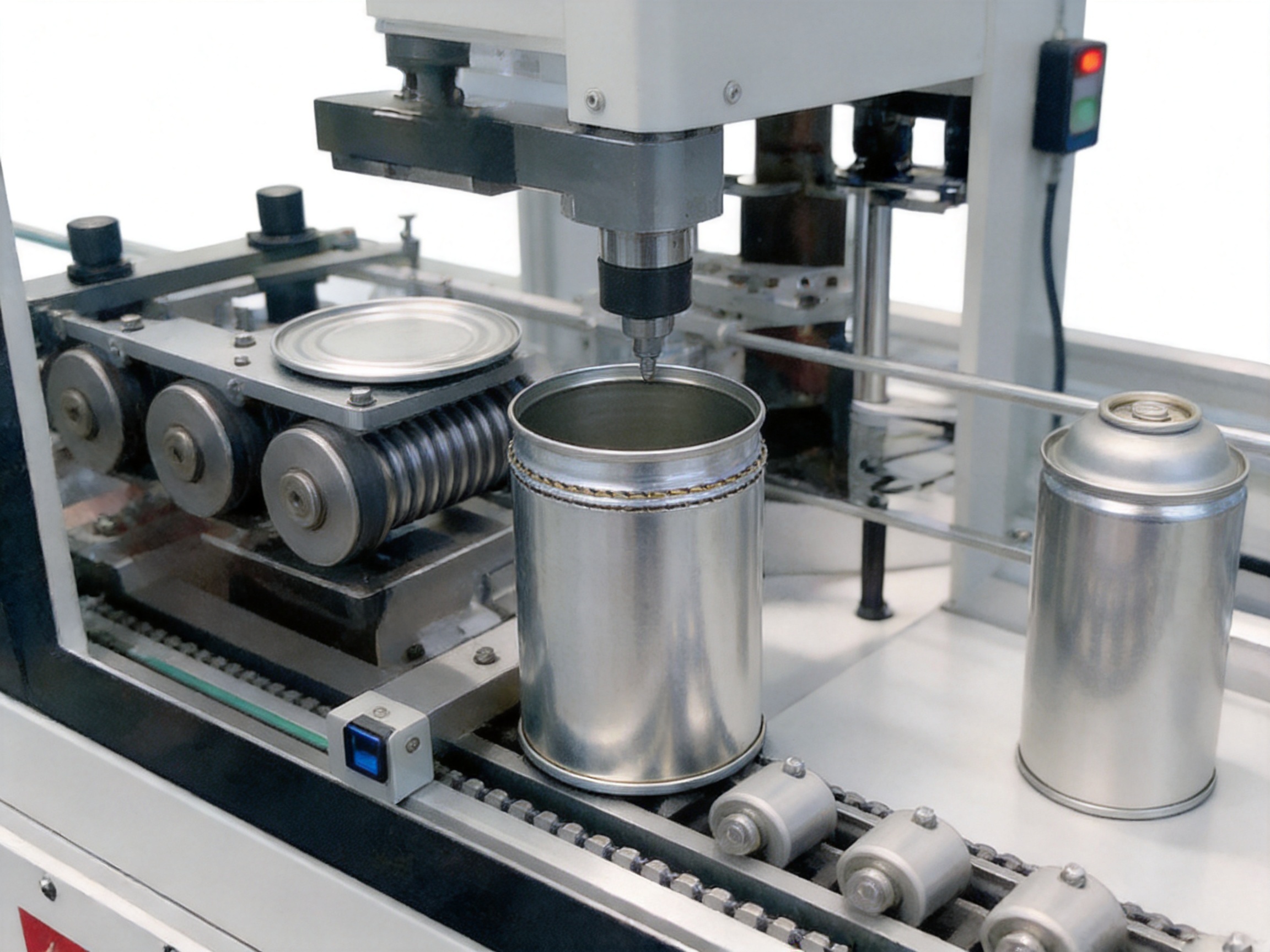
A can-making machine reaches its intended performance only when it is correctly installed, adjusted, operated, and maintained. The supplier provides after-sales services that include installation, commissioning, technical guidance, and operator training.
Installation support helps ensure that the machine is positioned correctly, connected according to the approved requirements, and integrated with conveyors, feeders, electrical systems, compressed air systems, and other auxiliary equipment where applicable.
Commissioning normally includes machine inspection, tooling installation, trial operation, adjustment of feeding and forming components, and production testing with the customer’s can bodies and ends. This stage is important because actual material properties and container dimensions may differ from general reference conditions.
Technical guidance helps production personnel understand setup procedures, changeover methods, routine inspections, lubrication points, safety practices, and responses to common operating problems. Proper training can shorten the learning period and reduce avoidable damage caused by incorrect adjustments.
The company also states that it supplies parts at speed. Timely spare-parts support is important for production lines that operate continuously or serve customers with strict delivery schedules. Recommended spare-parts inventories should be established according to machine usage, production volume, tooling configuration, and local service conditions.
Quality control should be applied throughout the production process rather than only at the final inspection stage. Incoming can bodies and ends should be checked for dimensions, surface condition, material defects, and compatibility with the selected tooling.
During operation, manufacturers should monitor feeding stability, flange formation, top position, seaming pressure, machine noise, vibration, and output consistency. Operators should be trained to identify early signs of misalignment, tooling wear, component deformation, and abnormal machine behavior.
Finished cans should be inspected according to the customer’s quality standards. Typical checks may include external appearance, can height, diameter, roundness, end position, seam dimensions, seam tightness, and leakage performance. For containers intended for pressurized aerosol products, additional testing may be required by applicable regulations and customer specifications.
Seam inspection is particularly important. A visually attractive seam is not automatically a structurally correct seam. Manufacturers should establish suitable inspection frequencies and use dimensional checks, seam section analysis, leak testing, pressure testing, or other procedures required for the particular product.
Tooling condition should also be recorded. Worn or damaged tooling may create gradual changes in flange shape and seam profile. Preventive maintenance and scheduled replacement of wear parts help maintain stable quality and avoid unexpected production interruptions.
The first selection step is to identify the complete range of can diameters and heights that the customer intends to produce. The available models are divided into small and medium diameter groups and large-container groups. Choosing a model outside the actual product range may lead to inefficient operation or require unsuitable modifications.
The buyer should provide drawings or detailed specifications for the can body, top end, bottom end, lid, high-lid structure, and seam. The required functions determine whether the appropriate machine should perform flanging only, seaming only, or a combination of flanging, top seaming, and seaming.
Production planning should consider the required hourly output, operating shifts, product mix, planned maintenance, and future capacity growth. A model rated at 80 to 150 cans per minute may be appropriate for high-volume small-can production, while a 20 to 50 cans-per-minute model may be suitable for larger chemical cans.
Tinplate thickness, coating, temper, body weld construction, end material, sealing compound, and product application can affect machine settings and tooling requirements. Chemical compatibility and pressure-related requirements should be considered before finalizing the equipment configuration.
The chemical can line should be considered as part of the complete factory process. Upstream equipment may include sheet preparation, cutting, body forming, welding, inspection, and component feeding. Downstream equipment may include leak testing, washing, drying, labeling, packing, and palletizing.
Good planning ensures that the output of the chemical can line is compatible with the capacity and speed of connected equipment. It also allows adequate space for operator access, maintenance, finished-can accumulation, rejected-product handling, and safety protection.
Preventive maintenance is essential for preserving production accuracy and reducing unplanned downtime. Operators should carry out daily cleaning and inspection, removing metal particles, oil residue, dust, and other contaminants from areas that affect feeding and seaming.
Moving components should be lubricated according to the supplier’s instructions. Lubricant type, quantity, and application interval should be controlled because insufficient lubrication can increase wear, while excessive lubrication may contaminate can surfaces or attract debris.
Seaming heads, forming tools, guides, holders, and adjustment mechanisms should be inspected regularly. Any unusual marks on the cans should be investigated promptly. Repeated scratches, dents, incomplete seams, loose ends, or uneven flanges may indicate a problem with alignment, tooling condition, feeding, or material quality.
Changeovers should be performed using a documented procedure. The procedure should identify the correct tooling, guide positions, operating parameters, test requirements, and approval steps before full-speed production begins. Controlled changeovers help reduce setup errors and product waste.
Safety guards and protective devices must remain correctly installed and functional. Operators should never bypass safety systems to increase production speed or resolve a jam. Lockout and isolation procedures should be followed before maintenance, tooling replacement, or access to hazardous moving components.
The value of an automatic chemical can line is determined by more than its purchase price. Production capacity, product consistency, labor requirements, changeover time, maintenance needs, energy consumption, service availability, and equipment life all influence the total cost of ownership.
Automatic operation can reduce direct labor requirements and help manufacturers maintain output with a more focused operating team. Consistent seaming may reduce rejected cans and protect the efficiency of subsequent filling and packaging operations.
The availability of several diameter ranges can support a broader product portfolio. This may help a manufacturer serve both aerosol and industrial chemical markets without maintaining entirely separate production systems for every can format.
Integrated functions can reduce handling and simplify factory organization. A well-planned line can also improve traceability because production parameters, inspection results, maintenance records, and material batches can be associated with a defined equipment process.
Long-term economic performance depends on correct machine selection and disciplined operation. Customers should provide complete technical information before ordering so that the supplier can confirm the appropriate model, tooling, electrical configuration, auxiliary equipment, and acceptance criteria.
The chemical can line combines several qualities that are important in a competitive packaging-machinery market: automatic operation, multiple diameter ranges, integrated forming and seaming functions, high output for small cans, practical capacity for large cans, and support from an experienced can-making machinery manufacturer.
Its key competitive advantage is application flexibility. The equipment is not limited to one narrow container type. Depending on the selected model, it can process small cans from 52 millimeters in diameter, medium formats up to 190 millimeters, and large chemical containers up to 275 millimeters. This broad equipment family can serve manufacturers with varied product portfolios.
The six-head configurations are designed for efficient small-can production, with stated capacities of 80 to 150 cans per minute. The large-can configurations provide a separate solution for diameters from 250 to 275 millimeters and output capacities of 20 to 50 cans per minute. This division allows each machine group to be optimized for the physical requirements of its target container size.
Another advantage is the availability of different functional combinations. Customers can select a flanging and top-seaming machine, a combined flanging, top-seaming, and seaming model, a seaming-only model, or a large-container flanging-and-seaming model. This reduces the risk of purchasing equipment with functions that are unnecessary for the intended application.
The supplier’s long manufacturing history, precision machining capabilities, engineering personnel, quality and environmental certifications, export experience, and technical support services add further value. These strengths are important when the equipment is expected to operate for many years in a demanding industrial environment.
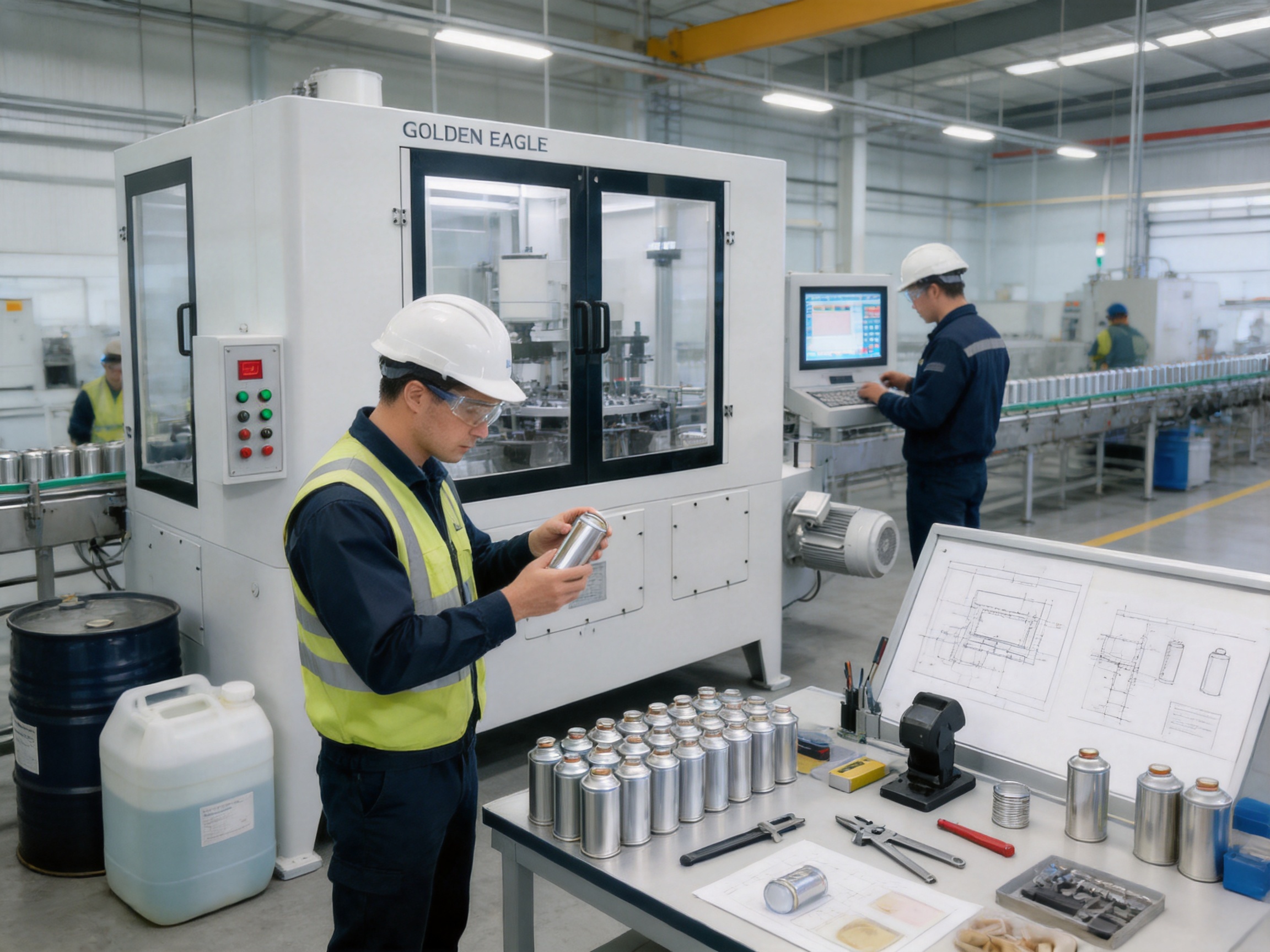
The line is intended for aerosol cans, chemical cans, industrial tinplate containers, paint cans, lubricant cans, solvent cans, and similar cylindrical containers that require automatic flanging and seaming operations. The exact application depends on the selected model, tooling, can material, and end design.
The listed machine configurations cover diameters from 52 to 99 millimeters, 52 to 105 millimeters, 99 to 190 millimeters, 250 to 270 millimeters, and 250 to 275 millimeters. The correct range depends on the selected model.
Small and medium can models are listed with output capacities of 80 to 150 cans per minute. Large-container models are listed with capacities of 20 to 50 cans per minute. Actual output depends on can dimensions, material, tooling, feeding conditions, seam requirements, and operating settings.
Yes. The GT3B53-FSS-C1B is identified as a six-head high-lid configuration. Customers should provide the high-lid drawing and complete container specifications so that the supplier can confirm tooling and operating compatibility.
The available functions include flanging, top seaming, and seaming. Some models combine all three operations, while others provide flanging and top seaming or seaming alone. Large-container models are available for seaming or for combined flanging and seaming.
The listed power ratings are 4 kilowatts, 5.5 kilowatts, and 7.5 kilowatts, depending on the model and its functions. The final electrical requirements should be confirmed with the supplier before installation.
The supplier states that it provides installation, commissioning, technical guidance, and operation training. These services help customers establish correct machine settings and train personnel in safe and efficient operation.
Manufacturers should establish a quality plan that includes visual inspection, dimensional checks, seam evaluation, and leak or pressure testing where required by the product application. Inspection frequency should be based on customer standards, regulatory requirements, production volume, and risk assessment.
A quotation request should include can diameter, can height, body material and thickness, end design, seam specification, production speed, required functions, product type, electrical standard, factory conditions, and any special requirements such as high-lid construction or pressure resistance.
Yes. The machine can be incorporated into a broader chemical can or aerosol can production system with automatic feeding, conveyors, inspection equipment, body-making equipment, end-making equipment, leak testing, packing, and other auxiliary systems. The complete layout should be designed around the customer’s capacity and product specifications.
The automatic chemical can line provides a flexible solution for manufacturers producing aerosol cans and chemical containers in several diameter classes. With models for 52 to 190 millimeter cans and larger 250 to 275 millimeter containers, the equipment supports a wide range of industrial packaging applications.
Its combination of automatic operation, flanging, top seaming, and seaming functions helps improve production flow and reduce manual handling. The stated output of 80 to 150 cans per minute for smaller containers and 20 to 50 cans per minute for larger containers gives manufacturers practical choices according to their production requirements.
The line is supported by the manufacturing capabilities of Zhejiang Golden Eagle Food Machinery Co., Ltd., including a history dating to 1978, more than 350 personnel, CNC precision machining, complete mechanical processing facilities, international design experience, ISO9001 and ISO14001 certifications, production of more than 10,000 pieces of can-making equipment, and export experience across multiple global markets.
For companies seeking a dependable tinplate container solution, the most important step is to match the machine model and tooling with the exact can drawings, material specifications, seam requirements, and planned production volume. With proper selection, installation, commissioning, maintenance, and quality control, this chemical can line can provide a stable foundation for efficient aerosol and industrial chemical container manufacturing.
1. Zhejiang Golden Eagle Food Machinery Co., Ltd. Product specification information for chemical can and aerosol can production equipment.
2. Zhejiang Golden Eagle Food Machinery Co., Ltd. Company information and manufacturing capability statement.
3. ISO 9001, Quality Management Systems: Requirements.
4. ISO 14001, Environmental Management Systems: Requirements with Guidance for Use.
5. General industrial practices for tinplate can body forming, flange preparation, mechanical seaming, and seam quality inspection.
6. General packaging engineering principles for aerosol containers and industrial chemical cans.
Related Products

Founded in 1978, the company is one of the largest can-making machinery well-known companies at home and abroad.
Product Categories
Contact Information
Zhongshatou Shenjiamen Zhoushan Zhejiang China
+86-580-3056646

 English
 中文简体
中文简体
 русский
 عربى
عربى
 Español