2026-10-09
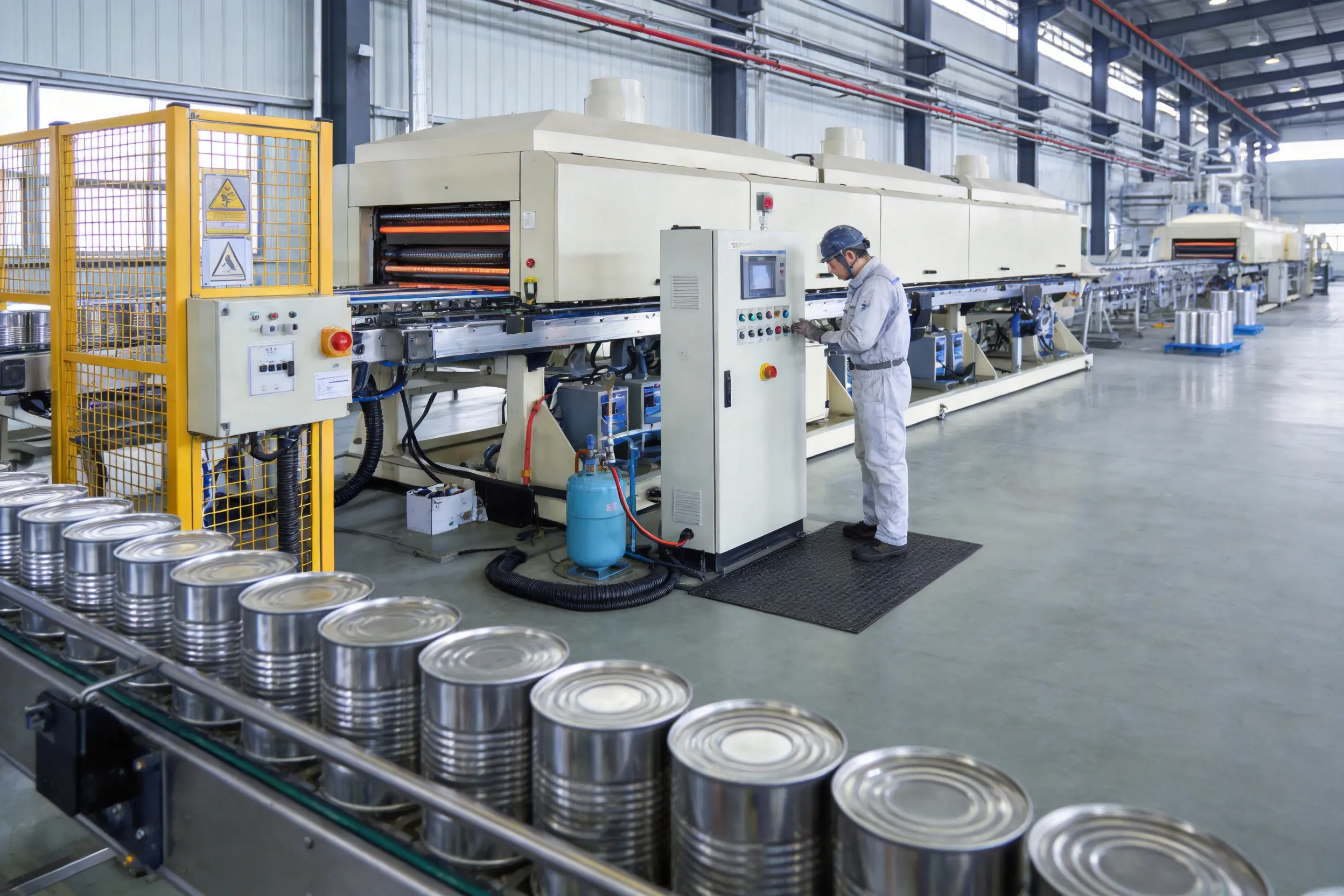
Modern can-making operations must balance production speed, consistent quality, energy control, equipment reliability, and the ability to process different can diameters. In food, beverage, and aerosol packaging, the drying stage is especially important because moisture, coating residues, and seam-treatment liquids can affect the appearance, corrosion resistance, hygiene, and downstream performance of the finished canbody. A reliable drying system therefore forms an essential part of an efficient tinplate can production line.
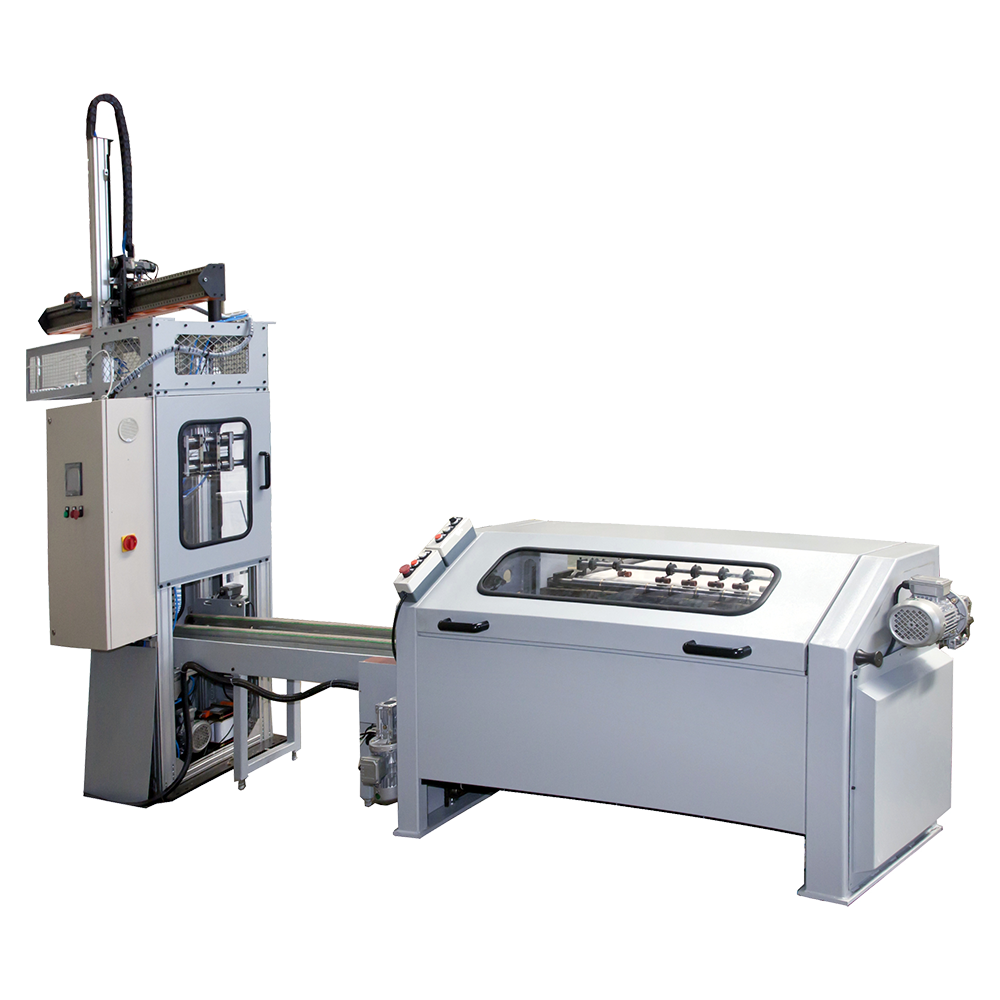
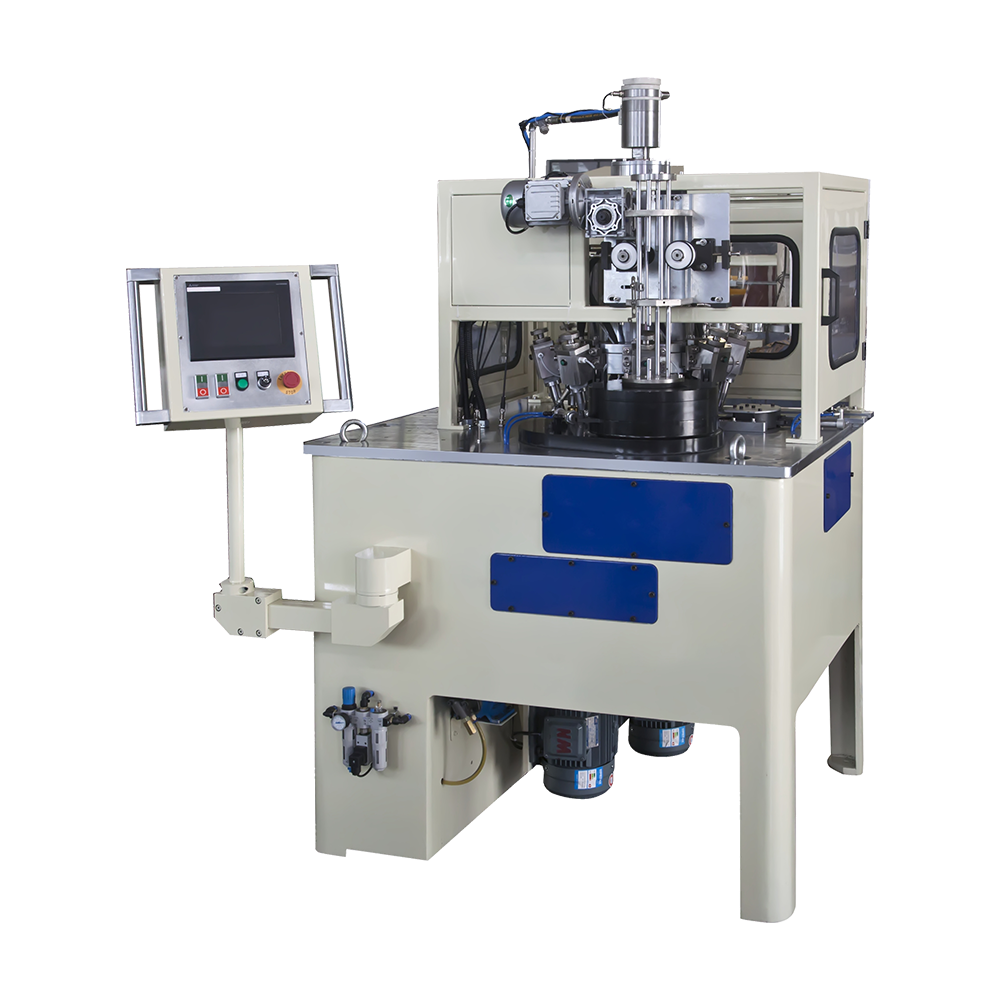
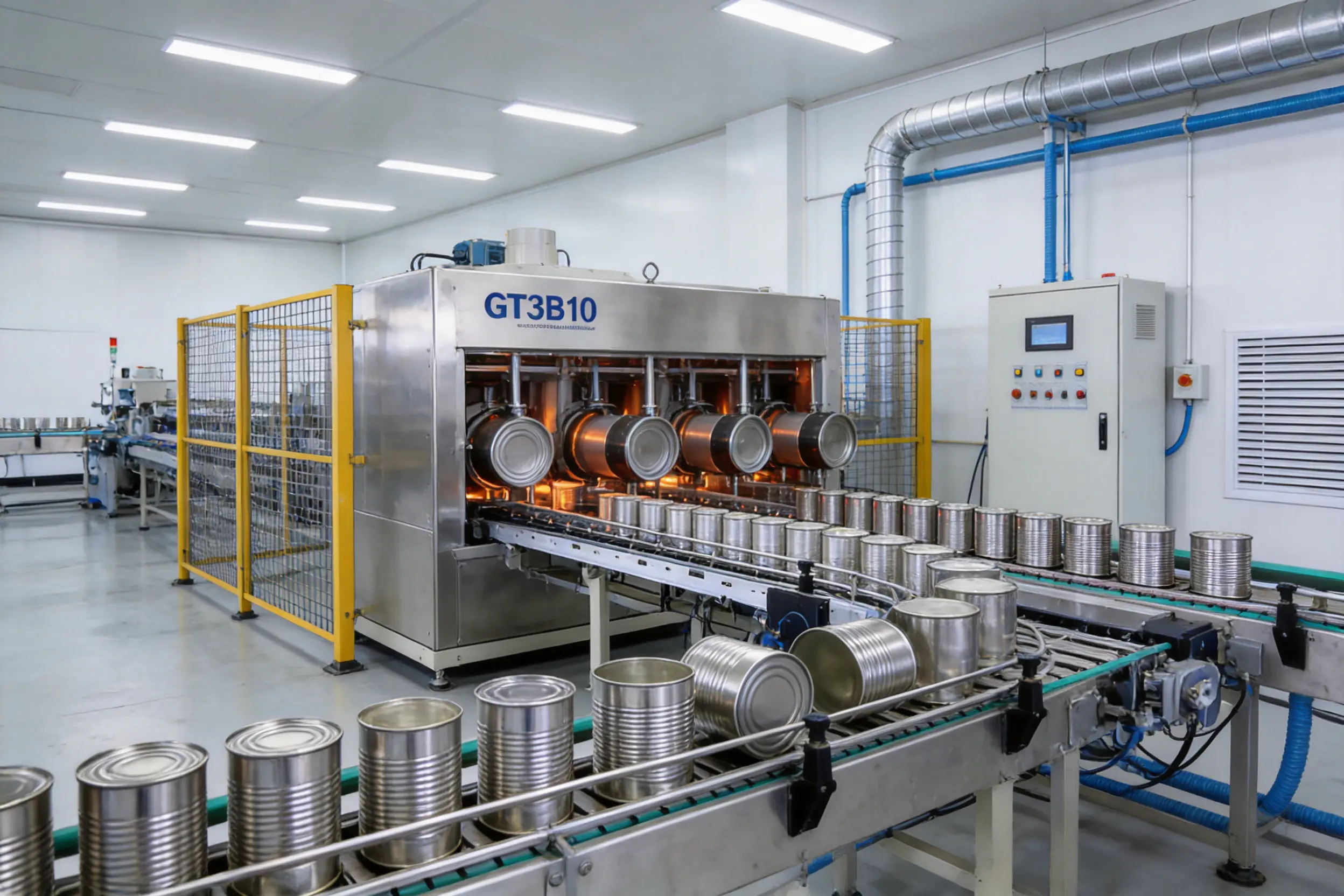
The GT3B10 High Speed Tinplate Canbody Drying Machine is an automatic induction drying oven designed for food can-making, beverage can-making, and related tinplate packaging applications. It is available in four-head, six-head, eight-head, and twelve-head configurations, allowing the equipment to be adapted to different production requirements. The machine is designed for can sizes from approximately D52 to D153 mm, while operating speed can be tailored to the customer’s production line and process conditions.
Using induction heating technology, the GT3B10 is intended to provide controlled and efficient drying after canbody processing. Its design combines automatic operation, a 15 kW output power configuration, adjustable frequency from 30 to 100 kHz, and a cooling-water circuit operating within a specified pressure range. These features make it suitable for manufacturers seeking a compact, configurable, and industrially practical solution for drying canbodies in continuous production.
Canbody manufacturing involves several operations that may introduce moisture or liquid residues to the can surface. Depending on the product and process, these residues may come from seam treatment, cleaning, cooling, lubrication, protective coatings, or other production activities. If they are not removed effectively, the remaining moisture can create defects or interfere with later operations.
In food and beverage packaging, surface cleanliness and process stability are closely connected with product safety and appearance. A canbody that enters the next process with excessive moisture may develop marks, stains, uneven coating conditions, or handling problems. In some applications, inadequate drying can also contribute to corrosion-related concerns during storage or transportation.
For aerosol containers and other industrial packages, drying is equally important. The container may need to meet strict visual and dimensional standards before additional forming, coating, testing, or assembly operations. A controlled drying process helps stabilize the canbody before it continues through the production line.
Traditional hot-air drying systems can require large heating chambers, long residence times, and substantial air circulation equipment. Their effectiveness may also depend on the transfer of heat from the outside atmosphere to the metal surface and then into any remaining liquid film. Induction heating takes a different approach by generating heat through electromagnetic energy in the conductive metal itself. This allows the heating process to be concentrated around the workpiece and controlled according to the production requirement.
The GT3B10 is described as a drying induction oven for food can-making and beverage can-making. It is also suitable for tinplate canbody applications connected with aerosol and similar metal packaging production, provided that the final process configuration is confirmed with the manufacturer.
The machine operates automatically and is intended for use as part of a continuous can-making line. Its application is listed as food can seam drying, and its working range covers can diameters from D52 to D153 mm. The speed is tailor-made, which means the final operating speed should be established according to the can diameter, material condition, seam or coating requirements, line layout, and desired drying result.
The GT3B10 series includes four principal configurations: GT3B10-4, GT3B10-6, GT3B10-8, and GT3B10-12. The model designation corresponds to the number of drying heads. This modular approach provides a useful way to match the machine to line capacity and product requirements instead of forcing every customer to use one fixed configuration.
| Item | GT3B10-4 | GT3B10-6 | GT3B10-8 | GT3B10-12 |
| Number of drying heads | 4-head | 6-head | 8-head | 12-head |
| Input power | AC 220 V ±10% | AC 220 V ±10% | AC 220 V ±10% | AC 220 V ±10% |
| Cooling-water pressure | 0.05–0.25 MPa | 0.05–0.25 MPa | 0.05–0.25 MPa | 0.05–0.25 MPa |
| Output power | 15 kW | 15 kW | 15 kW | 15 kW |
| Listed cooling-water temperature specification | Φ1.38–1.50 | Φ1.38–1.50 | Φ1.38–1.50 | Φ1.38–1.50 |
| Frequency | 30–100 kHz | 30–100 kHz | 30–100 kHz | 30–100 kHz |
The cooling-water temperature field in the supplied technical information is shown as “Φ1.38–1.50.” Because this notation may refer to a technical dimension or a value requiring clarification, purchasers should confirm the intended meaning, unit, and operating requirement during technical discussions and before installation.
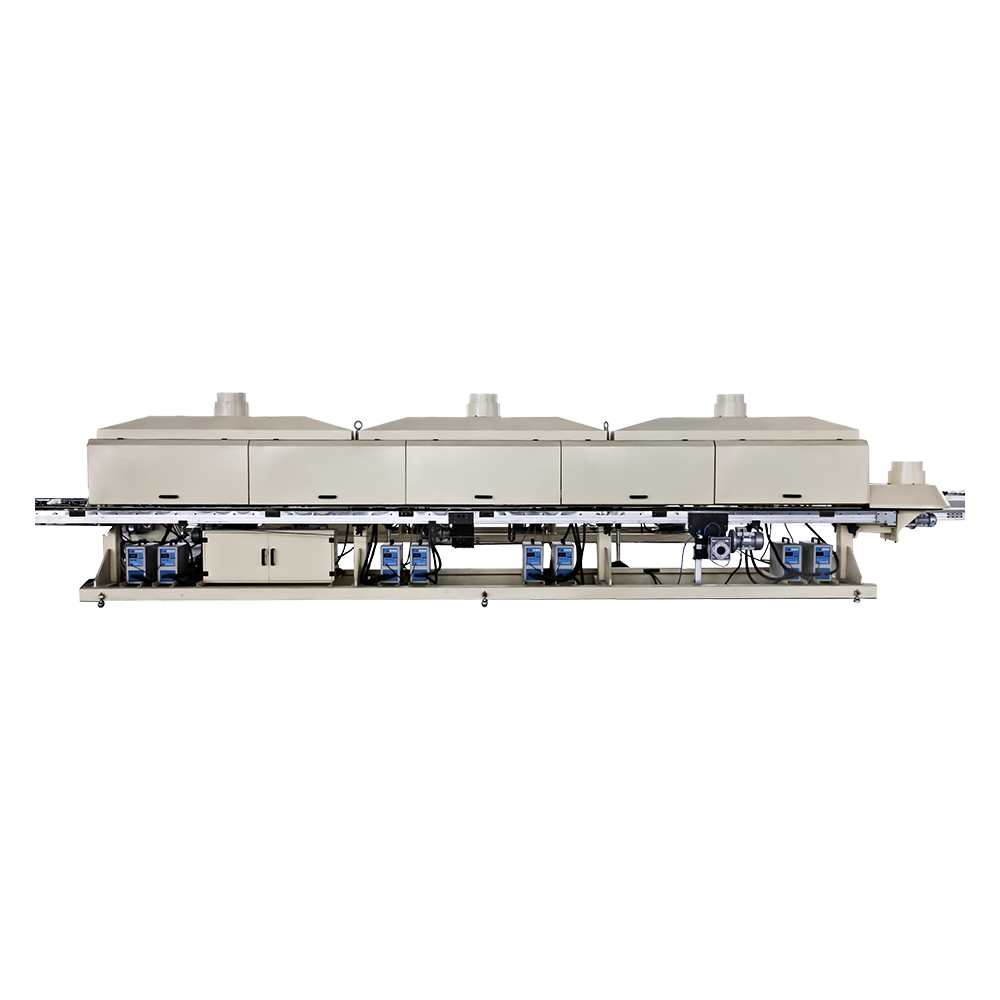
GT3B10 High Speed Tinplate Canbody Drying Machine for Food/Beverage/Aerosol Can making
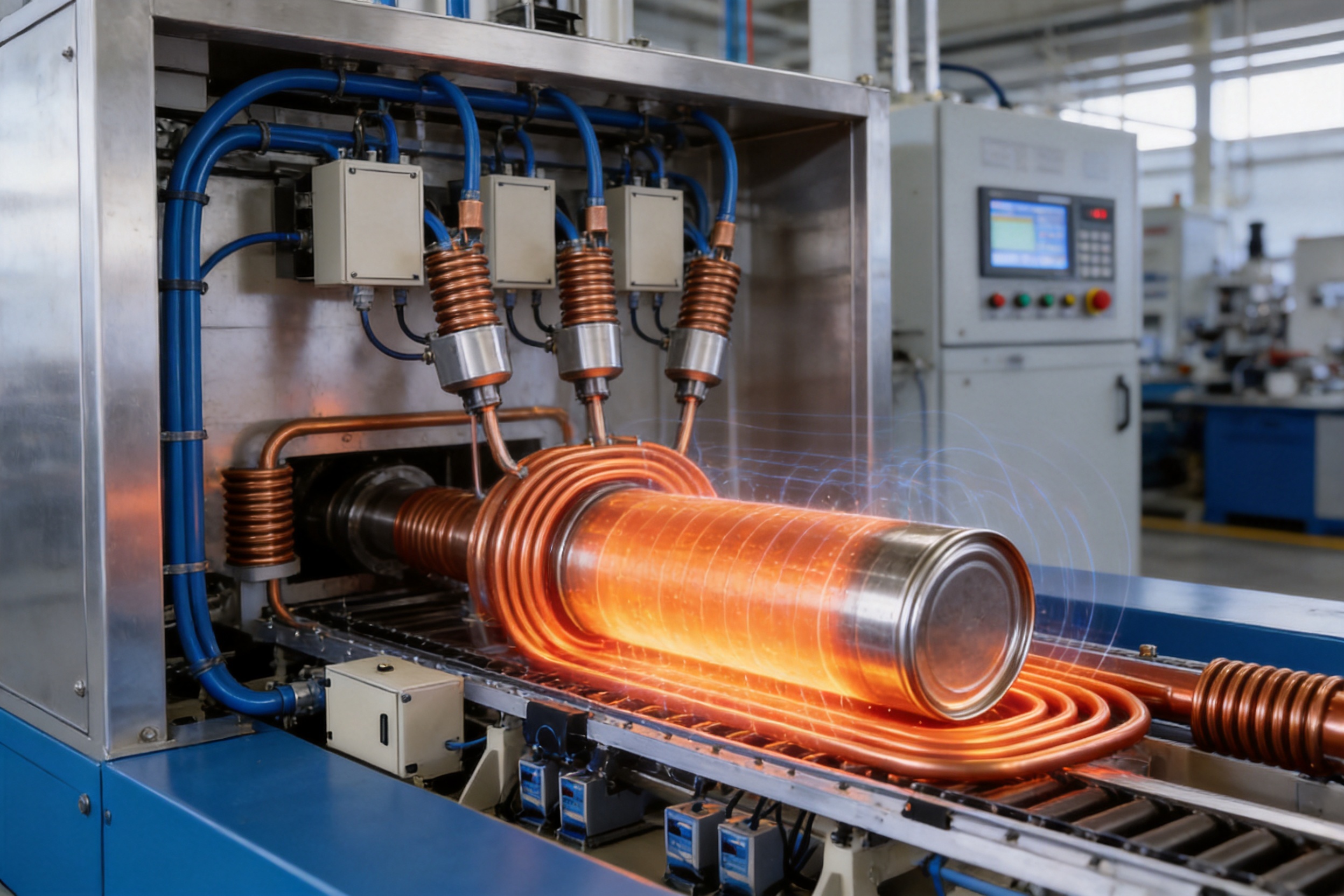
Induction heating uses an alternating electrical current in a coil or heating head to generate an electromagnetic field. When a conductive metal object enters the field, electrical currents are induced in the metal. The electrical resistance of the metal converts those currents into heat. In a tinplate canbody drying application, the canbody is exposed to the controlled electromagnetic field so that the metal surface and nearby residues can be heated efficiently.
The process differs from conventional hot-air heating because the metal workpiece is an active part of the heating system. Instead of relying only on heated air to transfer energy to the canbody, induction places the energy directly into the conductive material. This can support a more compact machine layout and may reduce the need for a large thermal chamber.
The selected frequency influences the way energy is distributed in the workpiece. The GT3B10 provides a frequency range of 30–100 kHz. The appropriate setting depends on can diameter, tinplate characteristics, production speed, the amount and type of moisture, and the required drying result. A broad frequency range gives the machine greater process flexibility than a system restricted to one fixed operating frequency.
Induction drying does not mean that every application can use one universal setting. Each canbody line requires process adjustment. Operators and engineers should evaluate the relationship between power, frequency, can speed, head arrangement, cooling conditions, and the condition of the seam or surface being dried. The tailor-made speed specification reflects this practical requirement.
When properly integrated, induction drying can offer a fast response to changes in production conditions. Electrical heating can be switched or adjusted without waiting for a large air chamber to heat up. This may be particularly useful when a line changes products, pauses for maintenance, or operates on a variable production schedule.
The GT3B10 is designed for automatic operation, which supports its integration into an automated can-making line. Automatic equipment can reduce the need for constant manual intervention and help maintain a repeatable process once the correct settings have been established.
In a continuous production environment, the machine can be positioned between upstream and downstream equipment so that canbodies pass through the drying section as part of the normal line flow. Automatic operation can improve coordination with conveyors, transfer systems, inspection equipment, and subsequent forming or assembly operations.
The availability of four, six, eight, and twelve drying-head models is one of the most practical features of the series. A small or medium-capacity line may require a different arrangement from a high-output line. By offering several head configurations, the series can be selected according to line capacity and process space.
More drying heads can provide a longer or more distributed treatment arrangement, depending on the mechanical design and line layout. The correct configuration should be selected with consideration for can speed, heating requirements, available installation space, and the desired drying time. This modular range can be more useful than a single standard machine that may be oversized for one plant and undersized for another.
The listed can-size range of D52–153 mm covers a substantial group of common metal packaging diameters. This makes the machine relevant to various food cans, beverage-related can applications, aerosol containers, and other tinplate packaging formats within the specified range.
A broad working range can help manufacturers use one equipment platform for multiple products. It may also simplify equipment planning for factories that produce different can sizes during the same week or month. However, compatibility should always be verified for each actual can design, especially where the canbody height, shape, seam configuration, coating, or line orientation differs.
The frequency range is an important process feature. Different workpieces and drying conditions may require different energy-transfer behavior. Adjustable frequency allows engineers to optimize the heating process rather than relying on a fixed setting for every product.
The 30–100 kHz range can support application-specific commissioning. A lower or higher frequency may be selected according to the material and heating response, while final settings should be established through controlled testing. The advantage is not simply the numerical range; it is the ability to adapt the electromagnetic process to actual production conditions.
The machine specifications include a cooling-water pressure range of 0.05–0.25 MPa. A defined cooling-water requirement helps users plan the plant utility system and maintain stable operating conditions for the induction components. Proper cooling is important because electrical and electromagnetic components may generate heat during continuous operation.
Stable water pressure and suitable water quality can support equipment reliability. The installation should include the required filtration, circulation, temperature control, and monitoring arrangements recommended by the supplier. Operators should not treat the cooling circuit as an optional accessory; it is part of the machine’s operating system.
Induction heating can concentrate energy around the metal workpiece rather than heating a large volume of air or a massive chamber. This may support a more compact drying arrangement and faster response during startup and production changes.
The listed output power is 15 kW for each configuration. The actual energy consumption and drying performance will depend on operating time, product characteristics, line speed, power settings, and plant conditions. Users should evaluate energy performance through a complete production trial rather than relying only on the rated power value.
When evaluating a canbody drying machine, manufacturers commonly compare induction heating with hot-air ovens, infrared systems, and other thermal methods. Each technology has potential applications, but the comparison should focus on the actual production objective rather than on one isolated specification.
Hot-air systems heat air and circulate it around the canbody. They may require fans, ducts, heating chambers, insulation, and air-balancing components. The chamber must often reach a stable temperature before the product receives consistent treatment.
Induction heating generates heat in the conductive canbody more directly. This can reduce dependence on a large hot-air volume and may provide a quicker response when the machine starts or stops. The system can also be more compact in applications where space is limited.
Hot-air equipment may remain advantageous where a large surface must be heated uniformly over a long residence time or where the product is not electrically conductive. Tinplate canbodies, however, are conductive and therefore suitable for electromagnetic heating. The GT3B10 is specifically designed around this material characteristic.
Infrared systems transfer radiant energy to the exposed surface. Their results can depend on surface color, reflectivity, distance from the emitter, and the arrangement of the heating elements. Tinplate surfaces may reflect a significant portion of radiant energy, so the design and calibration of an infrared system are important.
Induction heating is based on electromagnetic coupling with the conductive metal rather than primarily on surface radiation. This offers a different method of energy delivery and can be more suitable for a canbody process where the metal itself should respond to the heating field.
Manual drying or simple passive holding methods may be acceptable for limited production, testing, or special products, but they are difficult to standardize at high output. Manual processes can increase labor requirements and may introduce variation in drying time and handling.
An automatic induction drying oven provides a defined machine section within the production line. This supports repeatability, easier process documentation, and more consistent interaction with upstream and downstream equipment. For a factory seeking higher automation, the GT3B10 offers a structured alternative to manual handling.
Food cans often require clean, dry, and visually consistent surfaces before further handling, coating, inspection, or filling. The GT3B10 is specified for food can seam drying and can be integrated into food-can production lines where moisture must be removed from a seam or related area.
Food packaging production places strong emphasis on repeatability. A drying process should not produce excessive discoloration, deformation, or uncontrolled heating. For that reason, the machine should be commissioned with representative can materials and actual seam conditions. The output should be verified through visual inspection, moisture checks, coating evaluation, and downstream process testing.
Beverage can manufacturing typically involves high production expectations and close attention to surface quality. A canbody drying system must be able to operate consistently while matching the speed of the surrounding line.
The GT3B10’s tailor-made speed concept is relevant to beverage-related applications because the final line speed should be matched to the can size, material, and drying demand. The manufacturer can configure and commission the equipment according to the intended line arrangement, rather than treating the machine as an isolated standard unit.
Aerosol containers may have different forming, seam, coating, and inspection requirements from food cans. Nevertheless, tinplate and other conductive metal canbodies can benefit from controlled heating where drying is needed before subsequent operations.
The product title identifies food, beverage, and aerosol can making. Users producing aerosol containers should provide complete technical information, including diameter, height, material thickness, seam design, coating type, production speed, and the exact location of the drying operation. This allows the machine configuration to be confirmed for the intended application.
The machine may also be considered for other tinplate canbody processes where a controlled drying stage is required. Examples may include specialty food containers, chemical packaging, and selected industrial metal packages. Suitability depends on the surface treatment, product geometry, material, and required thermal conditions.
The equipment is supplied by a company with a long history in can-making machinery and mold manufacturing. The company was established in 1978 and has developed experience in complete can production systems, can-lid equipment, and can-making molds. This background is relevant because a drying machine performs best when it is designed with a practical understanding of the complete production line.
The manufacturer reports a team of more than 350 trained personnel, including experienced design and development engineers. A substantial engineering group can support mechanical design, electrical integration, process adaptation, manufacturing coordination, installation, and after-sales service.
The company also reports that it has produced more than 10,000 pieces of can and can-lid equipment. This installed manufacturing experience can contribute to practical product development. Repeated production of similar equipment helps a manufacturer understand common installation conditions, maintenance requirements, line integration challenges, and customer expectations.
Advanced manufacturing equipment is important for a machine that must maintain alignment, repeatable movement, and stable positioning around a canbody. The manufacturer states that it uses CNC high-precision machining equipment together with complete mechanical machining equipment.
Precision-machined components can help support accurate assembly of drying heads, guides, supports, fixtures, and transmission elements. Good machining practice also contributes to maintainability because replacement components can be produced to consistent dimensions.
The company states that its product design principles are similar to those associated with established European can-making equipment manufacturers, including KRUPP, SOUDRONIC, and ALFONS-HAAR. This does not mean that the GT3B10 is manufactured by those companies or that it is identical to their products. Rather, it indicates that the manufacturer has studied recognized equipment principles and applied its own engineering experience to can-making machinery.
During production practice, the company reports that it combines practical experience with continuous product improvement. This approach is valuable in industrial equipment manufacturing because real production environments reveal issues that may not be visible during purely theoretical design. Improvements can address ease of adjustment, equipment stability, component accessibility, and line integration.
The manufacturer reports certification to the ISO 9001 quality management system and ISO 14001 environmental management system. A quality management system can support documented production procedures, inspection routines, corrective actions, and traceability. An environmental management system can help organize environmental responsibilities, resource use, and relevant operational controls.
Certifications do not replace technical verification of a particular machine, but they provide useful evidence of an organized management framework. Buyers should still review drawings, acceptance criteria, testing procedures, spare-parts arrangements, and service commitments for the specific GT3B10 order.
The GT3B10 should be considered as one section of a broader can-making line. Depending on the product, the surrounding equipment may include sheet preparation, slitting, printing or coating, body forming, welding, seam treatment, conveying, inspection, flanging, beading, necking, testing, and packing systems.
Successful integration requires more than placing the drying machine beside a conveyor. The equipment must be coordinated mechanically, electrically, and operationally. Canbody orientation, transfer height, guide width, line speed, safety guarding, access space, and emergency-stop communication should all be reviewed before installation.
The automatic function should be coordinated with upstream and downstream signals. For example, the machine may need to respond to line start, line stop, product change, overload, cooling-water status, or a fault in another section. The exact control interface should be agreed during the technical design stage.
Product changeover is another important consideration. If a factory processes several can diameters between D52 and D153 mm, operators may need to adjust guides, head positions, transfer components, and control settings. A clear changeover procedure can reduce downtime and protect the equipment from incorrect setup.
The installation layout should provide adequate room for inspection and maintenance. Operators need safe access to the control panel, cooling system, electrical cabinet, induction components, and product path. Adequate ventilation and a clean working environment are also important for reliable long-term operation.
Drying performance depends on the relationship between power, frequency, exposure time, canbody material, moisture quantity, and line speed. The nominal 15 kW output should therefore be viewed as the equipment’s rated configuration rather than a guarantee of one universal drying capacity.
During commissioning, technicians should establish a controlled baseline. The test can begin at a conservative line speed and a suitable frequency, followed by gradual adjustment. The objective is to achieve the required drying result without causing unnecessary heating or affecting the canbody, coating, seam, or nearby components.
Important process observations may include visible moisture, surface marks, temperature distribution, coating condition, seam appearance, and the behavior of the canbody at the next production stage. Where appropriate, the factory may also use moisture measurement, thermal imaging, coating adhesion testing, or other quality-control methods.
The four-head configuration may suit a lower-capacity line or a process with modest drying demand. The six-head and eight-head models may be appropriate for intermediate requirements. The twelve-head model may be selected where the line requires a more extensive head arrangement or where production conditions call for greater flexibility.
This does not mean that the twelve-head version will automatically provide twice or three times the output of a smaller configuration. Actual performance depends on the machine design, head spacing, can transfer, and process settings. The head number should be selected through technical evaluation rather than by capacity assumptions alone.
The frequency should be adjusted according to the canbody material and required heating response. Operators should follow the supplier’s commissioning instructions and avoid making uncontrolled changes during production. Recording successful settings for each can size can make future changeovers faster and more consistent.
The cooling-water circuit should be checked before operation. Pressure, flow, temperature, cleanliness, and connection integrity should be monitored according to the manufacturer’s requirements. Poor water quality or unstable flow can reduce reliability and may lead to unplanned stoppages.
A preventive-maintenance plan should include inspection of filters, hoses, fittings, pumps, heat exchangers, and water-quality controls where applicable. The exact maintenance schedule should be based on the machine manual and local plant conditions.
Induction drying equipment combines electrical power, electromagnetic fields, heated metal, moving canbodies, and cooling-water systems. Safe operation requires appropriate guarding, grounding, electrical protection, interlocks, emergency stops, and operator training.
Only qualified personnel should access electrical cabinets or induction-power components. Maintenance work should follow lockout and isolation procedures. The machine should not be operated with damaged guards, bypassed interlocks, leaking water lines, or exposed electrical connections.
Operators should also be aware that the canbody and nearby machine parts may become hot during operation. Suitable warning labels and access controls should be provided. The production area should be kept clear of combustible materials that are not necessary for the process.
Because the equipment uses an electromagnetic heating system, the installation should be evaluated for compatibility with nearby instruments and electronic devices. The supplier’s recommendations concerning grounding, shielding, clearances, and electrical installation should be followed.
Reliable drying performance depends on both the machine design and the maintenance discipline of the user. A preventive-maintenance program should include daily, weekly, monthly, and periodic checks appropriate to production intensity.
Daily checks may include visual inspection of the can path, guides, drying heads, cables, cooling-water connections, and control indicators. Operators should look for unusual noise, overheating, vibration, water leakage, product contact, or inconsistent drying.
Periodic maintenance may include tightening electrical connections, inspecting cooling components, checking sensor operation, cleaning the machine area, reviewing safety devices, and verifying the condition of mechanical supports. Maintenance personnel should use approved replacement parts and follow the technical documentation supplied with the machine.
A clean production environment is especially helpful. Metal fragments, dust, oil, and product residues can interfere with sensors, guides, cooling components, and electrical equipment. Routine cleaning should be performed safely and without directing unsuitable fluids into electrical or induction assemblies.
The manufacturer states that it provides after-sales services including installation, commissioning, technical guidance, operation training, and parts supply. These services can reduce the learning curve for new operators and help the customer establish a stable production process after delivery.
Before delivery, the purchaser should prepare a complete technical document package. This should include the canbody drawings, material information, diameter and height range, seam condition, coating or treatment details, target line speed, plant power supply, cooling-water availability, and the proposed machine layout.
The factory should confirm whether the available power supply matches the specified AC 220 V ±10% input requirement. Electrical distribution, protection devices, grounding, cable sizing, and control communication should be checked by qualified electrical personnel.
The cooling-water system should be prepared according to the specified pressure range of 0.05–0.25 MPa and any additional requirements in the final technical documentation. The unclear “Φ1.38–1.50” specification should be clarified before installation so that the correct pipe, temperature, dimension, or water-quality requirement is implemented.
During commissioning, the machine should first be tested without production material where appropriate. The team can then introduce canbodies at a low or moderate speed, check transfer stability, verify safety devices, and adjust the drying parameters. Full-speed testing should take place only after the mechanical and electrical systems have been confirmed.
Acceptance testing should use representative production materials. The customer and supplier may agree on measurable criteria such as drying effectiveness, line speed, stability, safety functions, changeover procedure, noise, and integration with adjacent equipment.
For a can-making factory, the value of a drying machine is not limited to its heating method. The buyer must also consider configuration flexibility, engineering support, manufacturing resources, delivery coordination, maintenance, and future expansion.
The GT3B10 series offers several advantages in this respect. First, it is designed specifically for tinplate canbody drying rather than being a general-purpose heater adapted to the application. Second, it provides multiple drying-head configurations. Third, it supports a range of can diameters and an adjustable frequency range. Fourth, it is offered by a manufacturer with experience in complete can-making equipment and molds.
The company’s ability to supply food can production lines, beverage can production lines, can-lid production lines, chemical tank production lines, aerosol canister production lines, two-piece can lines, and other equipment can be useful for customers planning wider automation projects. A supplier familiar with multiple line sections may be better positioned to understand interface requirements than a company that manufactures only one isolated component.
The reported global export experience is also relevant for international buyers. The company states that its equipment has been supplied to customers in Europe, Asia, Africa, North America, South America, and Oceania. International experience may support familiarity with different factory conditions, documentation needs, installation environments, and customer service expectations.
Nevertheless, buyers should conduct normal technical due diligence. They should request a detailed quotation, general arrangement drawing, utility list, electrical diagram, spare-parts list, warranty terms, installation scope, performance criteria, and delivery schedule. A strong supplier relationship is built through clear documentation and measurable acceptance requirements.
Before ordering the GT3B10, the purchaser should confirm the exact model: four-head, six-head, eight-head, or twelve-head. The selection should be based on the product range, line speed, available space, and drying requirement.
The buyer should confirm all can dimensions, including diameter, height, wall thickness, material grade, coating, seam configuration, and orientation through the machine. If several products will be processed, each product should be included in the technical review.
The required production speed should be stated clearly. Since the speed is tailor-made, the customer should avoid relying on a generic speed assumption. The supplier should receive enough information to recommend a configuration and confirm the expected operating range.
Utilities should be checked in advance. These include electrical power, cooling water, compressed air if required by the final design, drainage, ventilation, lighting, and communication with the production line control system.
Installation responsibilities should be defined in writing. The agreement should explain which party provides foundations, lifting equipment, cables, pipework, conveyors, guarding, commissioning labor, operator training, and local compliance inspections.
Finally, the purchaser should establish a spare-parts and service plan. Critical electrical, cooling, sensor, and mechanical components should be identified. Recommended stock levels can be determined according to production hours, local delivery conditions, and the importance of the drying section to the overall line.
The GT3B10 is an automatic induction drying oven for tinplate canbodies. It is intended for food can-making and beverage can-making applications and may also be used in suitable aerosol and other metal packaging processes. Its listed application includes food can seam drying.
The supplied product information lists a can-size range of D52–153 mm. Actual compatibility should be confirmed using the complete canbody dimensions, material, seam design, and line configuration.
The series includes GT3B10-4, GT3B10-6, GT3B10-8, and GT3B10-12. These versions are identified as four-head, six-head, eight-head, and twelve-head drying-head configurations.
Yes. The product information identifies the operation as automatic. The machine can be integrated into an automated can-making line, subject to the final control and conveyor interface design.
The listed output power is 15 kW for each of the four model configurations. Actual process energy use depends on operating conditions, product dimensions, line speed, frequency, and production schedule.
The listed operating frequency range is 30–100 kHz. The correct frequency should be established during commissioning according to the canbody material, drying requirement, and line speed.
The supplied information lists a cooling-water pressure range of 0.05–0.25 MPa. The final installation should follow the supplier’s complete utility specification, including flow, temperature, water quality, filtration, and connection requirements.
It means that the final production speed is determined according to the customer’s product and line conditions rather than being represented by one universal standard value. Can diameter, material, seam condition, drying demand, and machine configuration all affect the suitable speed.
It is designed for a range of can diameters within D52–153 mm. Processing multiple sizes may require adjustments to guides, head positions, transfer components, and control settings. These changeover requirements should be confirmed before purchase.
Induction heating can deliver energy directly to conductive metal, provide a rapid electrical response, support a compact layout, and allow process adjustment through frequency and power control. Its practical performance depends on correct machine configuration and commissioning.
It may be integrated into an existing line, provided that the product path, conveyor height, line speed, utilities, control signals, safety systems, and available space are compatible. A detailed layout and interface review is recommended before ordering.
The manufacturer reports providing installation, commissioning, technical guidance, operation training, and parts supply. The precise scope, timing, and cost of these services should be included in the purchase agreement.
The customer should provide can diameter and height, material and thickness, seam or coating details, target speed, production-line layout, available utilities, product drawings, and the desired automation and control interfaces.
Yes. The supplied table lists “Φ1.38–1.50” in the cooling-water temperature row. Because this notation is not fully clear as a temperature specification, the customer should request confirmation of its meaning, unit, and installation implication.
The machine is supplied by Zhejiang Golden Eagle Food Machinery Co., Ltd., a Chinese manufacturer of can-making machinery and molds established in 1978. The company reports more than 350 personnel, ISO 9001 and ISO 14001 certifications, and production of more than 10,000 pieces of can and can-lid equipment.
The GT3B10 High Speed Tinplate Canbody Drying Machine is designed to address an important requirement in modern metal packaging production: removing moisture and drying treated canbodies in a controlled, automatic, and line-compatible manner. Its induction heating principle is suitable for conductive tinplate, while its 30–100 kHz frequency range provides process flexibility for different can sizes and operating conditions.
The four available drying-head configurations allow the equipment to be matched to a variety of production requirements. The listed D52–153 mm can-size range covers many food, beverage, aerosol, and other tinplate packaging applications. A 15 kW output configuration, defined cooling-water pressure range, automatic operation, and tailor-made speed approach further support its use in industrial production environments.
Beyond the product specifications, the manufacturer’s long history in can-making machinery, CNC machining capabilities, engineering personnel, quality and environmental management systems, international export experience, and after-sales services provide a broader foundation for equipment supply. These capabilities are particularly valuable when the drying machine must be integrated into a complete can-making line rather than operated as a standalone unit.
As with any specialized production equipment, the best results depend on correct application analysis, installation, commissioning, operator training, preventive maintenance, and clear acceptance criteria. Customers should confirm every technical detail, especially product dimensions, speed, utility requirements, cooling-water specifications, and control interfaces. With those conditions properly defined, the GT3B10 can serve as a practical induction drying solution for manufacturers seeking improved automation and stable performance in tinplate canbody production.
1. Product technical information for the GT3B10 High Speed Tinplate Canbody Drying Machine, including model configurations, operating range, power, cooling-water pressure, and frequency data.
2. Manufacturer profile and company information for Zhejiang Golden Eagle Food Machinery Co., Ltd., including manufacturing history, engineering resources, certifications, product range, and after-sales services.
3. General principles of electromagnetic induction heating for conductive metal workpieces.
4. General guidance on industrial can-making processes, tinplate packaging, seam treatment, drying, quality control, and production-line integration.
5. General principles of preventive maintenance, electrical safety, cooling-water management, and commissioning for automated industrial machinery.
Related Products

Founded in 1978, the company is one of the largest can-making machinery well-known companies at home and abroad.
Product Categories
Contact Information
Zhongshatou Shenjiamen Zhoushan Zhejiang China
+86-580-3056646

 English
 中文简体
 русский
 عربى
 Español