2026-10-23
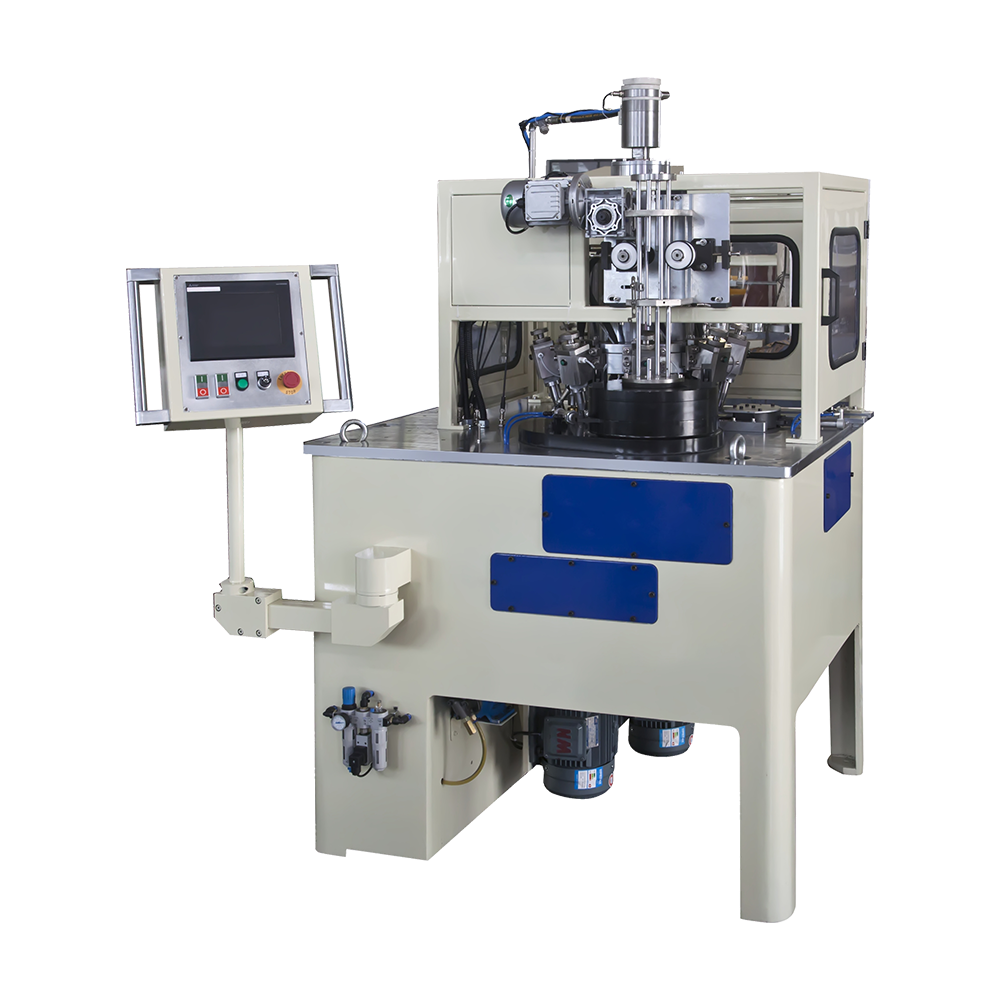
Modern chemical and aerosol packaging requires more than a basic can-forming machine. Manufacturers need equipment that can handle different diameters, can heights, lid formats, production speeds, and product categories while maintaining reliable seaming quality. The chemical can line described in this article is an automatic production solution designed for both aerosol cans and chemical cans. It combines flanging, top seaming, and seaming functions in configurations suited to small and medium can diameters, while separate models support larger containers.
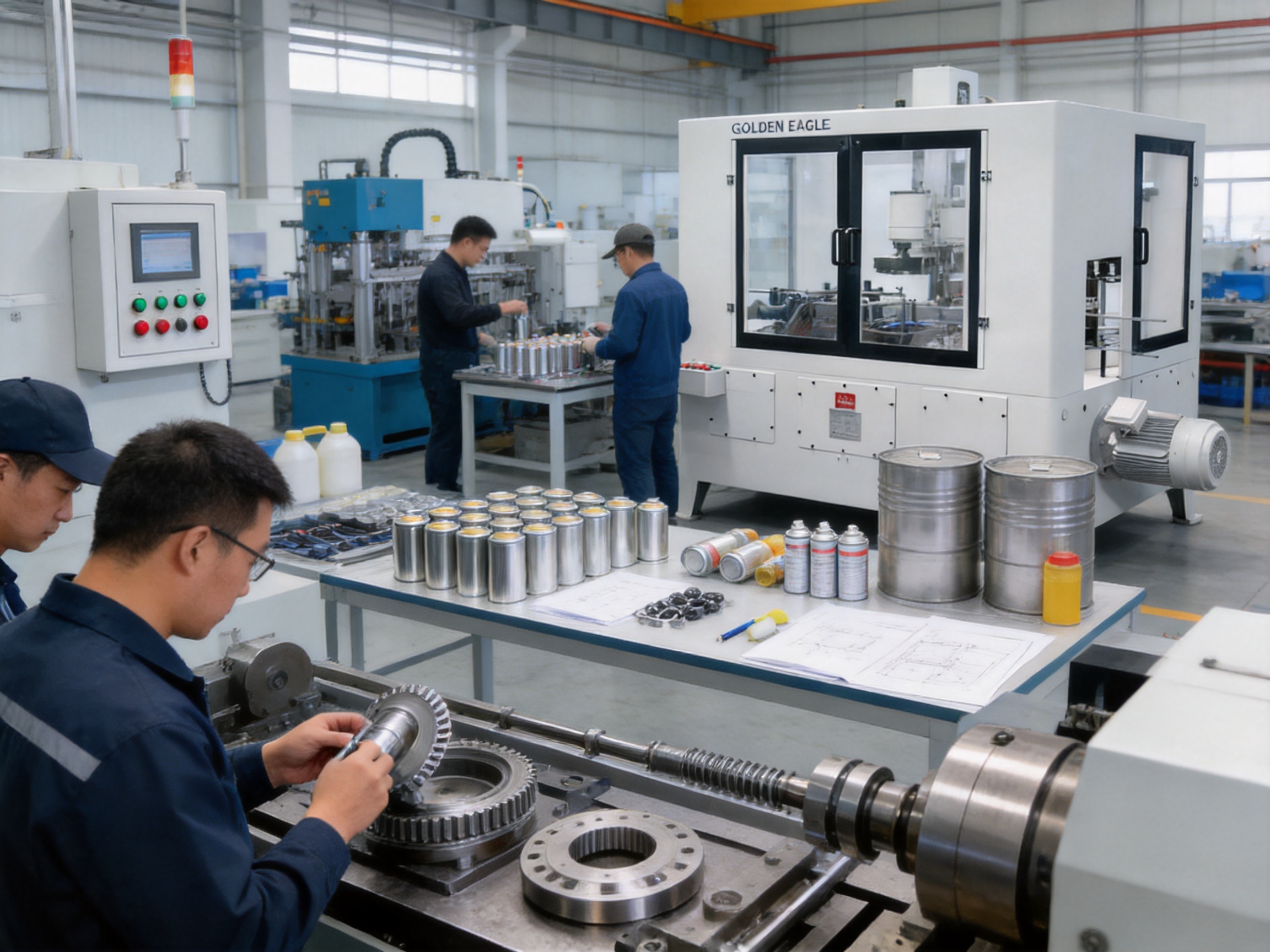
The line is manufactured by Zhejiang Golden Eagle Food Machinery Co., Ltd., a long-established Chinese producer of can-making machinery and molds. With experience dating back to 1978, the company has developed a broad portfolio covering food cans, beverage cans, chemical tanks, aerosol containers, two-piece cans, can lids, and related tooling. Its production capabilities include precision machining, CNC processing, equipment assembly, testing, commissioning, and after-sales technical support.
This article examines the structure, specifications, operating advantages, manufacturing strengths, application range, and selection considerations of the chemical can line. It also explains how the different models can be matched with aerosol and chemical can production requirements.
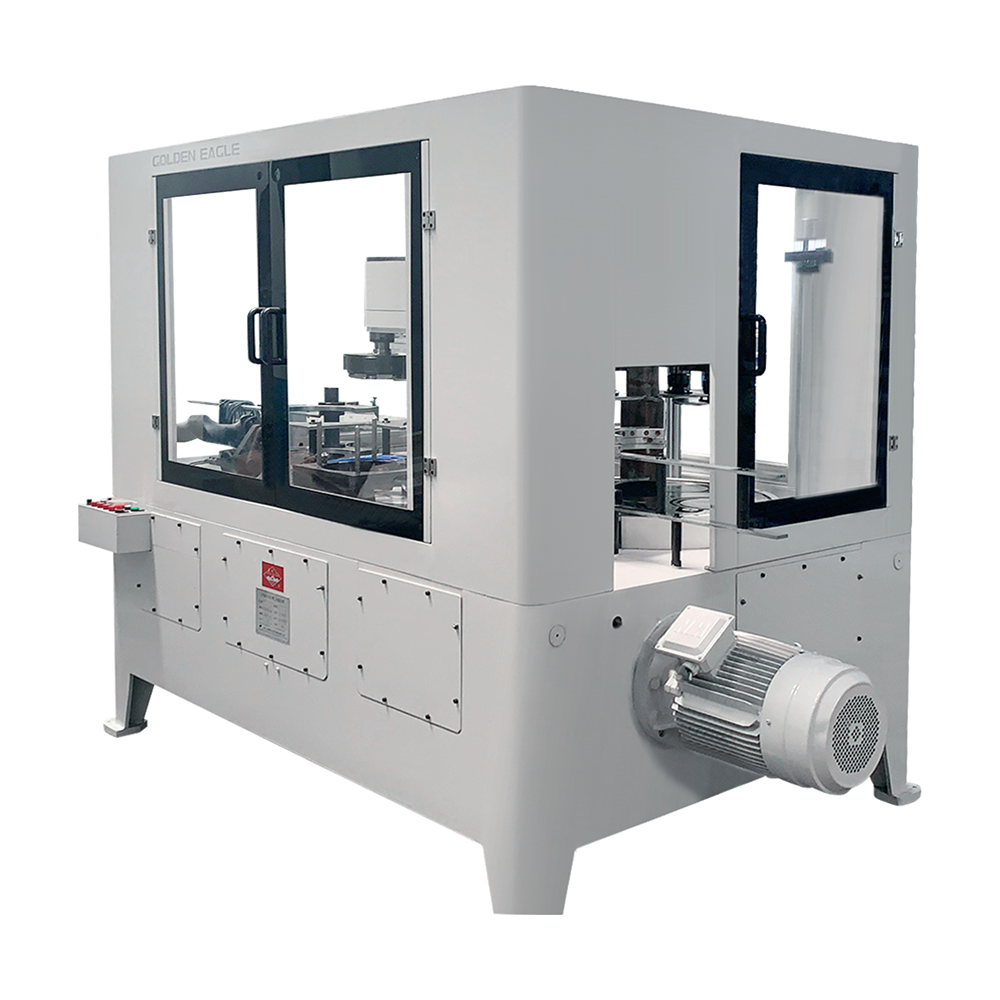
Chemical Can Line both for Aerosol can and Chemical can
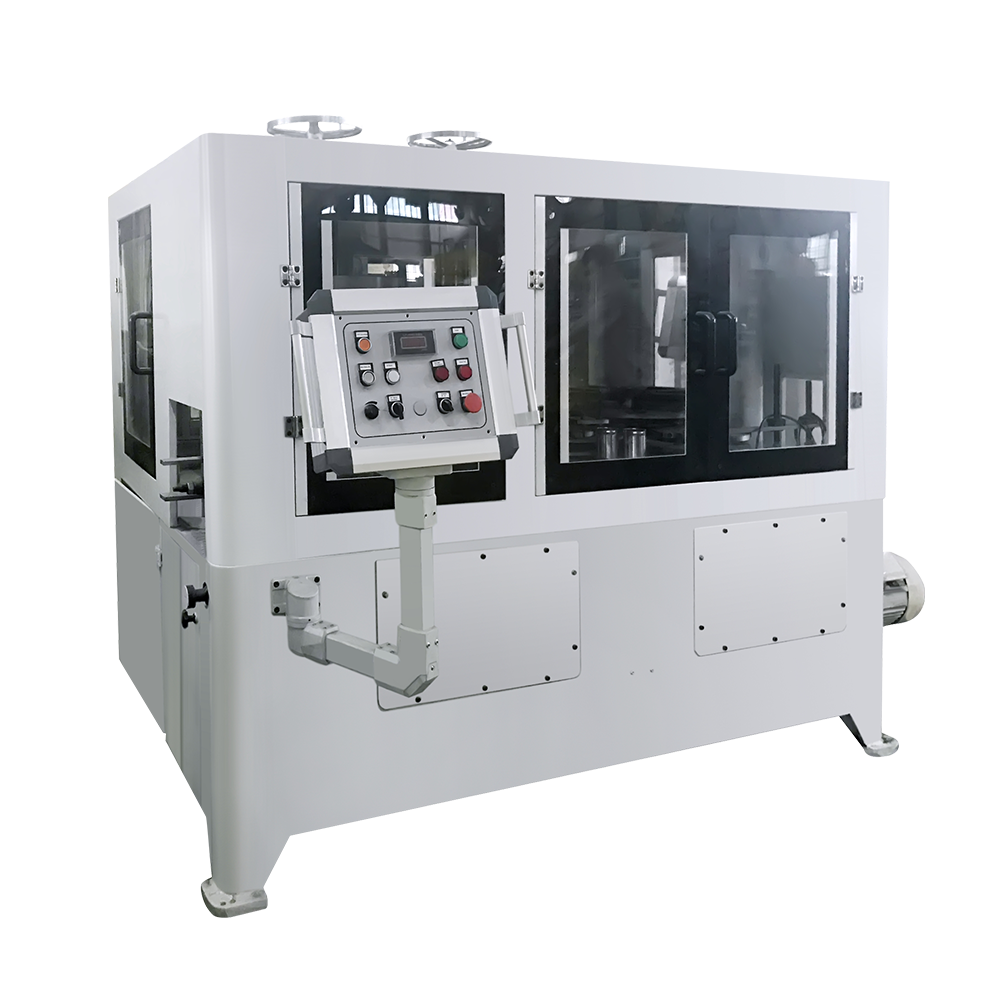
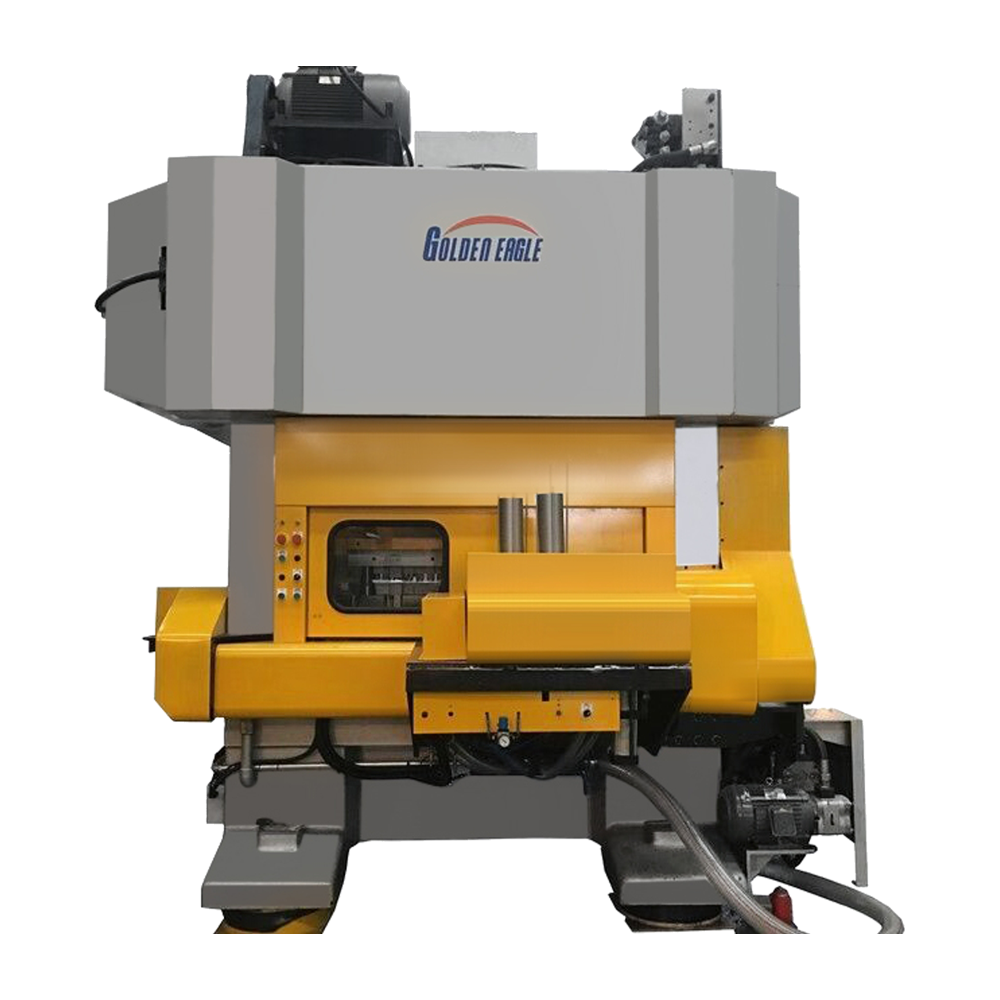
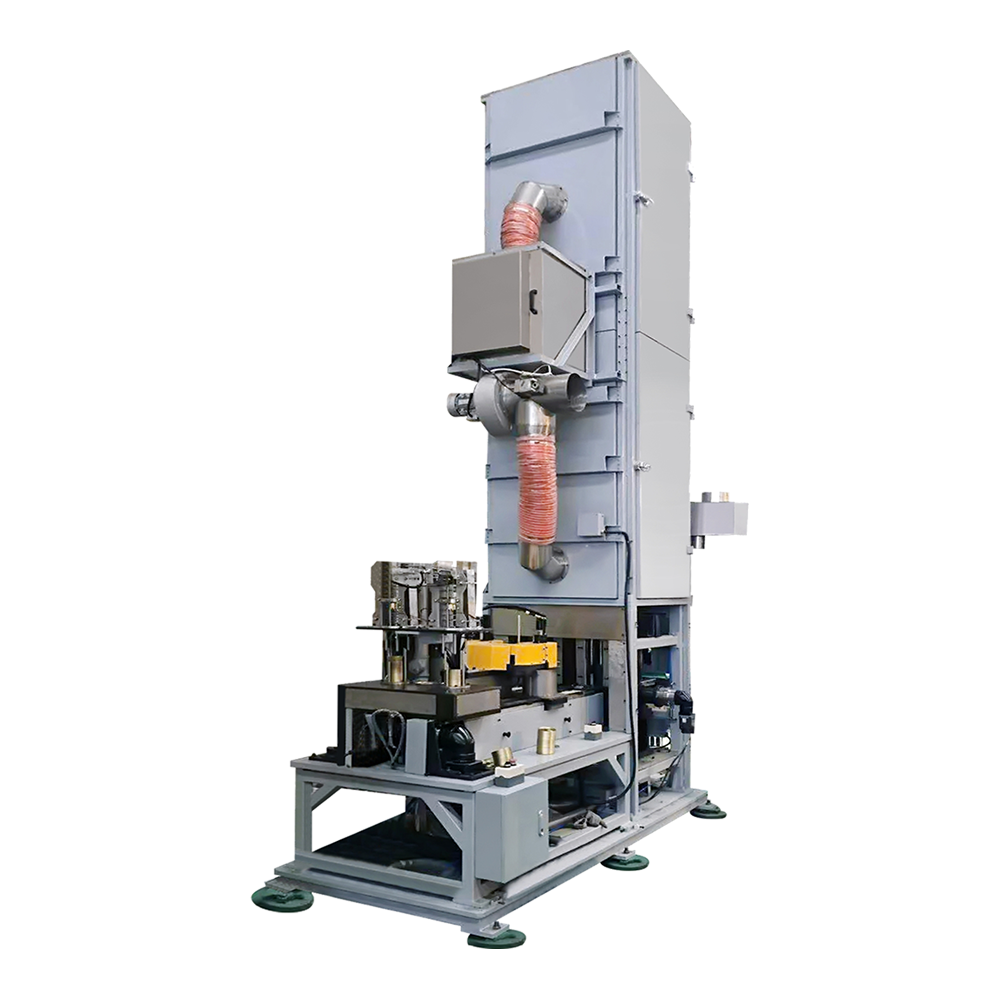
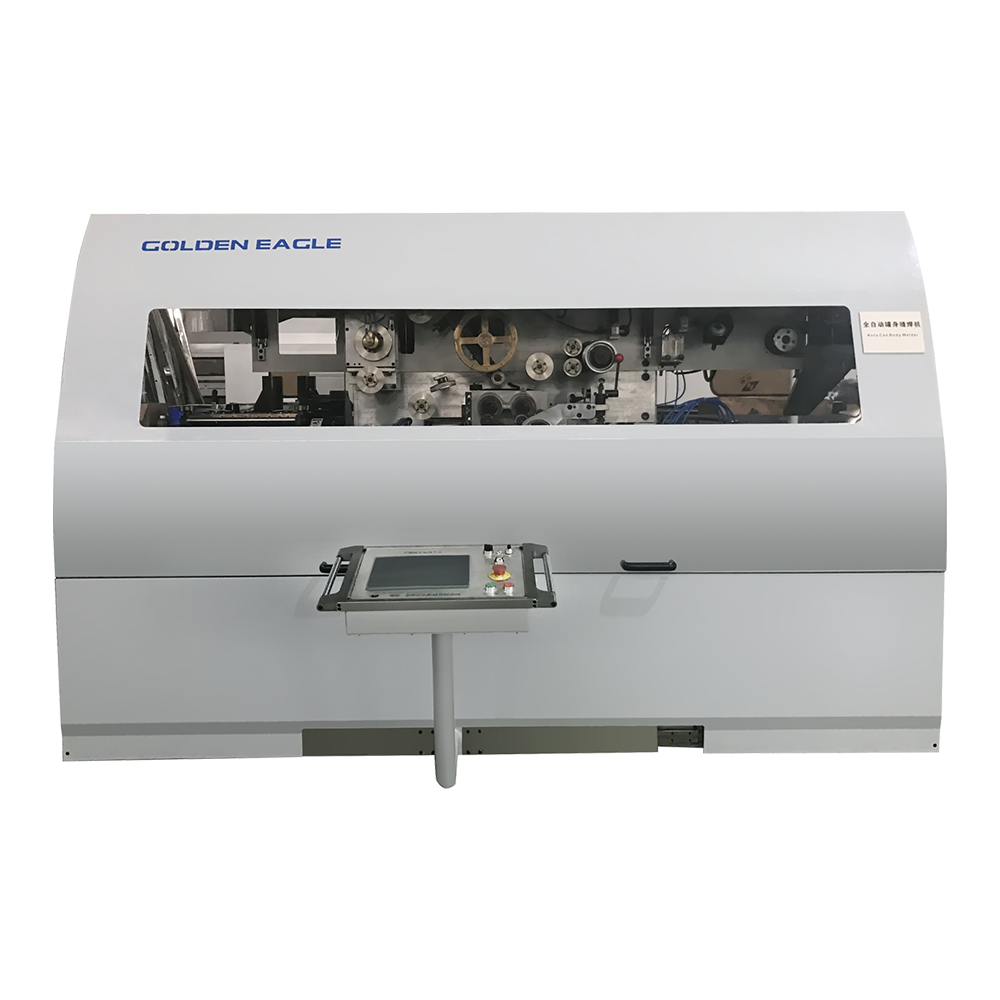
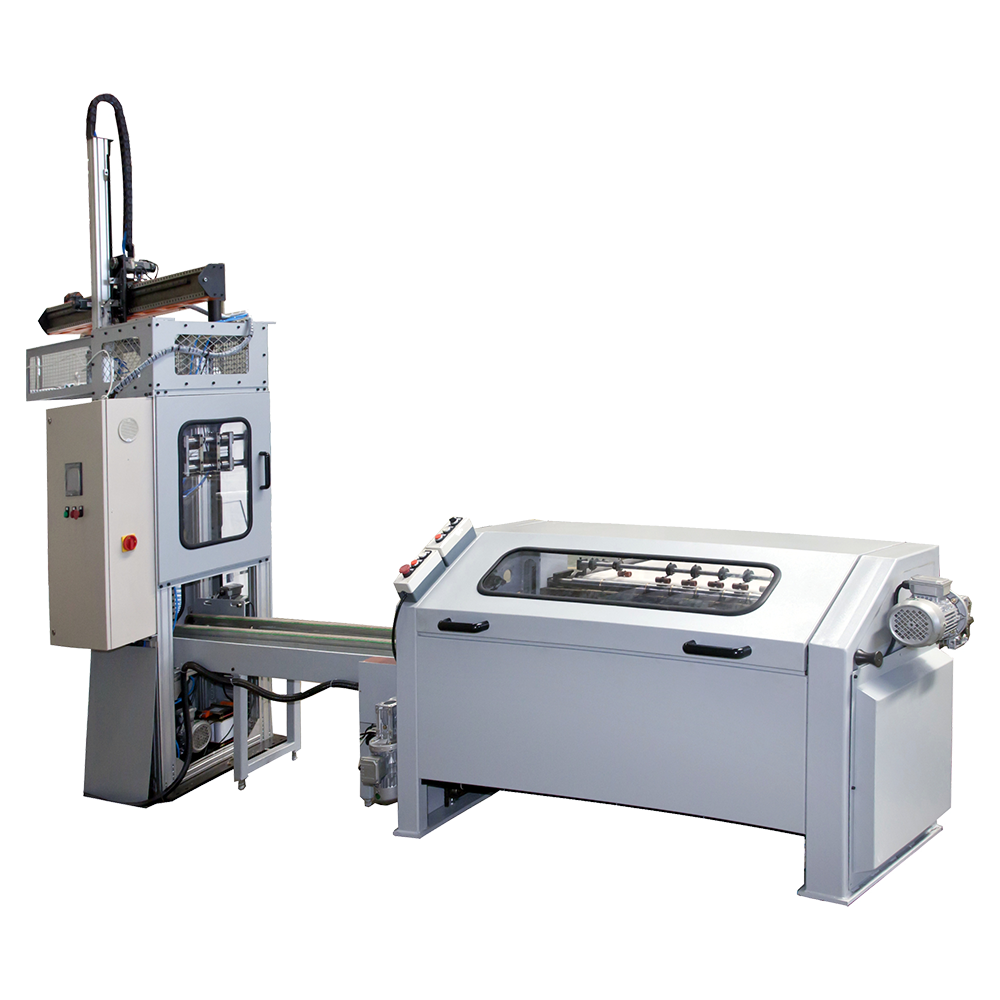
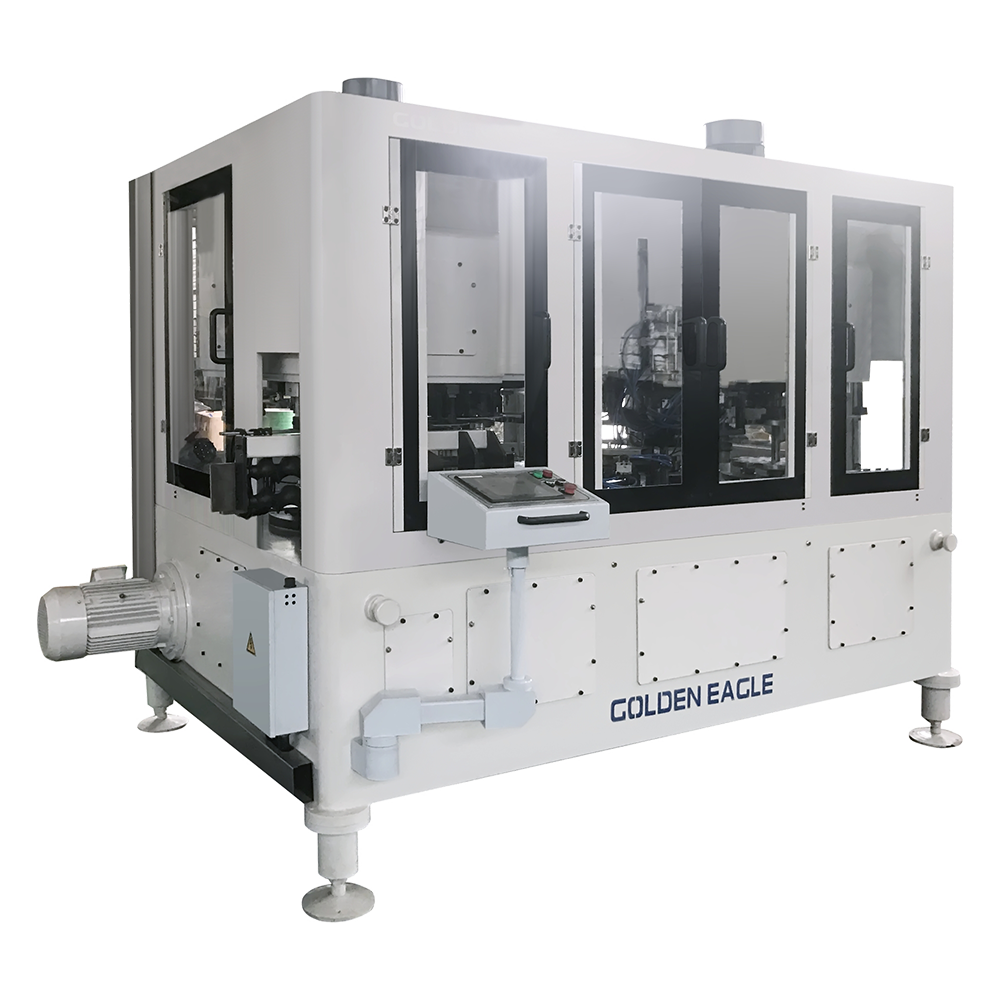
The chemical can line is an automatic can-end and container-processing solution for manufacturers producing aerosol cans and chemical cans in different sizes. Its principal operations include flanging, top seaming, and final seaming. Depending on the selected model, the equipment may perform one operation or combine several operations in a single machine.
The line is available for can diameters from approximately 52 mm to 190 mm in the smaller-format series. A separate large-diameter group handles cans from approximately 250 mm to 275 mm. The listed production capacity ranges from 20 to 50 cans per minute for the large-diameter models and from 80 to 150 cans per minute for the smaller-diameter, six-head models.
This configuration gives can manufacturers an opportunity to select equipment according to their product portfolio. A factory specializing in compact aerosol containers may use a high-speed six-head machine for diameters between 52 mm and 105 mm. A manufacturer serving broader chemical packaging applications may select equipment for diameters up to 190 mm. Large chemical containers can be processed with the dedicated 250–275 mm models.
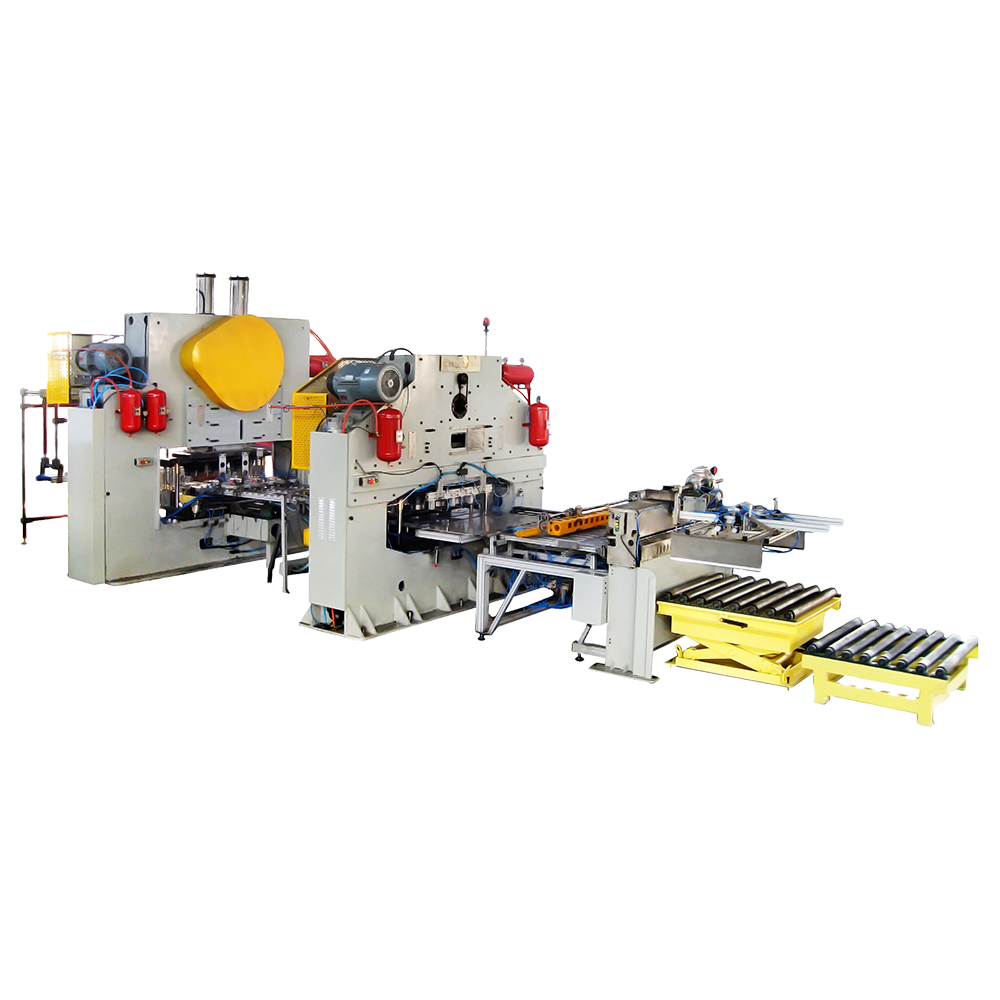
The production line is automatic in operation. Automation helps reduce repetitive manual work, supports a consistent production rhythm, and makes it easier to organize the equipment with upstream feeding systems and downstream inspection or packing equipment. The actual line arrangement can be adapted to the customer’s can body, lid, and process requirements.
The equipment family includes several models with different working functions, production ranges, and power requirements. The following table summarizes the principal specifications provided for the chemical can line.
| Model | Configuration | Function | Can Diameter | Can Height | Output Capacity | Power |
|---|---|---|---|---|---|---|
| GT3B51-S-C5 | Six-head | Flanging; top seaming | 52–99 mm | 80–220 mm | 80–150 cans per minute | 4 kW |
| GT3B53-FSS-C1A | Six-head | Flanging; top seaming; seaming | 52–105 mm | 60–160 mm | 80–150 cans per minute | 7.5 kW |
| GT3B53-FSS-C1B | Six-head, high-lid version | Flanging; top seaming; seaming | 52–105 mm | 60–160 mm | 80–150 cans per minute | 7.5 kW |
| GT3B53-FSS-C | Six-head | Flanging; top seaming; seaming | 99–190 mm | 60–160 mm | 80–150 cans per minute | 7.5 kW |
| GT3B51-S-CB | Large-diameter configuration | Seaming | 250–270 mm | 60–160 mm | 20–50 cans per minute | 5.5 kW |
| GT3B52-FS-CB | Large-diameter configuration | Flanging; seaming | 250–275 mm | 60–160 mm | 20–50 cans per minute | 7.5 kW |
The general product information identifies a smaller-can operating range of approximately 52–190 mm and a large-can range of approximately 250–275 mm. The listed can heights and functions vary by model. Customers should therefore confirm the exact body dimensions, lid design, material thickness, seam profile, and production speed before ordering.
Flanging forms or prepares the edge of the can body for a subsequent joining operation. A correctly formed flange is essential for achieving a stable connection between the can body and its end or lid. If the flange is uneven, too narrow, too wide, or damaged, the final seam may not meet the required mechanical and sealing standards.
In a chemical or aerosol can production environment, consistent flanging is especially important because many packages must withstand internal pressure, transportation vibration, and exposure to demanding filling or storage conditions. The flanging units in the line are designed to work as part of a controlled automatic sequence, helping maintain repeatability between cans.
The flanging models include GT3B51-S-C5, GT3B53-FSS-C1A, GT3B53-FSS-C1B, GT3B53-FSS-C, and GT3B52-FS-CB. The correct model depends on the can diameter, can height, lid configuration, and whether the customer needs flanging only as an initial process or as part of a combined flanging-and-seaming machine.
Top seaming connects the can end or lid to the prepared can body. The six-head models are designed for relatively high-speed operation, with a stated output of 80–150 cans per minute. Multi-head operation allows several cans to be processed during each machine cycle, supporting a greater production rate than a simple single-head arrangement.
The top-seaming function is available on the GT3B51-S-C5 model and on the GT3B53 series. The C1B version is identified as a high-lid model, making it suitable for applications in which the lid geometry or height differs from a standard configuration. Because lid dimensions can vary significantly between aerosol and chemical packaging formats, a high-lid option can help manufacturers address product-specific requirements without changing their entire production concept.
Final seaming is the joining operation that creates the mechanical closure between the can body and the end. The GT3B53-FSS models combine flanging, top seaming, and seaming. This integrated approach can reduce the need to transfer semi-finished cans between separate machines and can simplify the layout of a production line.
For larger chemical cans, GT3B51-S-CB performs seaming, while GT3B52-FS-CB combines flanging and seaming. These models operate at a lower stated speed of 20–50 cans per minute, reflecting the different handling characteristics and larger dimensions of the containers.
Seaming performance depends on more than machine speed. It is influenced by the can body material, end material, compound or sealing material, tooling condition, flange dimensions, end countersink, machine adjustment, and product design. For this reason, production trials and seam evaluation are important parts of commissioning.
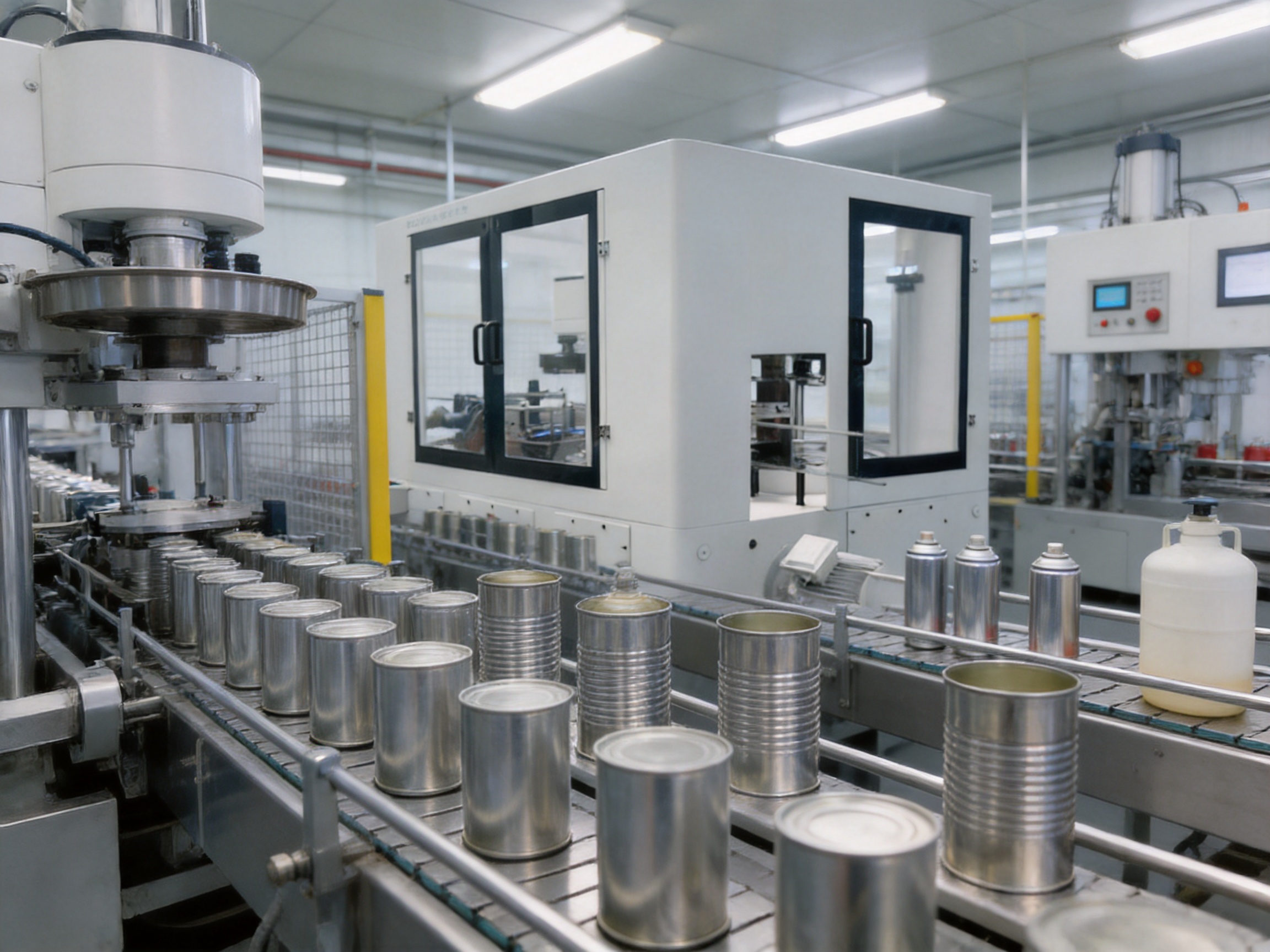
Aerosol cans and chemical cans share several manufacturing requirements, but they are not identical products. Both may require strong, accurately formed seams, dependable dimensional control, and resistance to handling stresses. However, their diameters, heights, lid profiles, pressure requirements, and filling processes may differ.
The chemical can line addresses this variation through a family of models rather than one fixed machine. Smaller six-head machines cover diameters from 52 mm upward, while the GT3B53-FSS-C configuration extends the range to 190 mm. Large-format models are available for containers between 250 mm and 275 mm. This range supports applications such as aerosol products, industrial chemicals, household chemical products, coatings, lubricants, and other packaged materials, subject to the customer’s container design and safety requirements.
The availability of separate functions is another advantage. A manufacturer requiring only seaming can avoid paying for unnecessary processing functions. A manufacturer needing a combined process can select a model with flanging, top seaming, and seaming in one configuration. This modular product structure can be more practical than forcing every customer to use the same machine architecture.
For aerosol applications, the high-lid version may be considered where the end design requires additional clearance or a different lid profile. For chemical packaging, the larger-diameter machines offer a solution for containers that are outside the normal aerosol can range. The ability to select between compact and large-format equipment helps a factory align machinery investment with its actual product mix.
Production capacity is one of the most important factors when comparing can-making equipment. The smaller six-head models are specified for 80–150 cans per minute. This output range is suitable for medium- and high-volume production, especially when the machine is supplied continuously with correctly oriented can bodies and ends.
The stated capacity should be understood as a machine output range rather than a guaranteed finished-product rate under every condition. Actual production may be affected by can dimensions, material characteristics, operator settings, feeding stability, changeover time, quality inspection, and the performance of upstream and downstream equipment. A complete factory line must be balanced so that no individual machine becomes a bottleneck.
The large-diameter machines are specified for 20–50 cans per minute. Larger containers generally require different handling, greater forming force, and more space for transfer and inspection. A lower nominal speed does not necessarily represent lower value. For large chemical cans, stable forming and reliable closure may be more important than achieving the speed of a small aerosol package.
Automatic operation can provide several efficiency benefits:
• It reduces dependence on manual positioning during repetitive production steps.
• It supports a more consistent cycle time.
• It enables better coordination with automatic feeding systems.
• It helps reduce variation caused by operator fatigue.
• It makes production planning easier when multiple machines are installed.
• It supports a clearer division between production, inspection, maintenance, and packing tasks.
When calculating factory capacity, buyers should consider scheduled working hours, planned maintenance, product changeovers, material supply, quality-control sampling, and reject rates. A well-designed line should be evaluated by effective daily output rather than only by the maximum instantaneous speed.
The six-head design used by the smaller-diameter models is one of the main features supporting their stated output range. Multiple working heads distribute the processing load and allow several cans to pass through the operation within a machine cycle. This arrangement is particularly useful for products that require a regular, repeatable seaming process.
Compared with a single-head machine, a six-head configuration can provide higher output without requiring the entire process to be duplicated six times. It may also offer a more compact layout than installing many independent single-head units. For factories producing large quantities of similar cans, the ability to maintain continuous multi-head operation can improve labor utilization and floor-space efficiency.
The exact advantages depend on proper setup. All heads must be correctly adjusted, and tooling must remain in good condition. Uneven wear, incorrect alignment, or inconsistent component feeding can affect individual stations. Regular inspection and preventive maintenance are therefore necessary to obtain the benefits of a multi-head machine.
The six-head configuration is also useful when a company wants to standardize its production process across several related can sizes. Although tooling and adjustments may need to be changed between products, a common machine platform can make operator training, spare-parts management, and maintenance planning more straightforward.
The GT3B51-S-C5 model is listed for can diameters from 52 to 99 mm, can heights from 80 to 220 mm, and an output capacity of 80–150 cans per minute. It performs flanging and top seaming and has a listed power requirement of 4 kW.
This model may be suitable for manufacturers whose products require a relatively broad height range and whose process is centered on flanging and top seaming. Its lower listed power requirement compared with the combined GT3B53 models may be attractive for facilities prioritizing a simpler process arrangement.
The GT3B53-FSS-C1A and GT3B53-FSS-C1B models cover can diameters from 52 to 105 mm, can heights from 60 to 160 mm, and output of 80–150 cans per minute. They combine flanging, top seaming, and seaming and use a listed 7.5 kW power supply.
The C1B version is described as a high-lid model. It should be considered when the end assembly has a high profile or when the customer’s lid geometry requires a dedicated configuration. The C1A version is the standard listed configuration for this size range.
The GT3B53-FSS-C model is specified for can diameters from 99 to 190 mm, can heights from 60 to 160 mm, output of 80–150 cans per minute, and power of 7.5 kW. It combines flanging, top seaming, and seaming.
This model extends the small- and medium-diameter product range and can be useful for chemical containers that are wider than conventional compact aerosol cans. Manufacturers should confirm the detailed body profile, end dimensions, and feeding arrangement because larger diameters can influence transfer stability and tooling requirements.
The GT3B51-S-CB model is specified for diameters from 250 to 270 mm and performs seaming at 20–50 cans per minute. The GT3B52-FS-CB model covers 250–275 mm and performs flanging and seaming at the same stated output range.
These models are intended for larger chemical containers and related applications. The GT3B52-FS-CB is the more comprehensive option when the production process requires both flanging and seaming. The GT3B51-S-CB may be appropriate when the can body is already prepared for the seaming operation.
The machinery supplier behind this product has more than four decades of experience in can-making machinery and mold manufacturing. Established in 1978, the company developed from a food machinery and mold manufacturing background and expanded into a broad range of can-production equipment.
The company reports a workforce of more than 350 trained employees, including design and development personnel and professional engineers. This scale supports the design of complete production lines rather than only individual machines. It also provides a foundation for coordinating mechanical design, tooling, electrical control, assembly, commissioning, and customer support.
The company uses CNC high-precision machining equipment together with other mechanical processing equipment. Precision machining is particularly important for can-making machinery because forming and seaming depend on accurate relationships between tooling, rotating components, guides, supports, and machine frames. Consistent machining can help reduce variation during assembly and improve the repeatability of replacement parts.
The company states that its product design principles are similar to those associated with established European can-making equipment manufacturers, including KRUPP, SOUDRONIC, and ALFONS-HAAR. In practice, the supplier combines these design references with its own production experience, application knowledge, and ongoing product development.
More than 10,000 pieces of can and can-lid equipment have reportedly been produced. This accumulated manufacturing experience can benefit customers in several ways:
• A broader understanding of different can formats and production conditions.
• More experience in developing and adapting can-making molds.
• Greater familiarity with machine commissioning and line integration.
• A larger installed base from which practical operating feedback can be collected.
• Better ability to support customers producing food, beverage, chemical, and aerosol containers.
The company has been certified to the ISO 9001 quality management system and ISO 14001 environmental management system. These certifications indicate that the organization has established formal systems for quality-related processes and environmental management. Certification does not replace product testing, but it provides a structured framework for production control, documentation, corrective action, and continual improvement.
For a can-making machinery buyer, quality management is relevant throughout the machine life cycle. It can influence the consistency of purchased materials, machining procedures, assembly records, inspection practices, commissioning documentation, and service response. Environmental management is also increasingly important as industrial customers evaluate the energy use, material waste, noise, lubrication, and end-of-life considerations associated with equipment.
The listed machine power ratings range from 4 kW to 7.5 kW for the principal models, with the large-diameter seaming model listed at 5.5 kW. Actual plant energy consumption will depend on operating time, auxiliary equipment, motor loading, feeding systems, compressors, controls, lighting, and other line components. Buyers should assess total installed power rather than the main machine rating alone.
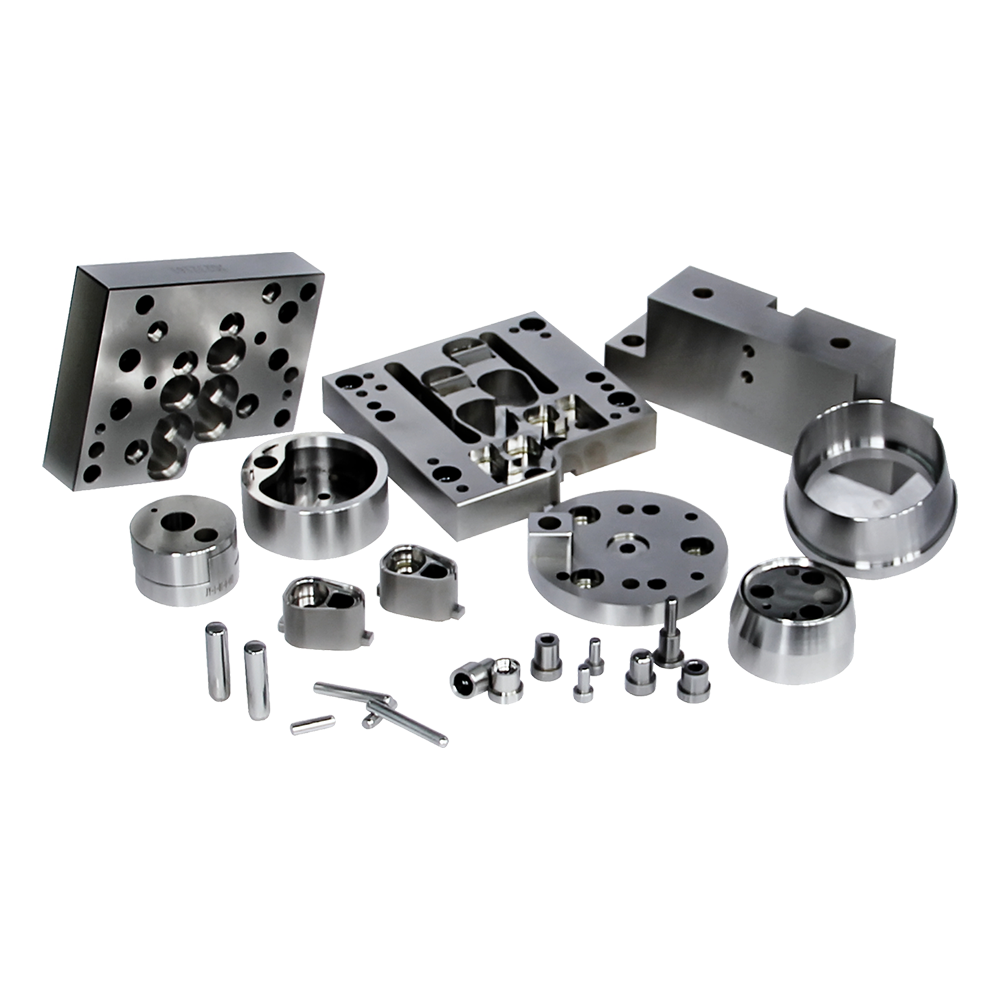
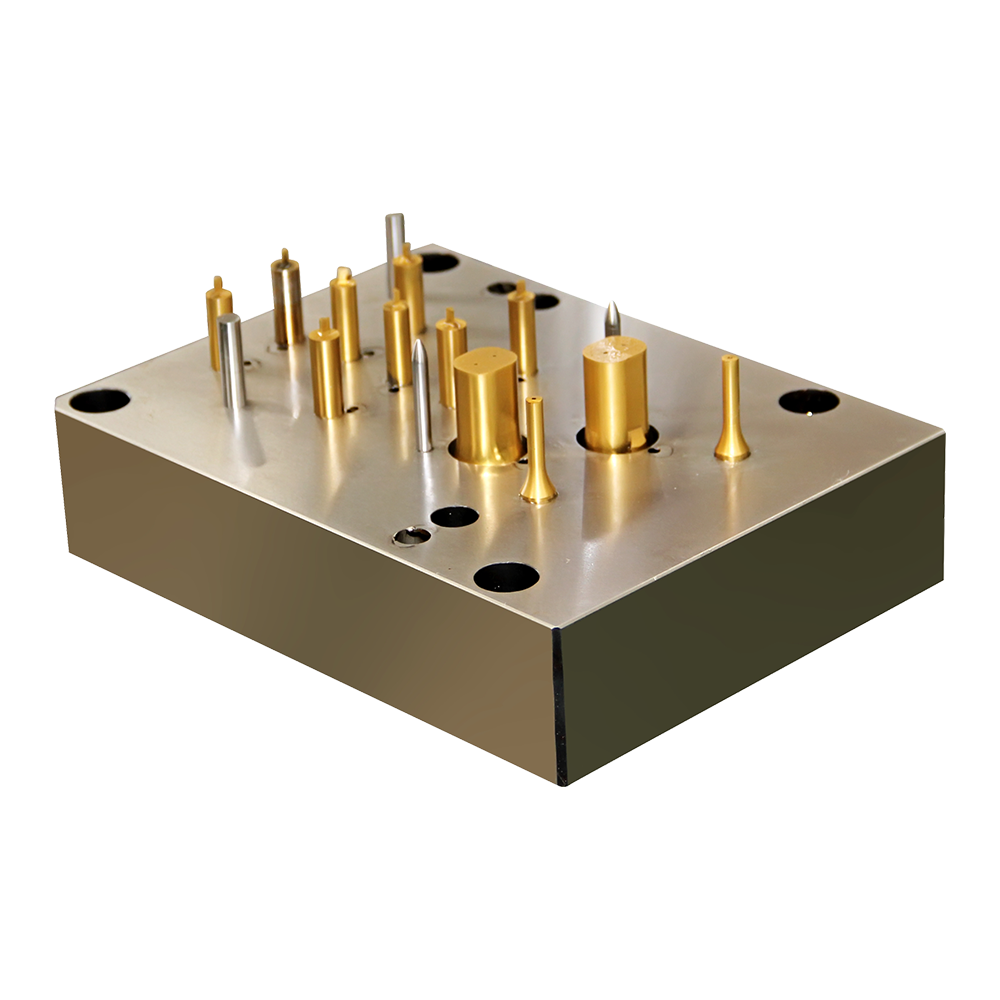
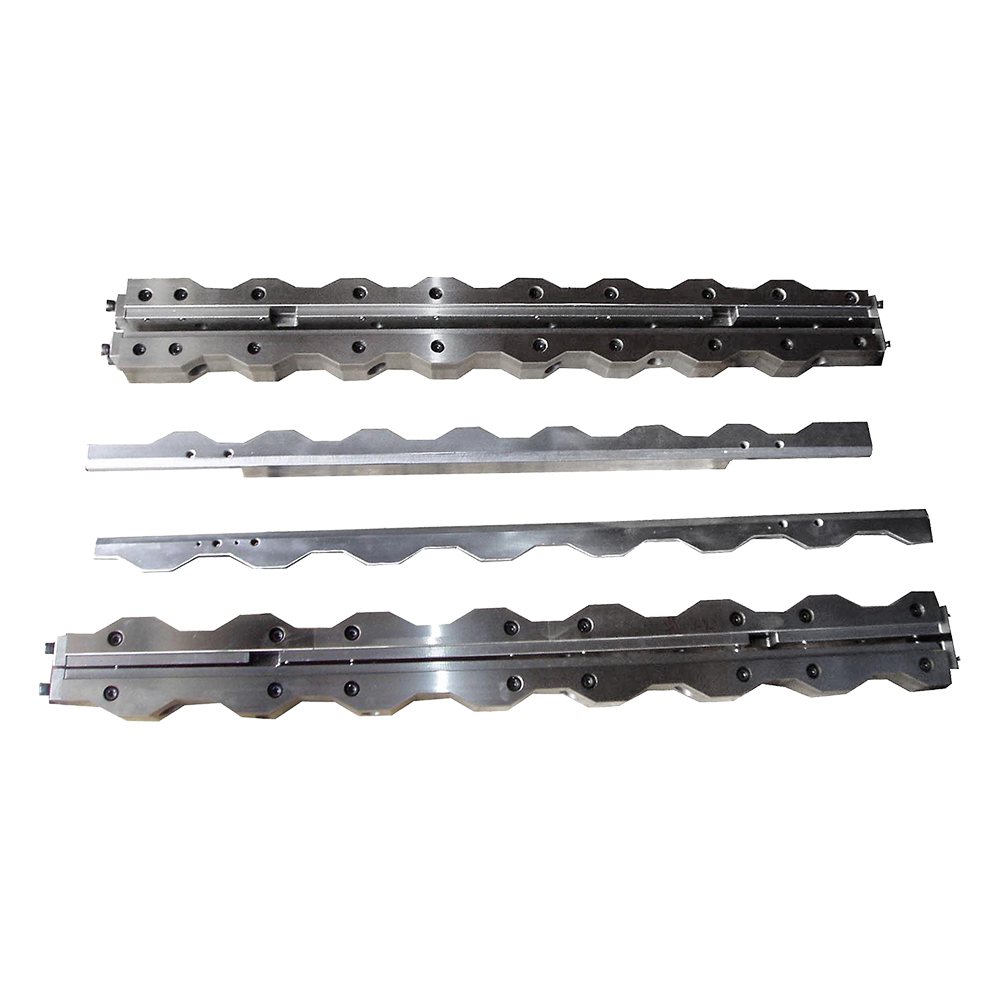
Can-making equipment requires more than a strong frame and a drive motor. The working tools must be manufactured to dimensions that support the required flange and seam geometry. Small errors in tooling can influence the appearance, strength, tightness, and repeatability of the finished can.
The supplier’s combination of CNC high-precision machining and dedicated mold production is a significant strength. Can manufacturers often require product-specific tooling for different diameters, ends, profiles, or lid designs. A machinery manufacturer that can design and produce both equipment and molds can coordinate these elements more effectively than a supplier that treats tooling as an unrelated purchase.
Tooling quality also affects changeover. When different products share a basic machine platform, well-designed tooling can make format changes more organized and predictable. The required changeover process depends on the can design and machine configuration, but it may involve replacing or adjusting forming tools, guides, holders, feed components, and seam-related parts.
Customers should provide accurate drawings or samples during the quotation stage. Important information may include can diameter, can height, body construction, end diameter, lid type, flange dimensions, material thickness, coating, seam specification, and required capacity. Detailed product information allows the supplier to verify whether a standard model or customized tooling package is appropriate.
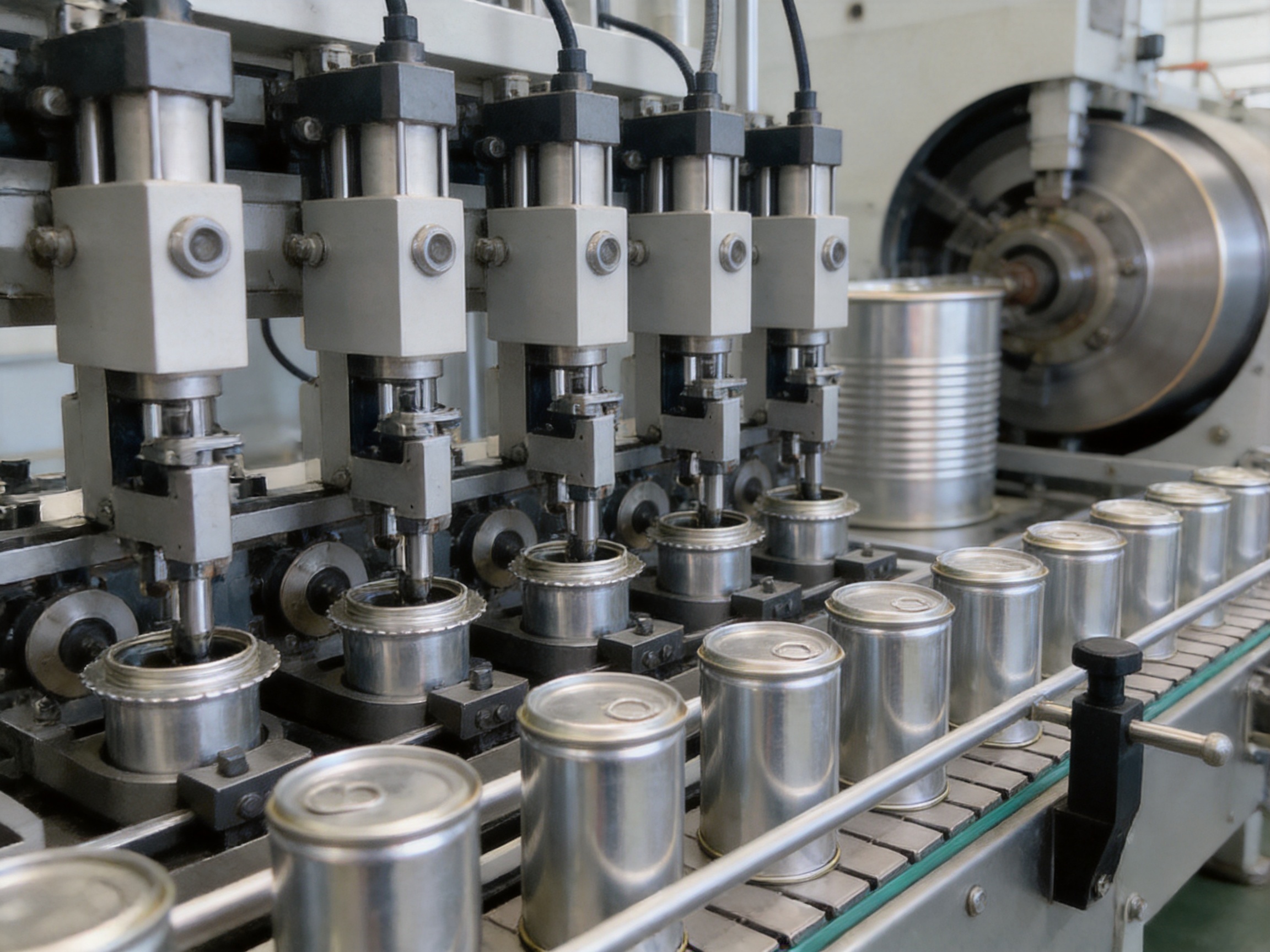
When compared with general-purpose or less specialized equipment, the chemical can line offers several potential advantages. These advantages should be evaluated against the customer’s product, capacity, and budget, but they illustrate why a dedicated can-making system may be preferable for industrial production.
The product family covers multiple diameter ranges and includes both compact six-head machines and large-format models. A company producing only one size may need a single configuration, while a diversified can manufacturer can select different models within the same equipment family.
Some models combine flanging, top seaming, and seaming. Integrating several operations can reduce transfers between independent machines, simplify the material flow, and reduce the number of separate control points. This may also help reduce floor-space requirements, although the final layout must include feeding, inspection, maintenance, and safety access.
The six-head models are specified for 80–150 cans per minute. This makes them more suitable for higher-volume compact can production than basic low-speed equipment. Multi-head processing can improve output while maintaining a relatively organized machine footprint.
Large-diameter chemical cans require different handling characteristics from small aerosol containers. The separate 250–275 mm models give customers a dedicated option instead of attempting to adapt small-can machinery beyond its practical range.
The supplier manufactures can-making machinery and molds. This combination can make technical communication more direct during product development, tooling design, machine installation, and future modification. It may also simplify the process of requesting replacement or upgraded tooling.
The company supplies equipment for food can production lines, beverage can production lines, can lid production lines, chemical tank production lines, aerosol canister production lines, two-piece can lines, and pop-can lines. This broad experience can be useful when a customer requires more than one machine or plans to expand into related packaging categories.
Machine performance depends on correct installation and adjustment. The supplier provides after-sales services including installation, commissioning, technical guidance, operation training, and parts supply. These services are important because can-making equipment must be integrated into a complete production environment.
Installation normally includes positioning the machine, checking the foundation and working space, connecting electrical and auxiliary services, verifying safety devices, and aligning the feeding and discharge systems. Commissioning may include running the machine with test components, adjusting tooling, checking the flanging process, setting seaming conditions, and evaluating finished can dimensions.
Operator training should cover normal operation, product changeover, machine adjustment, inspection points, lubrication, cleaning, fault response, and safe shutdown. Maintenance personnel should also receive information about wear parts, replacement procedures, lubrication intervals, alignment checks, and troubleshooting.
Training is particularly important for equipment with several working heads. Operators must understand how to identify differences between individual stations and how to respond if one head shows abnormal noise, inconsistent forming, or seam variation. Early detection can prevent defective products and reduce the risk of damage to tooling.
Preventive maintenance is essential for preserving the performance of a can-making machine. Maintenance schedules should be established according to operating hours, production materials, environmental conditions, and the recommendations supplied with the equipment.
Typical maintenance activities may include cleaning product residue, checking fasteners, inspecting guides and holders, lubricating specified points, examining moving components, verifying electrical connections, checking safety guards, and monitoring tooling wear. The exact procedures depend on the final machine configuration and should follow the supplier’s technical documentation.
Seaming tools and contact surfaces are subject to mechanical wear. Their condition can influence the quality of the finished seam. A maintenance program should therefore include regular examination of the components that directly shape or support the can body and end.
Reliable spare-parts supply is another factor in equipment ownership. The supplier states that it provides parts at speed, which can help reduce downtime when replacement components are required. Customers should identify critical spare parts before commissioning and maintain an appropriate inventory for high-wear or long-lead components.
The chemical can line is intended primarily for aerosol cans and chemical cans, but the exact application must be matched to the machine configuration and container design. Potential applications may include:
• Aerosol containers for household, industrial, automotive, or maintenance products.
• Chemical cans for coatings, solvents, additives, and industrial materials.
• Containers for lubricants and technical fluids.
• Larger chemical tanks requiring diameters in the 250–275 mm range.
• Specialized tinplate packaging with compatible flange and seam structures.
Packaging manufacturers should verify that the equipment is suitable for the specific contents and regulatory requirements of the product. The machine forms and joins the container; product compatibility, filling safety, pressure testing, corrosion resistance, and regulatory approval must be evaluated as part of the complete packaging system.
For hazardous or pressurized products, the can design and production process must be validated through appropriate engineering and quality procedures. The buyer should define the applicable national and international standards, inspection requirements, and testing protocols before finalizing the machinery specification.
The first selection factor is can diameter. Products between 52 and 99 mm may fit the GT3B51-S-C5 range, while products between 52 and 105 mm may require one of the GT3B53-FSS-C1 versions. Products from 99 to 190 mm are covered by the GT3B53-FSS-C model. Cans from 250 to 275 mm require the large-diameter series.
The second factor is can height. The listed height ranges are not identical between models. The GT3B51-S-C5 supports 80–220 mm, while the GT3B53 models are listed for 60–160 mm. The large-diameter models are also listed for 60–160 mm. Customers with unusual or extended can heights should request a technical review before placing an order.
The third factor is required function. If the customer needs flanging and top seaming, the GT3B51-S-C5 may be appropriate within its dimensional range. If the customer requires flanging, top seaming, and final seaming, a GT3B53-FSS model may be more suitable. For large cans, the customer can choose between seaming only and flanging plus seaming.
The fourth factor is lid structure. The high-lid GT3B53-FSS-C1B should be considered for suitable high-lid applications. Lid height, profile, material, and connection design should be confirmed with drawings or samples.
The fifth factor is production volume. Small-can models provide a stated output of 80–150 cans per minute, while large-can models provide 20–50 cans per minute. Production planning should account for actual operating conditions, changeovers, maintenance, and inspection.
To prepare an accurate proposal, a buyer should submit complete product and production information. Recommended data includes:
• Can body diameter and height.
• End or lid diameter and profile.
• Required flange dimensions.
• Required seam structure and quality standard.
• Can body and end material.
• Material thickness and coating information.
• Target output per minute and daily production hours.
• Number of can sizes to be produced.
• Whether the product requires flanging, top seaming, final seaming, or all three.
• Preferred feeding and discharge method.
• Factory electrical standards and available utilities.
• Required inspection, testing, and documentation.
Product samples are often valuable because they allow the manufacturer to assess actual forming and seaming behavior. Drawings are also important, particularly when the can uses a special lid, a high-lid format, an unusual flange, or a large diameter.
Zhejiang Golden Eagle Food Machinery Co., Ltd. is located in Zhoushan City, Zhejiang Province, China. The company was formerly associated with Zhejiang Food Machinery Factory and Zhoushan Mold Factory. Its long operating history has been focused on can-making machinery and can-making molds.
The company reports that its products have been exported to Europe, Asia, Africa, North America, South America, and Oceania. Its stated export markets include Germany, Italy, the United Kingdom, Spain, Hungary, Russia, Australia, Jordan, Malaysia, the Philippines, Pakistan, Egypt, Algeria, Turkey, Mexico, Nigeria, and Iran.
International experience can help a machinery supplier understand different factory conditions, electrical standards, production expectations, shipping requirements, and customer service needs. However, each project still requires a detailed review of local installation conditions, safety regulations, language requirements, spare-parts planning, and operator training.
The company’s complete-line product portfolio includes food can production lines, beverage can production lines, can lid production lines, chemical tank production lines, aerosol canister production lines, two-piece can production lines, and pop-can production lines. This product range supports customers that need to purchase several related machines from one manufacturer.
Quality control for a chemical or aerosol can line should begin before the machine is assembled. Machined components should be checked against drawings, and critical dimensions should be verified before moving to the next production stage. Assembly accuracy should then be confirmed through alignment and functional checks.
During commissioning, sample cans should be evaluated for flange formation, lid positioning, seam appearance, dimensional stability, and mechanical integrity. Depending on the application, customers may also require seam-section analysis, leak testing, pressure testing, or other specialized inspections.
It is important to distinguish between machine acceptance and finished-package approval. Machine acceptance verifies that the equipment operates according to the agreed technical specification. Finished-package approval confirms that the cans produced on the equipment meet the customer’s product and regulatory standards. Both stages should be clearly defined in the project contract.
A written acceptance protocol can include production speed, acceptable can dimensions, sample quantity, seam criteria, changeover requirements, safety checks, noise limits, documentation, and training completion. Clear acceptance criteria reduce misunderstandings and provide a practical reference for future service discussions.
The purchase price of a machine is only one part of the total cost of ownership. Buyers should also evaluate tooling, installation, commissioning, training, energy, maintenance, spare parts, floor space, labor, downtime, and future expansion.
A machine that combines several operations may reduce the number of transfers and simplify the production layout. A six-head configuration may increase output without multiplying the number of complete machines. A supplier that provides both machinery and molds may reduce coordination effort during product development.
At the same time, a more capable machine may require a higher initial investment and more specialized maintenance. The best choice is therefore the model that matches the actual product range and capacity plan. Selecting equipment that is significantly larger than current requirements may create unnecessary capital cost, while selecting equipment that is too small may limit growth and create production bottlenecks.
Customers should compare suppliers not only by listed output but also by technical support, machine adaptability, component quality, tooling capability, documentation, commissioning, training, and spare-parts availability. These factors have a direct effect on the long-term value of can-making equipment.
The line is designed for aerosol cans and chemical cans, including suitable tinplate containers with compatible body, lid, flange, and seam structures. The exact application must be checked against the selected model and the customer’s product drawings.
Yes. The product is identified as an automatic chemical can line. Automatic operation supports consistent processing and can be connected with automatic feeding and related production equipment.
The smallest listed diameter is 52 mm. Several six-head models cover cans beginning at this diameter.
The largest listed diameter is 275 mm, covered by the GT3B52-FS-CB model. The GT3B51-S-CB model is listed for diameters up to 270 mm.
GT3B51-S-C5, GT3B53-FSS-C1A, GT3B53-FSS-C1B, and GT3B53-FSS-C are identified as six-head configurations.
The smaller six-head models are listed at 80–150 cans per minute. The actual output depends on the can size, material, feeding system, tooling, operating conditions, and quality requirements.
GT3B51-S-CB and GT3B52-FS-CB are the large-diameter models. They cover approximately 250–275 mm cans and have a stated capacity of 20–50 cans per minute.
Both models are six-head machines for 52–105 mm cans and combine flanging, top seaming, and seaming. The C1B model is identified as a high-lid version, while C1A is the standard listed version.
Model ranges cover several sizes, but each product may require suitable tooling and adjustments. Customers should confirm the number of sizes, changeover procedure, and tooling package with the manufacturer.
Yes. The company manufactures can-making molds as well as can-making machinery. This can support coordinated tooling development for special can bodies, lids, and end profiles.
Customers should provide can diameter, height, lid dimensions, flange and seam requirements, material specifications, target capacity, product samples or drawings, and the required machine functions. This information allows the supplier to confirm the correct model and tooling.
The company states that it provides installation, commissioning, technical guidance, operation training, and spare-parts support.
It is designed for aerosol can production applications, but the complete container design and process must be validated for the specific pressure, material, filling, testing, and regulatory requirements. The buyer should confirm all safety and technical conditions before production.
The company reports certification to ISO 9001 for quality management and ISO 14001 for environmental management.
The equipment is manufactured by Zhejiang Golden Eagle Food Machinery Co., Ltd. in Zhoushan City, Zhejiang Province, China.
The automatic chemical can line is a flexible production solution for manufacturers making aerosol cans and chemical cans in a wide range of diameters. Its product family includes high-speed six-head models for 52–190 mm containers and dedicated large-diameter models for approximately 250–275 mm cans. Depending on the configuration, the machines perform flanging, top seaming, seaming, or a combination of these operations.
The key strengths of the equipment include multiple model choices, combined processing functions, six-head production for smaller cans, dedicated capability for large chemical containers, and compatibility with a broad can-making and mold-manufacturing program. The supplier’s long history, CNC machining capability, engineering team, reported production of more than 10,000 pieces of equipment, ISO management certifications, and international service experience further support its position as a complete can-making machinery provider.
For the best result, equipment selection should be based on detailed product drawings, can dimensions, lid design, seam requirements, target capacity, and future expansion plans. With correct model selection, tooling, installation, commissioning, training, and maintenance, the line can provide a practical foundation for efficient chemical and aerosol can production.
1. Zhejiang Golden Eagle Food Machinery Co., Ltd., Chemical Can Line Product Specifications.
2. Zhejiang Golden Eagle Food Machinery Co., Ltd., Company Profile and Manufacturing Capability Information.
3. ISO 9001, Quality Management Systems: Requirements.
4. ISO 14001, Environmental Management Systems: Requirements with Guidance for Use.
5. General principles of tinplate can forming, flanging, seaming, and container quality control.
6. Industrial guidance on aerosol container design, seam integrity, pressure resistance, and production-line safety.
Related Products

Founded in 1978, the company is one of the largest can-making machinery well-known companies at home and abroad.
Product Categories
Contact Information
Zhongshatou Shenjiamen Zhoushan Zhejiang China
+86-580-3056646

 English
 中文简体
 русский
 عربى
 Español