2026-07-11
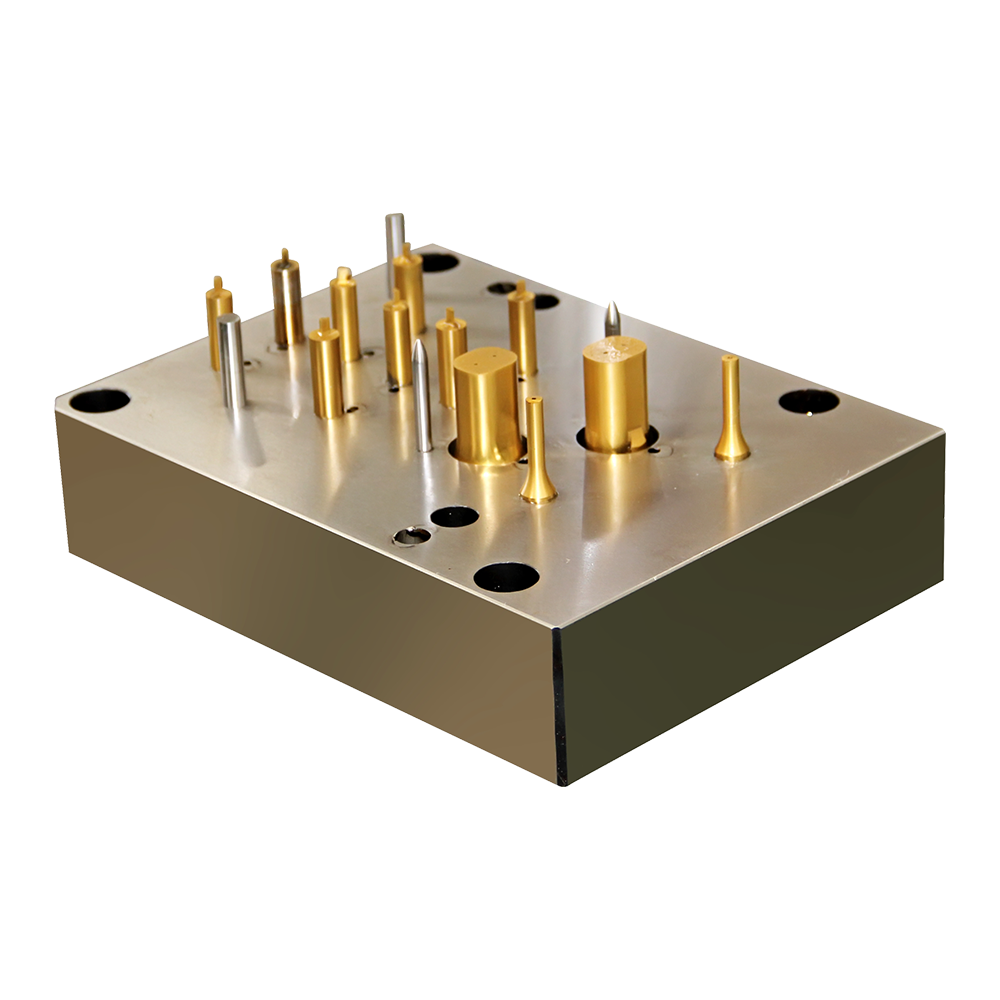
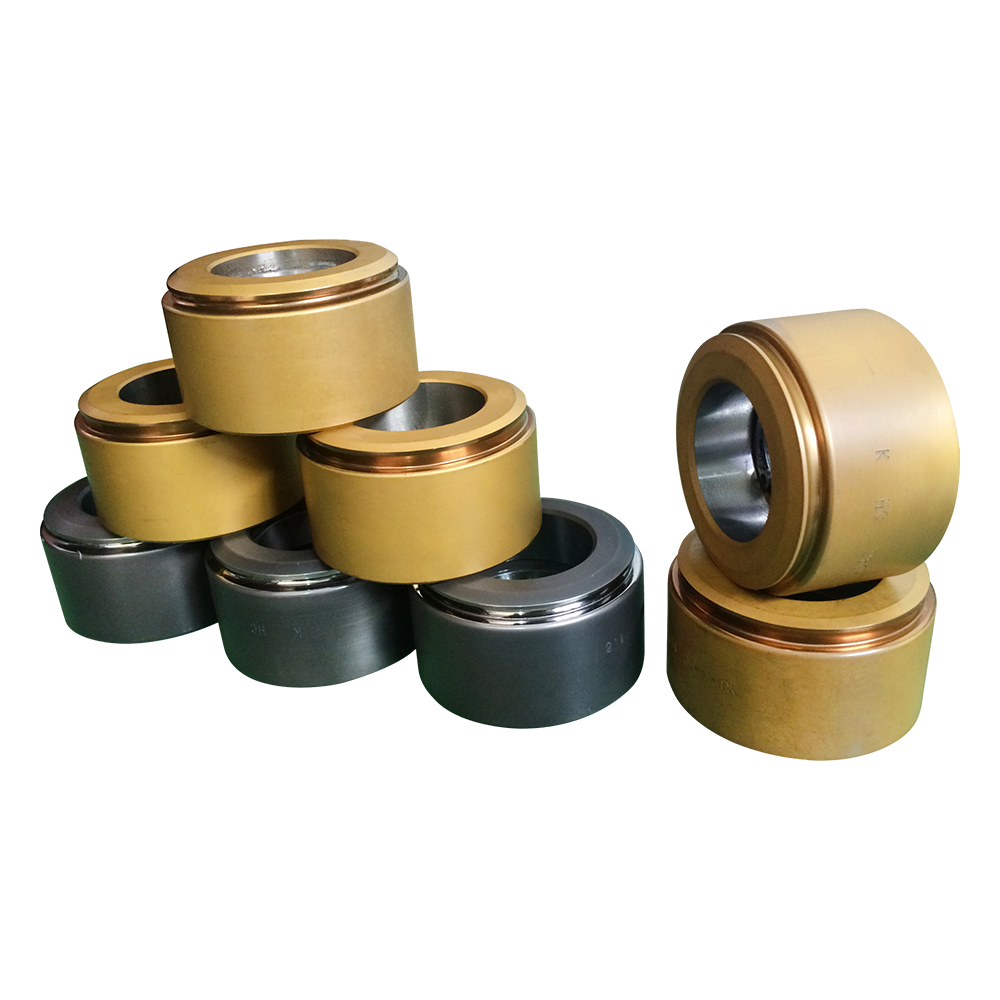
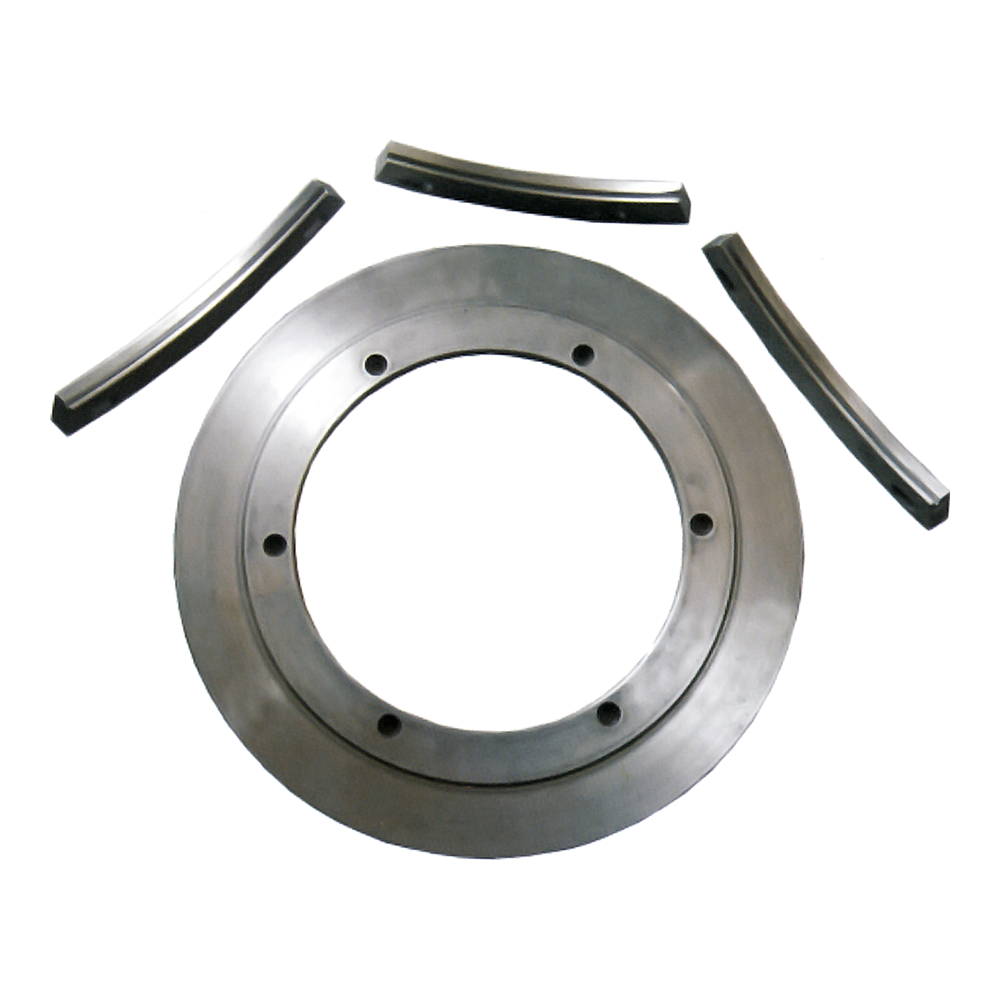
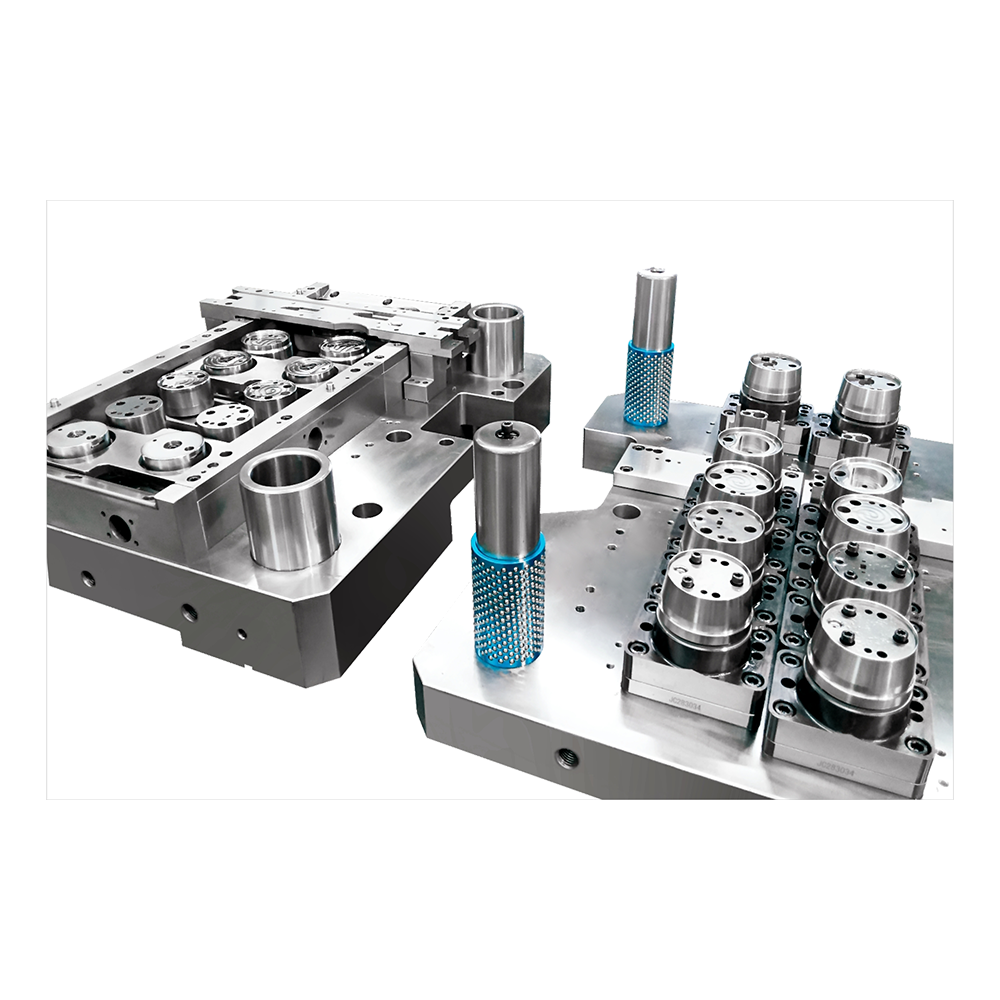
In modern metal packaging production, the quality of a can lid or end is determined by much more than the speed of the press. It depends on the stability, accuracy, durability, and engineering quality of the die system that transforms flat tinplate or aluminum into a functional, safe, and consistently sealed component. The Conversion Press CNC Pressing Die is designed for this critical stage of can-end manufacturing, where precision forming, repeatability, and long-term operational reliability directly influence production efficiency and product quality.
As a specialized mold product for can-making machinery, the Conversion Press CNC Pressing Die supports high-volume production of tin can lids, easy-open ends, food can ends, beverage can ends, aerosol components, and related metal packaging parts. Its role is to ensure that every press stroke produces a dimensionally stable, cleanly formed, and process-ready component. For manufacturers operating competitive production lines, the die is not only a tooling component; it is a strategic asset that affects line speed, scrap rate, maintenance cost, and final package performance.
Zhejiang Golden Eagle Food Machinery Co., Ltd. has developed its mold and can-making machinery capabilities over decades of continuous manufacturing experience. Established in 1978 and formerly associated with Zhejiang Food Machinery Factory and Zhoushan Mold Factory, the company has built a strong foundation in can-making machines, can lid equipment, can-making molds, and complete production lines. This long background gives the Conversion Press CNC Pressing Die an advantage: it is developed not in isolation, but within a complete understanding of can production, press behavior, material response, and customer operating conditions.
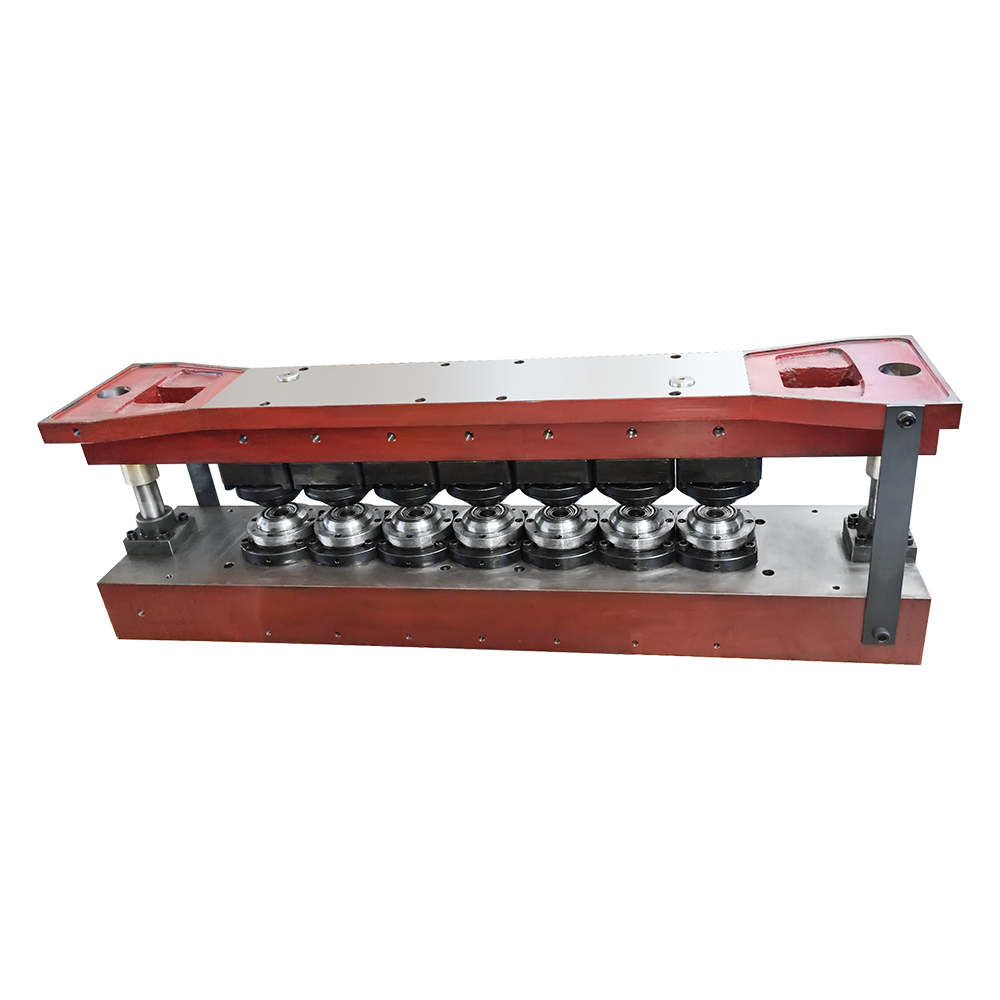
Conversion Press CNC Pressing Die
A conversion press is used in the production of can ends and related components after the sheet material has already been prepared for forming. In the can-making industry, conversion may include a series of operations such as blanking, forming, curling, panel shaping, scoring, riveting, embossing, or other structural processes depending on the final product type. The die installed in the press determines whether these operations are carried out accurately and consistently.
The Conversion Press CNC Pressing Die is engineered to shape and control metal under high pressure. When the press operates, the die must guide the material, withstand repeated impact, maintain alignment, and produce identical results across thousands or millions of cycles. A small error in die geometry can lead to defects such as uneven curl, poor score consistency, deformation, cracking, burrs, poor stackability, or sealing failure. Therefore, a high-quality die is fundamental to the success of the entire can-end line.
Unlike simple tooling, a CNC pressing die benefits from digitally controlled precision machining. CNC machining allows critical surfaces, cavities, punches, guide structures, and fitting areas to be processed with high dimensional accuracy. This enables better interchangeability, smoother operation, and more predictable forming behavior. For customers, this translates into easier installation, faster debugging, stable production, and lower dependence on frequent manual adjustment.
The product is especially important for producers who manufacture food cans, milk powder cans, aerosol cans, chemical containers, two-piece cans, and easy-open lids. Each of these applications requires different forming characteristics, but all share one common need: stable metal forming with controlled accuracy. The Conversion Press CNC Pressing Die meets that need by combining mold design experience with high-precision machining and practical knowledge of can-making production lines.
The can-making industry has become increasingly demanding. Customers expect packaging that is lightweight yet strong, economical yet safe, and attractive yet easy to process on filling lines. As a result, manufacturers of metal packaging components must produce parts with tight tolerances and low defect rates while maintaining high output. The Conversion Press CNC Pressing Die supports these goals by providing the forming foundation for reliable production.
For tinplate can manufacturers, end quality has direct influence on seaming performance. If a lid is incorrectly formed, the double seam may become unstable, leading to leakage risk, poor shelf life, or rejection by downstream filling customers. For easy-open ends, accurate scoring and rivet forming are essential for opening performance and safety. For aerosol and chemical containers, component strength and sealing reliability are especially important. In every case, the die must help the press deliver consistent geometry.
The Conversion Press CNC Pressing Die is positioned as a high-value mold solution for manufacturers who need repeatability, structural accuracy, and long service life. It is also suitable for equipment builders and production line integrators who require reliable tooling compatible with can-end production systems. Because Zhejiang Golden Eagle Food Machinery Co., Ltd. manufactures both machinery and molds, the company can design dies with a clear understanding of press mechanisms, feeding systems, transfer behavior, and production-line integration.
This integrated capability differentiates the product from dies supplied by general mold workshops. A general workshop may understand machining, but may not fully understand the behavior of tinplate under can-end conversion conditions. By contrast, a company experienced in food can production lines, beverage can production lines, can lid production lines, aerosol canister production lines, chemical tank production lines, two-piece can production lines, and pop can production lines can optimize the die for real production requirements.
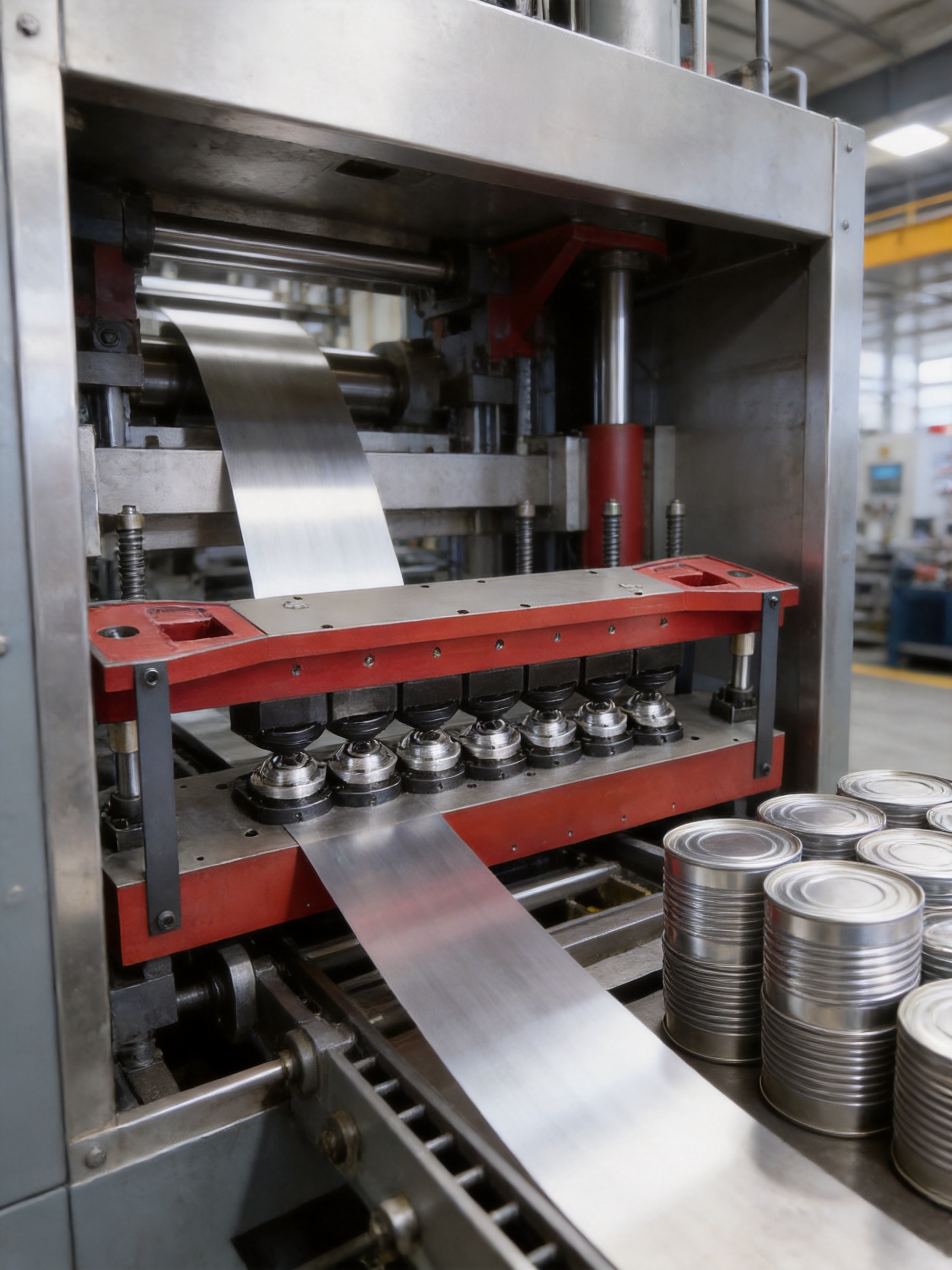
The first major advantage of the Conversion Press CNC Pressing Die is its production-focused design. Many competitor dies are made according to drawings without sufficient consideration of long-term press operation. This can result in a die that looks acceptable during initial inspection but becomes difficult to maintain once it enters continuous production. A production-focused die considers the entire lifecycle: installation, adjustment, running stability, wear behavior, maintenance access, spare part replacement, and operator usability.
The second advantage is high-precision CNC machining. Precision machining helps reduce accumulated errors between components. In a die assembly, even tiny deviations between punch, cavity, guide, and forming surface can cause uneven force distribution. Over time, this increases wear and can create defects. CNC machining improves dimensional consistency, allowing the die to maintain better alignment and forming accuracy during high-frequency operation.
The third advantage is strong process compatibility. The die is designed with awareness of can-making materials such as tinplate and other metal sheets commonly used in packaging. Material thickness, coating behavior, hardness, springback, and surface protection all affect the forming process. A die that is not properly designed may scratch the coating, create burrs, generate wrinkles, or cause unstable forming. The Conversion Press CNC Pressing Die is developed to reduce these risks through careful geometry and machining quality.
The fourth advantage is the ability to support OEM and ODM requirements. Different customers may need different lid sizes, profiles, tooling arrangements, production speeds, or integration methods. Zhejiang Golden Eagle Food Machinery Co., Ltd. offers manufacturing capabilities that allow customized die solutions for specific production requirements. This flexibility is valuable for manufacturers who produce multiple can types or who need to upgrade existing lines without replacing all equipment.
The fifth advantage is the company’s deep experience in both can-making molds and can-making machinery. Competitors that only produce molds may not fully consider how die design affects the press, feeding machine, conveyor, or downstream line. Competitors that only build machines may outsource tooling and lose control over mold quality. The company’s combined strength allows better coordination between die design and machine performance.
The Conversion Press CNC Pressing Die is built to achieve reliable performance through a combination of structural design, machining precision, material selection, and practical manufacturing knowledge. While each die may be customized according to customer requirements, several technical qualities are central to its value.
Stable guiding is essential. During each press stroke, the upper and lower die components must align accurately. If guidance is unstable, the working edges and forming surfaces may wear unevenly or collide improperly. High-quality guide structures help maintain repeatability and protect the die from premature damage.
Accurate forming surfaces are also essential. The surface geometry of the die controls the final shape of the can end. CNC machining enables the creation of smooth, accurate contours that help the material flow correctly during forming. This reduces the likelihood of wrinkles, cracks, and dimensional variation.
Durability is another important factor. A conversion press die operates under repeated high pressure. Components must be manufactured to resist wear, deformation, and fatigue. The use of appropriate mold materials, heat treatment processes where applicable, and precision finishing supports long service life.
Ease of maintenance improves productivity. Dies that are difficult to inspect, clean, repair, or adjust can increase downtime. A well-designed pressing die considers how technicians will access wear parts, replace components, and restore production quickly. This is particularly important for manufacturers working with tight delivery schedules.
Consistency across production batches is one of the strongest benefits. When the die is manufactured with stable CNC processes and controlled quality management, replacement parts and repeat orders can better match original dimensions. This helps customers maintain consistent product quality over time.
| Comparison Item | Conversion Press CNC Pressing Die | Ordinary Competitor Die |
|---|---|---|
| Design Basis | Developed with practical can-making machinery and mold experience | Often based mainly on general mold drawings or limited production feedback |
| Machining Method | High-precision CNC machining for critical components and surfaces | May rely more heavily on conventional machining or inconsistent processes |
| Production Stability | Designed for repeated high-volume can-end manufacturing | May require more frequent adjustment during continuous operation |
| Integration | Compatible with broader can-making lines, feeding systems, and press requirements | May be less optimized for full-line operation |
| Customization | Supports OEM and ODM requirements for different can-end applications | Customization may be limited or slower |
| Maintenance | Designed with serviceability, wear control, and replacement consistency in mind | Maintenance structure may be less convenient |
| Quality Control | Supported by ISO9001 quality management and mature manufacturing procedures | Quality control depends heavily on supplier capability |
| Long-Term Value | Lower scrap risk, improved repeatability, and better lifecycle reliability | Lower initial cost may be offset by downtime, scrap, and repair needs |
The performance of a pressing die begins long before it is installed in a conversion press. It begins with design, material planning, machining preparation, processing control, assembly, inspection, and final adjustment. Zhejiang Golden Eagle Food Machinery Co., Ltd. uses advanced manufacturing equipment and complete mechanical machining capabilities to support the quality of its can-making molds.
The company adopts CNC high-precision machining equipment for mold production. CNC processing is particularly important for die components that require accurate contours and close fits. In the can-end conversion process, the die must manage metal flow at high speed and under high pressure. Smooth and accurate component surfaces reduce friction, improve forming stability, and help protect coating layers on tinplate materials.
Mechanical machining capability is also important for producing supporting plates, holders, guide elements, and structural components. A die is not only a set of forming cavities; it is an engineered assembly. The rigidity of the assembly affects forming accuracy. The quality of support surfaces affects alignment. The accuracy of locating features affects installation time and repeatability. Complete machining capability allows the company to control these factors internally.
The company’s manufacturing philosophy is influenced by well-known international design principles associated with advanced can-making equipment. Through years of production practice, the company has combined external technical references with its own practical experience. This approach allows it to improve products continuously, bringing new solutions into established can-making processes while maintaining reliability.
Quality management is strengthened through ISO9001 certification. For mold manufacturing, quality management is not limited to final inspection. It includes process control, machining discipline, documentation, material verification, dimensional checking, and corrective improvement. Environmental management is supported by ISO14001 certification, reflecting the company’s commitment to responsible manufacturing practices.
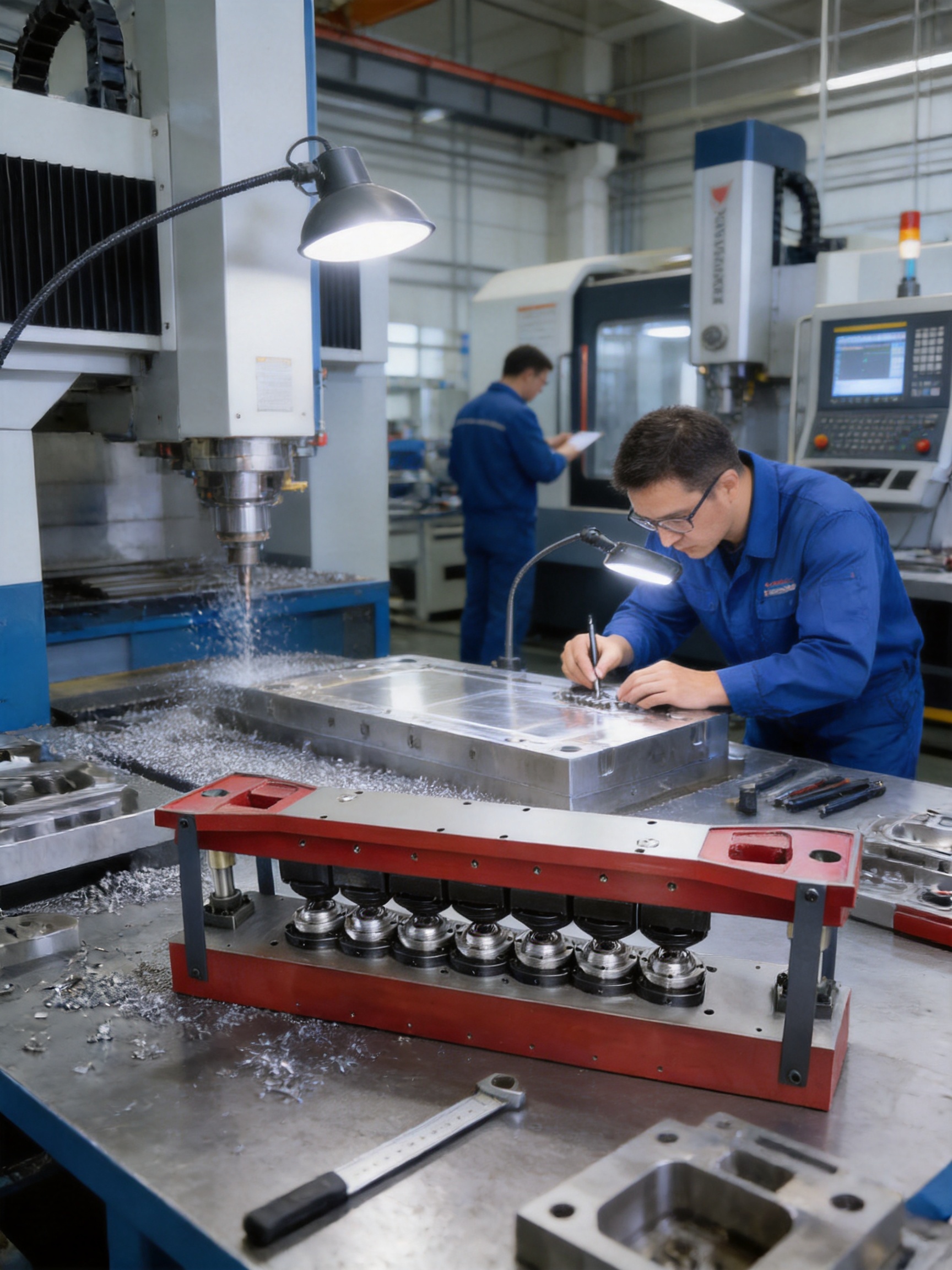
A pressing die for can-end production requires more than manufacturing equipment. It requires engineering judgment. Zhejiang Golden Eagle Food Machinery Co., Ltd. has been engaged in can-making machinery and can-making mold manufacturing for more than four decades. This experience allows the company to understand how a die behaves not only in theory, but also in the demanding conditions of real factories.
The company has a team of more than 350 well-trained personnel, including experienced design and development professionals and professional engineers. This scale of technical support helps ensure that customer requirements can be analyzed carefully. Engineers can consider product drawings, production-line layout, material specifications, press conditions, target output, and maintenance expectations before finalizing a die solution.
Over the years, the company has produced more than 10,000 pieces of can and can lid equipment. This volume of manufacturing experience provides a broad knowledge base. Each production line, each machine, and each die contributes practical lessons about metal behavior, tooling durability, customer operation habits, and production challenges. This accumulated knowledge is valuable for improving new products such as the Conversion Press CNC Pressing Die.
The company’s products have been used by many can manufacturers and canning factories. User recognition is especially important in industrial equipment because production environments quickly expose weaknesses. A die that performs well in demonstration but fails in continuous operation cannot satisfy serious manufacturers. The company’s long-term market presence indicates that its products have earned trust through practical performance.
The global export record also demonstrates adaptability. Products have been exported to countries across Europe, Asia, Africa, North America, South America, and Oceania, including markets such as Germany, Italy, the United Kingdom, Spain, Hungary, Russia, Australia, Jordan, Malaysia, the Philippines, Pakistan, Egypt, Algeria, Turkey, Mexico, Nigeria, and Iran. Serving different markets requires the ability to respond to varied standards, materials, operating habits, and customer expectations.
CNC precision is not a marketing phrase; it is a technical necessity in can-end tooling. The can end is a relatively small part, but it includes multiple functional areas. These may include countersink zones, panel areas, curl sections, score zones, rivet structures, opening features, and sealing surfaces depending on the product. Each area must be formed correctly to ensure final performance.
If the die has poor dimensional control, the formed end may appear acceptable at first glance but fail during seaming, sterilization, filling, transport, or opening. For example, an inconsistent curl may affect end stacking or seaming. An inaccurate panel may reduce pressure resistance. A poorly controlled score may make an easy-open lid too difficult to open or too weak. A rough forming surface may damage coatings, creating corrosion risk.
CNC machining helps prevent these issues by creating accurate and repeatable component geometry. It also supports repeat manufacturing. If a customer later needs a replacement part or another die of the same type, CNC-based production makes it easier to reproduce the required shape and dimensions.
Precision also improves press efficiency. A well-machined die runs more smoothly, reduces vibration and abnormal friction, and can help operators maintain stable production. This can lower scrap, reduce unplanned downtime, and improve the confidence of production managers responsible for output targets.
The Conversion Press CNC Pressing Die is relevant to a wide range of metal packaging applications. Its category as a mold product makes it suitable for integration into different can-end and component production lines. The following application areas demonstrate its versatility.
Food can end production is one major application. Food cans require secure sealing and reliable shelf life. End geometry must support double seaming and withstand processing conditions. A stable die helps produce food can ends with consistent dimensions and clean forming quality.
Beverage can end production requires high-speed consistency and precise structural control. Beverage containers often operate in competitive, large-volume markets where even small defect rates can lead to significant losses. The die contributes to efficient output and consistent end quality.
Milk powder can production often requires attractive appearance and strong sealing performance. Milk powder packaging may use tinplate cans with high presentation requirements. A precise pressing die helps maintain clean shape, suitable stacking, and stable sealing characteristics.
Easy-open end production is another important field. Easy-open ends require carefully controlled features such as score lines and rivet areas. Tooling accuracy affects opening force, safety, and consumer experience. A properly engineered CNC pressing die helps manufacturers achieve reliable easy-open performance.
Aerosol cone and dome manufacturing also benefits from precision tooling. Aerosol components must withstand pressure and provide reliable structure. Forming defects can compromise performance and safety. The die supports controlled forming for consistent components.
Chemical tank and container production requires strength, tightness, and dimensional stability. Chemical packaging may involve more demanding safety expectations, and tooling quality helps reduce the risk of weak or inconsistent parts.
Two-piece can production and related components may also require specialized tooling solutions. In these applications, forming accuracy, surface protection, and production stability are essential for efficient operation.
The design philosophy behind the Conversion Press CNC Pressing Die can be summarized in three words: reliability, compatibility, and improvement. Reliability means the die must work consistently under real production conditions. Compatibility means it must match the press, feeding system, material, and production objective. Improvement means the design should benefit from accumulated manufacturing experience and customer feedback.
Reliability begins with understanding the working environment. A conversion press can run at high speed for long periods. The die must endure repeated impact and maintain dimensional accuracy. Therefore, the design should consider force distribution, guiding accuracy, rigidity, wear zones, and maintenance requirements.
Compatibility requires communication between customer and manufacturer. Different customers may operate different presses or production lines. Some may need a die for new equipment, while others may need replacement tooling for an existing system. The ability to customize and coordinate engineering details helps ensure that the die performs as expected after installation.
Continuous improvement is supported by decades of production experience. The company has continuously brought forth new improvements from established practices. In can-making machinery, proven reliability is valuable, but so is the ability to adapt to new materials, new lid designs, and higher production expectations. The die reflects this balanced approach.
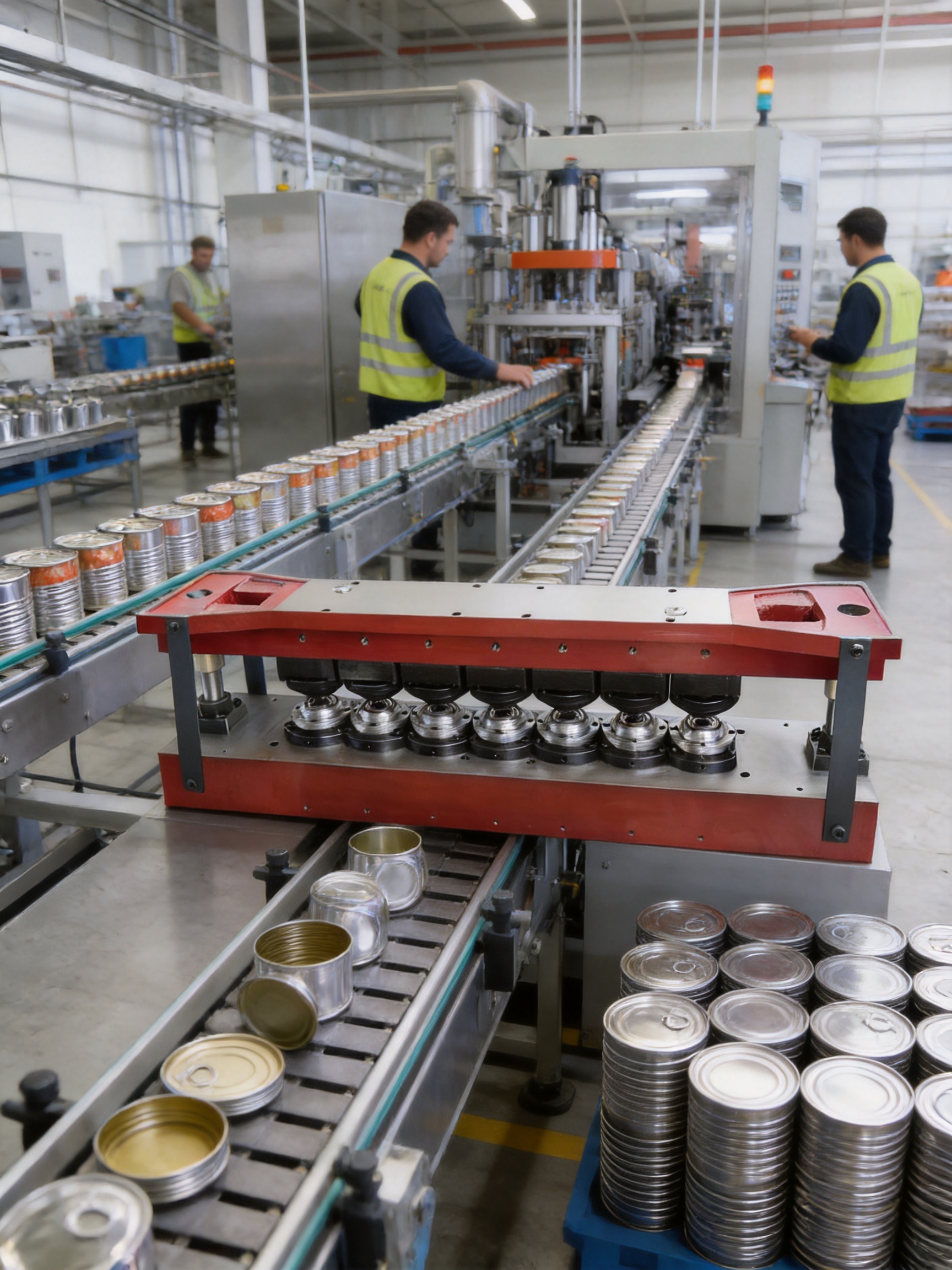
Scrap is one of the hidden costs in can-end production. A small percentage of defective ends can represent significant material loss when production volumes are high. Defects also consume labor, inspection time, and machine capacity. The Conversion Press CNC Pressing Die helps reduce scrap by improving forming consistency and dimensional control.
Common defects in can-end production may include burrs, wrinkles, coating scratches, off-center forming, uneven curls, weak scores, excessive deformation, and poor stacking. While some defects may be caused by material, press adjustment, or feeding issues, the die plays a central role. A stable, accurate die reduces one major source of variation.
Higher productivity comes from more than press speed. It comes from stable running time. If operators must frequently stop the line to adjust tooling, remove jammed parts, inspect defects, or replace worn components, actual output falls. A well-designed die supports smoother operation and helps production teams maintain planned output.
Maintenance planning is another productivity factor. When a die has predictable wear behavior and serviceable structure, maintenance can be scheduled rather than emergency-based. This reduces production disruption. For factories supplying customers with strict delivery requirements, predictable operation is a major advantage.
Zhejiang Golden Eagle Food Machinery Co., Ltd. supplies a broad range of can-making machinery, including food can production lines, beverage can production lines, can lid production lines, chemical tank production lines, aerosol canister production lines, two-piece can production lines, and pop can production lines. This full-line capability improves die development because engineers can see how tooling interacts with other equipment.
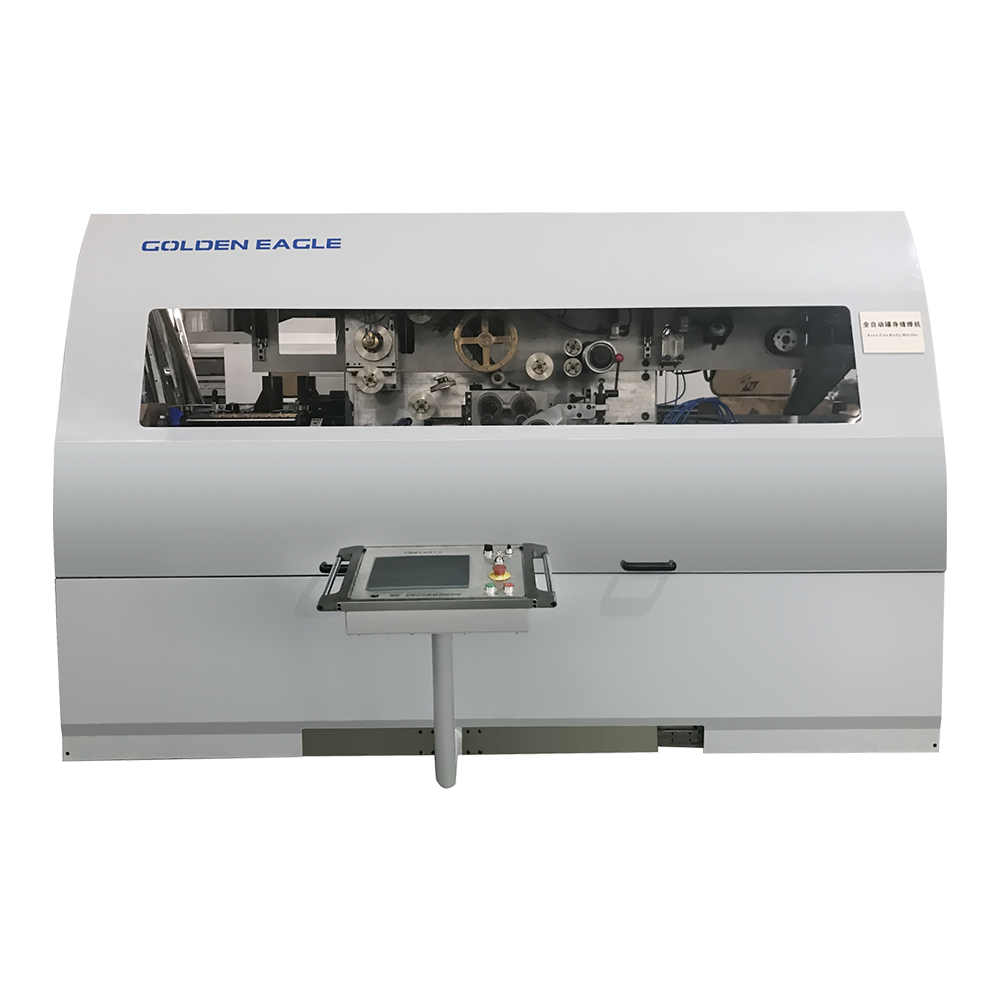
For example, an automatic feeding machine must deliver material accurately to the press. If the die is not compatible with feeding behavior, misalignment may occur. A tin can auto-welding machine influences body production, but the lid or end must still match final assembly requirements. A cutting machine such as a duplex slitter affects sheet preparation quality, which later influences forming. Understanding the full chain allows better die design decisions.
Because the company manufactures can lid end making machines and EOE lid making machines, it has direct experience with the most demanding end-production processes. This matters because the pressing die must support critical operations that determine functional quality. Engineers familiar with complete lines can better anticipate the relationship between tooling design and final product performance.
Full-line capability also benefits after-sales support. When customers face production challenges, the company can provide technical guidance not only for the die but also for related machine operation. This broader perspective is valuable for troubleshooting and process optimization.
Quality management for a Conversion Press CNC Pressing Die includes design review, manufacturing control, assembly verification, and final inspection. The objective is to ensure that the die meets both drawing requirements and practical production needs.
Design review helps confirm that the die structure is suitable for the intended can-end product and press conditions. Engineers evaluate forming geometry, component relationships, guidance, installation method, and maintenance considerations. Where customer samples or drawings are available, they can be used to refine the design.
Manufacturing control ensures that components are processed according to required accuracy. CNC machining reduces variability, while skilled technicians monitor process quality. Proper machining sequence can also affect final accuracy, especially for components requiring tight fits.
Assembly verification checks whether the die components fit correctly and move as intended. Alignment, clearance, and contact surfaces must be examined carefully. Even accurately machined components require skilled assembly to ensure optimal performance.
Final inspection confirms that the die is ready for customer use. Depending on the project, this may include dimensional measurement, surface checking, fitting inspection, and functional evaluation. The goal is to reduce installation risk and help the customer begin production efficiently.
Can manufacturers often have unique requirements. A customer may need a specific lid diameter, customized panel profile, special curl structure, or tooling adaptation for an existing conversion press. Another customer may need a die as part of a complete new production line. OEM and ODM support is therefore an important advantage.
OEM support allows the company to manufacture according to customer specifications. This is useful when the customer already has established product drawings or standards. The company can use its machining and mold manufacturing capabilities to produce the die according to the required structure.
ODM support allows deeper cooperation in design and development. This is useful when the customer needs engineering assistance to create or improve a die solution. The company’s experience in can-making machinery, can lid equipment, and molds allows it to provide practical suggestions based on production realities.
Customization can include size, material compatibility, production-line integration, component arrangement, service structure, and other functional requirements. The purpose is not merely to make a die that fits, but to make a die that performs reliably in the customer’s factory.
Industrial tooling customers value after-sales support because even the best equipment requires proper installation, commissioning, and operation. Zhejiang Golden Eagle Food Machinery Co., Ltd. provides after-sales services including installation, commissioning, technical guidance, operation training, and timely parts supply.
For a pressing die, installation and commissioning are critical. Proper alignment, press adjustment, feeding synchronization, lubrication, and trial production all affect initial performance. Technical guidance helps customers avoid avoidable problems and shorten the learning curve.
Operation training helps production teams understand how to use and maintain the die correctly. Operators and technicians should know how to monitor product quality, identify early signs of wear, clean tooling surfaces, and follow maintenance procedures. Good training extends die life and improves production stability.
Parts supply is also important. Over time, certain components may wear and require replacement. Fast access to suitable parts reduces downtime. Because the company manufactures molds and machinery, it can better support customers with compatible replacement components.
The Conversion Press CNC Pressing Die offers value to can manufacturers competing in global markets. Metal packaging producers must control cost while meeting quality expectations. They need tooling that improves efficiency, reduces waste, and supports consistent product performance.
In mature markets, manufacturers may focus on precision, automation, and strict quality standards. In developing markets, manufacturers may seek durable equipment that can improve production capacity and reduce dependence on imported replacements. In both cases, the die offers practical value because it combines precision manufacturing with industry experience.
The company’s export history shows that its products can serve customers across different regions. This international experience helps the company understand varied customer expectations. Some customers may prioritize high-speed production, while others may prioritize ruggedness, simple maintenance, or flexible product changeover. A strong manufacturer can adapt solutions accordingly.
When choosing a Conversion Press CNC Pressing Die, buyers should consider more than purchase price. The lowest-cost die may become expensive if it increases scrap, requires frequent adjustment, or causes production downtime. A better purchasing decision evaluates lifecycle value.
Buyers should first clarify the target product, including lid type, material, thickness, diameter, profile, and functional requirements. Accurate technical information allows the manufacturer to design and produce a suitable die.
Second, buyers should confirm compatibility with the press. Press capacity, stroke, installation dimensions, feeding method, and operating speed all influence die design. Sharing detailed machine information helps reduce integration risk.
Third, buyers should evaluate supplier experience. A supplier with decades of can-making machinery and mold experience can provide more practical support than a general machining workshop. Experience matters when solving unexpected production issues.
Fourth, buyers should consider after-sales service. Installation support, training, commissioning, and spare parts supply can significantly affect production success. A die is part of a manufacturing system, and support is part of its value.
The main function is to form, shape, and control metal can-end components during conversion press operations. It helps produce consistent lids, ends, and related parts for tinplate and metal packaging applications.
CNC machining improves dimensional accuracy, surface consistency, and repeatability. These qualities help the die maintain stable forming performance, reduce defects, and support long-term production reliability.
The die can be used for food can ends, beverage can ends, milk powder can components, easy-open ends, aerosol cone and dome components, chemical container parts, and other metal packaging products depending on customization.
It is developed with can-making production experience, high-precision CNC machining, and full-line equipment understanding. Ordinary dies may focus only on basic shape production, while this die emphasizes stability, compatibility, maintenance, and long-term value.
Yes. OEM and ODM support are available for different product sizes, profiles, materials, press requirements, and production-line conditions.
Yes. The company provides installation, commissioning, technical guidance, operation training, and parts supply to help customers maintain stable production.
Can-end production involves complex interactions between material, press, die, feeding system, and downstream equipment. A supplier with deep industry experience can design more practical tooling and provide better troubleshooting support.
Yes. The die is designed for stable repeated operation in can-end manufacturing environments. Its precision machining and production-focused structure support high-volume output when matched with suitable equipment and proper operation.
The Conversion Press CNC Pressing Die is a critical mold solution for manufacturers seeking reliable, accurate, and efficient can-end production. In the competitive metal packaging industry, tooling quality directly affects product consistency, scrap rate, maintenance cost, and customer satisfaction. A high-quality pressing die is therefore not merely an accessory to a conversion press; it is a core element of production performance.
With high-precision CNC machining, practical can-making design experience, strong customization capability, and full-line manufacturing knowledge, the die offers clear advantages over ordinary competitor tooling. It supports stable forming, reliable operation, and better lifecycle value for food cans, beverage cans, easy-open ends, aerosol components, chemical containers, milk powder cans, and other metal packaging applications.
Zhejiang Golden Eagle Food Machinery Co., Ltd. brings more than four decades of manufacturing experience, advanced equipment, ISO-certified management systems, a large technical team, and global market experience to the development of this product. Its strength in both can-making machinery and molds allows the Conversion Press CNC Pressing Die to be engineered with a complete understanding of production realities.
For manufacturers who want to improve output quality, reduce production risk, and build a more dependable can-end manufacturing process, the Conversion Press CNC Pressing Die represents a practical and strategic investment. It combines precision, durability, service support, and engineering knowledge in one essential tooling solution for modern metal packaging production.
1. Kalpakjian, S., and Schmid, S. R. Manufacturing Engineering and Technology. Pearson Education.
2. Lange, K. Handbook of Metal Forming. Society of Manufacturing Engineers.
3. Hosford, W. F., and Caddell, R. M. Metal Forming: Mechanics and Metallurgy. Cambridge University Press.
4. Groover, M. P. Fundamentals of Modern Manufacturing: Materials, Processes, and Systems. Wiley.
5. Twede, D., and Goddard, R. Materials and Development of Packaging. DEStech Publications.
6. ISO 9001 Quality Management Systems: Requirements. International Organization for Standardization.
7. ISO 14001 Environmental Management Systems: Requirements with Guidance for Use. International Organization for Standardization.
Related Products

Founded in 1978, the company is one of the largest can-making machinery well-known companies at home and abroad.
Product Categories
Contact Information
Zhongshatou Shenjiamen Zhoushan Zhejiang China
+86-580-3056646

 English
 中文简体
中文简体
 русский
 عربى
عربى
 Español