2026-07-19
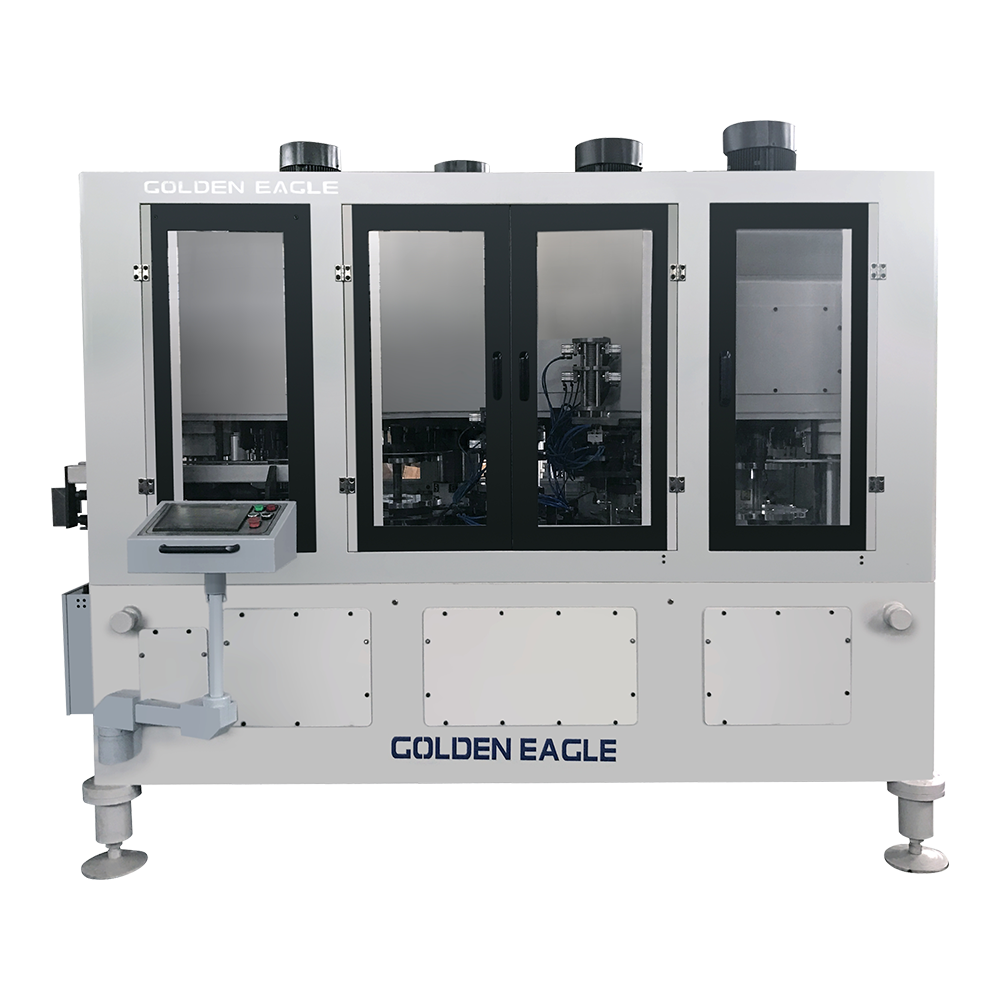
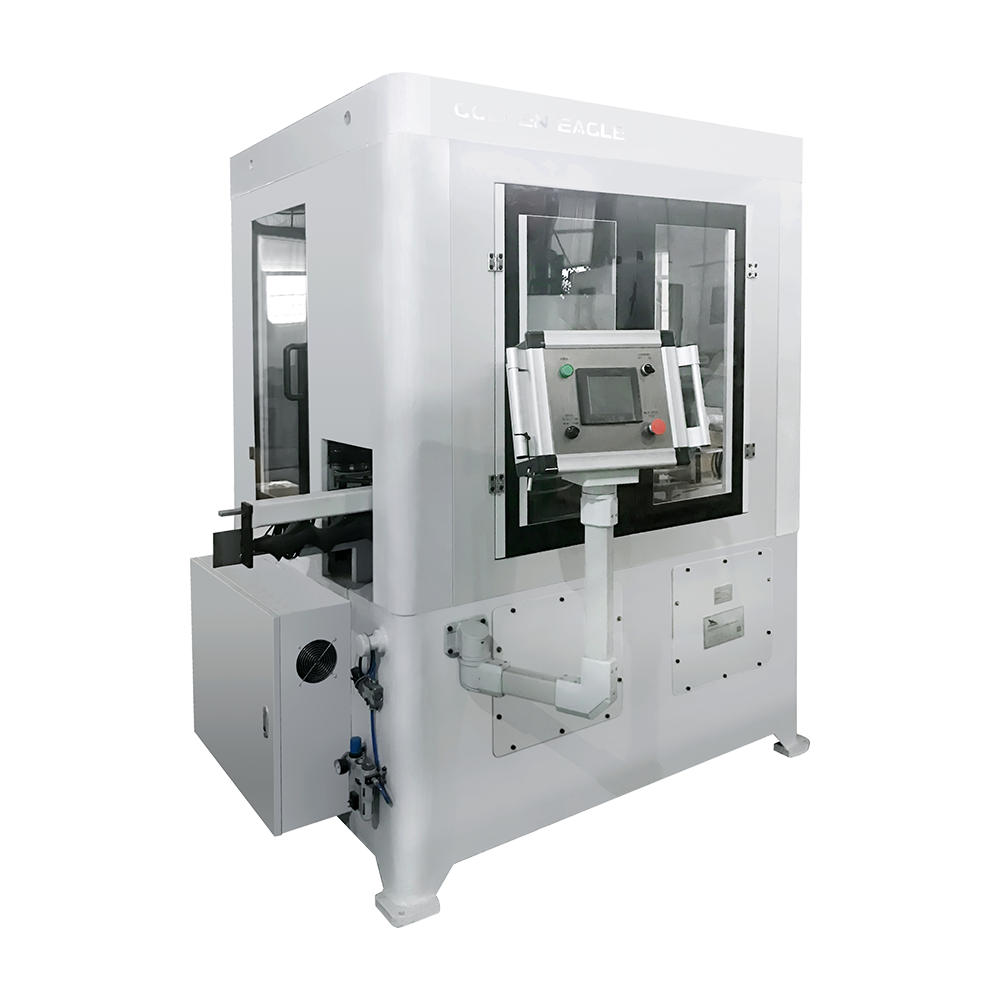
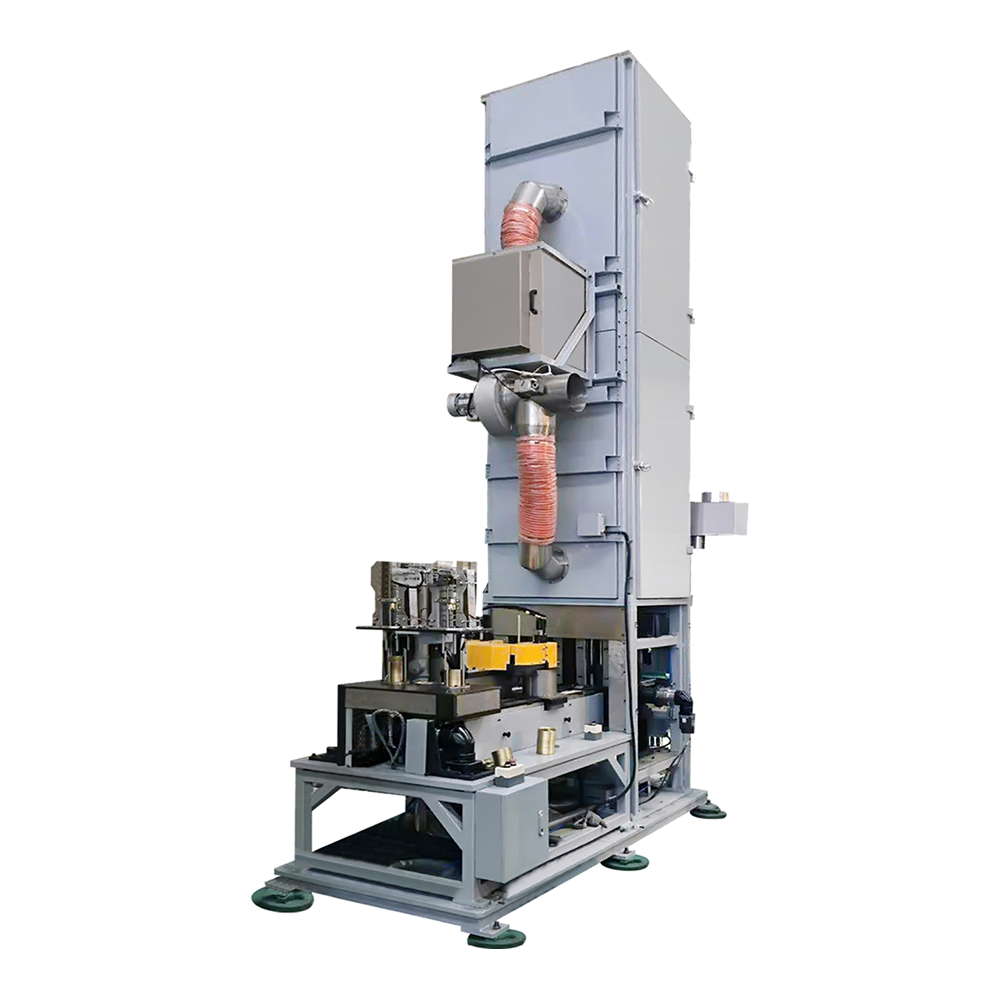
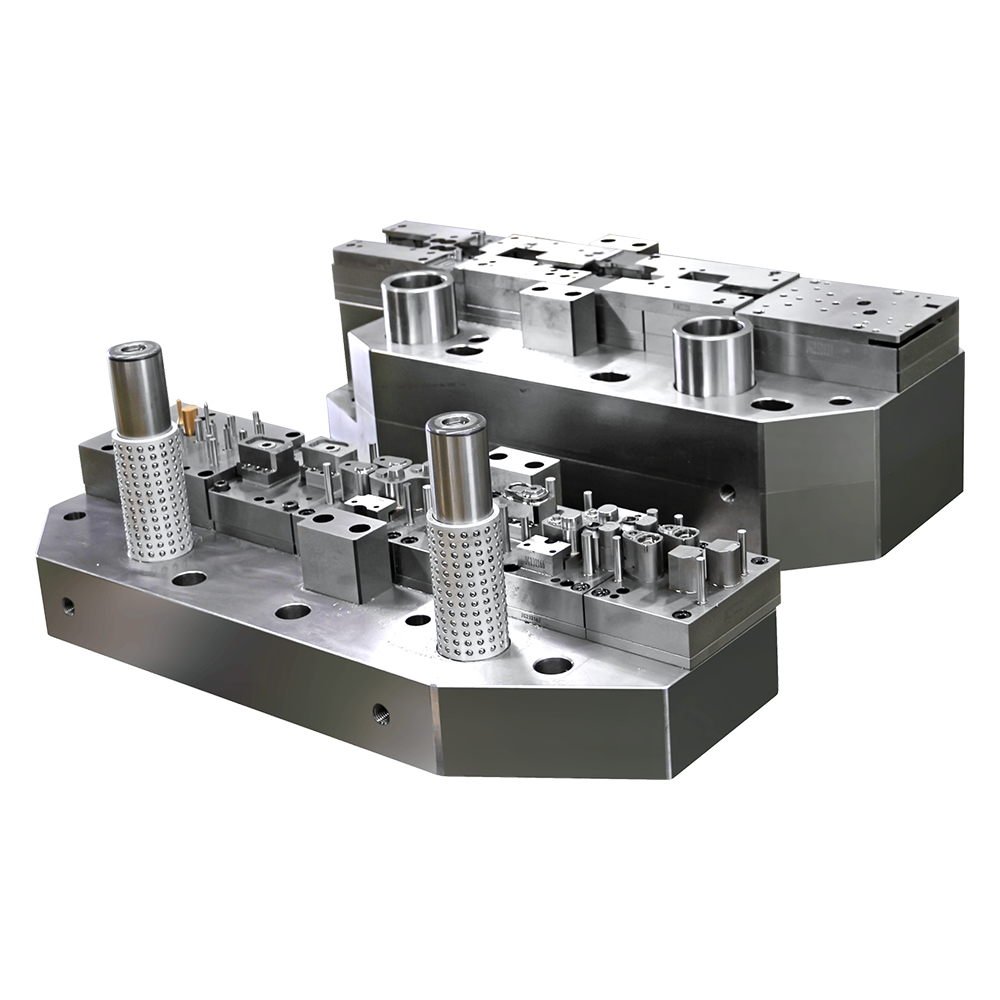
The Conversion Press Double Row Die is a precision mold solution designed for high-output can lid and end production, especially for manufacturers seeking stable forming quality, improved production efficiency, and long-term operating reliability. In modern metal packaging production, the die is not simply a replaceable tool; it is a central component that determines dimensional accuracy, material utilization, production rhythm, maintenance frequency, and final product consistency. For can makers producing food can lids, beverage ends, easy-open ends, milk powder can components, aerosol can parts, chemical container lids, and other tinplate or metal packaging ends, a well-engineered double row die can significantly increase productivity while maintaining strict quality control.
This article introduces the Conversion Press Double Row Die as a high-value mold product for can lid production lines. It explains how its double-row configuration supports higher production capacity, how precision manufacturing improves stability, and why the engineering background of Zhejiang Golden Eagle Food Machinery Co., Ltd. provides strong support for customers who require reliable can-making machinery and molds. The discussion also compares the product with conventional or lower-grade alternatives, outlines its manufacturing process, and answers common technical and purchasing questions.
Conversion Press Double Row Die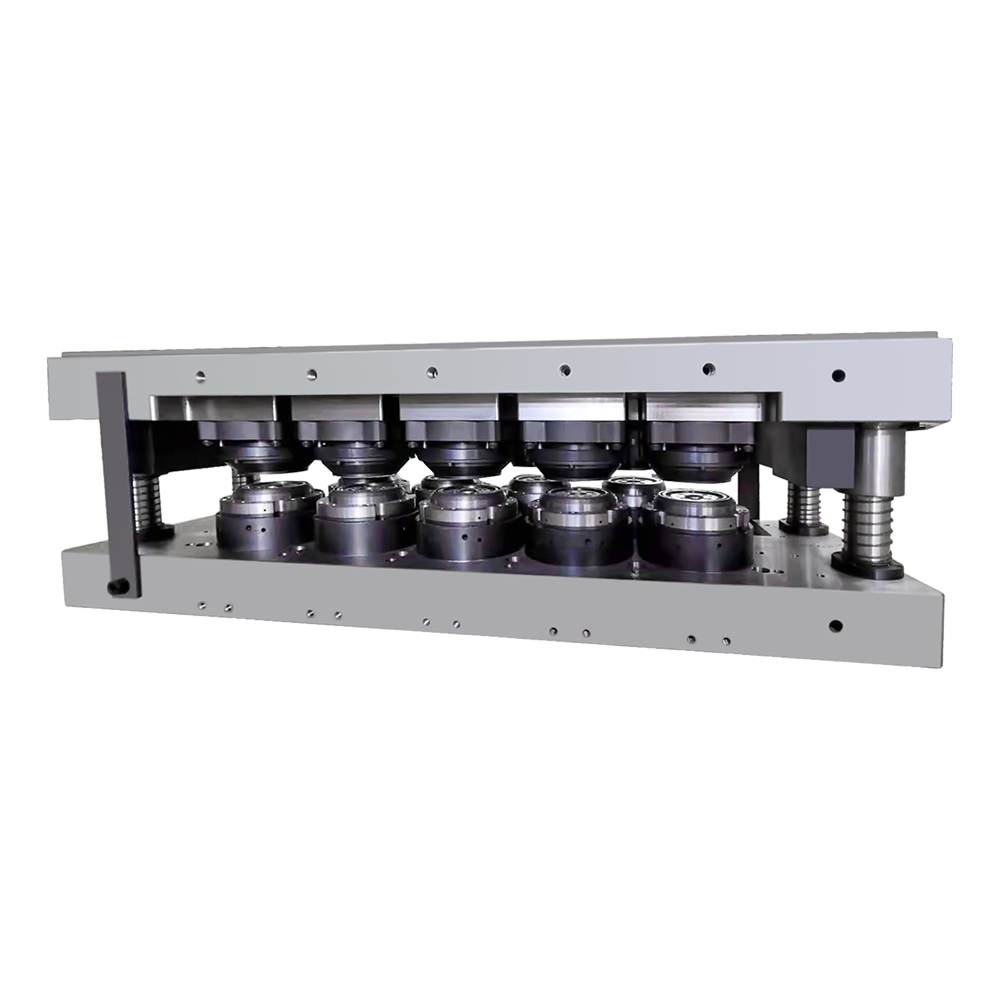
The Conversion Press Double Row Die belongs to the mold category and is used in conversion press equipment for the forming and processing of can lids or ends. In can-making production, conversion presses perform several essential operations, including forming, curling, scoring, embossing, panel shaping, riveting preparation, and other end-forming functions depending on the product design. The die installed in the press defines the final shape and accuracy of the metal component.
A double row die is engineered to process two rows of components within one press operation layout. Compared with a single row design, it can substantially increase output when used with an appropriate conversion press and feeding system. This makes it especially valuable for factories that must meet large production orders, shorten delivery cycles, reduce unit cost, and maintain consistent quality over long production runs.
The product is suitable for tinplate and related metal packaging materials commonly used in can lid production. It is designed for strong mechanical stability, high positioning accuracy, smooth production flow, and long service life. Because can lids are highly standardized components that must seal correctly, stack efficiently, and match downstream seaming requirements, the die must be manufactured with excellent precision and repeatability.
In a can-making production line, even a small dimensional deviation in the lid may create major downstream problems. A lid that is slightly out of tolerance can cause stacking issues, leakage, poor seaming, tab misalignment, or rejection during inspection. For food, beverage, aerosol, and chemical packaging, reliability is not optional; it is essential for safety, shelf life, and brand reputation.
The Conversion Press Double Row Die helps control these risks by ensuring stable forming results during repeated high-speed operation. Its role is to transform flat or pre-formed metal material into accurately shaped lids or ends through carefully controlled pressure, guidance, and cutting or forming geometry. The better the die design and manufacturing accuracy, the more stable the production process becomes.
Manufacturers often focus on the conversion press itself, but the die is equally important. A high-quality press with a poorly made die cannot produce consistent lids. Conversely, a precisely made die installed in a properly maintained press can improve yield, reduce scrap, and lower the total cost of ownership. Therefore, choosing a reliable double row die is a strategic decision rather than a simple tooling purchase.
The most direct advantage of a double row die is improved productivity. By processing two rows during each cycle or layout sequence, the die allows higher production output within the same general press platform. For factories operating in competitive markets, this can provide a clear cost advantage because more lids can be produced per unit of time.
Another advantage is better space utilization. Instead of installing additional press lines to increase capacity, a manufacturer may be able to upgrade or configure tooling for double row production, depending on machine compatibility. This helps reduce factory floor requirements, operator workload, energy consumption per finished part, and supporting equipment investment.
The double row structure also supports more efficient material usage when properly engineered. The arrangement of cutting and forming positions can be optimized to reduce waste and improve strip utilization. In tinplate processing, material cost is a significant part of the overall production cost. A die that improves sheet or coil usage can create measurable savings across large-volume production.
Compared with a basic single row die, the Conversion Press Double Row Die is more demanding to design and manufacture because it must maintain uniform performance across two parallel working paths. Both rows must produce lids with identical dimensions, forming depth, edge quality, and surface condition. This requires advanced machining, precise alignment, rigid construction, and careful inspection.
The Conversion Press Double Row Die offers several advantages compared with ordinary dies that may be produced with less advanced equipment or less specialized can-making knowledge. First, it is developed for the practical requirements of can manufacturing rather than general stamping. Can lid production involves strict geometric standards, high cycle repetition, food packaging expectations, and integration with downstream equipment. A specialized die reflects these realities.
Second, the die benefits from a production philosophy based on precision, durability, and smooth operation. A low-cost die may appear attractive at first purchase, but if it causes frequent stoppages, unstable forming, fast wear, or high scrap rates, the real cost becomes much higher. A premium double row die supports longer operating intervals, fewer adjustments, and better production confidence.
Third, the die is supported by a manufacturer with decades of experience in can-making machinery and molds. Zhejiang Golden Eagle Food Machinery Co., Ltd. was established in 1978 and has long focused on can-making machinery and can-making molds. This background helps ensure that the die is not designed in isolation. It is developed with knowledge of feeding systems, presses, can lid lines, can body equipment, welding machines, slitting systems, and complete production line operation.
Fourth, the company uses advanced CNC high-precision machining equipment and complete mechanical processing equipment. Precision machining is especially important for die components such as punches, cavities, guide elements, forming inserts, cutting edges, and alignment surfaces. Accurate machining reduces accumulated error and supports stable performance across both rows.
The Conversion Press Double Row Die is engineered around several technical priorities: accurate forming, high rigidity, efficient production flow, wear resistance, easy maintenance, and compatibility with production line requirements. These features allow the die to serve demanding can factories that require repeatable results over long production schedules.
Accurate forming is achieved through precise working geometry. The forming surfaces, cutting clearances, and contact areas must be controlled carefully to prevent burrs, wrinkles, cracks, deformation, or inconsistent panel depth. The die is developed to preserve the integrity of the metal material while achieving the required shape.
High rigidity is important because double row operation creates significant loading across the die set. If the die body or guiding structure lacks stiffness, the two rows may behave differently under load. Rigid design helps maintain parallelism, alignment, and consistent force distribution.
Wear resistance is achieved through suitable material selection, heat treatment, and surface finishing. Dies used in high-volume can lid production must withstand repeated contact with metal sheets or coils. Cutting and forming areas are especially vulnerable to wear. Properly hardened and finished components extend service life and reduce maintenance frequency.
Ease of maintenance is another important consideration. Production managers prefer dies that can be inspected, cleaned, adjusted, and serviced efficiently. A die that is difficult to maintain can increase downtime and require more specialized labor. A well-designed die supports practical factory operation, not only laboratory performance.
The die is suitable for manufacturers involved in can lid and end production for multiple packaging sectors. These include food cans, beverage cans, milk powder cans, easy-open ends, aerosol containers, chemical tanks, and other tinplate or metal packaging products. Since the company’s product category range covers food and beverage can-making machines, tin can lid end-making machines, duplex slitters, milk powder can-making machines, EOE lids-making machines, tin can auto-welding machines, aerosol cone and dome making, chemical tank making machines, automatic feeding machines, aerosol can-making machines, two-piece can-making machines, and molds, the die fits into a broad industrial ecosystem.
For food can lids, dimensional stability is essential for airtight sealing and safe storage. For beverage ends, speed and consistency are critical because production volumes can be very high. For milk powder cans, lid appearance and sealing performance are important because the product is often positioned as a premium packaged good. For aerosol and chemical packaging, the metal end must withstand pressure, handling, and compatibility requirements. A precision die contributes directly to all these end-use expectations.
Because the die can be customized according to lid specifications, production requirements, material characteristics, and press configuration, it is not limited to one simple standard. Customers can communicate product dimensions, target capacity, press model, material thickness, tolerance requirements, and downstream process requirements to obtain a mold solution aligned with actual production needs.
Zhejiang Golden Eagle Food Machinery Co., Ltd. has been engaged in can-making machinery and mold manufacturing for more than four decades. The company was formerly known as Zhejiang Food Machinery Factory and Zhoushan Mold Factory, and it is located in Zhoushan City, Zhejiang Province, China. Since its establishment in 1978, the company has developed a strong foundation in metal packaging machinery, mold engineering, and complete production line solutions.
The company has more than 350 well-trained personnel, including experienced design and development engineers. This human resource strength is important because high-quality mold production depends not only on machines but also on engineering judgment, process control, assembly skill, and production experience. A good die requires coordination between product design, tooling design, machining, heat treatment, grinding, inspection, assembly, trial running, and after-sales support.
The company’s manufacturing capability includes CNC high-precision machining equipment and complete mechanical machining equipment. These resources support accurate production of complex mold parts and help maintain consistent quality across repeated orders. Advanced machining also allows the company to meet the requirements of customers in different countries and industries.
The product design principle has been influenced by advanced international can-making machinery concepts similar to those associated with well-known European engineering traditions. At the same time, the company has combined practical production experience with continuous improvement. This means the die is not merely copied from theory; it is refined through real industrial application, customer feedback, and long-term manufacturing knowledge.
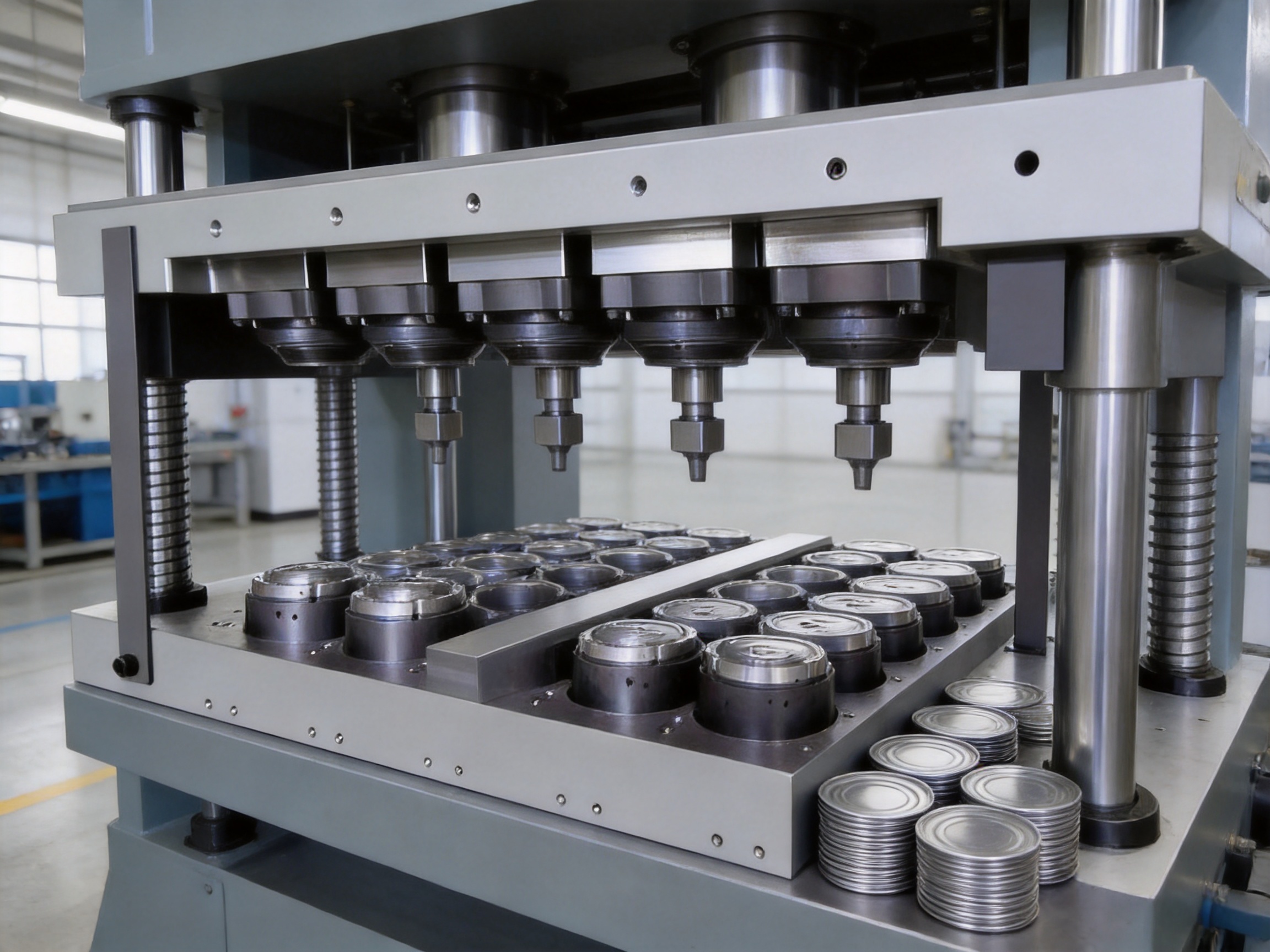
The manufacturing of a Conversion Press Double Row Die begins with technical communication and product analysis. Engineers review the customer’s lid drawings, material specifications, press parameters, expected speed, tolerance requirements, and production environment. This stage is essential because a die must match both the product and the machine. If the die is not properly matched, even excellent machining accuracy cannot guarantee successful production.
After the design requirements are confirmed, engineers create or refine the die design. The design stage considers forming sequence, force distribution, strip or sheet layout, row spacing, guiding method, component strength, clearance control, material flow, maintenance access, and safety. For a double row die, the balance between the two rows is especially important. Both rows must receive consistent pressure and guidance.
Material selection follows the design stage. Die components are generally made from high-strength tool steels or other suitable materials selected according to working function. Cutting elements, forming parts, guide parts, and structural plates may use different materials or treatments depending on wear and load requirements. Correct material selection improves die life and performance stability.
CNC machining is then used to create high-precision parts. Computer-controlled machining improves dimensional accuracy and repeatability, especially for complex geometry and tight-tolerance components. Precision milling, turning, grinding, wire cutting, and other machining processes may be used according to part requirements.
Heat treatment is applied where needed to improve hardness, toughness, and wear resistance. However, heat treatment must be controlled carefully because improper treatment can create deformation, cracking, or uneven hardness. Skilled manufacturers understand how to manage the relationship between material, heat treatment, machining allowance, and final finishing.
Finishing and grinding processes further refine the die surfaces. Cutting edges require sharpness and correct clearance; forming surfaces require smoothness and accurate shape; guide surfaces require precision and durability. Fine finishing reduces friction, improves product surface quality, and helps maintain smooth press operation.
Assembly is performed by skilled technicians who align all components according to design specifications. This stage is critical because even accurately machined parts can fail to perform if assembly is poor. The double row die must be checked for parallelism, movement smoothness, row-to-row consistency, clearance, and overall fit.
Trial testing and inspection confirm that the die can produce qualified parts. During trial operation, technicians observe forming quality, material flow, burr condition, part dimensions, row consistency, and operational smoothness. Adjustments are made if necessary. This practical verification helps ensure that the die delivered to the customer is ready for industrial use.
Quality control is a major advantage of working with an established manufacturer. Zhejiang Golden Eagle Food Machinery Co., Ltd. has been certified to the ISO9001 quality management system and ISO14001 environmental management system. ISO9001 supports systematic quality management, documentation, process control, and continuous improvement. ISO14001 reflects attention to environmental management and responsible manufacturing.
For a die product, quality control includes incoming material inspection, machining inspection, heat treatment verification, dimensional measurement, surface inspection, assembly checking, and functional testing. Because the die must perform under repeated high-load operation, each stage influences final reliability.
Dimensional inspection may involve precision measuring tools and coordinate-based checking depending on the component. Important dimensions include cutting clearance, forming depth, center distance, guide fit, flatness, parallelism, and alignment between rows. These measurements help ensure that both rows perform consistently.
Functional testing is equally important. A die may meet static dimensional requirements but still show problems during actual forming. Trial operation helps identify issues such as uneven force distribution, material wrinkling, excessive burrs, feeding interference, poor ejection, or inconsistent part release. By resolving these issues before delivery, the manufacturer reduces customer installation risk.
The Conversion Press Double Row Die offers benefits that can be measured across production efficiency, product quality, material savings, labor efficiency, and equipment utilization. For high-volume factories, these benefits accumulate quickly.
Higher output is the first major benefit. Double row production increases the number of lids or ends processed per operation layout. When paired with appropriate press capacity and feeding equipment, the die can help manufacturers reach higher daily output without requiring a proportional increase in operators or floor space.
Improved consistency is another key benefit. Uniform die geometry and stable guiding help produce lids with repeatable dimensions. Consistency reduces inspection burden, downstream adjustment, and customer complaints. For companies supplying global markets, consistency is essential because customers expect every batch to meet the same standard.
Lower scrap rate can result from better forming accuracy and controlled clearances. Scrap reduction directly saves material cost. Tinplate and other packaging metals represent a significant expense, so even small improvements in yield can have a meaningful financial effect over millions of lids.
Reduced downtime is also valuable. A robust die with proper wear resistance and maintainable design can operate longer between maintenance events. Fewer stoppages improve production scheduling and reduce pressure on maintenance teams.
Better integration with production lines helps manufacturers maintain smooth workflow. Since the company produces a broad range of can-making machinery, it understands how dies interact with feeding systems, presses, slitting machines, welding lines, lid equipment, and complete can-making production lines. This system-level knowledge helps customers avoid compatibility problems.
| Comparison Item | Conversion Press Double Row Die | Ordinary Single Row or Low-Grade Die |
|---|---|---|
| Production Capacity | Designed for double row output and higher productivity | Usually lower output with limited capacity expansion |
| Dimensional Consistency | Engineered for stable row-to-row accuracy and repeatable lid quality | May show greater variation during long production runs |
| Manufacturing Precision | Produced with high-precision CNC machining and controlled processes | May rely on less accurate machining or inconsistent finishing |
| Material Utilization | Can be optimized for efficient layout and reduced waste | May have less efficient layout and higher scrap |
| Durability | Designed with suitable materials, heat treatment, and wear resistance | May wear faster, requiring more frequent replacement or repair |
| Maintenance | Built for practical inspection, adjustment, and service | May be harder to maintain or less stable after adjustment |
| Technical Support | Supported by decades of can-making machinery and mold experience | Support may be limited to basic tooling supply |
| Total Cost of Ownership | Higher long-term value through productivity, stability, and reduced downtime | Lower initial cost may lead to higher operating cost |
Many buyers compare dies based only on initial purchase price. However, in industrial can-making, the purchase price is only one part of the total cost. A die affects production speed, scrap rate, maintenance labor, machine downtime, product rejection, and customer satisfaction. These factors often have a greater financial impact than the original tooling cost.
For example, if a low-cost die causes frequent burr problems, the factory may need extra inspection, rework, or downtime for adjustment. If the die wears quickly, replacement parts and machine stoppages add additional cost. If two rows are inconsistent, one row may produce acceptable lids while the other creates defects, reducing the benefit of double row production. Such hidden costs can make a cheaper die more expensive over time.
The Conversion Press Double Row Die is intended to deliver value through reliable output and long-term operation. By improving production stability, it helps factories protect delivery schedules and reduce unexpected interruptions. For manufacturers serving food, beverage, aerosol, and chemical packaging customers, reliable delivery and consistent quality can be decisive competitive advantages.
A strong die design must combine theoretical accuracy with real factory practicality. In daily production, operators must deal with material variation, speed changes, lubrication conditions, temperature differences, maintenance schedules, and production pressure. Therefore, the die must be robust enough to operate under realistic conditions, not only ideal test conditions.
The design philosophy behind the Conversion Press Double Row Die emphasizes stability, precision, and maintainability. Stability means the die continues to produce qualified parts during long production runs. Precision means the die maintains the required geometry and tolerances. Maintainability means operators and technicians can keep the die in good condition without unnecessary complexity.
The company’s long history in can-making machinery gives it insight into common production challenges. After producing more than 10,000 pieces of can and can lid equipment, the company has accumulated practical knowledge from different customers, materials, markets, and production environments. This experience supports continuous improvement and helps the company develop molds that reflect actual factory needs.
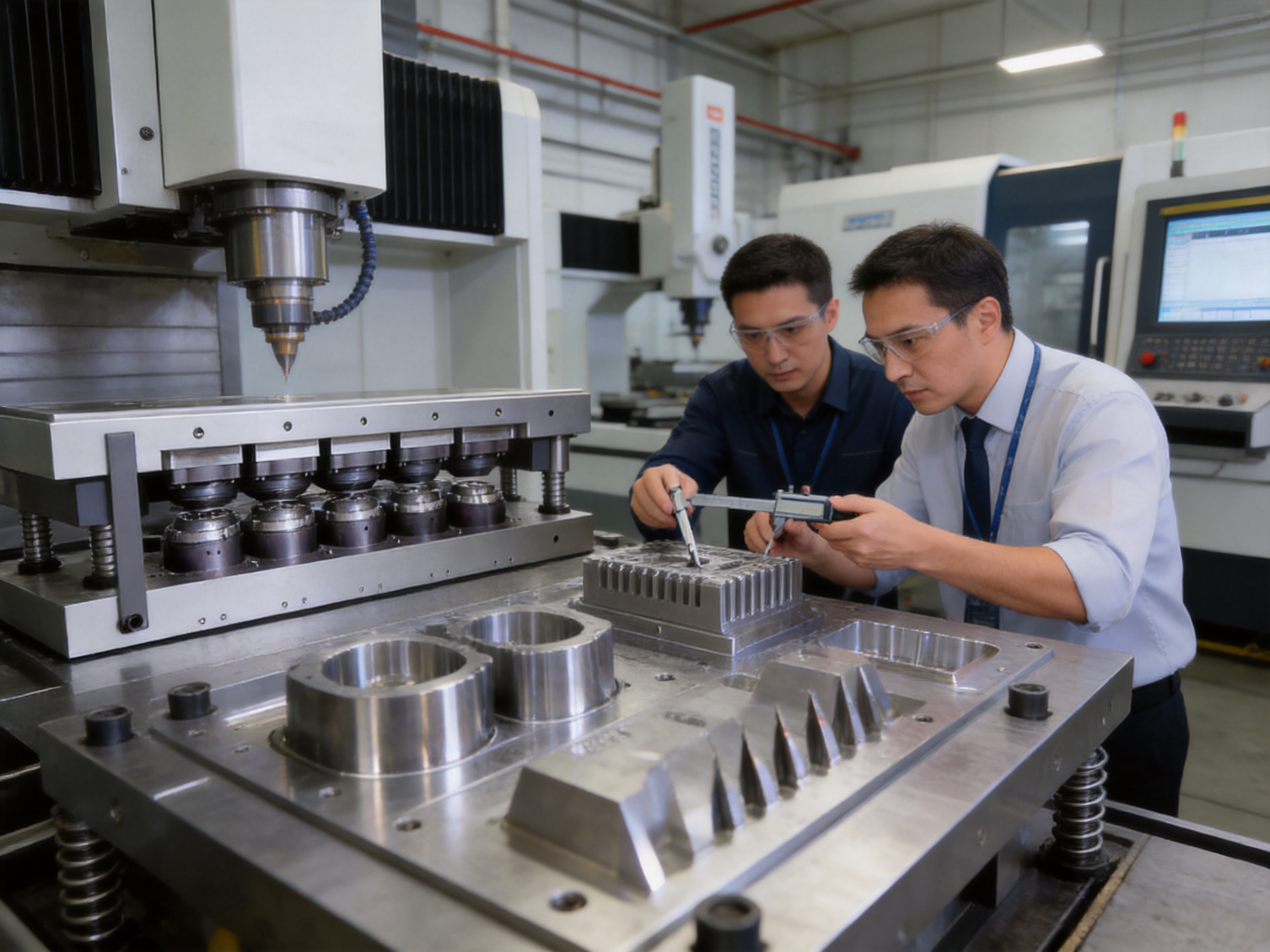
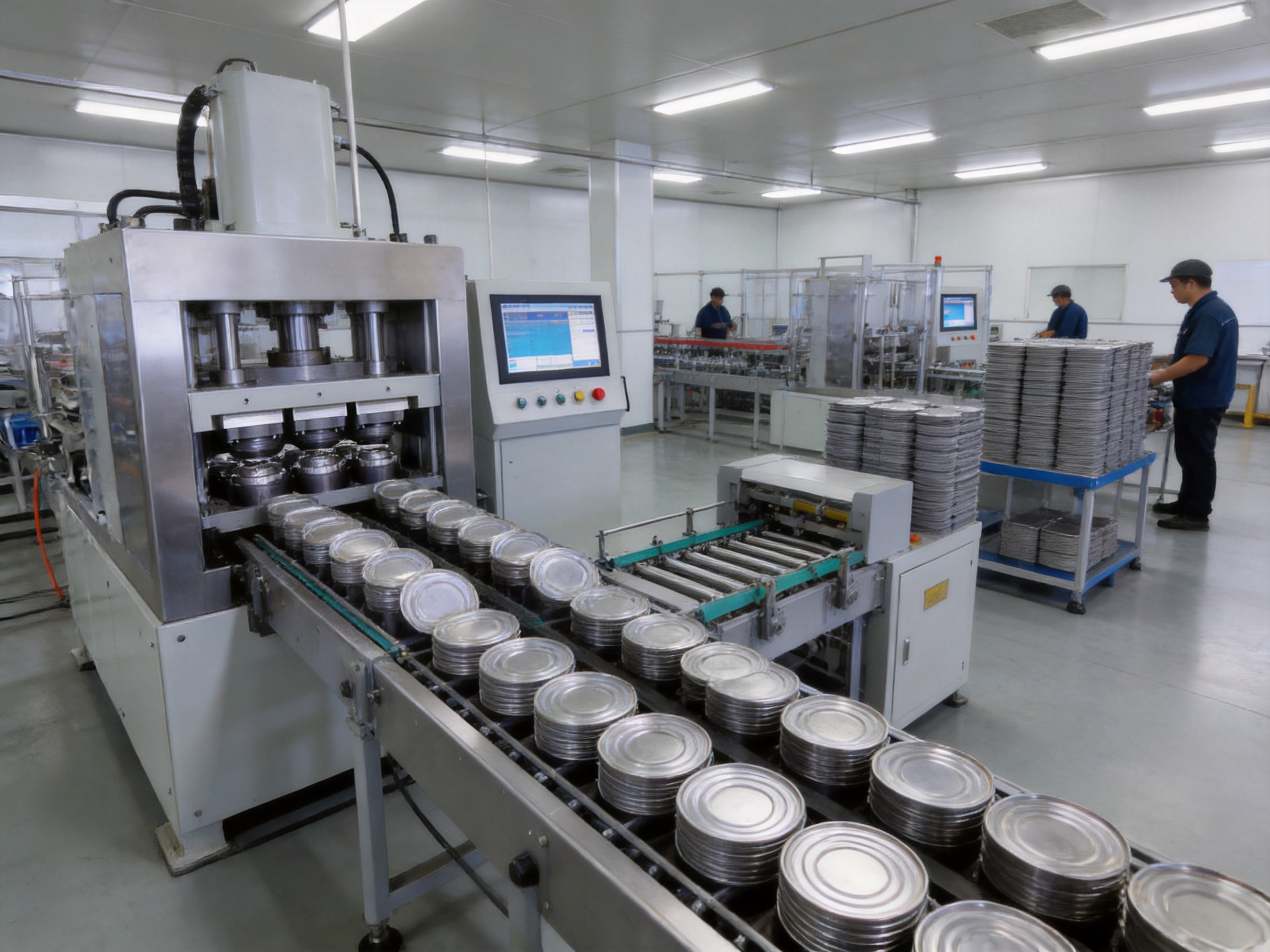
A conversion press die does not work alone. It is part of a coordinated production system that may include material feeding equipment, cutting equipment, forming presses, inspection systems, stacking devices, conveying systems, and downstream packing or assembly equipment. The performance of the die depends partly on how well it integrates with these systems.
The Conversion Press Double Row Die can be supplied as part of a broader manufacturing solution or as a tooling product for compatible production equipment. Because the manufacturer offers whole-set series products such as food can production lines, beverage can production lines, can lid production lines, chemical tank production lines, aerosol canister production lines, two-piece can production lines, and pop can production lines, it can support customers with system-level understanding.
For customers building a new line, the die can be considered during the early planning stage to ensure that press capacity, feeding width, material layout, production target, and downstream handling are properly coordinated. For customers upgrading an existing line, the die can be evaluated according to current machine structure, available space, press force, stroke, speed, and feeding accuracy.
Good integration reduces installation time and commissioning risk. It also allows the customer to reach stable production faster. The company’s after-sales service, including installation, commissioning, technical guidance, operation training, and parts supply, further supports smooth project implementation.
Tinplate remains one of the most important materials in metal packaging because it offers good formability, corrosion resistance, printability, and food packaging suitability when properly coated and processed. However, tinplate also requires careful forming. Excessive stress, poor clearance, rough surfaces, or incorrect forming sequence can damage coatings, create cracks, or produce unacceptable burrs.
The die must therefore be designed according to material thickness, temper, coating, lubrication, and end design. Cutting edges must be sharp and accurately aligned. Forming surfaces must allow controlled material flow. Ejection and stripping must be smooth to prevent deformation or surface damage. The Conversion Press Double Row Die is built with these practical requirements in mind.
For different applications, material conditions may vary. Food can lids may require specific coating protection. Beverage ends may demand high-speed forming consistency. Aerosol components may require shapes that support pressure performance. Chemical can lids may need robustness and compatibility with product contents. A custom-engineered die helps match the material and end-use requirements.
Durability is one of the most important qualities in a conversion press die. High-volume lid production involves millions of repeated forming and cutting actions. Even small wear at critical points can gradually change the final product dimensions or edge condition. Once wear becomes significant, the die may produce burrs, uneven curls, poor forming depth, or inconsistent profiles.
The Conversion Press Double Row Die addresses durability through strong structural design, suitable material selection, accurate heat treatment, precision finishing, and careful assembly. Each of these factors contributes to service life. If material is too soft, the die wears quickly. If material is too brittle, it may chip or crack. If finishing is poor, friction increases and surface quality declines. If assembly is inaccurate, uneven loading accelerates wear.
A durable die helps reduce spare parts consumption and maintenance downtime. It also allows production managers to plan maintenance more predictably. Predictable maintenance is far better than emergency repair because it can be scheduled during planned stoppages rather than disrupting urgent production orders.
One of the technical challenges of a double row die is maintaining identical quality across both rows. If one row produces slightly different dimensions, the factory may face sorting problems or downstream defects. Therefore, row-to-row accuracy is a core feature.
The die must ensure that both rows have equal cutting clearance, forming geometry, pressure balance, guiding accuracy, and material flow conditions. This requires precision machining and assembly. It also requires understanding of how press load is distributed during operation.
When row-to-row accuracy is well controlled, the customer can fully benefit from double row productivity. Operators do not need to treat each row as a separate quality risk. Inspection results become more stable, and production scheduling becomes more confident.
Can lids must often meet visual and functional quality standards. Surface scratches, coating damage, burrs, deformation, or inconsistent edges may lead to rejection. The die therefore plays a direct role in surface quality and edge control.
Precision finishing of working surfaces reduces friction and protects the material. Correct cutting clearance reduces burr formation. Smooth stripping and ejection reduce part damage. Stable forming geometry helps prevent wrinkling or distortion. These details are especially important for printed or coated tinplate, where surface defects can affect appearance and corrosion resistance.
Compared with lower-grade dies, a precision double row die can deliver better edge uniformity and cleaner forming results. This improves both product appearance and functional performance. For food and beverage packaging, clean edges also support safer handling and better downstream seaming.
Can lid production is not a one-size-fits-all process. Different customers may require different lid diameters, panel designs, curl profiles, material thicknesses, press configurations, and production capacities. The Conversion Press Double Row Die can be developed according to specific customer requirements.
Customization may include die layout, working stations, forming profiles, component materials, maintenance access, mounting dimensions, feeding direction, and compatibility with existing machinery. Customers can provide samples, drawings, or technical specifications for engineering review.
The company’s OEM and ODM capabilities are valuable for customers who require tailored solutions. OEM manufacturing supports customers who already have specific designs or standards. ODM support helps customers who need engineering assistance to develop a practical production solution. This flexibility is particularly useful for international customers serving different packaging standards and market requirements.
Zhejiang Golden Eagle Food Machinery Co., Ltd. has exported products to many countries across Europe, Asia, Africa, North America, South America, and Oceania. Markets include Germany, Italy, the United Kingdom, Spain, Hungary, Russia, Australia, Jordan, Malaysia, the Philippines, Pakistan, Egypt, Algeria, Turkey, Mexico, Nigeria, Iran, and others. This international experience demonstrates the company’s ability to serve different technical standards, production habits, and customer expectations.
Global market experience is important because can-making factories in different regions may use different material sources, product designs, and operating practices. A supplier with international exposure is better prepared to communicate technical requirements, adapt designs, and support installation or commissioning across different environments.
The company has received recognition from many users through long-term application of its equipment and molds. Reputation in industrial machinery is built over years through performance, service, and repeat orders. A die product supported by such a background gives customers greater confidence than an unknown supplier with limited field history.
After-sales support is a critical part of the value of a conversion press die. Even a well-made die may require proper installation, commissioning, operator training, lubrication management, maintenance planning, and spare parts support. Without technical support, customers may not achieve the full potential of the equipment.
The company provides installation, commissioning, technical guidance, operation training, and parts supply. These services help customers start production smoothly and maintain reliable operation. Training is particularly important because operators must understand correct setup, inspection points, cleaning procedures, and warning signs of wear or misalignment.
Fast parts support also helps reduce downtime. In high-volume production, a stopped line can cause urgent delivery problems. A supplier that understands the importance of parts availability contributes to production continuity.
Modern manufacturers increasingly consider environmental responsibility as well as product quality. ISO14001 certification indicates that the company has an environmental management system, while ISO9001 certification indicates systematic quality management. These certifications support customer confidence, especially for international buyers who evaluate suppliers based on management systems as well as product specifications.
For can-making machinery and dies, environmental responsibility may involve efficient material usage, controlled manufacturing processes, waste management, and continuous improvement. A high-quality die also supports sustainability indirectly by reducing scrap during customer production. Lower scrap means less wasted metal, lower energy use per accepted part, and better overall resource efficiency.
For can manufacturers, investment in a Conversion Press Double Row Die can support business growth in several ways. Higher output allows the factory to accept larger orders. Better consistency helps serve demanding customers. Reduced downtime improves delivery reliability. Lower scrap improves profitability. Customization allows the factory to expand into new lid formats or packaging applications.
In competitive packaging markets, customers often choose suppliers who can deliver stable quality at competitive prices. A double row die helps achieve this by improving productivity without sacrificing accuracy. The die becomes a tool for both production improvement and market competitiveness.
Factories that currently operate older or less efficient tooling may find that upgrading the die creates immediate operational benefits. Improved forming consistency can reduce quality disputes. Faster output can reduce overtime. Better material utilization can improve margins. These benefits are especially valuable when raw material prices fluctuate or customer delivery windows become shorter.
When selecting a Conversion Press Double Row Die, buyers should prepare clear technical information. Important details include lid size, product drawing, material type, material thickness, coating condition, target output, press model, press tonnage, stroke, feeding system, existing die mounting dimensions, and quality standards. The more complete the information, the better the die can be engineered for the application.
Buyers should also consider long-term support. A die is not only a product delivered in a crate; it is part of a production system that may require adjustments, maintenance, and spare parts. Selecting a supplier with deep industry experience, broad machinery capability, and export service experience helps reduce future risk.
It is also wise to evaluate total cost rather than only price. A precise, durable, well-supported die may cost more initially but deliver lower cost per lid over time. For high-volume production, cost per lid is the most meaningful measure.
Proper maintenance helps the die maintain performance and extend service life. Operators should follow recommended cleaning and lubrication procedures. Metal dust, coating particles, and debris should be removed regularly to prevent surface damage or movement interference. Lubrication points should be maintained according to production conditions.
Regular inspection should include cutting edges, forming surfaces, guide parts, fastening elements, springs or elastic components if applicable, and ejection mechanisms. Operators should watch for signs such as increased burrs, abnormal noise, uneven part release, surface scratches, row-to-row variation, or rising rejection rates. These signs may indicate wear, contamination, misalignment, or feeding problems.
Maintenance records are useful for predicting service intervals. By recording production volume, inspection results, part replacement, and adjustment history, the factory can create a preventive maintenance plan. Preventive maintenance reduces emergency downtime and protects product quality.
The Conversion Press Double Row Die is especially valuable when combined with complete can-making solutions. A factory may need slitting equipment, feeding machines, lid presses, welding machines, can body forming equipment, aerosol component equipment, chemical tank lines, or two-piece can machinery. When these systems are planned together, production flow becomes more efficient.
Because the manufacturer offers a wide range of can-making machinery and molds, customers can obtain coordinated technical advice. This is helpful for new factory construction, production line expansion, product changeover planning, and equipment modernization. Instead of solving each machine problem separately, customers can work with a supplier that understands the complete production chain.
The main purpose is to form and process can lids or ends in a conversion press with a double row layout. It helps increase production capacity while maintaining accurate and consistent lid quality.
A double row die can process two rows of parts, which improves output and production efficiency. It can also help reduce unit production cost, improve equipment utilization, and support large-volume manufacturing.
It can support lid and end production for food cans, beverage cans, milk powder cans, easy-open ends, aerosol containers, chemical tanks, and other tinplate or metal packaging applications, depending on the custom design.
The die improves quality through precise forming geometry, accurate cutting clearance, stable guiding, smooth working surfaces, and controlled row-to-row consistency. These features help reduce burrs, deformation, wrinkles, and dimensional variation.
Yes. The die can be customized according to product drawings, lid dimensions, material thickness, press configuration, production capacity, and quality requirements.
A buyer should provide lid drawings, samples if available, material specifications, target output, press model, mounting requirements, feeding direction, tolerance requirements, and any special production standards.
Its value comes from precision CNC manufacturing, experienced tooling design, strong assembly control, durable materials, practical maintenance design, and support from a manufacturer with decades of can-making machinery experience.
Yes. It can reduce cost by increasing output, lowering scrap, improving material utilization, reducing downtime, and extending service life. The most important measure is long-term cost per qualified lid.
Yes. Support includes installation, commissioning, technical guidance, operation training, and parts supply. This helps customers achieve stable production and maintain the die properly.
In a double row die, both rows must produce identical qualified lids. If one row differs from the other, the factory may face sorting problems, quality defects, or reduced productivity. Precision design and manufacturing help maintain row-to-row consistency.
The Conversion Press Double Row Die is a high-performance mold solution for manufacturers that require efficient, stable, and accurate can lid production. Its double row configuration supports higher output, while precision engineering helps maintain consistent quality across long production runs. Compared with ordinary or low-grade dies, it offers advantages in productivity, durability, material utilization, row-to-row accuracy, maintenance convenience, and total cost of ownership.
The product is strengthened by the manufacturing background of Zhejiang Golden Eagle Food Machinery Co., Ltd., a company established in 1978 with extensive experience in can-making machinery and molds. With advanced CNC high-precision machining equipment, complete mechanical processing capability, ISO9001 and ISO14001 management systems, experienced engineers, and international market experience, the company provides more than a single mold product. It provides technical confidence, production understanding, and long-term service support.
For can manufacturers producing food can lids, beverage ends, milk powder can lids, easy-open ends, aerosol components, chemical packaging ends, and related metal packaging products, the Conversion Press Double Row Die can be a strategic upgrade. It helps factories improve capacity, protect quality, reduce waste, and compete more effectively in demanding packaging markets.
1. Metal Packaging Manufacturers Association. Technical Guidelines for Metal Can and End Manufacturing.
2. International Organization for Standardization. ISO9001 Quality Management Systems: Requirements and Application Principles.
3. International Organization for Standardization. ISO14001 Environmental Management Systems: Requirements and Guidance.
4. Tool and Manufacturing Engineers Handbook. Volume on Dies, Press Tooling, and Metal Forming Processes.
5. Modern Metal Packaging Engineering. Principles of Tinplate Forming, Can Lid Production, and End Conversion Technology.
6. Industrial Press Tooling Practice. Design Considerations for High-Speed Stamping and Forming Dies.
Related Products

Founded in 1978, the company is one of the largest can-making machinery well-known companies at home and abroad.
Product Categories
Contact Information
Zhongshatou Shenjiamen Zhoushan Zhejiang China
+86-580-3056646

 English
 中文简体
中文简体
 русский
 عربى
عربى
 Español