2026-09-25
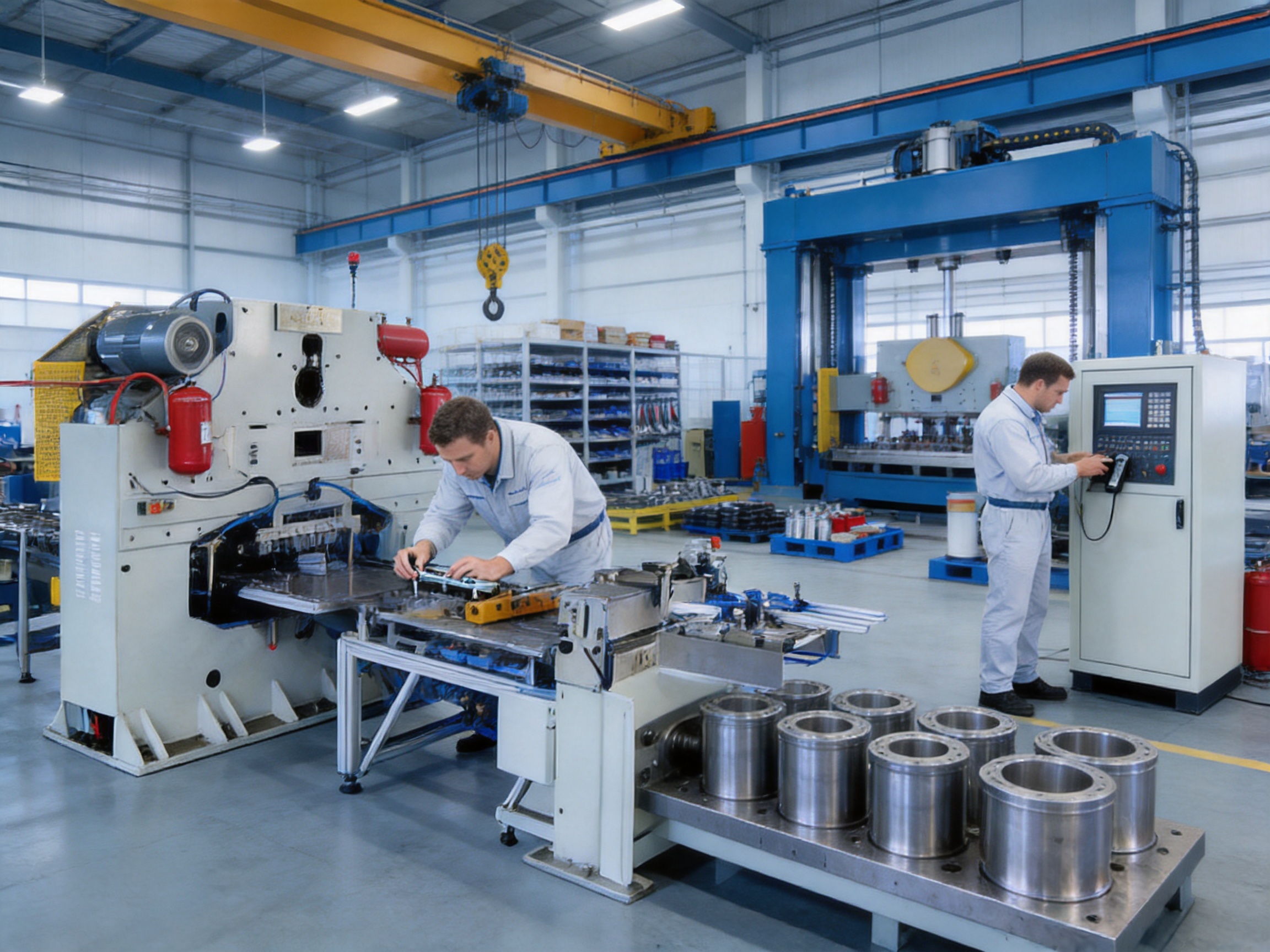
The two-piece can industry requires forming equipment that can combine high output, dimensional accuracy, dependable operation, and rapid adaptation to different can sizes. Tuna cans, food cans, beverage containers, and other drawn or stamped metal packages must be produced with consistent geometry because even small variations can affect seaming, filling, coating, labeling, stacking, and product safety. The CNC multi-mode gantry punch press described in this article is designed to address these production requirements through automatic punch pressing, configurable die arrangements, robust frame construction, and high-speed operation.
As a core machine in a tinplate two-piece can production line, this press is intended for manufacturers that need a scalable solution rather than a single-purpose forming machine. The equipment can be configured with one, two, three, or up to five dies, allowing the production system to match the required output and product format. Depending on the selected model and tooling arrangement, the press can provide production capacity ranging from approximately 80 cans per minute to as high as 500 cans per minute.
The machine is manufactured by Zhejiang Golden Eagle Food Machinery Co., Ltd., a specialist supplier of can-making machinery and molds with a long history in metal packaging equipment. Its manufacturing capabilities include CNC machining, mechanical processing, engineering design, assembly, commissioning, and after-sales technical support. These capabilities are important because a punch press is only as reliable as the precision of its frame, drive system, die interface, feeding system, and control integration.
This article examines the machine’s operating concept, main technical characteristics, performance advantages, manufacturing strengths, possible applications, selection considerations, and maintenance requirements. It also explains how the equipment compares with less flexible or less precisely manufactured alternatives in a modern two-piece can production environment.
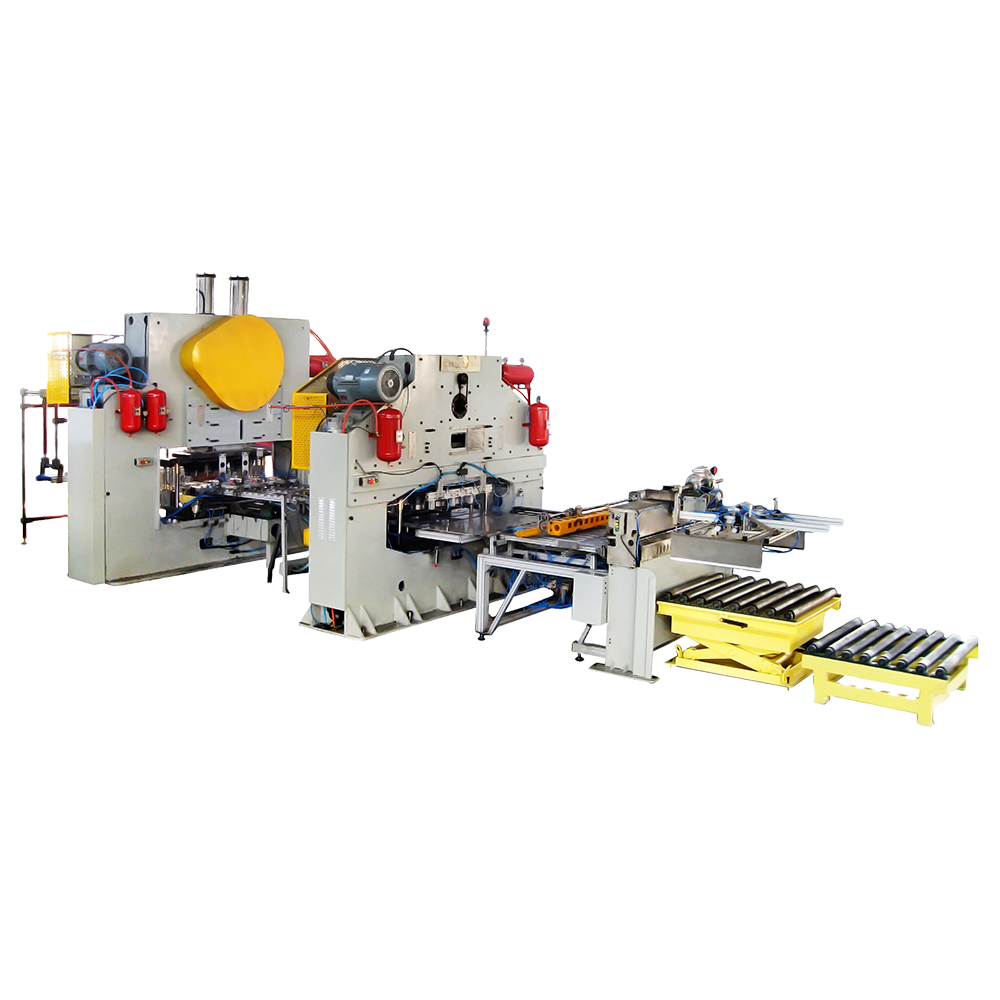
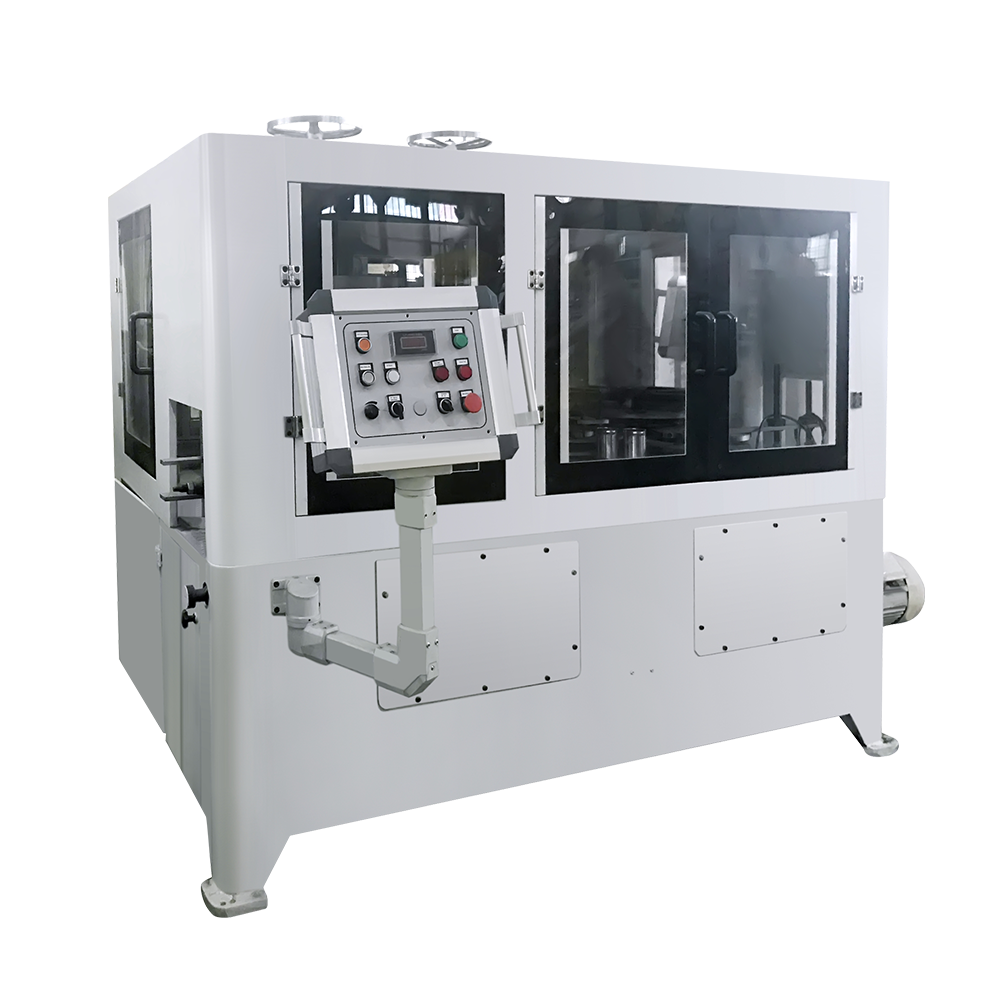
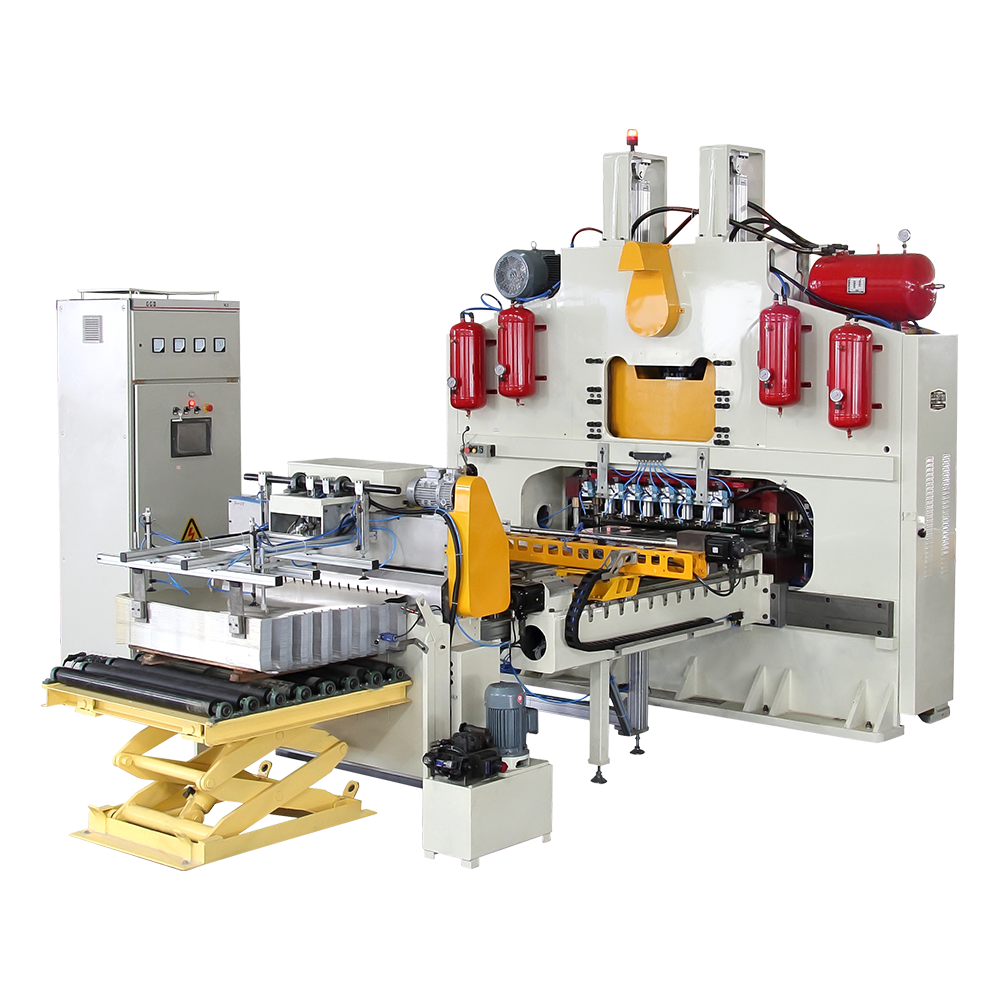
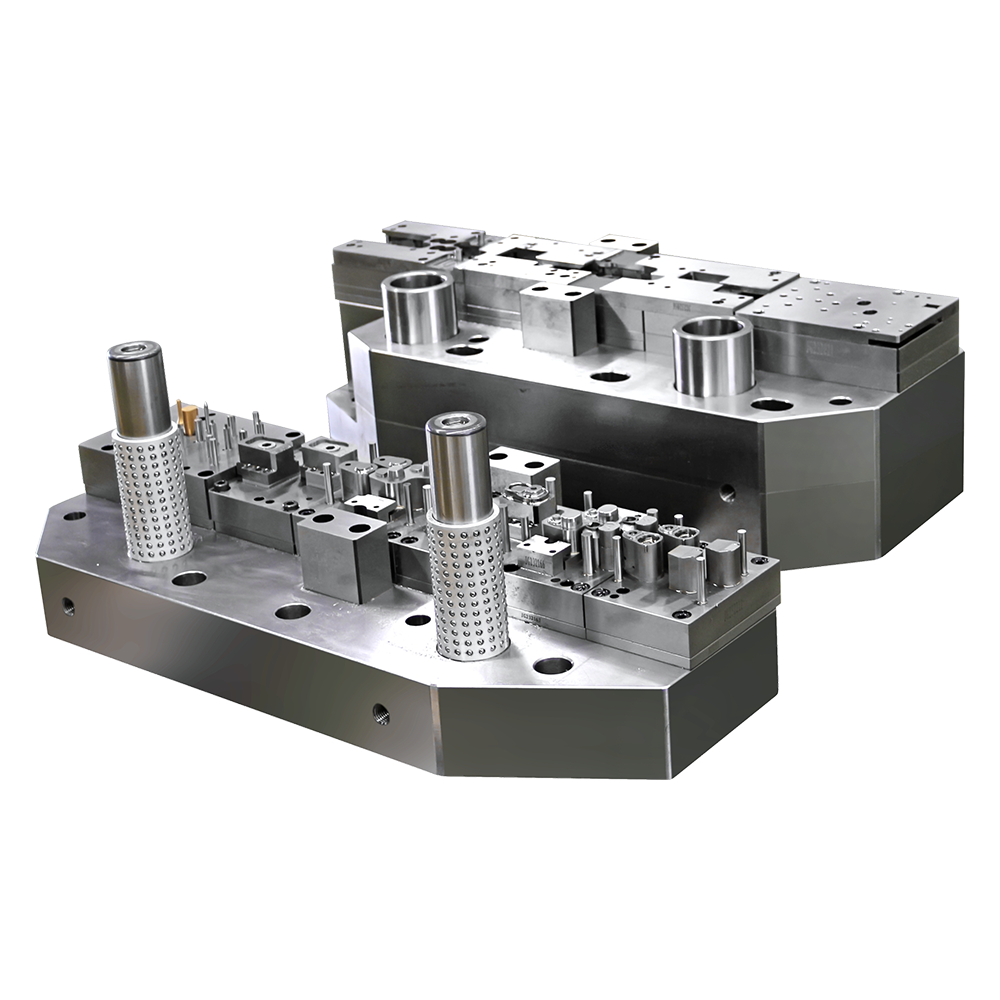
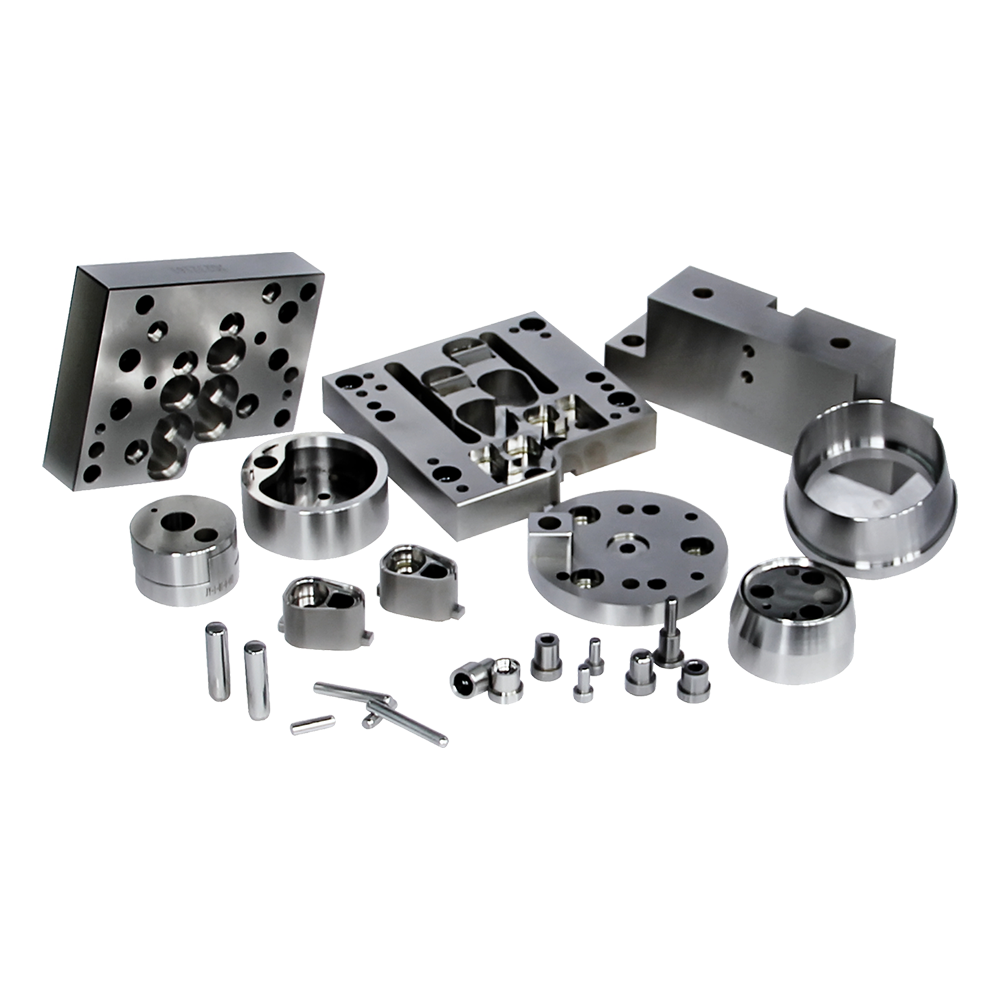
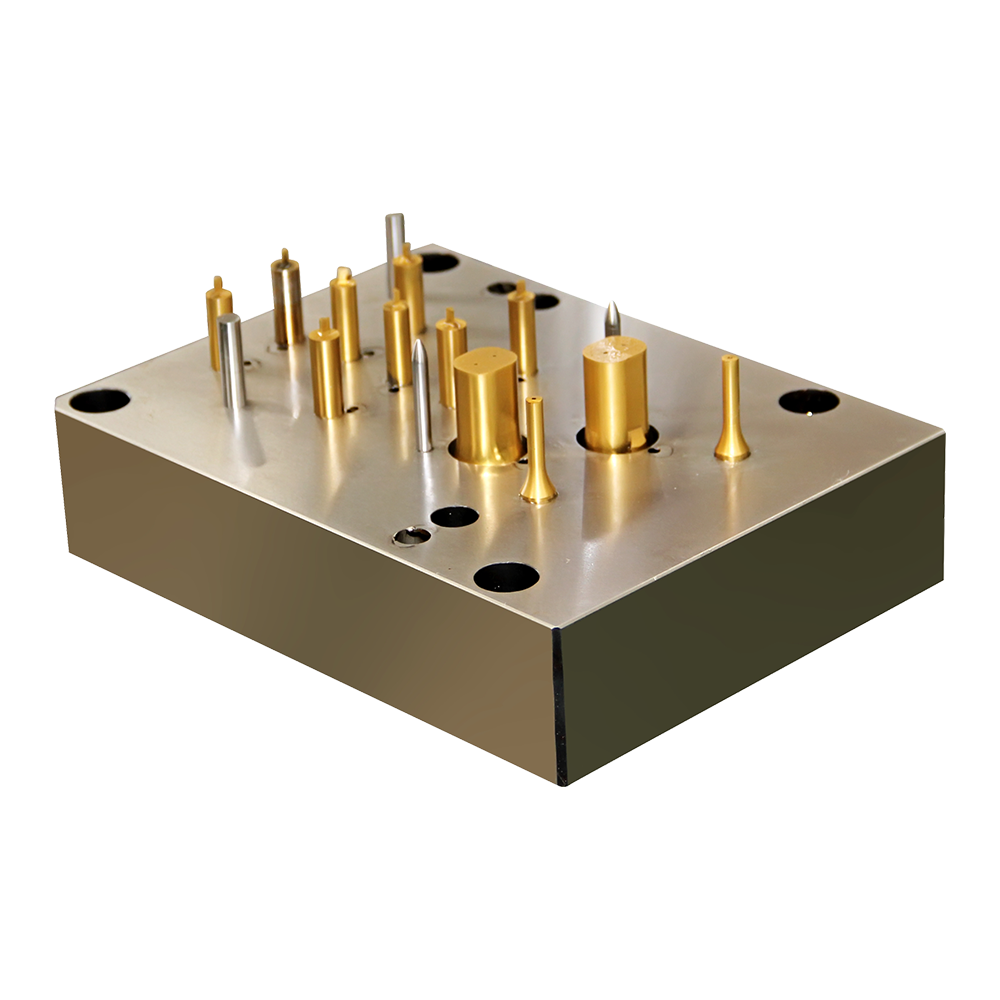
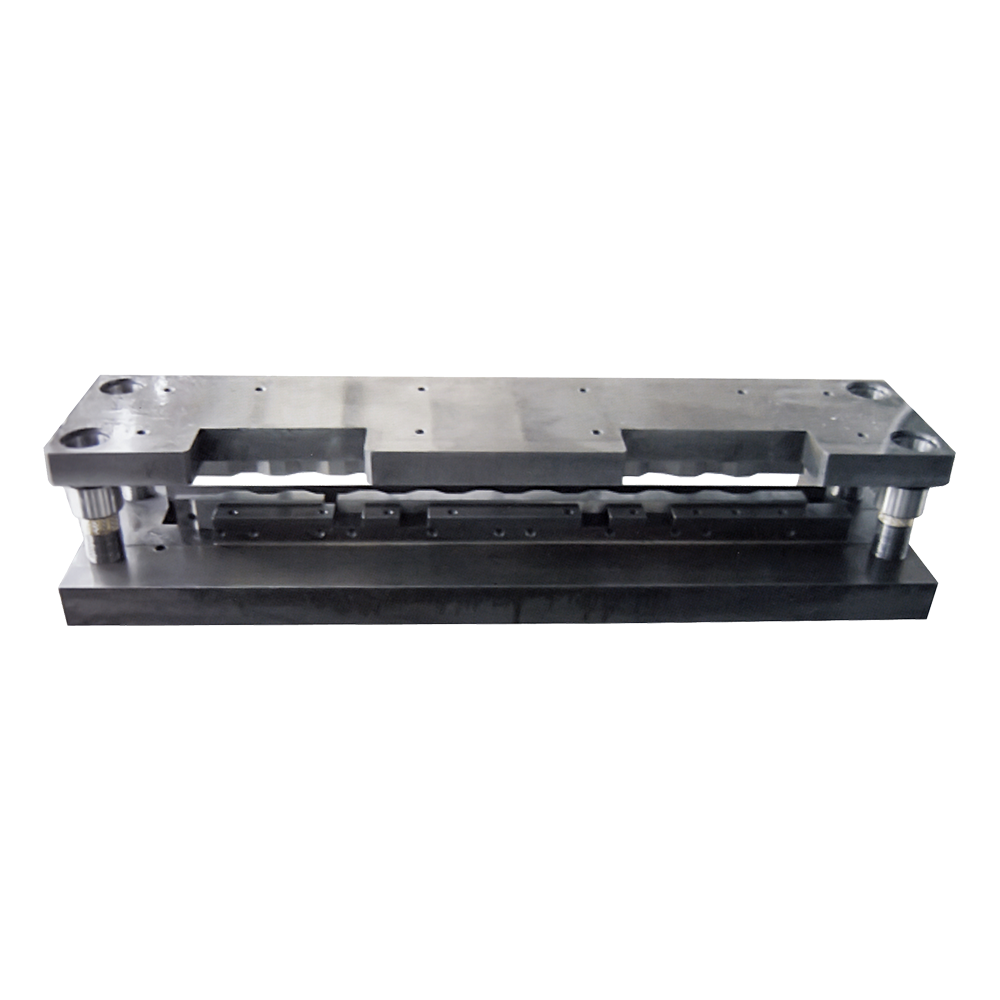
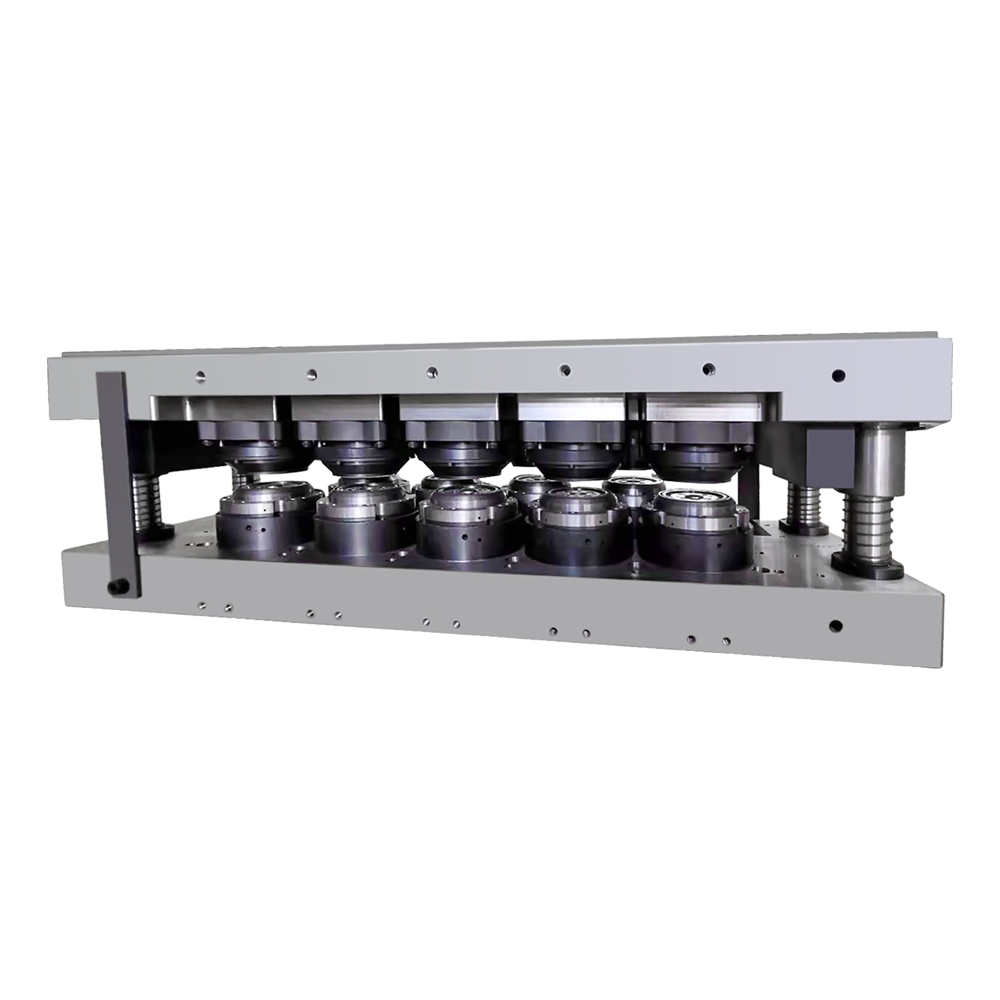
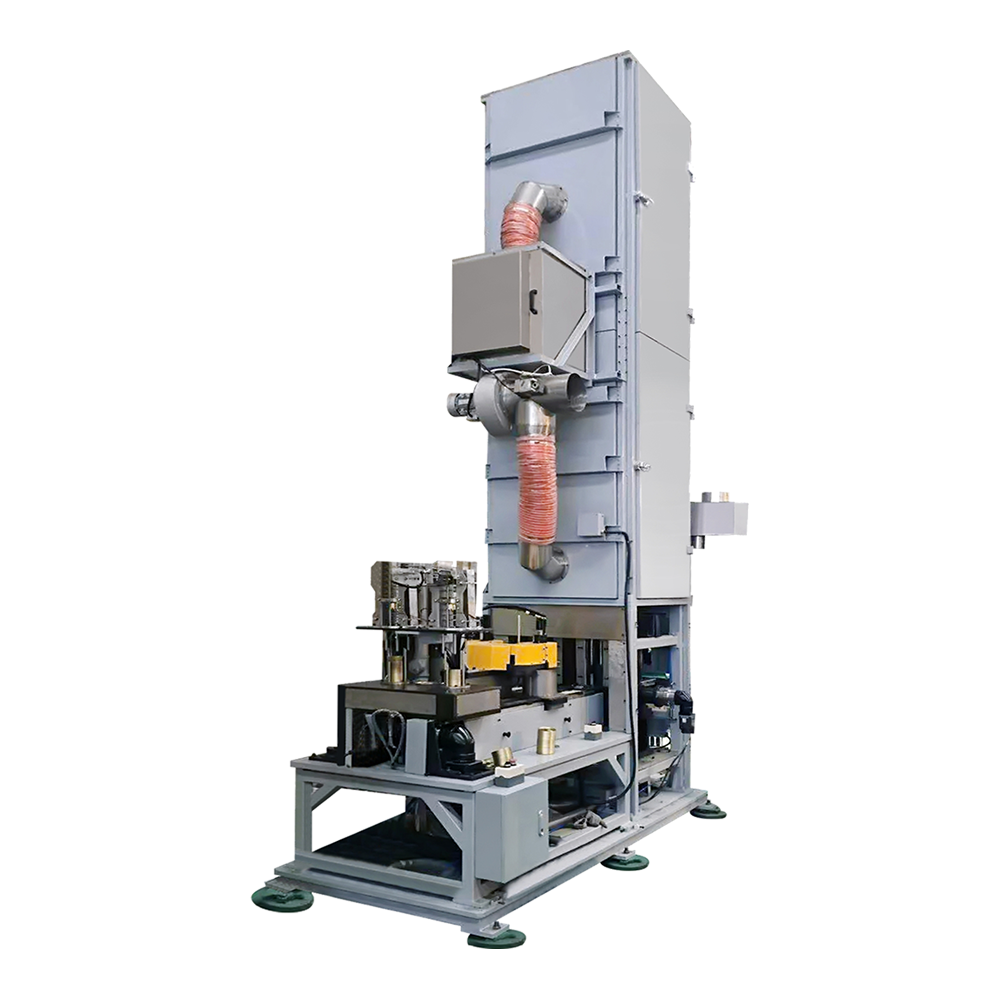
Two cans of CNC multi-mode CNC gantry punch
The equipment is an automatic CNC multi-mode gantry punch press for metal can forming. It is particularly suitable for tinplate two-piece cans, including tuna cans and other drawn can formats. In a typical production process, flat tinplate sheets or prepared blanks are transferred into the press, positioned accurately, and formed through a punch-and-die operation. The resulting can bodies can then proceed to additional operations such as trimming, washing, coating, printing, inspection, and end seaming.
The product is identified as Model CNC-C, with multiple configurations in the CNC-C2L, CNC-C2H, CNC-C1B-L, CNC-C1H-2, CNC-CVI-L, CNC-C3, CNC-CVI-H, and CNC-C9 series. The different configurations reflect variations in working pressure, ram stroke, stroke speed, die capacity, motor power, total power, weight, and production function.
The term “multi-mode” refers to the ability to operate with different die quantities and production configurations. A one-die arrangement is suited to lower or medium output requirements and can be useful when producing larger can diameters or when the factory needs maximum flexibility. Two-die, three-die, and five-die arrangements increase the number of parts formed during each operating cycle and therefore raise the available production capacity.
The gantry-style construction provides a substantial support structure around the working area. This configuration is valuable in high-force forming because it helps maintain the relationship between the upper and lower tooling components. A stable structure reduces unwanted movement, supports repeatable forming, and helps protect the die set from uneven loading.
Two-piece cans are generally produced from a single metal blank that is drawn and formed into a can body, with the end added later during the filling and closing process. The forming operation must create a smooth wall, consistent base geometry, reliable height, and suitable dimensional tolerances. The punch press therefore plays a decisive role in the quality of the finished container.
Tinplate is a strong and economical packaging material, but it requires controlled forming conditions. Excessive pressure, incorrect clearance, insufficient lubrication, poor blank positioning, or an unstable machine frame may lead to wrinkling, tearing, thinning, flange distortion, or dimensional inconsistency. An automatic CNC press helps reduce these risks by coordinating the motion of the press, feeding, tooling, and production controls.
For tuna cans and food cans, consistency is especially important. The can must withstand sterilization, handling, transportation, and internal pressure changes while maintaining a clean appearance. The formed body must also match the specifications of the subsequent processes. If the body diameter or height varies excessively, downstream operations may require frequent adjustment and may experience higher rejection rates.
The CNC multi-mode press is therefore not simply a high-speed stamping machine. It is a forming platform that can be incorporated into a complete can-making line. Its value is determined by the interaction of mechanical rigidity, die precision, feed accuracy, cycle control, production speed, and ease of integration with related equipment.
The machine’s primary characteristics include automatic operation, CNC-based control, high-force pressing, adjustable production configuration, compatibility with tailor-made can sizes, and the ability to operate at speeds of up to approximately 150 strokes per minute in selected configurations. Depending on the number of dies and the selected model, the overall line function can reach approximately 80–100 cans per minute with one die, 160–200 cans per minute with two dies, 240–300 cans per minute with three dies, or 400–500 cans per minute with five dies.
These values provide a useful planning reference, but actual output depends on can diameter, material thickness, blank format, forming depth, tooling design, feeding stability, lubrication, operator settings, and the condition of the production line. A responsible production estimate should be confirmed through technical review and sample testing before final equipment selection.
The equipment family includes several models designed for different production demands. The following table summarizes the principal specifications provided for the CNC-C series.
| Specification | CNC-C2L | CNC-C2H | CNC-C1B-L | CNC-C1H-2 | CNC-CVI-L | CNC-C3 | CNC-CVI-H | CNC-C9 |
|---|---|---|---|---|---|---|---|---|
| Working pressure | 450 kN | 450 kN | 900 kN | 900 kN | 120 kN | 120 kN | 120 kN | 160 kN |
| Ram stroke distance | 140 mm | 190 mm | 140 mm | 190 mm | 150 mm | 190 mm | 150 mm | 190 mm |
| Maximum stroke rate | 150 spm at 153 mm diameter | 100 spm | 150 spm at 153 mm diameter | 100 spm | 150 spm at 153 mm diameter | 100 spm | 150 spm at 153 mm diameter | 100 spm |
| Punch die quantity | One die | Up to two dies | Up to three dies | Up to five dies | One die | Up to two dies | Up to three dies | Up to five dies |
| Maximum lift depth | 35 mm | 55 mm | 35 mm | 55 mm | 35 mm | 55 mm | 35 mm | 55 mm |
| Maximum shut height | 485 mm | 466 mm | 485 mm | 466 mm | 505 mm | 466 mm | 505 mm | 466 mm |
| Shut-height adjustment | 17 mm | 17 mm | 17 mm | 17 mm | 17 mm | 25 mm | 17 mm | 25 mm |
| Maximum sheet size | 1150 × 1150 mm | 1150 × 1150 mm | 1150 × 1150 mm | 1150 × 1150 mm | 1150 × 1150 mm | 1150 × 1150 mm | 1150 × 1150 mm | 1150 × 1150 mm |
| Main motor power | 7.5 kW | 7.5 kW | 11 kW | 11 kW | 15 kW | 18.5 kW | 15 kW | 22 kW |
| Total power | 40 kW | 50 kW | 60 kW | 65 kW | 40 kW | 50 kW | 60 kW | 65 kW |
| Total weight | 18 tonnes | 22 tonnes | 25 tonnes | 27 tonnes | 18 tonnes | 22 tonnes | 25 tonnes | 27 tonnes |
| Approximate dimensions | 12120 × 5000 × 3170 mm | 12120 × 6000 × 3170 mm | 12560 × 6000 × 3780 mm | 12560 × 6000 × 3780 mm | 12120 × 5000 × 3170 mm | 12120 × 6000 × 3170 mm | 12560 × 6000 × 3780 mm | 12560 × 6000 × 3780 mm |
| Production function | 80–100 cpm with one die | 160–200 cpm with two dies | 240–300 cpm with three dies | 400–500 cpm with five dies | 80–100 cpm with one die | 160–200 cpm with two dies | 240–300 cpm with three dies | 400–500 cpm with five dies |
The table shows that the models are not differentiated by speed alone. Working pressure and ram stroke are equally important. A shorter stroke can support fast operation where the can design and forming depth permit it, while a longer stroke may be needed for deeper forming or a particular tooling arrangement. The correct model should therefore be selected according to the complete forming process rather than by maximum speed alone.
Working pressure is one of the most important technical factors in a punch press. The available pressure must be sufficient to form the material without overloading the machine or causing unstable operation. The CNC-C family includes working pressures from 120 kN to 900 kN, giving the user a broad selection for different can dimensions, material conditions, and forming requirements.
The 900 kN models are suitable for applications that require higher forming force or a more substantial tooling arrangement. Lower-pressure models may be more appropriate for smaller formats or less demanding forming operations. This range allows the production line to be configured according to the actual product instead of forcing every application into the same press specification.
A rigid machine body also contributes to forming stability. When a press frame deflects unevenly under load, the die clearance can change during the stroke. That can create inconsistent wall thickness, edge defects, or uneven bottom geometry. A heavy-duty structure with an accurately machined working area helps maintain the relative position of the die and punch, particularly during repeated high-speed cycles.
The total machine weight, which ranges from approximately 18 to 27 tonnes across the listed models, reflects the substantial construction required for this type of equipment. Heavy construction is not a substitute for precision, but it can help reduce vibration and improve the stability of the forming process when combined with accurate assembly and suitable foundation preparation.
One of the strongest advantages of this press family is the choice of die quantity. A single-die press can provide a practical solution for lower output, product development, and operations that manufacture several can sizes. It reduces the complexity of changeovers and allows operators to concentrate on one forming position.
A two-die arrangement increases the number of cans formed during a cycle while keeping the overall process concept relatively simple. This configuration can be attractive to medium-volume manufacturers that want a higher output without immediately moving to a five-die line. A three-die system offers another step in capacity and can be useful for established food-packaging plants with steady demand.
The five-die arrangement is intended for high-volume production. With suitable material preparation, tooling, feeding, and downstream equipment, the listed production function reaches approximately 400–500 cans per minute. This type of configuration can reduce the number of presses required for a given factory output and can make better use of floor space, utilities, and labor.
Compared with a single-purpose press, a multi-mode system offers greater production planning flexibility. A factory may begin with a lower-output configuration and later expand its product range or capacity through tooling and line adjustments. The available options also make it easier to match the equipment to seasonal demand, contract production, and different can formats.
However, multi-die productivity depends on balanced tooling and accurate feeding. The dies must operate with consistent timing and material distribution. If one position experiences a feeding problem, the entire cycle may be affected. For this reason, the quality of machine integration and commissioning is particularly important in multi-die applications.
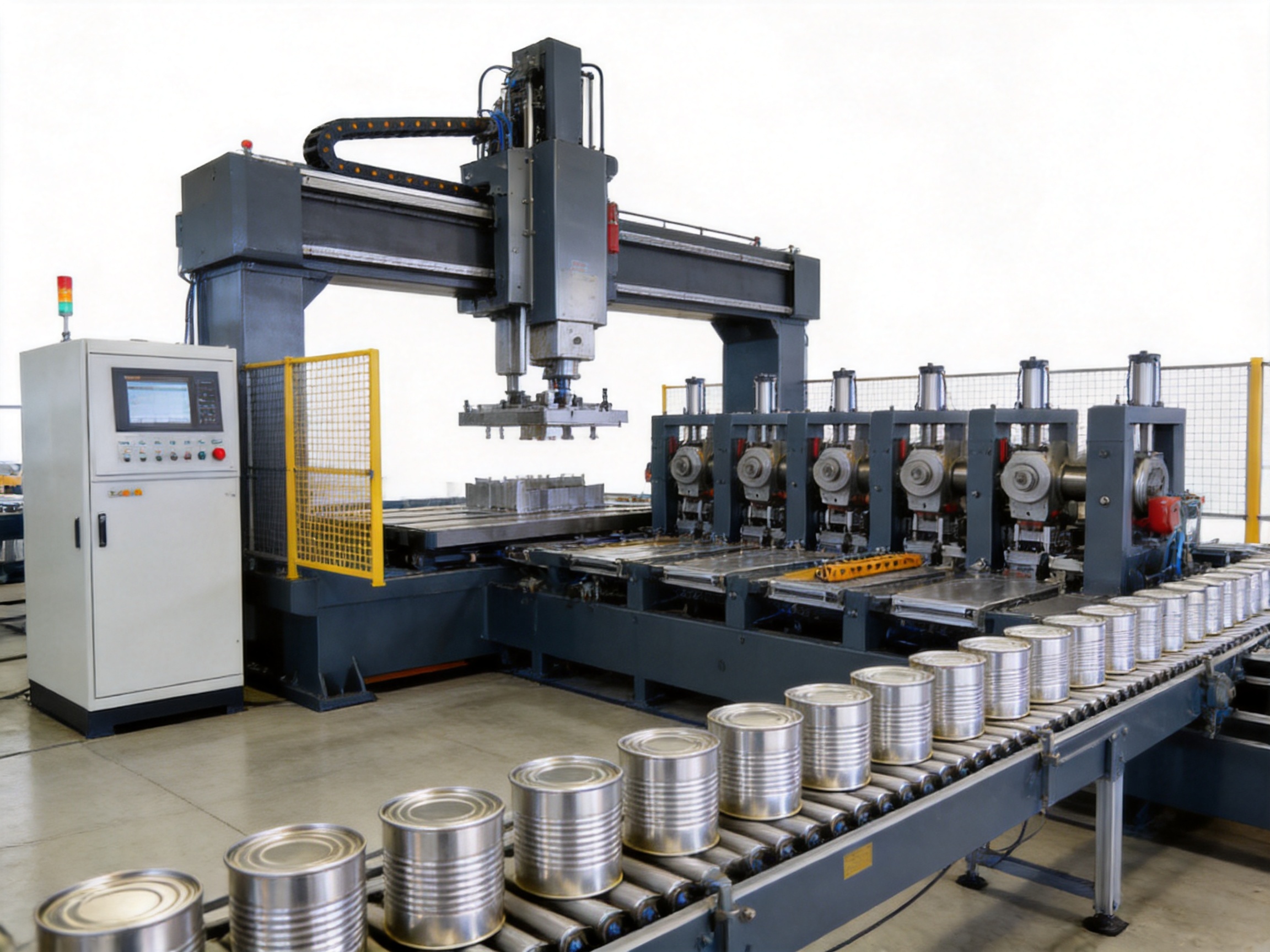
Automatic operation reduces the need for continuous manual intervention during normal production. Once the material supply, tooling, lubrication, and process settings have been correctly prepared, the press can operate through programmed cycles. This can improve production consistency and reduce the effects of operator fatigue.
CNC control also supports repeatability. The press can be set up according to defined process parameters, enabling operators to reproduce a validated production condition. This is particularly valuable when the same can specification is manufactured over long production runs or across different shifts.
Automatic operation does not eliminate the need for skilled personnel. Operators still need to verify material quality, monitor lubrication, inspect finished bodies, respond to alarms, and perform safe changeovers. The benefit is that the machine provides a controlled platform in which these tasks can be carried out more systematically.
A modern production line should also connect the press with feeding, blank handling, inspection, and downstream equipment. Proper synchronization can prevent material accumulation, reduce stoppages, and make it easier to identify the source of production problems. The press’s automatic design makes it suitable for integration with a wider automated can-making system.
Consistent stroke timing helps keep the forming action repeatable. Consistent blank positioning helps reduce variation in the can body. Consistent pressure and shut-height adjustment help preserve the relationship between the punch and die. Together, these characteristics can support better dimensional control than a manually operated or poorly synchronized press.
Production consistency also supports quality assurance. When the machine operates in a stable condition, quality personnel can establish sampling procedures for can height, diameter, flange condition, wall appearance, base shape, and other important characteristics. Stable equipment makes it easier to distinguish material problems from machine or tooling problems.
The machine is designed for various tailor-made can sizes. This means that the press is not restricted to one standard container format, provided that the required tooling, force, stroke, sheet size, and process conditions are technically compatible with the selected model.
Tailor-made production is important in the food and beverage packaging industry because customers often require containers with specific diameters, heights, volumes, shapes, or branding requirements. Tuna cans may differ significantly from general food cans, while beverage-related applications may impose different dimensional and surface requirements.
The die is central to this flexibility. A precisely manufactured die determines much of the final can geometry. It must be designed to suit the tinplate grade, thickness, blank size, forming depth, lubrication system, and production speed. A machine supplier that also has mold and tooling expertise can coordinate the press and die more effectively than a supplier that provides only a general-purpose frame.
Tooling changeover procedures should be planned carefully. The production team should document die identification, installation position, fastener requirements, shut-height settings, lubrication points, trial-piece inspection, and approval criteria. Clear procedures help reduce setup time while protecting the tooling and machine.
The press’s adjustable shut height is another useful feature. The listed models provide approximately 17 mm or 25 mm of adjustment, depending on the configuration. This adjustment can help accommodate tooling requirements and support accurate setup within the permissible operating range.
The listed maximum sheet size is 1150 × 1150 mm. This gives the line designer an important reference when selecting blanks, arranging material on sheets, and planning upstream cutting or feeding equipment. Actual usable dimensions depend on the product layout, edge allowances, material condition, and feeding method.
Efficient sheet handling is essential because the press cannot achieve its rated capacity if material arrives inconsistently. A suitable feeding system should deliver each sheet or blank at the correct position and timing. It should also prevent double feeding, skewing, surface damage, and interruptions caused by poor stacking.
Automatic feeding equipment can be combined with the press to create a more continuous production process. Depending on the factory layout, the line may include sheet loading, blank separation, alignment, transfer, forming, discharge, scrap management, and inspection. The integration design should consider access for maintenance, safe operator movement, noise control, material flow, and finished-product handling.
For a food-can manufacturer, cleanliness is also a major consideration. The forming area should be maintained to prevent metal particles, lubricant contamination, and foreign matter from entering downstream operations. The exact cleaning and lubrication system must be selected according to the material, forming process, and applicable food-packaging requirements.
The supplier has specialized in can-making machinery and can-making molds since 1978. Its stated history includes the former Zhejiang Food Machinery Factory and Zhoushan Mold Factory, reflecting a long-term connection with both equipment manufacturing and tooling production.
The company employs more than 350 trained personnel, including experienced design and development engineers. This scale provides a foundation for handling complex equipment projects involving mechanical design, electrical control, tooling, assembly, installation, commissioning, and technical service.
One of the supplier’s significant strengths is the use of CNC high-precision machining equipment together with a complete range of mechanical processing equipment. Precision machining is particularly important for punch presses because the frame interfaces, die seats, guide components, shafts, slides, and other critical parts must meet the required dimensional and alignment specifications.
Advanced machining can provide several advantages over basic fabrication methods. It can improve repeatability between machine components, reduce manual correction during assembly, support tighter tooling alignment, and make replacement parts more consistent. When combined with inspection and process control, CNC machining can also reduce the risk of hidden dimensional variation.
The supplier states that its product design principles are similar to those used by established European equipment manufacturers, including KRUPP, SOUDRONIC, and ALFONS-HAAR. This does not mean that every machine has identical construction or performance, but it indicates an effort to follow recognized design concepts in industrial can-making machinery while incorporating practical experience from production use.
The company also reports that it has produced more than 10,000 pieces of can and can-lid equipment. A large installed base can support engineering learning, spare-parts planning, service experience, and the development of improvements based on actual factory conditions.
The supplier states that it has been certified to ISO 9001 quality management and ISO 14001 environmental management systems. ISO 9001 provides a structured framework for quality-related processes, documentation, corrective action, and continual improvement. ISO 14001 addresses environmental management, resource use, environmental risks, and related organizational procedures.
Certifications do not replace product testing or customer due diligence, but they can indicate that the supplier has established formal management practices. For a major production machine, these practices are useful because the project includes more than mechanical fabrication. It also includes design review, purchasing, inspection, assembly, testing, documentation, delivery, installation, and after-sales support.
The CNC multi-mode gantry punch press offers several practical advantages when compared with a basic single-format or manually adjusted punch press.
The availability of one-die through five-die configurations allows the customer to select capacity according to current demand. A small or medium producer does not necessarily need to invest immediately in the largest configuration, while a high-volume factory can choose a multi-die arrangement designed for significantly greater throughput.
Because the press is intended for tailor-made can sizes and can be equipped with different tooling, it can support a broader product portfolio than equipment designed for one fixed container. This flexibility may help manufacturers respond to new customer requirements without replacing the complete forming line.
CNC control, automatic operation, rigid construction, and carefully manufactured tooling can provide more repeatable production than a manually controlled machine. Repeatability helps reduce dimensional variation and can support smoother operation in trimming, coating, printing, filling, and seaming processes.
Automatic material handling and programmed operation can reduce the number of manual steps required during normal production. Labor can then be focused on inspection, preventive maintenance, material preparation, quality control, and safe line management.
The supplier’s experience with food can lines, beverage can lines, can-lid lines, chemical tank lines, aerosol canister lines, and other packaging equipment makes the press suitable for customers seeking a complete production solution. A supplier with broader line experience may be better positioned to consider how the press interacts with upstream and downstream equipment.
The supplier states that it provides installation, commissioning, technical guidance, operator training, and spare-parts supply. These services can make a significant difference during the early production stage. Correct installation and commissioning help ensure that the machine reaches its intended performance without unnecessary delays.
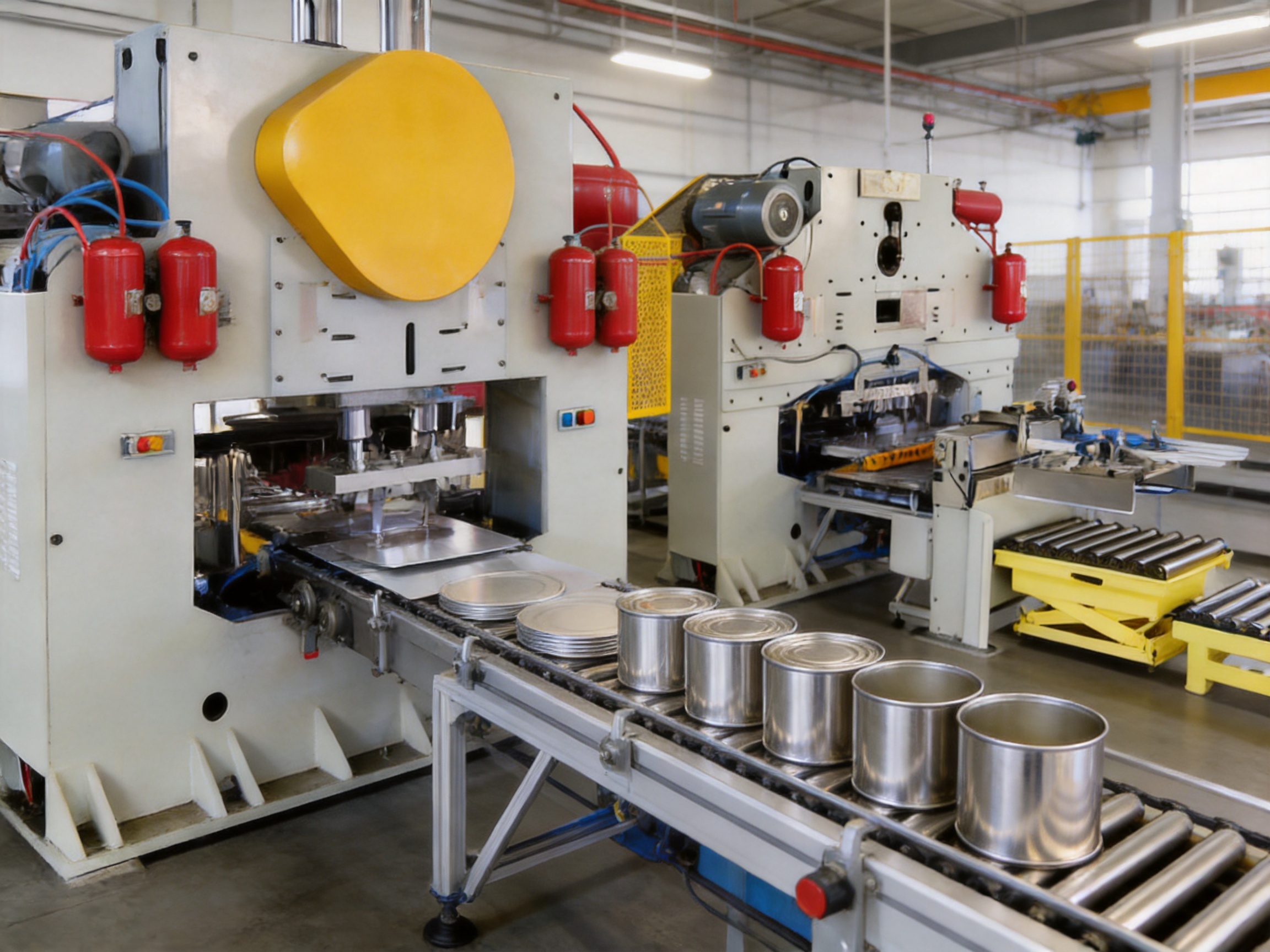
Tuna cans and other food cans often operate in demanding processing environments. The containers may be filled with products that undergo cooking or sterilization, followed by transportation through multiple distribution channels. The can body must therefore be structurally sound and dimensionally suitable for closing.
A stable punch press can contribute to quality in several ways. It can help produce a consistent base profile, maintain a uniform body diameter, and reduce deformation around the wall and flange. These characteristics are important for reliable end attachment and for maintaining the appearance of the finished package.
Surface quality is also important. Scratches, dents, rough edges, and forming marks may create problems during coating or printing. They may also reduce customer confidence in the finished product. Accurate tooling, adequate lubrication, clean material handling, and controlled pressure help reduce these defects.
The production team should establish inspection criteria suited to the can design. Typical checks may include external diameter, body height, base shape, wall condition, flange dimensions, material thinning, surface marks, and evidence of cracks or wrinkles. The specific inspection plan should be developed with reference to the product drawing and customer requirements.
Large forming equipment requires careful factory planning. The listed total power values range from approximately 40 kW to 65 kW, while main motor power ranges from 7.5 kW to 22 kW depending on the model. The factory must confirm electrical capacity, voltage, frequency, protection devices, cable routing, and power quality before installation.
The machine dimensions are substantial. The listed configurations range from approximately 12,120 mm in length and 5,000 mm in width to approximately 12,560 mm in length and 6,000 mm in width, with heights up to approximately 3,780 mm. The layout must include sufficient space for sheet loading, die changeover, maintenance access, operator movement, finished-product discharge, and safe inspection.
Foundation requirements should be reviewed in advance. A heavy press needs a suitable foundation designed for its weight, operating loads, vibration characteristics, and local building conditions. The installation team should verify level, anchor arrangements, access routes, and lifting capacity before delivery.
Although a multi-die machine occupies significant space, it may offer a more efficient capacity-to-floor-area ratio than several small presses. This potential benefit depends on the plant’s product mix, line balance, maintenance strategy, and utilization rate. A proper investment evaluation should compare not only machine price but also labor, energy, floor space, output, changeover time, and service requirements.
Installation should begin with a documented review of the factory site. The review should confirm foundation readiness, incoming power, compressed air or other utilities if required, ventilation, lighting, material storage, and the planned positions of auxiliary machines.
After mechanical positioning, the equipment must be leveled and secured according to the installation procedure. Electrical and control connections should be checked before test operation. Safety devices, emergency stops, guards, interlocks, sensors, and alarm functions should be verified before production material is introduced.
Commissioning generally progresses from no-load operation to low-speed operation and then to production trials. This staged approach allows the service team to check lubrication, noise, vibration, temperature, feeding, timing, and control response. Trial blanks should be inspected carefully before the line is released for continuous production.
Operator training is a major part of successful commissioning. Training should cover machine controls, normal operation, product changeover, die handling, alarm response, lubrication, cleaning, inspection, emergency procedures, and routine maintenance. Maintenance personnel should receive additional instruction on alignment checks, wear components, lubrication schedules, and spare-parts replacement.
Preventive maintenance helps protect the investment and maintain production quality. The maintenance program should include daily, weekly, monthly, and periodic tasks based on operating hours and production conditions.
Daily checks may include lubrication levels, abnormal noise, oil leakage, loose fasteners, material feeding, die condition, safety devices, and the appearance of finished cans. Operators should report small abnormalities before they develop into major breakdowns.
Periodic maintenance may involve checking guide components, drive mechanisms, bearings, sensors, electrical cabinets, control connections, and the alignment of tooling. Wear parts should be inspected against defined limits rather than replaced only after failure. A planned replacement strategy can reduce unplanned stoppages.
Tooling deserves particular attention. Dies should be cleaned after use, protected from corrosion, stored in a controlled manner, and identified clearly. Damage caused by incorrect installation or foreign material can affect production quality and may require expensive repair.
Spare-parts planning is also important. Critical components should be identified according to lead time, failure risk, and effect on production. The supplier states that it provides parts supply and after-sales service, which can support faster recovery when replacement components are needed.
The first selection factor is the required can specification. Buyers should provide the can diameter, height, forming depth, material grade, tinplate thickness, blank size, production target, and required tolerances. Without these details, it is difficult to determine the correct working pressure, ram stroke, die arrangement, and motor capacity.
The second factor is production volume. A factory requiring approximately 80–100 cans per minute may prefer a one-die configuration, especially if it produces several sizes or operates in shorter batches. A factory targeting several hundred cans per minute may benefit from a three-die or five-die arrangement.
The third factor is future expansion. If demand is expected to increase, selecting a machine that can support additional tooling or a higher-capacity configuration may be more economical than purchasing a small machine that reaches its limit quickly.
The fourth factor is the surrounding line. The press should be matched with blanking, feeding, discharge, inspection, trimming, coating, printing, and seaming capacity. A high-speed press cannot deliver its full value if downstream equipment is too slow or if material supply is frequently interrupted.
The fifth factor is site capability. Buyers should verify floor space, foundation design, electrical supply, lifting access, operator availability, maintenance resources, and environmental conditions. These factors should be confirmed before the machine is ordered.
The press is suitable for manufacturers of two-piece tinplate cans, particularly food-packaging companies producing tuna cans and related products. It may also be considered for other drawn or stamped metal containers where the can dimensions and forming requirements match the machine’s capabilities.
Contract packagers can benefit from the flexible die arrangements because they often serve multiple customers with different package specifications. Food-can manufacturers may use the equipment in dedicated high-volume lines or in flexible production departments. Packaging groups with several factories may also standardize on a common machine family to simplify training and spare-parts management.
The press can form part of a complete production-line investment or be installed as a replacement for older equipment. When replacing an existing press, the buyer should compare foundation requirements, line speed, blank dimensions, tooling compatibility, controls, and downstream connections rather than assuming that the new machine can be connected without modification.
No punch press is suitable for every application. The listed speeds are dependent on product and operating conditions, and the highest figure may not apply to every can size or material. Deep drawing, difficult geometries, heavy material, or demanding tolerances may require slower operation or a different tooling strategy.
Production capacity also depends on line efficiency. Planned maintenance, die changes, material loading, quality checks, and minor stoppages reduce the actual average output compared with the theoretical cycle rate. Capacity planning should therefore include an appropriate utilization factor.
Multi-die systems require disciplined setup and maintenance. A problem at one die position may affect the complete production cycle. Operators must be trained to identify uneven forming, feeding errors, abnormal sound, or changes in finished-can dimensions.
Finally, the customer should obtain a detailed technical proposal before purchase. The proposal should define the exact model, tooling scope, control system, feeding method, material specifications, output assumptions, installation requirements, acceptance criteria, spare parts, warranty, and training arrangements.
The machine is designed for automatic punch pressing in two-piece metal can production. It is particularly suited to tinplate tuna cans, food cans, and other tailor-made drawn or stamped can bodies, subject to confirmation of the product dimensions and material requirements.
CNC-C identifies the machine family. Specific configurations include CNC-C2L, CNC-C2H, CNC-C1B-L, CNC-C1H-2, CNC-CVI-L, CNC-C3, CNC-CVI-H, and CNC-C9. These versions differ in pressure, stroke, die quantity, power, dimensions, and production function.
The available production function ranges from approximately 80–100 cans per minute with one die to approximately 400–500 cans per minute with five dies. The maximum stroke rate listed for selected configurations is 150 strokes per minute, while other configurations are listed at 100 strokes per minute. Actual output depends on the can specification and complete line conditions.
Yes. The machine is described as suitable for various tailor-made can sizes. Each can format requires suitable punch and die tooling, and the selected machine must provide adequate pressure, stroke, shut height, and sheet-handling capacity.
The listed maximum sheet size is 1150 × 1150 mm. The usable size for a particular product depends on blank layout, edge allowances, feeding requirements, and tooling design.
Depending on the model, the press can use one die, up to two dies, up to three dies, or up to five dies. The number of dies affects output, tooling cost, setup requirements, and line balance.
Automatic operation can improve cycle consistency, reduce manual handling, support higher output, and make production easier to monitor. It also facilitates integration with automatic feeding and downstream can-making equipment.
A heavy machine structure can help reduce vibration and support stability during high-force forming. The listed machine weights range from approximately 18 to 27 tonnes. Proper foundation design and installation remain essential.
The supplier manufactures can-making machinery and can-making molds, so tooling support can be included in the project discussion. The exact scope should be confirmed in the technical and commercial proposal.
The stated after-sales services include installation, commissioning, technical guidance, operation training, and parts supply. The purchaser should confirm service response procedures, warranty terms, training duration, and spare-parts recommendations before placing an order.
The buyer should provide can drawings, diameter, height, forming depth, material grade, tinplate thickness, blank size, target speed, production volume, factory utility conditions, and the desired level of automation. Product samples or trial requirements may also be useful.
The CNC multi-mode gantry punch press is a high-capacity forming solution for two-piece tinplate can production. Its combination of automatic operation, configurable die quantity, strong working pressure, adjustable stroke and shut height, CNC control, and tailor-made tooling capability makes it suitable for a broad range of food-can and tuna-can applications.
Its principal advantage over less flexible alternatives is scalability. Manufacturers can select a one-die, two-die, three-die, or five-die configuration according to their production requirements. This makes the equipment relevant to both medium-volume and high-volume factories, while its automatic design supports consistent operation and integration with complete can-making lines.
The supplier’s long experience, engineering team, CNC machining resources, tooling capabilities, quality and environmental management systems, and reported production history provide a strong foundation for industrial equipment projects. These strengths are especially valuable when the customer requires more than a standalone press and needs assistance with molds, line integration, commissioning, training, and after-sales service.
Before purchase, the machine should be evaluated against the exact can drawing, material specification, production target, tooling plan, factory layout, utility capacity, and downstream line balance. With appropriate model selection, precision tooling, proper installation, and disciplined maintenance, the press can become a productive and reliable core unit in a modern two-piece can manufacturing operation.
1. Product technical information for the CNC-C series automatic multi-mode gantry punch press, supplied for this article.
2. Supplier company information concerning can-making machinery, can-making molds, manufacturing capabilities, certifications, and after-sales services.
3. General principles of metal forming and deep drawing for tinplate packaging containers.
4. General quality-management principles based on ISO 9001 practices for industrial equipment manufacturing.
5. General environmental-management principles based on ISO 14001 practices for industrial manufacturing facilities.
6. General production-planning principles for two-piece food-can manufacturing lines.
Related Products

Founded in 1978, the company is one of the largest can-making machinery well-known companies at home and abroad.
Product Categories
Contact Information
Zhongshatou Shenjiamen Zhoushan Zhejiang China
+86-580-3056646

 English
 中文简体
 русский
 عربى
 Español