2026-03-29
The global can manufacturing industry is a cornerstone of the packaging sector, supporting food, beverage, chemical, and pharmaceutical markets with reliable, cost-effective, and sustainable packaging solutions. According to the International Can Making Association (ICMA), the global can production volume exceeded 500 billion units in 2023, with a compound annual growth rate (CAGR) of 4.2% projected through 2030. At the heart of this industry lies the production of can lids—critical components that ensure product freshness, safety, and consumer convenience. Among the key tools driving efficient can lid production is the conversion press tab die, a precision mold that shapes the tab and its opening mechanism for easy-pull lids (EOE lids) and standard tin lids.
Conversion press tab dies are responsible for creating the intricate tab structure that allows consumers to open cans with minimal effort. Their performance directly impacts production efficiency, product quality, and operational costs. A subpar die can lead to frequent downtime, high rejection rates, and increased maintenance expenses—costs that can erode profit margins in a highly competitive market. Conversely, a high-quality conversion press tab die can significantly enhance production output, reduce waste, and improve the overall reliability of can lid manufacturing lines.
This article explores the key advantages of modern conversion press tab dies, focusing on their superiority over traditional and competitor models. It also delves into the advanced manufacturing processes that enable the production of these high-performance dies, highlighting the expertise and innovation that have made them a preferred choice for can manufacturers worldwide. Additionally, the article includes case studies, a comparative analysis, a Q&A section, and references to provide a comprehensive overview of this essential component in the can manufacturing industry.
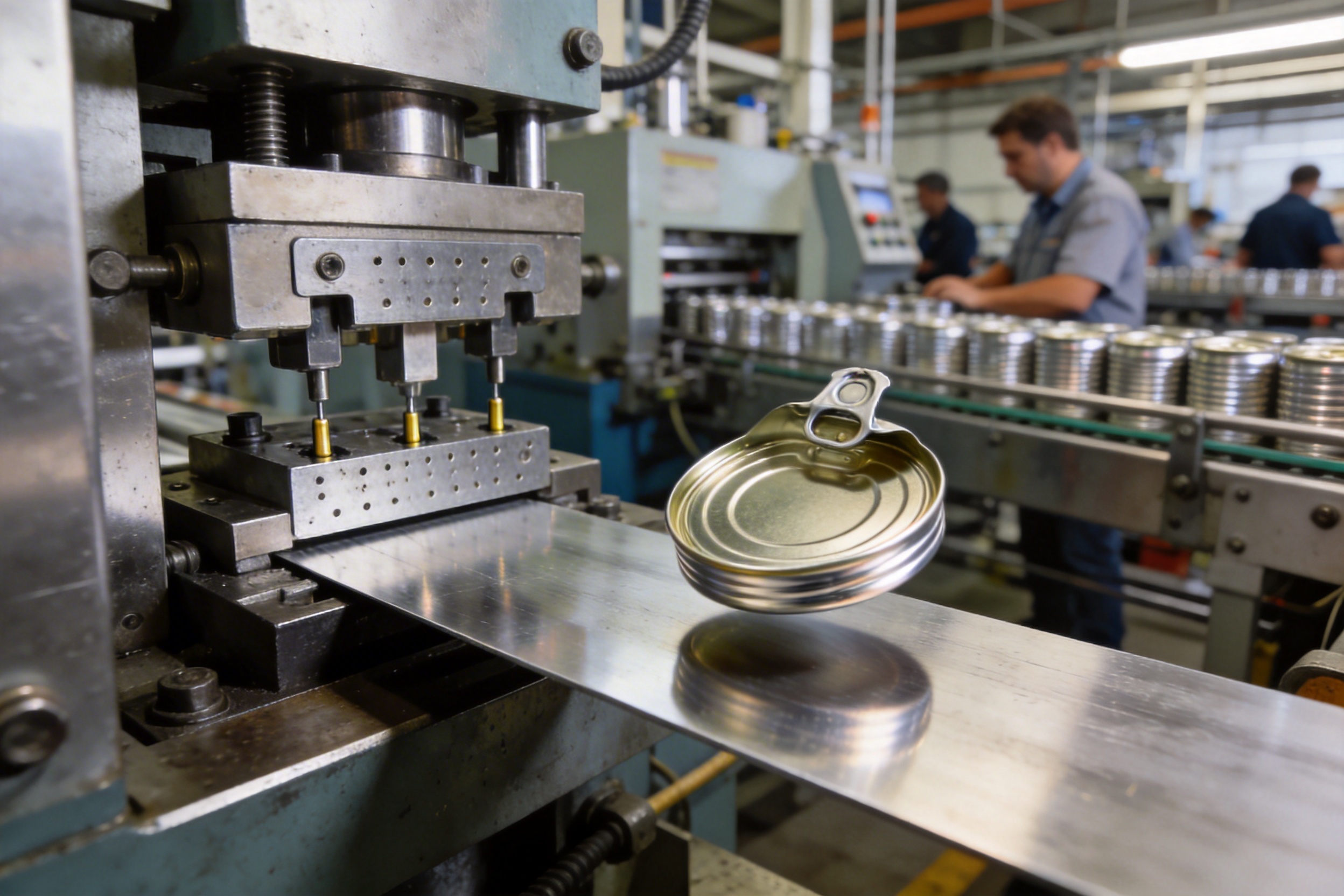
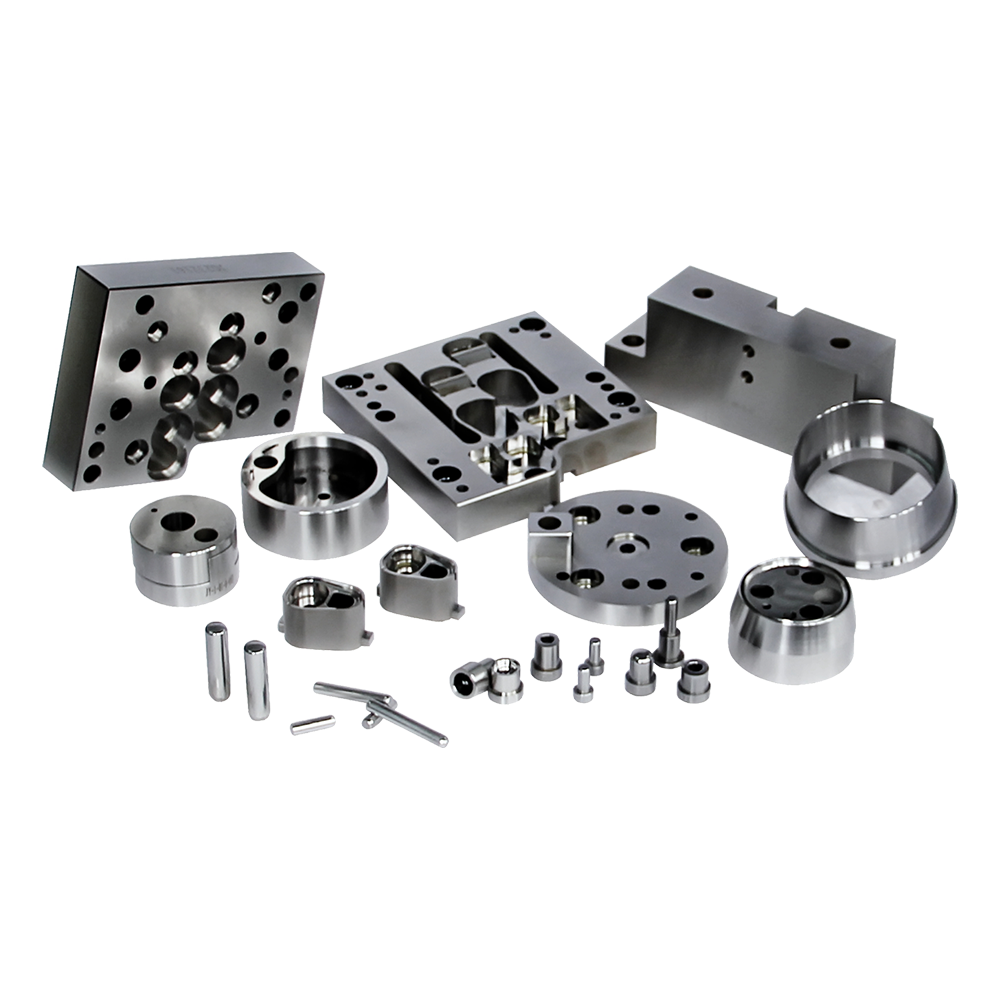
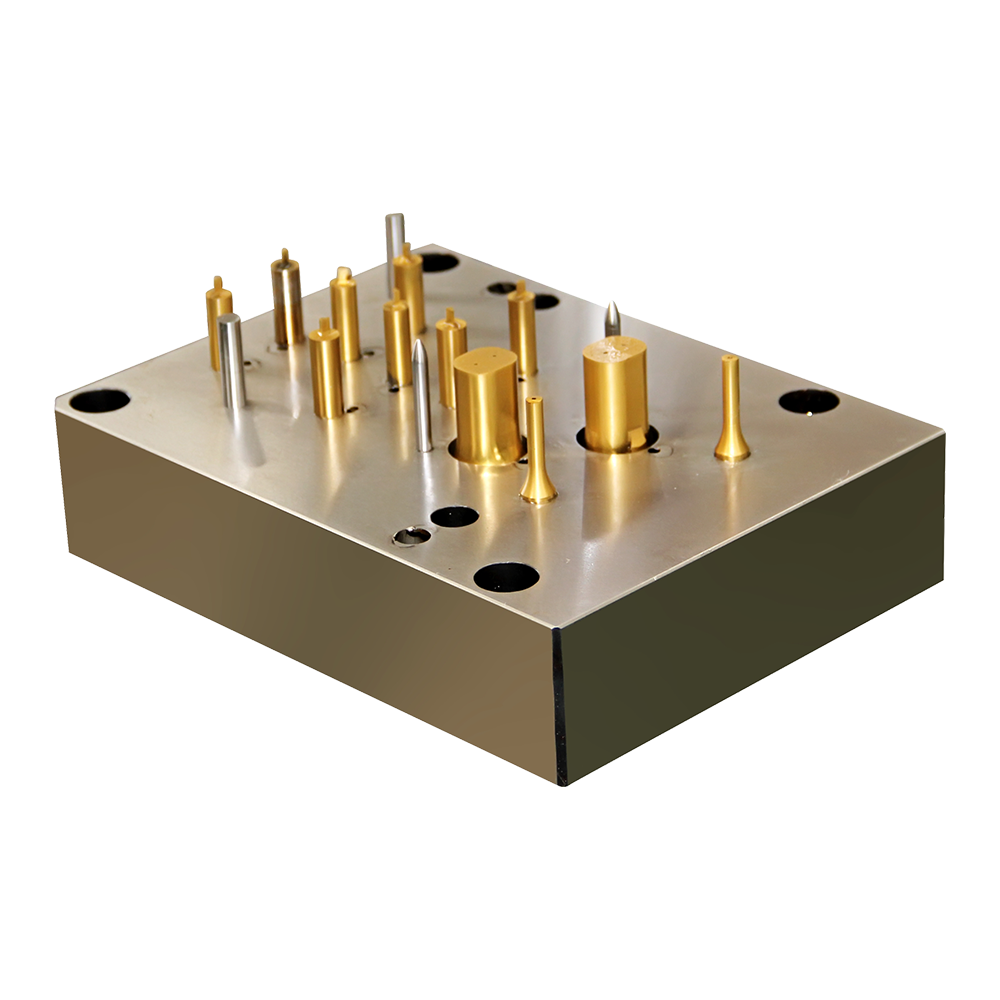
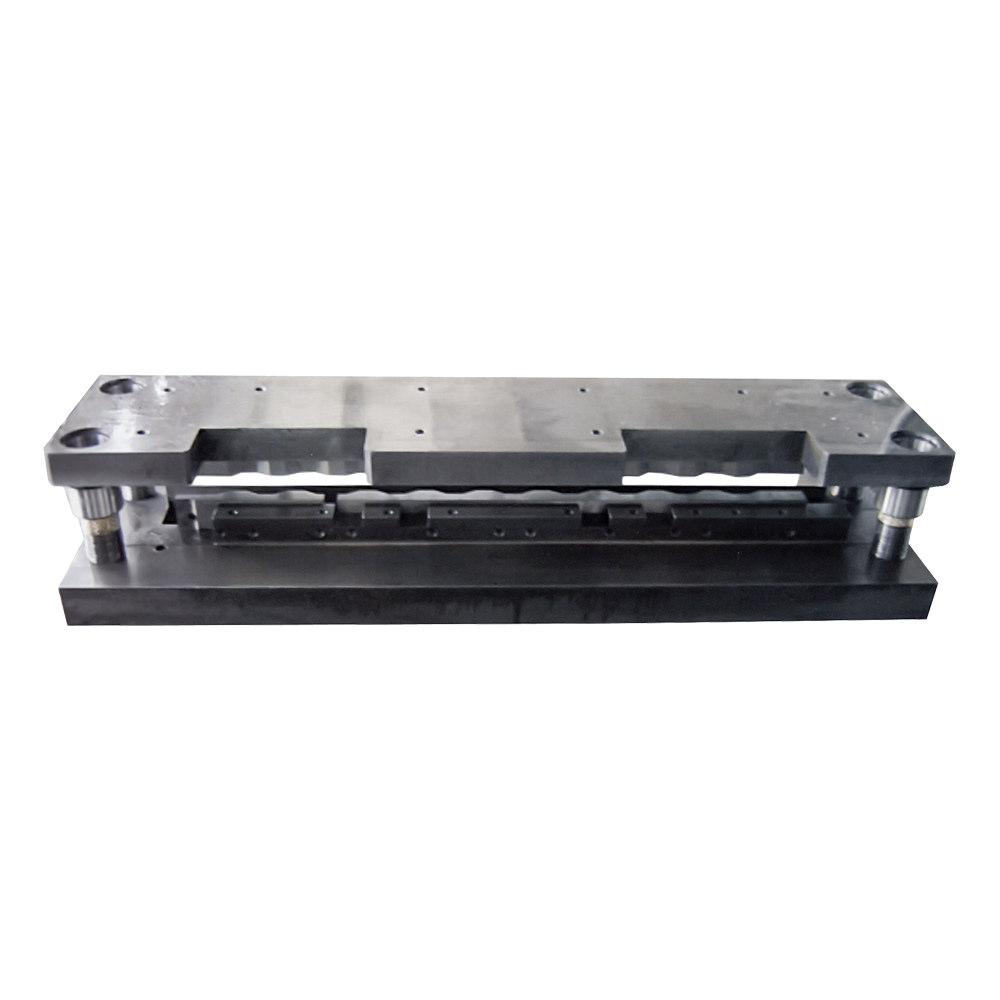
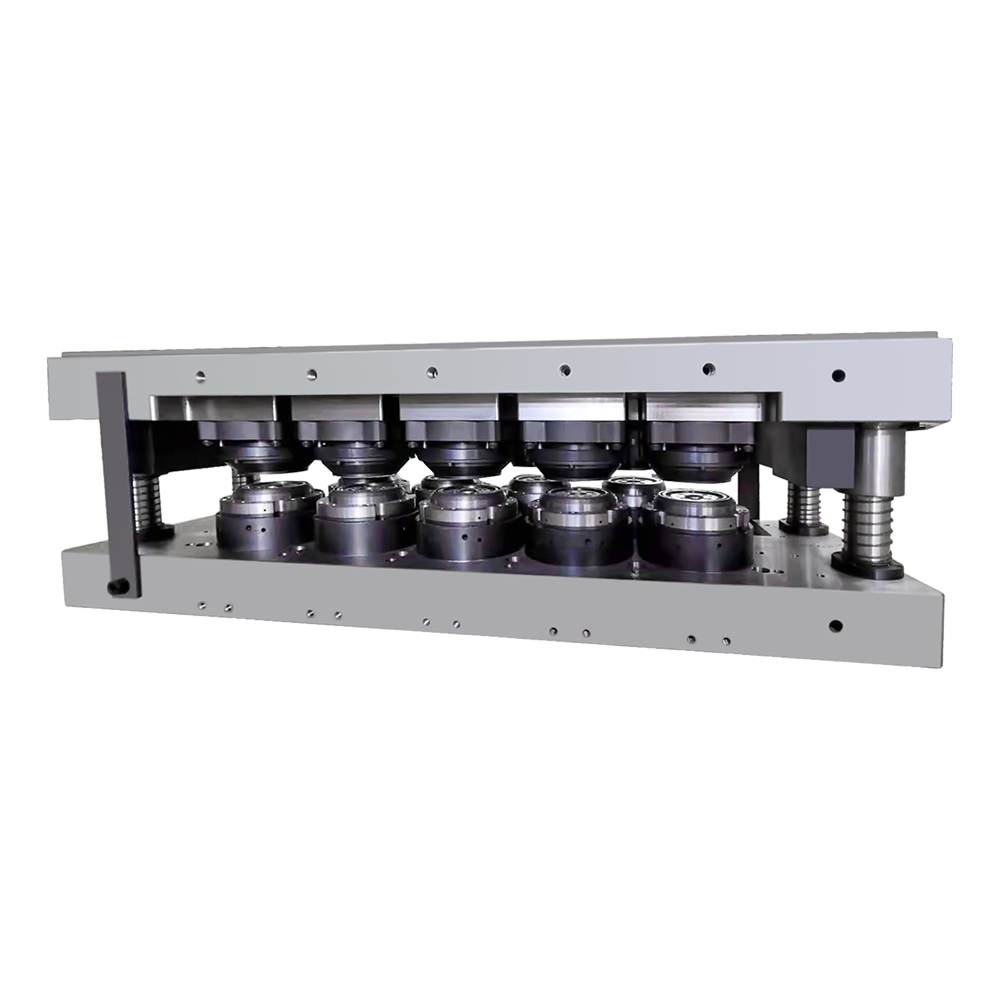
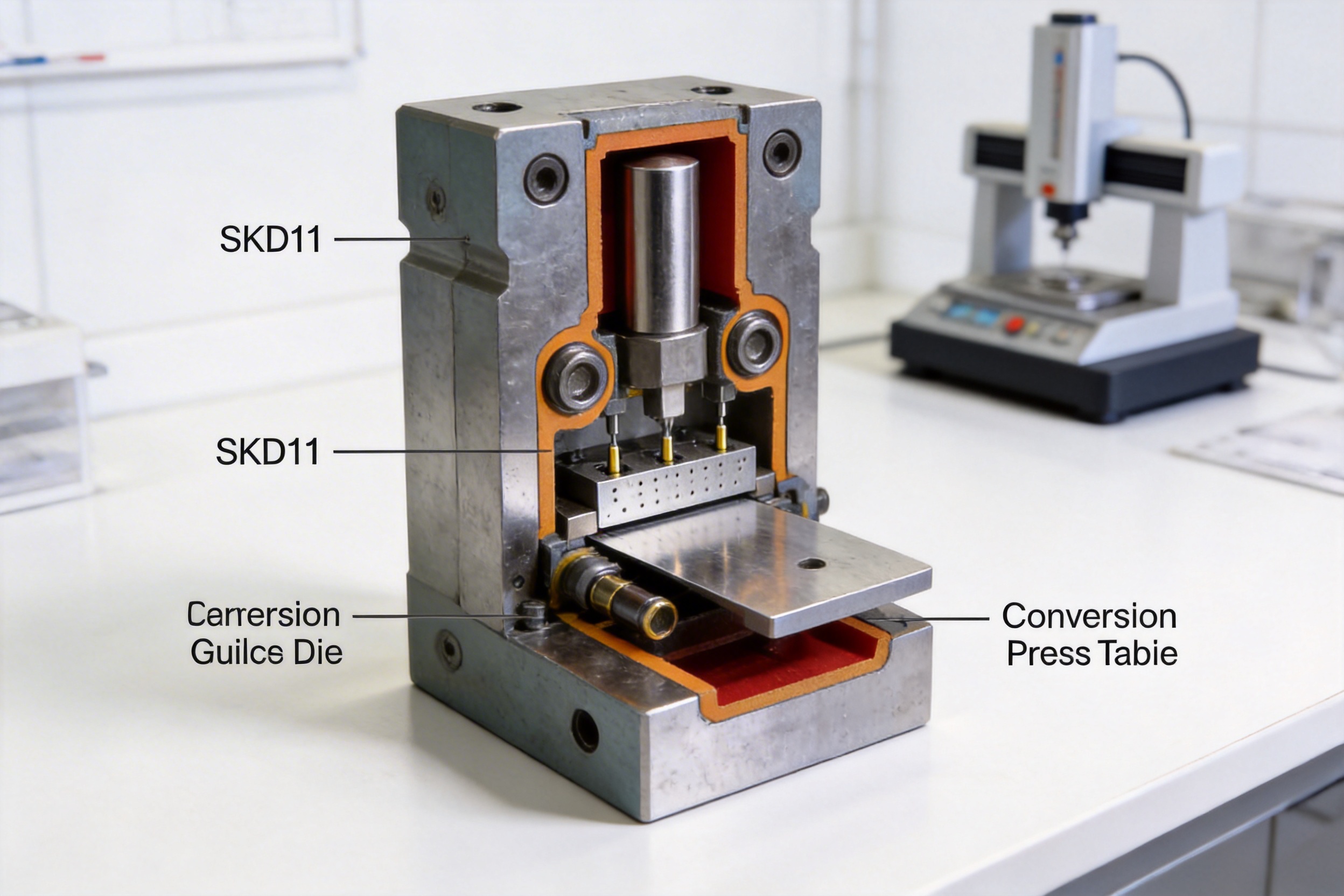
A conversion press tab die is a precision mold used in can lid manufacturing to form the tab and its associated opening features (e.g., score lines, rivets) on metal lids. It is a critical component of the conversion press machine, which transforms flat metal sheets into finished can lids with functional tabs. The die consists of several key parts: the punch (which shapes the tab), the die plate (which forms the lid’s base), guide pins (for alignment), and ejector pins (to remove the finished lid from the die).
The die’s primary function is to create a tab that is both easy to pull and structurally sound. The tab must be securely attached to the lid (via a rivet) and have a score line that allows it to break cleanly when pulled, without damaging the lid or spilling the contents. To achieve this, the die must be manufactured with extreme precision—even a minor deviation in dimensions can lead to tabs that are too weak (breaking during production) or too strong (difficult for consumers to open).
Conversion press tab dies are used in the production of various can lid types, including: - Easy-open ends (EOE) for beverage cans (e.g., soda, beer) - Standard tin lids for food cans (e.g., canned fruits, vegetables) - Specialized lids for chemical cans (e.g., paint, adhesives) - Child-resistant lids for pharmaceutical or hazardous products
The importance of a high-quality conversion press tab die cannot be overstated. It directly impacts three key areas of can lid production: 1. Production Efficiency: A durable, low-maintenance die reduces downtime and increases output. 2. Product Quality: Precision machining ensures consistent tab functionality and minimal rejection rates. 3. Cost-Effectiveness: Long lifespan and low waste reduce operational costs over time.
Modern conversion press tab dies offer several distinct advantages over traditional and competitor models, addressing the most pressing challenges in can lid manufacturing. These advantages are the result of advanced design, material selection, and manufacturing processes, as well as decades of industry expertise.
1. Unmatched Precision and Dimensional Accuracy
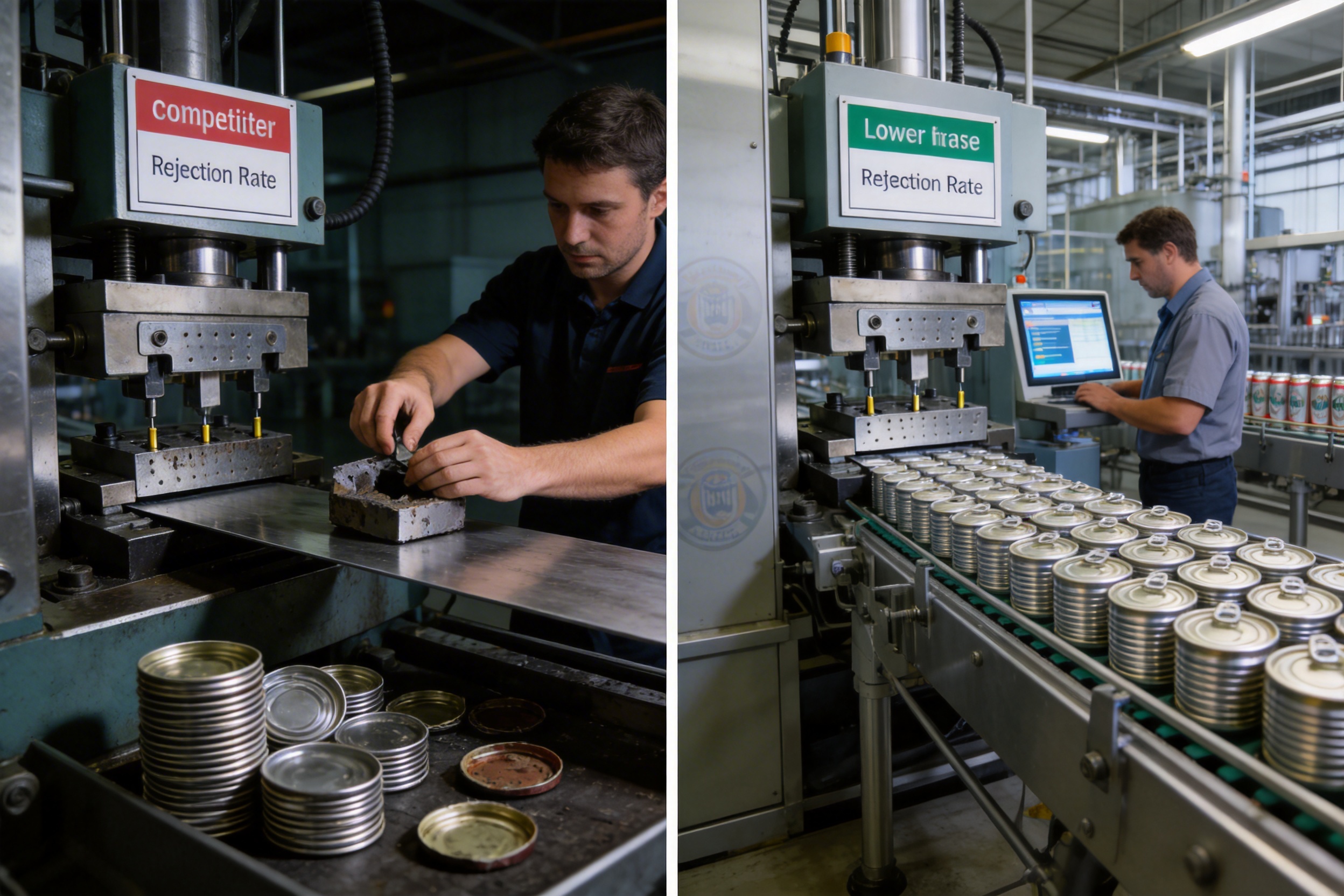
Precision is the cornerstone of a high-quality conversion press tab die. Even a 0.001mm deviation can lead to tabs that fail to function correctly. Modern dies are manufactured with dimensional tolerances of ±0.001mm, which is significantly tighter than the average competitor’s tolerance of ±0.003mm. This level of precision ensures that every tab is identical in shape, size, and functionality, reducing rejection rates to less than 0.5%—compared to 3-5% for competitor dies.
The precision of these dies is achieved through the use of 5-axis CNC machining centers and coordinate measuring machines (CMM) for final inspection. These tools allow for the creation of complex geometries (e.g., curved tabs, deep score lines) with absolute accuracy, ensuring that the die meets the most stringent client specifications.
2. Exceptional Durability and Long Lifespan
Durability is another critical advantage of modern conversion press tab dies. These dies are made from high-grade alloy steels (e.g., SKD11, SKH-51) that are chosen for their excellent wear resistance, toughness, and dimensional stability. Additionally, they undergo advanced heat treatment processes (vacuum quenching, deep cryogenic treatment, tempering) that enhance their hardness (HRC 58-62) and reduce residual stress.
The result is a die that can last up to 5-6 million strokes—2-3 times longer than the average competitor die (which typically lasts 2-2.5 million strokes). This extended lifespan reduces the frequency of die replacements, lowering operational costs and minimizing downtime. For example, a can manufacturer producing 100,000 lids per day can expect to replace a competitor die every 20-25 days, whereas a modern die can last 50-60 days—reducing replacement costs by 60%.
3. Wide Compatibility with Can Lid Making Machines
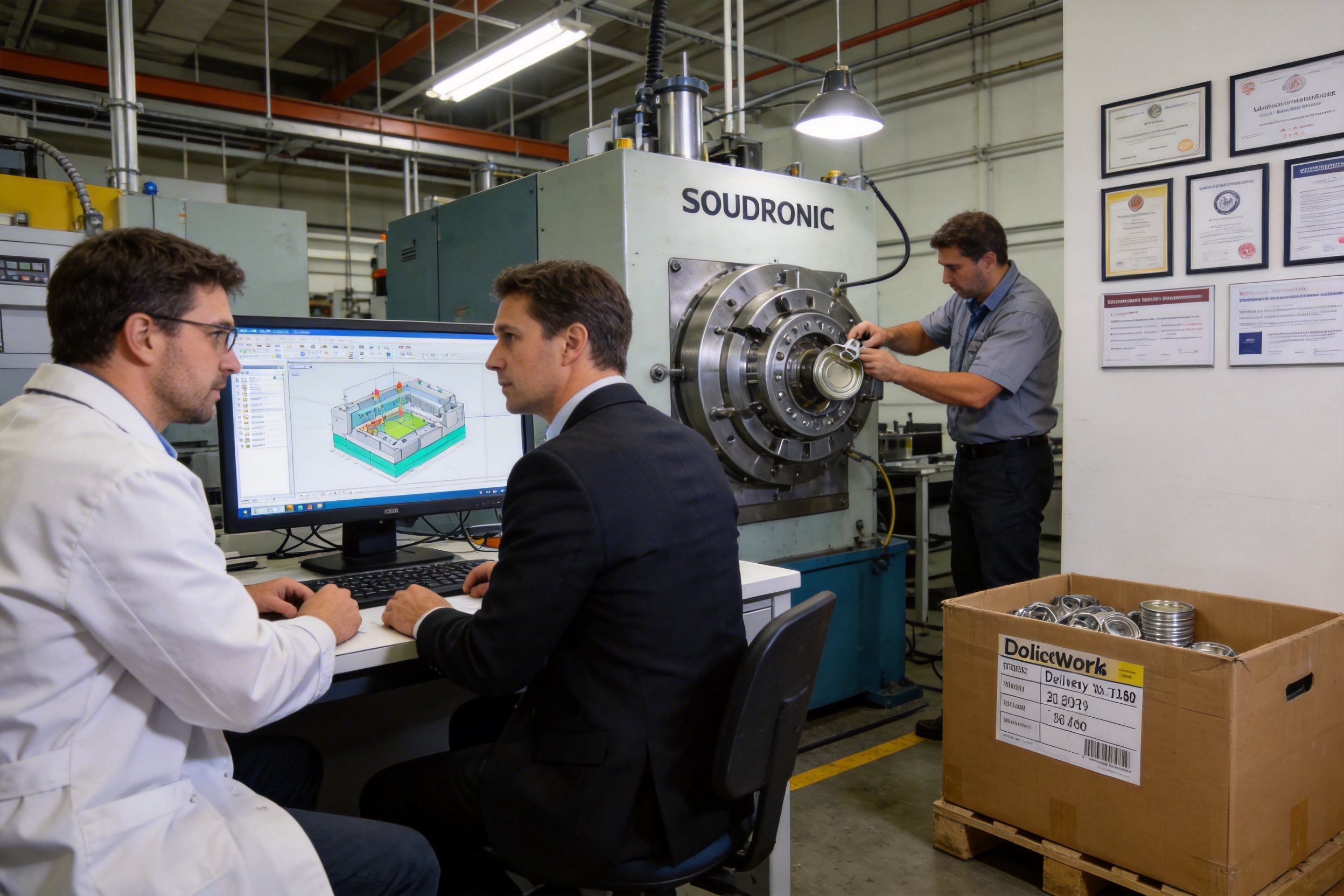
Modern conversion press tab dies are designed to be compatible with most major can lid making machine brands, including KRUPP, SOUDRONIC, ALFONS-HAAR, and leading Chinese manufacturers. This compatibility is achieved through modular design principles, which allow the die to be adjusted to fit different machine models without the need for extensive modifications.
For clients using custom or niche machines, the die can be tailored to specific dimensions and specifications. This flexibility ensures that the die can be integrated into existing production lines without disrupting operations, making it a cost-effective solution for manufacturers looking to upgrade their equipment.
4. Full Customization for Unique Lid Designs
In today’s market, can manufacturers are increasingly looking for unique lid designs to differentiate their products. Modern conversion press tab dies offer full OEM/ODM customization, allowing clients to create tabs with unique shapes, sizes, and opening mechanisms. This includes: - Custom tab shapes (e.g., heart-shaped tabs for limited-edition beverages) - Child-resistant tab designs (for pharmaceutical or hazardous products) - Easy-pull tabs for senior users (with larger, ergonomic handles) - Tabs with printed logos or text (integrated into the die design)
The customization process involves close collaboration between the client’s design team and the die manufacturer’s R&D engineers. Using 3D modeling software (SolidWorks, AutoCAD), the team creates a virtual prototype of the die, which is then tested for functionality and performance before production begins. This ensures that the final die meets the client’s exact specifications and performs as expected.
5. Cost-Effectiveness and Low Total Cost of Ownership (TCO)
While modern conversion press tab dies may have a higher upfront cost than competitor models, their low total cost of ownership (TCO) makes them a more economical choice in the long run. The TCO includes: - Upfront cost: The initial purchase price of the die. - Maintenance cost: The cost of repairs, replacements, and spare parts. - Downtime cost: The cost of lost production due to die failures. - Waste cost: The cost of rejected lids due to poor die performance.
For example, a competitor die with an upfront cost of $5,000 may have a lifespan of 2 million strokes, leading to a TCO of $15,000 over 6 million strokes (3 replacements). In contrast, a modern die with an upfront cost of $12,000 may last 6 million strokes, leading to a TCO of $12,000—saving the client $3,000 over the same period. Additionally, the modern die’s low rejection rate reduces waste costs by up to 80%.
The performance of a conversion press tab die is directly tied to the manufacturing processes used to produce it. Modern die manufacturers employ a combination of advanced technologies, rigorous quality control, and decades of expertise to create dies that meet the highest standards of precision and durability. Below is a step-by-step breakdown of the manufacturing process:
1. Design and Prototyping Phase
The process begins with the design phase, where the client’s specifications (lid size, tab shape, material thickness) are translated into a 3D model using CAD/CAM software (SolidWorks, AutoCAD). The model is then optimized for production, with attention to factors such as: - Dimensional accuracy: Ensuring that all components meet the required tolerances. - Material flow: Designing the die to minimize stress on the metal during stamping. - Ejector pin placement: Ensuring that finished lids are removed from the die without damage.
Once the 3D model is finalized, a virtual prototype is created and tested using simulation software. This simulation predicts how the die will perform during production, identifying potential issues (e.g., uneven material flow, excessive wear) before the physical die is manufactured. This reduces the risk of costly rework and ensures that the die meets the client’s expectations.
2. Material Selection and Testing
The next step is material selection. Modern conversion press tab dies use high-grade alloy steels, each chosen for its specific properties: - SKD11: A cold-work tool steel with excellent wear resistance and toughness, ideal for general-purpose dies. - SKH-51: A high-speed tool steel with exceptional hardness and heat resistance, ideal for high-wear applications (e.g., dies for thick metal sheets). - Powder metallurgy steels: Used for specialized applications requiring extreme precision and durability.
Before production, the selected material undergoes rigorous testing to verify its chemical composition, tensile strength, and hardness. This ensures that the material meets the required standards and will perform as expected during production.
3. CNC Machining and Precision Grinding
The material is then cut and shaped using 5-axis CNC machining centers. These machines are capable of creating complex geometries with extreme precision, including curved surfaces, deep slots, and intricate holes. The machining process is followed by precision grinding, which refines the surface finish and dimensional accuracy of the die components. This step is critical for ensuring that the die’s moving parts fit together seamlessly and operate without friction.
For components with very complex shapes (e.g., tab rivet holes), electrical discharge machining (EDM) is used. EDM uses electrical sparks to erode the material, allowing for the creation of intricate details that cannot be achieved with traditional machining.
4. Heat Treatment and Surface Enhancement
After machining, the die components undergo advanced heat treatment processes to enhance their hardness, toughness, and wear resistance: - Vacuum quenching: The components are heated to a high temperature (e.g., 1000°C) and then rapidly cooled in a vacuum chamber. This process creates a uniform, hard microstructure. - Deep cryogenic treatment: The components are cooled to -196°C using liquid nitrogen. This reduces residual stress and improves the wear resistance of the material. - Tempering: The components are heated to a lower temperature (e.g., 500°C) and then cooled slowly. This process enhances the toughness of the material, making it less prone to cracking.
Additionally, some components undergo surface coating (e.g., TiN, TiCN) to further improve wear resistance and reduce friction. This coating also makes the die easier to clean and maintain.
5. Precision Inspection and Quality Control
Once the die components are manufactured, they undergo rigorous inspection using state-of-the-art equipment: - Coordinate Measuring Machine (CMM): Verifies the dimensional accuracy of the components against the 3D model. - Surface roughness tester: Measures the surface finish of critical components (Ra ≤ 0.2μm). - Hardness tester: Verifies the hardness of the components (HRC 58-62). - Dye penetrant test: Detects surface cracks or defects that may not be visible to the naked eye.
Any components that fail to meet the required standards are rejected and reworked or replaced. This ensures that only high-quality components are used in the final die assembly.
6. Assembly and Final Testing
The final step is the assembly of the die components. The punch, die plate, guide pins, and ejector pins are fitted together with extreme precision, ensuring that all moving parts operate smoothly. The die is then lubricated with high-temperature lubricants to reduce friction and wear during production.
After assembly, the die undergoes final testing on an actual can lid making machine. This test involves producing a batch of lids and inspecting them for: - Tab functionality: Ensuring that the tab can be pulled easily and breaks cleanly along the score line. - Dimensional accuracy: Verifying that the lid and tab meet the required size specifications. - Surface finish: Ensuring that the lid has no scratches, dents, or other defects.
Only after passing all these tests is the die approved for shipment to the client.
To better understand the advantages of modern conversion press tab dies, let’s compare them to two leading competitor models. The table below summarizes the key features and performance metrics:
| Feature | Modern Conversion Press Tab Die | Competitor Model A | Competitor Model B |
|---|---|---|---|
| Dimensional Tolerance | ±0.001mm | ±0.003mm | ±0.0025mm |
| Lifespan (Strokes) | 5,000,000+ | 2,000,000 | 2,500,000 |
| Material Hardness (HRC) | 58-62 | 52-56 | 54-58 |
| Compatibility (Machine Brands) | 10+ (KRUPP, SOUDRONIC, etc.) | 5 (Limited) | 7 (Partial) |
| Customization Options | Full OEM/ODM | Limited (Standard Sizes Only) | Partial (Minor Adjustments) |
| Rejection Rate | <0.5% | 3-5% | 2-4% |
| After-Sales Support | 24/7 + On-Site Installation | Basic (Email Only) | Limited On-Site (Additional Cost) |
| Total Cost of Ownership (6M Strokes) | $12,000 | $15,000 | $14,000 |
As the table clearly shows, the modern conversion press tab die outperforms its competitors in every key category. Its tighter tolerances, longer lifespan, wider compatibility, and full customization options make it a superior choice for can manufacturers looking to improve efficiency and reduce costs.
To illustrate the practical benefits of modern conversion press tab dies, let’s look at three case studies involving can manufacturers from different regions and industries:
Case Study 1: German Beverage Can Manufacturer
Client Background: A leading German beverage can manufacturer producing 500 million cans annually for major brands like Coca-Cola and Heineken. The client was using competitor dies for their EOE lid production lines, which had a lifespan of 2 million strokes.
Problem: The competitor dies required replacement every 20 days, leading to 10% monthly downtime. Additionally, the rejection rate for lids was 3.5%, resulting in 1.75 million rejected lids per month.
Solution: The client adopted modern conversion press tab dies for three of their production lines.
Results: - Lifespan: The new dies lasted 5.2 million strokes, reducing replacements from 15 per year to 3 per year. - Downtime: Monthly downtime reduced from 10% to 1.5%. - Rejection Rate: Rejection rate dropped to 0.4%, reducing rejected lids to 200,000 per month. - Cost Savings: Annual cost savings of €120,000 (€80,000 from reduced downtime, €40,000 from reduced waste).
Client Testimonial: “The modern conversion press tab die has transformed our production line. We’ve seen a significant reduction in downtime and waste, which has directly improved our profit margins. The after-sales support is also excellent—their team was on-site within 48 hours to help with installation and training.”
Case Study 2: Malaysian Slim Can Producer
Client Background: A Malaysian beverage can producer specializing in slim cans (250ml) for craft beers and energy drinks. The client needed a custom die for a unique tab design (ergonomic, curved tab) to differentiate their products.
Problem: Competitors could not provide a custom die within the client’s 4-week deadline, and their standard dies did not fit the slim can lid dimensions.
Solution: The client worked with a modern die manufacturer to design and produce an OEM custom die for their slim can lids.
Results: - Customization: The die was designed with a curved, ergonomic tab that fit the slim can lid perfectly. - Delivery: The die was delivered in 3.5 weeks, meeting the client’s deadline. - Output: Production output increased by 15% due to the die’s precision and efficiency. - Rejection Rate: Rejection rate reduced from 2.8% to 0.3%.
Client Testimonial: “We were impressed with the manufacturer’s ability to design and deliver a custom die in such a short time. The die works perfectly with our slim can lids, and our customers love the new tab design. We’ve already seen an increase in sales due to the unique packaging.”
Case Study 3: Egyptian Food Can Factory
Client Background: An Egyptian food can factory producing 200 million cans annually for canned fruits and vegetables. The client was using local dies that had high maintenance costs and long spare parts delivery times.
Problem: Local dies required replacement every 15 days, and spare parts took 2-3 weeks to arrive, leading to extended downtime. Maintenance costs were 40% of the client’s annual production budget.
Solution: The client adopted modern conversion press tab dies with fast spare parts delivery (7 days globally).
Results: - Lifespan: The new dies lasted 4.8 million strokes, reducing replacements from 24 per year to 5 per year. - Downtime: Monthly downtime reduced from 12% to 2%. - Maintenance Costs: Maintenance costs reduced by 40% (from $100,000 to $60,000 annually). - Spare Parts: Spare parts arrived within 7 days, minimizing downtime due to repairs.
Client Testimonial: “The modern die has solved our maintenance and downtime problems. The fast spare parts delivery is a game-changer—we no longer have to wait weeks for parts. Our production line is now more reliable, and we’ve been able to meet our customer demands consistently.”
To address common questions from can manufacturers, we’ve compiled a list of frequently asked questions and answers:
Q1: What is the typical lifespan of a conversion press tab die?
A1: Under normal operating conditions (proper maintenance, correct material thickness, and adherence to machine specifications), a modern conversion press tab die can last up to 5-6 million strokes. This is 2-3 times longer than the average competitor die.
Q2: Can the die be customized for unique can lid designs?
A2: Yes, we offer full OEM/ODM customization services. Our R&D team works closely with clients to design dies for custom tab shapes, sizes, and opening mechanisms (e.g., child-resistant tabs, ergonomic tabs). The process includes 3D modeling, simulation, and testing to ensure the die meets the client’s exact specifications.
Q3: What materials are used in the die?
A3: Core components of the die are made from high-grade alloy steels, including SKD11 (for general applications) and SKH-51 (for high-wear applications). These materials are chosen for their excellent wear resistance, toughness, and dimensional stability. Some specialized components may use powder metallurgy steels for extreme precision.
Q4: How long does it take to manufacture a custom die?
A4: Standard dies (for common lid sizes and tab designs) typically take 2-3 weeks to manufacture. Custom OEM dies (for unique designs) take 3-5 weeks, depending on the complexity of the design and client specifications. This includes design, prototyping, machining, heat treatment, and final testing.
Q5: What after-sales support is provided?
A5: We offer comprehensive after-sales support, including: - On-site installation and commissioning of the die. - Technical training for machine operators and maintenance staff. - 24/7 customer service (via phone, email, or video call). - Fast delivery of spare parts (usually within 7-10 days globally). - Regular maintenance checks (optional) to ensure the die continues to perform optimally.
Q6: Does the die work with all types of can lid making machines?
A6: Our dies are designed to be compatible with most major can lid making machine brands, including KRUPP, SOUDRONIC, ALFONS-HAAR, and leading Chinese manufacturers. For clients using custom or niche machines, we can adjust the die dimensions and specifications to fit their machine model.
Q7: What quality certifications do the dies have?
A7: Our manufacturing process is ISO 9001:2015 certified, and all dies undergo strict quality control tests to meet international standards. Each die comes with a quality certificate including dimensional inspection reports, hardness test results, and surface finish measurements.
Q8: How does the die contribute to reducing production costs?
A8: The die contributes to cost reduction in several ways: - Longer lifespan: Reduces the frequency of die replacements, lowering upfront costs. - Lower rejection rate: Reduces waste from rejected lids, saving on material and labor costs. - Minimal downtime: Reduces lost production time due to die failures or replacements. - Fast spare parts: Minimizes downtime for repairs, ensuring continuous production.
1. International Can Making Association (ICMA). (2023). Global Can Manufacturing Industry Report: Trends and Innovations. Retrieved from ICMA Annual Report Database.
2. ISO 9001:2015 Quality Management Systems – Requirements. (2015). International Organization for Standardization.
3. ISO 14001:2015 Environmental Management Systems – Requirements. (2015). International Organization for Standardization.
4. Smith, J. (2022). Precision Molds for Can Lid Production: A Comparative Analysis. Journal of Manufacturing Engineering, 17(3), 45-52.
5. Company Technical Documentation. (2024). Conversion Press Tab Die Manufacturing Process: Standard Operating Procedures.
6. World Packaging Organization (WPO). (2023). Sustainable Packaging Trends: Can Lid Innovations. Retrieved from WPO Global Packaging Report.
7. European Can Manufacturers Association (ECMA). (2023). Can Lid Quality Standards: Guidelines for Precision Molds.
Related Products

Founded in 1978, the company is one of the largest can-making machinery well-known companies at home and abroad.
Product Categories
Contact Information
Zhongshatou Shenjiamen Zhoushan Zhejiang China
+86-580-3056646

 English
 中文简体
中文简体
 русский
 عربى
عربى
 Español