2026-10-11
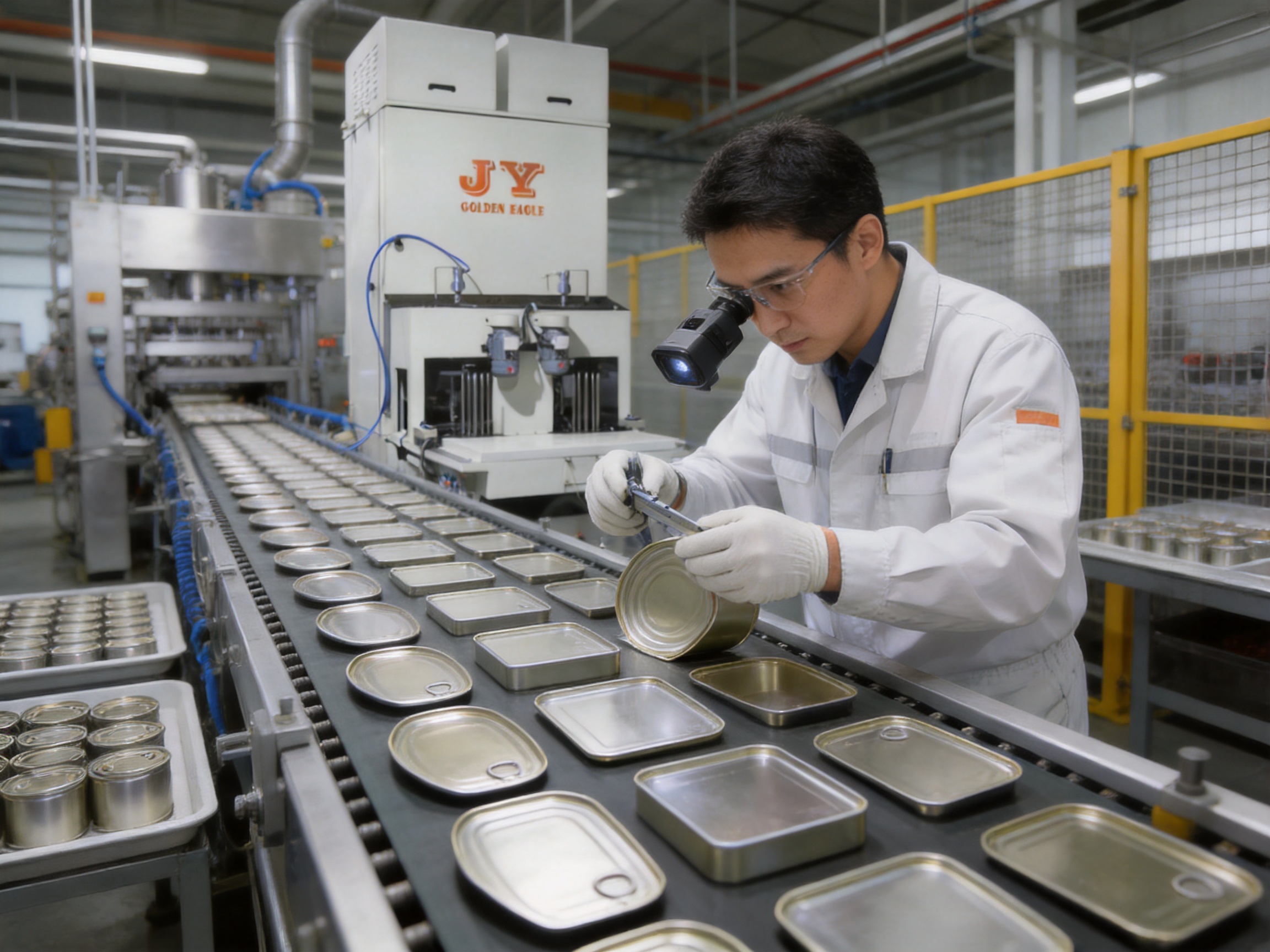
Irregular-shaped metal containers are widely used for food, beverages, chemicals, household products, promotional packaging, and specialty goods. Unlike conventional round cans, oval, square, rectangular, trapezoidal, and other non-circular containers require more sophisticated lid-processing technology. Their edges change direction continuously, their corner areas may experience different forming loads, and their sealing surfaces must remain accurately aligned throughout the production process. For manufacturers, achieving a reliable lid structure with consistent dimensions, efficient lining, and stable output is a demanding technical task.
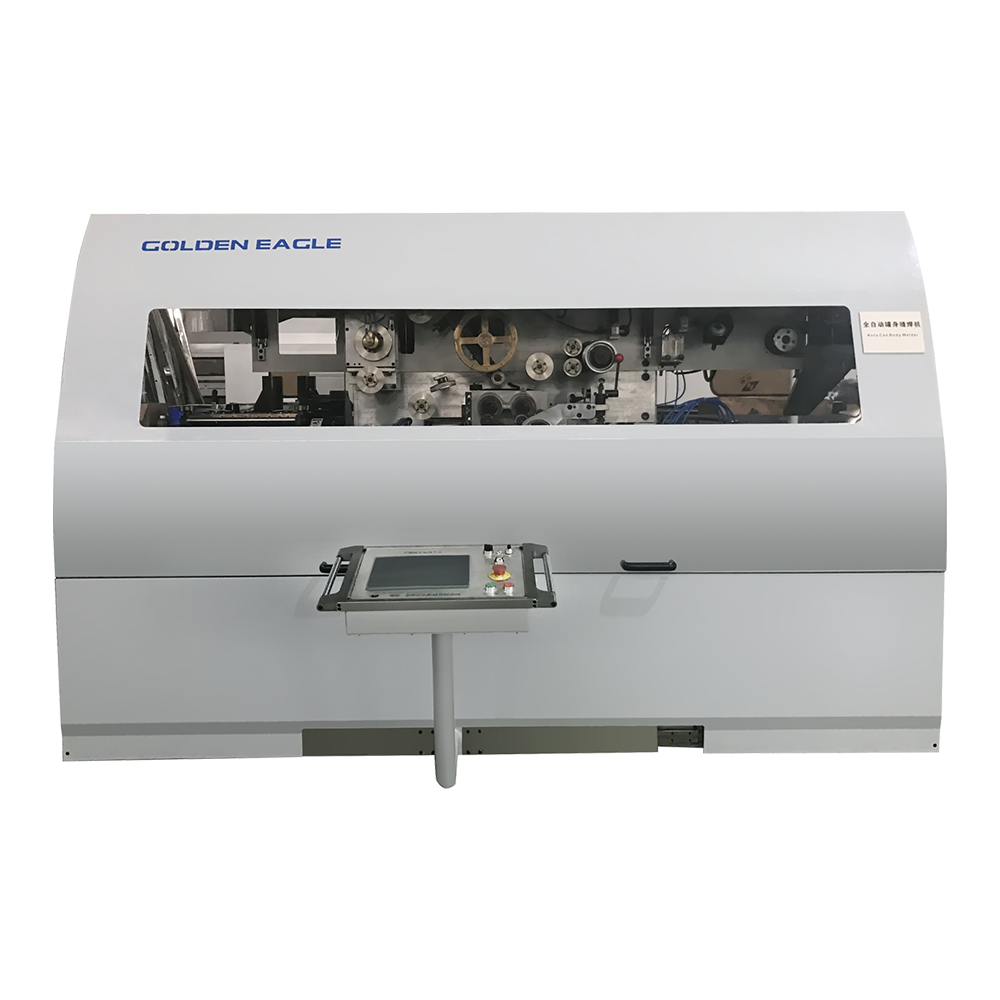
The Irregular-Shape Edge Making and Lining Machine is designed to address these requirements. It is an automated system for processing non-circular can lids through two essential operations: edge making and lining. By combining precision mechanical forming, controlled adhesive application, and integrated drying within a compact vertical configuration, the machine supports the production of strong, hygienic, and dependable can ends for a broad range of metal packaging applications.
This article explains the machine’s operating principles, structural design, production advantages, quality-control value, and manufacturing strengths. It also examines why an integrated solution can provide important advantages over conventional or partially automated equipment, especially when manufacturers need stable sealing performance and repeatable processing of irregular geometries.
A can lid is not simply a flat piece of tinplate. It is a functional component that must cooperate with the can body, withstand handling and transportation, preserve product integrity, and support an effective sealing process. The peripheral edge of the lid is particularly important because it forms the geometric foundation for the connection between the lid and the can body.
During edge making, the perimeter of the lid is shaped to create a controlled edge profile. This profile must have suitable height, width, curvature, and dimensional consistency. If the edge is too high, too low, too narrow, or uneven, the subsequent sealing operation may become unstable. Variations can also create stress concentration, leakage risk, difficulty in assembly, or an unattractive finished appearance.
Lining adds another important function. A lining compound or sealing material is applied to a defined area of the lid edge. Once dried or cured, the lining helps fill microscopic irregularities between the lid and the can body. It contributes to sealing reliability, supports product protection, and helps reduce the possibility of leakage caused by small dimensional or surface deviations.
For round lids, the forming path is uniform and predictable. Irregular lids are more complicated because the distance from the center changes as the tool follows the perimeter. Straight sections, curved sections, corners, and transitional zones can each present different forming conditions. The machine must therefore coordinate movement, pressure, speed, and positioning with the actual shape of the lid.
The Irregular-Shape Edge Making and Lining Machine is intended to provide this coordination in an integrated production system. It combines mechanical forming and lining-related operations so that the lid can move through the required stages with reduced manual intervention and improved process consistency.
The equipment is a specialized automated machine for making and lining the edges of non-circular metal can lids. Its typical applications include oval, square, trapezoidal, and other customized shapes used in food cans, beverage packaging, chemical containers, specialty tins, and promotional packaging.
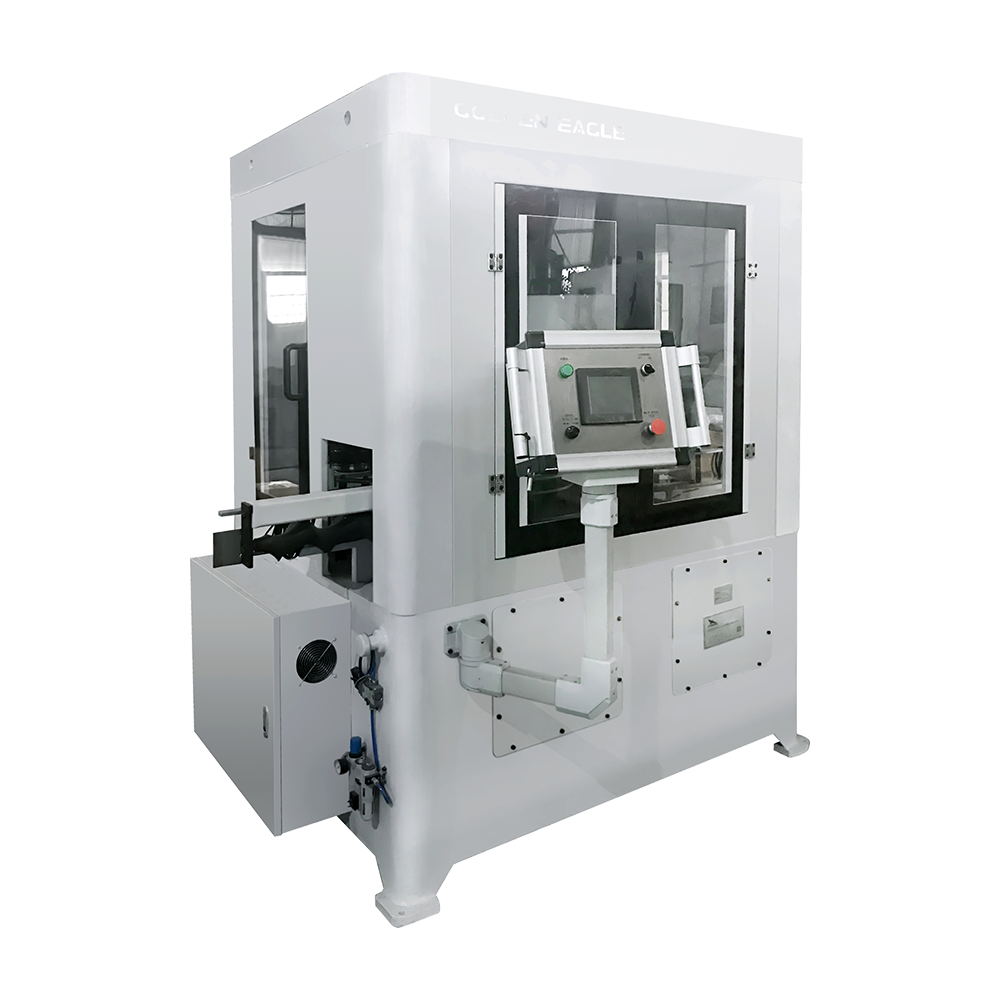
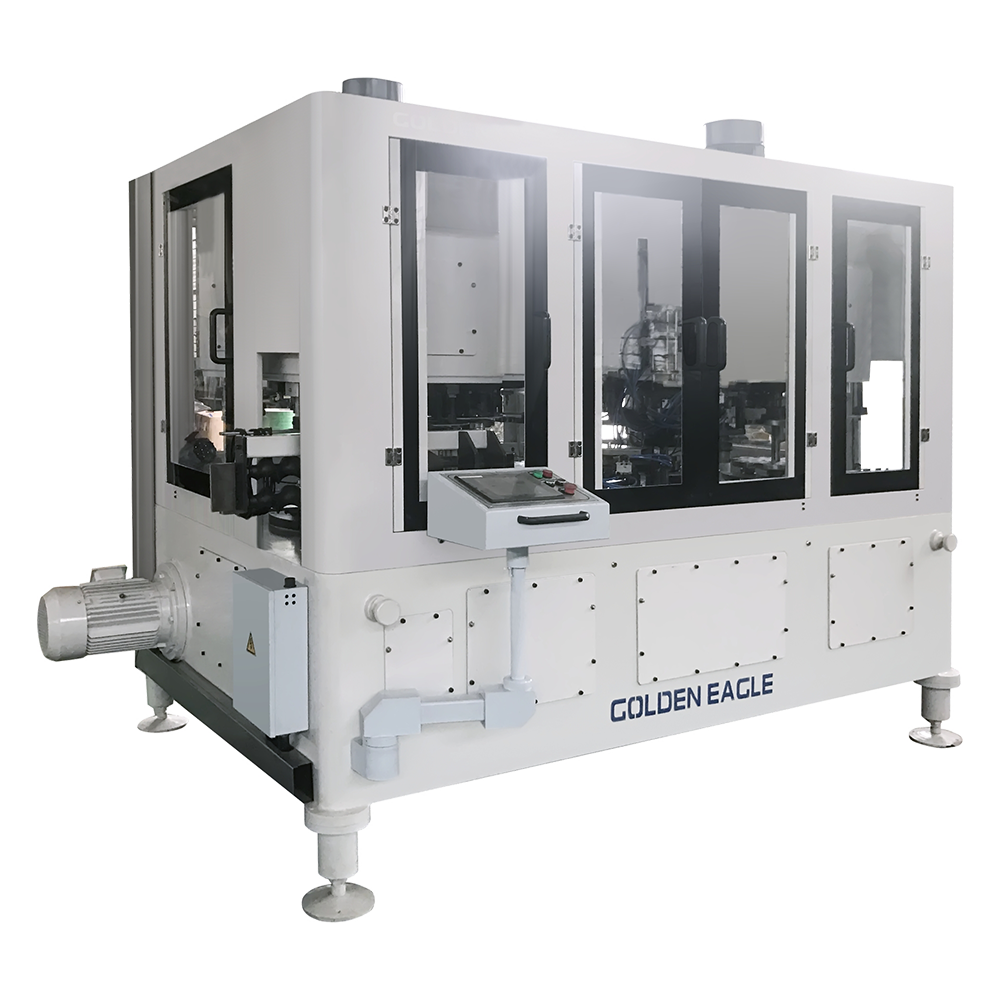
The machine uses a highly integrated vertical structure. This configuration brings the principal processing functions into one organized equipment body, helping manufacturers save floor space and simplify the movement of lids between operations. The vertical arrangement also reflects an integrated production logic: forming, applying lining material, and supporting drying are handled as connected stages rather than as completely separate processes.
At the front end of the machine, two independently controlled power motor modules are provided. These modules typically correspond to a dual-station synchronous operating system. The arrangement allows the machine to coordinate two related processing positions while maintaining control over motion and forming conditions. Independent motor control can also help the equipment adapt to the changing requirements of irregular-shaped products.
The machine’s edge-making section uses a complex cam mechanism or servo-controlled system to drive the forming rollers. These rollers follow the irregular perimeter of the lid and perform high-precision physical shaping. The objective is to maintain consistent edge height and width throughout the complete profile, including curved areas and transitions between straight and curved sections.
After edge forming, the lining process applies sealing material to the appropriate edge area. The integrated design helps keep the lid’s position controlled during the transfer between forming and lining operations. The lining material can then be supported through a drying stage, allowing the finished lid to proceed to later production operations with a more stable and manageable sealing surface.
Because the machine is designed specifically for irregular geometries, it provides a more suitable production solution than equipment intended only for circular lids. It is particularly valuable for manufacturers whose product portfolios include multiple shapes and sizes and who require reliable repeatability without depending heavily on manual adjustment.
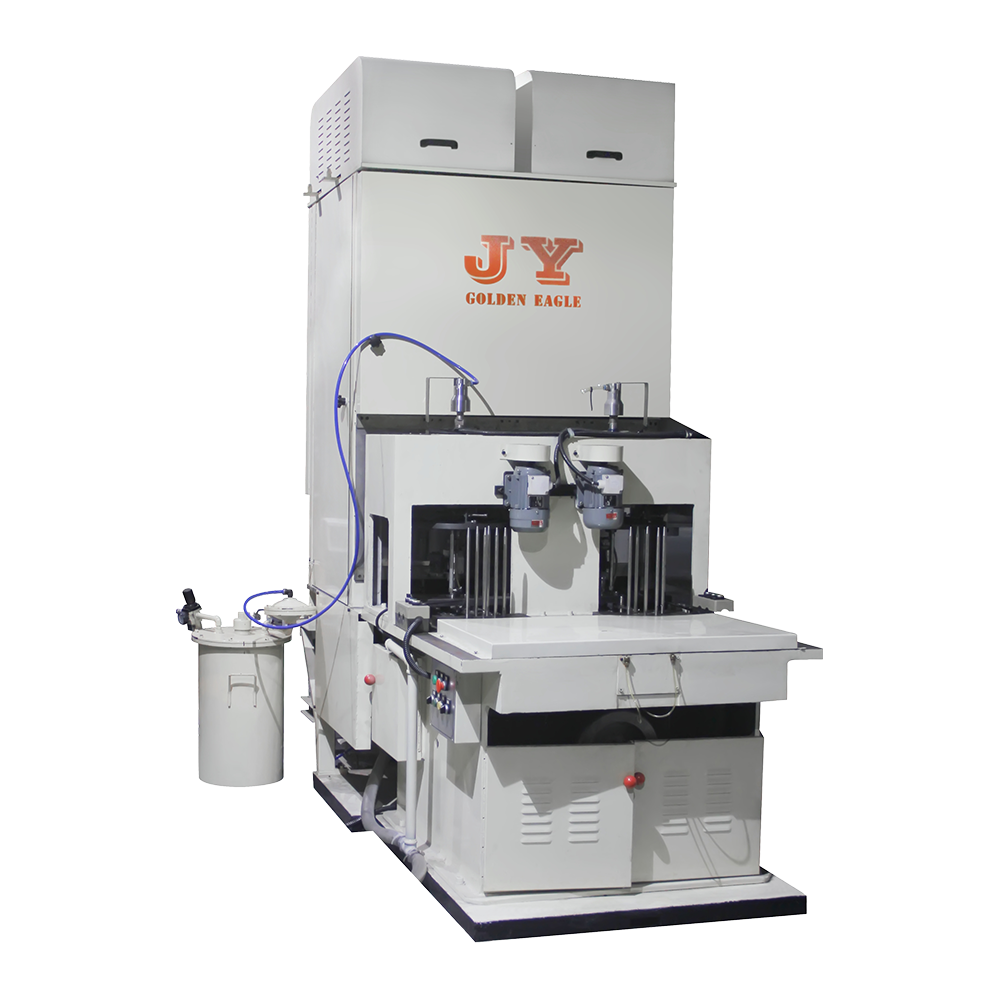
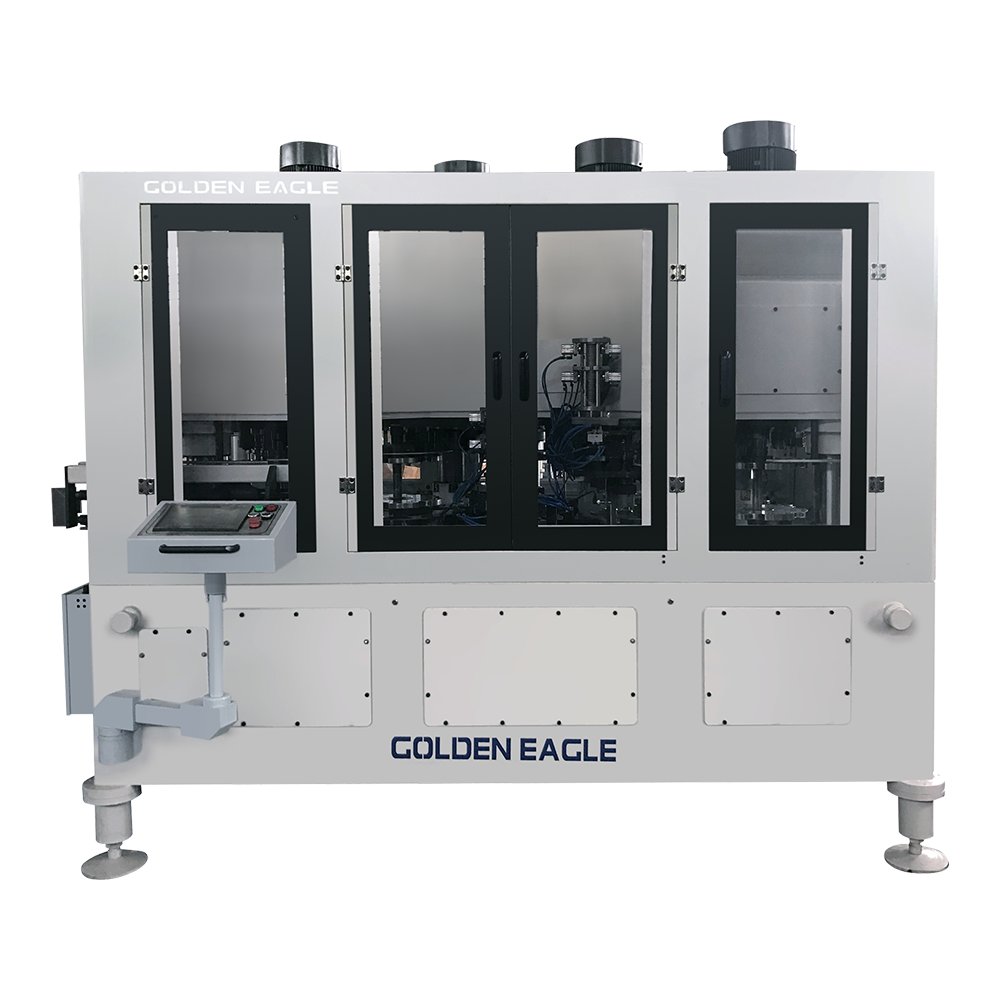
Irregular-shape Edge Making and Lining Machine
Accurate positioning is the starting point for successful irregular-shape processing. Before edge making begins, the lid must be placed in a defined relationship with the forming tools, rollers, and motion-control system. Even a small positioning error can affect the final edge profile, especially at corners or at points where the direction of movement changes quickly.
The machine’s dual-station arrangement supports organized and synchronized production. Independently controlled power motor modules can operate their respective stations while maintaining the required coordination between related movements. This arrangement is useful for reducing idle time and supporting a more continuous workflow than a process that depends on separate manual transfer between unrelated machines.
Stable positioning also helps protect the lid from unnecessary deformation. When the lid is correctly supported and guided, forming pressure can be applied more evenly. This is especially important for thin tinplate, where excessive or uneven force may produce distortion, wrinkles, or unwanted marks.
During the edge-making operation, forming rollers travel along the lid’s perimeter. The motion-control system must account for the changing geometry of the shape. A circular lid permits a relatively uniform rotational path, while an irregular lid may require variable movement as the tool passes through straight sections, broad curves, tight curves, and corners.
A cam mechanism can provide a defined mechanical motion profile based on the intended lid shape. A servo-based system can offer electronically controlled movement and may support more flexible adjustment for different product specifications. In either case, the central requirement is accurate following of the edge. The forming rollers must remain properly aligned with the lid while applying sufficient pressure to produce the designed profile.
The process is not limited to creating an edge that is visually acceptable. The formed edge must provide a consistent foundation for subsequent lining and final can assembly. For that reason, the machine is designed to control the height and width of the edge as the tool follows the entire outline. Consistency in these dimensions supports a more stable sealing interface.
Once the edge has been formed, lining material is applied to the designated area. The lining compound fills the role of a functional sealant. Its placement, continuity, and quantity are important because a discontinuous or poorly positioned lining may reduce the reliability of the final closure.
An integrated lining process offers several advantages. The lid remains within a controlled production sequence, reducing the possibility of orientation errors and handling damage. It also enables the forming and lining stages to be designed as complementary processes. The edge profile can be created with the lining requirements in mind, while the lining station can work with a more consistent lid position.
For manufacturers, this integration can simplify process management. Instead of coordinating independent equipment with separate operators, transfer systems, and quality checks, the production team can manage a connected machine designed around the specific requirements of irregular-shaped lids.
After the lining material is applied, drying is required to prepare the lid for later handling and assembly. The machine incorporates an integrated drying concept within its overall forming and lining logic. The purpose is to support a stable lined surface while maintaining a compact and organized workflow.
Drying conditions must be suitable for the lining material, the lid substrate, and the intended production speed. Manufacturers should define the appropriate operating parameters according to the lining compound and product requirements. The equipment’s integrated configuration provides a practical foundation for controlling the sequence, while production settings can be adjusted during commissioning and technical support.
When edge forming, lining, and drying are coordinated, the finished lid can move to the next stage with less waiting and fewer opportunities for contamination or accidental damage. This is especially helpful in high-volume plants where material flow and floor-space utilization directly affect overall productivity.
The most important advantage of the machine is its focus on irregular-shaped lids. Conventional round-lid machinery may not be able to follow a changing perimeter accurately, particularly where a product includes corners or multiple radius transitions. Attempting to adapt a circular-lid system may lead to complicated modifications, slower operation, inconsistent results, or excessive manual intervention.
This machine is developed around the technical challenge of following irregular edges. Its forming mechanisms, motor arrangement, and station coordination are intended to maintain controlled contact with the lid profile. As a result, it is better suited to manufacturers producing customized containers or a broad portfolio of non-circular packaging.
Consistency is essential for can-lid performance. The forming system is designed to create an edge with stable height and width across the entire perimeter. This geometric consistency provides a stronger basis for lining and final sealing.
More uniform edges can reduce variation between individual lids. They may also make downstream assembly easier because the can body and lid encounter a more predictable interface. In practical manufacturing terms, improved dimensional consistency can contribute to fewer rejects, less rework, and more reliable production planning.
The equipment follows an integrated “forming plus gluing plus drying” concept. This is a significant advantage over a fragmented process in which edge making, lining, and drying are performed by separate machines with independent controls.
Integration can reduce intermediate handling, simplify material flow, and lower the risk of damage between operations. It also allows the machine builder to consider the relationship between the edge profile, lining position, and drying sequence during equipment design. A coordinated process is generally easier to standardize than a sequence assembled from unrelated machines.
The two independently controlled power motor modules at the front of the machine support a dual-station operating concept. This arrangement can improve process organization and provide greater flexibility in coordinating the forming sequence.
Independent control is valuable when different movement profiles or timing relationships are required. It can also make it easier to tune the machine during commissioning, especially when a manufacturer produces multiple lid sizes or shapes. The exact operating parameters depend on the product design and machine configuration, but the dual-motor structure provides a strong basis for controlled production.
Factory space is an important consideration for modern packaging manufacturers. A vertical machine structure can concentrate several operations into a smaller footprint than a long series of separate horizontal units. This may help plants improve workshop layout, shorten transfer distances, and reserve more space for material storage or downstream equipment.
The vertical configuration also gives the machine a clear process direction. Lids can be guided through the relevant operations in an organized sequence, while the equipment frame provides support for the forming, lining, and drying components.
Manual processing of irregular-shaped lids can be slow and difficult to standardize. Operators may need to position lids, monitor edge formation, apply lining material, and move products between stages. The quality of the result may vary with operator experience and fatigue.
Automation reduces the number of manual steps required during normal production. Operators can focus more on loading materials, monitoring machine status, verifying quality, and performing routine maintenance. This can support more stable output and make production less dependent on individual operator technique.
Packaging markets increasingly require distinctive shapes for branding, shelf differentiation, and functional performance. A machine capable of processing irregular lids can help manufacturers respond to these requirements. It supports applications in which a standard round can is not sufficient for the desired visual identity or container function.
The ability to process different irregular profiles can also help a can-making plant serve multiple customers and product sectors. Food cans, beverage containers, chemical tanks, aerosol-related packaging, and specialty tins may require different dimensions and shapes. A flexible machine platform can therefore contribute to broader business opportunities.
| Production consideration | Value of the integrated machine | Result for the manufacturer |
|---|---|---|
| Irregular lid geometry | Controlled edge following through cam or servo-based movement | More consistent forming around curves, corners, and transitions |
| Edge dimensions | Controlled roller action and station coordination | More stable edge height and width |
| Lining process | Integrated application after edge forming | Reduced transfer errors and more consistent seal preparation |
| Drying sequence | Connected process logic for lined lids | Improved workflow and easier production organization |
| Factory layout | Compact vertical structure | More efficient use of available floor space |
| Labor requirements | Automated movement and processing | Less dependence on repetitive manual operations |
| Product variety | Designed for non-circular can-lid applications | Greater ability to support customized packaging |
Manufacturers evaluating edge-making equipment often compare specialized irregular-shape machinery with general-purpose systems, manual processes, or separate machines connected by transfer equipment. Each alternative has a place in certain production environments, but the integrated machine offers specific advantages when the goal is reliable, repeatable processing of non-circular lids.
Round-lid equipment is optimized for a constant-radius or circular perimeter. Its forming path is comparatively uniform, and its control strategy may not be suitable for profiles that include straight sides, corners, or changing radii. Using such equipment for irregular lids may require extensive tooling changes or operating compromises.
A machine specifically designed for irregular shapes addresses the main source of difficulty: variable edge geometry. Its motion system is intended to follow the actual profile, not assume that every point on the perimeter has the same relationship to the center. This distinction can improve the quality and repeatability of customized lids.
Separate machines can provide flexibility, but they also create additional transfer points. Lids must be removed from one machine, oriented correctly, and placed into another. Each transfer introduces opportunities for scratches, contamination, deformation, misalignment, or production interruption.
The integrated machine reduces these intermediate steps. Forming and lining are treated as connected operations, and drying is included in the overall process concept. This can make line planning simpler and reduce the need for extensive transfer equipment.
Manual or semi-automatic processing may be appropriate for very small batches, prototypes, or products that change frequently. However, it generally provides lower output and greater variation. Operators may apply different forming pressure or lining quantities, and maintaining the same result over a long production run can be difficult.
Automated motion control provides a more repeatable operating pattern. Once the machine has been correctly adjusted for the product, the forming and lining sequence can be reproduced with less dependence on individual judgment. This is particularly valuable when the customer requires stable appearance and sealing performance across a large batch.
Some manufacturers may consider purchasing individual machines from different suppliers. This approach can create compatibility challenges involving tooling, electrical controls, product transfer, lining materials, drying conditions, and after-sales responsibility.
A complete machine supplied by an experienced can-making machinery manufacturer offers a more coordinated solution. The supplier can consider the relationship between machine components and provide technical guidance for installation, commissioning, operation, and maintenance. This single-source responsibility can simplify communication and accelerate problem resolution.
The performance of specialized machinery depends not only on its design concept but also on the manufacturing capability of the supplier. Precision forming equipment must be produced with appropriate machining accuracy, assembly discipline, inspection methods, and engineering knowledge. The manufacturer of this machine, Zhejiang Golden Eagle Food Machinery Co., Ltd., has operated in the can-making machinery and can-making mold sector since 1978.
The company was formerly known as Zhejiang Food Machinery Factory and Zhoushan Mold Factory. It is located in Zhoushan City, Zhejiang Province, China, and has developed a long-term specialization in can-making equipment and molds. More than 46 years of development and continuous innovation have enabled the company to build experience across food cans, beverage cans, can lids, chemical tanks, aerosol containers, two-piece cans, pop cans, and related packaging equipment.
The company has more than 350 trained personnel, including experienced design and development engineers. This human-resource foundation is important for complex equipment because irregular-shape processing requires the cooperation of mechanical design, motion control, tooling, production engineering, electrical systems, and after-sales service.
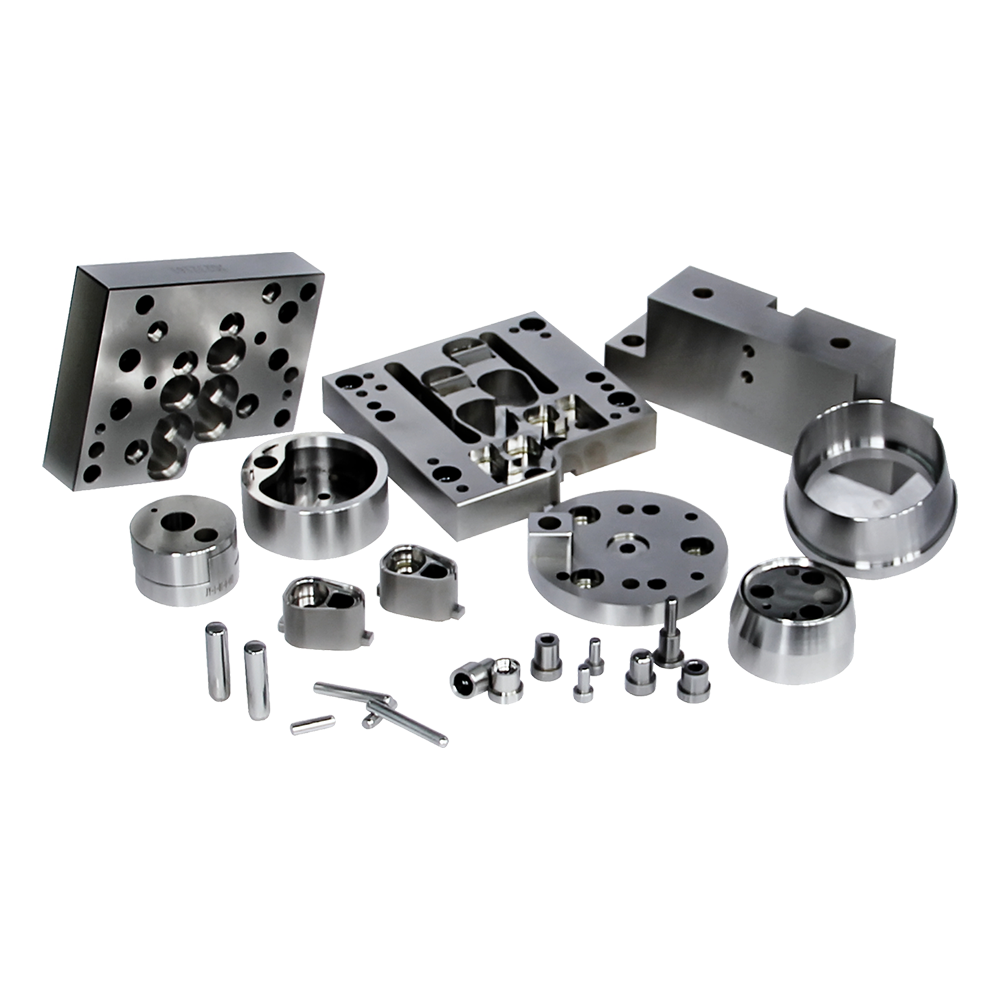
Accurate forming requires accurate machine components. The company uses CNC high-precision machining equipment together with complete mechanical processing equipment. These facilities support the manufacture of structural parts, tooling components, shafts, rollers, and other elements that must work together with controlled dimensional relationships.
Precision machining can contribute to smoother movement, better tool alignment, and more consistent forming pressure. It also helps ensure that replacement parts and tooling can be manufactured according to established specifications. For a machine processing irregular lids, the accuracy of cams, guides, rollers, and supporting components is especially important because small deviations may become visible in the final edge profile.
The company states that its product design principles are similar to those associated with established European can-making machinery brands, including KRUPP, SOUDRONIC, and ALFONS-HAAR. During production practice, the company has combined these design principles with its own practical manufacturing and application experience.
This approach reflects an emphasis on continuous improvement. Industrial machinery must be evaluated not only on drawing-board concepts but also on long-term operation in real factories. Experience with installation, commissioning, production adjustments, maintenance, and customer feedback allows the manufacturer to refine machine structures and improve practical usability.
The company has been certified according to the ISO9001 quality management system and ISO14001 environmental management system. ISO9001 provides a framework for controlled quality processes, documentation, responsibilities, and continuous improvement. ISO14001 addresses environmental management and encourages organizations to manage environmental responsibilities systematically.
For customers purchasing specialized production equipment, management-system certification can provide additional confidence in the supplier’s organizational controls. Certification does not replace product inspection or application testing, but it indicates that the company has established formal systems for managing quality and environmental responsibilities.
According to the company’s information, more than 10,000 pieces of can and can-lid equipment have been produced. This production record represents experience in manufacturing and delivering equipment for different can-making applications.
A large installed base may also support practical knowledge of operating conditions in different markets. Equipment used in Europe, Asia, Africa, North America, South America, and Oceania may encounter different factory layouts, utilities, production habits, packaging standards, and maintenance practices. This international experience can help the supplier understand the importance of adaptable technical communication and after-sales support.
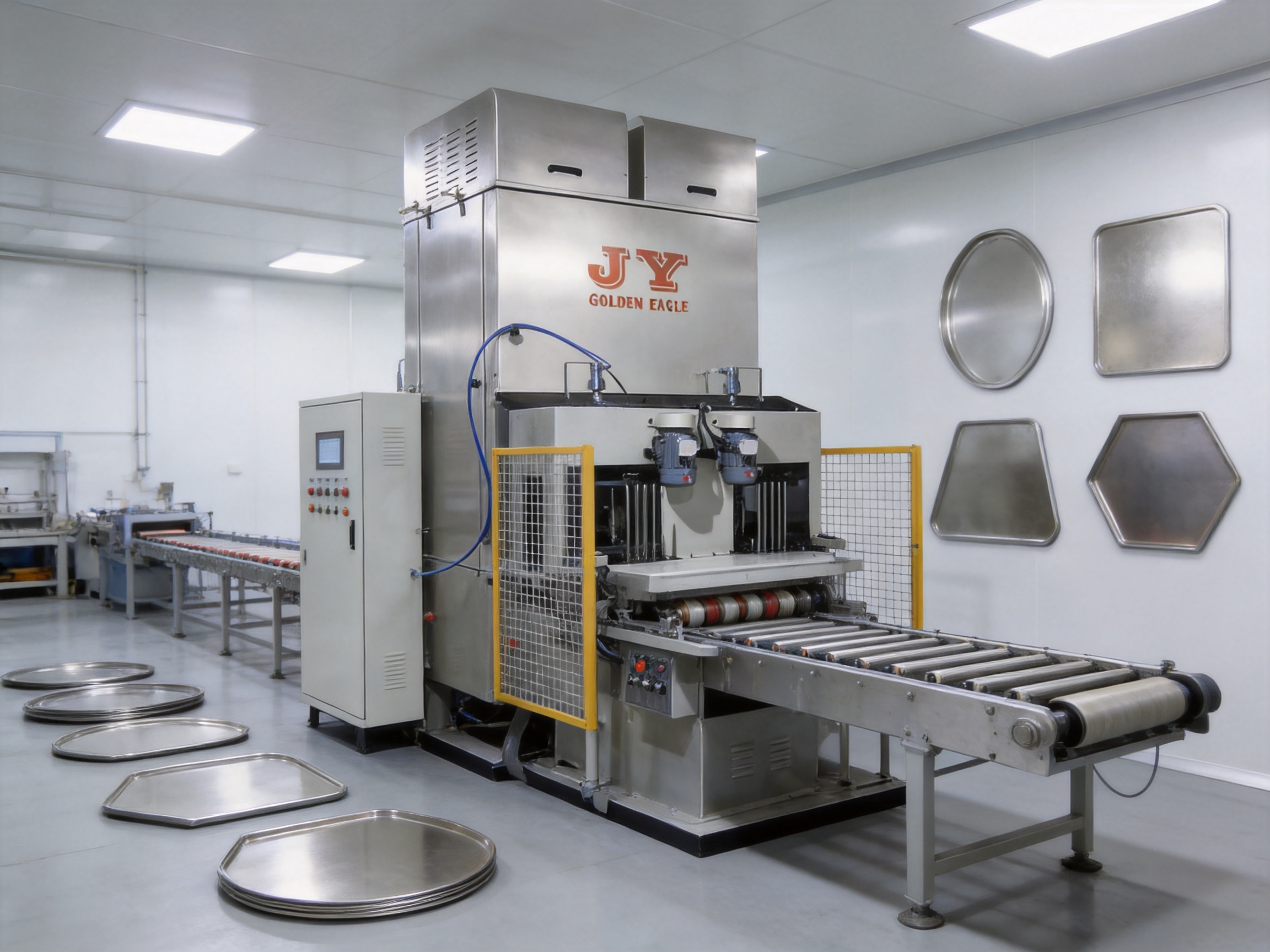
Food packaging often requires dependable sealing, clean production, and stable container dimensions. Irregular-shaped food cans can provide differentiated shelf presentation while maintaining the protective benefits of metal packaging. The machine’s edge-making and lining functions support the preparation of lids for reliable closure and product protection.
Food manufacturers may use customized shapes for processed foods, seafood, meat products, fruit products, confectionery, gift packaging, and other products. The appropriate lining material, drying conditions, and process parameters must be selected according to the product, substrate, and applicable food-packaging requirements.
Although many beverage containers use standardized geometries, specialty beverages and promotional products may use distinctive shapes. An irregular lid can contribute to product identity and visual differentiation. The machine can support manufacturers who need to produce non-circular components for special beverage packaging programs.
In beverage-related applications, sealing quality is particularly important because the container may experience internal pressure, transportation vibration, and temperature changes. Consistent edge forming and lining help establish a more predictable basis for later closure operations.
Chemical tanks and industrial packaging may require specialized shapes, stronger structures, or particular sealing arrangements. Depending on the product and container design, irregular lids can be used to achieve functional or logistical objectives.
The machine can contribute to the preparation of these lids by forming a controlled edge and applying lining material. However, manufacturers should validate material compatibility, sealing performance, corrosion resistance, and regulatory requirements for each chemical application.
Aerosol-related packaging and specialty metal containers often involve precise component relationships. Even when the complete container uses additional forming or assembly equipment, the lid or end component may require accurate edge preparation and lining.
The company’s wider product range includes aerosol can-making machinery, aerosol cone and dome equipment, and other can-production systems. This broader product knowledge can be useful when a customer seeks to integrate irregular-lid processing into a more complete packaging line.
Promotional tins and specialty gift containers frequently use oval, square, polygonal, or other unusual shapes to attract consumer attention. These products may be produced in short or medium runs with multiple designs. Automated irregular-shape processing can help manufacturers improve repeatability while preserving the visual advantages of customized packaging.
Successful operation requires more than installing the machine. Manufacturers should establish an inspection program covering incoming materials, machine settings, edge dimensions, lining condition, drying results, and finished-lid performance.
During edge inspection, the manufacturer may check edge height, edge width, profile continuity, corner condition, deformation, and surface marks. Measurements should be taken at representative points around the lid because irregular shapes can produce different results in straight and curved sections.
Lining inspection should consider continuity, position, quantity, adhesion, and drying condition. A lining that is incomplete, displaced, contaminated, or insufficiently dried may affect downstream sealing. The correct inspection criteria depend on the lining compound and the customer’s technical requirements.
Functional tests may include trial assembly with the corresponding can body, sealing evaluation, leak testing, dimensional verification, and visual inspection. For food or chemical applications, additional validation may be necessary to confirm compatibility and compliance with applicable standards.
Operators should record process parameters and inspection results during commissioning. These records can be used to establish standard operating procedures and identify gradual changes in machine behavior. Preventive maintenance records are equally important because wear in rollers, cams, guides, bearings, or other components can influence the edge profile over time.
Installation should begin with a review of the factory environment. The customer should confirm that the available floor space, foundation, electrical supply, compressed air if required, ventilation, material-handling route, and safety provisions are suitable for the equipment.
Because the machine integrates several operations, commissioning should be performed systematically. The technical team should first verify the mechanical installation, then check motor direction, control functions, sensor operation, tool alignment, and product transfer. Initial trials should use suitable sample lids and materials before the machine is moved to full production speed.
Tooling and motion parameters must be adjusted according to lid shape, material thickness, edge design, lining compound, and required output. Operators should understand how each setting affects the final product. Training should cover start-up, shutdown, product changeover, basic troubleshooting, lubrication, cleaning, quality inspection, and emergency procedures.
The company provides after-sales services that include installation, commissioning, technical guidance, operation training, and spare-parts supply. These services can be particularly valuable for specialized equipment because the quality of commissioning has a direct influence on productivity and final product consistency.
Regular maintenance helps protect the machine’s forming accuracy and operating reliability. The maintenance program should follow the equipment manual and should be adapted to production volume, material conditions, lining compounds, and environmental factors.
Mechanical inspections should cover forming rollers, cams, guides, bearings, shafts, fasteners, supports, and product-positioning components. Wear or looseness can change the relative position of the tools and affect edge dimensions. Components showing abnormal wear should be inspected promptly rather than allowing a small issue to develop into a larger production problem.
Cleaning is particularly important around the lining section. Excess adhesive or lining material can accumulate on surfaces and interfere with product movement or application accuracy. Cleaning methods should be compatible with the lining compound and machine materials.
Electrical and control-system maintenance should include inspection of motors, sensors, cables, control cabinets, and protective devices. The dual-motor arrangement requires attention to synchronization and independent control functions. Any unusual noise, vibration, temperature, or movement should be investigated.
Spare parts planning can reduce downtime. Frequently used wear parts should be identified in advance, and critical components should be stored according to the manufacturer’s recommendations. The supplier’s ability to provide parts and technical guidance is an important consideration when evaluating the total value of the equipment.
Before ordering, customers should provide detailed information about the intended product. Important data includes lid shape, maximum and minimum dimensions, material type, material thickness, edge design, lining compound, required output, downstream sealing method, and expected product mix.
Samples or drawings are useful for confirming technical feasibility. Trial production can help verify whether the proposed tooling and motion system can meet the required edge dimensions and lining position. It also gives the customer an opportunity to evaluate changeover procedures, inspection methods, and operator requirements.
The customer should also clarify the expected degree of automation. Some factories may need a standalone machine, while others may require integration with feeding systems, inspection units, conveyors, can-body production lines, or complete can-making machinery production lines.
Energy consumption, floor-space requirements, safety features, spare parts, maintenance intervals, and training should be included in the technical discussion. A complete evaluation should consider not only purchase price but also output stability, labor requirements, reject reduction, service support, and the ability to accommodate future products.
Specialized can-making equipment is a long-term production asset. Its value depends on how well it performs over many years, how easily it can be maintained, and how effectively the supplier responds when a technical question arises.
A supplier with experience across can bodies, can ends, molds, chemical tanks, aerosol containers, two-piece cans, and related systems can better understand the complete packaging process. This broader knowledge helps the supplier identify how irregular-lid processing may affect later sealing, assembly, and line balance.
Zhejiang Golden Eagle Food Machinery Co., Ltd. has developed a product portfolio covering food can production lines, beverage can production lines, can-lid production lines, chemical tank production lines, aerosol canister production lines, two-piece can production lines, and pop-can production lines. This range demonstrates an emphasis on complete can-making solutions rather than a single isolated machine category.
The company’s history, engineering team, machining resources, quality and environmental certifications, international customer base, and after-sales services form an important part of the machine’s overall value. For customers, the supplier is not only a source of equipment but also a potential technical partner during project planning, installation, production ramp-up, and later expansion.
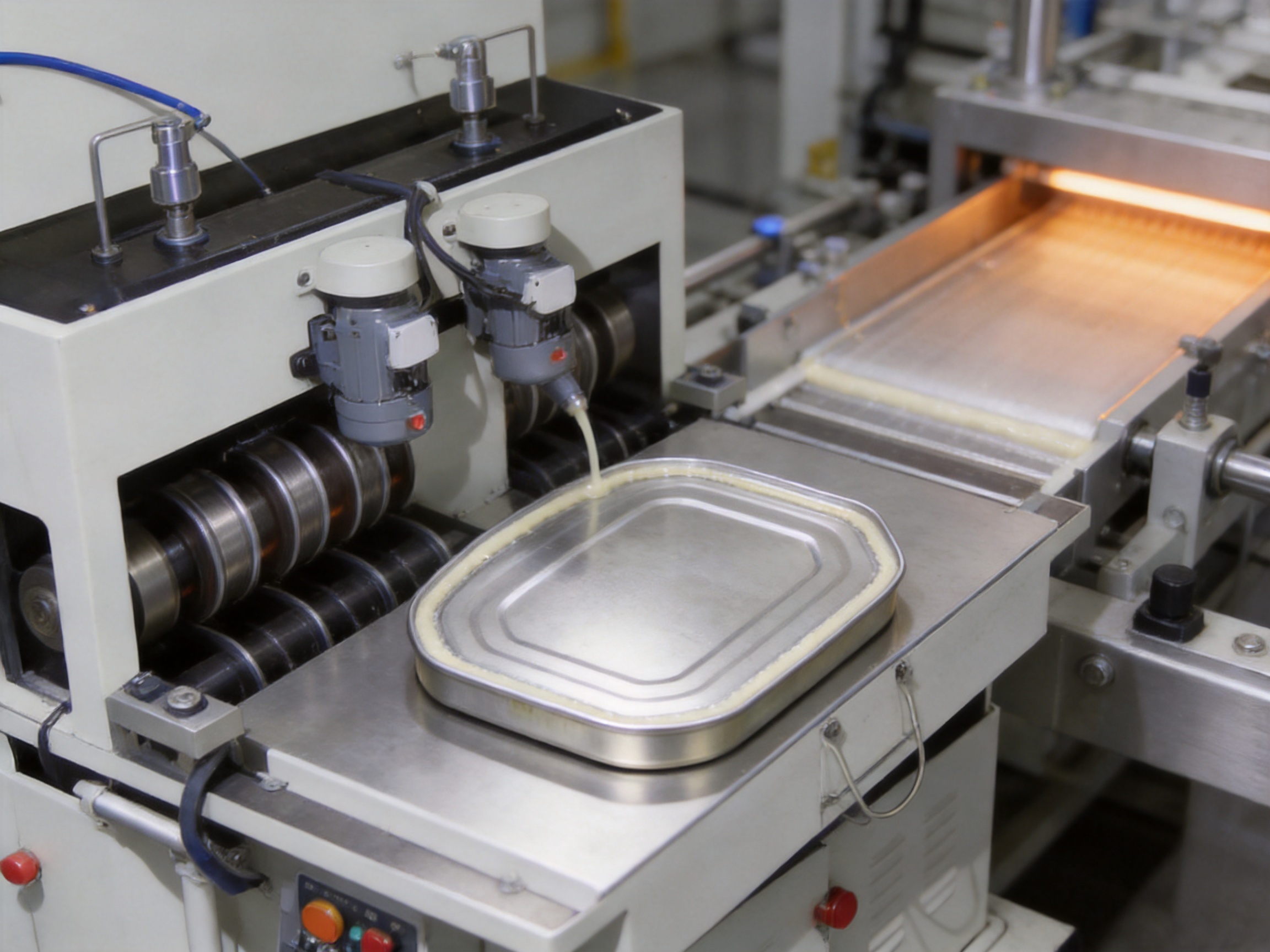
The machine is intended for non-circular or irregular-shaped can lids, including oval, square, trapezoidal, and other customized profiles. Final suitability depends on the lid drawing, material, dimensions, edge design, and production requirements. Customers should provide technical drawings or samples for confirmation.
The principal operations are edge making and lining. The equipment uses an integrated process concept that combines forming, lining-material application, and drying support within a compact vertical structure.
An irregular lid does not have a constant-radius perimeter. The forming tool must follow straight sections, curves, corners, and transitional areas while maintaining the required position and pressure. This requires more complex mechanical or servo-controlled movement than a standard circular path.
The two motor modules typically support a dual-station synchronous operating system. Independent control allows the machine to coordinate related stations and adjust movement according to the product and process requirements.
Yes. The automated forming, lining, and product-transfer sequence reduces the number of repetitive manual operations. Operators can focus on material supply, quality checks, machine monitoring, maintenance, and changeover activities.
It may be configured for different products within its technical range. Product changeover requirements depend on the lid shape, dimensions, tooling, and control configuration. Customers should discuss the planned product range with the manufacturer before purchase.
Recommended checks include edge height, edge width, profile continuity, lid deformation, lining position, lining continuity, drying condition, appearance, assembly performance, and leakage performance. The final inspection plan should reflect the container design and application.
Customers should provide lid drawings or samples, material and thickness, edge dimensions, lining compound, target output, product range, desired automation level, factory conditions, and downstream equipment information. These details help the supplier recommend a suitable configuration.
The company provides installation, commissioning, technical guidance, operation training, and spare-parts supply. The specific service arrangement should be confirmed during the project contract and technical planning stages.
The machine can be used as part of a broader can-lid or can-making project. The company supplies various whole-set product lines for food cans, beverage cans, chemical tanks, aerosol canisters, two-piece cans, pop cans, and related applications.
The Irregular-Shape Edge Making and Lining Machine is a specialized solution for manufacturers that need dependable processing of non-circular metal can lids. Its central value comes from addressing the most difficult part of irregular-lid production: following a changing perimeter while maintaining a consistent edge profile and preparing the lid for reliable sealing.
The equipment combines edge forming, lining, and drying logic in a highly integrated vertical structure. Its dual independently controlled motor modules support synchronized station operation, while cam-based or servo-controlled forming movement enables rollers to follow complex edges. These features can help manufacturers improve dimensional consistency, reduce manual handling, optimize workshop space, and support a wider range of customized packaging products.
Its competitive advantages are strengthened by the manufacturing capabilities of Zhejiang Golden Eagle Food Machinery Co., Ltd. With a history dating back to 1978, more than 46 years of industry development, a team of more than 350 personnel, CNC precision machining resources, quality and environmental management certifications, and experience producing more than 10,000 pieces of can and can-lid equipment, the company offers a substantial foundation for specialized equipment projects.
For companies producing food cans, beverage containers, chemical tanks, aerosol-related packaging, specialty tins, or promotional metal containers, the machine can provide a practical path toward more stable irregular-lid production. Proper product evaluation, commissioning, operator training, inspection, and maintenance remain essential. When these factors are managed together, integrated edge making and lining technology can become an important part of an efficient and reliable metal packaging manufacturing system.
1. Zhejiang Golden Eagle Food Machinery Co., Ltd. Product information for the Irregular-Shape Edge Making and Lining Machine.
2. Zhejiang Golden Eagle Food Machinery Co., Ltd. Corporate history, product portfolio, manufacturing capabilities, and after-sales service information.
3. ISO 9001 Quality Management Systems: Requirements.
4. ISO 14001 Environmental Management Systems: Requirements with Guidance for Use.
5. General principles of metal packaging design, can-end forming, sealing preparation, and lining application.
6. General practices for preventive maintenance, commissioning, and quality inspection of automated can-making machinery.
Related Products

Founded in 1978, the company is one of the largest can-making machinery well-known companies at home and abroad.
Product Categories
Contact Information
Zhongshatou Shenjiamen Zhoushan Zhejiang China
+86-580-3056646

 English
 中文简体
 русский
 عربى
 Español