2026-10-13
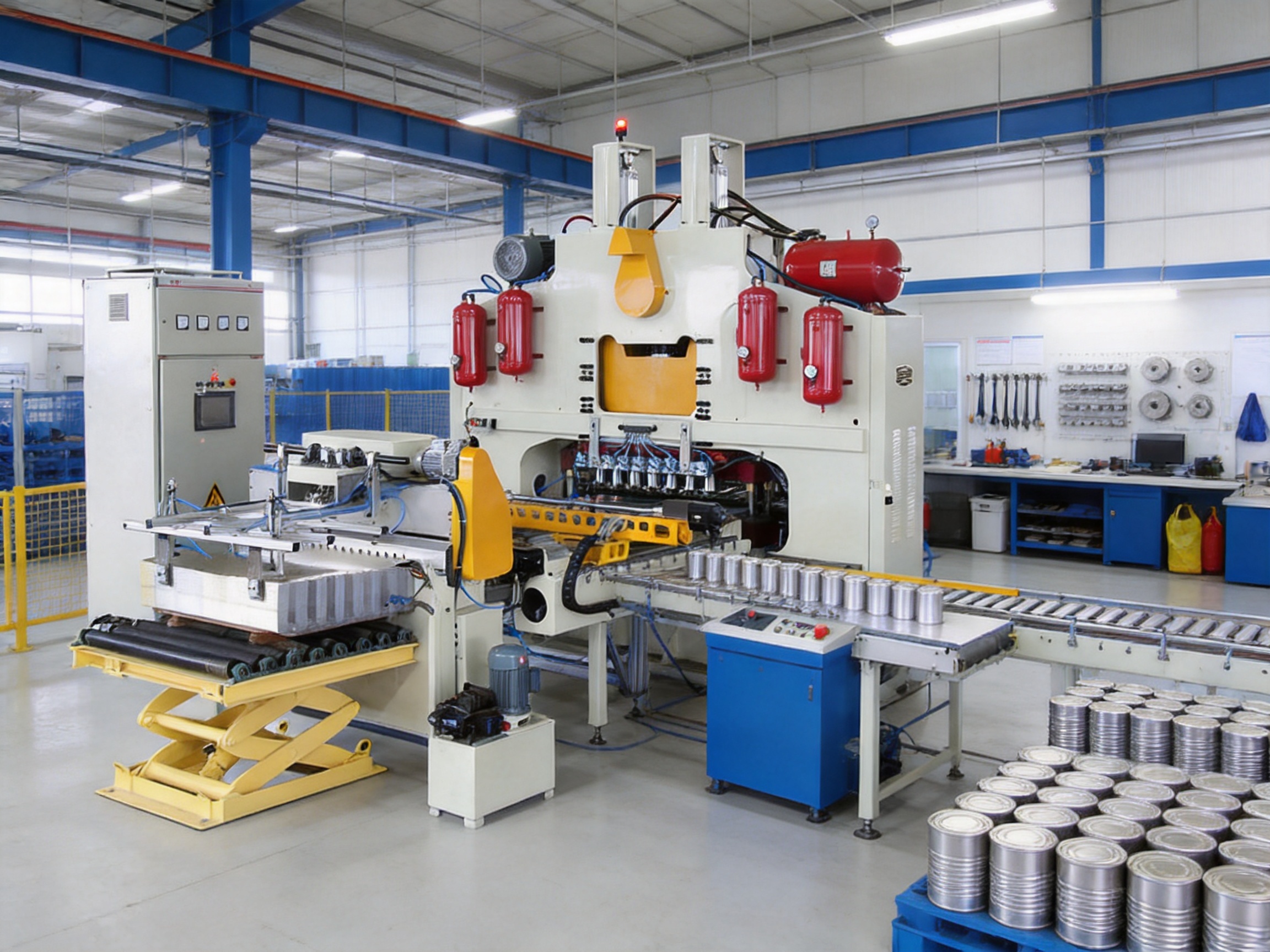
Modern metal packaging manufacturers need forming equipment that combines high output, stable operation, flexible tooling, accurate motion control, and dependable long-term service. The CNC Automatic Gantry O-Frame Pressing Machine is designed to meet these requirements in the production of tin can ends, bottom covers, base covers, chemical tank covers, four-screw caps, and other pressed metal components.
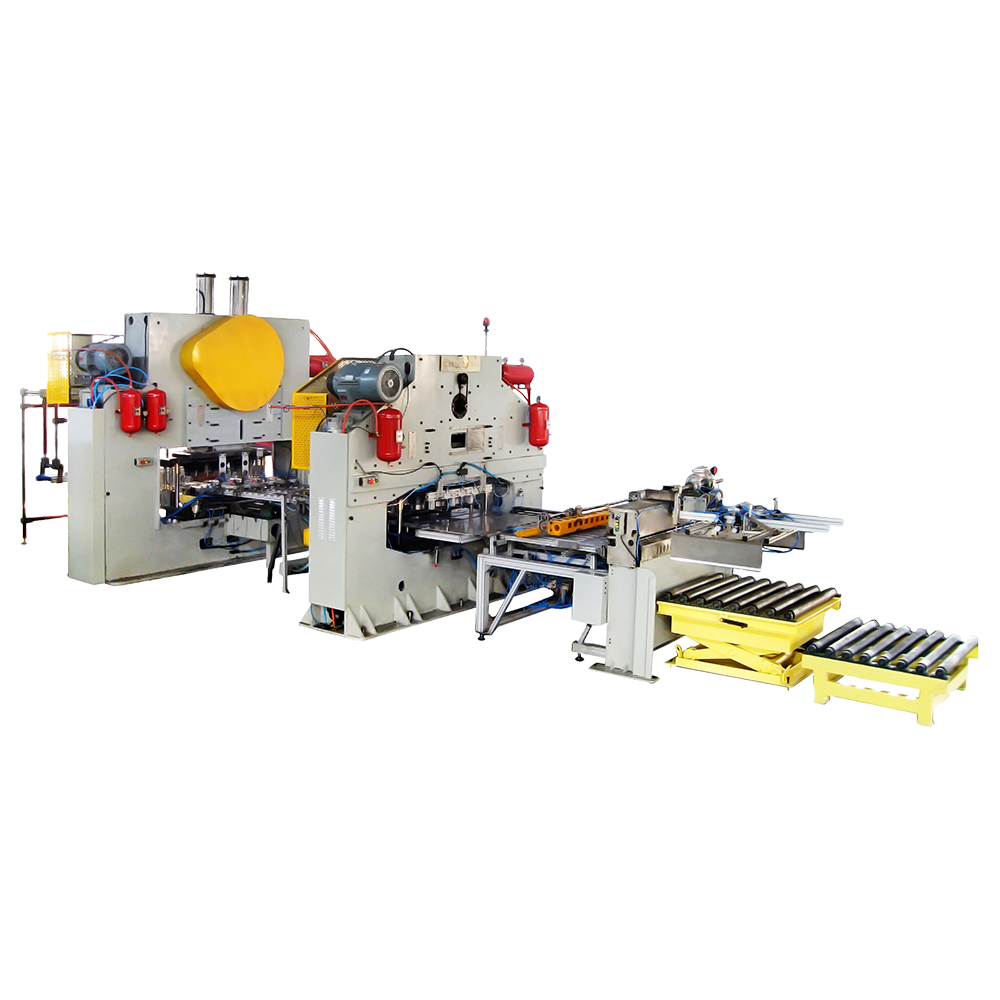
This machine belongs to the tin can lid end making machine category and is intended for automatic punch pressing applications. Its O-frame structure provides a rigid working platform, while the CNC-controlled design supports repeatable production and coordinated operation with feeding, die, transfer, and downstream equipment. Depending on the selected model, the machine can provide working pressures from 120 kN to 2,500 kN, strokes from 80 mm to 190 mm, and production speeds of up to 200 strokes per minute.
The equipment is offered in several configurations to accommodate different end diameters, die quantities, material requirements, and production targets. This makes it suitable for manufacturers producing standard food can ends as well as larger covers for chemical tanks and other industrial containers.
The CNC Automatic Gantry O-Frame Pressing Machine is a high-speed mechanical press used to shape metal blanks into can ends and related components. In a typical line, metal sheet or pre-cut blanks are supplied to the press through an automatic feeding system. The press then performs one or more operations, depending on the die arrangement and product design. These operations may include forming, beading, embossing, curling, countersinking, or other processes required to create a finished can end.
The main product model is identified as CNC-C, with multiple variants available within the series. The models include CNC-C1B, CNC-C1D, CNC-C1W, CNC-C1H, CNC-C2, CNC-C12, CNC-C6, CNC-C6D, CNC-C6W, and CNC-C8. Each configuration has been developed for a particular combination of pressure, speed, die capacity, product size, and production purpose.
The machine is described as automatic and intended for punch pressing. Can sizes can be tailored according to the customer’s requirements, allowing the equipment to be matched with a specific lid diameter, end design, metal thickness, and production layout.
While the general series can operate at speeds of up to 200 strokes per minute, the practical production speed depends on the product diameter, die configuration, material, tooling, and process sequence. Some configurations are listed at approximately 180 strokes per minute for diameters between 52 mm and 99 mm, and approximately 150 strokes per minute for products around 153 mm in diameter.
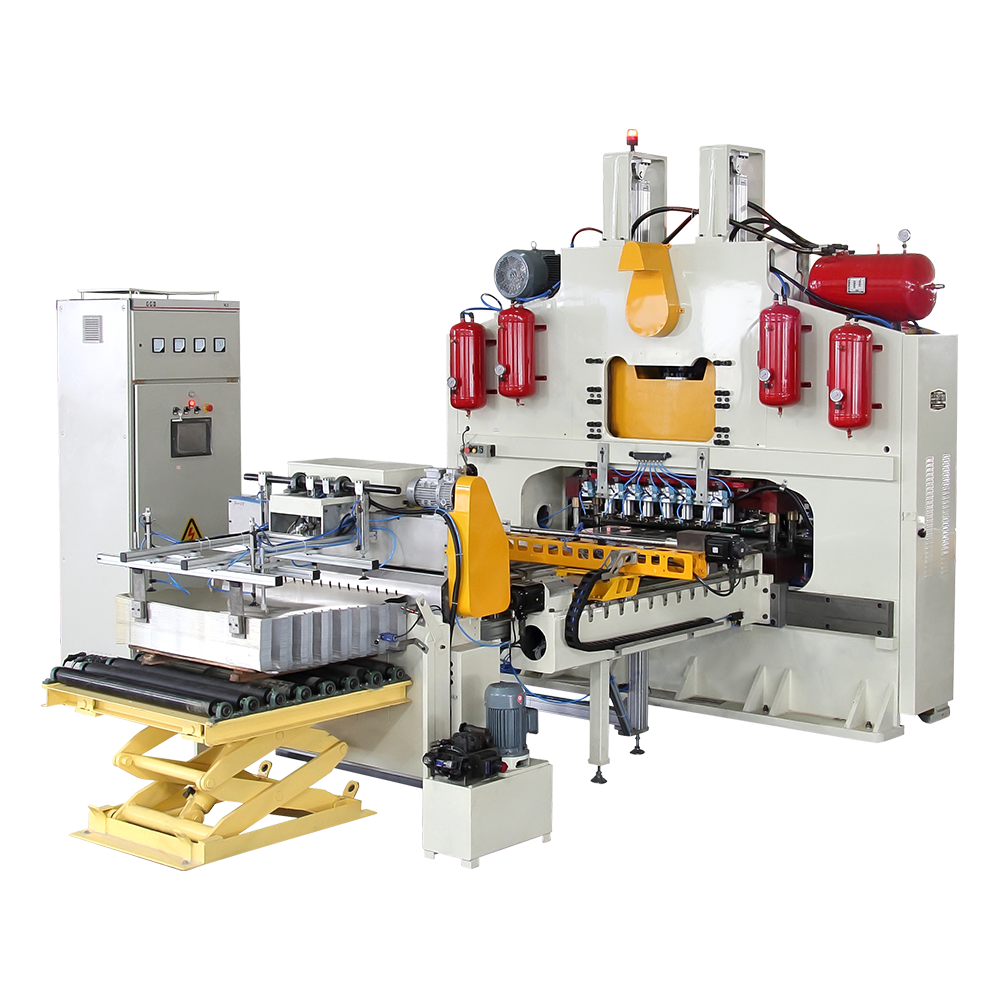
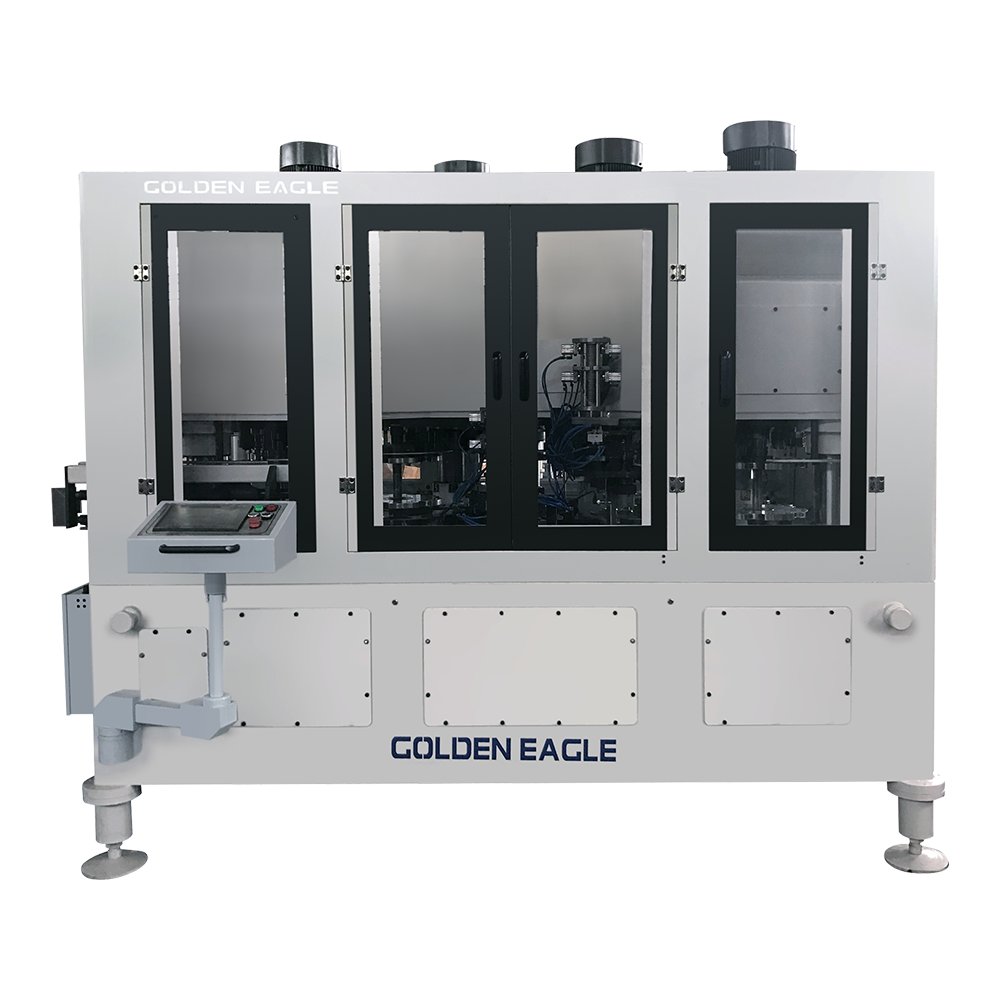
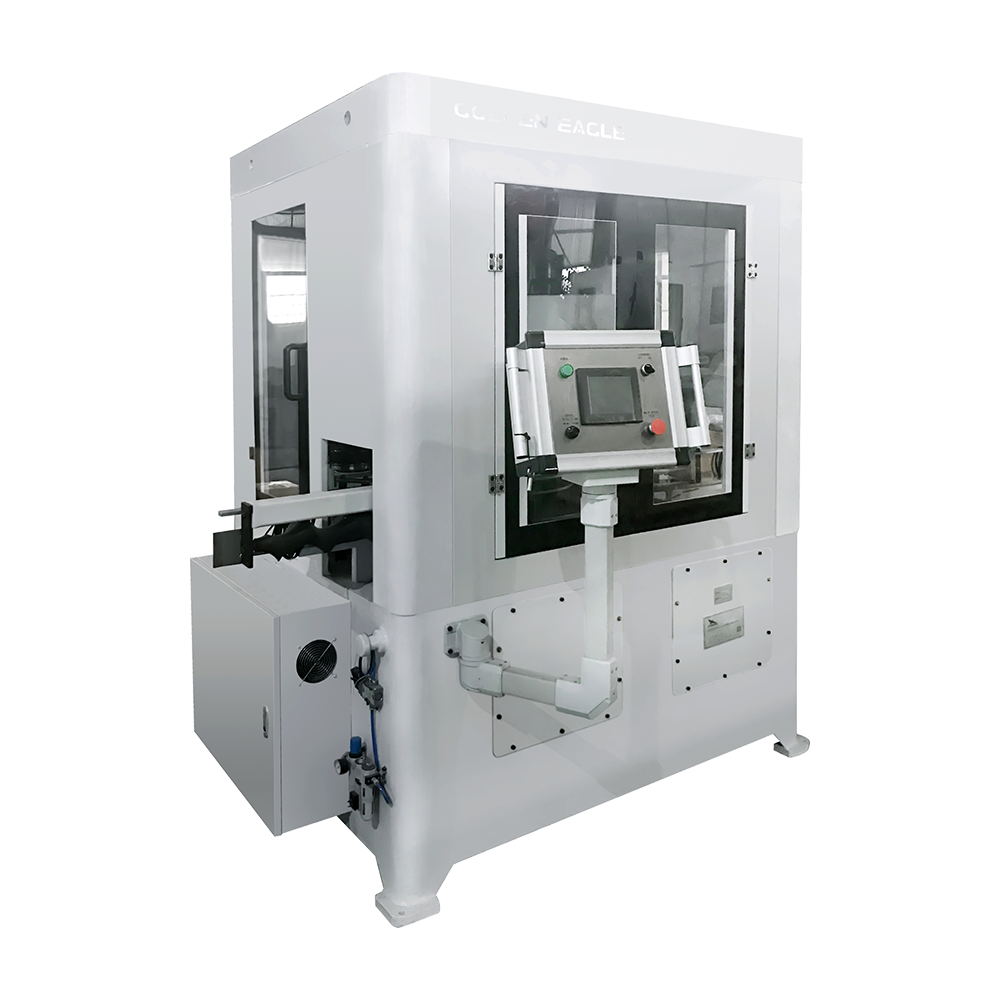
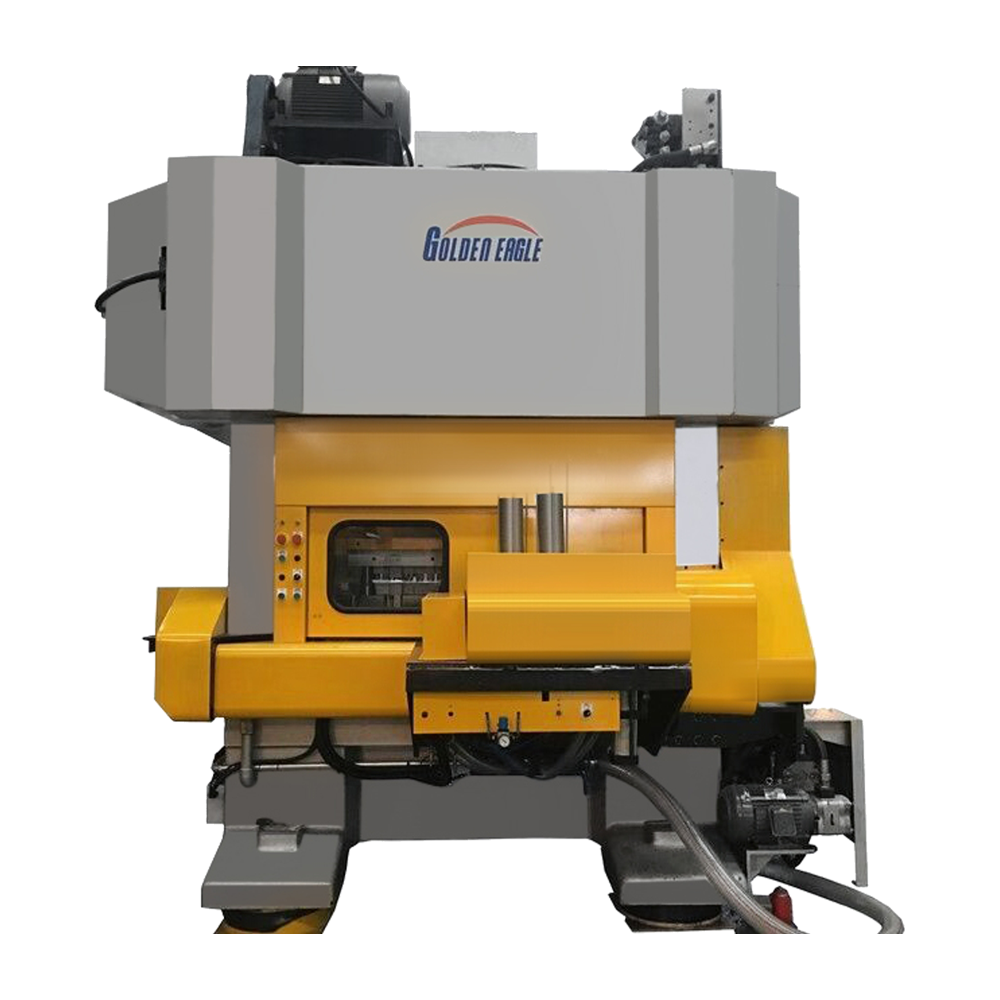
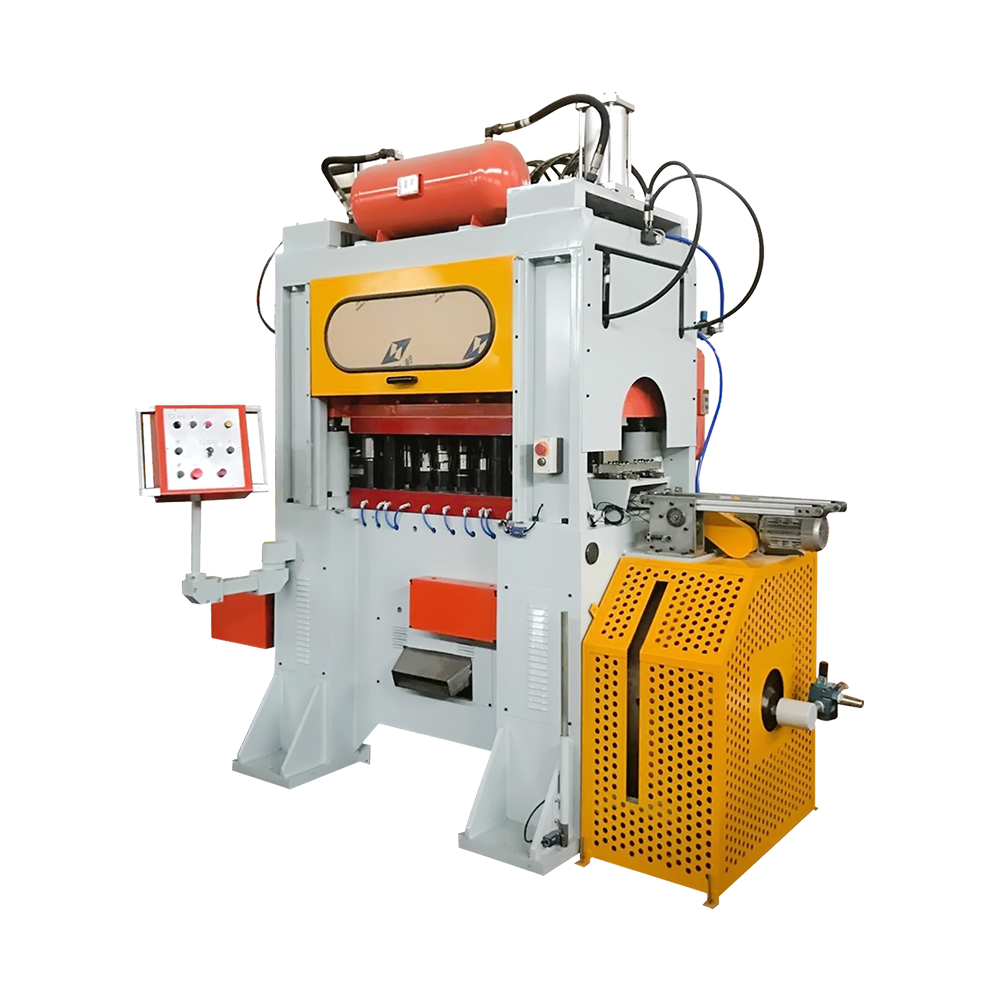
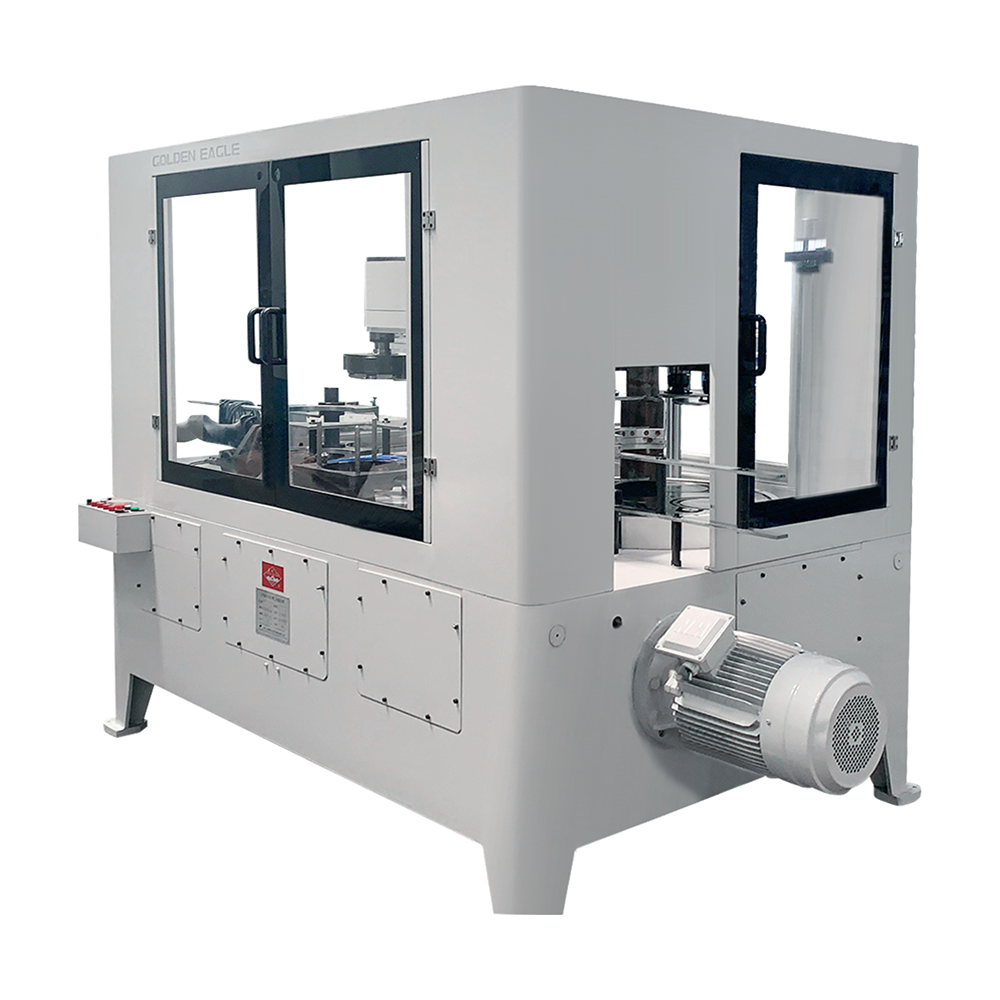
CNC Automatic Gantry Press O-Frame Pressing Machine
One of the most important features of a high-speed press is structural rigidity. During pressing, the machine frame is exposed to repeated loading and unloading forces. If the structure deflects excessively, the result may be inconsistent forming, premature die wear, uneven pressure distribution, excessive vibration, and increased maintenance requirements.
The O-frame configuration creates a closed load path around the working area. Compared with a less rigid open-frame arrangement, a closed frame can help improve resistance to deformation during pressing. This is particularly valuable when the machine operates continuously at high speed or when several forming operations are carried out within a multi-die arrangement.
The large plate width of many models is 1,150 × 1,150 mm. This provides a substantial working area for die installation and supports different tooling layouts. The CNC-C8 model uses a 1,000 × 1,000 mm plate, matching its specialized application for four-screw caps and its lower overall capacity.
A rigid frame also supports more consistent alignment between the upper and lower tooling. Accurate alignment is essential for products with curled edges, recessed panels, beads, embossing details, or other dimensional features. Consistent alignment can help reduce scrap and improve the repeatability of downstream sealing operations.
Production speed is a central consideration for can-making factories. A press used in a high-volume line must maintain a balance between speed, accuracy, safety, and tool life. The CNC-C series is designed for automatic production at speeds of up to 200 strokes per minute, depending on the selected model and application.
For smaller can ends in the approximate 52 mm to 99 mm range, several models are specified for speeds of up to 180 strokes per minute. For larger products around 153 mm in diameter, listed speeds can reach approximately 150 strokes per minute. Other configurations are specified for up to 200 strokes per minute in their intended applications.
These operating levels can provide a significant productivity advantage over manually fed presses or older machines that require frequent operator intervention. Automatic feeding reduces the time lost between press cycles, while a multi-die layout allows several operations or product positions to be handled within one machine configuration.
Actual output depends on the number of working dies, blank arrangement, product diameter, stroke setting, press adjustment, material properties, and line integration. For this reason, production planning should be based on a complete technical assessment rather than speed alone. The manufacturer can select a suitable model and tooling arrangement according to the required product range and output.
The series includes models with different working pressures and capacities. This allows a customer to select equipment based on the forming force required by the product instead of using one oversized machine for every application.
| Model | Working Pressure | Stroke | Maximum Listed Speed | Typical Function |
|---|---|---|---|---|
| CNC-C1B | 900 kN | 105 mm | Up to 200 spm | Bottom covers and base covers |
| CNC-C1D | 900 kN | 105 mm | Up to 180 spm for smaller ends | Bottom covers and base covers; two-empty configuration |
| CNC-C1W | 900 kN | 105 mm | Up to 180 spm for smaller ends | Bottom covers and base covers; two-empty configuration |
| CNC-C1H | 900 kN | 140 mm | Up to 180 spm for smaller ends | Large tank covers and chemical tank covers |
| CNC-C2 | 450 kN | 100 mm | Up to 200 spm | Bottom covers and base covers |
| CNC-C12 | 2,500 kN | 80 mm | Up to 200 spm | Bottom covers and base covers; double-row die configuration |
| CNC-C6 | 1,200 kN | 105 mm | Up to 180 spm for smaller ends | Bottom covers and base covers |
| CNC-C6D | 1,200 kN | 105 mm | Up to 180 spm for smaller ends | Bottom covers and base covers; two-empty configuration |
| CNC-C6W | 1,200 kN | 105 mm | Up to 180 spm for smaller ends | Bottom covers and base covers; two-empty configuration |
| CNC-C8 | 120 kN | 190 mm | Up to 200 spm | Four-screw caps |
The broad range of pressure classes is useful because different end designs require different forming forces. A small cap or relatively simple operation may not require the capacity of a large industrial press. Conversely, a large cover or a multi-stage forming process may require a high-pressure configuration such as the CNC-C12.
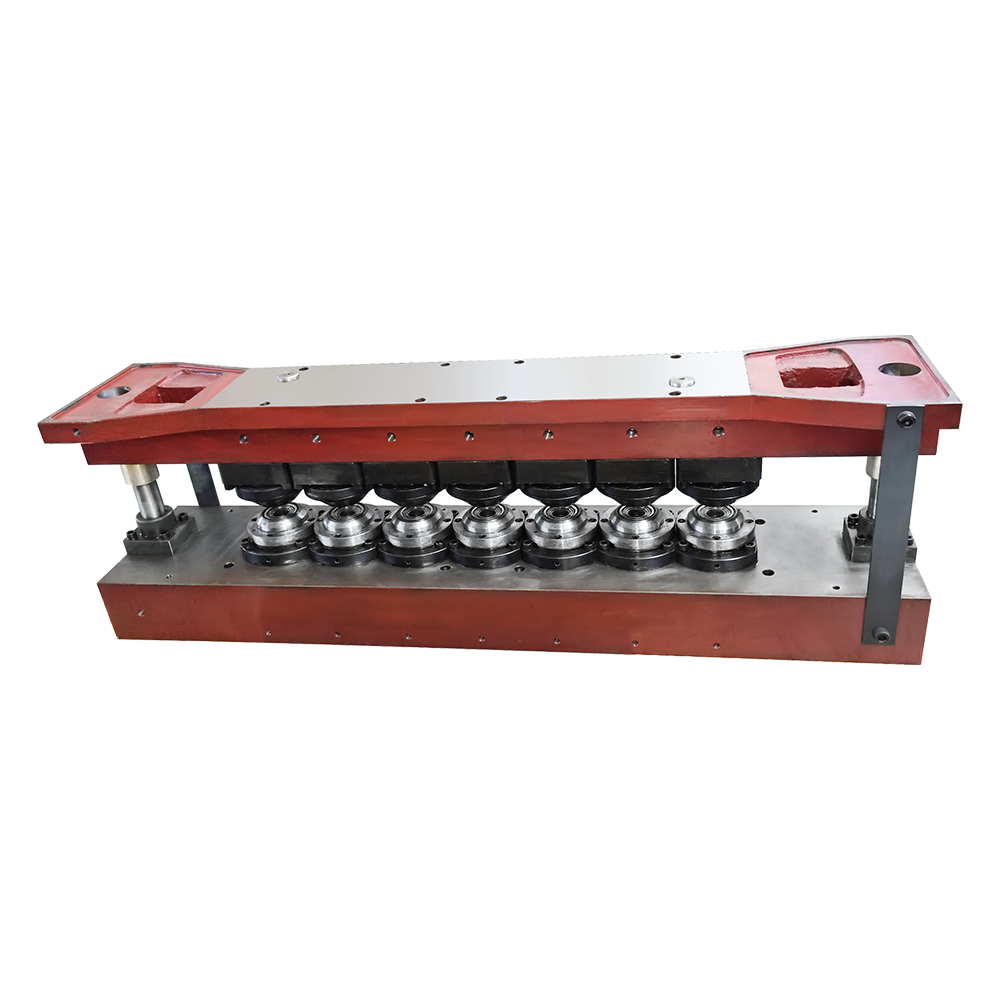
Model selection can also be influenced by the available die positions. Some models can accommodate up to 15 dies for products in the 52 mm to 99 mm range, while others are configured for up to 7 or 8 dies. For products around 153 mm in diameter, the listed capacities range from one die to as many as 15 dies, depending on the model.
Die capacity is an important advantage when a manufacturer wants to consolidate several operations or increase line productivity. A press with multiple die positions can support a sequence of forming operations within one machine. It may also permit multiple products or cavities to be processed in the same cycle, depending on the tooling design.
The CNC-C1B and CNC-C12 configurations are listed with capacity for up to 15 dies for products in the smaller diameter range. The CNC-C1B can also accommodate up to 6 dies for products around 153 mm, while the CNC-C12 is listed for up to 15 dies in that range. The CNC-C6 family can accommodate up to 8 dies for smaller ends and up to 3 dies for larger ends.
Other models are intended for more specialized production. The CNC-C1H is described for large tank covers and chemical tank covers and uses a single-die arrangement. The CNC-C8 is designed mainly for four-screw caps and is also listed with a single-die configuration.
This variety gives manufacturers more control over their tooling investment. A company producing a narrow product range may select a dedicated configuration for high efficiency. A company serving multiple packaging markets may choose a model with greater die capacity and more flexible changeover possibilities.
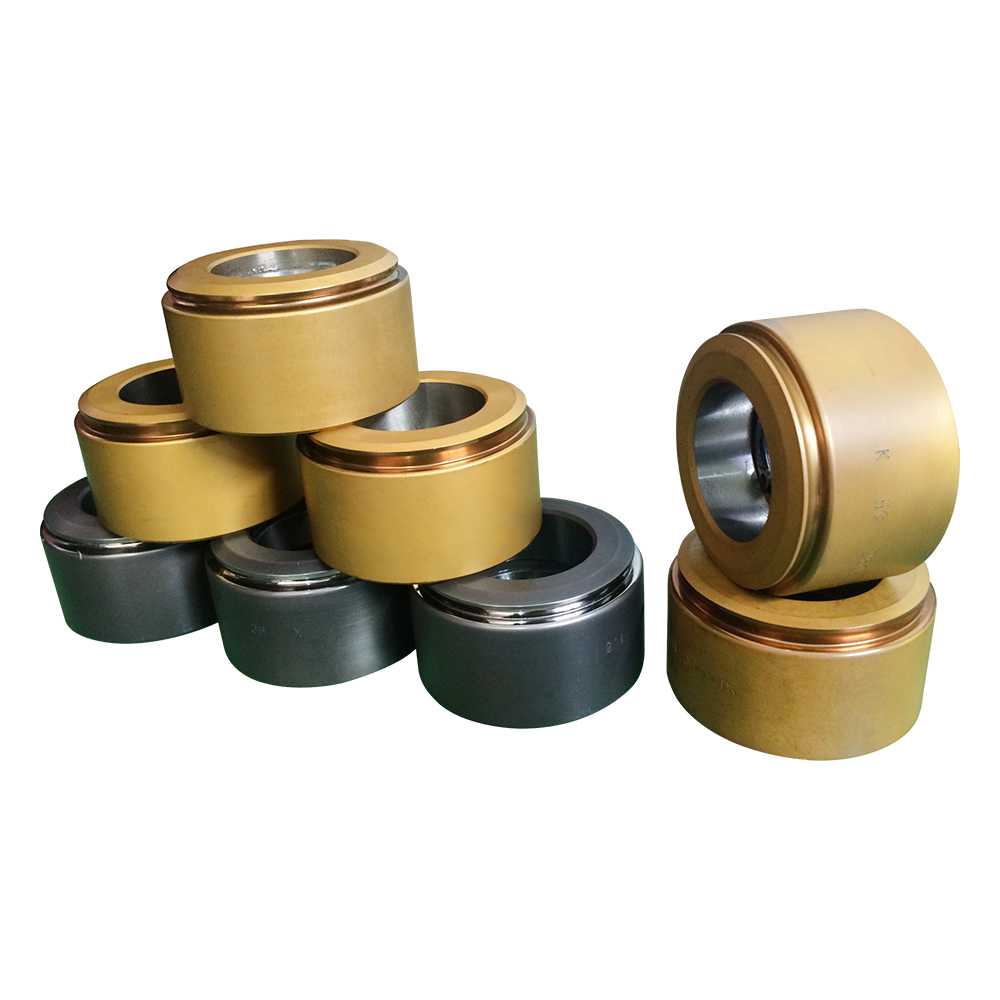
Tooling is a critical part of can end production. Even a powerful press cannot produce consistent results if the dies are poorly designed, incorrectly aligned, or not matched to the material. The manufacturer’s long experience in can-making molds supports the development and supply of dies that are compatible with the press and the customer’s product requirements.
The primary application of the machine is high-speed pressing for metal can ends. It can be used in food can production, beverage packaging, chemical container production, aerosol-related packaging, and other tinplate or sheet-metal applications where shaped covers are required.
For food cans, the press may be used to manufacture bottom covers, base covers, and other ends prepared for subsequent sealing or assembly. The final product may include features such as a peripheral curl, recessed center panel, bead, countersink, or other profile selected by the packaging design.
For chemical tanks and larger industrial containers, the required cover may have a greater diameter or require a different forming sequence. The CNC-C1H configuration is specifically described for large tank covers and chemical tank covers, with a 140 mm stroke and a two-level transmission function.
The CNC-C8 configuration is described mainly for four-screw caps. Its lower working pressure and different stroke make it suitable for a specialized product category rather than general heavy-duty end forming.
The equipment can also be considered as part of a complete can end production line. In such a line, the press may be connected with automatic feeding, sheet preparation, blanking, curling, compound application, inspection, stacking, and packing equipment. The exact configuration depends on the customer’s product and factory layout.
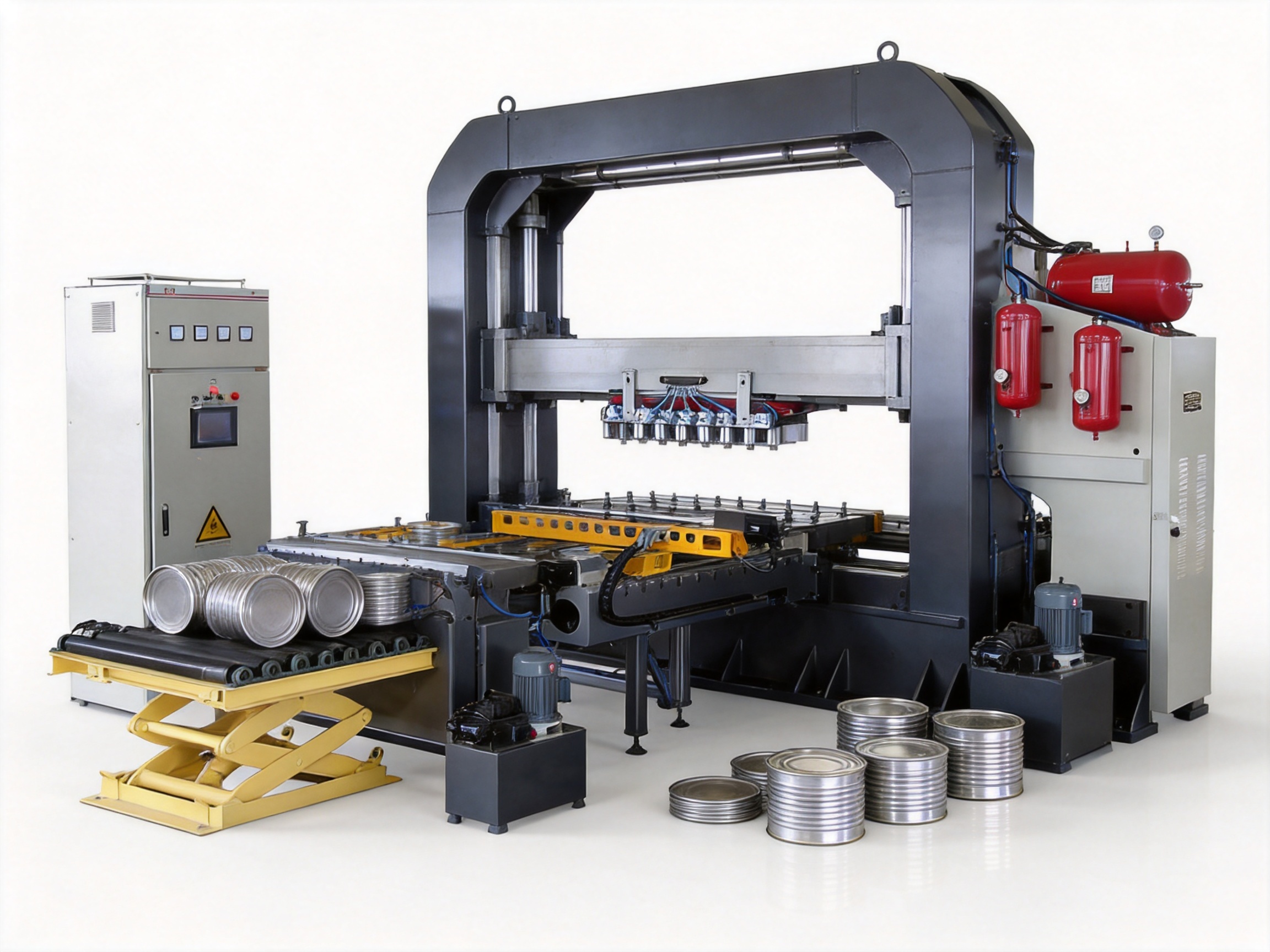
Automatic operation helps reduce dependence on manual loading and improves process continuity. Once the material supply, die arrangement, and control parameters have been established, the press can operate in a coordinated production cycle.
Automation can provide several practical benefits. It can reduce manual handling of sharp metal blanks, lower the risk of inconsistent placement, support a more stable cycle time, and make it easier to connect the press with upstream and downstream equipment. It can also improve production planning because output can be estimated from the selected stroke rate and line arrangement.
In a complete production line, automatic feeding equipment supplies blanks to the press at a controlled rate. The press performs the specified forming operations, and the finished ends are transferred to collection, inspection, or further processing. Synchronization between these components is essential. The CNC design supports the integration of the press into an automated production environment.
Automatic systems should always be installed and operated according to the manufacturer’s instructions. Operators require training in setup, die installation, adjustment, material handling, safety procedures, fault response, and maintenance. Proper training is especially important when changing between products with different diameters or forming requirements.
The following specifications summarize the principal values provided for the CNC-C series. Some performance figures vary according to product diameter, die quantity, and model configuration.
| Specification | Available or Listed Range |
|---|---|
| Operation | Automatic |
| Application | Punch pressing for metal can ends and covers |
| Product size | Various sizes; tailor-made according to requirements |
| Working pressure | 120 kN to 2,500 kN |
| Stroke | 80 mm to 190 mm |
| Maximum listed speed | Up to 200 strokes per minute |
| Small-end operating range shown in data | Approximately 180 spm for diameters of 52 mm to 99 mm |
| Larger-end operating range shown in data | Approximately 150 spm for products around 153 mm |
| Largest plate width | Up to 1,150 × 1,150 mm |
| Main motor power | 4 kW to 22 kW |
| Total power | 18 kW to 35 kW |
| Host weight | Approximately 6.5 to 30 tonnes |
| Installation dimensions | Approximately 5,400 × 4,000 × 2,500 mm to 8,000 × 6,310 × 3,170 mm |
The data indicates that the machine is a substantial industrial installation. Before ordering, the customer should confirm factory floor loading, transport access, foundation conditions, electrical supply, ventilation, safety clearance, and space for die maintenance and material handling.
Power requirements vary according to the model. The listed main power ranges from 4 kW for the CNC-C8 to 22 kW for the CNC-C12. Total power ranges from 18 kW to 35 kW across the listed configurations.
These values should be considered during factory planning. The electrical system must be capable of supporting the press and any associated equipment, including automatic feeders, lubrication systems, control cabinets, conveyors, inspection systems, and other equipment in the line.
Machine weight also varies considerably. The CNC-C8 is listed at approximately 6.5 tonnes, while the CNC-C12 is listed at approximately 30 tonnes. Several CNC-C1 and CNC-C6 models weigh approximately 11.8 to 12.2 tonnes. These weights influence transportation, foundation design, positioning, installation, and future relocation requirements.
The installation dimensions listed for most larger configurations are approximately 8,000 × 6,310 × 3,170 mm. The CNC-C8 is more compact at approximately 5,400 × 4,000 × 2,500 mm. These dimensions should be treated as equipment installation references. Additional space may be needed for access, operator movement, maintenance, die handling, product flow, and safety protection.
Compared with manually fed or low-speed pressing equipment, the automatic CNC-C series is designed for substantially higher throughput. Speeds of up to 200 strokes per minute can support the requirements of large-volume can manufacturers, particularly when combined with multi-die tooling and automatic feeding.
A rigid O-frame and controlled press operation can support consistent forming conditions. Stable alignment and repeatable motion are valuable for maintaining the dimensions of can ends and reducing variation between production batches.
The series includes small and medium-pressure models, high-pressure models, large-cover configurations, and a specialized four-screw-cap model. This is more flexible than a one-size-fits-all machine approach. Customers can select equipment based on their actual product range instead of adapting every product to the same press.
Models with capacity for multiple dies can support higher productivity and more complex forming arrangements. A larger die capacity may also reduce the need for several separate machines when multiple operations can be combined within one press system.
With host weights reaching 30 tonnes, working pressures up to 2,500 kN, and large working plates, the equipment is designed for demanding industrial environments. Its scale makes it suitable for factories that require continuous production rather than occasional or workshop-level pressing.
The product size is described as various and tailor-made. This means the final machine and tooling arrangement can be planned around the customer’s can end diameter, material, design, output, and production sequence. Customization is particularly important in the packaging industry, where container dimensions and end profiles vary between markets and customers.
Zhejiang Golden Eagle Food Machinery Co., Ltd. has specialized in can-making machinery and can-making molds for more than four decades. The company was established in 1978 and was formerly known as Zhejiang Food Machinery Factory and Zhoushan Mold Factory.
The company is located in Zhoushan City, Zhejiang Province, China. It has a workforce of more than 350 trained personnel, including experienced design and development engineers. This combination of production staff, technical personnel, and engineering experience supports the development of complete can-making equipment rather than isolated machines alone.
A significant strength is the company’s combined expertise in machinery and molds. Can end production depends on the relationship between the press, tooling, material, feeding system, and process sequence. A supplier that understands both the machine and the mold can more effectively coordinate these elements during design, commissioning, and production support.
The company uses CNC high-precision machining equipment and other complete mechanical processing equipment. High-precision machining is important for producing press components, die parts, guide elements, plates, and other parts that must meet demanding alignment and repeatability requirements.
The company states that its product design principles are similar to those associated with major international manufacturers such as KRUPP, SOUDRONIC, and ALFONS-HAAR. It has also combined practical production experience with ongoing development and innovation. This approach allows the company to apply established mechanical principles while adapting equipment to the actual conditions of can factories.
According to the provided company information, more than 10,000 pieces of can and can lid equipment have been produced. The company’s products have been used by can manufacturers and canning factories in many regions, including Europe, Asia, Africa, North America, South America, and Oceania.
The company has obtained ISO9001 quality management system certification and ISO14001 environmental management system certification. These certifications indicate that the organization has established formal systems for quality control and environmental management. They do not replace customer validation or machine testing, but they provide an important foundation for controlled manufacturing and continuous improvement.
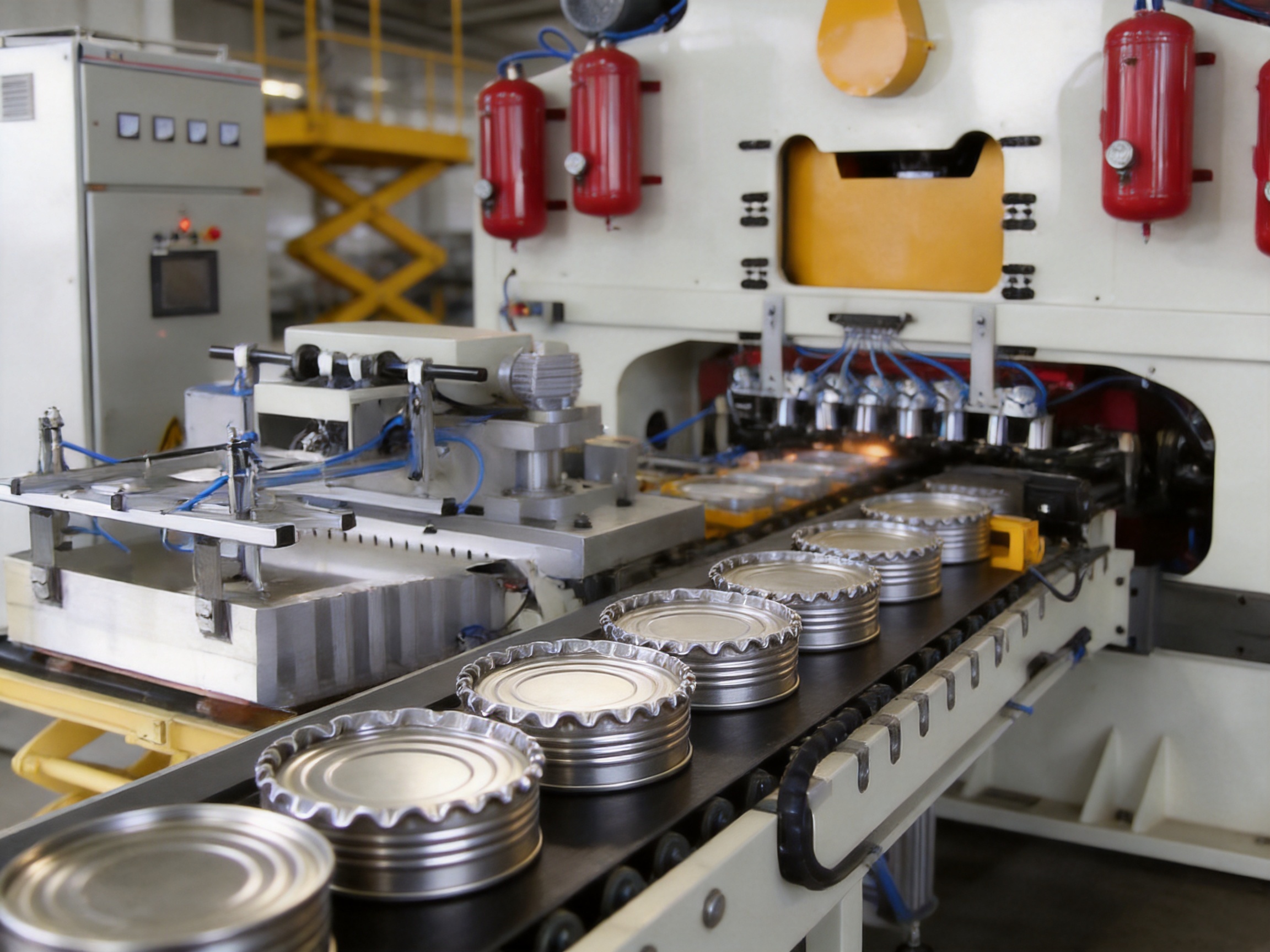
The production of a large automatic press involves multiple stages. These may include engineering design, structural analysis, material preparation, precision machining, assembly, electrical integration, testing, surface treatment, final inspection, and commissioning.
For an O-frame press, frame quality is fundamental. Major structural parts must be manufactured and assembled with attention to dimensional accuracy, flatness, parallelism, and alignment. Precision machining equipment helps ensure that the working plate, guide surfaces, mounting areas, and related components are produced to the required tolerances.
Die compatibility must also be considered during manufacturing. The working plate and mounting arrangement need to support the customer’s selected tooling. Models with different die capacities require different considerations for spacing, material flow, access, and adjustment.
Mechanical assembly is followed by electrical and control integration. The automatic operating system must coordinate the press cycle with feeding and other machine functions. Testing should verify basic operation, speed control, stopping performance, sensor response, lubrication, safety functions, and product handling.
Before shipment, a complete machine may be checked for appearance, dimensions, component installation, wiring, operating functions, and documentation. For customized systems, testing may also include trial production with customer-supplied material or representative tooling.
This manufacturing process is important because the performance of a high-speed press depends on the interaction of many components. A machine may have a high nominal speed, but reliable production requires the entire system to be correctly designed, built, adjusted, and supported.
Quality control for a can end press should cover both individual parts and complete machine performance. Important areas include frame integrity, press alignment, drive system operation, lubrication, die mounting, control functions, emergency stopping, and material transfer.
Repeatability is especially important. A can end must maintain a stable profile so that it can be stacked, transported, coated, sealed, or assembled without unnecessary adjustment. Variation in the pressed shape can lead to downstream problems, including poor sealing, irregular stacking, or increased rejection rates.
Regular maintenance is necessary to preserve performance. Operators should follow the recommended schedule for lubrication, inspection, fastener checks, electrical cabinet maintenance, die cleaning, alignment verification, and replacement of wearing parts.
Production conditions also influence reliability. Material thickness, hardness, surface condition, lubrication, blank accuracy, and die condition all affect the load placed on the press. Using the correct material and tooling parameters reduces unnecessary stress and supports longer service life.
Large presses require professional installation. The foundation must be prepared according to the equipment weight, operating forces, and local construction requirements. The installation area must also provide sufficient space for lifting, positioning, adjustment, and maintenance.
Commissioning generally includes machine positioning, leveling, electrical connection, lubrication checks, control verification, die installation, feeder adjustment, trial operation, and product inspection. If the machine is integrated into a complete line, the commissioning process must also verify communication and timing between each unit.
Zhejiang Golden Eagle Food Machinery Co., Ltd. states that it provides after-sales services including installation, commissioning, technical guidance, and operation training. These services are valuable for customers who are installing a large can-making system for the first time or expanding an existing factory.
Training should cover normal operation as well as common abnormal conditions. Operators should understand how to stop the machine safely, identify material feeding problems, respond to die-related issues, perform basic inspections, and communicate maintenance requirements.
Model selection should begin with the product. The customer should define the can end diameter, material type, material thickness, end profile, number of forming operations, required output, and acceptable production tolerance.
The next consideration is forming pressure. Products with greater diameter, deeper forming, thicker material, or more demanding profiles may require a higher-pressure configuration. The available models range from 120 kN to 2,500 kN, allowing the machine to be matched to different applications.
Die capacity is another major factor. A manufacturer producing one standard end may require only a dedicated single-die arrangement. A manufacturer producing several sizes or using multiple forming stages may benefit from a model that supports several dies.
Speed should be evaluated together with product size and tooling. The listed speed of up to 200 strokes per minute is not necessarily the operating speed for every product. Larger ends, complex profiles, heavier materials, and multi-stage operations may require a lower speed to maintain quality and tool life.
Factory conditions must also be reviewed. The customer should confirm the available floor area, foundation, lifting equipment, electrical capacity, ventilation, material storage, product flow, and operator access. Machine dimensions and weight should be considered before the purchase order is finalized.
To prepare a suitable technical proposal, a customer should provide product drawings or samples, end diameter, material grade, material thickness, required output, number of products, die requirements, existing line information, factory power supply, and preferred automation level.
It is also useful to provide information about the upstream material process and downstream operations. For example, the press may need to connect with a blanking machine, automatic feeder, coating system, inspection unit, stacking system, or can body production line.
When product drawings are not available, samples and basic dimensions can still help the engineering team develop a preliminary solution. Final selection should be confirmed after technical review, tooling evaluation, and, where necessary, trial production.
Routine maintenance is essential for a high-speed press. The maintenance plan should include lubrication checks, inspection of drive components, tightening of fasteners, cleaning of sensors and work areas, electrical inspection, and examination of die surfaces.
Tooling should be checked for wear, damage, buildup, and alignment. A damaged die can affect product quality and may place abnormal loads on the press. Early detection of wear can help avoid unplanned downtime and protect other machine components.
Operators should avoid introducing unsuitable blanks, foreign objects, or incorrectly positioned material into the press. Automatic feeding systems should be kept clean and correctly adjusted. Any unusual noise, vibration, temperature increase, or change in product quality should be investigated promptly.
When changing products, the machine should be adjusted according to the approved setup procedure. Die changes, stroke adjustments, pressure settings, feeder timing, and product inspection should be completed before returning the line to full-speed production.
The pressing machine is one part of a broader can-making system. Depending on the product, a complete line may include sheet cutting, slitting, blanking, end forming, curling, compound lining, coating, inspection, stacking, and packing.
For food and beverage packaging, the pressed end may need additional operations before it is ready for can assembly. The final process depends on whether the product is a three-piece can, two-piece can, easy-open end, conventional end, chemical container, aerosol component, or another packaging format.
Zhejiang Golden Eagle Food Machinery Co., Ltd. supplies a wide range of can-making machinery and molds. Its product categories include food and beverage can-making machines, tin can lid end-making machines, duplex slitting machines, milk powder can-making machines, easy-open end equipment, tin can automatic welding machines, aerosol cone and dome machines, chemical tank-making machines, automatic feeding machines, aerosol can-making machines, two-piece can-making machines, and molds.
This broad product range can be useful for customers seeking coordinated equipment from one experienced supplier. A complete-line supplier can help reduce compatibility problems between separate machines and can provide a more unified approach to installation, training, spare parts, and technical support.
It is used for automatic punch pressing and forming of metal can ends, bottom covers, base covers, chemical tank covers, four-screw caps, and other shaped sheet-metal packaging components.
The listed maximum speed is up to 200 strokes per minute. Actual operating speed depends on the model, product diameter, material, die configuration, forming depth, and production requirements.
The listed models range from 120 kN to 2,500 kN. Lower-pressure configurations are available for specialized products, while high-pressure models are available for larger or more demanding forming applications.
Yes. The product information states that can sizes are various and tailor-made. The correct model and tooling should be selected according to the customer’s diameter range, end design, material, and output requirements.
Die capacity depends on the model and product size. Some configurations can accommodate up to 15 dies for smaller products, while other models use one, two, three, six, seven, or eight dies according to their intended application.
The CNC-C1H is mainly described for large tank covers and chemical tank covers. It has a 900 kN working pressure, a 140 mm stroke, and a specialized transmission arrangement.
The CNC-C8 is mainly described for the production of four-screw caps. It has a listed working pressure of 120 kN and a 190 mm stroke.
Most of the larger models have a listed plate width of 1,150 × 1,150 mm. The CNC-C8 is listed with a 1,000 × 1,000 mm plate.
The company states that it provides installation, commissioning, technical guidance, operation training, and spare-parts support as part of its after-sales service.
The customer should provide product drawings or samples, can end diameter, material and thickness, required output, die quantity, forming process, factory power supply, available installation space, and information about any existing or planned production-line equipment.
Yes. The press can be integrated with automatic feeding and other upstream or downstream equipment. The exact line arrangement depends on the can type, end design, production capacity, and required finishing operations.
The CNC Automatic Gantry O-Frame Pressing Machine is a versatile industrial solution for high-speed metal can end production. Its main advantages include automatic operation, a rigid O-frame structure, speeds of up to 200 strokes per minute, multiple working pressure levels, flexible die capacity, large working plates, and configurations for standard can ends, large tank covers, chemical covers, and four-screw caps.
The range of models allows manufacturers to select a press that fits their product rather than relying on a single general-purpose configuration. High-pressure models support demanding forming applications, while specialized models can be used for products with different dimensions and process requirements.
The machine’s value is further supported by the manufacturer’s long experience in can-making equipment and molds. Since 1978, Zhejiang Golden Eagle Food Machinery Co., Ltd. has developed machinery for food cans, beverage cans, can lids, chemical tanks, aerosol products, two-piece cans, and related packaging applications. Its engineering team, CNC machining capabilities, quality and environmental management systems, international production experience, and after-sales services provide a foundation for complete equipment projects.
For a successful application, the press must be selected, tooled, installed, and operated according to the customer’s exact product and production conditions. With suitable engineering support, the CNC-C series can become a productive part of an automated tinplate can-making line and help manufacturers improve output, consistency, and long-term manufacturing efficiency.
1. Product technical information for the CNC Automatic Gantry Press O-Frame Pressing Machine, including model specifications, pressure, stroke, speed, die capacity, power, weight, and installation dimensions.
2. Company information supplied by Zhejiang Golden Eagle Food Machinery Co., Ltd., including company history, manufacturing capability, product categories, certifications, export experience, and after-sales services.
3. General principles of mechanical press design, closed-frame construction, metal forming, die alignment, and high-speed production equipment operation.
4. General manufacturing and maintenance practices for tinplate can-making machinery, automatic feeding systems, forming dies, and metal packaging production lines.
Related Products

Founded in 1978, the company is one of the largest can-making machinery well-known companies at home and abroad.
Product Categories
Contact Information
Zhongshatou Shenjiamen Zhoushan Zhejiang China
+86-580-3056646

 English
 中文简体
 русский
 عربى
 Español