2026-09-29
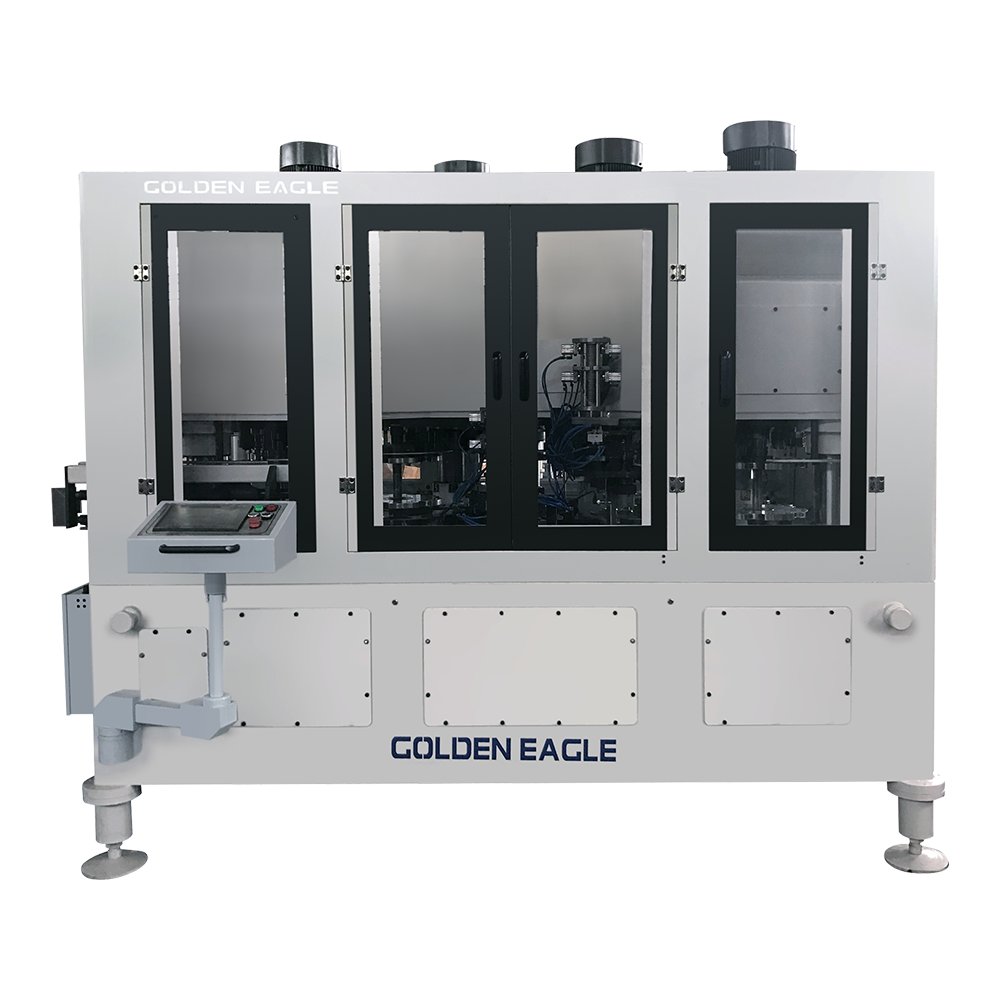
The 2-lane D109-D211 Aerosol Cone Lid Line is an automatic production solution designed for manufacturers of aerosol cans and related metal packaging components. Built for aerosol cone and lid production, the line combines two-lane operation, high output, multi-die forming capability, and a robust mechanical structure suited to continuous industrial manufacturing.
With a rated output of up to 240 ends per minute, the line is designed to support medium- and high-volume production requirements. Its working range covers aerosol components for cans with diameters from 45 to 65 millimeters. The equipment is configured with two lanes, a 100-millimeter stroke, a maximum stroke rate of 120 strokes per minute, and a die capacity of six to nine dies. These specifications allow manufacturers to achieve a productive balance between output, dimensional consistency, and tooling flexibility.
Aerosol cone and lid production requires more than simply pressing a flat piece of tinplate into shape. The material must be fed accurately, formed under controlled pressure, and processed through tooling that maintains the required geometry from one production cycle to the next. The component must also fit correctly with the aerosol container body, valve assembly, and other packaging parts. For this reason, the quality of the forming machine directly influences line efficiency, product appearance, assembly performance, and overall production cost.
The D109-D211 line addresses these requirements through automatic operation and a two-lane configuration. It is suitable for manufacturers seeking a dedicated aerosol component production line with practical forming capacity, efficient use of floor space, and a structure based on long-term experience in can-making machinery and mold manufacturing.
The D109-D211 Aerosol Cone Lid Line is intended for producing aerosol cones and lids from tinplate or similar sheet metal materials. The machine is categorized under aerosol cone and dome-making equipment and is configured for a can diameter range of φ45 to 65 millimeters. Its two-lane arrangement enables two production paths to operate in parallel, increasing output without requiring a proportional increase in machine length.
The basic operating mode is automatic. In an automated production environment, sheet material or preformed blanks are transferred through the forming process with synchronized feeding and pressing actions. Automatic operation helps reduce dependence on manual handling, stabilize production rhythm, and support more consistent output during extended shifts.
The stated output capacity is 240 epm, or 240 ends per minute. This capacity is achieved through two lanes, with each lane contributing to the total production rate. The line is therefore suited to customers that need greater productivity than a single-lane system can provide while still requiring a configuration that is relatively straightforward to operate and maintain.
| Item | Specification |
| Product type | Automatic aerosol cone and lid production line |
| Model | D109-D211 |
| Applicable can diameter | φ45-65 mm |
| Production lanes | 2 lanes |
| Rated output capacity | 240 epm |
| Stroke | 100 mm |
| Maximum stroke rate | 120 spm |
| Die quantity | 6-9 dies |
| Die gap | 110 mm |
| Largest closed height | 400 mm |
| Compatible iron thickness | 0.17-0.40 mm |
| Material hardness range | T3-T4 |
| Installed power | 22 kW |
The combination of these parameters gives the line a clear production profile. It is not a general-purpose press intended for every type of metal package. Instead, it is a specialized aerosol component line developed around a defined size range, material thickness range, and tooling arrangement. Specialization can help improve production planning because the machine is configured around the requirements of aerosol cone and lid forming.
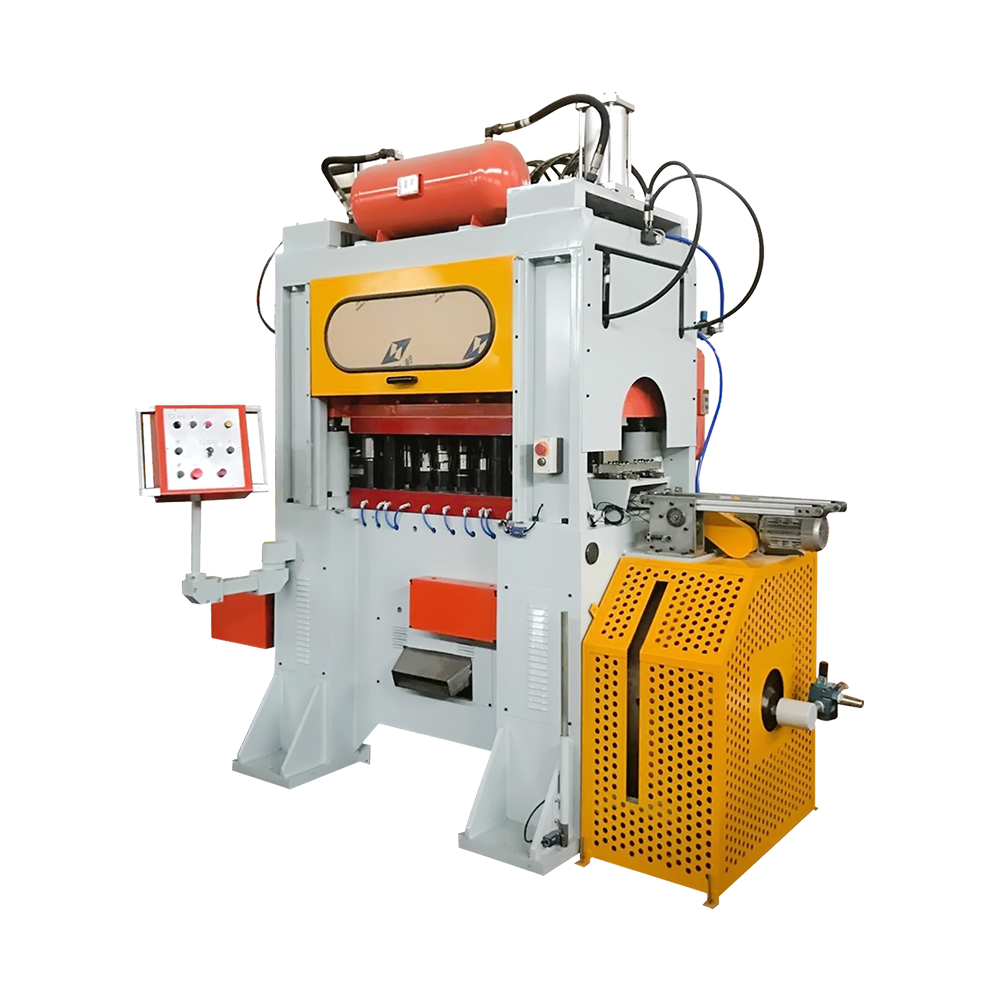
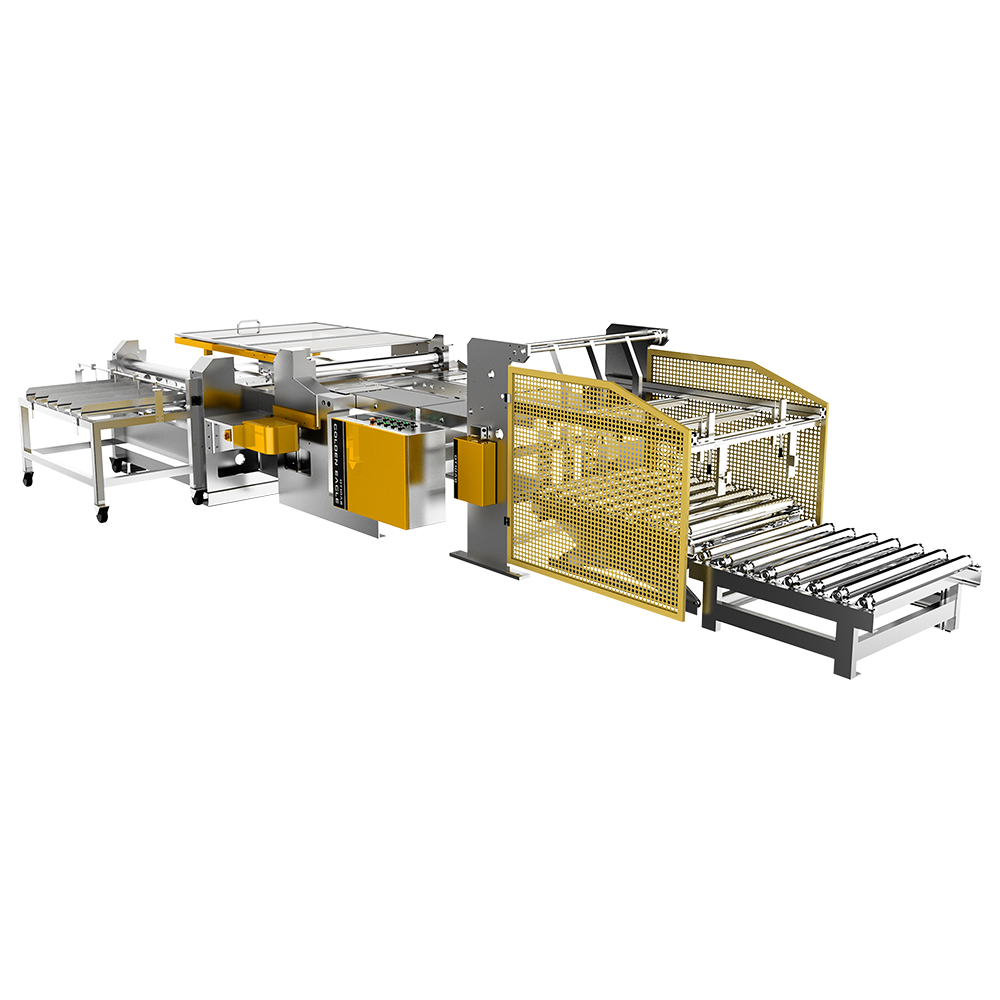
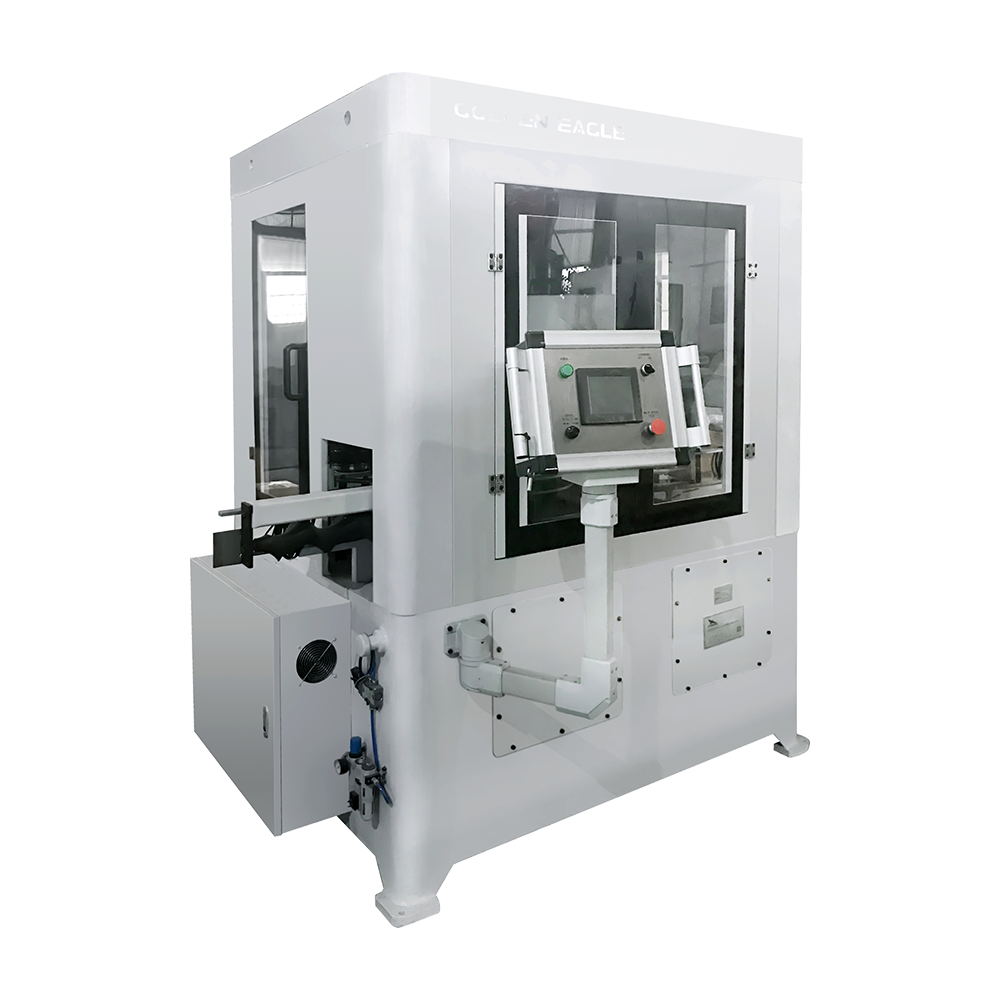
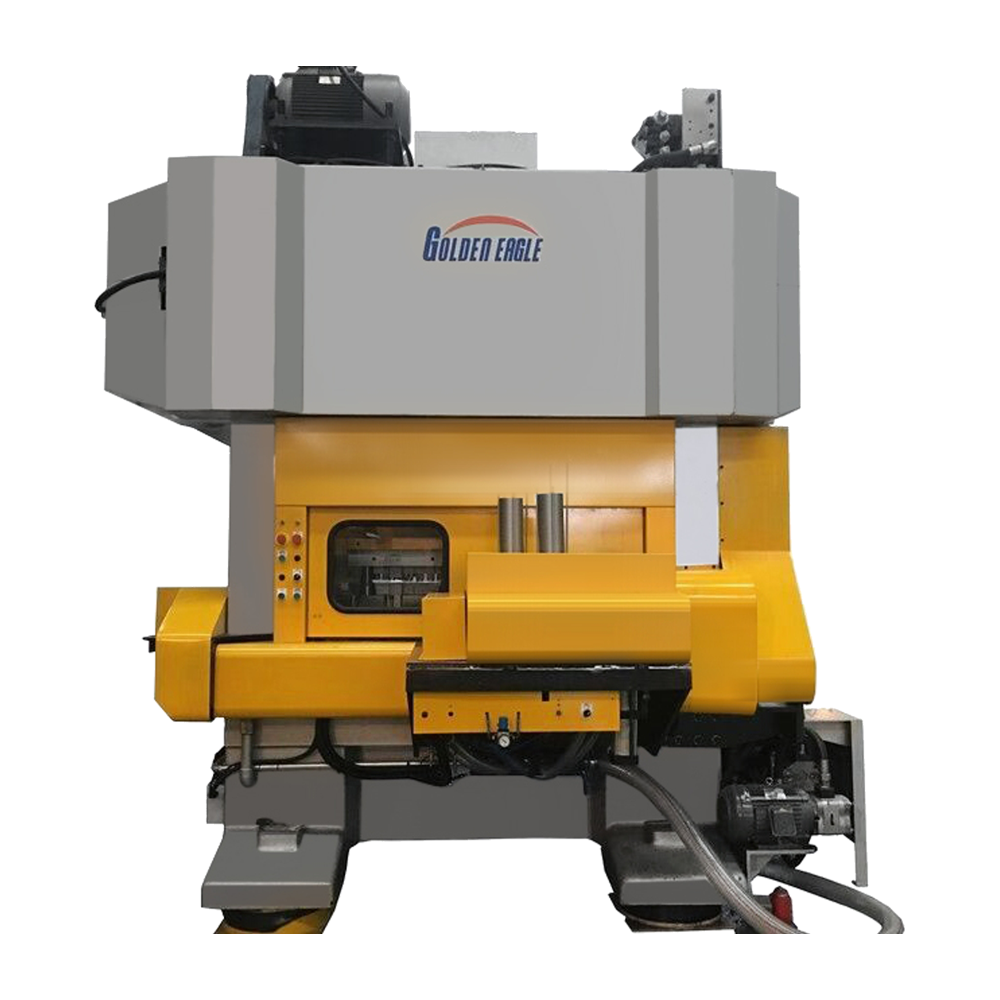
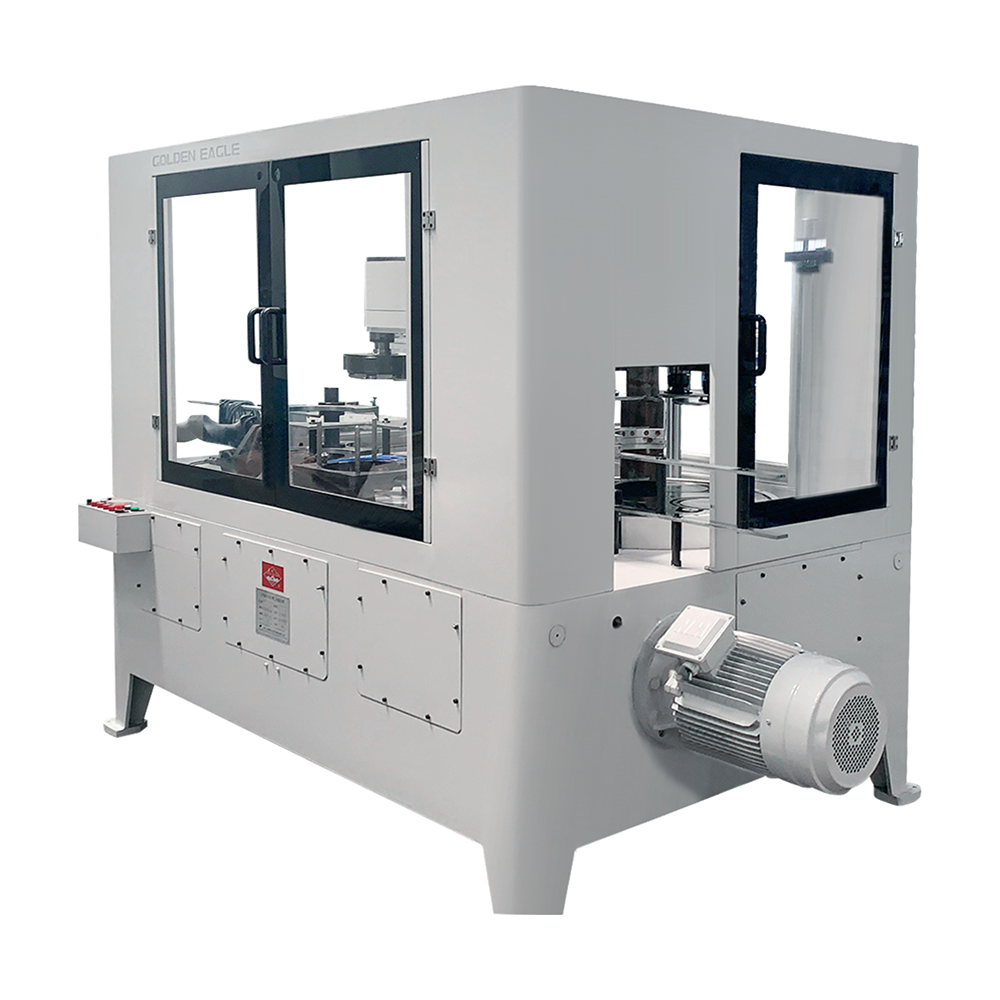
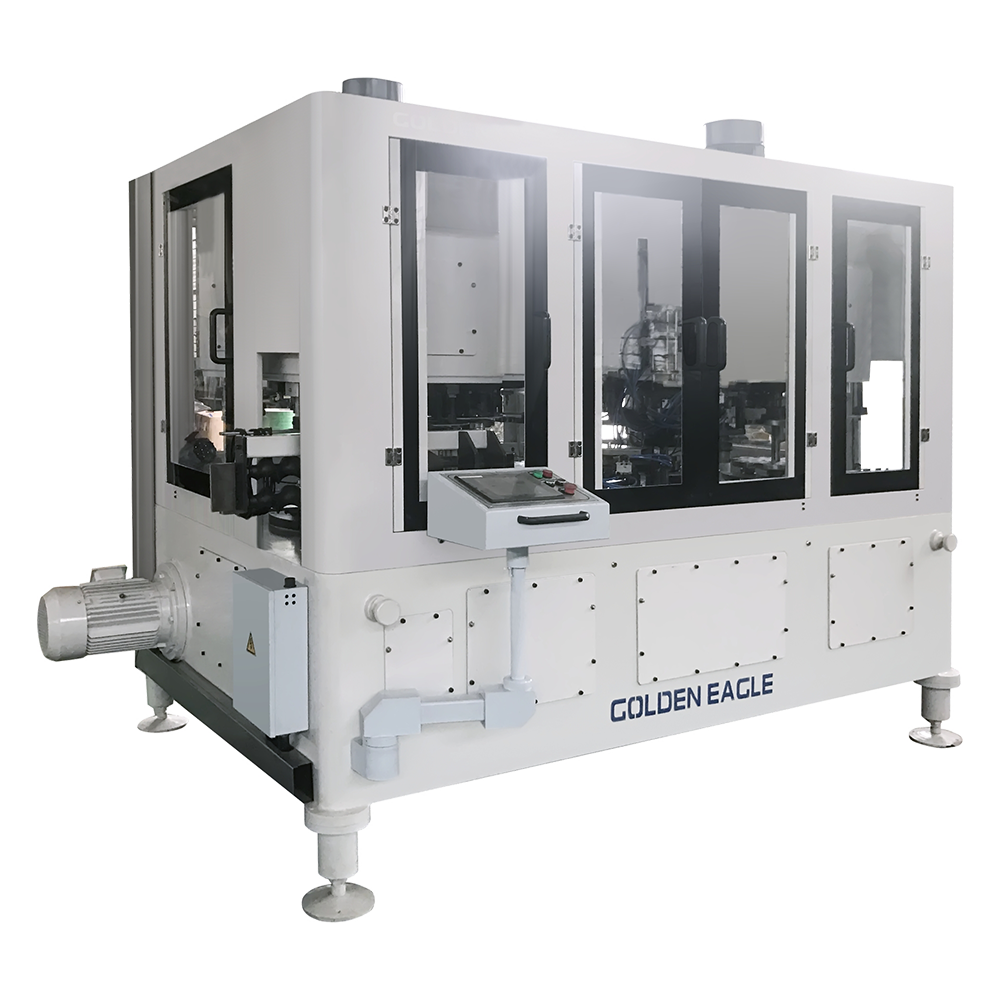
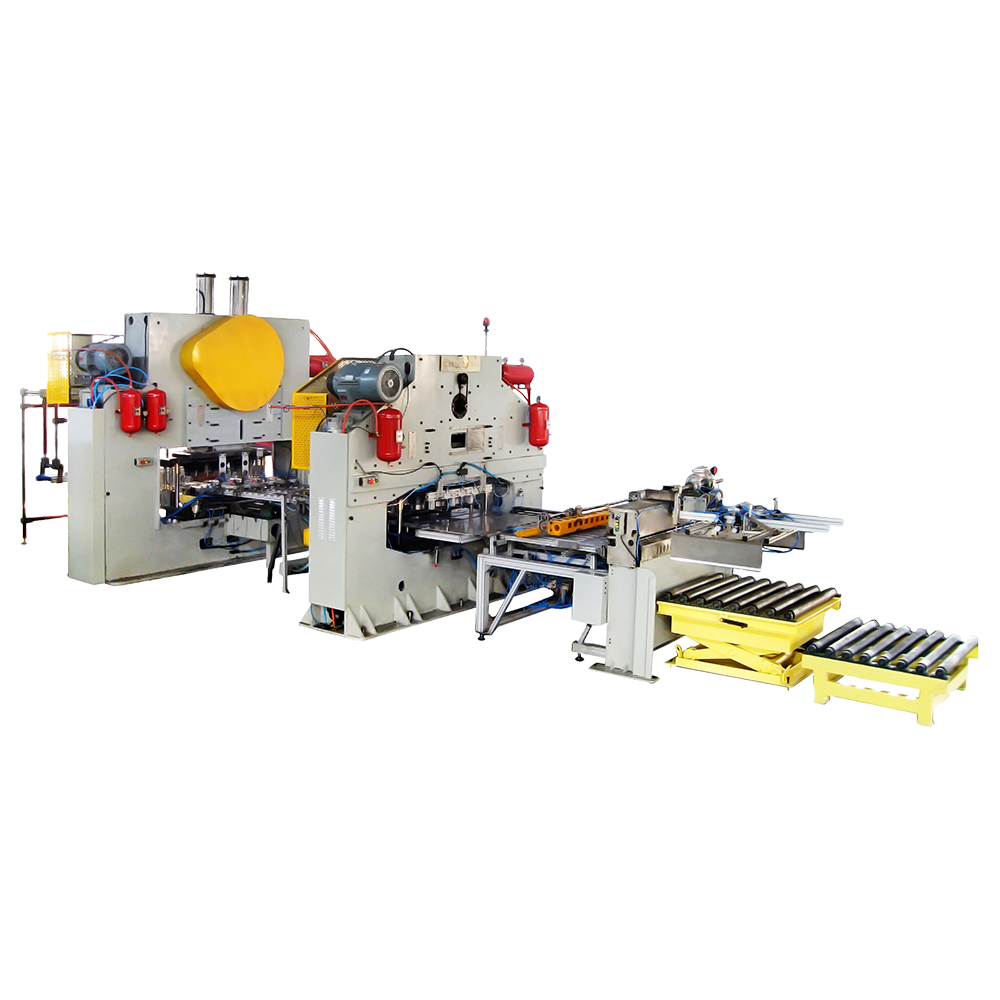
2-lanes D109-D211 Aerosol Cone Lid Line
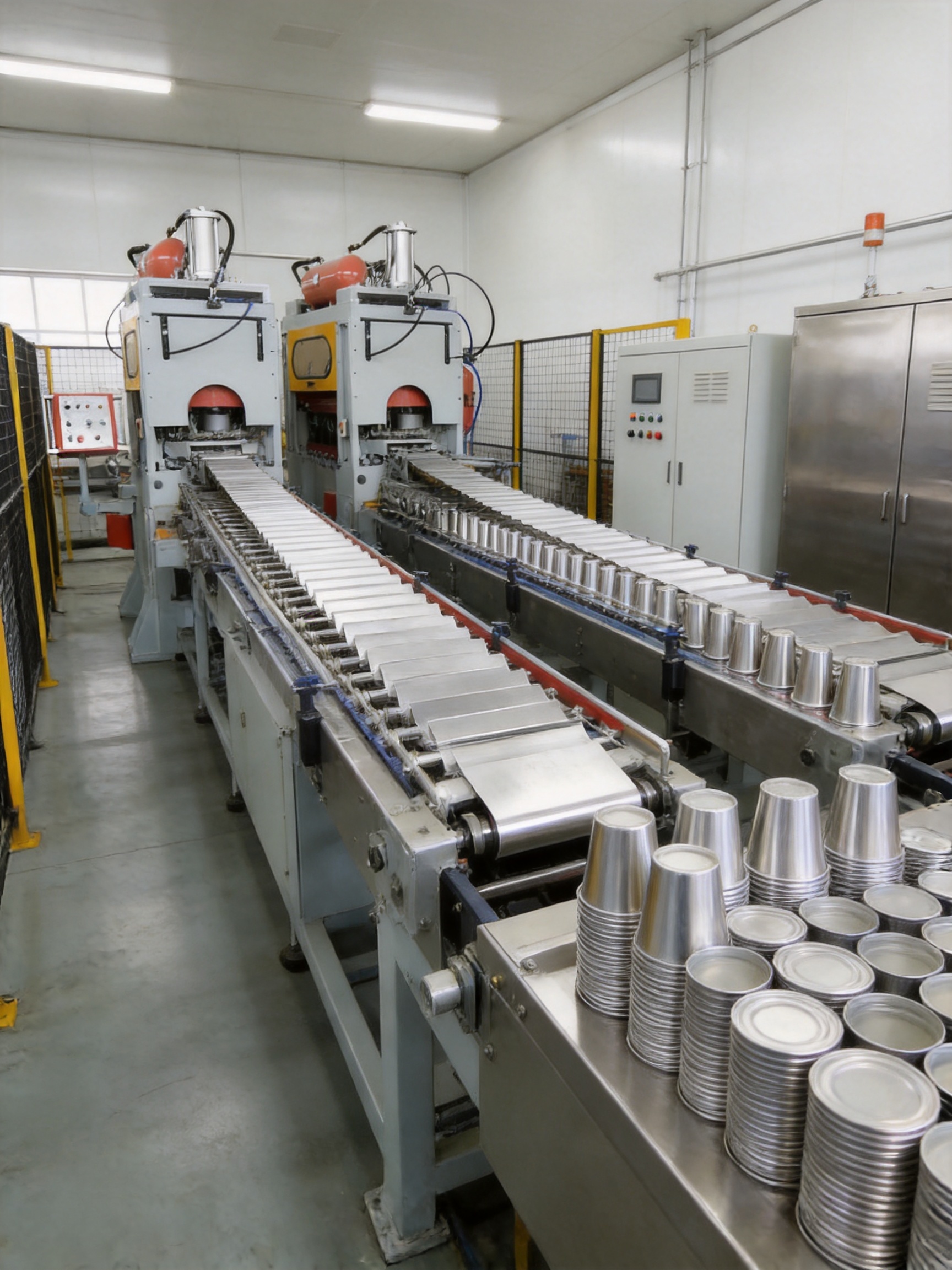
In metal packaging production, output capacity is directly connected with the number of forming cycles available during a shift. A single-lane machine may provide adequate output for a small order or a limited product range, but manufacturers with growing demand often need higher productivity without installing several separate machines. A two-lane configuration offers an efficient way to expand output within one integrated production unit.
The D109-D211 line uses two lanes to achieve a stated output of 240 ends per minute. This arrangement can provide several operational advantages. First, it supports a higher number of finished components from a single line. Second, it allows the main drive, machine frame, and operating controls to support two parallel production paths. Third, it can simplify production supervision compared with managing multiple independent single-lane machines.
Two-lane operation can also make better use of the available production area. Floor-space efficiency is an important consideration for can manufacturers, especially when the aerosol component line must be integrated with blanking equipment, material handling systems, inspection stations, stacking devices, or downstream assembly operations. A compact high-output arrangement can help reduce the amount of space required per finished component.
The two lanes must operate in coordination. If feeding, forming, or material transfer becomes inconsistent between lanes, the line can experience different output rates, component variation, or increased scrap. The value of a two-lane design therefore depends on accurate mechanical synchronization and reliable tooling. The D109-D211 specification, including its die arrangement and automatic operating mode, is intended to support this synchronized production concept.
For manufacturers, the practical benefit is a production system that can meet higher demand while retaining a relatively organized process layout. When properly installed and supplied with suitable material and tooling, the line can support continuous manufacturing of aerosol cones and lids for several packaging programs within its specified diameter range.
Aerosol cones and lids are formed components that require controlled geometry. Their shape may include curved, tapered, recessed, or reinforced sections, depending on the packaging design. The finished part must maintain a suitable relationship between its outside diameter, height, opening, edge profile, and connection area. Even small dimensional deviations can affect how the component fits with the can body or interacts with other parts of the aerosol package.
The D109-D211 line is designed around this forming application rather than being adapted from a machine intended for unrelated products. Its die gap, closed height, stroke, and material range provide a defined operating envelope for aerosol component production. This makes it easier for users to evaluate whether the line matches their product drawings, raw material specifications, and planned output.
The specified can diameter range of 45 to 65 millimeters covers a practical group of aerosol packaging formats. Manufacturers can use this range for products that require different container diameters while retaining a similar production platform. The exact tooling arrangement must be selected according to the required component design, but the machine’s stated range provides a clear starting point for technical evaluation.
Material compatibility is another important factor. The line is specified for iron thicknesses from 0.17 to 0.40 millimeters and material hardness grades T3 to T4. These parameters indicate that the machine is intended to process a range of commonly used tinplate conditions for metal packaging. Material thickness and hardness influence forming force, springback, surface quality, and tool wear. Operating within the specified range helps manufacturers establish a more stable forming process.
The die capacity of six to nine dies provides tooling flexibility. Different production programs may require different forming stations or progressive operations. A line capable of accommodating several dies can support a sequence of forming steps and may also reduce the need to transfer components between separate machines. The final die configuration should be determined according to the component drawing and the required operations.
Automatic operation is one of the most important features of the line. Automated feeding and forming reduce the amount of repetitive manual work required during production. This can improve workplace organization, reduce handling-related damage, and help maintain a steady cycle rate.
Automation also supports more consistent production data. When the feeding and pressing sequence is controlled by the machine, operators can monitor output, adjust settings within the approved range, and identify abnormal conditions more quickly. This is particularly useful for manufacturers operating multiple shifts or supplying customers with strict delivery schedules.
The stated capacity of 240 epm provides a significant production level for aerosol cone and lid manufacturing. Because the output is distributed across two lanes, the line can achieve higher productivity while maintaining a clear and organized forming structure.
High output is valuable not only because it increases the number of parts produced per hour. It can also improve the utilization of upstream material preparation and downstream packaging operations. When the complete factory layout is balanced, the line can help reduce bottlenecks and support a more efficient flow of semi-finished and finished components.
The specified diameter range of 45 to 65 millimeters gives the line flexibility for aerosol packaging programs within this range. Manufacturers serving several customers or producing different product families may benefit from having one production platform capable of handling multiple diameter specifications through suitable tooling and setup changes.
A broader usable range can also reduce the need to purchase a separate machine for every can size. The actual changeover procedure, tooling selection, and production speed for each component must be assessed during technical planning, but the stated range demonstrates that the line is intended to support more than one fixed product dimension.
The six-to-nine-die configuration provides room for a progressive sequence of operations. In metal forming, a multi-die arrangement can divide the forming work into controlled stages. This approach may help manage material deformation and reduce the risk of excessive stress in a single operation.
A suitable die sequence can contribute to stable component geometry, improved surface appearance, and longer tool life. It also allows the tooling engineer to match the forming stages to the material thickness and hardness. Since aerosol cones and lids may have different profiles, the ability to configure the die system is an important practical advantage.
The machine is specified with 22 kW of power. The drive system must provide sufficient energy for repeated forming cycles while maintaining stable motion through the production process. Adequate power capacity is especially important in a two-lane machine, where the drive system supports parallel operations and the associated material handling actions.
Power requirements should always be evaluated together with local electrical standards, voltage conditions, plant infrastructure, and the complete line configuration. Nevertheless, the 22 kW specification provides customers with an initial basis for utility planning and equipment selection.
The 100-millimeter stroke, 120 spm maximum stroke rate, 110-millimeter die gap, and 400-millimeter largest closed height define the machine’s working envelope. Clear technical limits make it easier for customers and engineering teams to check whether a proposed product and tool set can be accommodated.
Such information is also useful during installation planning. The production area must provide adequate space for the line, material supply, access for maintenance, tooling changes, safety clearance, and the movement of operators or service personnel. Detailed factory planning should be completed before delivery and commissioning.
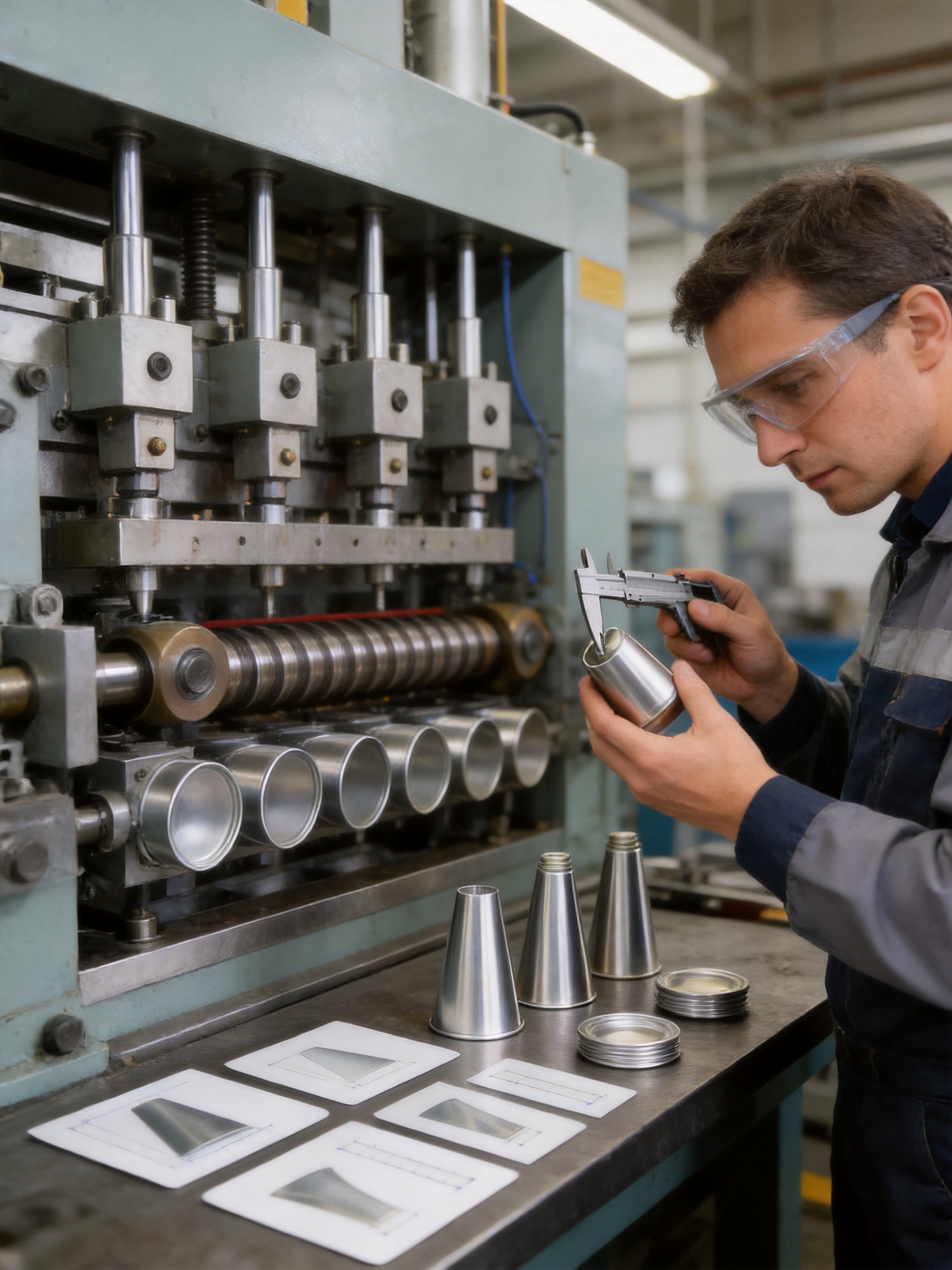
Tinplate forming depends on the relationship between material properties and tooling design. Thickness affects the amount of material available in each blank, the force required to form the component, and the stiffness of the finished part. Hardness affects deformation behavior, springback, and the ability of the material to retain the intended shape after forming.
The D109-D211 line is specified for iron thicknesses between 0.17 and 0.40 millimeters and hardness grades T3 to T4. This range gives manufacturers a practical material window for aerosol cone and lid production. Before full-scale production, the material should be tested against the selected die design to confirm forming quality, edge condition, dimensional accuracy, and surface appearance.
Using material within the recommended range can help reduce unnecessary stress on the forming system. It can also support more predictable die performance. Material that is too thin, too hard, too soft, or outside the specified condition may produce wrinkles, cracks, excessive springback, deformation, or inconsistent edges. Technical validation is therefore an important part of commissioning.
The line’s forming performance also depends on lubrication, blank quality, die clearance, alignment, press timing, and routine maintenance. A high-output machine can only deliver its rated performance when the entire process is controlled. Operators should monitor raw material quality and finished component dimensions rather than relying solely on machine speed.
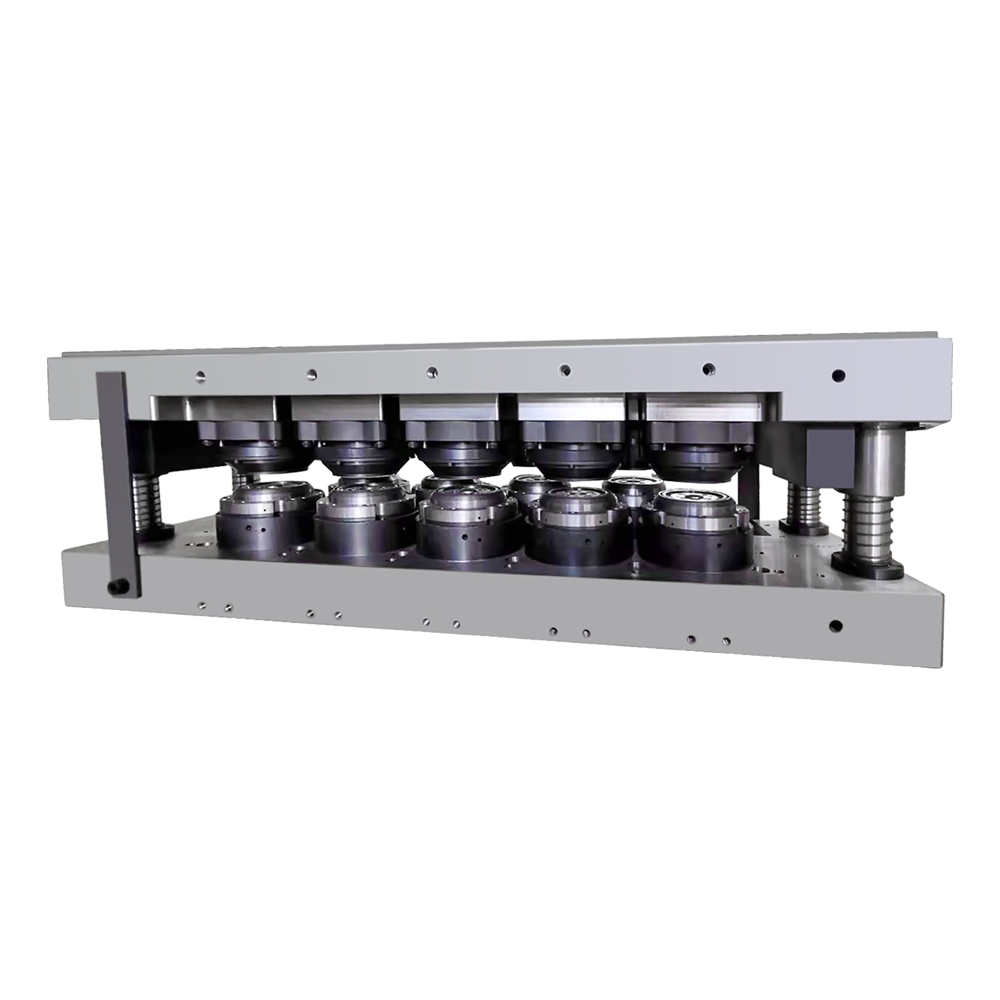
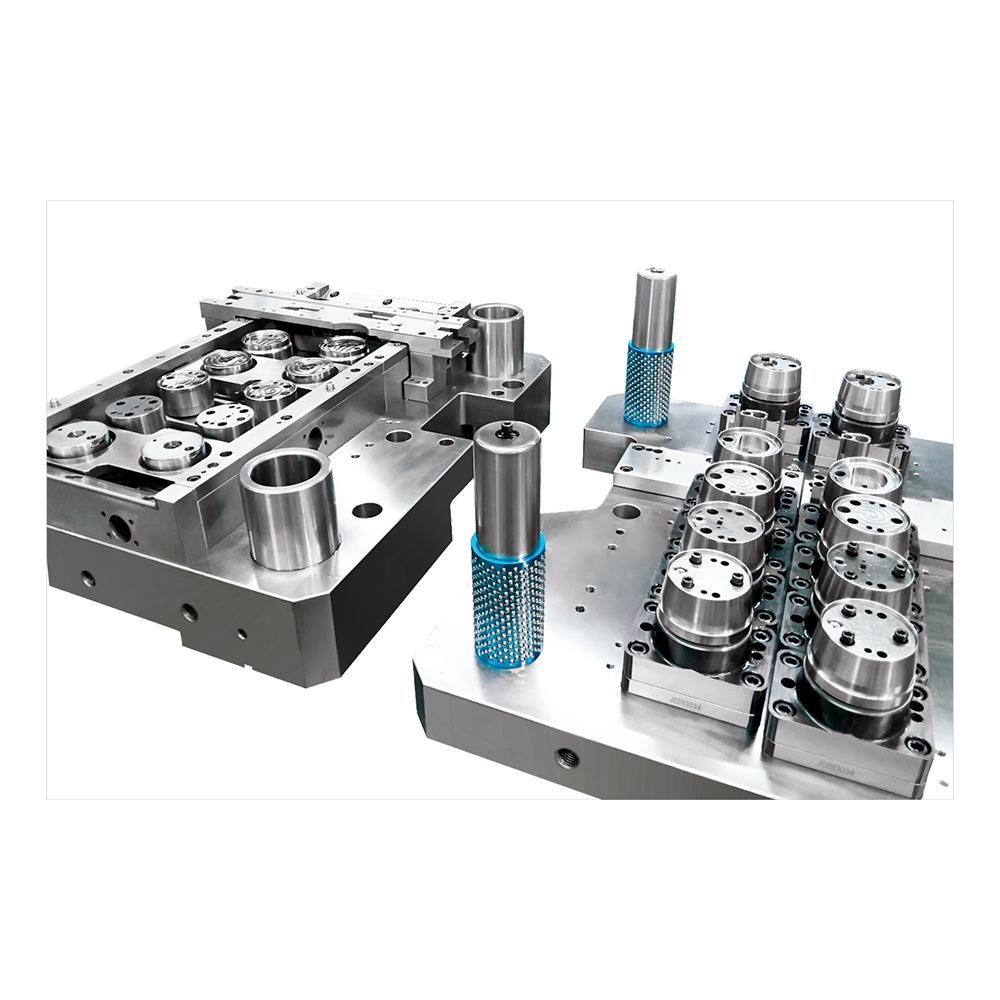
Tooling is central to aerosol cone and lid production. The die determines the shape of the component, controls the movement of the material, and influences the surface quality of the finished part. A well-designed die must match the machine’s stroke, closed height, die gap, material specification, and production speed.
The D109-D211 line’s six-to-nine-die capacity gives tooling engineers the ability to distribute forming operations across several stages. This can be particularly valuable when the component includes multiple contours or when the material must be shaped progressively to avoid damage. A staged process may also make it easier to optimize the balance between productivity and component quality.
The 110-millimeter die gap is an important reference for tooling design and setup. The die assembly must be designed to fit within the machine’s available space while maintaining the required alignment and clearances. The largest closed height of 400 millimeters provides another reference for confirming that the complete tooling package can be installed and operated correctly.
Tooling should be manufactured with close attention to dimensional accuracy and wear resistance. Cutting edges, forming radii, guide elements, and contact surfaces all affect production results. Small variations in die manufacture can become visible across thousands of components, particularly when the line operates at high speed.
As a manufacturer with experience in both can-making machinery and can-making molds, the supplier can approach machine and tooling requirements as connected engineering tasks. This combination is useful because the forming equipment, dies, material, and product geometry must work as one system. Customers may benefit from discussing their component drawings, raw material specifications, expected output, and quality standards during the initial project stage.
The equipment is supplied by Zhejiang Golden Eagle Food Machinery Co., Ltd., a Chinese manufacturer specializing in can-making machinery and molds. The company was established in 1978 and has developed its production capabilities through more than four decades of manufacturing, engineering, and application experience.
The company reports a workforce of more than 350 trained personnel, including experienced design and development engineers. A large technical team can support several important areas of equipment production, including mechanical design, tooling development, machining, assembly, testing, installation, and after-sales service.
One of the company’s distinguishing strengths is its combined focus on can-making machinery and molds. In many production projects, machine performance and tooling performance are inseparable. A supplier that understands both areas can evaluate the forming process more comprehensively than a supplier focused only on general mechanical equipment.
The company uses CNC high-precision machining equipment together with a complete range of mechanical processing equipment. CNC machining supports repeatable production of critical machine parts and tooling components. Consistent machining is important for maintaining alignment, clearance, surface finish, and dimensional accuracy in high-speed forming equipment.
The reported design philosophy is influenced by the principles used in established European can-making equipment, including the approaches associated with KRUPP, SOUDRONIC, and ALFONS-HAAR. At the same time, the company states that it combines these design principles with practical production experience and continuous product improvement. This approach can help create equipment that is familiar in concept to experienced can-making engineers while being adapted to the needs of current customers and manufacturing environments.
The company has produced more than 10,000 pieces of can and can-lid equipment, according to its published information. A substantial installed base can provide valuable feedback for product improvement, spare-parts planning, service procedures, and operator training. It also indicates long-term involvement in the specialized field of metal packaging equipment rather than short-term participation in the machinery market.
High-speed forming equipment requires consistent manufacturing quality. Machine frames, shafts, slides, guides, tool holders, and drive components must work together with controlled alignment. CNC machining and systematic assembly procedures can help improve repeatability from one machine to another.
The company has obtained ISO 9001 quality management system certification and ISO 14001 environmental management system certification. ISO 9001 provides a framework for quality-related processes, documentation, inspection, and continuous improvement. ISO 14001 addresses environmental management practices and encourages organizations to control and improve their environmental performance.
Certifications alone do not replace product testing or customer validation, but they demonstrate that the manufacturer has established formal management systems. For international buyers, this can be a useful part of supplier evaluation, particularly when purchasing equipment for a long-term production project.
The supplier’s product range covers equipment for food cans, beverage cans, can lids, chemical tanks, aerosol canisters, two-piece cans, pop cans, and other metal packaging applications. This broad product portfolio gives the company exposure to different forming, cutting, welding, feeding, and tooling requirements.
Experience across several categories can strengthen the engineering knowledge required for aerosol component production. Metal packaging lines often share fundamental requirements involving tinplate handling, dimensional control, forming forces, tool wear, material flow, and production automation. Knowledge gained in one application can be useful when improving another, provided that the specific product requirements are carefully respected.
When comparing the D109-D211 line with general-purpose presses or basic single-lane forming machines, the most important advantage is application specialization. The line is developed specifically for aerosol cone and lid production, with defined diameter, thickness, hardness, stroke, die, and output specifications.
A general-purpose machine may offer flexibility for many operations, but it may require additional adaptation before it can produce aerosol components efficiently. Such adaptation can involve custom feeding systems, special tooling, additional transfers, and complicated operator procedures. A dedicated line may reduce this engineering burden by providing a configuration closer to the intended production application.
The two-lane layout is another advantage over single-lane equipment when production demand is high. A single-lane machine can be useful for smaller volumes, trial production, or specialized orders. However, manufacturers seeking 240 ends per minute may need several single-lane units to achieve comparable output. A two-lane line can consolidate production into one coordinated system and may simplify supervision, maintenance planning, and material flow.
The multi-die arrangement can also provide an advantage over equipment with limited tooling capacity. Aerosol components may require carefully controlled progressive forming. Six to nine dies offer more room to distribute operations than a simpler press with fewer forming positions. This can help tooling engineers address complex shapes and material behavior more effectively.
The combination of machinery manufacturing and mold production is another differentiating factor. Customers purchasing equipment and dies from separate suppliers may need to coordinate design responsibility between two companies. A supplier with capabilities in both fields can potentially provide more integrated technical communication and reduce uncertainty during setup.
These advantages should be evaluated against the customer’s specific product requirements. The best machine is not simply the one with the highest nominal speed. It is the machine that can deliver the required component quality, output, reliability, changeover performance, maintenance support, and total operating cost over its service life.
Output capacity is one of the clearest economic benefits of the line. At a stated capacity of 240 ends per minute, the theoretical hourly output is substantial. Actual production will depend on operating schedule, material availability, setup time, inspection requirements, stoppages, maintenance, and scrap rate. Even so, a high nominal capacity gives manufacturers a strong foundation for efficient production planning.
Two-lane operation can also improve labor efficiency. Although trained operators are still required for setup, monitoring, quality control, and maintenance, the line can produce a larger quantity of components without requiring a separate operator for each independent machine. The actual labor arrangement will depend on the factory layout, automation level, safety requirements, and local operating practices.
Reduced manual handling may help lower the risk of scratches, dents, contamination, and misplacement. It can also make the material flow more orderly. In aerosol packaging production, where component appearance and dimensional fit are important, controlling handling throughout the process can support better finished-product consistency.
High productivity should be combined with preventive maintenance. Regular inspection of tooling, guides, feeding components, lubrication points, drive parts, and safety systems can help prevent unplanned downtime. Maintenance planning is particularly important for a two-lane machine because a fault affecting a shared drive or structural component may influence the full production system.
Spare-parts availability is another factor in operating economics. The manufacturer states that it provides after-sales service and supplies parts. Customers should establish a recommended spare-parts list during project planning. Frequently used wear parts, tooling components, sensors, drive elements, and maintenance consumables should be identified according to the machine configuration and expected production schedule.
A production line of this type should be installed on a properly prepared foundation and connected to utilities that meet the machine’s technical requirements. Before installation, the customer should confirm the available electrical capacity, plant layout, material storage area, ventilation, lighting, lifting equipment, and access routes.
Commissioning normally includes mechanical inspection, electrical connection, tooling installation, feeding adjustment, dry running, material trials, speed testing, and finished-component inspection. The line should be tested using the material thickness and hardness grades intended for regular production. Trial results should be recorded so that operating parameters can be referenced later.
Operator training is essential for maintaining stable production. Personnel should understand the machine’s operating sequence, adjustment points, safety devices, lubrication requirements, tooling change procedures, and response to abnormal conditions. Training should also cover product inspection, including dimensional checks, surface appearance, edge quality, and forming defects.
The supplier provides installation, commissioning, technical guidance, and operation training as part of its after-sales service. This support can be valuable for customers that are installing aerosol cone and lid equipment for the first time or expanding an existing metal packaging factory.
Training should not be limited to machine operation. Maintenance personnel should learn how to identify early signs of wear, alignment problems, abnormal vibration, lubrication issues, and tooling damage. Early intervention can help avoid larger failures and protect both equipment availability and product quality.
Quality control begins with incoming material. Tinplate or sheet metal should be checked for thickness, hardness, surface condition, coating quality, flatness, and dimensional consistency. Material that falls outside the approved specification can make it difficult to determine whether defects originate from the machine, tooling, or raw material.
During production, operators should monitor the forming process for wrinkles, cracks, splits, dents, scratches, incomplete forming, excessive springback, and edge deformation. These defects may indicate issues with material quality, die clearance, lubrication, alignment, feed timing, or machine adjustment.
Dimensional inspection should be based on the customer’s approved product drawing. Important measurements may include overall diameter, height, wall profile, opening dimensions, edge configuration, and any features required for later assembly. Inspection frequency should be established according to the customer’s quality system and production risk.
Visual appearance is also important for aerosol packaging. Consumers generally expect aerosol containers to have clean and uniform surfaces. A component that is dimensionally acceptable but visibly damaged may still be rejected during assembly or final packaging. Proper material handling, die maintenance, and clean working conditions can help preserve appearance.
Quality data should be used for continuous improvement. If defects occur repeatedly at a particular speed, die position, or material condition, the production team can investigate the pattern and make a controlled adjustment. This approach is more effective than making unrecorded changes that may solve one problem while creating another.
Long-term equipment reliability depends on the interaction of design quality, manufacturing precision, operating discipline, and maintenance. A high-speed aerosol component line is a substantial mechanical system with moving parts, forming tools, feeding elements, drive components, and control systems. Each area requires appropriate attention.
Daily checks may include cleaning, lubrication confirmation, inspection of visible fasteners, examination of feeding paths, and review of abnormal noise or vibration. Periodic maintenance can include checking alignment, tightening connections, inspecting bearings, evaluating die wear, and verifying safety functions.
Tooling maintenance deserves special attention because dies directly influence component quality. Worn forming surfaces can change the product profile, increase friction, create scratches, or cause material flow problems. Tools should be cleaned, inspected, and stored correctly when not in use. Any repair or regrinding should be carried out according to approved tooling procedures.
Maintenance records should include dates, machine operating hours, replaced parts, observed defects, adjustments, and inspection results. These records help the factory identify recurring problems and plan service before a failure interrupts production. They can also support communication between the customer’s maintenance team and the equipment supplier.
The supplier’s experience in manufacturing can-making machinery and molds is relevant to long-term support. A manufacturer that understands the machine’s original design and tooling requirements is generally better positioned to advise on replacement parts, upgrades, troubleshooting, and process optimization.
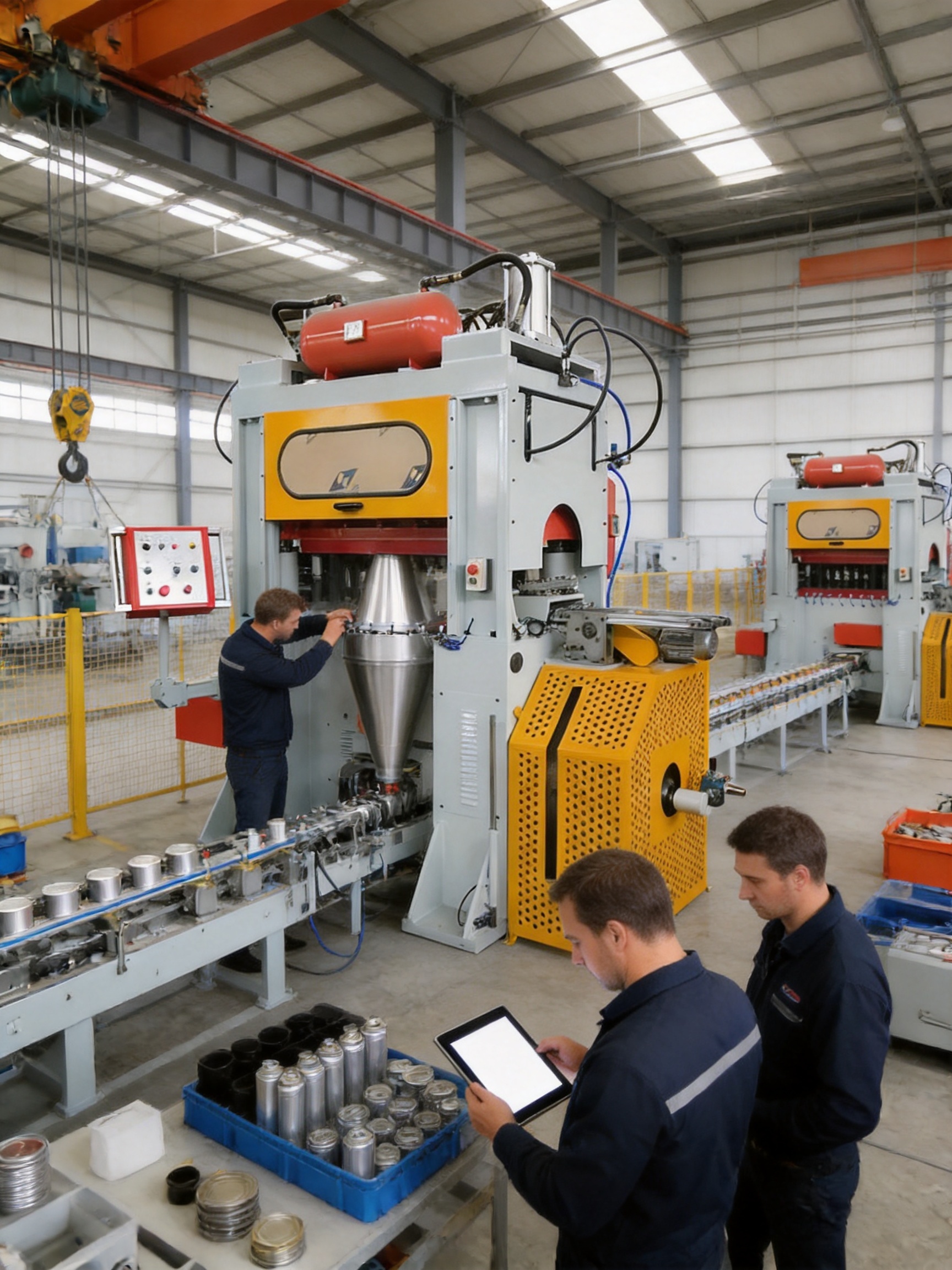
The D109-D211 line is particularly suitable for manufacturers producing aerosol cones and lids within the 45-to-65-millimeter diameter range and using material between 0.17 and 0.40 millimeters in thickness with T3-to-T4 hardness. It is appropriate for factories that require automatic operation and a production rate of up to 240 ends per minute.
The line may be considered by aerosol packaging manufacturers, metal container producers, contract packaging suppliers, and industrial plants expanding their aerosol component capacity. It can also be relevant to companies replacing older forming equipment with a newer two-lane platform.
Customers should review several points before placing an order. These include the exact component drawings, blank dimensions, material coating, required forming sequence, target output, acceptable tolerances, changeover frequency, factory utilities, and integration with upstream and downstream equipment.
Because machine performance depends on the selected tooling and material, customers should provide complete technical information during the quotation and engineering stage. Product samples, drawings, material certificates, and production targets can help the supplier recommend an appropriate die configuration and operating plan.
The manufacturer has supplied can-making equipment to customers in Europe, Asia, Africa, North America, South America, and Oceania. Its reported export experience includes markets such as Germany, Italy, the United Kingdom, Spain, Hungary, Russia, Australia, Jordan, Malaysia, the Philippines, Pakistan, Egypt, Algeria, Turkey, Mexico, Nigeria, and Iran.
International experience can help a machinery supplier understand the importance of documentation, packaging, installation coordination, spare-parts supply, and technical communication. Customers importing industrial equipment must consider not only the machine itself but also shipping protection, customs documentation, local electrical requirements, commissioning schedules, and training arrangements.
The company states that it provides installation, commissioning, technical guidance, operation training, and spare-parts supply. These services are important because the value of a production line is realized only when it is correctly installed, properly adjusted, and operated by trained personnel.
After-sales communication should continue after commissioning. Production conditions may change as customers introduce new materials, increase speed, develop additional component designs, or integrate new automation. Access to engineering and service support can help the customer manage these changes more effectively.
A technical evaluation should begin by confirming that the customer’s aerosol components fall within the stated size and material ranges. The 45-to-65-millimeter diameter range, 0.17-to-0.40-millimeter thickness range, and T3-to-T4 hardness range should be compared with the approved product specifications.
The customer should then review the required output. The stated capacity is 240 epm, but expected real-world output should account for startup, shutdown, inspection, changeovers, maintenance, and scrap. A production calculation based on realistic availability and efficiency will provide a more useful estimate than a theoretical maximum.
Tooling requirements should be reviewed with the supplier’s engineering team. The die quantity, die gap, closed height, forming stages, and component geometry must be compatible. If several products will be made on the same line, the customer should understand the expected changeover time and the tooling needed for each product.
Factory requirements should also be assessed. The customer should prepare sufficient floor space, electrical supply, material storage, lifting access, operator access, maintenance clearance, and finished-product handling capacity. The line should be integrated into a complete production plan rather than treated as an isolated machine.
Finally, the customer should evaluate service arrangements. Installation, commissioning, training, spare parts, warranty terms, documentation, and technical response procedures should be discussed in advance. Clear communication at the project stage can reduce delays during installation and ramp-up.
The line is designed for automatic production of aerosol cones and lids used in metal aerosol packaging. The exact shape and forming sequence depend on the product design and the selected tooling.
The stated output capacity is 240 epm, meaning 240 ends per minute. The line uses two lanes, and actual output will depend on material quality, tooling, setup, operating conditions, inspection, maintenance, and production efficiency.
The specified can size is φ45-65 millimeters. Customers should confirm the exact component drawing and tooling requirements with the supplier before production.
The line has two production lanes. The two-lane configuration allows parallel forming operations and supports the stated output capacity.
The specified iron thickness range is 0.17-0.40 millimeters. Material should also comply with the stated T3-T4 hardness range and should be validated with the selected tooling.
The line is specified for six to nine dies. The final die arrangement should be selected according to the aerosol component shape, material properties, forming sequence, and required production quality.
The line has a 100-millimeter stroke, a maximum stroke rate of 120 strokes per minute, a 110-millimeter die gap, a largest closed height of 400 millimeters, and 22 kW of power.
It can support products within the specified diameter range, provided that the appropriate dies and production settings are used. Customers planning several sizes should discuss tooling changes and changeover requirements with the manufacturer.
The main differences are its two-lane configuration, dedicated aerosol cone and lid application, automatic operation, high stated output, and multi-die forming capacity. These features are intended to support higher and more consistent production than a simpler single-lane or less specialized setup.
The supplier was established in 1978 and specializes in can-making machinery and molds. It reports more than 350 employees, production of more than 10,000 pieces of can and can-lid equipment, CNC machining capability, and experience serving customers in multiple international markets.
The company states that it provides installation, commissioning, technical guidance, operation training, and spare-parts supply. The precise service scope should be confirmed in the equipment quotation and purchase agreement.
The customer should prepare the foundation, electrical supply, production space, material handling area, lifting and access arrangements, safety clearances, and trained personnel. Product drawings and approved material samples should also be available for commissioning.
Stable quality depends on approved raw materials, correct tooling, proper alignment, suitable lubrication, regular maintenance, controlled operating parameters, and systematic inspection. Operators should monitor both machine performance and finished component dimensions.
The 2-lane D109-D211 Aerosol Cone Lid Line is a specialized automatic solution for manufacturers seeking efficient production of aerosol cones and lids. Its two-lane configuration and stated output of 240 epm provide a strong productivity platform, while its 45-to-65-millimeter size range supports several aerosol packaging formats.
The line’s 100-millimeter stroke, 120 spm maximum stroke rate, six-to-nine-die capacity, 110-millimeter die gap, 400-millimeter largest closed height, 0.17-to-0.40-millimeter material range, T3-T4 hardness range, and 22 kW power specification provide a clear technical basis for project evaluation.
Its advantages are strengthened by the supplier’s long-term focus on can-making machinery and molds. More than four decades of experience, CNC high-precision machining, formal quality and environmental management systems, a substantial engineering workforce, and an international customer base provide important support for customers investing in specialized metal packaging equipment.
Compared with less specialized equipment, the line offers a combination of automatic operation, parallel production, defined aerosol application, multi-die forming capability, and integrated machinery-and-tooling expertise. For manufacturers whose products and materials match the specified operating range, it can provide a practical foundation for efficient, repeatable, and scalable aerosol component production.
1. Manufacturer-provided product specifications for the D109-D211 Aerosol Cone Lid Line.
2. Manufacturer-provided company profile and corporate history.
3. General principles of sheet-metal forming and progressive die design.
4. Industrial guidance on tinplate material selection, hardness, thickness, and forming behavior.
5. Quality management principles associated with ISO 9001.
6. Environmental management principles associated with ISO 14001.
7. General maintenance and commissioning practices for automatic metal packaging machinery.
Related Products

Founded in 1978, the company is one of the largest can-making machinery well-known companies at home and abroad.
Product Categories
Contact Information
Zhongshatou Shenjiamen Zhoushan Zhejiang China
+86-580-3056646

 English
 中文简体
 русский
 عربى
 Español