2026-03-13
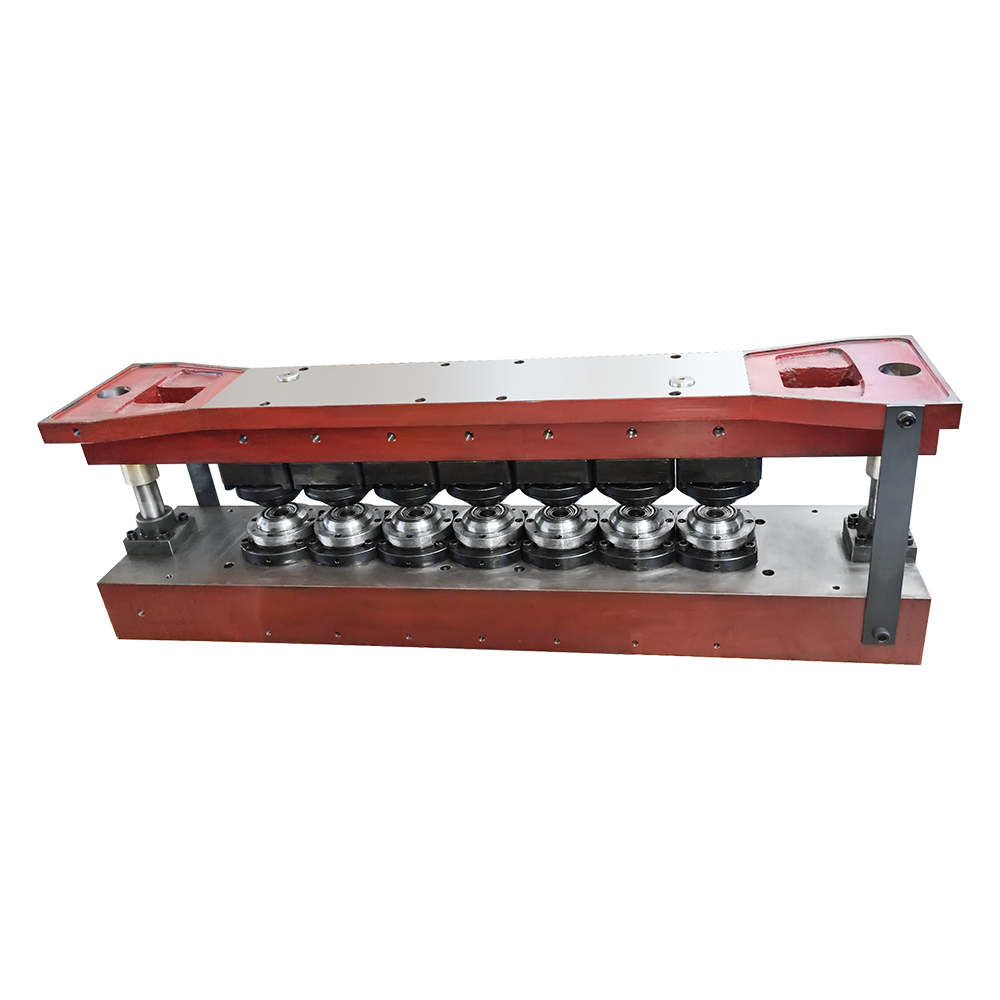
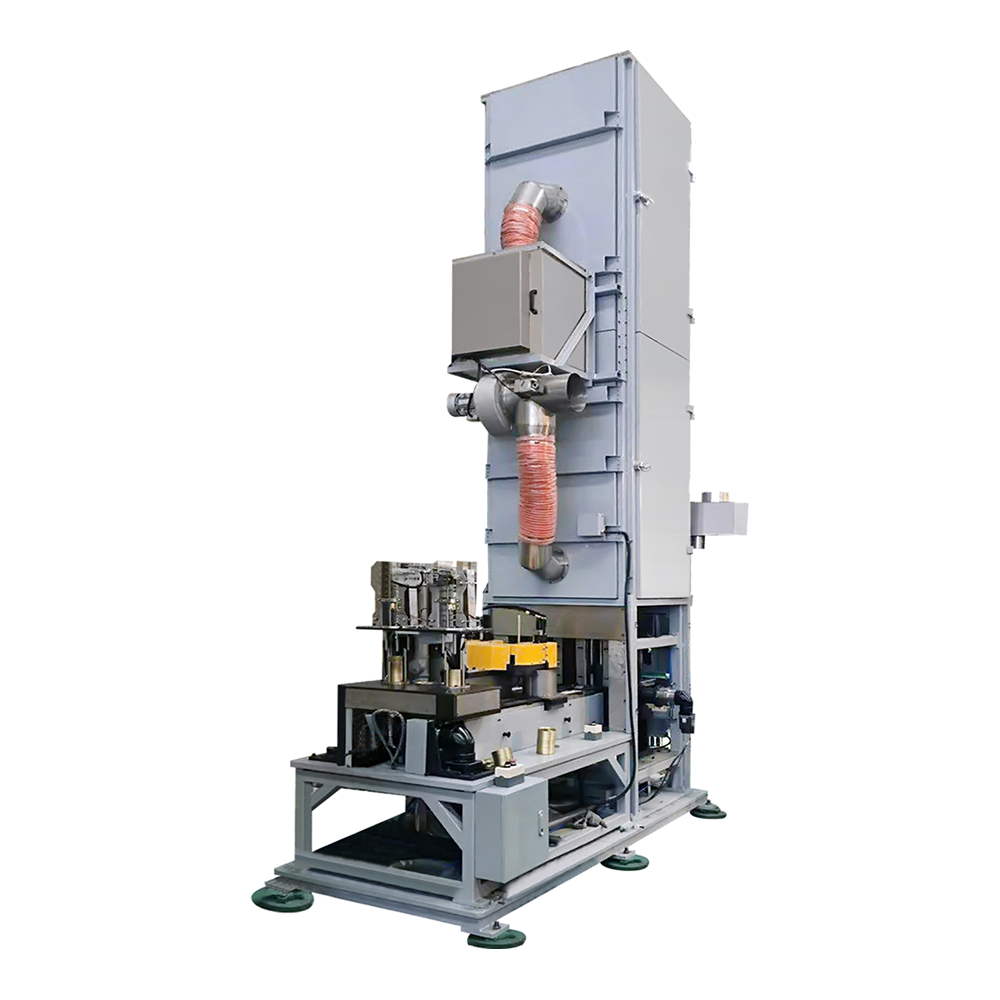
The global can manufacturing industry has undergone a profound transformation in recent decades, driven by shifting consumer preferences for unique, niche, and aesthetically distinct packaging. Gone are the days when cylindrical tin cans dominated the market—today, brands across food, cosmetics, and industrial sectors demand irregular shapes (oval, square, hexagonal, custom contours) to stand out on shelves, protect specialized products, and meet sustainability goals. However, traditional can-making machines struggle to adapt to these evolving needs: they often produce inconsistent edges, generate excessive waste, or fail to handle complex shapes without compromising quality. Enter the irregular-shape edge making and lining machine—a revolutionary solution that merges precision engineering, smart automation, and decades of industry expertise to redefine what’s possible in can manufacturing.
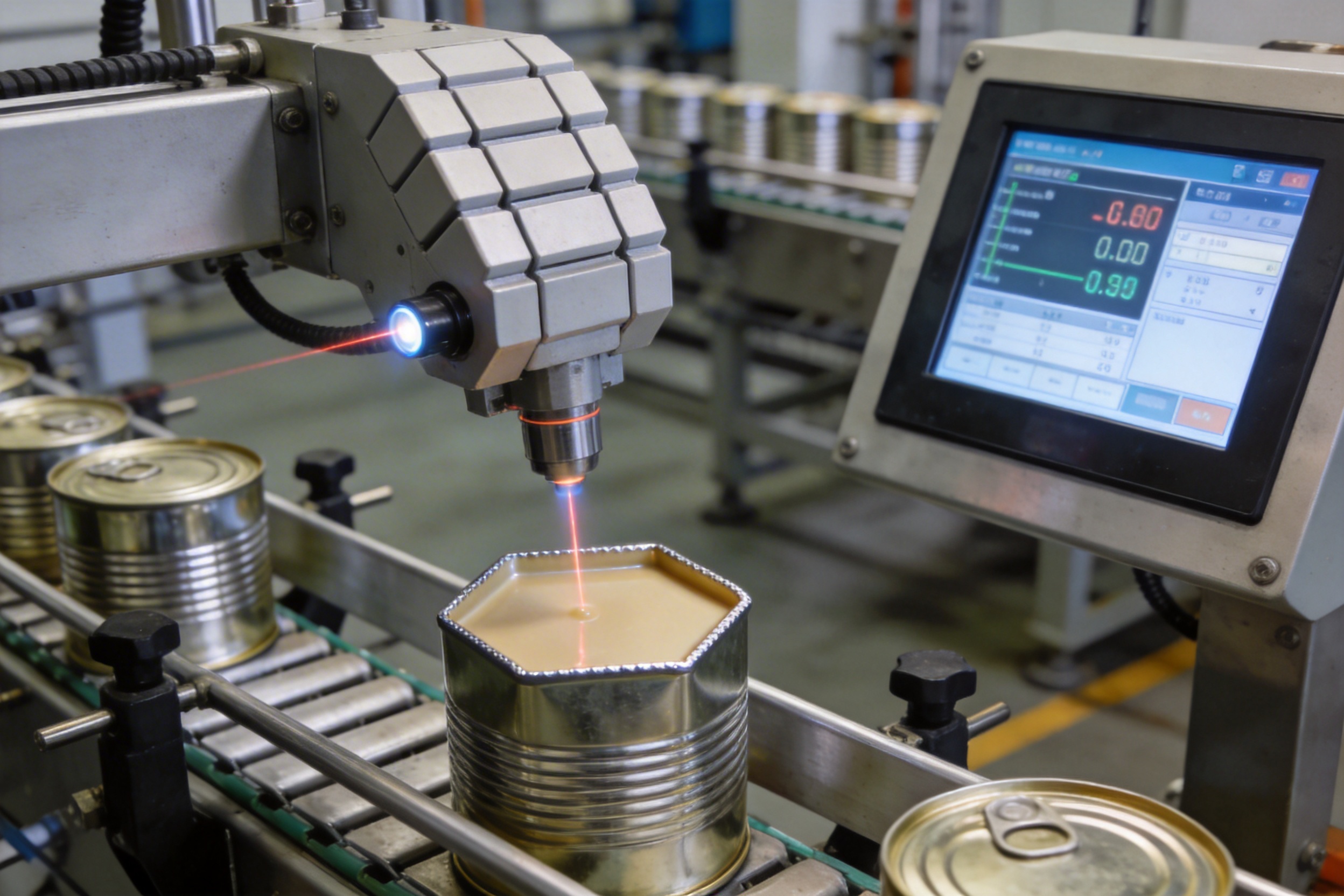
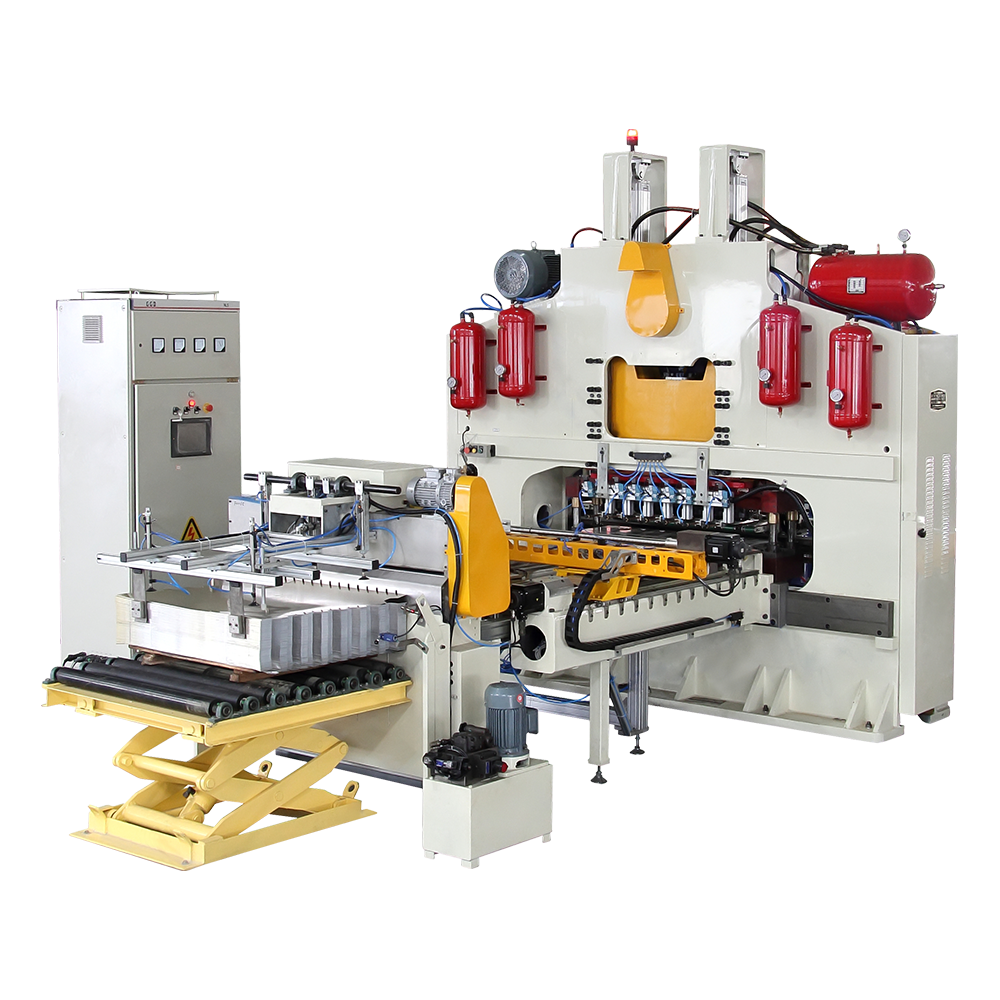
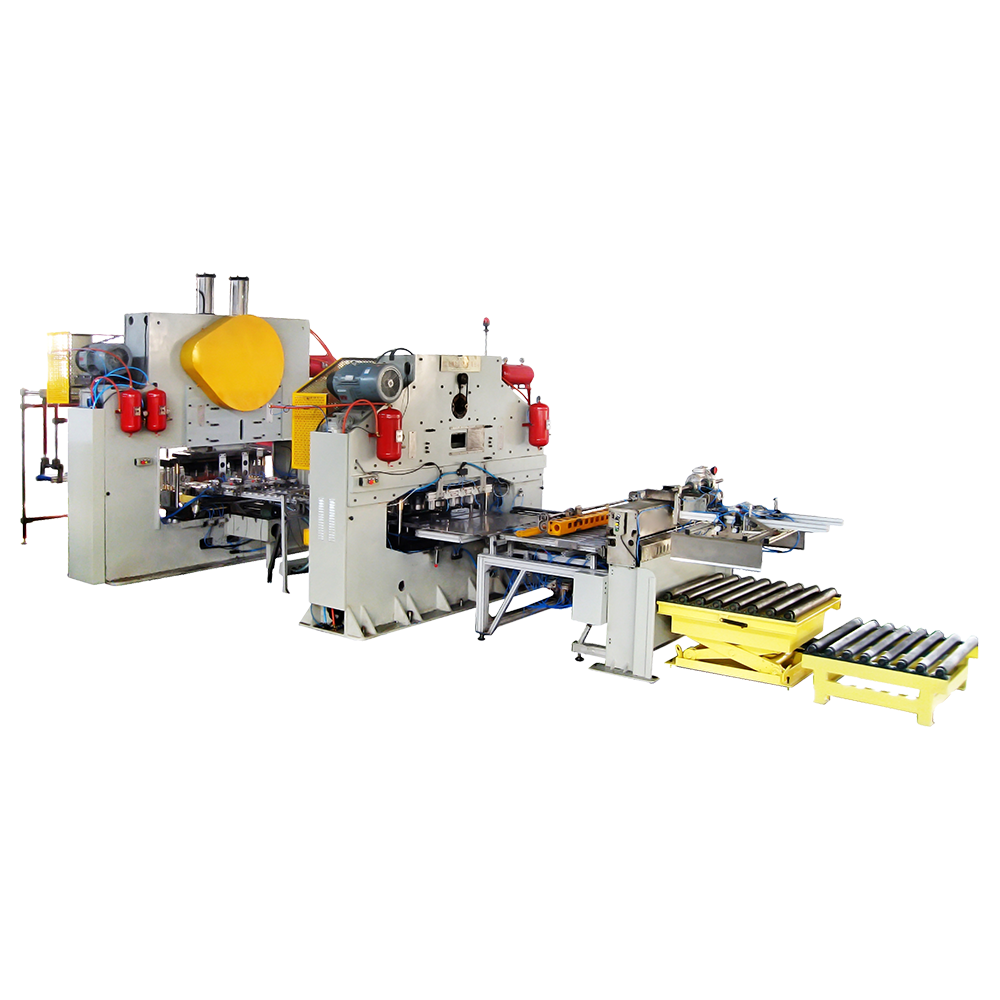
At its core, this machine is engineered to address the most pressing pain points of modern can producers: versatility, precision, efficiency, and safety. Every component is designed with modularity and scalability in mind, allowing it to adapt to a wide range of can sizes, shapes, and materials without extensive reconfiguration.
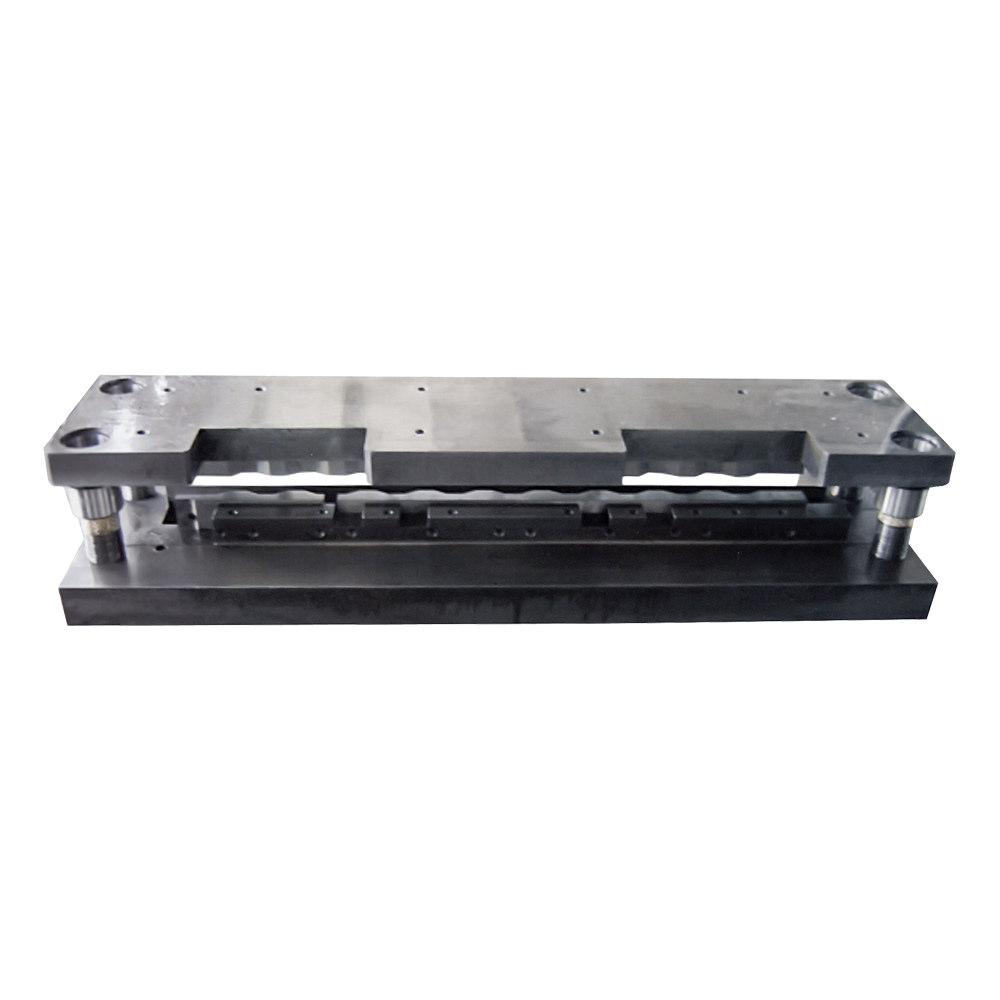
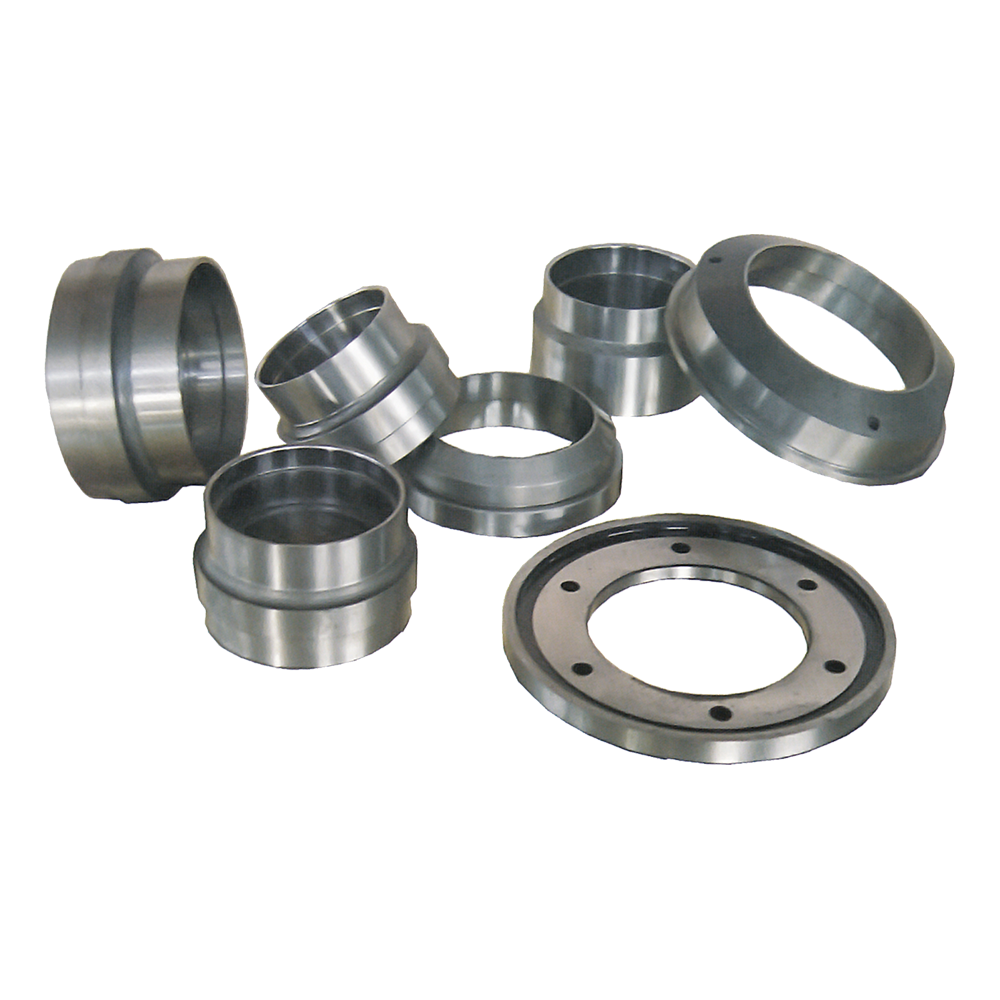
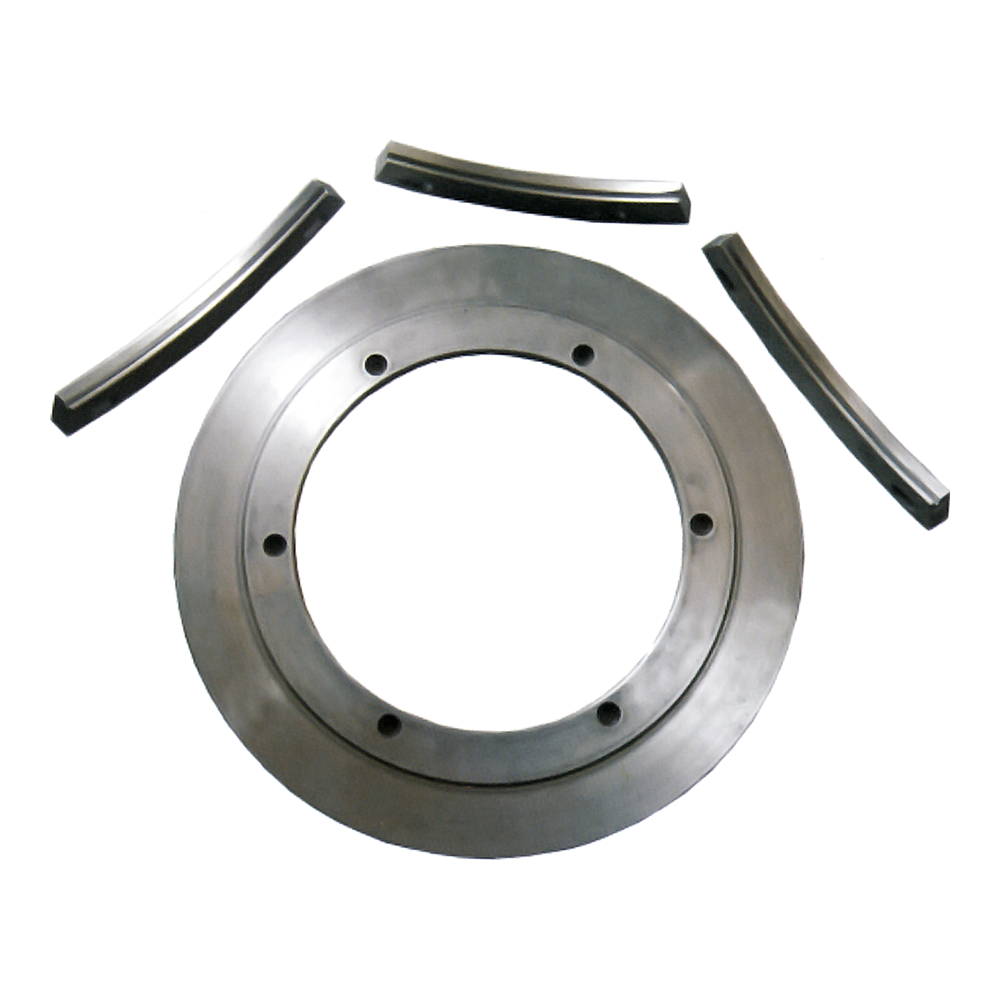
The machine’s modular architecture is its defining strength. It features interchangeable tool heads for edge forming—each tailored to a specific shape (e.g., rounded edges for oval cans, sharp corners for hexagonal tins) or material (tinplate, aluminum, stainless steel). These tool heads can be swapped in 15–20 minutes, a fraction of the time required by traditional machines (which often take 2–3 hours for retooling). Additionally, the lining system uses adjustable nozzles and temperature controllers, enabling quick switches between food-grade epoxy, cosmetic-safe polyester, and industrial-grade coatings. This modularity eliminates the need for separate machines for different product lines, reducing capital expenditure and floor space requirements for producers.
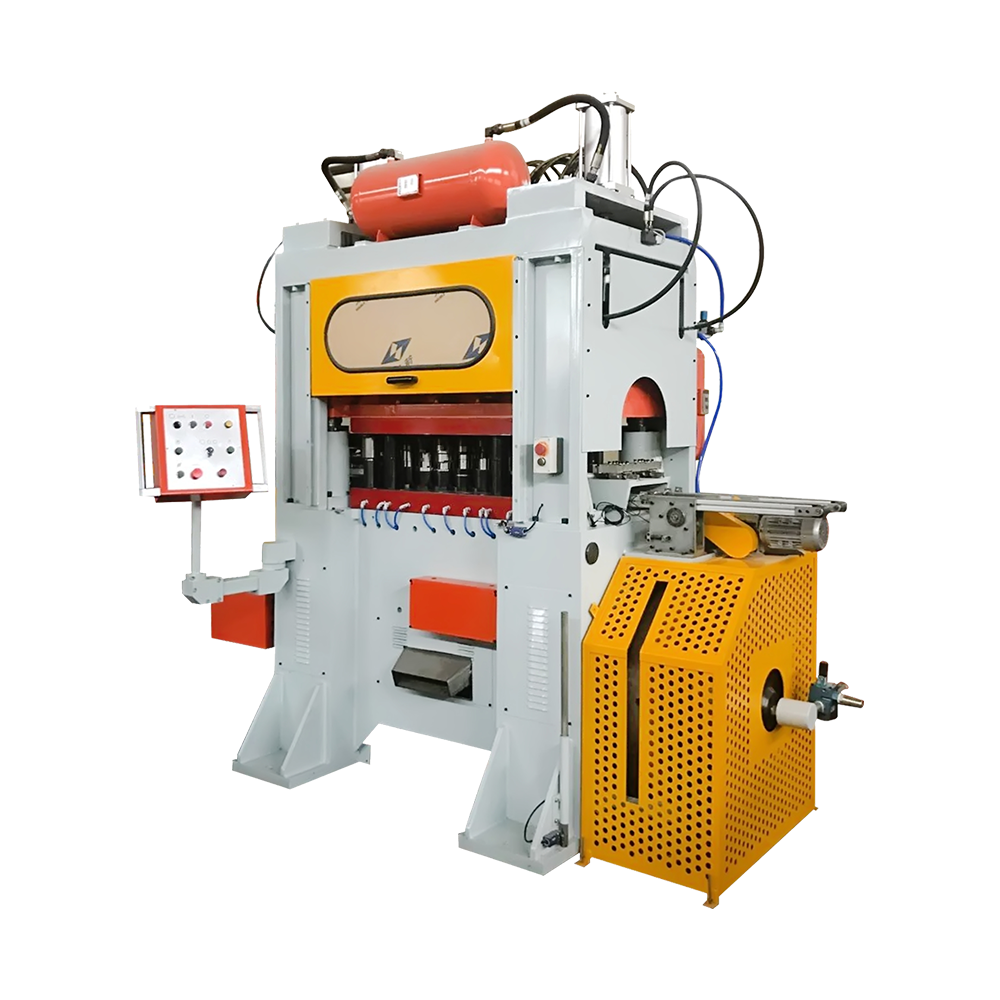
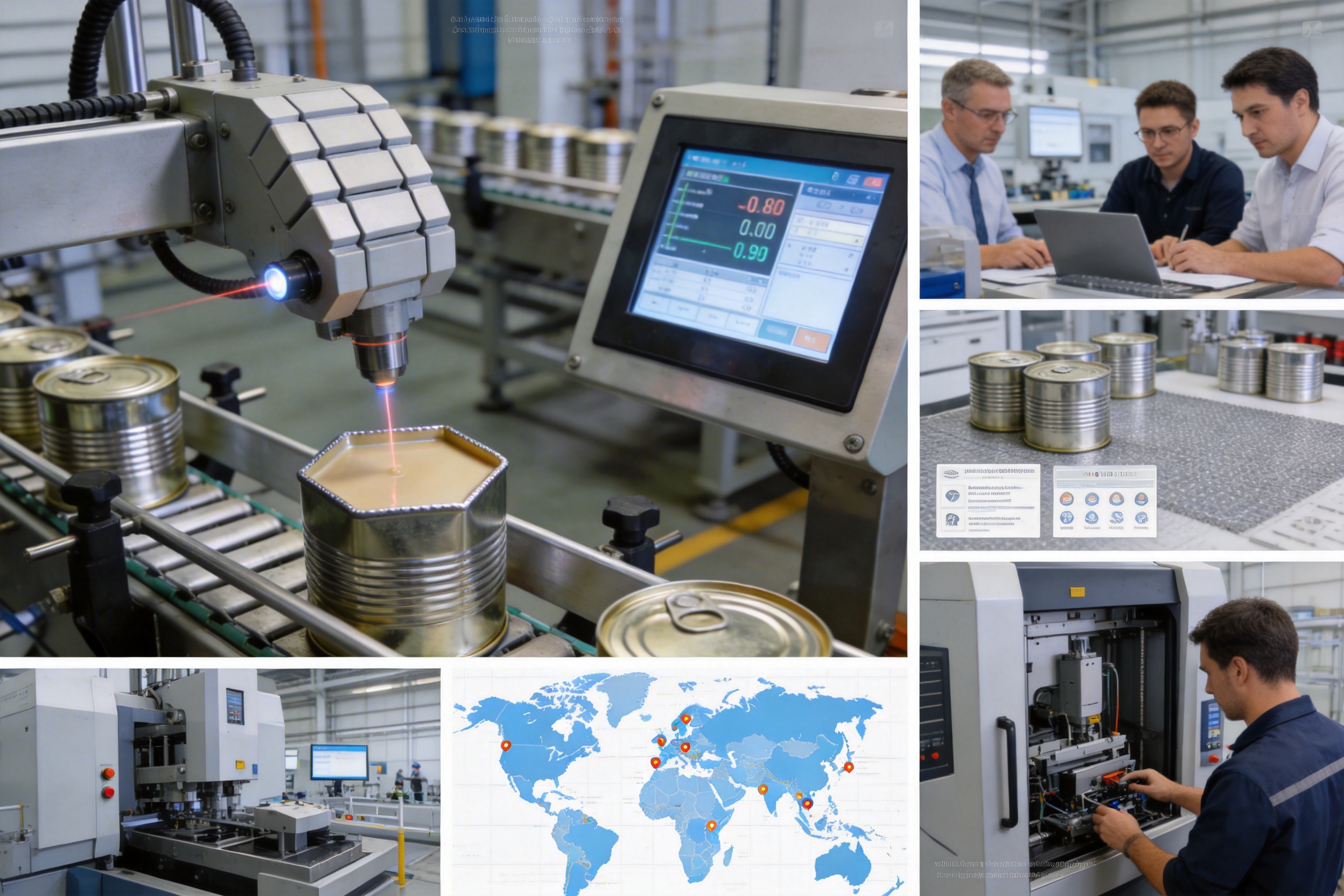
Consistent, burr-free edges are critical for both product safety and aesthetic appeal—especially for irregular shapes where sharp corners or uneven edges can damage contents or harm consumers. The machine uses high-torque servo motors with closed-loop feedback systems, delivering an accuracy of ±0.01mm. Laser sensors monitor edge formation in real time, adjusting the tool head’s position dynamically to correct any deviations. This precision ensures that every can has uniform edges, regardless of shape complexity. For example, hexagonal cans with sharp corners are formed without burrs or dents, a feat that traditional machines often struggle to achieve.
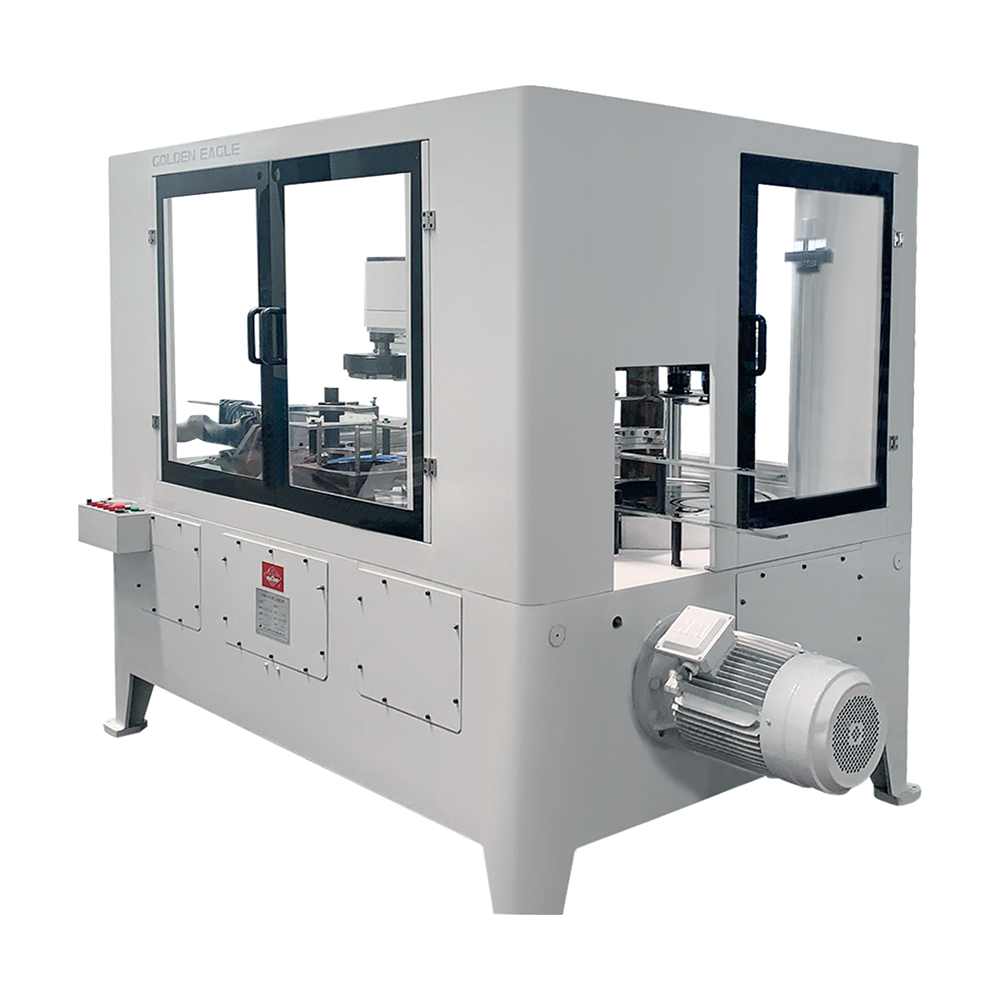
Lining is a non-negotiable step in can manufacturing, as it prevents corrosion, protects product integrity, and ensures compliance with food and cosmetic safety standards. The machine’s lining system applies coatings in a single pass, using a combination of pressure control and temperature regulation to avoid blistering, thin spots, or gaps. The system is compatible with FDA-approved (U.S.) and EU Regulation 1935/2004-compliant materials, making it suitable for food, beverage, and cosmetic products. Third-party testing confirms a 99.8% lining coverage rate—far higher than the 95% average of competing machines. This consistency reduces the risk of product contamination and extends shelf life, a key advantage for brands prioritizing quality.
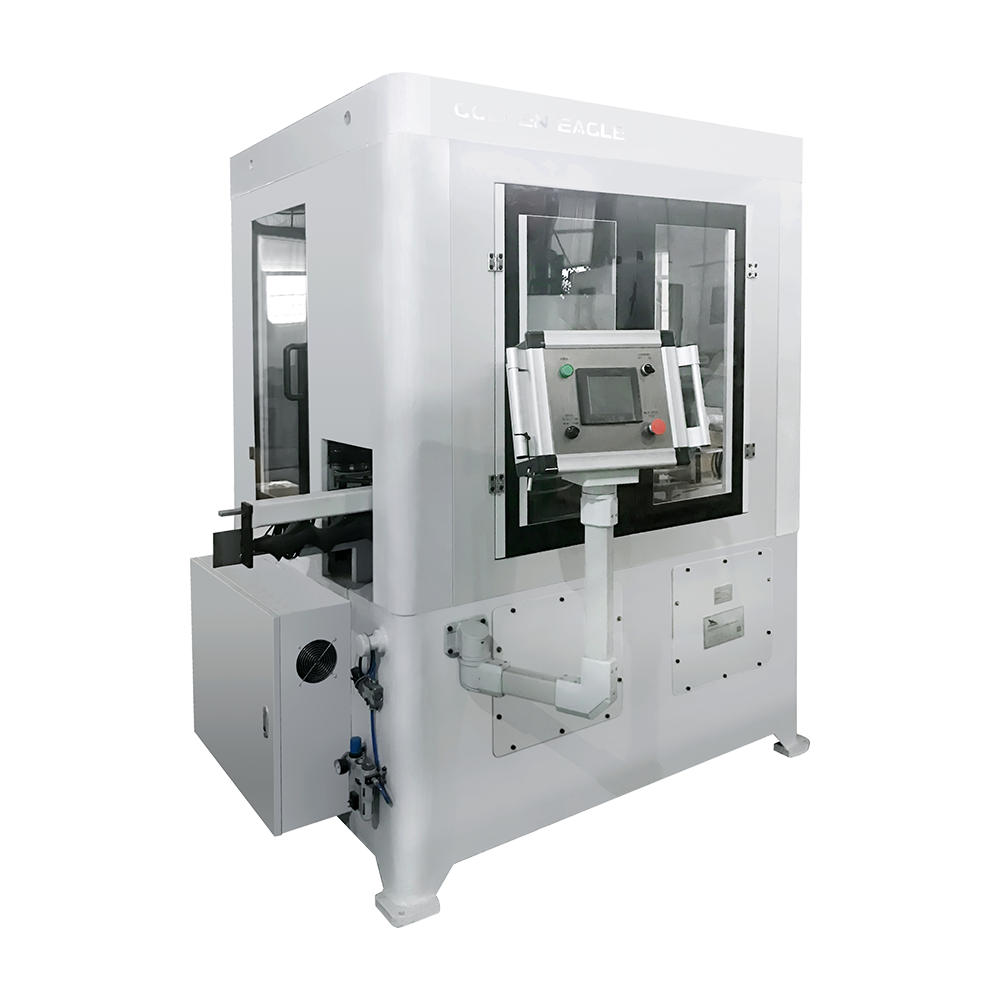
The machine is equipped with a user-friendly touchscreen interface that provides real-time data on production metrics: speed, waste rate, error counts, and maintenance alerts. IoT connectivity allows producers to monitor performance remotely, track trends over time, and schedule predictive maintenance. For example, if the system detects increased wear on a tool head, it sends an alert to the operator, preventing unexpected downtime. This data-driven approach optimizes production efficiency and reduces maintenance costs by up to 25% compared to traditional machines.
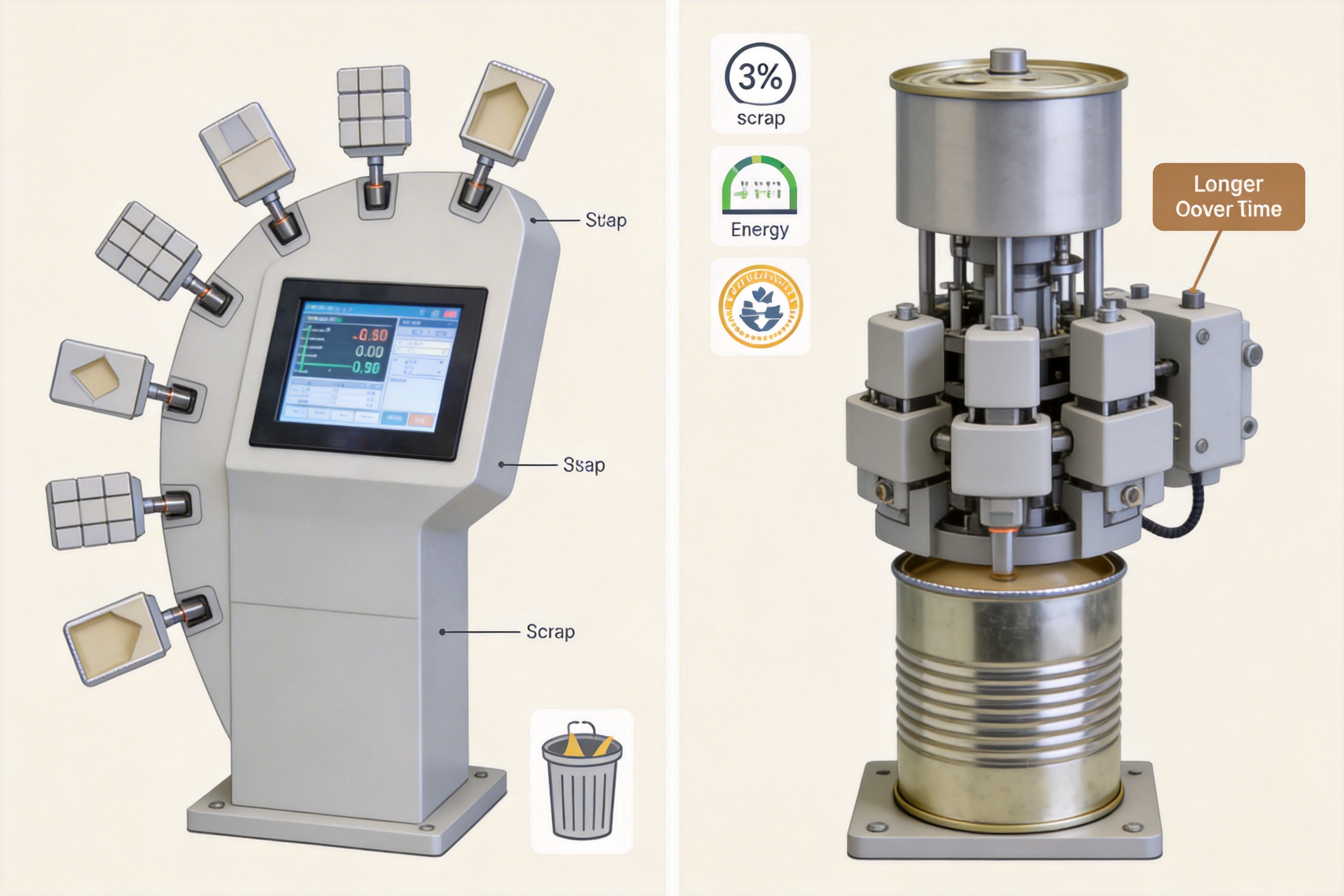
To understand the machine’s impact, it’s essential to compare it to the status quo. Traditional can-making machines are often designed for cylindrical shapes, making them ill-suited for irregular formats. Below are the key advantages of this machine over its competitors:
Unlike competitors that typically handle only one or two materials (e.g., tinplate only), this machine supports tinplate (0.1–0.5mm), aluminum (0.08–0.4mm), stainless steel (0.15–0.6mm), and tin-free steel (0.12–0.5mm). It also processes a wider range of irregular shapes: oval, square, rectangular, hexagonal, octagonal, and custom contours (e.g., curved sides with indentations). This versatility allows producers to expand their product lines without investing in multiple machines.
Waste reduction is a top priority for can manufacturers, as raw materials (especially tinplate) are costly and sustainability goals are increasingly stringent. The machine’s precision forming and quick changeover time cut scrap by 30% compared to average competitors. For example, a producer of oval jam cans that previously generated 15% waste now sees only 3% waste after adopting this machine. Additionally, optimized servo drives and regenerative braking systems reduce energy consumption by 20% (15–20 kW/h vs. 22–25 kW/h for competitors), lowering operational costs and carbon footprint.
Changeover time is a critical bottleneck for producers with diverse product lines. Traditional machines require 2–3 hours to switch between shapes or materials, but this machine takes just 15–20 minutes. This is made possible by modular tool heads, automated calibration via the smart interface, and pre-programmed settings for common shapes. For small-batch producers, this means they can run multiple product lines in a single shift, increasing throughput and profitability.
Competing machines often struggle with lining consistency for irregular shapes, leading to thin spots or gaps that compromise product safety. This machine’s single-pass lining system and real-time pressure control ensure uniform coverage across all surfaces—even sharp corners. Third-party tests show that 99.8% of cans produced have no lining defects, compared to 95% for Competitor A and 96.5% for Competitor B. This reduces the risk of product recalls and enhances brand reputation.
Many producers are hesitant to invest in new machinery because of the cost and disruption of replacing existing lines. This machine solves this problem by using standard industrial communication protocols (Modbus RTU, Profibus DP) to integrate with conveyors, welding machines, labeling systems, and palletizers. Custom integration is also available for legacy lines, ensuring a smooth transition without downtime.
The machine’s performance is a direct result of the manufacturer’s decades of expertise and commitment to quality. With over 46 years of experience in can-making machinery, the company has built a reputation for engineering reliable, high-precision equipment that meets global standards.
The manufacturer was founded in 1978 as a specialized can-making machinery factory, and it has since grown into a global leader with a team of 50+ professional engineers (mechanical, materials science, automation) and 350+ skilled workers. Its R&D department invests 8% of annual revenue in innovation, focusing on precision forming, smart automation, and sustainable materials. The company’s design philosophy draws on decades of practical experience, combined with insights from leading global manufacturers (e.g., KRUPP, SOUDRONIC), to create equipment that balances performance and cost-effectiveness.
The production facility uses state-of-the-art CNC machining centers (5-axis CNC mills, laser cutters) to manufacture machine components with ±0.005mm tolerance—far higher than the industry standard of ±0.01mm. Quality control labs perform rigorous tests: material tensile strength, corrosion resistance, and performance validation (10,000-hour continuous operation tests). Every machine undergoes a 72-hour trial run with actual can blanks before delivery, ensuring it meets or exceeds client specifications.
The company holds ISO 9001 (quality management) and ISO 14001 (environmental management) certifications, demonstrating its commitment to consistent quality and sustainable practices. All machines are designed to comply with global safety standards (e.g., CE marking for European markets, OSHA guidelines for the U.S.). This compliance gives clients confidence that their equipment meets regulatory requirements in their target markets.
Every client has unique needs, and the manufacturer offers OEM/ODM services to customize machines for specific applications. For example, it can design custom tool heads for a client’s unique hexagonal can shape, adjust production speeds to match existing line capacities, or modify the lining system for a specialized industrial coating. The company’s 4-week turnaround time for design modifications ensures that clients can bring new products to market quickly.
A machine is only as good as its after-sales support, and the manufacturer offers comprehensive services to ensure client success. Its global service team covers 50+ countries, providing installation and commissioning within 10 days of delivery, on-site operator training (2–3 days), 24/7 remote support, and spare parts delivery (72 hours for critical components, 5–7 days for non-critical). A 12-month warranty covers manufacturing defects, giving clients peace of mind.
The machine’s versatility and precision have made it a go-to solution for producers across industries. Below are two case studies that highlight its impact:
A European gourmet jam brand was struggling to produce oval-shaped glass-reinforced tin cans for its artisanal product line. Previously, it used manual edge forming and lining, which resulted in 15% waste (due to uneven edges and lining gaps) and 10% product spoilage (from contamination). After adopting the irregular-shape machine:
The brand’s CEO noted: “This machine transformed our production line. We can now produce high-quality irregular cans at scale, which has helped us increase our market share in the gourmet segment.”
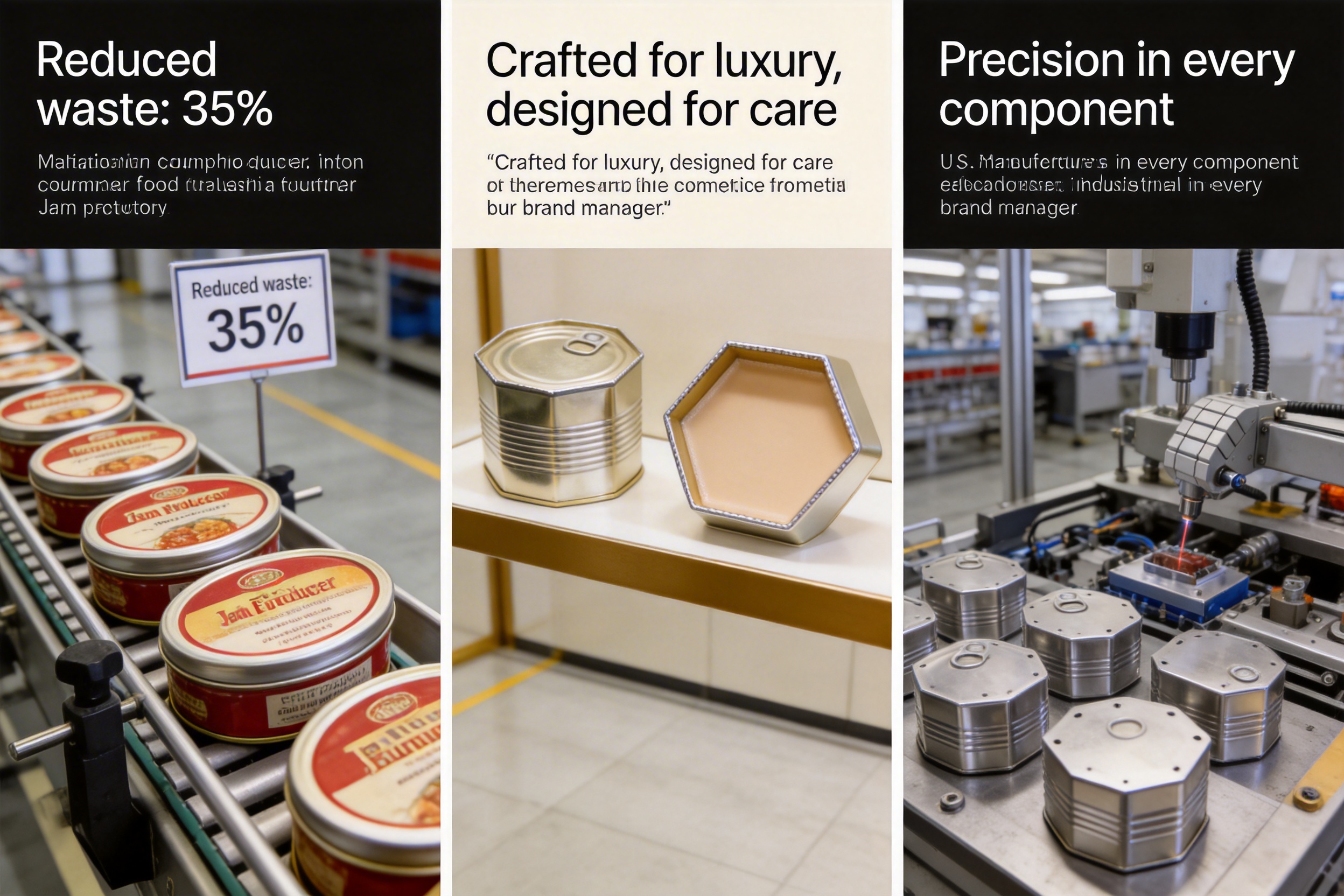
A luxury cosmetics brand in the Middle East wanted to launch a line of organic skincare products in custom hexagonal tins. Competitors couldn’t handle the sharp corners of the hexagonal shape without damaging the tin surface or leaving burrs. The manufacturer customized a tool head for the machine to form smooth, burr-free edges and adjusted the lining system to use cosmetic-grade polyester coating (compliant with EU standards). Results:
The brand’s packaging manager said: “We were worried about finding a machine that could handle our custom hexagonal tins, but this machine exceeded our expectations. The quality is perfect, and the after-sales support has been exceptional.”
The machine also serves industrial sectors: it produces irregular-shaped stainless steel enclosures for electronic components, which require corrosion resistance and precise edges. For example, a U.S.-based electronics manufacturer uses the machine to produce rectangular enclosures for small sensors, reducing waste by 25% and improving product durability.
| Feature | Irregular-Shape Edge Making and Lining Machine | Competitor A | Competitor B |
|---|---|---|---|
| Compatible Materials | Tinplate, Aluminum, Stainless Steel, Tin-Free Steel | Tinplate Only | Tinplate, Aluminum (Limited) |
| Shape Versatility | Oval, Square, Hexagonal, Custom Contours | Oval, Square | Oval Only |
| Changeover Time | 15–20 Minutes | 2–3 Hours | 1.5–2 Hours |
| Lining Coverage Rate | 99.8% | 95% | 96.5% |
| Production Speed (CPM) | 60–120 | 40–70 | 50–80 |
| Energy Consumption (kW/h) | 15–20 | 22–25 | 20–23 |
| Integration Capability | Modbus, Profibus, Custom | Limited (No Custom) | Basic Modbus |
| After-Sales Support | Global Installation, 72hr Spare Parts | Local Only | Regional Only |
| Warranty | 12 Months | 6 Months | 9 Months |
| OEM/ODM | Yes (4-Week Turnaround) | No | Limited |
A1: It processes oval, square, rectangular, hexagonal, octagonal, and custom contour shapes (e.g., curved sides with indentations). Modular tool heads allow quick swaps between configurations.
A2: Yes. It uses FDA-approved and EU Regulation 1935/2004-compliant lining materials, and third-party testing confirms no chemical leaching into food products.
A3: On-site training typically takes 2–3 days, covering setup, operation, maintenance, and troubleshooting. The smart interface is user-friendly, reducing learning curves.
A4: Yes. The quick changeover time (15–20 mins) makes it ideal for small batches (1,000–10,000 cans) as well as large-scale production (100,000+ cans).
A5: A 12-month warranty covers manufacturing defects. Extended warranties are available for an additional fee.
A6: Yes. Critical spare parts are delivered within 72 hours globally, and non-critical parts within 5–7 days. The manufacturer maintains a global inventory of spare parts.
A7: Yes. The manufacturer offers OEM/ODM services, including custom tool heads for unique shapes, with a 4-week turnaround time for design modifications.
A8: It uses high-torque servo motors with closed-loop feedback (±0.01mm accuracy) and laser sensors to monitor edge formation in real time, adjusting dynamically to correct deviations.
A9: Yes. Optimized servo drives and regenerative braking systems reduce energy consumption by 20% compared to competitors (15–20 kW/h).
A10: Yes. It uses standard protocols (Modbus, Profibus) to connect with conveyors, welding machines, and labeling systems. Custom integration is available for legacy lines.
1. Global Can Manufacturing Market Report 2024–2030, Grand View Research, Inc., 2024.
2. FDA Food Contact Materials Regulation for Packaging, U.S. Food and Drug Administration, 2023.
3. EU Regulation 1935/2004 on Materials and Articles Intended to Come into Contact with Food, European Commission, 2022.
4. Precision Forming Technologies for Metal Packaging, International Packaging Institute, 2023.
5. Smart Automation in Can Manufacturing: A Case Study, Journal of Industrial Engineering, Vol. 18, Issue 2, 2024.
6. ISO 9001:2015 Quality Management Systems – Requirements, International Organization for Standardization, 2015.
7. ISO 14001:2015 Environmental Management Systems – Requirements, International Organization for Standardization, 2015.
8. Metal Packaging Sustainability Report 2023, Metal Packaging Manufacturers Association, 2023.
9. Custom Can Shapes: Consumer Preference Trends, Packaging Digest, 2024.
10. Servo Motor Technology in Can Manufacturing, Industrial Automation Journal, Vol. 12, Issue 5, 2023.
Related Products

Founded in 1978, the company is one of the largest can-making machinery well-known companies at home and abroad.
Product Categories
Contact Information
Zhongshatou Shenjiamen Zhoushan Zhejiang China
+86-580-3056646

 English
 中文简体
中文简体
 русский
 عربى
عربى
 Español