2026-03-01
The global can manufacturing industry is undergoing rapid transformation, driven by increasing demand for sustainable, high-quality packaging solutions. At the heart of this evolution lies advanced machinery that ensures precision, speed, and cost-effectiveness. Among the cutting-edge equipment shaping the future of can production is the GT10A8 Automatic Compound Cutting Machine—a device designed to address the most pressing challenges in metal sheet slitting for food and beverage can manufacturing. This article explores the GT10A8’s core features, its competitive advantages over alternative solutions, the advanced manufacturing processes behind its production, and the industry-leading support that accompanies it.
Slitting metal sheets into precise canbody blanks is a critical step in can manufacturing. Any inconsistency in this process can lead to downstream issues—from welding defects to uneven can formation—resulting in wasted materials and reduced productivity. The GT10A8 was engineered to eliminate these inefficiencies, providing a reliable, automatic solution for single slitting operations tailored to food can production.
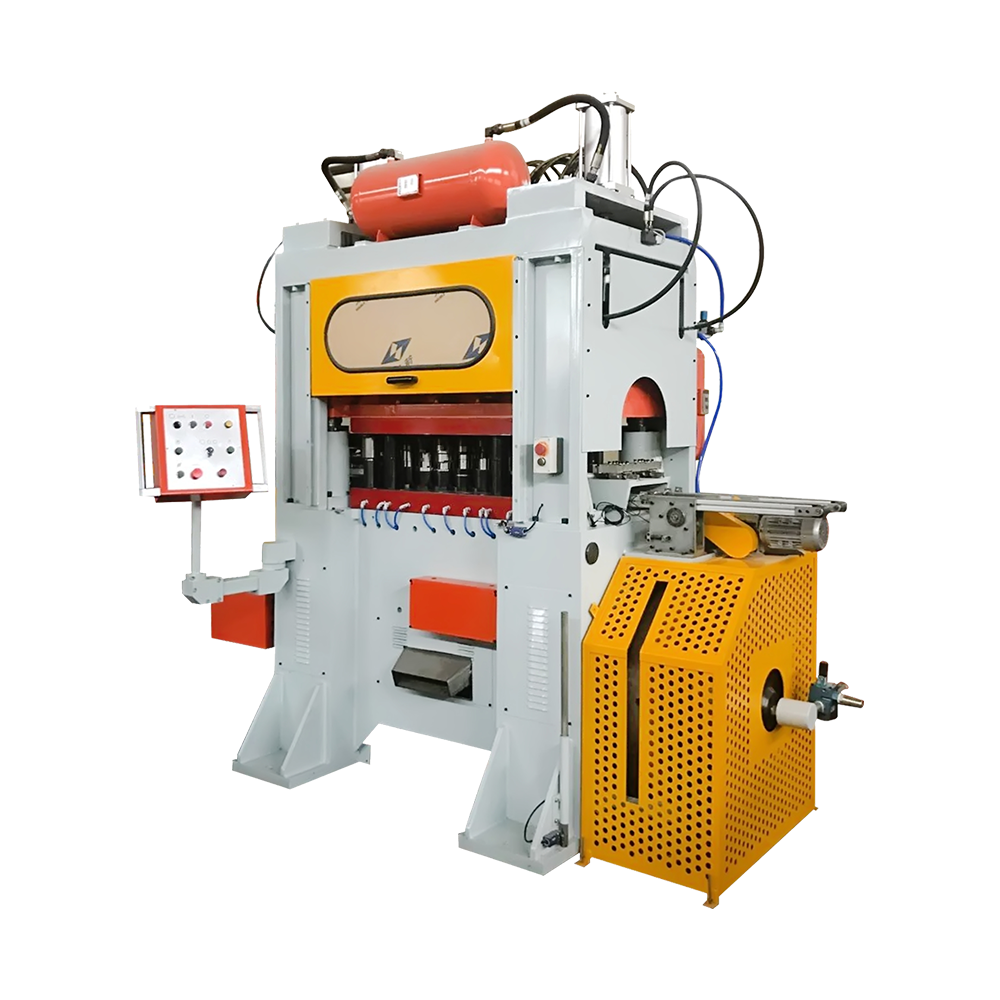
The GT10A8 is specifically designed for single slitting of metal sheets used in food can manufacturing. Its primary function is to cut large metal sheets into smaller, uniform blanks that are then formed into can bodies. This machine caters to a wide range of can sizes, making it a versatile addition to production lines that produce everything from small food cans (e.g., tuna, soup) to larger beverage containers (e.g., soda, beer). Unlike manual or semi-automatic slitting machines, the GT10A8 operates with minimal human intervention, reducing the risk of human error and increasing overall output.
The slitting process is the first step in converting raw metal sheets into usable can components. A single error in this step can lead to a chain of defects: for instance, a blank that is too narrow will cause the can body to be misshapen during forming, while a blank with burrs will result in leaks during the sealing process. These defects not only waste raw materials but also reduce the overall efficiency of the production line. The GT10A8 addresses these issues by providing consistent, precise cuts every time, ensuring that downstream processes run smoothly.
The GT10A8’s design incorporates several innovative features that set it apart from conventional slitting equipment. These features are focused on enhancing precision, durability, and ease of use.
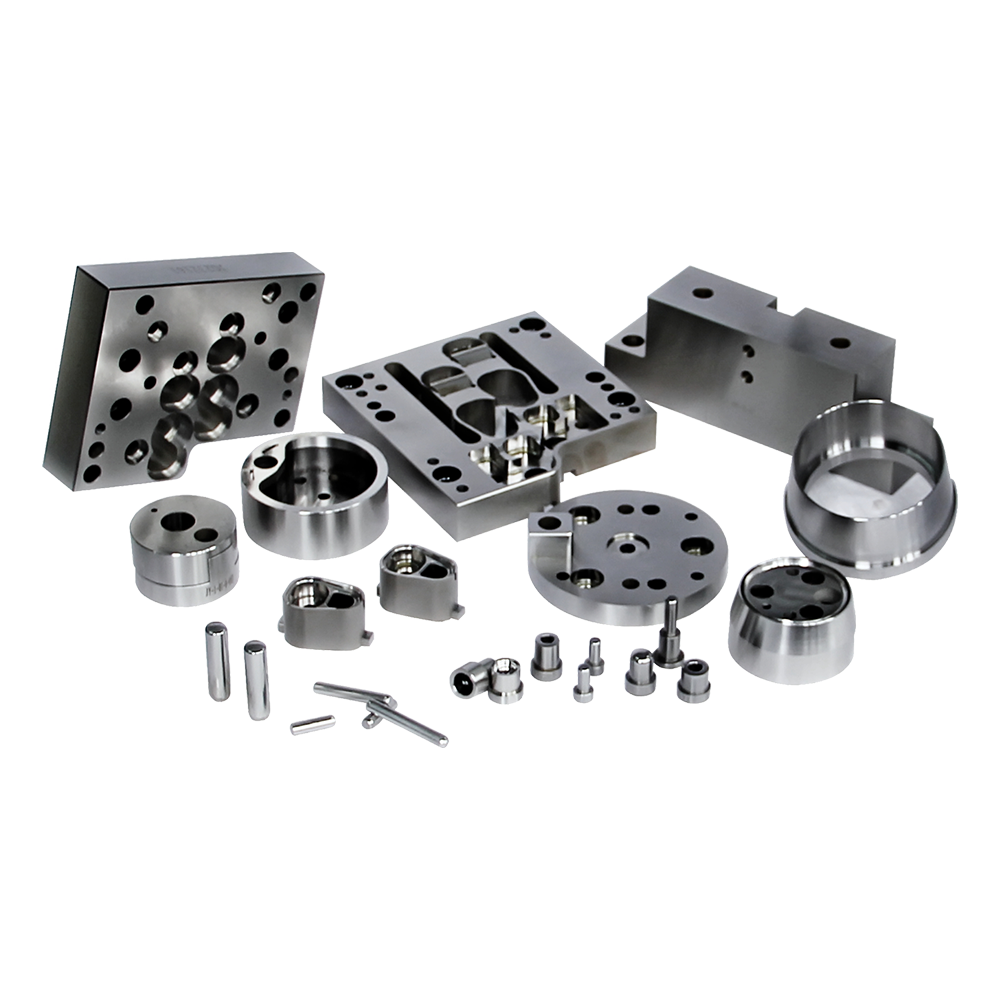
One of the most critical components of the GT10A8 is its circular cutting knives, which are manufactured from high-grade alloy steel. This material choice is intentional: alloy steel offers superior hardness (HRC 62-65) and wear resistance compared to standard carbon steel (HRC 50-55), which is commonly used in competitor machines. The alloy steel knives maintain their sharpness for longer periods, reducing the frequency of replacements and minimizing downtime.
Additionally, the precision grinding of these knives ensures clean, burr-free cuts—an essential requirement for canbody blanks, as burrs can cause leaks or structural weaknesses in the final product. Competitor machines often produce burrs due to dull knives or imprecise grinding, which require additional deburring steps and increase production time. The GT10A8 eliminates this need, streamlining the production process and reducing costs.
The GT10A8 is fully automatic, meaning it can handle sheet feeding, cutting, and unloading without manual intervention. This automation is powered by a sophisticated PLC (Programmable Logic Controller) system that allows operators to set parameters (such as sheet size, cutting speed, and number of cuts) with high accuracy. The machine’s touchscreen interface is intuitive and user-friendly, requiring minimal training for operators to master.
The machine’s flexibility is another standout feature: it supports various can sizes, making it suitable for production lines that need to switch between different product lines quickly. This adaptability is made possible by its adjustable cutting parameters and modular design, which allows operators to switch between sizes in less than 10 minutes. For example, a manufacturer producing both 12oz soda cans and 16oz soup cans can use the same GT10A8 machine, reducing the need for multiple specialized machines and saving space and capital.
The GT10A8’s performance metrics are designed to meet the demands of high-volume can production. With a maximum cutting speed of 1330 mm per second and an output capacity of up to 40 sheets per minute, it can process large quantities of metal sheets efficiently. Its ability to handle sheets up to 1140 x 1140 mm in width and 0.4 mm in thickness makes it compatible with a wide range of raw materials used in can manufacturing (e.g., tinplate, aluminum).
These metrics translate to tangible benefits for manufacturers: higher productivity, reduced labor costs, and faster time-to-market for their products. For example, a production line using the GT10A8 can process 24,000 sheets in an 8-hour shift, compared to 16,000-18,000 sheets with a competitor machine. This increased output directly impacts a company’s bottom line by increasing revenue and reducing per-unit production costs.
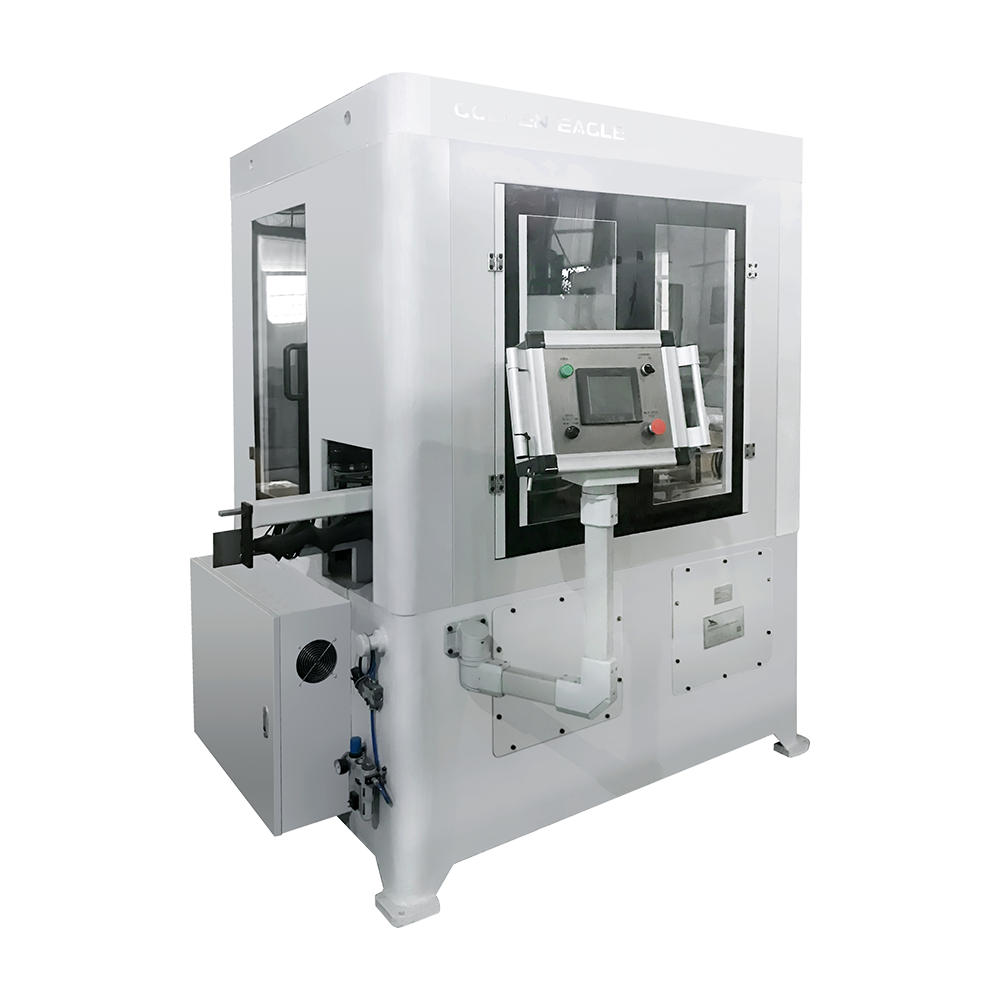
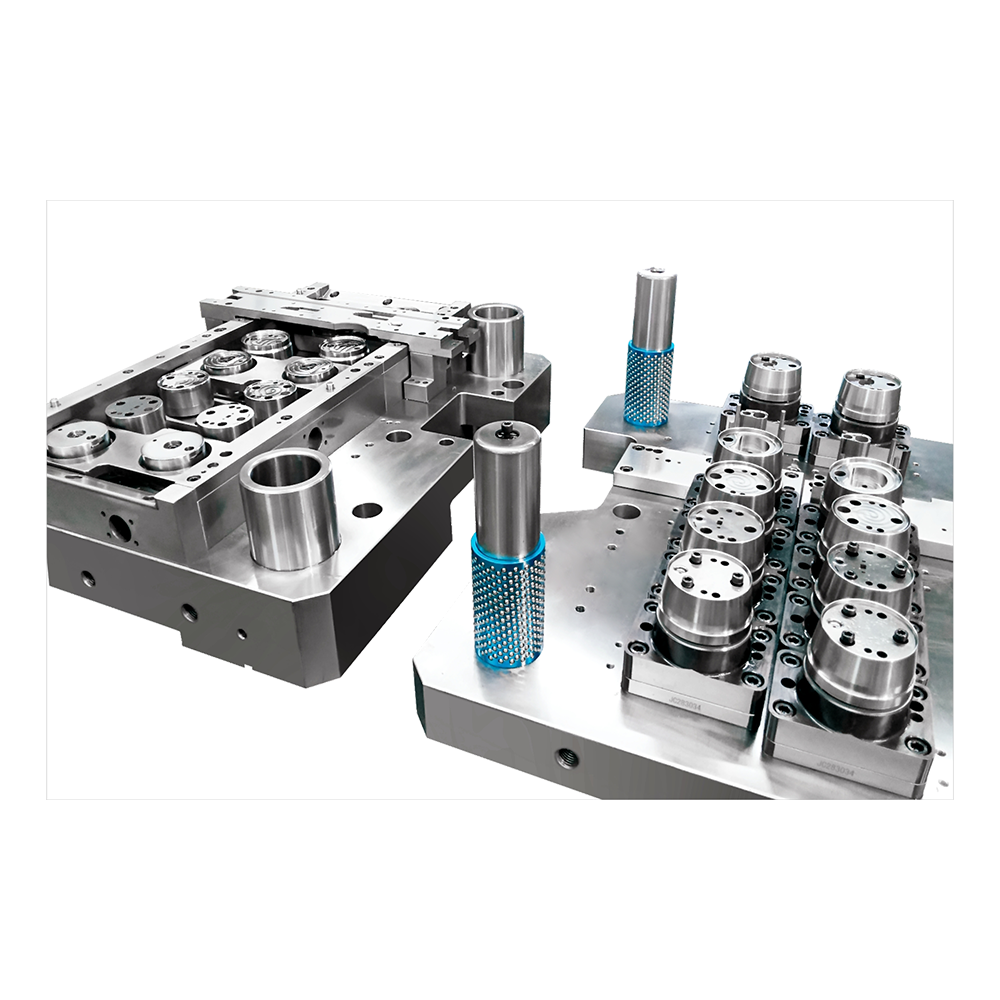
(Image 1: GT10A8 Automatic Compound Cutting Machine in full operation at a can manufacturing facility)In a crowded market of slitting machines, the GT10A8 stands out due to its unique combination of performance, durability, and cost-effectiveness. Below are the key advantages it offers over alternative equipment:
Competitor machines often use carbon steel knives, which wear out quickly—requiring replacement every 1-2 weeks of continuous operation. In contrast, the GT10A8’s alloy steel knives can last up to 4-6 weeks under the same conditions. This extended lifespan reduces maintenance costs and minimizes downtime, which is critical for high-volume production lines.
For a manufacturer producing 1 million cans per month, the reduced downtime from fewer knife replacements translates to an additional 2-3 days of production time annually. This equates to 200,000-300,000 more cans produced, generating an extra $10,000-$15,000 in revenue (assuming a $0.05 profit margin per can). Additionally, the precision of the alloy steel knives ensures that each cut is consistent, reducing the number of defective blanks and waste materials by up to 15% compared to competitor machines.
Many competitor slitting machines have a maximum output of 20-30 sheets per minute, which is significantly lower than the GT10A8’s 40 sheets per minute. This 33% increase in speed translates to a substantial boost in productivity—allowing manufacturers to produce more canbody blanks in the same amount of time.
For example, a factory running the GT10A8 for 8 hours a day, 30 days a month, can process 24,000 sheets per shift, or 720,000 sheets per month. A competitor machine with a 30-sheet-per-minute output would process only 540,000 sheets per month—25% less. This difference means the GT10A8 can produce 180,000 more canbody blanks per month, which is enough to make 180,000 cans. At a profit margin of $0.05 per can, this translates to an additional $9,000 in monthly revenue, or $108,000 annually.
Most competitor machines are designed for specific can sizes, requiring manufacturers to invest in multiple machines to produce different products. The GT10A8, however, supports a wide range of can sizes—from small 3oz food cans to large 50oz beverage containers. This flexibility is made possible by its adjustable cutting parameters and modular design, which allows operators to switch between sizes quickly (often in less than 10 minutes).
This adaptability reduces the need for additional equipment, saving manufacturers both space and capital. For example, a small can manufacturer that produces 3oz tuna cans and 12oz soup cans can use a single GT10A8 machine instead of two specialized machines, saving $50,000-$70,000 in capital costs. Additionally, the reduced number of machines means less maintenance and lower operational costs.
The GT10A8 has a total power consumption of just 6 kW, which is significantly lower than competitor machines that typically consume 8-10 kW. This energy efficiency reduces monthly electricity bills for manufacturers—especially for those operating 24/7 production lines.
For example, a factory running the GT10A8 for 8 hours a day, 30 days a month, would consume 1440 kWh (6 kW x 8h x30d). A competitor machine with an 8kW consumption would consume 1920 kWh—33% more. Assuming an electricity rate of $0.15 per kWh, the GT10A8 would cost $216 per month, while the competitor machine would cost $288. This translates to a monthly cost savings of $72, or $864 annually. For factories operating 24/7, the savings would be three times higher—$2592 per year.
The GT10A8 is designed for easy maintenance, with accessible components that can be replaced quickly. The machine’s modular design allows operators to replace parts without disassembling the entire machine, reducing downtime. Additionally, the use of high-quality materials (e.g., alloy steel knives, high-strength steel frames) ensures that the machine is durable and can withstand the stresses of continuous operation for years.
Competitor machines often have complex designs that make maintenance difficult, requiring specialized technicians to repair. The GT10A8’s simple, modular design allows in-house technicians to perform most maintenance tasks, reducing the need for external support and lowering maintenance costs.
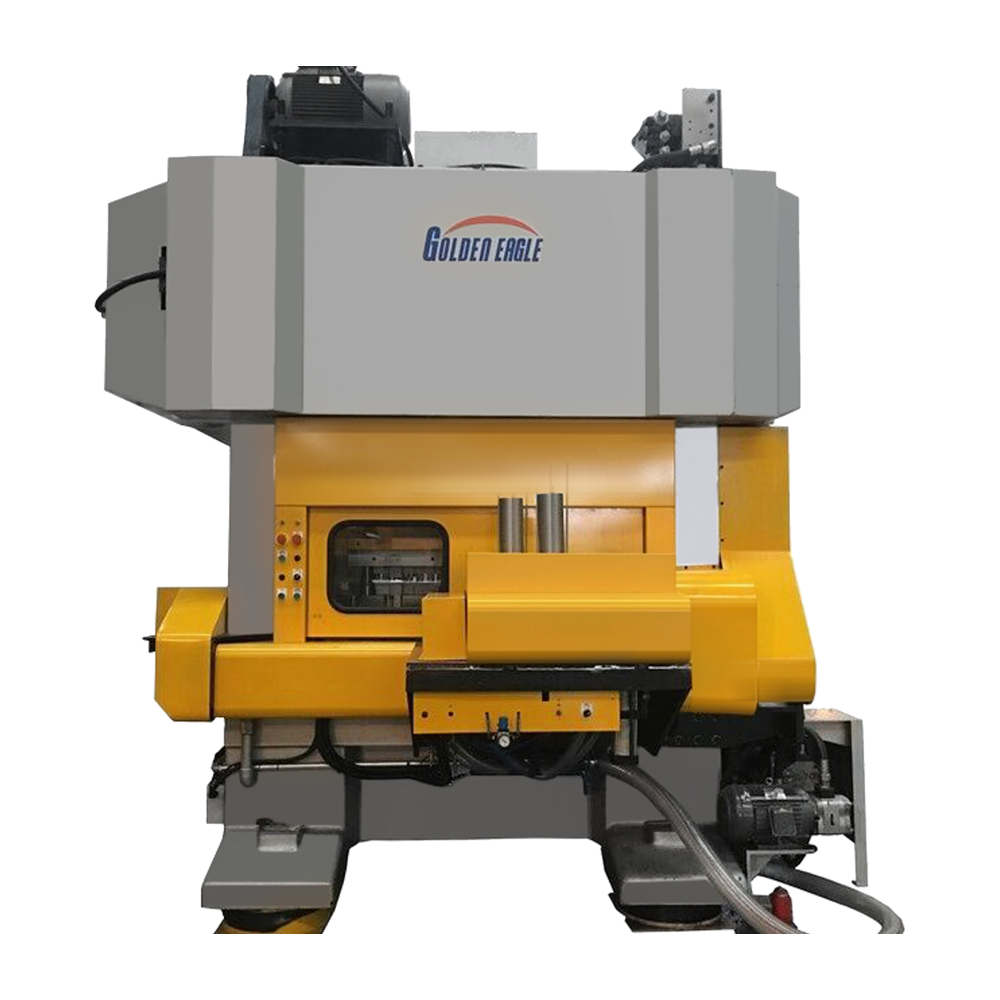
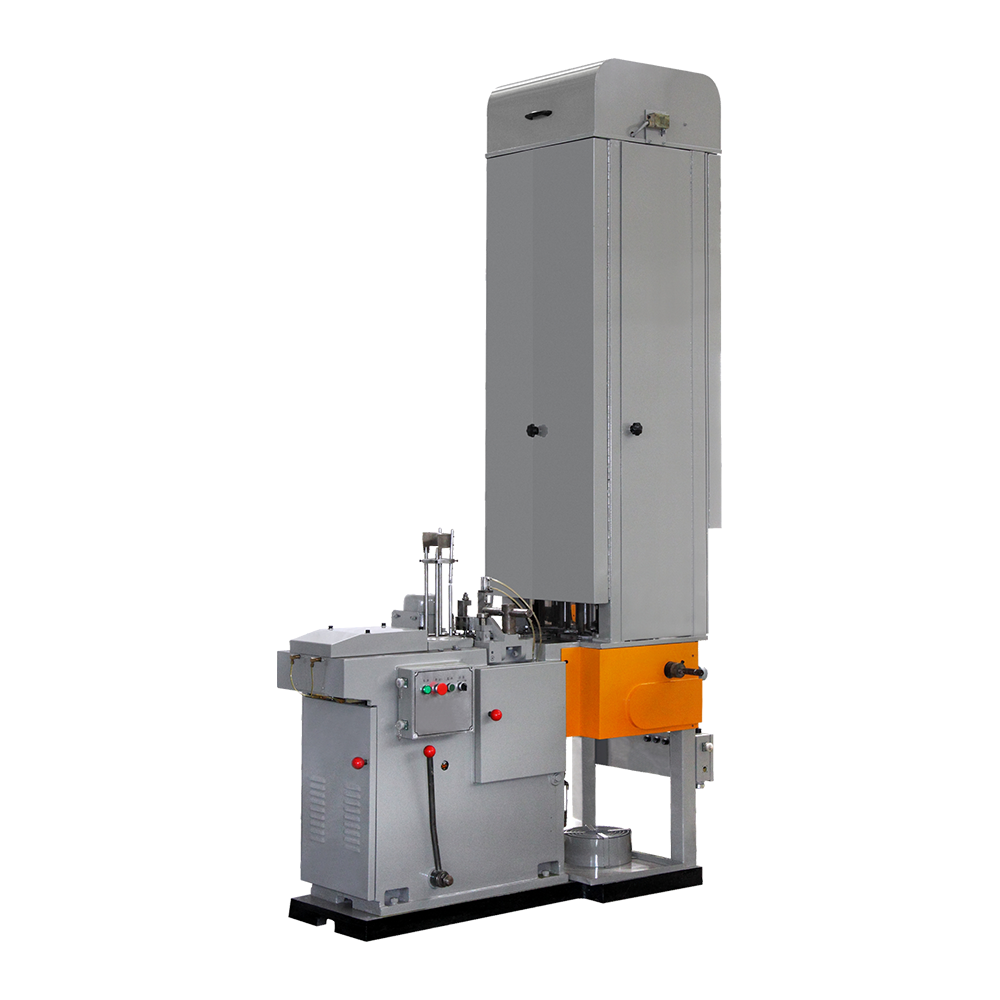
(Image 2: Close-up of GT10A8’s alloy steel circular knife during a precision cutting test)The GT10A8’s performance is a direct result of the advanced manufacturing processes used to produce it. The manufacturer, a leading can machinery company with over 46 years of experience, employs state-of-the-art equipment and rigorous quality control measures to ensure each machine meets the highest standards.
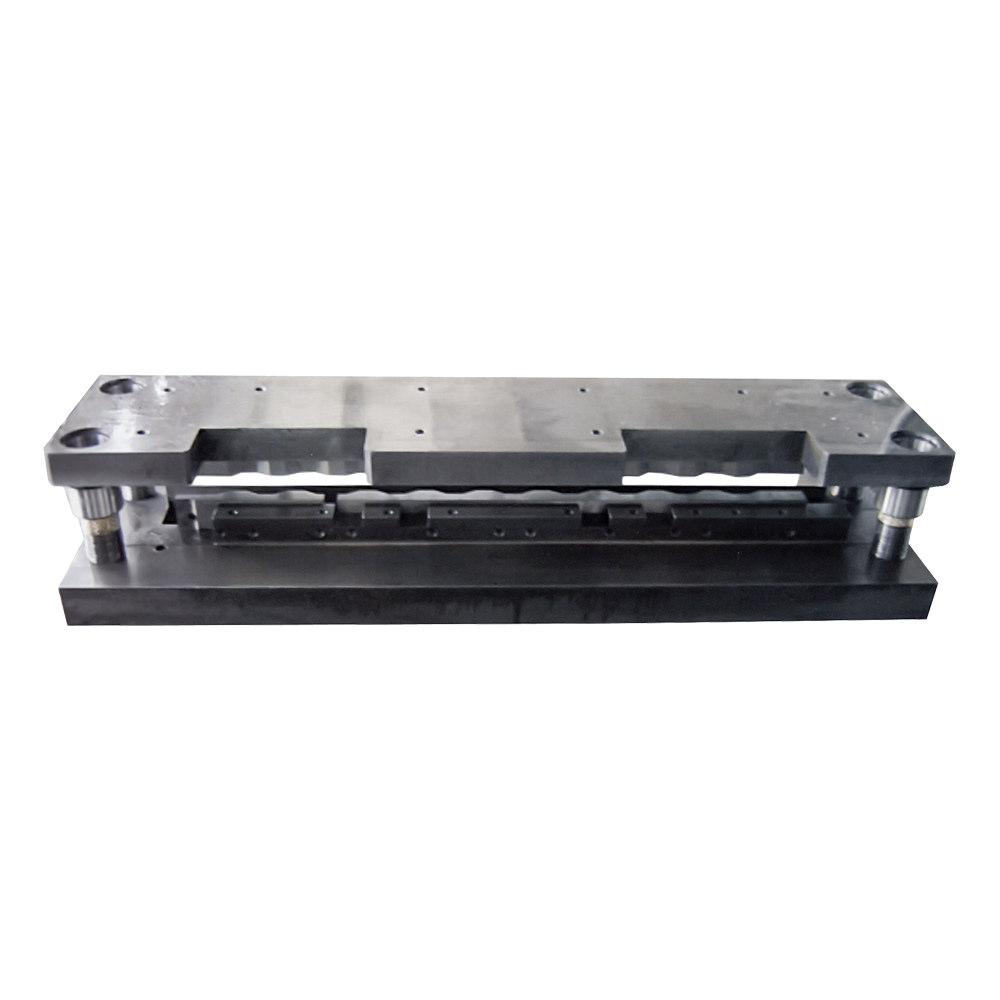
Every component of the GT10A8 is manufactured using CNC (Computer Numerical Control) high-precision machining equipment. This includes CNC lathes, milling machines, grinding machines, and plasma cutters, which produce components with tolerances as tight as 0.01 mm. CNC machining ensures that each part is identical, reducing assembly time and improving the overall durability of the machine.
For example, the machine’s frame is machined from high-strength steel using CNC plasma cutters and milling machines. The process involves several steps: first, the steel plate is cut to size using a CNC plasma cutter. Then, the frame is milled to achieve the required flatness and precision. Finally, the frame is drilled and tapped for assembly. Each step is controlled by a computer program, which ensures that every frame is identical—even for machines produced months apart. This consistency is critical for the machine’s performance, as any variation in the frame can affect the alignment of the cutting knives and reduce precision.
The GT10A8’s alloy steel knives are also manufactured using CNC grinding machines. The knives are ground to a precise angle (30 degrees) and finish, ensuring clean, burr-free cuts. The CNC grinding process allows for consistent results across all knives, eliminating variations that can cause defects.
The manufacturer adheres to strict quality control standards, with multiple inspection stages throughout the production process:
The manufacturer is also certified to ISO 9001 (Quality Management System) and ISO 14001 (Environmental Management System) standards, which means its processes are systematic, consistent, and eco-friendly. ISO 9001 certification ensures that the manufacturer has a structured approach to quality management, while ISO 14001 certification ensures that it minimizes its environmental impact through sustainable practices (e.g., reducing waste, using energy-efficient equipment).
The GT10A8’s design is based on global engineering standards from leading companies like KRUPP, SOUDRONIC, and ALFONS-HAAR—names synonymous with precision and reliability in the can manufacturing industry. However, the manufacturer has adapted these standards to meet the specific needs of regional markets, combining global best practices with decades of local experience.
For example, the manufacturer has modified the GT10A8’s feeding system to handle the thicker tinplate sheets commonly used in Asian markets, while maintaining the same precision and speed. This adaptation has made the machine popular with manufacturers in China, India, and Southeast Asia. Additionally, the manufacturer has incorporated local safety standards into the machine’s design, ensuring compliance with regional regulations.
This evolution has resulted in a machine that is both high-quality and cost-effective, making it accessible to manufacturers of all sizes—from small local businesses to large multinational corporations.
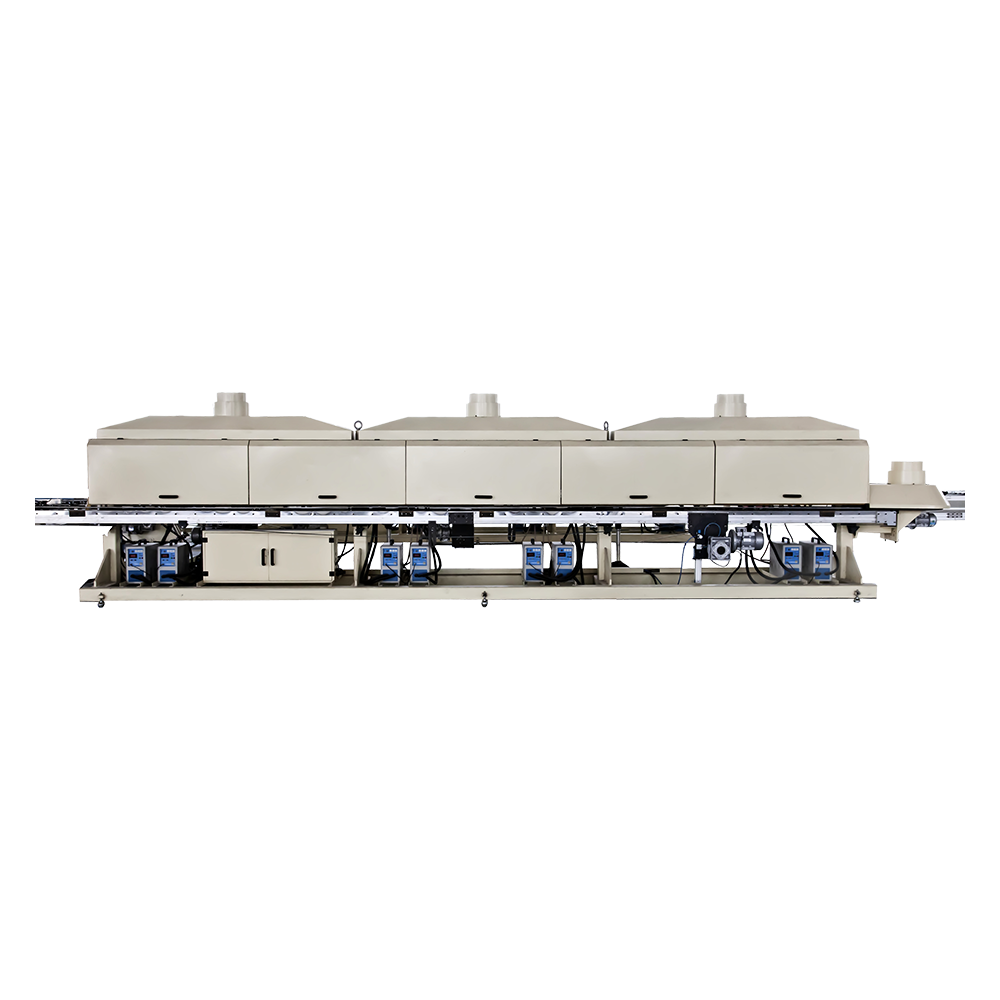
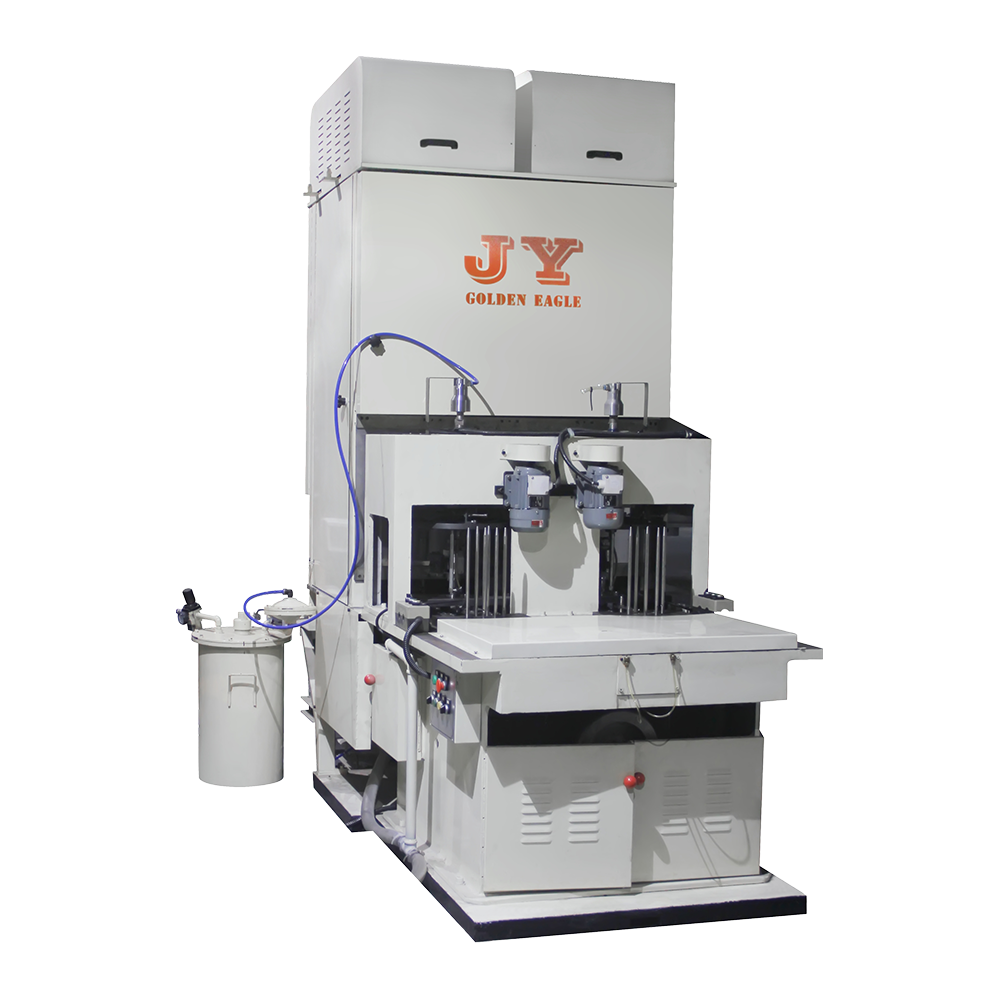
(Image3: CNC machining process for GT10A8 components in the manufacturer’s production facility)Below is a detailed table of the GT10A8’s specifications, which provide a comprehensive overview of its capabilities:
| Specification | Details |
|---|---|
| Model | GT10A8 |
| Operation Type | Fully Automatic |
| Primary Application | Canbody Blanks Single Slitting (Food & Beverage Can Manufacturing) |
| Compatible Materials | Tinplate, Aluminum (Food-Grade) |
| Maximum Sheet Width | 1140 x 1140 mm |
| Minimum Sheet Width | 500 x 700 mm |
| Maximum Sheet Thickness | 0.4 mm |
| Output Capacity (spm) | Up to 40 Sheets per Minute |
| Maximum Cutting Speed | 1330 mm per Second |
| Total Power Consumption | 6 kW (3-phase, 380V) |
| Machine Dimensions (L x W x H) | 4500 x 2600 x 2800 mm |
| Machine Weight | 6000 kg |
| Control System | PLC (Programmable Logic Controller) with Touchscreen Interface |
| Safety Features | Emergency Stop Button, Safety Guards, Overload Protection |
To address common questions from manufacturers, we’ve compiled this Q&A section based on the GT10A8’s features and specifications:
A: The GT10A8 is designed for food-grade metal sheets used in can manufacturing, including tinplate and aluminum. It can handle sheets up to 0.4 mm in thickness and 1140 x 1140 mm in width. The machine is also compatible with coated sheets (e.g., lacquered tinplate) commonly used in food can production.
A: Under normal operating conditions (8 hours per day, 5 days per week), the alloy steel knives can last up to 4-6 weeks. This is significantly longer than carbon steel knives used in competitor machines, which typically need replacement every 1-2 weeks. The manufacturer recommends regular sharpening (every 2-3 weeks) to extend the knife’s lifespan further.
A: Yes. The manufacturer offers OEM (Original Equipment Manufacturer) and ODM (Original Design Manufacturer) services, allowing customers to customize parameters such as sheet size, cutting speed, and output capacity to meet their specific production requirements. For example, a customer can request a modified feeding system to handle larger sheets or a higher output capacity for high-volume production.
A: The manufacturer provides comprehensive after-sales support, including:
A: Yes. The GT10A8 has a total power consumption of just 6 kW, which is lower than most competitor machines (8-10 kW). This energy efficiency reduces operational costs and aligns with sustainability goals. The machine also features an automatic power-saving mode that activates when it is idle for more than 5 minutes, further reducing energy consumption.
A: Yes. The manufacturer is ISO 9001 and ISO 14001 certified, and the GT10A8 is designed to meet industry standards for can manufacturing (e.g., FDA food contact standards for materials). The machine has been tested and approved for use in global markets, including Europe, Asia, North America, and Oceania.
A: Installation and commissioning typically take 3-5 days, depending on the customer’s facility and preparation. The manufacturer’s technicians will handle all aspects of installation, including assembly, calibration, and testing. After commissioning, the technicians will provide training to the customer’s operators.
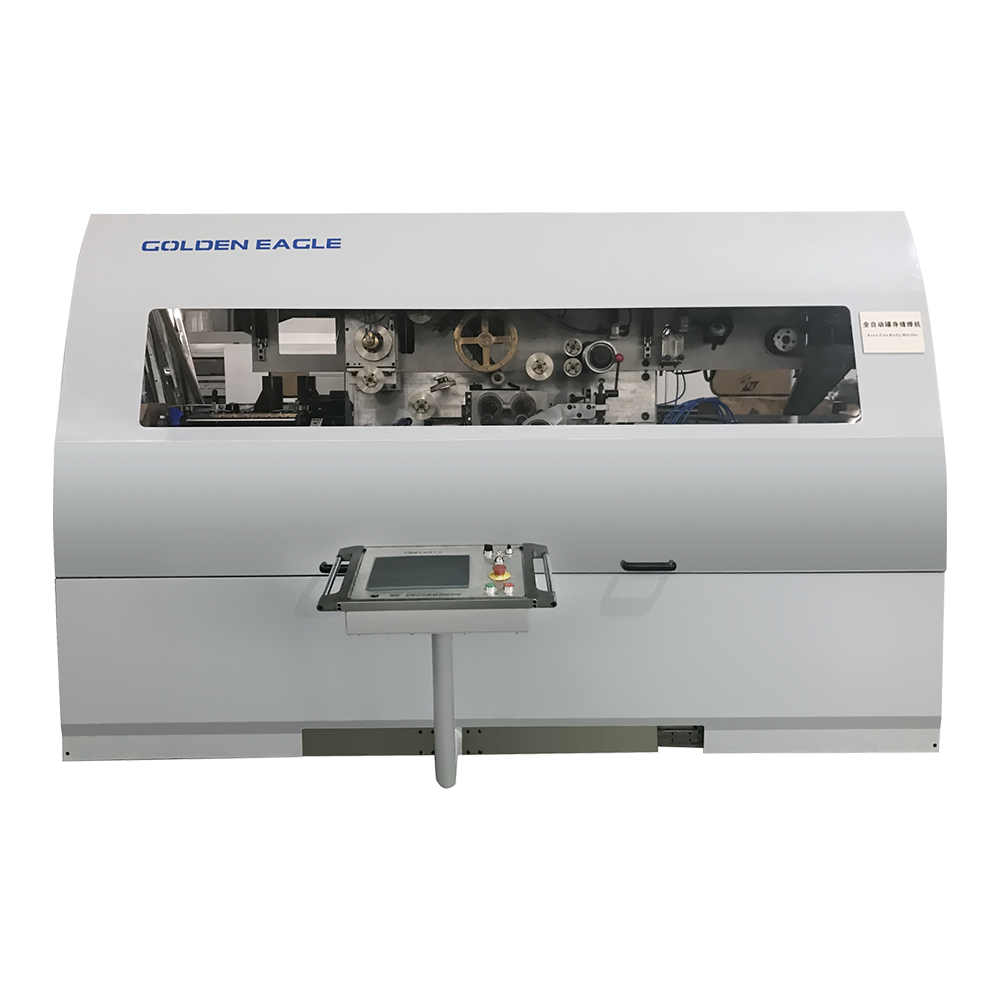
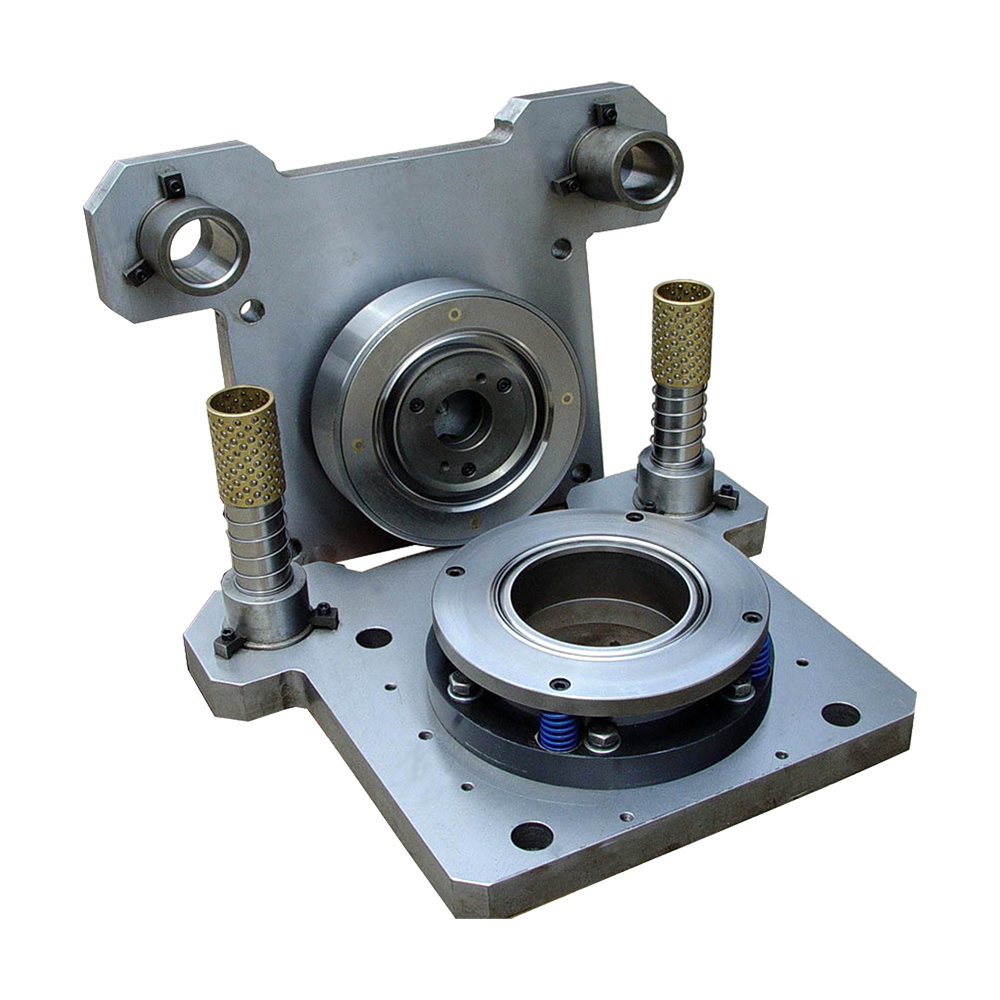
(Image4: Manufacturer’s team providing on-site training for GT10A8 operators)The GT10A8 is produced by a leading can machinery company with over 46 years of experience in the industry. This company has built a reputation for delivering high-quality, reliable equipment that meets the needs of manufacturers worldwide.
Founded in 1978, the company has evolved from a small factory to a global leader in can machinery manufacturing. It employs over 350 well-trained staff, including more than 50 professional engineers with expertise in mechanical design, electronics, and quality control. The company’s long history in the industry has allowed it to accumulate valuable knowledge about can manufacturing processes, which is reflected in the design of the GT10A8.
The company’s engineering team is continuously innovating, incorporating the latest technologies (e.g., AI, IoT) into its machines to improve performance and efficiency. For example, the GT10A8’s PLC system can be connected to a cloud-based platform, allowing manufacturers to monitor the machine’s performance in real time and predict maintenance needs.
The company’s products are exported to over 30 countries across Europe, Asia, Africa, North America, South America, and Oceania. Some of its key markets include Germany, Italy, the UK, Russia, Australia, Jordan, Malaysia, and Egypt. To date, it has produced more than 10,000 can and can lid equipment, which are used by leading can manufacturers and canning factories worldwide.
The company’s products have received unanimous recognition from customers for their quality, reliability, and performance. For example, a German can manufacturer reported that the GT10A8 reduced its production time by 20% and its waste materials by 15% within the first year of use. A Malaysian beverage can manufacturer praised the machine’s flexibility, noting that it allowed them to switch between can sizes quickly and efficiently.
The company understands that after-sales support is critical for ensuring the long-term performance of its equipment. That’s why it offers a range of services, including installation, commissioning, technical training, and spare parts supply. The company’s team of experienced technicians is available to provide on-site support for customers, and it maintains a large inventory of spare parts to ensure fast delivery.
The company also offers annual maintenance contracts, which include regular inspections, lubrication, and parts replacement. These contracts help to prevent breakdowns and extend the machine’s lifespan. For example, a customer with an annual maintenance contract reported that their GT10A8 machine has operated without any major breakdowns for over 5 years.
The company is committed to sustainability, and it incorporates eco-friendly practices into its manufacturing processes. For example, it uses energy-efficient CNC equipment to reduce its carbon footprint, and it recycles 90% of its waste materials (e.g., metal shavings, plastic packaging). The GT10A8 itself is designed to be energy-efficient, reducing the environmental impact of can manufacturing.
The company also offers customers sustainable solutions, such as machines that use recycled metal sheets and reduce waste materials. This commitment to sustainability has made the company a preferred partner for manufacturers looking to reduce their environmental impact.
1. International Can Manufacturing Association (ICMA). (2024). Global Can Production Trends & Technology Report. Retrieved from ICMA Annual Publication.
2. ISO 9001:2015. Quality Management Systems—Fundamentals and Vocabulary. Geneva: International Organization for Standardization.
3. ISO 14001:2015. Environmental Management Systems—Requirements with Guidance for Use. Geneva: International Organization for Standardization.
4. KRUPP Engineering Division. (2023). Standards for Precision Slitting Machinery in Can Manufacturing. Essen: KRUPP Group.
5. Smith, J. (2023). Advances in Automatic Cutting Machinery for Food Packaging. Journal of Packaging Technology & Research, 12(3), 45-62.
6. World Packaging Organization (WPO). (2024). Sustainable Packaging Trends Report. Retrieved from WPO Global Publication.
Related Products

Founded in 1978, the company is one of the largest can-making machinery well-known companies at home and abroad.
Product Categories
Contact Information
Zhongshatou Shenjiamen Zhoushan Zhejiang China
+86-580-3056646

 English
 中文简体
中文简体
 русский
 عربى
عربى
 Español