2026-07-03
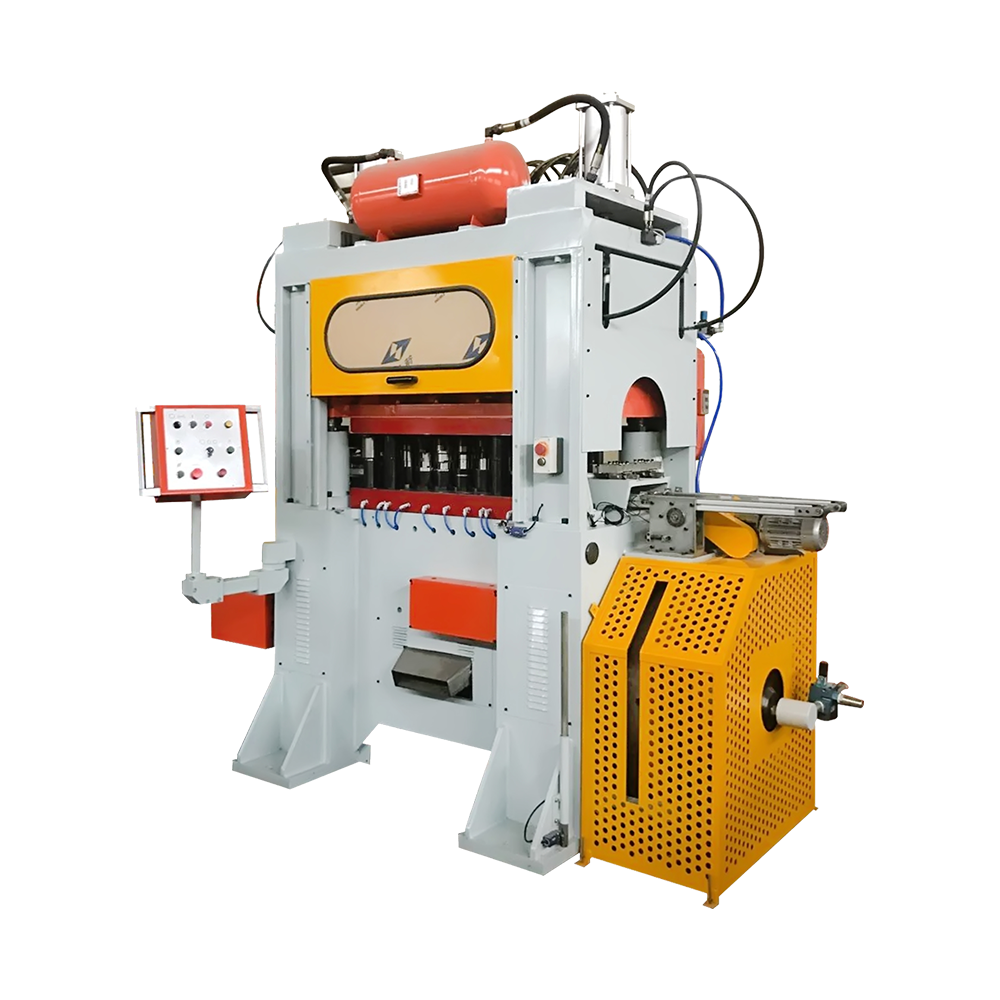
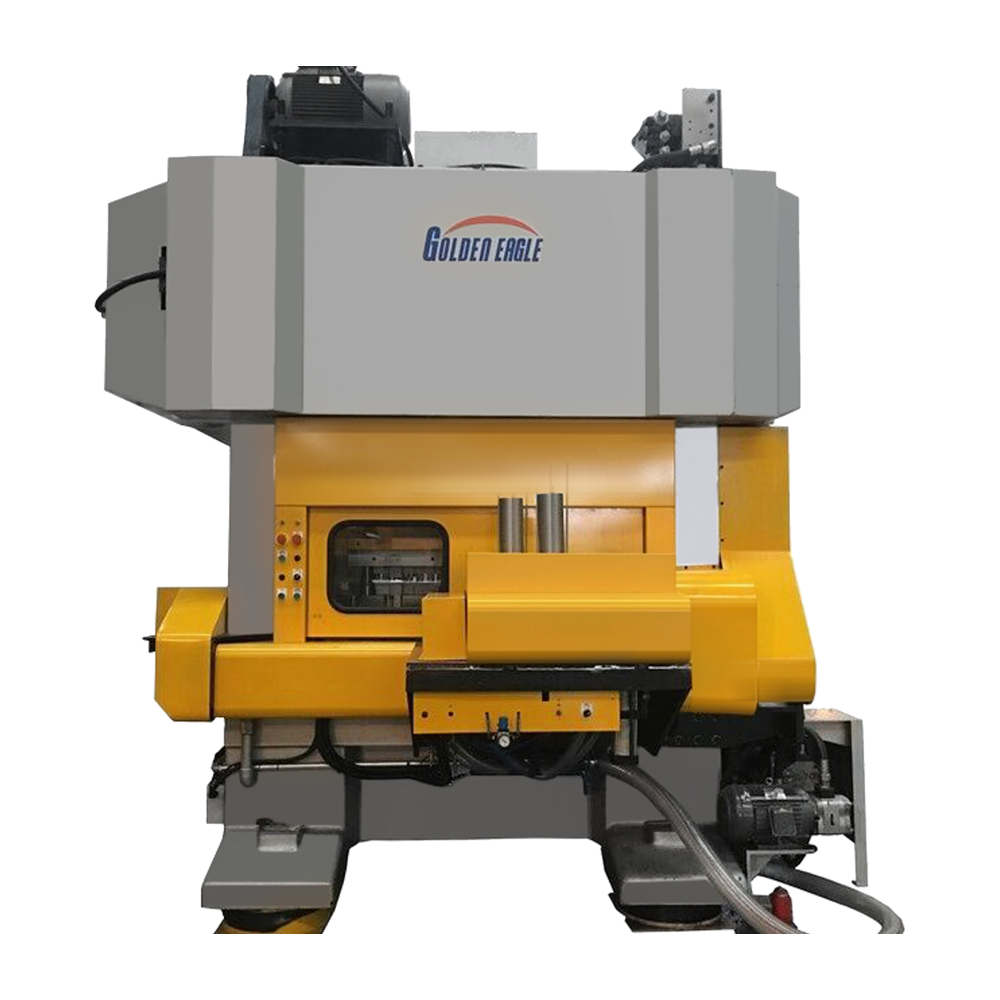
In modern aerosol can manufacturing, the quality of the top cover directly affects sealing performance, appearance consistency, production stability, and downstream filling safety. The Aerosol Top Cover Punch is engineered for the precise forming and punching of aerosol top covers within the aerosol cone and dome making process. Designed for high-speed, two-channel operation, it supports pressure cover diameters from 109D to 211D and reaches a production capacity of up to 240 pieces per minute, making it a practical solution for manufacturers that require both productivity and repeatable forming accuracy.
This article introduces the core technical characteristics, production advantages, manufacturing background, application value, and operational strengths of the Aerosol Top Cover Punch. It also explains why an equipment supplier with decades of experience in can-making machinery, mold development, CNC machining, quality control, and full-line integration can provide stronger long-term value than ordinary machine suppliers.
The Aerosol Top Cover Punch is a dedicated machine for aerosol cone and dome production. Aerosol cans are widely used for household products, personal care products, industrial sprays, automotive chemicals, paints, insecticides, cleaners, and many other pressurized packaging applications. Because aerosol containers are filled under pressure, every component must be formed with strict dimensional accuracy and structural consistency. The top cover is one of the most important parts in the complete aerosol can structure, and poor forming quality can lead to sealing failure, leakage, deformation, or unstable performance during filling and use.
This machine is designed to improve the efficiency and reliability of aerosol top cover production. With a ram stroke of 100 mm, two production channels, and a maximum speed of 120 strokes per minute, the machine can achieve high output while maintaining stable forming action. Its two-channel configuration allows it to produce up to 240 pieces per minute, which is highly suitable for medium- and large-scale aerosol can component factories.
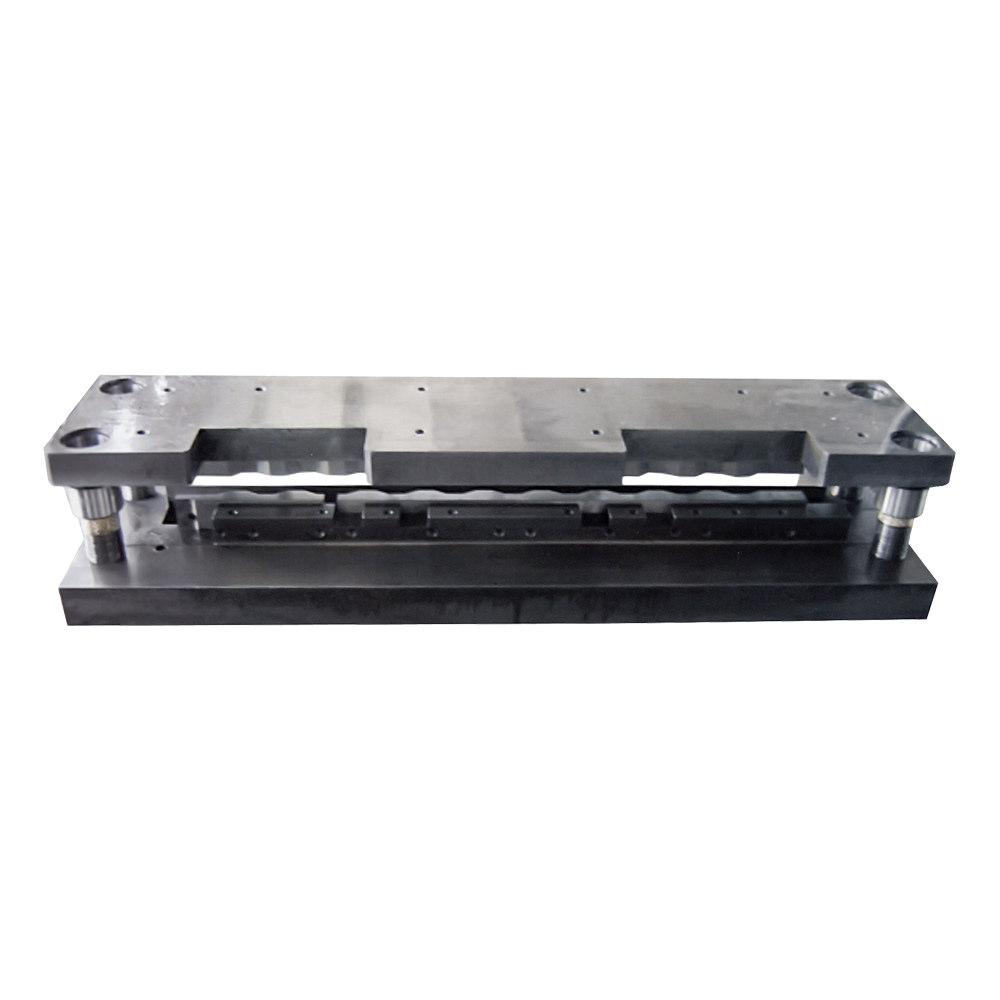
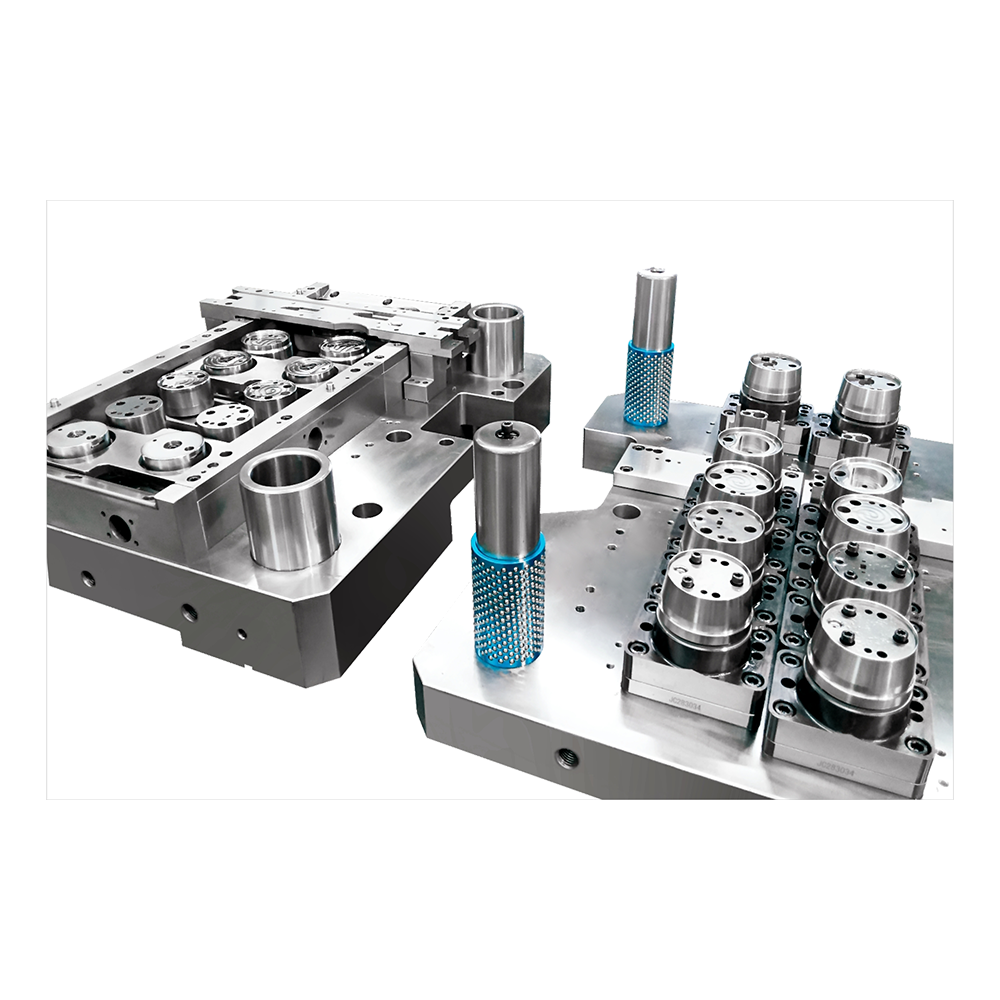
The machine is compatible with multiple mold groups, generally 6 to 9 groups, allowing manufacturers to organize a progressive forming process according to product requirements. With a die spacing of 110 mm and a maximum closed height of 400 mm, the equipment provides enough structural range for stable tooling installation and accurate forming. It is suitable for tinplate or iron materials with a thickness range of 0.17 mm to 0.40 mm and hardness from T3 to T4, which are common material conditions in aerosol can manufacturing.
The following table summarizes the main technical parameters of the Aerosol Top Cover Punch.
| Item | Specification |
| Applicable pressure cover diameter range | 109D-211D |
| Ram stroke | 100 mm |
| Number of channels | 2 channels |
| Maximum strokes per minute | 120 strokes/min |
| Production capacity | 240 pieces/min |
| Number of molds | 6-9 groups |
| Die spacing | 110 mm |
| Maximum closed height | 400 mm |
| Material thickness | 0.17-0.40 mm |
| Material hardness | T3-T4 |
| Main motor power | 22 kW |
Although the top cover may appear to be a small part of an aerosol package, it performs several essential functions. It contributes to the structural integrity of the aerosol can, supports valve mounting or related upper components, and helps the can maintain reliable geometry during filling, crimping, storage, transportation, and use. The cover must also match the body accurately so that assembly lines can run smoothly without frequent adjustment.
In a high-volume factory, even a small dimensional deviation can create significant waste. If the cover is not centered, if the flange is not properly formed, or if the curvature is inconsistent, the result can be production stoppage, rejected batches, material loss, customer complaints, or safety risks. Therefore, a specialized top cover punch must provide more than basic punching action. It must offer repeatable alignment, stable power transmission, accurate mold positioning, smooth feeding compatibility, and long-term rigidity.
The Aerosol Top Cover Punch is designed for this production reality. It is not simply a general-purpose press. It is part of a specialized aerosol cone and dome manufacturing system, created for manufacturers that need continuous production, accurate forming, efficient mold arrangement, and dependable mechanical performance.
One of the most important advantages of this machine is its two-channel production design. With a maximum of 120 strokes per minute and two channels working simultaneously, the equipment can reach a capacity of 240 pieces per minute. For factories producing aerosol can components in large quantities, this speed can significantly improve daily output and reduce the production cost per piece.
Compared with many conventional single-channel punching systems, a two-channel machine can increase productivity without requiring a proportional increase in floor space, labor, or auxiliary equipment. This means manufacturers can achieve higher output density within the same production area. In competitive packaging markets, floor space, energy consumption, maintenance labor, and production time all affect total cost. A machine that delivers more pieces per minute with stable operation helps improve overall profitability.
Speed alone, however, is not enough. In aerosol top cover production, high speed must be matched with forming accuracy. If a machine runs quickly but creates unstable dimensions, the apparent productivity is false because rejects and rework will reduce real output. The Aerosol Top Cover Punch combines high-speed capability with a structure designed for repeated mold operation and stable material processing. This balance between speed and quality is one of its key advantages over ordinary punching equipment.
The machine supports pressure cover diameters from 109D to 211D. This range allows manufacturers to produce top covers for different aerosol can formats. In actual production, packaging companies often serve multiple customers or product categories. A factory may need to produce covers for personal care aerosol cans in one batch and industrial aerosol cans in another. Flexibility in diameter range helps reduce the need for multiple dedicated machines.
By supporting a broad diameter range, the Aerosol Top Cover Punch gives manufacturers better production planning freedom. When market demand changes, the factory can adapt by changing tooling and adjusting production arrangements rather than investing immediately in new equipment. This flexibility is particularly valuable for OEM and ODM production environments, where customers may request different can sizes, shapes, and production volumes.
The ability to handle several sizes also supports better inventory management. Instead of maintaining separate forming systems for every cover specification, manufacturers can organize production around a capable machine platform and suitable mold sets. This can lower equipment investment, simplify maintenance training, and improve scheduling efficiency.
The machine supports 6 to 9 mold groups, which is important for progressive forming. In the production of aerosol top covers, the material often needs to pass through several forming stages to achieve the final geometry. A well-designed progressive process reduces stress concentration, improves product consistency, and protects material surface quality.
When forming is divided into optimized steps, each mold group performs a controlled action. This can reduce the risk of cracking, wrinkling, uneven drawing, or dimensional distortion. The machine’s 110 mm die spacing provides a practical layout for mold installation, while the maximum closed height of 400 mm gives sufficient range for tooling configuration. These features allow the punch to work with different mold structures according to the specific top cover design.
Competitor machines that lack appropriate mold spacing or closed height flexibility may limit tooling design. When tooling is restricted, the forming process may become less stable, particularly for products that require precise curves or consistent flange geometry. By offering a suitable mold configuration range, the Aerosol Top Cover Punch supports better process engineering and higher product reliability.
The machine is suitable for material thickness from 0.17 mm to 0.40 mm and material hardness from T3 to T4. These ranges are common in tinplate and iron-based aerosol can component production. Material thickness and hardness are important because they influence forming resistance, springback, edge quality, and die wear. A machine that is not properly matched to the material may generate inconsistent covers or require frequent adjustment.
The 22 kW main motor provides the power needed for stable forming within the specified material range. When processing harder or thicker material, sufficient power and mechanical rigidity are necessary to maintain stroke consistency and avoid speed instability. For thinner material, smooth motion and accurate tooling control are equally important because the material can wrinkle or deform if forming forces are not well managed.
The machine’s specified compatibility helps manufacturers select materials with confidence. It supports production using standard aerosol cover materials while providing the mechanical capacity required for efficient punching and forming. This reduces uncertainty during product development and batch production.
Precision is a critical measure of any aerosol top cover production machine. The final cover must meet strict requirements for diameter, depth, curvature, edge condition, and assembly fit. These characteristics affect the performance of the complete aerosol container. A machine with poor repeatability may require frequent manual correction, leading to unstable quality and reduced production efficiency.
The Aerosol Top Cover Punch is designed to maintain repeatable forming action through robust mechanical structure, stable stroke motion, and accurate mold positioning. The 100 mm ram stroke provides suitable forming movement for the top cover process, while the equipment’s mold arrangement allows controlled progressive shaping. In continuous production, repeatability reduces operator workload and improves confidence in batch quality.
Compared with low-cost machines that may rely heavily on manual adjustment, a well-engineered punch offers more consistent performance over long operating periods. This is especially important for factories that run multiple shifts. Machine stability reduces downtime, decreases scrap rate, and makes quality inspection results more predictable.
The Aerosol Top Cover Punch offers several advantages when compared with general-purpose punching machines or lower-capacity competitor systems. First, it is specifically designed for aerosol cone and dome making, which means its structure and parameters are aligned with actual aerosol cover production needs. General presses may require extensive modification, and even after modification, they may not provide the same efficiency or production stability.
Second, the two-channel design provides higher output per stroke. A single-channel press operating at similar speed would produce fewer parts per minute, while a machine with higher speed but less forming stability could generate more waste. The two-channel approach improves practical productivity and helps reduce cost per component.
Third, the machine supports 6 to 9 mold groups, enabling progressive forming with better control over product shape. Some simpler machines may have limited tooling capacity, forcing manufacturers to use less optimized forming sequences. This can lead to higher rejection rates, shorter mold life, and more frequent adjustment.
Fourth, the machine’s diameter range from 109D to 211D improves production versatility. In a changing market, flexible equipment is often more valuable than narrow-purpose equipment. Manufacturers can respond to different orders and customer requirements without immediately expanding machine inventory.
Fifth, the equipment is backed by a manufacturer with extensive experience in can-making machinery and mold production. This matters because machine quality depends not only on assembly but also on process understanding, mold design knowledge, machining precision, quality management, and after-sales technical capability. A supplier that understands complete can and lid production lines can offer more practical support than a supplier focused only on isolated machines.
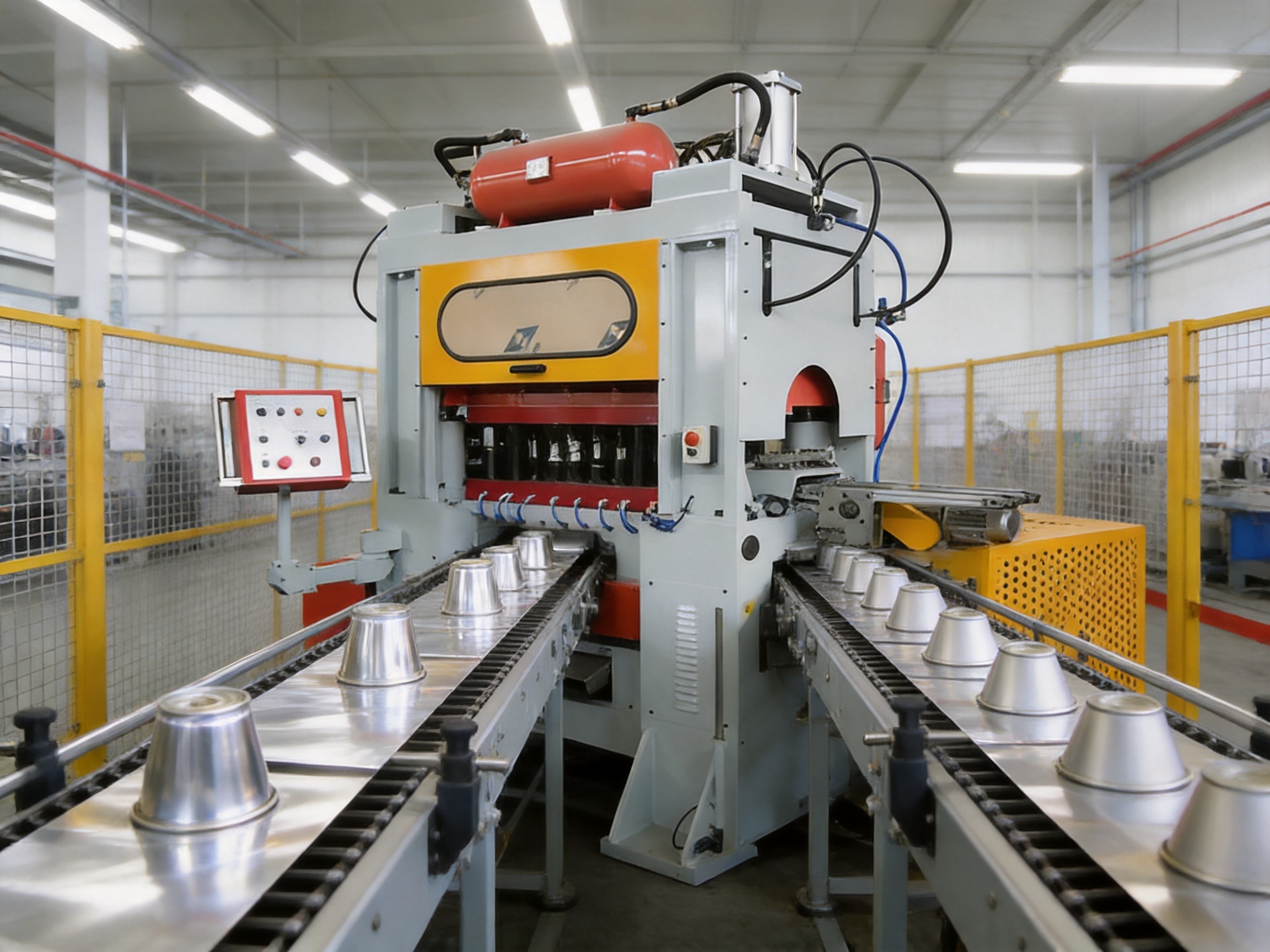
The performance of a punching machine depends heavily on how it is designed and manufactured. Zhejiang Golden Eagle Food Machinery Co., Ltd. has been engaged in can-making machinery and mold manufacturing since 1978. With more than four decades of experience, the company has accumulated practical knowledge in food can lines, beverage can lines, aerosol canister lines, can lid lines, chemical tank lines, two-piece can lines, and related molds.
The company uses CNC high-precision machining equipment and complete mechanical processing equipment. CNC machining is essential for key components because it improves dimensional accuracy, surface finish, and assembly consistency. In a high-speed punch, the precision of frame components, slide components, mold mounting areas, shafts, transmission parts, and guiding structures directly affects machine stability. High-precision machining helps ensure that these components fit together correctly and perform reliably under repeated load.
Advanced manufacturing also includes mature inspection and quality control procedures. The company has obtained ISO9001 quality management system certification and ISO14001 environmental management system certification. ISO9001 supports standardized production management, traceability, inspection discipline, and continuous improvement, while ISO14001 reflects attention to environmental management in manufacturing operations.
The company’s design principles are influenced by advanced international can-making machinery concepts, while its practical improvements are based on long-term production experience. This combination is important. A machine design cannot rely only on theory; it must also reflect actual factory conditions, operator habits, material differences, maintenance requirements, and customer feedback. Through continuous innovation and improvement, the machine is developed to meet practical production needs.
One of the strongest advantages behind the Aerosol Top Cover Punch is the supplier’s combined capability in both machine manufacturing and mold manufacturing. In can-making, the relationship between machine and mold is inseparable. Even a strong press cannot produce high-quality covers if the molds are poorly designed, and even excellent molds cannot perform well on an unstable machine.
Because the manufacturer has long-term experience in can-making molds, it can better understand forming steps, material flow, wear points, clearance design, mold alignment, and maintenance requirements. This knowledge contributes to better machine design because the machine must support the mold’s working conditions. The ability to provide equipment and tooling knowledge together helps customers achieve faster commissioning and more stable production.
For aerosol top covers, mold accuracy is especially important. The cover geometry may include curved surfaces, flange areas, center features, and precise edge shapes. Progressive forming must control stress and material movement. A supplier with mold experience can support customers in selecting suitable mold groups, optimizing forming sequence, and reducing common production problems such as wrinkles, cracks, burrs, uneven height, and poor fit.
Competitors that only assemble standard presses may not provide the same depth of application support. When production problems occur, customers may struggle to determine whether the issue comes from machine alignment, mold design, material quality, lubrication, feeding, or operation. A supplier with comprehensive machinery and mold expertise can diagnose problems more efficiently and offer practical solutions.
Aerosol component production is often continuous and demanding. Machines may operate for long shifts, producing thousands or millions of parts over time. Under these conditions, structural rigidity, vibration control, power transmission stability, and component durability become very important.
The Aerosol Top Cover Punch is designed for industrial production rather than occasional light-duty use. The 22 kW main motor provides stable power for punching and forming operations. The specified ram stroke and closed height support proper forming movement and tooling arrangement. With correct installation, maintenance, and operation, the machine can become a core piece of production equipment in an aerosol can component workshop.
Long-term stability provides several economic benefits. It reduces downtime, lowers the frequency of emergency maintenance, improves production planning, and helps maintain consistent product quality. In contrast, machines with weak frames or inaccurate guiding systems may gradually develop alignment problems, causing faster mold wear and inconsistent part dimensions. Over time, these hidden costs may exceed the initial savings from purchasing cheaper equipment.
The Aerosol Top Cover Punch can be understood not only as a standalone machine but also as a key part of an aerosol can production ecosystem. Modern factories often require automatic feeding machines, cutting machines, welding machines, cone and dome making equipment, can body equipment, lid equipment, and inspection systems. A machine supplier with full-line experience can help customers plan smoother production flow.
When the punch is integrated into a well-designed production line, material feeding, forming, part transfer, inspection, and collection can be arranged to reduce manual handling. This improves efficiency and reduces the risk of product damage. Proper integration also supports better workshop layout, safer operation, and easier maintenance access.
The company’s product range includes food and beverage can making machines, tin can lid and end making machines, duplex slitters, milk powder can making machines, EOE lids making machines, tin can auto-welding machines, aerosol cone and dome making equipment, chemical tank making machines, automatic feeding machines, aerosol can making machines, two-piece can making machines, and molds. This broad product base means the company understands how each process connects with the next. For customers, this can simplify equipment selection and reduce coordination problems between different suppliers.
High-quality equipment requires a disciplined quality system. ISO9001 certification indicates that the manufacturer follows recognized quality management principles, including process control, documentation, inspection, corrective action, and continuous improvement. In machinery production, these practices help ensure that each machine is manufactured according to defined standards rather than depending only on individual experience.
Quality management is particularly important for components that affect machine accuracy and safety. Key parts must be manufactured and inspected carefully. Assembly must follow correct procedures. Testing must verify that the machine operates as expected. When quality control is weak, problems may not appear immediately but can emerge after installation, causing delays and additional costs.
The company’s long manufacturing history also contributes to reliability. Since its establishment in 1978, it has produced more than 10,000 pieces of can and can lid equipment. Such production experience provides a large base of feedback from real factories in different markets. This feedback can be used to improve design details, strengthen vulnerable areas, optimize maintenance structures, and refine machine operation.
The company’s equipment has been used by many can manufacturers and canning factories and exported to markets in Europe, Asia, Africa, North America, South America, and Oceania. Export destinations include countries such as Germany, Italy, the United Kingdom, Spain, Hungary, Russia, Australia, Jordan, Malaysia, the Philippines, Pakistan, Egypt, Algeria, Turkey, Mexico, Nigeria, and Iran. This international experience is valuable because different markets may use different materials, production habits, standards, and customer requirements.
Equipment that performs in varied production environments must be adaptable and reliable. Global users may face different climates, workshop conditions, operator skill levels, maintenance practices, and supply chain situations. A manufacturer with broad export experience is more likely to understand the importance of clear documentation, installation support, spare parts supply, training, and practical after-sales communication.
For aerosol top cover manufacturers, choosing equipment from an experienced export supplier can reduce project risk. The machine is not only delivered as a mechanical product; it is supported by accumulated application knowledge. This is especially important for factories building new production lines or upgrading from lower-capacity equipment.
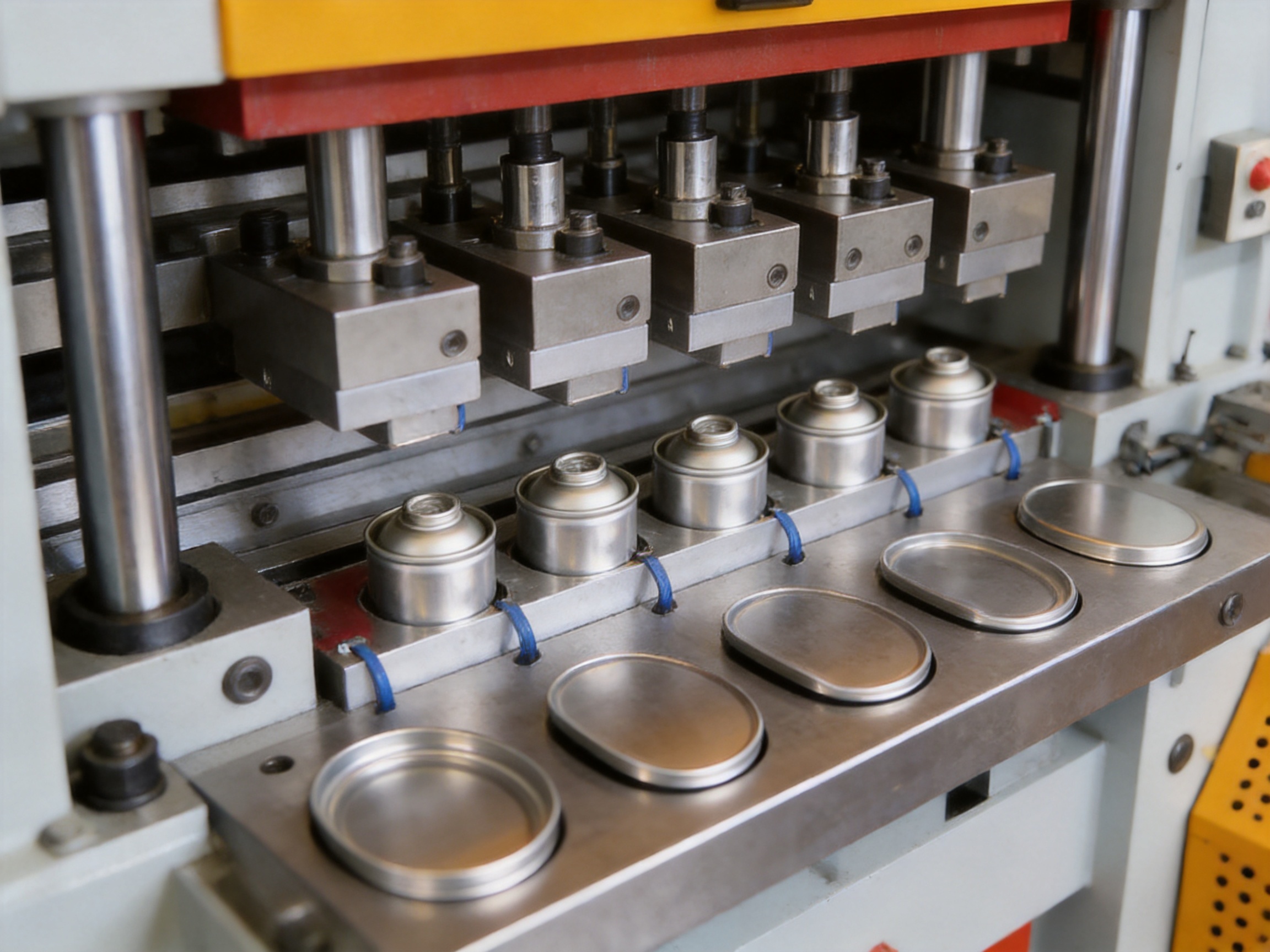
The Aerosol Top Cover Punch can bring several operational benefits to manufacturers. The first benefit is higher throughput. With a production capacity of 240 pieces per minute, the machine can support large order volumes and reduce production bottlenecks. When paired with suitable upstream and downstream equipment, it helps create a more balanced production line.
The second benefit is improved consistency. Stable punching and forming reduce dimensional variation, which supports smoother assembly and better final can quality. Consistency also reduces the burden on quality inspectors because fewer parts fall outside acceptable tolerances.
The third benefit is reduced labor dependence. High-speed automatic or semi-automatic production equipment reduces the need for manual forming or frequent manual adjustment. Skilled operators remain important, but their role shifts toward monitoring, inspection, adjustment, and maintenance rather than repetitive manual work.
The fourth benefit is better material utilization. When forming is stable, fewer sheets or coils are wasted due to rejected parts. Material cost is a major factor in can component production, so reducing scrap can create meaningful savings over time.
The fifth benefit is better customer satisfaction. Aerosol can customers expect components that assemble smoothly and perform safely. A reliable top cover production machine helps manufacturers deliver consistent batches, meet delivery schedules, and build long-term customer trust.
Like all high-speed mechanical equipment, the Aerosol Top Cover Punch should be operated and maintained according to professional procedures. Regular lubrication, inspection of moving parts, monitoring of mold condition, checking of fasteners, verification of alignment, and cleaning of work areas are all important. Proper maintenance protects machine accuracy and extends service life.
Mold maintenance is particularly critical. Because the machine can operate at high speed, mold surfaces, cutting edges, guide parts, and forming areas must be inspected regularly. Worn or damaged molds can produce burrs, inaccurate shapes, or surface defects. Timely maintenance helps prevent small issues from becoming major production problems.
Operators should also monitor material quality. Thickness variation, hardness inconsistency, surface contamination, or poor lubrication can affect forming results. A stable machine performs best when matched with stable materials and correct process conditions. For this reason, production management should combine equipment maintenance, mold maintenance, material inspection, and operator training.
The manufacturer provides after-sales services such as installation, commissioning, technical guidance, operation training, and parts supply. These services help customers shorten the learning period and maintain stable production. For many factories, after-sales support is as important as machine performance because it affects real production success after delivery.
High-speed punching equipment must be operated with proper safety discipline. Aerosol top cover production involves moving mechanical parts, forming force, sharp edges, and fast production cycles. Operators should receive training before using the machine. Protective guarding, correct lockout procedures during maintenance, safe feeding practices, and clear operating instructions are essential.
Safety also depends on workshop organization. Materials should be stored properly, finished parts should be collected efficiently, tools should be kept in designated areas, and maintenance records should be maintained. A clean and organized production environment reduces the risk of accidents and improves efficiency.
A well-built machine supports safe operation through stable structure and predictable movement, but safety ultimately requires cooperation between equipment design, installation quality, operator training, and factory management. Manufacturers that invest in professional equipment and proper training generally achieve better safety performance and more stable production.
OEM and ODM aerosol can component production requires flexibility, stable quality, and fast response. Customers may request different sizes, different production volumes, and different delivery timelines. The Aerosol Top Cover Punch supports such production models through its wide diameter range, multi-mold capability, and high-speed output.
For OEM production, the manufacturer can produce customer-specified components according to required sizes and quality standards. A stable top cover punch helps ensure that repeated orders remain consistent. For ODM production, equipment and tooling knowledge can support product development and process optimization. When new top cover designs are required, the ability to coordinate machine settings, mold design, and production testing becomes highly valuable.
In competitive packaging markets, flexibility can be a major advantage. A factory that can accept varied orders and deliver quickly is more attractive to customers. Equipment that combines productivity and adaptability supports this business strategy.
When evaluating an Aerosol Top Cover Punch, buyers should consider more than the initial purchase price. The total economic value includes production speed, scrap rate, maintenance cost, mold life, energy use, labor efficiency, downtime, after-sales support, and product quality. A lower-cost machine may appear attractive at first, but if it produces inconsistent parts or requires frequent repair, the total cost can become much higher.
The high production capacity of 240 pieces per minute can improve return on investment by increasing output. If market demand is strong, higher output allows the factory to fulfill more orders with fewer machines. This can reduce capital expenditure, save floor space, and simplify production management.
Reduced waste also contributes to ROI. Tinplate and iron materials represent a significant cost in can component production. Stable forming reduces rejected parts and improves material utilization. Over months and years of production, even a small reduction in scrap can produce substantial savings.
Machine reliability further improves ROI by reducing unplanned downtime. Downtime affects not only the machine itself but also the entire production schedule. If upstream or downstream processes are waiting for parts, a stoppage can disrupt multiple departments. Reliable equipment helps maintain production rhythm and delivery commitments.
Zhejiang Golden Eagle Food Machinery Co., Ltd. is located in Zhoushan City, Zhejiang Province, China. Formerly known as Zhejiang Food Machinery Factory and Zhoushan Mold Factory, the company was established in 1978 and has focused for decades on can-making machinery and can-making molds. This long specialization is an important strength because can-making equipment requires deep process knowledge and continuous improvement.
The company has more than 350 trained personnel, including experienced design and development engineers. A strong engineering team supports machine design, process optimization, mold development, and customer-specific solutions. In can-making machinery, engineering experience is essential because every product must balance speed, rigidity, accuracy, safety, and maintainability.
Advanced manufacturing equipment, including CNC high-precision machining systems and complete mechanical processing equipment, supports consistent production quality. The company combines international design concepts with practical production experience, continuously improving its products according to actual customer needs.
The company supplies complete equipment series for food can production lines, beverage can production lines, can lid production lines, chemical tank production lines, aerosol canister production lines, two-piece can production lines, pop can production lines, and related molds. This full-line capability allows customers to source integrated solutions rather than only single machines.
After-sales service includes installation, commissioning, technical guidance, operation training, and parts supply. These services are especially valuable for customers building new lines, upgrading production, or entering aerosol can component manufacturing for the first time.
The Aerosol Top Cover Punch is suitable for aerosol can component manufacturers, tinplate packaging factories, can-making machinery production lines, aerosol cone and dome workshops, and factories supplying components to filling companies. It can be applied in industries related to personal care aerosol products, household aerosol sprays, automotive sprays, industrial chemical aerosols, paint aerosols, and other pressurized packaging applications.
Because it supports multiple pressure cover diameters, the machine can serve both specialized and diversified production environments. A specialized factory may use it for long production runs of the same cover size, taking advantage of its high speed and stable performance. A diversified factory may use it for different orders by changing molds and adjusting production planning.
Its production capacity makes it particularly useful where high-volume demand exists. When combined with automatic feeding and efficient downstream handling, the machine can become a central productivity driver in the aerosol top cover production process.
When selecting an aerosol top cover punch, manufacturers should consider several factors. The first is product size range. The machine should match the required cover diameters and future product plans. With a 109D-211D range, this punch offers useful flexibility for different aerosol cover specifications.
The second factor is production capacity. Buyers should calculate current and future demand. A machine capable of 240 pieces per minute can support high-volume production and provide room for growth.
The third factor is tooling capability. The number of mold groups, die spacing, and closed height should support the required forming process. The 6 to 9 mold group arrangement gives manufacturers the ability to design progressive forming sequences.
The fourth factor is material compatibility. The machine should match material thickness and hardness. This punch is suitable for 0.17-0.40 mm material thickness and T3-T4 hardness, making it appropriate for common aerosol cover materials.
The fifth factor is supplier capability. A reliable supplier should have machine manufacturing experience, mold expertise, machining capability, quality management systems, and after-sales support. These factors strongly influence real production success.
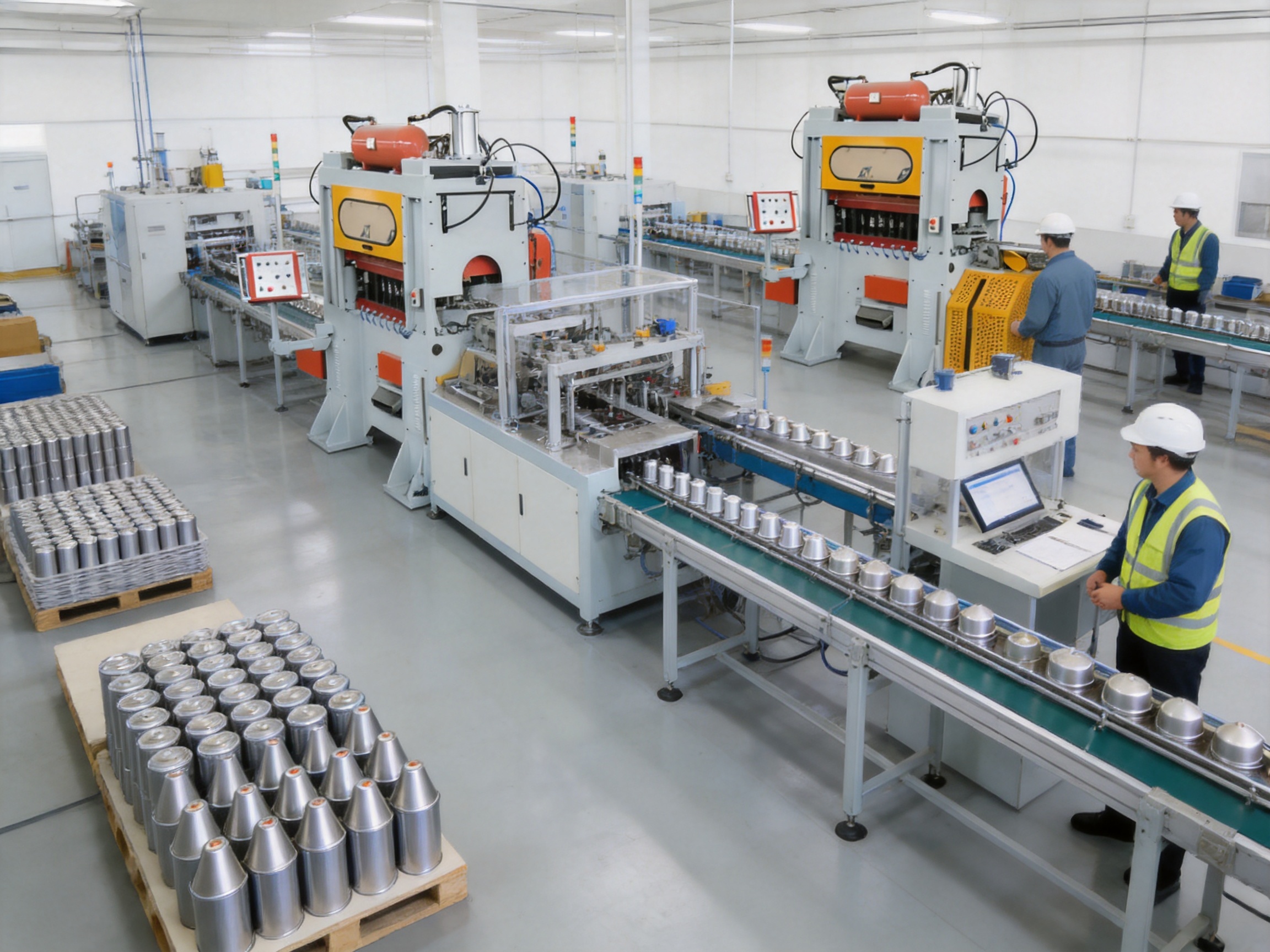
The main function of the Aerosol Top Cover Punch is to punch and form aerosol top covers used in aerosol cone and dome production. It helps manufacturers produce accurate, consistent, and high-quality top cover components for aerosol cans.
The machine can achieve a production capacity of up to 240 pieces per minute. This is based on its two-channel design and maximum speed of 120 strokes per minute.
The machine supports pressure cover diameters from 109D to 211D, making it suitable for multiple aerosol can specifications.
The two-channel design improves output efficiency by producing two pieces per stroke cycle. Compared with single-channel equipment, it can increase productivity without requiring a proportional increase in labor or workshop space.
The machine supports 6 to 9 mold groups. This allows progressive forming, which helps improve dimensional consistency and reduce forming defects.
The machine is suitable for material thickness from 0.17 mm to 0.40 mm. It is designed for materials commonly used in aerosol top cover production.
The machine is suitable for materials with hardness from T3 to T4, which are typical hardness grades used in tinplate and iron-based can components.
The main motor power is 22 kW, providing the power needed for stable punching and forming operations within the specified material range.
Unlike ordinary general-purpose punching machines, this machine is designed specifically for aerosol top cover production. It offers a suitable diameter range, two-channel high-speed output, progressive mold capability, and structural parameters aligned with aerosol cone and dome manufacturing.
Supplier experience is important because aerosol top cover production depends on machine precision, mold design, process knowledge, installation support, and after-sales service. A supplier with decades of can-making machinery and mold experience can provide stronger technical support and more reliable long-term value.
Yes. The machine can be integrated into broader aerosol can and aerosol component production systems. It can work with feeding equipment, cone and dome making equipment, can body equipment, and downstream handling systems according to production requirements.
Important after-sales support includes installation, commissioning, technical guidance, operator training, mold and process advice, and spare parts supply. These services help factories achieve stable production faster and reduce downtime.
The Aerosol Top Cover Punch is a high-speed, specialized machine designed for accurate and efficient aerosol top cover production. With a 109D-211D pressure cover diameter range, 100 mm ram stroke, two production channels, 120 strokes per minute, 240 pieces per minute capacity, 6 to 9 mold groups, 110 mm die spacing, 400 mm maximum closed height, 0.17-0.40 mm material thickness compatibility, T3-T4 material hardness compatibility, and 22 kW main motor power, it provides a strong combination of productivity, flexibility, and forming reliability.
Its advantages over conventional competitor machines include higher output efficiency, specialized aerosol component design, progressive mold capability, broad size adaptability, and support from an experienced machinery and mold manufacturer. For aerosol can component producers, these strengths can translate into lower cost per piece, reduced waste, improved consistency, better line efficiency, and stronger customer satisfaction.
Behind the machine is a manufacturer with long-term specialization in can-making machinery, advanced CNC machining capability, experienced engineers, ISO-certified management systems, global export experience, and complete production line knowledge. These strengths help ensure that the Aerosol Top Cover Punch is not only a machine purchase but also a practical production solution for modern aerosol can manufacturing.
1. Kalpakjian, S., and Schmid, S. R. Manufacturing Engineering and Technology. Pearson Education.
2. Lange, K. Handbook of Metal Forming. Society of Manufacturing Engineers.
3. Davis, J. R. Tool Materials. ASM International.
4. Hosford, W. F., and Caddell, R. M. Metal Forming: Mechanics and Metallurgy. Cambridge University Press.
5. ISO 9001 Quality Management Systems: Requirements. International Organization for Standardization.
6. ISO 14001 Environmental Management Systems: Requirements with Guidance for Use. International Organization for Standardization.
7. Soroka, W. Fundamentals of Packaging Technology. Institute of Packaging Professionals.
8. Robertson, G. L. Food Packaging: Principles and Practice. CRC Press.
Related Products

Founded in 1978, the company is one of the largest can-making machinery well-known companies at home and abroad.
Product Categories
Contact Information
Zhongshatou Shenjiamen Zhoushan Zhejiang China
+86-580-3056646

 English
 中文简体
中文简体
 русский
 عربى
عربى
 Español