2026-07-01
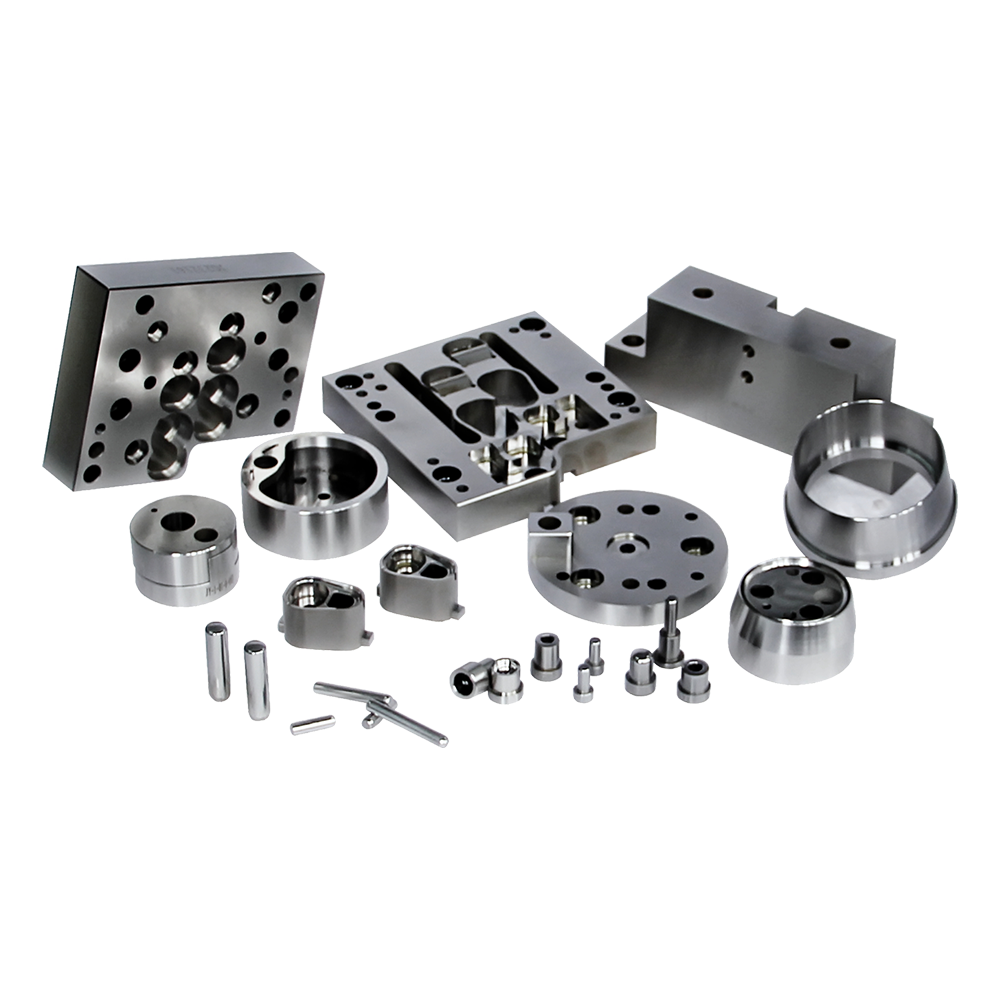
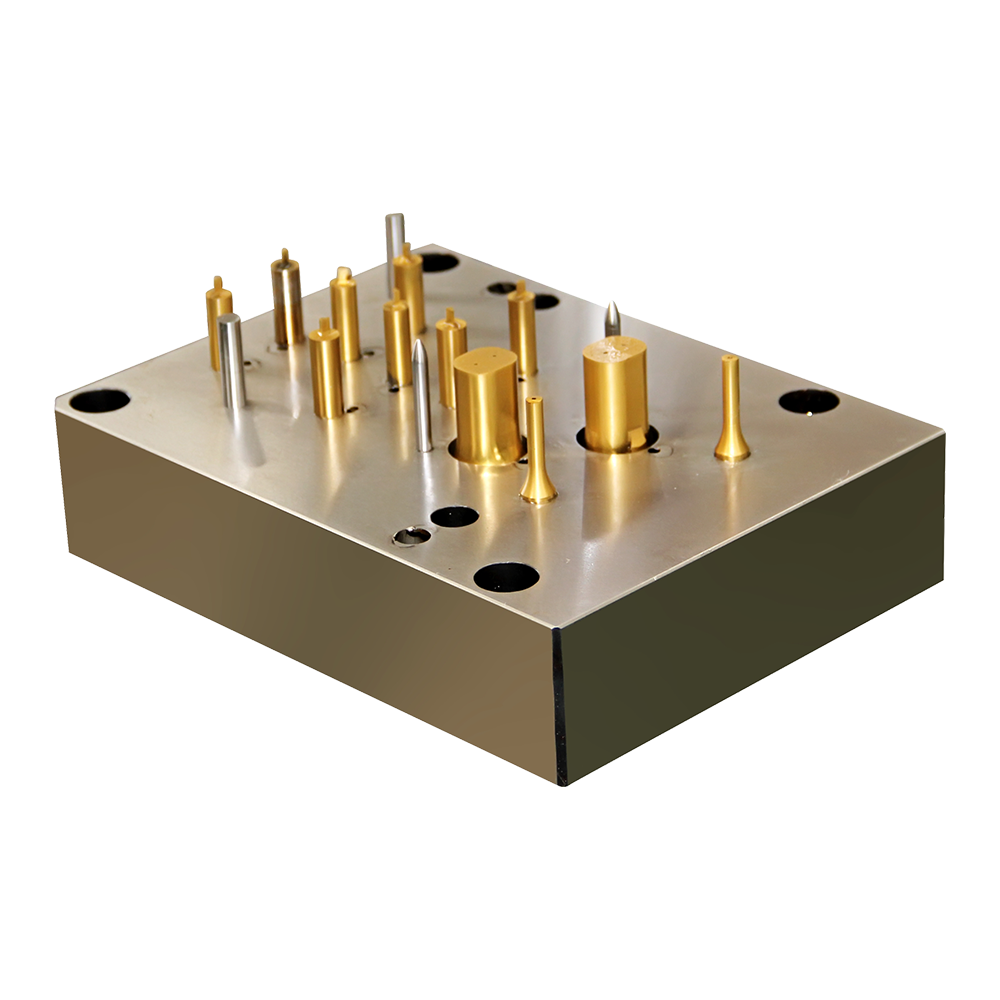
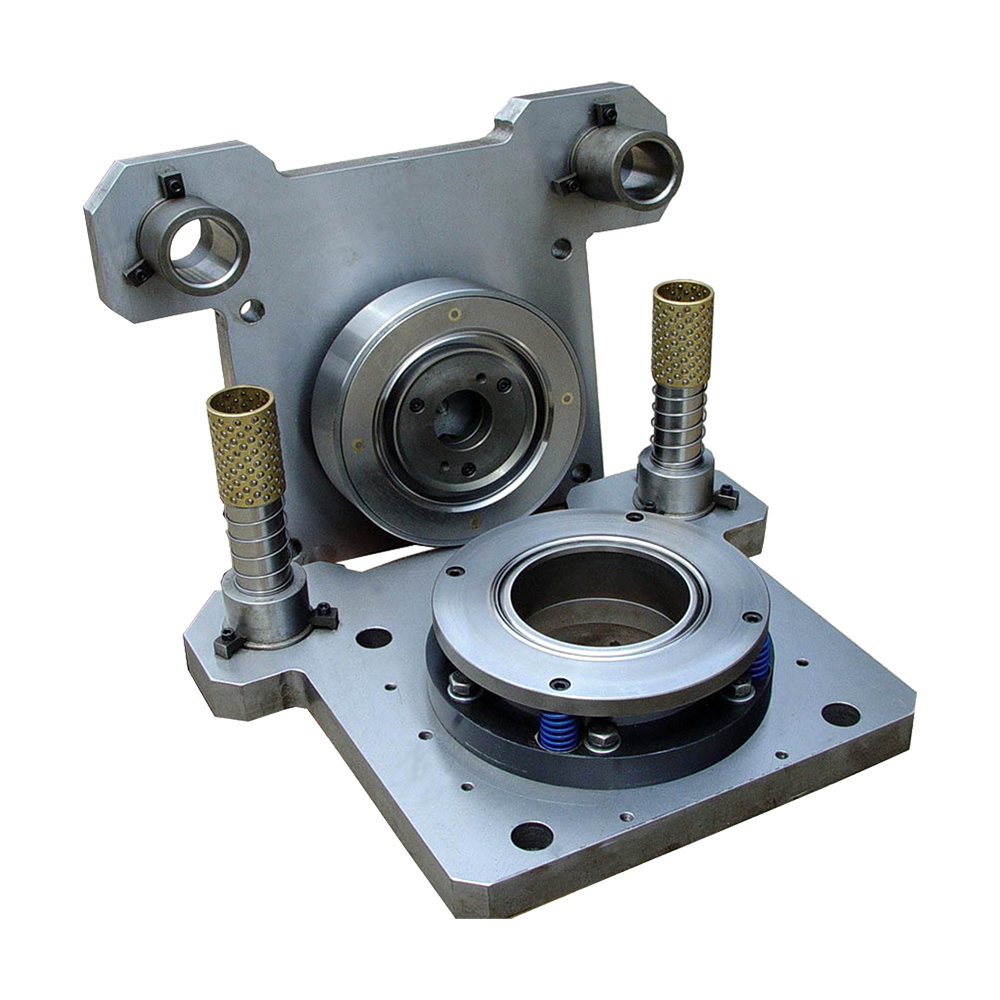
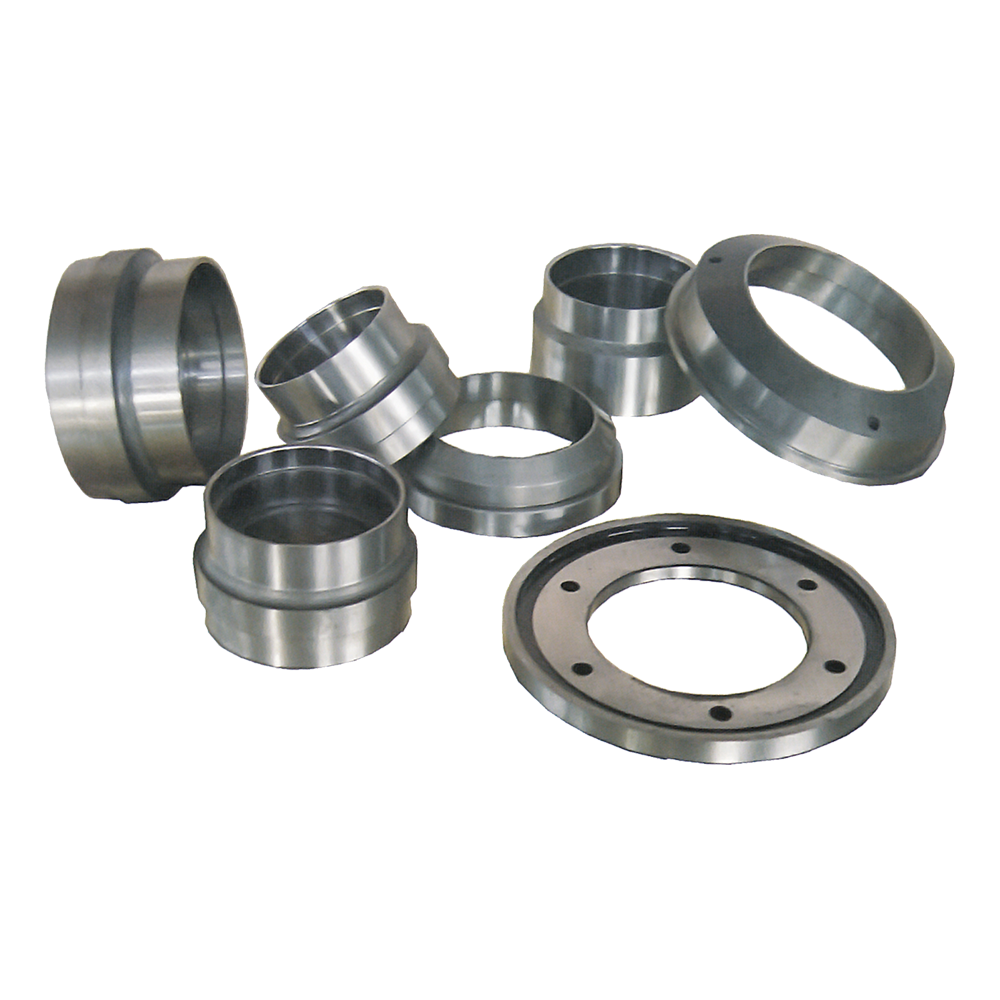
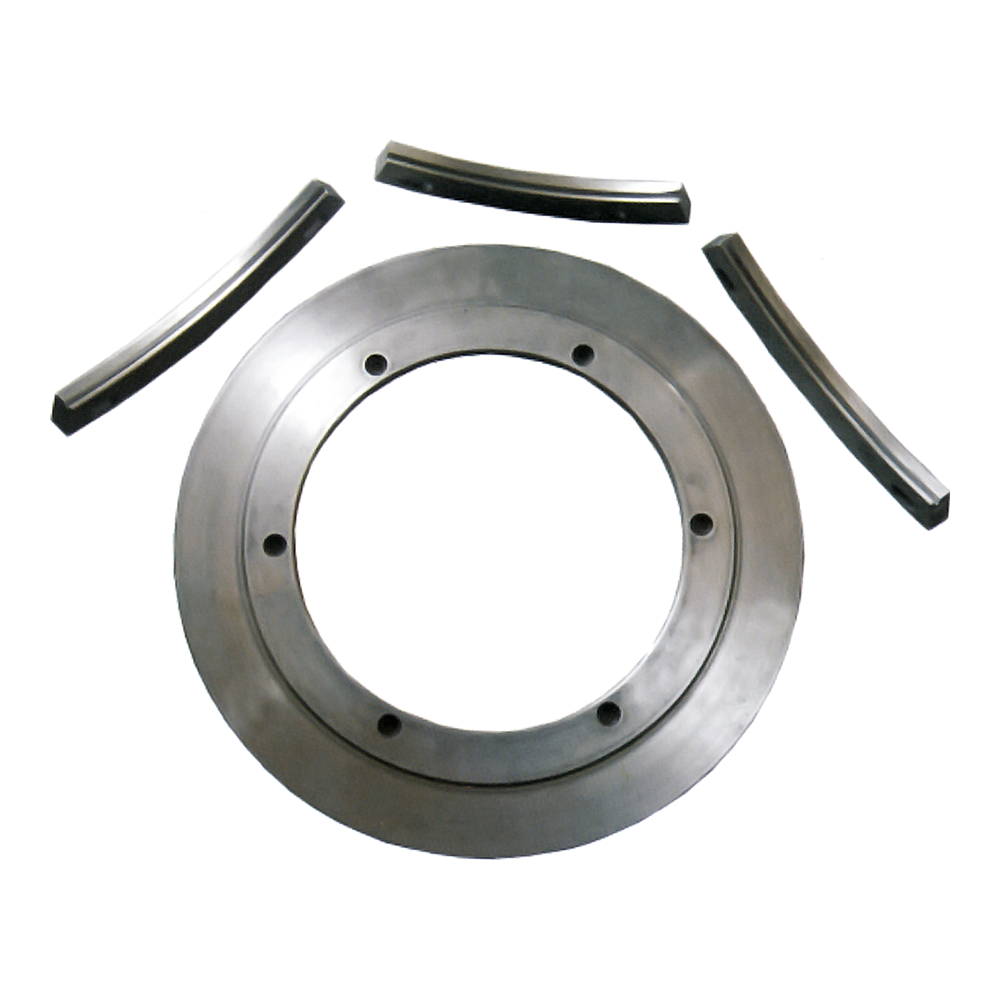
In modern can-making, every millimeter of tinplate matters. A conversion press scroll shearing die is a specialized mold designed to shear metal sheets into an optimized scroll pattern before subsequent forming and lid-making operations. For manufacturers of tin cans, food cans, beverage cans, aerosol cans, chemical containers, and easy-open ends, this die is more than a cutting tool; it is a productivity multiplier, a material-saving device, and a foundation for stable downstream performance.
The Conversion Press Scroll Shearing Die presented here belongs to the mold category and is engineered for high-precision can lid and can end production. It supports efficient sheet utilization, smooth feeding, consistent blank geometry, and long-term production reliability. In a market where can makers are under pressure to reduce scrap, increase line speed, improve finished product consistency, and maintain competitive operating costs, the quality of the shearing die directly affects profitability.
This article explores the role, advantages, manufacturing quality, application value, and competitive strengths of the Conversion Press Scroll Shearing Die. It also highlights the industrial experience, production capability, engineering culture, and quality management strengths of Zhejiang Golden Eagle Food Machinery Co., Ltd., a long-established manufacturer engaged in can-making machinery and molds since 1978.
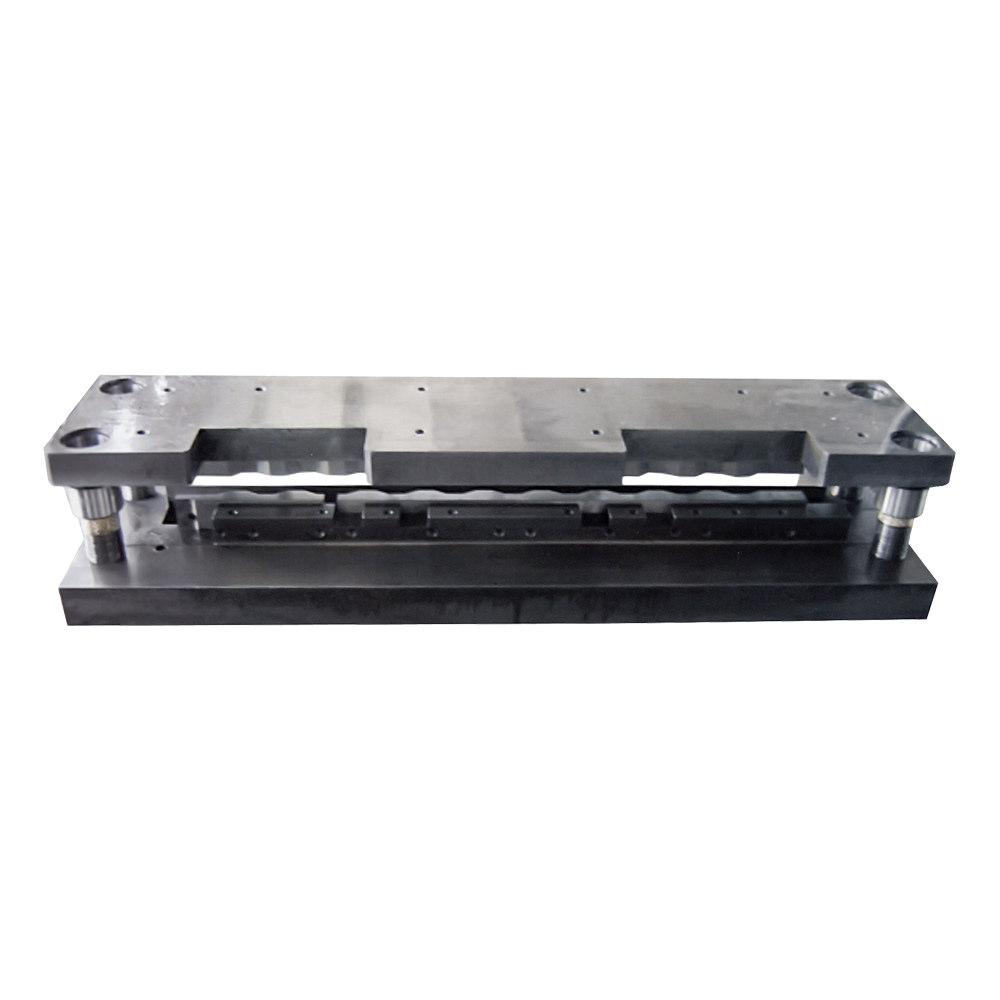
Conversion Press Scroll Shearing Die
A conversion press scroll shearing die is used in the preparation stage of can end or lid production. Instead of cutting rectangular or simple strip-shaped blanks, scroll shearing arranges the cut profile in a nested pattern. This layout helps maximize the number of usable blanks from each sheet of tinplate, aluminum, or other suitable metal material. The result is better material utilization and lower waste per production batch.
In can end manufacturing, the accuracy of the initial sheared blank affects every later process. If the blank shape is inconsistent, the conversion press may experience feeding instability, uneven forming, unexpected burrs, press vibration, premature tooling wear, or defective lids. A well-made scroll shearing die reduces these risks by delivering repeatable cuts, accurate positioning, and clean edges.
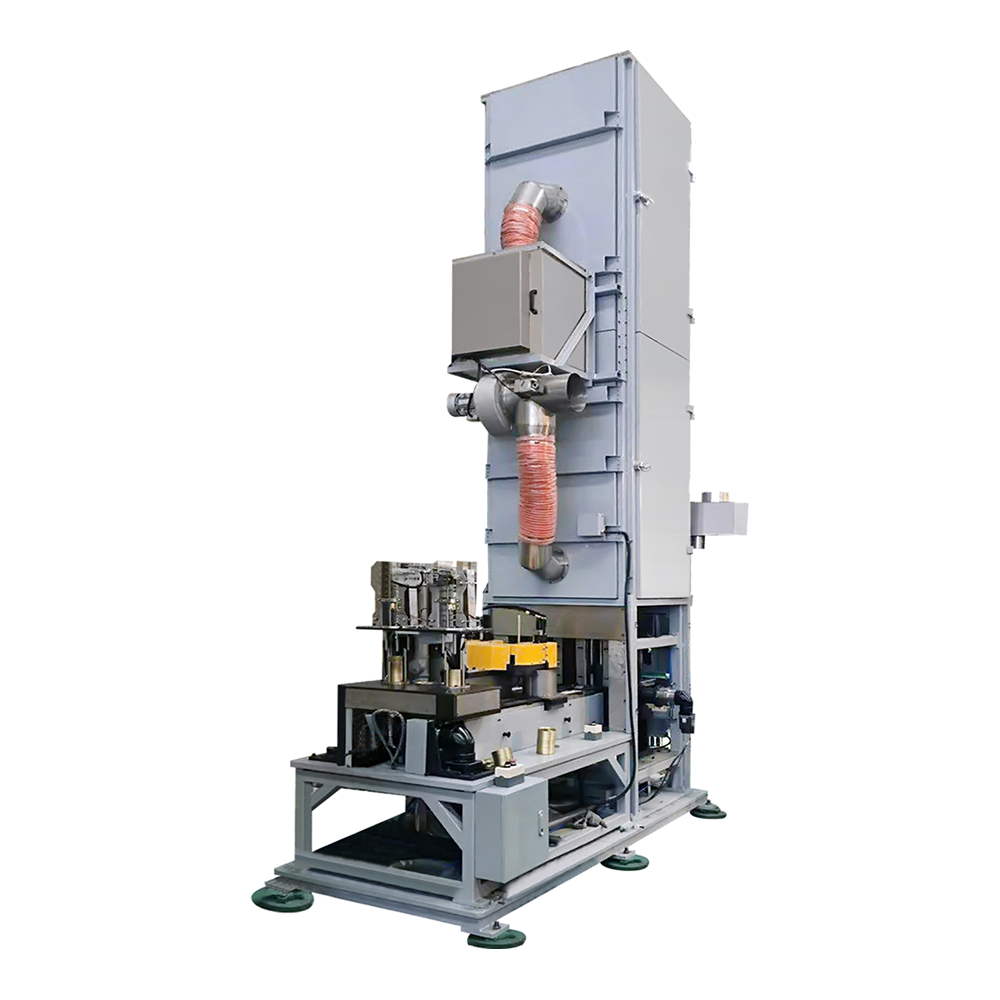
The die is commonly integrated into a conversion press system where metal sheets are converted into can end components through a sequence of shearing, forming, curling, scoring, riveting, tab-related operations, or other lid-processing steps depending on the product type. Whether used for standard sanitary can ends, food can lids, easy-open ends, or other can end structures, a stable shearing die contributes to the efficiency of the entire production line.
Unlike general cutting molds, a scroll shearing die must balance cutting force, blade clearance, sheet movement, nesting geometry, and press synchronization. It needs to be strong enough for repeated high-speed production yet precise enough to maintain dimensional control over long operating cycles. This makes the die a critical part of can-making machinery rather than a simple accessory.
The Conversion Press Scroll Shearing Die is designed for use in can end and lid production environments that demand continuous, accurate, and economical operation. It is part of a wider mold and can-making machinery portfolio that includes equipment for food beverage can production, tin can lid and end making, duplex slitting, milk powder can production, easy-open end lid making, tin can auto-welding, aerosol cone and dome making, chemical tank manufacturing, automatic feeding, aerosol can production, two-piece can manufacturing, and related molds.
As a mold product, its value is measured not only by visible craftsmanship but also by hidden engineering details: cutting-edge geometry, steel selection, heat treatment stability, surface finish, guide accuracy, assembly precision, and compatibility with production rhythm. A reliable scroll shearing die should allow can manufacturers to operate with less downtime, lower scrap rates, and more predictable output quality.
The product is especially relevant for tinplate and tin can production lines where raw material cost represents a significant portion of total manufacturing cost. By arranging blanks efficiently in a scroll pattern, the die helps reduce offcuts and improves the yield of every sheet. Over months or years of production, even small improvements in sheet utilization can become substantial financial savings.
Can end production is a high-volume manufacturing process. A single factory may produce thousands or millions of lids per day, and even a small defect rate can create major losses. Scroll shearing contributes to stable manufacturing in several important ways.
First, it improves material economy. Metal sheets are expensive, and improper blank layout can waste usable area. Scroll cutting uses an interlocking profile that enables close nesting, thereby increasing material usage efficiency compared with less optimized layouts.
Second, it improves line stability. A precise die produces blanks with consistent shape and edge quality. Consistency allows automatic feeding systems and conversion presses to operate smoothly, reducing interruptions caused by misalignment, jamming, or irregular blank positioning.
Third, it supports better finished product quality. Can ends require tight dimensional control because they must seal properly to can bodies. Poor initial cutting can influence forming accuracy, flange geometry, seaming compatibility, and final package integrity. High-quality shearing helps protect the reliability of the can closure.
Fourth, it reduces hidden maintenance costs. Burrs, uneven cuts, and poorly balanced tooling loads can damage downstream tools and increase wear. A properly engineered die reduces abnormal impact and distributes force more evenly during operation.
The Conversion Press Scroll Shearing Die offers several advantages when compared with ordinary or lower-grade competitor dies. These advantages are especially important for can manufacturers that operate high-speed production lines and need long-term reliability.
The scroll shearing design is built to improve nesting efficiency. By optimizing the profile layout, the die helps can makers reduce tinplate waste. This advantage is critical because material waste directly affects production cost. A die that saves even a small percentage of sheet material can generate meaningful annual savings for large-scale production facilities.
High-precision machining and accurate assembly help the die maintain consistent cutting clearance. Proper clearance reduces burr formation, edge deformation, and cutting resistance. In contrast, competitor dies made with less accurate machining may require frequent adjustment and may produce unstable edge quality after limited use.
The die is developed with attention to material selection, heat treatment, and wear-resistant performance. Long operating life reduces replacement frequency and lowers total ownership cost. For production lines running multiple shifts, durability is not optional; it is a core requirement.
High-speed can end production requires tooling that can withstand repeated mechanical stress. The Conversion Press Scroll Shearing Die is built for stable cutting action, repeatable sheet movement, and reliable performance under demanding production conditions. This reduces stoppages and supports continuous output.
The die is developed by a manufacturer with long experience in complete can-making machinery systems, not by a general mold supplier unfamiliar with can production. This system-level knowledge helps ensure the die works well with automatic feeding systems, conversion presses, lid-making machines, and downstream equipment.
Accurate scroll shearing reduces the risk of deformed blanks, irregular edges, misfeeds, and production interruptions. Lower defect risk improves yield and reduces the burden on quality inspection teams. It also supports more reliable delivery schedules for can manufacturers serving food, beverage, aerosol, and chemical packaging markets.
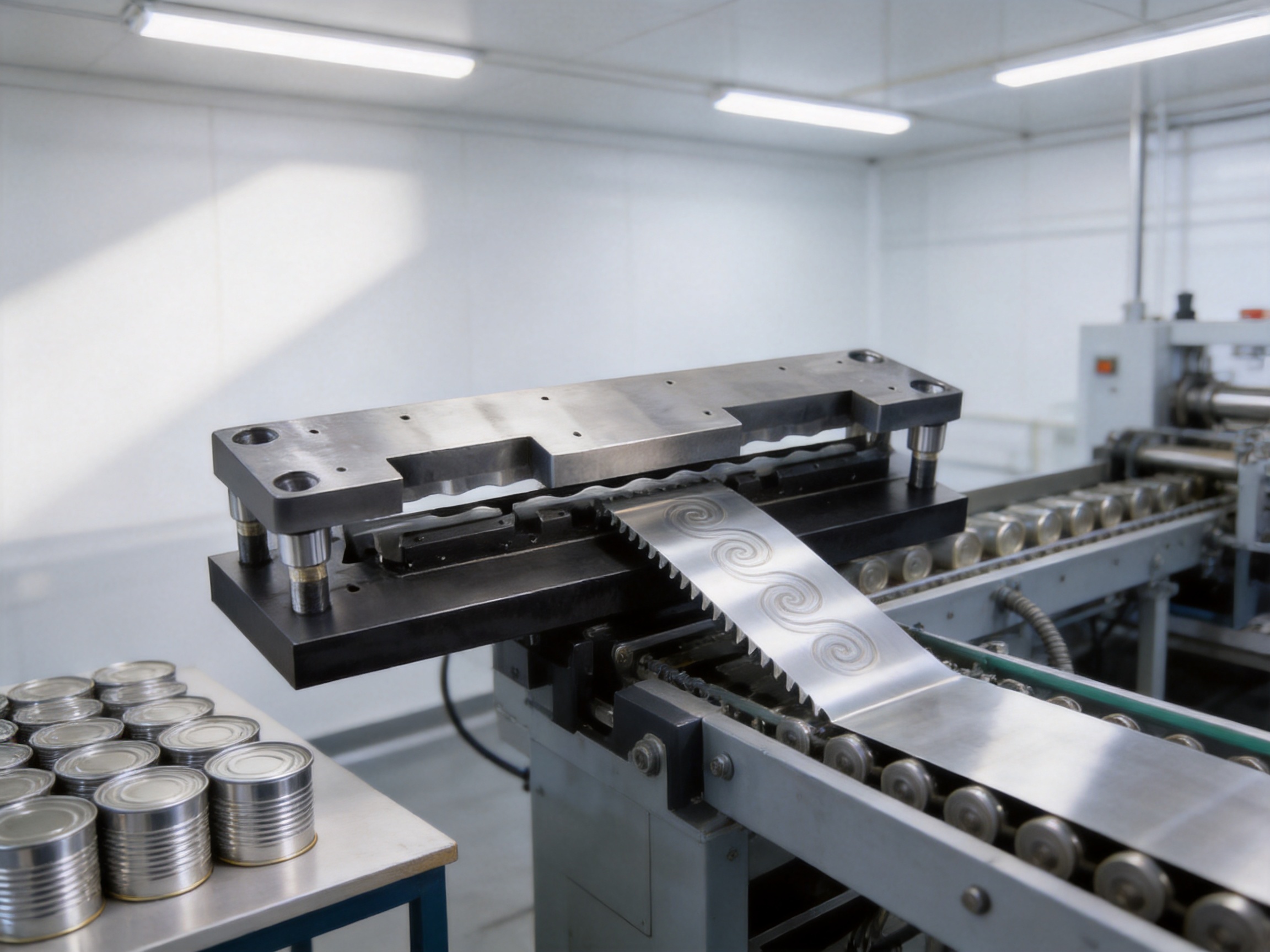
The practical value of a scroll shearing die becomes clear during daily production. Operators need a tool that starts reliably, runs smoothly, and remains stable after long hours of operation. Maintenance teams need tooling that can be inspected, adjusted, and serviced efficiently. Production managers need predictable output, low scrap, and consistent quality. The Conversion Press Scroll Shearing Die addresses these needs by combining precision engineering with production-oriented design.
In many factories, tooling problems are not always obvious at first. A slightly inaccurate die may still cut material, but it can slowly increase burr levels, cause feeding instability, or create edge stress that later affects forming. Over time, these small problems may lead to bigger losses. A high-quality die reduces these hidden risks by providing a strong foundation for every later process.
Another important value is repeatability. A production line may need to run the same lid specification for a long period, or it may need to change between different specifications. In both cases, the die must deliver stable dimensional accuracy. Repeatability helps manufacturers standardize process parameters and reduce dependence on operator correction.
Zhejiang Golden Eagle Food Machinery Co., Ltd. has a manufacturing background that is highly relevant to the quality of this product. Established in 1978 and formerly known as Zhejiang Food Machinery Factory and Zhoushan Mold Factory, the company has spent more than four decades engaged in can-making machinery and can-making mold production. This long experience provides a deep understanding of how molds perform inside real production lines.
The company is located in Zhoushan City, Zhejiang Province, China. Over the years, it has developed a team of more than 350 well-trained personnel, including experienced design and development engineers. The combination of skilled workers, engineering knowledge, and long-term industry focus enables the company to produce a complete range of can-making machinery and molds with recognized quality.
One major strength is the use of advanced manufacturing equipment. The company adopts CNC high-precision machining equipment and complete mechanical machining equipment. These capabilities are essential for a product such as a scroll shearing die, where small dimensional deviations can lead to visible production problems. Precision machining helps ensure that cutting edges, guide systems, mounting surfaces, and working components meet strict requirements.
The company’s product design principles are influenced by advanced international concepts similar to those used by well-known can-making machinery technologies such as KRUPP, SOUDRONIC, and ALFONS-HAAR. More importantly, the company has combined these principles with extensive practical production experience. This practical approach helps improve products continuously and makes them suitable for the realities of factory operation.
The company has also achieved ISO9001 quality management system certification and ISO14001 environmental management system certification. These certifications reflect structured quality control and environmental responsibility. For customers purchasing high-value tooling, quality management is important because it supports consistency from design through machining, assembly, inspection, and delivery.
The performance of a scroll shearing die depends heavily on the manufacturing process. A die may look simple from the outside, but its internal quality is built through many controlled steps. The following process elements are especially important.
Before machining begins, engineers analyze the required can end size, sheet material, press configuration, production speed, and nesting requirements. The scroll layout must be calculated to balance material saving with reliable feeding and cutting. Engineers also consider blade geometry, die strength, mounting dimensions, and maintenance access.
Good design planning reduces later problems. If the scroll pattern is too aggressive, feeding may become unstable. If the cutting clearance is not suited to the material thickness, burrs or edge deformation may occur. If the die structure is not strong enough, long-term accuracy may decline. Proper design prevents these risks early.
Tooling materials must be selected for strength, wear resistance, toughness, and dimensional stability. In high-speed can-making operations, the die faces repeated impact and friction. Inferior materials may wear quickly or crack under load. Proper steel selection supports longer service life and stable cutting quality.
CNC machining allows accurate production of complex die components. It improves consistency and reduces manual variation. For a scroll shearing die, cutting profiles must be produced with exact geometry. Mounting surfaces must be flat and aligned. Guide holes, positioning features, and blade seats must be precisely machined. CNC equipment helps achieve this level of control.
Heat treatment improves hardness and wear resistance, but it must be carefully controlled. Poor heat treatment can cause distortion, brittleness, or uneven hardness. A high-quality manufacturing process ensures that working components maintain their intended dimensions and mechanical properties after treatment.
After heat treatment, precision grinding and finishing are often required to achieve final tolerances. Smooth surfaces reduce friction and improve movement. Accurate cutting surfaces help maintain clean shearing and minimize burrs. Surface finish is not merely cosmetic; it directly affects die performance.
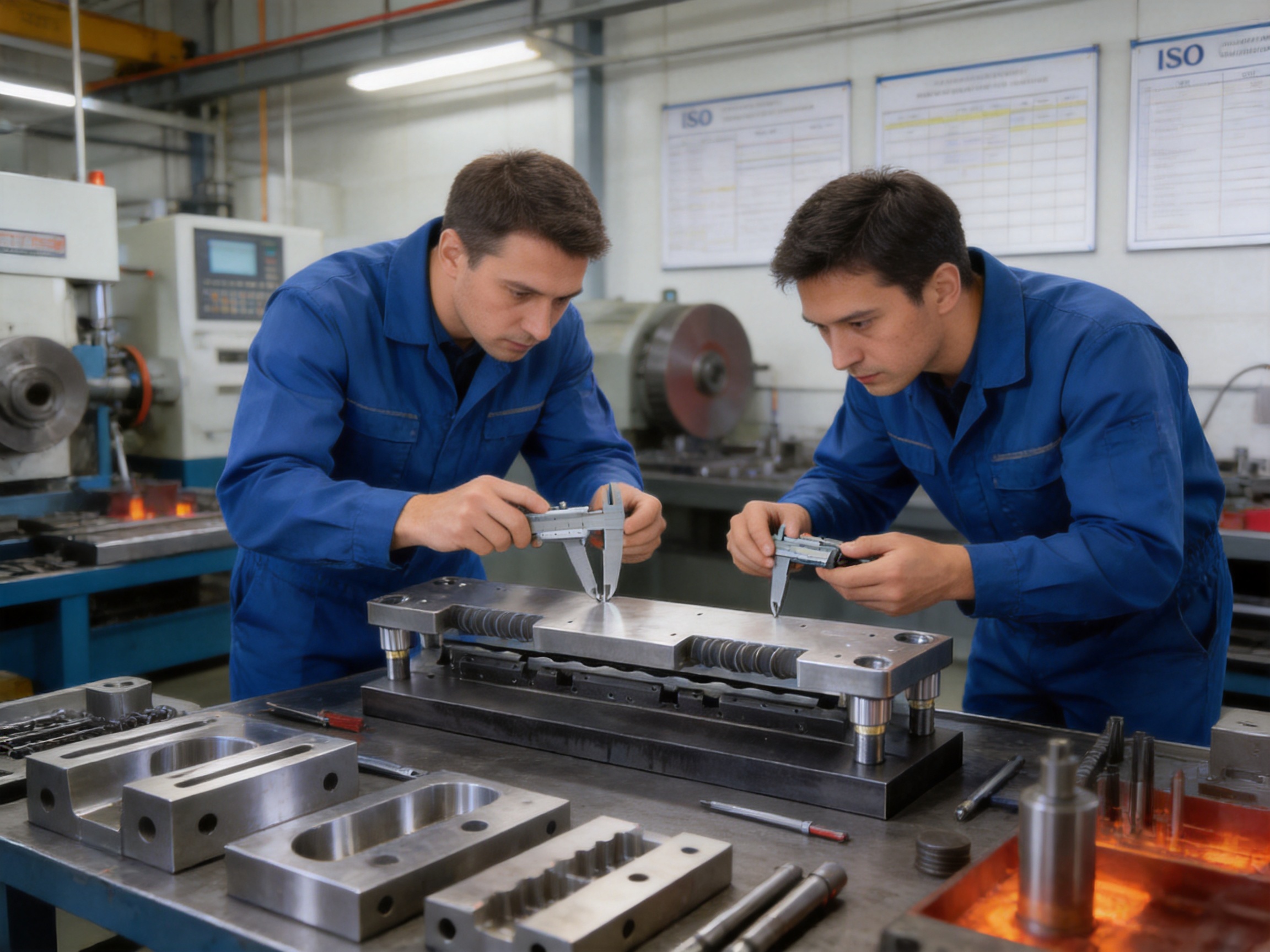
Assembly requires skilled technicians who understand die function. Components must be aligned correctly, clearances must be checked, and movement must be smooth. Inspection verifies dimensions, fit, and working accuracy. For a conversion press scroll shearing die, assembly accuracy is as important as individual component accuracy.
Where required, tooling can be tested or adjusted to ensure it meets production expectations. Trial results help confirm cutting quality, feeding behavior, and product consistency. This practical verification reflects the manufacturer’s production-line experience.
| Feature | Production Benefit | Customer Value |
|---|---|---|
| Optimized scroll shearing layout | Improves sheet utilization and reduces offcut waste | Lower material cost and better profitability |
| High-precision cutting clearance | Reduces burrs, deformation, and unstable edges | Higher product quality and less rework |
| Durable tooling structure | Supports long-term high-frequency operation | Reduced replacement cost and less downtime |
| CNC-machined components | Improves accuracy and repeatability | Stable production and easier process control |
| Experienced can-making machinery design | Improves compatibility with conversion presses and lines | Smoother integration and reliable operation |
| Quality management system support | Controls production consistency from design to delivery | Greater purchasing confidence |
The Conversion Press Scroll Shearing Die is suitable for manufacturers involved in tinplate can end production and related can-making processes. It can support factories producing food can lids, beverage can ends, milk powder can components, easy-open end lids, aerosol can parts, chemical container closures, and other metal packaging products.
Food can production often requires reliable sealing performance and hygienic packaging integrity. Lid accuracy is essential because the final container must withstand filling, sterilization, transportation, and storage. A precise shearing die helps ensure that the starting blank supports stable forming and sealing quality.
Beverage can and easy-open end production may require high-speed operation and tight tolerances. In these applications, tooling consistency becomes especially important because production volumes are large and downtime is expensive. A durable scroll shearing die helps maintain output efficiency.
Milk powder cans and other premium food containers often require excellent appearance and dimensional control. Poorly cut blanks can influence later forming and visual quality. Clean, consistent shearing supports a better final product.
Aerosol and chemical packaging applications may involve special container structures and safety requirements. Stable can end geometry contributes to proper assembly and performance. In these segments, tooling reliability helps protect both productivity and product safety.
One of the main advantages of sourcing a scroll shearing die from a manufacturer specializing in can-making machinery is system compatibility. Zhejiang Golden Eagle Food Machinery Co., Ltd. supplies whole-set series products including food can production lines, beverage can production lines, can lid production lines, chemical tank production lines, aerosol canister production lines, two-piece can production lines, and pop can production lines. This broad product experience allows the company to understand how individual molds affect the entire manufacturing system.
A general mold maker may be able to produce a cutting tool, but may not fully understand the relationship between scroll shearing, feeding, forming, curling, scoring, welding, and seaming. A can-making machinery specialist can design molds with practical production behavior in mind. This is a major competitive advantage.
For customers planning a new line or upgrading existing equipment, tooling compatibility can reduce commissioning time. If the die is designed with the press, feeding system, and downstream process in mind, the line can reach stable production more quickly. This reduces start-up losses and improves project efficiency.
Quality control for a scroll shearing die must address both dimensions and performance. Dimensional inspection ensures that the die is manufactured according to drawing requirements. Performance-focused inspection considers whether the die will cut smoothly, maintain clearance, and support production stability.
The company’s ISO9001 quality management certification supports a structured approach to quality. In practice, this means that production procedures, inspection steps, documentation, and corrective actions are managed systematically. For customers, this reduces the uncertainty often associated with custom tooling.
Reliability is also built through experience. Since the company has produced more than 10,000 pieces of can and can lid equipment, it has accumulated extensive knowledge of customer requirements, field problems, operating conditions, and maintenance expectations. This experience helps engineers refine designs and avoid common weaknesses.
A reliable die should not require constant operator intervention. It should maintain stable operation after proper installation and adjustment. It should also be serviceable when sharpening, cleaning, or component replacement is required. Good tooling design considers not only initial performance but also long-term maintenance.
The economic importance of a scroll shearing die is often underestimated. Many buyers focus only on the purchase price of the die, but the real cost is determined by long-term production performance. A cheaper die that creates more scrap, requires frequent adjustment, or wears quickly can become much more expensive over time.
Material saving is one of the clearest economic benefits. Tinplate and other metal sheets represent a major cost in can manufacturing. By improving blank nesting, the die helps reduce waste. If a factory processes large volumes of sheet material every day, improved utilization can quickly offset the investment in high-quality tooling.
Downtime reduction is another important benefit. Every production stoppage affects output, labor efficiency, and delivery schedules. A stable die reduces interruptions caused by poor cutting, misfeeds, and frequent maintenance. This is especially valuable for factories operating continuous or multi-shift production.
Improved product quality also has financial value. Defective lids may require rework, sorting, or disposal. They may also create customer complaints if defects pass inspection. By supporting consistent blank quality, the die helps reduce downstream defects and protect the manufacturer’s reputation.
Low-cost tooling can be attractive at the purchasing stage, but can-making is a process where tooling quality has a direct effect on operating cost. A low-cost scroll shearing die may use inferior materials, less accurate machining, weak heat treatment, or simplified design. These compromises can lead to faster wear, unstable clearance, burr formation, and lower production efficiency.
The Conversion Press Scroll Shearing Die is positioned as a production-grade tool designed for practical long-term use. Its value is not limited to initial cutting ability. It is designed to support stable manufacturing, lower waste, and reliable integration with can-making equipment.
Competitor dies may also lack the benefit of can-making system expertise. A mold that is designed without understanding downstream operations may cause problems that only appear during production. For example, a blank may meet basic size requirements but still feed poorly or create forming stress. System-level experience helps prevent such issues.
Another difference is after-sales support. Zhejiang Golden Eagle Food Machinery Co., Ltd. provides after-sales services including installation, commissioning, technical guidance, operation training, and parts supply. For industrial equipment and tooling, this service capability is important because it helps customers solve practical problems quickly.
A long manufacturing history is not only a marketing point; it represents accumulated technical knowledge. Since 1978, Zhejiang Golden Eagle Food Machinery Co., Ltd. has developed through continuous innovation in can-making machinery and molds. Over more than 46 years, the company has served many can manufacturers and canning factories, receiving recognition for product variety and quality.
The can-making industry has changed significantly over these decades. Customers now demand higher speed, lower waste, improved automation, better environmental performance, and more consistent product quality. A company that has remained active through these changes must continuously update its designs and production methods.
This historical experience is especially relevant to mold products. Tooling problems are often discovered only through real production. By working with many factories across different countries and industries, the company has gained practical insight into materials, climates, maintenance habits, operator skills, and production requirements. This insight improves product reliability.
The company’s products have been exported to many countries across Europe, Asia, Africa, North America, South America, and Oceania. Export markets include Germany, Italy, the United Kingdom, Spain, Hungary, Russia, Australia, Jordan, Malaysia, the Philippines, Pakistan, Egypt, Algeria, Turkey, Mexico, Nigeria, Iran, and other regions.
Global market experience is valuable because different customers often have different standards, materials, production habits, and equipment configurations. A manufacturer serving international markets must be able to provide adaptable designs and dependable quality. This background supports the credibility of the Conversion Press Scroll Shearing Die for customers seeking export-grade tooling.
International use also demonstrates that the company’s can-making machinery and molds are not limited to one local market. They are designed to meet broad industrial needs and can be integrated into different production environments.
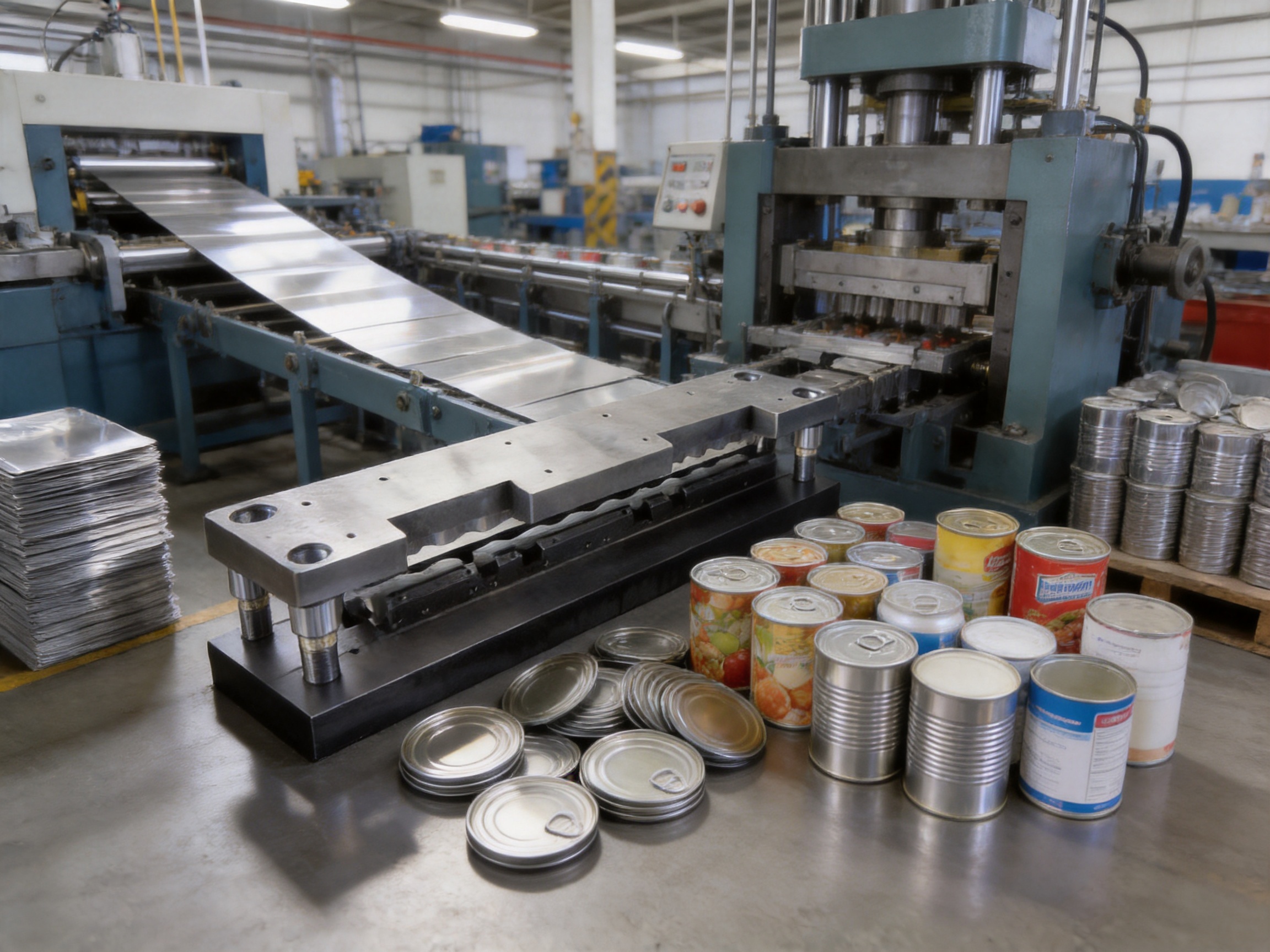
To achieve the best performance from a conversion press scroll shearing die, users should pay attention to correct installation, suitable press condition, proper lubrication, sheet quality, and regular maintenance. Even the best die requires correct operation to maintain long service life.
Installation should be performed according to technical guidance. Alignment is critical because misalignment can increase wear and damage cutting edges. Press condition should also be checked, including slide accuracy, rigidity, and feeding synchronization. A worn or unstable press can reduce die performance.
Sheet material quality affects cutting results. Variations in thickness, hardness, coating, or flatness can influence burr formation and feeding stability. Users should ensure that sheet material matches the die design conditions as much as possible.
Regular maintenance includes cleaning, inspection, lubrication, checking fasteners, monitoring edge condition, and arranging sharpening or component replacement when necessary. Preventive maintenance is better than emergency repair because it avoids unexpected downtime.
Operator training is also important. Skilled operators can identify early signs of abnormal cutting, such as increased noise, burr change, feeding resistance, or product variation. Early detection helps prevent major damage.
Sustainability in can-making is closely connected to material efficiency, energy efficiency, and long service life. A scroll shearing die contributes to sustainability by reducing metal waste. Better sheet utilization means fewer raw materials are consumed for the same production output.
Stable cutting also reduces defective products. Lower defect rates mean less scrap, less reprocessing, and less energy wasted on unusable parts. In high-volume production, these improvements can significantly reduce environmental impact.
Long die life also supports sustainability. Durable tooling reduces the need for frequent replacement, saving the materials and energy required to manufacture new tools. When combined with proper maintenance, a high-quality die can serve production for an extended period.
The manufacturer’s ISO14001 environmental management certification further supports an environmentally conscious production approach. For customers who value responsible sourcing, this is an additional advantage.
Can manufacturers often require tooling that matches their specific product dimensions, materials, press models, and line layouts. The company offers OEM and ODM can and tinplate can production line solutions, and its engineering team can support customized tooling requirements.
Customization may involve different can end diameters, sheet thicknesses, scroll layouts, press interfaces, or production speeds. A customized die can help customers achieve better material utilization and smoother integration than a generic product.
OEM/ODM capability is especially useful for customers building new production lines or upgrading old equipment. Instead of purchasing separate equipment and tooling from unrelated suppliers, customers can work with a manufacturer that understands the whole process. This can simplify communication, reduce compatibility problems, and improve project success.
Choosing a scroll shearing die is a strategic decision for can manufacturers. The right die improves material efficiency, production stability, product quality, and long-term profitability. The Conversion Press Scroll Shearing Die offers a strong combination of precision, durability, manufacturing expertise, and system compatibility.
The product benefits from advanced CNC machining, experienced engineering, can-making industry specialization, structured quality management, and extensive export experience. It is supported by a company with more than 46 years of development in can-making machinery and molds, a large professional workforce, and a wide product portfolio covering complete can production solutions.
Compared with ordinary competitor dies, this product offers stronger practical value because it is designed with real can-making conditions in mind. It is not simply a cutting mold; it is a production tool intended to reduce waste, stabilize line operation, and protect downstream quality.
It is used to shear metal sheets into an optimized scroll pattern for can end or lid production. The scroll pattern improves material utilization and provides accurate blanks for downstream forming and lid-making operations.
Scroll shearing allows blanks to be nested more efficiently, reducing metal waste. It also supports stable feeding and consistent blank geometry when the die is accurately designed and manufactured.
It is suitable for food can, beverage can, milk powder can, aerosol can, chemical container, easy-open end, and other tinplate or metal packaging production applications.
It reduces cost by improving sheet utilization, lowering scrap, decreasing downtime, improving cutting stability, and reducing defects in downstream processes.
It is produced with advanced machining capability, can-making system experience, quality management support, and durable tooling design. Low-cost alternatives may cut initially but often create higher long-term costs through wear, defects, and instability.
Yes. Zhejiang Golden Eagle Food Machinery Co., Ltd. supplies food can production lines, beverage can production lines, can lid production lines, chemical tank production lines, aerosol canister production lines, two-piece can production lines, pop can production lines, and related molds.
CNC machining improves dimensional accuracy and repeatability. For a scroll shearing die, accurate cutting profiles, mounting surfaces, and guide features are essential for clean cutting and stable production.
Yes. Tooling can be designed according to customer requirements such as can end size, sheet material, press configuration, production speed, and line layout.
Users should clean the die regularly, check cutting edges, monitor burr levels, maintain lubrication, inspect fasteners, verify alignment, and arrange sharpening or part replacement when needed.
By producing accurate and cleanly sheared blanks, the die helps downstream forming and lid-making processes operate more consistently, reducing deformation, misfeeds, and finished product defects.
The Conversion Press Scroll Shearing Die is a critical tooling solution for efficient and precise can end manufacturing. Its main value lies in improving material utilization, stabilizing production, reducing defects, and supporting long-term operating economy. In high-volume can-making environments, these benefits directly influence competitiveness.
Backed by advanced CNC manufacturing, experienced engineering, international market experience, ISO-certified management systems, and decades of specialization in can-making machinery and molds, the product offers strong advantages over ordinary competitor tooling. It is especially suitable for manufacturers who want dependable production performance rather than short-term savings from low-grade alternatives.
For can makers focused on quality, efficiency, and long-term profitability, a precision scroll shearing die is an investment in the entire production line. By choosing a die developed by a specialized can-making machinery manufacturer, customers gain not only a mold but also practical engineering knowledge, service support, and production confidence.
1. Lange, K. Handbook of Metal Forming. Society of Manufacturing Engineers.
2. Kalpakjian, S., and Schmid, S. Manufacturing Engineering and Technology. Pearson.
3. Altan, T., and Tekkaya, A. E. Sheet Metal Forming: Processes and Applications. ASM International.
4. Davis, J. R. Tool Materials. ASM International.
5. Groover, M. P. Fundamentals of Modern Manufacturing: Materials, Processes, and Systems. Wiley.
6. International Organization for Standardization. ISO9001 Quality Management Systems Guidelines.
7. International Organization for Standardization. ISO14001 Environmental Management Systems Guidelines.
8. Soroka, W. Fundamentals of Packaging Technology. Institute of Packaging Professionals.
Related Products

Founded in 1978, the company is one of the largest can-making machinery well-known companies at home and abroad.
Product Categories
Contact Information
Zhongshatou Shenjiamen Zhoushan Zhejiang China
+86-580-3056646

 English
 中文简体
中文简体
 русский
 عربى
عربى
 Español