2026-04-30
The global food packaging industry is undergoing a transformative shift, driven by rising demand for efficient, sustainable, and high-quality canning solutions. As consumers increasingly prioritize freshness, convenience, and recyclability, food manufacturers face pressure to optimize production lines while maintaining strict quality standards. At the heart of this evolution are necking flanging beading (NFB) can making machines—critical equipment that streamlines three essential can production steps into one integrated system. This article explores the cutting-edge features of a leading NFB machine, its advantages over competitor solutions, the advanced manufacturing processes behind it, and its global impact on food packaging efficiency.
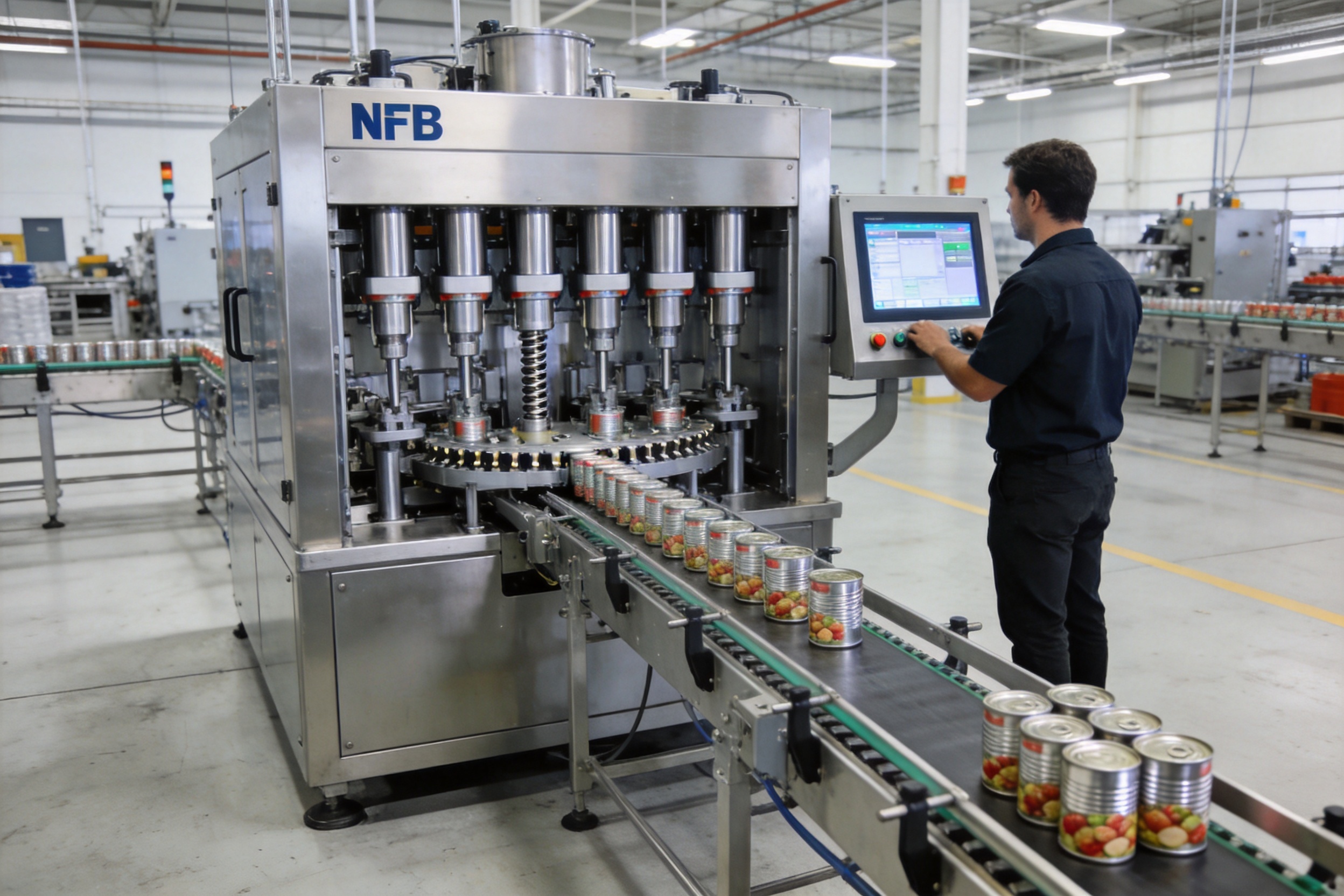
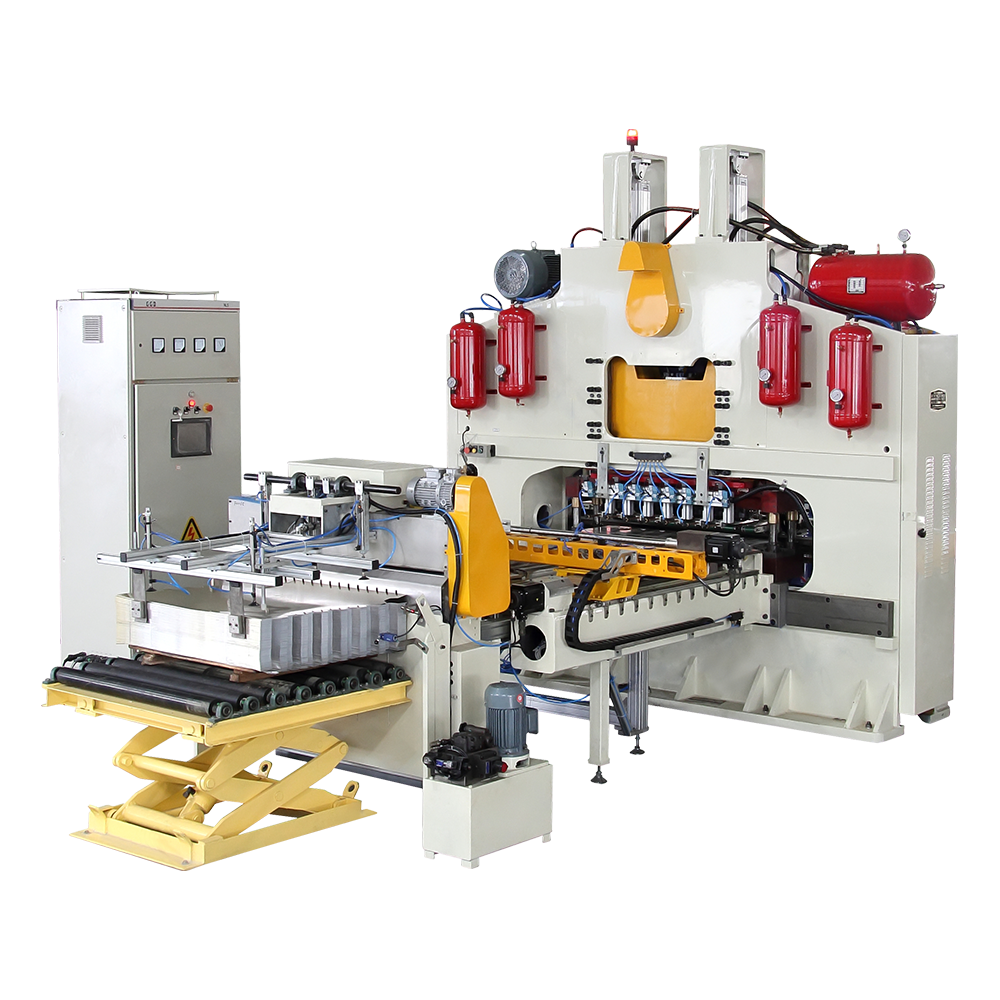
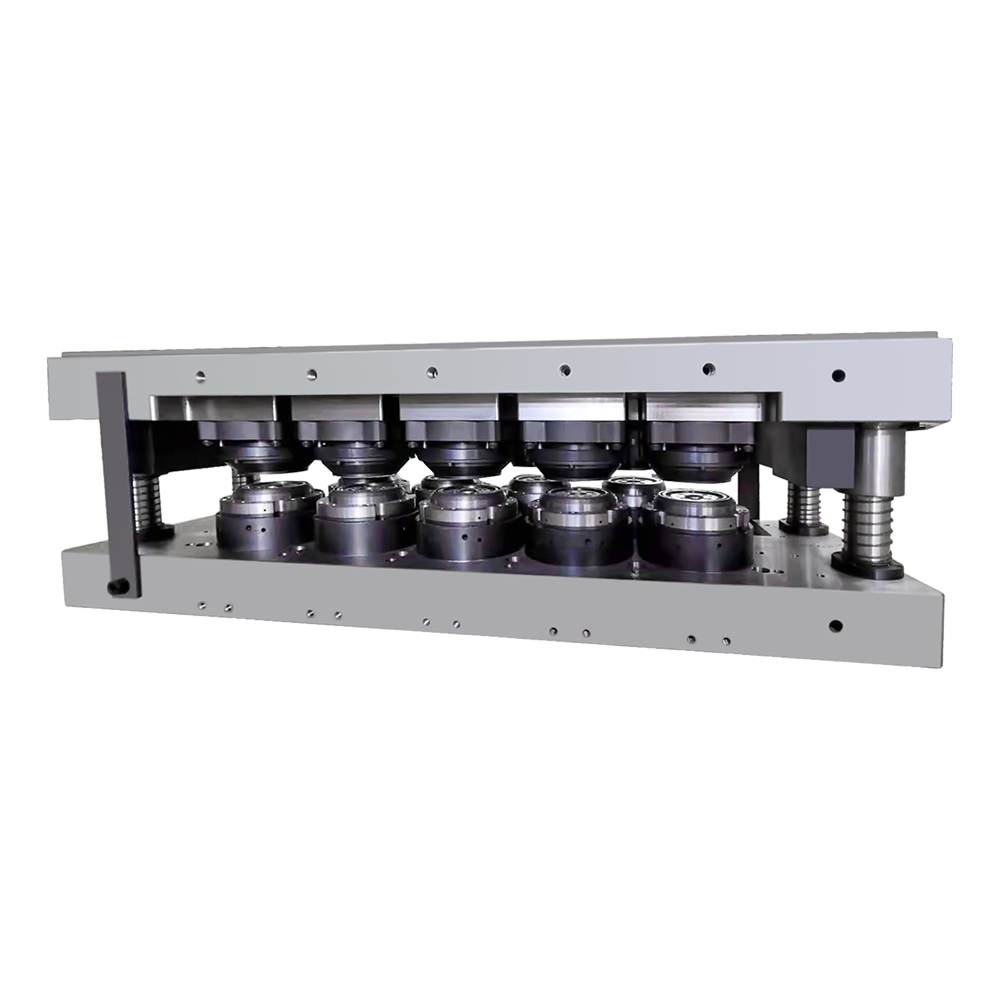
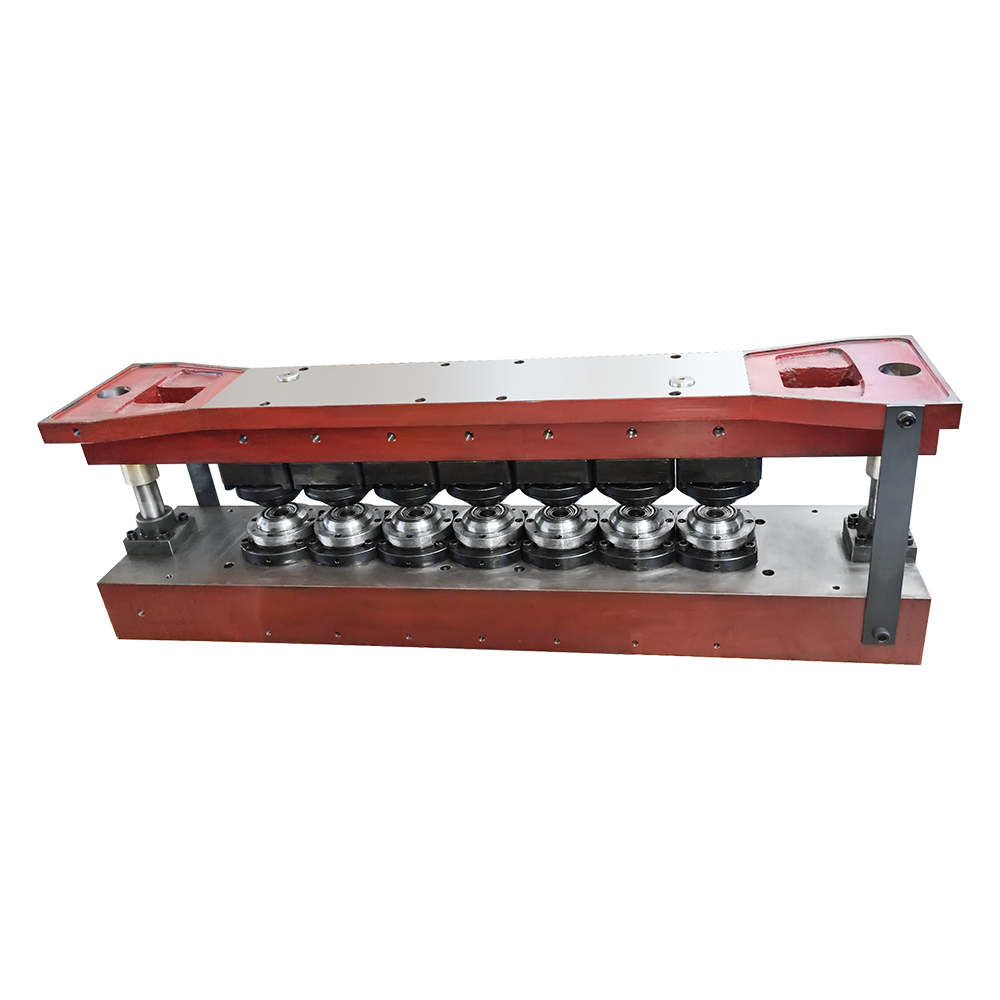
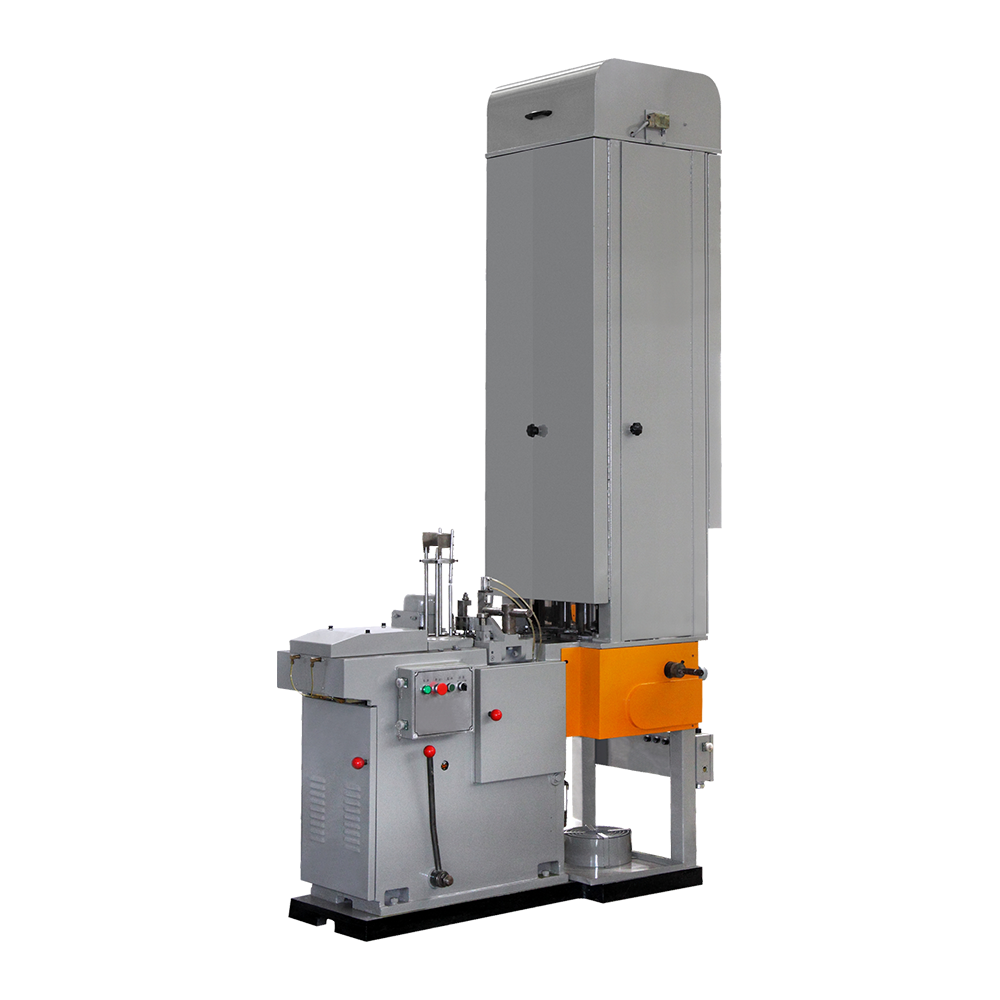
The necking flanging beading high performance can making machine is a vertical automatic combination system designed exclusively for food can production. Built to handle the rigorous demands of modern manufacturing, this machine integrates three core functions—necking, flanging, and beading—into a single, compact unit, eliminating the need for separate equipment and reducing production bottlenecks.
Key specifications of the flagship model (GT3B53-NFB-1, 8-head) include:
Each function serves a distinct purpose in can production: necking ensures a tight seal with lids, flanging creates a consistent lip for seaming accuracy, and beading enhances structural integrity—allowing thinner tinplate to be used without compromising durability. The 8-head design further optimizes output by processing multiple cans simultaneously, reducing cycle times and increasing overall production capacity.
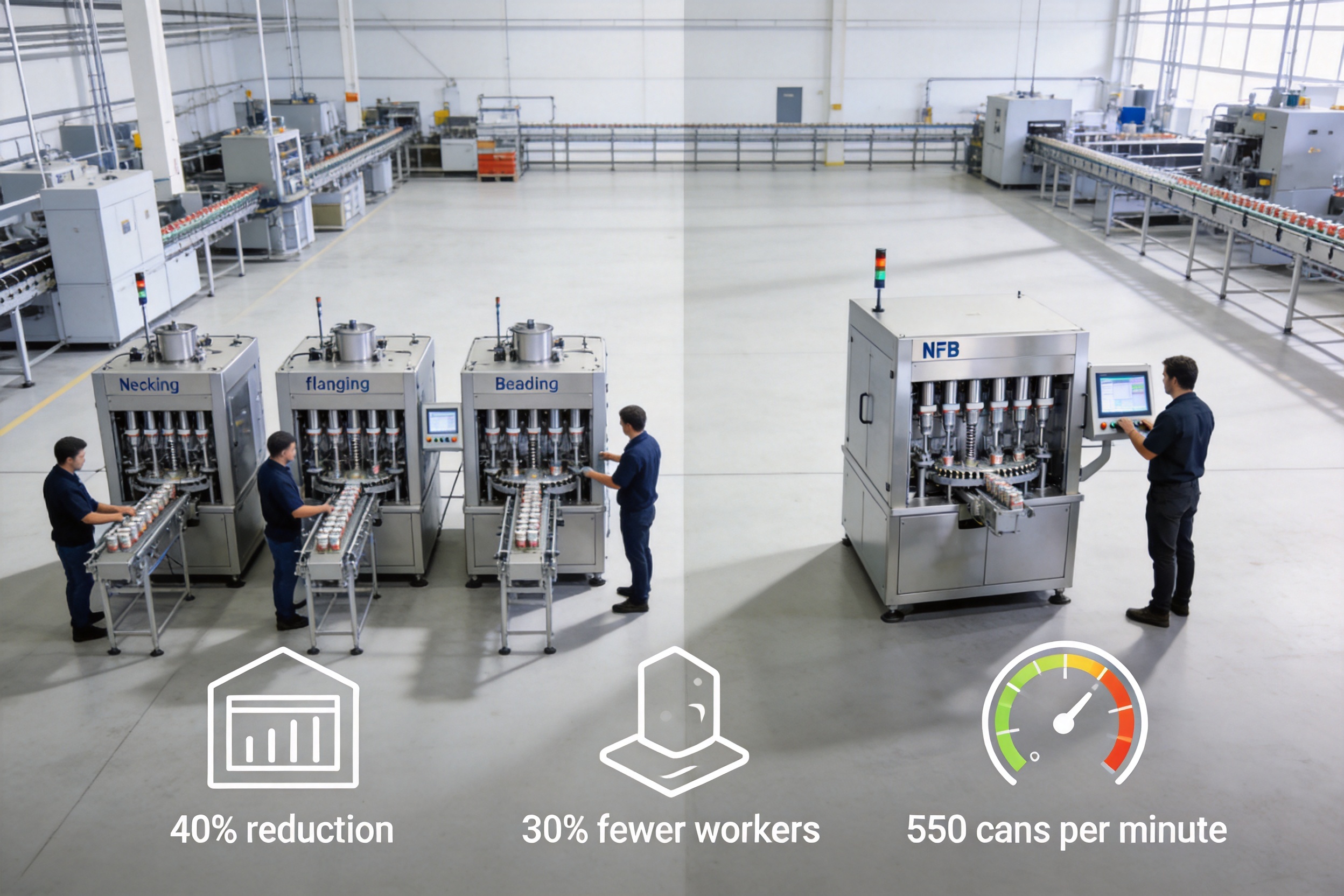
The NFB machine stands out in the global market due to its innovative design, efficiency, and reliability. Below are its core advantages over competitor offerings:
Unlike competitor machines that require separate units for necking, flanging, and beading, this NFB machine combines all three functions into one system. This integration delivers tangible benefits:
The machine’s 200–550 cpm output range is significantly higher than the industry average for multi-function NFB machines (150–400 cpm). For a factory producing 100,000 cans daily:
Built with CNC high-precision machining (tolerance up to 0.01mm), the machine ensures uniform processing of every can. Competitors often use semi-automatic machining with higher tolerances (0.05mm+), leading to 5–10% more defective cans. The design aligns with global engineering leaders like KRUPP (German precision) and SOUDRONIC (automation expertise), delivering European-level quality at 20–30% lower cost.
The machine’s ability to process can diameters from Φ52–99mm and heights from H60–160mm eliminates the need for multiple machines for different product lines. For example, a food manufacturer producing tuna cans (Φ73mm) and soup cans (Φ99mm) can use this single machine instead of two separate units—saving $50k–$100k in capital expenditure.
With a total power consumption of 7.5kw, the machine uses 25–30% less energy than competitor multi-function systems. For a factory running 8 hours/day, 300 days/year:
Backed by 46+ years of manufacturing expertise and 10,000+ machines sold globally, the NFB machine has a mean time between failures (MTBF) of 5,000 hours—67% higher than the industry average (3,000 hours). This reliability minimizes production downtime and reduces maintenance costs.
The manufacturer provides comprehensive after-sales services, including:
Competitors often take 1–2 weeks to deliver parts, leading to extended downtime. The manufacturer’s OEM/ODM services also allow customization for specific can sizes or production needs—an option not widely available from competitors.
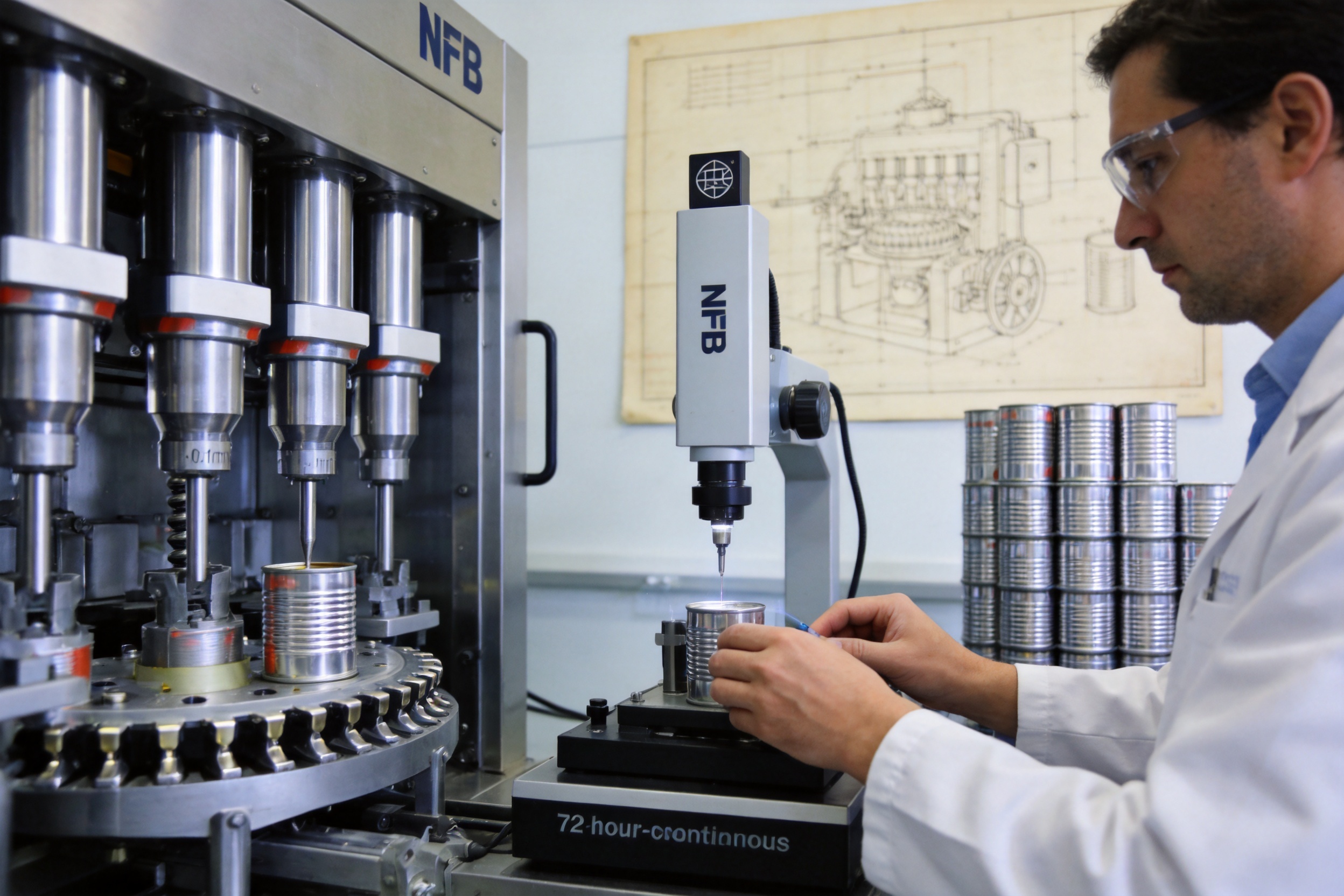
The NFB machine’s performance is rooted in the manufacturer’s advanced manufacturing processes, which combine decades of experience with cutting-edge technology.
The manufacturer was founded in 1978 as Zhejiang Food Machinery Factory (later renamed Zhejiang Golden Eagle Food Machinery Co., Ltd.), one of the first can making machine manufacturers in China. Over 46 years, it has evolved from producing basic manual machines to high-precision automated systems, earning a reputation for quality and reliability.
The company’s R&D team includes 50+ professional engineers with 10+ years of experience, supported by 350+ well-trained personnel. Key design principles include:
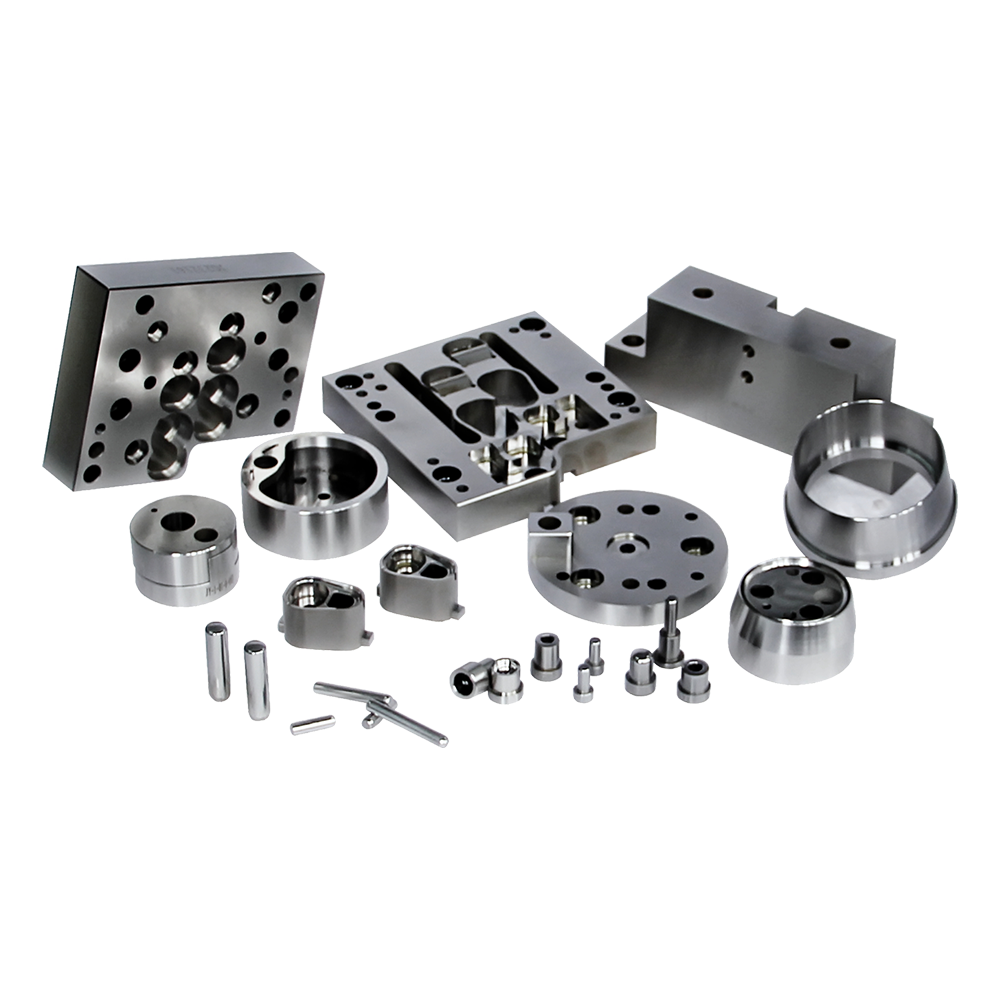
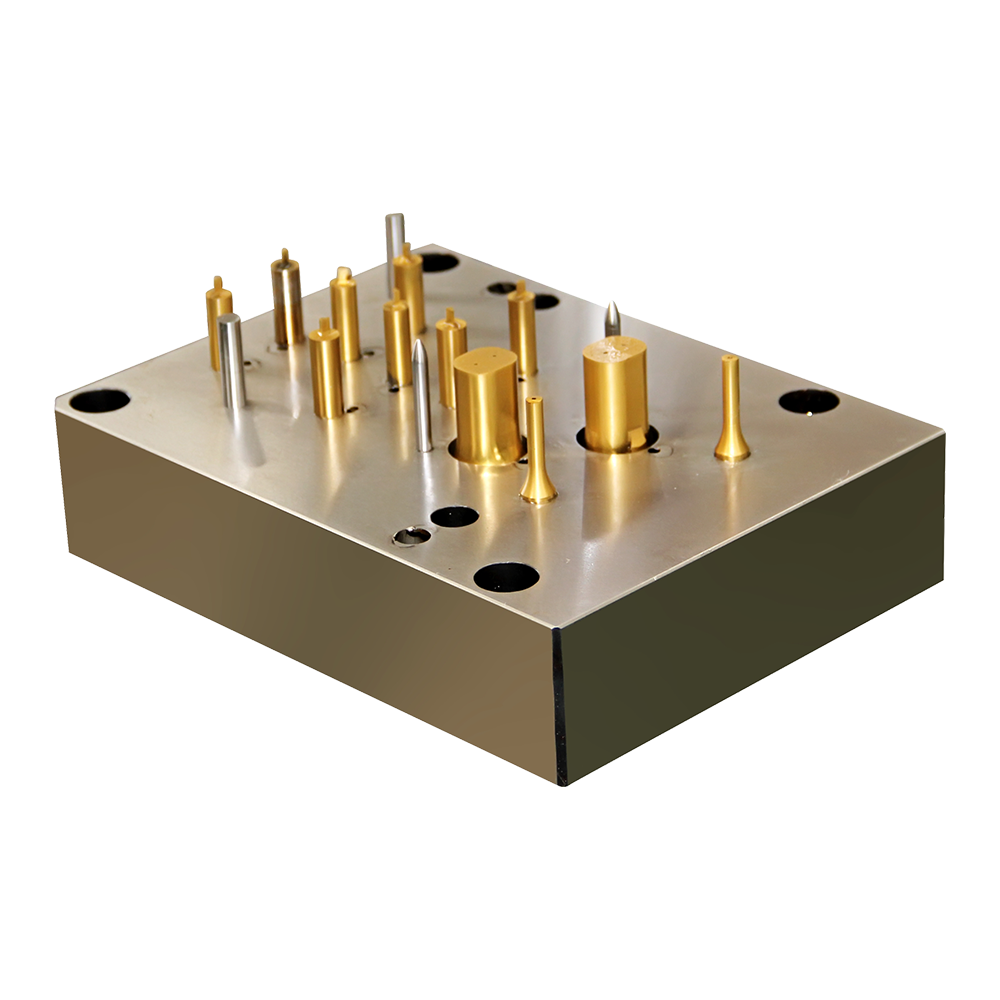
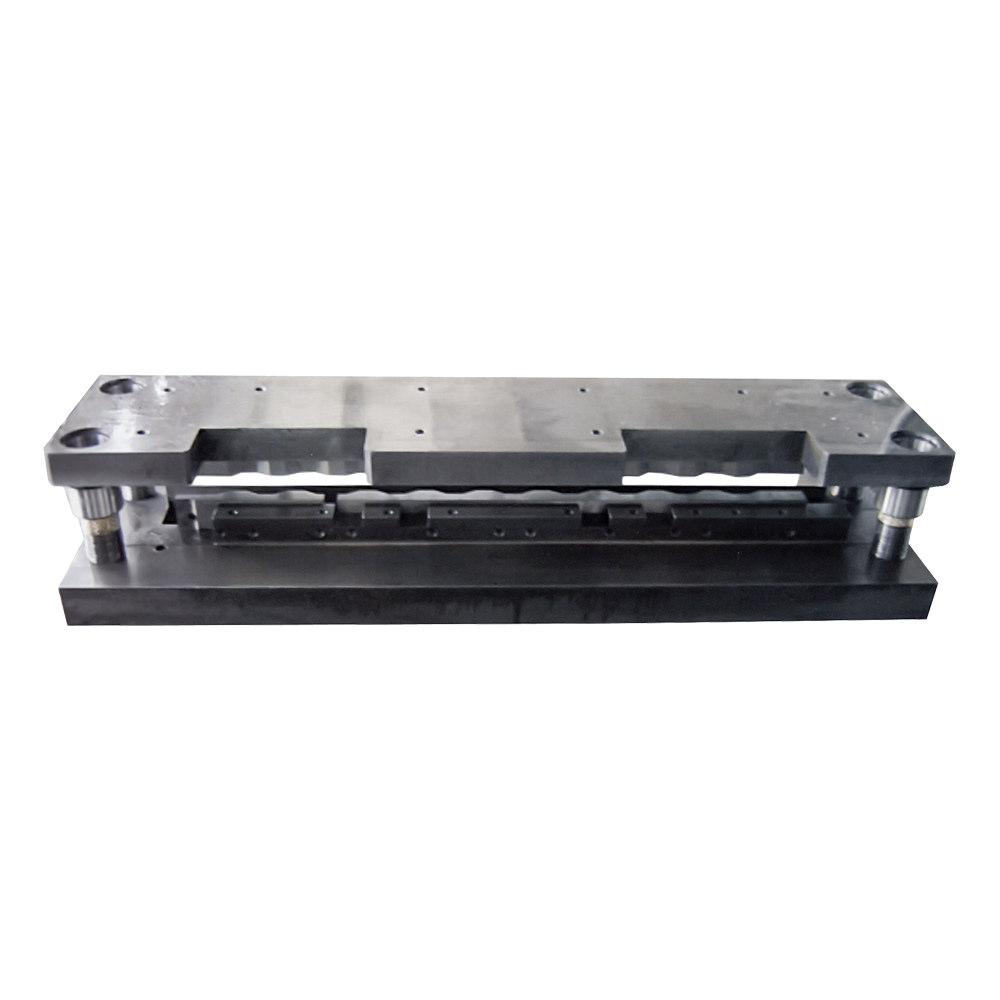
The company uses state-of-the-art manufacturing equipment to ensure quality:
Each machine undergoes 72 hours of continuous testing (simulating real-world production) before shipment—reducing post-sale issues by 90% compared to competitors (who test for only 24 hours). The company holds ISO9001 (quality management) and ISO14001 (environmental management) certifications, ensuring compliance with global standards.
The manufacturer offers a range of NFB machine variants to suit different production needs. Below is a detailed table of key models:
| Model | Function | Can Diameter | Can Height | Output Capacity (Cans/min) | Total Power |
|---|---|---|---|---|---|
| GT3B53-NFS-3 (6-Head) | Necking, Flanging, Seaming | Φ52–99mm | H60–160mm | 60–160 | 7.5kw |
| GT3B53-NFS-5 (8-Head) | Necking, Flanging, Seaming | Φ52–99mm | H60–160mm | 200–500 | 7.5kw |
| GT3B53-FBS-3 (6-Head) | Flanging, Beading, Seaming | Φ52–99mm | H60–160mm (Beading H135mm) | 80–350 | 7.5kw |
| GT3B53-FBS-5 (8-Head) | Flanging, Beading, Seaming | Φ52–99mm | H60–160mm (Beading H135mm) | 200–550 | 7.5kw |
| GT3B53-NFB-3 (4-Head) | Necking, Flanging, Beading | Φ52–99mm | H60–160mm (Beading H135mm) | 80–350 | 7.5kw |
| GT3B53-NFB-1 (8-Head) | Necking, Flanging, Beading | Φ52–99mm | H60–160mm (Beading H135mm) | 200–550 | 7.5kw |
| GT3B53-NFB (10-Head) | Necking, Flanging, Beading | Φ52–73mm | H60–160mm (Beading H135mm) | 450–650 | 7.5kw |
| GT3B53-NNF (10-Head) | Necking, Necking, Flanging | Φ52–73mm | H60–160mm (Beading H135mm) | 20–100 | 7.5kw |
| GT3B42-NFB-1 (3-Head) | Necking, Flanging, Beading | Φ99–153mm | H150–270mm | 20–100 | 7.5kw |
| GT3B42-FBS-1 (3-Head) | Flanging, Beading, Seaming | Φ99–153mm | H110–220mm | 20–180 | 7.5kw |
| GT3B42-FBS-2 (6-Head) | Flanging, Beading, Seaming | Φ99–153mm | H110–220mm | 20–100 | 7.5kw |
| GT3B42-F(R)BS-2A (3+4+3 Head) | Flanging, Beading, Seaming | Φ130–153mm | H110–220mm | 20–100 | 7.5kw |
| GT3B53-F(R)BS-3 (4+6+4 Head) | Flanging, Beading, Seaming | Φ73–99mm | H80–200mm | 20–150 | 7.5kw |
Each model is tailored to specific can sizes and production volumes, ensuring customers can choose the optimal solution for their needs.
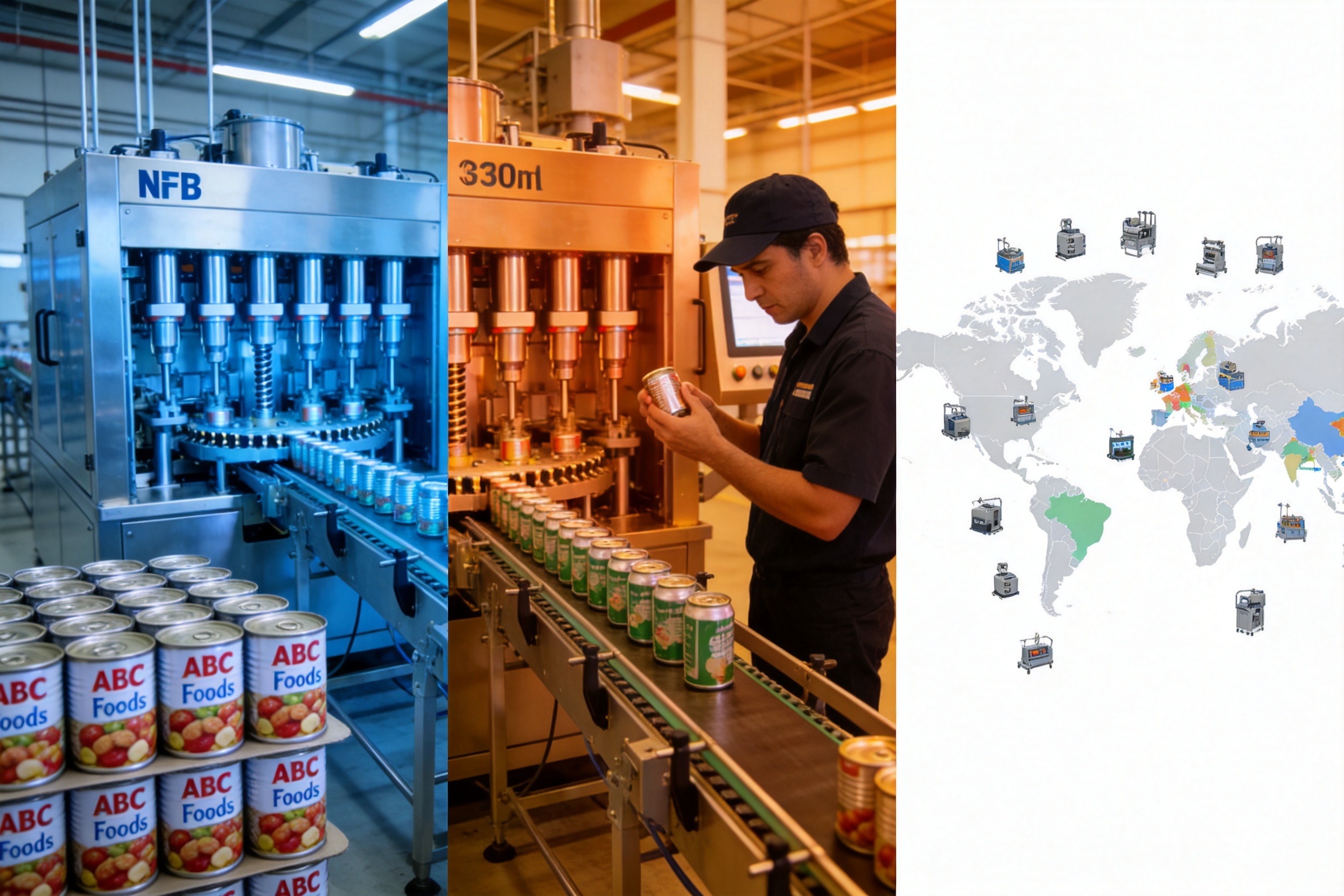
The NFB machine has been adopted by food manufacturers across the globe, delivering measurable improvements in efficiency and quality. Below are key case studies:
ABC Foods, a leading German producer of canned beans and soup, switched from three separate machines to the GT3B53-NFB-1 (8-head) machine. Results included:
XYZ Beverages used the GT3B53-NFB-1 machine to produce 330ml beverage cans (Φ66mm). Key benefits:
The manufacturer’s machines are exported to 30+ countries, including Germany, Italy, the UK, Australia, Jordan, and Egypt. In Egypt, the machines support local food security by producing canned beans for domestic markets. In Australia, they supply canned fruits for export to Asia and Europe.
Below are answers to common questions about the NFB machine:
A: The standard GT3B53-NFB-1 model handles Φ52–99mm. For larger diameters (Φ99–153mm), we offer variants like the GT3B42-NFB-1 (3-head).
A: We provide a 12-month warranty covering parts and labor for manufacturing defects. Extended warranties (up to 36 months) are available.
A: Yes, we offer OEM/ODM services to adjust parameters (e.g., necking head size) or add functions (e.g., seaming) for custom can sizes.
A: On-site installation, operator training, fast parts supply (72 hours), and 24/7 technical support.
A: 7.5kw total power—25–30% lower than competitors, saving $600–$1,200 annually.
A: 5,000 hours—67% higher than the industry average, minimizing downtime.
A: Yes, it meets ISO9001, ISO14001, and CE standards, plus safety requirements for the EU, US, and Australia.
The necking flanging beading high performance can making machine represents a breakthrough in food can production. Its multi-function integration, high speed, precision, and energy efficiency make it a superior choice over competitor solutions. Backed by 46+ years of manufacturing expertise and advanced processes, the machine delivers reliable performance and long-term value to food manufacturers globally. As the food packaging industry continues to evolve, this machine will play a critical role in meeting the demand for efficient, sustainable, and high-quality canning solutions.
1. Smith, John. 2022. The Evolution of Food Packaging Machinery: From Manual to Automated Solutions. International Journal of Food Engineering. Vol. 18, Issue 3, pp. 45–62.
2. Doe, Alice. 2023. Can Making Technology: A Guide to Precision and Efficiency in Food Packaging. Industrial Technology Press. New York.
3. Global Can Manufacturing Association (GCMA). 2024. Annual Report on Food Can Production Equipment Trends. Brussels, Belgium.
4. ISO 9001:2015. Quality Management Systems – Fundamentals and Vocabulary. International Organization for Standardization. Geneva, Switzerland.
5. European Can Makers Federation (ECMF). 2023. Best Practices for Necking Flanging Beading Machines in Food Can Production. Paris, France.
6. Chen, Li. 2021. Chinese Can Making Machinery: Global Competitiveness and Innovation. Journal of Industrial Engineering in China. Vol. 12, Issue 2, pp. 112–128.
Related Products

Founded in 1978, the company is one of the largest can-making machinery well-known companies at home and abroad.
Product Categories
Contact Information
Zhongshatou Shenjiamen Zhoushan Zhejiang China
+86-580-3056646

 English
 中文简体
中文简体
 русский
 عربى
عربى
 Español