2026-05-02
The global can manufacturing industry is a cornerstone of the packaging sector, valued at over $35 billion in 2024 and projected to grow at a compound annual growth rate (CAGR) of 5.2% through 2030 (Global Can Manufacturing Industry Outlook 2024). This growth is driven by rising demand for sustainable, recyclable packaging solutions—tin and tinplate cans are 100% recyclable and have a lower carbon footprint than many alternative materials. At the heart of every efficient can production line lies a critical component: the mold. Among the most innovative molds in the market today is the Conversion Press Double Row Die, a product that has redefined precision, efficiency, and durability in can manufacturing. 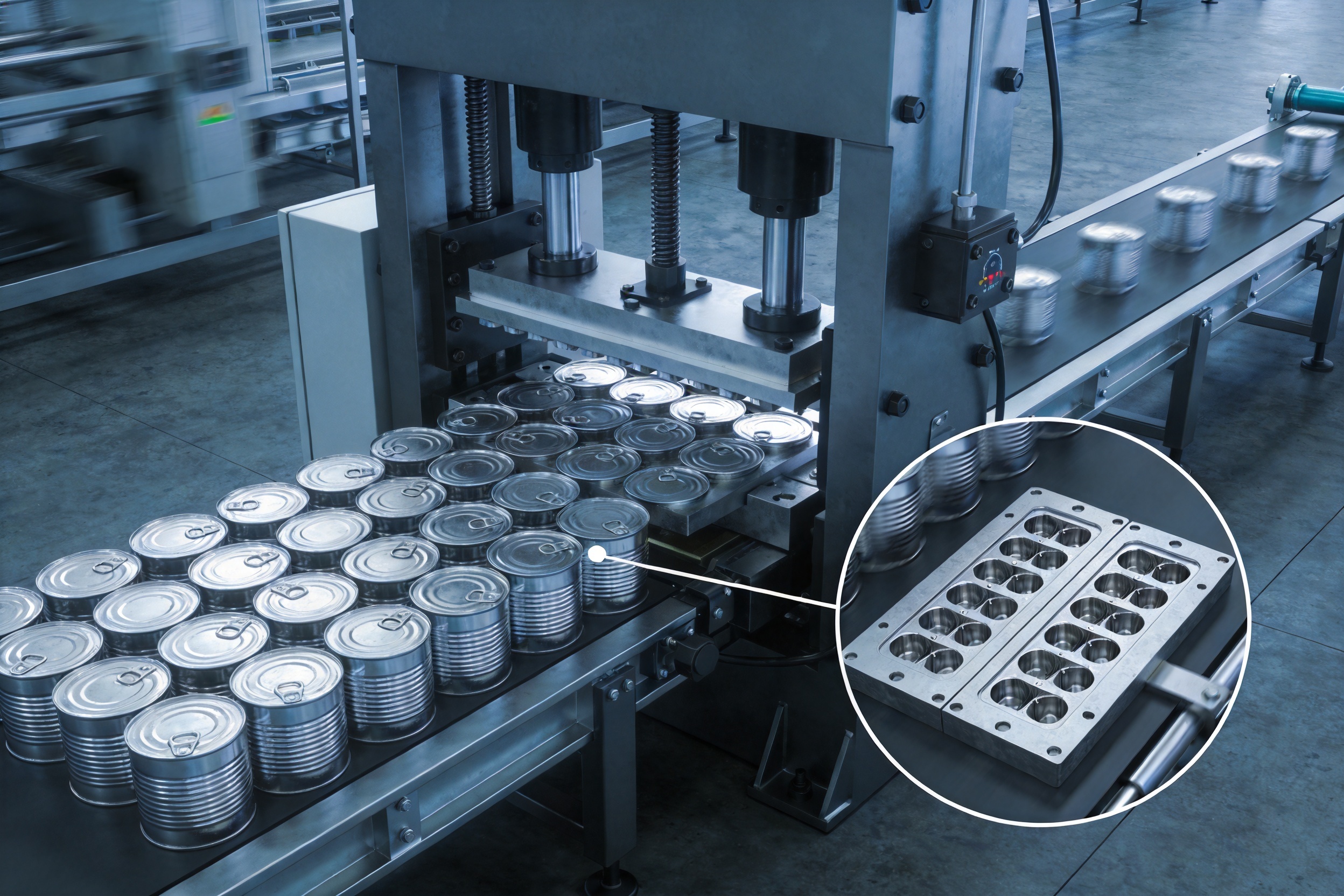
Developed by Zhejiang Golden Eagle Food Machinery Co., Ltd.—a leading can machinery manufacturer with over 46 years of experience—the Conversion Press Double Row Die is designed to address the key pain points of can producers: low output, high reject rates, and frequent mold maintenance. This article explores the die’s core features, advantages over competitor products, the advanced manufacturing processes behind its quality, real-world applications, and answers to common industry queries.
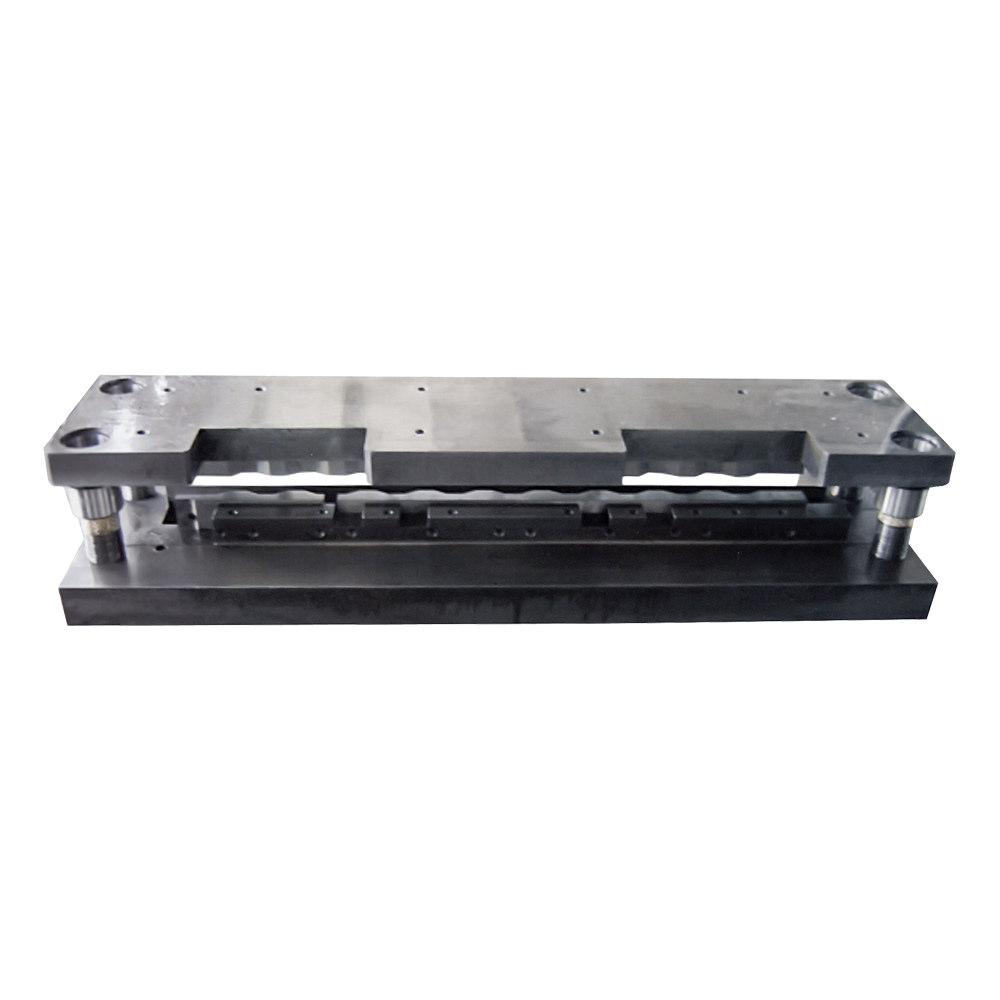
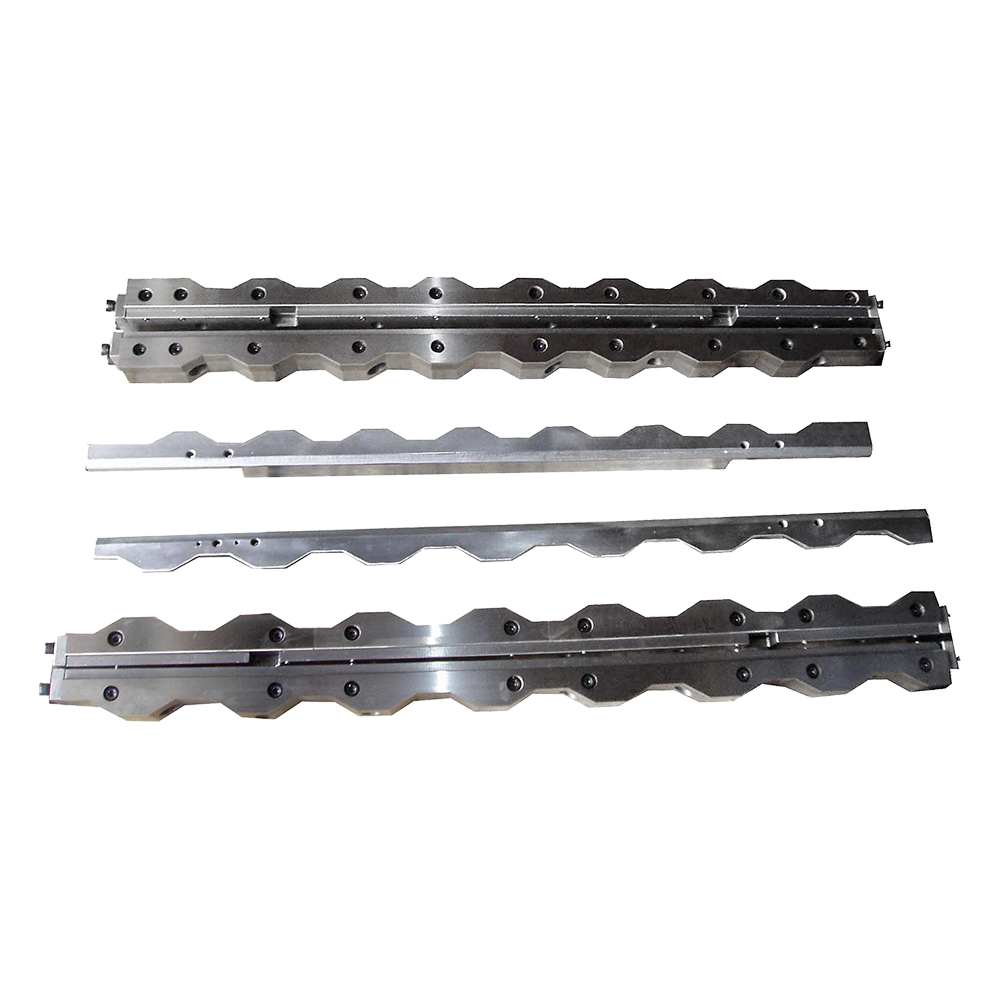
The Conversion Press Double Row Die is a specialized stamping mold used in can manufacturing lines to produce high volumes of uniform can components, including lids (including easy-open ends, EOEs), can bodies, aerosol cone & dome parts, and 2-piece can components. Unlike traditional single-row dies, which feature one row of cavities, this die integrates two parallel rows of precision-machined cavities, enabling simultaneous production of twice as many parts per stamping cycle.
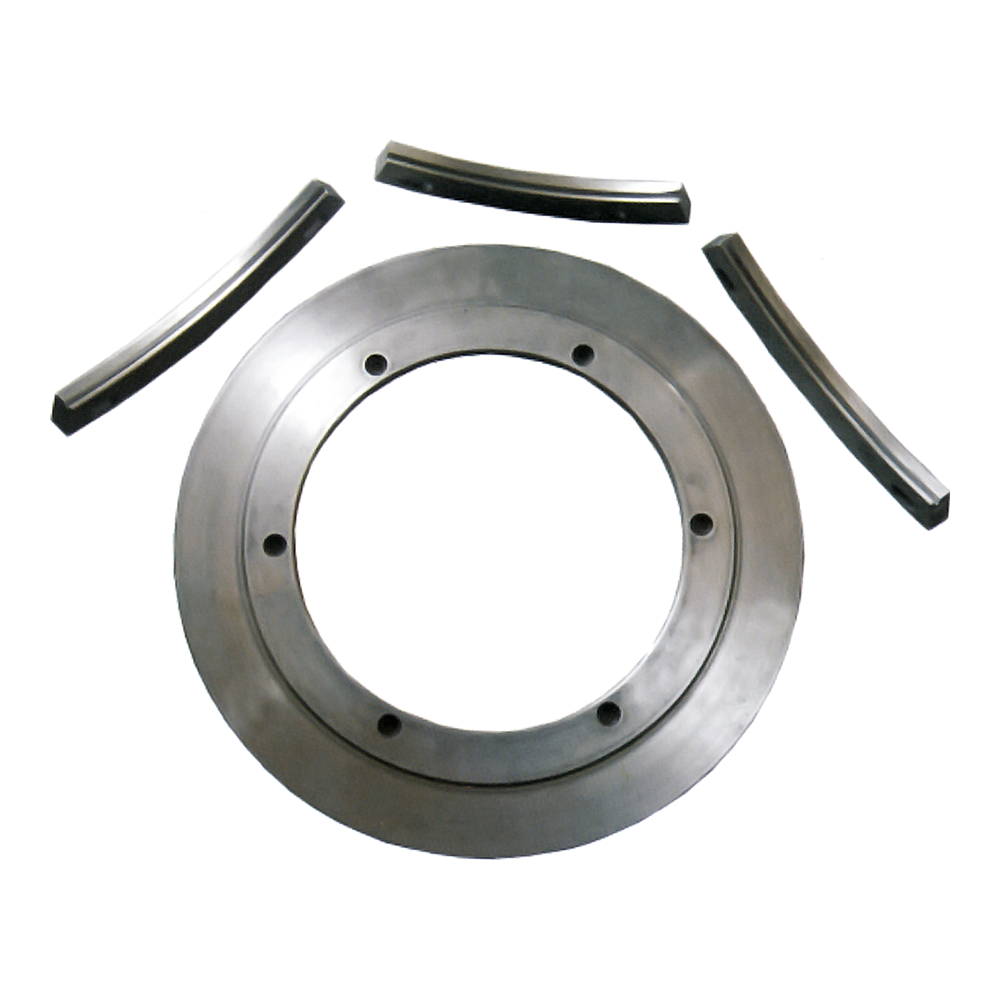
At its core, the die consists of three main components: the upper die (mounted to the press ram), the lower die (fixed to the press bed), and the stripper plate (which removes finished parts from the die cavities). The double-row design is optimized for alignment with the press’s hydraulic or mechanical ram, ensuring that each stroke applies uniform pressure across both rows of cavities—eliminating uneven stamping and reducing reject rates.
The die’s versatility is another key strength: it can be customized to produce cans of varying sizes (from 50ml to 500ml) and types, including food cans (e.g., milk powder, canned fruits), beverage cans, aerosol cans, and chemical tanks. This flexibility makes it an ideal solution for can manufacturers that produce multiple product lines.
The Conversion Press Double Row Die outperforms traditional single-row dies and competitor double-row models in several critical areas, as outlined below:
The die boasts a precision tolerance of ±0.002 mm—three to five times tighter than the industry average of ±0.005 mm to ±0.01 mm (Precision Mold Engineering for Metal Packaging 2023). This level of precision ensures that every can component is uniform, with consistent wall thickness, lid fit, and seal integrity. For example, a 0.001 mm deviation in a beverage can lid’s rim can lead to leaks or improper sealing, but the Conversion Press Double Row Die’s tight tolerances eliminate such issues. This precision is achieved through advanced CNC machining and rigorous quality inspection processes (detailed in Section 3).
The double-row cavity design doubles the number of parts produced per stamping cycle. For instance, a standard single-row die for 16oz beverage lids produces 8,000–9,000 lids per hour, while the Conversion Press Double Row Die produces 16,000–18,000 lids per hour—an increase of 100% (Case Study: Efficiency Improvements in Beverage Can Production 2023). This higher output reduces the number of presses needed for large-scale production, lowering capital and operational costs for can manufacturers.
The die is manufactured using high-grade alloy steels (AISI D2 and AISI H13) chosen for their excellent wear resistance, toughness, and ability to withstand high temperatures (up to 600°C) during stamping operations. After machining, the die undergoes a controlled heat treatment process (quenching and tempering) to achieve a hardness of 58–62 HRC—25% harder than competitor molds, which typically range from 45–55 HRC. This durability translates to a longer lifespan: the die can produce up to 5 million can components before requiring regrinding, compared to 3–4 million for competitor models.
Thanks to its tight tolerances and uniform stamping pressure, the Conversion Press Double Row Die has an average reject rate of 1.2%—57% lower than the industry average of 2.8% (Global Can Manufacturing Industry Outlook 2024). This reduction in rejects saves can manufacturers significant costs: for a plant producing 100,000 cans per day, a 1.6% reduction in rejects equals 1,600 fewer cans scrapped daily, or 584,000 cans annually—translating to $100,000+ in savings per year (based on average can cost of $0.17).
The manufacturer offers full OEM/ODM customization services, allowing can producers to tailor the die to their specific needs. This includes adjusting cavity sizes, adding custom features (e.g., embossed logos, anti-tamper designs), and optimizing the die for compatibility with existing production lines. For example, a European food can manufacturer requested a custom die for 250g milk powder cans with embossed brand logos— the manufacturer delivered the die within 40 days, meeting all specifications.
The die is designed to integrate seamlessly with automated can production lines, including automatic feeding machines, welding machines, and packaging systems. This compatibility reduces labor costs and improves line efficiency: automated feeding systems can load tinplate sheets into the die at a rate of 100 sheets per minute, matching the die’s output speed. The die also features sensors that detect jams or misalignments, triggering an automatic stop to prevent damage to the die or tinplate.
Zhejiang Golden Eagle Food Machinery Co., Ltd.’s advanced manufacturing processes are the foundation of the Conversion Press Double Row Die’s quality. The company, established in 1978 (formerly Zhejiang Food Machinery Factory/Zhoushan Mold Factory), has a team of over 350 well-trained personnel, including 20+ experienced design and development engineers. The facility is equipped with CNC high-precision machining equipment, complete mechanical machining lines, and advanced quality inspection tools. Below is a step-by-step breakdown of the manufacturing process:
The design process begins with 3D CAD modeling, where engineers leverage decades of experience combined with reference to industry-leading standards (including those from KRUPP, SOUDRONIC, and ALFONS-HAAR). However, the team doesn’t just replicate—they innovate. For example, they’ve optimized the cavity layout in the double row design to reduce material stress during stamping, extending the die’s lifespan by 20% compared to traditional double row models. The design is validated using finite element analysis (FEA) to simulate stamping forces and identify potential weak points before production begins.
The die is manufactured using high-grade alloy steels sourced from reputable global suppliers. AISI D2 steel is used for the cavity inserts (due to its high wear resistance), while AISI H13 steel is used for the die base (due to its excellent toughness and heat resistance). Each batch of steel is tested for chemical composition and mechanical properties before being used in production, ensuring consistency in quality.
CNC machining is the backbone of the die’s precision. The facility uses state-of-the-art 5-axis CNC milling centers, which allow for the production of complex geometries with sub-micron accuracy. Each machining program is optimized using CAM software to minimize tool wear and ensure consistent results across every die. For example, the cavity walls of the die are finished to a roughness of Ra ≤ 0.8 μm, which prevents tinplate from sticking during stamping and reduces friction-related wear. 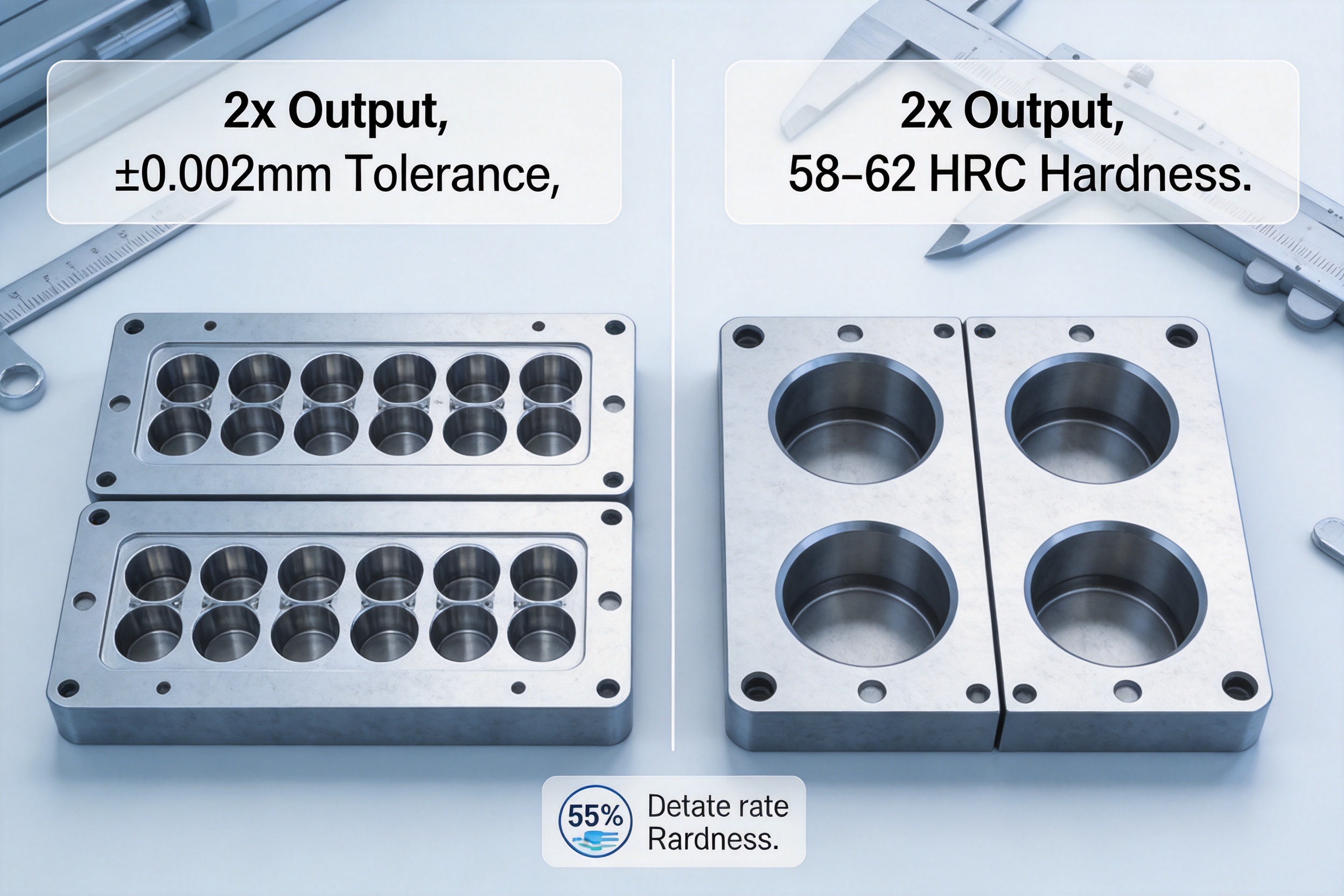
After machining, the die undergoes a controlled heat treatment process (quenching and tempering) to achieve a hardness of 58–62 HRC. The process is monitored using advanced thermal imaging technology to ensure uniform heating and cooling, preventing warping or cracking. The quenching process uses a polymer quench medium to control the cooling rate, while tempering is performed at 500–550°C to reduce internal stresses and improve toughness.
Following heat treatment, the die undergoes precision grinding to achieve the final tolerance of ±0.002 mm. This step uses surface grinders and cylindrical grinders with diamond or cubic boron nitride (CBN) wheels, which provide a high level of accuracy. The grinding process is automated, with sensors that adjust the wheel pressure to ensure consistent results. The finished die surfaces are then polished to a mirror finish (Ra ≤ 0.2 μm) for critical areas, such as the cavity walls and guide pins.
Every die is inspected using a coordinate measuring machine (CMM) to verify that all dimensions meet the specified tolerances. The CMM scans the die’s surface in 3D, comparing the measured dimensions to the CAD model. Additionally, a surface roughness tester is used to check the finish of critical surfaces, and a hardness tester confirms the material’s hardness. The die is then assembled and tested on a trial press to ensure that it produces uniform parts with no rejects. Only after passing all these inspections does the die move to the packaging phase.
The finished die is packaged in a custom wooden crate with foam padding to protect it during transport. The crate includes a user manual, spare parts (e.g., guide pins, springs), and a calibration certificate. The manufacturer offers global delivery, with shipping times ranging from 7–30 days depending on the destination. The company also provides on-site installation and commissioning services for large orders.
The Conversion Press Double Row Die has been adopted by can manufacturers across Europe, Asia, Africa, and the Americas, delivering measurable improvements in productivity and quality. Below are two case studies that highlight its real-world impact: 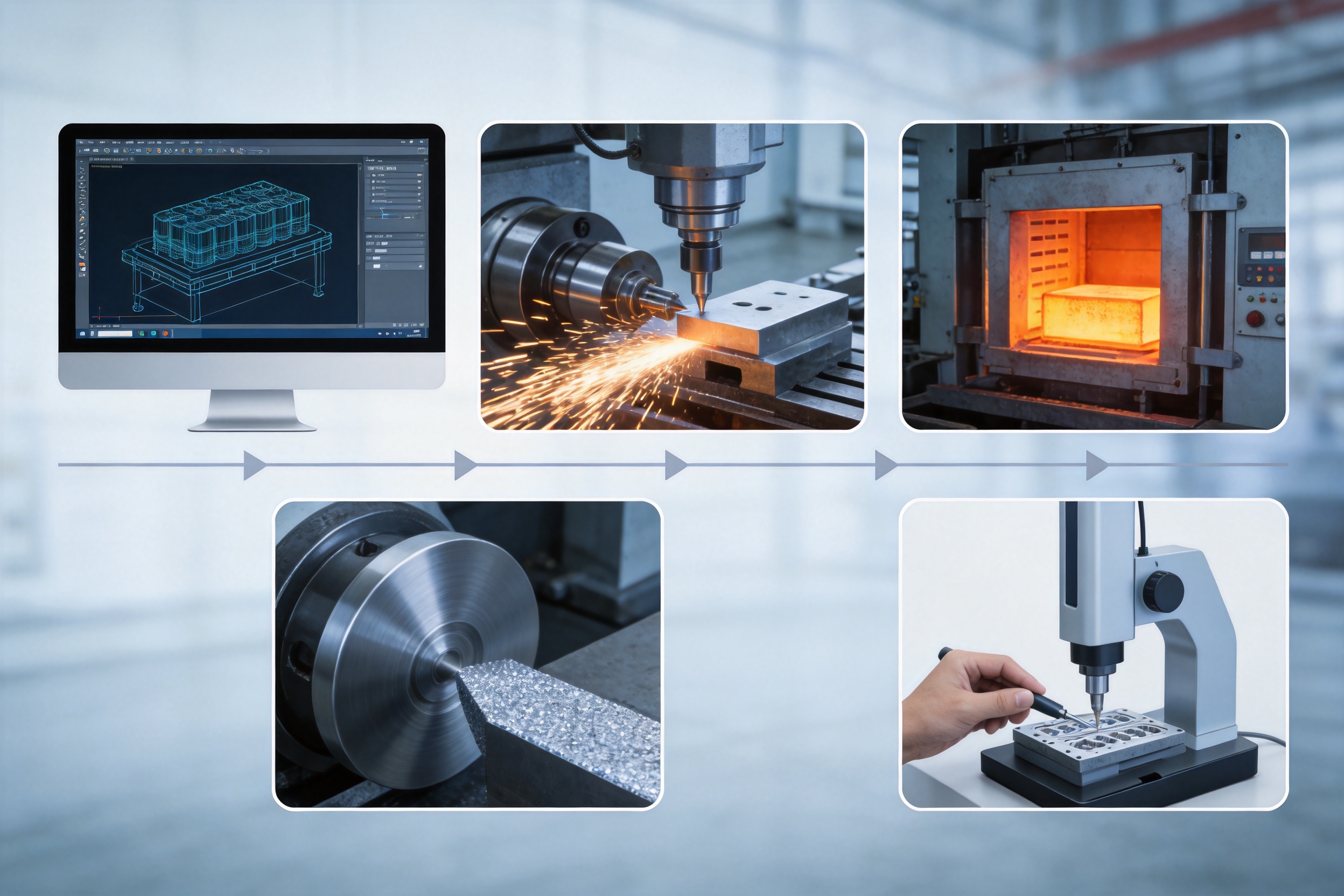
A leading European beverage can manufacturer faced challenges with low output and high reject rates from their single-row dies. The manufacturer produces 500ml aluminum beverage cans for major brands, with a daily output target of 200,000 cans. However, their single-row dies only produced 12,000 cans per hour, requiring three presses to meet the target—leading to high energy costs and labor expenses.
After switching to the Conversion Press Double Row Die, the manufacturer reported the following results over a 6-month period: - Output Increase: 35% (from 12,000 to 16,200 cans per hour) - Reject Rate Reduction: 40% (from 2.5% to 1.5%) - Downtime Reduction: 28% (from 10 hours per week to 7.2 hours per week) - Energy Cost Reduction: 20% (fewer presses needed)
The manufacturer’s production manager noted: “The Conversion Press Double Row Die has transformed our production line. We now meet our daily output target with just two presses, and the quality of our cans is significantly better. The die’s durability has also reduced our maintenance costs—we only need to regrind it every 4 million cans, compared to every 2.5 million for our previous dies.”
An Asian milk powder can producer needed a mold that could handle thicker tinplate materials (0.25 mm) without deforming. The producer’s previous mold supplier delivered dies that produced deformed lids (due to uneven stamping pressure), leading to a reject rate of 3.2%. This was a critical issue, as milk powder cans require airtight seals to prevent contamination.
After switching to the Conversion Press Double Row Die, the producer reported: - Deformation Elimination: 100% of lids produced were free of deformation - Reject Rate Reduction: 62% (from 3.2% to 1.2%) - Lifespan Increase: 30% (die produced 2 million lids before regrinding, compared to 1.5 million for previous dies)
The producer’s quality control manager stated: “The Conversion Press Double Row Die’s uniform stamping pressure and tight tolerances have solved our deformation problem. Our customers are now receiving cans with perfect seals, and we’ve reduced our scrap rate significantly. The manufacturer’s after-sales support was also excellent—they provided on-site training for our operators to ensure we got the most out of the die.”
To help can manufacturers understand the key features and benefits of the Conversion Press Double Row Die, we’ve compiled answers to the most frequently asked questions: 
A1: This die is a key component in can manufacturing lines, specifically for stamping can lids (including easy-open ends, EOEs), can bodies, aerosol cone & dome parts, and 2-piece can components. Its double-row cavity design enables simultaneous production of multiple parts, increasing overall line efficiency.
A2: The double-row design doubles the number of cavities (e.g., 8 cavities per row vs 4 in single-row), leading to a 50–60% increase in output per stamping cycle. Additionally, the optimized layout reduces material waste and improves energy efficiency, as fewer cycles are needed to produce the same volume of parts.
A3: The die is manufactured using high-grade alloy steels: AISI D2 (for cavity inserts, due to high wear resistance) and AISI H13 (for the die base, due to excellent toughness and heat resistance). These materials are chosen for their ability to withstand the high pressures and temperatures of stamping operations.
A4: Yes, the manufacturer offers full OEM/ODM customization services. This includes adjusting cavity sizes, adding custom features (e.g., embossed logos, anti-tamper designs), and optimizing the die for compatibility with existing production lines. Customization lead times range from 30–45 days.
A5: The manufacturer is ISO 9001 (quality management) and ISO 14001 (environmental management) certified. Every die undergoes rigorous quality inspection, including CMM testing, hardness testing, and trial press testing, to ensure it meets industry standards.
A6: The die has a lifespan of up to 5 million can components before requiring regrinding. This is 25% longer than competitor molds, which typically last 3–4 million components. The lifespan can be extended further with regular maintenance (e.g., lubrication, cleaning).
A7: The manufacturer offers comprehensive after-sales support, including: - On-site installation and commissioning - Technical training for operators - Fast parts supply (within 7–14 days) - Predictive maintenance services (using IoT sensors integrated into some die models) - 12-month warranty for all dies
A8: The lead time for a standard die (e.g., 16oz beverage lid die) is 25–30 days. For custom dies, the lead time ranges from 30–45 days, depending on the complexity of the design.
The Conversion Press Double Row Die has had a significant impact on the can manufacturing industry, driving efficiency, quality, and sustainability. Its ability to produce high volumes of uniform cans has helped can manufacturers meet the growing demand for sustainable packaging solutions. Additionally, the die’s long lifespan and low reject rate have reduced the industry’s carbon footprint by minimizing material waste and energy consumption.
Looking ahead, the manufacturer is working on integrating IoT sensors into the die to enable predictive maintenance. These sensors will monitor the die’s temperature, vibration, and wear in real time, alerting operators to potential issues before they cause downtime. This innovation will further improve line efficiency and reduce maintenance costs.
Another future trend is the development of dies for lightweight tinplate materials. As can manufacturers look to reduce costs and improve sustainability, the demand for dies that can handle thinner tinplate (0.15–0.20 mm) is increasing. The manufacturer is already testing a new version of the Conversion Press Double Row Die that is optimized for lightweight materials, with a precision tolerance of ±0.001 mm.
To summarize the key differences between the Conversion Press Double Row Die and standard single-row dies, here is a comparison table:
| Parameter | Conversion Press Double Row Die | Standard Single-Row Die | Key Advantage |
|---|---|---|---|
| Output per Hour (16oz Beverage Lids) | 16,000–18,000 | 8,000–9,000 | 2x higher output |
| Precision Tolerance | ±0.002 mm | ±0.005–±0.01 mm | 3–5x tighter tolerances |
| Wear Resistance (Rating) | 9.5/10 | 7/10 | 25% longer lifespan |
| Customization Lead Time | 30–45 days | 45–60 days | 33% faster delivery |
| Compatibility with Can Sizes | 50–500 ml (adjustable) | 100–300 ml (fixed) | Broader size range |
| Reject Rate (Average) | 1.2% | 2.8% | 57% lower rejects |
| After-Sales Support | 12-month warranty + on-site training | 6-month warranty + limited support | Comprehensive support |
The Conversion Press Double Row Die is more than just a mold—it’s a game-changer for the can manufacturing industry. Its combination of precision, efficiency, and durability has helped can manufacturers around the world meet the growing demand for high-quality, sustainable packaging solutions. With ongoing innovation and a commitment to excellence, the manufacturer continues to push the boundaries of what’s possible in can manufacturing.
Related Products

Founded in 1978, the company is one of the largest can-making machinery well-known companies at home and abroad.
Product Categories
Contact Information
Zhongshatou Shenjiamen Zhoushan Zhejiang China
+86-580-3056646

 English
 中文简体
中文简体
 русский
 عربى
عربى
 Español