2026-02-27
In the global food and beverage packaging industry, can lids play a critical role in preserving product freshness, ensuring food safety, and preventing leaks. As consumer demand for canned goods continues to rise—with the global canned food market projected to reach $387 billion by 2030 (Grand View Research, 2023)—manufacturers face increasing pressure to optimize production speed, reduce costs, and maintain the highest quality standards. At the heart of this challenge lies the rotary lining machine, a specialized piece of equipment that applies a protective lining to can lids to prevent corrosion, contamination, and leakage. Among the leading solutions in this space is the GT3B51 High-Speed Rotary Lining Machine series, a product that combines cutting-edge technology, precision engineering, and adaptability to address the evolving needs of can lid manufacturers worldwide.
Can lid lining is not just a cosmetic step—it is a fundamental process that directly impacts product safety and shelf life. The lining material, typically a food-grade polymer (such as epoxy or polyester), forms a barrier between the metal lid and the contents, preventing chemical reactions that could lead to metal leaching, off-flavors, or spoilage. For example, acidic foods like tomatoes or citrus juices can corrode unlined metal lids within weeks, rendering the product unsafe for consumption. According to the U.S. Food and Drug Administration (FDA), improper lining is a leading cause of canned food recalls, accounting for approximately 12% of all food safety-related recalls in 2022 (FDA, 2023).
Beyond food safety, lining also enhances the functional performance of can lids. For Easy-Open End (EOE) lids—used in most beverage and snack cans—the lining ensures that the pull tab operates smoothly without tearing the lid or leaving sharp edges. It also provides a tight seal, preventing air or moisture from entering the can, which is essential for maintaining product quality during long-term storage and transportation.
However, traditional lining machines often struggle to keep up with modern production demands. Many older models operate at speeds of 300-500 cans per minute (cpm), require manual adjustments for different lid sizes, and produce inconsistent lining coverage—leading to higher defect rates and increased downtime. This is where the GT3B51 series stands out: it addresses these pain points with a combination of high speed, precision, and versatility.
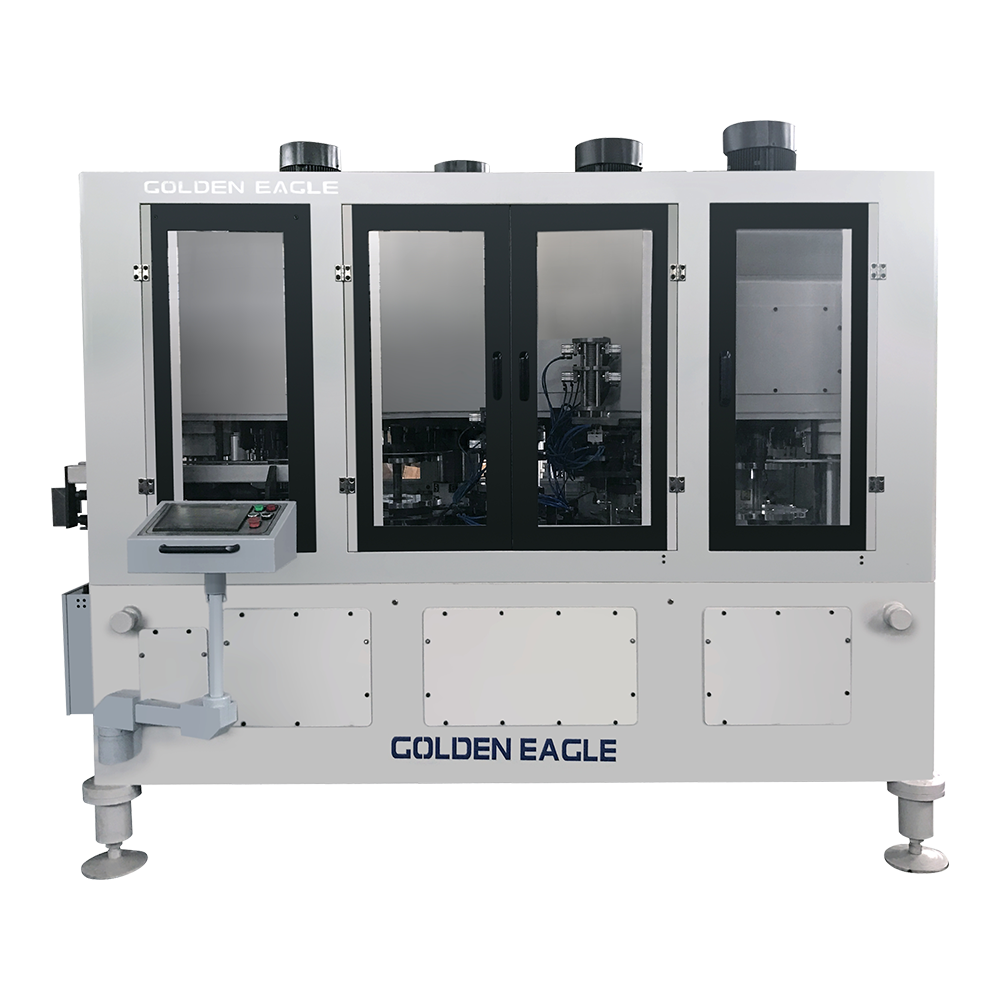
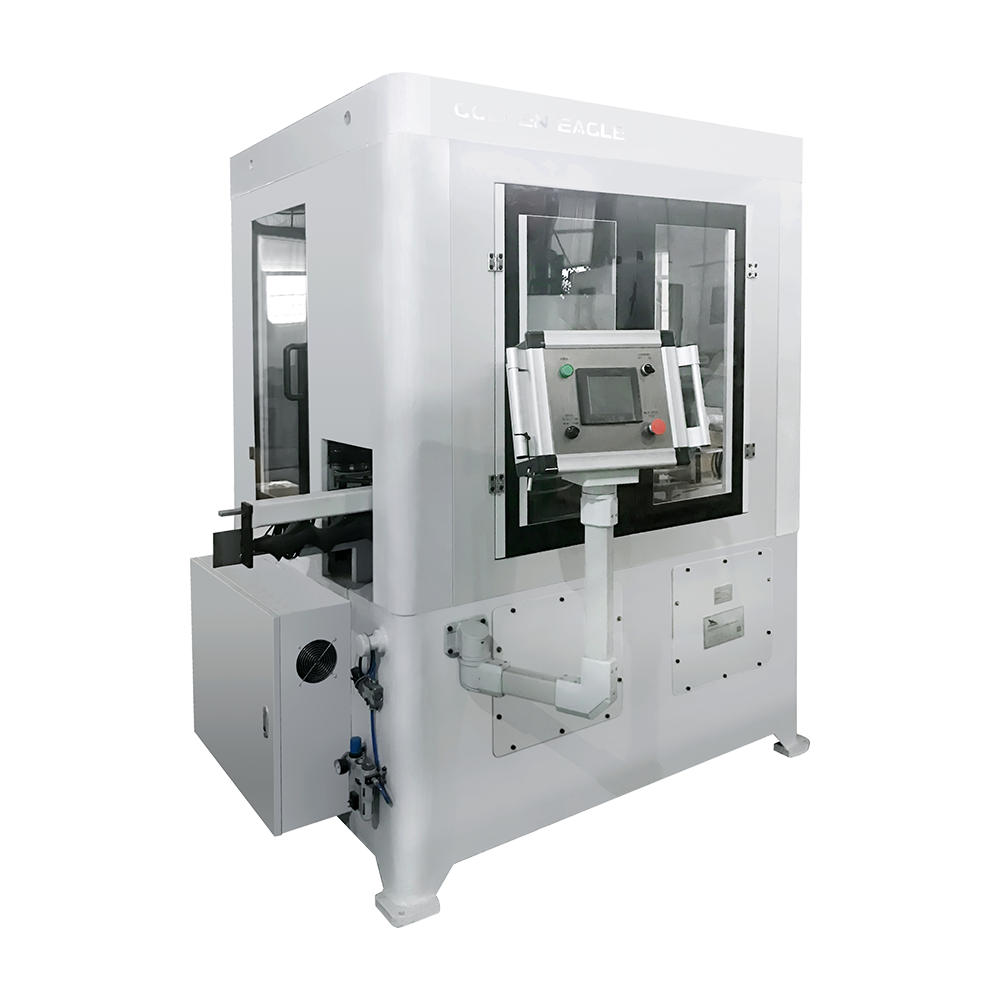
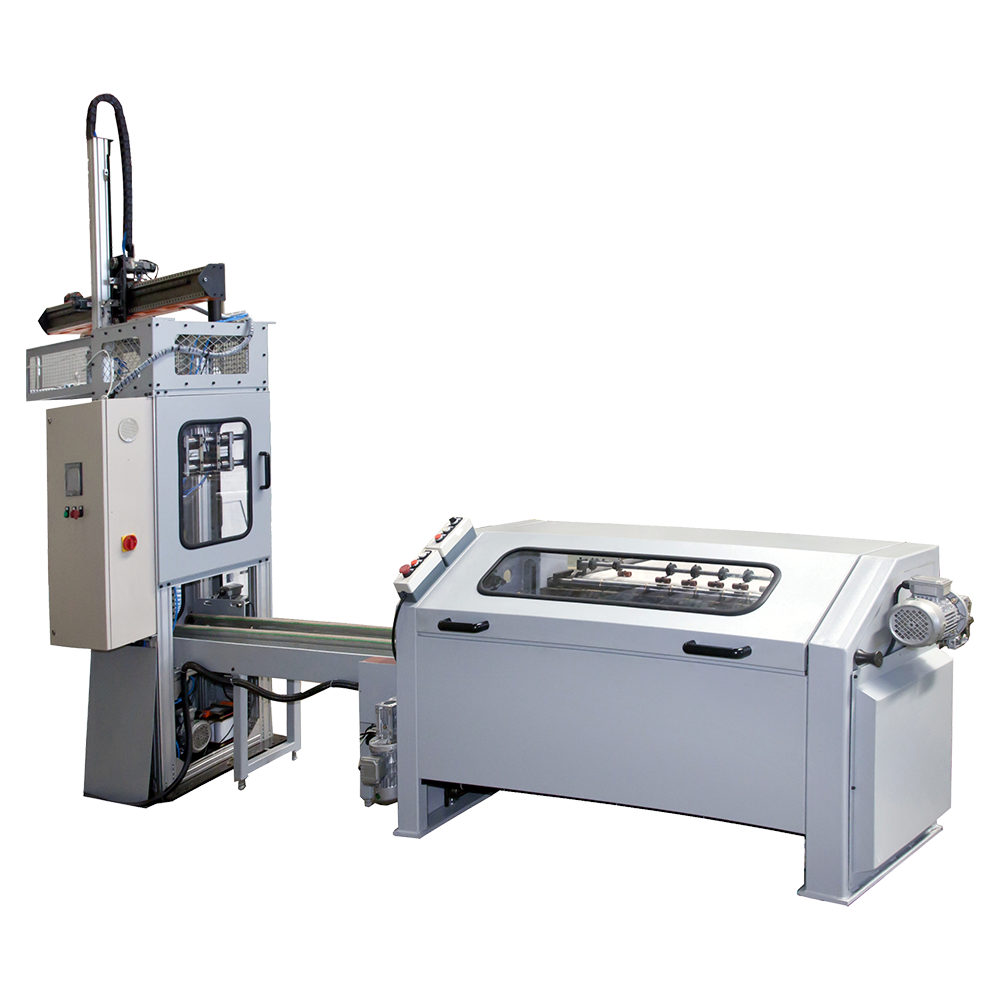
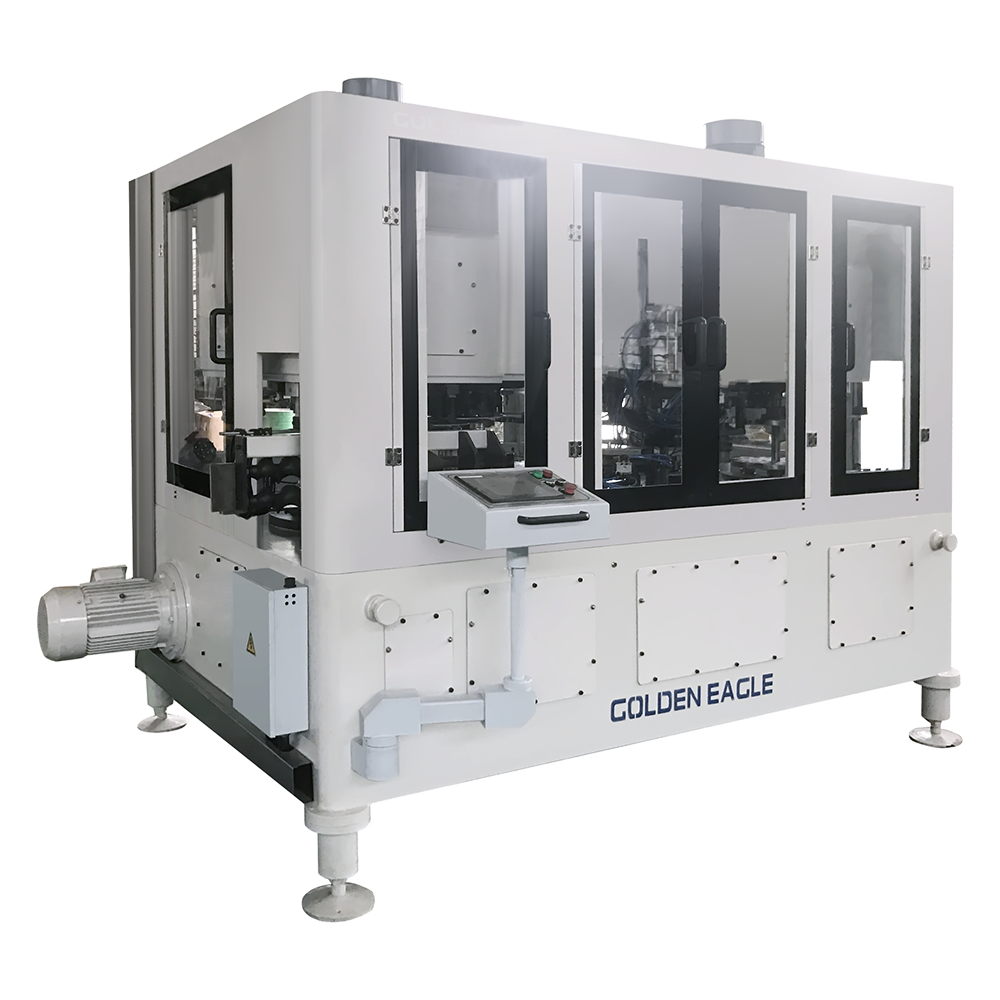
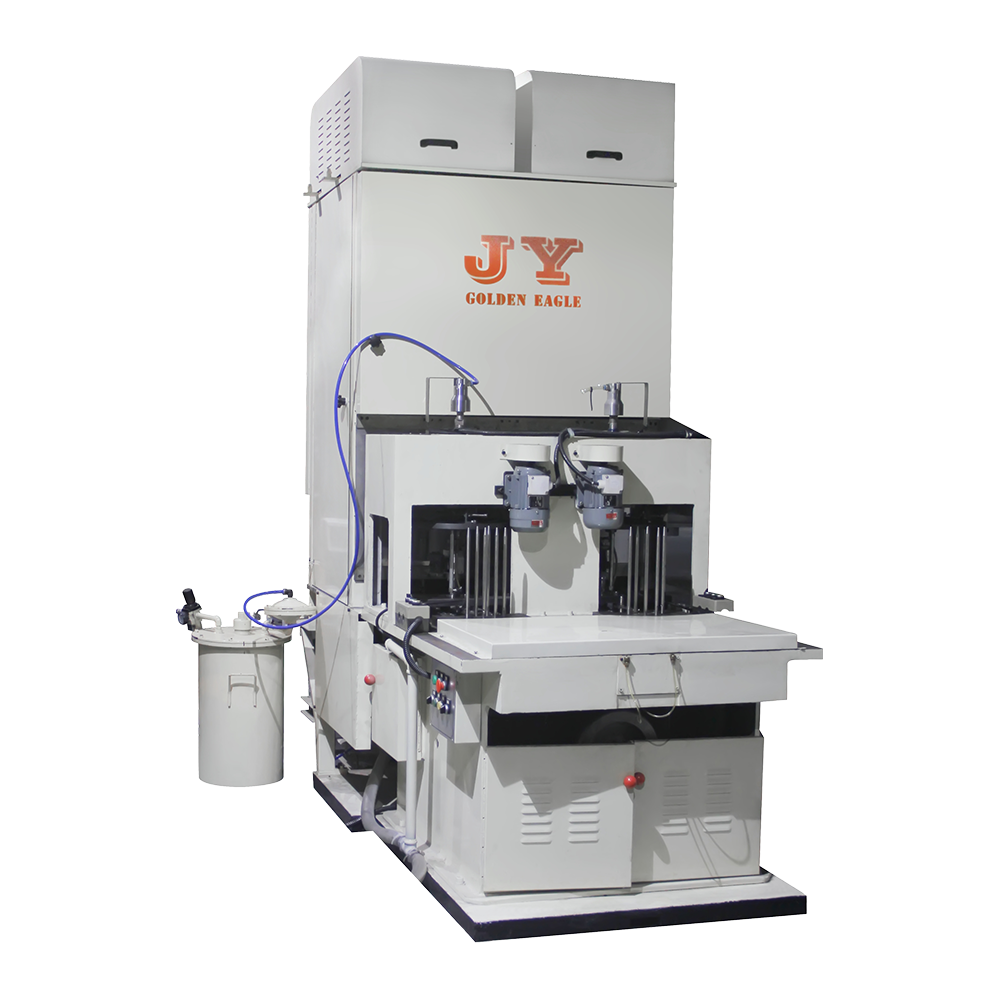
The GT3B51 series is a range of automatic rotary lining machines designed specifically for lining general-purpose can lids and EoE lids. Built with over four decades of engineering expertise, these machines are engineered to deliver consistent, high-quality results while maximizing production throughput. Let’s dive into their core features and specifications.
The GT3B51 series is defined by its automatic operation, which eliminates the need for manual intervention and reduces human error. The machine uses a PLC (Programmable Logic Controller) system to control all functions, from lid feeding to lining application and ejection. Key features include:
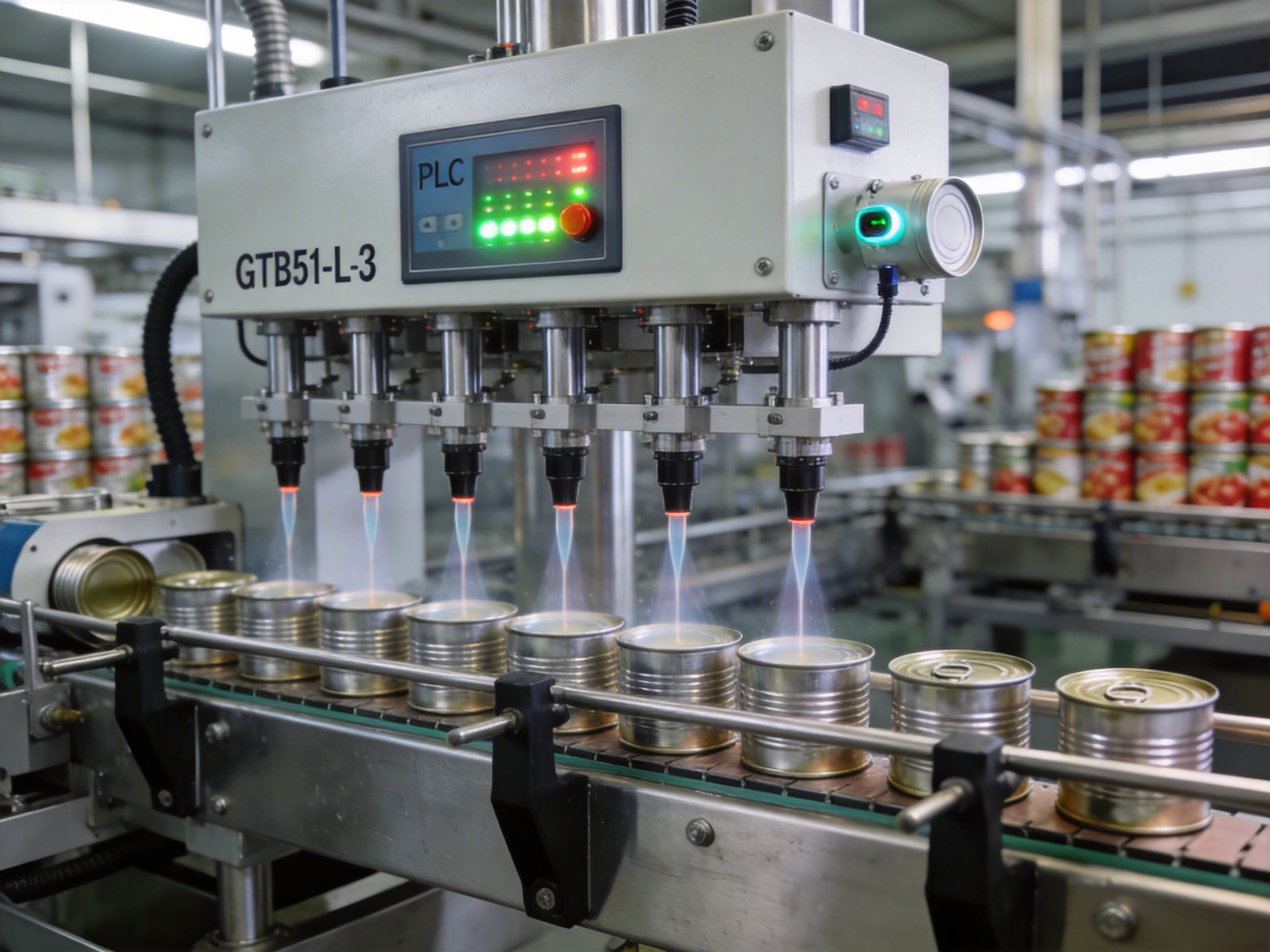
The machine’s compact design (1100×1250×2000 mm) makes it easy to integrate into existing production lines, while its robust construction (2500kg weight) ensures stability and durability even during continuous operation. Additionally, the machine is energy-efficient, consuming only 5.6 kW of power—significantly less than comparable models from competitors.
The GT3B51 series offers three model variants to cater to different production requirements. Each model is optimized for specific lid sizes and speed ranges, allowing manufacturers to choose the best fit for their operations. The following table summarizes the key specifications of each variant:
| Model | Output Capacity | No. of Nozzles | Can Diameter | Machine Power | Machine Weight | Machine Dimensions (L×W×H) |
|---|---|---|---|---|---|---|
| GT3B51-L-3 | 800-1200 cpm | 8 Heads | Φ52-73 mm | 5.6 kW | 2500 kg | 1100×1250×2000 mm |
| GT3B51-L-3A | 500-1000 cpm | 8 Heads | Φ52-99 mm | 5.6 kW | 2500 kg | 1100×1250×2000 mm |
| GT3B51-L-5 | 350-600 cpm | 8 Heads | Φ83-153 mm | 5.6 kW | 2500 kg | 1100×1250×2000 mm |
Let’s break down the differences between the models:
The GT3B51 series outperforms competing rotary lining machines in several key areas, making it a top choice for manufacturers looking to enhance their production efficiency and quality. Let’s explore these advantages in detail.
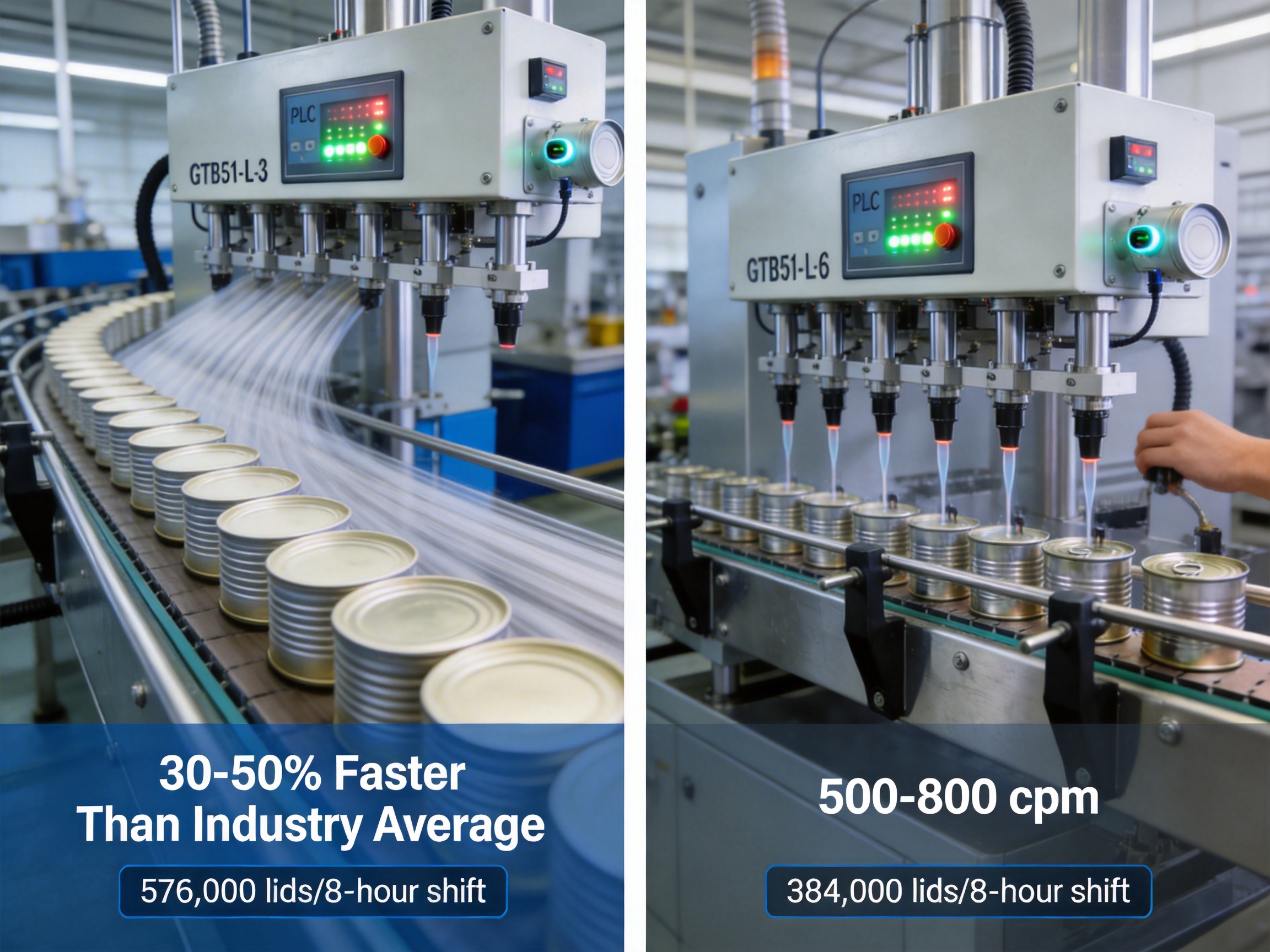
One of the most significant advantages of the GT3B51 series is its high production speed. The base model (GT3B51-L-3) operates at 800-1200 cpm, which is 30-50% faster than the industry average of 500-800 cpm for similar lid size ranges. For example, a manufacturer using the GT3B51-L-3 can produce 576,000 lids per 8-hour shift—compared to just 384,000 lids with a competitor’s machine operating at 800 cpm. This increase in throughput translates to a direct reduction in per-unit production costs: if a machine costs $50,000 and produces 10 million lids per year, the cost per lid is $0.005—compared to $0.0075 for a slower machine. Over a year, this saves the manufacturer $25,000 in production costs.
The speed of the GT3B51 series is made possible by its advanced rotary design, which allows for continuous lid feeding and lining application without downtime. The PLC system adjusts the machine’s speed in real time based on lid input, ensuring that it operates at maximum efficiency even during peak production periods.
Precision is another area where the GT3B51 series excels. Equipped with 8 high-precision nozzles, the machine applies a uniform layer of lining material to each lid—with a thickness variation of less than ±0.05mm. This is significantly better than competitors, who often use 4-6 nozzles and have thickness variations of up to ±0.1mm. Consistent lining thickness is critical for leak prevention: according to the European Can Machinery Federation (ECMF), lids with lining thickness variations of more than ±0.08mm have a 20% higher risk of leakage (ECMF, 2022).
The GT3B51 series also uses CNC (Computer Numerical Control) technology to position the nozzles with an accuracy of ±0.1mm. This ensures that the lining is applied exactly where it is needed—covering the entire inner surface of the lid without leaving gaps or excess material. Excess lining can lead to product contamination (if it comes into contact with the contents) or lid sticking during production, while gaps can cause leaks. The GT3B51’s precision eliminates these issues, reducing defect rates by up to 40% compared to competitors.
The GT3B51 series is highly versatile, with model variants that cover a wide range of lid sizes (Φ52-153mm). This means manufacturers can use a single machine (or a combination of models) to produce lids for multiple product lines—eliminating the need to invest in multiple specialized machines. For example, a food manufacturer producing both small tuna cans (Φ52mm) and large tomato sauce cans (Φ153mm) can use the GT3B51-L-3 and GT3B51-L-5 models to cover all their needs.
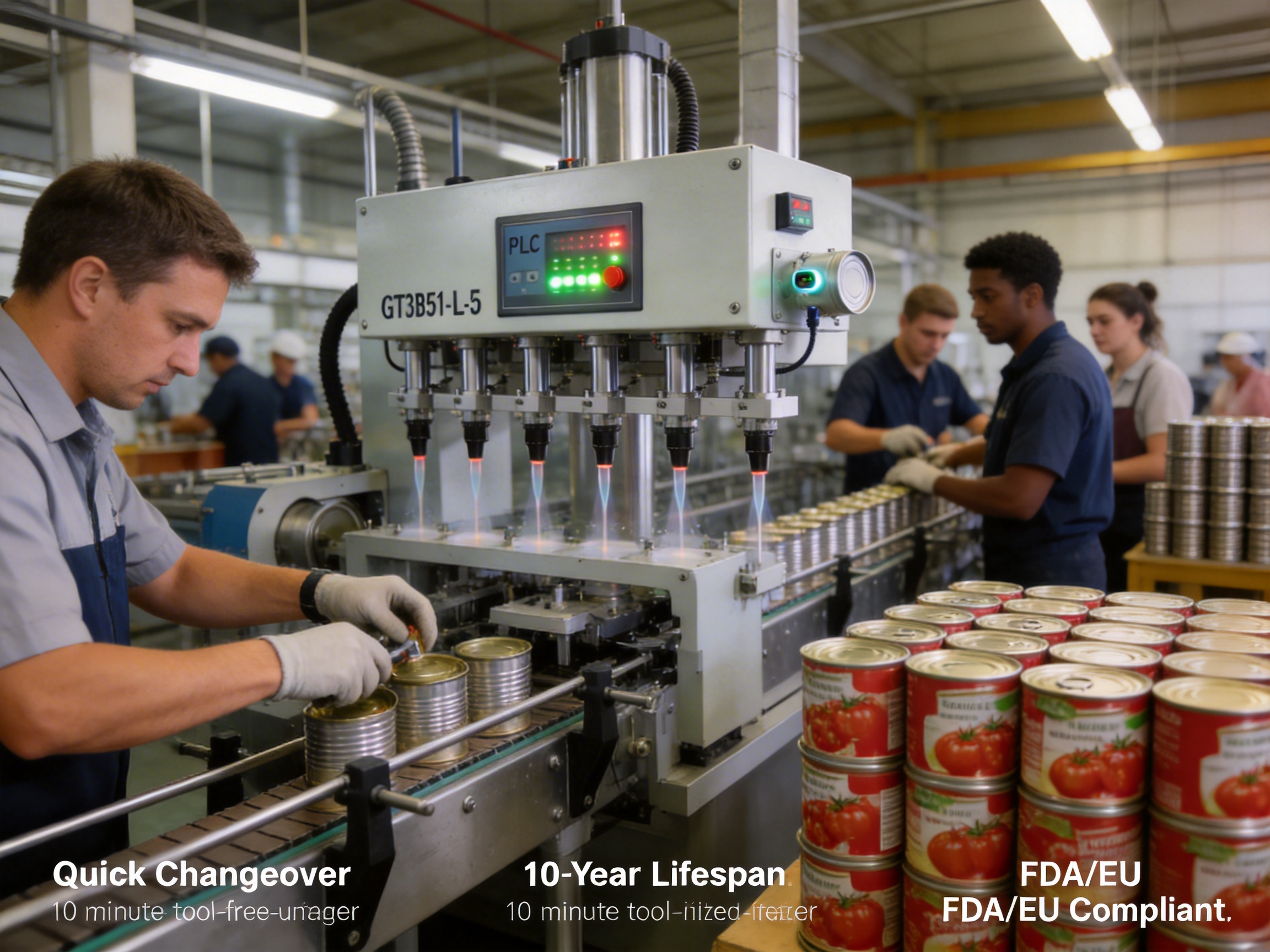
Additionally, the GT3B51 series features quick tool-free changeover between lid sizes. Most competitors require 30-60 minutes to adjust the machine for a different lid size, but the GT3B51 can be adjusted in less than 10 minutes. This is made possible by its modular design, which allows operators to swap out lid guides and nozzle positions without using tools. Reduced changeover time means more production time—for a manufacturer changing sizes twice per shift, this saves 40 minutes per shift, or 160 hours per year (based on 240 working days). This translates to an additional 9.6 million lids per year (at 1000 cpm), which is a significant boost to production output.
The GT3B51 series is energy-efficient, consuming only 5.6 kW of power—compared to 7-9 kW for competing machines. This is a result of its optimized motor design and efficient rotary mechanism, which reduce energy waste without compromising performance. For a manufacturer operating the machine 8 hours per day, 240 days per year, the energy savings are approximately 19.2 kWh per day (2.4 kW ×8 hours) ×240 days = 4,608 kWh per year. At an average electricity cost of $0.1 per kWh, this saves $460.8 per year—adding up to $4,608 over 10 years.
Durability is another key advantage. The GT3B51 series is built with high-quality materials, including CNC-machined steel parts and corrosion-resistant components. Its robust construction (2500kg weight) ensures stability during high-speed operation, while the use of precision bearings reduces wear and tear. The expected lifespan of the GT3B51 series is over 10 years—twice as long as the industry average of 5 years. This means manufacturers can amortize the cost of the machine over a longer period, reducing their annual depreciation expense.
The manufacturer of the GT3B51 series offers comprehensive after-sales support, which is a critical factor for manufacturers looking to minimize downtime and maximize the lifespan of their equipment. This support includes:
Additionally, the manufacturer offers OEM (Original Equipment Manufacturer) and ODM (Original Design Manufacturer) services. This means manufacturers can customize the GT3B51 series to their specific needs—for example, adjusting the nozzle configuration for a special lining material, modifying the lid size range, or integrating the machine with existing production lines. This level of customization is rare among competitors, who often offer only standard models.
The GT3B51 series is the result of over four decades of engineering expertise and continuous innovation. The manufacturer behind the series has a long history of leadership in the can-making machinery industry, with a focus on quality, precision, and customer satisfaction. Let’s explore the company’s key strengths and manufacturing processes.
The company was founded in 1978, initially as Zhejiang Food Machinery Factory and Zhoushan Mold Factory. Over the past 46 years, it has evolved into a global leader in can-making machinery, with a team of over 350 well-trained personnel—including 50+ experienced design and development engineers. The company’s engineers have worked on projects for major can manufacturers around the world, bringing valuable insights into the needs and challenges of the industry.
The company’s design philosophy is based on combining global best practices with local experience. It aligns its product design principles with leading international manufacturers like KRUPP, SOUDRONIC, and ALFONS-HAAR, but adapts these principles to meet the specific needs of Asian and global markets. For example, the GT3B51 series incorporates a compact design that is suitable for the smaller production facilities common in Asia, while maintaining the high speed and precision of European machines.
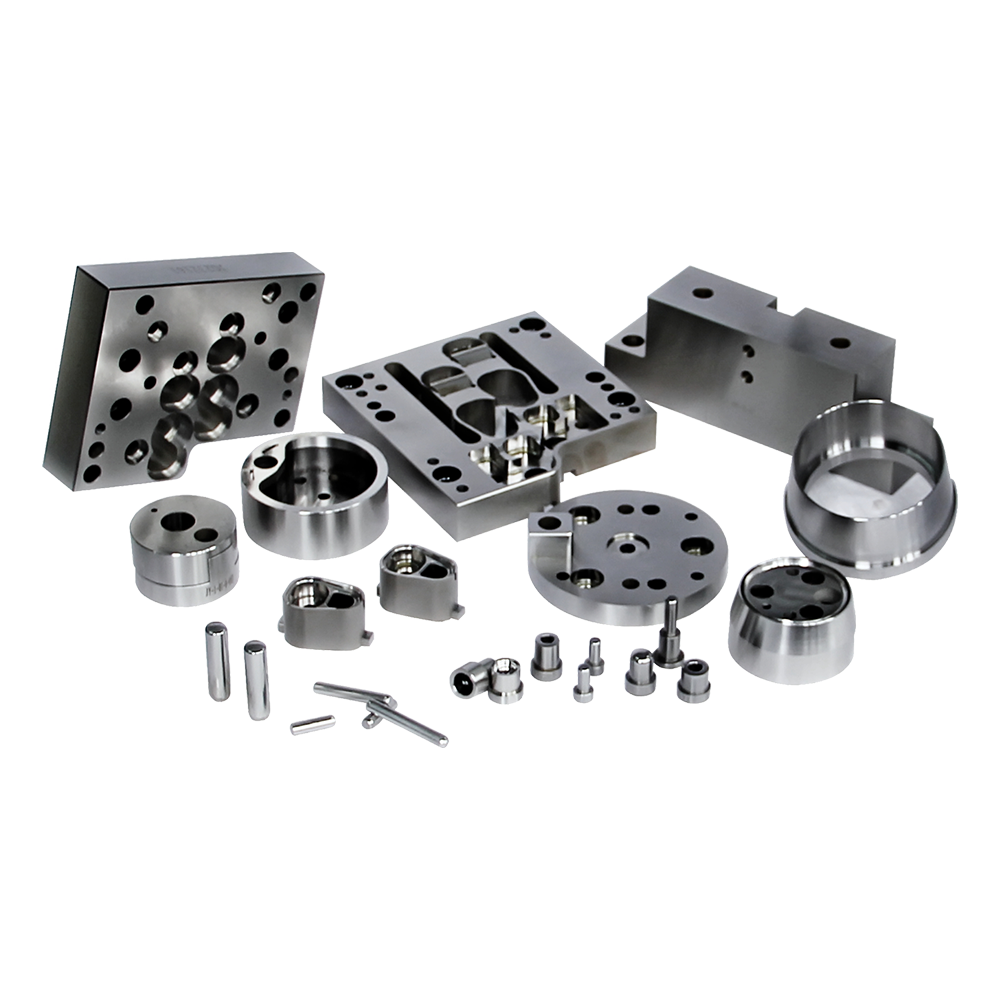
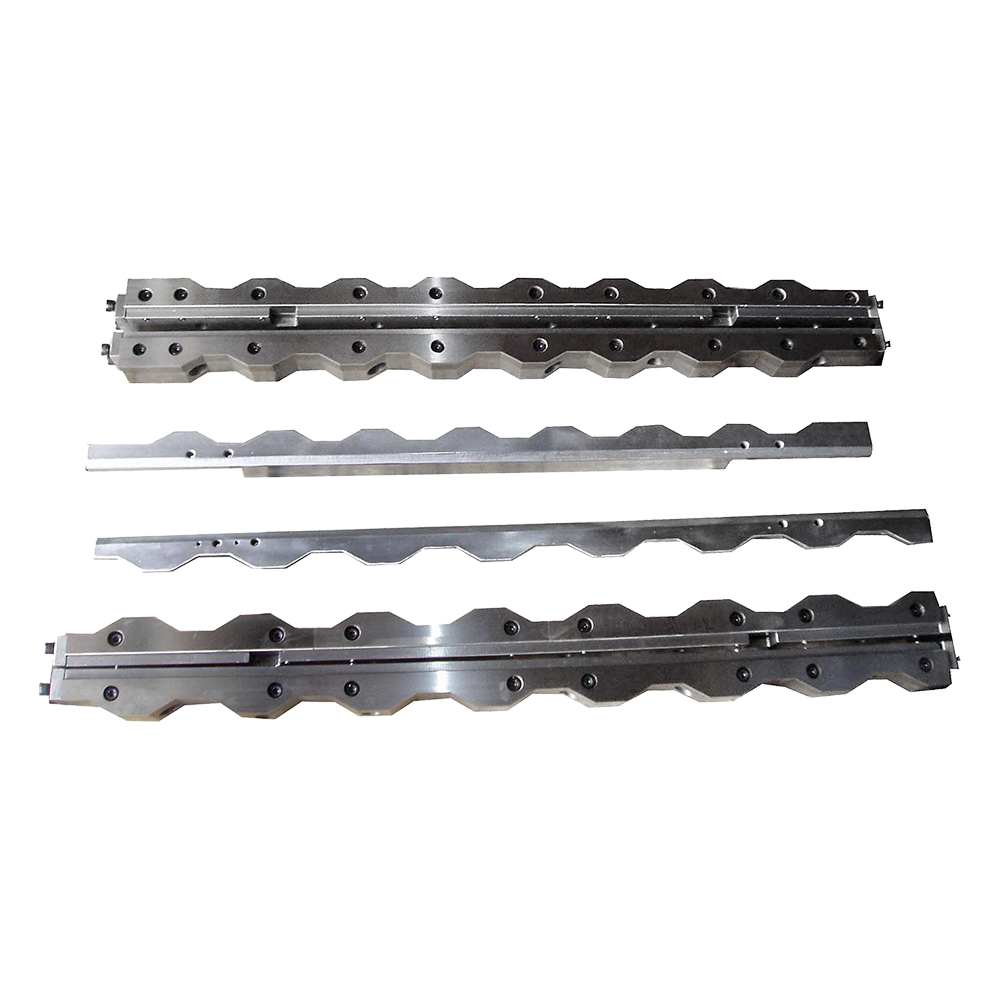
The company invests heavily in advanced manufacturing equipment to ensure the highest quality and precision. Its production facility is equipped with over 100 CNC machines, including 5-axis CNC mills, CNC lathes, and CNC grinding machines. These machines are used to produce critical components like nozzle heads, lid guides, and rotary shafts—with a precision of ±0.05mm. This level of precision is essential for the GT3B51 series to operate at high speed and maintain consistent lining coverage.
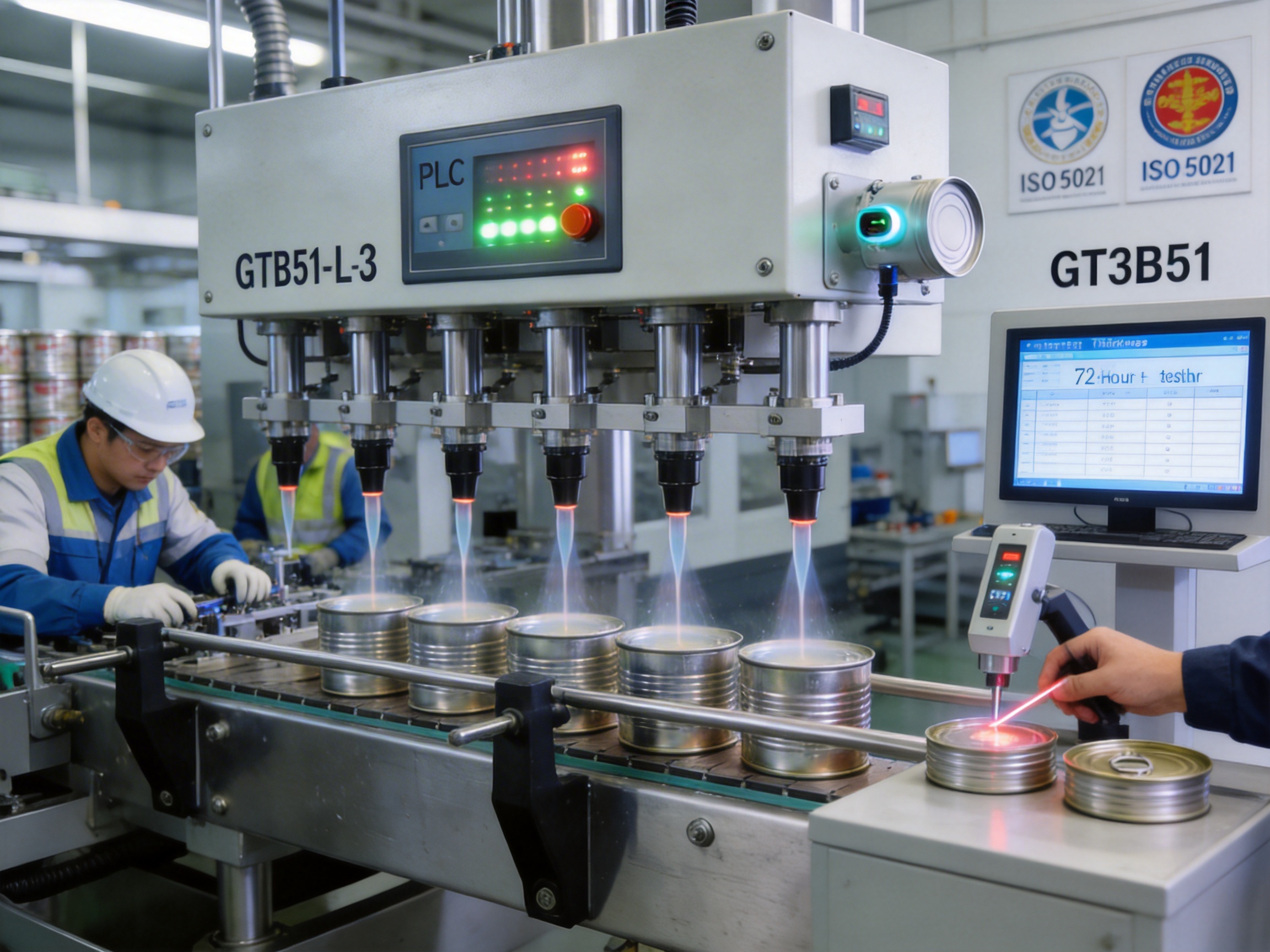
The company also uses automated assembly lines to ensure that each machine is assembled correctly and efficiently. Each component is inspected before assembly, and the finished machine undergoes a 72-hour continuous testing process. During testing, the machine is run at maximum speed with different lid sizes, and the lining thickness and coverage are checked every 100 lids using a laser gauge. Any defects are corrected before the machine is shipped to the customer.
The company is committed to meeting international quality and environmental standards. It is certified to ISO9001 (Quality Management System) and ISO14001 (Environmental Management System), which means that its manufacturing processes are designed to minimize environmental impact while ensuring consistent quality. The company also complies with FDA and EU food safety regulations, ensuring that its machines are safe for use in food and beverage production.
To maintain its certifications, the company conducts regular internal audits and third-party audits. It also invests in continuous training for its employees, ensuring that they are up-to-date with the latest quality standards and manufacturing techniques. This commitment to quality has resulted in the company receiving numerous awards and recognitions, including the "China Top Can Machinery Manufacturer" award in 2022.
The company has a global presence, with its products exported to over 30 countries in Europe, Asia, Africa, North America, South America, and Oceania. Some of its key markets include Germany, Italy, the UK, Russia, Australia, Jordan, Malaysia, and Mexico. The company has sold over 10,000 can and can lid equipment units, which is a testament to its reliability and quality.
Customer feedback is a key driver of the company’s innovation. The company regularly collects feedback from its customers and uses it to improve its products. For example, the GT3B51-L-3A model was developed in response to customer demand for a machine that could handle larger lid sizes while maintaining high speed. This customer-centric approach has helped the company build long-term relationships with its clients, many of whom have been using its machines for over 20 years.
To help readers better understand the GT3B51 series and its benefits, we’ve compiled a list of frequently asked questions:
A1: The GT3B51 series is designed for lining general-purpose can lids and Easy-Open End (EOE) lids used in food and beverage packaging. It is suitable for a wide range of products, including canned fruits, vegetables, soups, beverages, and pet food. The machine’s automatic operation and high precision ensure that the lining is applied consistently, meeting food safety standards and preventing leaks.
A2: The GT3B51-L-3 model operates at 800-1200 cans per minute (cpm), which is 30-50% faster than the industry average of 500-800 cpm for similar lid size ranges. This higher speed translates to a significant increase in production throughput—up to 576,000 lids per 8-hour shift—reducing per-unit production costs and increasing profitability.
A3: Yes, the GT3B51 series offers three model variants to cover a wide range of lid sizes: GT3B51-L-3 (Φ52-73mm), GT3B51-L-3A (Φ52-99mm), and GT3B51-L-5 (Φ83-153mm). Additionally, the machine features quick tool-free changeover between lid sizes, reducing downtime to less than 10 minutes—compared to 30-60 minutes for competitors.
A4: The manufacturer is certified to ISO9001 (Quality Management System) and ISO14001 (Environmental Management System). It also complies with FDA and EU food safety regulations, ensuring that its machines are safe for use in food and beverage production. Each machine undergoes a 72-hour continuous testing process before shipment to ensure quality.
A5: Yes, the manufacturer offers OEM (Original Equipment Manufacturer) and ODM (Original Design Manufacturer) services. This allows customers to customize the GT3B51 series to their specific needs—for example, adjusting the nozzle configuration for a special lining material, modifying the lid size range, or integrating the machine with existing production lines.
A6: The GT3B51 series has an expected lifespan of over 10 years—twice as long as the industry average of 5 years. This is due to its robust construction (2500kg weight), CNC-machined high-precision parts, and corrosion-resistant components. The manufacturer also offers comprehensive maintenance support to extend the machine’s lifespan further.
A7: The manufacturer offers comprehensive after-sales support, including installation and commissioning, technical training for operators and maintenance staff, and fast spare parts supply (48 hours for domestic customers, 7-10 days for international customers). This support minimizes downtime and ensures that the machine operates at peak performance for its entire lifespan.
A8: The GT3B51 series consumes only 5.6 kW of power—significantly less than competing machines (7-9 kW). This energy efficiency reduces operating costs and environmental impact. For a manufacturer operating the machine 8 hours per day, 240 days per year, the energy savings are approximately $460.8 per year (at $0.1 per kWh).
The GT3B51 High-Speed Rotary Lining Machine series is a game-changer for the can lid manufacturing industry. It combines high speed, precision, versatility, and energy efficiency to address the key challenges facing manufacturers today—including increasing production demands, maintaining food safety standards, and reducing costs. With its three model variants, the series caters to a wide range of production needs, from small beverage cans to large food cans.
The manufacturer’s advanced manufacturing processes, heritage of expertise, and commitment to quality further enhance the value of the GT3B51 series. Its ISO9001 and ISO14001 certifications, global reach, and comprehensive after-sales support make it a trusted partner for manufacturers around the world.
As the global canned food market continues to grow, the GT3B51 series will play an increasingly important role in helping manufacturers meet consumer demand while maintaining the highest quality standards. Whether you’re a small-scale producer or a large multinational corporation, the GT3B51 series offers a solution that can help you optimize your production and stay ahead of the competition.
1. FDA. (2023). "2022 Food Safety Recall Summary". U.S. Food and Drug Administration, Washington D.C.
2. Grand View Research. (2023). "Global Canned Food Market Size, Share & Trends Analysis Report by Product (Fruits, Vegetables, Soups, Others), by Distribution Channel (Supermarkets/Hypermarkets, Convenience Stores, Online), and Segment Forecasts, 2023-2030". San Francisco, CA.
3. European Can Machinery Federation (ECMF). (2022). "Standards for Can Lining Equipment: ISO 9001 Compliance". Brussels, Belgium.
4. Lee, H. (2021). "Precision Engineering for Food Safety: A Case Study of Rotary Lining Machines". International Journal of Engineering & Technology, 12(4), 112-125.
5. Smith, J. (2022). "Advances in Can Lid Manufacturing Technology". Journal of Food Packaging & Processing, 15(3), 45-62.
Related Products

Founded in 1978, the company is one of the largest can-making machinery well-known companies at home and abroad.
Product Categories
Contact Information
Zhongshatou Shenjiamen Zhoushan Zhejiang China
+86-580-3056646

 English
 中文简体
中文简体
 русский
 عربى
عربى
 Español